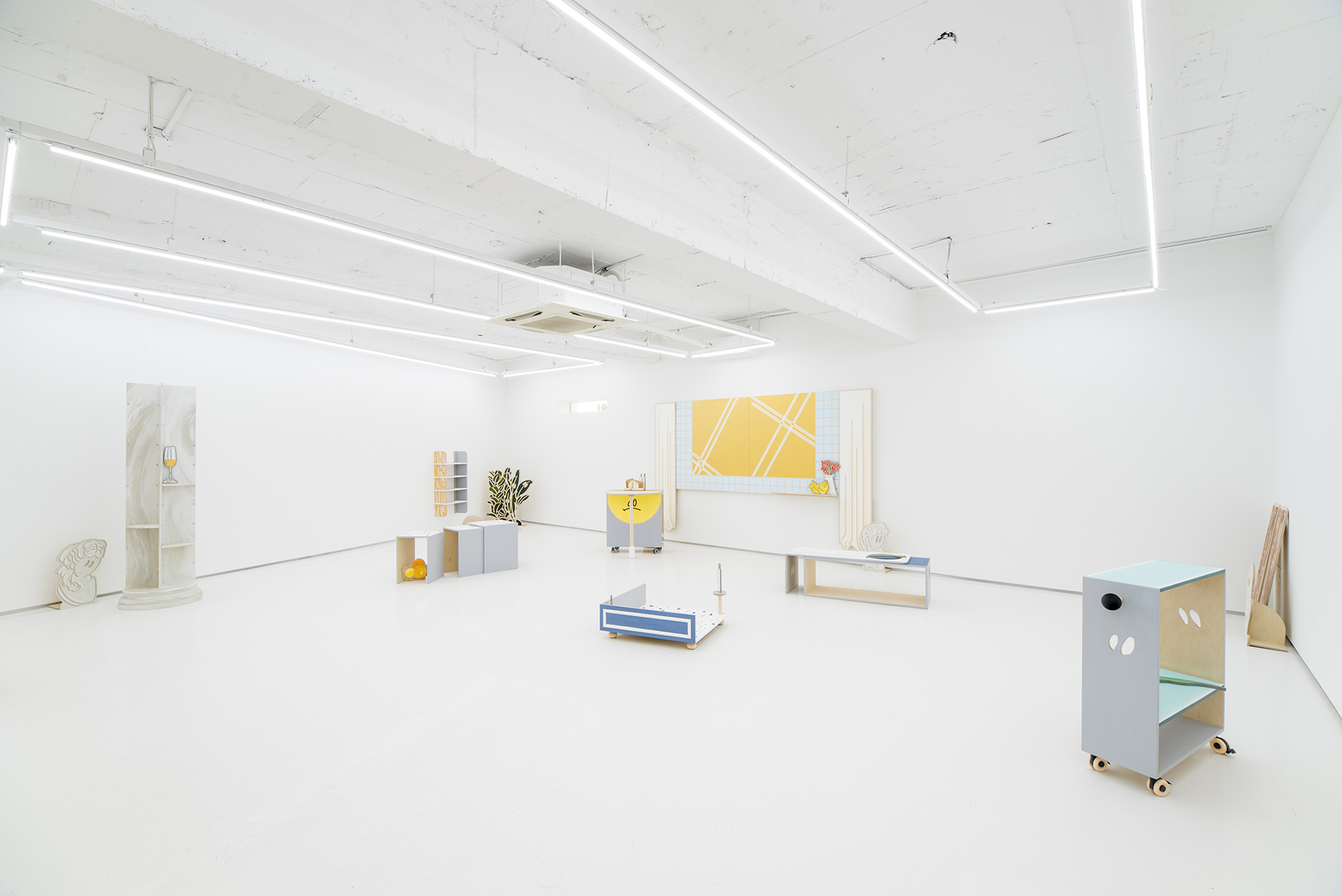
The Hurdle of Mind - K-ARTIST

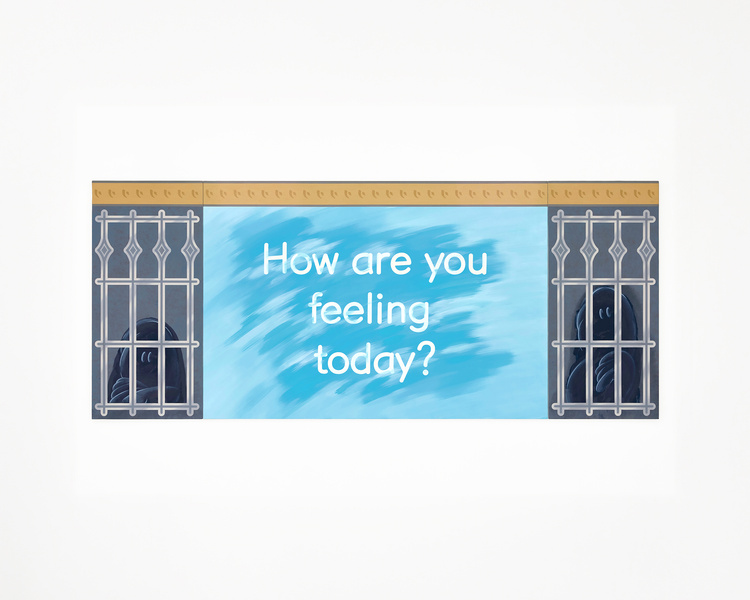
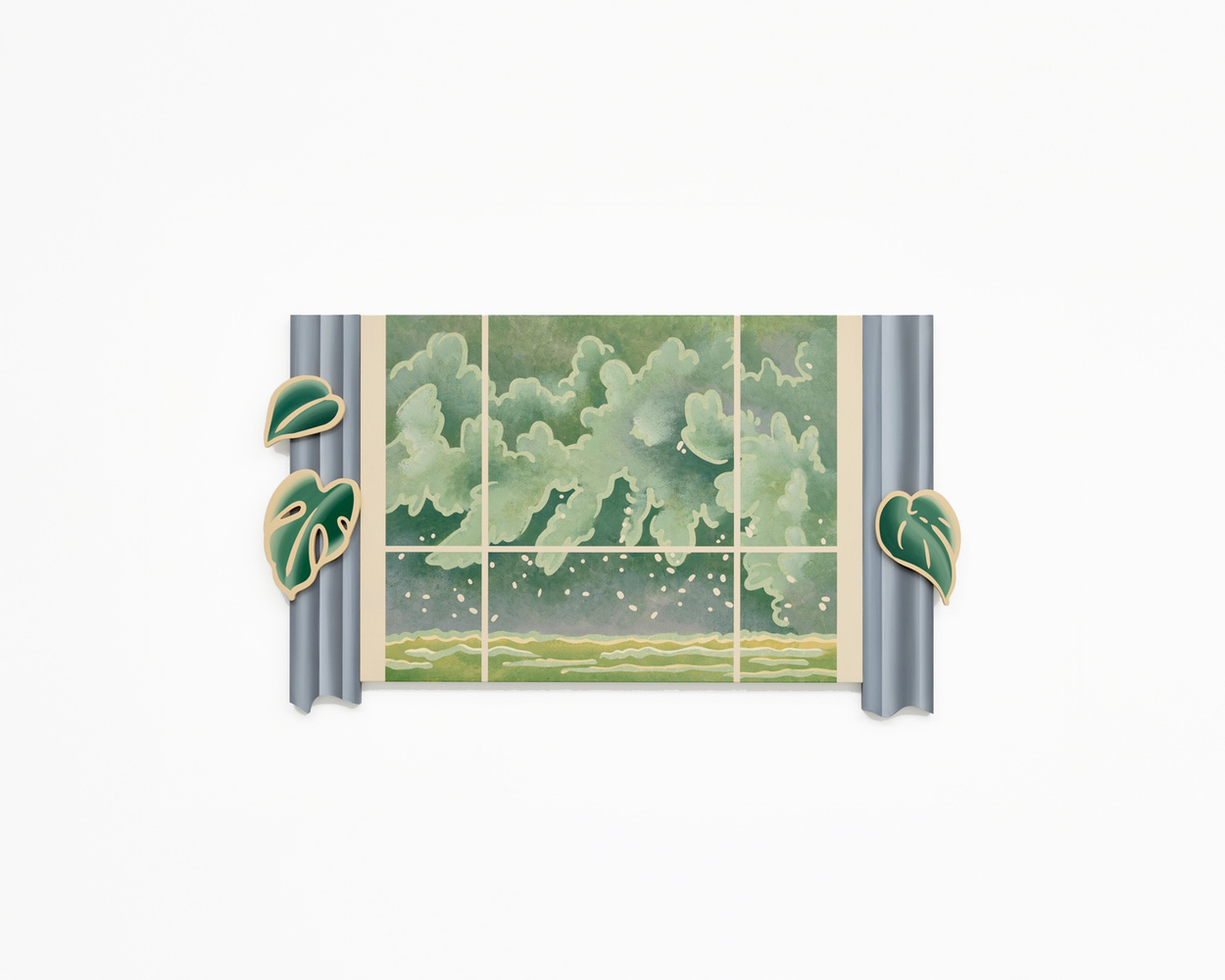
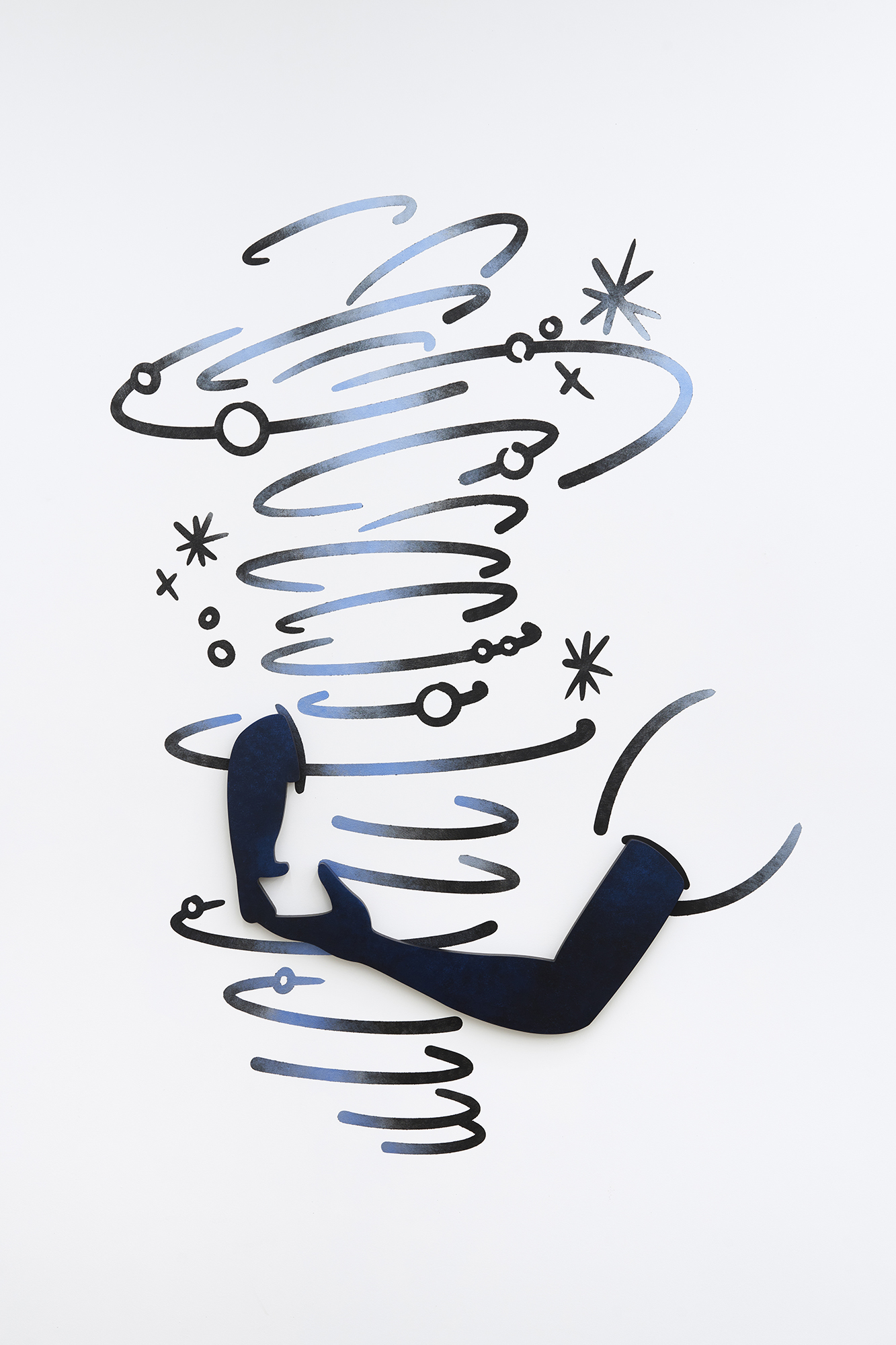
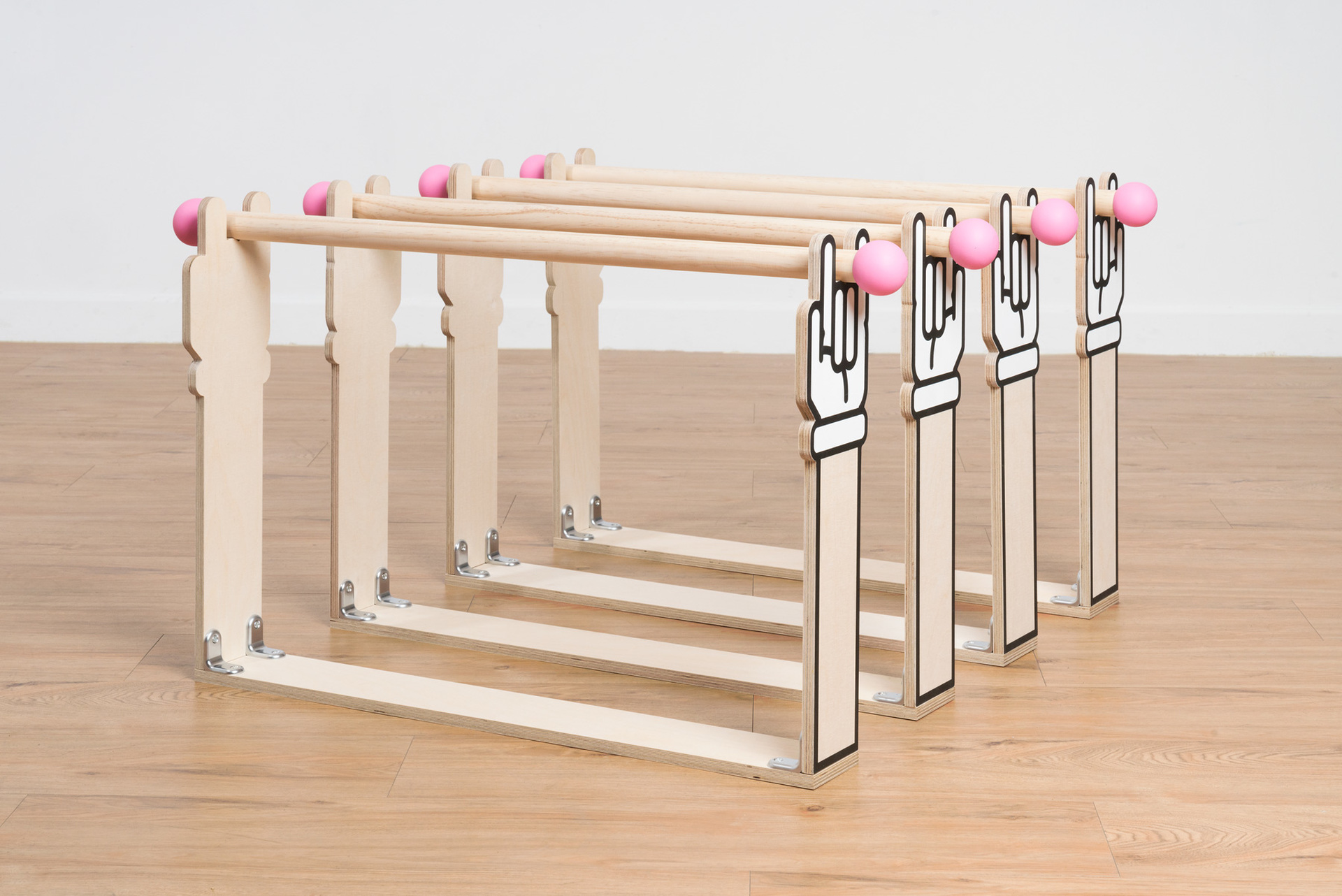
The Hurdle of Mind

2017
Acrylic on wood
each 12 x 70 x 48 cm
About The Work

Lee Mijung examines the multilayered desires and values that surface in everyday life, translating them into the language of visual art. In particular, she explores the cultural values and aesthetic orders embedded within contemporary living environments and interior images, deconstructing and reassembling them on the picture plane through what she describes as “assembled paintings.”

Lee does not confine painting to a flat surface hung on a wall; rather, she treats it as both a surface that presents the world and a device that occupies space. Using materials such as birch plywood, canvas, acrylic paint, adhesive film, and rail mechanisms, she cuts, attaches, erects, folds, and unfolds two-dimensional images, moving fluidly between painting and sculpture, object and installation. 

Embracing mutability and expansiveness, her painting-object works function as a kind of stage apparatus that organizes space, the movement of viewers, and scenes of everyday life.

By transforming the functions and effects of everyday objects—as well as the desires and consumer images projected onto them—into formal structures, Lee metaphorically reveals the ways in which we consume objects, possess images, and stage our lives in contemporary society.

Solo Exhibitions (Brief)

Lee Mijung has held solo exhibitions including 《In the Name of Love》 (PS Under Layer, Seoul, 2025–2026), 《SUITE》 (G Gallery, Seoul, 2022), 《Sandwich Times》 (SONGEUN Art Cube, Seoul, 2020), and 《The Gold Terrace》 (Art Delight, Seoul, 2018).

Group Exhibitions (Brief)

Lee has also participated in numerous group exhibitions, including 《Objects in Time》 (Atelier Aki, Seoul, 2026), 《Soft and Hard》 (Seojung Art, Seoul, 2024), 《Whispers of the Unsettling》 (Space Willing N Dealing, Seoul, 2024), 《Décor Décor: Living Room Arcade》 (Ilmin Museum of Art, Seoul, 2023), 《Summer Love 2022》 (SONGEUN, Seoul, 2022), and 《Sunset Valley Village》 (Art Sonje Center, Seoul, 2021).

Residencies (Selected)

Lee participated as an artist-in-residence at the MMCA Residency Goyang (2021), the SeMA Nanji Residency (2020), and the KdMoFA Residency in Taipei (2017).

Collections (Selected)

Lee’s works are included in the collections of institutions such as the KdMoFA, the MMCA, and the OCI Museum of Art.

Works of Art

‘Assembled Paintings’ as Metaphors for Everyday Emotions and Structures

Originality & Identity

Lee Mijung’s work begins from observing images, objects, tastes, and desires that circulate rapidly in everyday life, and from exploring how they reveal contemporary values. In her early works, the artist dealt with the self repressed within society, sexual desire, and the obsession with efficiency and usefulness through painterly objects and installations.

In 《Consolation is SELF-service》(OCI Museum of Art, 2013), she twisted the model-student complex produced by social recognition and award systems, while in the ‘Pull & Push’(2013) series, she combined sexual motifs with the forms of toys, sports equipment, and furniture, questioning social standards that value only rationality and productivity.

The works from this period were less a direct confession of desire than an experiment in how desire is transformed and appears in the form of signs and objects.
 
After her 2018 solo exhibition 《The Gold Terrace》(Art Delight), Lee Mijung’s gaze shifted toward contemporary residential environments and DIY interior culture. The artist paid attention to objects such as marble-patterned adhesive film, gold spray, and folding furniture, which do not possess the material value of the original but produce visually convincing effects.

In works such as Table with a hidden face(2018), Super floor(2018), Flat-pack: plaster series(2018), and Green plate series(2018), objects appear less as furniture that performs actual functions than as signs that compress function and efficiency, taste and class, and consumer desire.

The artist does not simply criticize or mock these objects, but reads them as the attitude of contemporary people who try to create the greatest possible satisfaction and image within limited conditions.
 
In 《Sandwich Times》(SONGEUN Art Cube, 2020), the home expands from a simple place of residence into a space where the image one wishes to possess and the taste one wishes to show socially are revealed.

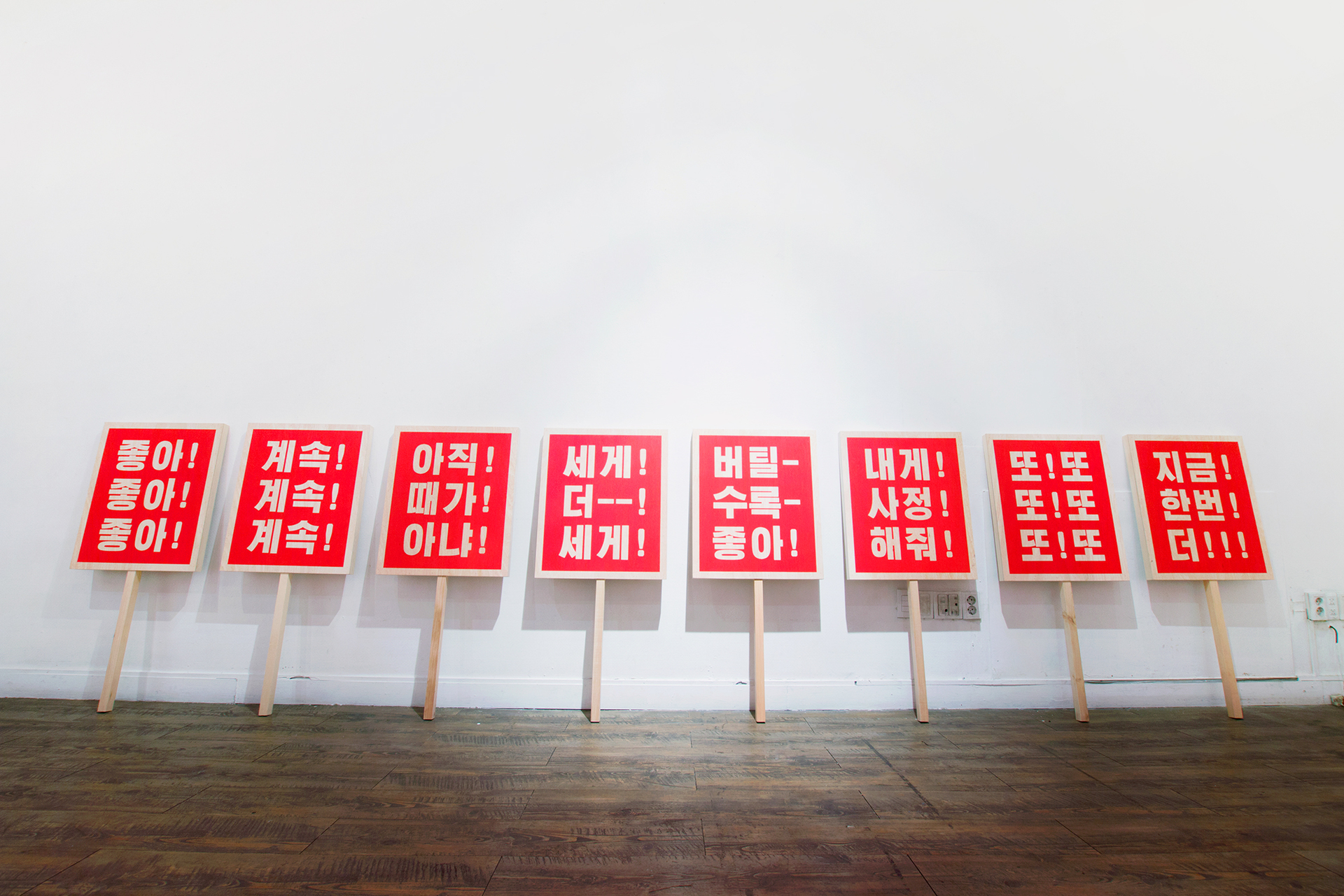
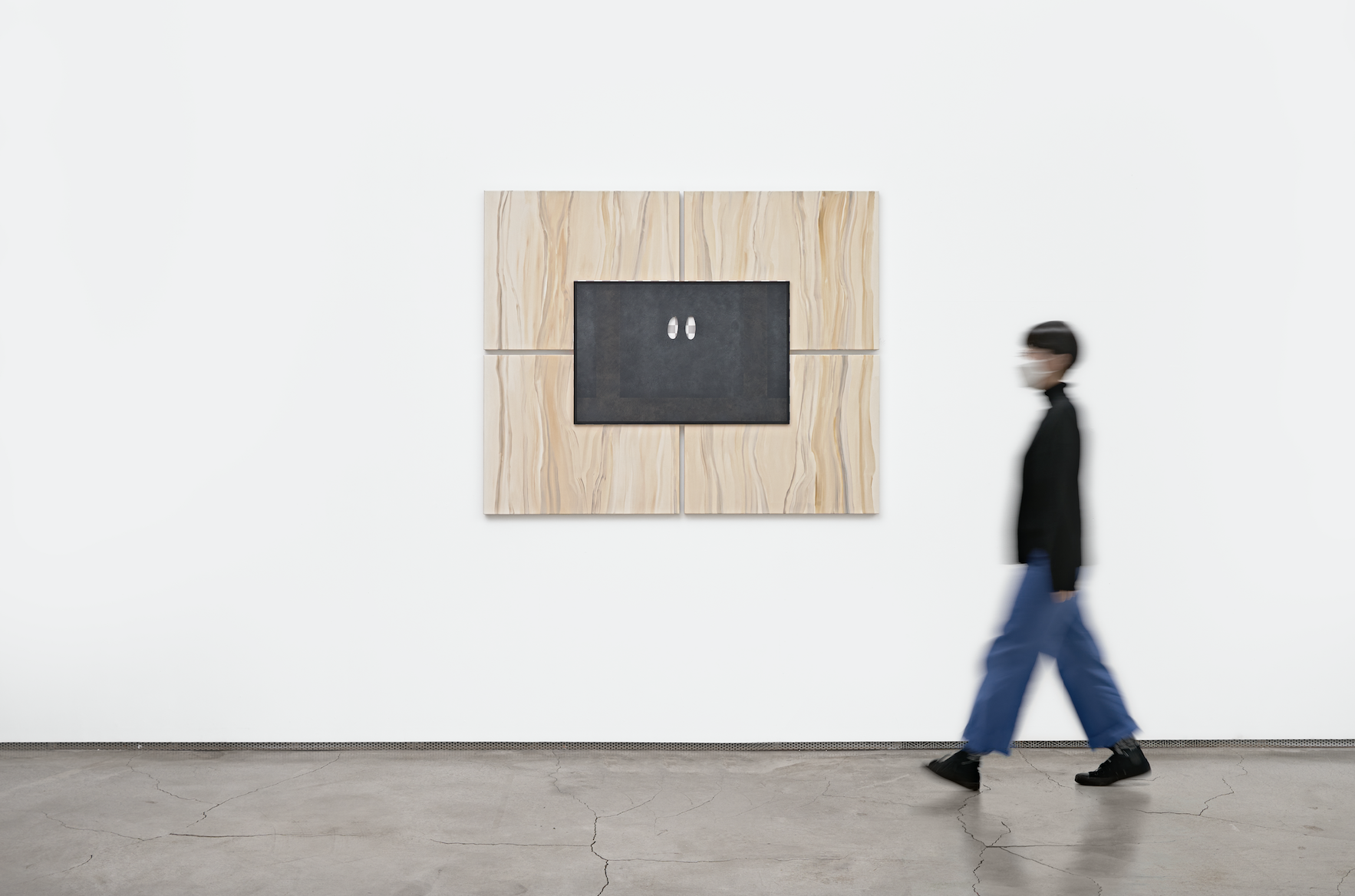
Works such as Daily pledge(2020), Wall system for concentration(2020), Wall system for Black square(2020), and Sky blue : layered landscape(2020) reveal how people today decorate, display, and desire the home through residential images such as front doors, walls, windows, and Han River views.

As suggested by the title “sandwich,” the artist constructs pictorial scenes of a state caught between what the present generation has and does not have, what one wants to do and what one must do, actual life and the image one wishes to show.
 
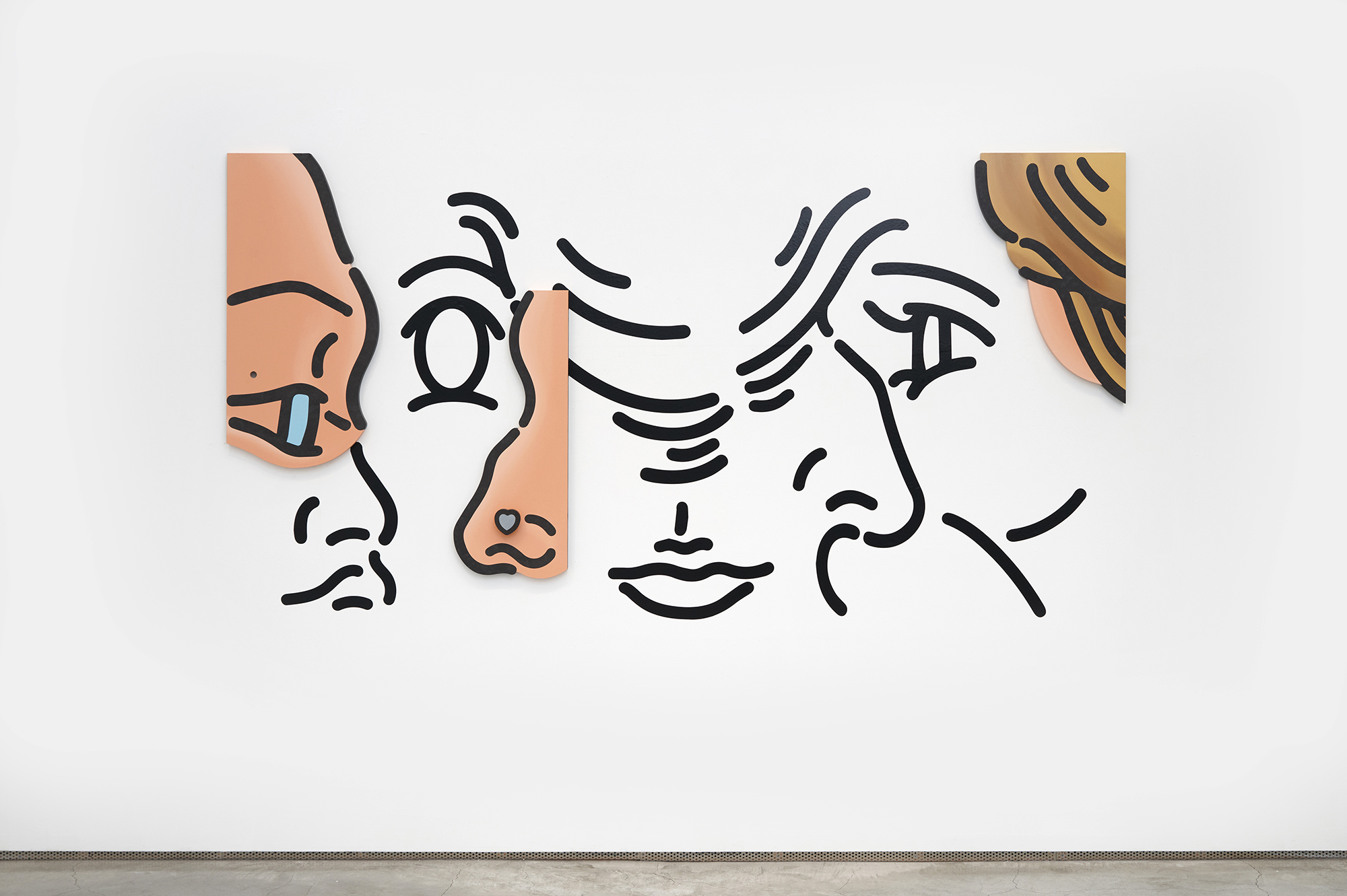
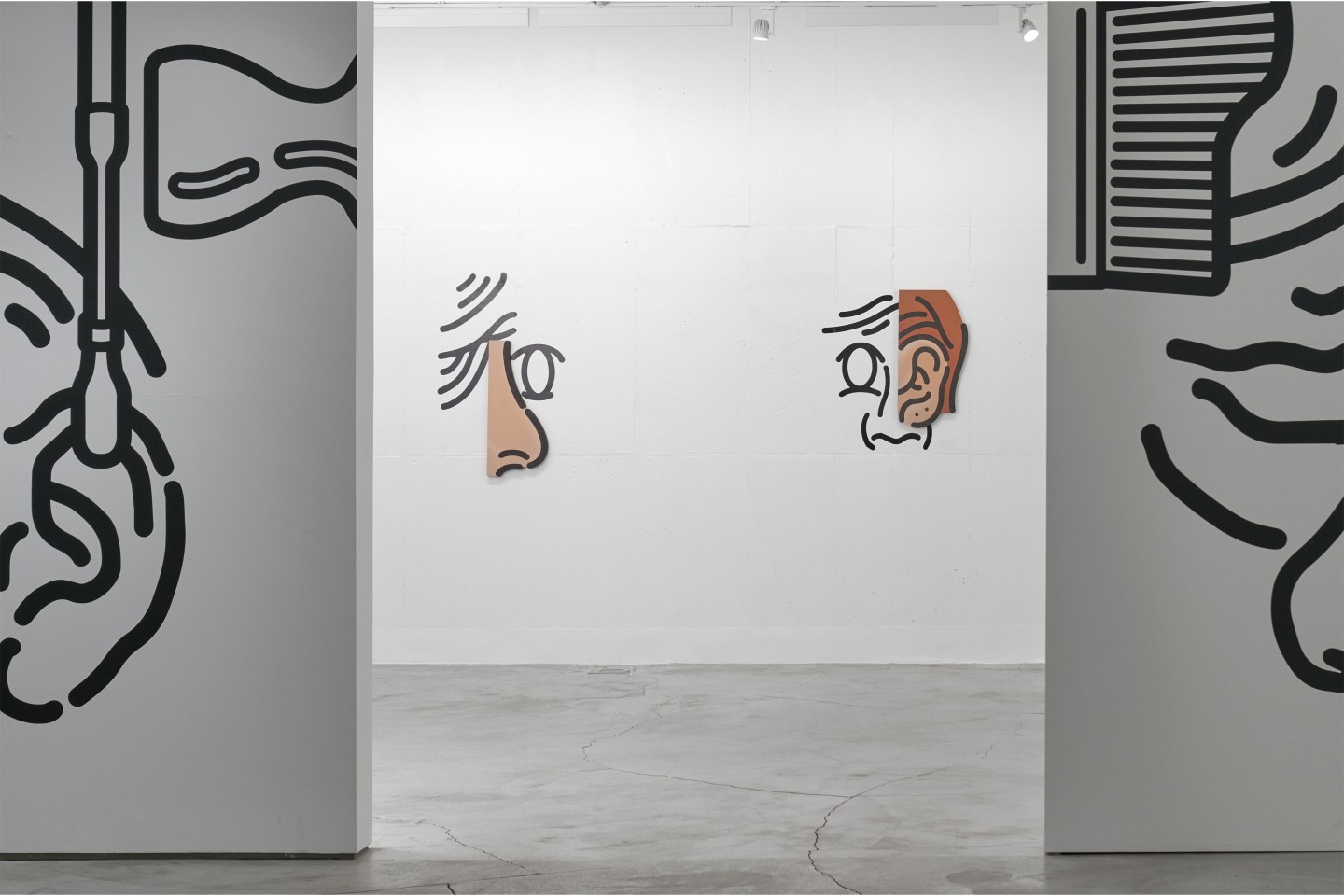
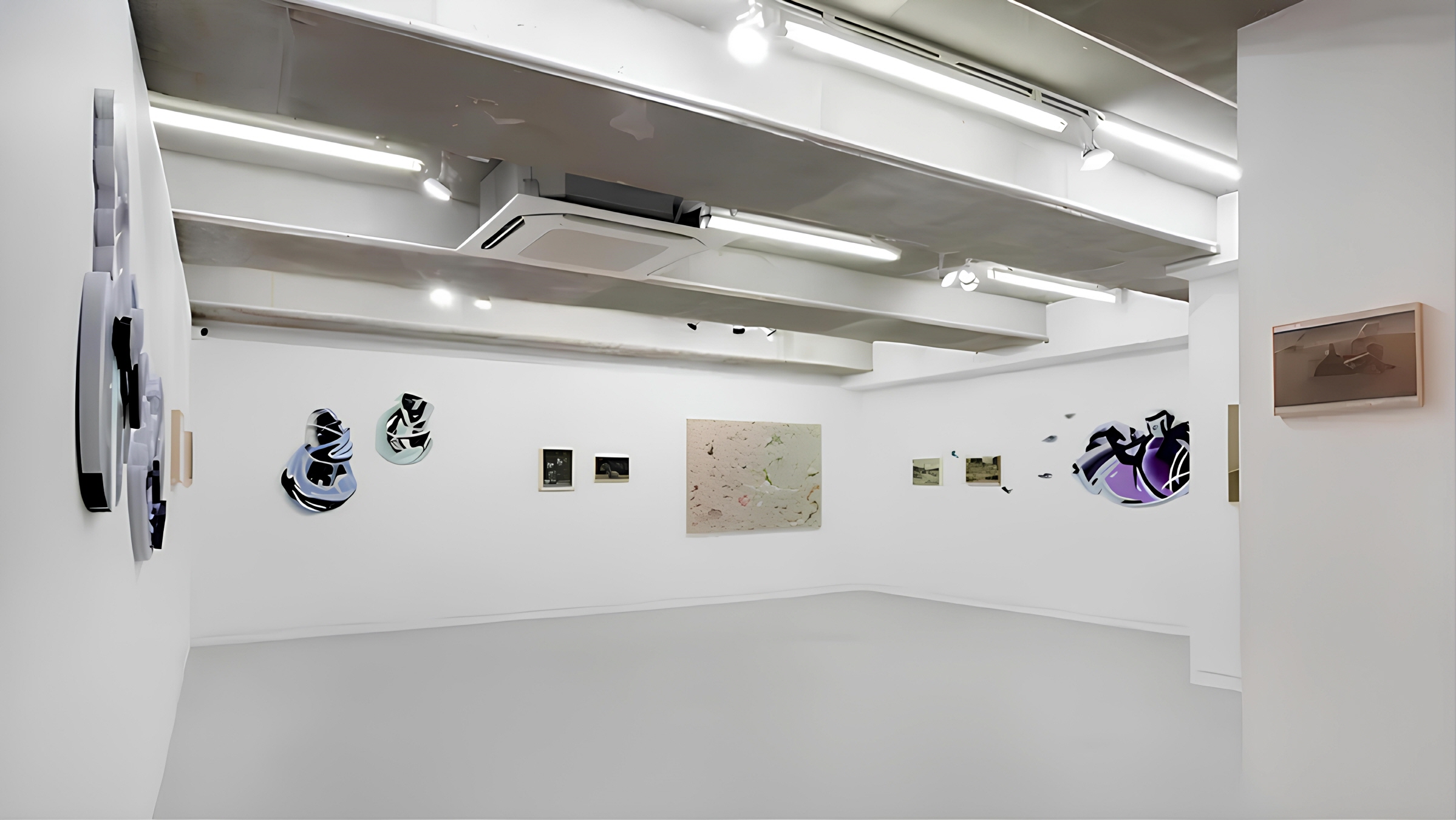
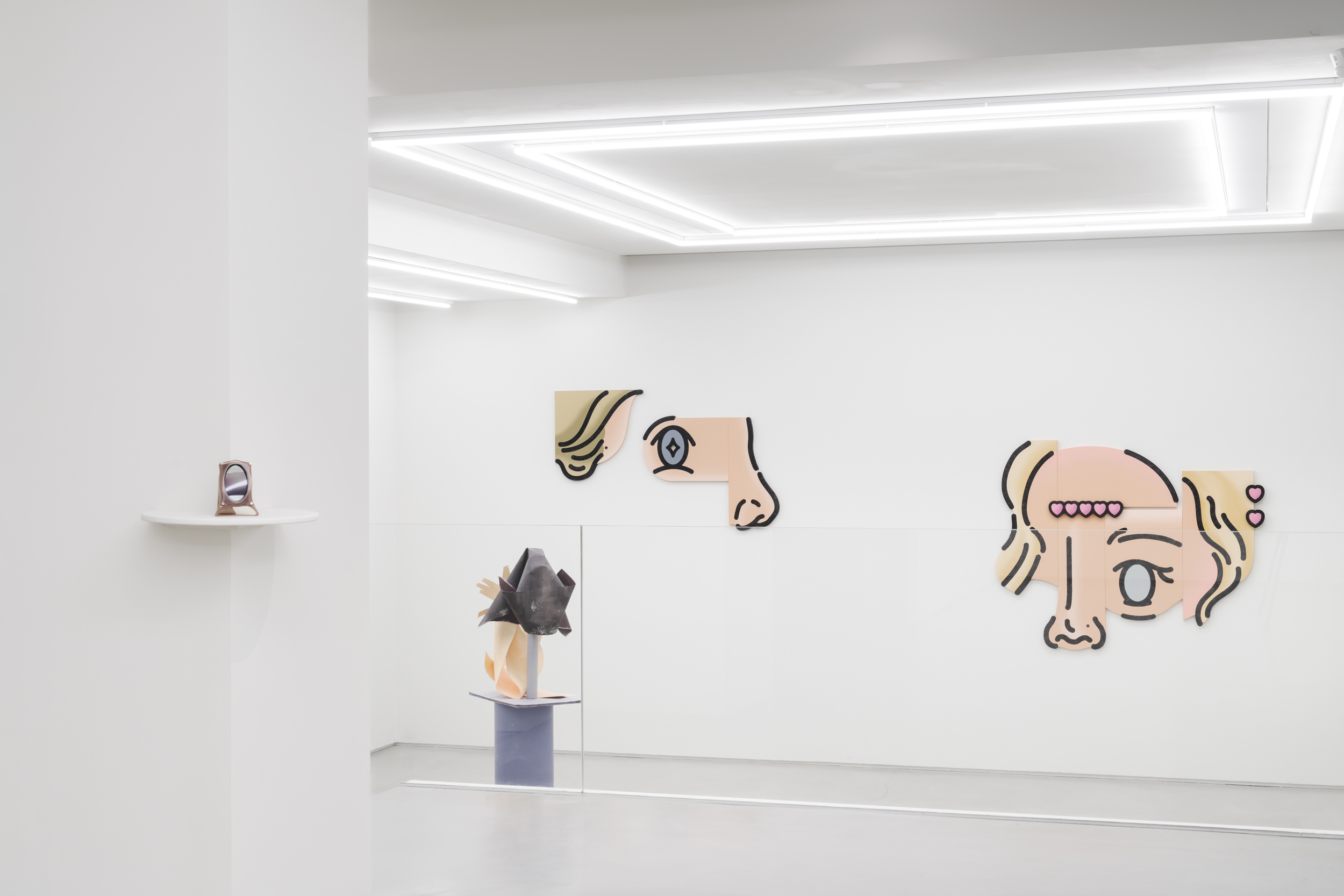
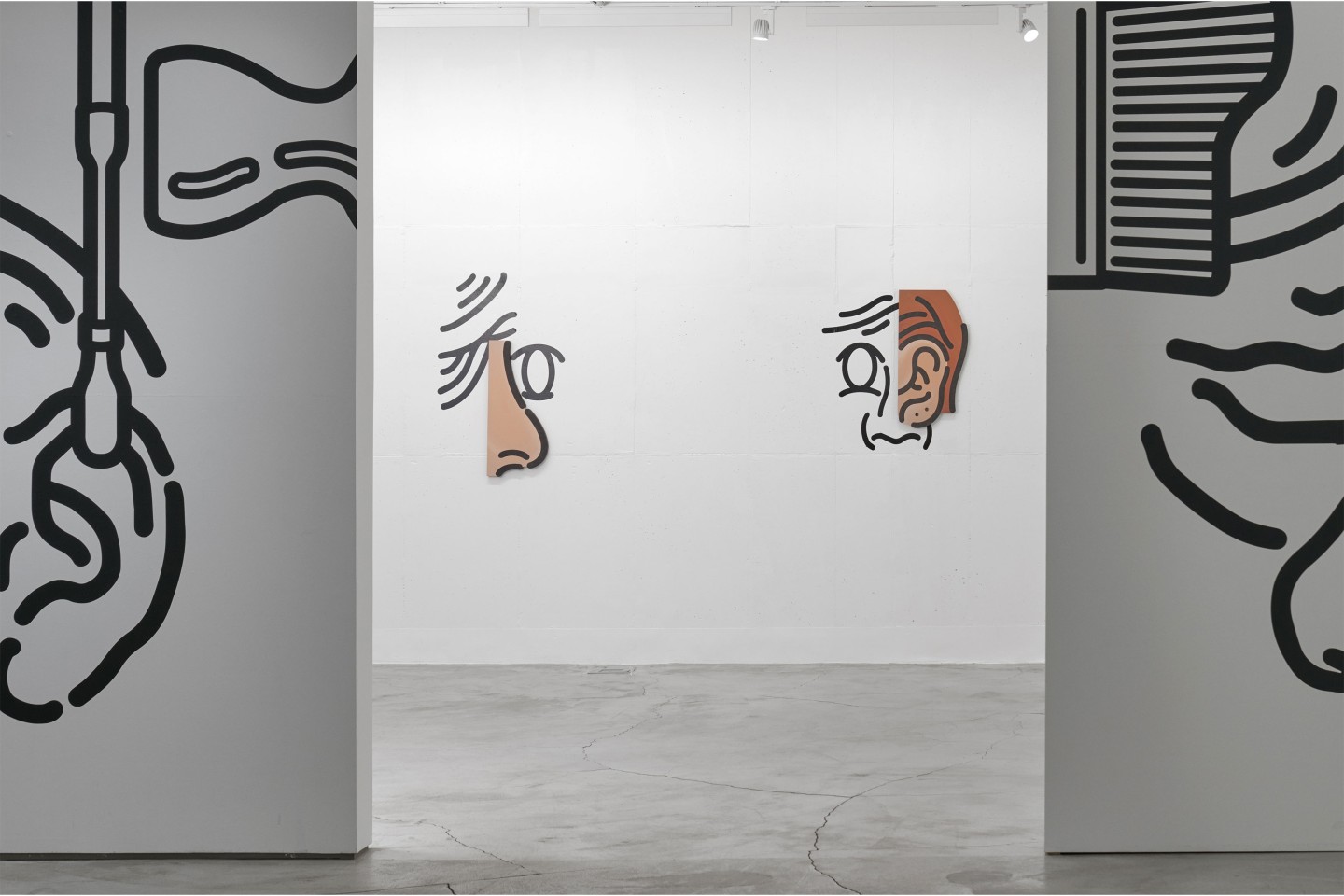
Starting with the 2022 solo exhibition 《SUITE》(G Gallery), Lee Mijung’s interest expands from residential images to images of the face and body. The ‘Striking feature(s)’ series deals with facial images that are corrected and fragmented through smart devices, as well as aesthetic standards repeatedly circulating online, such as large eyes, curved noses, and angular jaws.

In Striking feature(s)_SUITE_01-01_w.d(2022), the face no longer appears as a single fixed portrait, but emerges as a collective figure formed through the combination of multiple facial features, beauty tools, viewpoints, and lines.

In recent exhibitions such as 《In the Name of Love》(PS Under Layer, 2025-2026) and 《Objects in Time》(Atelier Aki, 2026), the artist broadens her concerns toward invisible labor and emotion, as well as memories and experiences mediated by objects, through repeated housework inside the home, the effects of daily life, and objects situated within time.

Style & Contents

The key form that explains Lee Mijung’s work is what the artist calls “assembled painting.” She does not limit painting to a flat surface hung on a wall, but treats it as a surface that presents the world and as a device that occupies space. Using birch plywood, canvas, acrylic, adhesive vinyl, rail devices, and other materials, she cuts, attaches, erects, folds, and unfolds flat images, moving between painting and sculpture, object and installation.

Works such as Combined body ((effect))(2019), which juxtaposes parts of the body with parts of DIY furniture, or Take the same pose(2017), which three-dimensionally assembles boards diagrammatizing the function of legs, show the foundation of this method.
 
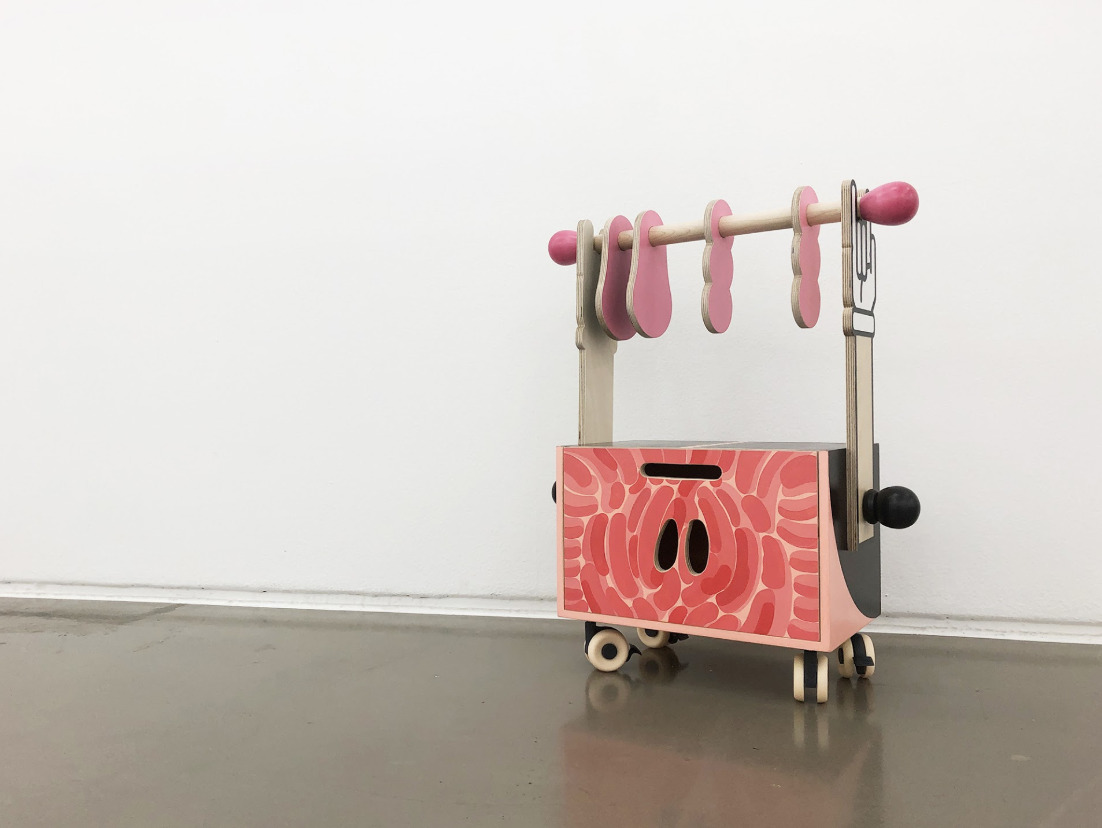
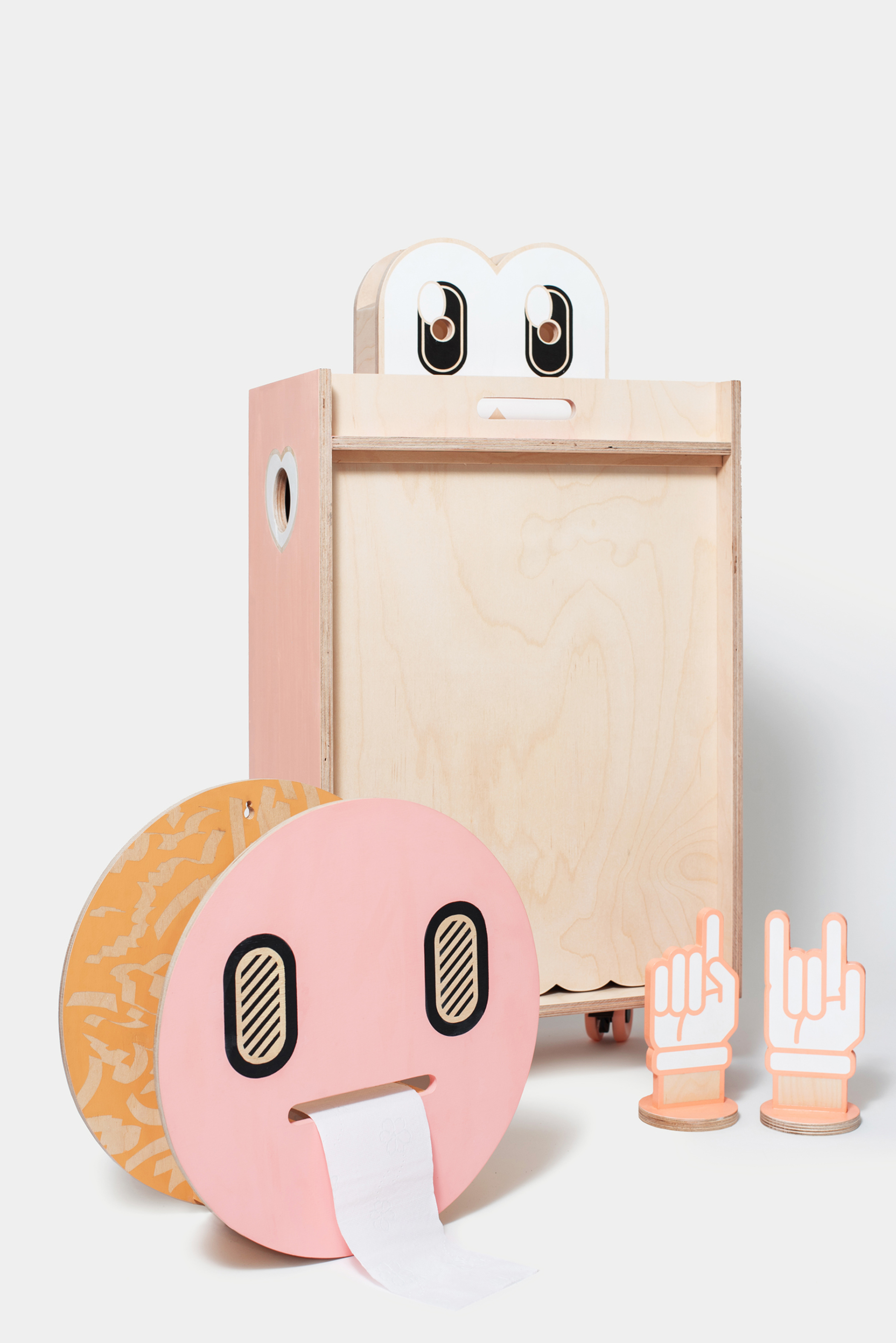
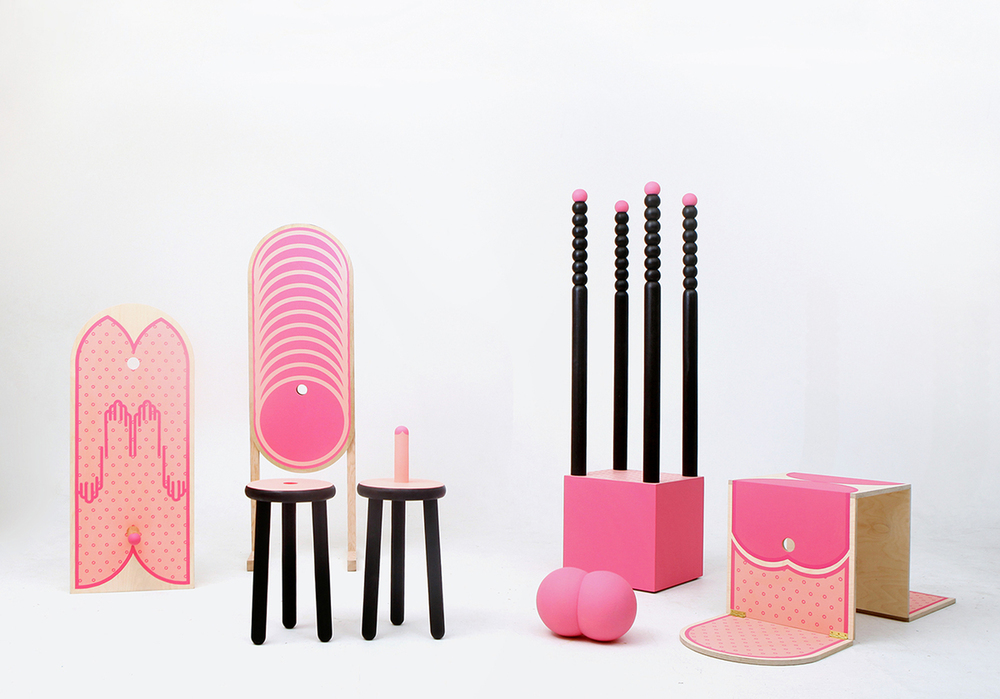
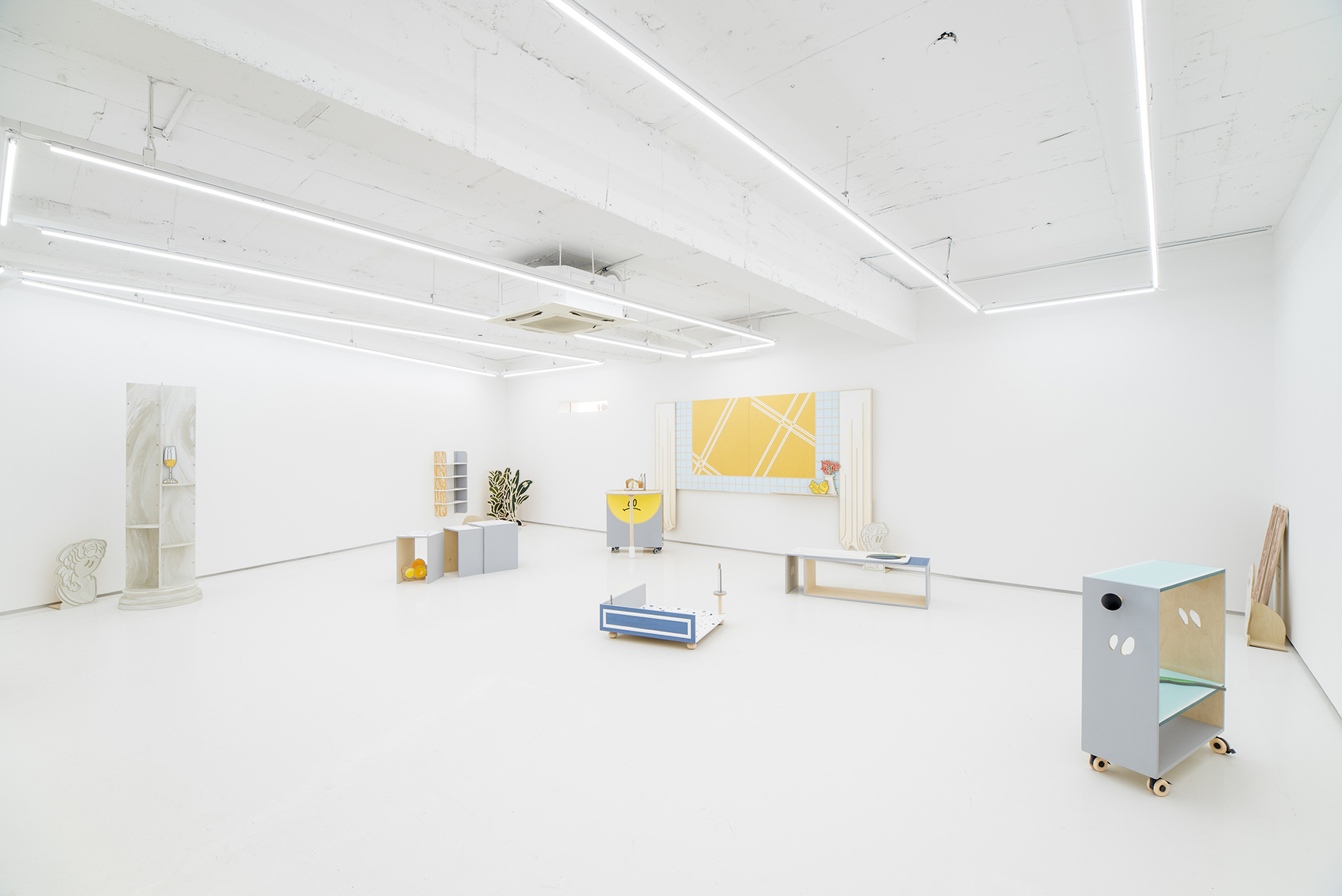
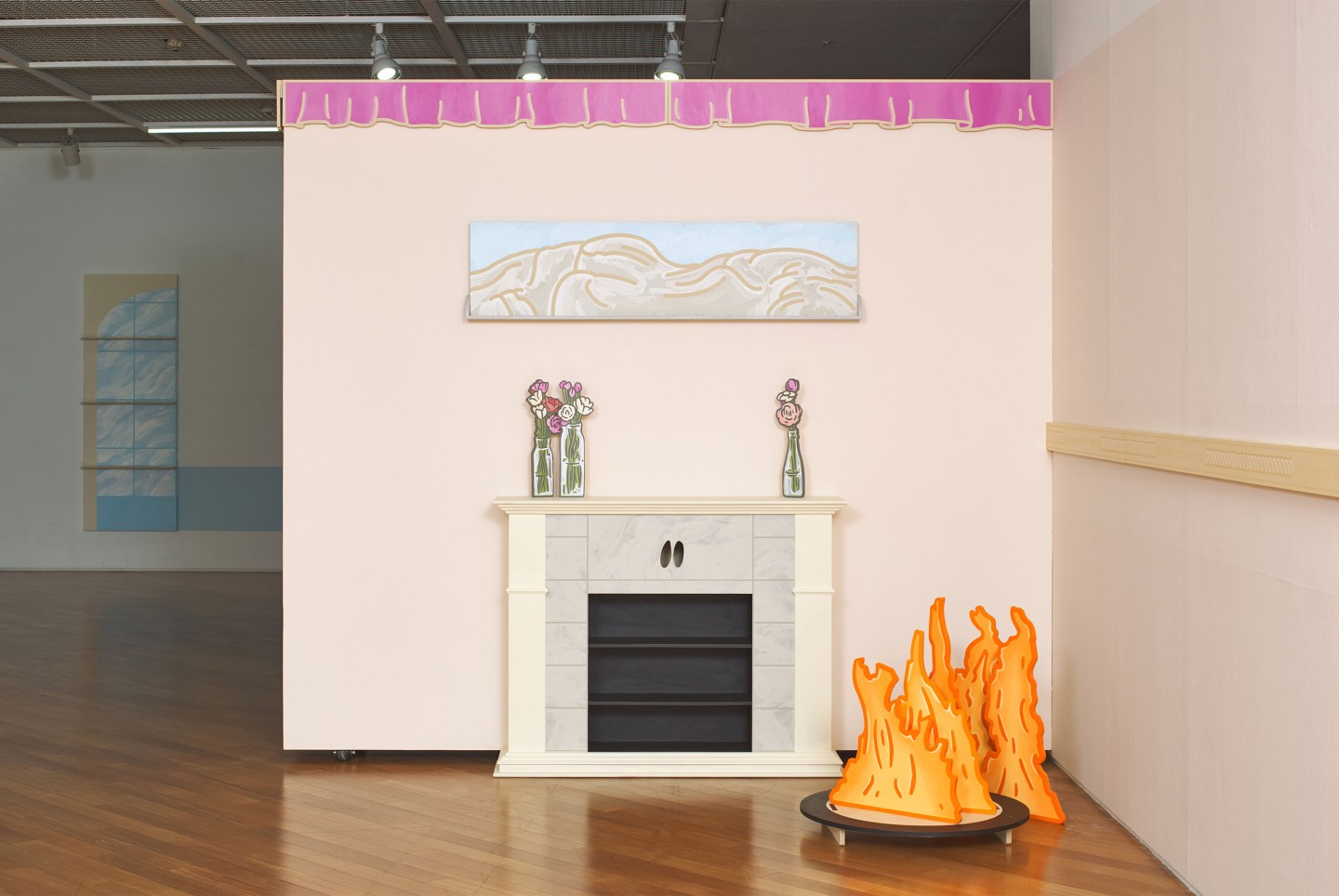
In 《The Gold Terrace》, the artist overlapped the forms of the showroom and the exhibition space. Furniture-objects that look like windows and curtains, folding tables, coffee tables, benches, and storage cabinets appear like functional furniture, but in fact are closer to painterly objects that imitate function.

Instead of brand labels, each object has holes or facial images resembling the eyes of cartoon characters, making dead objects appear like beings with a certain personality.

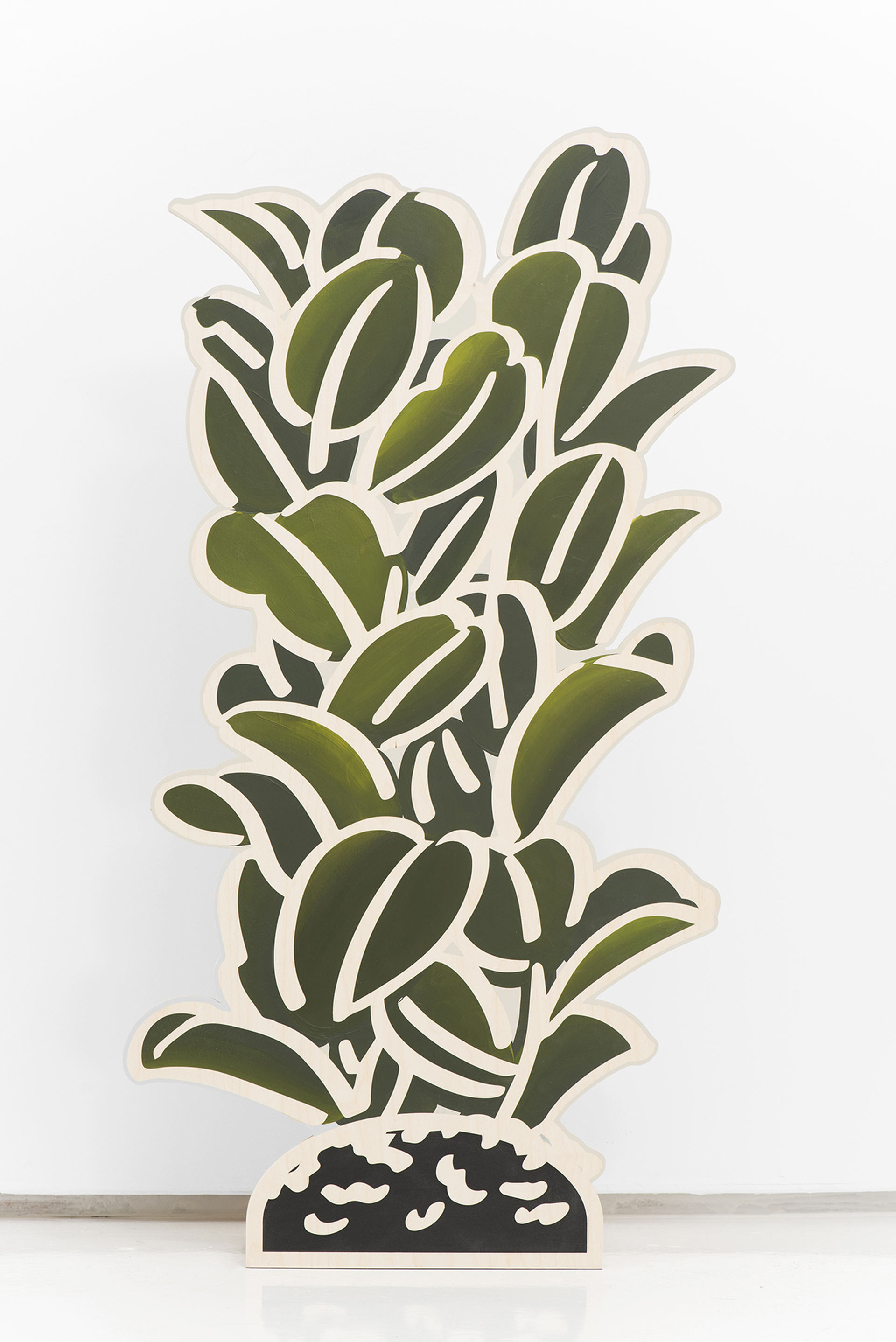
Flat props such as bananas, cakes, tulips, vases, and monstera construct the scene of a showroom while drawing viewers into a stage made of fake furniture. Here, the viewer is both the person looking at the works and the final component that gives vitality to the set created by the exhibition.
 
In 《Sandwich Times》, this showroom-like exhibition method expands to the walls, floors, windows, and art walls of the home. The artist brings in colors and patterns, decorative lines, and modular furniture structures commonly seen in interior decoration, but rather than completing them as actual interiors, she breaks them down again into pictorial scenes.

Wall system for concentration
opens and closes through a rail device, creating a different scene each time, while Sky blue : layered landscape presents the desire for a Han River view as an image in the form of a window. These works ask what is perceived as painting, what kind of image art becomes when consumed inside the home, and how the space of the home reveals individual desire and social conditions.
 
After 《SUITE》, Lee Mijung focuses on combining and joining facial features based on vector drawing. In the ‘Striking feature(s)’ series, short, thick lines separate facial elements such as eyes, nose, mouth, jaw, and hair like signs, while beauty tools such as makeup brushes, puffs, and cotton swabs become mediators connecting one face to another.

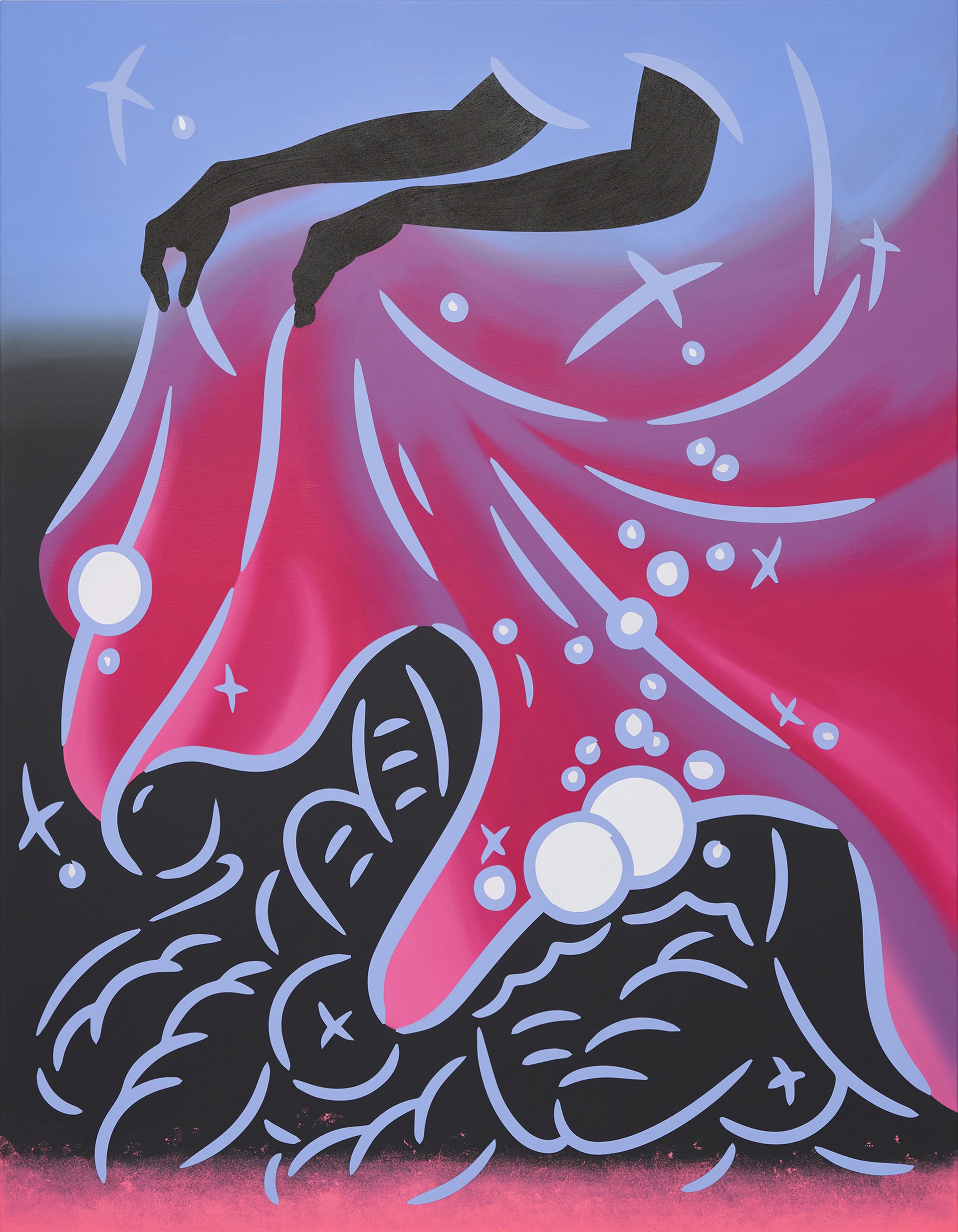
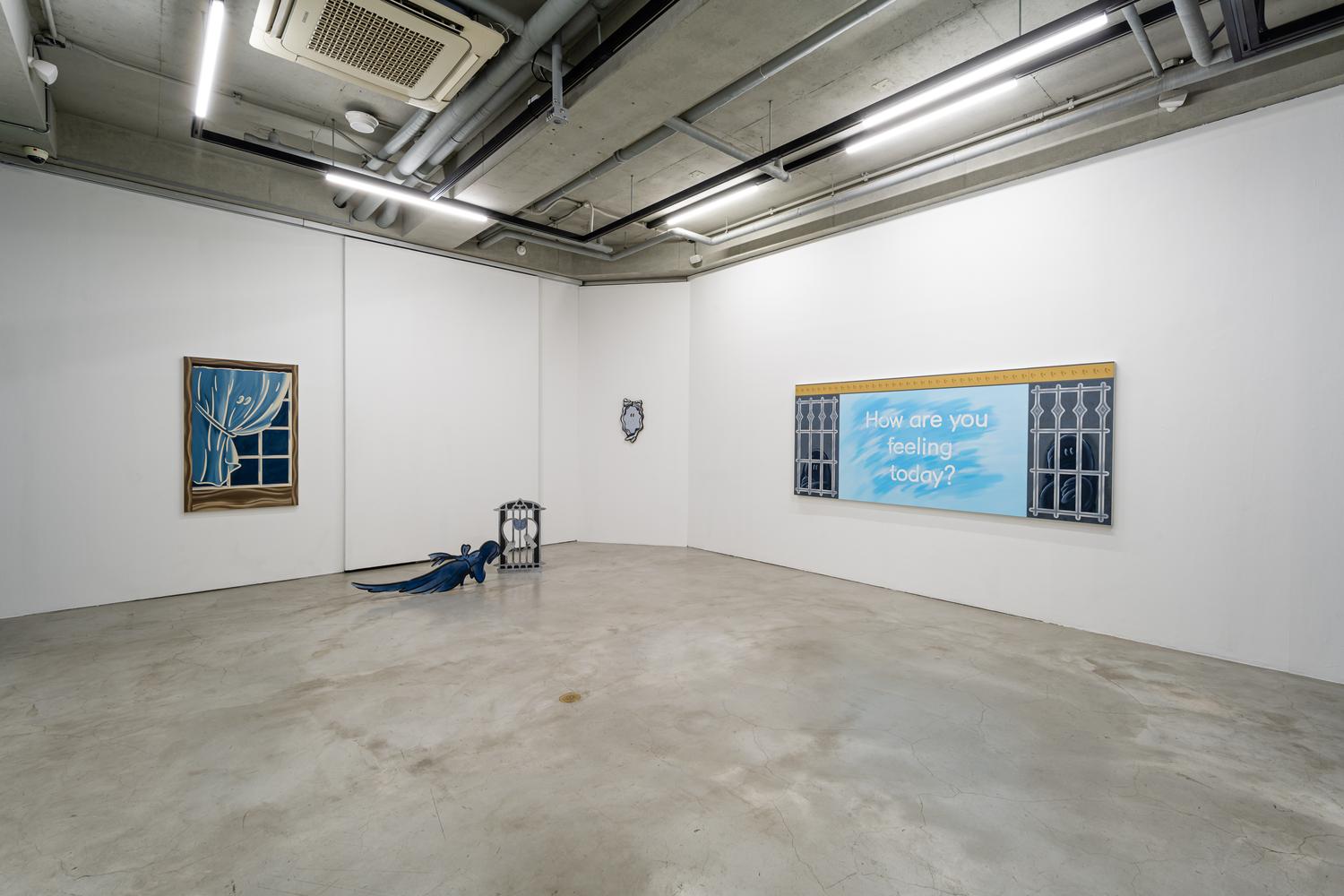
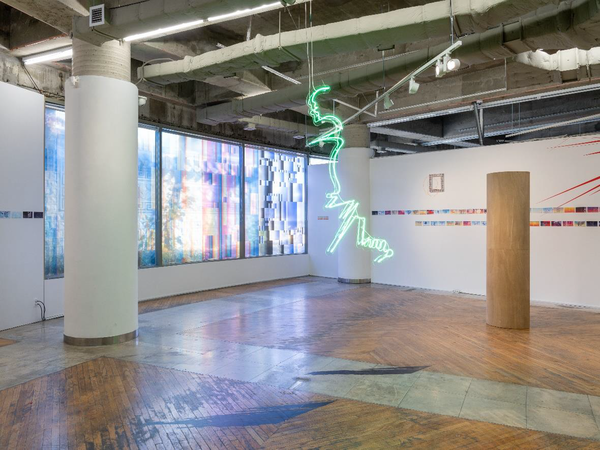
Later, in 《Whispers of the Unsettling》(Space Willing N Dealing, 2024), she gives form to housework and “shadow labor” occurring inside the home through black silhouettes and the effects of light, while her staged spatial direction shifts toward a composition centered on figures and stories. In 《Objects in Time》, windows and frames function as structures of time surrounding objects, while different rhythms of life are juxtaposed within a single image, as in a high table with a glass of alcohol and a low table with snacks.

In this way, Lee Mijung’s images have gradually expanded toward assembling the function of objects, the surface of images, fragments of the body, traces of labor, and layers of time together.

Topography & Continuity

Lee Mijung does not treat contemporary visual culture only as an unfamiliar and complex theoretical subject, but approaches it through concrete scenes we encounter every day, such as homes, furniture, faces, smartphone images, housework, and interior taste. She brings popular images and sensations as they are, but reassembles the structures through which they are produced in the form of painterly objects and installations.

For this reason, her works have bright, cute, and visually pleasing surfaces, yet within them lie questions about class, taste, efficiency, usefulness, self-image, and the value of labor. Rather than rejecting surface beauty, Lee Mijung shows upon what desires and social conditions that surface is made.
 
Lee Mijung transforms the functions and effects of everyday objects, as well as the desire and consumer images of those who look at them, into a single sculptural structure. Her furniture-objects are neither actual furniture nor simple sculptures, but objects with painterly surfaces and stage devices that compose the exhibition space.

In 《The Gold Terrace》 and 《Sandwich Times》, objects appear as fake furniture that has lost its use, but precisely through this mismatch of function, they reveal how we consume objects, possess images, and display our lives today. This shows that painting does not remain as an image on the wall, but can organize space, the movement of viewers, and the entire scene of life.
 
Lee Mijung has also naturally expanded the subjects of her work from residential environments to facial images, the body, housework, and objects within time.

In 《SUITE》, the face became an image reassembled through smart devices and aesthetic standards, while in 《Whispers of the Unsettling》 and 《In the Name of Love》, labor and care inside the home, and the efforts hidden under the name of love, came to the foreground. In 《Objects in Time》, the flow of a day and different time zones are assembled within a single image through windows and frames.
 
This trajectory shows that Lee Mijung is not an artist who simply repeats a specific subject, but one who continues to move across different scenes in order to explore how contemporary life is constructed through images, devices, and effects.

Her work moves between painting and object, showroom and stage, home and society, image and labor, and may continue to show how contemporary sensibilities of living are made through particular surfaces and structures.

Works of Art

‘Assembled Paintings’ as Metaphors for Everyday Emotions and Structures

Articles

Exhibitions

Activities