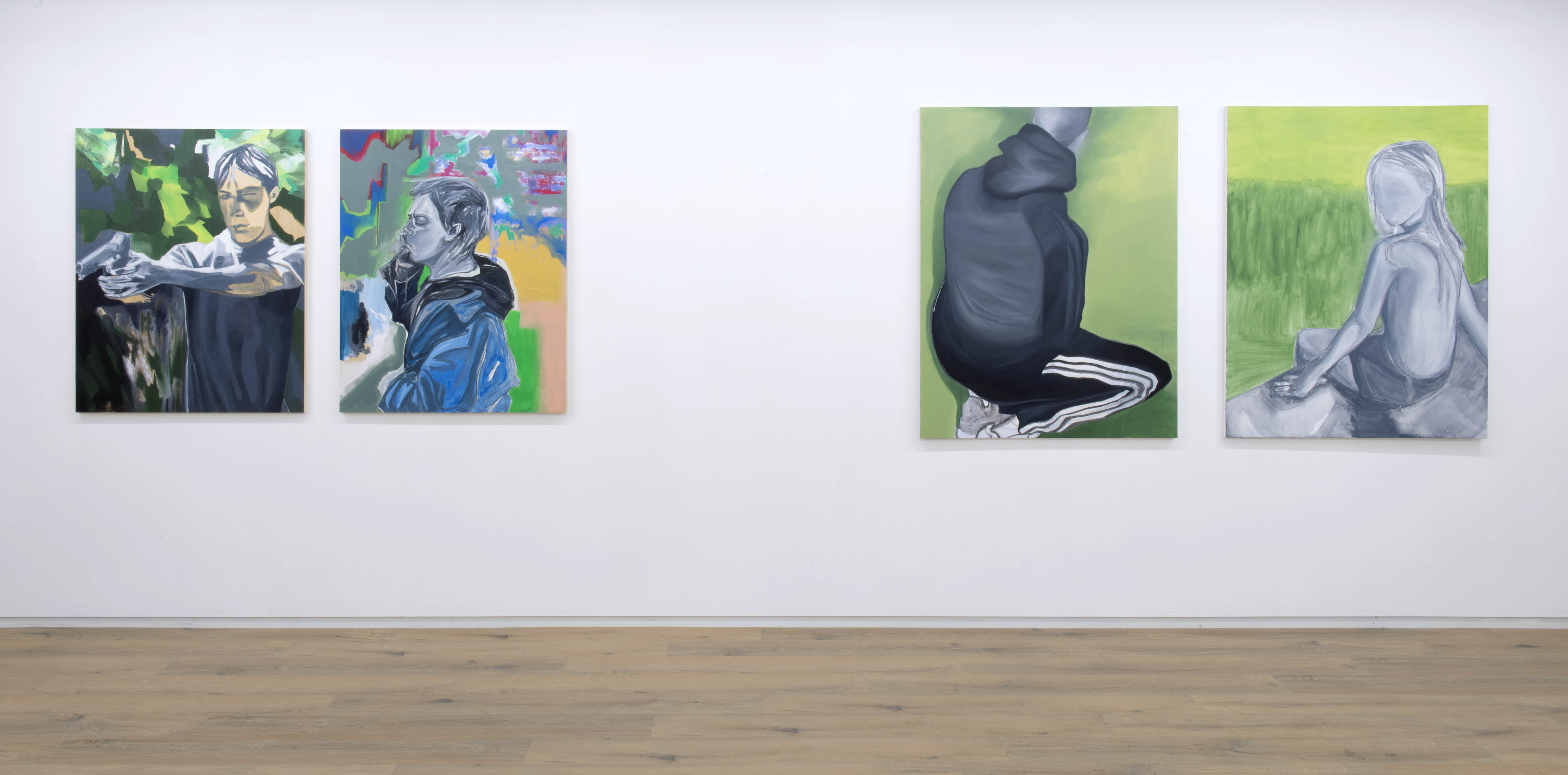
Burning - K-ARTIST

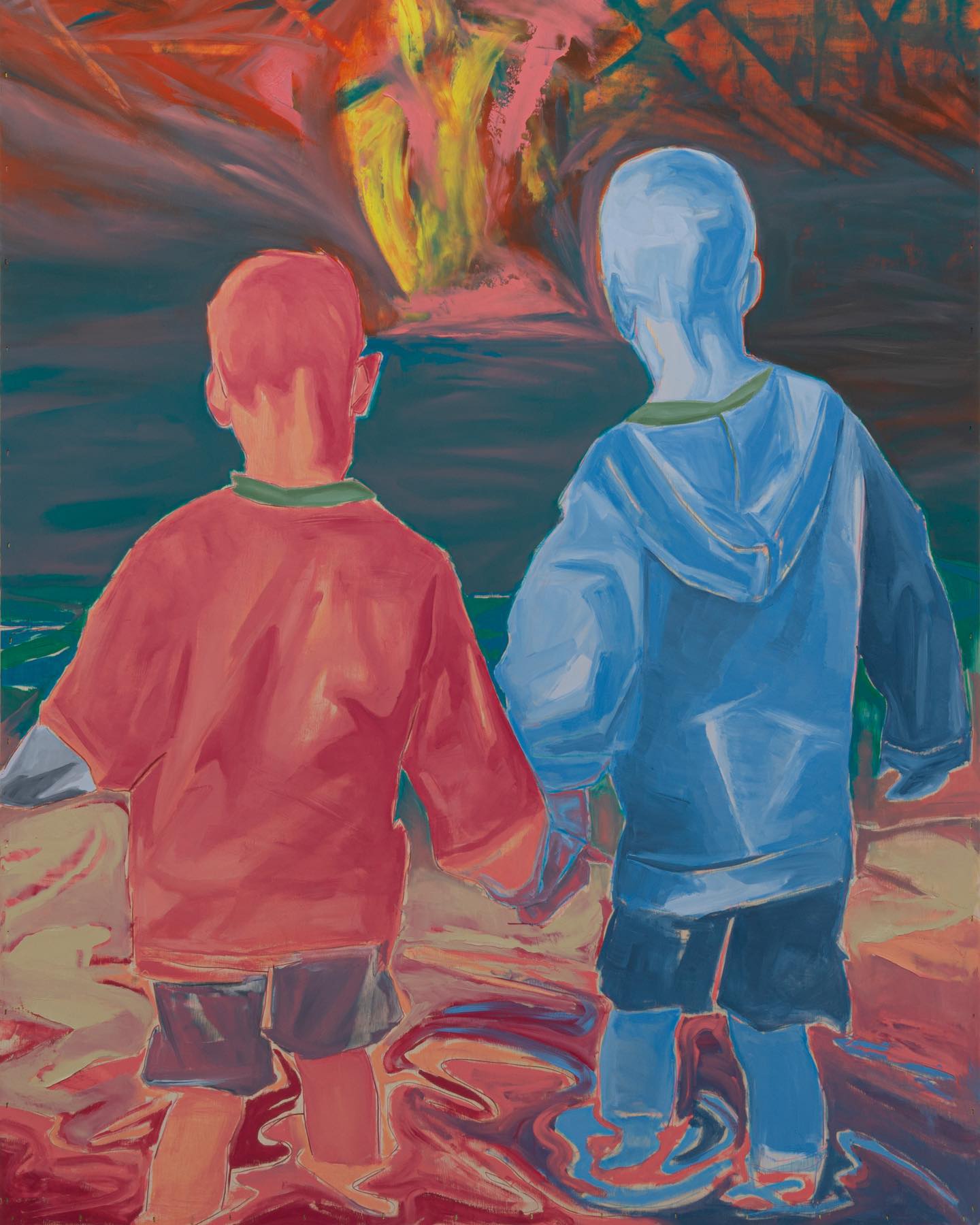
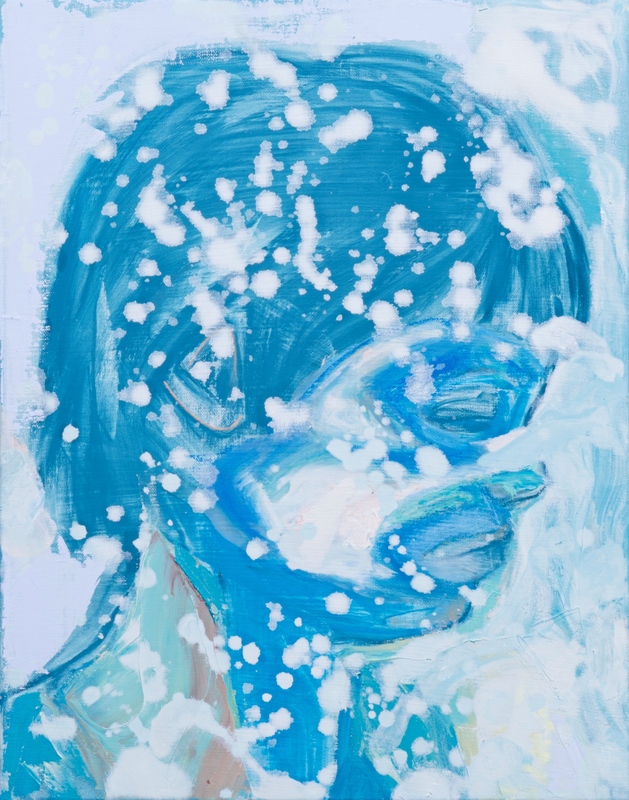
Burning

2023
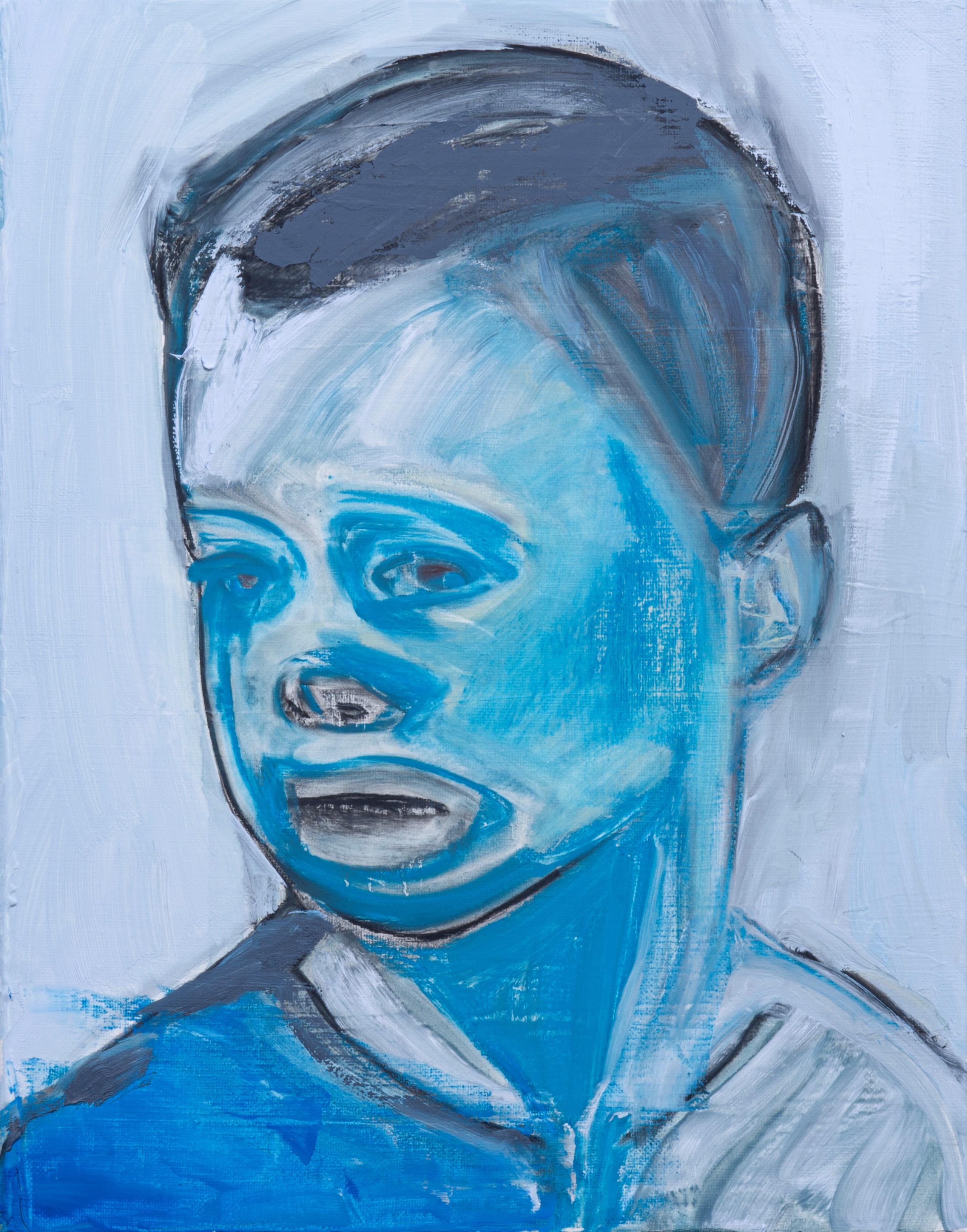
Oil on canvas 
116.8 x 91 cm
About The Work

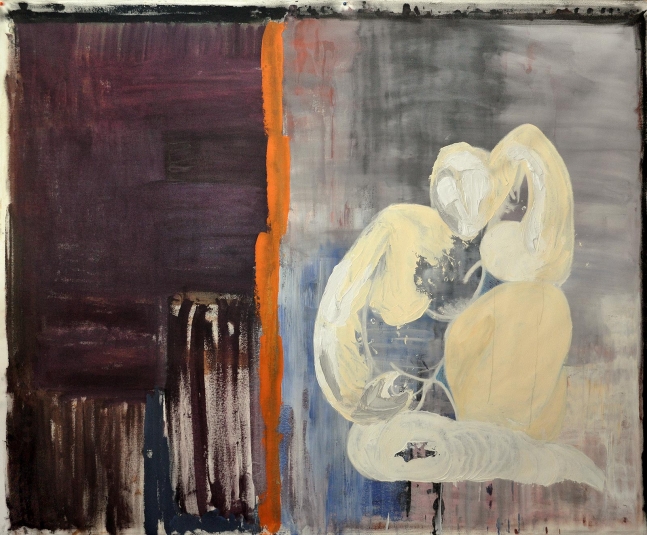
Mina Ham has long depicted imperfect and ambiguous faces and landscapes drawn from the depths of memory. Through her figures, the artist captures personal experiences, a series of events, and the complex emotions that continue to linger in the present as a result of them.

The artist captures on canvas sensations that resist clear verbal description—voices, body temperature, scents, light, and colors encountered in lived experiences. Her paintings are characterized by striking contrasts in color and distinctive brushwork. Color reveals the depth and intensity of emotion, while fluid, material-rich brushstrokes that blur and flow create landscapes where personal memories and emotions intermingle. 

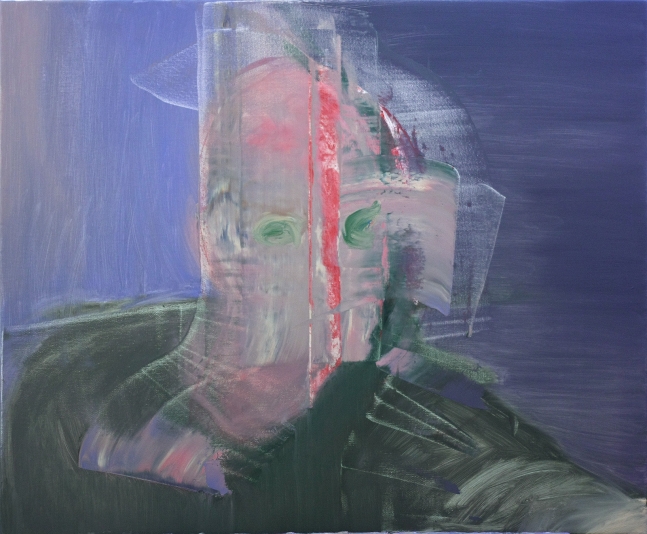
Through this process, memory and emotion emerge not as clearly defined forms but as ambiguous and fluid traces, inviting viewers to immerse themselves in the layered realm of sensation. Even the faces of the figures—the primary subjects of Mina Ham’s paintings—are rendered in a blurred and ambiguous manner, making their precise emotions impossible to decipher. Marked by scattered brushstrokes and layers of accumulated paint, these faces appear less like portraits of individuals and more like landscapes composed of multiple layers of emotion and atmosphere.

Thus, while Mina Ham’s practice originates from childhood events and the personal experiences that followed, it is less concerned with the realistic depiction of specific subjects than with visualizing the traces of imperfect memories and emotions. Her paintings function as assemblages of feelings that transcend time and space, carrying a powerful presence and message in and of themselves.
 
Moreover, the juxtaposition of contrasting colors, emphatic lines, and compositions in which blurring and emptiness coexist, together with the restrained or omitted facial expressions of her figures, leaves ample room for interpretation. These elements invite viewers to overlay the images with emotions arising from their own inner worlds.

Solo Exhibitions (Brief)

Ham’s solo exhibitions include 《Badawi》 (PIBI Gallery, Seoul, 2026), 《Arcadia》 (Galerie ERD, Seoul, 2024), 《ID Picture》 (Galerie ERD, Busan, 2023), 《Backwater》 (Galerie ERD, Seoul, 2022), 《Where Would I Be》 (Galerie ERD, Busan, 2020), and 《Idleness》 (Outhouse, Seoul, 2020).

Group Exhibitions (Brief)

Ham has also participated in numerous group exhibitions, including 《If you come at four, I will be happy by three》 (Suwon Museum of Art, Suwon, 2025), 《Personal Gestures》 (PIBI Gallery, Seoul, 2024), 《SMALL PAINTINGS – MY BIJOU!》 (Kimreeaa Gallery, Seoul, 2024), 《Goodbye to Love: Conversation of All Those Whose Lips Are Sealed》 (Marres Maastricht, Netherlands, 2023), 《A Glimpse of Our Time》 (Kumho Museum of Art, Seoul, 2023), and 《My Your Memory》 (MMCA, Seoul, 2022), among others.

Works of Art

Fragments of Memory, Traces of Emotion

Originality & Identity

Mina Ham’s work begins by bringing back into painting memories from childhood, emotions that remain long after certain events, and figures and landscapes that have become blurred over time. The artist leaves on the surface sensations that are difficult to explain clearly, such as voices, body temperature, smells, light, and colors from situations she has experienced.

Blurred landscapes seen without glasses by the seaside in childhood, the time she spent in Donghae and Busan, and memories of people and Russian sailors encountered near the waterfront are recurring points of departure in her paintings. These memories appear less as portraits of specific individuals than as masses of emotion that remain between the past and the present.
 
In her early works, Mina Ham dealt with the incompleteness of memory through blurred faces, indistinct expressions, and the sensation of distorted bodies. The ‘Node of Sleep’(2018) series began from sleep disorders, fatigue, and the unconscious act of twisting the body, translating the state of a body bent and pressed down regardless of one’s will into figural forms.

In the images from this period, the figures do not clearly state who they are, and their emotions are not clearly readable either. Rather than describing the eyes and expressions of the figures in detail, the artist creates room for viewers to project their own memories and emotions through blurred colors, winding brushstrokes, and mass-like forms.
 
Through the solo exhibitions 《Where Would I Be》(Galerie ERD, Busan, 2020) and 《Backwater》(Galerie ERD, Seoul, 2022), the artist’s figures appear more clearly as “beings who have come from somewhere and are heading somewhere.” The children whose gender, nationality, and origin remain ambiguous are forms that had been isolated within the artist’s memory, as well as beings in whom an unsettled identity overlaps with a desire to return to the past.

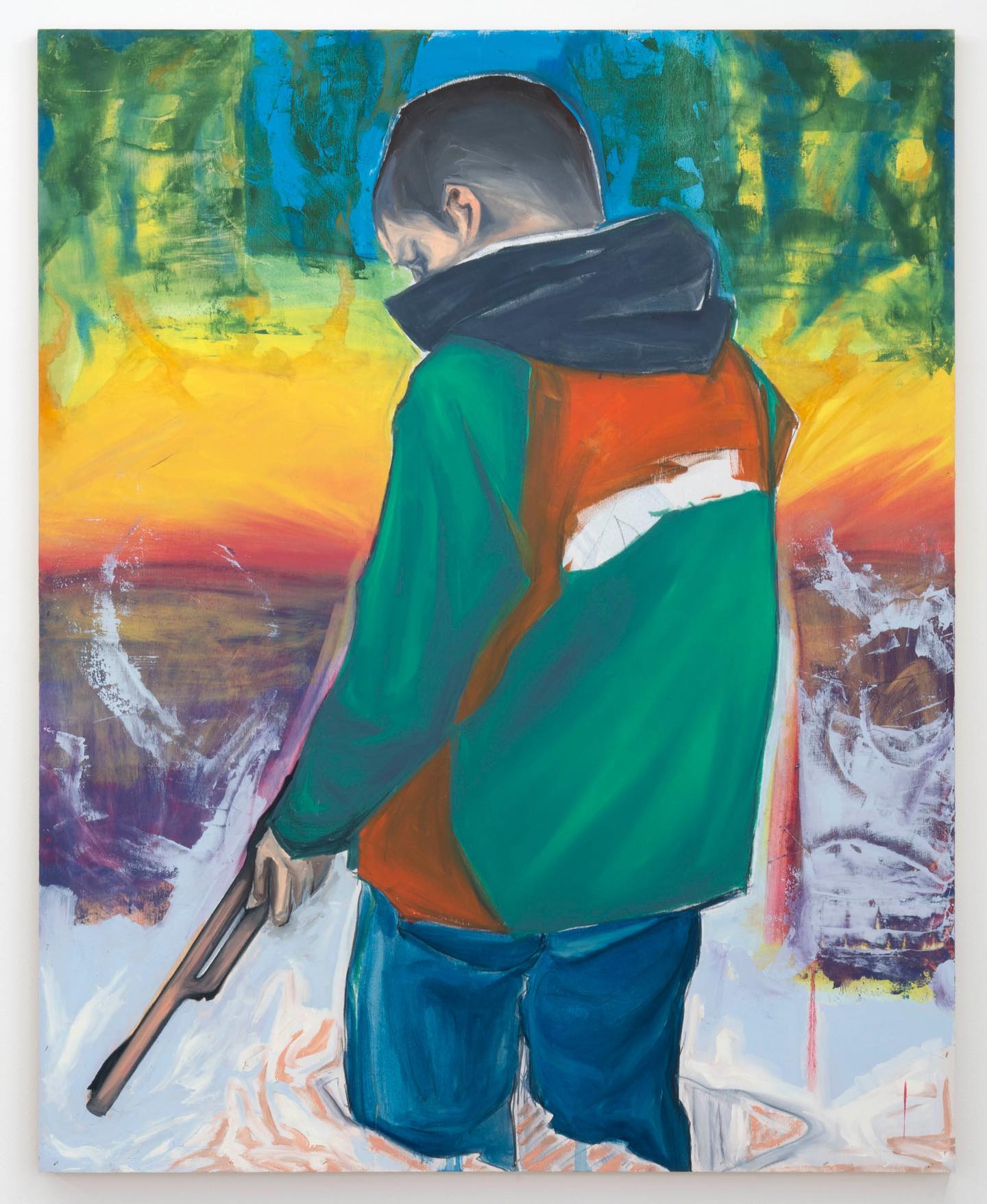
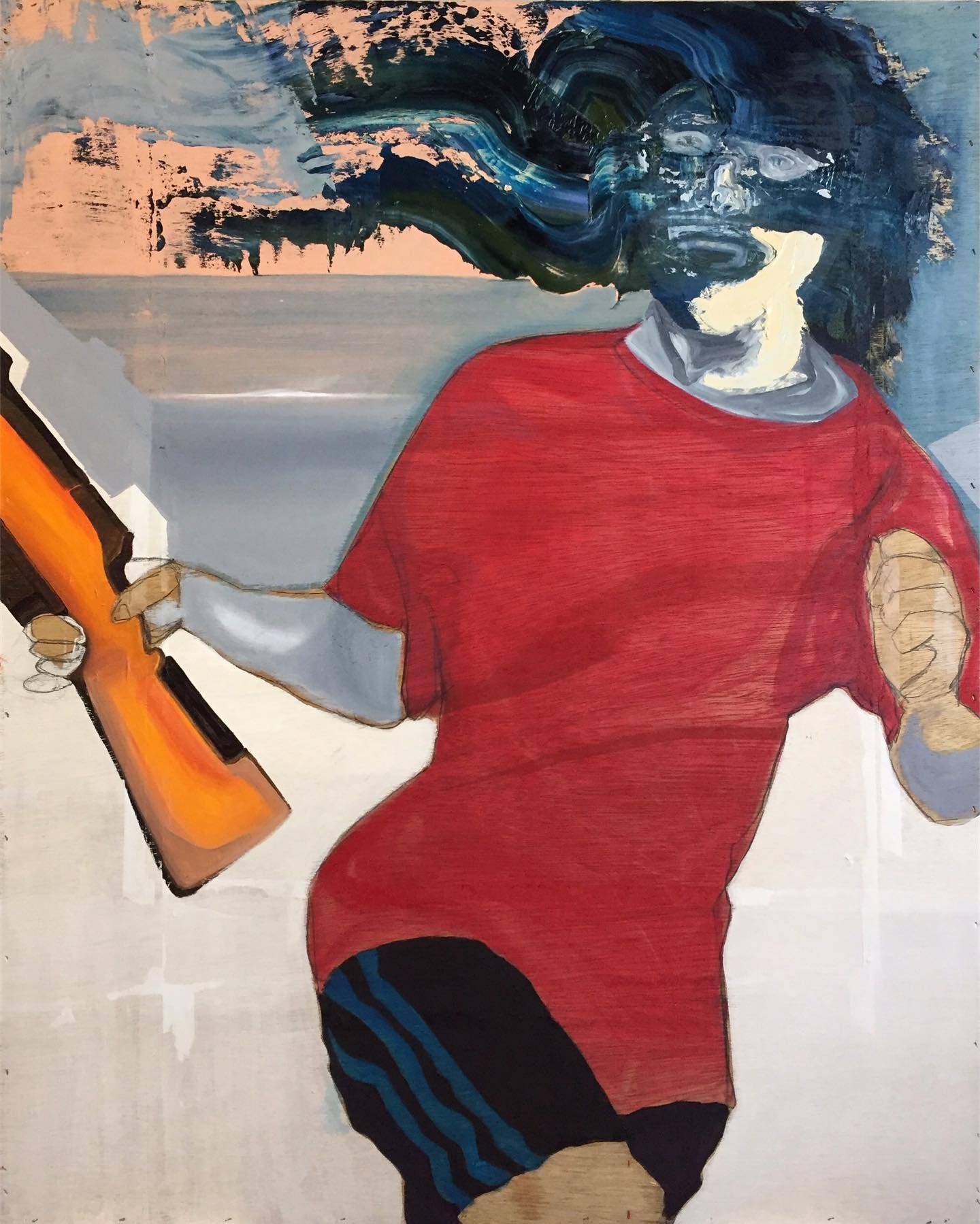
In particular, in Trigger(2021), the gun is not presented as a tool of threat or violence, but as a device of desire, courage, and hope to move toward something. The children from this period are not drawn as fragile objects of protection, but as figures who defend themselves, endure, and search for their own direction within uncertain environments.
 
After the 2023 solo exhibition 《ID Picture》(Galerie ERD, Busan), Mina Ham’s work more directly addresses the issues of identity and documentation in relation to figures. The ‘ID Picture’ series evokes formats that hold a person at a particular moment, such as ID photographs, graduation albums, missing-person posters, and unmanned photo booth images.

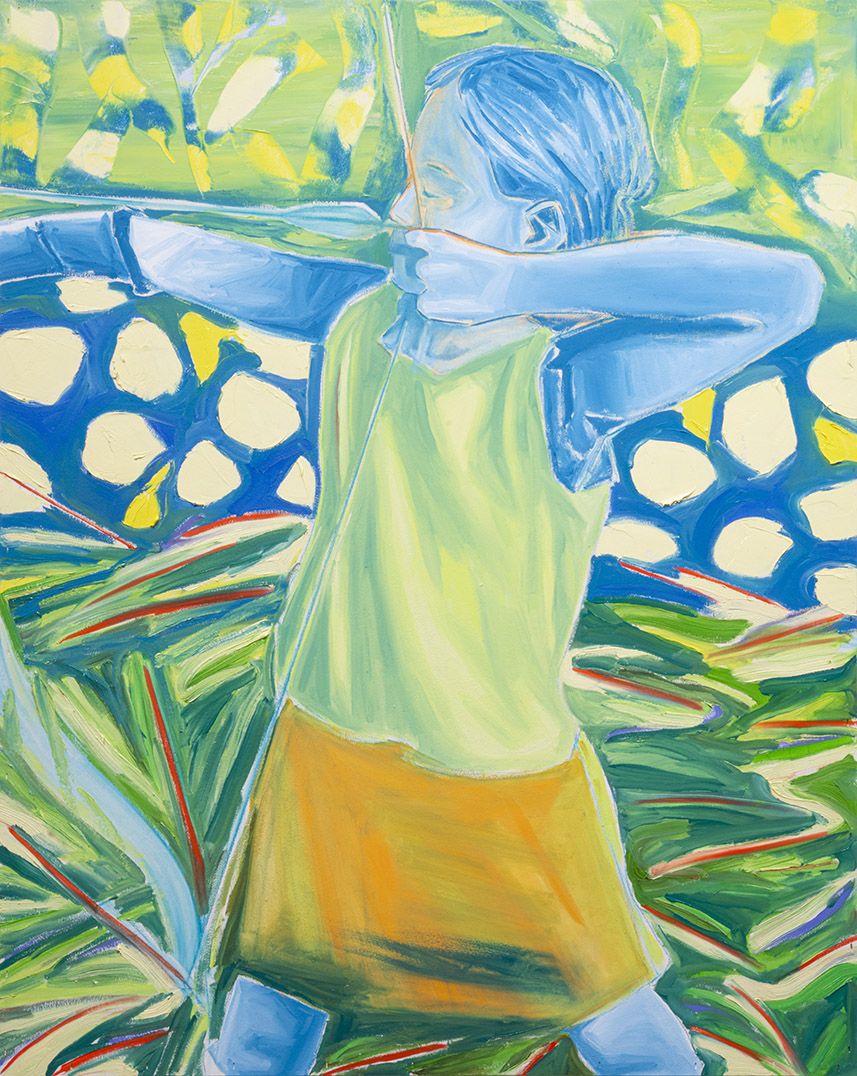
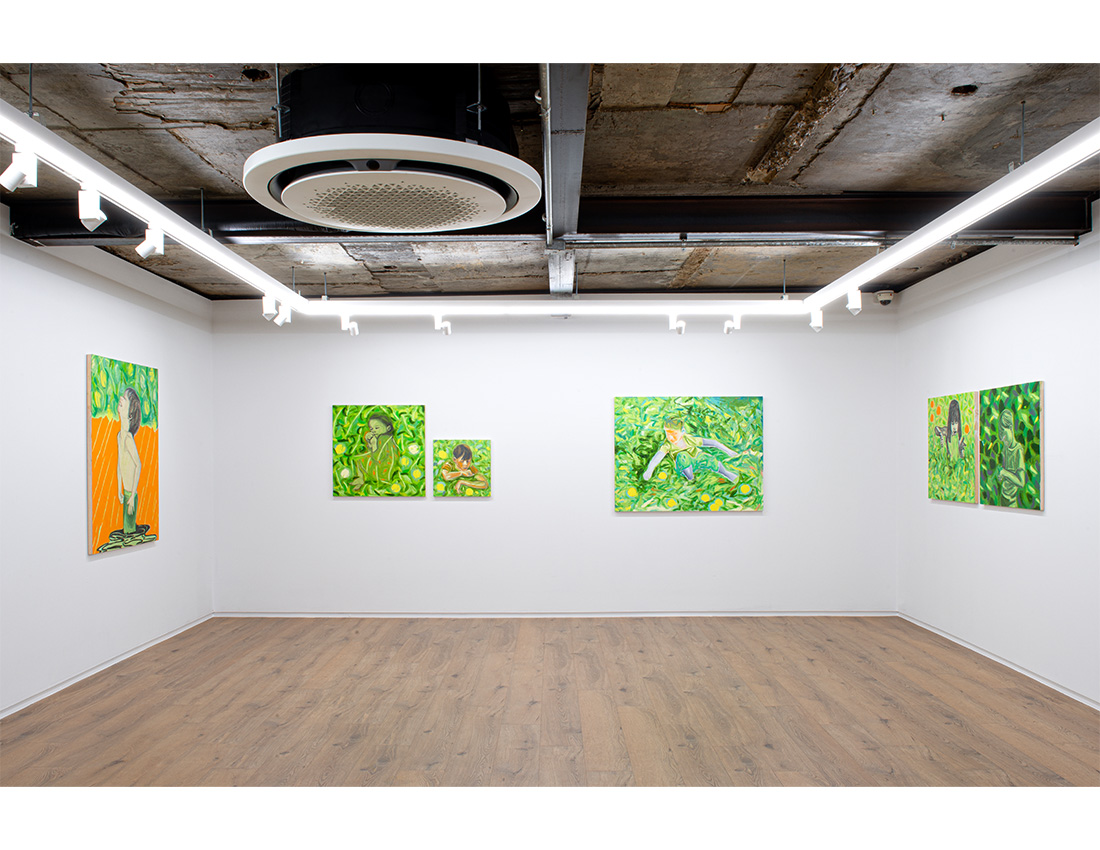
In the 2024 solo exhibition 《Arcadia》(Galerie ERD, Seoul), she then unfolds scenes of childhood in which fantasy and reality, desire and desirelessness are mixed, through memories of picking wild raspberries, her maternal grandmother’s tomato field, and images of children guarding tomato and lemon forests.
 
By the time of her recent solo exhibition 《Badawi》(PIBI Gallery, 2026), these concerns expand toward questions of movement, drifting, generational inheritance, wounds, and recovery. The ‘The Human Chrysalis’(2025) series, the ‘Badawi’ series, and the ‘The First Flutter’ series together show the moment in which an existence is recorded as a fixed image, while also presenting the sensation of a life that nevertheless continues to move and change.

Style & Contents

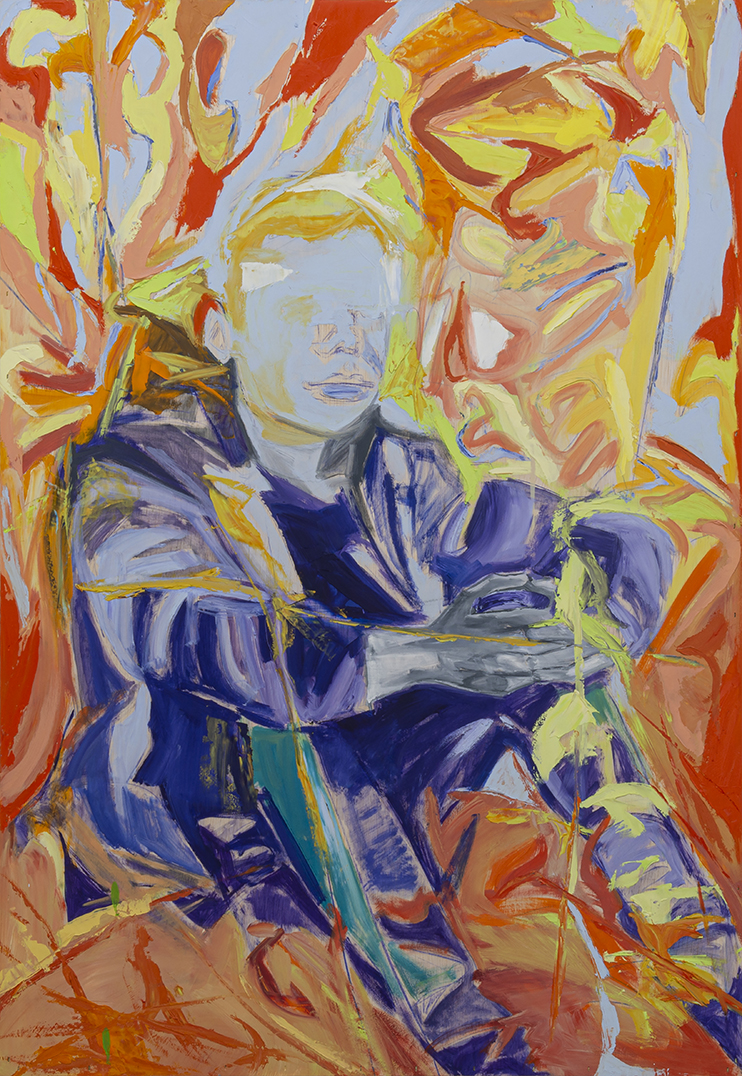
What first stands out in Mina Ham’s paintings is the blurred and smudged form of the figure. The artist does not clearly explain the gender, age, nationality, or expression of the figure, but reconstructs the subject through color, light, movement, and mass. This method is connected to the impression of the world she saw without glasses in childhood.

Forms become blurred, colors spread, and a person’s face approaches like a landscape. As seen in i'll shoot you down²(2019), Hold Me(2018), and Backwater(2019), her figures are closer to scenes in which a particular emotional state has temporarily taken form than to concrete portraits.
 
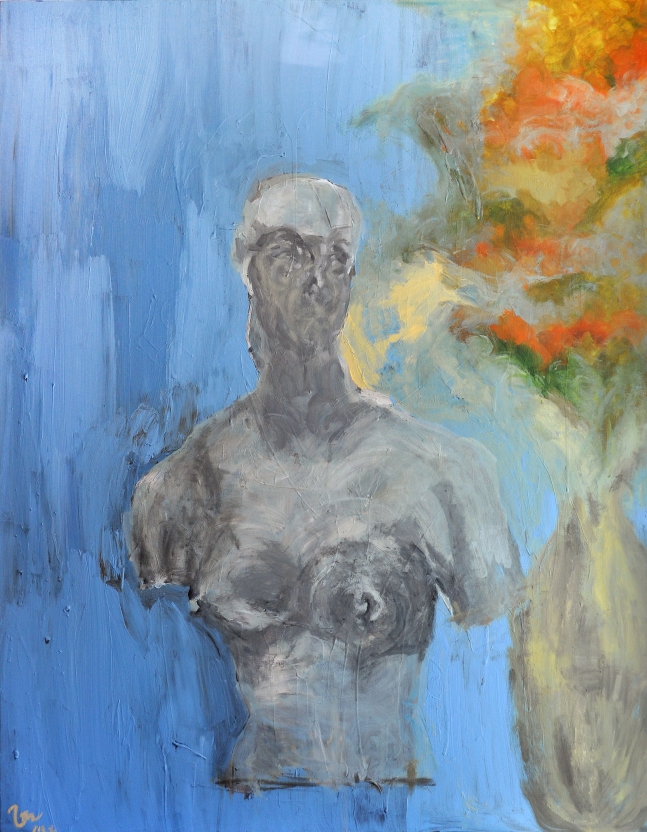
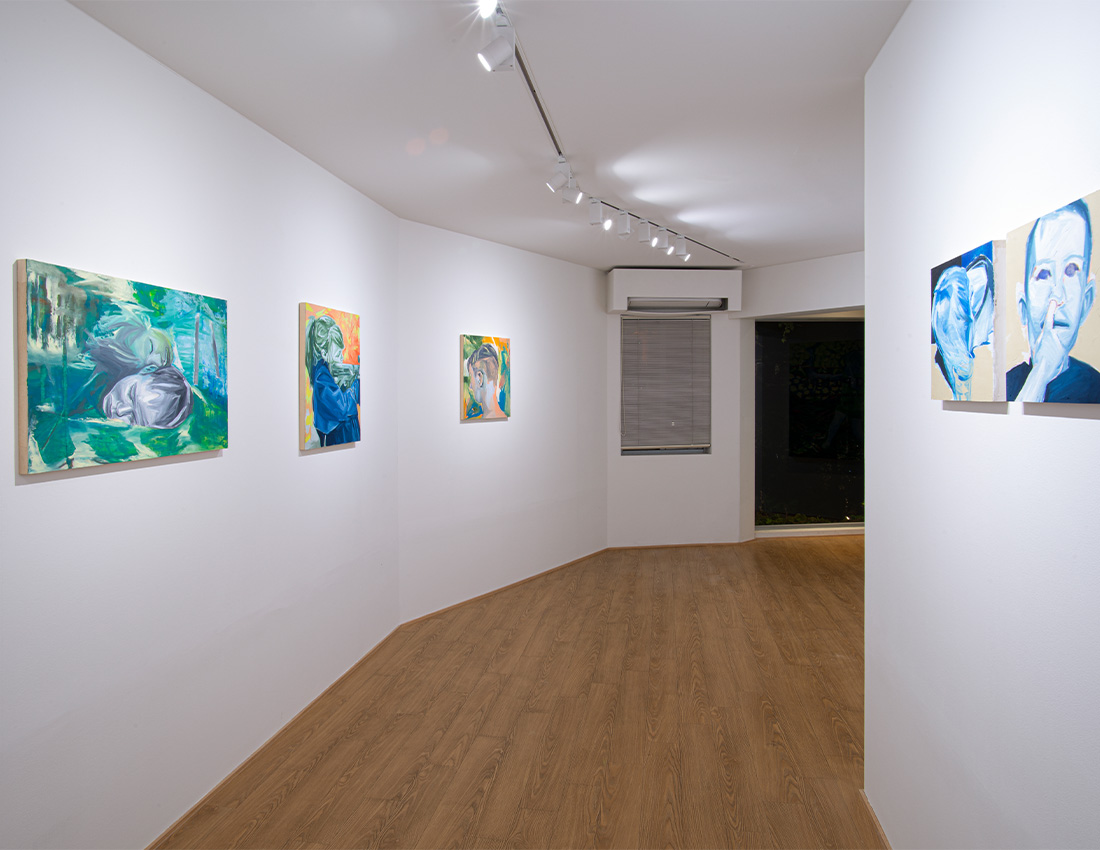
The artist uses the materiality of oil paint to leave the density of emotion and the murkiness of memory on the surface. Contrasting colors, thick or flowing brushstrokes, and compositions where blurring and empty space coexist convey the psychological state of the figure through atmosphere rather than direct explanation.

In the ‘Node of Sleep’ series, the swirling background visualizes the fatigue and hazy emotions that follow sleep, while the bent and twisted bodies of the figures reveal an unstable state between sleep and reality, consciousness and the unconscious. In Mina Ham’s painting, brushwork is not merely an expressive technique, but is closer to the trace left behind as memory passes through the body.
 
In 《Backwater》 and 《ID Picture》, gray-toned figures and images of children holding guns form an important axis. The artist renders the children’s skin in a cold, grayish tone, making them appear not as emotionally overexposed beings, but as beings with a composed and firm attitude. The figures in the ‘Trigger’ series hold guns, but the gun is a symbolic device aimed toward a goal rather than a tool for attacking someone.

Figures that appear together with flames or waves, as in Together(2023), show a sense of solidarity in which they do not avoid difficult situations, but enter into them or walk into them together. In the works from this period, the adolescent and young child figures are expressed not as static beings, but as beings with energy that seems ready to spring somewhere.
 
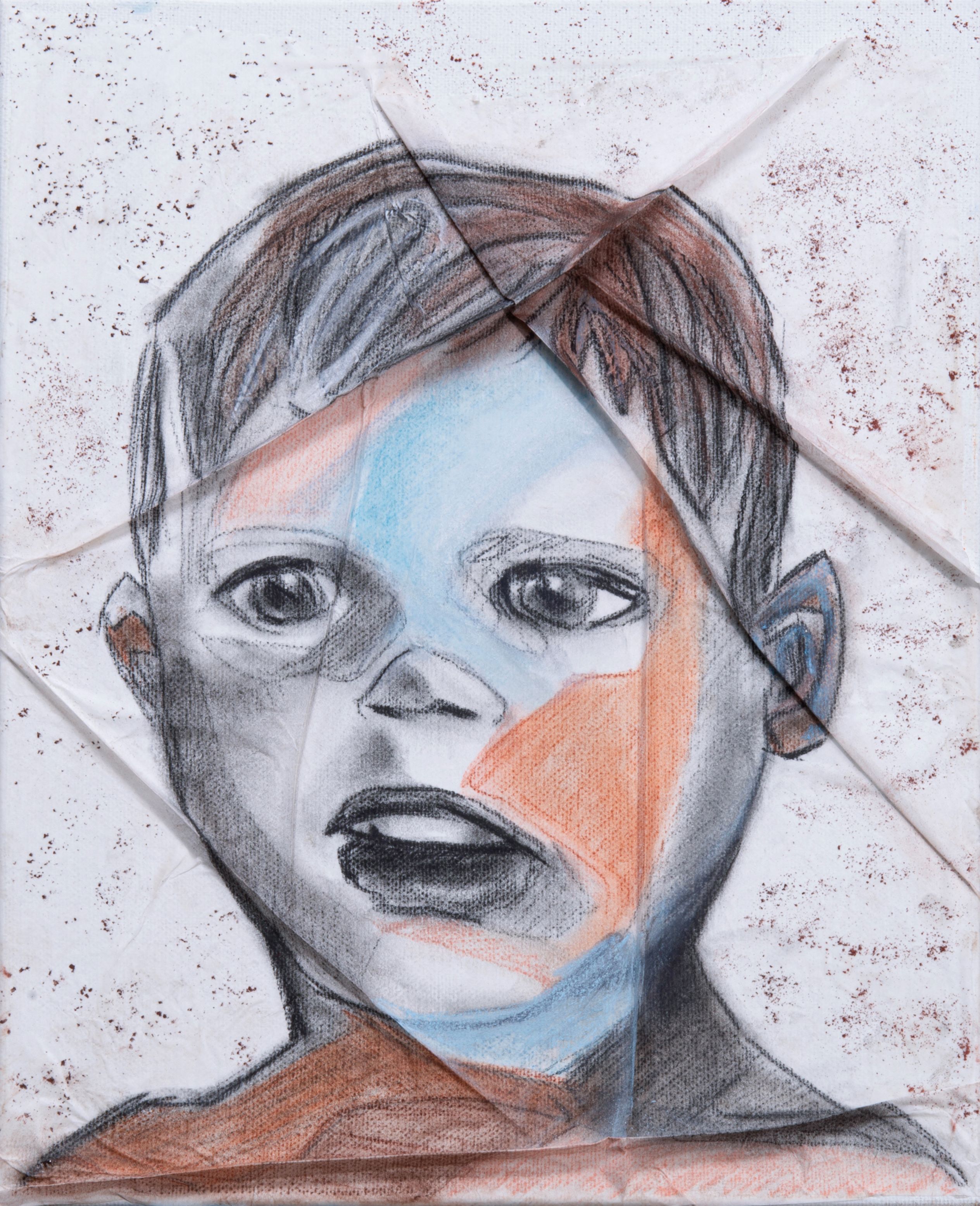
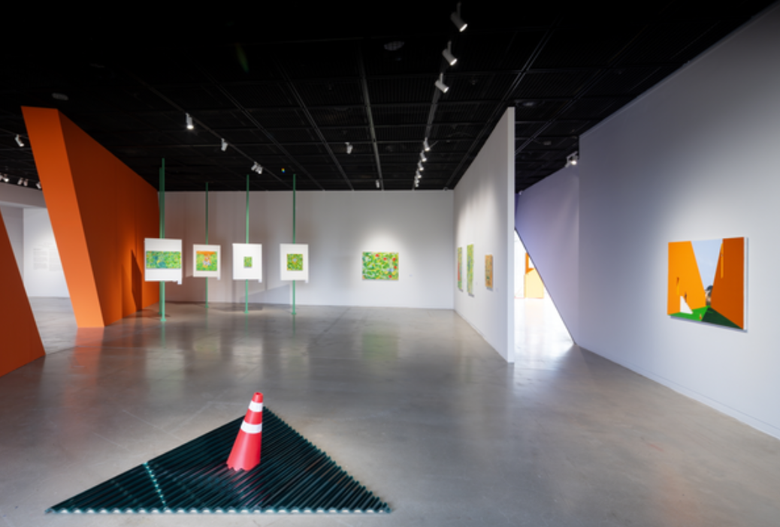
In the recent 《Badawi》, changes are also evident in materials and installation methods. As charcoal, Conté crayon, pastel, and hanji are added to the existing use of oil paint, the image no longer exists only as a completed picture, but appears as a process placed within time, spreading, being erased, and folding.

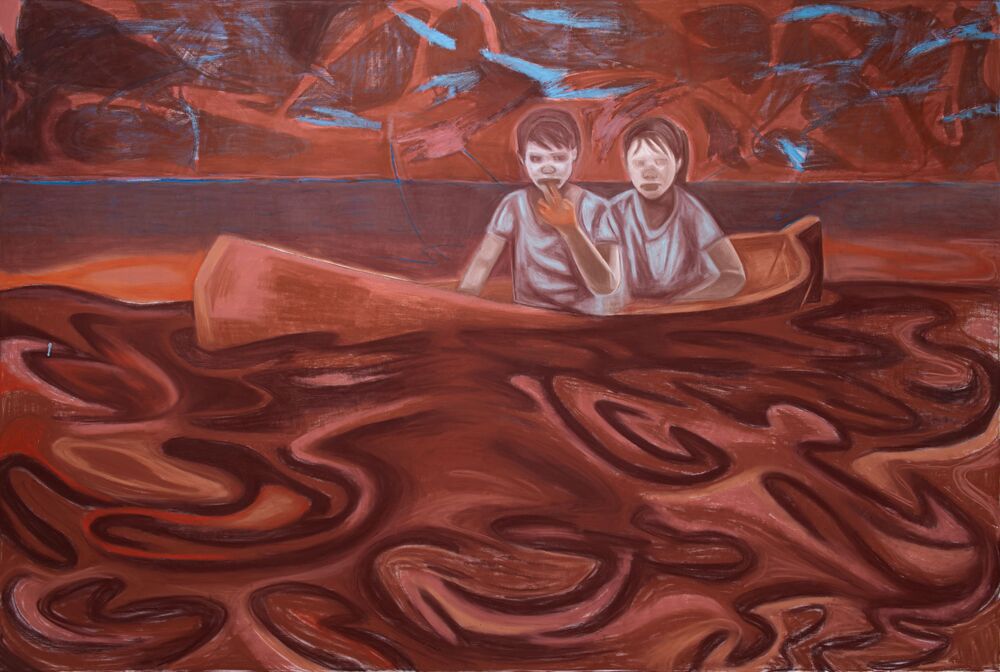
The Human Chrysalis(2025) evokes butterfly specimens, ID photographs, and missing-person posters, closely capturing the face of an existence fixed at a particular moment. By contrast, in the ‘Badawi’ series, figures drifting on the sea appear more directly, while in the ‘The First Flutter’ series, folded or crumpled hanji creates physical layers on the painted surface like the thin wings of a butterfly.

The exhibition structure, in which works of the same size continue along the wall, encourages each work to be read not as a separate scene, but as a flow of moving time and emotion.

Topography & Continuity

Mina Ham’s work deals with memory, but it does not simply remain in the act of recalling the past. She translates into painting the residues that do not disappear over time, but remain within the body and emotion. In this sense, her figures are closer to places where memory and emotion briefly stay than to subjects of portraiture.

Because the faces are blurred and the expressions restrained, viewers come to read the figures again through their own experiences and emotions rather than identifying them as someone specific. The reason Mina Ham’s paintings remain quiet yet linger for a long time is that they capture emotional states that cannot be explained in words through the color, materiality, and emptiness of the surface.
 
The images of childhood often addressed in Mina Ham’s work bring together experiences of getting lost, people seen unclearly, unfamiliar faces encountered near the waterfront, fatigue and insomnia, and images reminiscent of missing-person posters or ID photographs, forming scenes where anxiety and protection, wounds and recovery coexist.

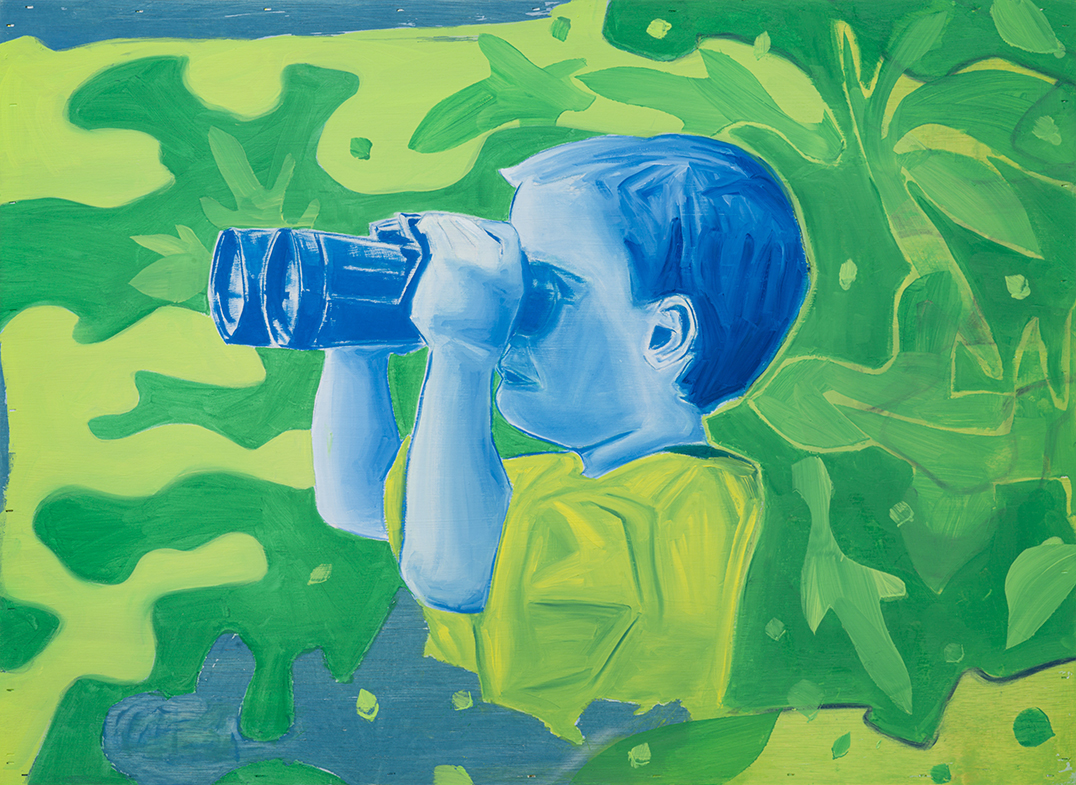
The ‘Forest’ series in 《Arcadia》 and the ‘Hide-and-Seek’(2024) series deal with moments of peaceful refuge and play, yet even within them, the emotions of fantasy and reality, desire and desirelessness operate at the same time. She does not return childhood only as a safe memory, but turns it into a complex place that reconnects with present emotions.
 
Another distinctive quality is that Mina Ham paints “states” rather than “identity” through figure painting. What matters more about her figures is not who they are, but what state they are in. The figures in her images are often placed between nomadism and settlement, record and loss, movement and fixation, present and memory.

This flow shows that the artist has explored, through figure painting, the sensation of an existence that shakes, moves, and is continuously reconstructed in time, rather than painting a single fixed self.
 
In particular, her recent works, which overlap images of Bedouins, being on the sea, monarch butterflies, chrysalises, specimens, and missing-person posters, expand personal memory into a broader narrative of movement and survival.

In this way, Mina Ham’s artistic world may continue to expand from figures of blurred memory toward moving beings and the emotions of an uncertain era. Her images remain as spaces that hold onto what has disappeared while continuing to move toward emotions and places that have not yet arrived.

Works of Art

Fragments of Memory, Traces of Emotion

Articles

Exhibitions

Activities