Disaster Drawing - K-ARTIST

Disaster Drawing

2021
About The Work

Critical Hit documents the voices of social minorities through a range of media, including painting, drawing, and video, while exposing the ways in which they are omitted or distorted within biased social structures. Grounded in practices of solidarity and intervention, the artist has developed a visual language that confronts social inequality and hierarchy.

The work of Critical Hit unfolds through an examination of how social minorities are excluded, misrepresented, and pushed into vulnerable positions within the institutions and norms of Korean society. Rather than reducing social issues to isolated incidents or individual cases of victimization, the artist investigates the structural conditions that make such events possible and the recurring mechanisms of exclusion that sustain them.

While directly engaging with social and political issues, Critical Hit does not reduce them to slogans or straightforward explanations. Instead, through acts of drawing, writing, and recording the unseen dimensions of society that escape media attention, the artist preserves what is disappearing and being forgotten, evoking the emotions and sensations attached to those moments.

For Critical Hit, art is less a tool for explaining social problems than a practice of holding onto fading voices and memories and encouraging us to look at them again. In an era in which social marginalization and disasters are often consumed as spectacles, the artist’s work gathers and revives fragments of memory that are being forgotten or erased, creating a space for solidarity and mourning where people can grieve and express outrage together.

Solo Exhibitions (Brief)

Critical Hit has held solo exhibitions including 《PENINSULA ELEGY, Requiem》 (Mihakgwan Philosopher's Stone, Seoul, 2024), 《PENINSULA ELEGY》 (Space Imsi, Incheon, 2024), 《Under the Paper》 (Post Territory Ujeongguk, Seoul, 2022), and 《Disaster Drawing》 (Space Imsi, Incheon, 2021).

Group Exhibitions (Brief)

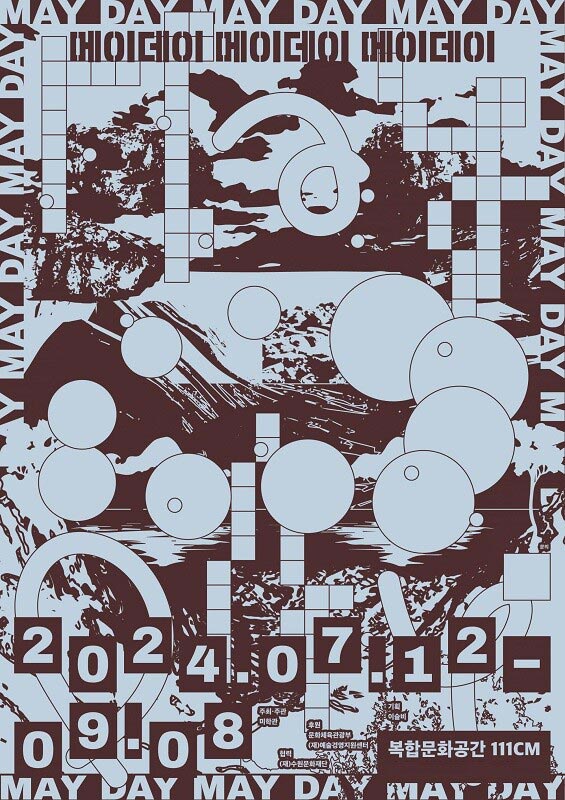
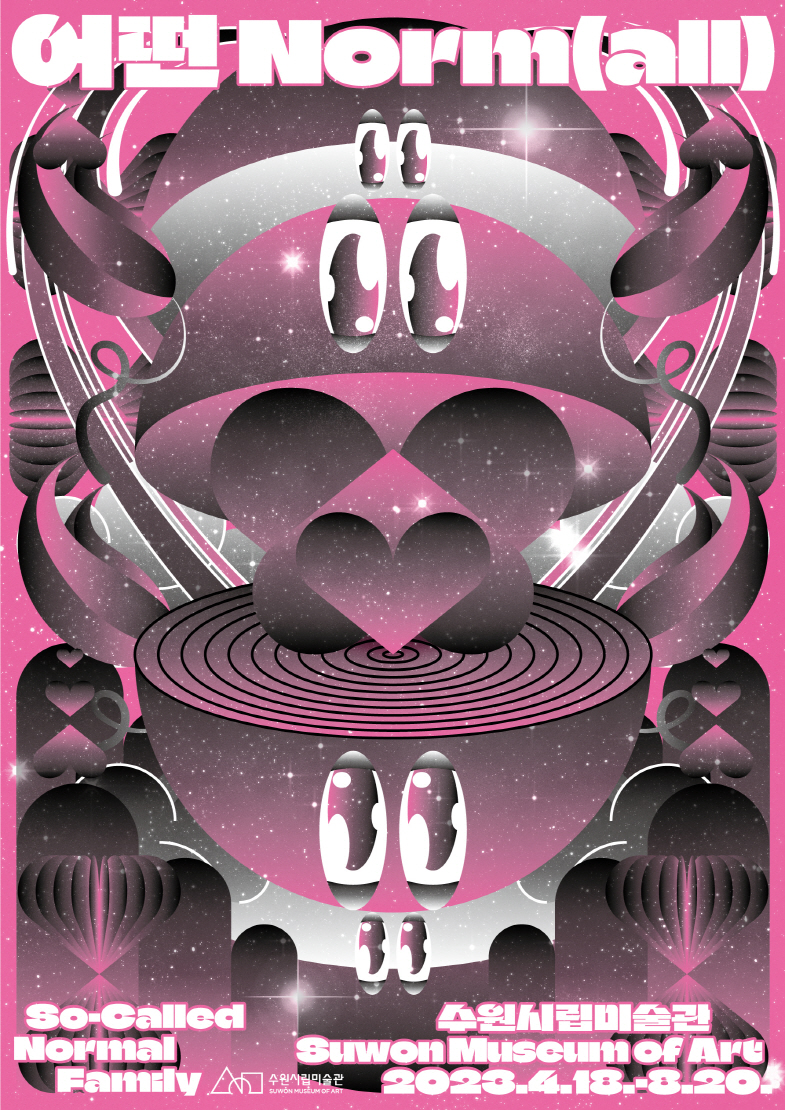
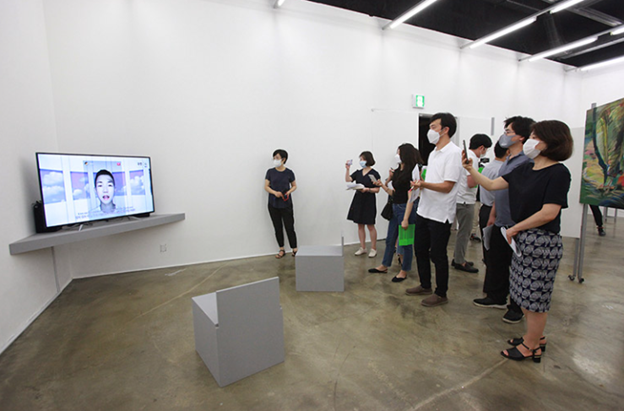
Critical Hit has also participated in numerous group exhibitions, including 《Who Is Your Family?》 (Jeju National University Museum, Kyungpook National University Art Museum, Kunsan National University Museum of Art, Jeju, Daegu, Gunsan, 2025), 《MAY DAY MAY DAY MAY DAY》 (111CM Community, Suwon, 2024), the 2023 Gwangju Media Art Festival (Gwangju Media Art Platform, Gwangju, 2023), 《So-Called Normal Family》 (Suwon Museum of Art, Suwon, 2023), 《Vita Nova_New Life》 (Incheon Art Platform, Incheon, 2022), and 《Follow, Flow, Feed》 (ARKO Art Center, Seoul, 2020).

Residencies (Selected)

Critical Hit participated in the 2025 residency program at Incheon Art Platform.

Collections (Selected)

Critical Hit’s works are included in the collections of the MMCA Art Bank and the Yangju City Chang Ucchin Museum of Art.

Works of Art

Art as a Site of Mourning and Consolation

Originality & Identity

Critical Hit traces how socially marginalized people are omitted, distorted, and pushed into vulnerable positions within the institutions and norms of Korean society. The artist does not reduce social issues to isolated events or individual cases of harm, but instead examines the structural conditions that make those events possible and the repeated modes of exclusion that occur within them.

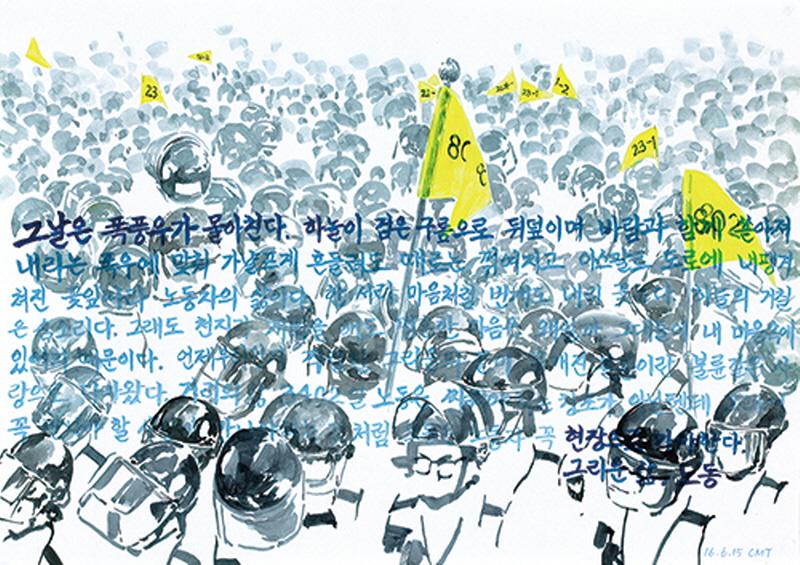
Her early work Yeouido-rawing(2016~2019) began at the protest site of laid-off Colt-Coltek workers, while 《News feed》(Space Haebang, 2016) captured events insufficiently covered by public media through small voices from SNS and drawing. What was important in this period was not grand political slogans, but the attitude of recording the everyday life of social struggle through words, jokes, expressions, and small scenes left at the site.
 
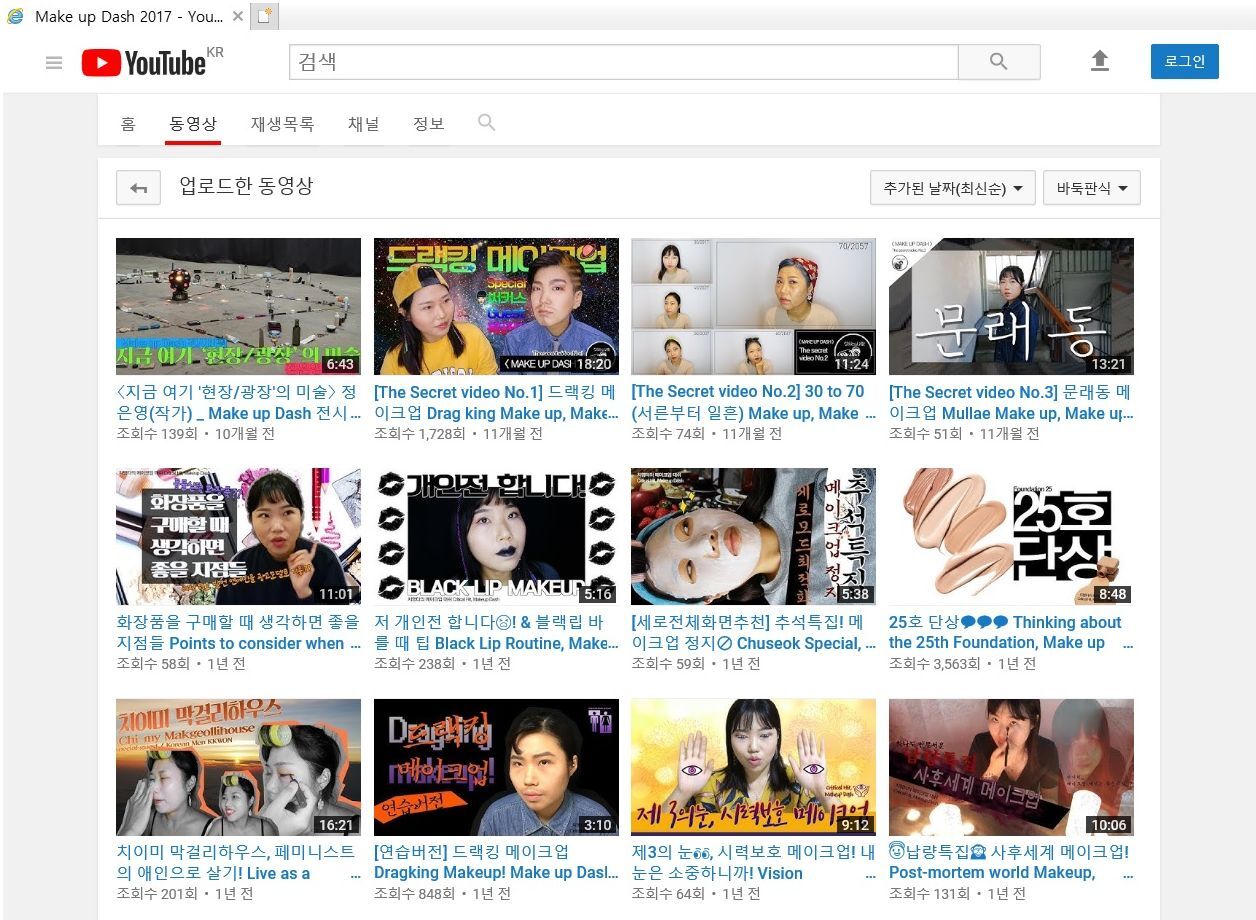
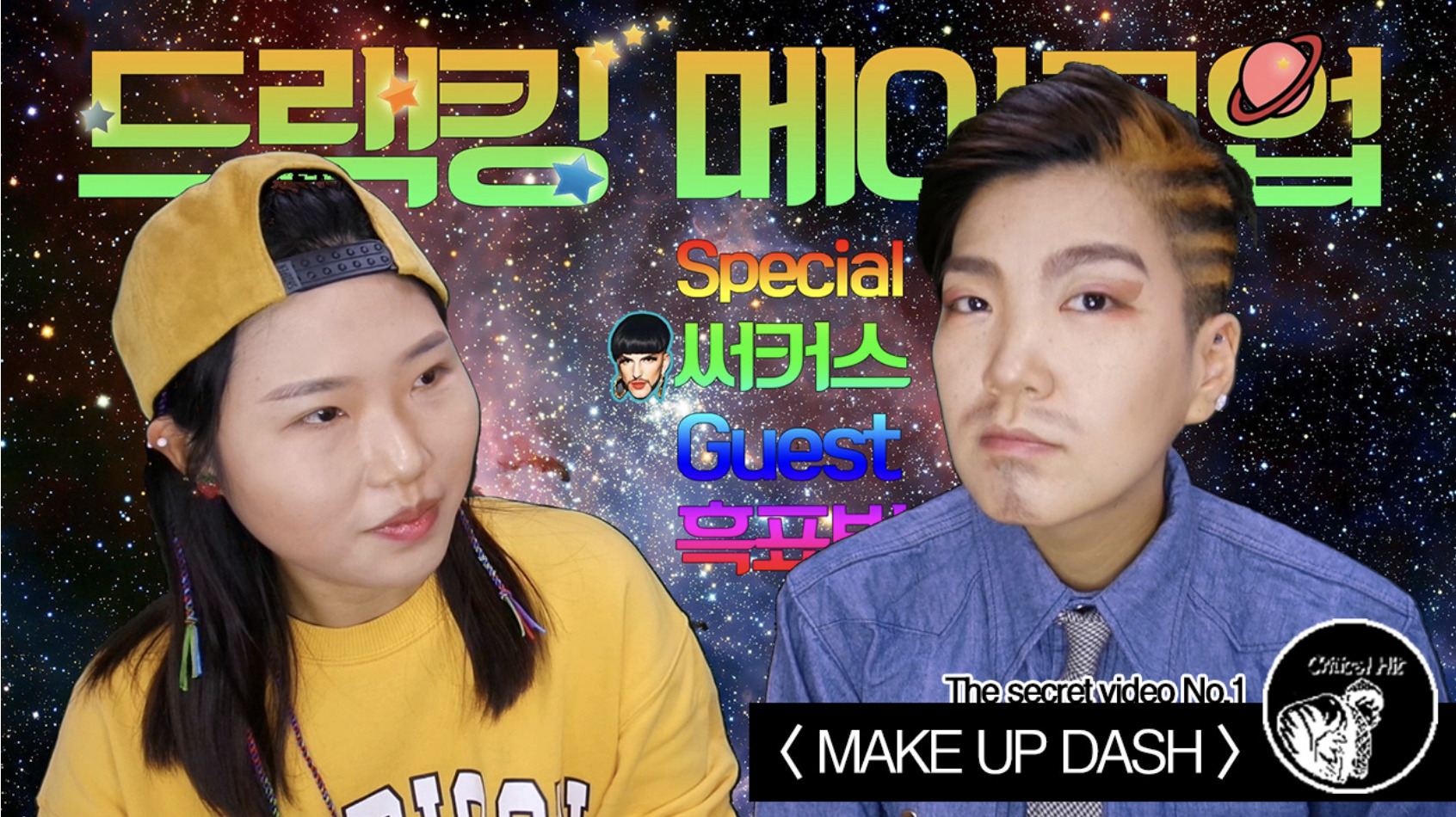
After 《Make up Dash》(Mullae Art Factory Studio M30, 2017), Critical Hit’s work began to address issues of gender, sexual minorities, and normality more directly. Make up Dash(2017) appropriates the popular format of beauty YouTube to critically transform appearance norms imposed on women and the gender binary.

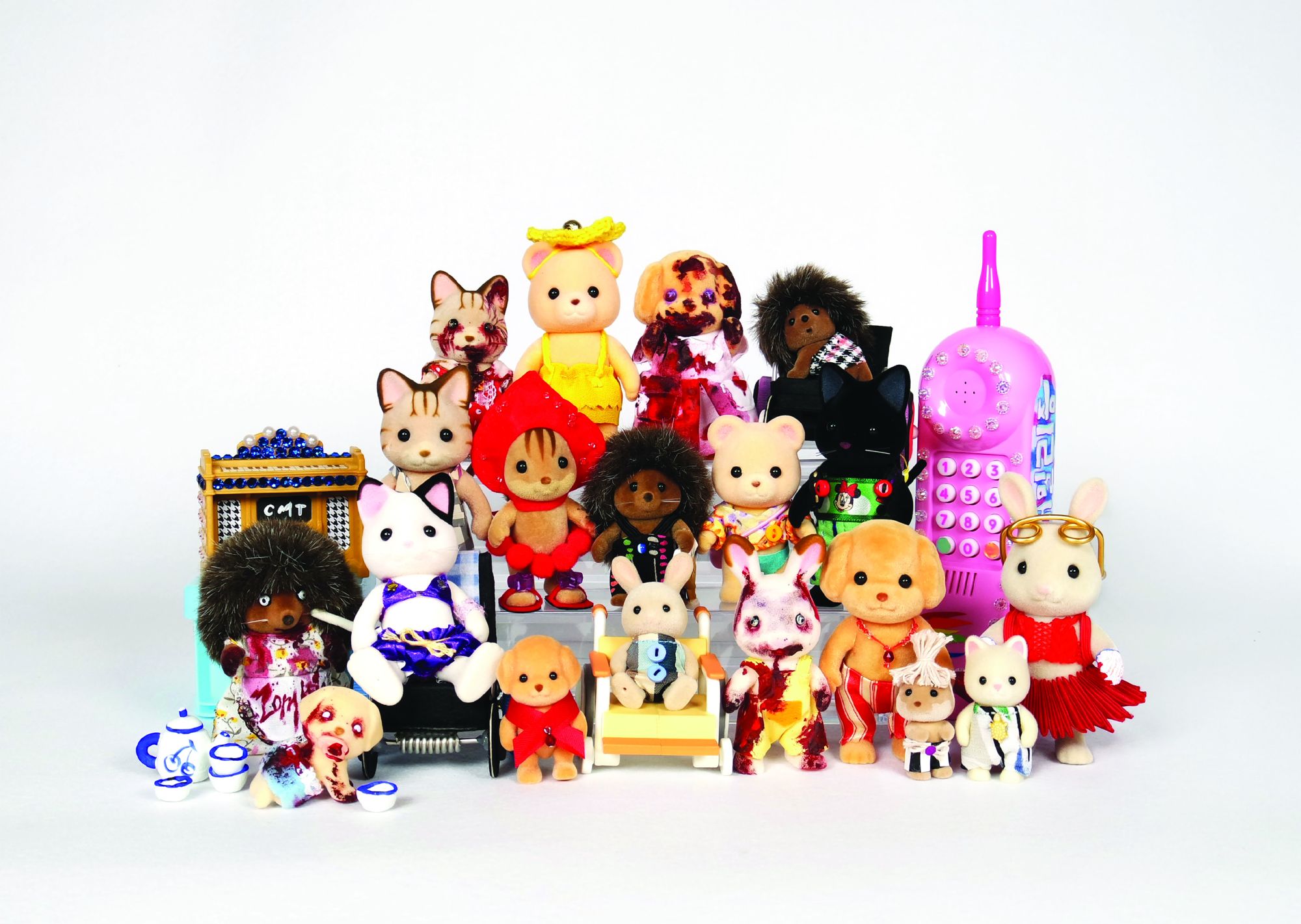
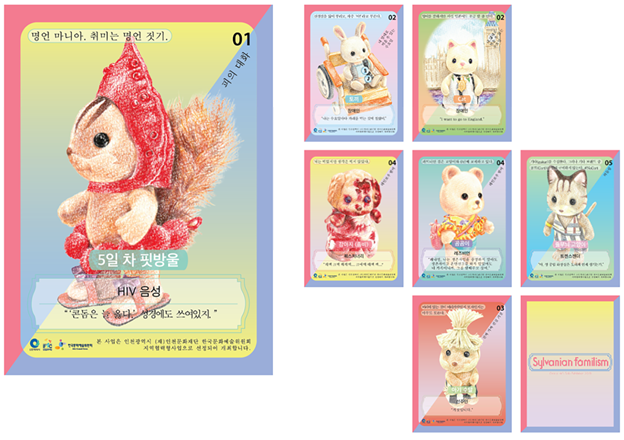
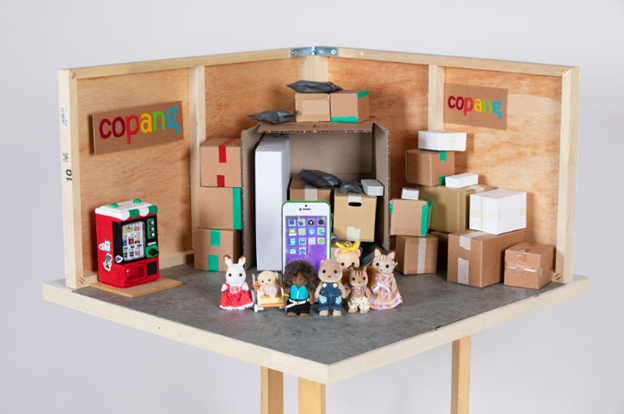
Through works such as Struggle Makeup, Doraemon Makeup, Thoughts on No. 25, and Drag King Make up, the artist used makeup, often considered a “feminine” act, as a tool to question social standards and hatred. Later, Sylvanian Familism(2019) overturned the toy world modeled on the normal family and reconstructed it as a narrative of a minority community in which people living with HIV, disabled people, refugees, sexual minorities, and disaster survivors appear together.
 
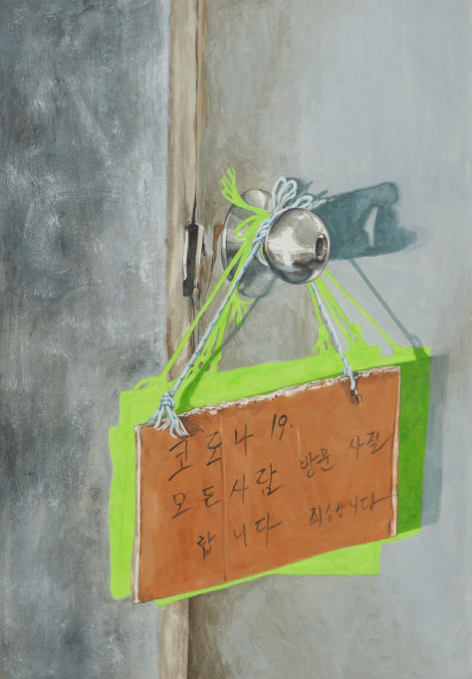
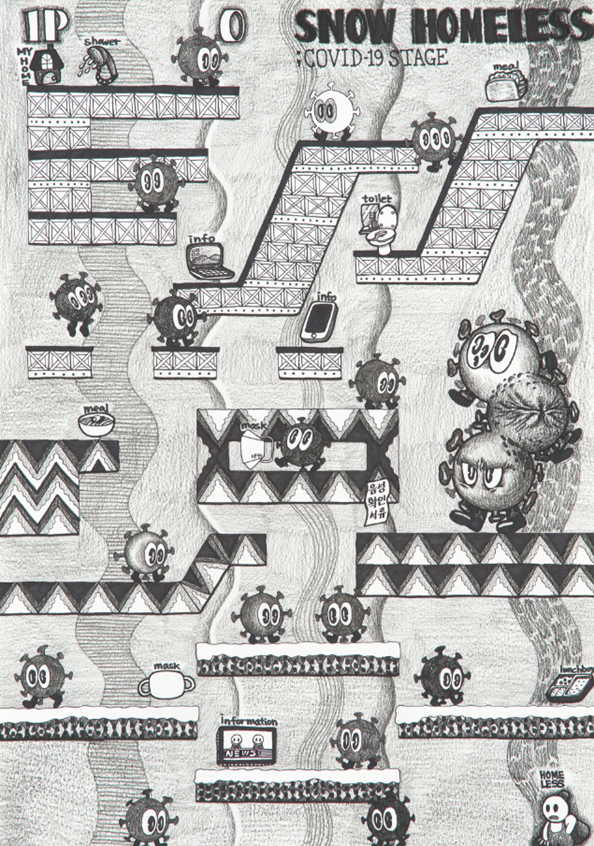
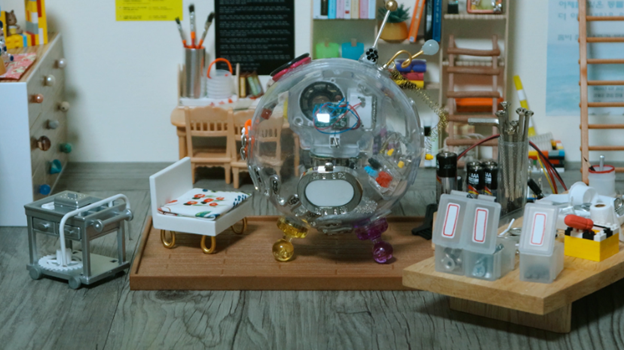
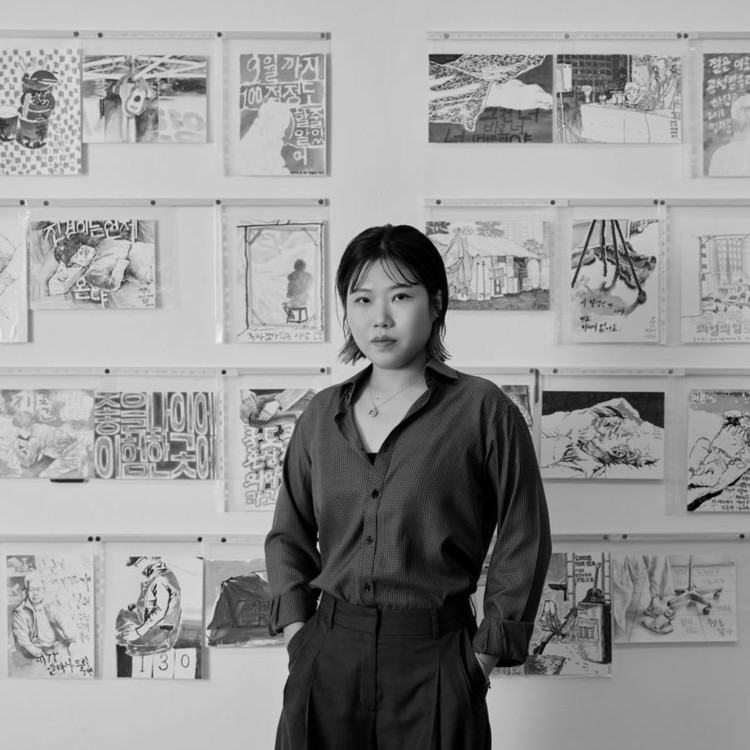
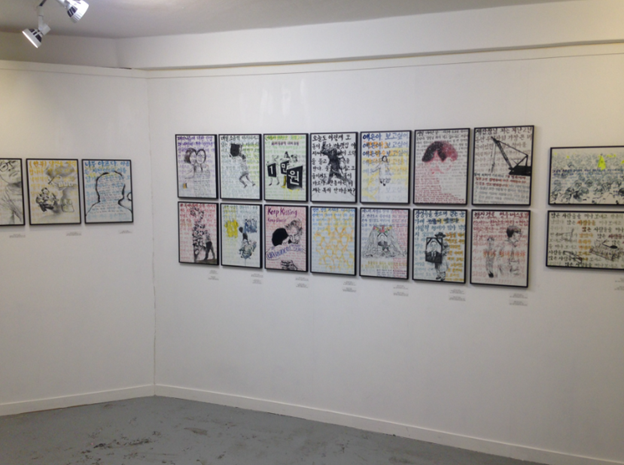
After the pandemic, Critical Hit’s work expanded toward asking to whom disasters arrive first, and how harshly. 《Disaster Drawing》(Space Imsi, 2021) records the unequal social structures revealed through the disaster of COVID-19 in the form of an illustrated encyclopedia, exposing the reality in which those who had already been excluded before the disaster become the most vulnerable in times of crisis.

Following this, 《Under the Paper》(Post Territory Ujeongguk, 2022) deals with the realities of homeless people, migrants, patients, disabled people, and elderly people who must have a single document in order to prove their existence. Here, “paper” is not simply a material, but functions as a boundary through which life is approved or excluded within the system.
 
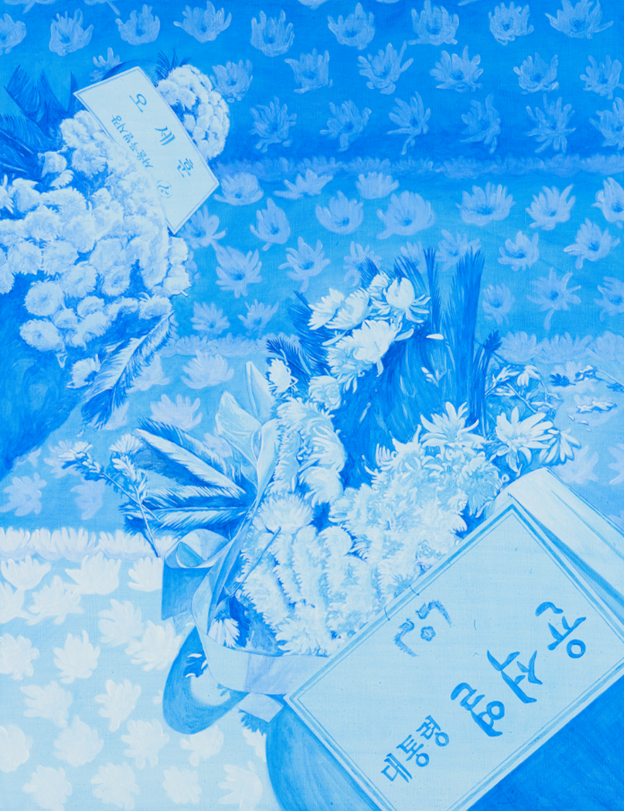
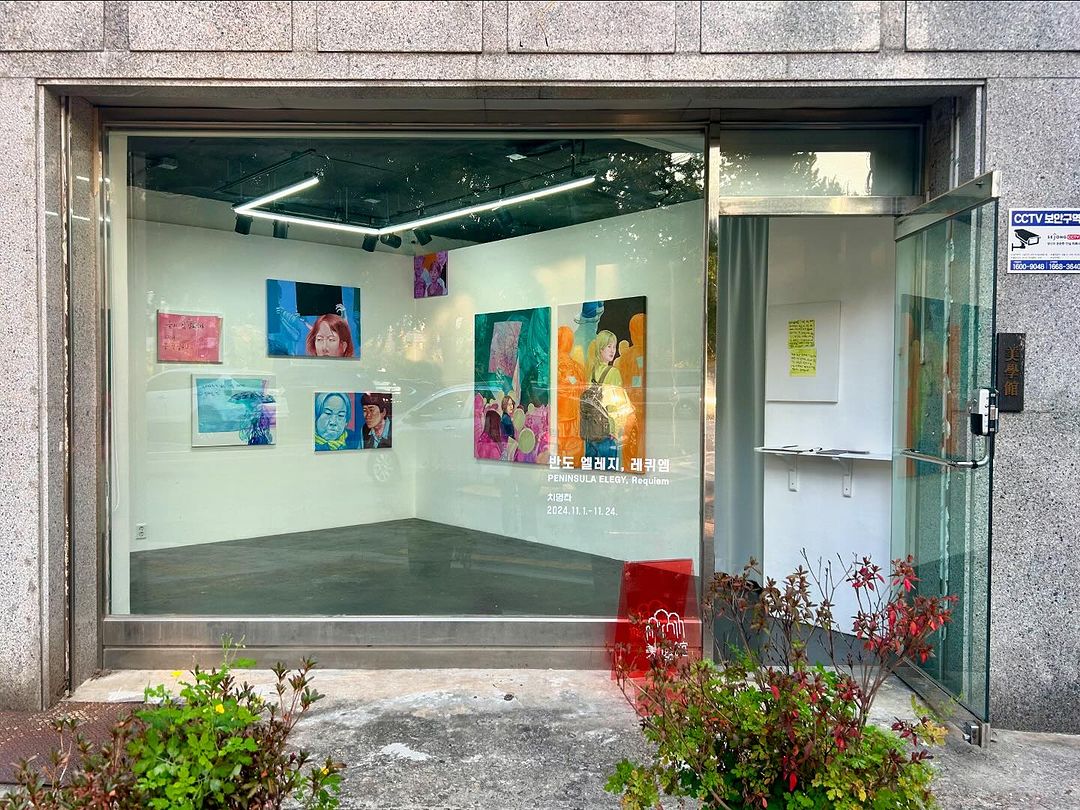
The recent ‘Peninsula Elegy’ series deals with the sorrow of those who do not stop mourning and commemorating even after social disasters. In 《PENINSULA ELEGY》(Space Imsi, 2024) and 《PENINSULA ELEGY, Requiem》(Mihakgwan Philosopher's Stone, 2024), the artist recalls the Sewol Ferry disaster, the Itaewon disaster, and the hidden sides of society revealed during the pandemic, viewing sorrow not as a private emotion but as a process of communal memory and commemoration.

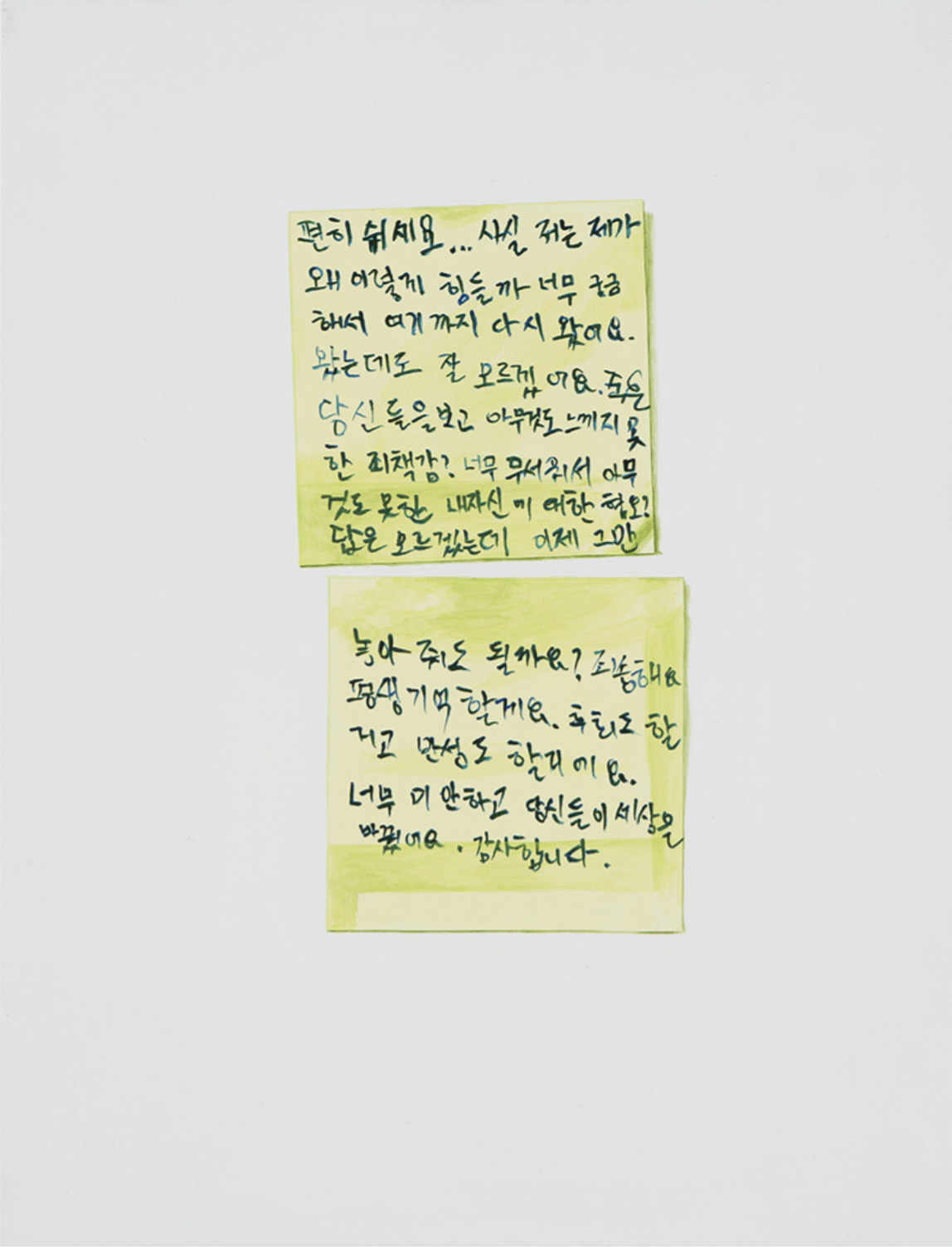
Works such as I’m so sorry and you changed the world.(2024), Living with myself, who does not get better.(2024), and I will not cry. But... I will cry...(2024), in which the artist redraws Post-it messages left by citizens, show the role of images in resisting oblivion. For Critical Hit, art is less a tool for explaining social issues than a practice of holding onto disappearing voices and memories and making us look at them again.

Style & Contents

Critical Hit has flexibly shifted between painting, drawing, video, performance, puppet theater, publishing, and projects according to the subject at hand. In her early site-based drawings, rather than capturing events quickly like photography, the artist slowly followed the time of the site through paper, watercolor, and sketchbooks.

Yeouido-rawing recorded jokes, complaints, small objects, and scenes from the protest site of laid-off Colt-Coltek workers, leaving the struggle not as heroic scenes but as everyday language and atmosphere. In 《News feed》, she reconstructed Facebook posts, photographs, articles, and events into drawings, attempting to hold social events as collective memory against the speed of the rapidly disappearing timeline.
 
Make up Dash and Sylvanian Familism proceed by appropriating and subverting forms of popular culture. Make up Dash adopts the grammar of beauty YouTube as it is, but transforms makeup, consumed as a “technique for becoming pretty,” into a performative device that reveals gender norms and hatred.

Sylvanian Familism uses expressionless animal dolls to twist the ideology of the normal family and the consumerist fairy-tale world, constructing a community in which minorities share their stories and seek survival. The fact that the hands moving the dolls are exposed as they are is important here. Critical Hit does not hide the fact that images are not naturally given, but are made through someone’s labor, and through the movement of those hands, she reveals the process of constructing an alternative world.
 
In works dealing with disaster, Critical Hit newly organizes forms of record, mourning, and reflection through drawing and painting. 《Disaster Drawing》 borrows the format of an illustrated encyclopedia, but does not focus on explaining the cause of the virus or the quarantine system. Instead, it records the realities of disabled people confined in facilities, people who must submit documents in order to receive free meals, and vulnerable beings whose livelihoods and safety are threatened during the pandemic.

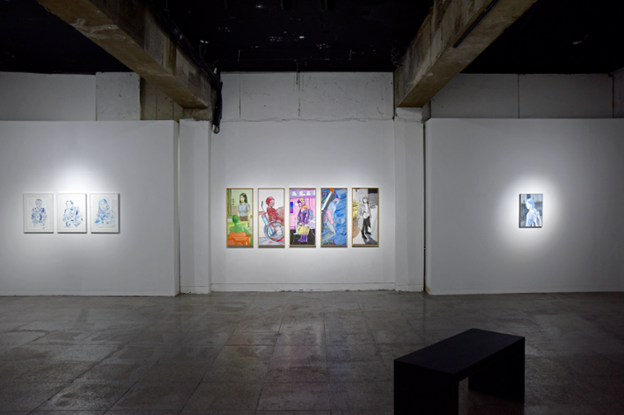
The ‘Under the Paper’ series in 《Under the Paper》 is a painting project made by diluting highly saturated paint with water on single sheets of paper, allegorically composing scenes of loss and institutional exclusion through concrete icons such as traffic cones, umbrellas, cream buns and milk, hospital beds, red pens, and masked figures.

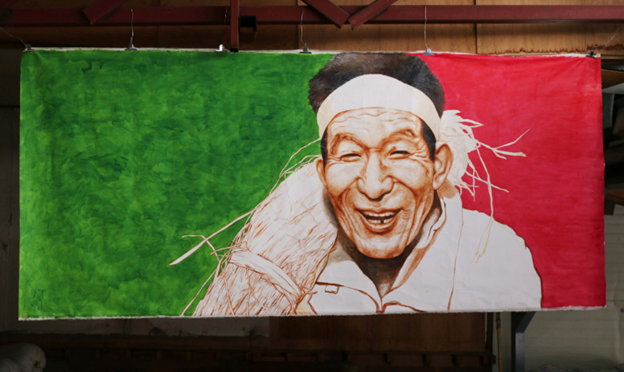
Works such as 1,560,000 won(2022), 10 Hours(2022), Six Times(2022), Seven Days(2022), and Under the Paper(2022) borrow the format of portraiture, but do not remain at the level of representing a single person’s face; instead, they evoke the social conditions surrounding that person.
 
In the ‘Peninsula Elegy’ series, painting functions as a form of communal mourning and memory. Critical Hit redraws the Post-it messages left by citizens after the Itaewon disaster, including the handwriting, spelling, pressure of the pen, and crumpled state, transferring the material traces of sorrow left after disaster onto the surface.

Rather than making viewers consume emotion through images, these works create a distance that cannot be easily contemplated. In an era when news and internet images circulate disasters as spectacles, the artist holds onto parts of drifting images and memories and makes us look at them for longer. This method can be seen as a flow in which the “attitude of holding onto disappearing voices,” which began with the SNS drawings of 2016, expanded into paintings of disaster and mourning in the 2020s.

Topography & Continuity

Critical Hit’s work has continued along the axes of site-specificity, minority politics, appropriation of popular media, and post-disaster mourning. In the early period, she recorded voices pushed aside in actual sites and digital spaces, such as the Colt-Coltek protest site and SNS news feeds, through drawing.

Later, she used popular formats such as YouTube and puppet theater to address issues of gender, family, disability, refugees, and sexual minorities. After the pandemic, she moved toward looking at disaster not only as an event affecting society as a whole, but as something that operates more harshly on those already in vulnerable positions. Within this flow, Critical Hit’s work has not been fixed to one medium or genre, but has expanded by changing form according to the nature of the issue.
 
The artist directly addresses social agendas without reducing them to simple slogans or explanations. In Sylvanian Familism, expressionless dolls instead allow viewers to bypass prejudices imposed on specific faces, while the figures in 《Under the Paper》 remain concrete yet not fully explained images, prompting viewers to think for themselves about the realities behind them. In the ‘Peninsula Elegy’ series as well, the artist does not push sorrow into immediate emotional consumption, but treats it as a form for sustaining memory and commemoration.
 
Unlike many works dealing with similar social subjects that focus on research, archives, or documentary testimony, Critical Hit keeps the tactile quality of drawing and painting, puppet theater, and performance until the end. In her work, the labor of the hand is not simply a method of production, but an ethical attitude of holding onto what is disappearing and setting it upright again.

Redrawing posts pushed away from SNS timelines, writing down scattered words from sites in sketchbooks, moving dolls by hand, and redrawing even the pressure and creases of Post-it notes all show how images can preserve and renew communal memory.
 
In this sense, Critical Hit’s work has the distinctive quality of combining social research and painterly sensibility, site-based intervention and allegorical imagination. Going forward, her work seems likely to move beyond the issues of social disaster and minority lives toward exploring how art can intervene in the actual foundations of life and how the conditions of mutual survival can be reorganized.

Works of Art

Art as a Site of Mourning and Consolation

Articles

Exhibitions

Activities