Will o’ the Wisp - K-ARTIST

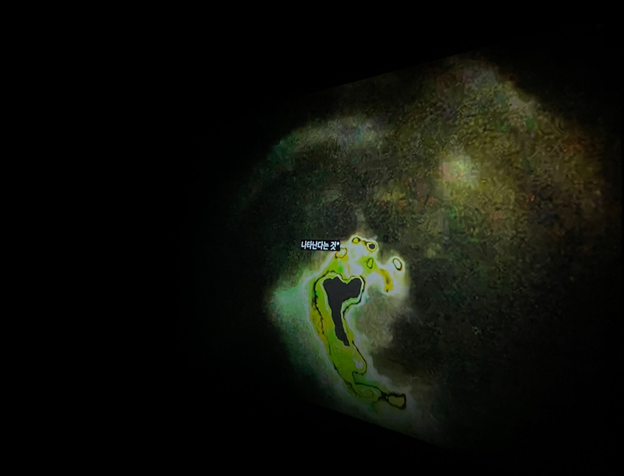
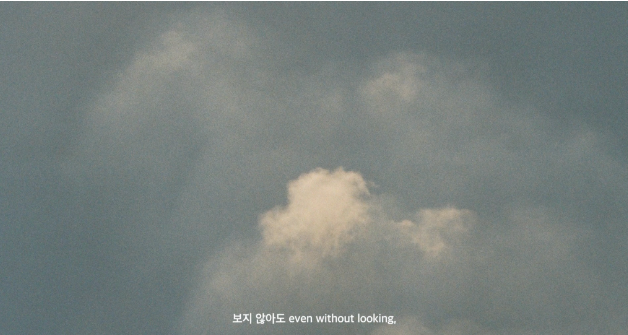
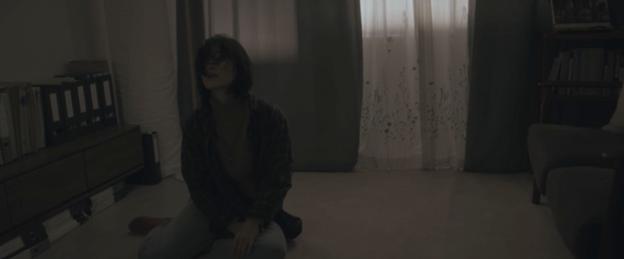
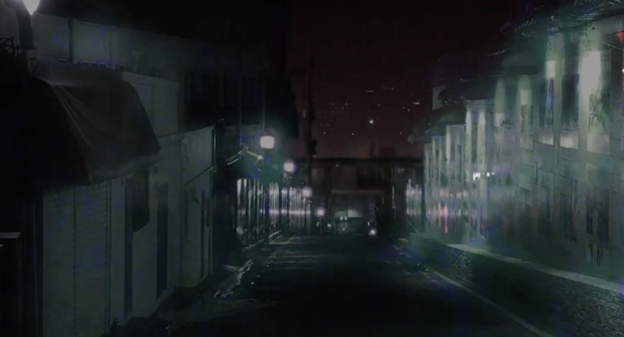
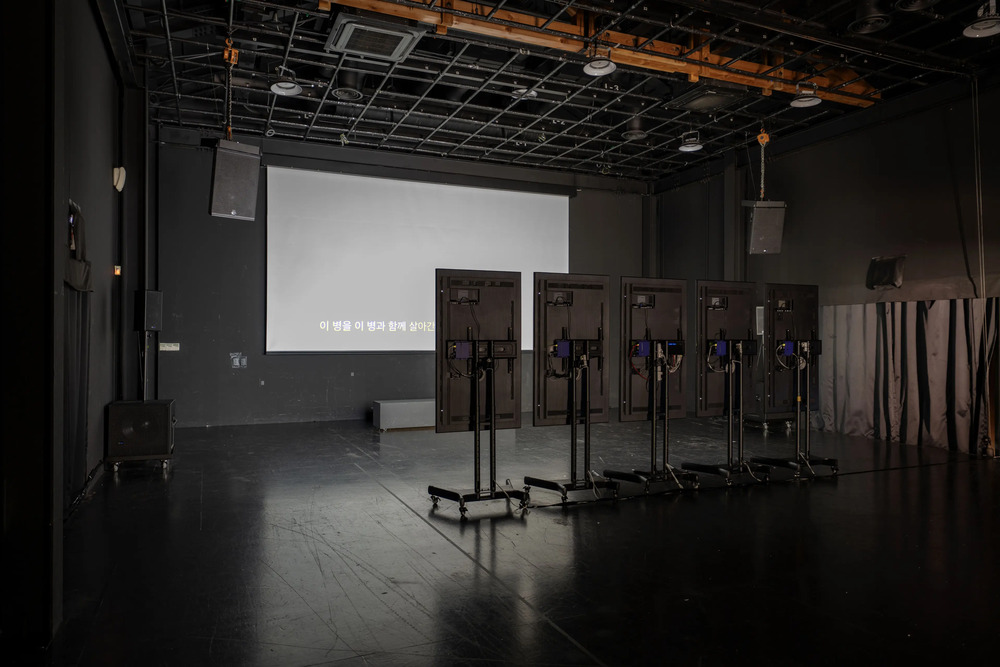
Will o’ the Wisp

2024
Single-channel video
18min 20sec
About The Work

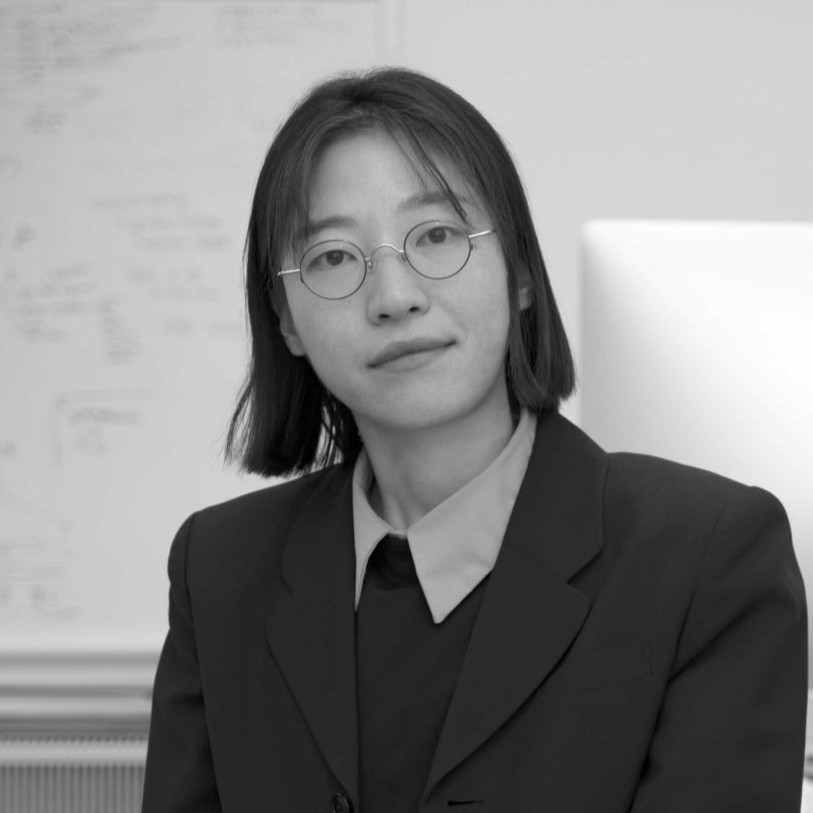
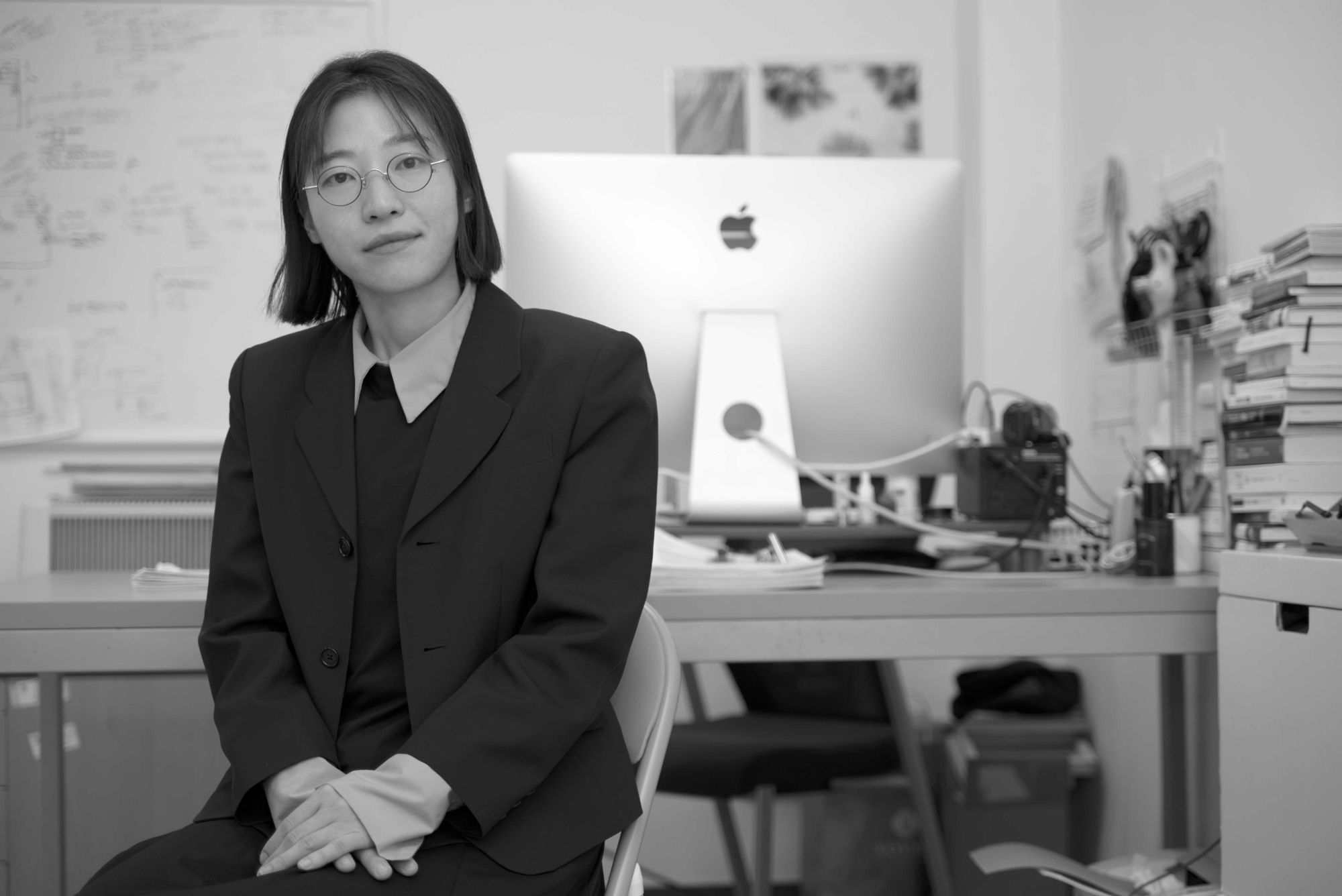
Yang Eunkyung has worked across narrative film and documentary, focusing on the stories of people whose bodies have become unpresentable due to invisible disabilities and stigmatized identities. In the process, the artist reflects on the ways portraits and voices—those that inevitably must be included, and those that inevitably must be excluded—are edited and constructed.

 In particular, Yang Eunkyung has focused on the lives of people living with severe mental illness and the issues surrounding their representation. In her work, schizophrenia is not treated as a condition reducible to a single diagnosis, but rather as a plurality of lived experiences shaped by different bodies, memories, symptoms, and languages.

In a situation where recording media continue to develop toward seeing and hearing with increasing clarity, the artist instead asks how we might encounter beings placed between “seeing” and “not being seen,” and between “speaking” and “silence.” Yang’s work deals with people living with schizophrenia and the social stigma surrounding mental illness, but it does not simplify them into institutional critique or an enlightening message.

She slowly follows the edges of bodies that cannot be revealed, words that have not been easily spoken, and images that were recorded but could not be used, allowing viewers to sense together the difficulty and necessity of approaching another person’s world. 

In this way, Yang Eunkyung’s work listens closely to the stories of bodies marked by invisible disabilities and social stigma — beings whose existence cannot easily be revealed — and unfolds not through simple modes of representation, but through approaches that engage the viewer’s bodily senses, ultimately encouraging viewers to approach these individuals for themselves.
 
Moreover, within her work, the bodies of those who exist around us yet remain unseen, along with the voices of those stigmatized as objects of social hatred, collide and resonate with one another, revealing their presence as palpable sensory realities.

Solo Exhibitions (Brief)

Yang Eunkyung has held solo exhibitions including 《Between Word and Body》 (Incheon Art Platform, Incheon, 2025), 《Invisible Body, Tangible Word》 (Incheon Art Platform, Incheon, 2024), and 《Crossing the Light》 (Art Space Cargo, 2022).

Group Exhibitions (Brief)

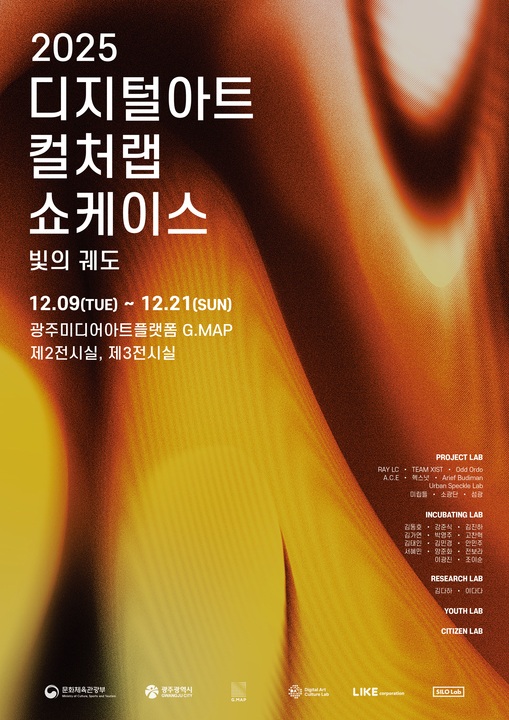
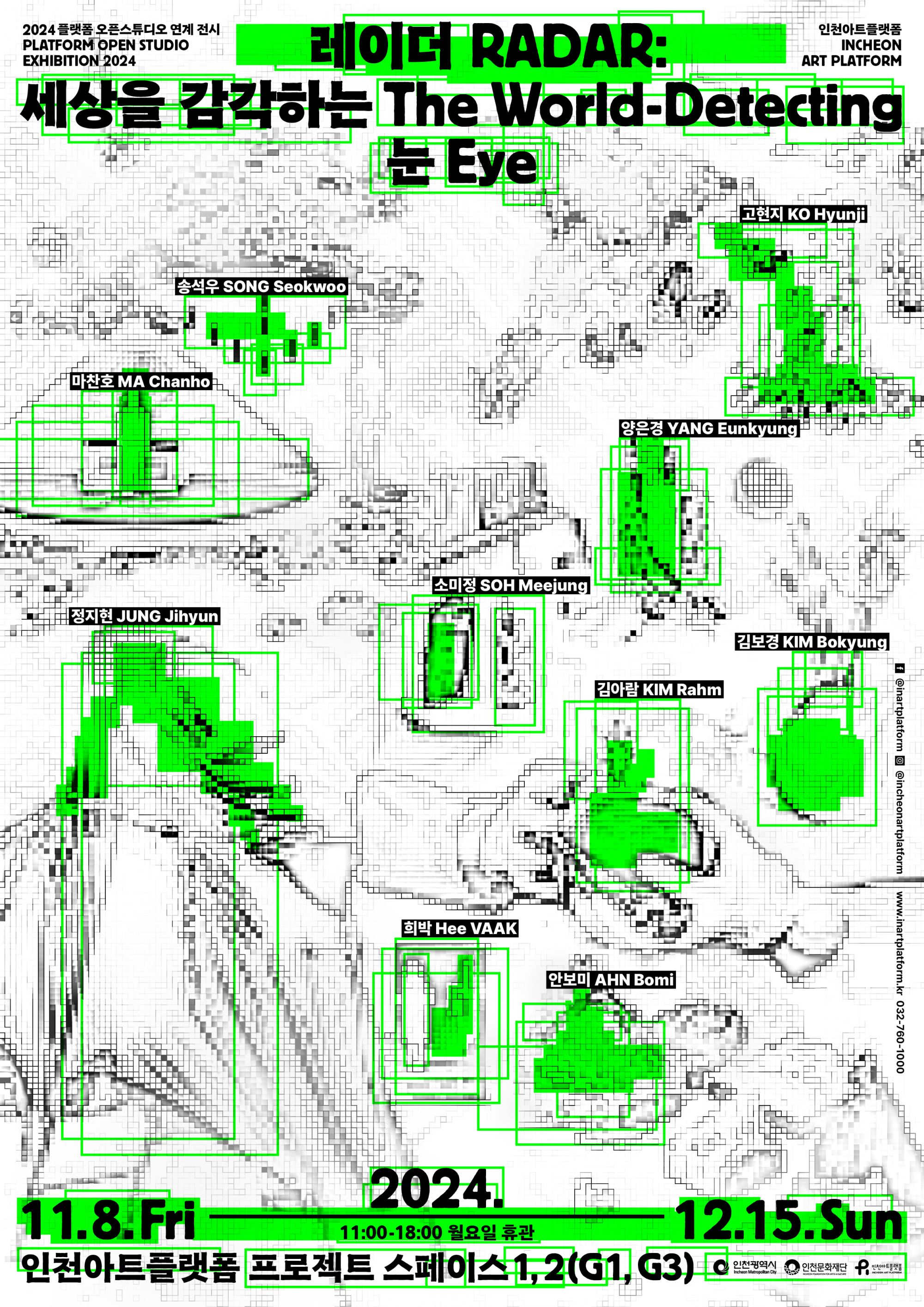
Yang has also participated in numerous group exhibitions, including 《Vanishing Moments, Remaining Forms》 (Factory of Contemporary Arts in Palbok, Jeonju, 2026), 《Echoes of Light》 (Gwangju Media Art Platform, Gwangju, 2025), 《NOWHERE(Nowhere, Now here)》 (Daegu Art Factory, Daegu, 2025), and 《RADAR: The World-Detecting Eye》 (Incheon Art Platform, Incheon, 2024).

Awards (Selected)

Yang received the Excellence Prize at the “2025 Digital Art Culture Lab: Project Lab” hosted by Gwangju Media Art Platform, as well as the Excellence Prize at the “K-Doc Short Pitch 2022” of the DMZ International Documentary Film Festival.

Residencies (Selected)

Yang has also participated in residency programs at the Factory of Contemporary Arts in Palbok (2025–2026) and Incheon Art Platform (2024–2025).

Works of Art

The “Invisible Body” Revealed as a Sensory Presence

Originality & Identity

Yang Eunkyung’s work begins from an interest in bodies and words that cannot be easily revealed due to invisible disabilities and social stigma. Having produced fiction films and documentaries, the artist has continuously reflected on the problem of editing portraits and voices that must inevitably be included in, or excluded from, the process of making moving images. In particular, her experience photographing a psychiatric medical camp in Cambodia in 2017 and the social situation in which hatred toward schizophrenia spread after the Jinju arson and murder case in 2019 became important turning points that led Yang to focus on the lives of people with severe mental illness and the problems of representation surrounding them. In her work, schizophrenia is not treated as an object explained by a single disease name, but as multiple experiences lived by people with different bodies, memories, symptoms, and languages.
 
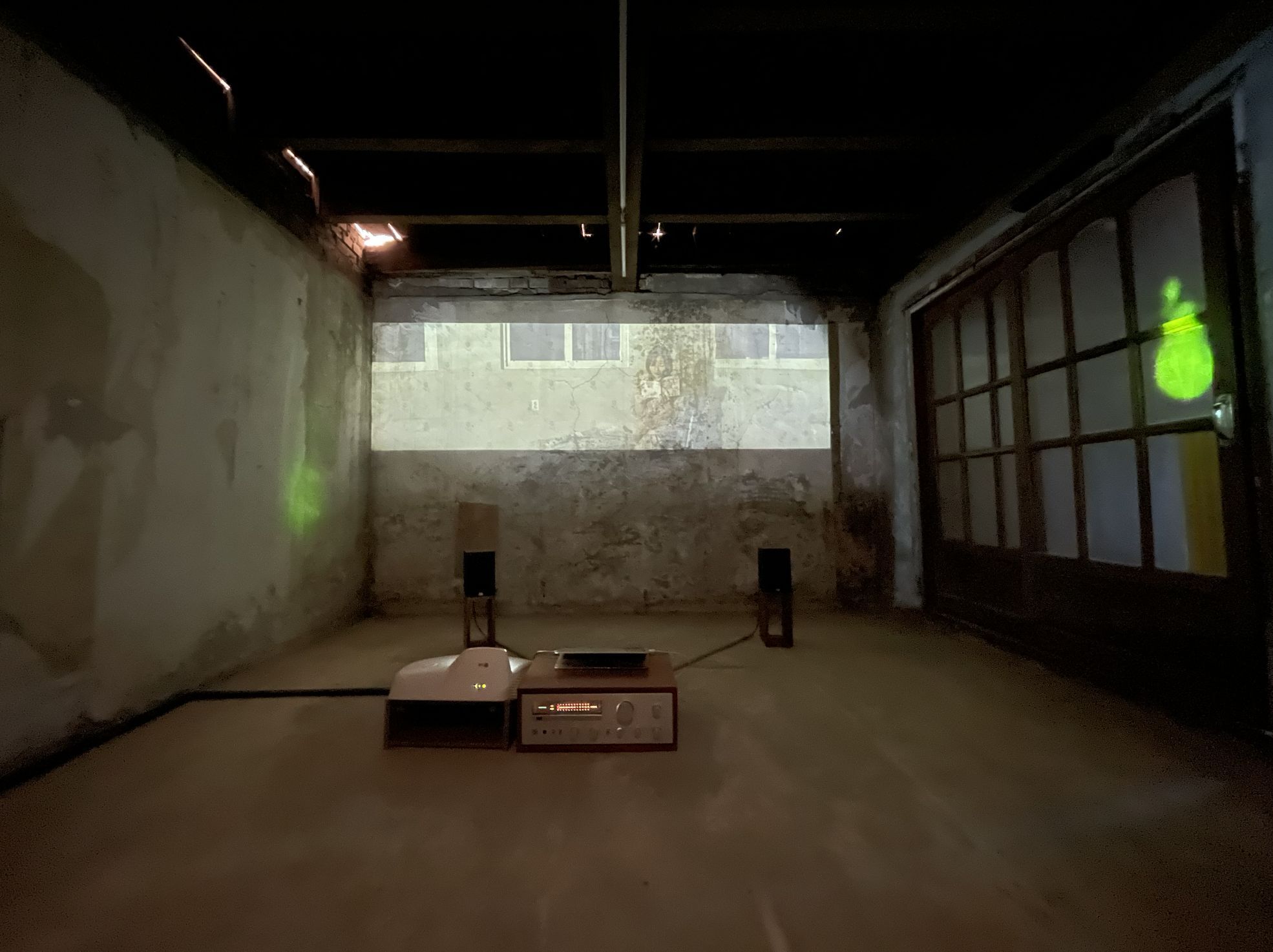
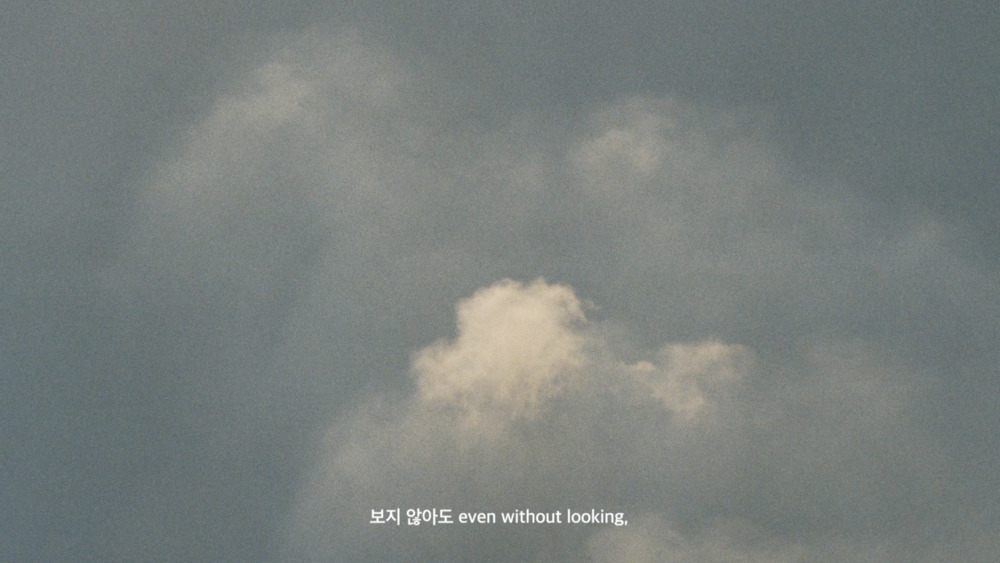
In her early work, Yang approached the issues of mental illness and isolated lives indirectly through the folkloric figure of the “dochaebi.” 《Extending the Light》(Ongno, 2021) is an exhibition that reads through the scenario of the unrealized short film Will o’ the Wisp(2024), based on a story in which a person with schizophrenia and an unhoused musician come to listen to each other’s sounds. For the artist, the dokkaebi is a figure of hospitality that calls someone by name and opens a door. The exhibition was structured so that viewers could follow the light and faint sound behind a door, open it themselves, and approach the video. Here, hospitality is presented not as a one-sided act of giving, but as a careful way of approaching each other’s isolation.
 
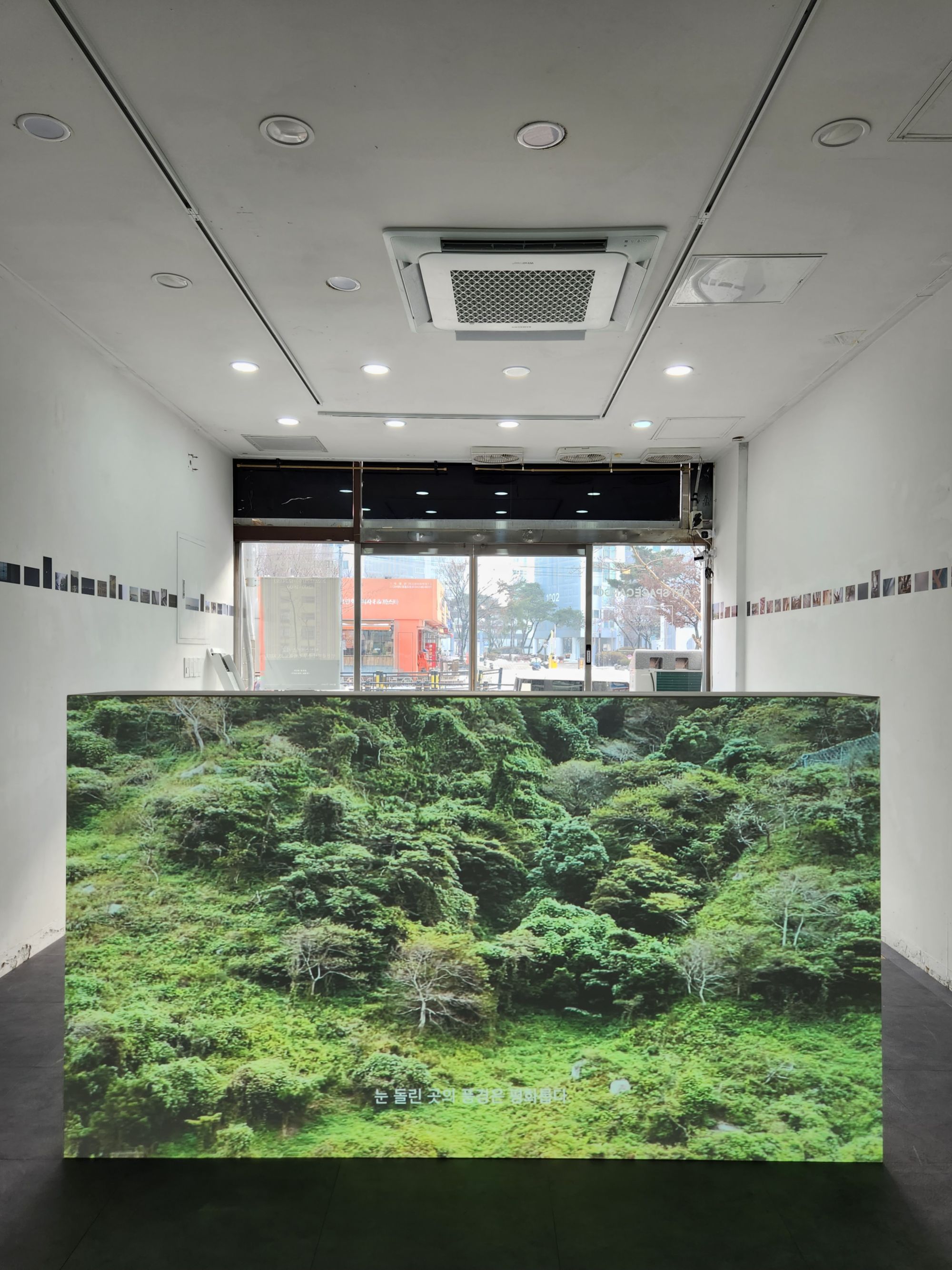
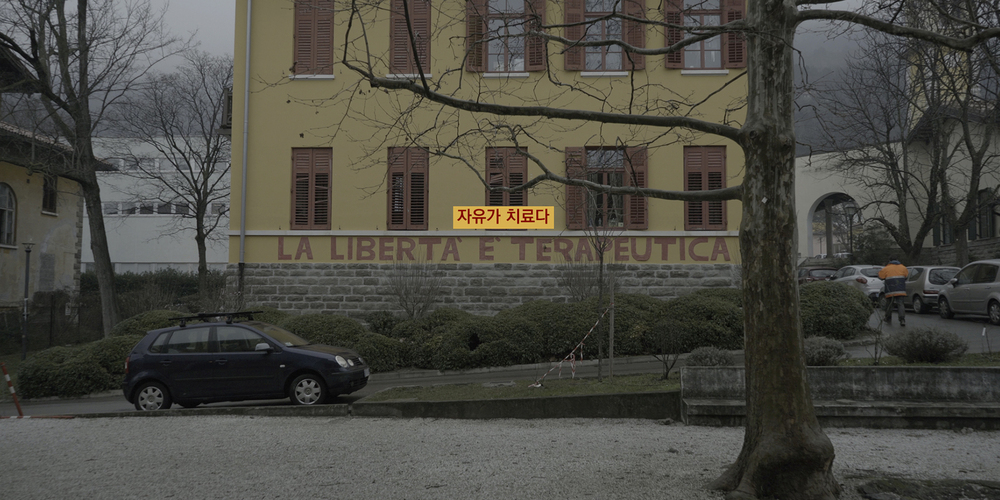
In 《Crossing the Light》(Art Space Cargo, 2022), the artist presented photographs and videos of places related to mental illness in Cambodia, Italy, and Korea, reflecting more directly on her own position in recording the suffering of others. The photographs were installed at a very small scale, so that viewers could see them in detail only by moving their bodies and coming closer. This reflected the caution and ethical sense of distance the artist felt when capturing the stories and landscapes of those directly involved. Later, in 《Invisible Body, Tangible Word》(Incheon Art Platform, 2024), Yang no longer passed through the symbolic medium of the “dochaebi,” but dealt more directly with the name schizophrenia and the words of those living with it. Yet this directness is not an attempt to explain the illness or reproduce its symptoms, but rather an attempt to gather, as they are, the diverse experiences of those who cannot be bound into a single narrative.
 
The 2025 work Between Word and Body(2025) expands these concerns into the conditions of video, sound, and projection themselves. In a situation where recording media continue to develop toward seeing and hearing with increasing clarity, the artist instead asks how we might encounter beings placed between “seeing” and “not being seen,” and between “speaking” and “silence.” Yang’s work deals with people living with schizophrenia and the social stigma surrounding mental illness, but it does not simplify them into institutional critique or an enlightening message. She slowly follows the edges of bodies that cannot be revealed, words that have not been easily spoken, and images that were recorded but could not be used, allowing viewers to sense together the difficulty and necessity of approaching another person’s world.

Style & Contents

Yang Eunkyung’s work moves across fiction film, documentary, interview, multi-channel video, photography, installation, and projection. If 《Extending the Light》 was a work that read an unfinished film scenario inside the exhibition space and made viewers approach it directly through a structure of door, light, sound, and video, 《Crossing the Light》 placed photographs and videos at a very small scale, requiring viewers to move and adjust their gaze. Here, the exhibition space becomes less a place where images are shown at a glance than a space where viewers reset distance and position through their own bodies and move closer to another person’s story. Rather than clearly capturing people with mental illness, the artist reveals the violence and limits inherent in the act of seeing through peripheral images such as hands, feet, landscapes, and empty spaces.
 
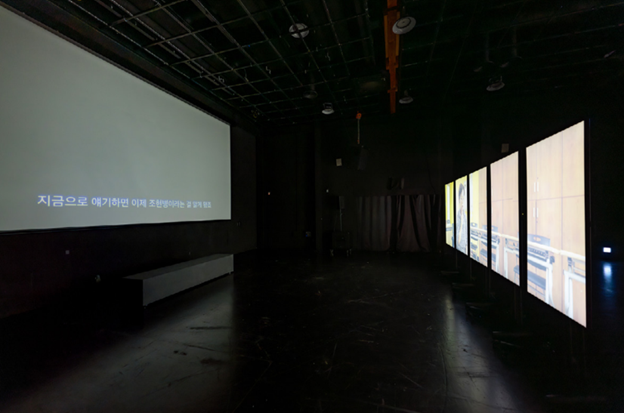
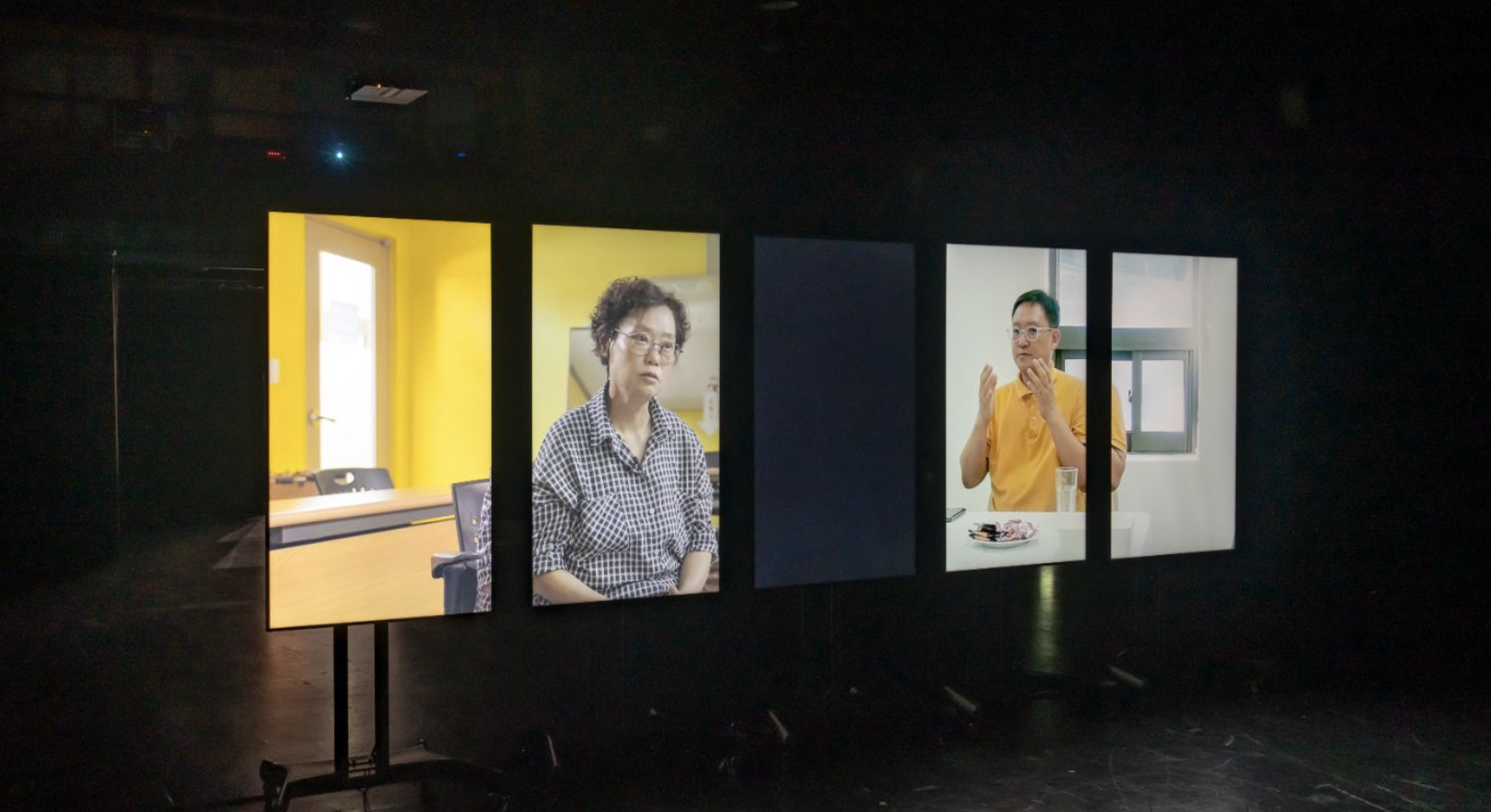
《Invisible Body, Tangible Word》 is the work in which Yang’s formal shift becomes most clearly visible. This exhibition centers on the six-channel video Invisible Body, Tangible Word(2024), based on interviews with eight people living with schizophrenia, and places each person’s body and words within a parallel multi-channel structure. The video does not create a linear narrative that follows a single person or event, but instead places different voices, subtitles, blank screens, body parts, and the correspondence or discrepancy between faces and voices side by side. Through this, the name schizophrenia is prevented from being reduced to a single explanation, while different forms of visibility are given according to each interviewee’s situation and degree of possible disclosure.
 
In this work, editing operates not simply as a technical process, but as a matter of ethical judgment. For interviewees who agreed to reveal their portraits, their faces and voices appear together; however, in cases where they feared exposing their existence, the artist uses hands, feet, cropped screens, blank spaces, text, and the words and images of others instead of mosaic blurring. These gaps are not signs of absence, but ways of showing the fact that “this person’s body exists right here.” The exhibition space is also designed so that viewers cannot face the screens directly from the beginning; only after adjusting to the darkness and walking deep into the space can they finally encounter the screens and words. This allows viewers to spatially experience how complex and careful a process it is to listen to another person’s words and come to know another person’s world.
 
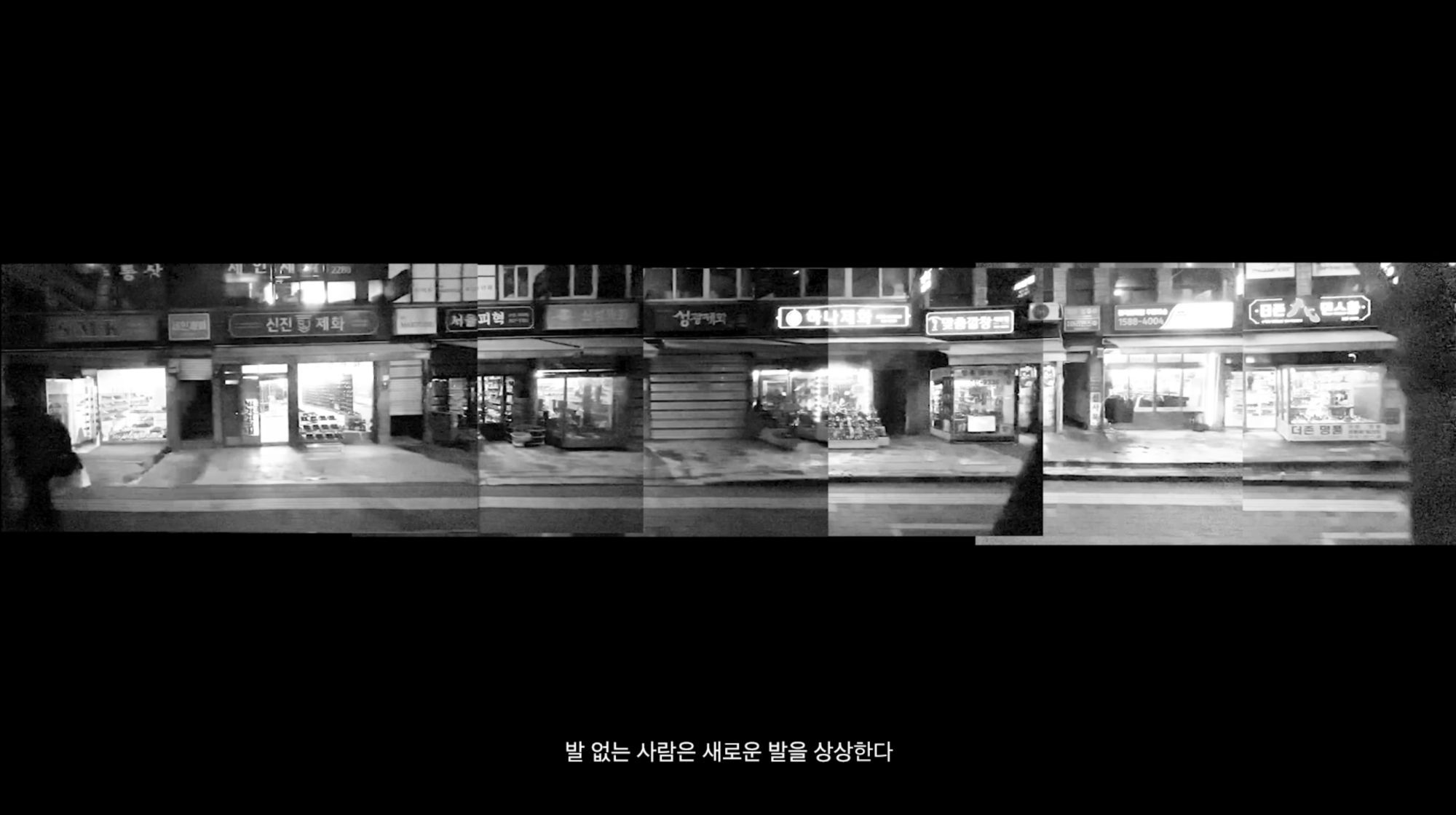
In Between Word and Body, the physical conditions of video recording, voice recording, and projection become central to the work. The artist explores how blurred or overly clear images operate within space, focusing on the gaps that arise when recorded bodies and voices are replayed inside the exhibition space. Like City Made of Lights(2025), videos projected onto corners, views seen from the subway, empty spaces, the artist’s own sentences, and interview videos all create structures that can be approached only by looking back, moving, and changing one’s position, rather than through screens that are clearly visible from the front. Yang’s video installation is therefore both a device that conveys recorded facts and a field of sensory editing that asks what should be shown and what should be concealed.

Topography & Continuity

Yang Eunkyung’s work is positioned between documentary and video installation, the social representation of mental illness, and ethical questions surrounding the speech of those directly involved. She does not make schizophrenia into a single object of fear, pity, or institutional critique, but treats it as multiple realities experienced by different people within their own lives. In this sense, her work keeps a distance from existing modes of representation that take mental illness as subject matter. Rather than visually reproducing symptoms of illness or directly explaining problems in social structures, she carefully designs how an interviewee’s body can appear, how their words can remain, and from what distance viewers should encounter them.
 
Yang’s work began with a symbolic approach through the “dochaebi” and has gradually moved toward dealing more directly with the words and bodies of those directly involved. In 《Extending the Light》 and 《Crossing the Light》, she explored ways of approaching isolated beings through devices such as hospitality, doors, light, small photographs, and looking back. Later, in 《Invisible Body, Tangible Word》, she presented interviews with eight people living with schizophrenia through a parallel multi-channel structure, placing within the exhibition space the plurality of words that cannot be bound by a single disease name. By the time of Between Word and Body, this issue expands into the conditions of recording media and projection, asking how we might sense beings placed between visibility and utterance.
 
Yang’s originality lies less in the simple proposition of “making the invisible visible” than in her search for forms that do not erase existence while still considering the condition of invisibility as it is. In her work, blank spaces, blurring, small images, cropped bodies, voices that seem almost inaudible, and videos placed in corners are not expressions of lack, but forms of ethical distance. Viewers do not walk straight toward the screen in order to see the work; instead, they must adjust to darkness, turn their bodies, walk along small installed images, and listen to words heard incompletely. This structure slows down the quick understanding or consumption of another person’s pain and leads viewers to reconsider the conditions of encounter itself.
 
Yang Eunkyung has expanded her video-, installation-, and research-based practice through various exhibitions and residencies at Incheon Art Platform and Factory of Contemporary Arts in Palbok. Going forward, her work seems likely to move beyond the specific subject of mental illness and continue toward broader contexts involving records and representation, visibility and silence, social stigma and sensory encounter.

Works of Art

The “Invisible Body” Revealed as a Sensory Presence

Articles

Exhibitions

Activities