SEOM:’s
form unfolds by organically combining sound installation, participatory
workshops, sound walks, video, sculptural objects, and tactile structures.
Rather than remaining at the level of recording and replaying sound, they
design exhibition structures so that sound triggers the viewer’s movement,
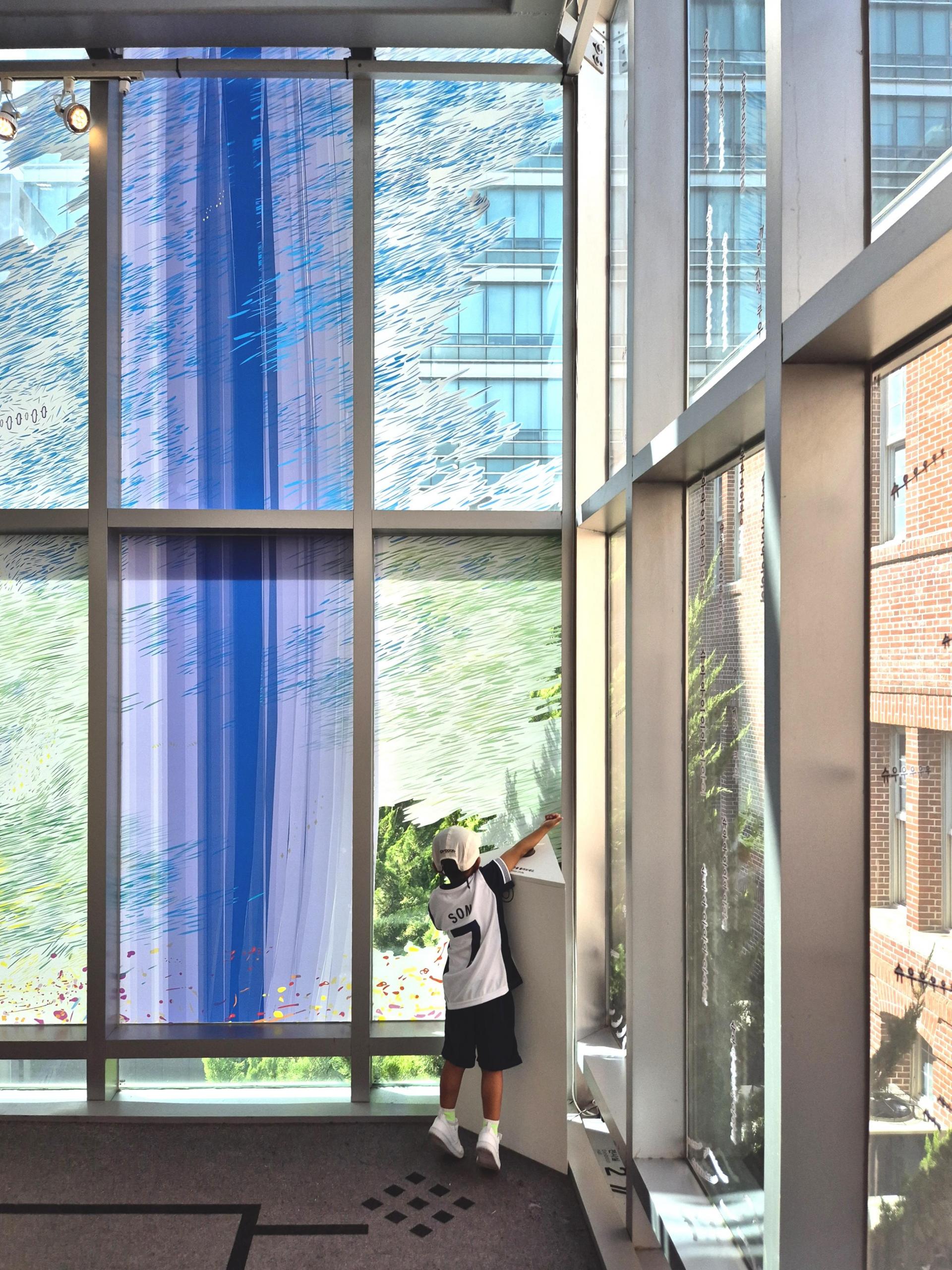
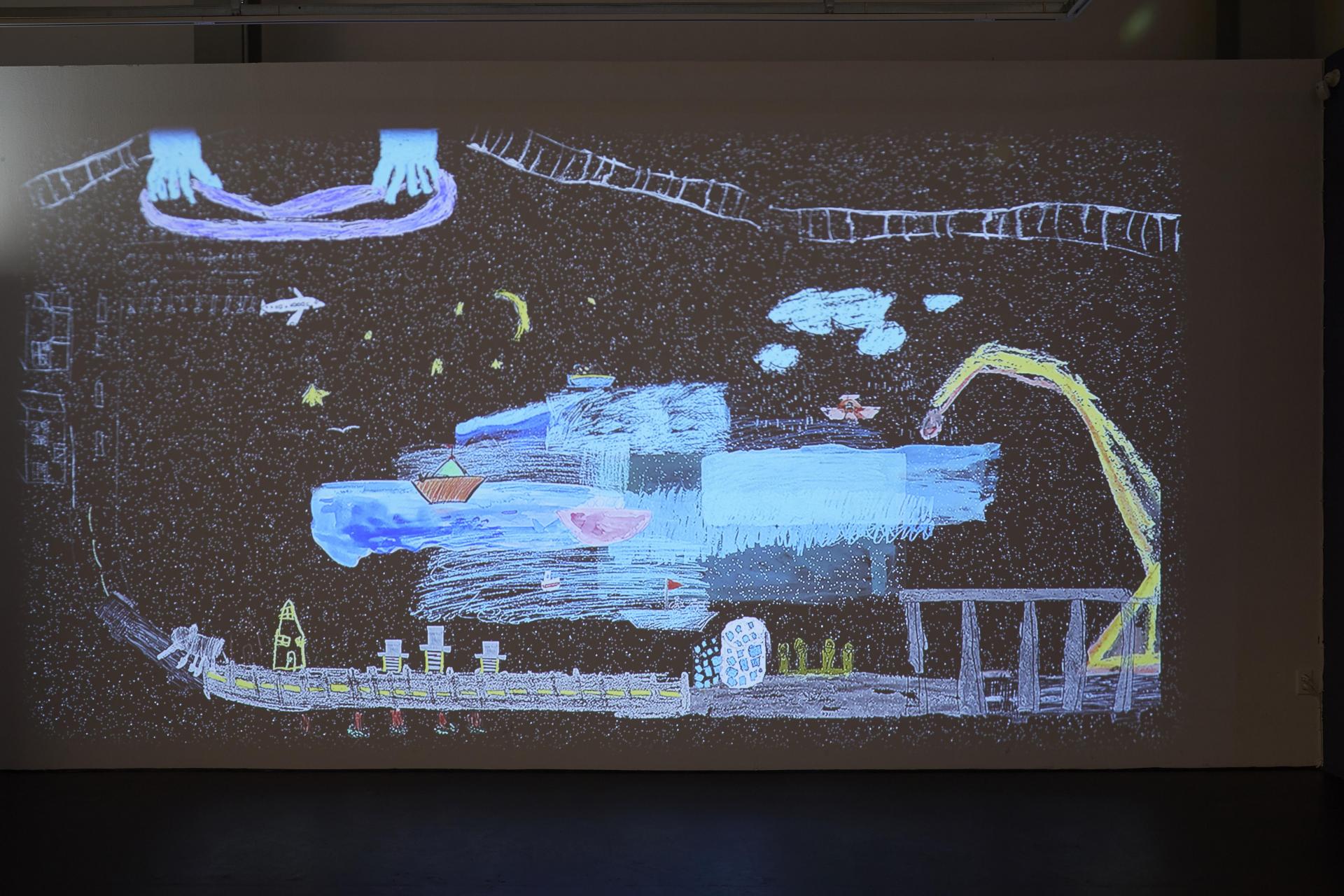
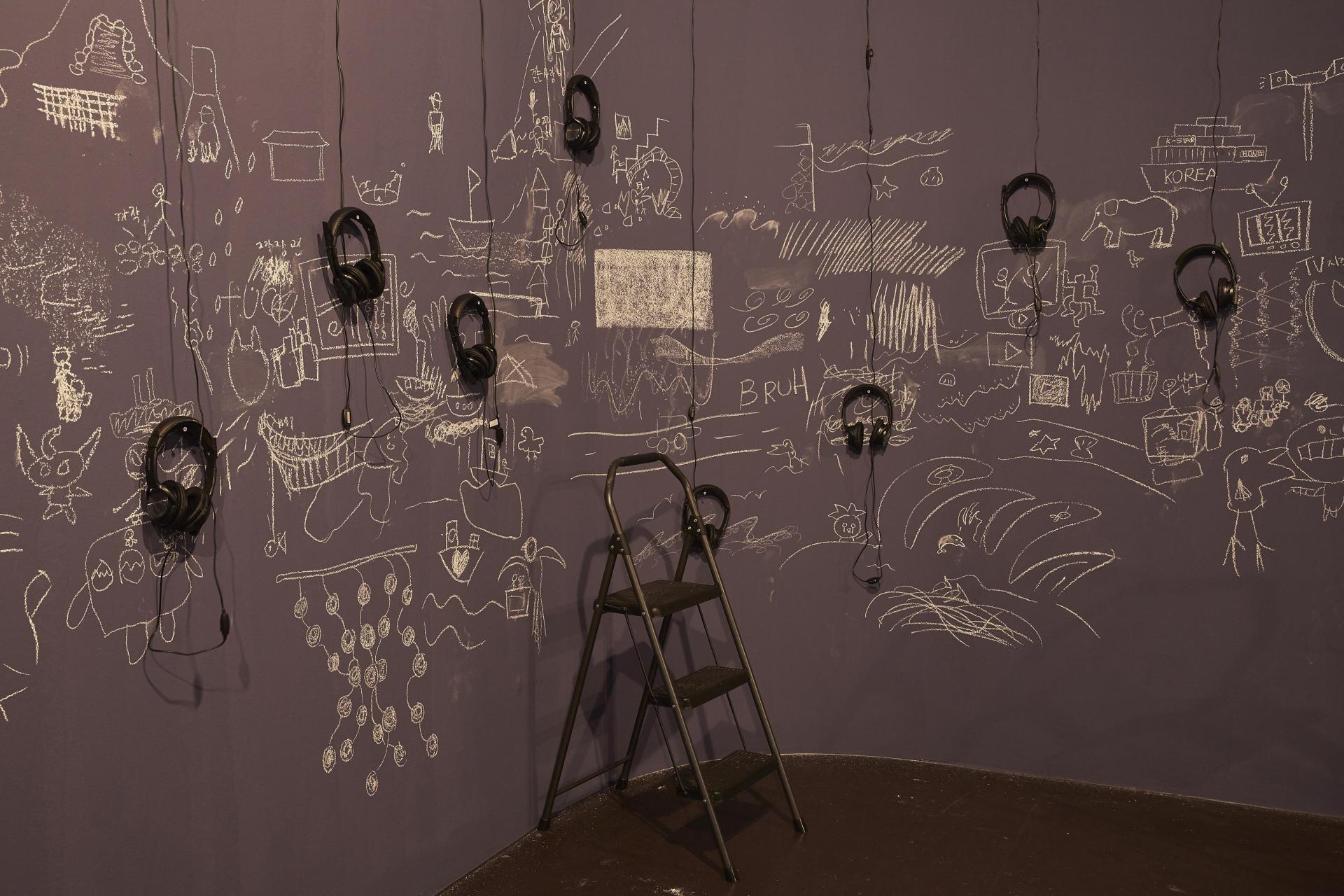
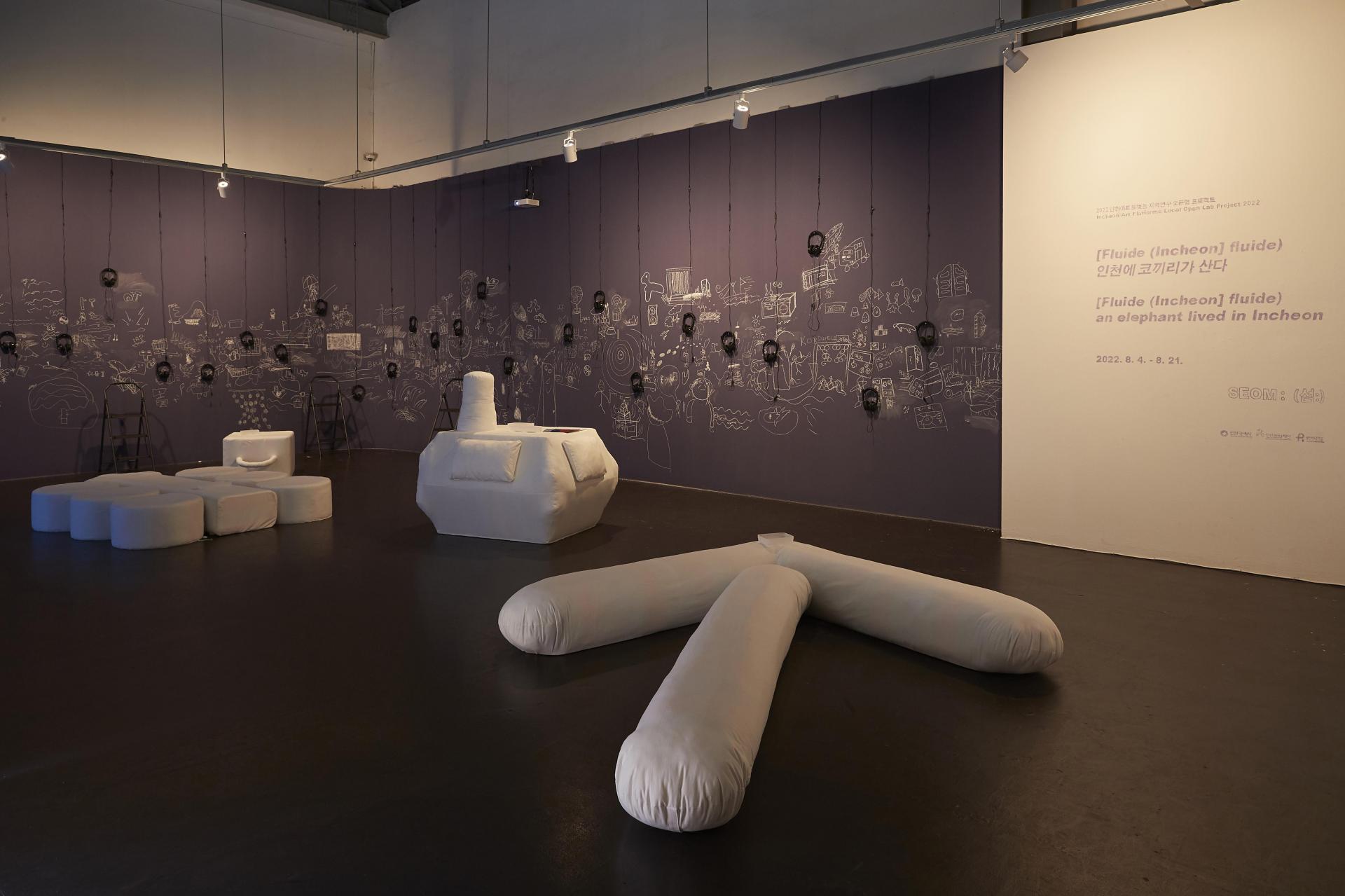
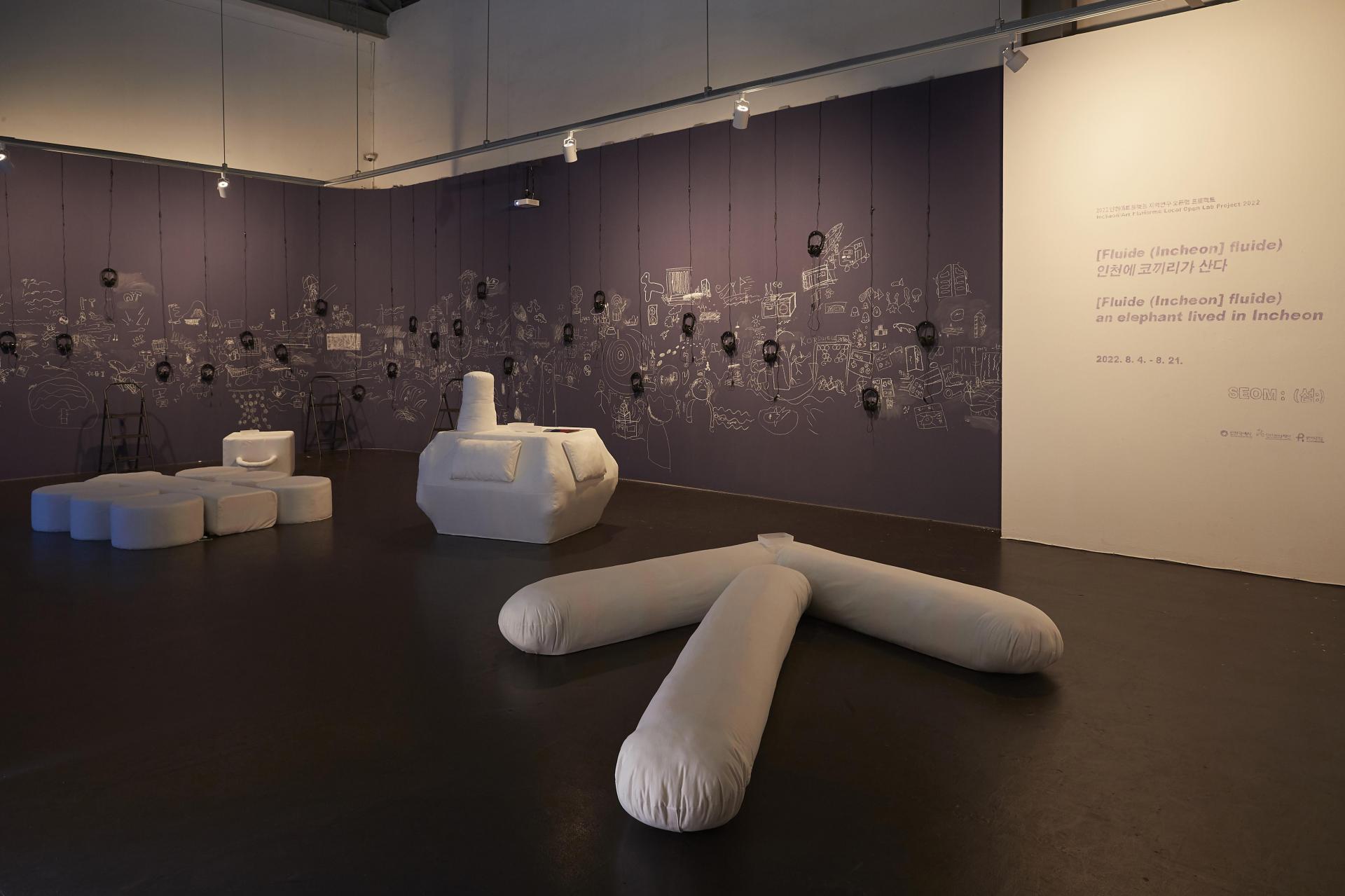
contact, imagination, and memory. In 《[Fluide (Incheon] fluide) - ‘An Elephant Lived in Incheon’》, Sound Wall(2022), Figure I,
II, III, IIII(2022), and An Elephant Lived in
Incheon are presented together, and viewers experience the work
by listening to sounds and drawing images, or by sitting on stools modeled
after sculptural forms made by children. In this exhibition, sound moves
between wall, video, sculpture, and the viewer’s actions, creating a shared
narrative.
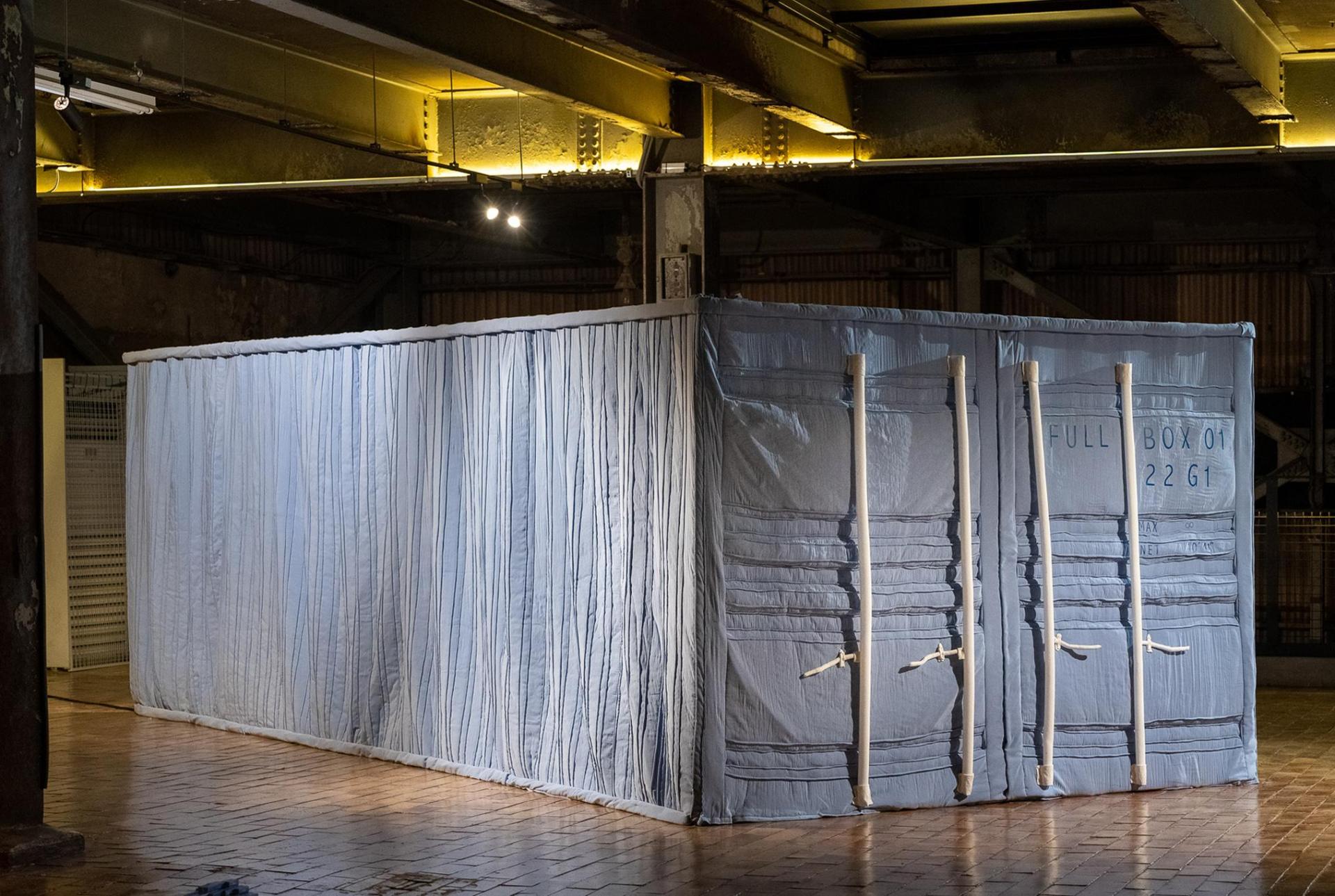
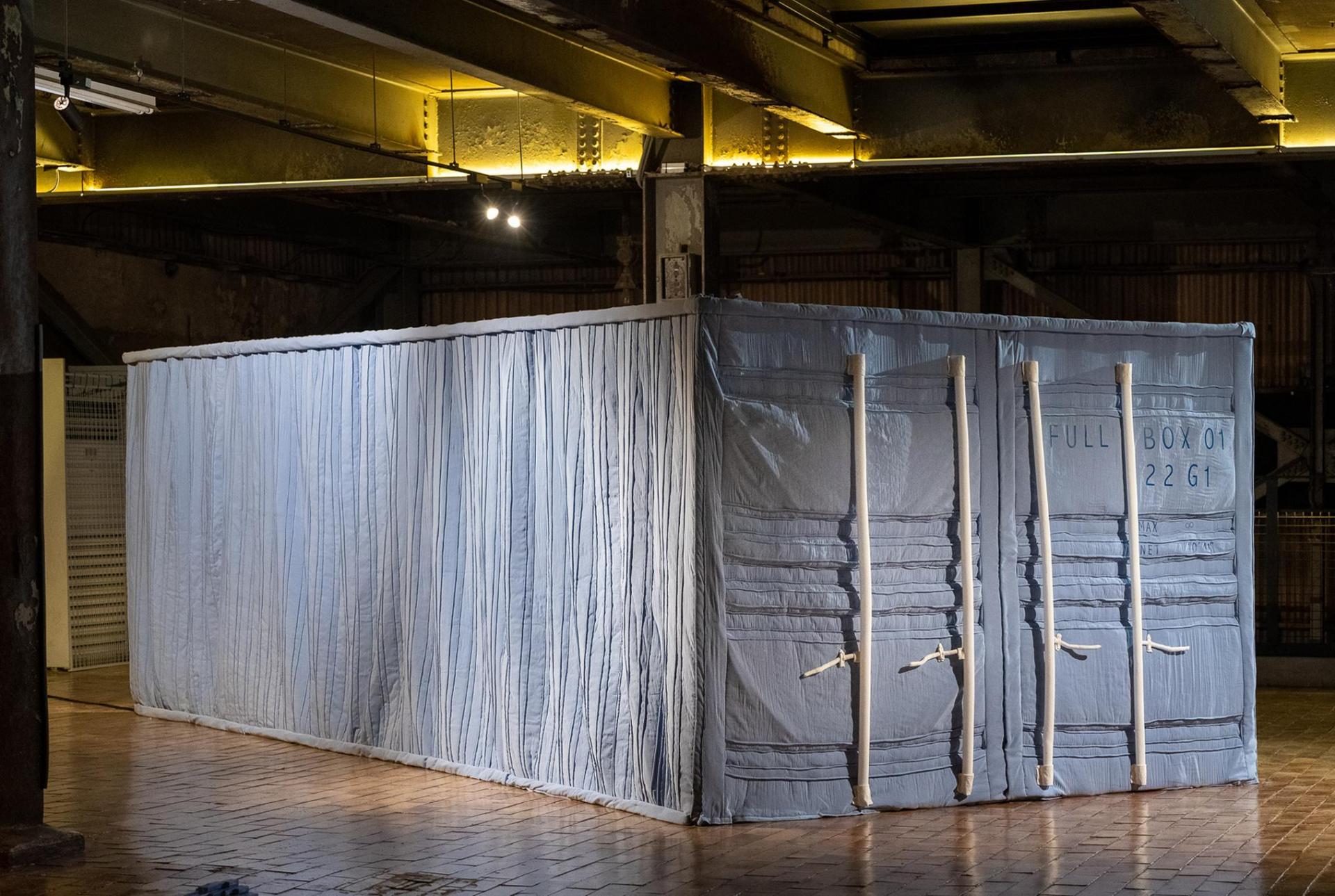
《Full Box Project》(CoSMo40, 2022) reveals the
gap between the surface image of a city and actual sensory experience through
the premise of placing soundscapes collected in Incheon inside a container and
delivering them to the exhibition space. The container is a familiar image of
Incheon that evokes ports, factories, and industrial facilities, but SEOM:
inserts Sound Passage into it, allowing the viewer
to re-experience the city’s landscape through hearing. Incheon’s ever-changing
scenes, from the sea to a dense city, apartment complexes, and factory zones,
become landscapes that the viewer senses by following the sounds flowing from
the container walls. By adding a sound invoice containing GPS coordinates and
QR codes, the exhibition experience does not end inside the exhibition space
but continues into actual places and the viewer’s movement.
The
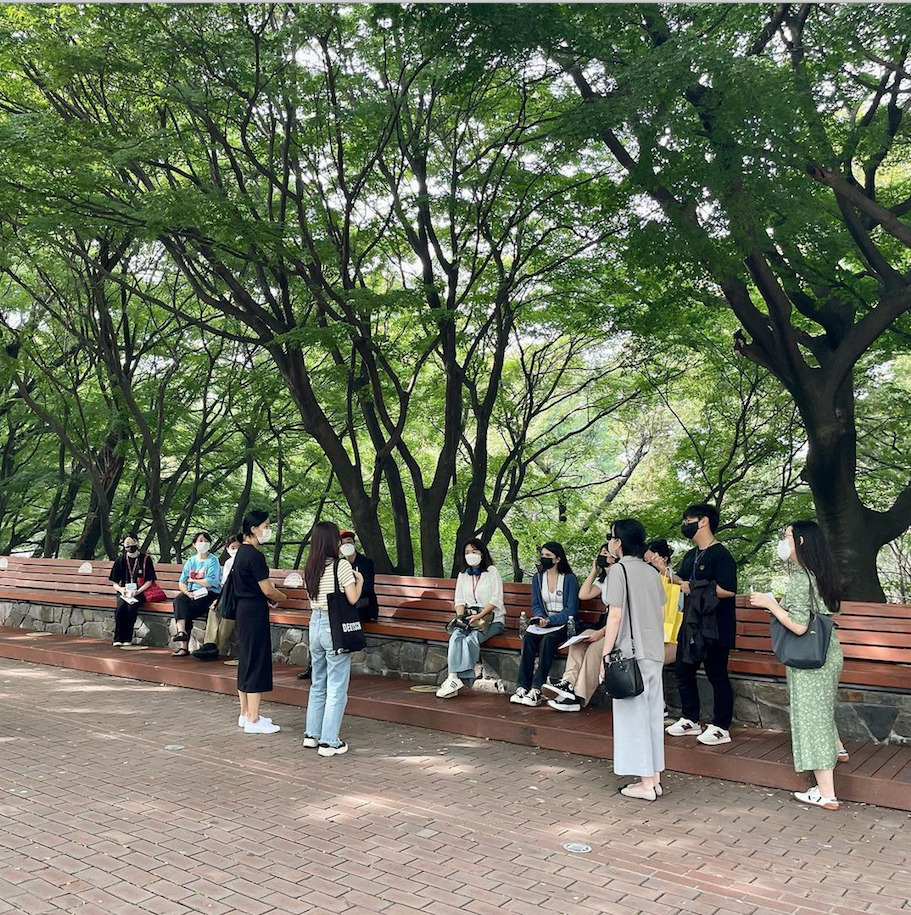
sound-walk work The City on the Sea: Mirage(2022) is an
example of SEOM:’s practice expanding beyond the indoor exhibition space. In
this project, participants walk around Incheon Art Platform and sense the
layers of the city through “disappearing sounds,” “existing sounds,” “invisible
sounds,” and “continuing sounds.” Reclaimed land that was once sea,
granite-paved roads, alleys slightly removed from the decorative atmosphere of
a tourist site, and the kitchen sounds of Chinatown call forth traces of time
different from the landscape visible before one’s eyes. For SEOM:, walking is
not simply movement, but a way of reading with the body the history accumulated
in space and the sonic environment of the present.
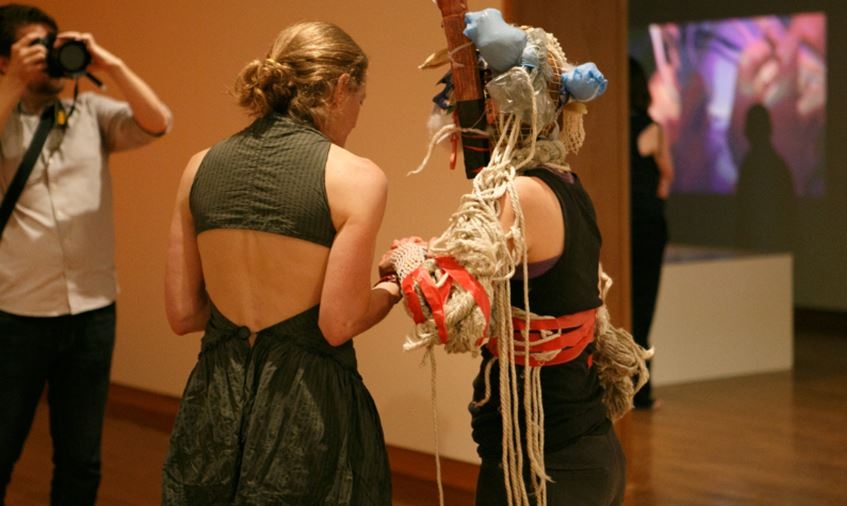
SEOM: also
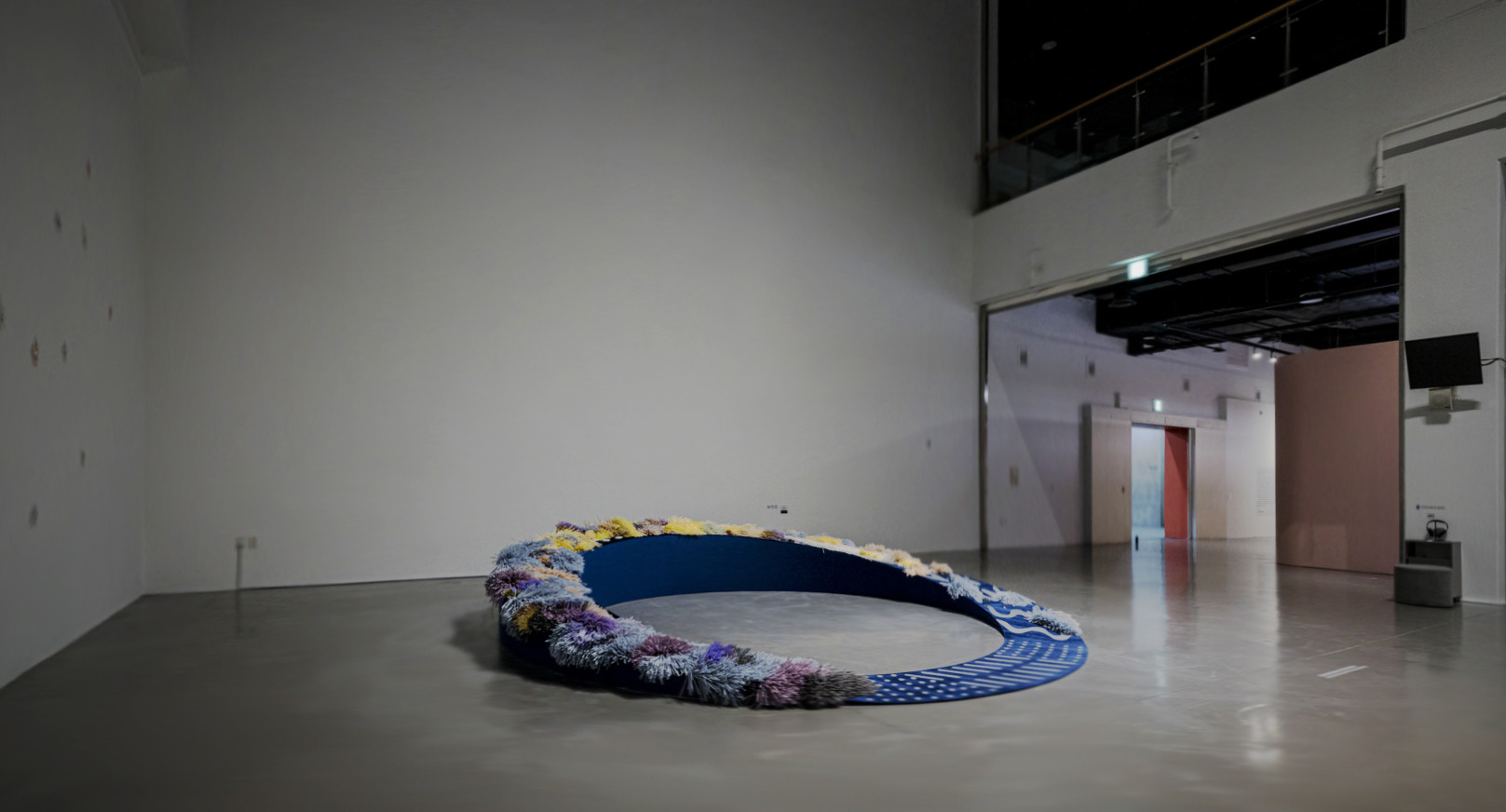
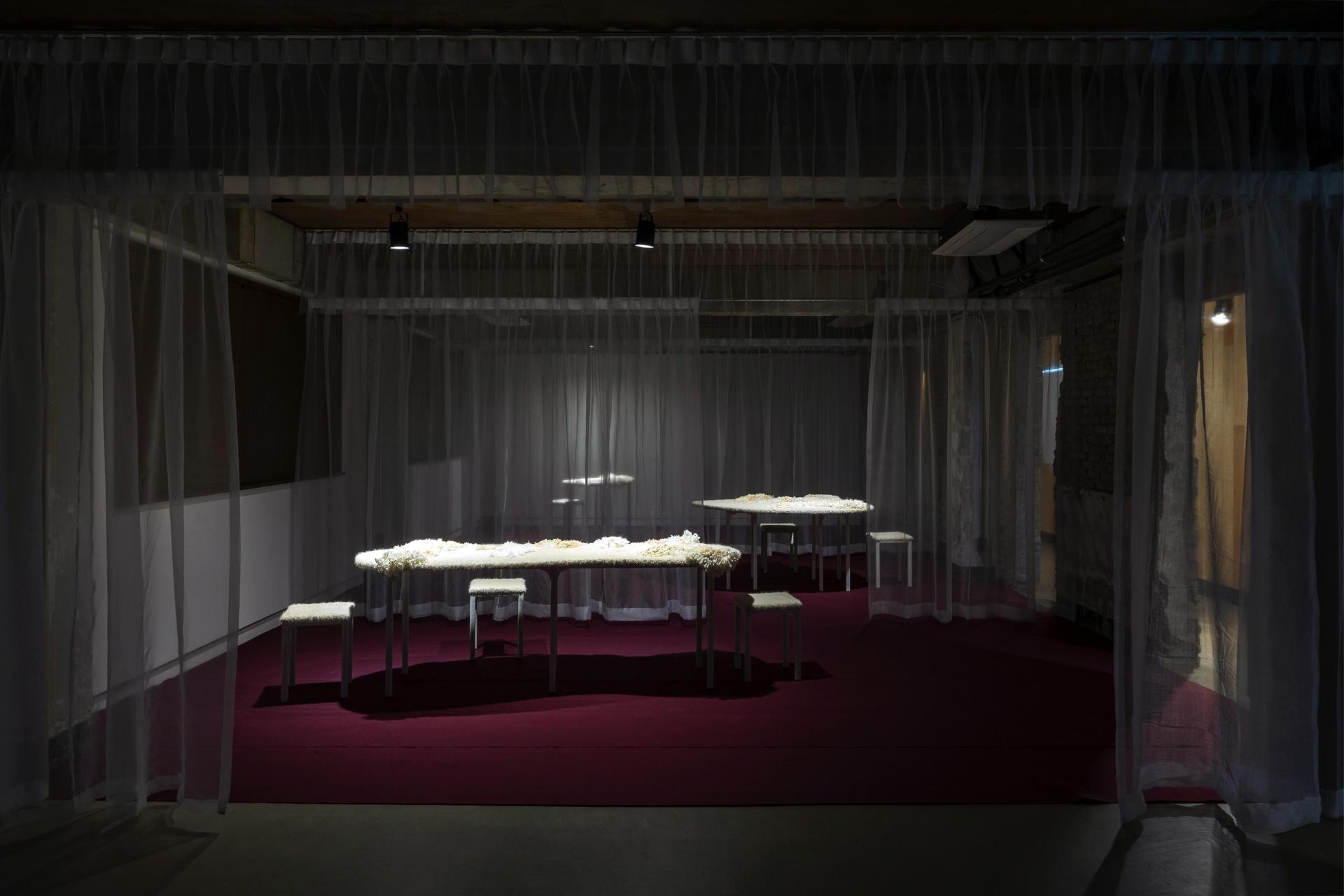
draws the viewer’s body into the work as a central medium. The tables
in sceneryⅠ, sceneryⅡ,
and sceneryⅢ operate like living organisms through
their soft and cushion-like surfaces, curved structures, and the sound of
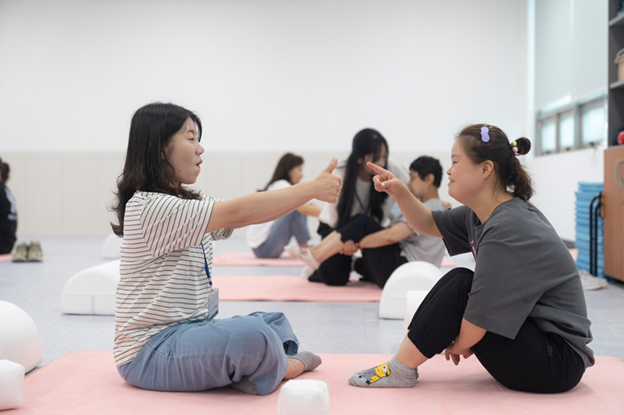
heartbeats resonating from within. In Ways of Conveying
Sound, they explored ways of translating the intensity, fluctuation,
frequency, and duration of sound into other senses through manual devices and
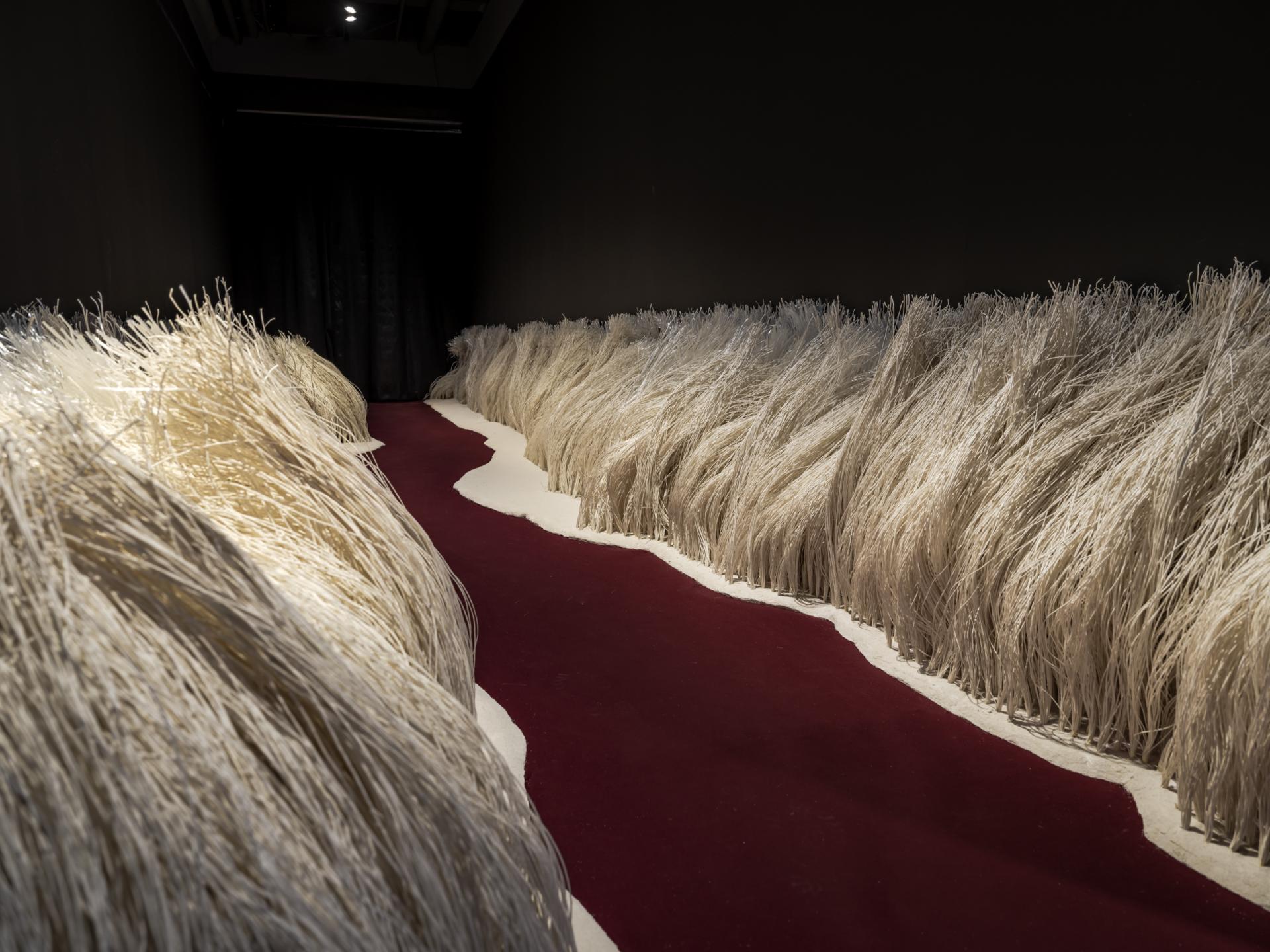
manuals. In Waltzing with Senses, they combined tactile
materials such as fabric, thread, and fur with natural sounds, bringing
together the viewer’s experiences of listening, seeing, and touching into a
single sensory scene. In this way, SEOM:’s form has gradually expanded from “an
installation that lets sound be heard” into “an environment that translates
sound through the entire body.”



.jpg)