An Elephant Lived in Incheon - K-ARTIST

An Elephant Lived in Incheon

2022 
Single-channel video 
6min 30sec
About The Work

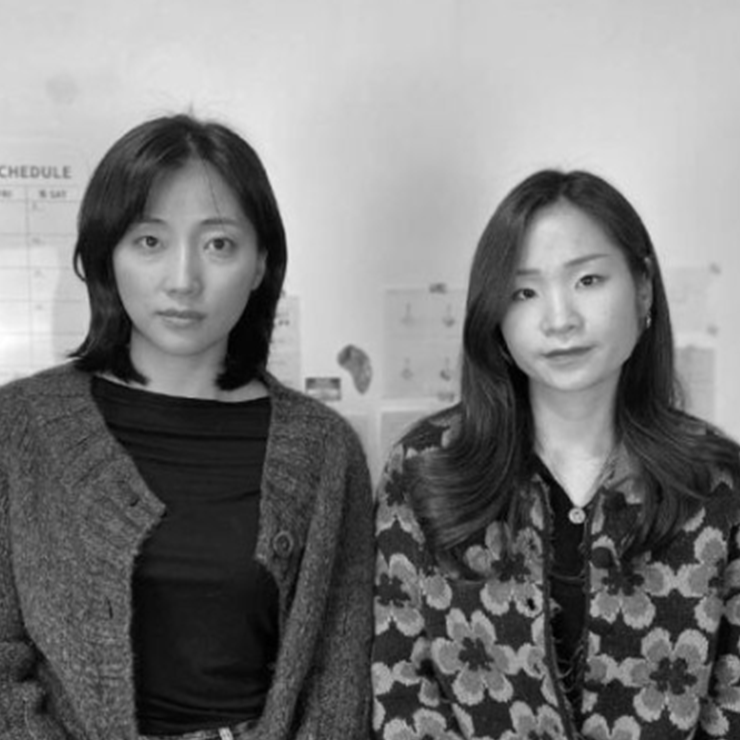
The artist group SEOM: was formed in 2021 by EOM Yeseul, whose practice reconstructs sounds discovered in everyday life, and SEO Hanie, who reinterprets the stories embedded in places and regions into aesthetic language within contemporary contexts.

Based on the physical characteristics and historical contexts of spaces, the duo creates installation works using sound as a medium, actively incorporating the physical properties of exhibition sites as integral elements of the installation itself.

Their practice begins by treating sound not simply as something to be heard, but as a medium through which place, body, memory, and story meet. In their work, sound calls forth an invisible past, creates new regional narratives, and becomes a catalyst that allows viewers to recognize their own senses anew.

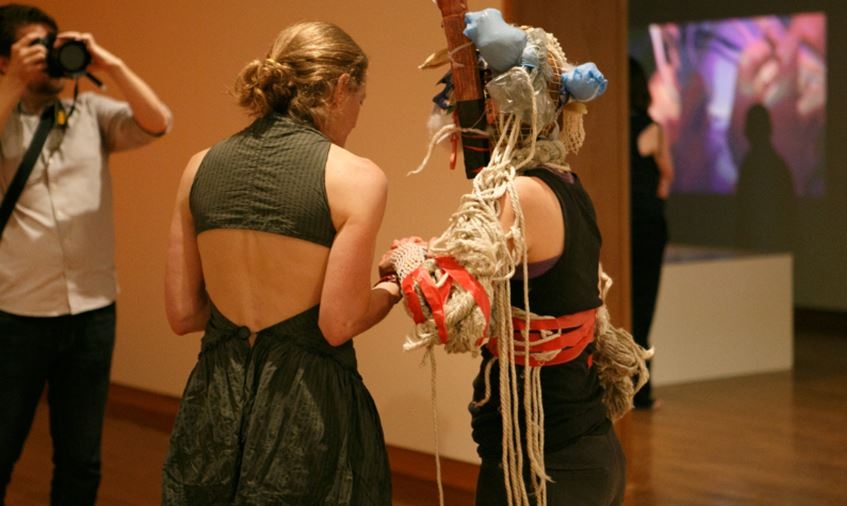
SEOM: designs together the space in which sound is placed, the body that listens to sound, and the structure of the stories derived from sound. For this reason, their exhibitions are not experienced only through the ears, but are completed through the entire process of walking, sitting, touching, imagining, and at times comparing another person’s senses with one’s own.

SEOM:’s form unfolds by organically combining sound installation, participatory workshops, sound walks, video, sculptural objects, and tactile structures. Rather than remaining at the level of recording and replaying sound, they design exhibition structures so that sound triggers the viewer’s movement, contact, imagination, and memory. 

The sound-spaces they construct invite the participation of the entire sensory body—including sight, hearing, and touch—thereby inducing an immersive bodily experience. Through this process, viewers become vividly aware that they are “sensing” and “experiencing” through their living bodies, and are led to newly recognize their relationships with themselves, others, and the world through the resonance of sound in the here and now.

Solo Exhibitions (Brief)

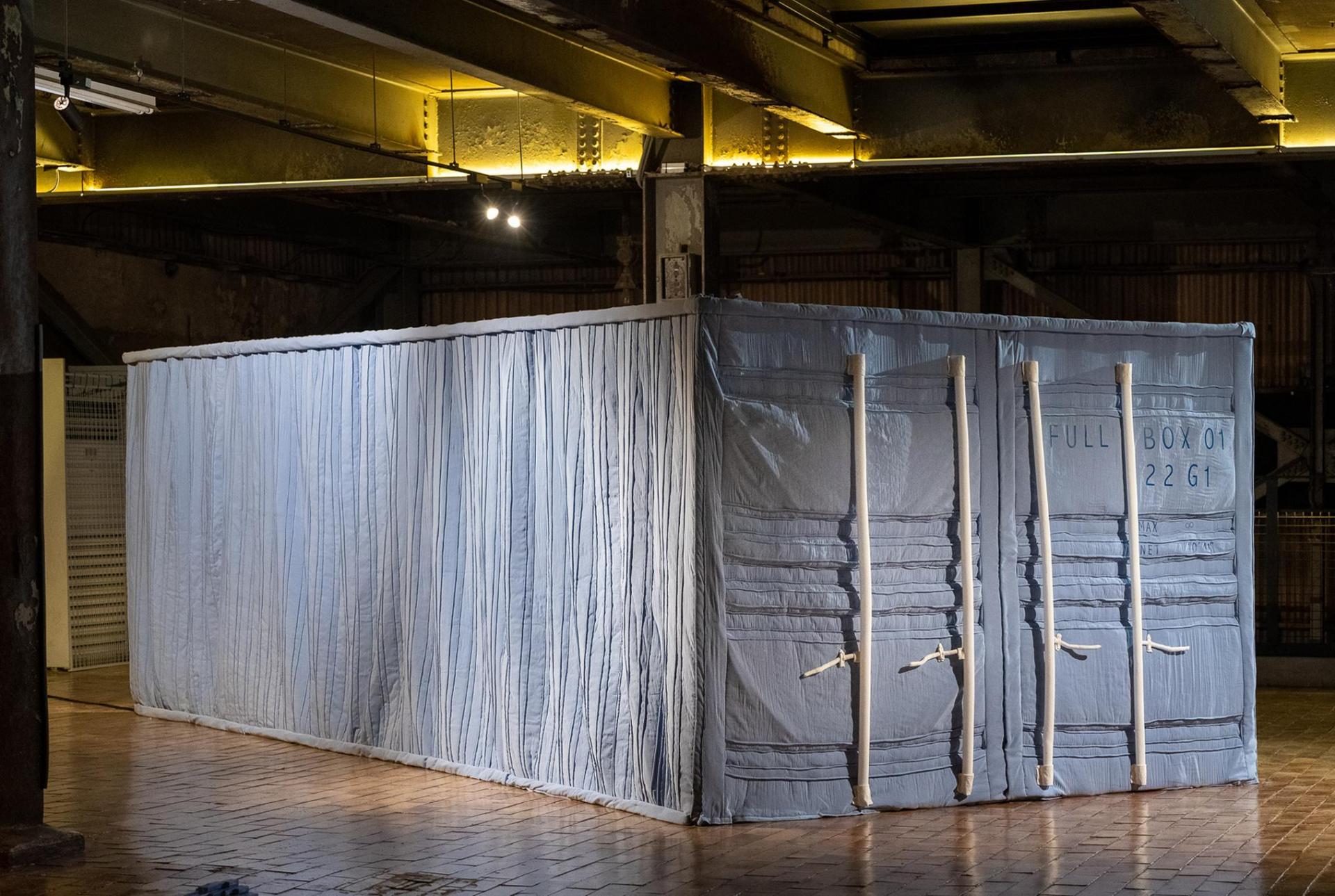
SEOM: has held solo exhibitions including 《Drama》 (Art Centre Art Moment, Seoul, 2023), 《[Fluide (Incheon] fluide) – ‘An Elephant Lived in Incheon’》 (Incheon Art Platform, Incheon, 2022), and 《Full Box Project》 (CoSMo40, Incheon, 2022).

Group Exhibitions (Brief)

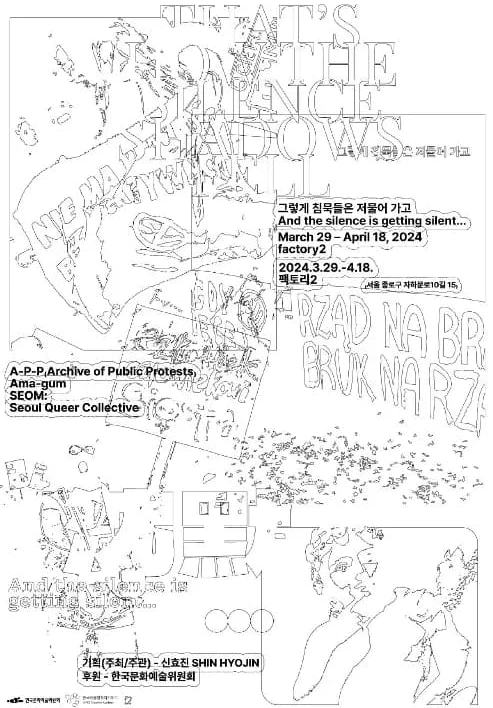
SEOM: has also participated in numerous group exhibitions, including 《Seeing with Ten Fingers》 (Busan Museum of Contemporary Art, Busan, 2025), 《And the silence goes away》 (Factory2, Seoul, 2024), and 《Non-Algorithm Challenge Part 3: 4℃》 (Sehwa Museum of Art, Seoul, 2024).

Residencies (Selected)

SEOM: was selected as a resident artist for the Incheon Art Platform residency program in 2022.

Works of Art

Tracing Stories of Space Through Sound and Body

Originality & Identity

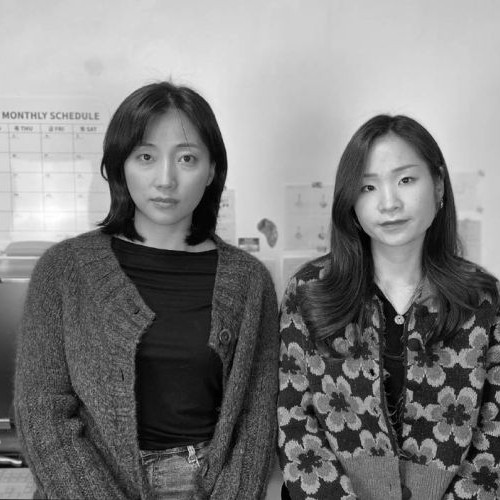
SEOM: is a female two-person collective formed in 2021 by Seo Hanee and Um Yeseul. The duo has reorganized the viewer’s sensory experience by combining stories accumulated in space with sounds discovered in everyday life. If Seo Hanee is an artist who has reinterpreted the narratives of places and regions into aesthetic language within the context of the present, Um Yeseul is an artist who has expanded sounds captured in daily life, such as the hum of ventilators, the sound of wind, and the sound of bowls, into installations and performative situations. The name SEOM:, created by the two artists, combines their surnames, “SEO” and “EOM,” into “seom,” with the long-vowel symbol “:” added to it. It suggests the resonance of sound, the isolation of space, and the sensory connections that arise between them. Their practice begins by treating sound not simply as something to be heard, but as a medium through which place, body, memory, and story meet.
 
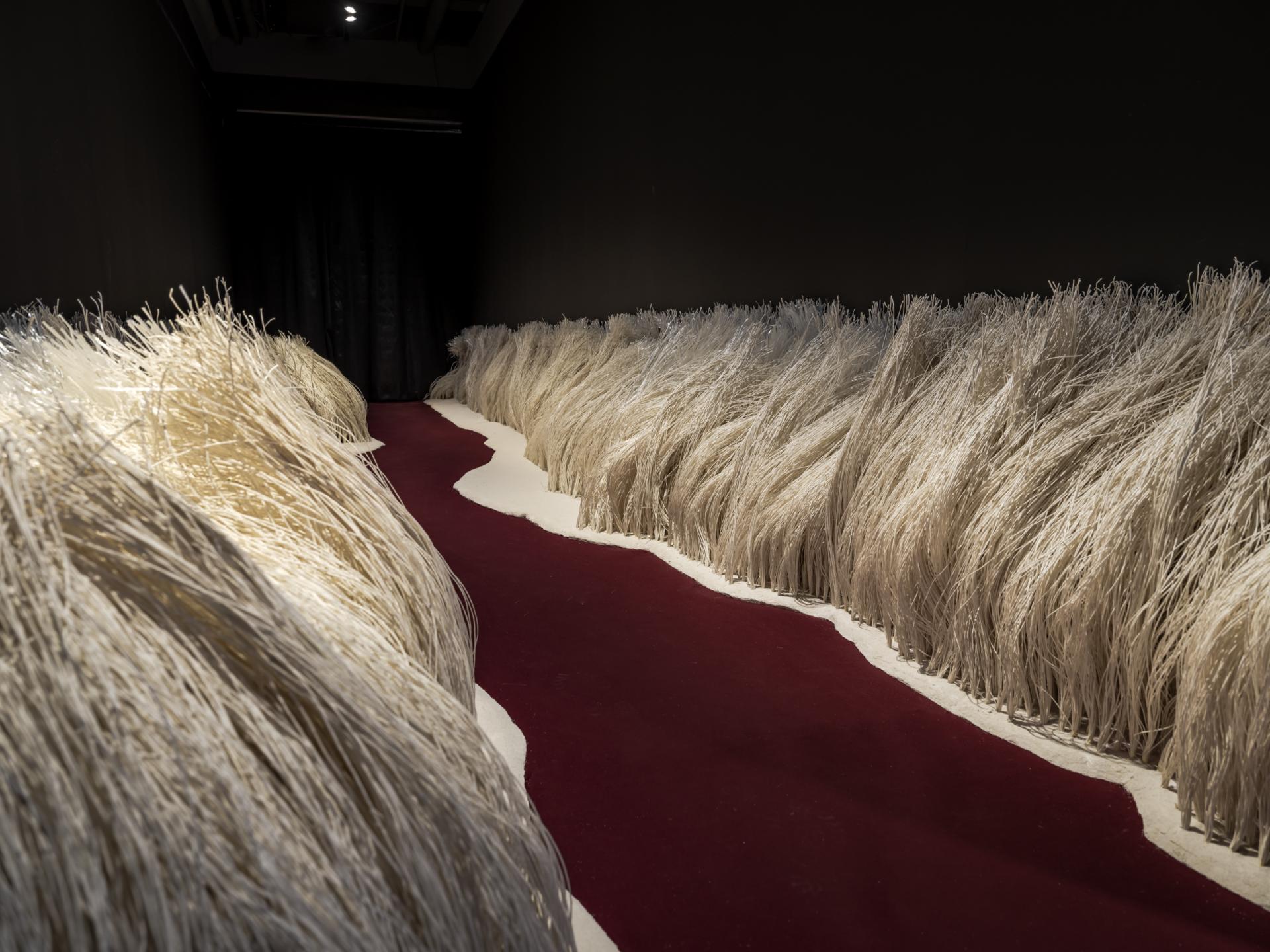
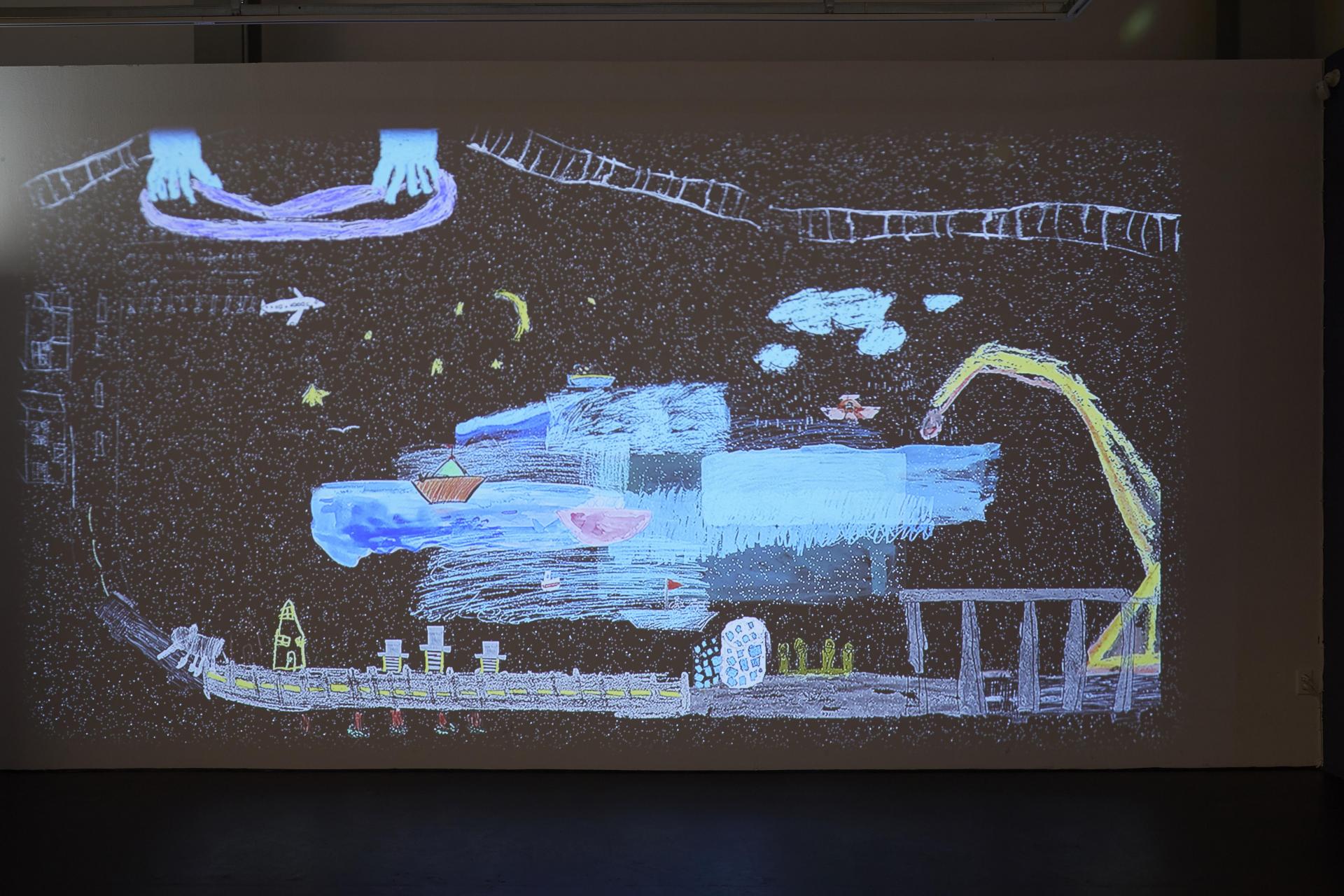
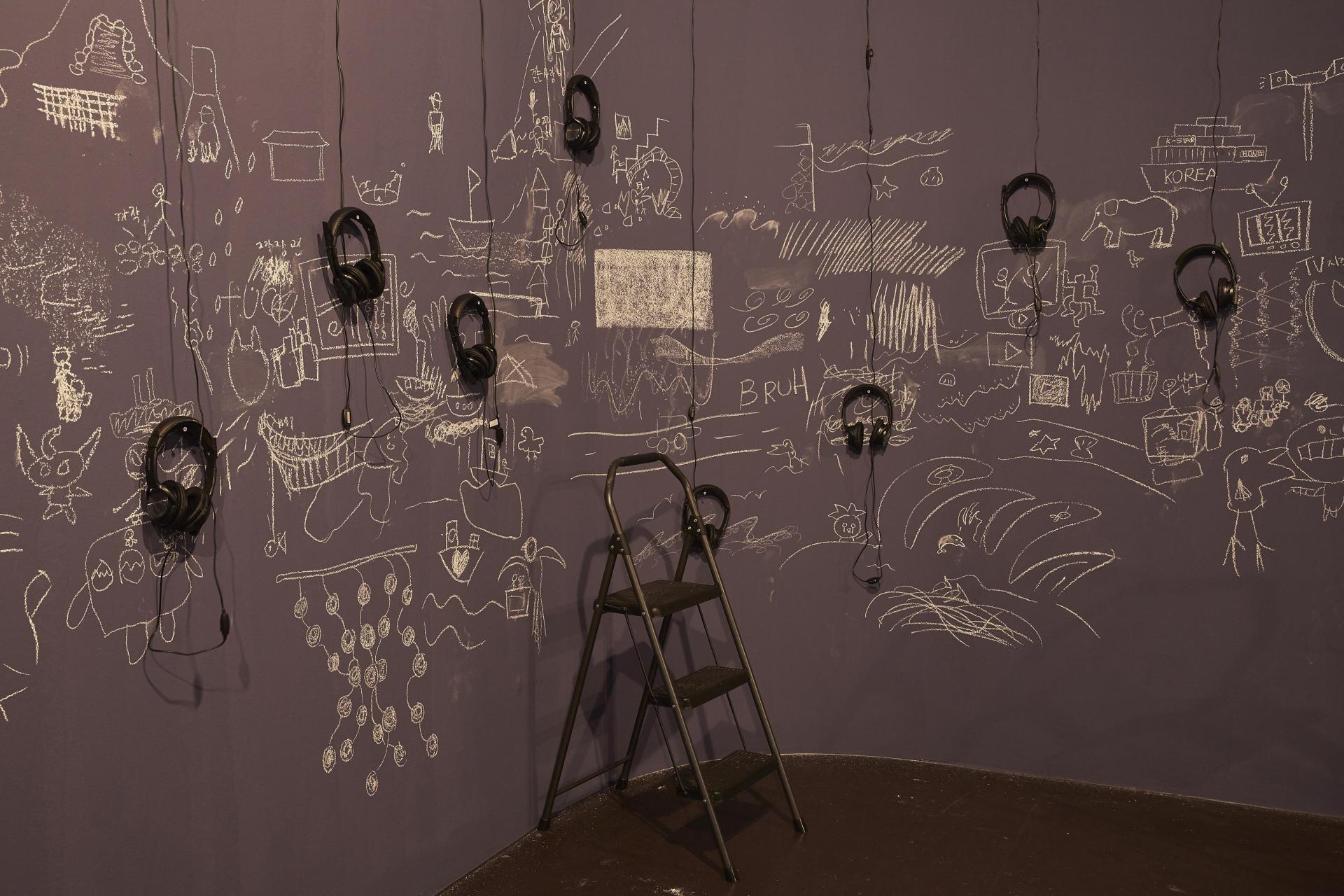
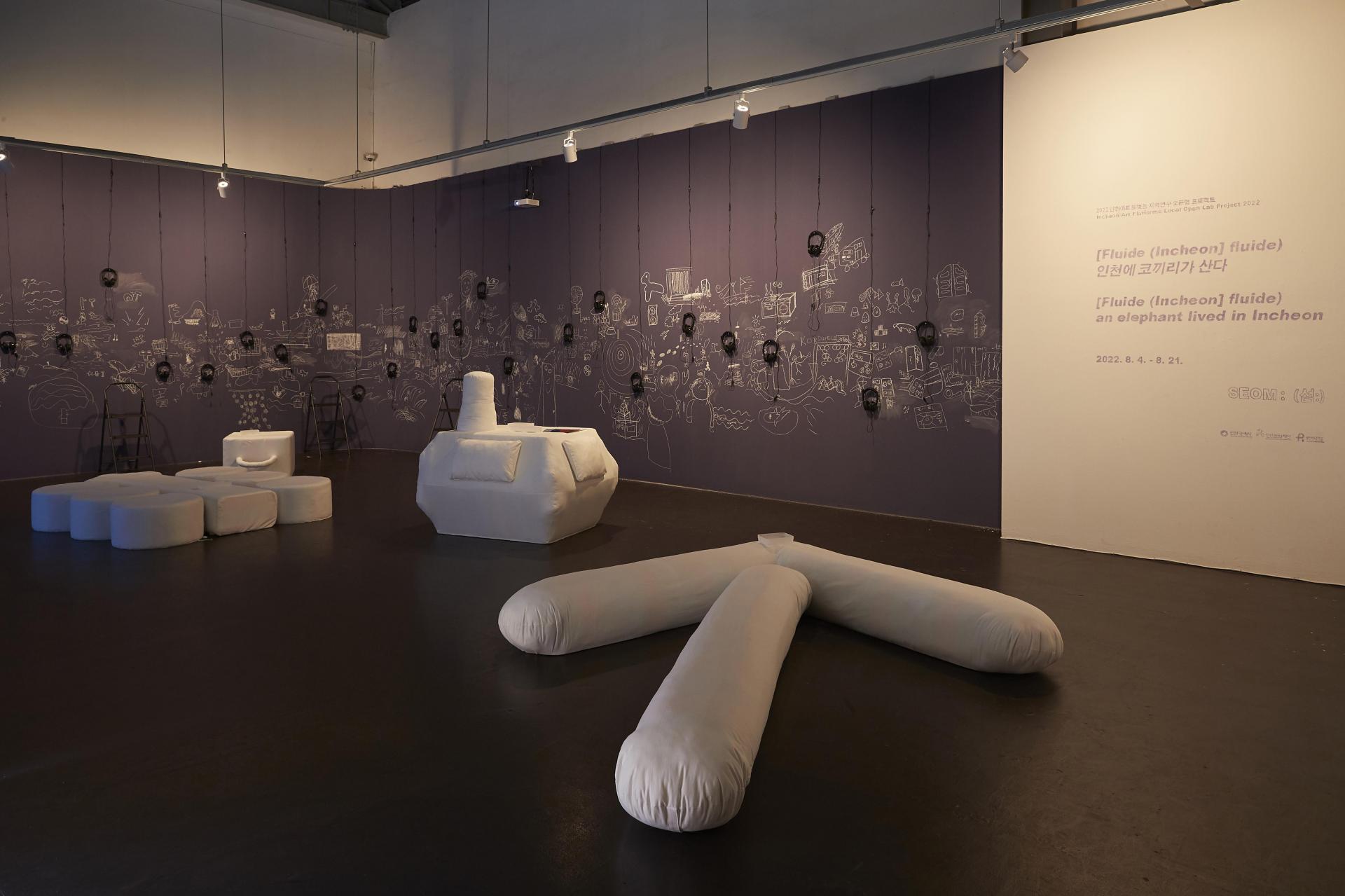
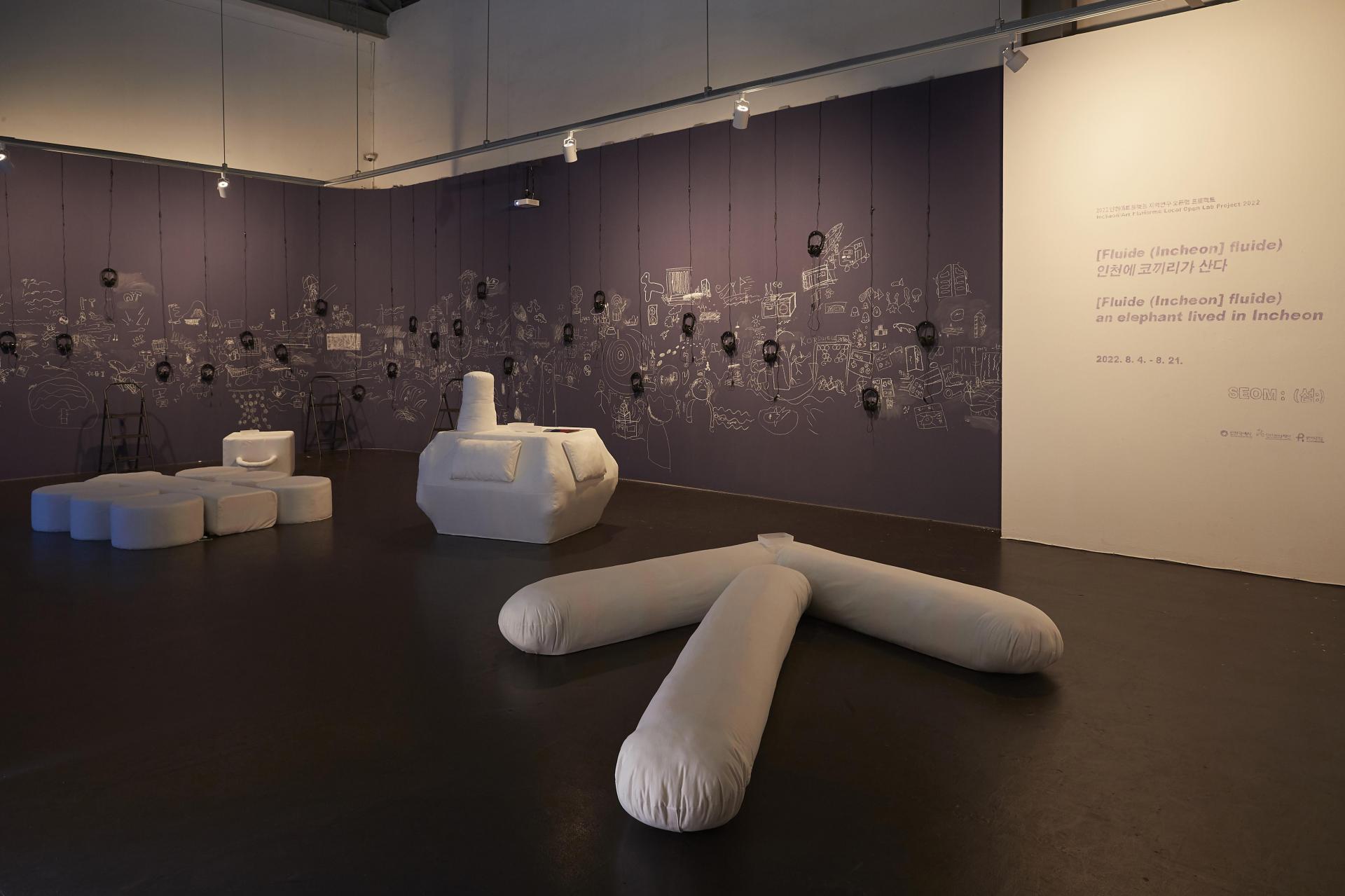
SEOM:’s collaboration unfolds in the direction of exploring locality and the process through which narratives emerge. In 《[Fluide (Incheon] fluide) - ‘An Elephant Lived in Incheon’》(Incheon Art Platform, 2022), they played sounds collected in Incheon for local children and translated the images and stories imagined by the children into the structure of the exhibition. The “sound of moored ships colliding” was transformed into an elephant in the children’s imagination, and this accidental misunderstanding and belief developed into a narrative scene titled An Elephant Lived in Incheon(2022). What is important here is that the project does not explain Incheon through already familiar symbols or landscapes, but captures the moment when a story not yet named is formed through sound.
 
SEOM:’s interest also expands from the sounds of a region to the viewer’s body and present-tense experience. In 《Drama》(Art Centre Art Moment, 2023), the exhibition space is structured like a theater or stage, but the actor who appears on stage is not a professional performer but the viewer. sceneryⅠ(2023), sceneryⅡ(2023), and sceneryⅢ(2023) are completed through the viewer’s act of bringing their body into contact with a table and listening to the sound of a heartbeat. Here, the heartbeat is both a metaphor for life and an actual vibration passing through the body, and the viewer experiences the sensation of being alive in the “here and now” while moving between another person’s sound and their own.
 
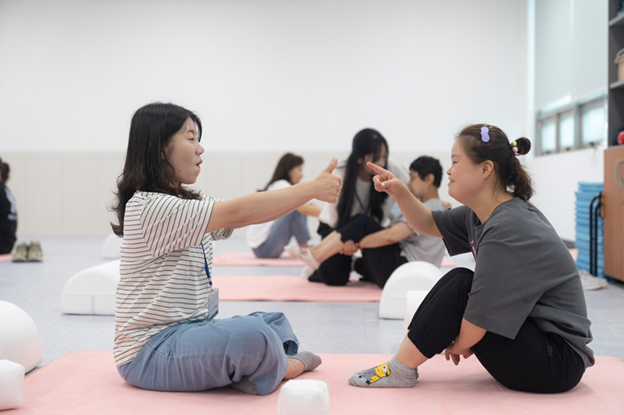
In works after 2024, the experience of sound moves beyond a focus on hearing and expands into sight, touch, and the body’s sensory perception as a whole. Ways of Conveying Sound(2024) is a project in which the artists explored, together with citizens, methods of conveying sound through senses other than hearing, while Waltzing with Senses(2025) is a spatial sound installation in which hearing, sight, and touch become intertwined as one integrated sensory experience. Within this flow, SEOM:’s thematic consciousness shifts from “how to listen to the sounds of a place” to “how to re-sense the relationship between the body and the world through sound.” Sound gradually becomes both a tool for calling forth the memory of a region and a device for recognizing bodily differences and expanding the possibilities of sensation.

Style & Contents

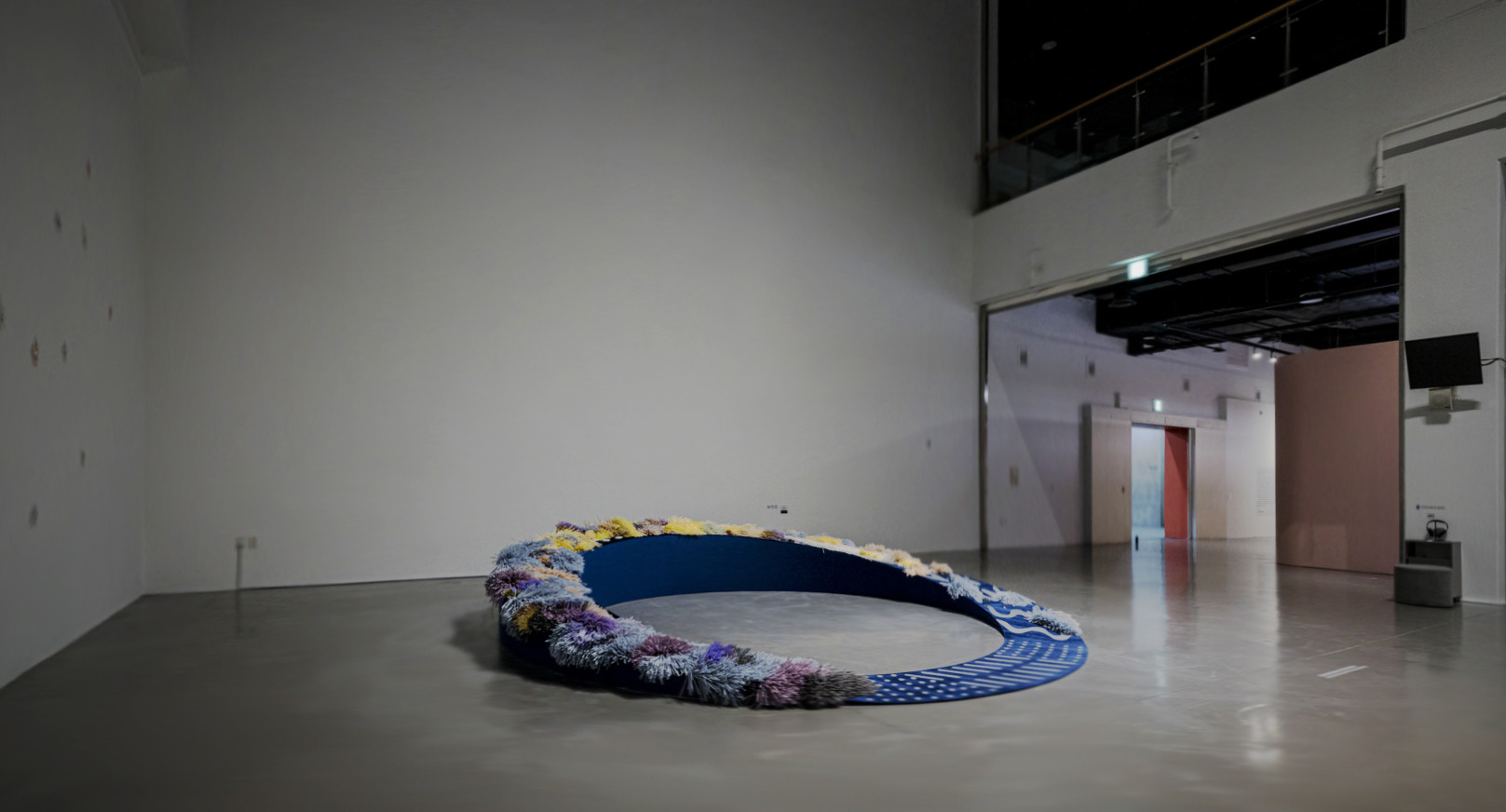
SEOM:’s form unfolds by organically combining sound installation, participatory workshops, sound walks, video, sculptural objects, and tactile structures. Rather than remaining at the level of recording and replaying sound, they design exhibition structures so that sound triggers the viewer’s movement, contact, imagination, and memory. In 《[Fluide (Incheon] fluide) - ‘An Elephant Lived in Incheon’》, Sound Wall(2022), Figure I, II, III, IIII(2022), and An Elephant Lived in Incheon are presented together, and viewers experience the work by listening to sounds and drawing images, or by sitting on stools modeled after sculptural forms made by children. In this exhibition, sound moves between wall, video, sculpture, and the viewer’s actions, creating a shared narrative.
 
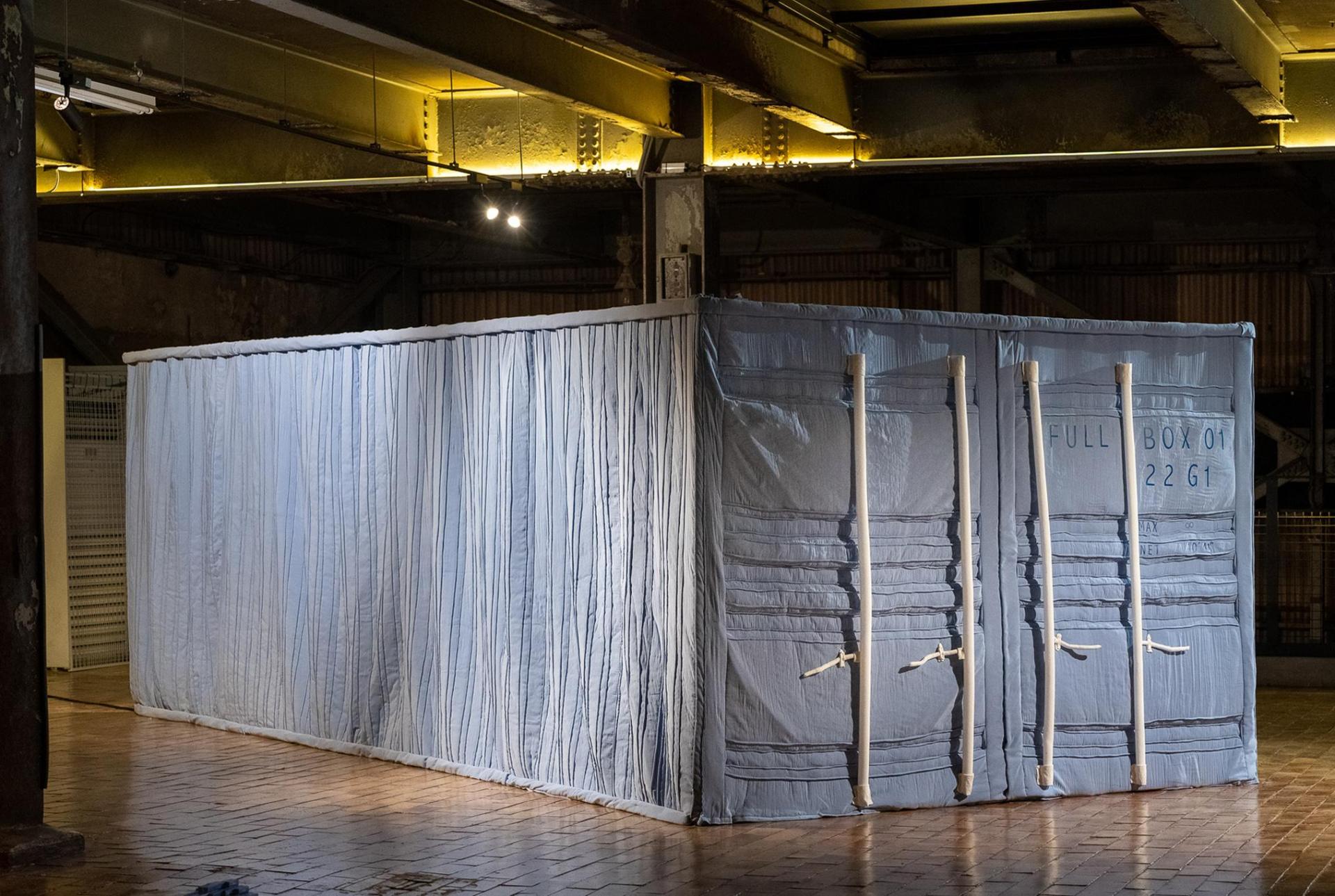
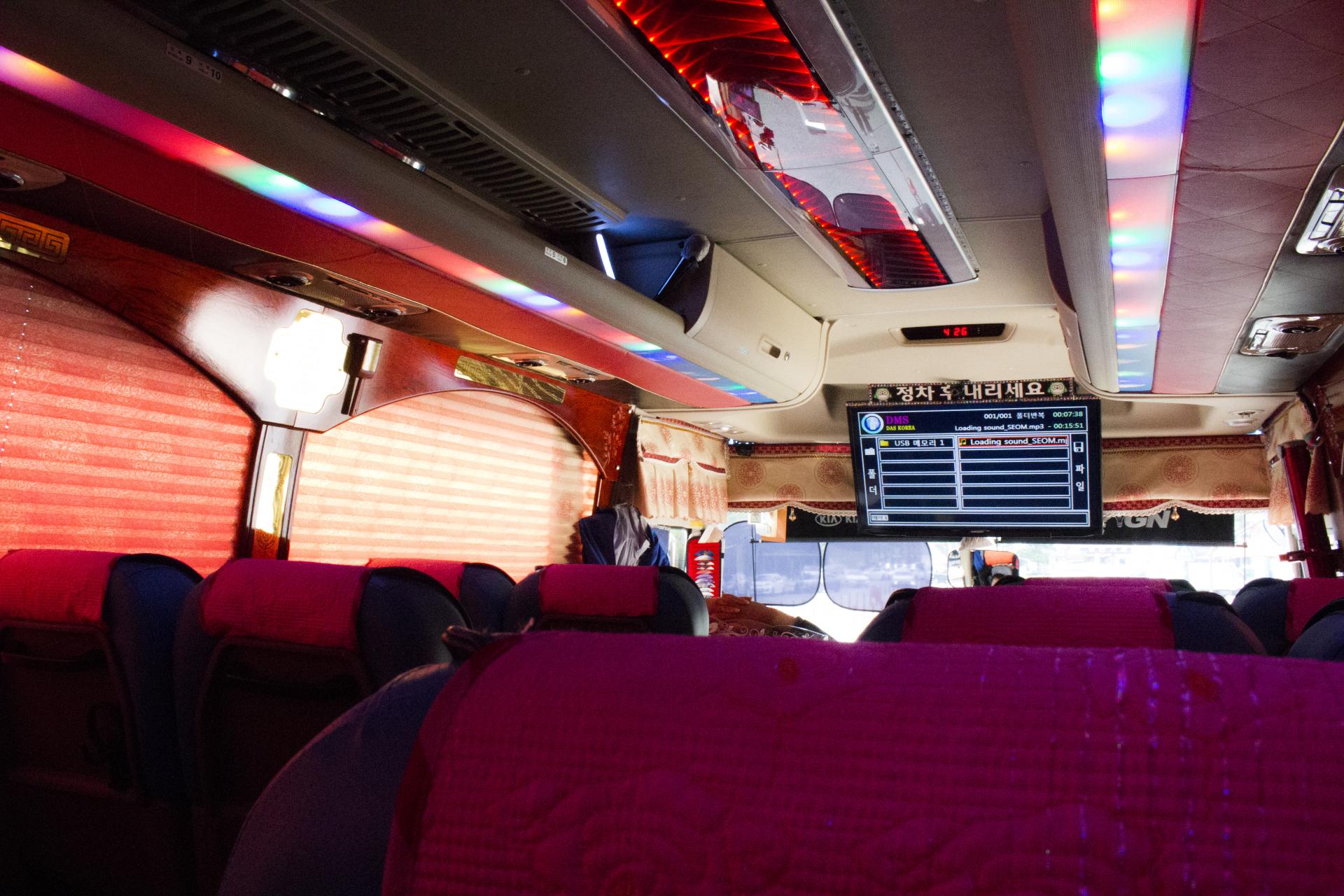
《Full Box Project》(CoSMo40, 2022) reveals the gap between the surface image of a city and actual sensory experience through the premise of placing soundscapes collected in Incheon inside a container and delivering them to the exhibition space. The container is a familiar image of Incheon that evokes ports, factories, and industrial facilities, but SEOM: inserts Sound Passage into it, allowing the viewer to re-experience the city’s landscape through hearing. Incheon’s ever-changing scenes, from the sea to a dense city, apartment complexes, and factory zones, become landscapes that the viewer senses by following the sounds flowing from the container walls. By adding a sound invoice containing GPS coordinates and QR codes, the exhibition experience does not end inside the exhibition space but continues into actual places and the viewer’s movement.
 
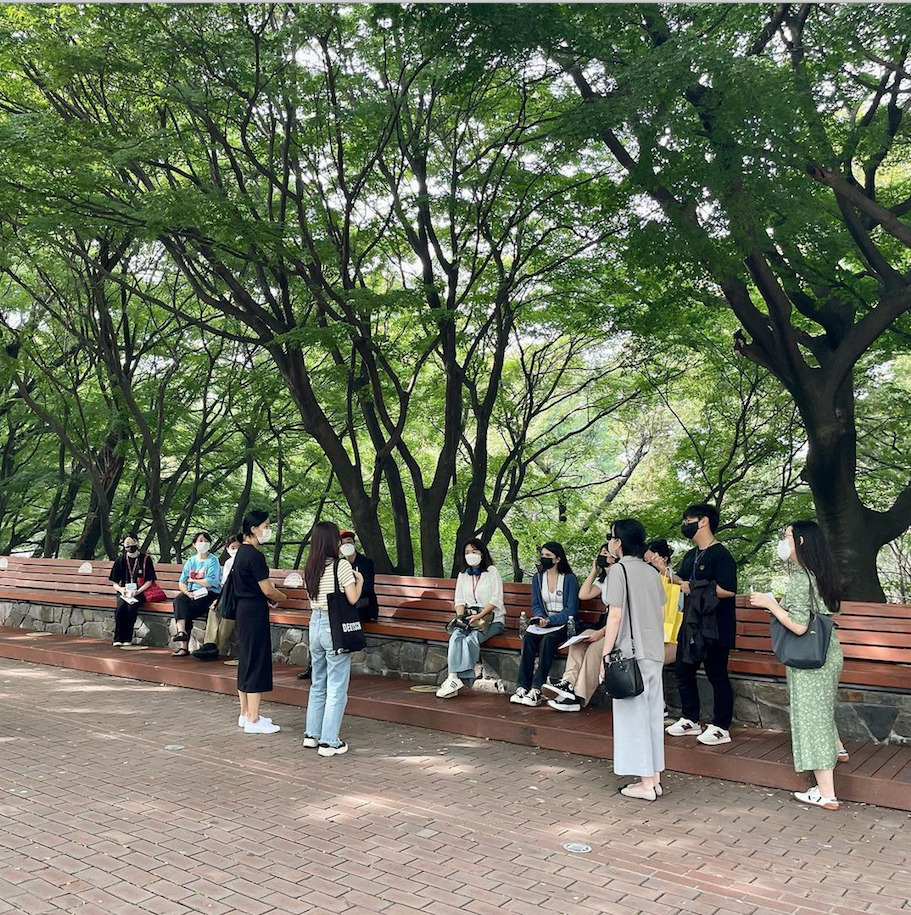
The sound-walk work The City on the Sea: Mirage(2022) is an example of SEOM:’s practice expanding beyond the indoor exhibition space. In this project, participants walk around Incheon Art Platform and sense the layers of the city through “disappearing sounds,” “existing sounds,” “invisible sounds,” and “continuing sounds.” Reclaimed land that was once sea, granite-paved roads, alleys slightly removed from the decorative atmosphere of a tourist site, and the kitchen sounds of Chinatown call forth traces of time different from the landscape visible before one’s eyes. For SEOM:, walking is not simply movement, but a way of reading with the body the history accumulated in space and the sonic environment of the present.
 
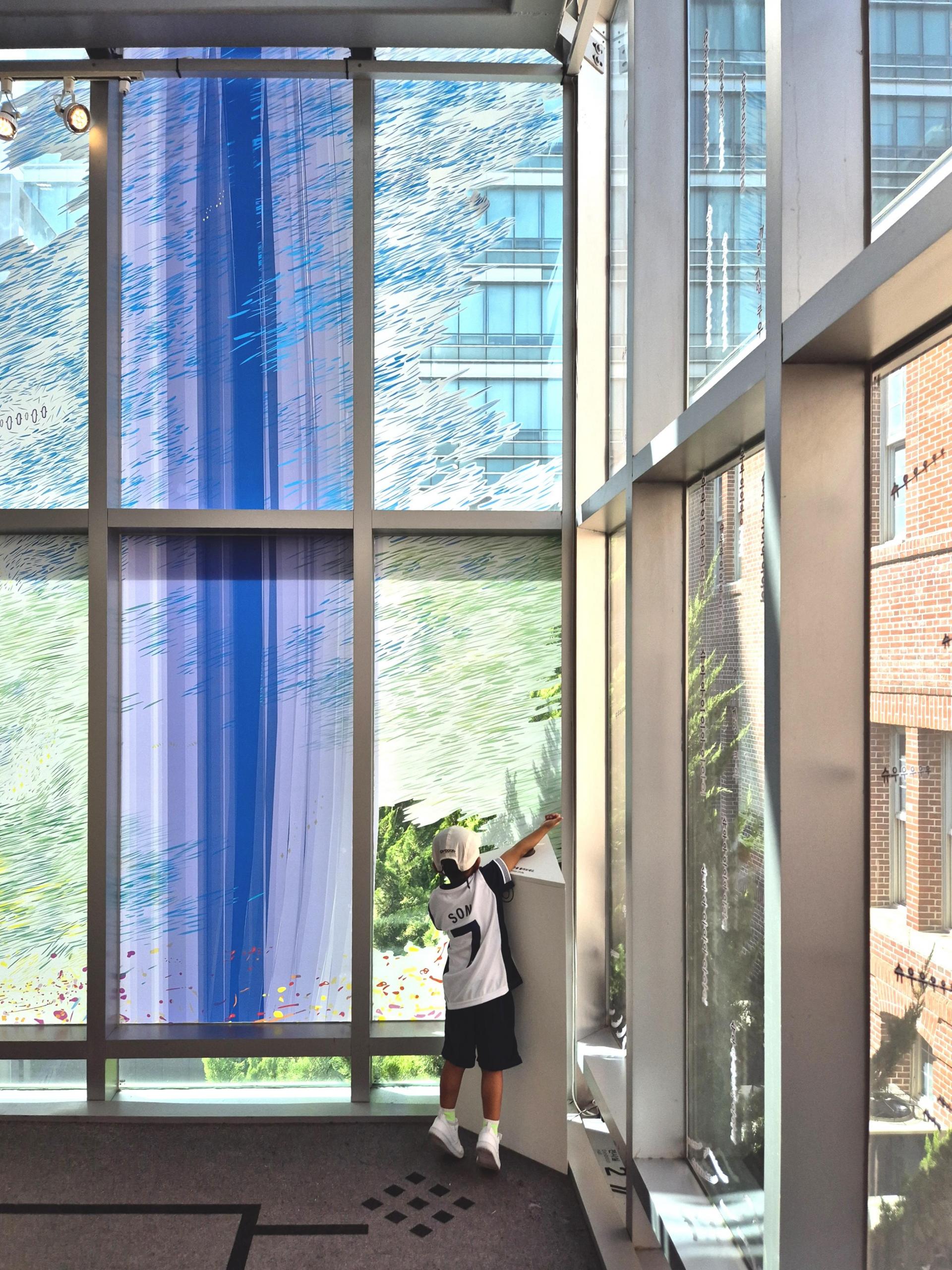
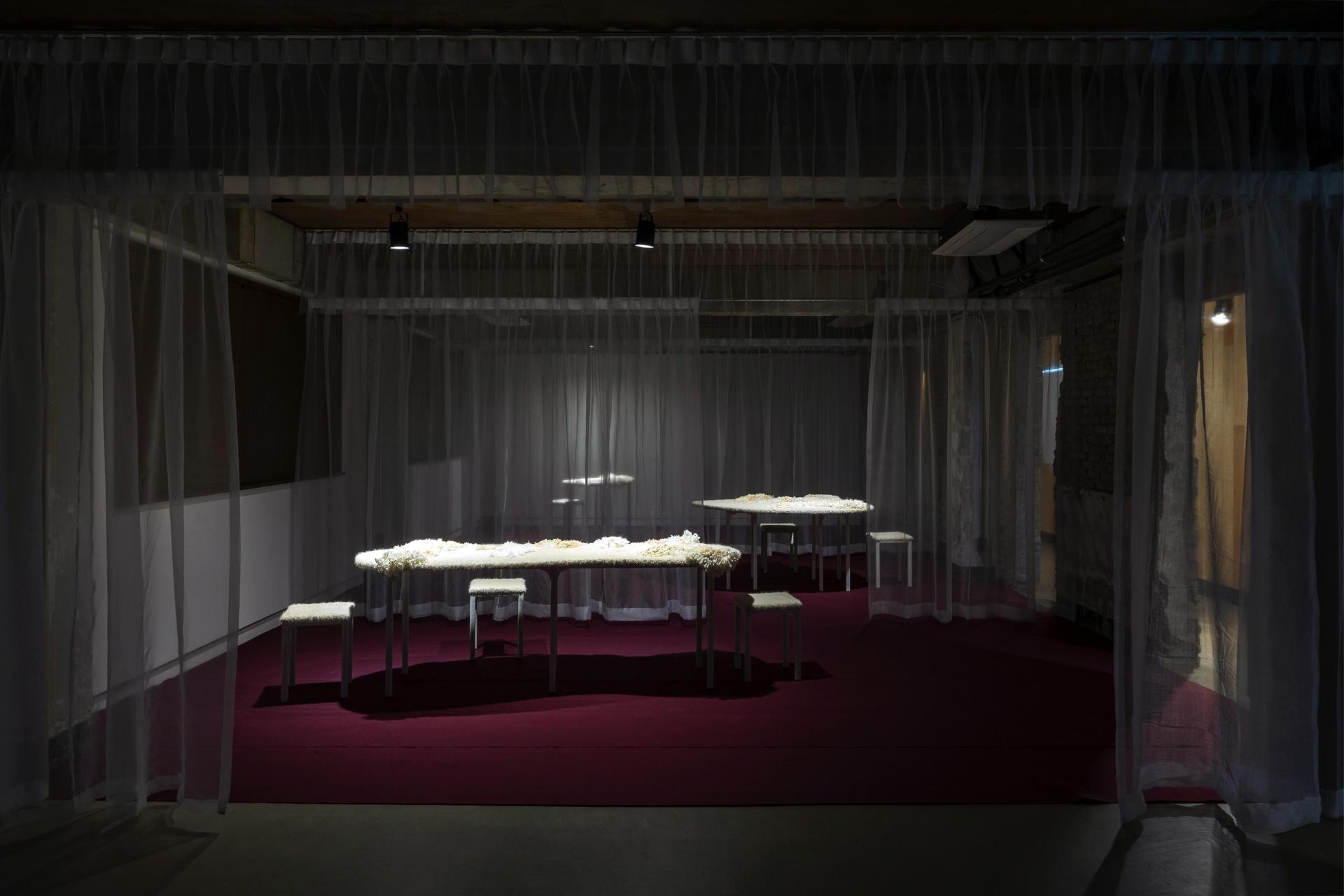
SEOM: also draws the viewer’s body into the work as a central medium. The tables in sceneryⅠ, sceneryⅡ, and sceneryⅢ operate like living organisms through their soft and cushion-like surfaces, curved structures, and the sound of heartbeats resonating from within. In Ways of Conveying Sound, they explored ways of translating the intensity, fluctuation, frequency, and duration of sound into other senses through manual devices and manuals. In Waltzing with Senses, they combined tactile materials such as fabric, thread, and fur with natural sounds, bringing together the viewer’s experiences of listening, seeing, and touching into a single sensory scene. In this way, SEOM:’s form has gradually expanded from “an installation that lets sound be heard” into “an environment that translates sound through the entire body.”

Topography & Continuity

SEOM: treats sound as a situational medium that connects the history of a place with the viewer’s body. In their work, sound calls forth an invisible past, creates new regional narratives, and becomes a catalyst that allows viewers to recognize their own senses anew. SEOM: designs together the space in which sound is placed, the body that listens to sound, and the structure of the stories derived from sound. For this reason, their exhibitions are not experienced only through the ears, but are completed through the entire process of walking, sitting, touching, imagining, and at times comparing another person’s senses with one’s own.
 
SEOM: began with local research and collective creation, and has gradually expanded their interest toward questions of sensory accessibility and bodily experience. If 《[Fluide (Incheon] fluide) - ‘An Elephant Lived in Incheon’》 and 《Full Box Project》 dealt with locality and the emergence of narratives around the place of Incheon, The City on the Sea: Mirage connected invisible history with the sounds of the present through the act of walking through the city. In 《Drama》, this spatial interest deepened into the viewer’s body and the sensation of life, while Ways of Conveying Sound and Waltzing with Senses expanded the very modes of sensing sound in more layered ways. This shift is less a rupture in subject matter than a natural deepening from “listening to a place” toward “re-sensing the world through the body.”
 
SEOM:’s practice is situated across sound art, participatory installation, site-specific projects, and community-based workshops. They effectively present social participation and local research by translating them into sensory structures. The story of the elephant that began from the children’s misunderstanding, the sounds of Incheon contained inside a container, the heartbeat heard on a stage, and the soundscape translated through hands and skin all begin from real places and real bodies, yet are reassembled inside the exhibition space as experiences that are both poetic and concrete.
 
SEOM: has built the foundation for local research and sound-based projects through their participation as resident artists at Incheon Art Platform in 2022. Going forward, their work is likely to move not only through responses to the contexts of specific cities or institutions, but also toward broader environments through themes such as sensory difference and accessibility, shared listening experiences, and the perception of place through the body. SEOM:’s sound-space is already taking shape not as a way of explaining a single place, but as a form that recalibrates the way we sense the world.

Works of Art

Tracing Stories of Space Through Sound and Body

Articles

Exhibitions

Activities