


Udangtangtang Future World - K-ARTIST

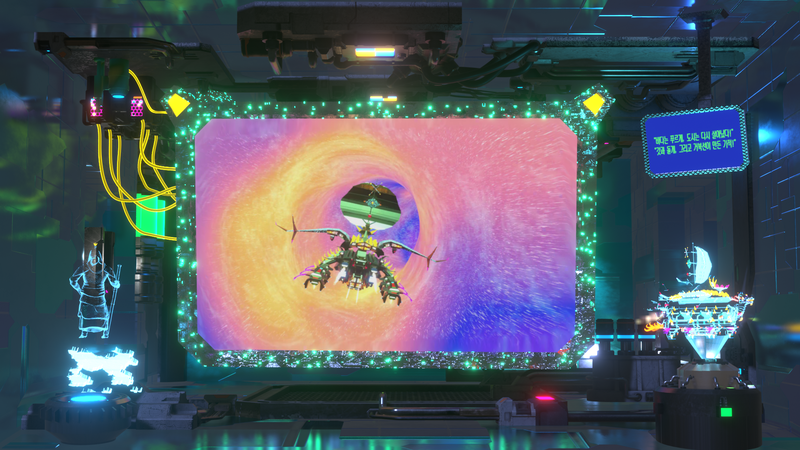
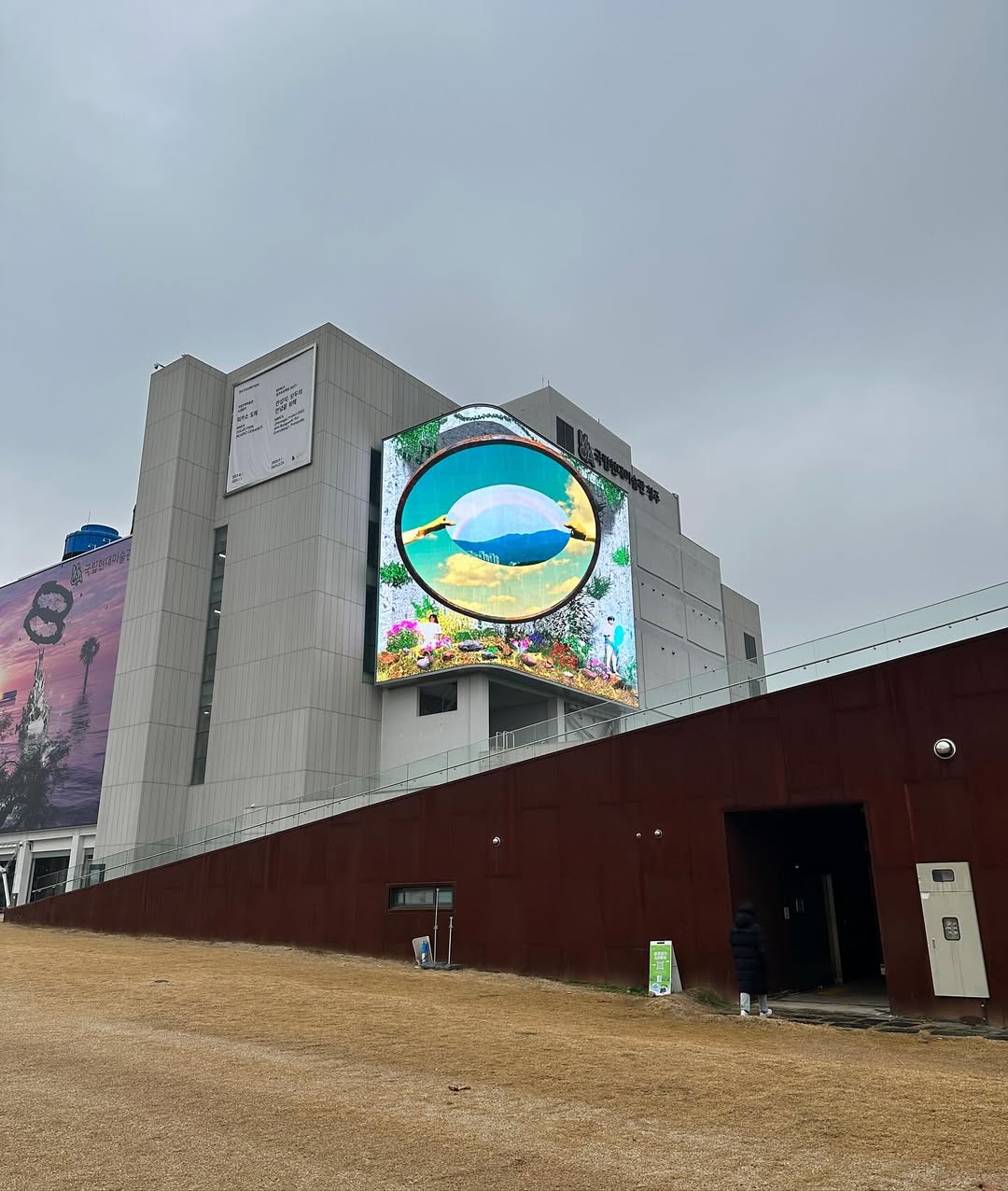
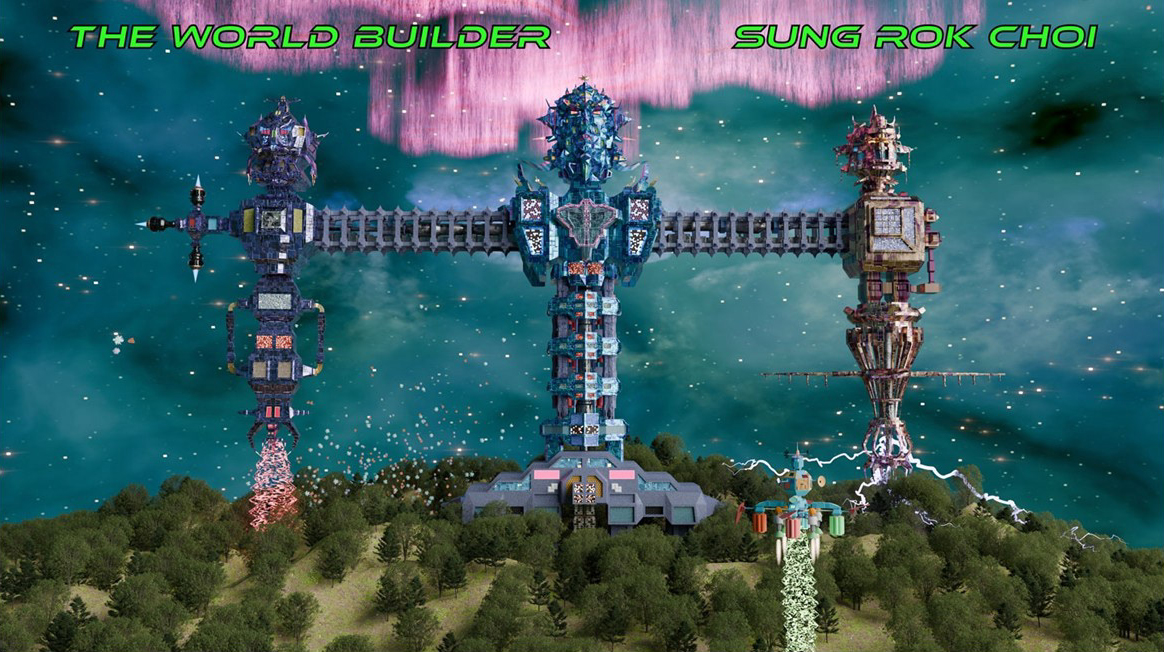
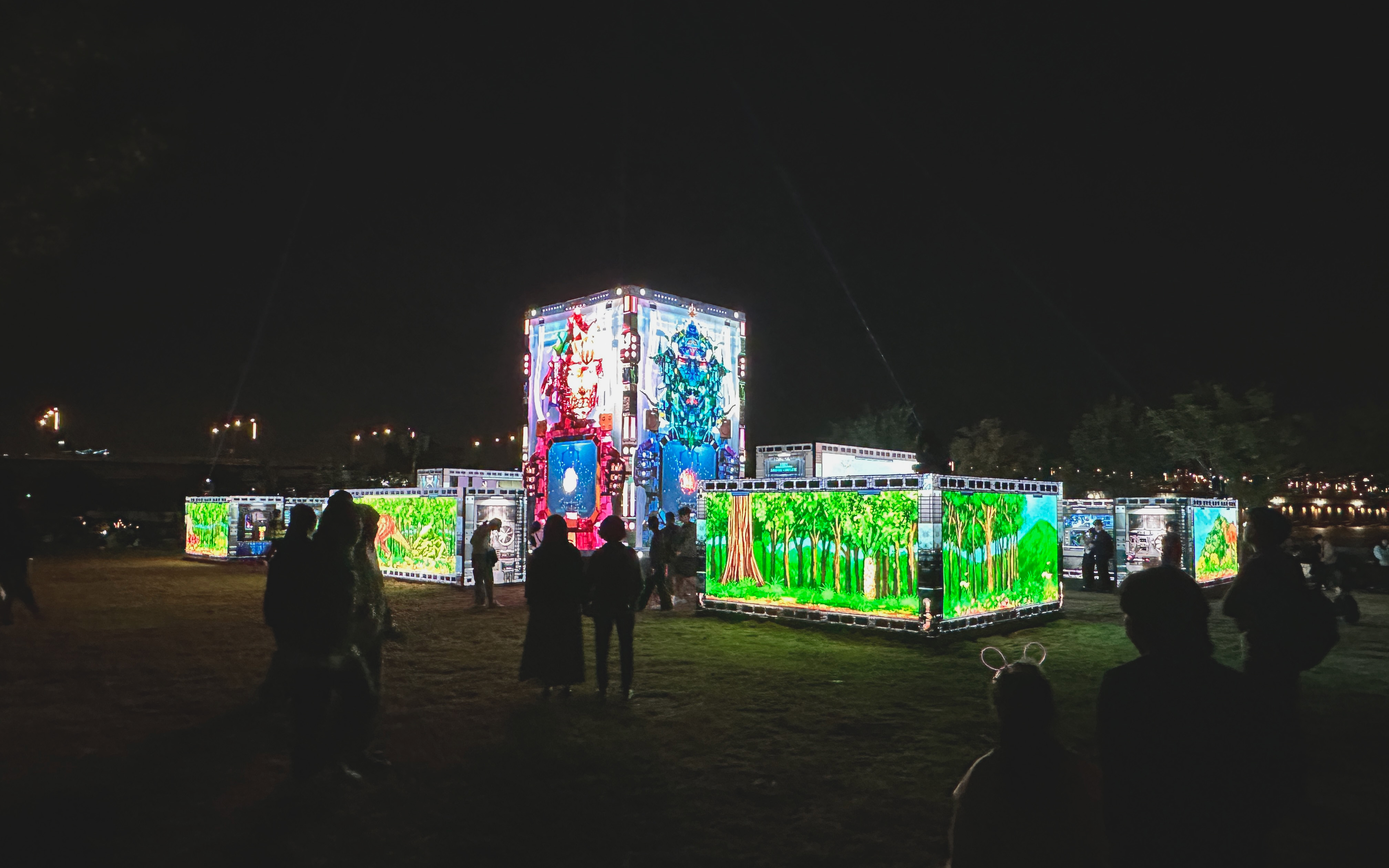
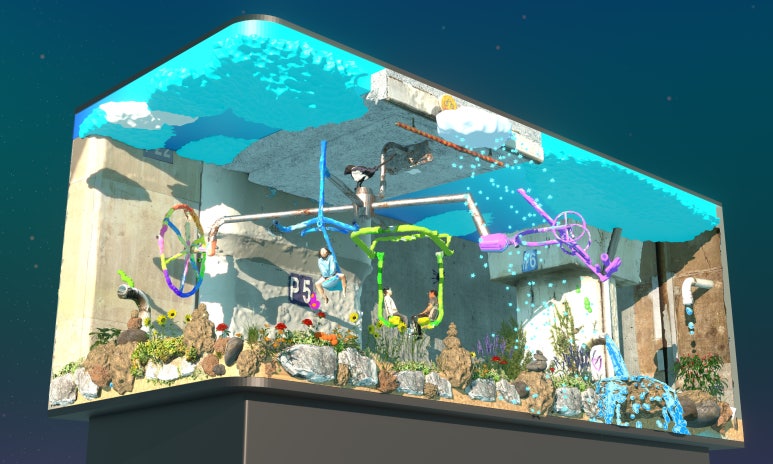
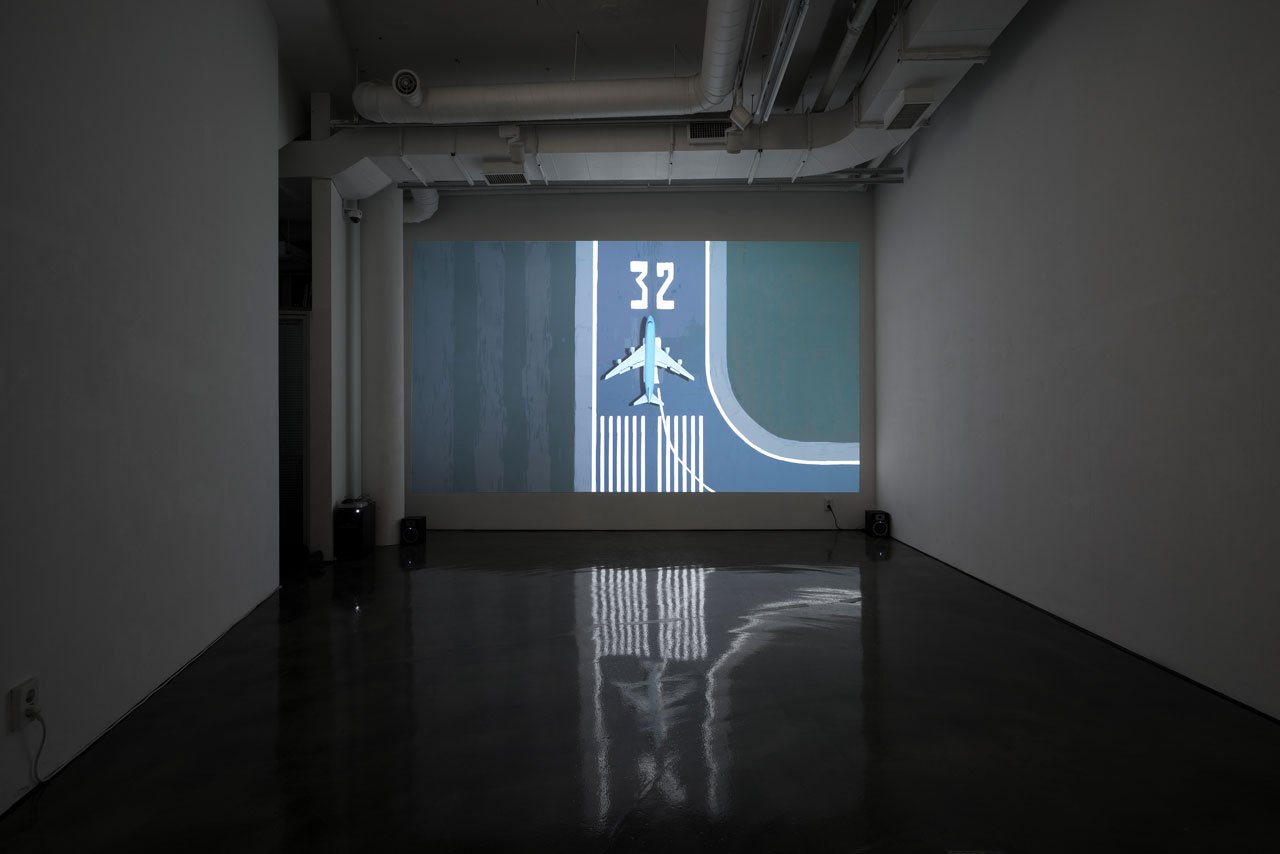
Udangtangtang Future World

2024
3D animation, sound
5 min
About The Work

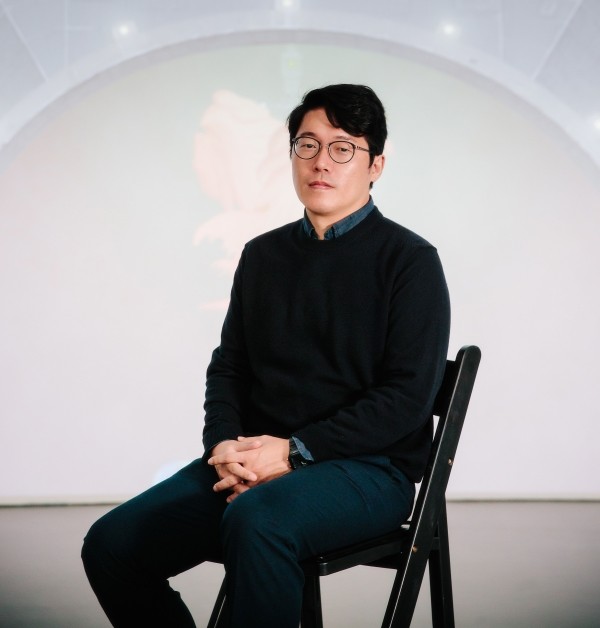
Sung Rok Choi’s practice begins with questions surrounding how human beings perceive and experience the world within contemporary technological environments. Focusing on new visual systems generated through technological media such as digital images, animation, drones, simulations, and game interfaces, the artist investigates how human sensation and perception become intertwined with and reconfigured by machinic vision. 

In his work, technology functions not merely as a tool or medium of representation, but as a new sensory structure and narrative device through which the world is understood and organized. In particular, Choi continuously examines how digital environments transform human vision, memory, spatial experience, and modes of perception within an era where the boundaries between virtual space and reality are becoming increasingly ambiguous.

Since the mid-2000s, Sung Rok Choi has consistently explored the relationship between technological media, perception, and virtual space while continuously expanding the formal and conceptual scope of his practice. Although the media and technologies he employs have evolved—from robotic devices and science-fiction-inspired installations to digital animation, drone cinematography, simulation environments, and media facade works—the underlying concerns of his practice have remained remarkably consistent. 

Questions surrounding how technology reshapes human perception, how machinic systems reorganize reality, and how contemporary environments are reconstructed through images and interfaces continue to form the core of his artistic inquiry.

Sung Rok Choi’s work can be read as both an exploration of the transformations in human existence and world perception after the digital age, and as a contemporary allegory of the new sensory systems produced by technological civilization. His practice renders familiar realities unfamiliar, prompting viewers to critically reflect on the technological environments surrounding contemporary society.

Solo Exhibitions (Brief)

Sung Rok Choi has presented solo exhibitions at major venues in Korea and abroad, including Gallery Chosun, Seoul (2015, 2019), SeMA Bunker, Seoul (2018), Seoullo Media Canvas, Seoul (2018), Amelie A. Wallance Gallery, New York (2022), Seoul Auction, Seoul (2023), and The Square Nonhyeon, Seoul (2024).

Group Exhibitions (Brief)

Sung Rok Choi has participated in group exhibitions at major institutions and venues in Korea and abroad, including the National Museum of Modern and Contemporary Art, Korea (2024), Pohang Museum of Steel Art (2023), SPACE ON 洙 (2022), Understand Avenue (2022), and Daegu Art Museum (2022). He has also participated in media art and media facade projects including Seoul Light Hangang Bitseom Festival (2024), Kiaf 2023 Media Art Special Exhibition (2023), Everland Flower Media Garden Media Art Project (2022), and FILE Festival (2022).

Awards (Selected)

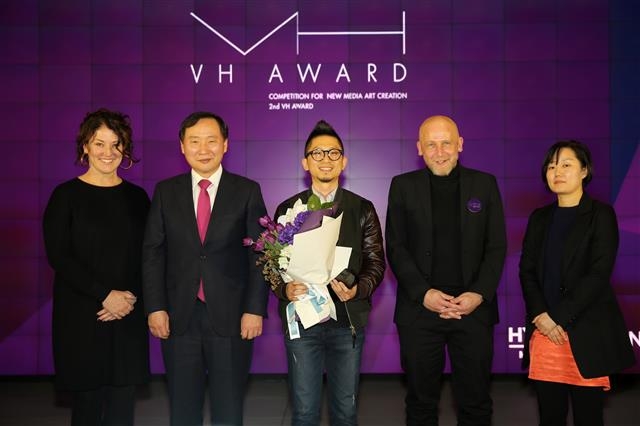
Sung Rok Choi received the Grand Prize at the 8th AHL Foundation Visual Art Competition (2011) and the Excellence Award at the 2nd VH Award (2016), and was selected for the Pittsburgh Center for the Arts Solo Exhibition Open Call (2010).

Residencies (Selected)

Sung Rok Choi has participated in residency programs including the MMCA Goyang Residency (2017), Ars Electronica Center (2016), Art OMI Residency, New York (2013), Incheon Art Platform Residency (2013), and the SeMA Nanji Art Studio Residency (2006).

Collections (Selected)

Sung Rok Choi’s works are included in the collections of the Art Bank of the National Museum of Modern and Contemporary Art, Korea, the Government Art Bank of the National Museum of Modern and Contemporary Art, Korea, the National Asian Culture Center, the Seoul Museum of Art, the Daegu Art Museum, the Museum of Contemporary Art Busan, Hyundai Motor Group, and the Paradise Cultural Foundation.
Works of Art

On Human Existence and Sensation in the Post-Digital Era

Originality & Identity

Sung Rok Choi’s practice begins with questions surrounding how human beings perceive and experience the world within contemporary technological environments. Focusing on new visual systems generated through technological media such as digital images, animation, drones, simulations, and game interfaces, the artist investigates how human sensation and perception become intertwined with and reconfigured by machinic vision.

In his work, technology functions not merely as a tool or medium of representation, but as a new sensory structure and narrative device through which the world is understood and organized. In particular, Choi continuously examines how digital environments transform human vision, memory, spatial experience, and modes of perception within an era where the boundaries between virtual space and reality are becoming increasingly ambiguous.

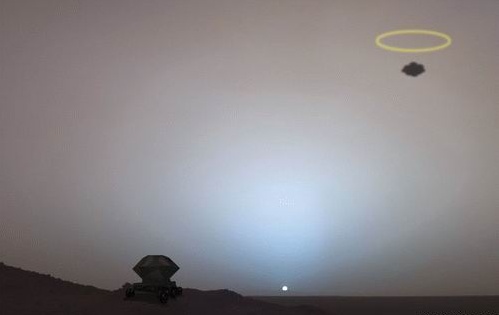
In his early works, Choi actively incorporated robots, exploration machines, and narratives of space exploration based on his interest in science and mechanical systems. Series such as ‘The Rocver Project’, inspired by NASA’s Mars exploration rovers, reveal both humanity’s desire to explore unknown worlds and a simultaneous fascination with the technological civilization capable of realizing such ambitions.

Yet his work does not remain within the framework of optimistic technological futurism. Rather, through the visual structures and systems produced by machines, the artist indirectly exposes anxieties surrounding surveillance, control, violence, and power within contemporary society. Acts of exploration, movement, and observation are consistently linked to questions of systems and authority throughout his practice.

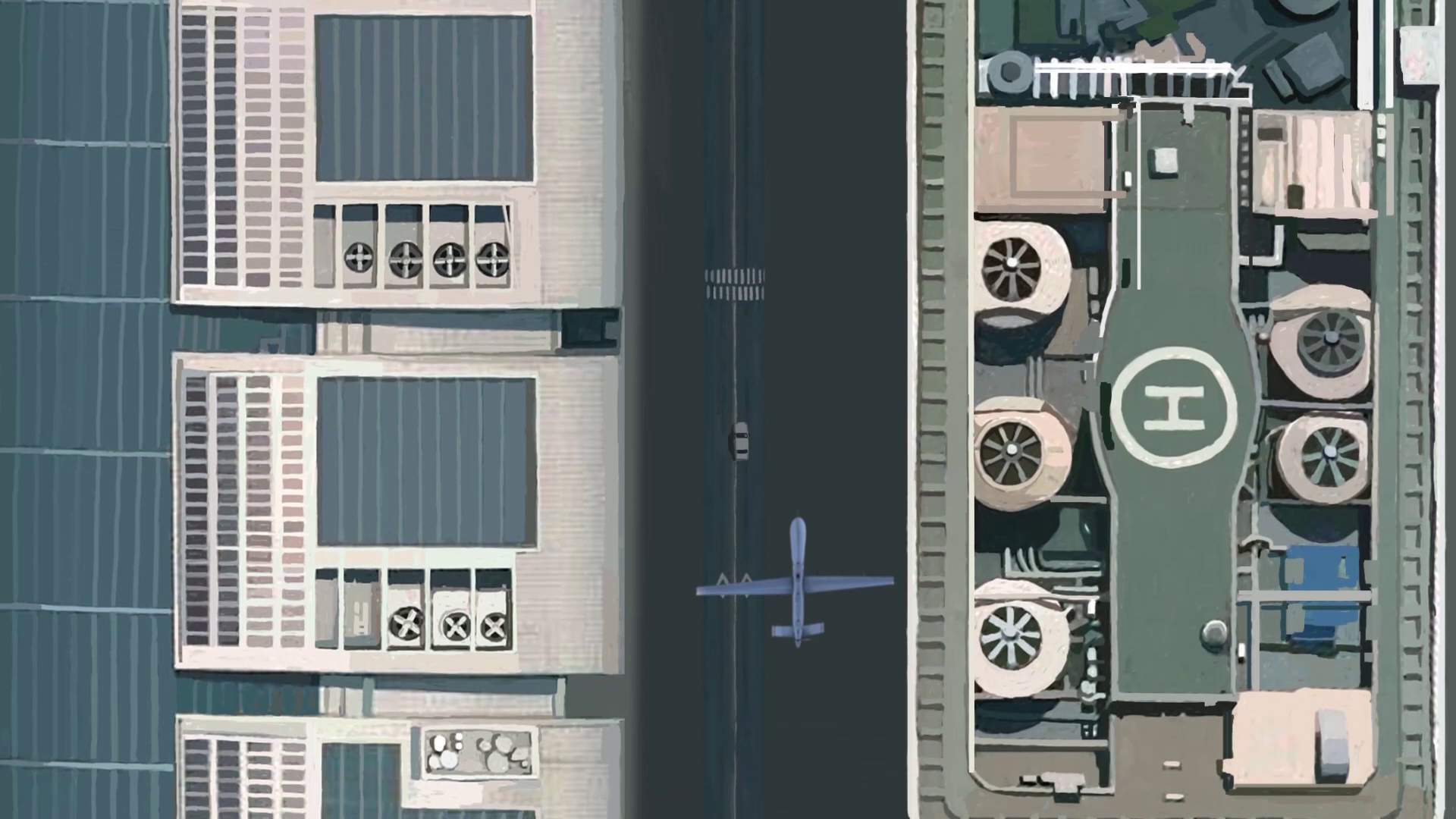
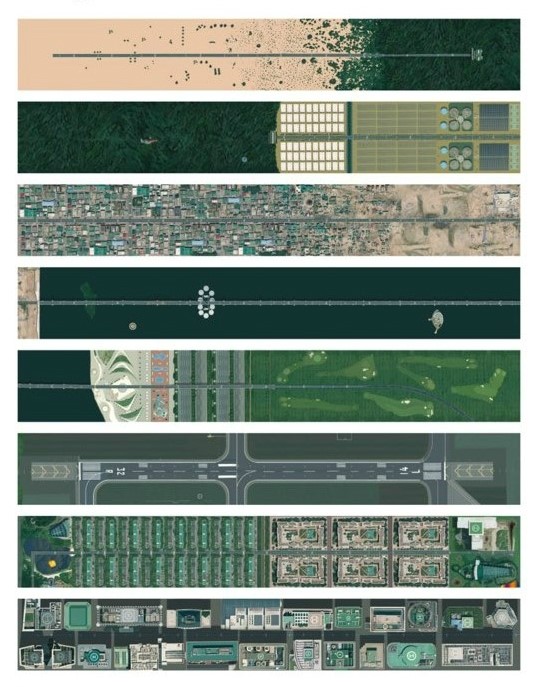
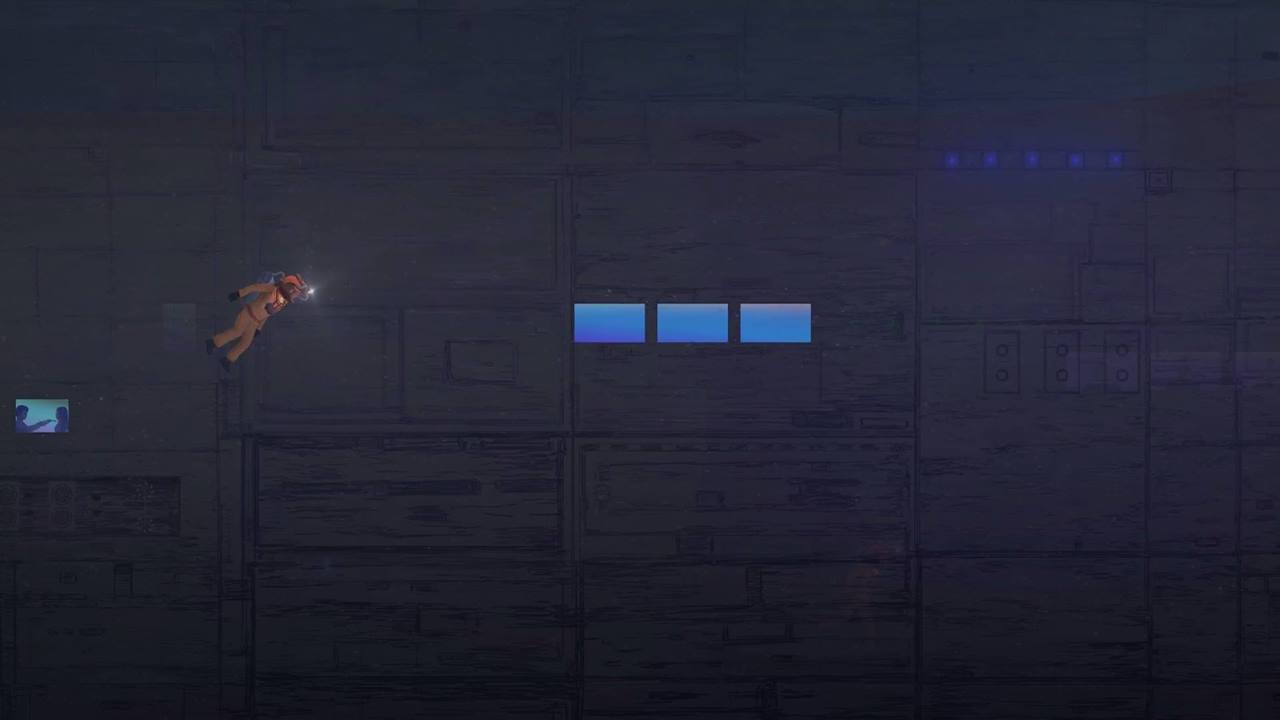
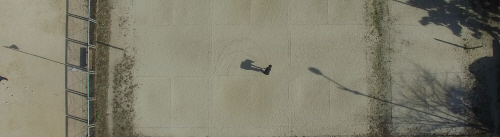
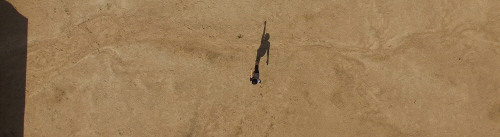
These concerns become more fully articulated in works utilizing drones, digital maps, and simulated environments. In projects such as Scroll Down Journey, A Man with a Flying Camera, and I Will Drone You, Choi surveys the world not through human perception, but through machinic and non-human perspectives.

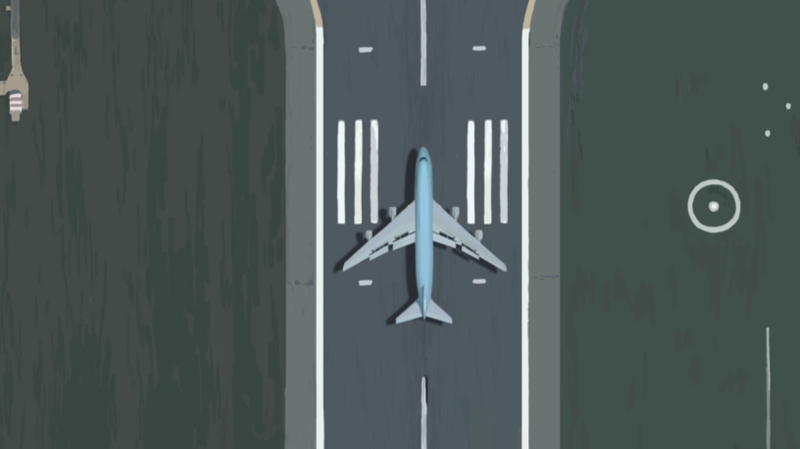
The drone’s gaze in particular is presented not simply as an aerial image, but as a new perceptual structure capable of replacing or transcending human sensation itself. Although the landscapes depicted originate from real cities and locations, the artist reconstructs them through digital painting and animation techniques, generating hybrid worlds where reality and virtuality coexist in unfamiliar forms.

Through this transformation of perspective, Choi estranges familiar environments, prompting viewers to critically reconsider the technological conditions shaping contemporary life.

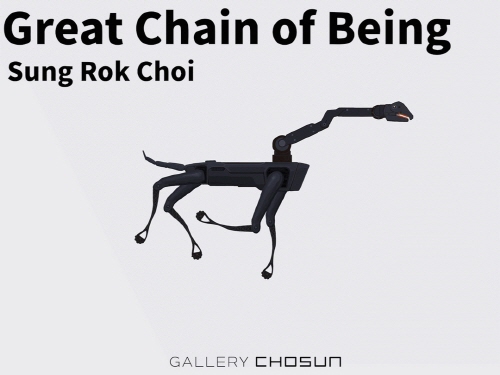
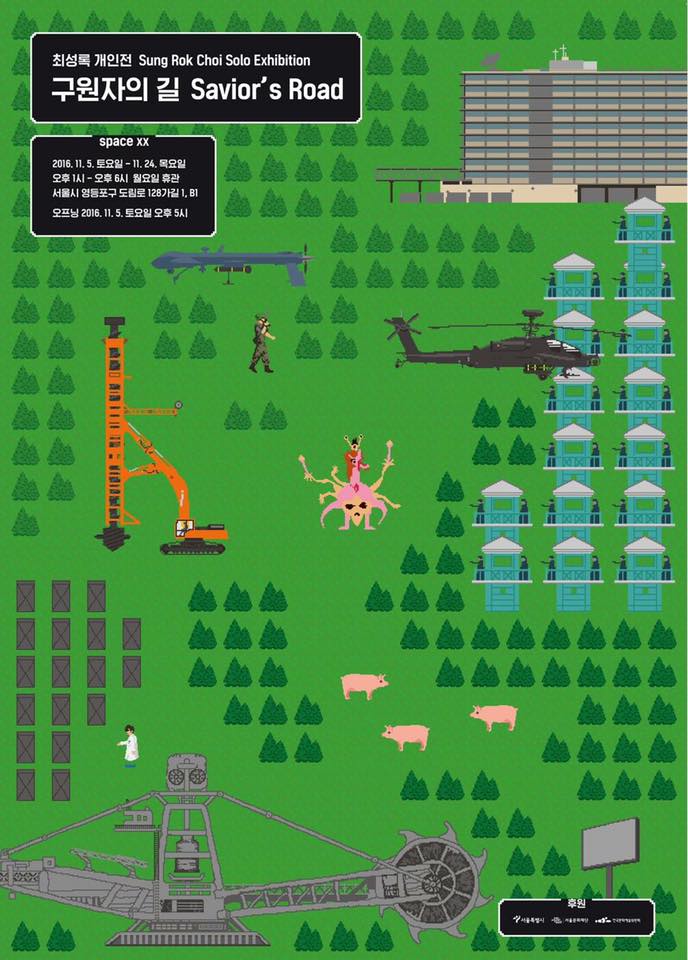
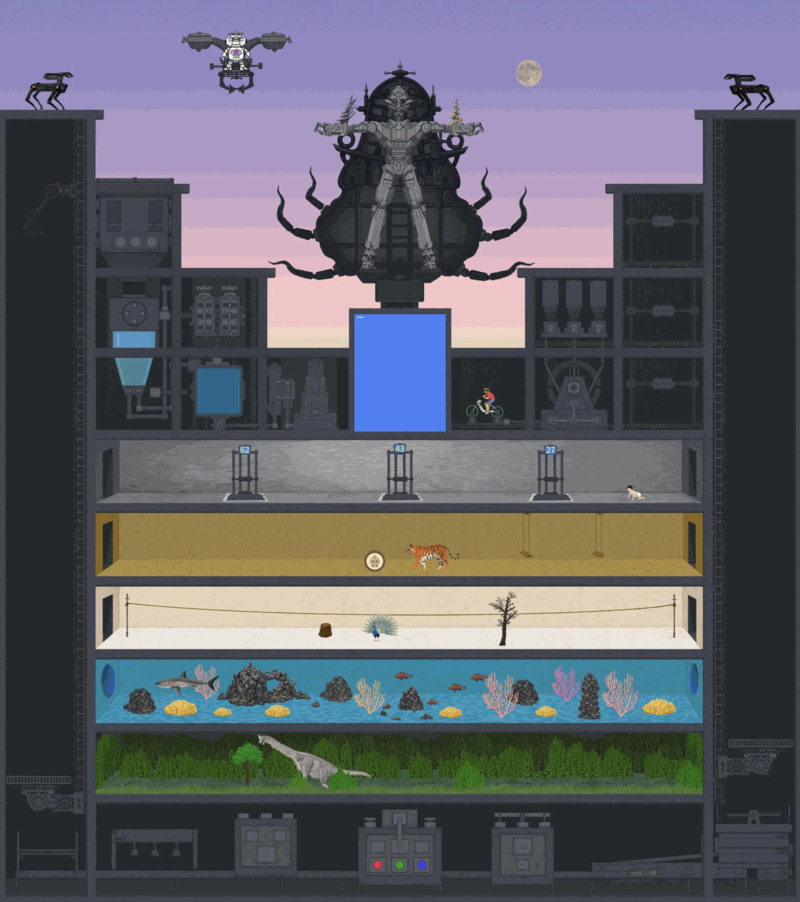
Another central axis of Choi’s practice lies in his sustained interest in “structure” and “circulation.” In works such as Operation Mole and Great Chain of Being, he constructs landscapes in which humans, machines, animals, and digital entities are generated and extinguished within a single systemic environment. Here, the world is not presented as a fixed order, but as a continuously reproducing and colliding networked structure.

Drawing upon the formal languages of games, animation, and simulation, Choi reveals the mechanisms of hierarchy, technological systems, violence, and desire operating within contemporary society. Ultimately, these works may be understood as explorations into shifting modes of human existence and world perception in the post-digital era, as well as contemporary allegories of the new sensory systems produced by technological civilization.

Style & Contents

Sung Rok Choi constructs contemporary visual environments through the combination of diverse media including animation, digital painting, video, installation, simulation, and drone cinematography. His practice is characterized by a continuous experimentation with new visual languages that evolve alongside changing technological conditions, rather than remaining fixed within a single genre or medium.

In his earlier works, Choi directly fabricated robotic and mechanical devices or presented science-technology-based installations, while his later practice increasingly developed worlds in which reality and virtual space coexist through digital animation and moving image. This formal expansion extends beyond simple media experimentation, remaining closely tied to his ongoing investigation into how human sensory and perceptual systems become interconnected with digital technologies.

One of the most significant formal characteristics of Choi’s work lies in his experimentation with point of view. Actively employing non-human perspectives such as drones, satellite imagery, digital maps, and game interfaces, the artist constructs sensory systems that depart from conventional human-centered perspective.

In Scroll Down Journey, the automobile remains fixed while the entire screen scrolls continuously around it, whereas in A Man with a Flying Camera and I Will Drone You, the drone’s gaze persistently tracks its subjects from above. These visual structures resemble game interfaces or surveillance systems more than cinematic montage, prompting viewers to experience physical reality as an unfamiliar and immaterial environment.

Rather than merely reproducing digital imagery, Choi integrates painterly sensibilities into his works, generating distinctive visual textures. Real urban landscapes, satellite photographs, and drone-captured images are transformed through the artist’s digital painting processes into flattened yet surreal environments.

This approach reveals Choi’s intention not to faithfully replicate reality, but to construct autonomous worlds in which the real and the virtual intermingle. The recurring use of scrolling, looping, and parallel scene structures within his animations evokes the architectures of digital interfaces and gaming environments, while simultaneously reflecting how contemporary perceptual experience has become increasingly screen-oriented.

His works also reject linear storytelling in favor of fragmented and parallel narrative structures. In multi-channel animation installations such as Operation Mole, simultaneous events and landscapes collide and coexist within panoramic environments. Each scene maintains an independent narrative while remaining loosely connected to others, encouraging viewers to assemble dispersed information and perspectives themselves rather than consume a singular, unified storyline.

In this way, Choi’s practice reflects the structures of information circulation characteristic of internet culture and digital media, while visually articulating the unstable conditions of perception and memory within contemporary society.

Topography & Continuity

Since the mid-2000s, Sung Rok Choi has consistently explored the relationship between technological media, perception, and virtual space while continuously expanding the formal and conceptual scope of his practice.

Although the media and technologies he employs have evolved—from robotic devices and science-fiction-inspired installations to digital animation, drone cinematography, simulation environments, and media facade works—the underlying concerns of his practice have remained remarkably consistent.

Questions surrounding how technology reshapes human perception, how machinic systems reorganize reality, and how contemporary environments are reconstructed through images and interfaces continue to form the core of his artistic inquiry.

A significant continuity within Choi’s work can be found in his sustained interest in systems of observation and structures of movement. Early projects centered on exploration machines and fictional robotic devices already suggested his fascination with mediated vision and technological navigation.

These concerns later expanded into investigations of drones, satellite perspectives, digital maps, and surveillance systems, through which the artist examined new visual regimes emerging within digital culture. Rather than treating technological devices as neutral tools, Choi consistently approaches them as entities that produce new modes of seeing, sensing, and organizing space. Across different periods of his practice, exploration itself remains both a formal strategy and a conceptual framework.

Another persistent characteristic of Choi’s work lies in his construction of fictional yet systematized worlds. Whether depicting underground tunnels, virtual landscapes, panoramic battlefields, industrial ecosystems, or digitally simulated environments, his works repeatedly present spaces governed by invisible structures, cycles, and networks.

Humans, machines, animals, and digital entities coexist within these interconnected systems, where creation, circulation, destruction, and regeneration continuously unfold. This recurring worldview allows his practice to maintain thematic continuity even as its visual forms evolve across different technological contexts.

At the same time, Choi’s practice demonstrates a continuous responsiveness to changing media environments and visual cultures. His transition from physical installations and mechanical experiments toward animation, gaming aesthetics, simulation imagery, and immersive digital environments reflects an ongoing engagement with the technological conditions of each era.

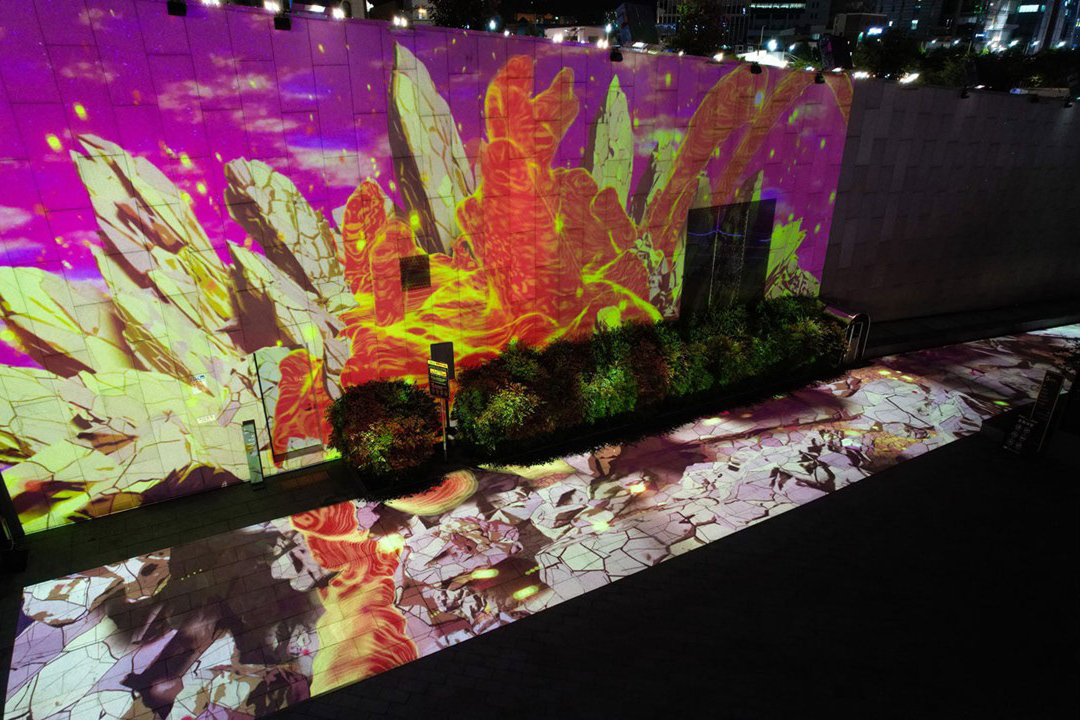
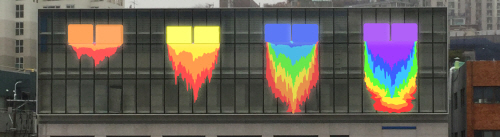
In recent years, this trajectory has expanded further through media facade projects, virtual environments, and metaverse-related works, extending his long-standing exploration of perception and virtuality into increasingly public and immersive domains. Through this sustained continuity and adaptability, Choi has established a distinctive artistic terrain that bridges science, digital culture, speculative imagination, and contemporary visual experience.

Works of Art

On Human Existence and Sensation in the Post-Digital Era

Exhibitions

Activities