



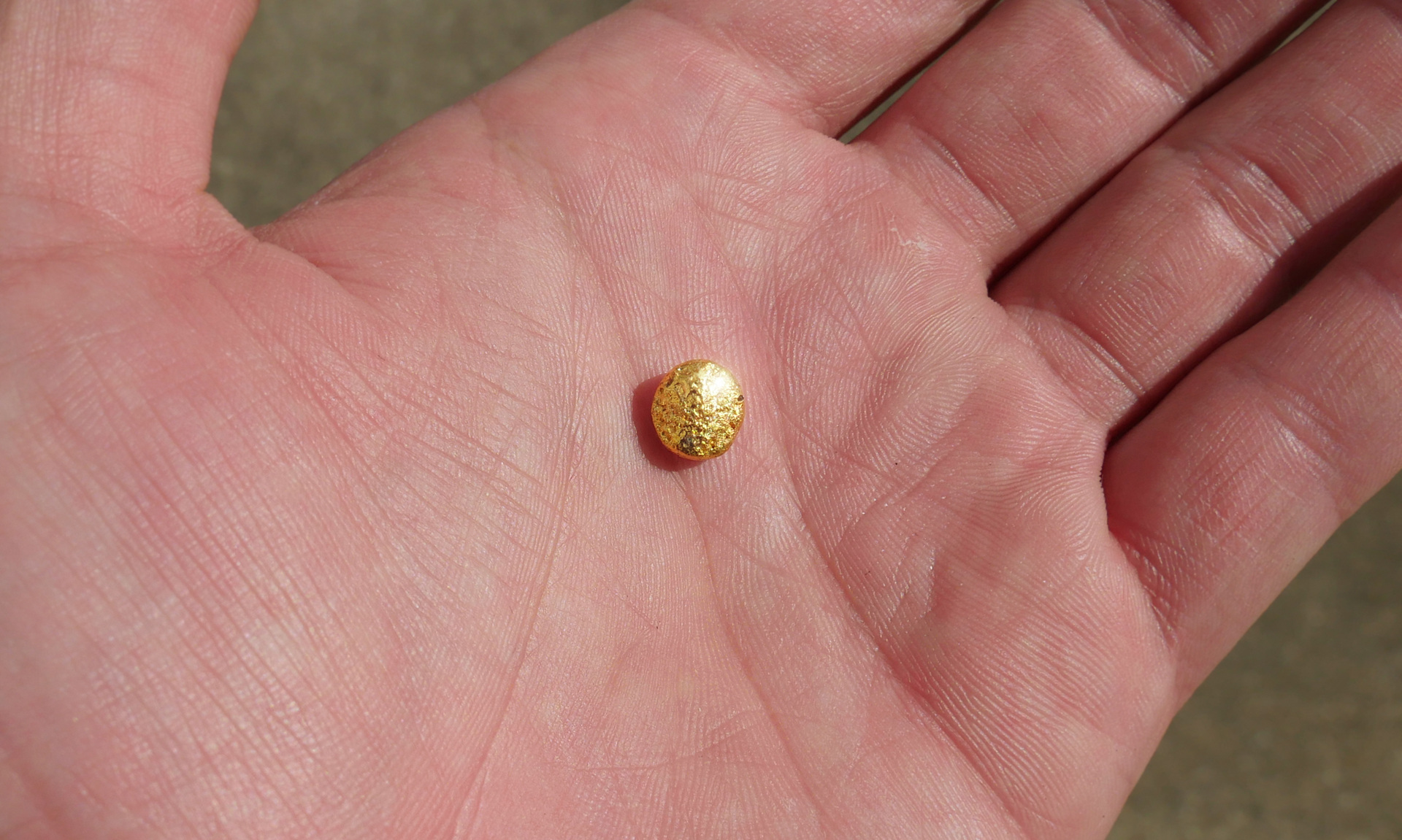
Made in Myanmar: Gold - K-ARTIST

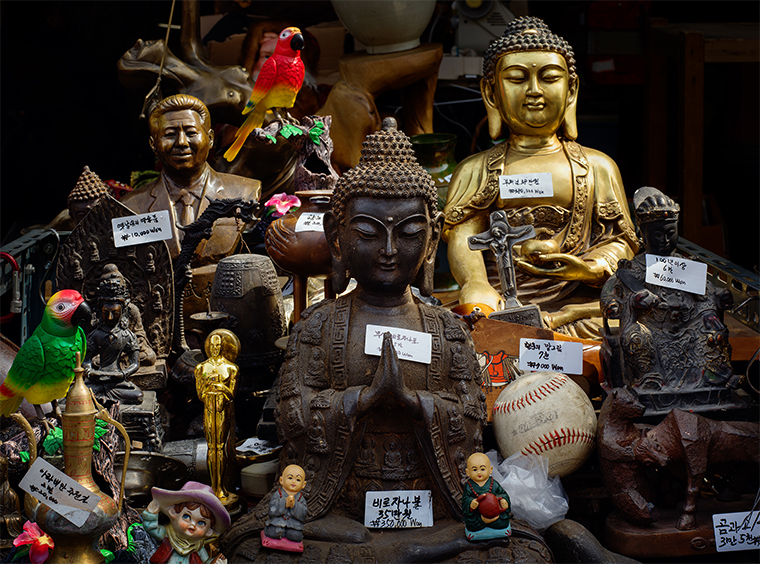
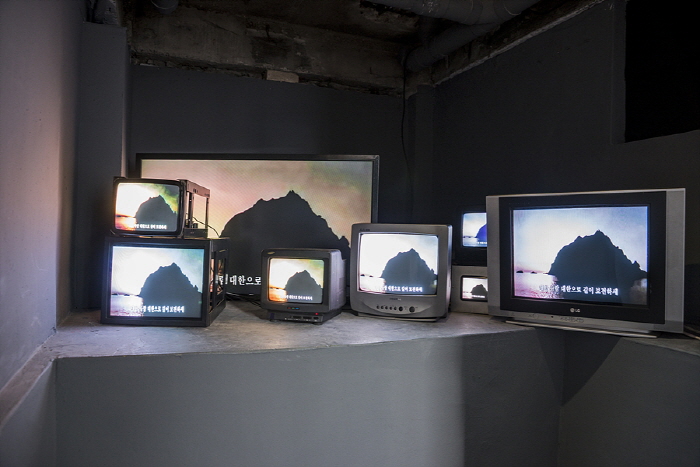
Made in Myanmar: Gold

2014
Single channel video
About The Work

Lee Wan is an artist who has consistently explored questions surrounding how human beings exist and function within capitalist systems and social structures. He examines how individual taste and desire, labor and consumption, history and memory are never formed independently, but are instead constructed within political, economic, and cultural systems. 

Beginning with early works that transformed everyday objects such as playground rides, toys, and exercise equipment into metaphors for social structures, he has since expanded his practice across video, installation, performance, archives, and collecting, developing increasingly complex investigations into the relationship between the individual and the system. For Lee Wan, artistic practice is less a device for delivering a fixed message than a kind of thought experiment that prompts viewers to question the structures and assumptions to which they belong. 

Lee Wan’s work reveals the contradictions and fractures embedded within capitalist systems, unsettling the value structures we often take for granted. By twisting the functions and meanings of objects, he exposes the gap between sign and essence, prompting viewers to reconsider familiar realities. In his work, the object operates not simply as a formal material, but as a medium through which social structures and human perception are revealed.

At the same time, Lee Wan has maintained a profound interest in the relationship between history and the individual. Rather than focusing solely on official histories or grand narratives, he pays attention to fragmentary traces left behind by anonymous individuals who lived through specific eras, exploring the possibilities of microhistorical narratives through collecting and archival practices. 

In this way, his works function not merely as formal compositions, but as structures connecting information, memory, time, and history. By reorganizing relationships among objects, images, data, and historical narratives, Lee visualizes how individual lives are entangled with larger social systems.

Solo Exhibitions (Brief)

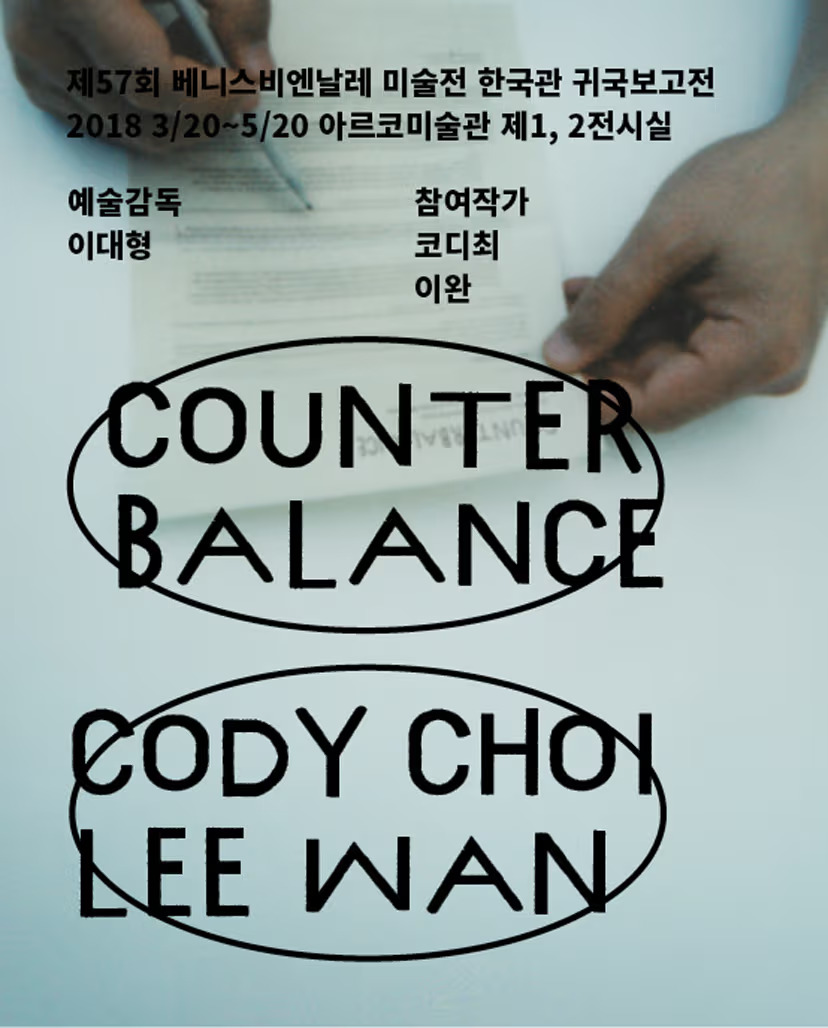
Beginning with his first solo exhibition at Gallery Ssamzie in 2005, Lee Wan has held solo exhibitions at major institutions and venues including Total Museum (2009), Art Space Pool (2011), Daegu Art Museum (2013), Doosan Gallery New York (2014), 313 Art Project Seoul and Art Basel Hong Kong (2015, 2016, 2019), the Korean Pavilion at the Venice Biennale (2017), and the Coreana Museum of Art (2025).

Group Exhibitions (Brief)

Lee Wan has participated in numerous group exhibitions at major international art institutions, including the Gwangju Biennale (2014), the Korean Pavilion at the 2017 Venice Biennale, the National Museum of Modern and Contemporary Art, Korea (2008, 2010, 2017), the Seoul Museum of Art (2009, 2015), the Seoul National University Museum of Art (2008, 2013, 2016, 2018, 2021), Leeum Museum of Art (2014, 2019), and the Louisiana Museum of Modern Art (2023).

Awards (Selected)

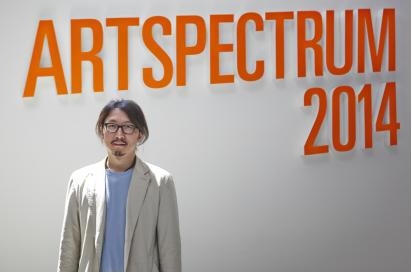
Lee Wan received the 26th Kim Se-choong Young Sculptor Award (2015), the 1st Art Spectrum Artist Award (2014), was selected as an ARKO Young Art Frontier Artist by the Arts Council Korea (2009–2010), and was selected for the JoongAng Fine Arts Competition (2005).

Residencies (Selected)

Lee Wan has participated in various residency programs in Korea and abroad, including the Changdong Residency of the National Museum of Modern and Contemporary Art, Korea, the Doosan Art Center Residency New York (2014), the Asia Culture Center Residency (2015), the Cemeti Art House Residency in Indonesia (2016), and the Tsung-Yeh Arts and Culture Center Residency in Taiwan (2018).

Collections (Selected)

Lee Wan’s works are included in the collections of major institutions in Korea and abroad, including the LVMH Foundation (Paris), Leeum Museum of Art, the National Museum of Modern and Contemporary Art, Korea, the Seoul Museum of Art, the Cheongju Museum of Art, the National Science Center, and Ssamzie Theme Park.

Works of Art

Revealing Social Contradictions Through Art

Originality & Identity

Lee Wan is an artist who has consistently explored questions surrounding how human beings exist and function within capitalist systems and social structures. He examines how individual taste and desire, labor and consumption, history and memory are never formed independently, but are instead constructed within political, economic, and cultural systems.

Beginning with early works that transformed everyday objects such as playground rides, toys, and exercise equipment into metaphors for social structures, he has since expanded his practice across video, installation, performance, archives, and collecting, developing increasingly complex investigations into the relationship between the individual and the system. For Lee Wan, artistic practice is less a device for delivering a fixed message than a kind of thought experiment that prompts viewers to question the structures and assumptions to which they belong.

One of the central concepts repeatedly addressed in his practice is that of “irresistible force” or inevitability. Lee views human beings as existing, from the moment of birth, within vast structures such as history, nation, class, capital, language, and culture, with even personal desires and choices formed within these environments. Accordingly, the social system in his work functions not merely as an external mechanism of oppression, but as a totalizing environment that defines and moves human existence itself.

This perspective runs consistently throughout his oeuvre, from early works that compared social systems to the structures of amusement parks, to the ‘Made in’ series in which he directly experienced production systems across Asia, and further to Proper Time, which analyzes the relationship between labor and mealtime among individuals around the world. While situating individual lives within larger structures, the artist simultaneously maintains a deep concern for the anonymous individuals living within them.

Although Lee Wan critically examines the structures of capitalism, labor, production, and consumption, his work does not remain at the level of political declaration or moral accusation. Rather than advocating a singular ideological position, he focuses on exposing the contradictions and fractures generated by systems themselves.

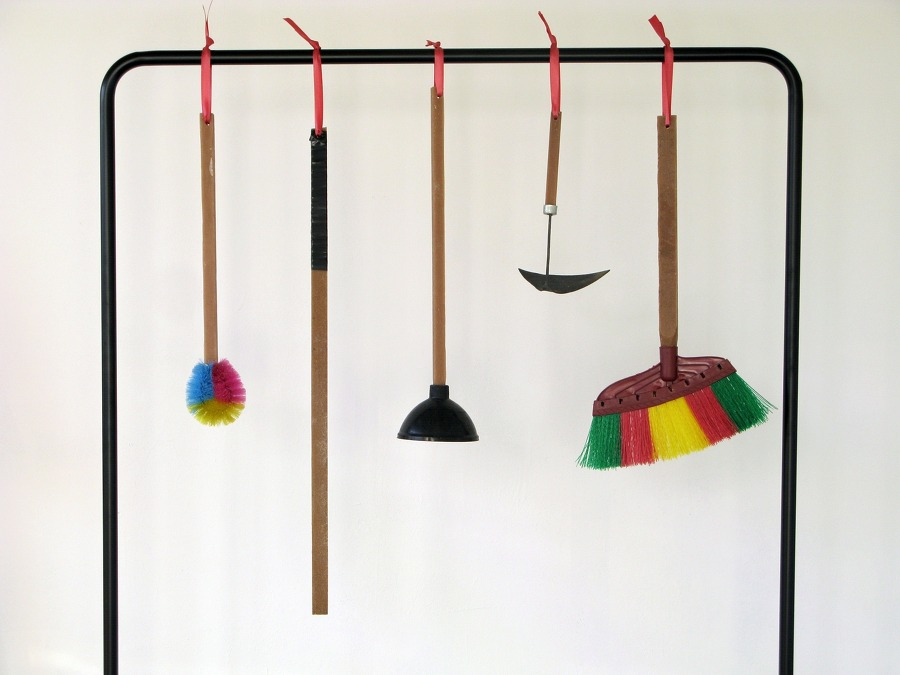
Objects such as a baseball made of chicken meat, a crucifix made of beef, or everyday items reassembled after losing their original functions reveal how our understanding of objects is determined by habitual rules and social consensus. By twisting the functions and meanings of objects, Lee destabilizes the value systems viewers unconsciously accept as natural, compelling them to confront the gap between sign and essence. In his work, the object operates not simply as a formal material, but as a medium through which social structures and human perception are revealed.

At the same time, Lee Wan has maintained a profound interest in the relationship between history and the individual. Rather than focusing solely on official histories or grand narratives, he pays attention to fragmentary traces left behind by anonymous individuals who lived through specific eras, exploring the possibilities of microhistorical narratives through collecting and archival practices.

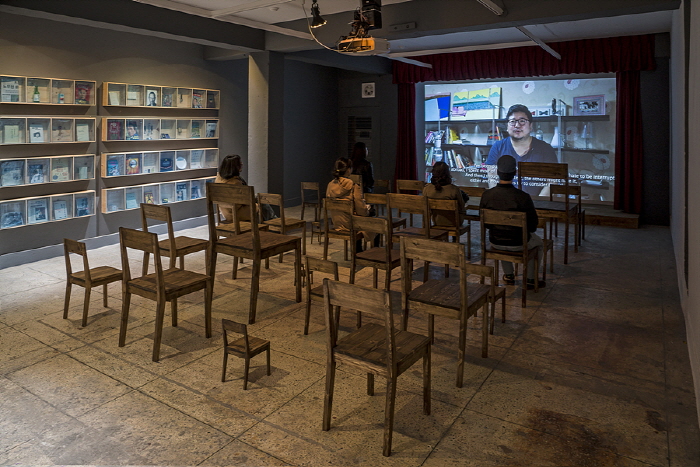
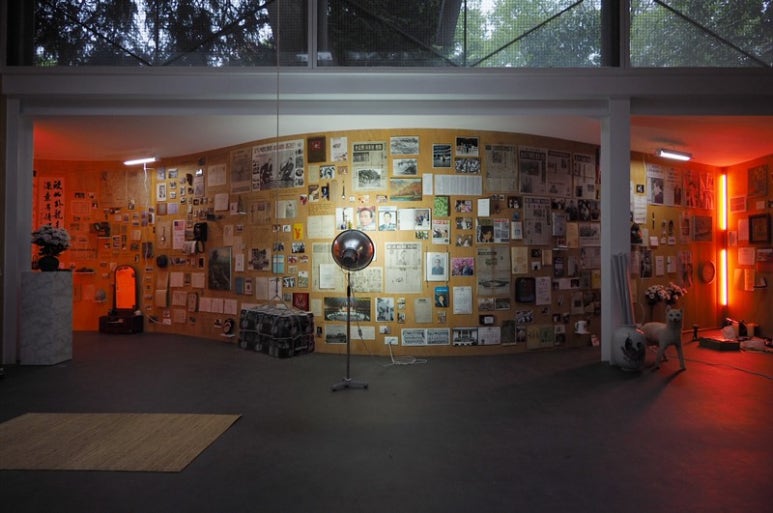
Works such as Mr. K and the Collection of Korean History, which interweaves one individual’s life with the modern history of Korea, suggest that large-scale history itself is ultimately built upon countless individual lives. This approach reflects one of the defining characteristics of Lee Wan’s practice: even while engaging with large-scale discourses such as nation, capital, and history, he never loses sight of the concrete experiences and sensibilities of individual human lives.

Style & Contents

Lee Wan’s practice is characterized by its refusal to remain fixed within a single medium or formal language. Although he began from sculpture, his work has since expanded across objects, installation, video, performance, photography, archives, and text. The artist himself has repeatedly described media as merely a “tool,” emphasizing his resistance to being confined within any singular formal identity.

What matters in Lee’s work, therefore, is not the outward style of the final object, but the structures and concepts revealed through it. This attitude allows his practice to adopt radically different visual languages over time while maintaining a remarkably consistent conceptual foundation.

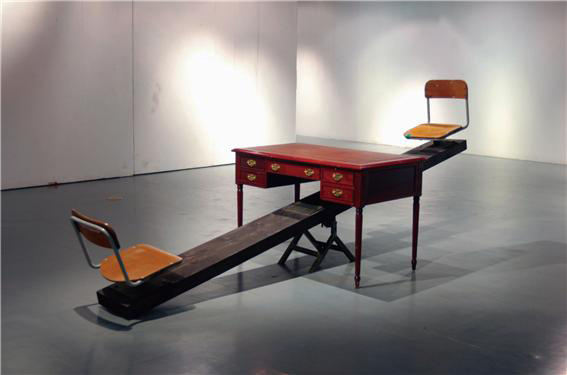
His early works are particularly notable for their transformation and recombination of everyday objects. Works such as Slide, Merry-go-round, and Tricycle create situations in which familiar functions and sensory expectations become subtly displaced through the viewer’s direct participation and experience. By preserving the basic structure of existing playground equipment while preventing it from operating in expected ways, these works metaphorically expose the repetition, control, and habituated sensory systems embedded within social structures.

Later works, including a baseball made of chicken meat or a crucifix made of beef, retained the external form of objects while replacing their material substance, revealing how deeply our perception of objects depends upon socially constructed systems of signs and conventions. Through strategies of estrangement that render familiar objects unfamiliar, Lee disrupts the viewer’s perceptual framework and compels them to confront the gap between an object’s essence and its socially assigned meaning.

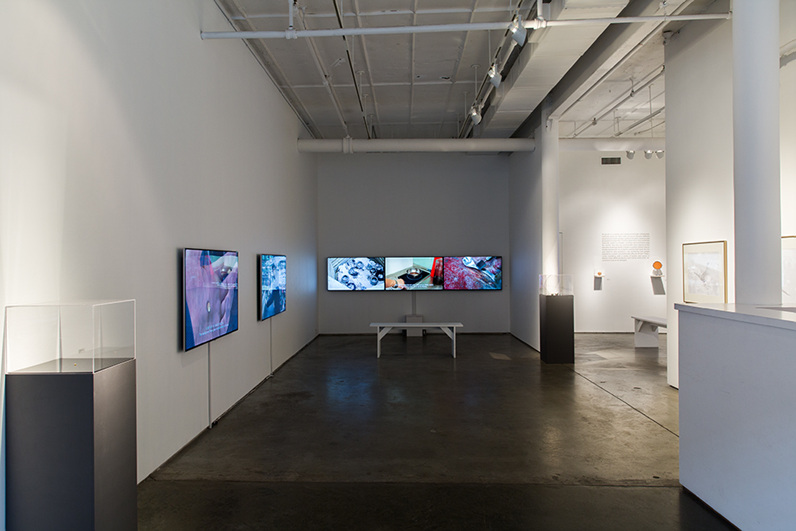
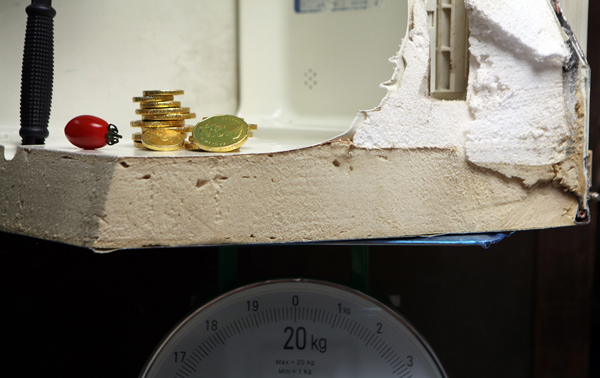
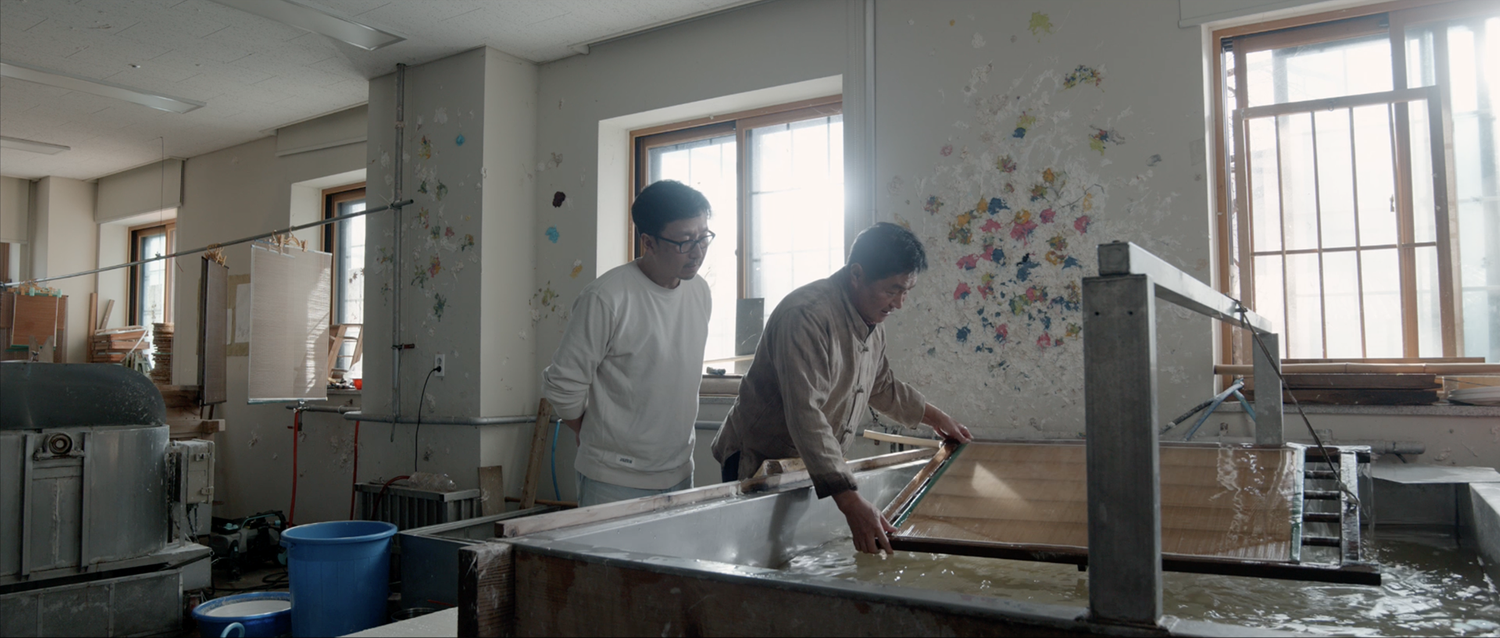
From the 2010s onward, Lee Wan’s practice increasingly developed into a research-based structure, expanding into forms involving video, archives, and data collection. The representative ‘Made in’ series documents the artist traveling across various Asian countries to produce goods associated with each nation’s historical industries, while simultaneously examining systems of production, labor conditions, colonial histories, and the flows of global capitalism.

Although Lee works alongside local laborers and directly participates in the production processes, he deliberately maintains a restrained and dry mode of narration that avoids documentary-style emotional immersion or dramatic staging. This approach encourages viewers not to become absorbed in sentiment, but rather to observe and contemplate the systems themselves. In particular, Lee extends the process of making into a form of performance, incorporating the duration of labor and production as essential components of the work itself.

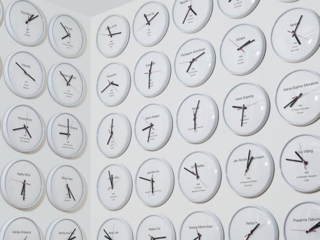
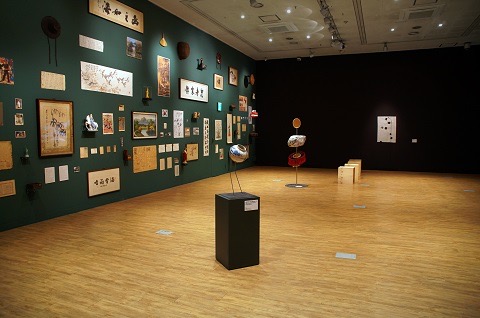
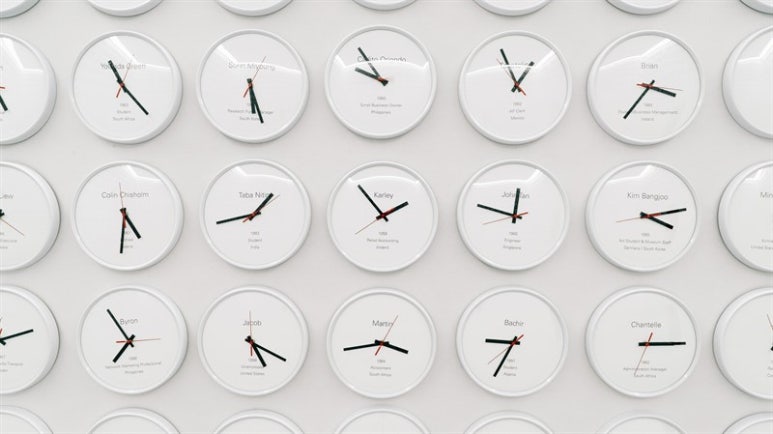
Lee Wan’s practice also constructs distinctive narrative structures through methods of collecting, arranging, and archiving. By gathering and juxtaposing historical records, everyday objects, photographs, and data, he composes broader social landscapes from fragmented materials. In Proper Time, he created clocks moving at different speeds based on interview data collected from 1,200 individuals around the world, while in Mr. K and the Collection of Korean History, he intertwined a private photographic archive with records of modern Korean history.

In this way, his works function not merely as formal compositions, but as structures connecting information, memory, time, and history. By reorganizing relationships among objects, images, data, and historical narratives, Lee visualizes how individual lives are entangled with larger social systems.

Topography & Continuity

Although Lee Wan’s practice has continuously evolved in form—from early sculptures and object-based works to recent archival projects, videos, and data-driven installations—the central axis of his work has consistently remained an inquiry into the relationship between human beings and systems. Rather than fixing himself within a specific medium or stylistic identity, Lee has focused on revealing the structures that shape contemporary society and the conditions of human existence within it.

This attitude gives his body of work a strong sense of continuity and cohesion despite its dramatic formal transformations. From the early works that altered playground equipment to the ‘Made in’ series tracing global production structures, and further to Proper Time, which visualizes the differing speeds of individual lives through clocks, his practice consistently returns to the question of how human beings are positioned and moved within larger systems.

Lee Wan’s work is also notable for the way its scope of inquiry has expanded alongside historical and social change. While his earlier works focused primarily on everyday objects, social conventions, and the structures of systems themselves, his later projects increasingly engage with more complex socio-political layers, including labor and production, consumption and circulation, nation and capital, colonialism, and global economic structures.

Yet this shift represents less a rupture than an expansion of his longstanding interest in the conditions shaping individual lives toward broader structural dimensions. Rather than simply criticizing or reproducing specific events or phenomena, Lee traces the historical and social mechanisms through which they emerge, revealing the contradictions and fractures embedded within systems themselves.

At the same time, Lee Wan has maintained a certain distance from the direct political rhetoric or emotionally driven narratives frequently found in contemporary art, while continuously raising questions about social structures and human existence. His works do not offer singular conclusions or ideological certainties, but instead reveal conditions in which conflicting values and perspectives coexist.

This ambivalence and multiplicity recur throughout his practice, from his early object works to projects juxtaposing historical archives with private collections, as well as data-driven installations quantifying labor and mealtime across the globe. Rather than imposing a fixed interpretation, Lee embraces the conflicts of interpretation and debate surrounding the work itself as part of the artwork’s operation.

Ultimately, the continuity in Lee Wan’s practice lies in the persistent renewal of a single question: under what structures are individual lives formed? By connecting objects and images, labor and history, data and memory, he seeks to expose the invisible mechanisms composing contemporary society.

This approach moves beyond simple social critique or conceptual play, developing instead into a long-term inquiry into the very conditions of human existence. For this reason, Lee Wan’s oeuvre is best understood not through the formal characteristics of any single period, but as an ongoing trajectory of thought that continuously reinterprets human life within shifting historical and structural conditions.

Works of Art

Revealing Social Contradictions Through Art

Exhibitions