Sophie
Jeong’s work begins from the climate crisis, ecological collapse, technological
acceleration, and the imagination of a post-human world. The artist does not
push today’s disasters away into a future catastrophe, but understands them as
conditions that have already seeped into present life. In her videos and online
works, the post-apocalyptic world is not so much a backdrop for intensifying
fear as it is a device that asks what kind of future is being produced by the
ways of life we are choosing now. The ‘Hyperobjects’ series, which
includes Hyperobjects: Episode I – The Forgotten
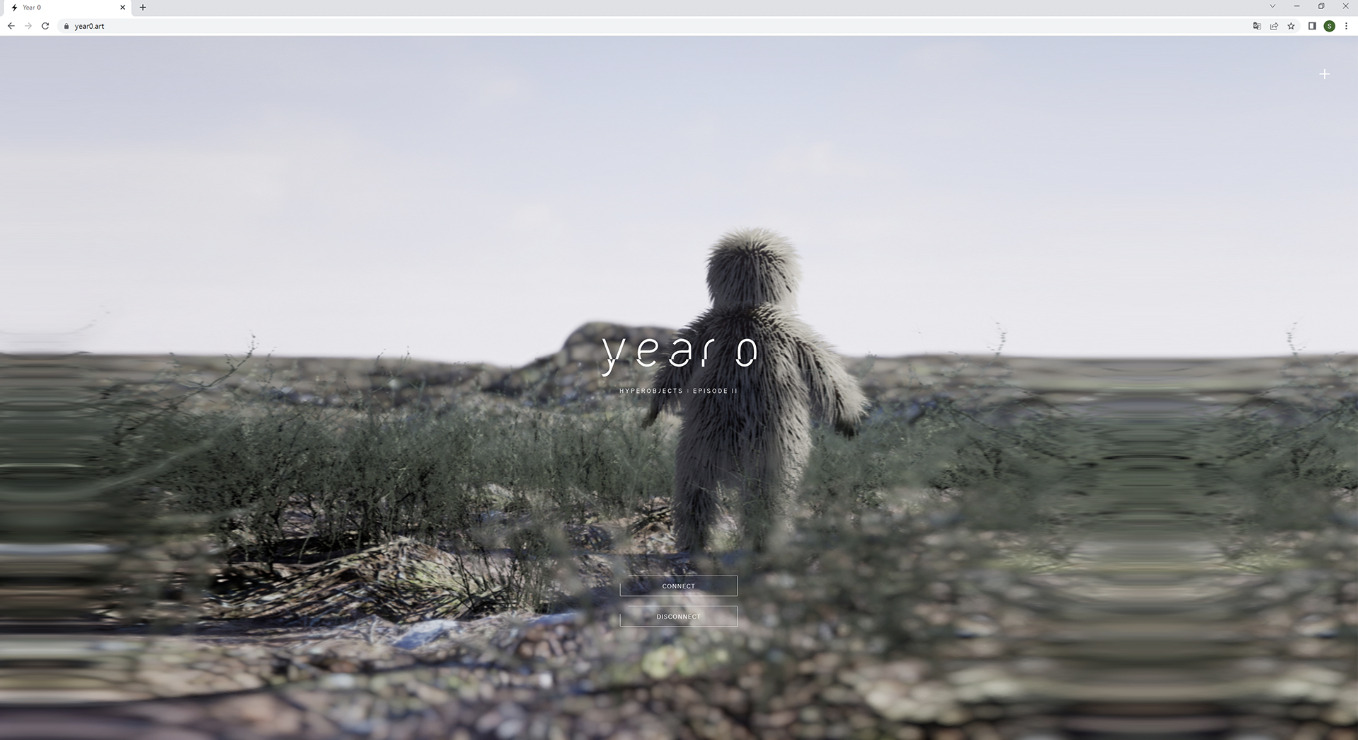
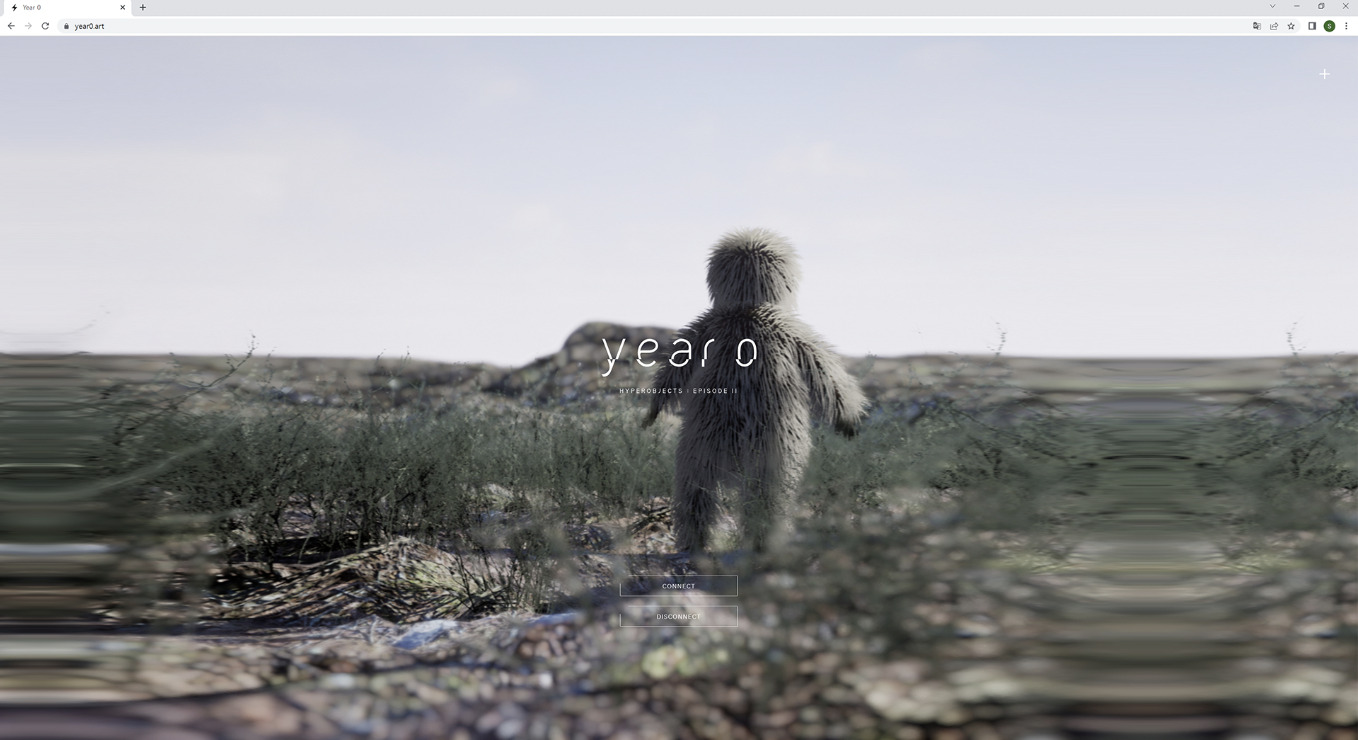
Town(2019), Hyperobjects: Episode II – Year
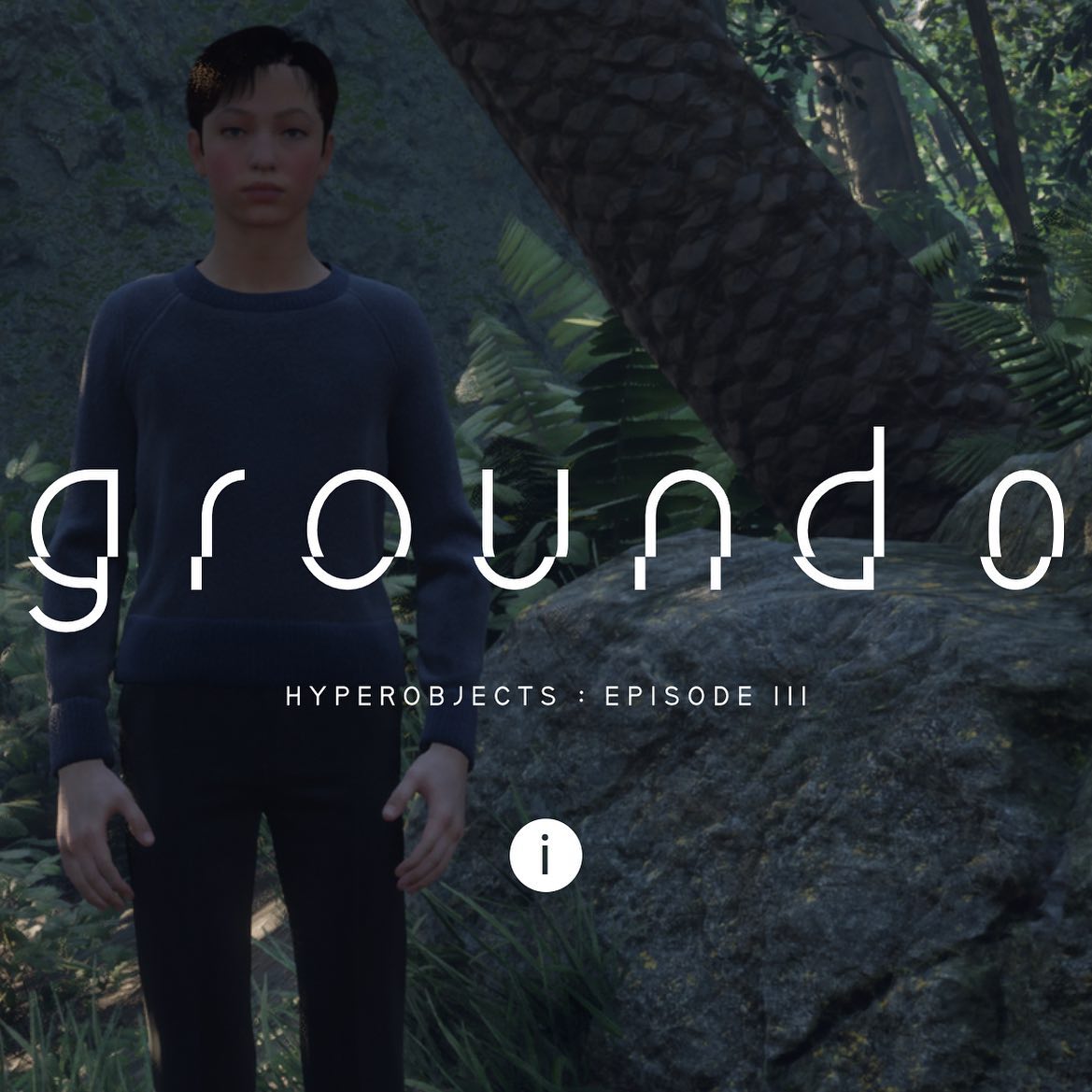
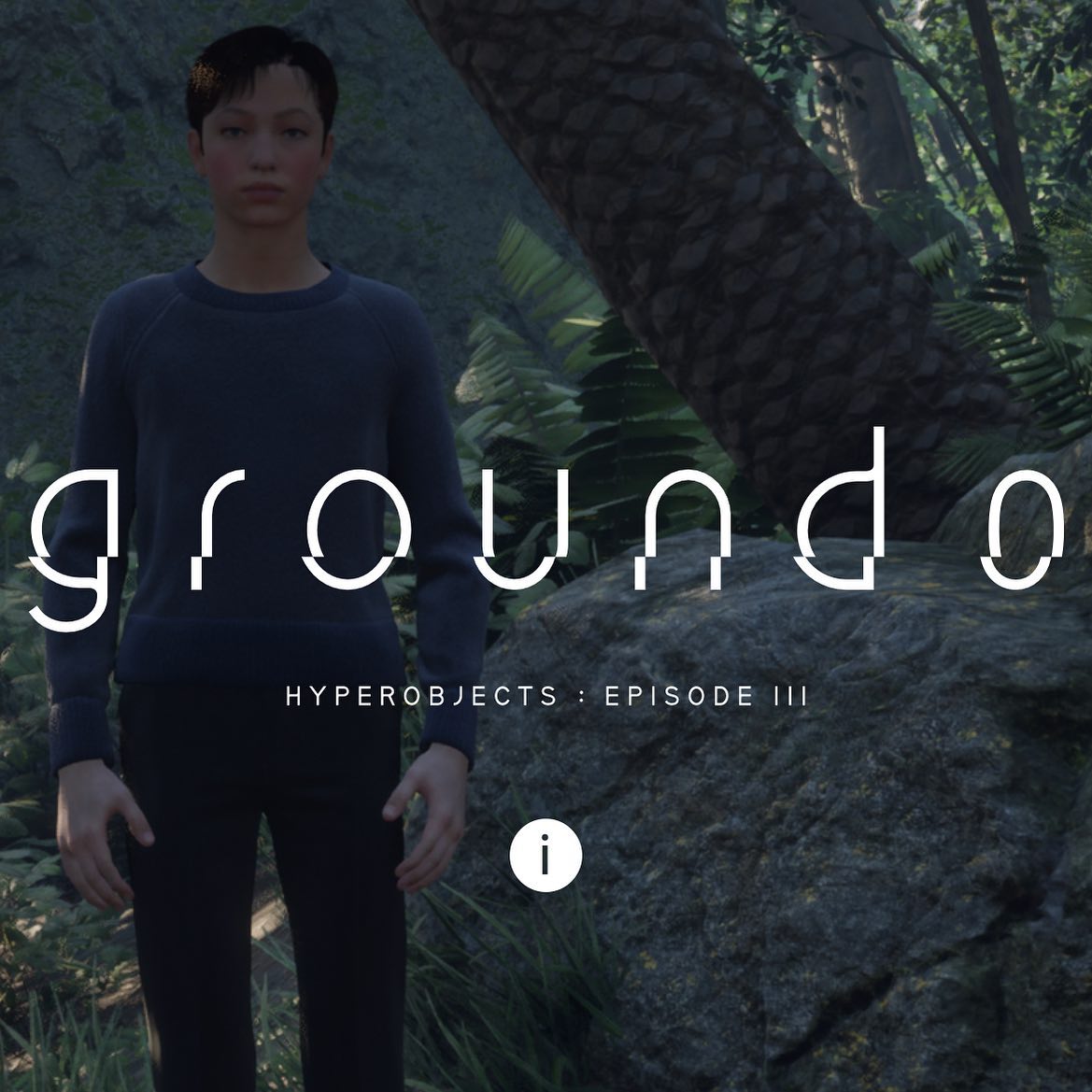
0(2021), and Hyperobjects: Episode III – Ground
0(2022), constructs disasters created by the capitalist world-ecology
and the lives that follow them through speculative narratives, exploring a
sensibility after the Anthropocene.
What is
important in Jeong’s work is not predicting the future, but making us look
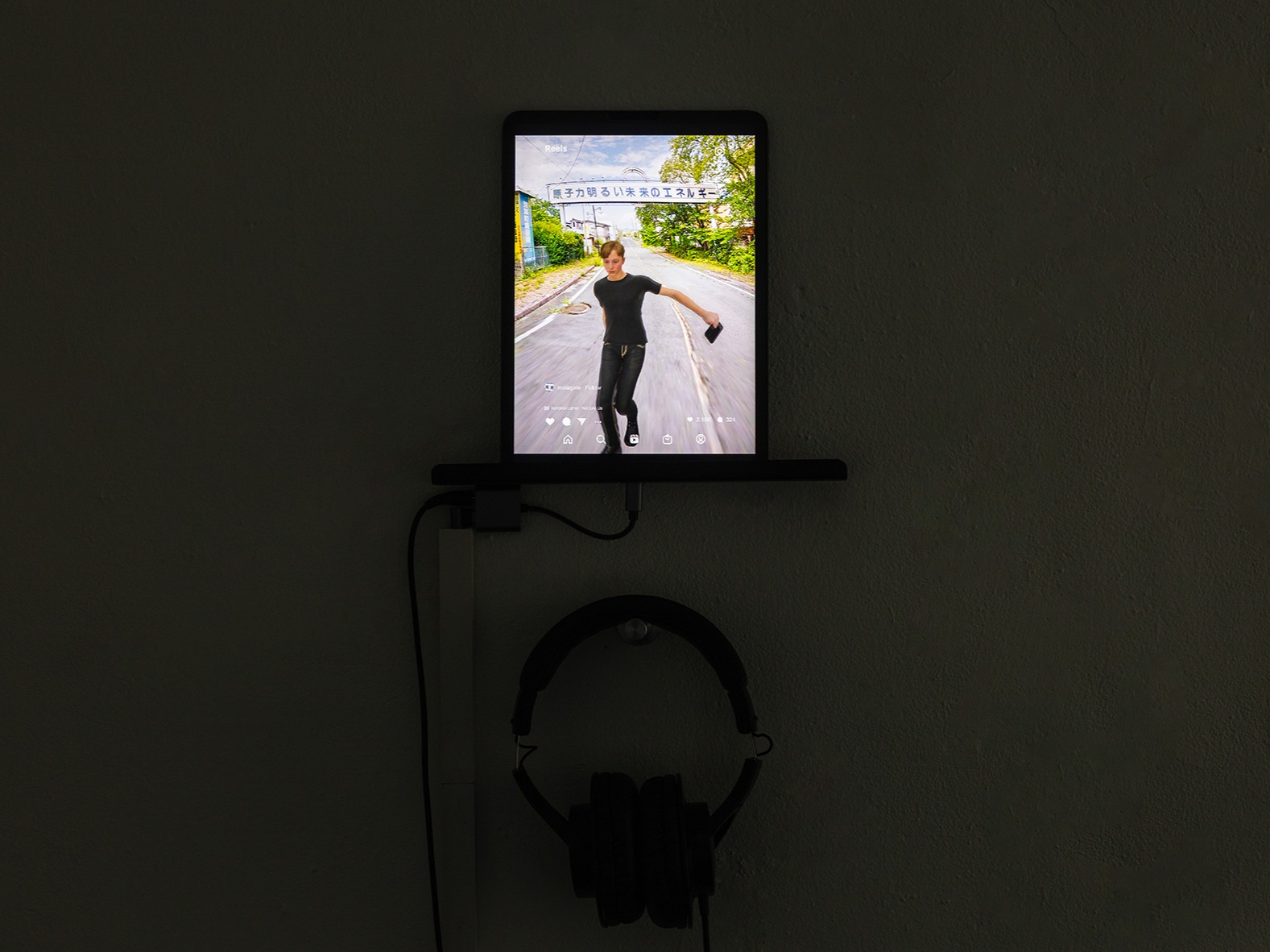
again at the present from an unfamiliar time zone. Hyperobjects:
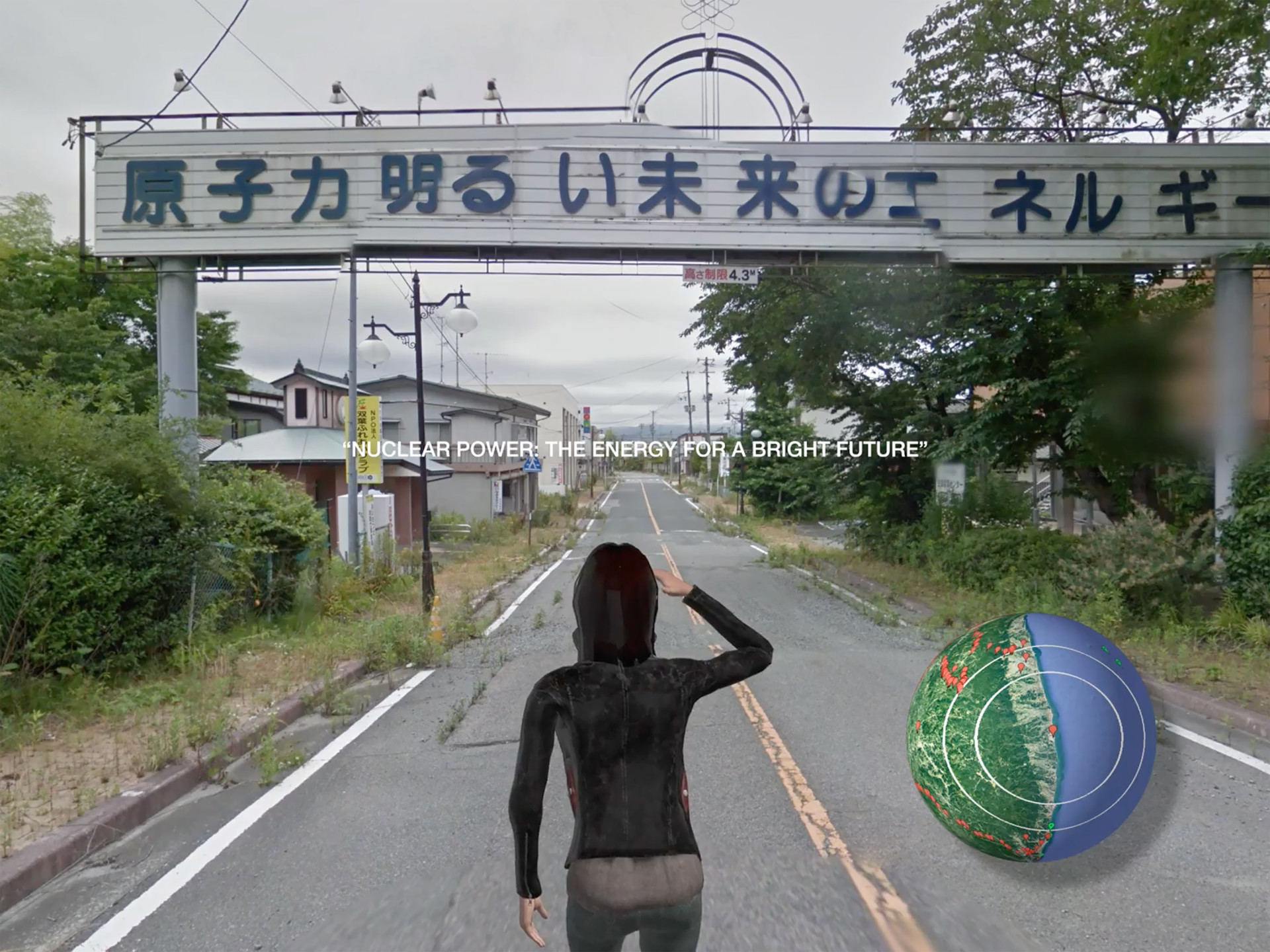
Episode I – The Forgotten Town traces sites after the Fukushima
nuclear disaster through Google Street View and game-based realism. The artist
explores areas that have become inaccessible due to radiation risks through a
virtual character, simulating landscapes of ruined villages, empty schools,
workers exposed to danger, and accumulating waste. In this work, disaster is
not presented as an event that has already passed, but as a long-term and
excessive reality produced by human economic decisions and technological
systems.
After
this, Hyperobjects: Episode II – Year
0 and Hyperobjects: Episode III – Ground
0 more fully construct a worldview after
humanity. Year 0 follows the journey of a hybrid
being who encounters a completely transformed world, set in a future where
Earth’s climate has collapsed and humans can no longer
live. Ground 0 imagines a world where the promises
of liberalism and late capitalism have collapsed after the climate crisis,
pandemic, and new Cold War, and considers the apocalypse not as an end but as a
new beginning through a secret city inside an underground bunker and a child of
a fugitive community born there. Within this trajectory, the artist seeks to
reset the relationships between human/nonhuman, social structure and individual,
ecology and technology.
In recent
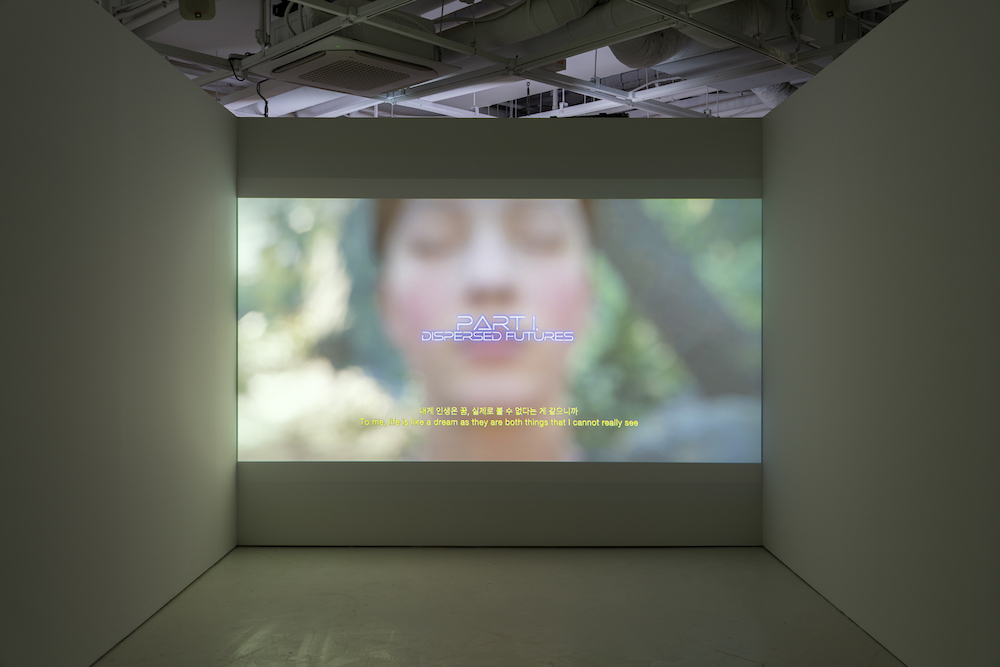
works, this speculative worldview expands into questions of technological
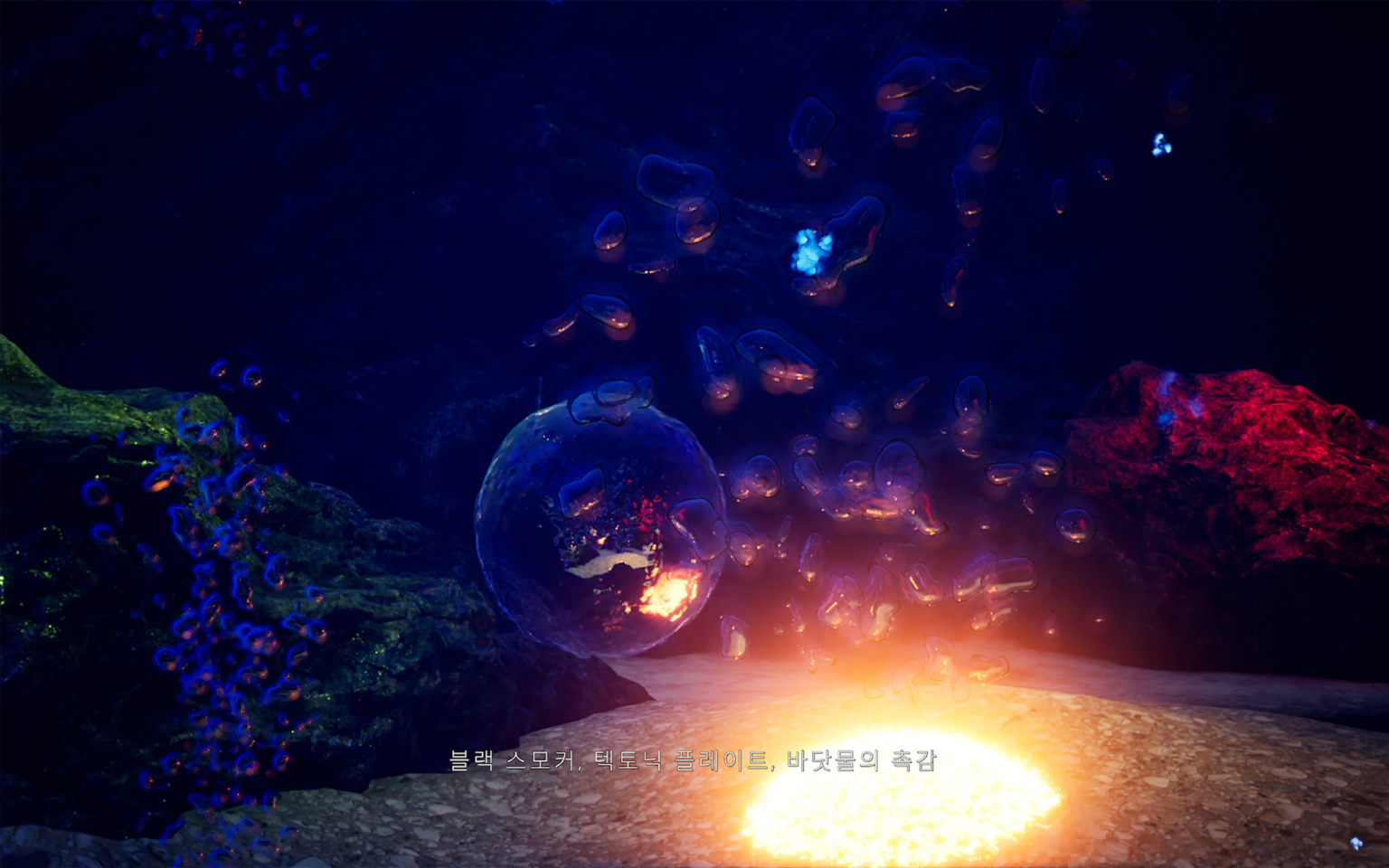
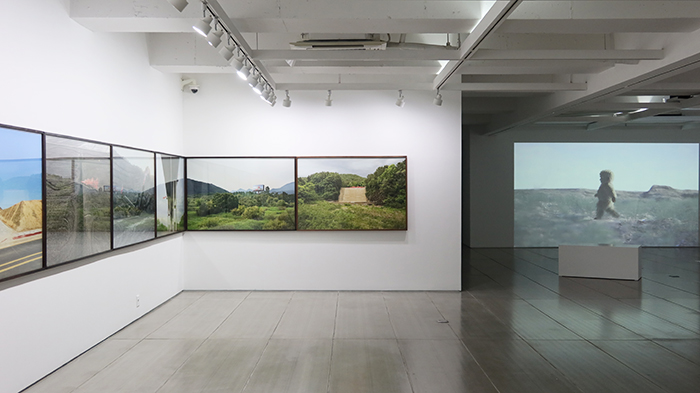
ethics and human connection. LUCA(2023), presented at 《The 23rd SONGEUN Art Award Exhibition》(SONGEUN,
Seoul, 2023), connects a mythical past and an anticipated future through LUCA,
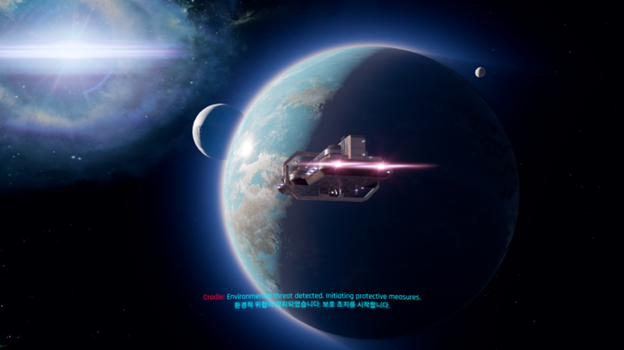
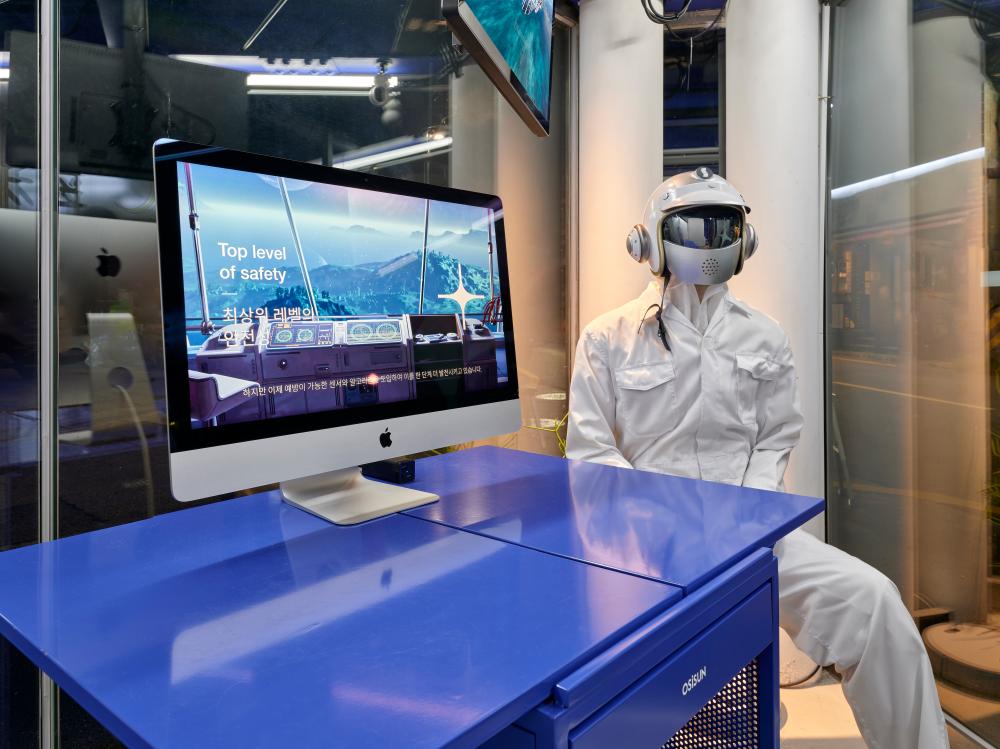
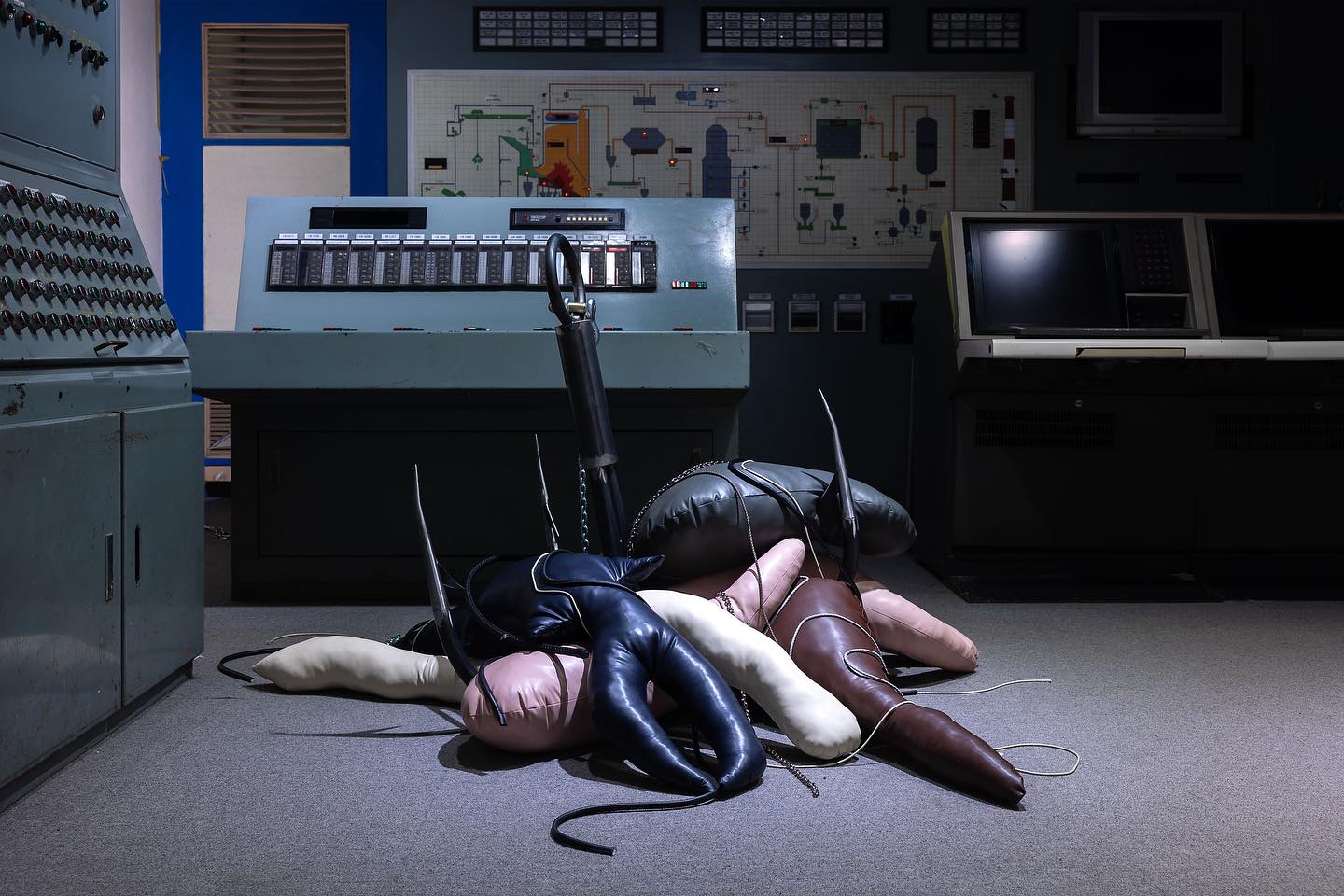
the common ancestor of all life. Later, Cradle of
Love(2024), presented in the solo exhibition 《Cradle of Love》(Osisun, Seoul, 2024), is a
spin-off work that expands the worldview of LUCA, dealing with a situation in
which technology replaces human choice through an incident encountered by the
autonomous vehicle “Cradle” and the character “Ray.” Viewers make several
choices within the work, and are led to ask what humans can choose, and what
they come to give up, in an era when technology makes decisions in the name of
safety and efficiency.



.jpg)