Inter-phone - K-ARTIST

Inter-phone

2023
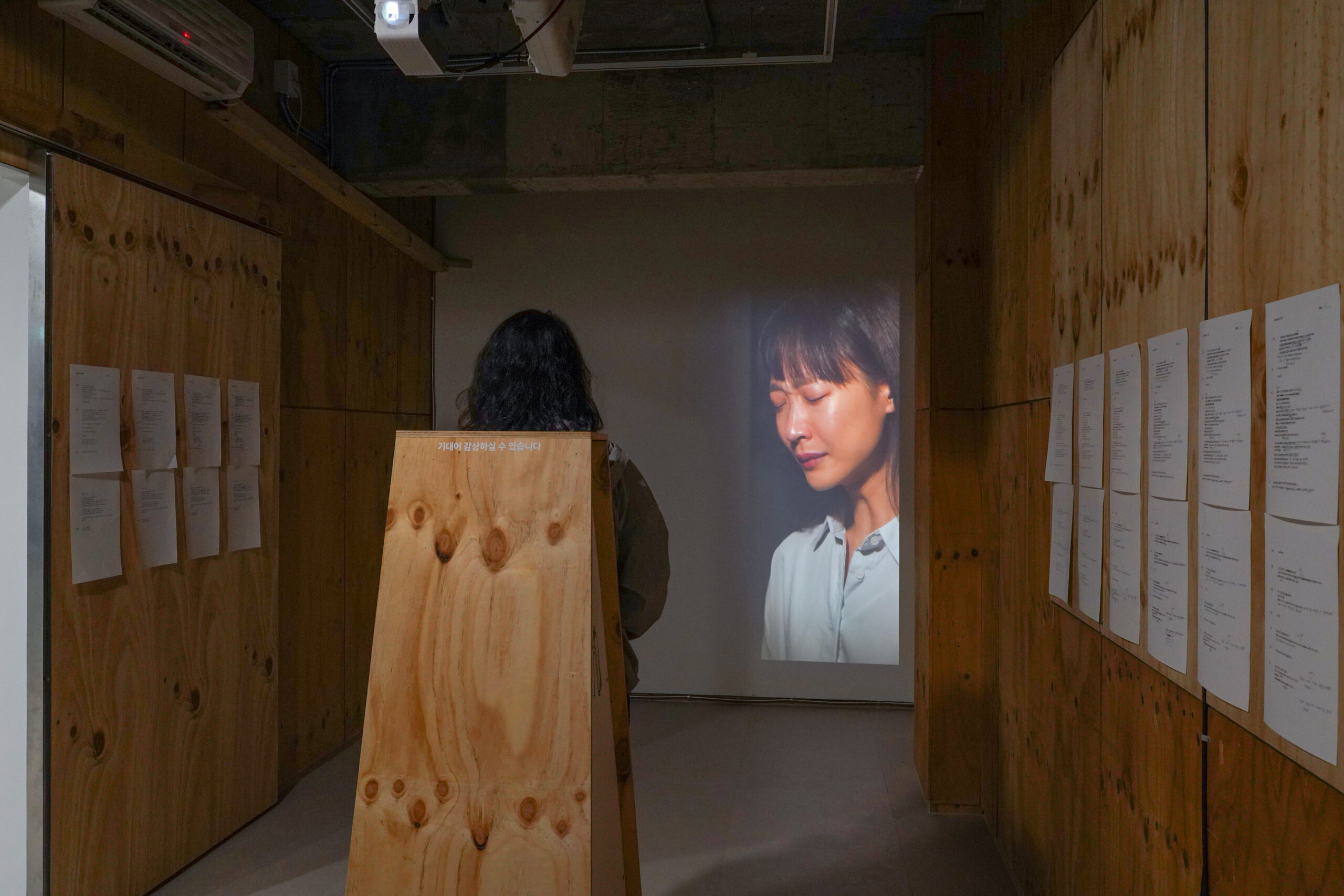
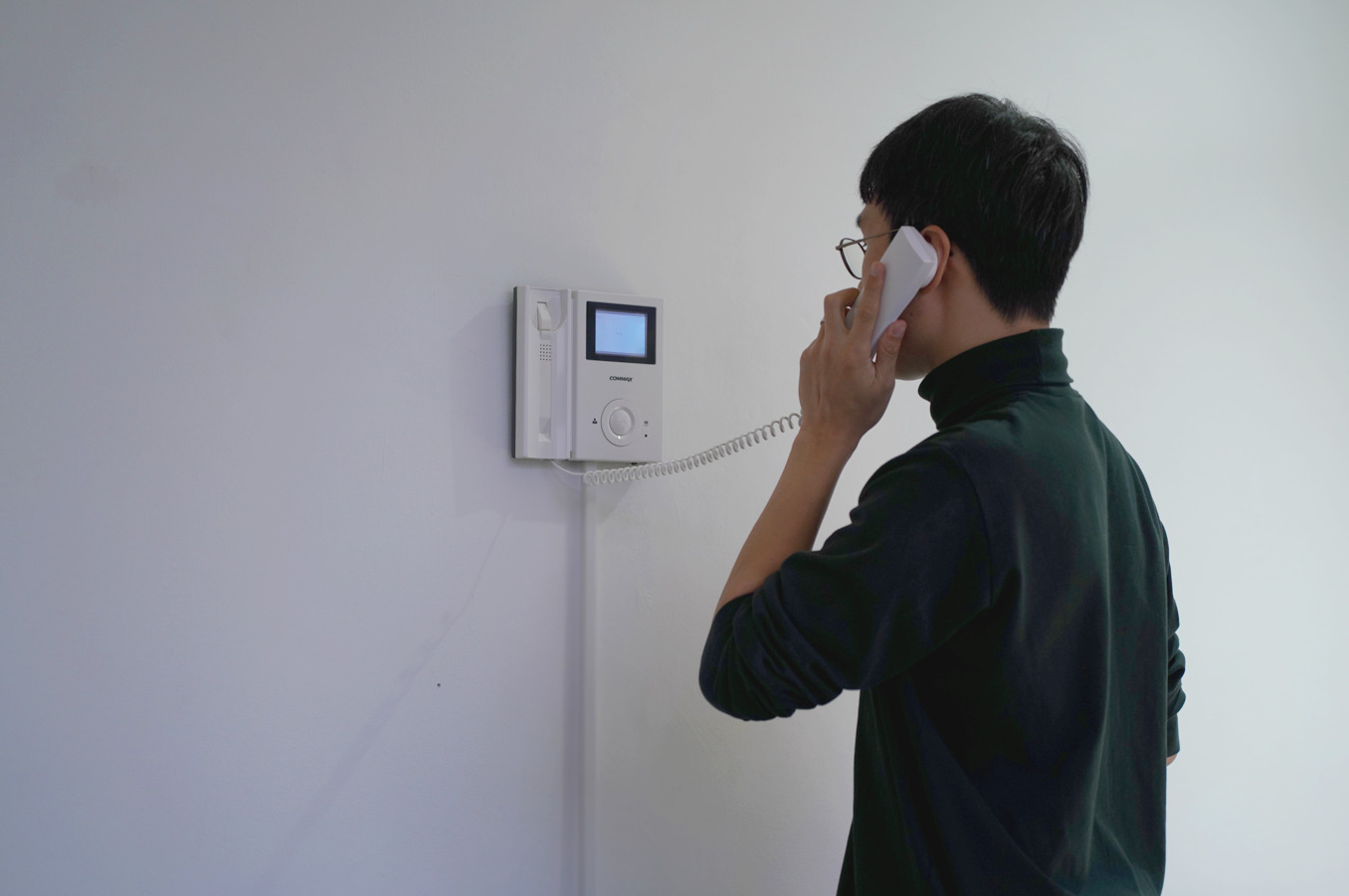
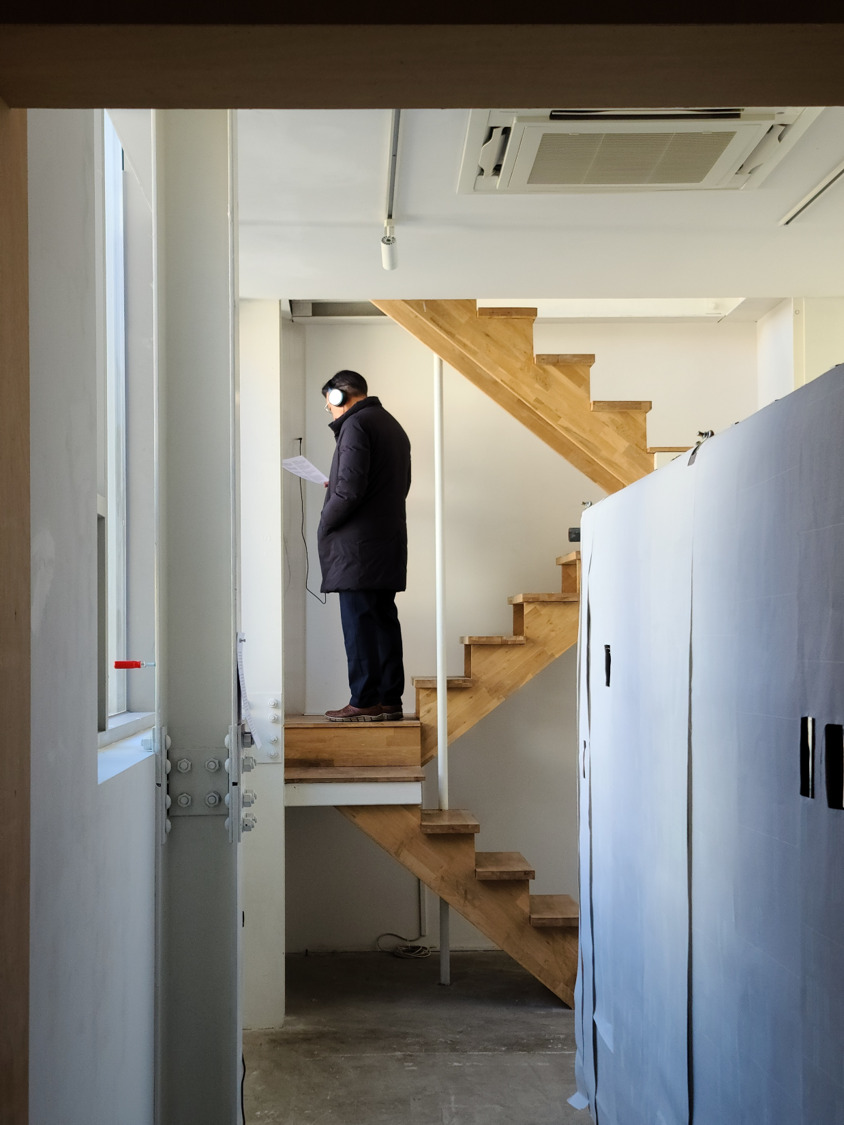
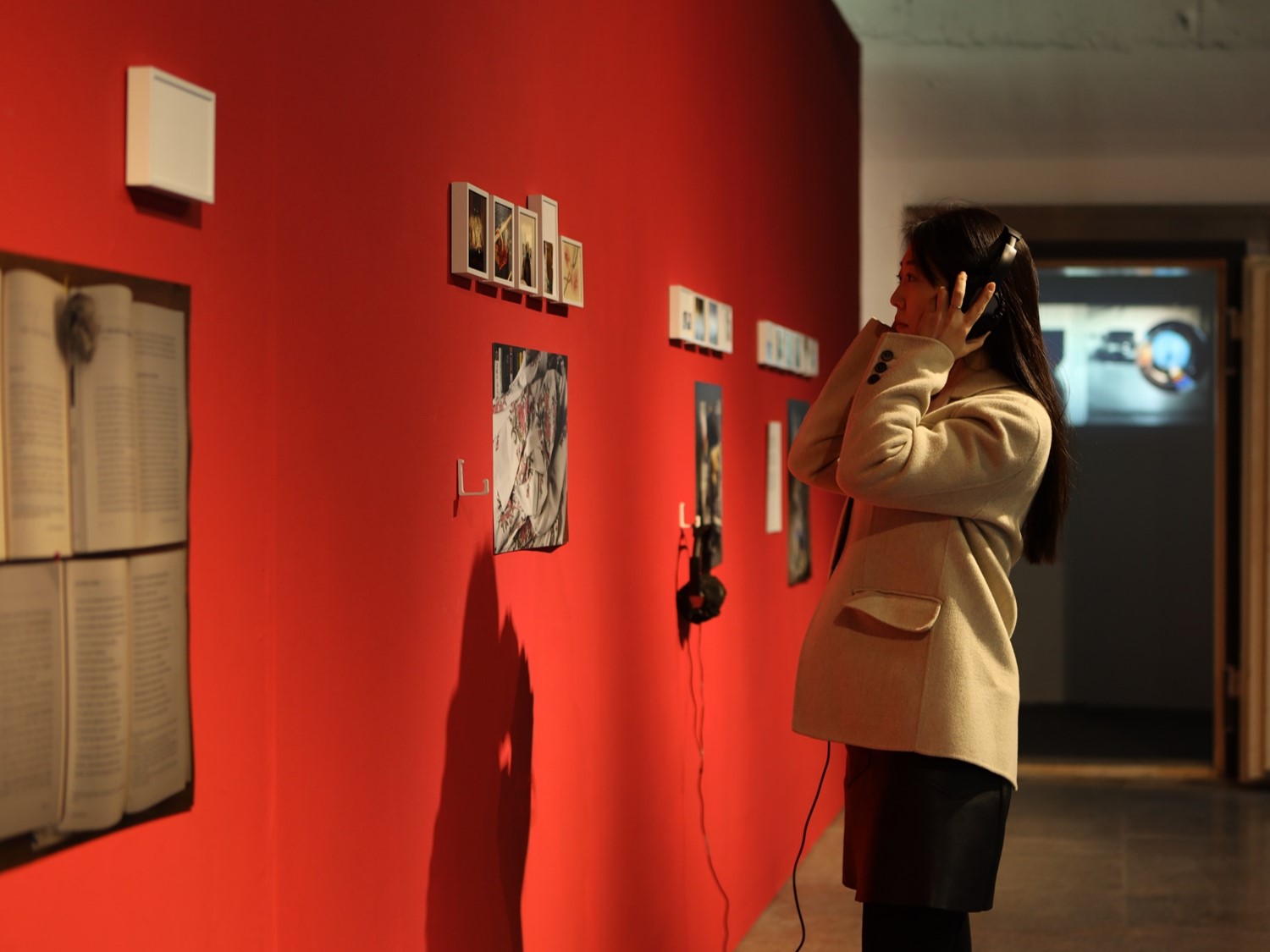
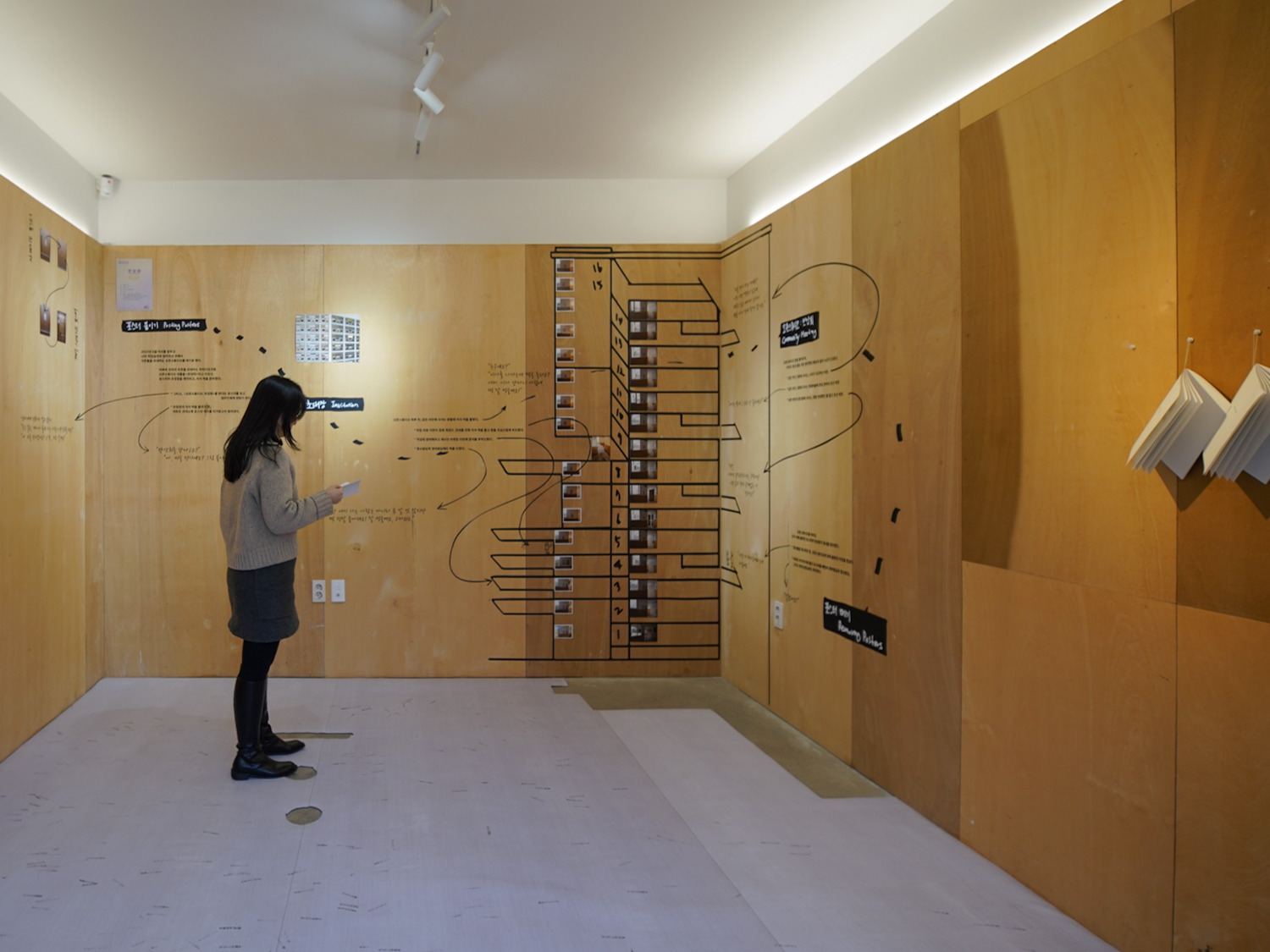
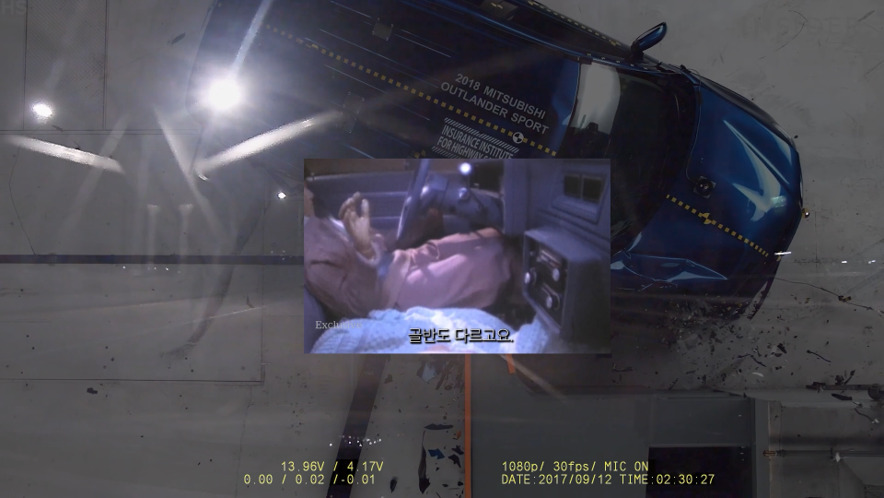
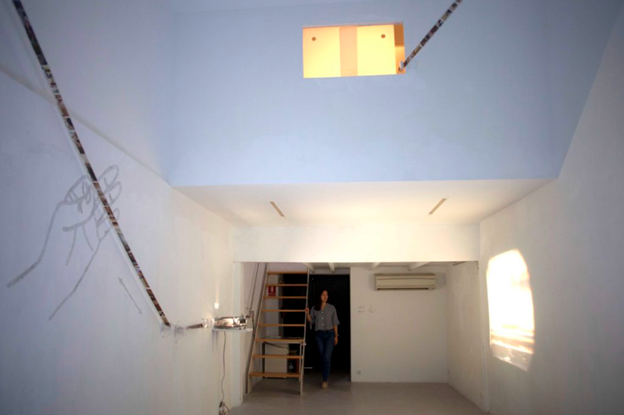
One each on the 2nd and 3rd floors of the exhibition space, 9 2nd floor intercom clips / 11 3rd floor intercom clips
Variable installation
About The Work

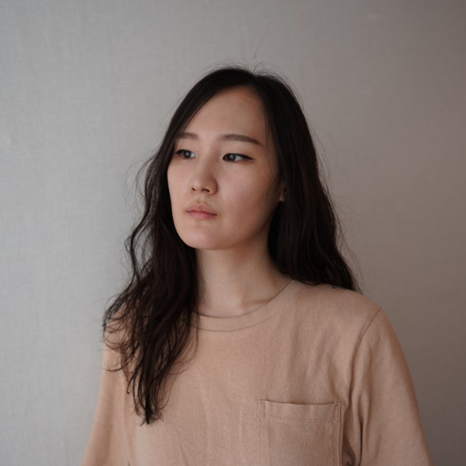
Solin Yoon’s work explores how private emotions and events experienced by individuals intersect with social structures, gender orders, and shared conditions. 

The artist begins with issues that anyone might encounter in everyday life, such as romance, separation, inter-floor noise, and care, but does not allow them to remain merely personal narratives. Instead, she examines how private experiences are formed and adjusted within particular institutions, cultures, and norms, while asking how the subject can respond and reconstitute herself within those conditions. 

In this sense, her work reconstructs the point where individual emotion meets social issues as an “event.” Solin Yoon combines video, installation, photography, text, sound, objects, and audience participation in her practice. In her work, medium is not a supplementary tool for explaining private experience, but a method for physically revealing how emotion and structure collide with one another.  

Thus, she transforms experience into material, leaves it as record, and invites viewers into its structure, sensorially revealing the process through which emotion meets social conditions. In this respect, her work re-asks questions of feminism, community, care, and technology not as theoretical slogans, but at the level of concrete scenes and actions.

Solo Exhibitions (Brief)

Yoon’s recent solo exhibitions include 《Care and Maintenance》 (Art These Days + Art These Days 1st Floor, Seoul, 2025), 《Living with the Trouble》 (ONSU GONG-GAN, Seoul, 2023), 《Hands, Hands, Hands》 (Homesession, Barcelona, Spain, 2023), and 《Over You》 (Post Territory Ujeongguk, Seoul, 2021).

Group Exhibitions (Brief)

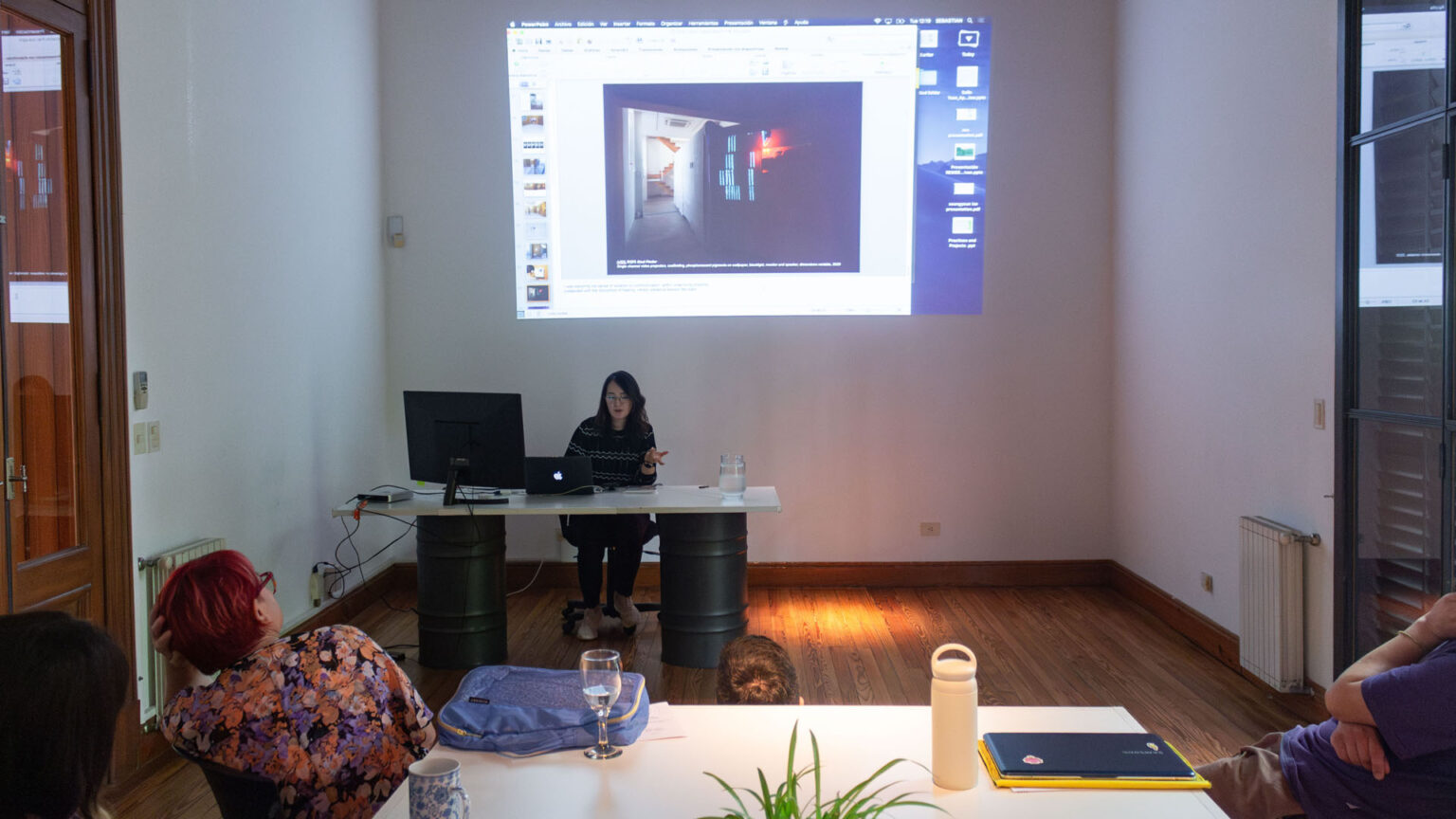
Yoon has also participated in numerous group exhibitions and film festivals, including 《The Flâneur of Errors》 (Seoul National University Museum of Art, Seoul, 2026), 《Tread Softly, For You Tread on My Dreams》 (Daejeon Museum of Art, Daejeon, 2025), 《Shared Territories: Resonances, Layers and Echoes》 (Buenos Aires, Argentina, 2024), 《Art New Emerging Art Festival》 (Barcelona, Spain, 2023), and the 21st Seoul International ALT Cinema & Media Festival 《Asia/New ALT Cinema: NOW~HERE》 (Seoul, 2021).

Residencies (Selected)

Yoon has been awarded several residencies, including Suwon Art Studio PRJD (Suwon, 2026), Proyecto' Ace Artist Residency (Buenos Aires, Argentina, 2024), and the Vermont Studio Center Artist Residency (Vermont, USA, 2024).

Works of Art

Reconfiguring the Sense of Relations

Originality & Identity

Solin Yoon’s work explores how private emotions and events experienced by individuals intersect with social structures, gender orders, and shared conditions. The artist begins with issues that anyone might encounter in everyday life, such as romance, separation, inter-floor noise, and care, but does not allow them to remain merely personal narratives. Instead, she examines how private experiences are formed and adjusted within particular institutions, cultures, and norms, while asking how the subject can respond and reconstitute herself within those conditions. In this sense, her work reconstructs the point where individual emotion meets social issues as an “event.”
 
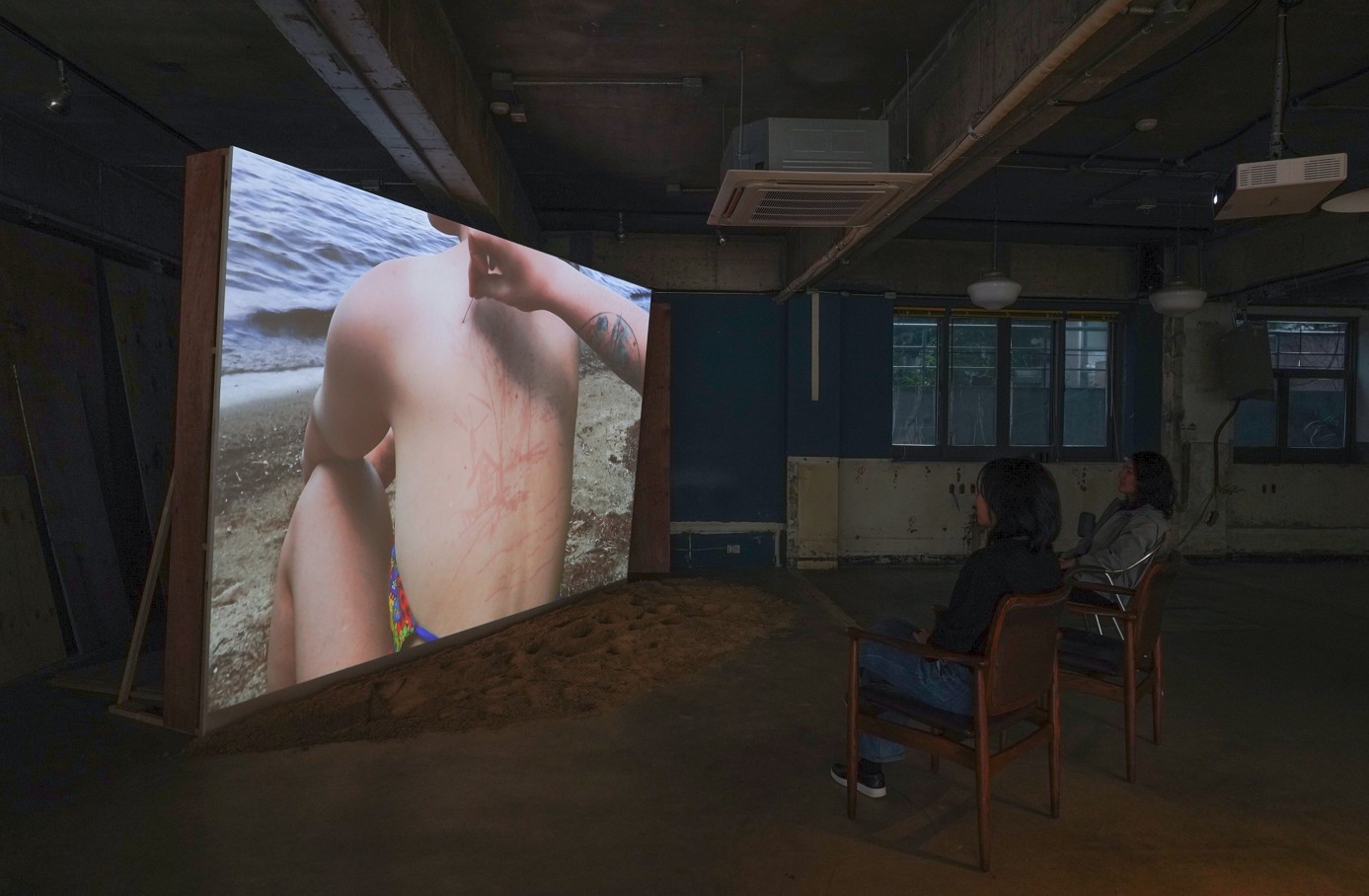
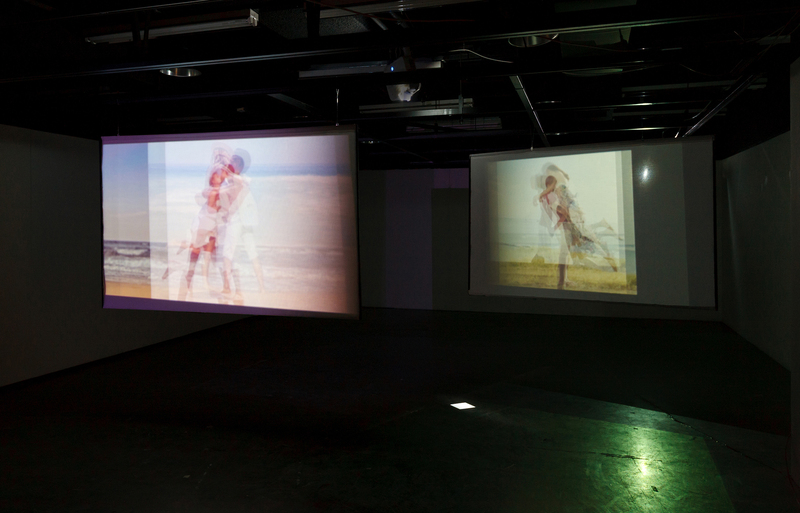
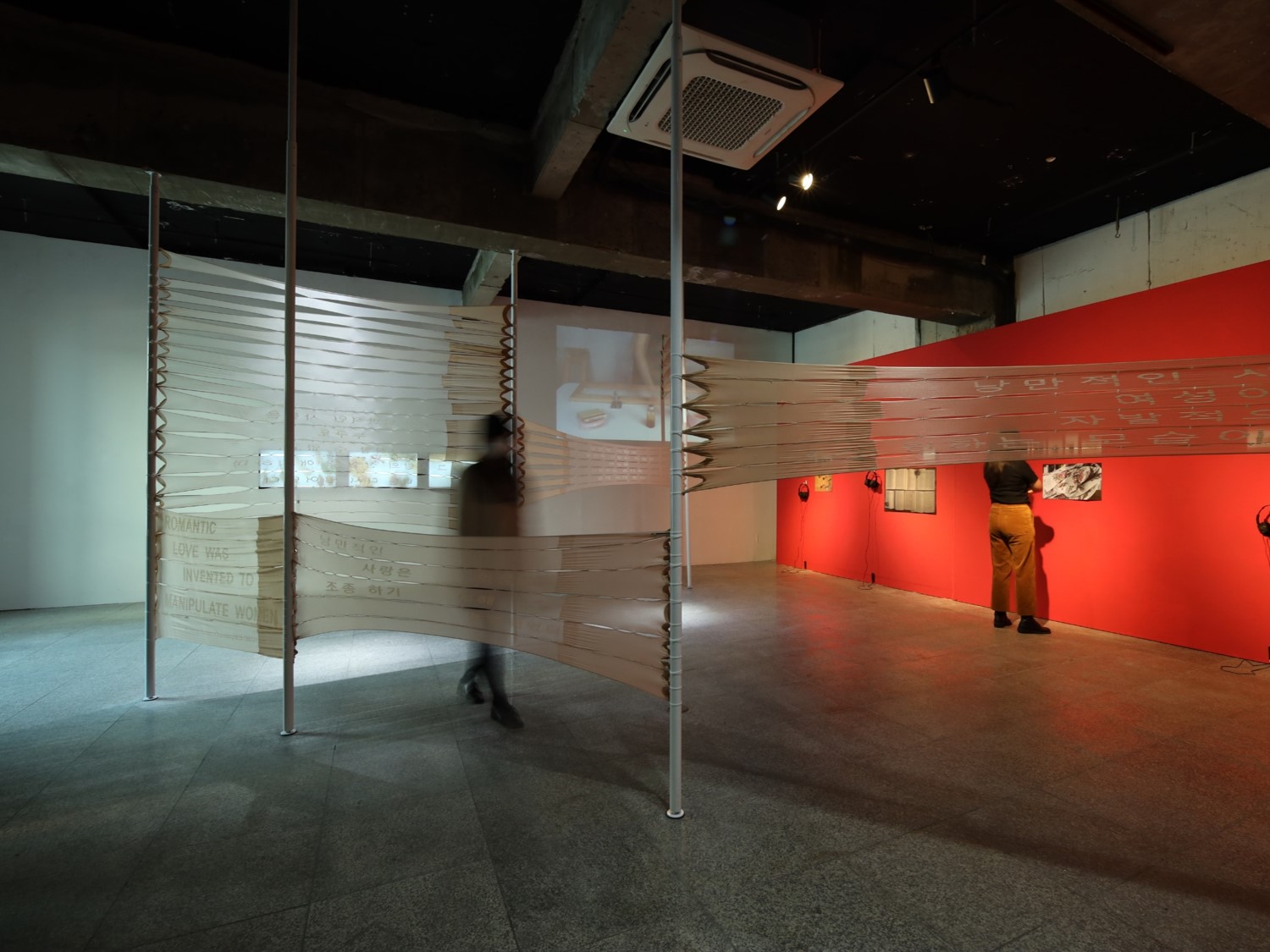
In her early works, Yoon focused on how romantic love is produced and repeated through media and image consumption. Romantic Images(2013-2014) and Romantic Eiffel(2014) juxtapose honeymoon advertisement images, personal travel photographs, and images of romantic places circulated online, showing how the emotion of love is reproduced as a consumable image format. In these works, the artist reveals that experiences regarded as “the happiest moments of an individual” are already organized within the structures of popular fantasy and media images. Later, the solo exhibition 《Hands, Hands, Hands》(Homesession, Barcelona, 2023) and Images, that, wander(2023) expand this concern into an analysis of how heterosexual romanticism is consumed as a cultural code.
 
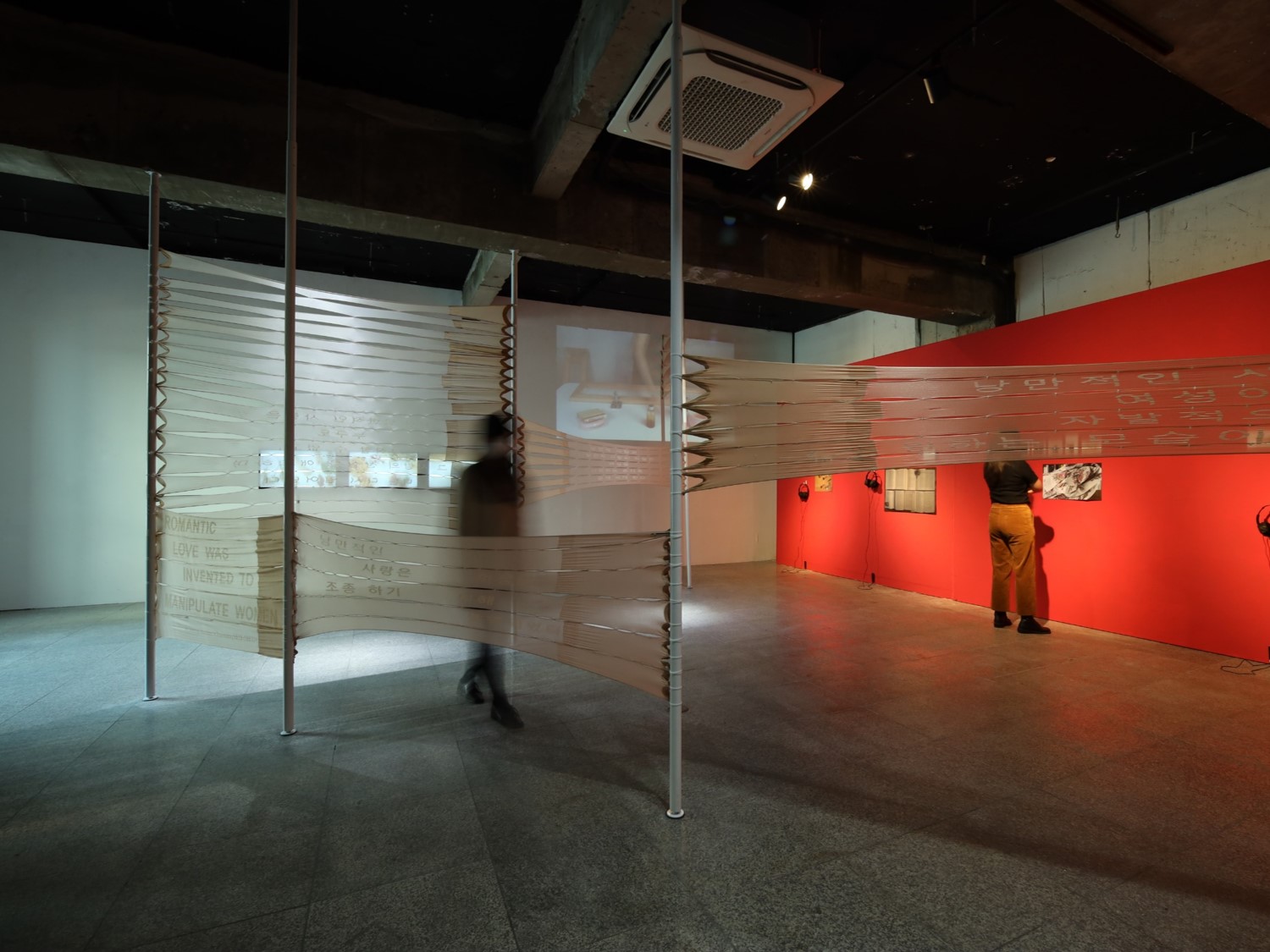
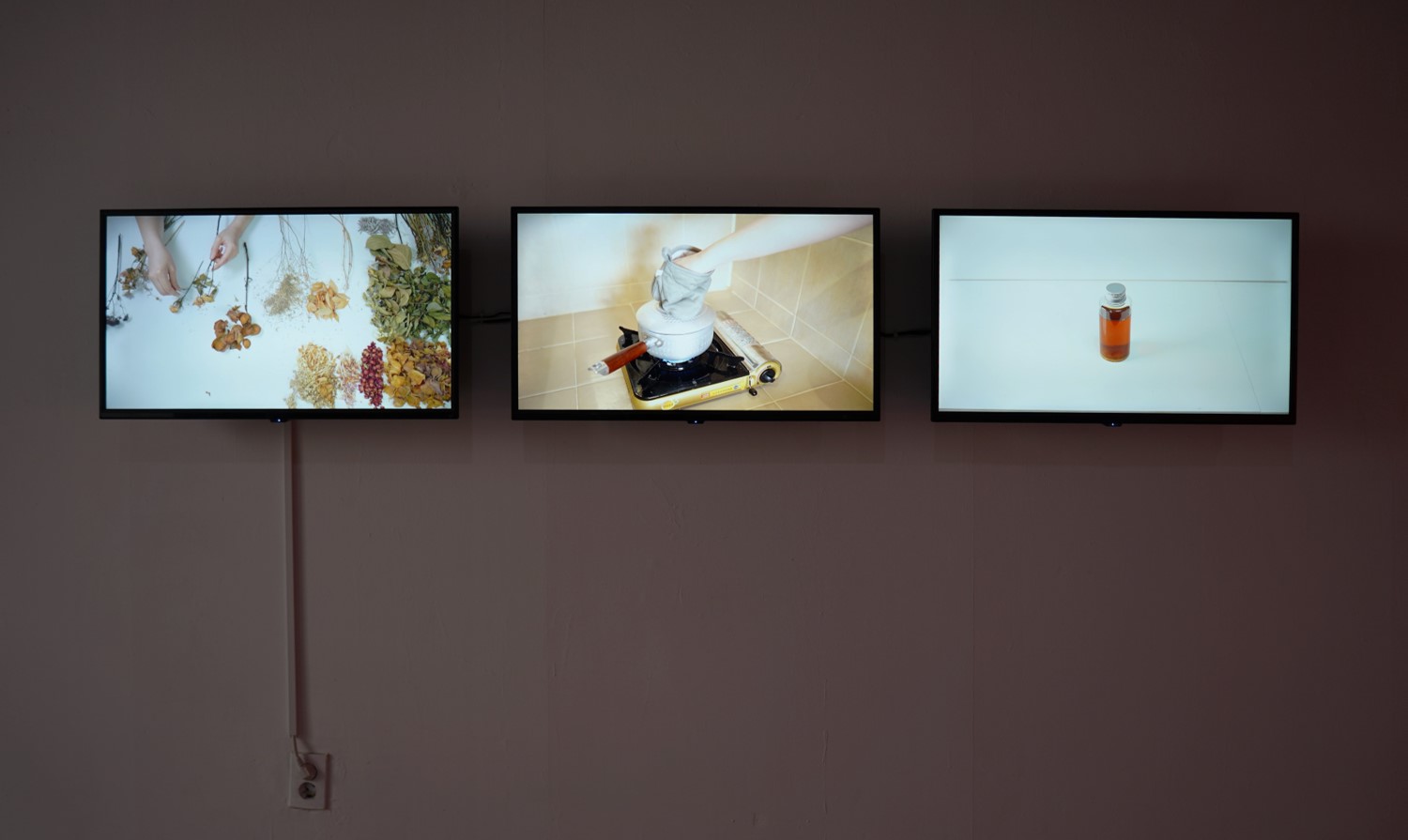
The 2021 solo exhibition 《Over You》(Post Territory Ujeongguk, Seoul, 2021) directly connects this critical awareness to the romantic experiences of a feminist subject. Yoon takes as the driving force of the work the tensions, conflicts, and self-division she experiences when loving men as a feminist, and asks about the possibility of a “better romance.” A way to deal with the dried flowers(2021) shows the process of dismantling bouquets she had received from men and had been unable to discard, transforming them into ink, and attempting a performance that converts the remnants of love into another material and language. Redefining(2021) and Exposure(2021) reconsider romantic love not by simply negating or discarding it, but by allowing women to speak and write love again, newly examining the loss, frustration, desire, and possibility of recovery contained within it.
 
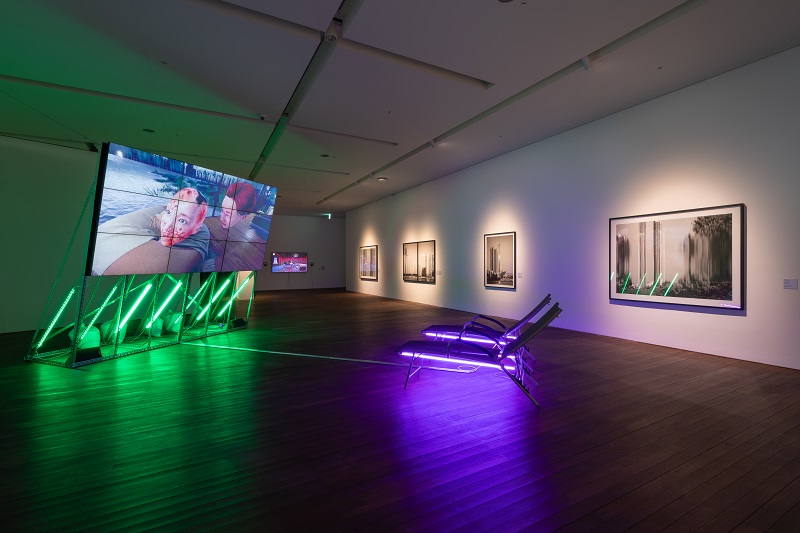
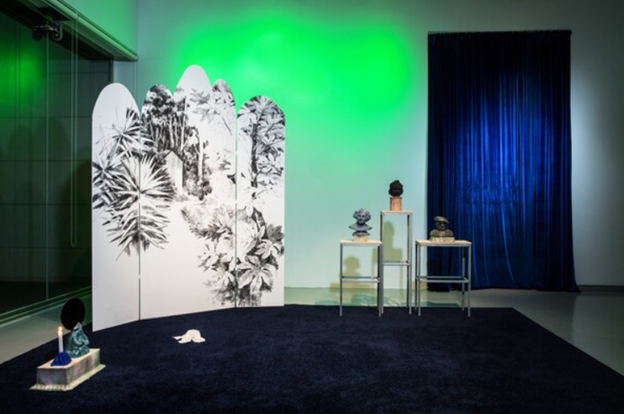
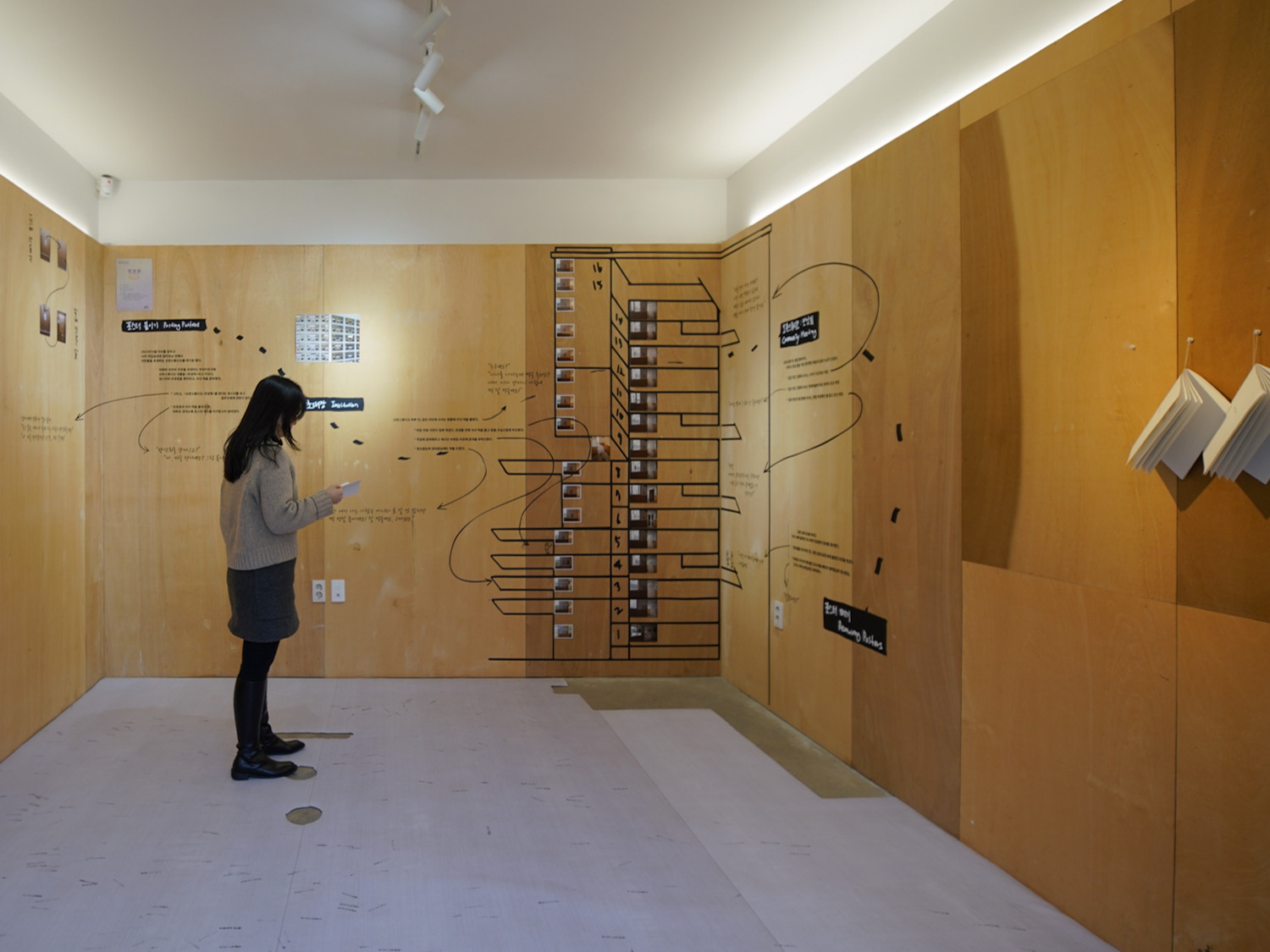
Yoon’s interest later moves from romantic relationships toward broader relationships and forms of dependence within everyday life. 《Living with the Trouble》(ONSU GONG-GAN, Seoul, 2023) deals with relationships with unseen neighbors inside apartment housing through the issue of inter-floor noise, a problem that is difficult to solve yet difficult to leave. Daily Reaction Stamping(2021-2023), Inter-phone(2023), and Open Studio: Community Meeting(2023) record personal responses to noise and explore uncomfortable distances and possibilities of communication with neighbors. The recent solo exhibition 《Care and Maintenance》(Art These Days + Art These Days 1st Floor, Seoul, 2025) expands these questions of relationship into care, dependence, technology, and traces left on the body, asking how the acts of relying on and caring for someone are being reconfigured today.

Style & Contents

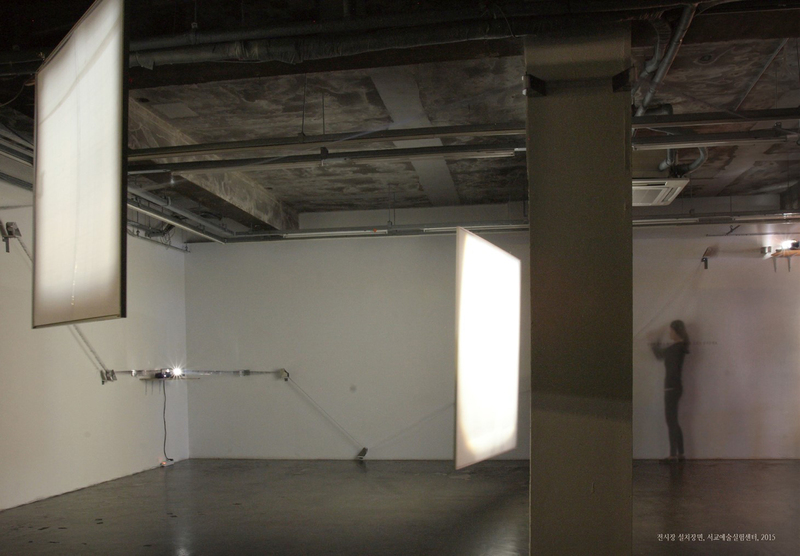
Solin Yoon combines video, installation, photography, text, sound, objects, and audience participation in her practice. In her work, medium is not a supplementary tool for explaining private experience, but a method for physically revealing how emotion and structure collide with one another. In Romantic Eiffel, modified slide projectors and film devices transfer honeymoon images collected from the internet into the material conditions of the exhibition space. Viewers move the film by hand to see the images, and through this process, they sense how immaterial digital images occupy actual space and how image consumption operates through bodily conditions.
 
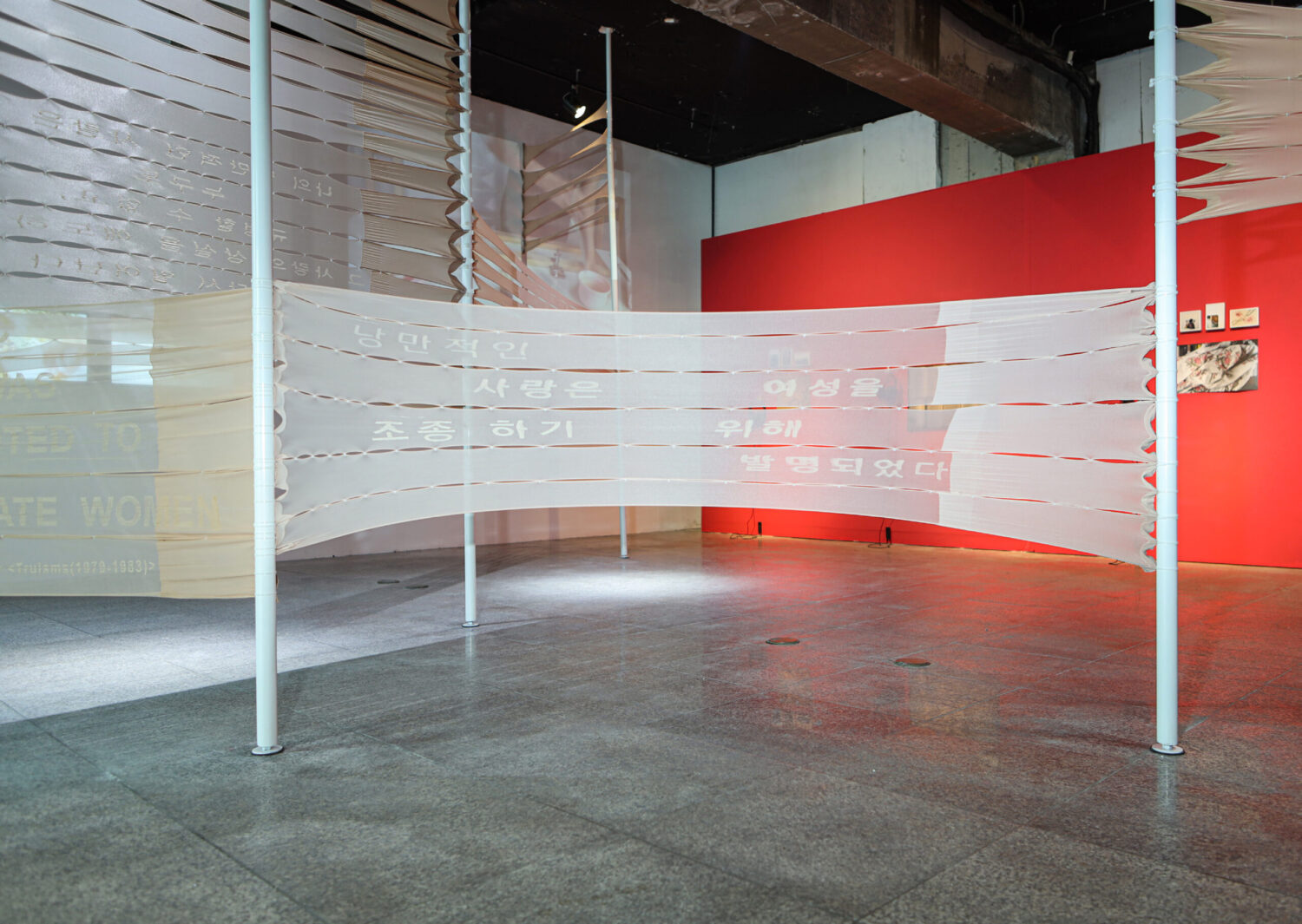
In 《Over You》, the artist deals with romantic experience through the transformation of materials and the rearrangement of language. A way to deal with the dried flowers presents, through a three-channel video, the process of dismantling, boiling, and extracting ink from dried flowers. This process is less about discarding the traces of a love that has ended than about converting them into materials that enable another form of utterance and writing. In Redefining, ink extracted from dried flowers is transferred into sentences on stockings, while in Exposure, women’s voices, texts, and photographs about love are placed in the exhibition space. Here, video, material, slogan, and voice do not function as separate elements, but as a chain of devices for rewriting and re-speaking love.
 
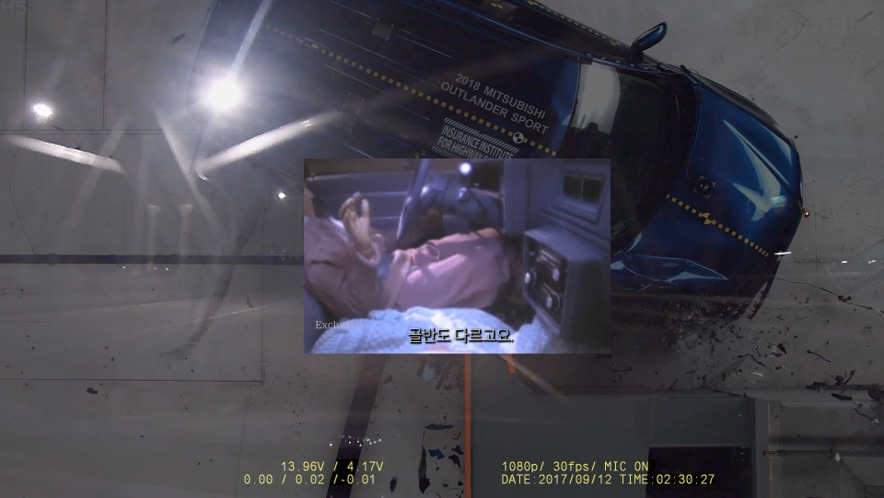
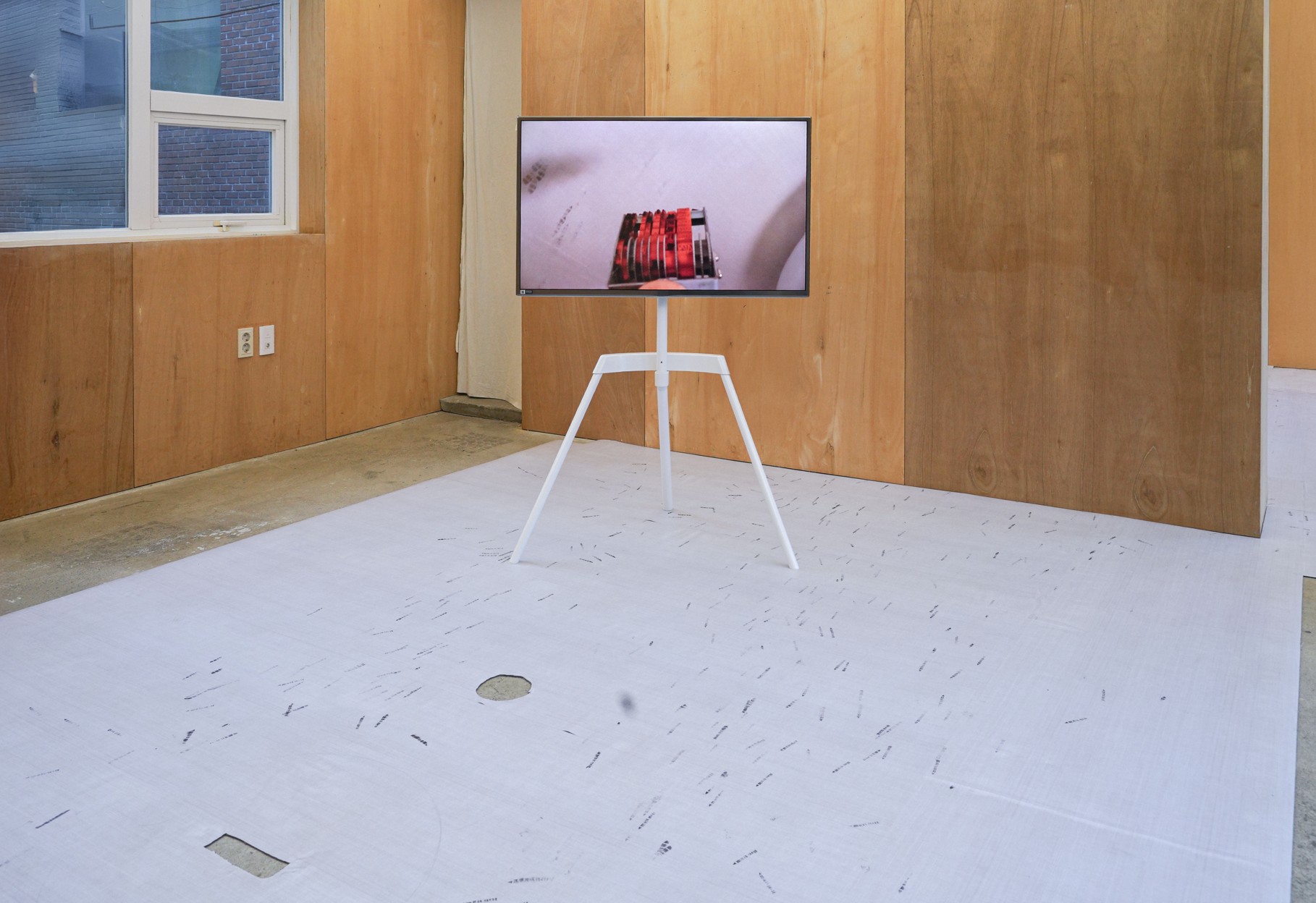
In 《Living with the Trouble》, methods of recording, sensing, and conversion come to the foreground. In Daily Reaction Stamping, the artist stamps dates onto the ceiling of her home each time inter-floor noise occurs, leaving physical and emotional responses to noise through the location, direction, and force of the marks. Inter-phone delivers the voices of people who have experienced inter-floor noise through intercoms, transforming a device of one-way communication into a medium for encountering virtual neighbors. Stud Finder(2023) detects structures inside the wall and marks them with phosphorescent pigment, while Sound, noise, or(2023) converts those invisible structures into graphic scores and sound. The invisible problem of noise is transformed, through the artist’s repeated actions and installation structures, into a sensory experience that can be seen, heard, stepped on, and accessed.
 
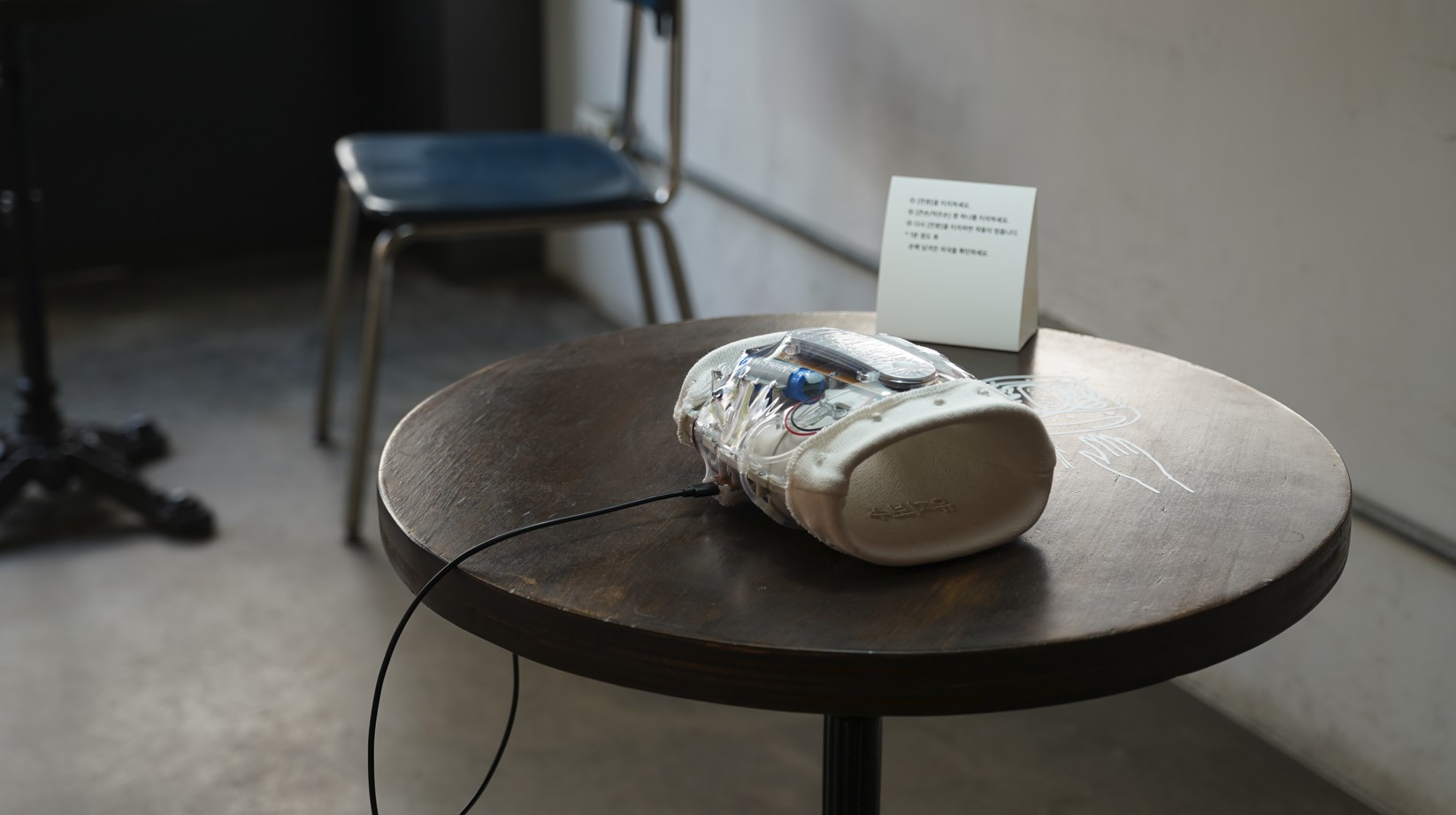
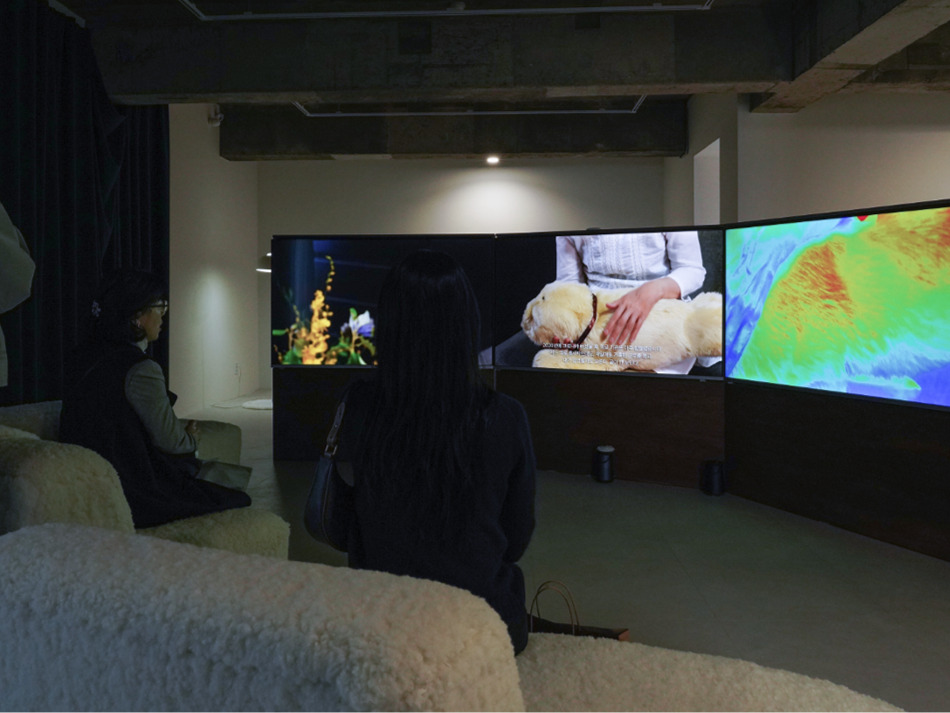
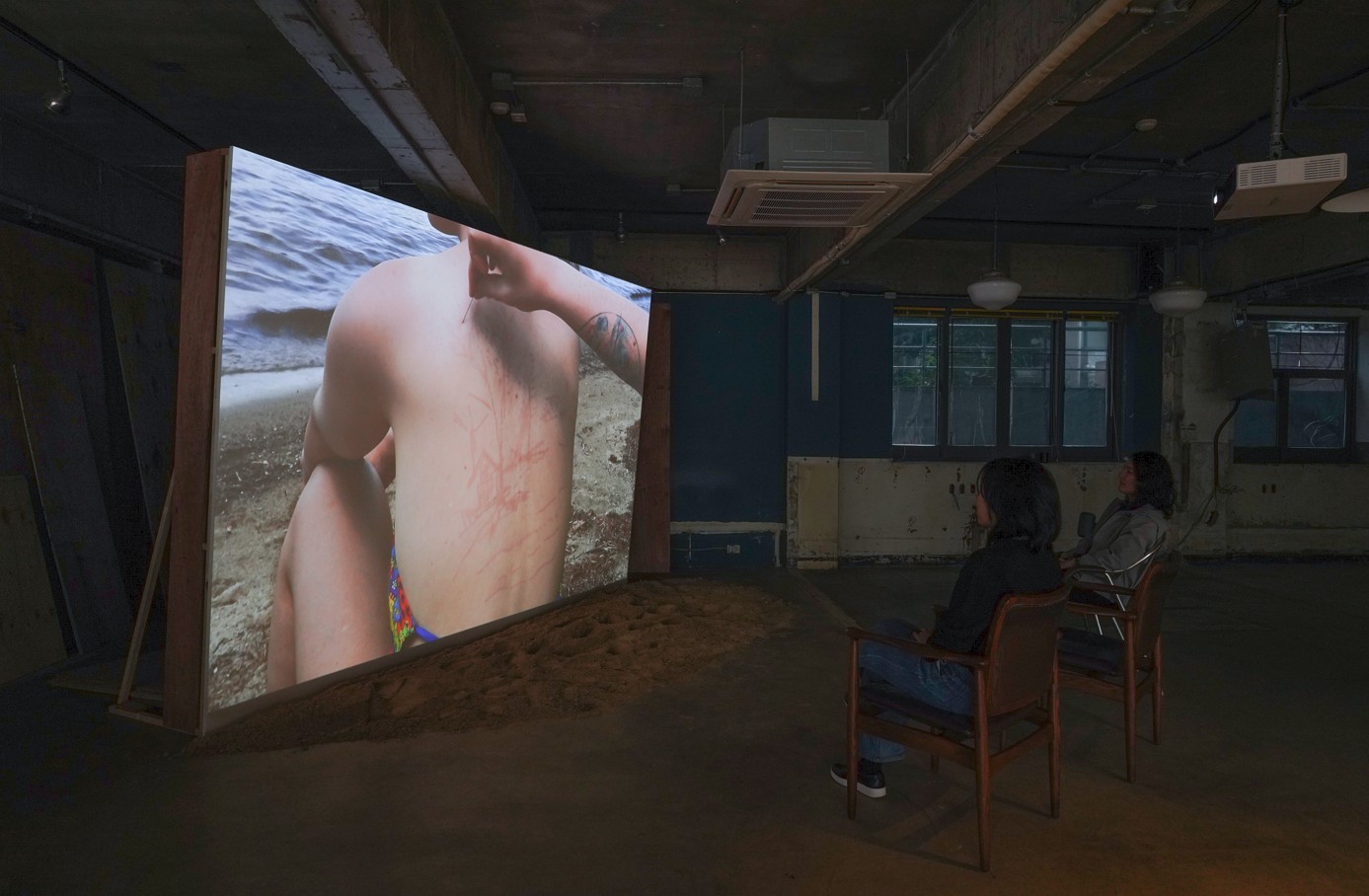
In recent works, traces left on the body, the performance of speaking another person’s words, and care relationships between humans and nonhumans emerge as major forms. Trace Machine(2025) leaves textual marks on viewers’ hands through a modified hand massager, revealing both the comfort provided by care and the traces it leaves behind. Caregivers(2025) centers on the therapeutic AI robot PARO, constructing reciprocal relationships of dependence between humans and robots through three-channel video, photographs, text, and spatial installation. Take(2025) shows how the act of speaking another person’s experience can become a rehearsal for empathy and release, through a structure in which actors repeatedly reenact utterances from a group counseling session. Guess where you're looking(2025) captures the most delicate moment in which a relationship is inscribed on the body, through the gaze between friends and the reaction of skin.

Topography & Continuity

Yoon’s work is distinctive in the way it moves the world of private emotions into a public field of discussion. She deals with experiences that may seem personal or minor, such as love, separation, noise, and care, but she does not reduce them either to sentimental confession or to social assertion. Instead, she transforms experience into material, leaves it as record, and invites viewers into its structure, sensorially revealing the process through which emotion meets social conditions. In this respect, her work re-asks questions of feminism, community, care, and technology not as theoretical slogans, but at the level of concrete scenes and actions.
 
Looking at the trajectory of the artist’s practice, Romantic Images and Romantic Eiffel analyzed the structure of image consumption and romantic fantasy, while 《Over You》 dealt with the complex emotions of a female subject who loves and is wounded within that structure. 《Living with the Trouble》 then moved toward the issue of apartment housing, where private discomfort and social structures overlap, and 《Care and Maintenance》 reconsiders relationships of care and dependence through the dimensions of humans, technology, and the body. This change is not a sudden shift in subject matter, but rather a gradual expansion of the ways in which an individual relates to others, moving through the fields of love, neighbors, community, and care.
 
While many contemporary multimedia practices focus either on technological experimentation or social messaging, Yoon persistently examines the question of “how to respond.” Her work does not claim to solve problems. Instead, rather than responding to a problem with anger, cynicism, or passive waiting for luck, she creates other forms of sensation and action. Turning dried flowers into ink, moving a ceiling onto the floor, appropriating an intercom as an interview device, and transforming a hand massager into a machine that leaves traces of relationship are all attempts to use given structures otherwise. This attitude is an important characteristic of Yoon’s practice, as it expands private experience into the public sphere while carefully negotiating the hierarchy between artist, viewer, and participant.
 
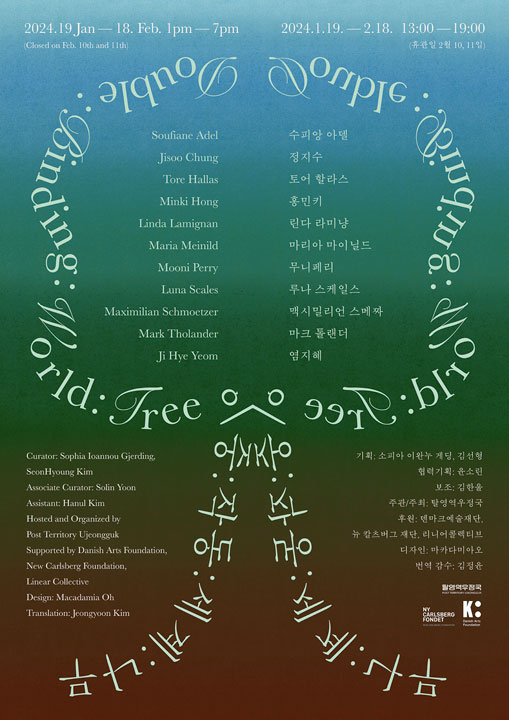
Solin Yoon studied painting and art history at Ewha Womans University, received her MFA in painting from Seoul National University, and attended the Skowhegan School of Painting and Sculpture in the United States. Her recent solo exhibitions include 《Care and Maintenance》(Art These Days + Art These Days 1st Floor, Seoul, 2025), 《Living with the Trouble》(ONSU GONG-GAN, Seoul, 2023), 《Hands, Hands, Hands》(Homesession, Barcelona, 2023), and 《Over You》(Post Territory Ujeongguk, Seoul, 2021). She has participated in exhibitions in Korea and abroad, including 《The Flâneur of Errors》(Seoul National University Museum of Art, Seoul, 2026), 《Tread Softly, For You Tread on My Dreams》(Daejeon Museum of Art, Daejeon, 2025), 《Shared Territories: Resonances, Layers and Echoes》(Buenos Aires, Argentina, 2024), and 《Double:Binding:World:Tree》(Post Territory Ujeongguk, Seoul, 2024). She has also been selected for residencies including Proyecto'ace Artist Residency(Buenos Aires, Argentina, 2024), Vermont Studio Center Artist Residency(Vermont, USA, 2024), and Suwon Art Studio PRJD(Suwon, 2026). These activities show that Yoon’s practice, while rooted in the specific emotions and conditions of Korean society, is expanding toward broader questions of gender, relationship, community, and care.

Works of Art

Reconfiguring the Sense of Relations

Exhibitions

Activities