The painter of modern life - K-ARTIST

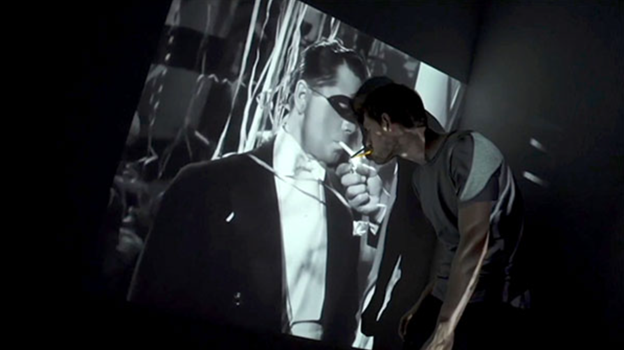
The painter of modern life

2016
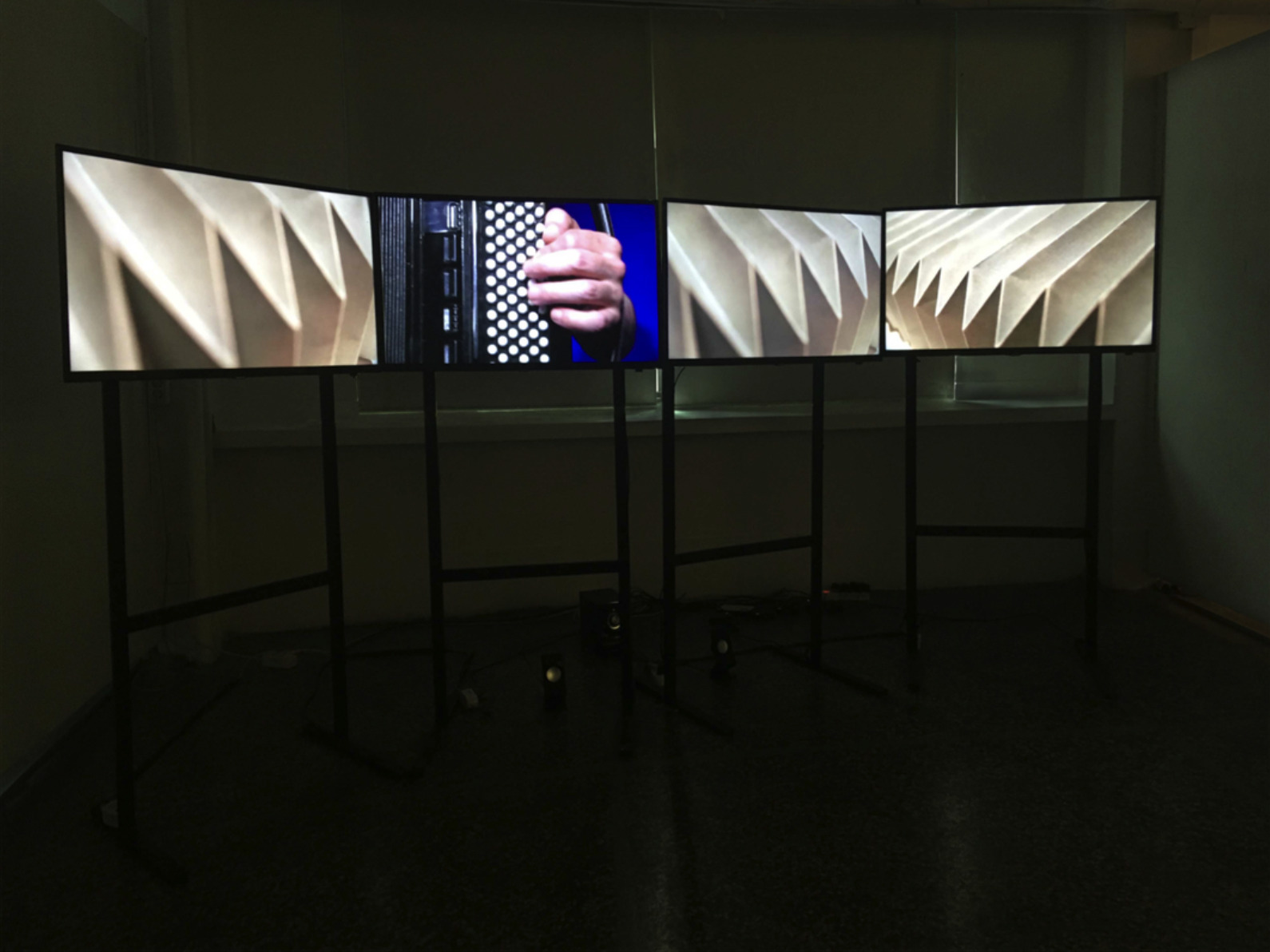
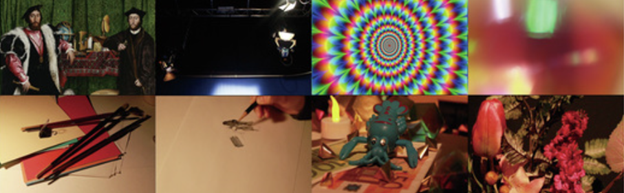
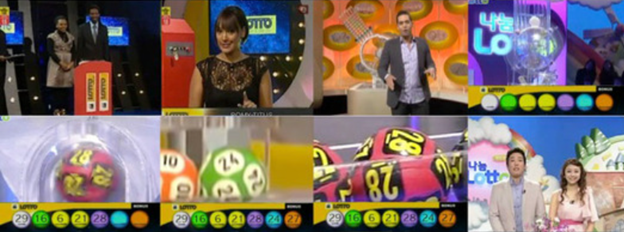
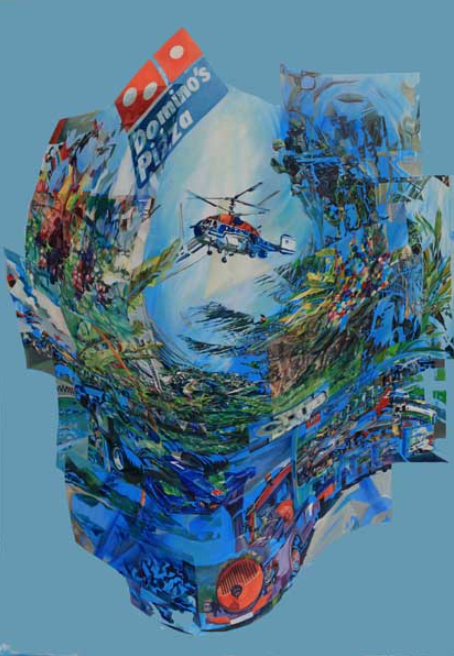
3 channel video
10min 26sec
About The Work

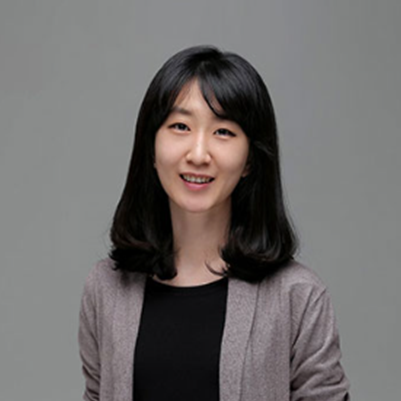
Heejung Choi focuses on beings that are easily pushed aside or rendered invisible in a society where the logic of growth, efficiency, wealth, and power takes precedence. The artist pays attention to what is marginalized, what fails to become mainstream, and what was once central but later turned away from, exploring through video and installation how such beings are pushed into the realm of “shadows.” 

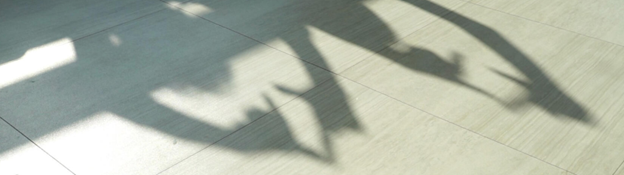
Here, the shadow does not simply refer to something dark or negative, but to traces of life that society does not sufficiently see or remember. Using these shadows as a metaphor, the artist asks what we have lost in exchange for what we have gained today. The concept of the “fold,” which the artist repeatedly uses, further concretizes this question. For Choi, the fold is a trace left by the contact between an individual’s history, the history of others, and the history of a community.

Choi’s practice has moved from the relational structure of the “fold,” through the metaphor of loss and exclusion embodied by the “shadow,” toward ethical questions of “care” and “abandonment.” This trajectory is not a series of abrupt shifts, but rather a continuous process of tracing, through different media and materials, how relationships are formed, weakened, and disappear. 

In this way, Heejung Choi draws out the fragments of concrete reality and reconstructs them through video and installation, posing fundamental questions about the essence of human existence. Her work reflects on what we have lost amid the rapid transformations of contemporary society, inviting us to contemplate our own understanding of a meaningful life.

Solo Exhibitions (Brief)

Choi’s recent solo exhibitions include 《Our Chorus》 (Haeum Residency Exhibition Hall, Goyang, 2024), 《I Found My Shadow After A Long Time》 (Project Space Sarubia, Seoul, 2024), and 《The Opposite of Love is Abandonment》 (Artspace Boan 2, Seoul, 2023).

Group Exhibitions (Brief)

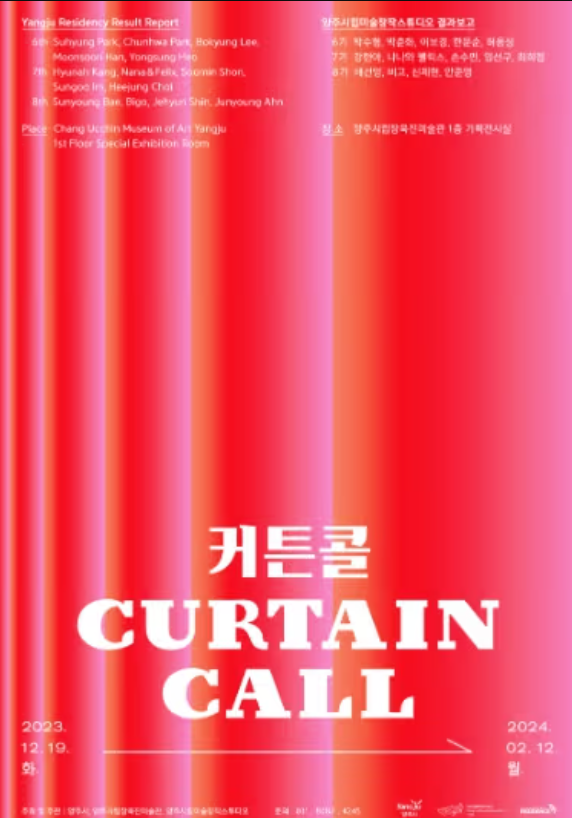
Choi has also participated in numerous group exhibitions and screening programs, including 《ALT-NeMAF 2025》 (KT&G Sangsangmadang, Seoul, 2025), 《EMAP x Frieze Film Seoul 2024》 (Ewha Womans University, Seoul, 2024), 《begehren》 (Xpon-art gallery, Hamburg, Germany, 2024), 《Open References》 (d/p, Seoul, 2024), 《Curtain Call》 (Yangju City Chang Ucchin Museum of Art, Yangju, 2023), 《über:arbeiten》 (Xpon-art gallery, Hamburg, Germany, 2021), and 《FLATLANDS》 (GAK Gesellschaft für Aktuelle Kunst, Bremen, Germany, 2016).

Awards (Selected)

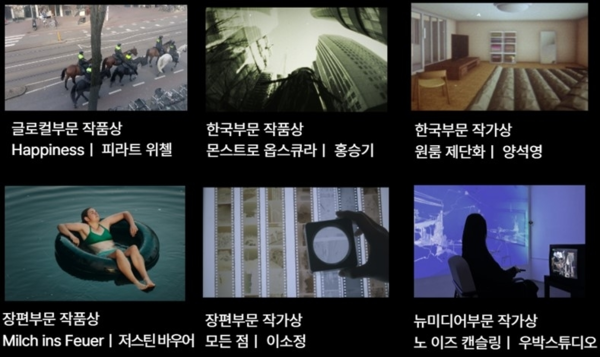
Choi received the “ALT Cinema&Media Award” at the 25th NeMAF, as well as the Grand Prize in the 2025 Public Art “New Hero” award.

Residencies (Selected)

Choi has been selected as a resident artist at Goyang City Haeum Residency and the Yangju City Chang Ucchin Museum of Art Residency.

Collections (Selected)

Choi’s works are housed in Ewha seoul medical center, Dongwha Pharm, Moorim Paper.

Works of Art

Art that Creates the “Folds” of Relationships

Originality & Identity

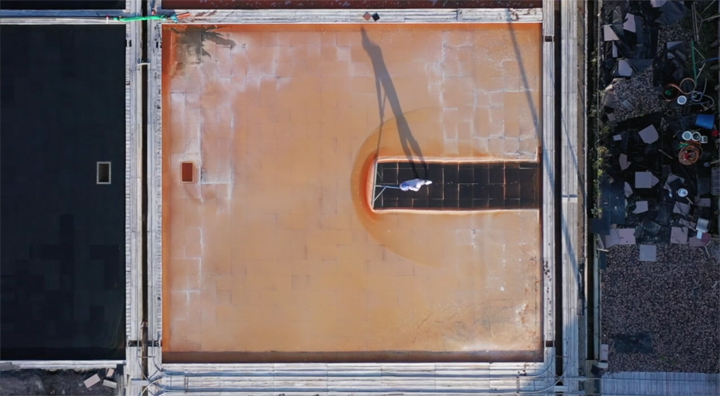
Heejung Choi focuses on beings that are easily pushed aside or rendered invisible in a society where the logic of growth, efficiency, wealth, and power takes precedence. The artist pays attention to what is marginalized, what fails to become mainstream, and what was once central but later turned away from, exploring through video and installation how such beings are pushed into the realm of “shadows.” Here, the shadow does not simply refer to something dark or negative, but to traces of life that society does not sufficiently see or remember. I Found My Shadow After A Long Time(2024) is a work that most directly reveals this critical awareness. Taking Adelbert von Chamisso’s novel 『Peter Schlemihl』 as its point of departure, the work asks, through the story of a figure who has lost his shadow, what we lose today in exchange for what we gain.
 
The concept of the “fold,” which the artist repeatedly uses, further concretizes this question. For Choi, the fold is a trace left by the contact between an individual’s history, the history of others, and the history of a community. Just as two surfaces meet to create a crease when paper is folded, people also leave marks on one another’s lives through encounters and collisions with others. This is why repetition, layering, reversal, and corresponding images appear in works such as The FoldsGalatea(2018), Hace Viento(2023), and Mélange(2017). In these works, the fold is presented not merely as a formal structure, but as a way in which relationships are formed and accumulated, and further, as a process through which life acquires three-dimensional depth.
 
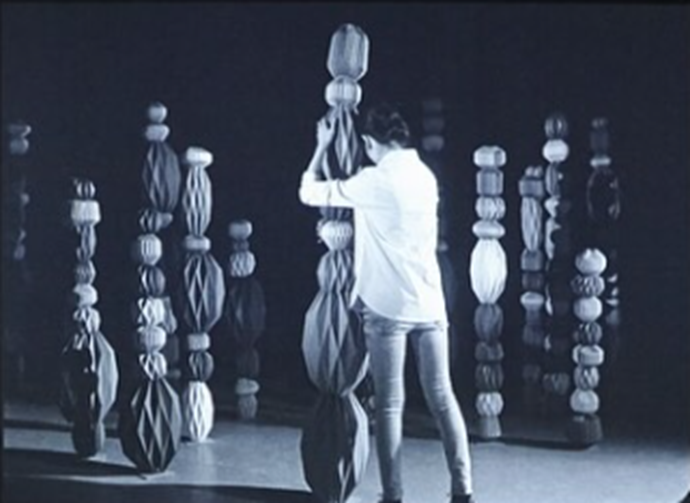
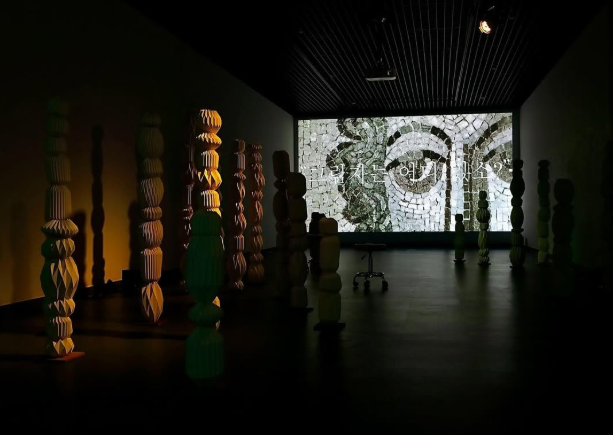
This concern also leads to questions about the artist’s attitude and the conditions of artistic practice. In Galatea, the artist gives form to the process by which an artist seeks her own ideal, based on the story of Pygmalion and Galatea. The scene in which white paper is folded into geometric structures and gradually stacked into towers symbolizes the ideal pursued by the artist and the performative act of realizing it in a tangible form. Here, “Galatea” is less an object of perfect beauty than a point of contact through which the artist meets the viewer, and a kind of attitude that connects art to the practice of life. This concern continues in the solo exhibition 《Our Chorus》(Haeum Residency Exhibition Hall, Goyang, 2024), expanding into the possibility of different beings coming into harmony within a single space.
 
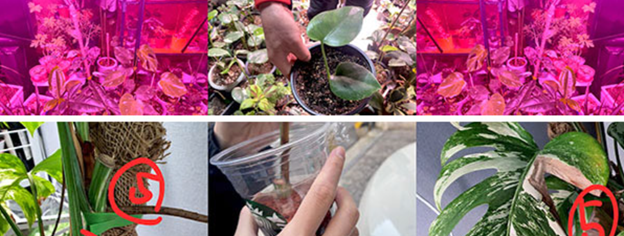
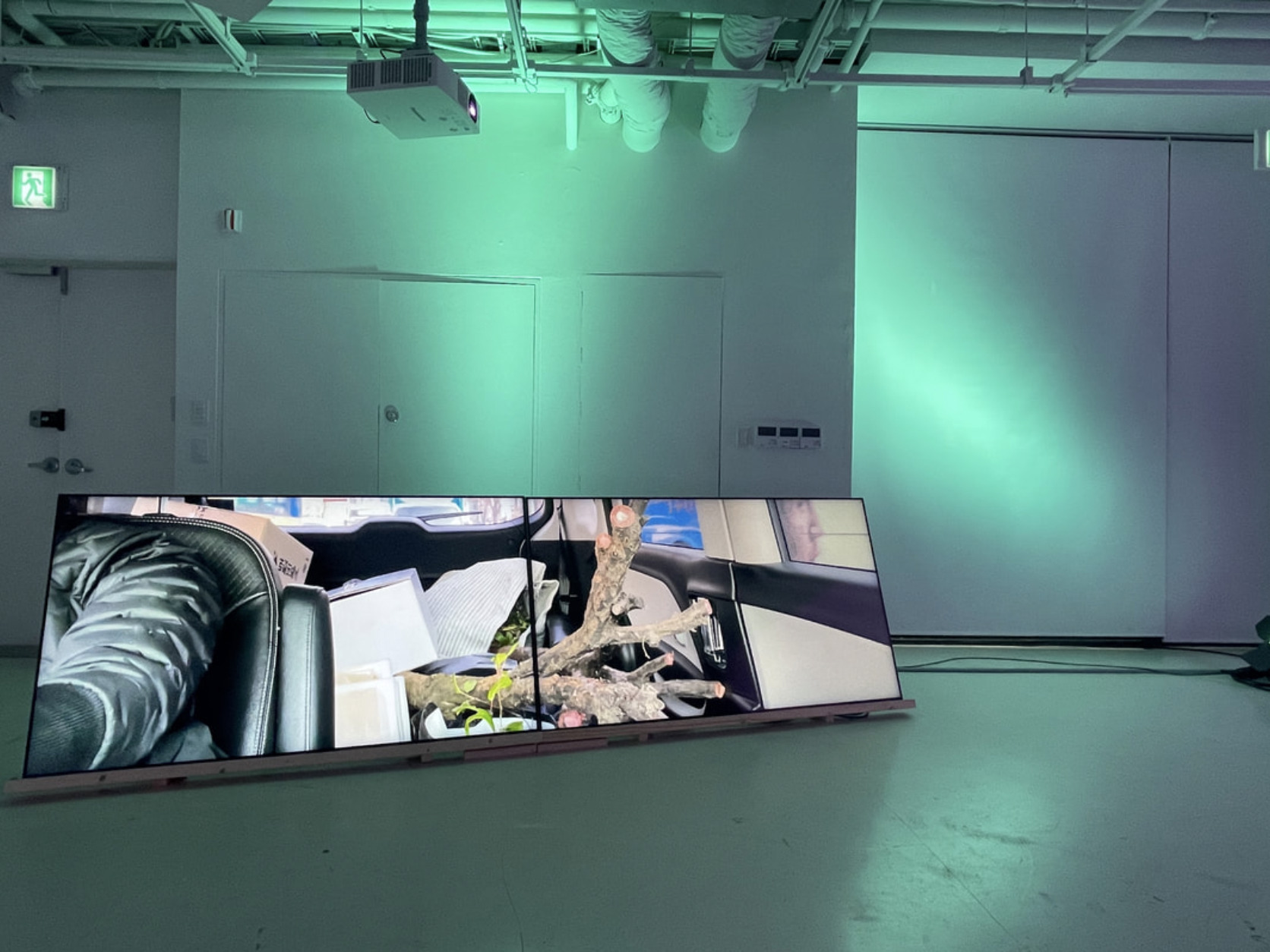
In her more recent works, Choi’s interest becomes increasingly focused on questions of “relationship” and “care.” The solo exhibition 《The Opposite of Love is Abandonment》(Artspace Boan 2, Seoul, 2023) begins with the artist’s experience of trading companion plants through online secondhand markets, and addresses the tensions between love and responsibility, taste and investment, care and neglect. The video installation The Opposite of Love is Abandonment(2023) shows situations in which plants are abandoned or converted into monetary value, revealing a reality in which even living beings are selected and excluded according to economic value. Here, the plant is not simply a natural object, but a medium that reflects the structures surrounding the artist and the artwork, human relationships, and social recognition. Through this, Choi asks how easily the ongoing relationship and responsibility implied by the word “companion” are shaken today within economic logic.

Style & Contents

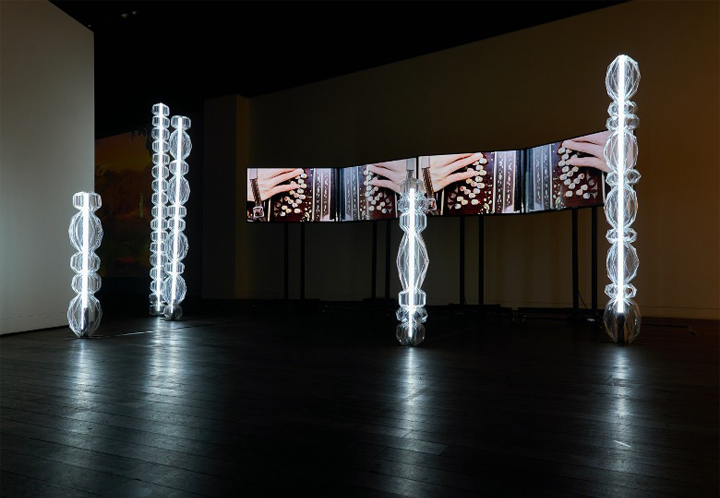
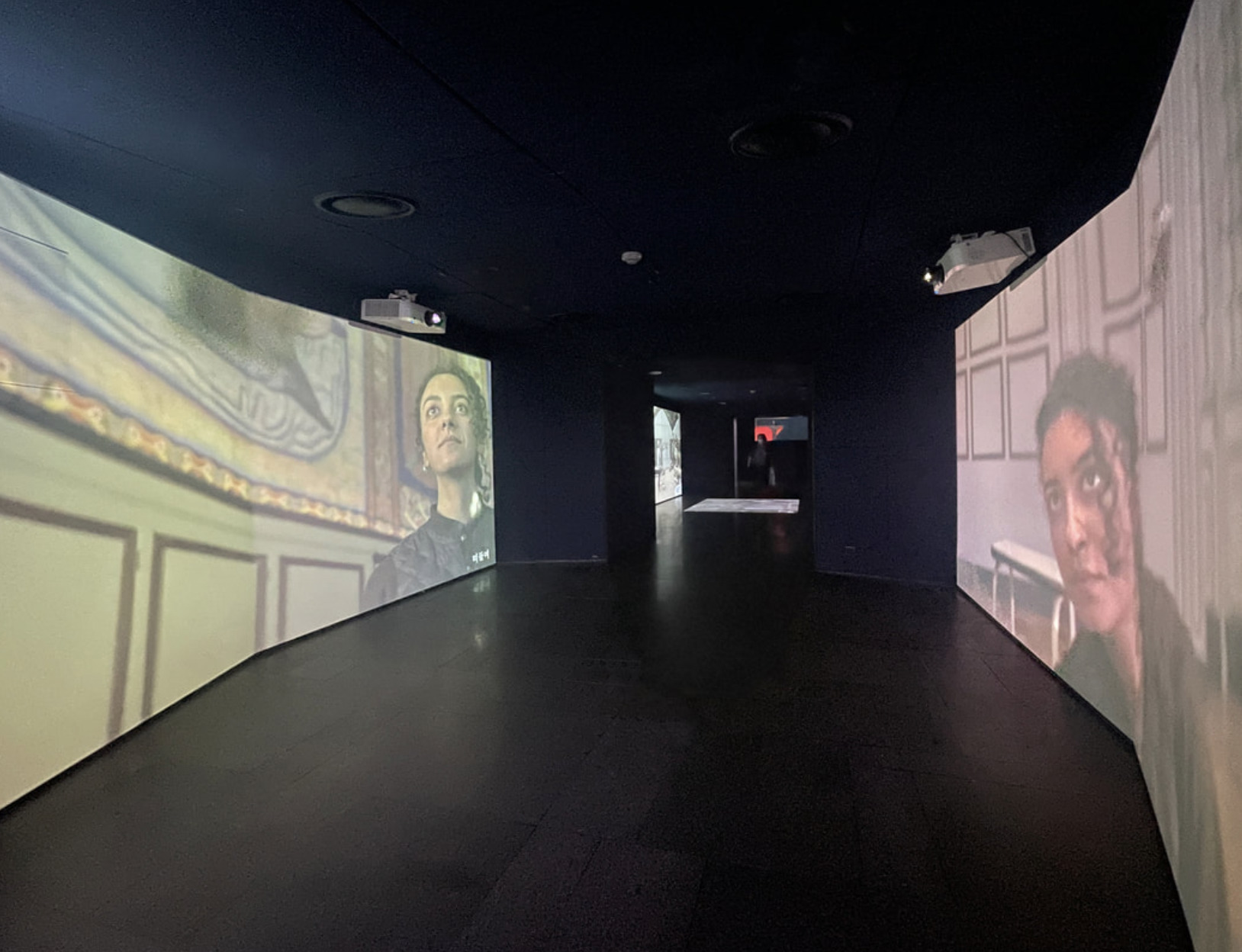
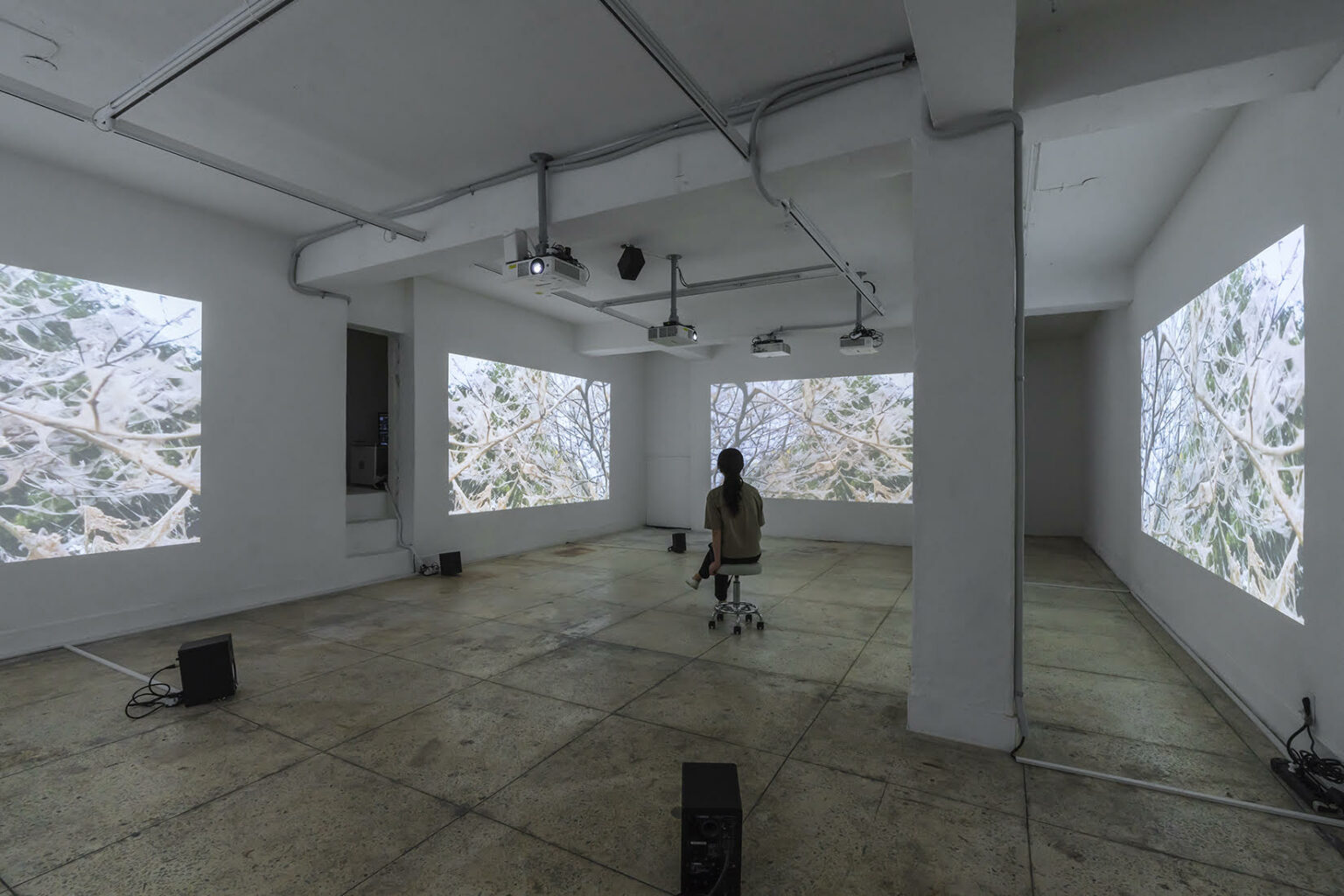
Although Heejung Choi uses video as her central medium, her videos do not remain within the simple mode of delivering a story inside a single screen. The artist moves between single-channel, two-channel, three-channel, four-channel, and multichannel installations, composing screens and sounds together with the viewer’s position and the structure of the exhibition space. As seen in Mélange and Hace Viento, the repetition and layering of multiple screens, along with sounds generated from different directions, do not create a single linear narrative. Instead, they invite the viewer to reconnect scattered sensations and fragments. Here, the viewer is not someone who passively follows a completed story, but a participant who moves among dispersed images and sounds and constructs meaning.
 
The forms of folding and the fold, which have continued from Choi’s early practice, are important sculptural languages in her work. Galatea shows, through 16mm analog black-and-white film and three-dimensional installation, how the structure of folded paper expands into a sculptural object. The screen divided into black and white, images flipped vertically and horizontally, the act of folding paper by hand, and tower-like structures all visually and physically reveal the concept of the “fold.” Here, folding is not simply a handicraft-like act, but a process through which memory, relationship, and the artist’s ideal acquire concrete form. Just as folded traces do not disappear, the artist translates the traces left in life and the depth of relationships into the structure of paper.
 
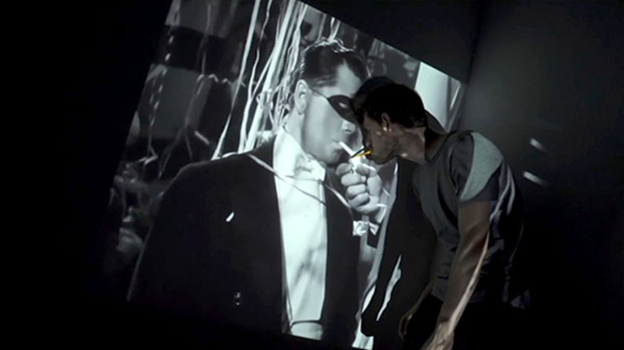
Der Erlösende Blitz(2021) unfolds the question of the artist’s performativity and repetition through a four-channel video installation. Four figures repeat actions such as fastening a bracelet by themselves, standing up from the floor, scattering glittering paper into the air, and climbing a ladder, but they ultimately fail. Their repetition may resemble the punishment of Sisyphus, but for the artist, it is a metaphor for the process of continuing to attempt and endure in order to make art. The four figures each symbolize an individual artist, and their seemingly meaningless actions reveal the struggle that continues until a work is completed and meets the viewer. The composition in which the filming equipment is exposed at the end also shows that art and images are not naturally given, but are artificially constructed results.
 
In recent works, concrete materials from everyday life and social systems are more directly combined. In 《The Opposite of Love is Abandonment》, the artist addresses companion plants, online secondhand trading, plant investment, and the pricing structure of the rare plant market through video installation. Pink Blossoms on a Plum Tree(2023) shows the process of pruning a plum tree that almost died and shaping it into a Korean-style bonsai, while placing the actual plum tree behind the screen onto which The Opposite of Love is Abandonment is projected. Meanwhile, I Found My Shadow After A Long Time interweaves everyday landscapes of Hamburg, slime and flour-dough play, memories of the artist’s grandmother who suffers from Alzheimer’s disease, data-labeling footage, and found footage. Through this, the artist places immediate sensation, disappearing memory, automated data processing, and the erasure of human experience within a single video structure.

Topography & Continuity

A distinctive feature of Choi’s work lies in the way she allows viewers to sense and reconstruct social issues through images, actions, and structural repetition, rather than presenting them as direct slogans or explanations. The artist deals with contemporary conditions such as neoliberalism, financial capitalism, artificial intelligence, data labeling, plant investment, and care labor, but she does not fix them into a single theoretical argument. Instead, she draws on concrete scenes of life and personal experiences, connecting them to the problems of social structures. This tendency can also be seen in Rehearsal(2022), which deals with a figure who learns the gestures and attitudes of others in order to adapt within a community, and in The Unknown Masterpiece(2022), which juxtaposes the labor of a salt farmer with the issue of AI image generation.
 
Choi finely examines the traces of relationships and the structures of emotion between technical form and strong narrative. Her multichannel videos do not foreground technical devices themselves, but instead coordinate the viewer’s perception through the ways in which multiple images and sounds fold and unfold into one another. The materials of her work begin from personal experience, yet they do not remain as private confession; rather, they are connected to broader social conditions. Plant trading, the memory of her grandmother, the experience of migration in Hamburg, and anxiety as an artist all move beyond individual stories and expand into scenes that ask under what conditions humans today form relationships, remember, are chosen, and are abandoned.
 
Choi’s practice has moved from the relational structure of the “fold,” through the metaphor of loss and exclusion embodied by the “shadow,” toward ethical questions of “care” and “abandonment.” This trajectory is not a series of abrupt shifts, but rather a continuous process of tracing, through different media and materials, how relationships are formed, weakened, and disappear. If Galatea deals with the artist’s ideal and the birth of the artwork, Der Erlösende Blitz shows the repetitive performance required to reach that ideal, while 《The Opposite of Love is Abandonment》 and 《I Found My Shadow After A Long Time》(Project Space Sarubia, Seoul, 2024) more concretely reveal the social conditions in which such performance takes place and the vulnerability of human existence.
 
Heejung Choi studied Western painting and art history at Ewha Womans University and received her MFA in Western painting from the same university, before studying film at the University of Fine Arts Hamburg in Germany. Her background, which spans painting, drawing, video, and installation, provides the basis for her practice to engage simultaneously with the flatness of images, the temporality of video, and the spatiality of installation.
 
Recently, she has participated in exhibitions and programs including 《EMAP x Frieze Film Seoul 2024》(Ewha Womans University, Seoul, 2024), 《ALT-NeMAF 2025》(KT&G Sangsangmadang, Seoul, 2025), 《begehren》(Xpon-art gallery, Hamburg, 2024), 《Open References》(d/p, Seoul, 2024), and 《Curtain Call》(Yangju City Chang Ucchin Museum of Art, Yangju, 2023). She received the Alternative Moving Image Art Award at the 25th Seoul International ALT Cinema & Media Festival and the Grand Prize of Public Art’s 2025 “New Hero” award. These achievements show that Choi’s practice is increasingly gaining attention across a wider field as one that brings together personal narrative, social sensibility, and experimentation with the medium of video.

Works of Art

Art that Creates the “Folds” of Relationships

Articles

Exhibitions