

Suddenly, A Rainbow - K-ARTIST

Suddenly, A Rainbow

2013
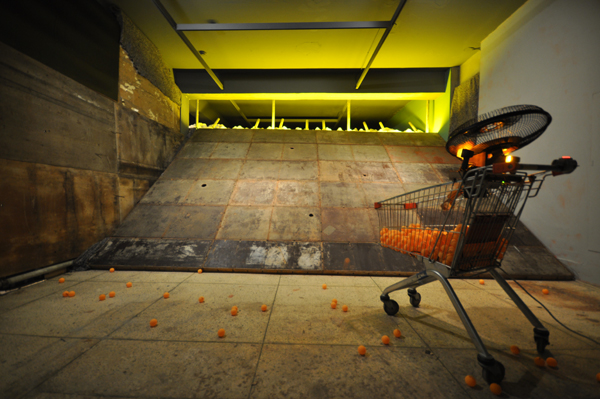
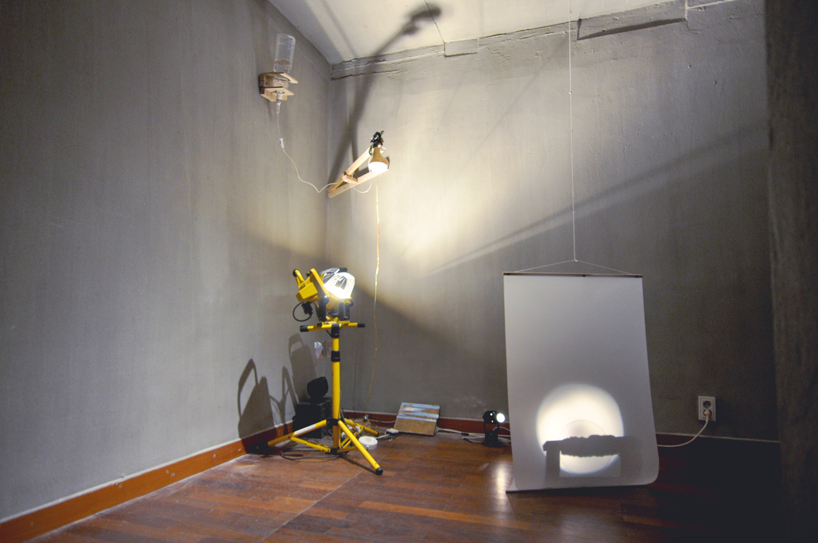
Sprayer, servo motor, lighting, clay, tracing paper, wood
About The Work

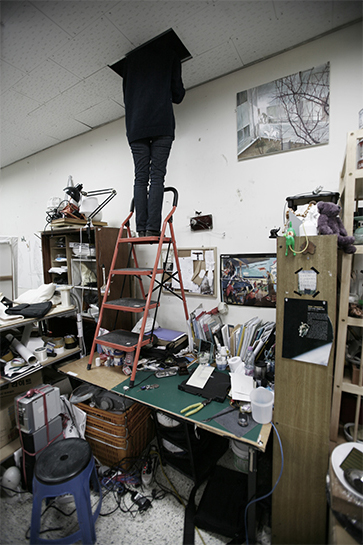
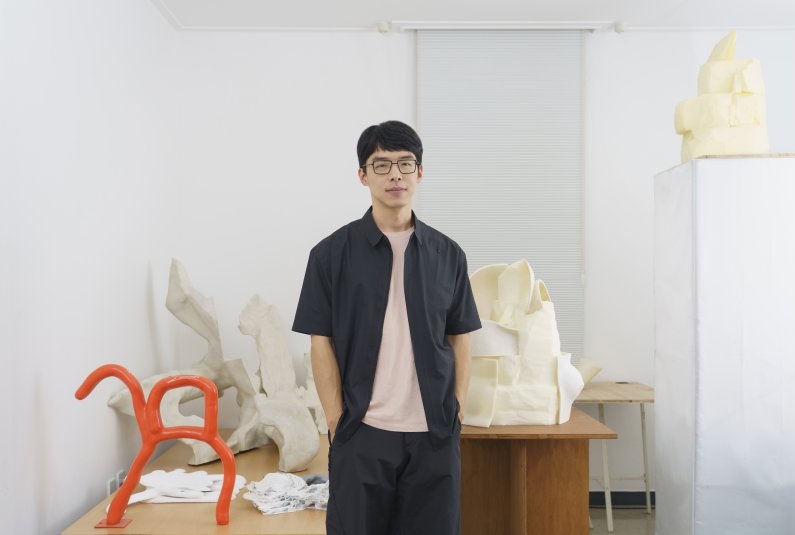
Jihyun Jung’s practice begins with the ways in which he engages with objects and the world. What matters in his work is not what is represented, but how it is handled and made visible again. Observed reality is reconfigured through his hands into unfamiliar sculptural situations, and this process itself constitutes the core of his work.
 
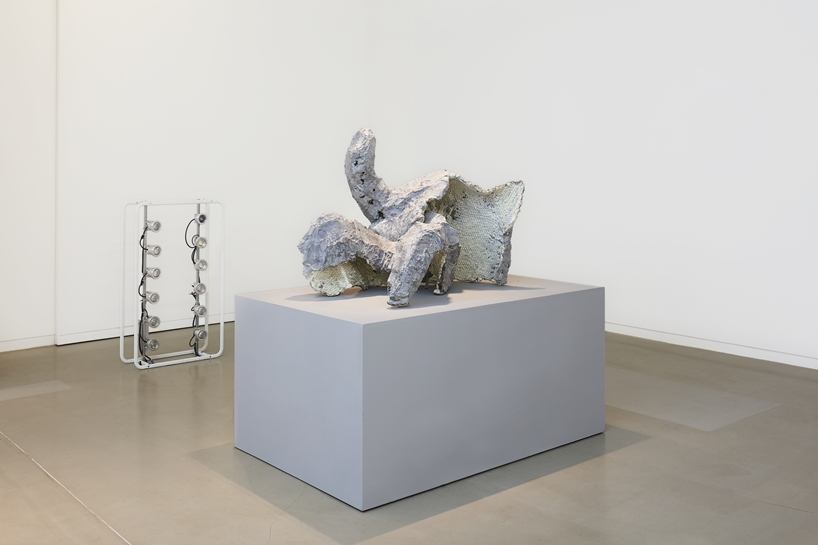
His work originates from an interest in discarded objects and waste materials found in the city. These objects are treated not as signs that evoke social meaning, but as materials with sculptural potential. The processes of collecting, dismantling, and recombining objects are tied to an understanding of the world not as a fixed order, but as a state open to rearrangement. In this context, objects depart from their original functions and are placed within new relationships, with the transformation becoming more evident in the process than in the result.
 
Another defining axis of Jung’s work is repetition and duration. The sustained execution of everyday observation or simple actions has remained a key methodology from his early works to the present. Such repetition accumulates subtle differences rather than producing identical outcomes, gradually altering the perception of objects and situations.
 
This approach is closely connected to his understanding of “Making.” For Jung, production does not function primarily as a means of conveying a specific meaning, but as an occasion to reconsider objects. Through the rearrangement of existing elements and their connection in new ways, he renews the state of objects and extends their relationships. This practice does not settle into a fixed outcome but continues to generate transformation, maintaining his work as an open-ended structure.

Solo Exhibitions (Brief)

Jihyun Jung has held solo exhibitions at Gallery Skape, Seoul (2010); Project Space Sarubia, Seoul (2011); Insa Art Space, Seoul (2013); Sindoh Art Space, Seoul (2014); Doosan Gallery, New York (2015) and Seoul (2016); Atelier Hermès, Seoul (2019); Incheon Art Platform, Incheon (2022); and Art Sonje Center, Seoul (2023).

Group Exhibitions (Brief)

Jihyun Jung has participated in group exhibitions at major institutions including Leeum Museum of Art, Seoul (2024); Seoul Museum of Art (Seoul, 2014; Buk-Seoul Museum of Art, 2022; Nam-Seoul Museum of Art, 2021); Arko Art Center, Seoul (2021); Art Sonje Center, Seoul (2017, 2018); Doosan Gallery (Seoul, 2013, 2014; New York, 2019); Queens Museum, New York (2015); the 11th Gwangju Biennale, Gwangju (2016); and The Showroom, London (2017).

Awards (Selected)

Jihyun Jung received the Kim Se-Choong Young Sculptor Award in 2023 and was awarded the Ministerial Prize for the public art project My Neighbors! by the Ministry of Culture, Sports and Tourism in 2021. He was also selected for the Sindoh Artist Support Program and the Arts Council Korea AYAF (ARKO Young Art Frontier) in 2013, and was named a Mercedes-Benz Korea Artist in 2012.

Residencies (Selected)

Jihyun Jung has participated in residency programs at Incheon Art Platform (Incheon, 2022), SeMA Nanji Residency (Seoul, 2021), CAN Foundation (Seoul, 2020), ACC Creation Center (Gwangju, 2017), Seoul Art Space Geumcheon (Seoul, 2015), and Doosan Residency New York (New York, 2015).

Collections (Selected)

Jihyun Jung’s work Filing Public Parts (2018) is in the collection of the Seoul Museum of Art, and his works are also held in other public and private collections.
Works of Art

Structures and Objects that Convey the Story

Originality & Identity

Jihyun Jung’s practice begins with the ways in which he engages with objects and the world. What matters in his work is not what is represented, but how it is handled and made visible again. Observed reality is reconfigured through his hands into unfamiliar sculptural situations, and this process itself constitutes the core of his work.
 
His work originates from an interest in discarded objects and waste materials found in the city. These objects are treated not as signs that evoke social meaning, but as materials with sculptural potential. The processes of collecting, dismantling, and recombining objects are tied to an understanding of the world not as a fixed order, but as a state open to rearrangement. In this context, objects depart from their original functions and are placed within new relationships, with the transformation becoming more evident in the process than in the result.
 
Another defining axis of Jung’s work is repetition and duration. The sustained execution of everyday observation or simple actions has remained a key methodology from his early works to the present. Such repetition accumulates subtle differences rather than producing identical outcomes, gradually altering the perception of objects and situations. His works carry a sense of temporality that aligns more closely with an ongoing state than with a completed form.
 
This approach is closely connected to his understanding of “making.” For Jung, production does not function primarily as a means of conveying a specific meaning, but as an occasion to reconsider objects. Through the rearrangement of existing elements and their connection in new ways, he renews the state of objects and extends their relationships. This practice does not settle into a fixed outcome but continues to generate transformation, maintaining his work as an open-ended structure.

Style & Contents

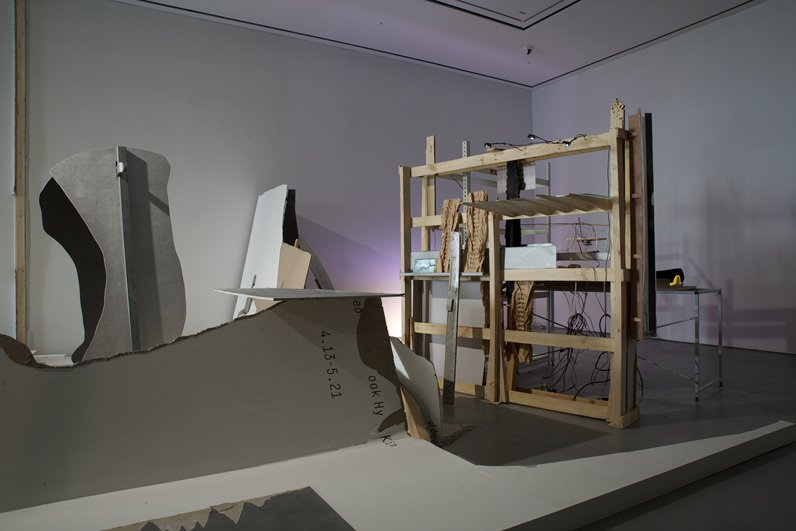
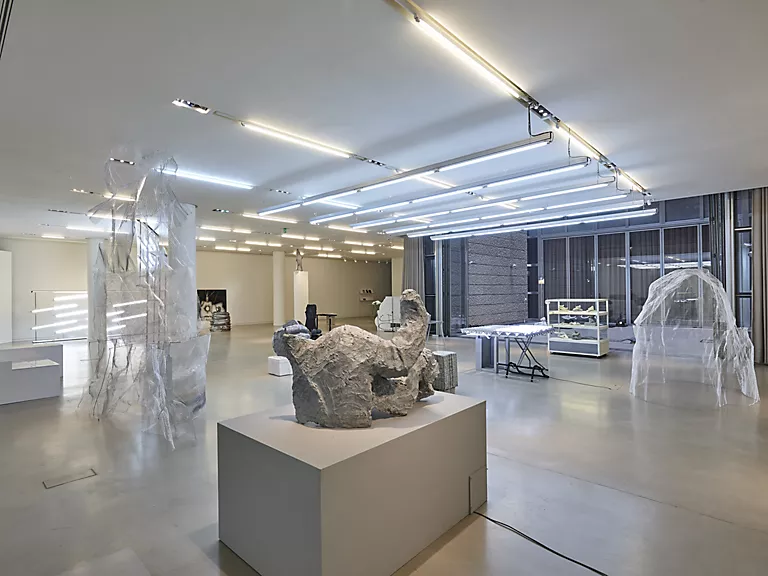
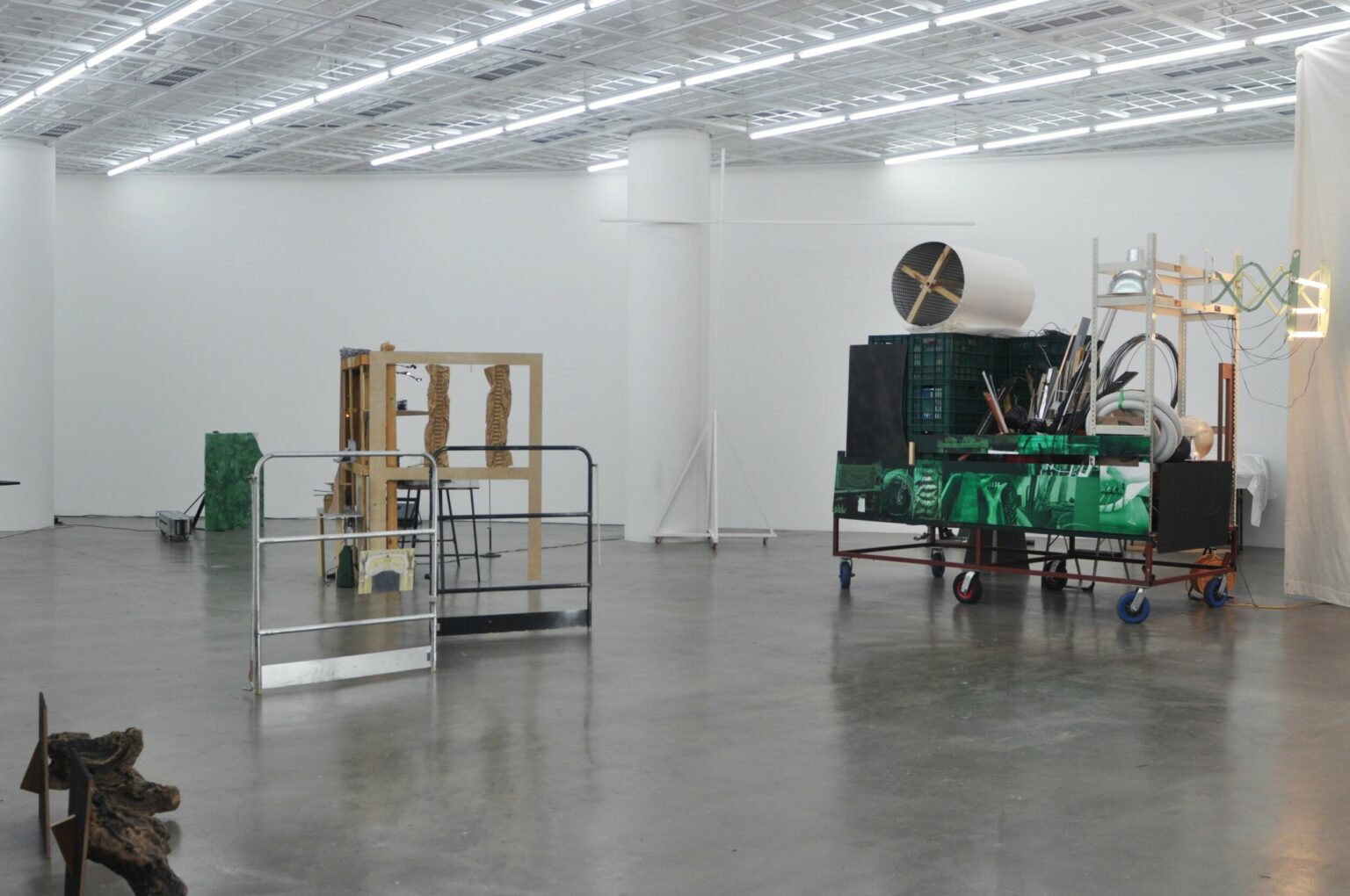
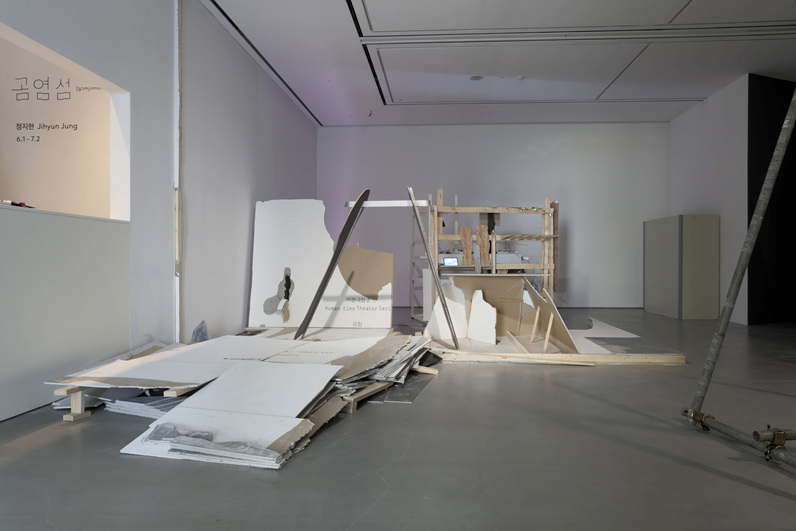
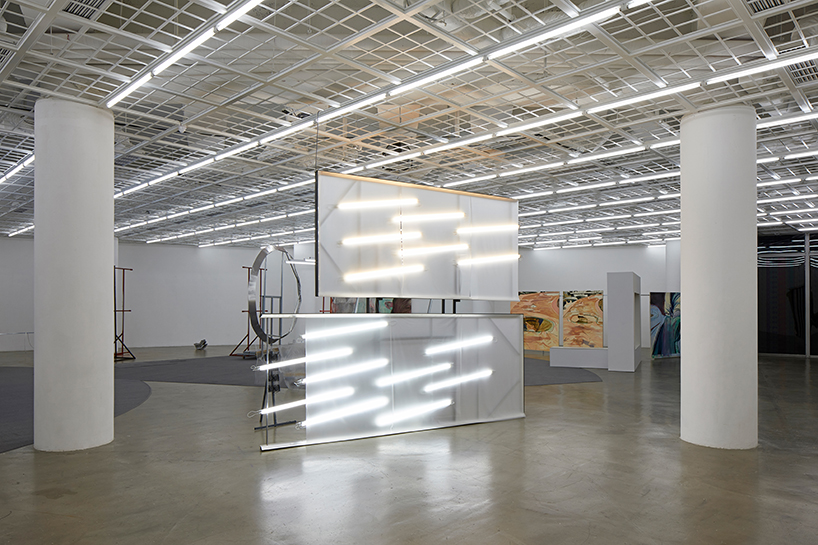
Jihyun Jung’s practice has expanded across a range of approaches—including painting, installation, kinetic art, and performance—while remaining grounded in sculpture. His early works were primarily composed of small objects assembled from discarded materials and kinetic structures, with the exhibition space itself staged as a single scene. In this phase, the focus lay less on the completeness of individual works than on generating a sensory experience through an environment formed by the combination of multiple elements.
 
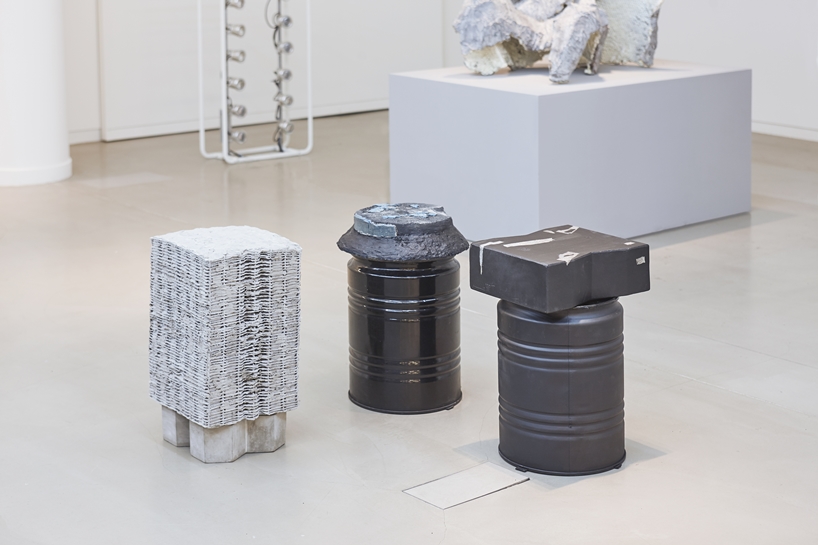
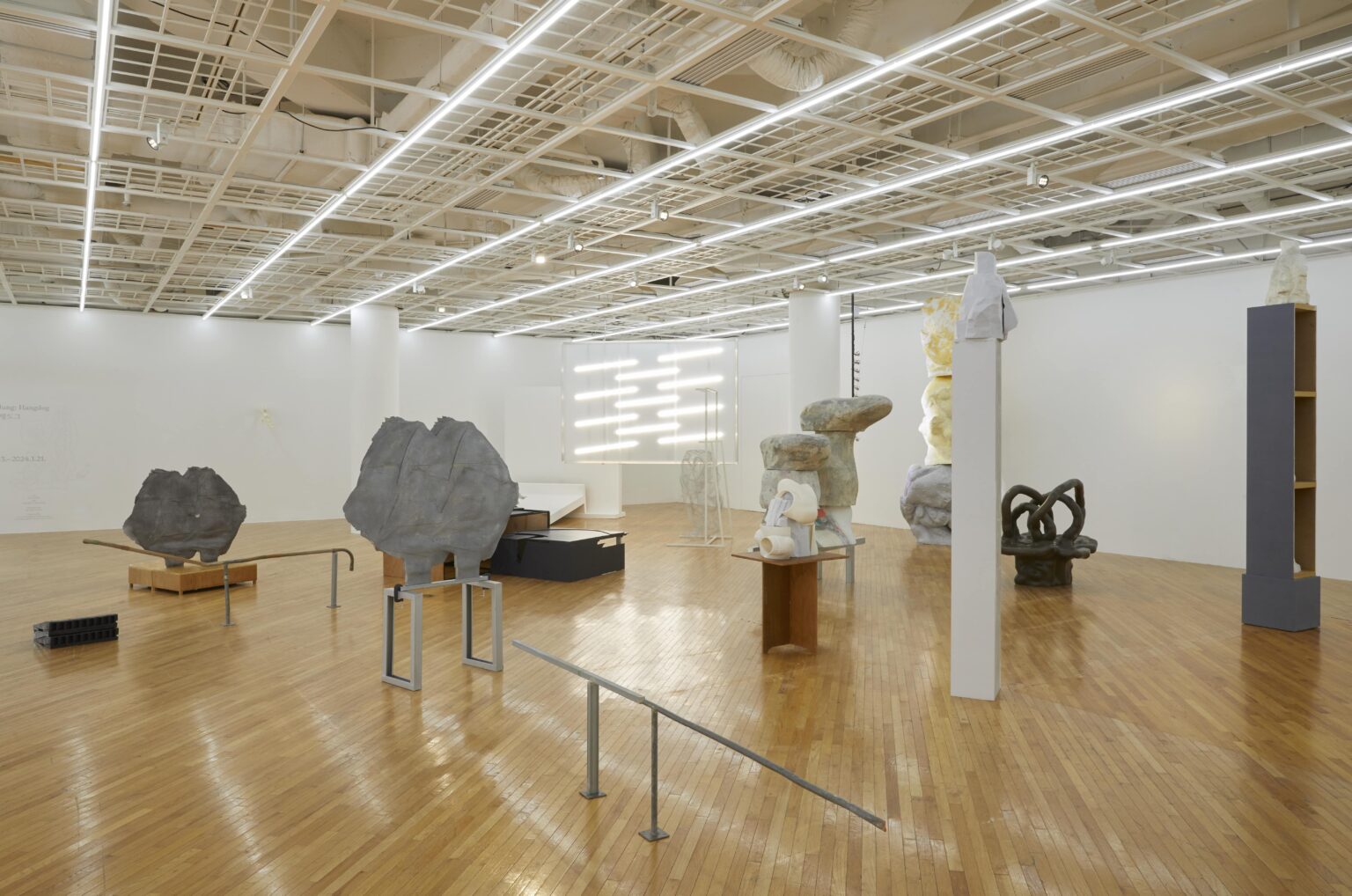
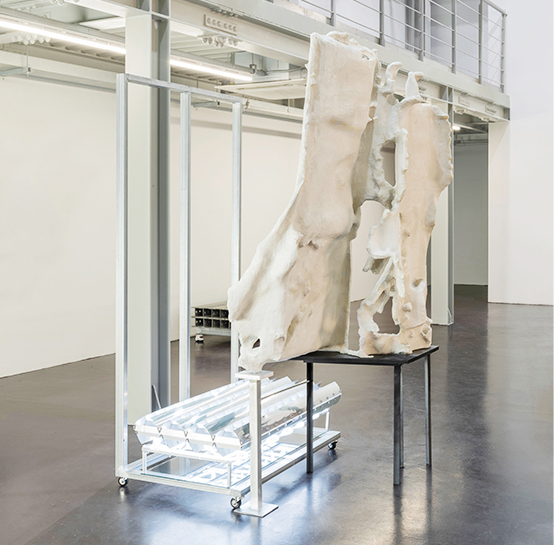
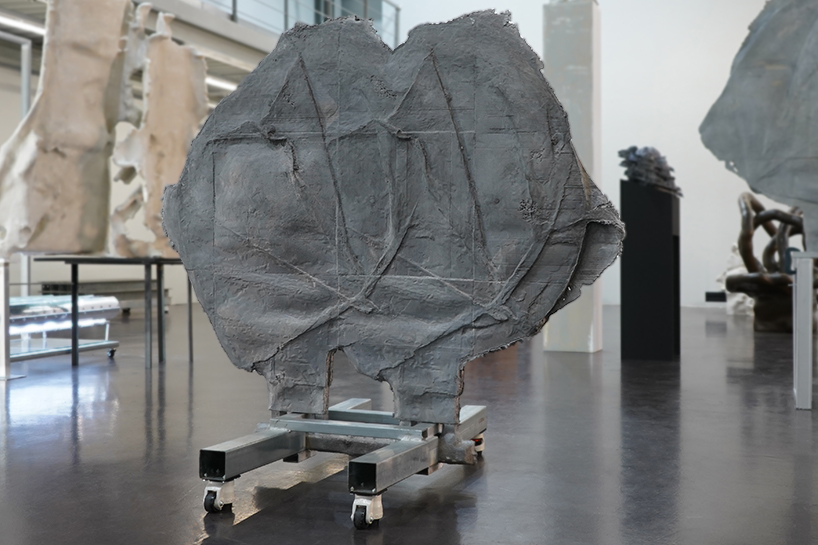
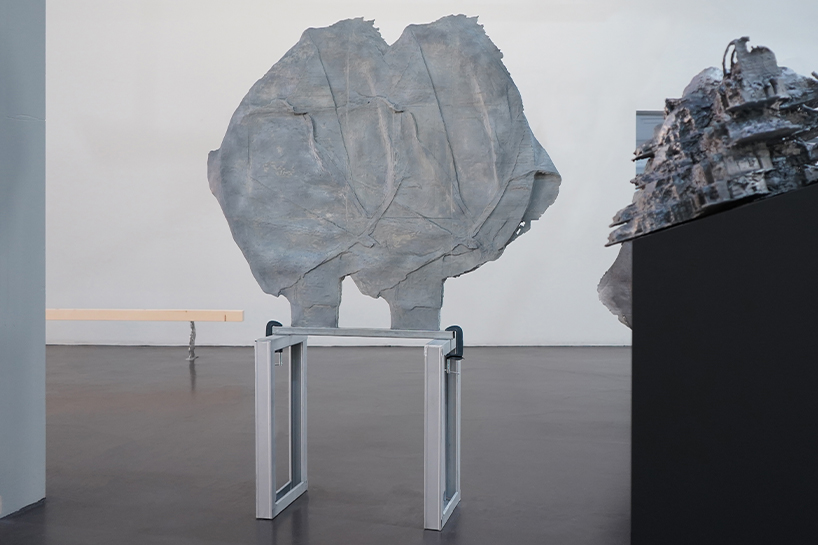
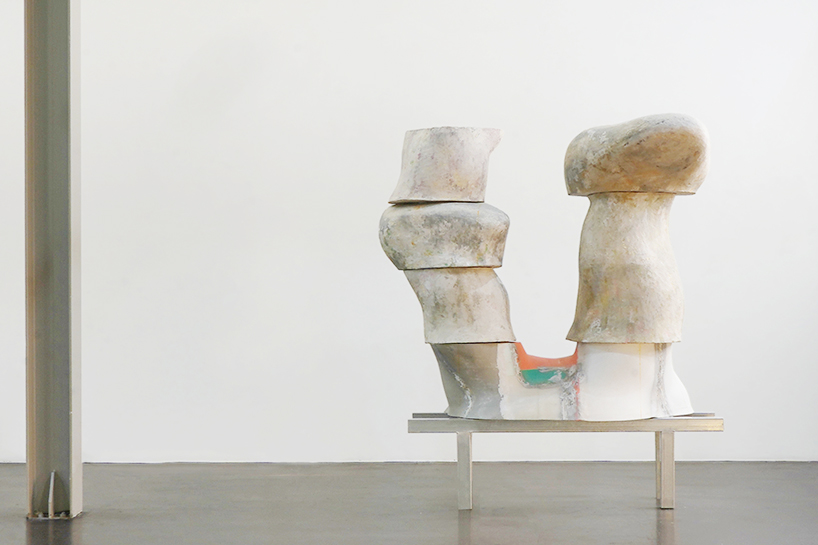
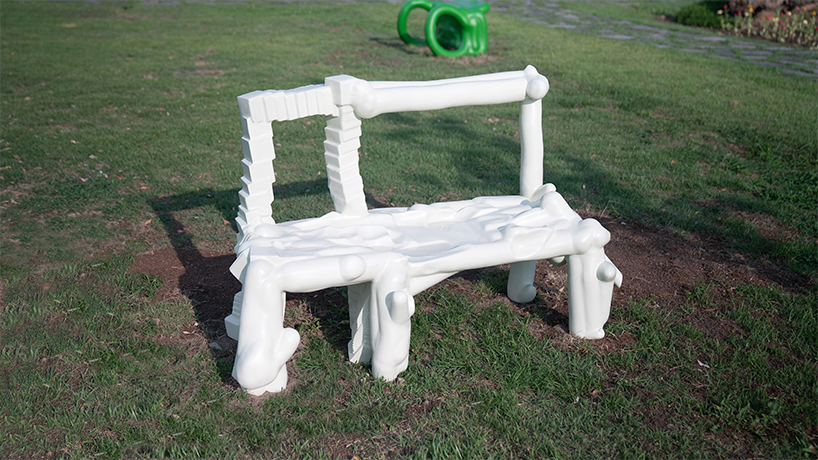
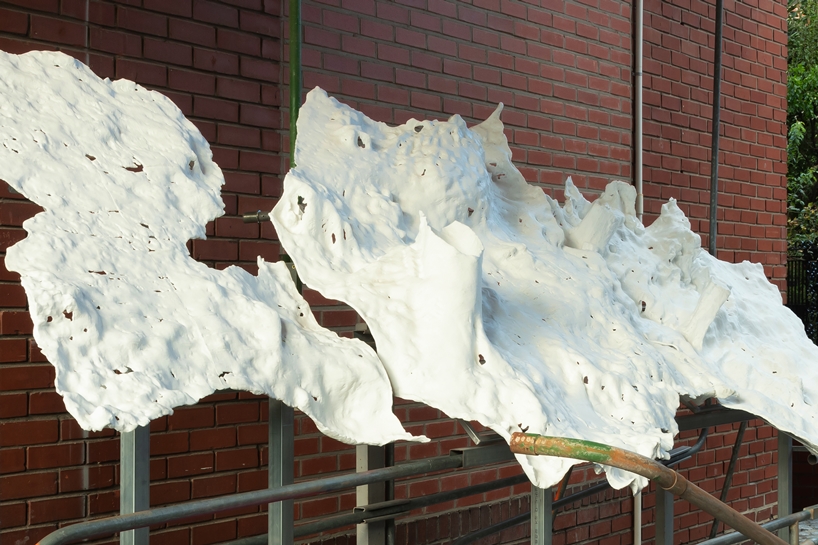
In his later work, there is a gradual convergence toward sculpture as a medium in itself. As his interventions into materials, surfaces, and methods of production become more refined, his practice shifts toward an exploration of physical mass and structure. Rather than directly transforming found objects, he tends to retain their properties while introducing variation through different materials or techniques. In this process, technologies such as 3D scanning and printing are incorporated, intersecting with and reinterpreting traditional sculptural methods.
 
In Jung’s work, form and content are not separated but are generated together through processes of formal manipulation. The removal or reassignment of function, the exposure of material properties, and interventions such as sanding or layering surfaces all operate as elements that constitute the meaning of the sculpture. The resulting form does not function as a final conclusion, but as the outcome of accumulated decisions and adjustments made during the process. Accordingly, the work does not aim to deliver a fixed message, but instead foregrounds the conditions and methods through which objects are transformed.
 
The structure of his exhibitions is closely tied to this mode of working. Rather than presenting individual works as autonomous entities, Jung constructs an environment by juxtaposing and connecting works of varying scales and characteristics. In doing so, viewers are not anchored to a single fixed viewpoint, but instead move through shifting distances and perspectives. This configuration allows sculpture to be experienced not as a static, singular form, but as something that continues to change within a network of relationships.

Topography & Continuity

Jihyun Jung’s practice maintains a consistent trajectory despite shifts in form and medium. His early kinetic objects and artificially staged environments, and his later sculpture-centered works, may appear formally distinct, yet his approach to handling objects and his methods of production remain continuous. The processes of collecting, dismantling, and recombining operate as a fundamental structure throughout his work, forming a central axis that persists across different phases.
 
This continuity becomes more evident through strategies of “reuse” and “repetition.” Elements from earlier works reappear in transformed ways in later pieces, while certain forms are reiterated and varied within new contexts. Even when the same elements are repeated, they do not function as simple reproductions, but emerge in altered states shaped by changing conditions and contexts. In this way, repetition across works does not follow a linear progression, but produces a structure in which similar forms intersect and accumulate.
 
Exhibitions likewise function within this continuum, not as isolated events but as moments situated along an ongoing trajectory of practice. Structures or materials used in one exhibition reappear in subsequent ones, and existing works are reconfigured within new arrangements. In this process, the exhibition becomes not a singular outcome, but part of an ongoing transformation and renewal. Works do not remain as fixed units, but instead generate meaning within a continuous flow.
 
Ultimately, Jung’s practice can be understood as a structure that accumulates through repetition and transformation. Individual works exist independently while expanding their meanings through relationships with prior works, creating points where different temporalities and contexts intersect. These connections do not converge toward a single direction, but instead form an organic continuity across the body of work.

Works of Art

Structures and Objects that Convey the Story

Articles

Exhibitions

Activities