

Maneuver in Place - K-ARTIST

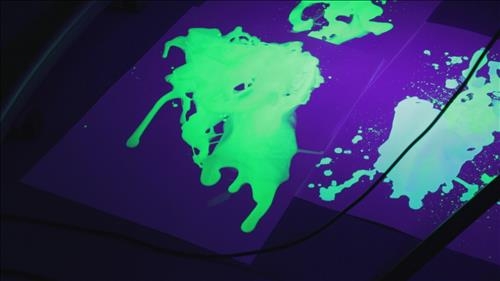
Maneuver in Place

2022
Single channel video, 4K, color/sound
10 min
About The Work

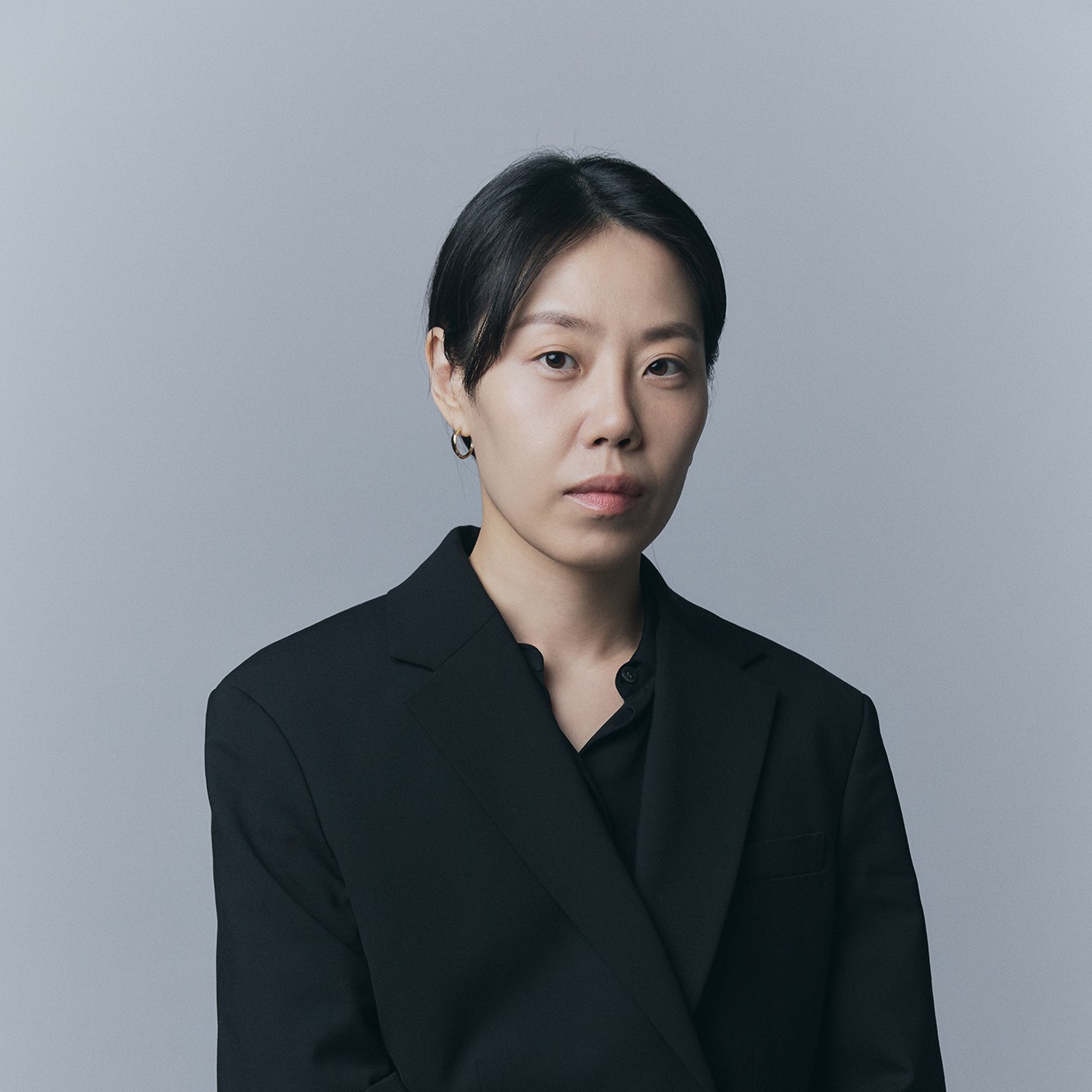
Jeamin Cha’s practice begins with tracing the invisible structures that operate within Late capitalist society—particularly those concerning labor, affect, perception, and temporality. Rather than directly representing specific events or issues, her work focuses on rendering perceptible the mechanisms through which the system permeates everyday life.
 
A key conceptual axis in her work is immaterial labor and affective labor. Within the conditions of late capitalism, where labor extends beyond production to encompass emotion, relationships, and attitudes, Cha investigates how acts such as care, emotional expression, and self-management become organized as part of the system. At the same time, Cha treats perception itself as a central problem. Her work repeatedly questions the extent to which what we see and hear is mediated. Various apparatuses—technology, language, education, and institutional frameworks—construct the ways in which we perceive the world.
 
Her work also captures the paradoxical condition of inevitability and survival within Late capitalism. Instead of proposing an external alternative to the system, Cha examines how individuals adapt to and create fissures within it. In this way, her work sustains a tension between critique and coexistence, resistance and adaptation, prompting a reflection on the complex positioning of the contemporary subject.
 
Ultimately, the originality of Cha’s practice lies in re-questioning the very ways in which we understand and inhabit the world. Her work does not offer definitive answers; instead, it reveals the instability of perception and experience within structural conditions, forming an open field in which the viewer is compelled to think through these relations on their own.

Solo Exhibitions (Brief)

Jeamin Cha has held solo exhibitions at major institutions in Korea and internationally, including DOOSAN Gallery Seoul (2014), DOOSAN Gallery New York and Sindoh Gallery (2015), Samyook Building (2018), KADIST(San Francisco, 2020), and Ilmin Museum of Art and Salzburger Kunstverein (Austria, 2024).

Group Exhibitions (Brief)

Jeamin Cha has participated in group exhibitions at major institutions including the National Museum of Modern and Contemporary Art; LEEUM Museum of Art; DOOSAN Gallery; Salzburger Kunstverein (Austria); and Hiroshima City Museum of Contemporary Art (Japan), while also presenting screenings at major film platforms such as Tate Modern (UK) and Film at Lincoln Center, New York (USA).

Awards (Selected)

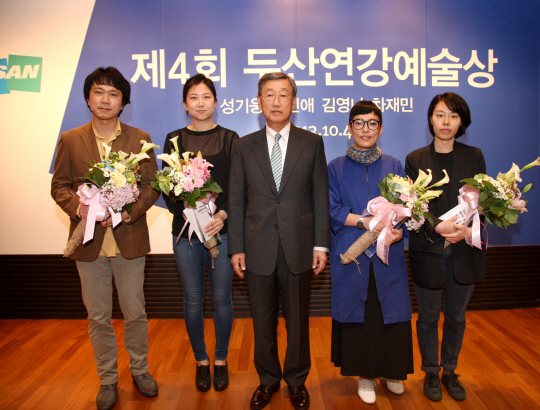
Jeamin Cha has received numerous awards, including a Special Mention of the International Competition Jury at the 69th International Short Film Festival Oberhausen (2023, Germany), the Art Spectrum Artist Award (2022), the Special Jury Award at the 14th DMZ International Documentary Film Festival (2022), and the 4th DOOSAN Yeongang Art Prize (2013).

Residencies (Selected)

Jeamin Cha has participated in international residency programs including KADIST (San Francisco, USA, 2019–2020), DOOSAN Residency New York (USA, 2015), Kuandu Residency (Taipei, Taiwan, 2015), SeMA Nanji Residency (Seoul, 2017), and Art Space Geumcheon (Seoul, 2012).

Collections (Selected)

Jeamin Cha’s works are held in the collections of major institutions in Korea and internationally, including the LEEUM Museum of Art, the National Museum of Modern and Contemporary Art, the Seoul Museum of Art, the Museum of Contemporary Art Busan, the Korean Film Archive, and KADIST (San Francisco, USA).
Works of Art

Sensation and Perception Wavering within the Structure

Originality & Identity

Jeamin Cha’s practice begins with tracing the invisible structures that operate within late capitalist society—particularly those concerning labor, affect, perception, and temporality. Rather than directly representing specific events or issues, her work focuses on rendering perceptible the mechanisms through which the system permeates everyday life. What matters here is not so much what is shown, but how it is made to appear. Cha does not treat the conditions of labor, the formation of emotion, or the mediating structures of perception as isolated themes, but as an intertwined field, through which she examines the conditions of contemporary life.
 
A key conceptual axis in her work is immaterial labor and affective labor. Within the conditions of late capitalism, where labor extends beyond production to encompass emotion, relationships, and attitudes, Cha investigates how acts such as care, emotional expression, and self-management become organized as part of the system. As seen in works such as On Guard and Almost One, personal emotions and acts of care are presented not as spontaneous human responses, but as trained and regulated processes. This reveals how even the inner life of individuals is shaped by structural conditions, raising critical questions about the autonomy of the subject.
 
At the same time, Cha treats perception itself as a central problem. Her work repeatedly questions the extent to which what we see and hear is mediated. Various apparatuses—technology, language, education, and institutional frameworks—construct the ways in which we perceive the world, and these are inevitably tied to power. Rather than exposing these structures outright, Cha invites the viewer to remain in a state of doubt. This is less an act of critique in the traditional sense than a practice of reconfiguring perception itself.
 
Her work also captures the paradoxical condition of inevitability and survival within late capitalism. Instead of proposing an external alternative to the system, Cha examines how individuals adapt to and create fissures within it. In Walking on the Chairs, for instance, the coexistence of self-help rhetoric and solidaristic advice among workers reveals a reality in which resistance and compliance cannot be easily separated. In this way, her work sustains a tension between critique and coexistence, resistance and adaptation, prompting a reflection on the complex positioning of the contemporary subject.
 
Ultimately, the originality of Cha’s practice lies in re-questioning the very ways in which we understand and inhabit the world. Her work does not offer definitive answers; instead, it reveals the instability of perception and experience within structural conditions, forming an open field in which the viewer is compelled to think through these relations on their own.

Style & Contents

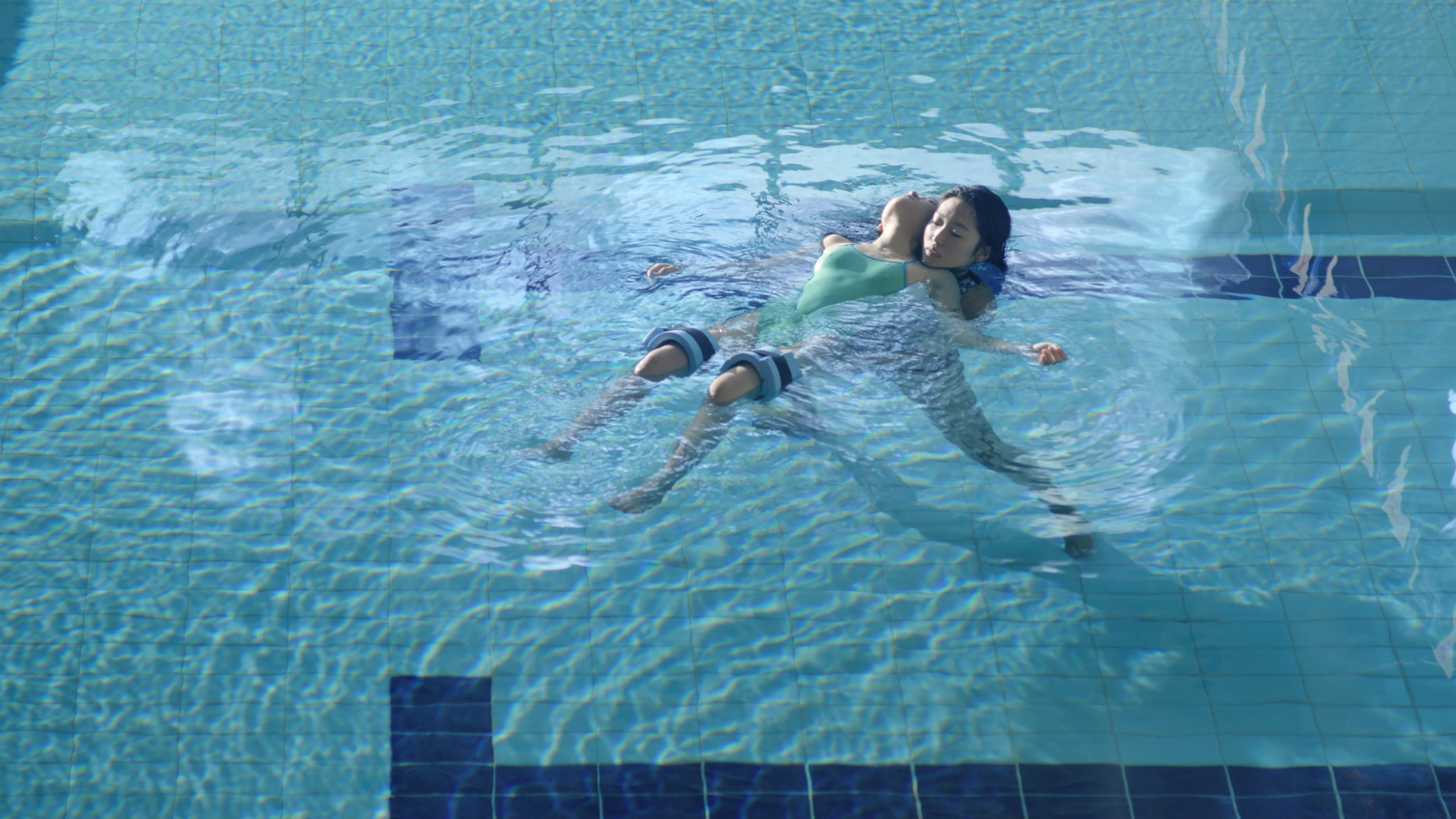
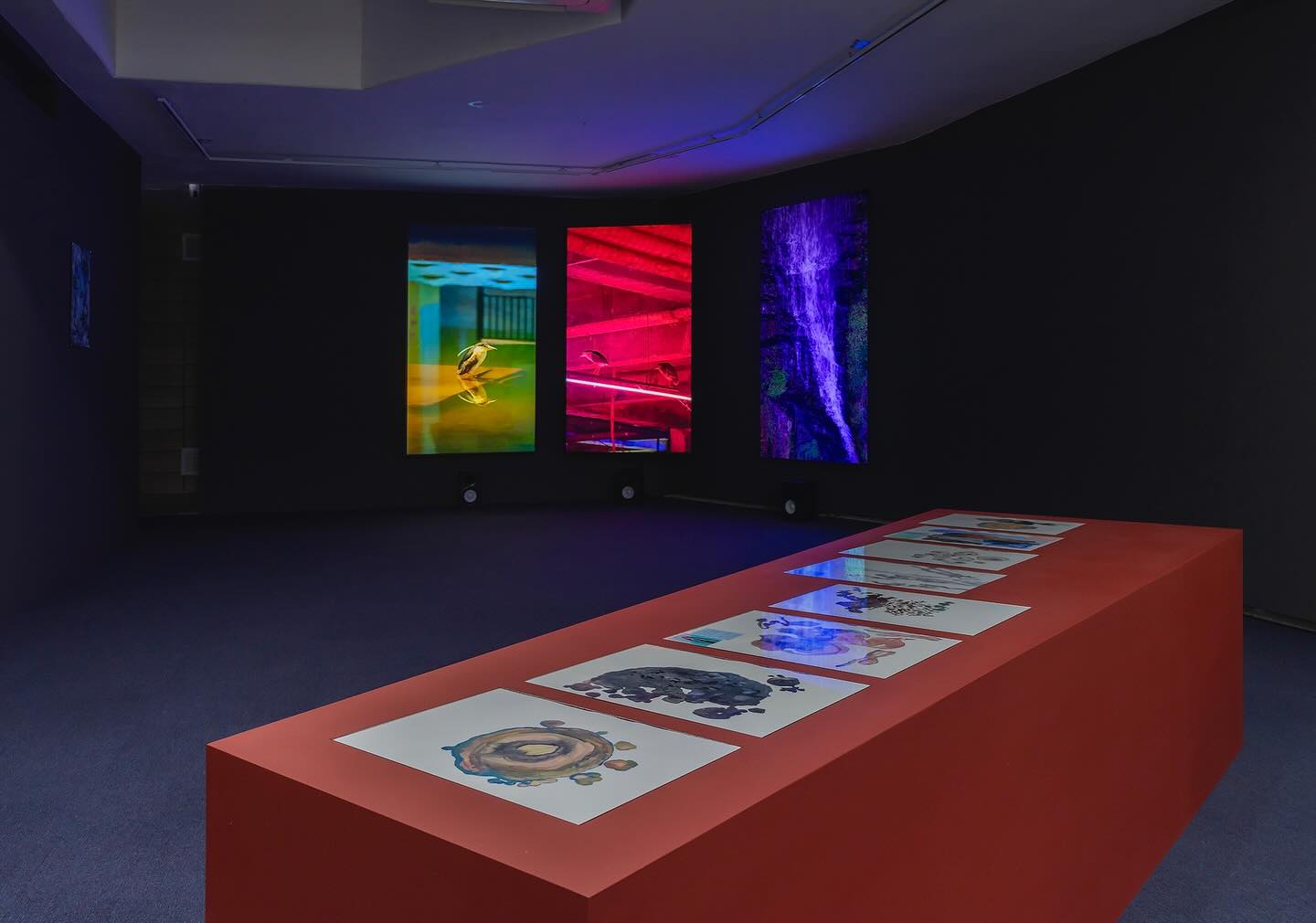
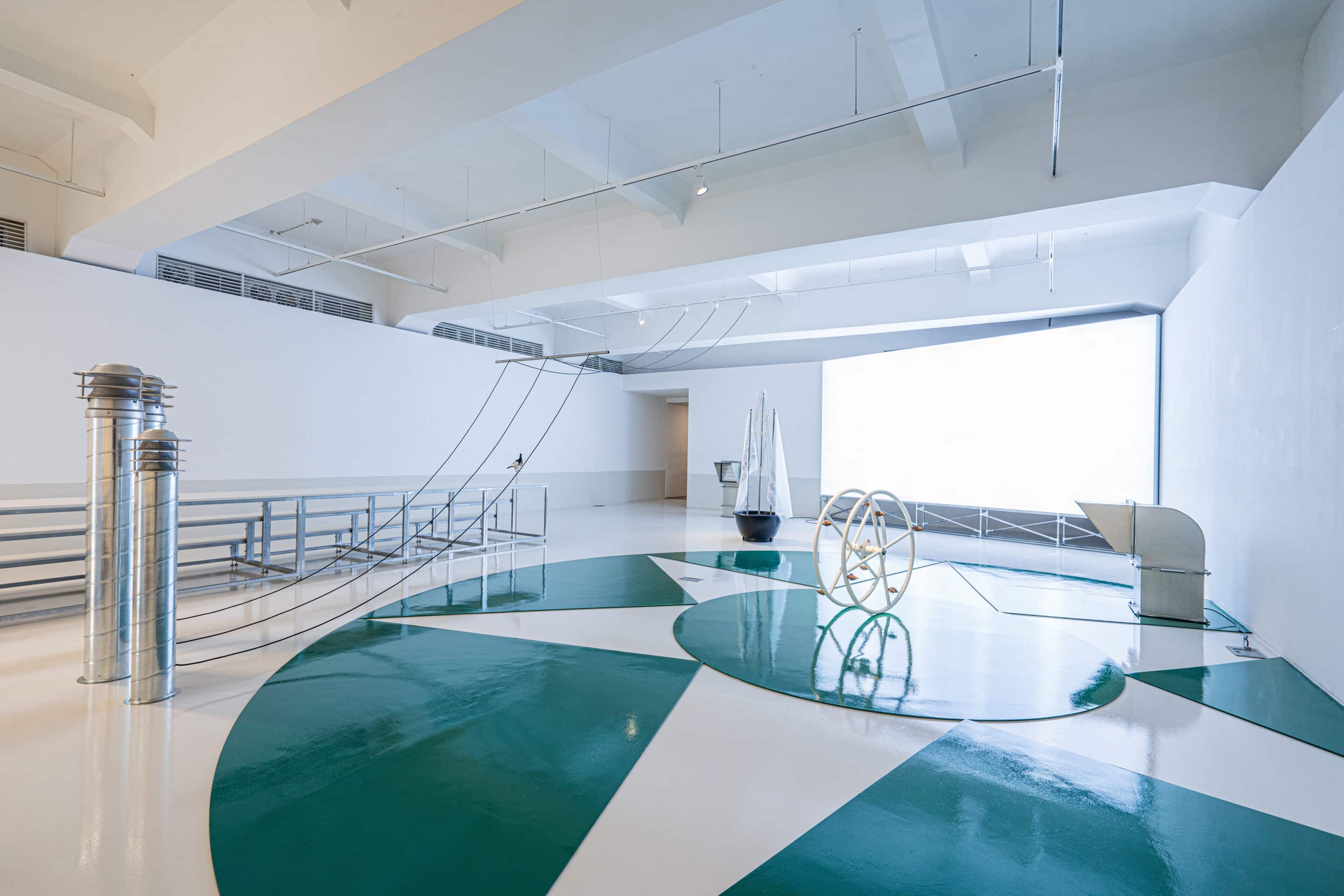
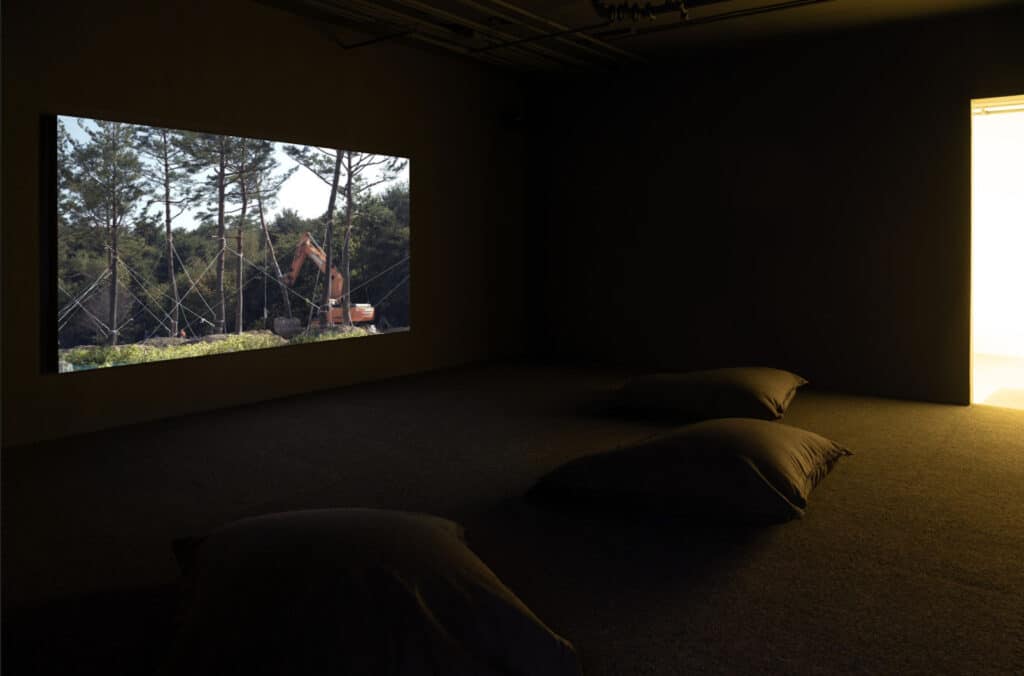
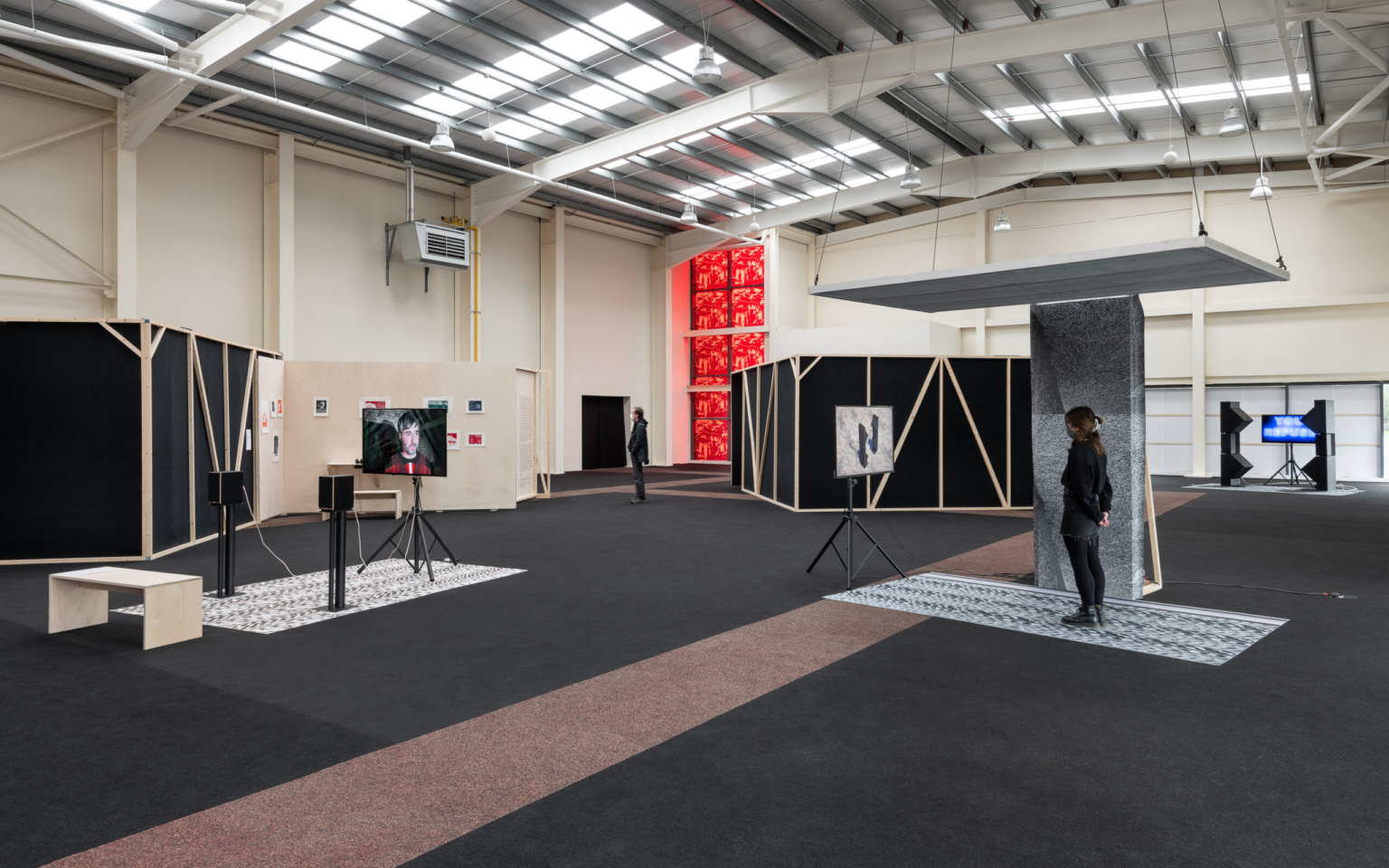
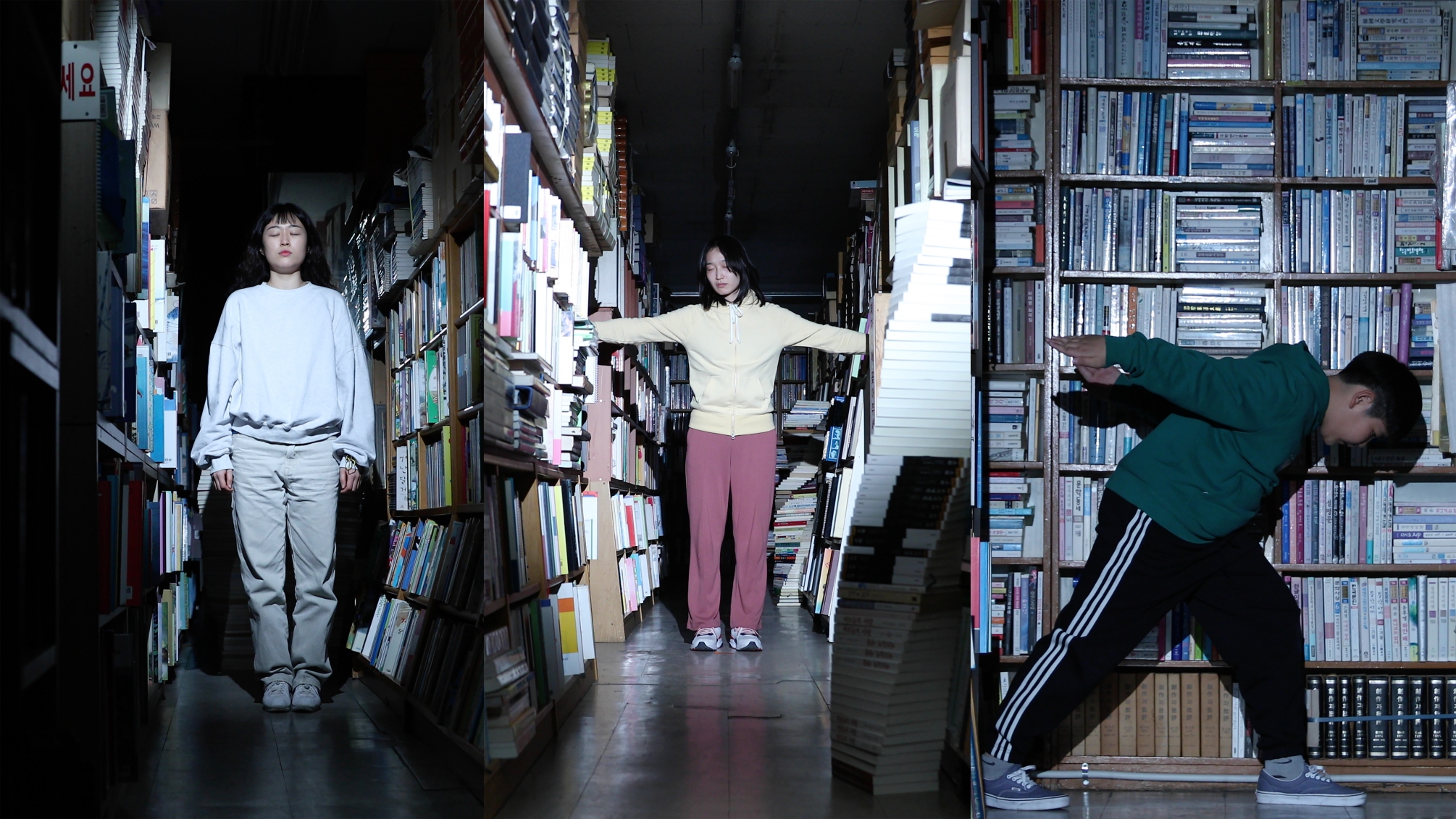
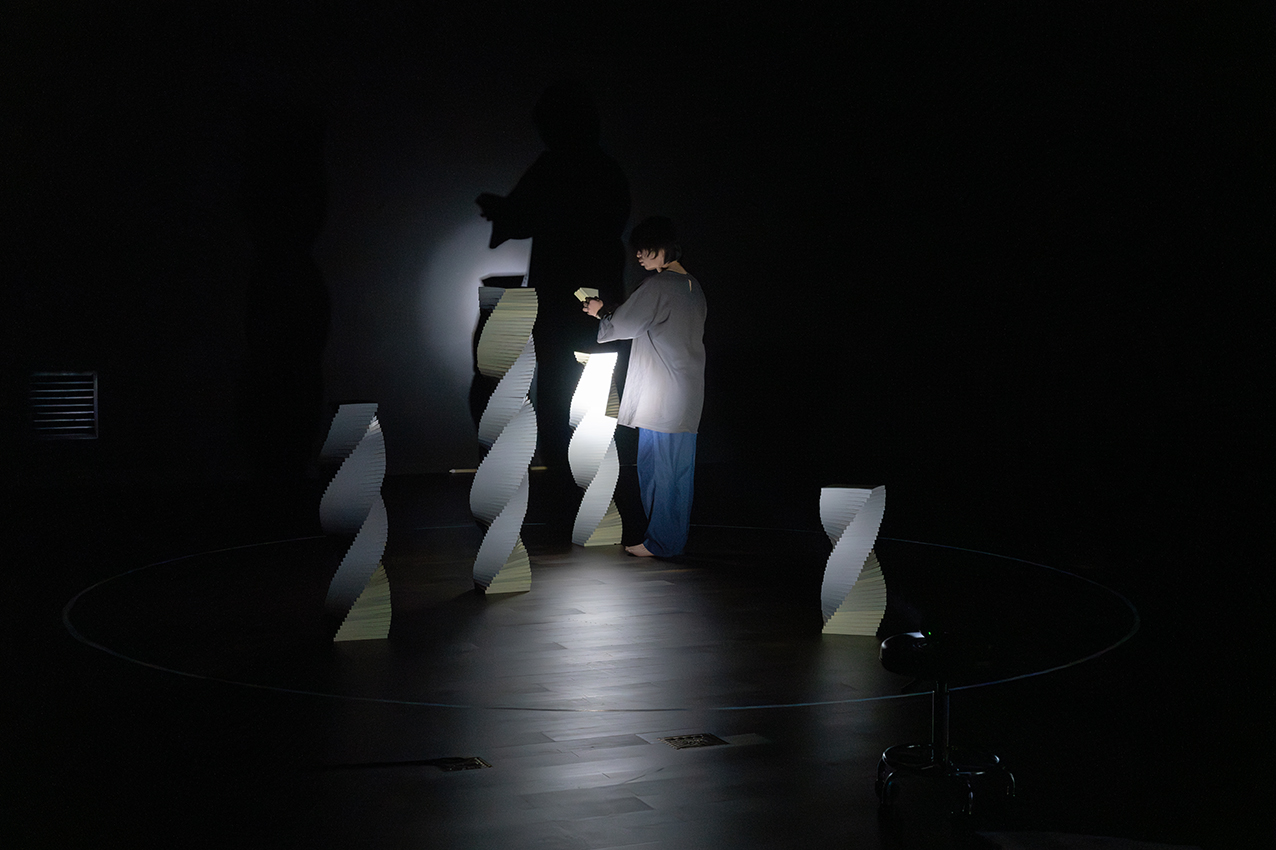
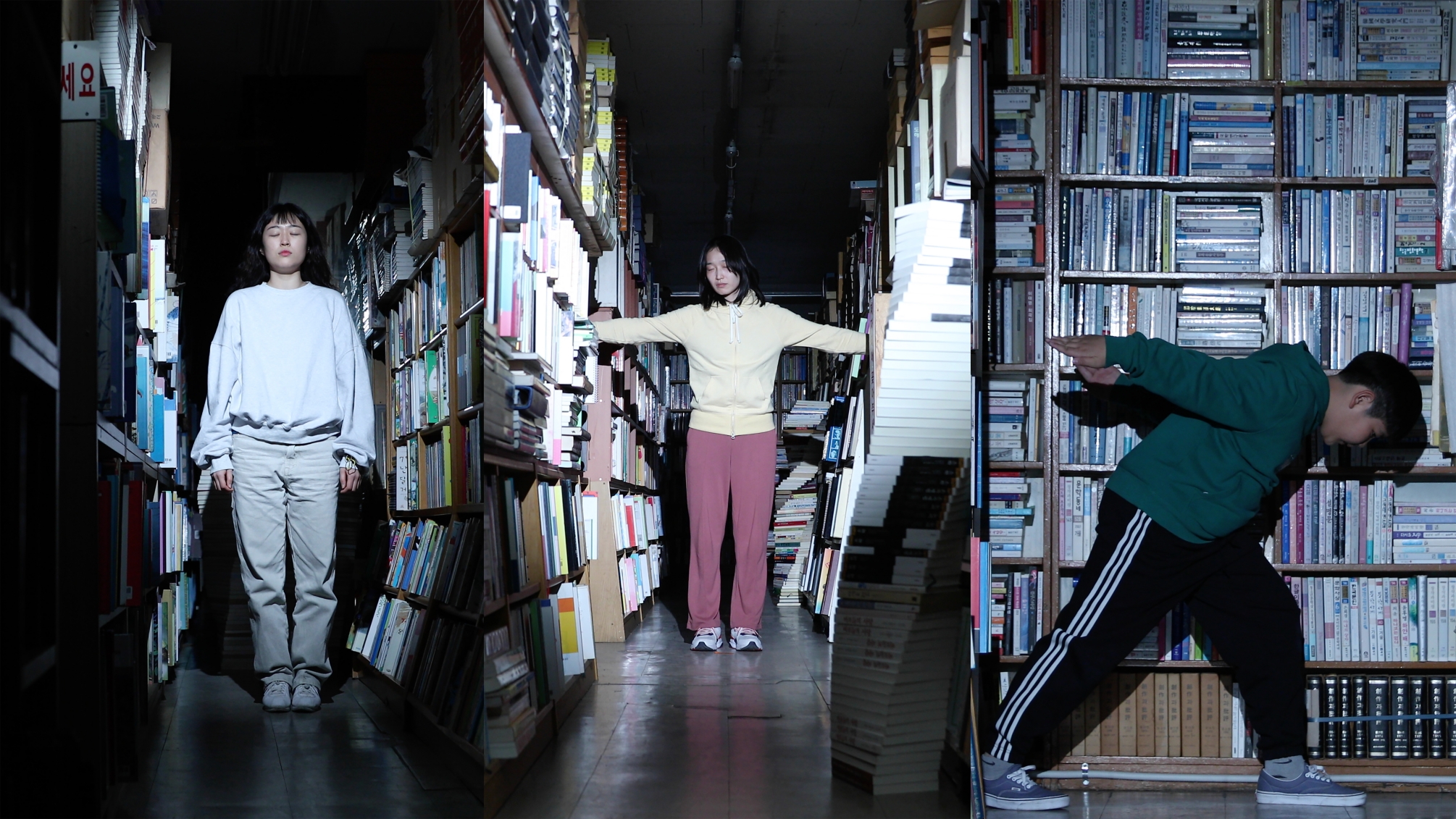
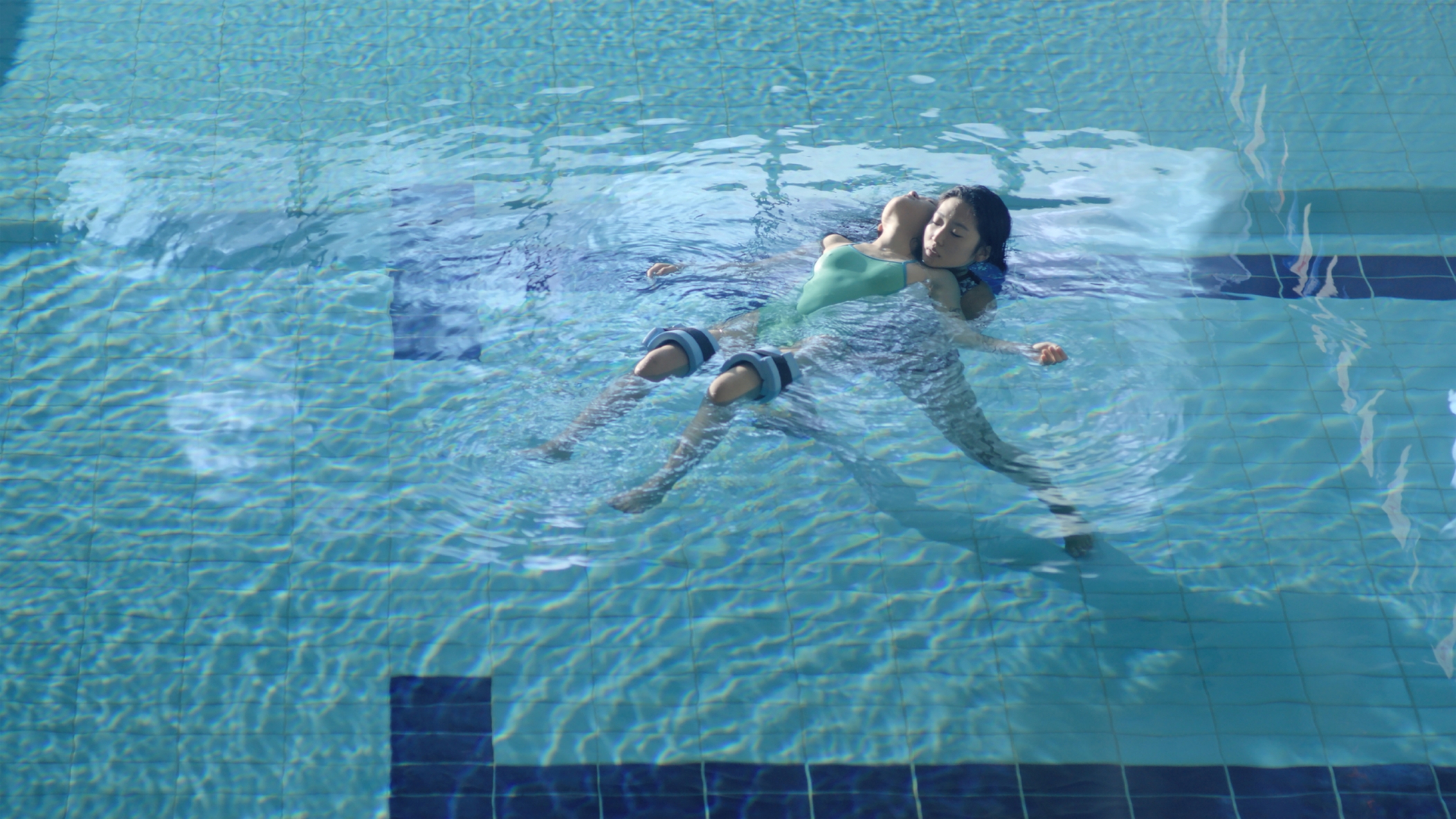
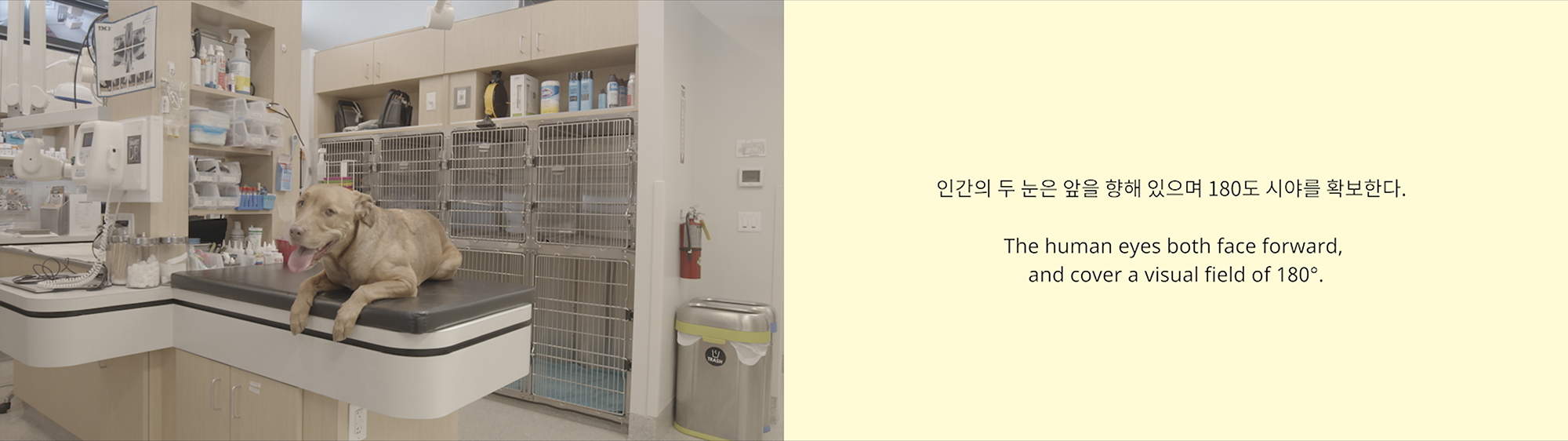
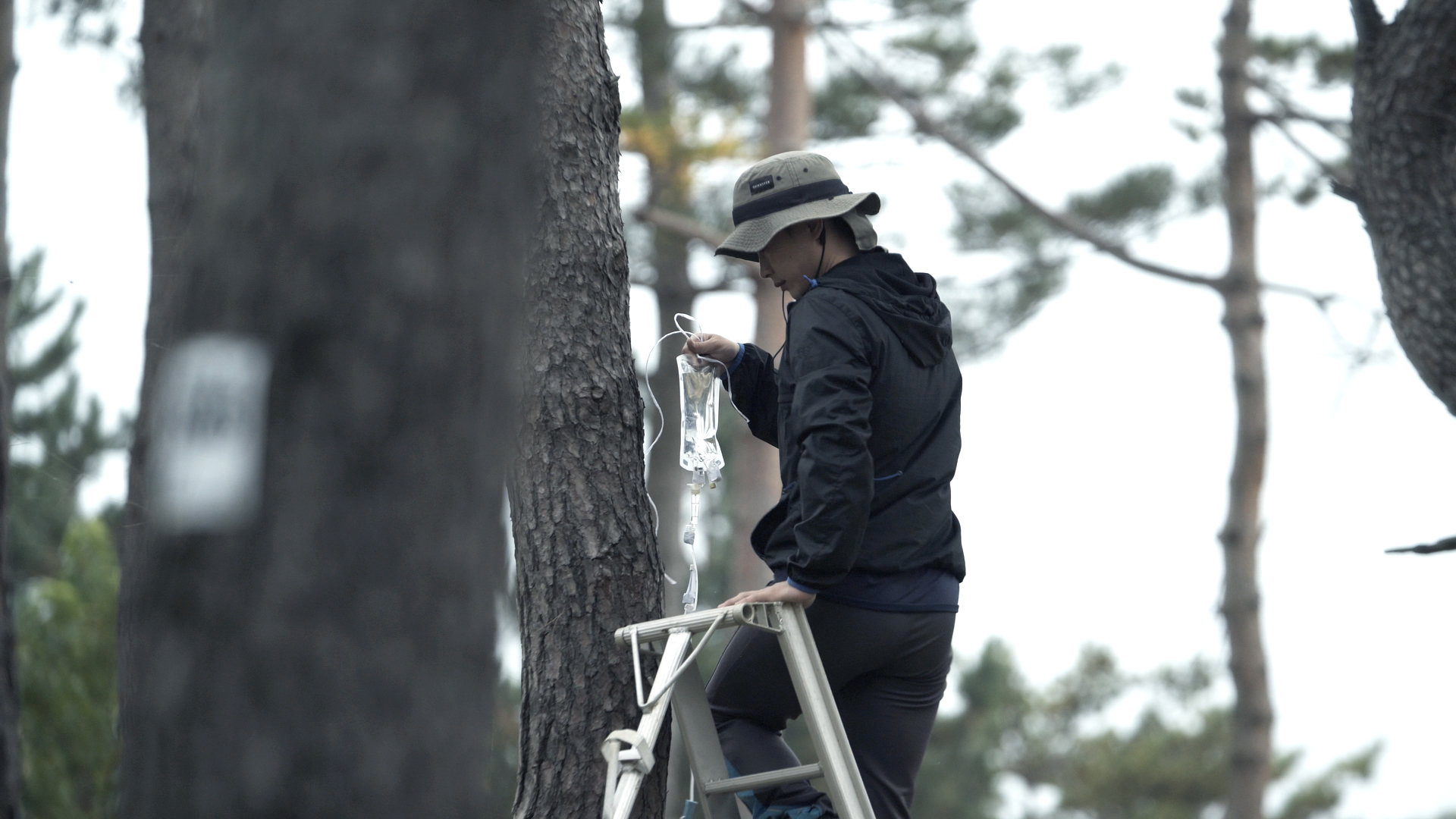
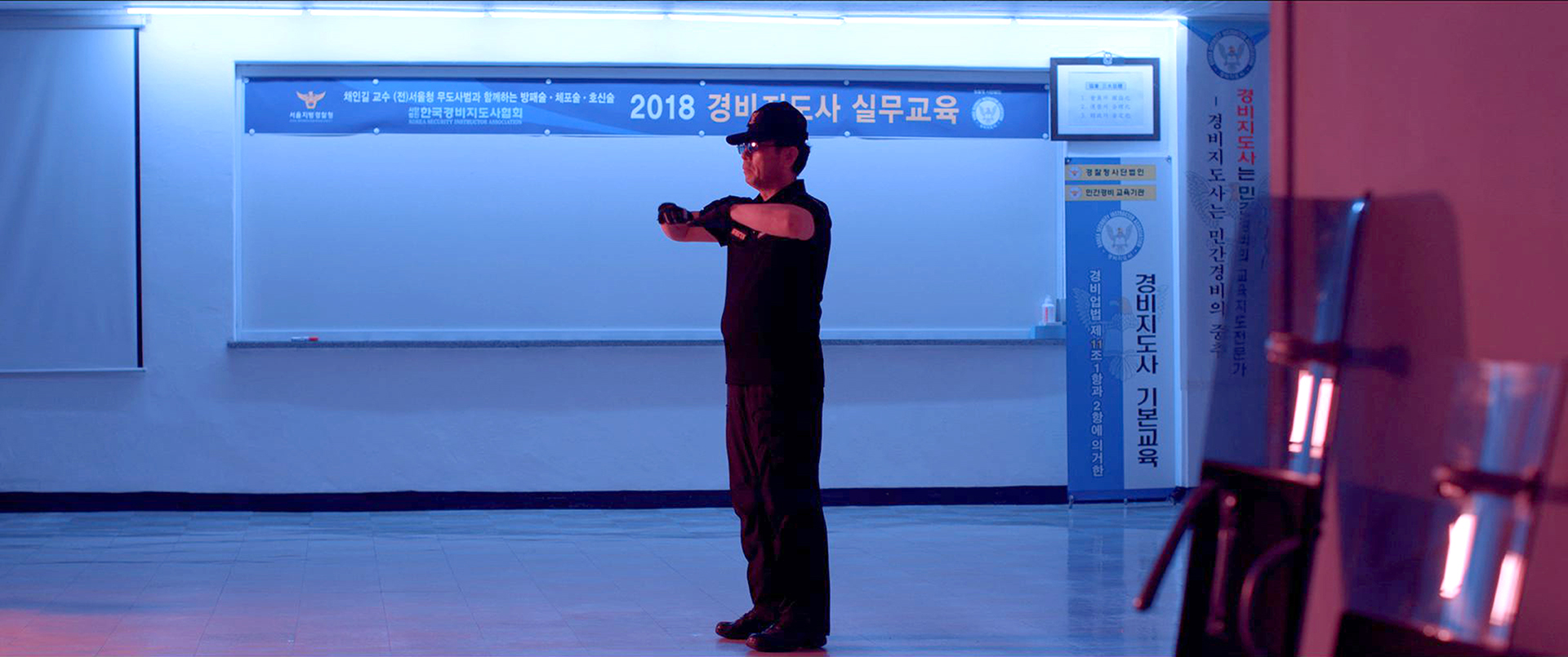
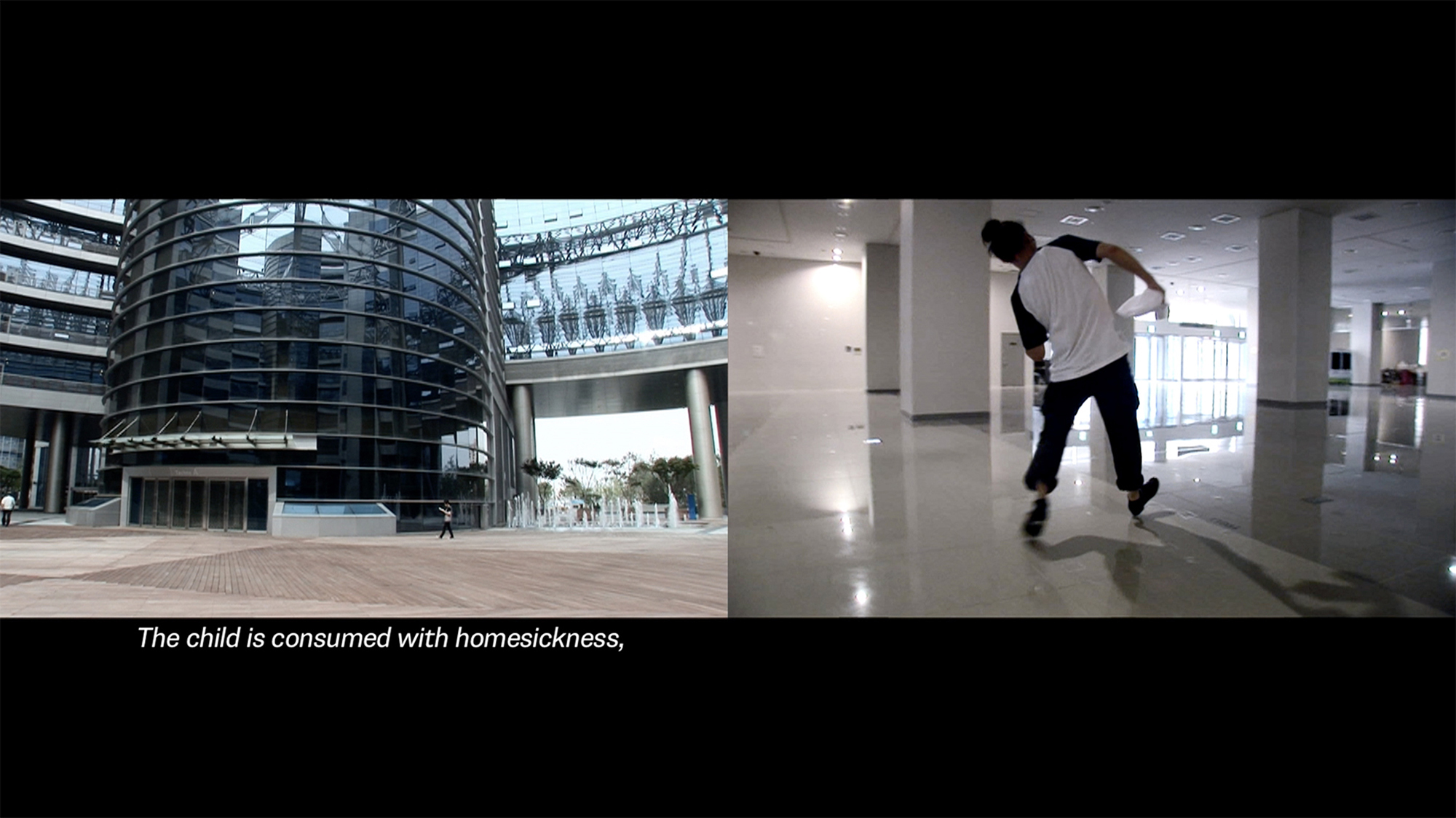
Jeamin Cha’s practice is characterized by a formal strategy that destabilizes the relationship between image, sound, and narrative. Rather than constructing a coherent storyline, her video works often unfold through fragmented sequences, parallel channels, and temporal disjunctions that resist linear interpretation. In works such as Maneuver in Place and Nameless Syndrome, multiple perspectives, asynchronous sound-image relations, and discontinuous actions create a perceptual gap, compelling the viewer to actively navigate between what is seen and what is heard. This gap is not a failure of representation but a deliberate formal device that foregrounds mediation itself.
 
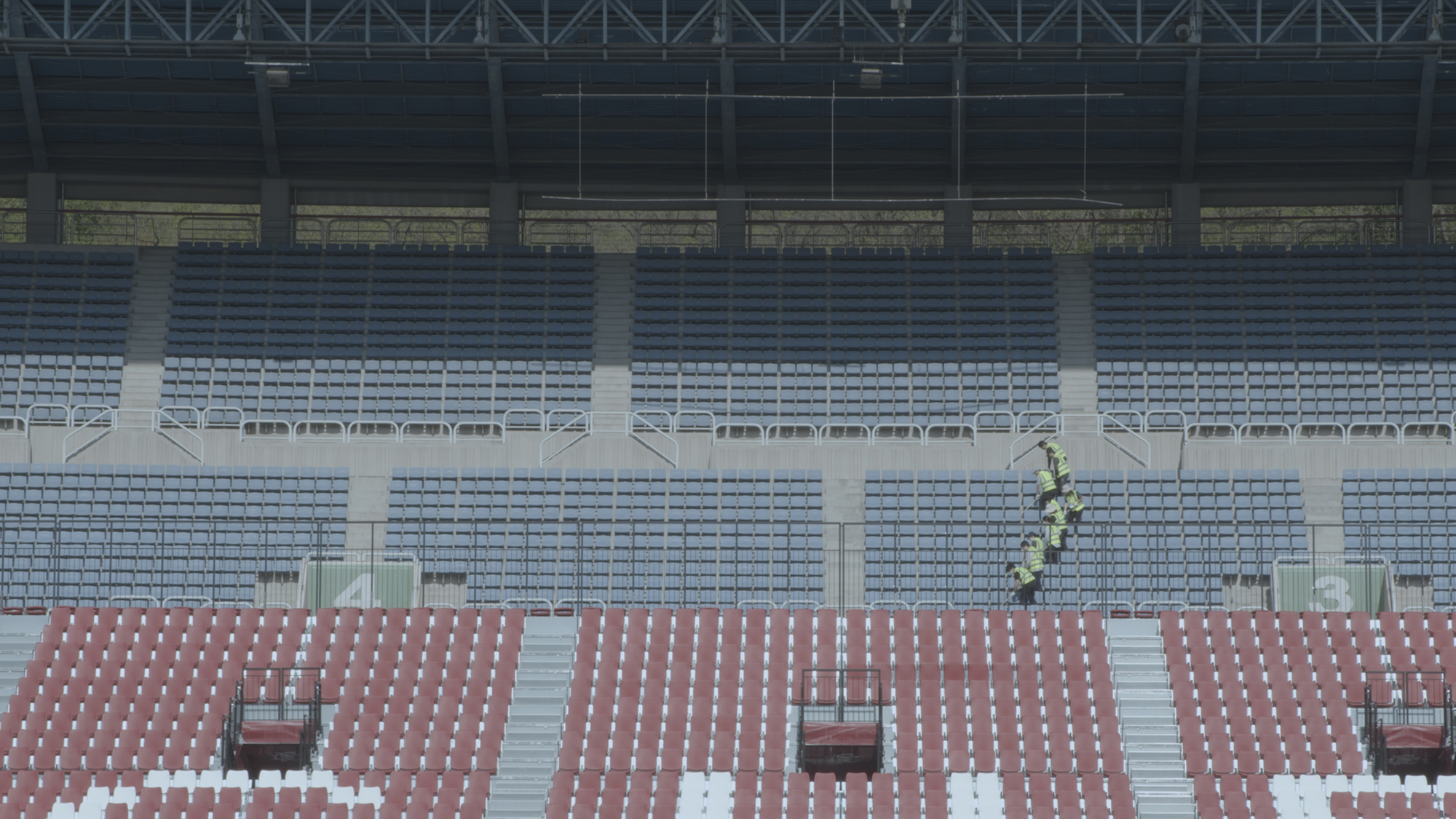
A recurring feature in her work is the use of disjunction between voice-over and image. The narration in Cha’s videos rarely explains or anchors the visual field; instead, it often diverges from it, producing a state of suspension. In Walking on the Chairs, for instance, the instructional voice-over does not directly correspond to the distant images of sanitation workers, while in Sound Garden, the voices of counselors drift across unrelated visual sequences. This misalignment prevents the formation of a stable meaning, encouraging the viewer to oscillate between different interpretive possibilities. The result is a mode of spectatorship grounded not in comprehension, but in sustained attention and doubt.
 
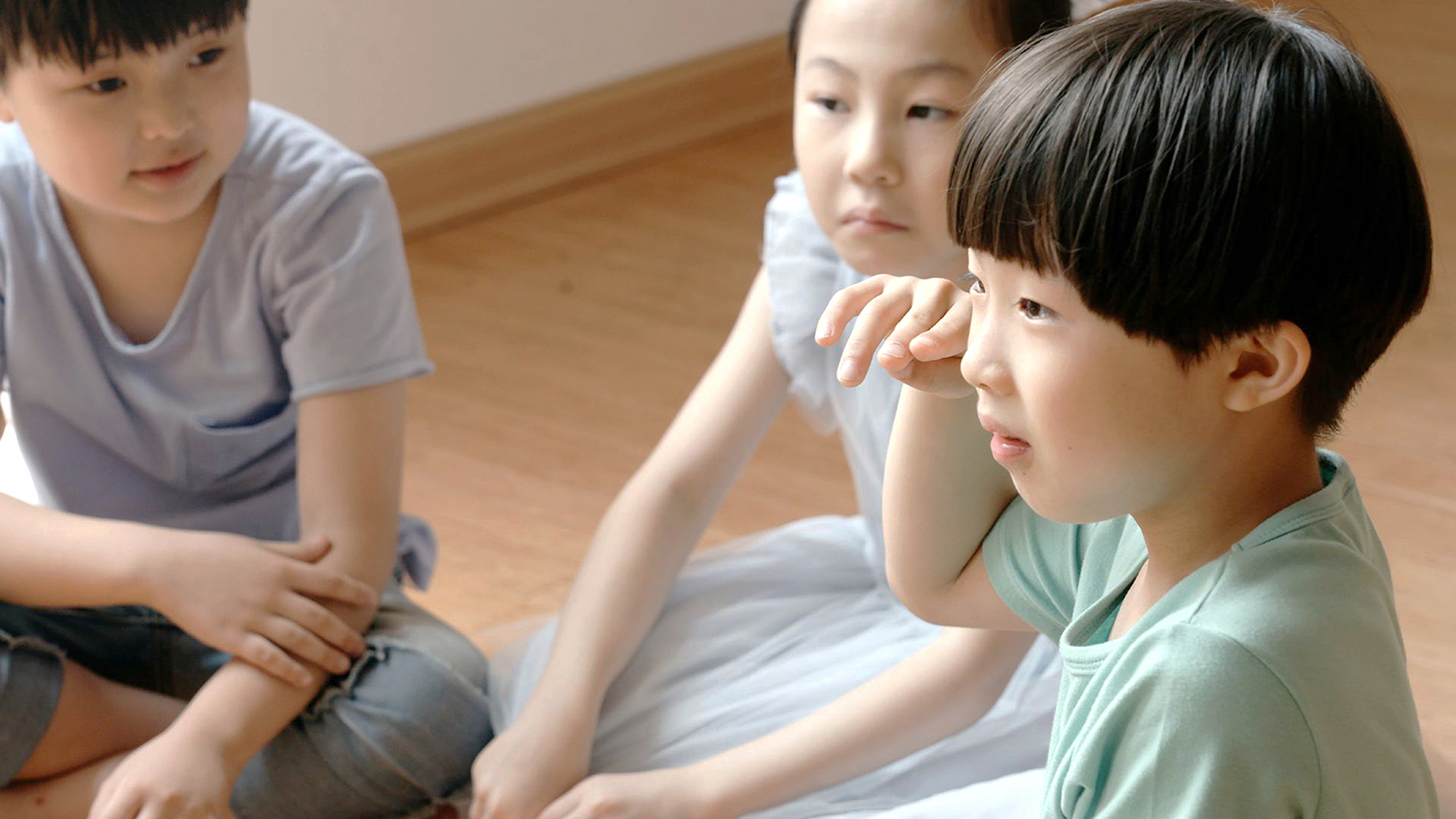
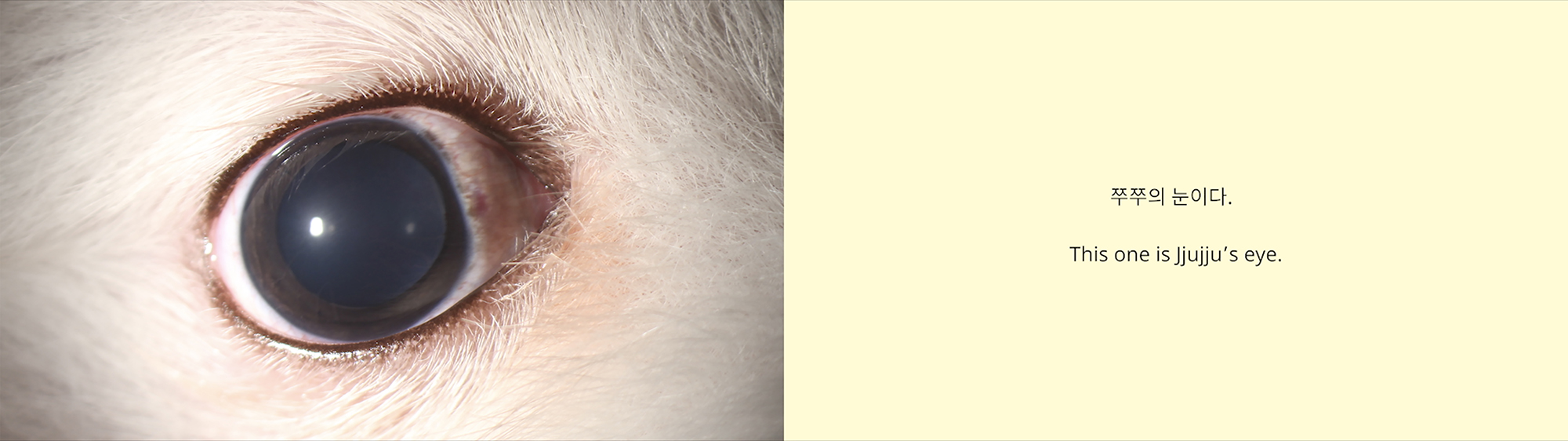
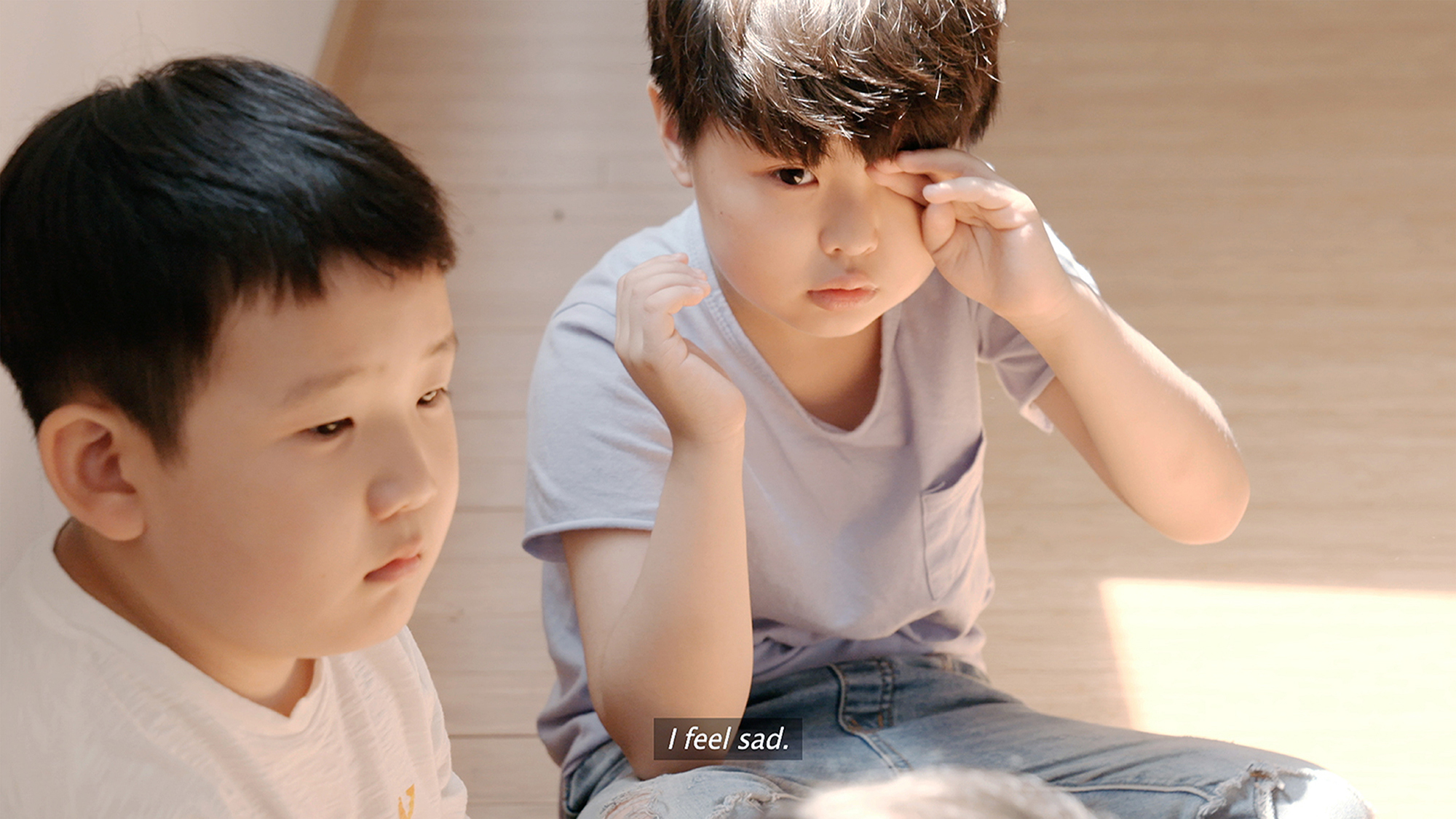
Equally significant is Cha’s engagement with performance and repetition as structuring devices. Her works frequently incorporate rehearsals, training sessions, or iterative actions that blur the boundary between preparation and execution. In Almost One, the process of learning emotions becomes central, as children repeat gestures and phrases that gradually produce affect rather than express it. Similarly, in Autodidact, the repetition of the same narration by different voices exposes the gap between expression and experience. These strategies emphasize that meaning and affect are not pre-given but emerge through performative processes shaped by context and mediation.
 
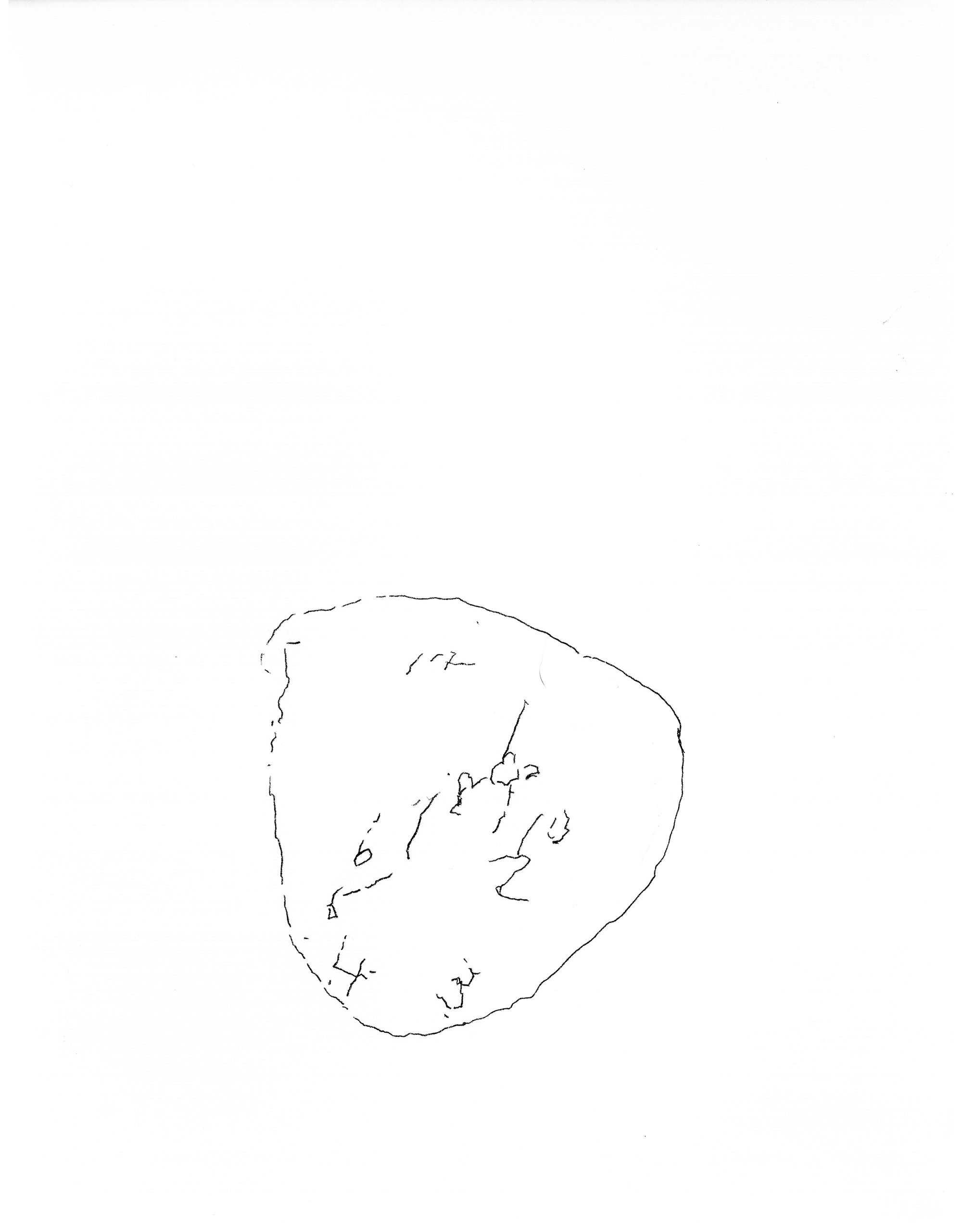
Cha’s formal language also extends beyond the moving image to include research-based materials such as interviews, texts, and drawings. However, these elements are not presented as supplementary documentation; rather, they function as integral components of the work’s structure. Her use of research operates less as a means of verification than as a method of assembling multiple voices and temporalities. This results in works that resemble constellations of fragments rather than unified wholes, where meaning is produced through the juxtaposition and layering of heterogeneous elements.
 
Through these formal strategies, Cha constructs a practice in which content is inseparable from its mode of presentation. The instability of image, the slippage of sound, and the performativity of gesture collectively articulate the conditions she seeks to address. Rather than representing reality directly, her works stage the processes through which reality is mediated, inviting the viewer to engage with the uncertainties and complexities embedded within contemporary modes of seeing and knowing.

Topography & Continuity

Jeamin Cha’s practice unfolds through a sustained set of concerns that are continually rearticulated across different forms and media. At its core lies an ongoing attempt to trace the structures of late capitalism at the level of everyday life, a pursuit that repeatedly manifests through themes such as labor, affect, perception, and technology. While these themes appear in varied configurations across individual works, they are not isolated from one another; rather, they form an expanding terrain of inquiry. Her practice thus operates not as a series of discrete projects, but as an accumulative process in which questions are continuously revisited and reformulated.
 
This continuity is most evident in her research-based methodology. For Cha, research does not remain confined to a preliminary stage of data collection or preparation, but functions as a central organizing principle throughout the work. Materials gathered through interviews, observations, testimonies, and textual investigations are reconfigured in each project, allowing earlier inquiries to transition into new contexts. In this process, certain figures, events, and concepts reappear in transformed ways, creating a loose but persistent network that connects individual works. What emerges is a practice in which each project extends and complicates the trajectories established by previous ones.
 
Her engagement with temporality further reinforces this sense of continuity. In contrast to the accelerated rhythms of contemporary life, Cha foregrounds durations marked by slowness, delay, and repetition. Invisible temporalities—such as rehearsal, training, and waiting—become central components of her works, offering an alternative rhythm to the time of productivity and efficiency. This temporal orientation is not merely a formal choice but reflects an ethical stance toward how one relates to others and to the world. It is a sensibility that persists across her practice, shaping both its structure and its mode of inquiry.
 
At the same time, Cha constructs a broader terrain of practice through the expansion across media. Alongside video works, she engages with drawings, texts, and publications, each functioning as both an independent outcome and a complementary element within a larger framework. For instance, the reciprocal relationship between interview-based publications and video works, or the way drawing series translate traces of research into visual form, demonstrates that her practice is not bound to a single medium. This movement across formats allows her concerns to be sustained and refracted through multiple layers, forming an extended field rather than a fixed body of work.
 
Ultimately, Cha’s practice continues through accumulation, variation, and reconfiguration. The terrain that emerges through this process operates as a space for thinking through the complexities of the contemporary condition. In this sense, her work moves beyond episodic critique, establishing itself as a long-term inquiry that remains open, evolving, and structurally interconnected.

Works of Art

Sensation and Perception Wavering within the Structure

Articles

Exhibitions

Activities