''O,'' ''X'' and ''us'' - K-ARTIST

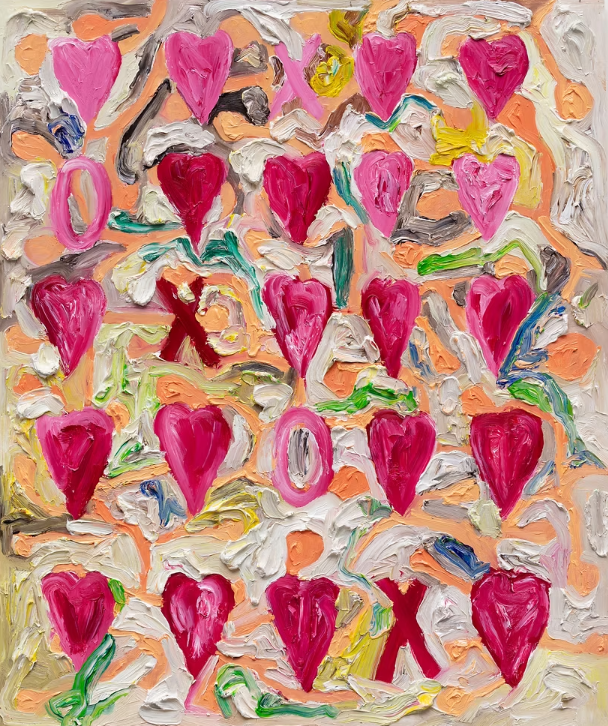
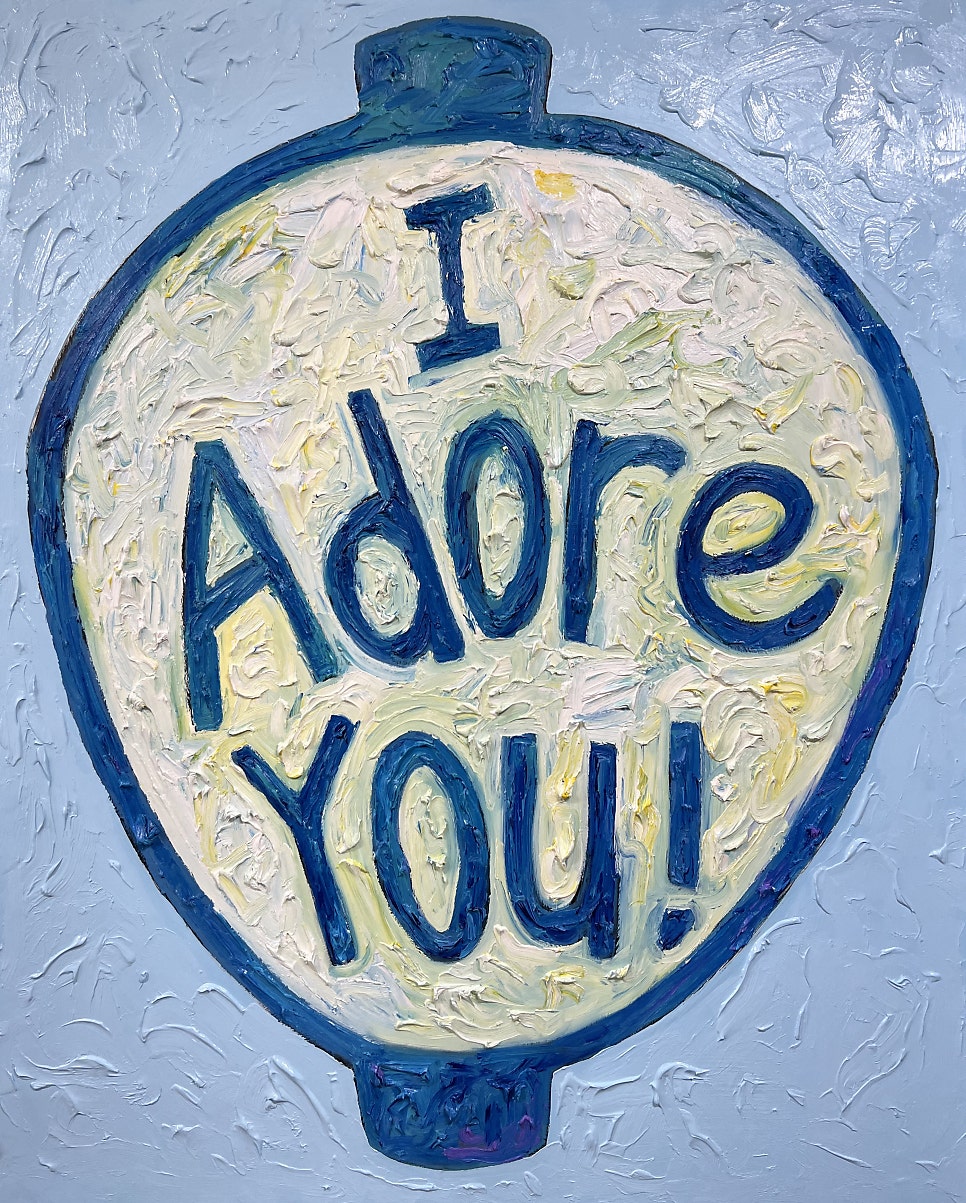
''O,'' ''X'' and ''us''

2024
Oil on canvas 
116 x 91 cm
About The Work

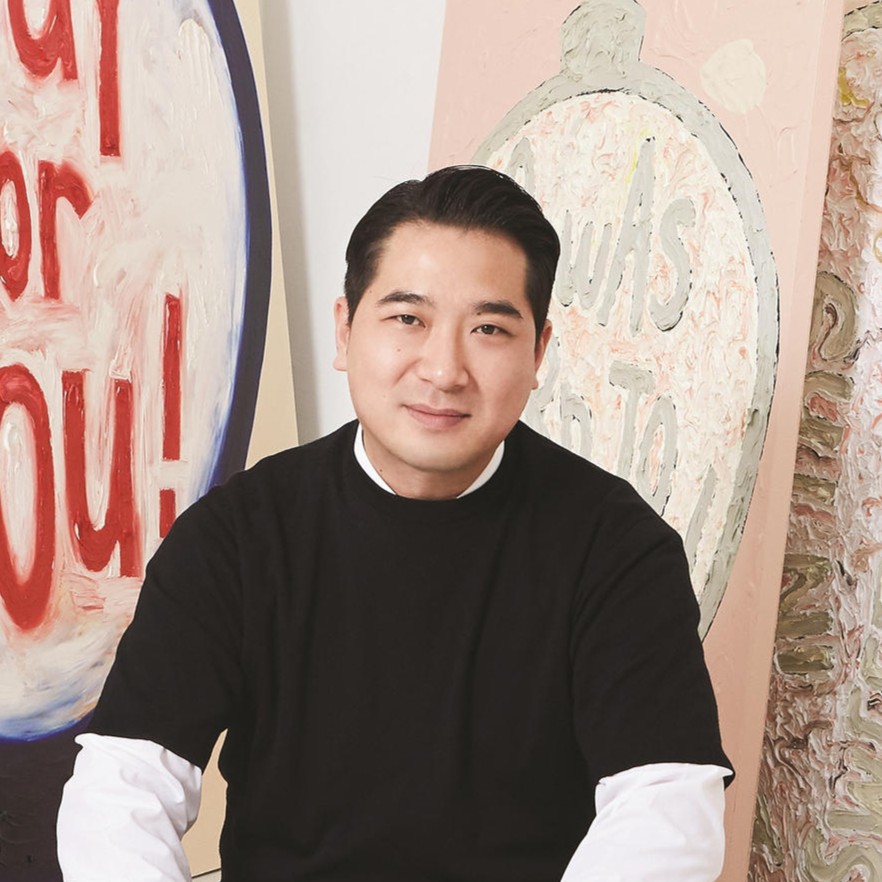
Junyoung Kang places “home” and “family” at the center of his practice, unfolding the textures of memories and emotions accumulated within them through formal approaches that include painting, ceramics, text, and installation. 

For the artist, home is not simply a place to stay, but an emotional structure where generations continue, relationships are formed, and love and responsibility, longing and loss accumulate together. The sense of movement he experienced while traveling between Korea and overseas in childhood, the memory of the house where three generations lived together, his grandmother’s jars, and the presence of his father, who was an architect, become important points of departure that repeatedly return in his work. 

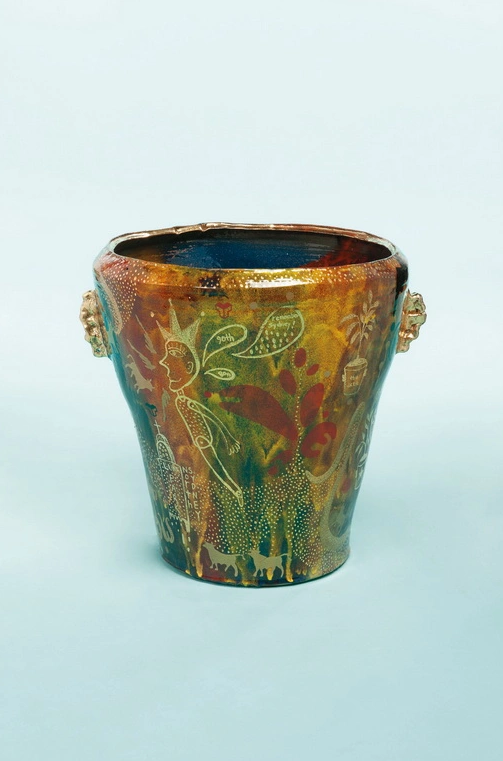
In Kang’s work, ceramics speak, painting accumulates emotion, and drawing becomes a tool of thought for understanding home and memory. In particular, the way he inserts direct sentences of love into his works makes them easy to read, while also connecting the auspicious imagery of traditional craft with today’s popular textual sensibility. 

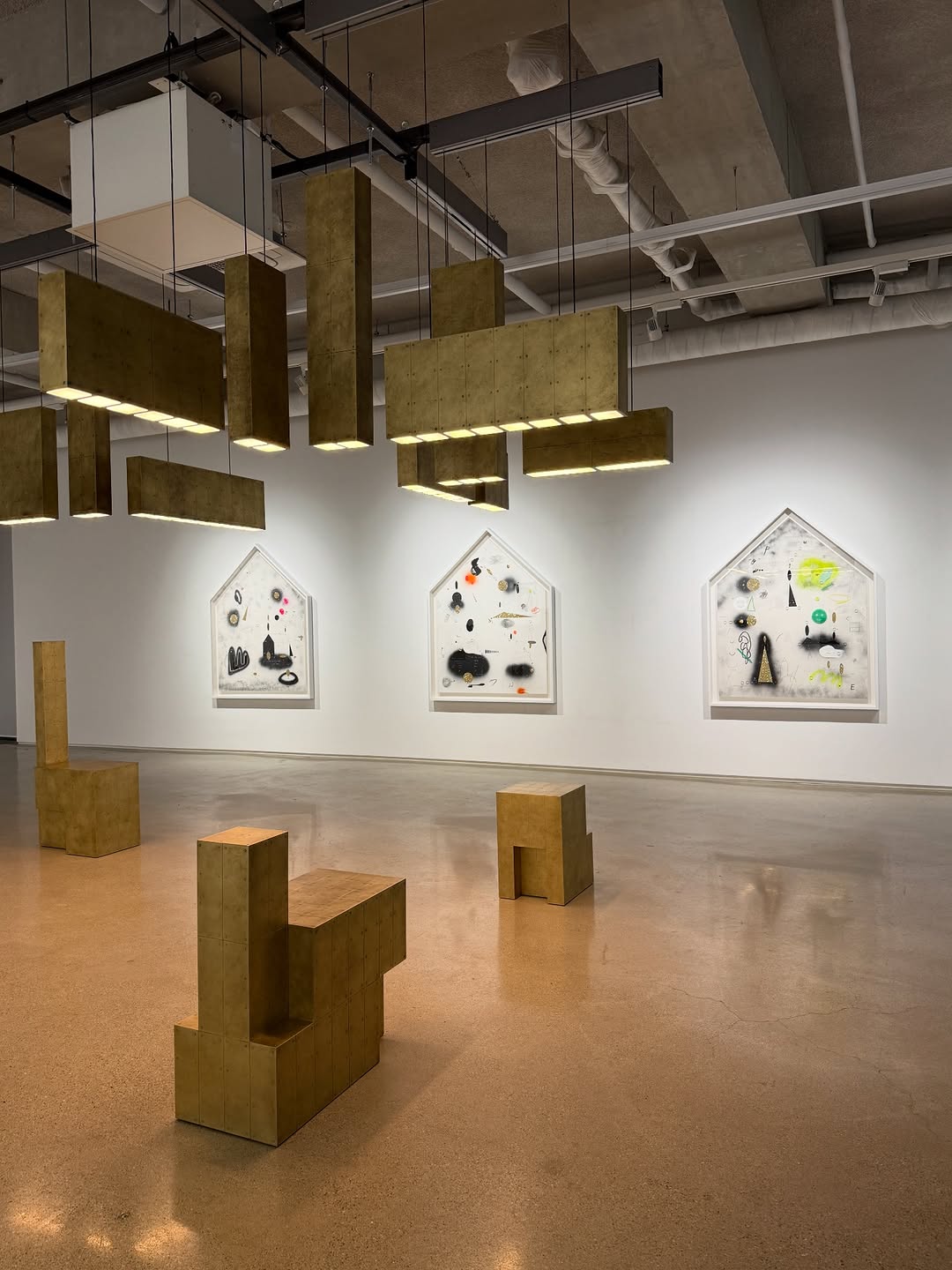
In recent works, his interest in family and home leads to questions of “process” and “construction.” He overlaps the act of building a house with the act of making an artwork, unfolding through drawing, painting, and installation the invisible effort and judgment accumulated before a form comes into being. 

In this way, Junyoung Kang’s work shows how traditional media can meet the emotions of today. His ceramics and paintings move between tradition and contemporaneity, East and West, craft and painting, while ultimately converging on the question of what humans value and what they desire.

Solo Exhibitions (Brief)

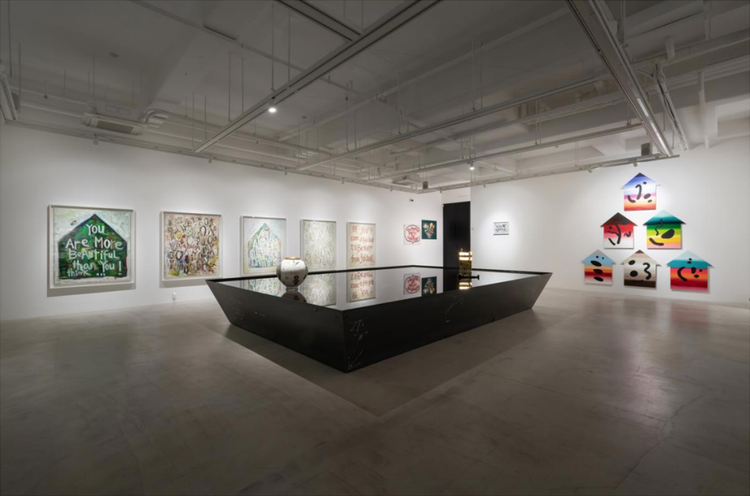
Kang has held solo exhibitions including 《Let’s meet again when it snows》(Hakgojae Art center, Seoul, 2024), 《Process of Processing》(Solgeo Art museum, Gyeongju, 2024), 《“O” & “X” and us》(2GIL29 GALLERY, Seoul, 2022), 《Fluidity and Thing》(Atelier Aki, Seoul, 2021), 《…to listen》(Button Gallery, Seoul, 2014), 《Story 哥 Second Rhapsody [Remixed pot!]》(Tong-in Gallery, Seoul, 2009), 《Story 哥》(Ssamji Gallery, Seoul, 2024).

Group Exhibitions (Brief)

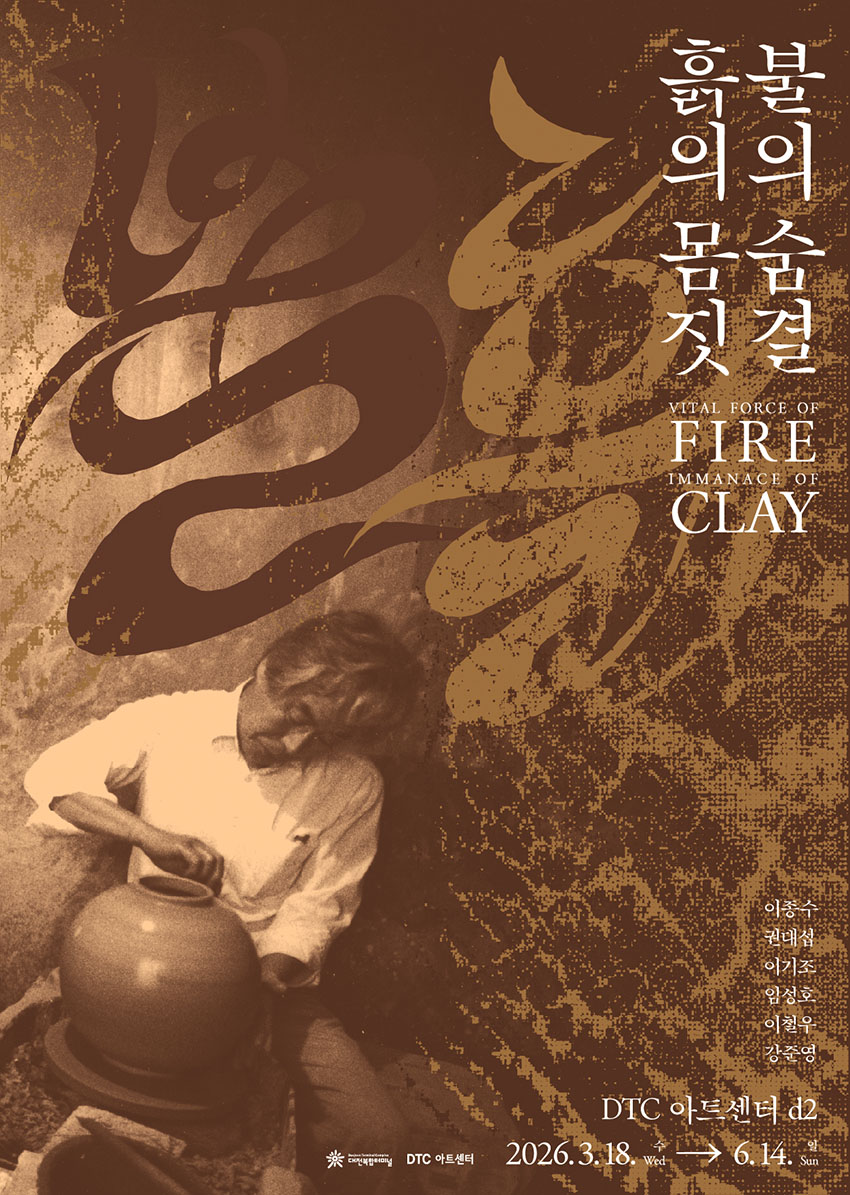
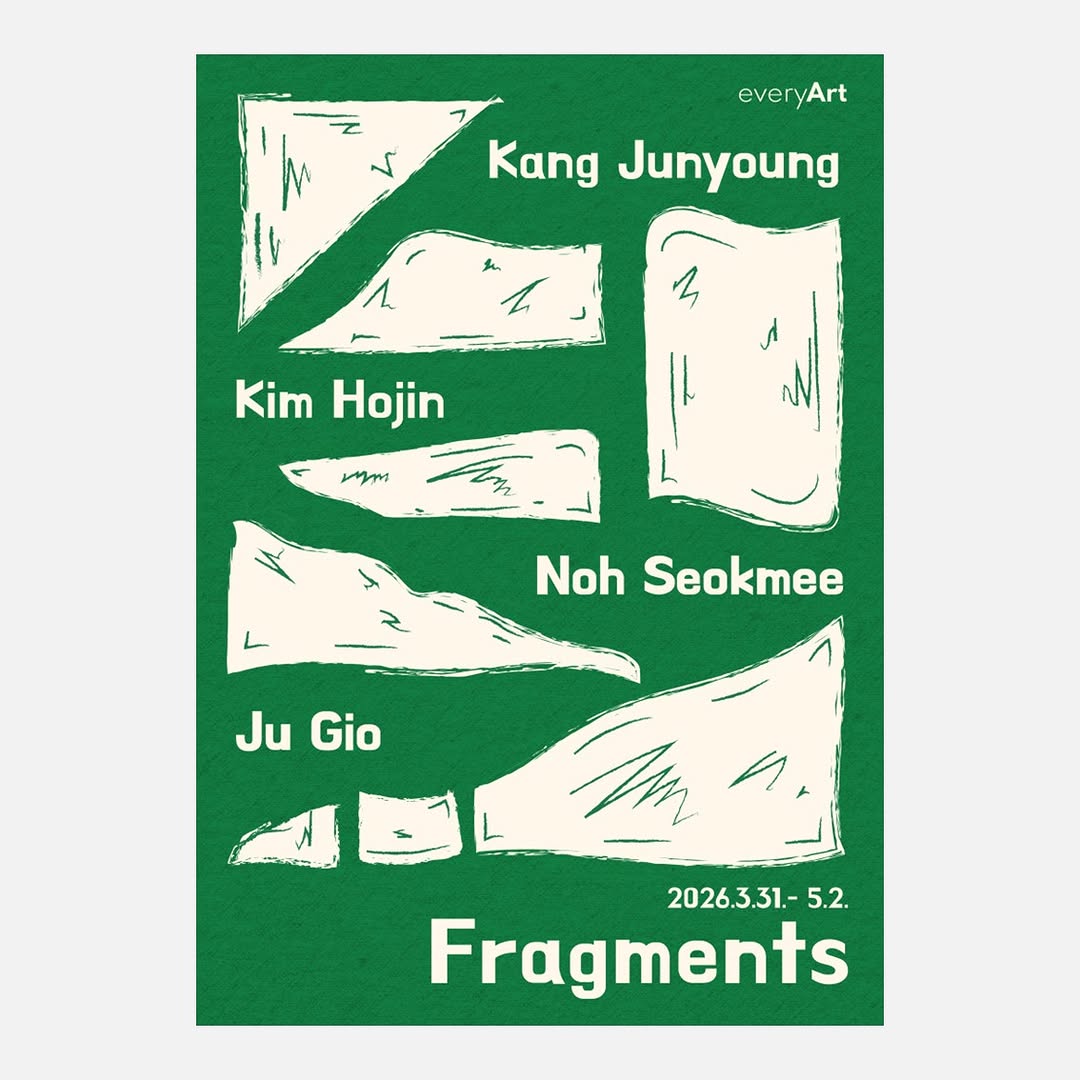
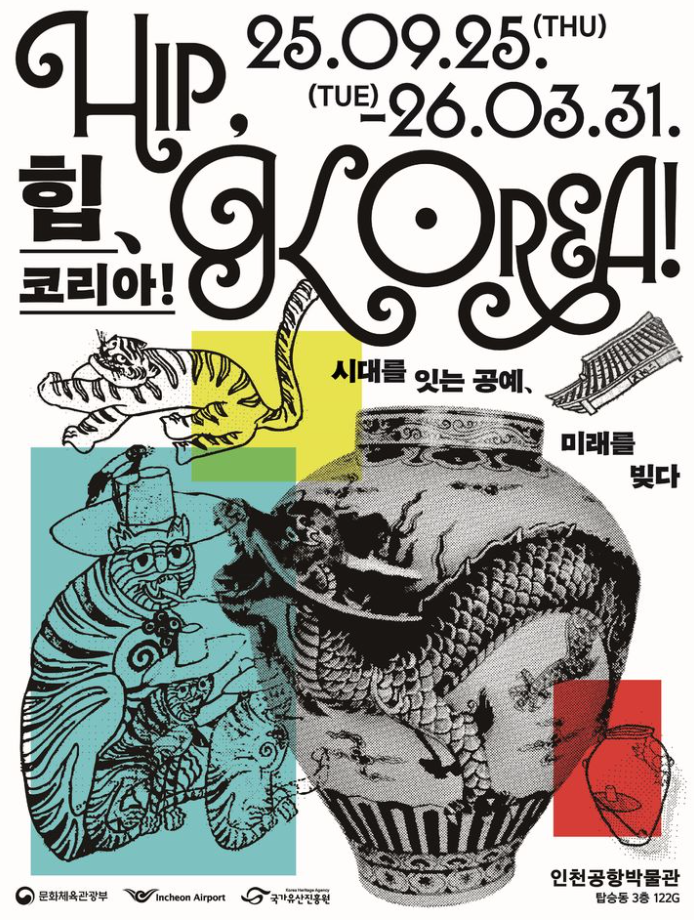
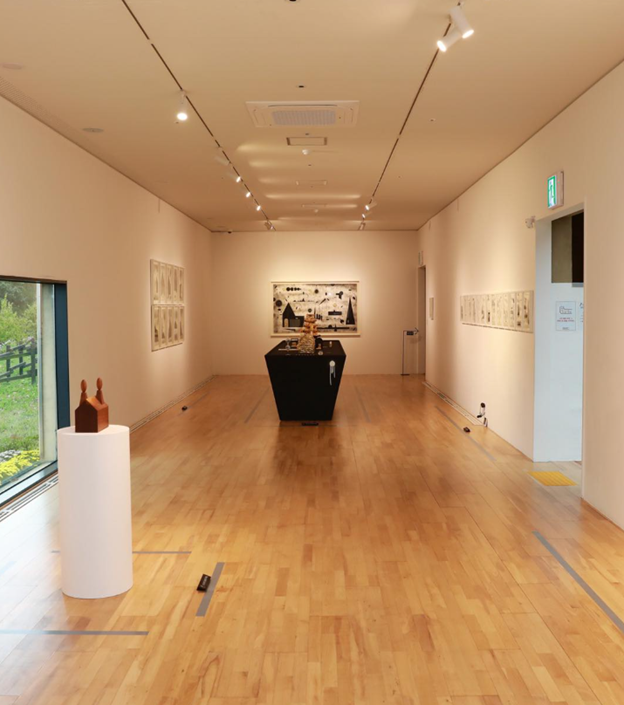
Kang’s works have also been featured in numerous group exhibitions such as the 《Building + Dwelling》(Gallery Dooin, Seoul, 2026), 《Fragments》(Every Art, Seoul, 2026), 《Vital Force of Fire_Immanace of Clay》(DTC Art Center, Daejeon, 2026), 《HIP, KOREA!》(Incheon International Airport Museum, Incheon, 2025),  《Kairos Time》(Art Space Hohwa, Seoul, 2022), 《Snapping a chalk line》(2gil29 Gallery, Seoul, 2022), 《Acknowledging the Differences》(National Museum of Ravenna, Italy, 2018), 《START》(Saatchi Gallery, London, 2015), and the 《Stress Fighter》(Art Space Pool, Seoul, 2007).

Awards (Selected)

Kang has received Grand Prize at the 2006 Gyeonggi International Ceramic Biennale.

Residencies (Selected)

Junyoung Kang has been selected as an artist-in-residence for the Solomon Artist Residency Program(Seoul, Korea, 2011) and Art Center of LiYin in Beijing, Heiqiao(Beijing, China, 2012).

Collections (Selected)

Kang’s works are in collections including the National Assembly of Korea and the Han Hyang Lim Museum of Contemporary Ceramic Art.

Works of Art

Ceramics as a Medium Where Past and Present Emotions Meet

Originality & Identity

Junyoung Kang’s work centers on “home” and “family,” giving sculptural form to the layers of memory and emotion accumulated within them. For the artist, home is not simply a place to stay, but an emotional structure where generations continue, relationships are formed, and love and responsibility, longing and loss accumulate together. The sense of movement he experienced while traveling between Korea and overseas in childhood, the memory of the house where three generations lived together, his grandmother’s jars, and the presence of his father, who was an architect, become important points of departure that repeatedly return in his work. This background continues in recent solo exhibitions such as 《The Language of Home(Fluidity and Things)》(Atelier Aki, Seoul, 2021), 《“O” & “X” and Us》(2GIL29 GALLERY, Seoul, 2022), 《Process of Processing》(Solgeo Art Museum, Gyeongju, 2024), and 《Let’s Meet Again When It Snows》(Hakgojae Art Center, Seoul, 2024), expanding home into a site of personal memory and a symbolic space for thinking about family and society.
 
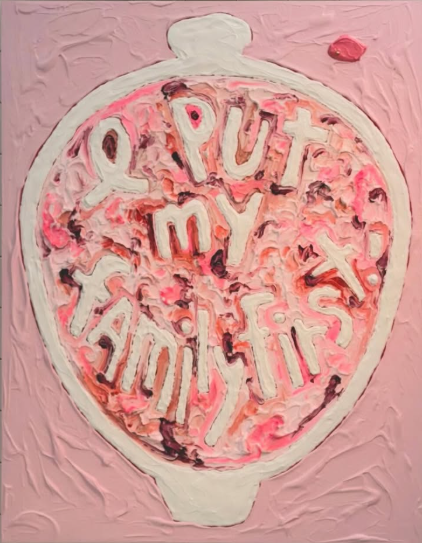
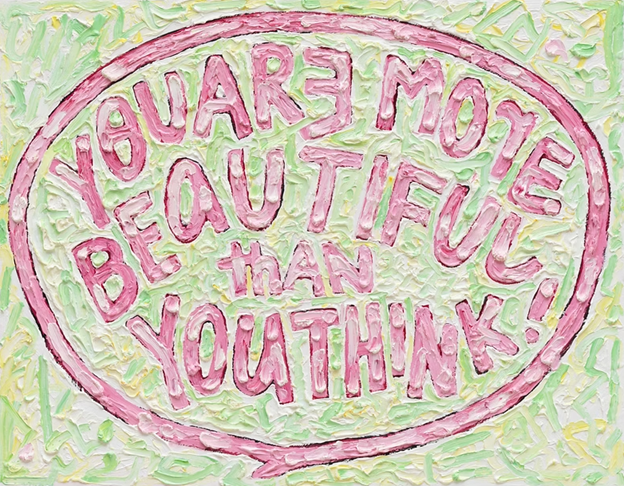
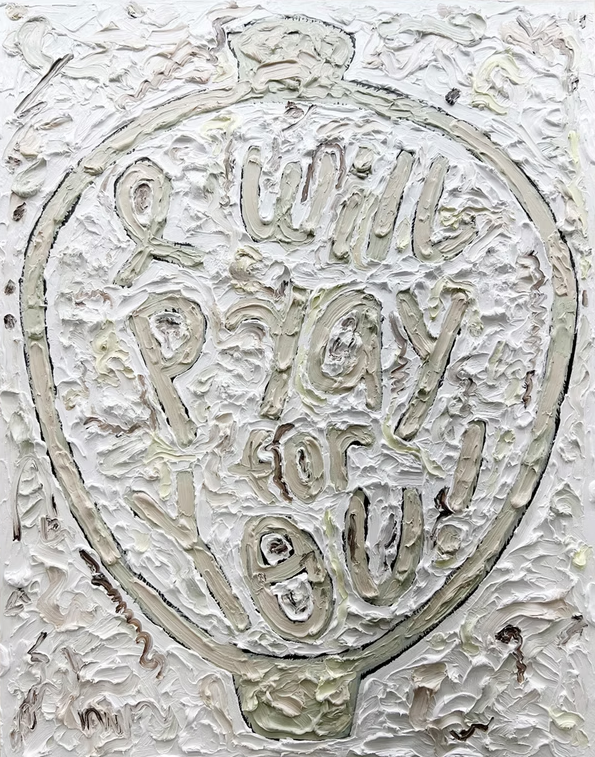
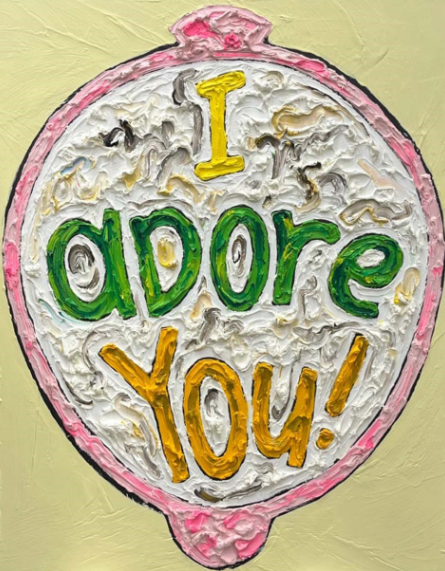
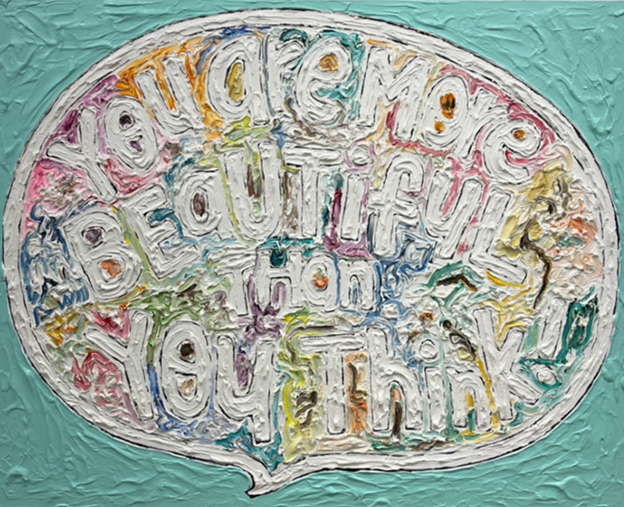
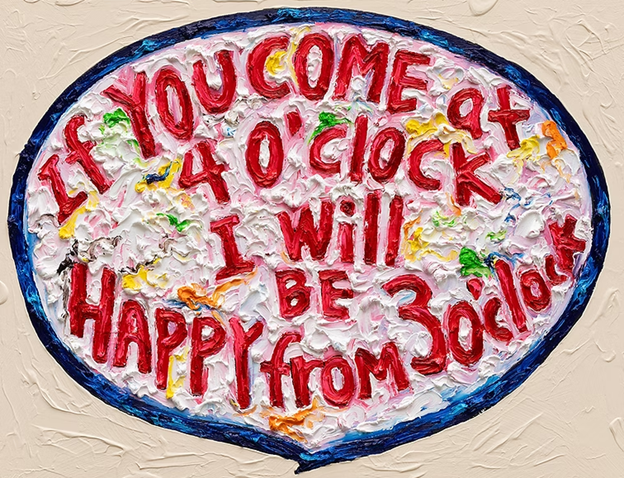
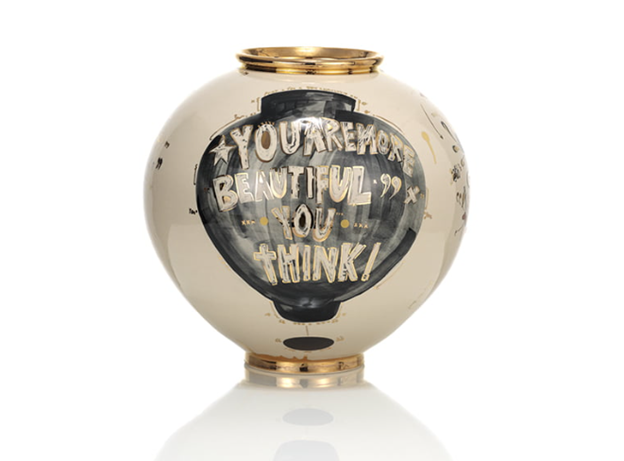
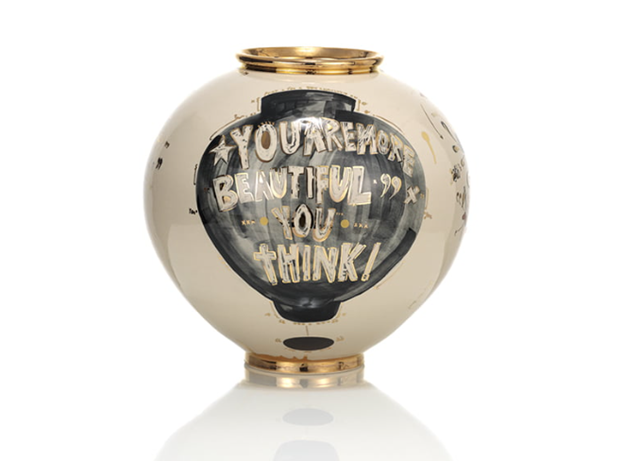
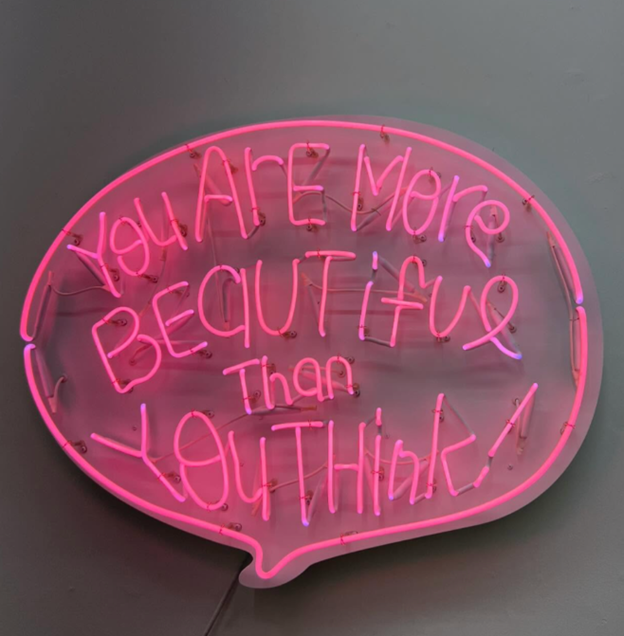
From early on, Kang has dealt with love and memory through direct language and images. Phrases such as “I love you,” “Pray for you,” “You are more beautiful than you think,” and “I put my family first” are not simply words in his work, but function as forms of wish and prayer that seek to hold onto and restore relationships. These phrases are placed on speech bubbles, jars, the outlines of houses, and ceramic surfaces, visually conveying emotions related to family and love. If people in the past wished for wealth, fertility, harmony, and success through the symbolic meanings of ceramics, folk paintings, peonies, grapes, fish, and bird patterns, Kang prays for the well-being of family, love, and the positivity of life through today’s letters, colors, and graphic signs.
 
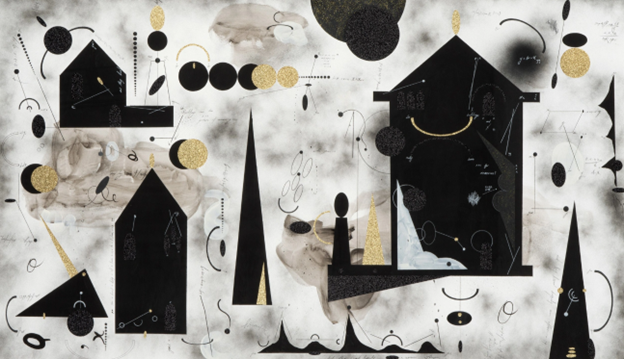
In his work, “home” acquires increasingly complex meanings over time. In 《The Language of Home(Fluidity and Things)》, home is presented both as architecture and as a language through which emotion and memory operate. Home does not only signify comfort and stability for the family. Within it coexist different emotions such as expectation and disappointment, affection and conflict, protection and burden. The drawing series ‘Do Buildings Really Have Memories?’(2019) borrows the form of architectural drawings to ask whether contemporary buildings and spaces can truly contain the memories and emotions of a family. Here, drawing is not a preliminary sketch for making a form, but a method of thinking that explores how emotions are structured.
 
In recent works, his interest in family and home leads to questions of “process” and “construction.” In 《Process of Processing》, the artist focuses not on the completed result, but on the time, failure, repetition, and reflection required to arrive at that result. He overlaps the act of building a house with the act of making an artwork, unfolding through drawing, painting, and installation the invisible effort and judgment accumulated before a form comes into being. In the recent solo exhibition 《Building + Dwelling》(Gallery Dooin, Seoul, 2026), he also shows the process through which form is created through organic flows and traces of relationships. In this way, Kang’s work begins from warm messages about family, but has gradually expanded toward the space where those messages reside, the structure that forms that space, and the time through which that structure is generated.

Style & Contents

Junyoung Kang takes ceramics as his foundation, but his work does not remain within the conventional category of ceramic art. He combines painting, drawing, video, installation, objects, and graphic text, moving fluidly across the boundaries between media. Having studied ceramics and glass at Hongik University, he works from an understanding of clay, glaze, and the firing process, but he does not treat ceramics merely as functional vessels or decorative objects. Ceramic surfaces become screens on which images and sentences are placed, while thick paint on canvas becomes a material built up as if shaping clay. In this way, ceramics and painting, craft and street culture, traditional forms and contemporary visual language overlap in his work.
 
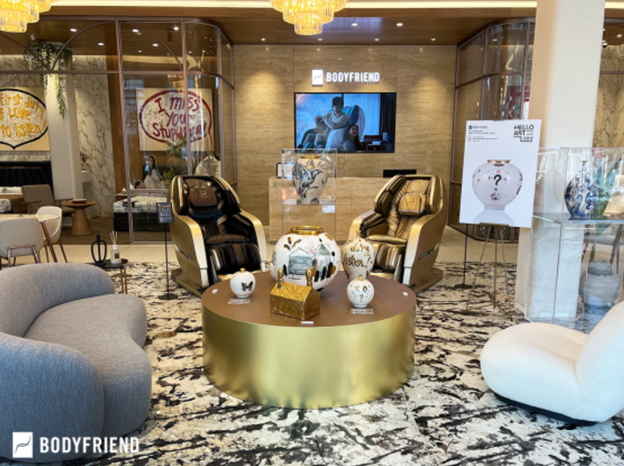
Ceramic painting is one of the clearest axes of Kang’s sculptural language. On Korean ceramic forms such as white porcelain, jars, and moon jars, he combines gold painting, graffiti-like lines, speech bubbles, decorative images, and text. In works such as You are more beautiful than you think!(2019) and I put my family first!, moon jar series(2025), the sentences are not supplementary explanations of the work, but transform the ceramic object itself into something that speaks emotion. As the stable forms of traditional ceramics are placed together with spontaneous and free lines and direct sentences of love, his ceramics become a medium where objects of the past meet emotions of the present.
 
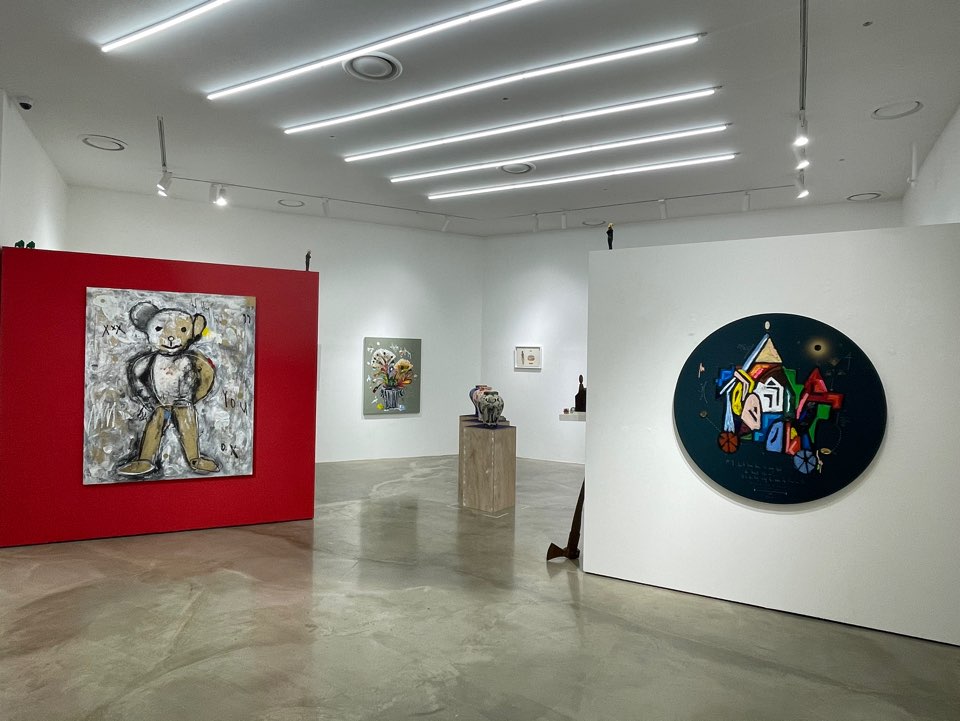
In his paintings and drawings, the movement of the artist’s hand and material texture stand out. In the solo exhibition 《“O” & “X” and Us》, thickly built brushstrokes and intense colors show the density of memories and emotions layered within the family. In contrast, in 《Process of Processing》, black and white, pencil, paper, points, lines, planes, and geometric structures become central, and the artist’s language shifts into a more restrained mode. Drawings that reference architectural plans, sections, and elevations lead viewers to see home not as a single form, but as the result of structure and relationships. Our Various Drawing Methods for Building a House(2019) is a work that clearly shows this concern, overlapping the process of building a house with the process of designing emotions.
 
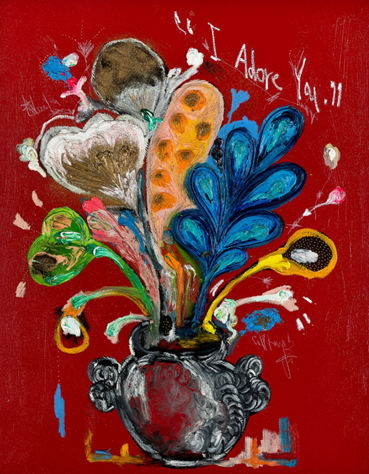
Works dealing with flowers reveal Kang’s lyrical and sensorial side. For the artist, flowers initially served as images of loss, recalling family members and loved ones who had passed away, but gradually transformed into symbols of comfort and recovery. He observes and draws actual flowers at flower markets, then reconfigures them in the studio through memory and imagination. For this reason, his flowers are closer to imagined flowers that capture the movement of emotion as it bursts and spreads like fireworks, rather than flowers as still life. Screens built up with thick paint as if shaping ceramics, vivid colors, and sentences of love placed between them allow emotions of familial love, longing, and affirmation toward life to operate together within a single picture.

Topography & Continuity

Junyoung Kang’s work shows how traditional media can meet the emotions of today. He combines graffiti, text, pop-inflected color, and the sensibility of street culture with the old medium of ceramics, but the result does not remain a simple formal mixture. At the center of his work are always universal emotions such as family, home, love, and prayer. Therefore, his ceramics and paintings move between tradition and contemporaneity, East and West, craft and painting, while ultimately converging on the question of what humans value and what they desire.
 
Kang began by combining sentences and images on ceramic surfaces, and has gradually moved toward exploring the structure of home and family, and further, the process through which form itself is created. 《The Language of Home(Fluidity and Things)》 was a turning point that read home as a language of emotion, while 《“O” & “X” and Us》 showed love and conflict within the family, as well as generational relationships, through painterly matière and ceramic works. 《Process of Processing》 transferred these emotional questions into drawing and architectural thought, revealing an attitude that focuses on process rather than result. Later, in 《Let’s Meet Again When It Snows》, home, family, drawing, and painting are connected again, and the artist’s main concerns are organized within a broader form.
 
In Kang’s work, ceramics speak, painting accumulates emotion, and drawing becomes a tool of thought for understanding home and memory. In particular, the way he inserts direct sentences of love into his works makes them easy to read, while also connecting the auspicious imagery of traditional craft with today’s popular textual sensibility. At this point, Kang’s work is familiar but not light, decorative but not merely decorative.
 
Junyoung Kang received the Grand Prize at the 2006 Gyeonggi International Ceramic Biennale, and has participated in various exhibitions in Korea and abroad, including in Korea as well as the UK, Singapore, Italy, and Beijing. Solomon Artist Residency currently his works are in collections including the National Assembly of Korea, Korea Racing Authority, and the Han Hyang Lim Museum of Contemporary Ceramic Art. These achievements show that his work, beginning from the foundation of Korean ceramics, continues to expand into a contemporary sculptural language encompassing painting, text, and the sensibility of popular culture.

Works of Art

Ceramics as a Medium Where Past and Present Emotions Meet

Exhibitions