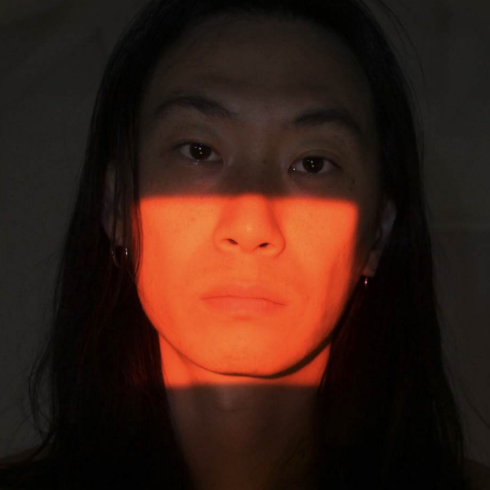
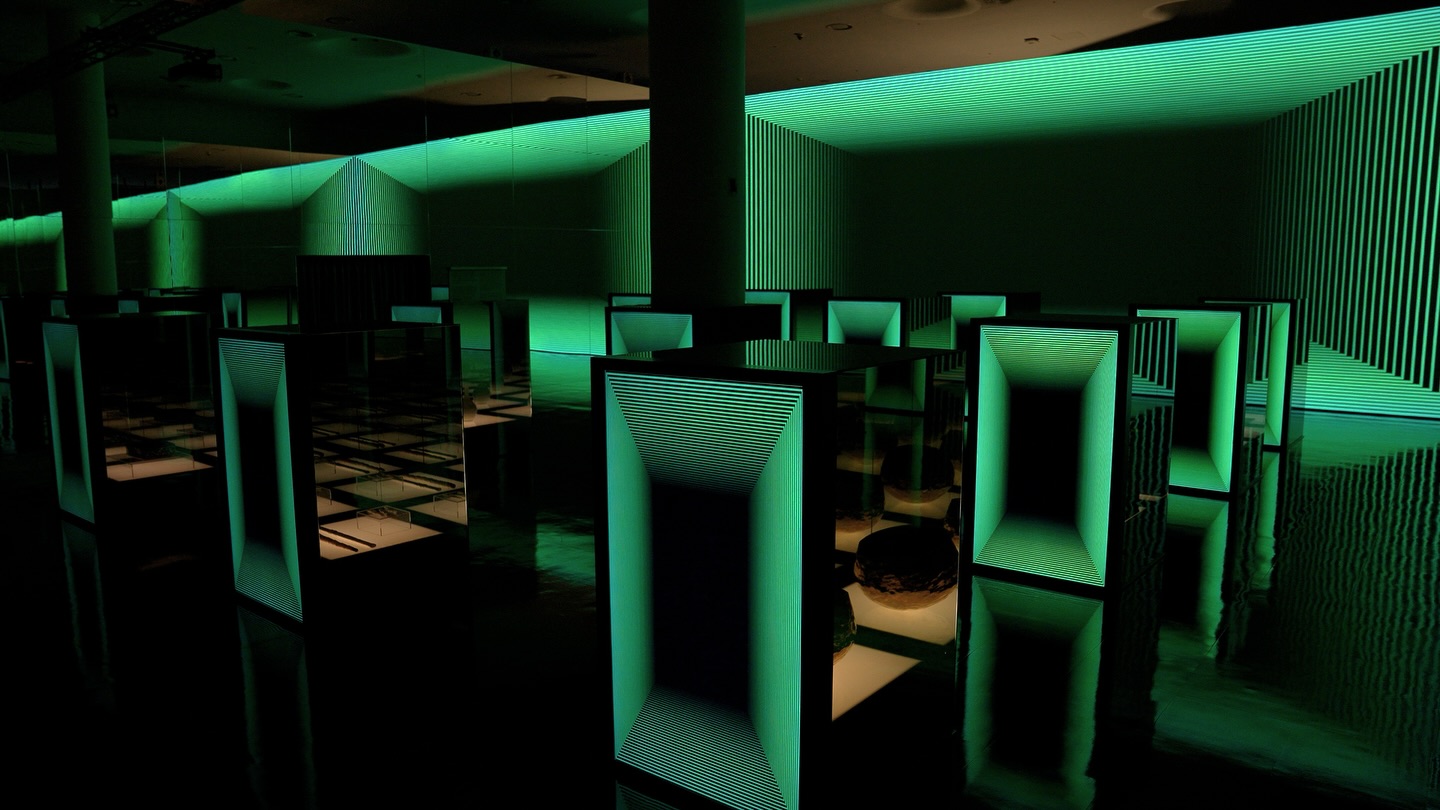
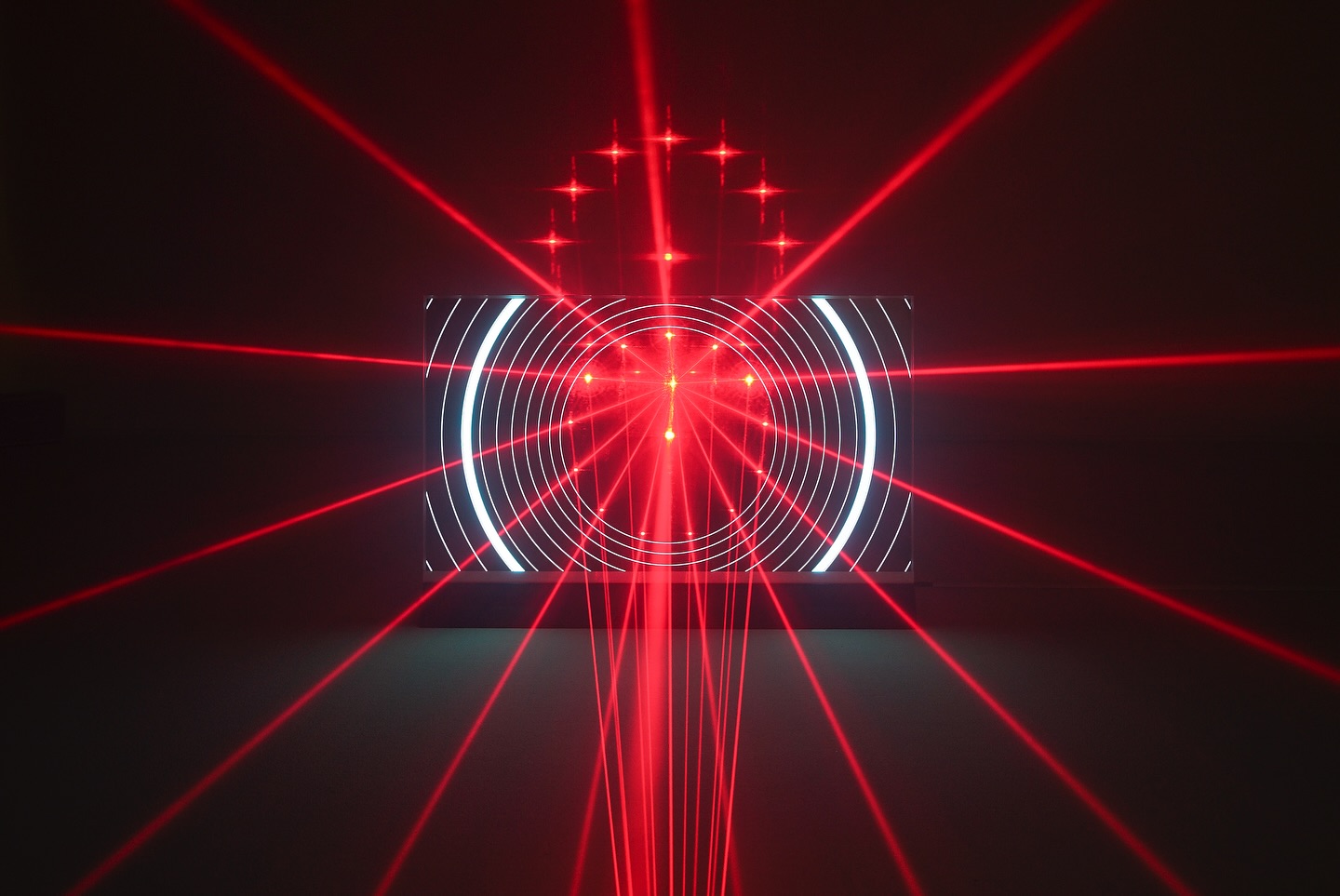
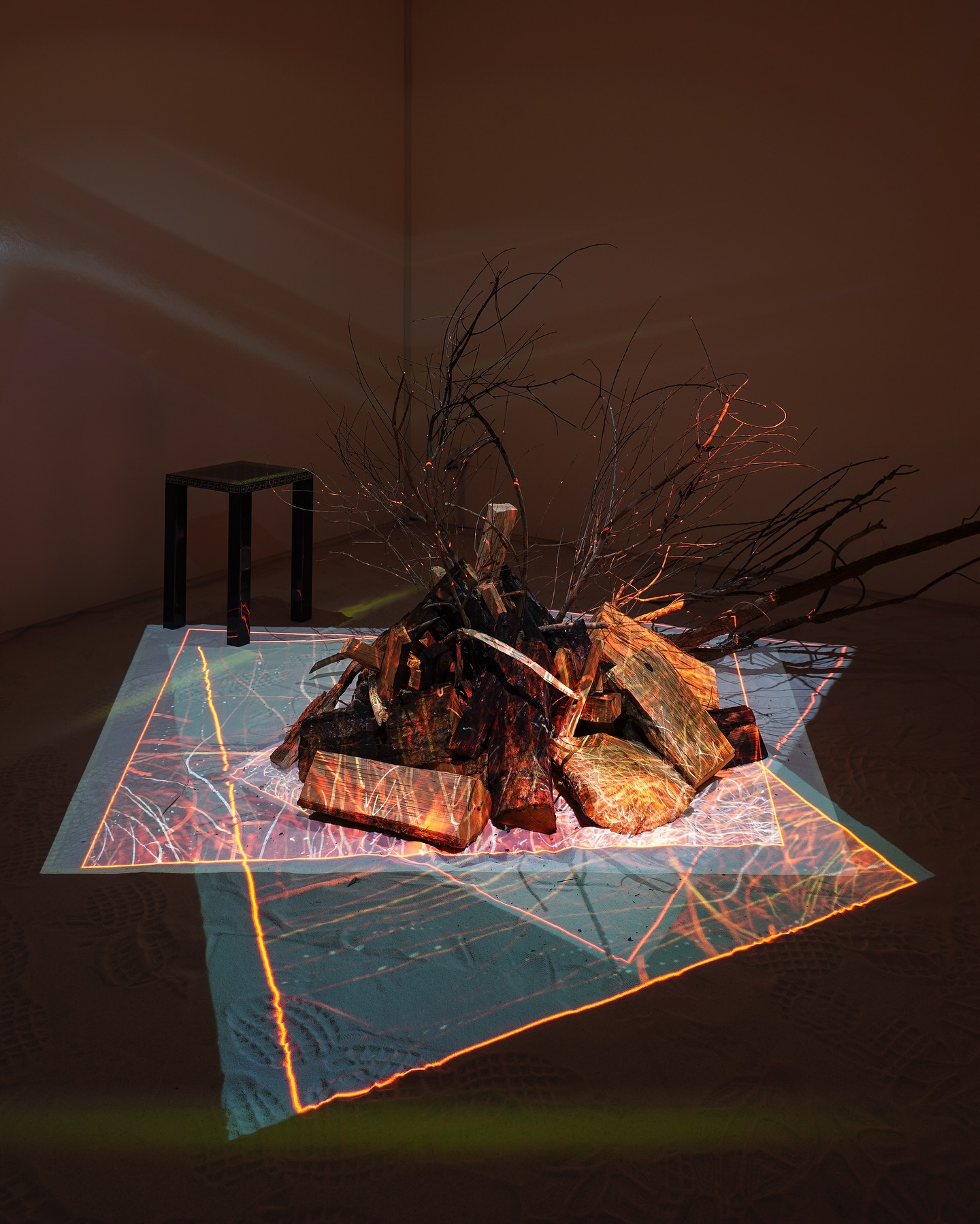
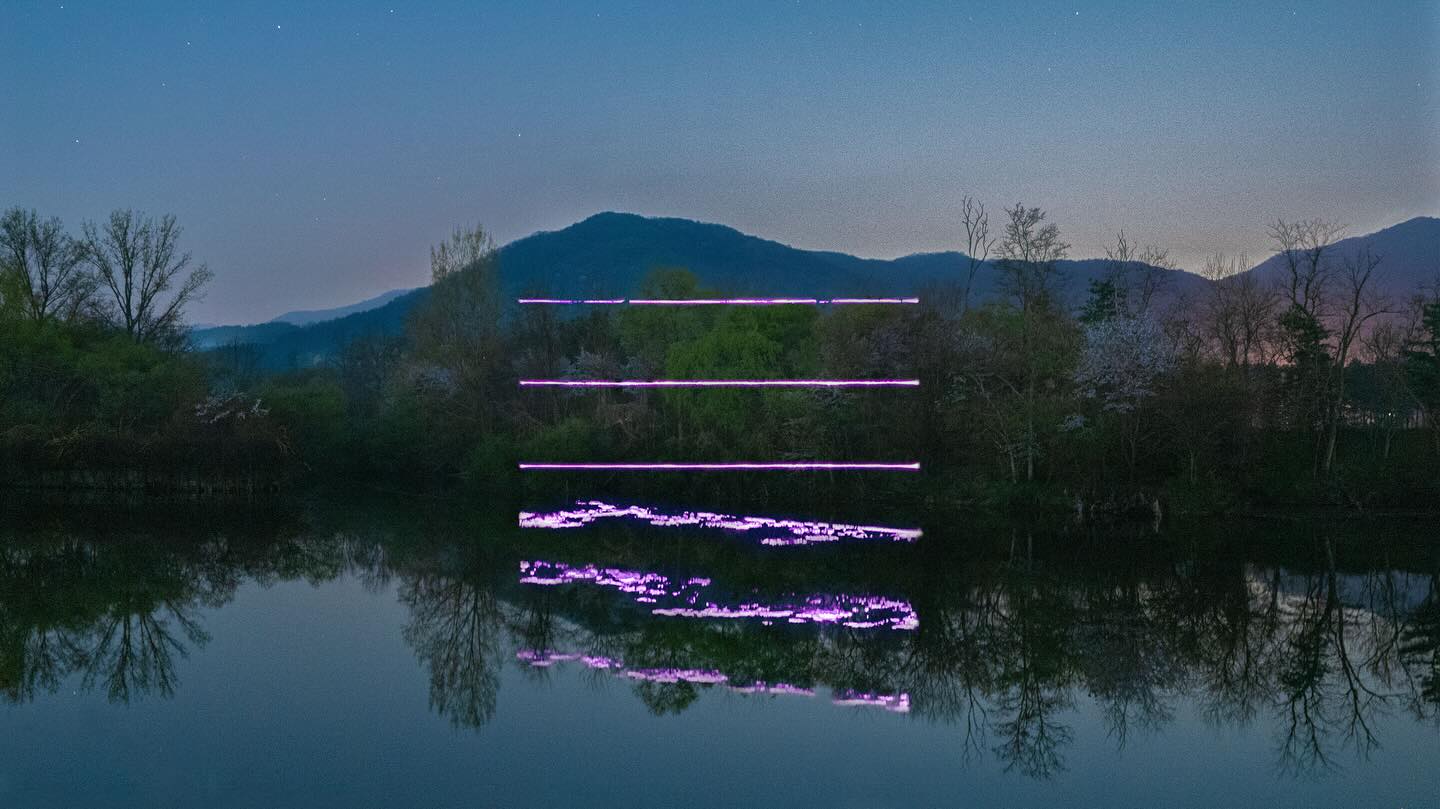
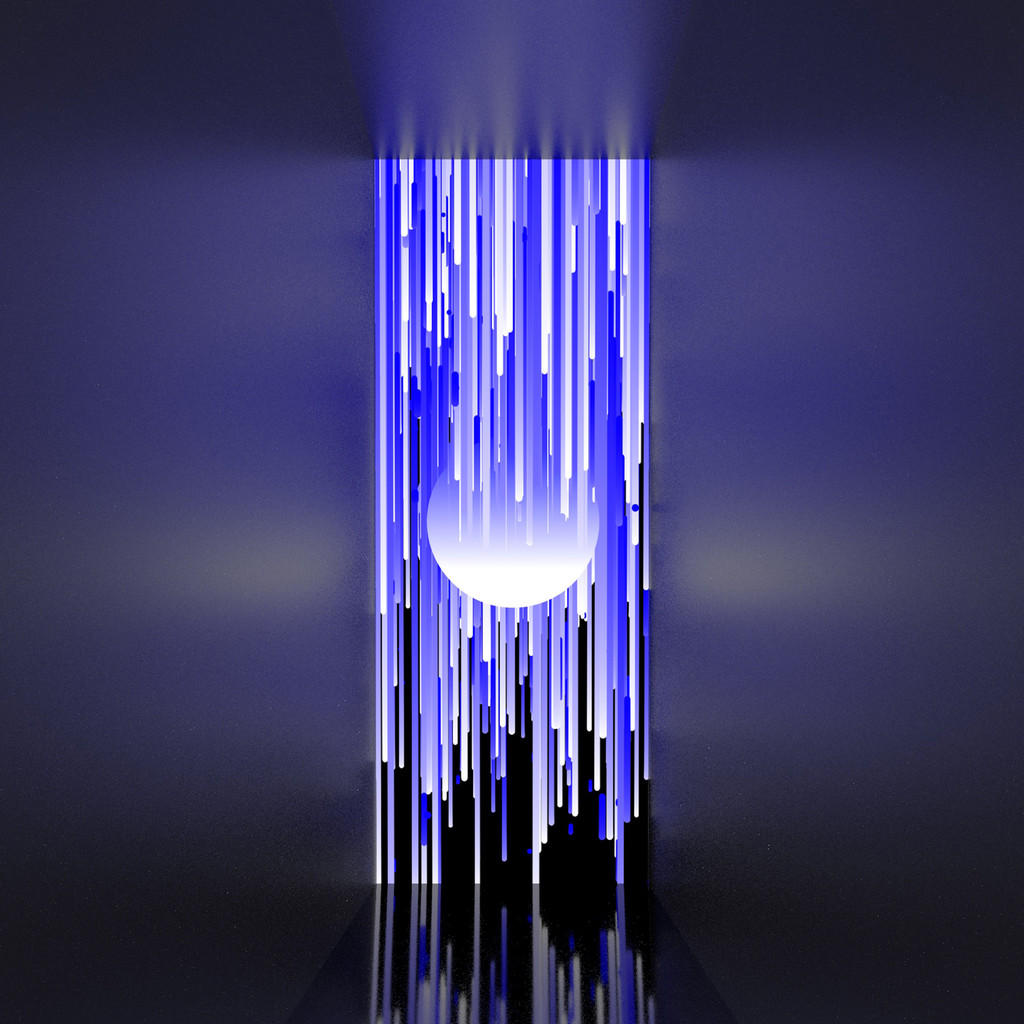
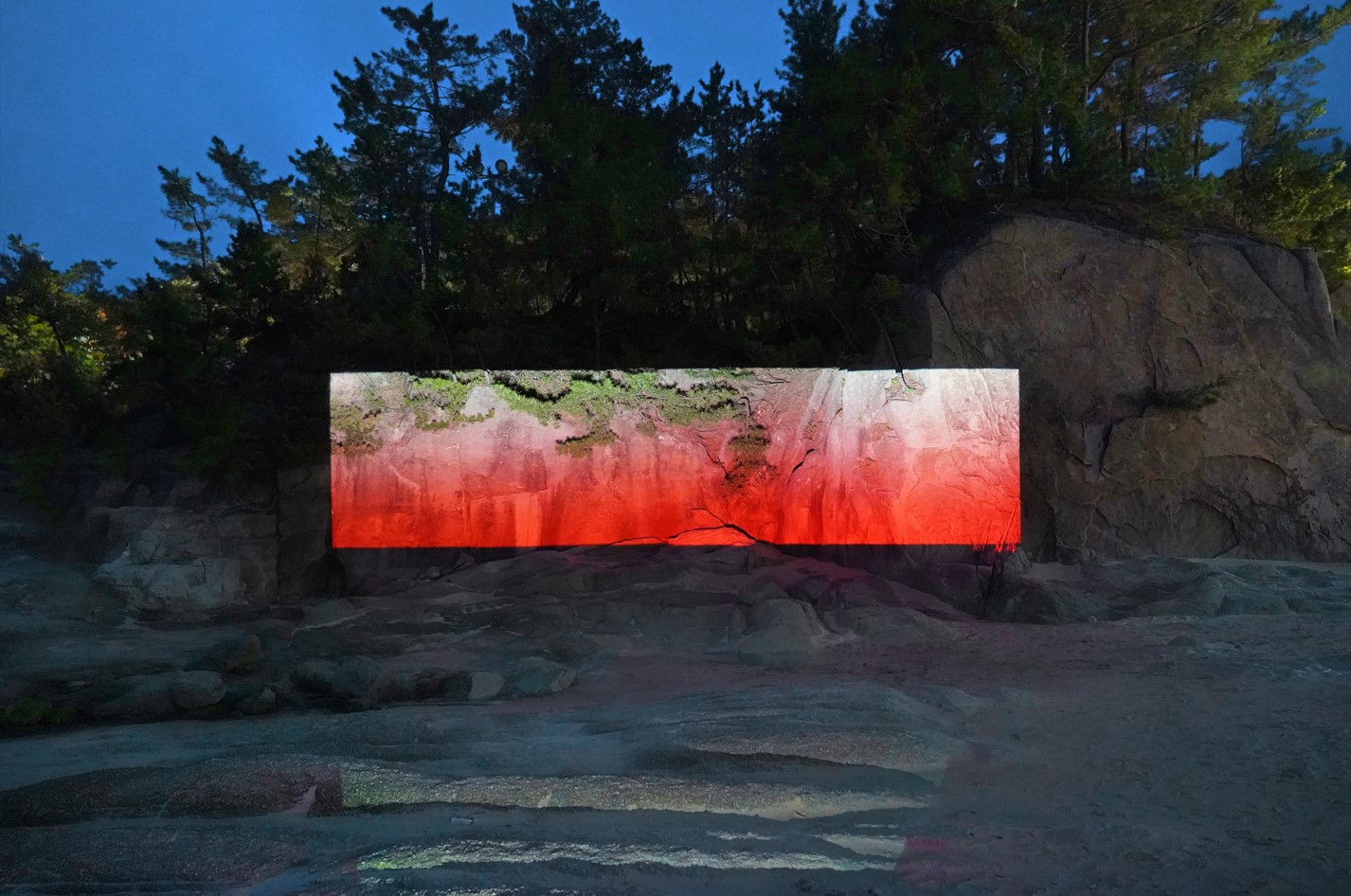
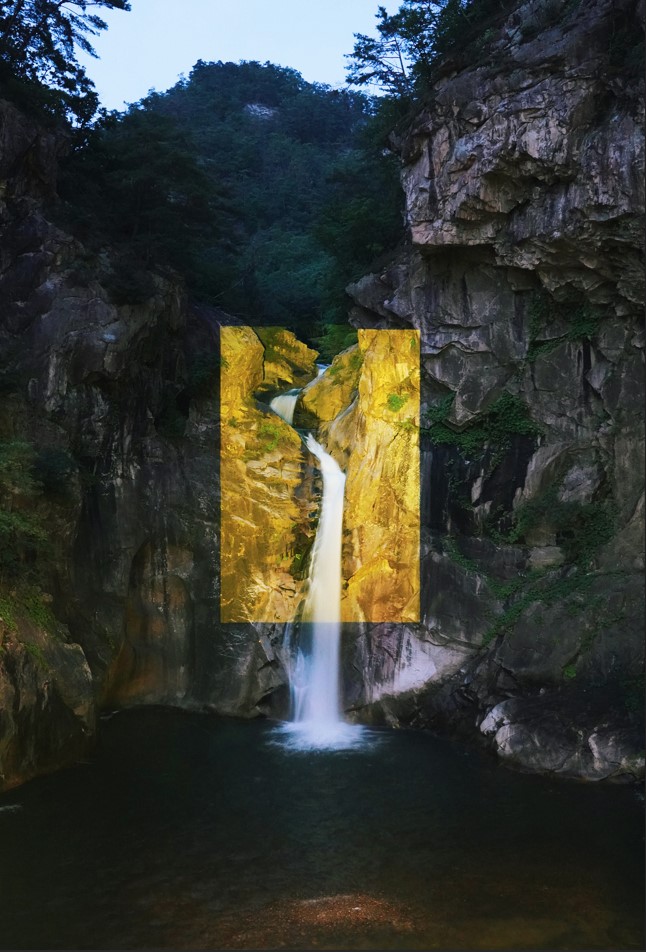
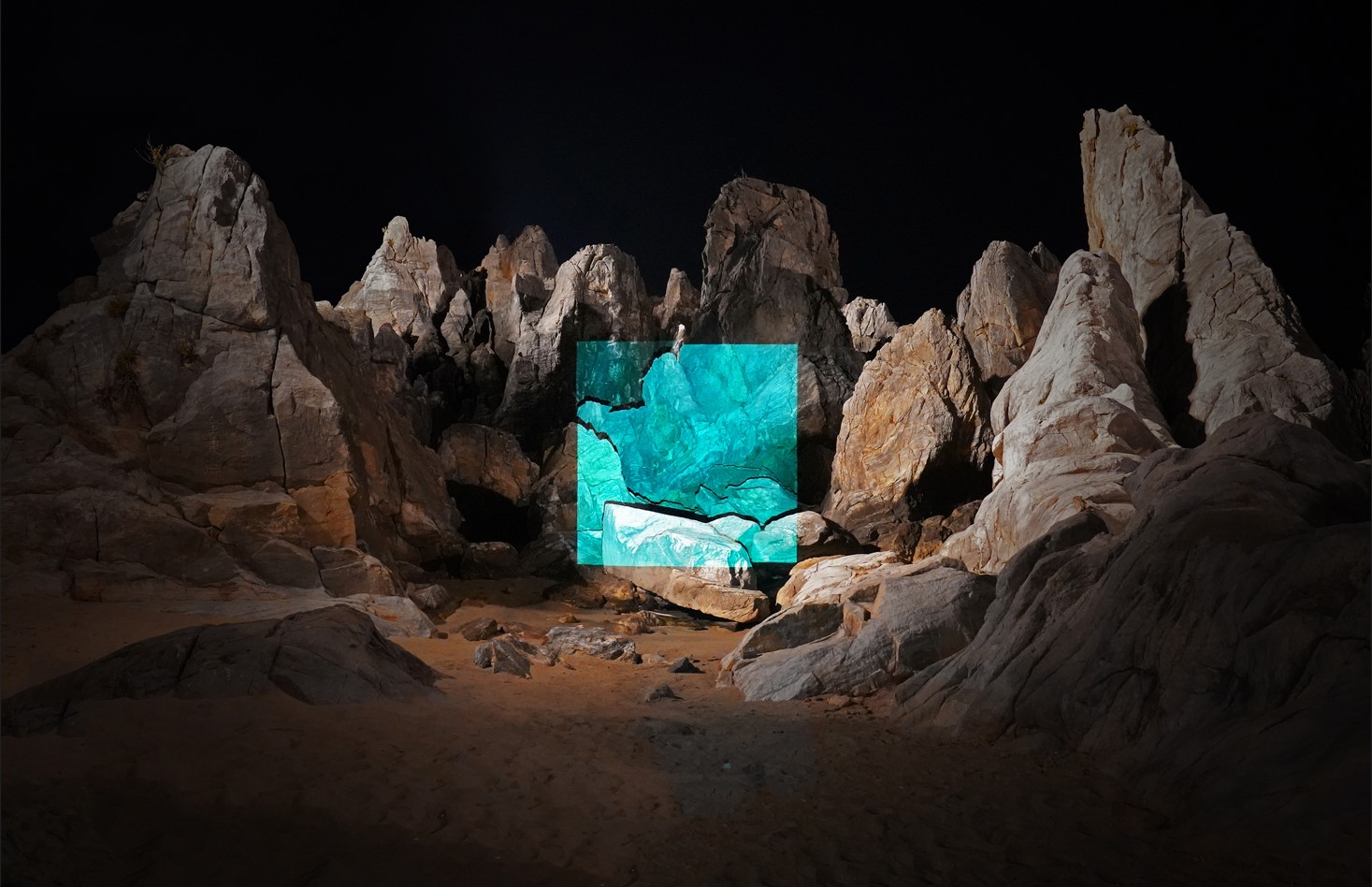
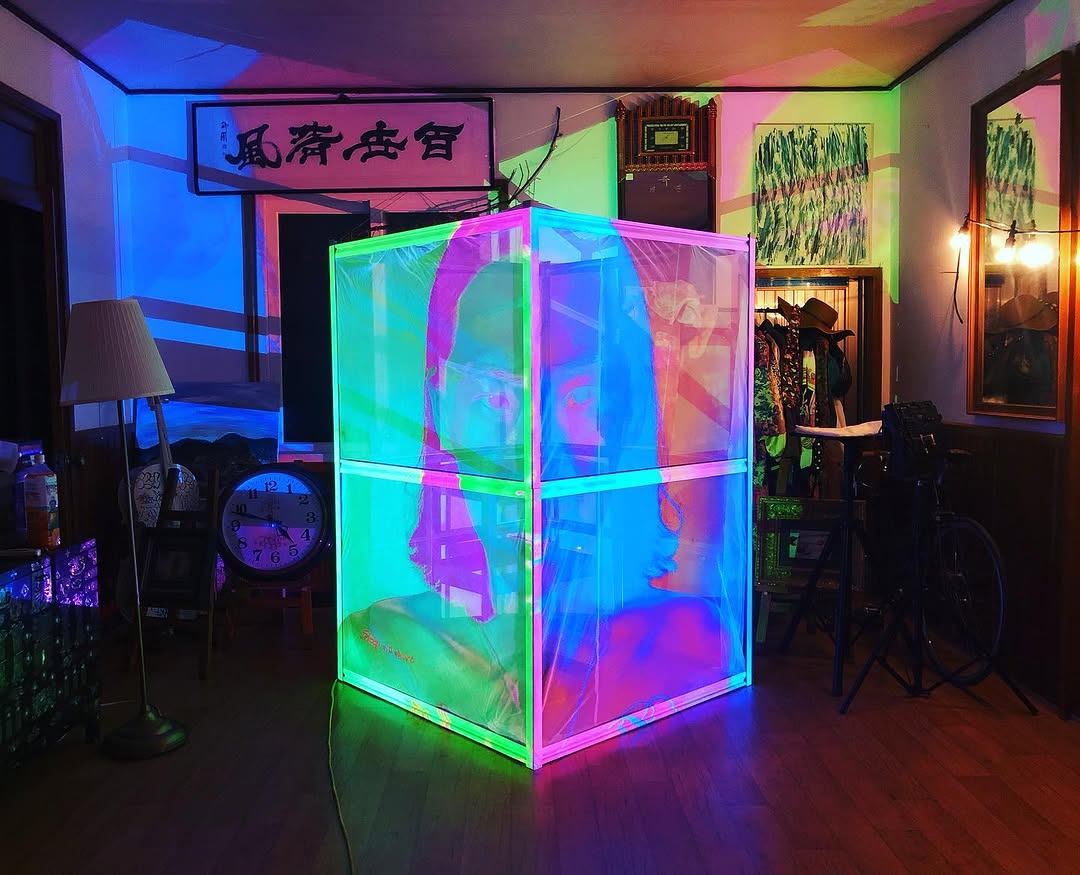
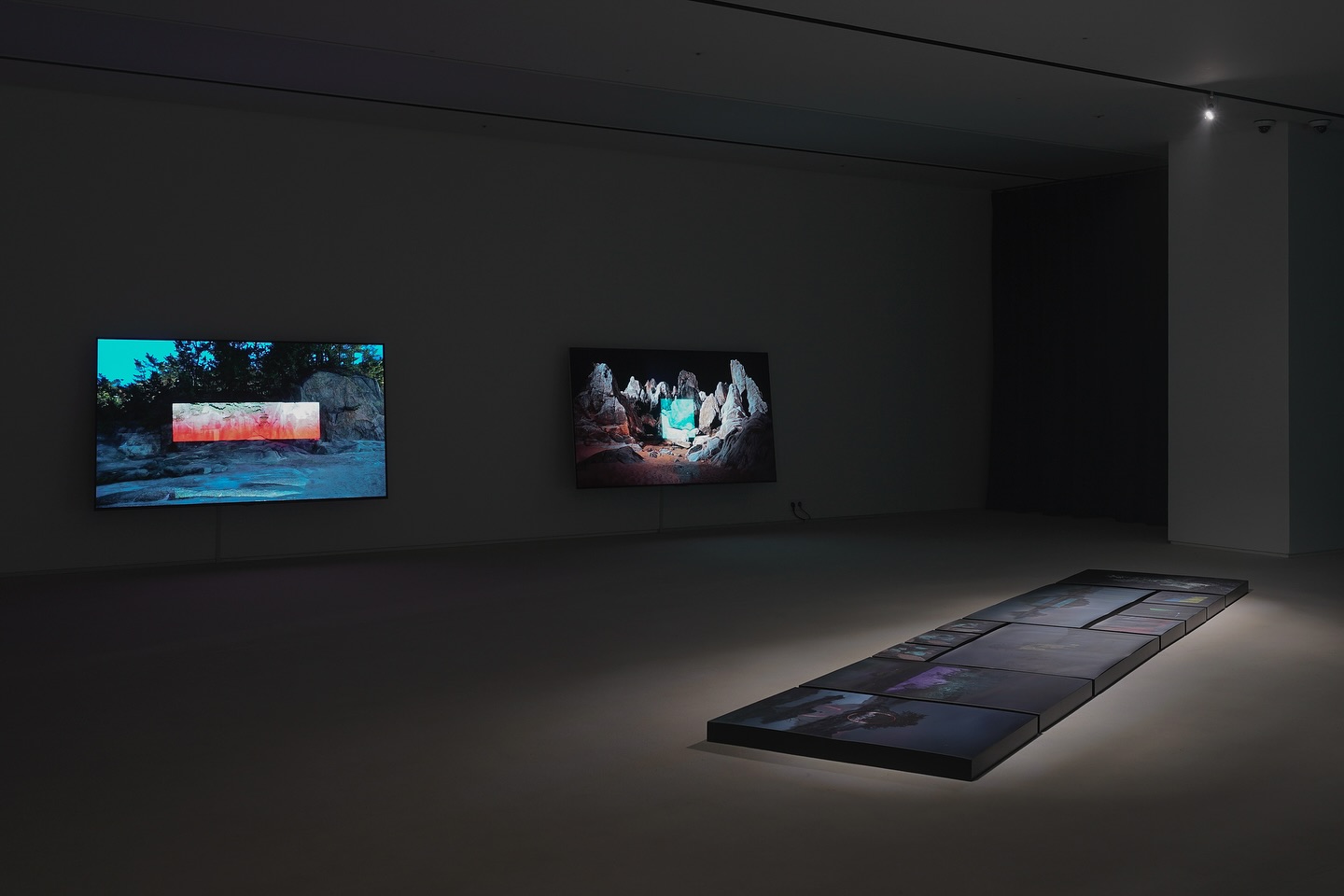
LISEOK has developed a multidisciplinary practice spanning photography, media, and installation, capturing familiar landscapes as unfamiliar scenes in order to awaken dulled senses and expand rigid frameworks of thought. His work begins with reconstructing the relationship between nature, humans, and technology through the concepts of “light” and “frame.” He assumes nature as an infinite entity, and by imposing the finite boundary of a “frame” onto it, he questions the very way we perceive nature.
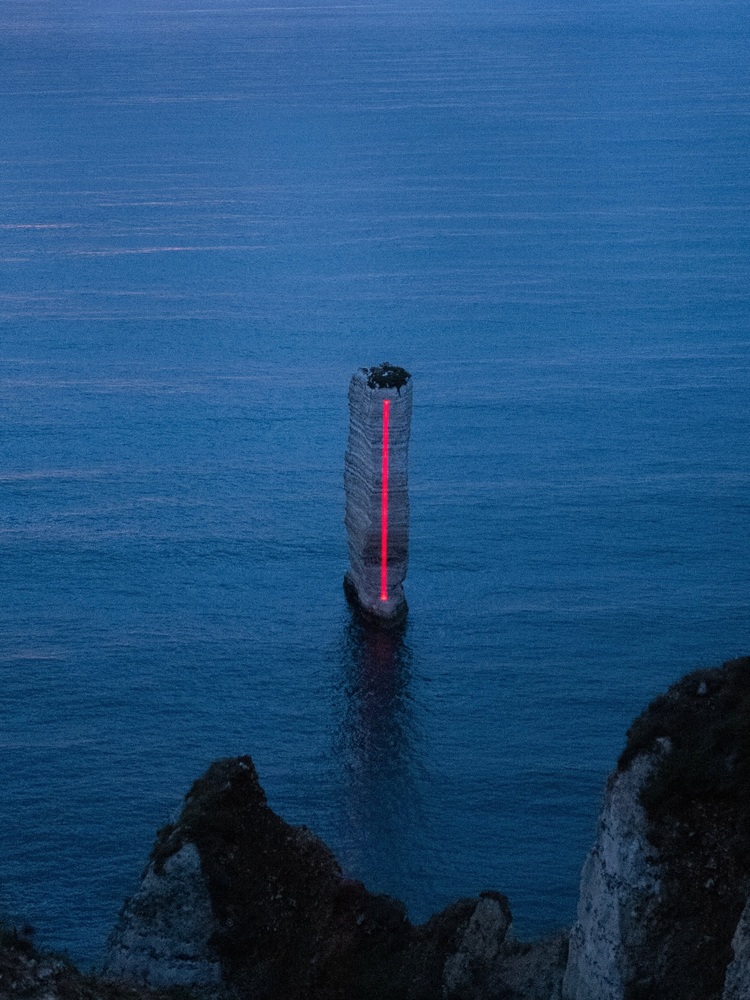
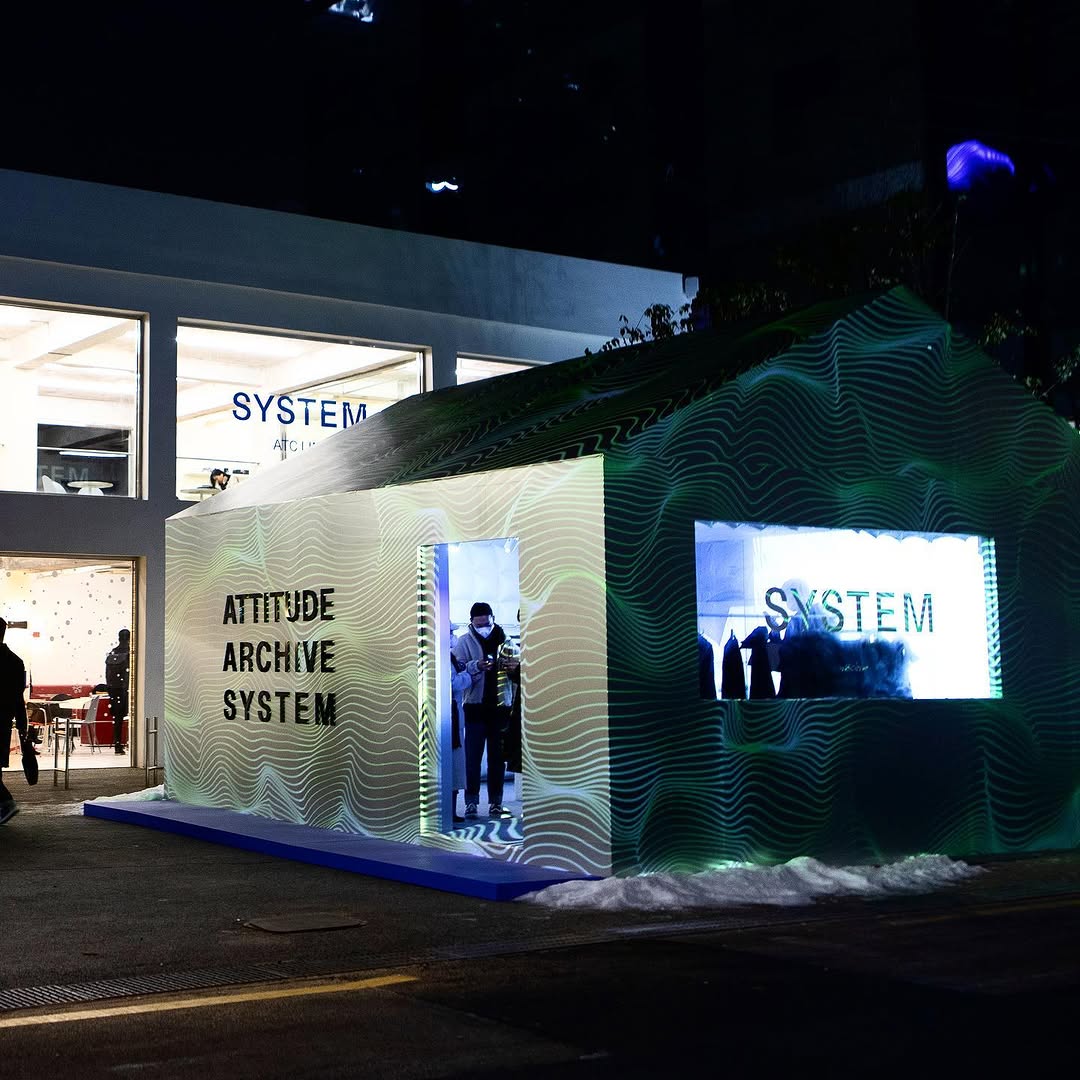
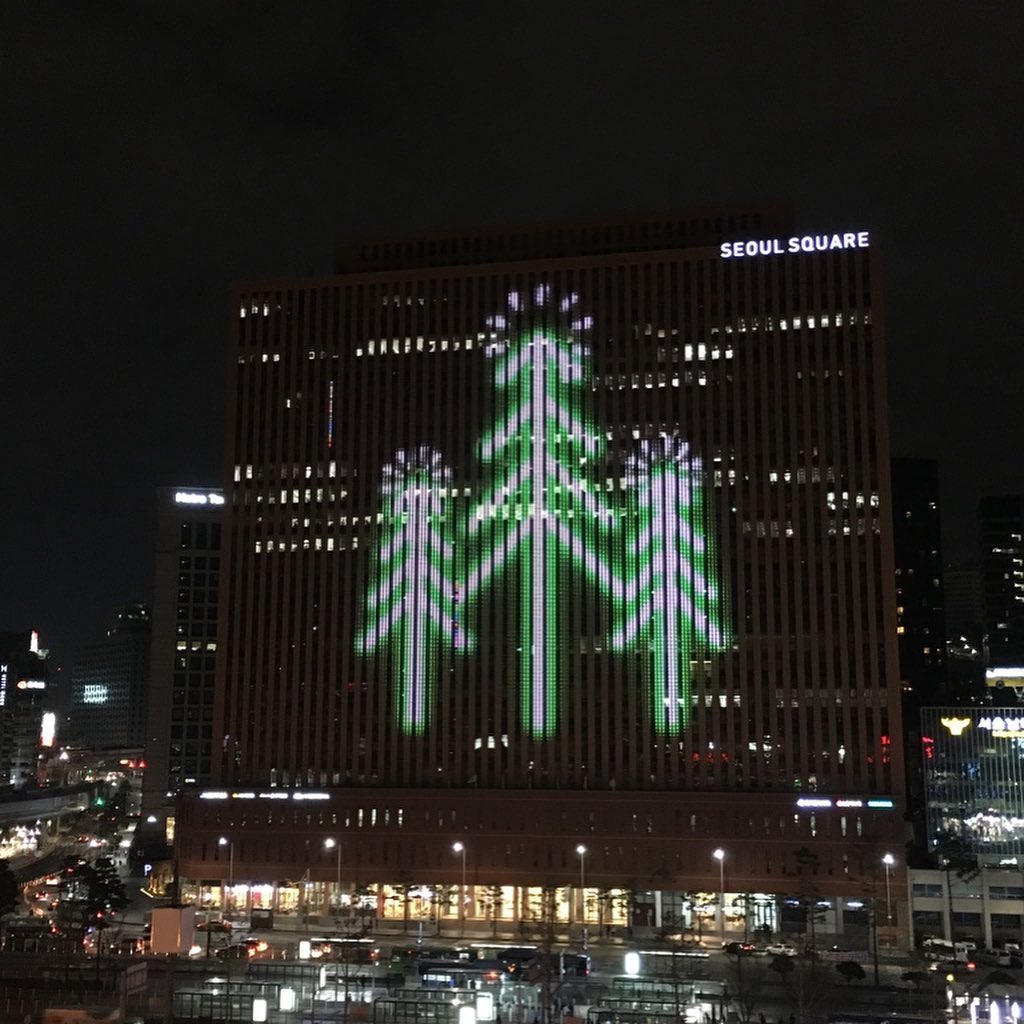
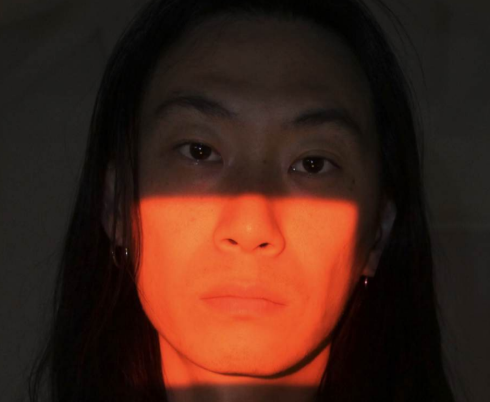
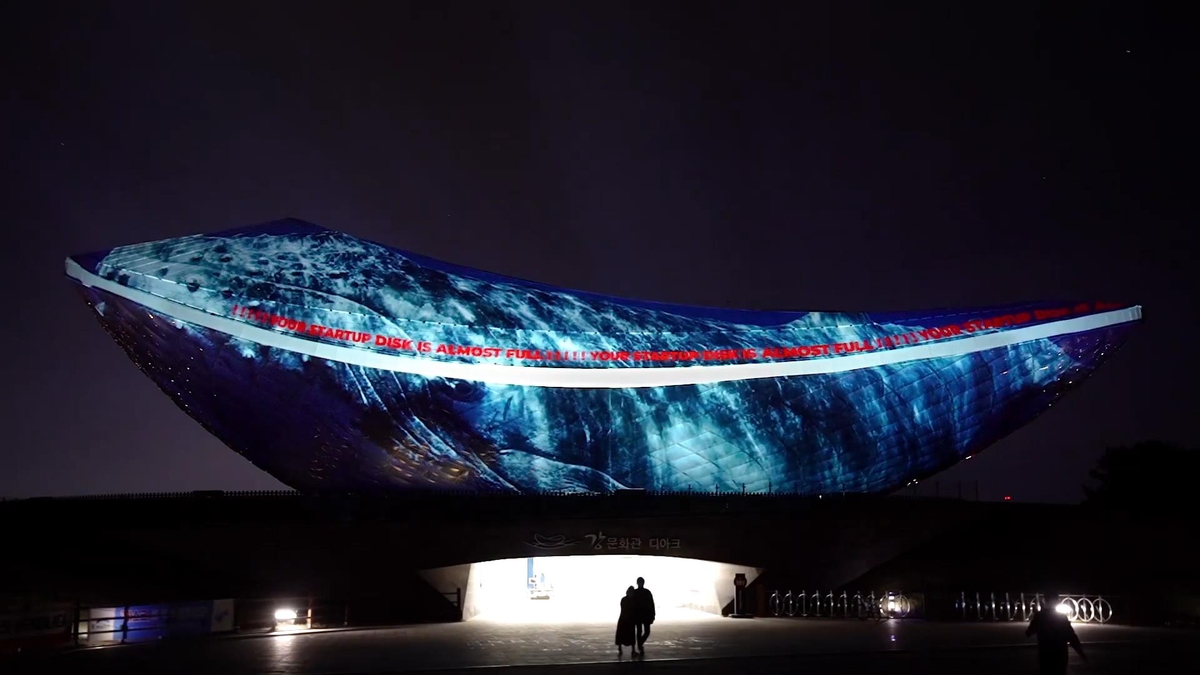
The concept of the “frame,” which runs through LISEOK’s artistic practice as both an idea and a formal element, emerges from the encounter between natural environments and artificial elements such as light and digital technology. Produced through 3D mapping techniques and projection technologies, artificial light cuts across the very center of mountains, rocks, and trees, functioning as a meticulously constructed, surreal window that penetrates the boundary between reality and unreality. Through this, the artist exposes moments where nature and humans, environment and technology collide and intersect, while exploring the dissonance in perception that arises in between.
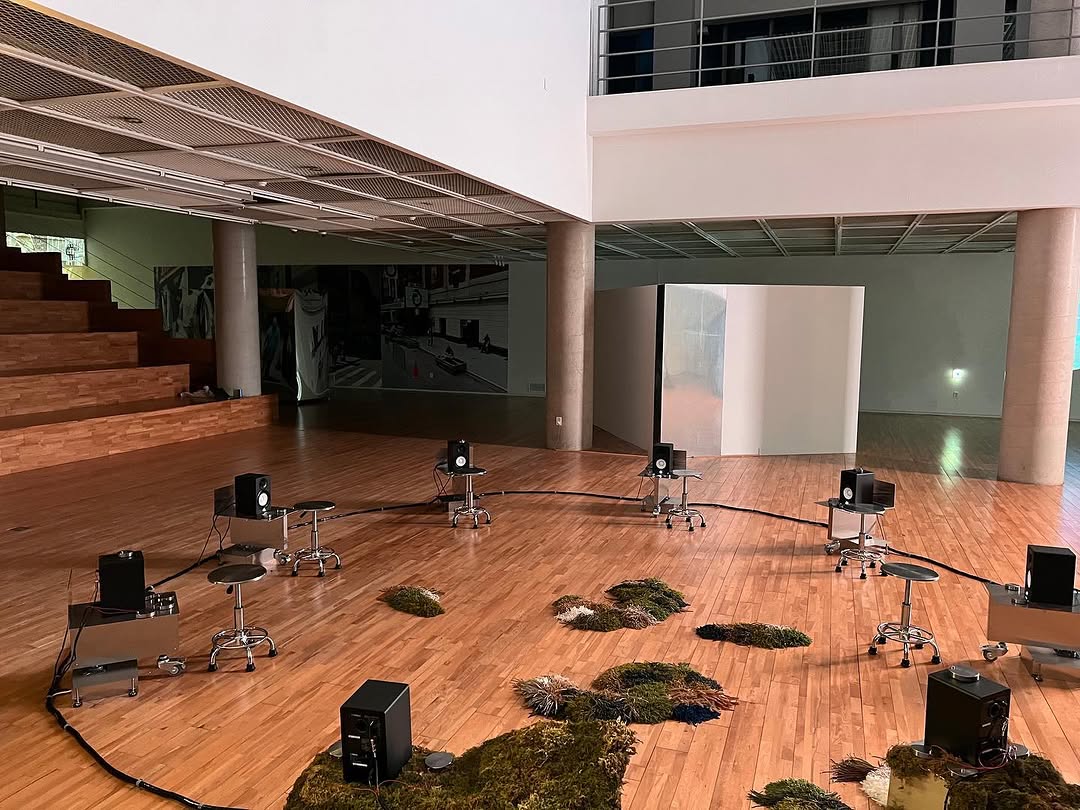
After the pandemic, he combined themes of hyper-connectivity, sensory loss, and cycles of creation and extinction, presenting the relationship between nature, technology, and humans as a complex sensory structure. In this process, the artist’s focus shifts from viewing nature to examining the very conditions in which nature and humans coexist.
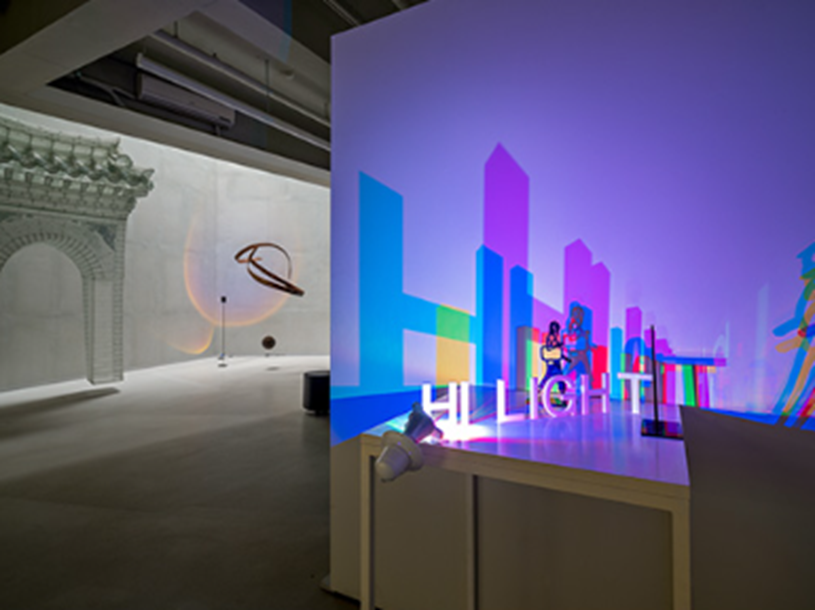
In this way, his practice brings into contact inherently intertwined yet paradoxically conflicting realms—such as technology and nature, and humanity and art—awakening essential sensibilities that have become dulled, and offering an opportunity to reconsider contemporary environmental and social issues.



 (1).jpeg)
.jpeg)