Kadena Air Base, Okinawa - K-ARTIST

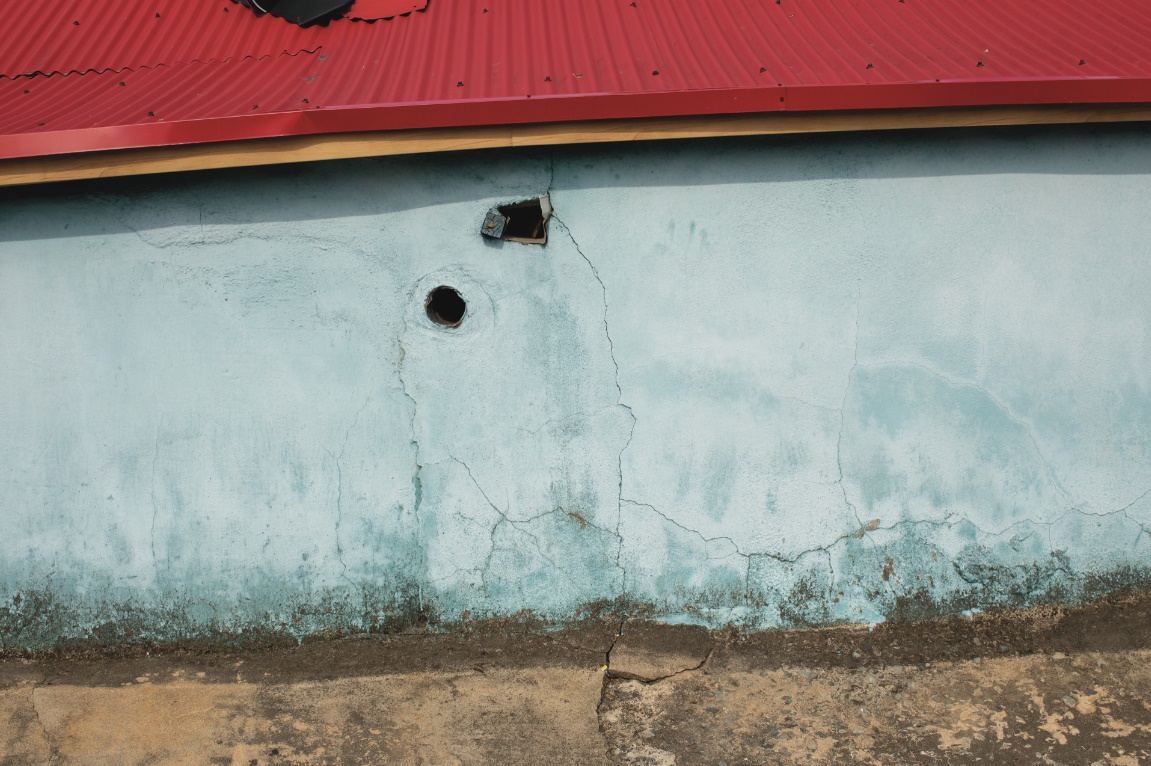
Kadena Air Base, Okinawa

2016
About The Work

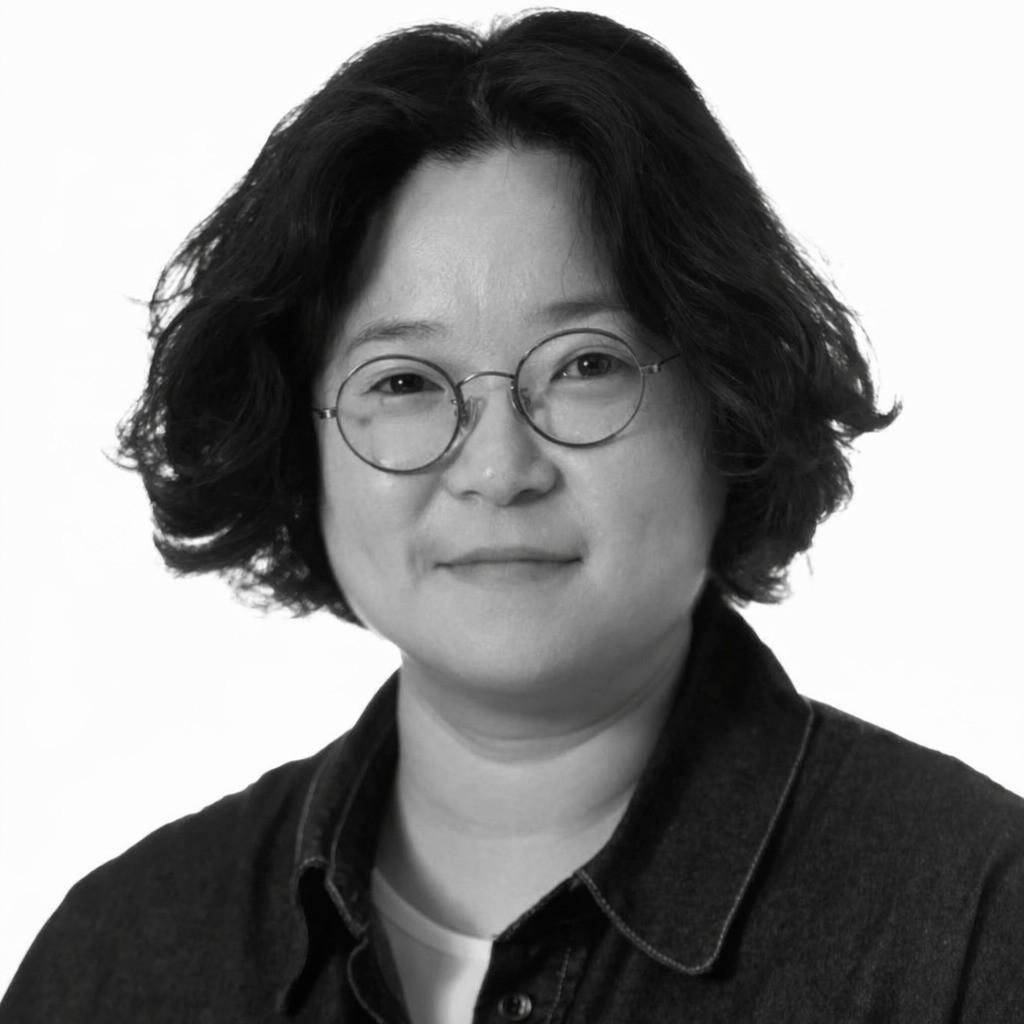
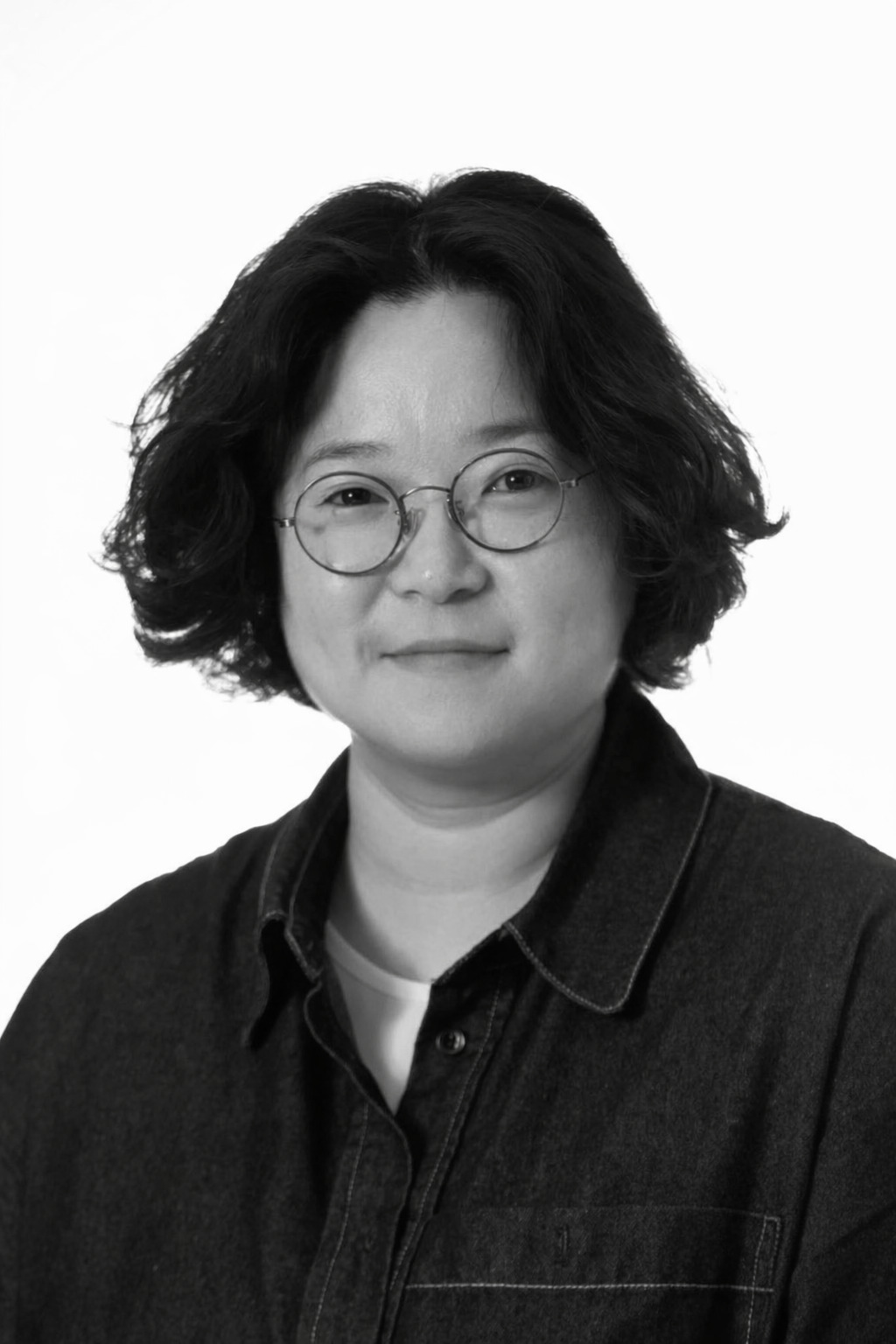
Kwon Hahyung has been developing a photographic practice that captures places imbued with personal experience and memory. The spaces depicted in her photographs are not merely geographical locations, but emotional landscapes infused with attachment and recollection. Scenes captured through the artist’s attentive and affectionate gaze reveal layered and complex emotions beneath the visible, engaging not only the viewer’s eye but also their emotional sensibility.

 In her early works, Kwon pursued documentary photography, approaching places not as objects to be observed from the outside, but as worlds revealed through relationships, developed through long-term exchange and understanding with her subjects. Later, Kwon turned her attention to sites marked by accumulated social events—places gradually fading from public memory—and documented their present conditions through photography.

Around 2017, upon returning to her hometown of Changwon, her practice undergoes a significant shift.  From this point onward, she no longer engages with socially defined external sites, but instead reconstructs spaces through personal memory and sensory experience. Here, “hometown” is redefined not as a geographical entity but as a site of emotional connection and psychological stability, while “deviated places” outside the navigation system emerge as a key conceptual framework. 

She understands the movement from “outside” to “inside” not as a rupture but as a continuous path, reconfiguring the way space itself is perceived. In this context, “deviation” does not signify disorientation but operates as a generative moment that produces new modes of perception. Whether her gaze is directed outward or inward, her photographs consistently carry a sense of sincerity. 

Solo Exhibitions (Brief)

Kwon has held solo exhibitions including 《From the Outer to the Inner》 (Youngjumansion, Busan, 2024) and 《Between Summers》 (Rouge Camp, Changwon, 2019).

Group Exhibitions (Brief)

Kwon has also participated in numerous group exhibitions, including 《Non-camera Research: Color of Yeongdo》 (Saemo, Busan, 2025); Busan International Photo Festival 2025: International Young Artist Exchange Exhibition – 《Under the Skin; Heat and Membrane》 (IlsanSuji, Busan, 2025); 《By Human》 (Daegu Art Factory, Daegu, 2024); 《Room Without Night》 (Space Heem, Busan, 2022); 《10100》 (KT&G Sangsangmadang, Seoul, 2021); and 《Vision and Perspective 2020 – Stranger in Strange Land》 (Busan Museum of Art, Busan, 2020).

Works of Art

Scenes of Memory Captured Through the Lens of ‘Sincerity’

Originality & Identity

Kwon Hahyung’s practice begins with capturing “space” imbued with personal experience and memory. As seen in her early ‘A History of Haircuts’ (2011) series, she documents the vanishing space of barbershops, not merely as physical locations but as sites layered with accumulated time, relationships, and traces of labor. Grounded in the methodology of documentary photography, her work in this period approaches space not as an object observed from the outside, but as a world revealed through sustained interaction and understanding with her subjects.

She subsequently expands her focus to spaces embedded with social events, photographing sites such as Paengmok Harbor in Ansan related to the Sewol ferry disaster, Miryang, Gangjeong in Jeju, and Okinawa. These places carry enduring historical significance while gradually receding from everyday awareness. By revisiting them in the present, the artist treats space not as a passive backdrop but as a medium that simultaneously reveals layers of time and processes of forgetting.

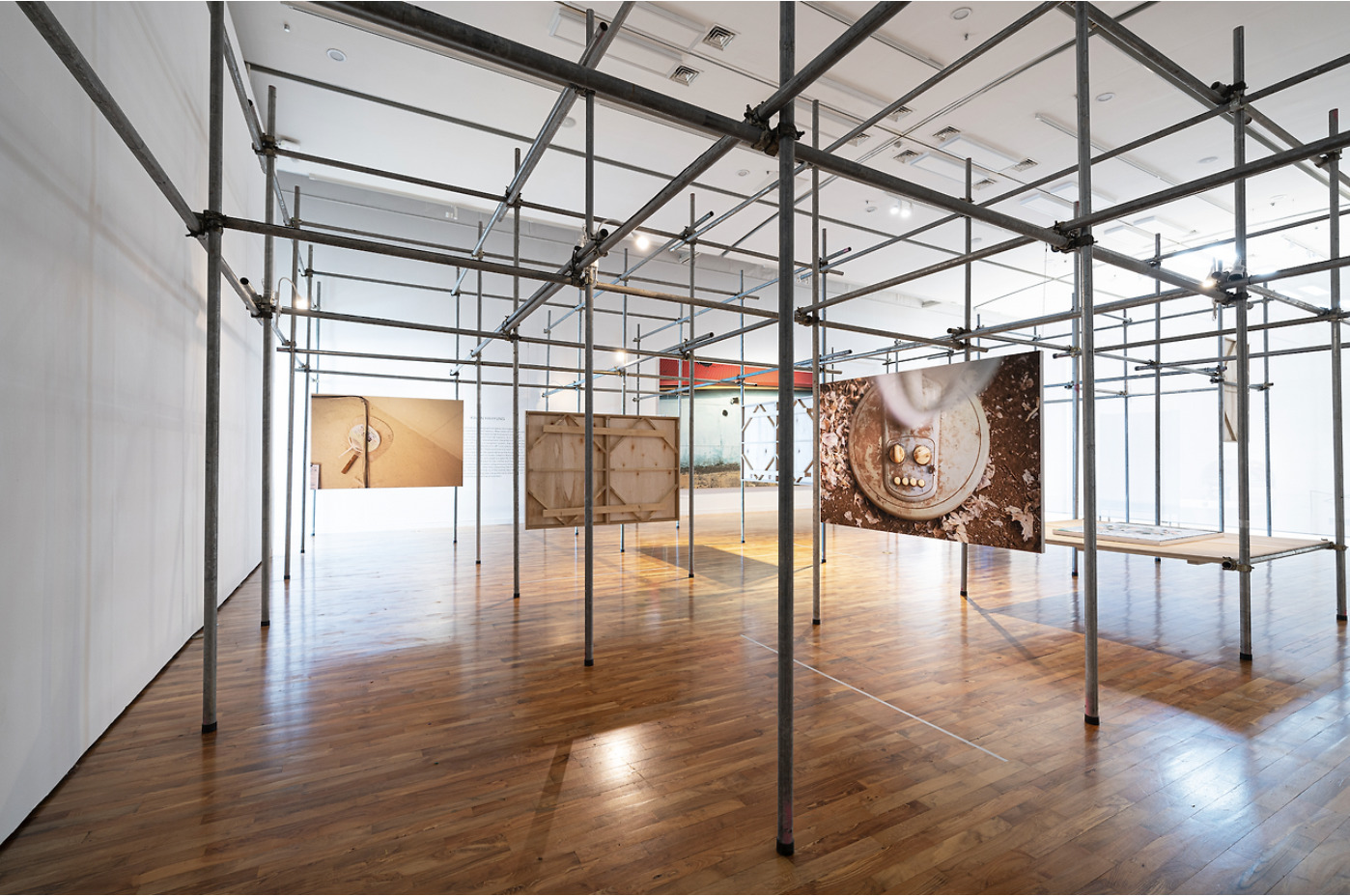
Around 2017, upon returning to her hometown of Changwon, her practice undergoes a significant shift. (Maybe) Deviated Map #1(2020) and the ‘(Maybe) Deviated Map’ series no longer engage with socially defined external sites, but instead reconstruct spaces through personal memory and sensory experience. Here, “hometown” is redefined not as a geographical entity but as a site of emotional connection and psychological stability, while “deviated places” outside the navigation system emerge as a key conceptual framework.

This trajectory becomes clearly articulated in her recent solo exhibition 《From the Outer to the Inner》(Youngjumansion, Busan, 2024). She understands the movement from “outside” to “inside” not as a rupture but as a continuous path, reconfiguring the way space itself is perceived. In this context, “deviation” does not signify disorientation but operates as a generative moment that produces new modes of perception, forming a central concept that runs throughout her practice.

Style & Contents

In her early works, Kwon follows a conventional documentary photographic approach. In the ‘A History of Haircuts’ series, she stays within specific sites and photographs them over time, combining portraiture with spatial documentation to capture both the barbershop and the lives of its workers. Photography here extends beyond image production into a long-term process encompassing research, site visits, negotiation, and communication.
 
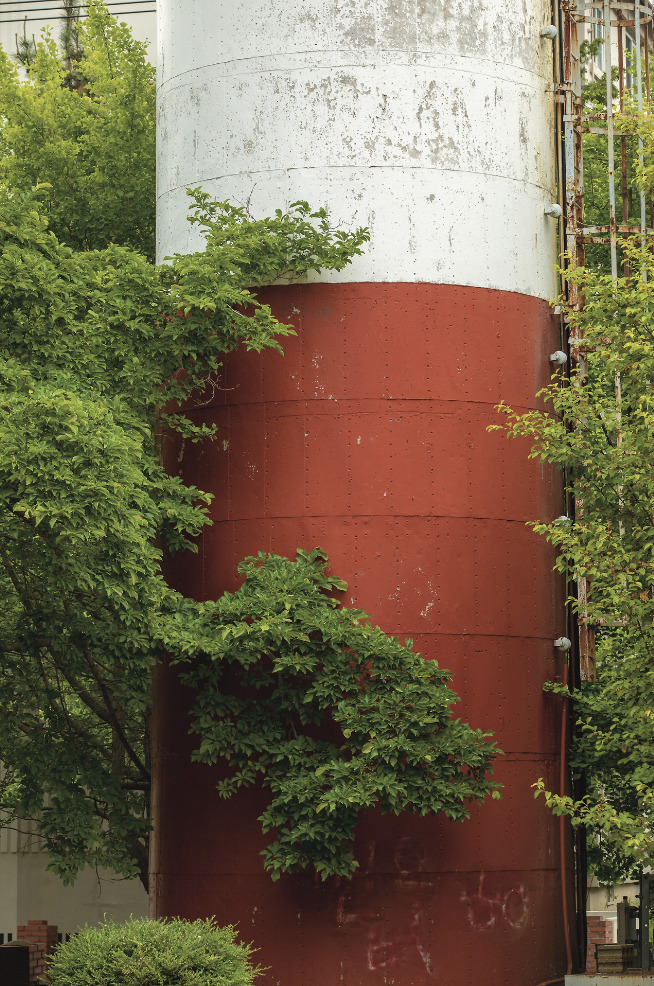
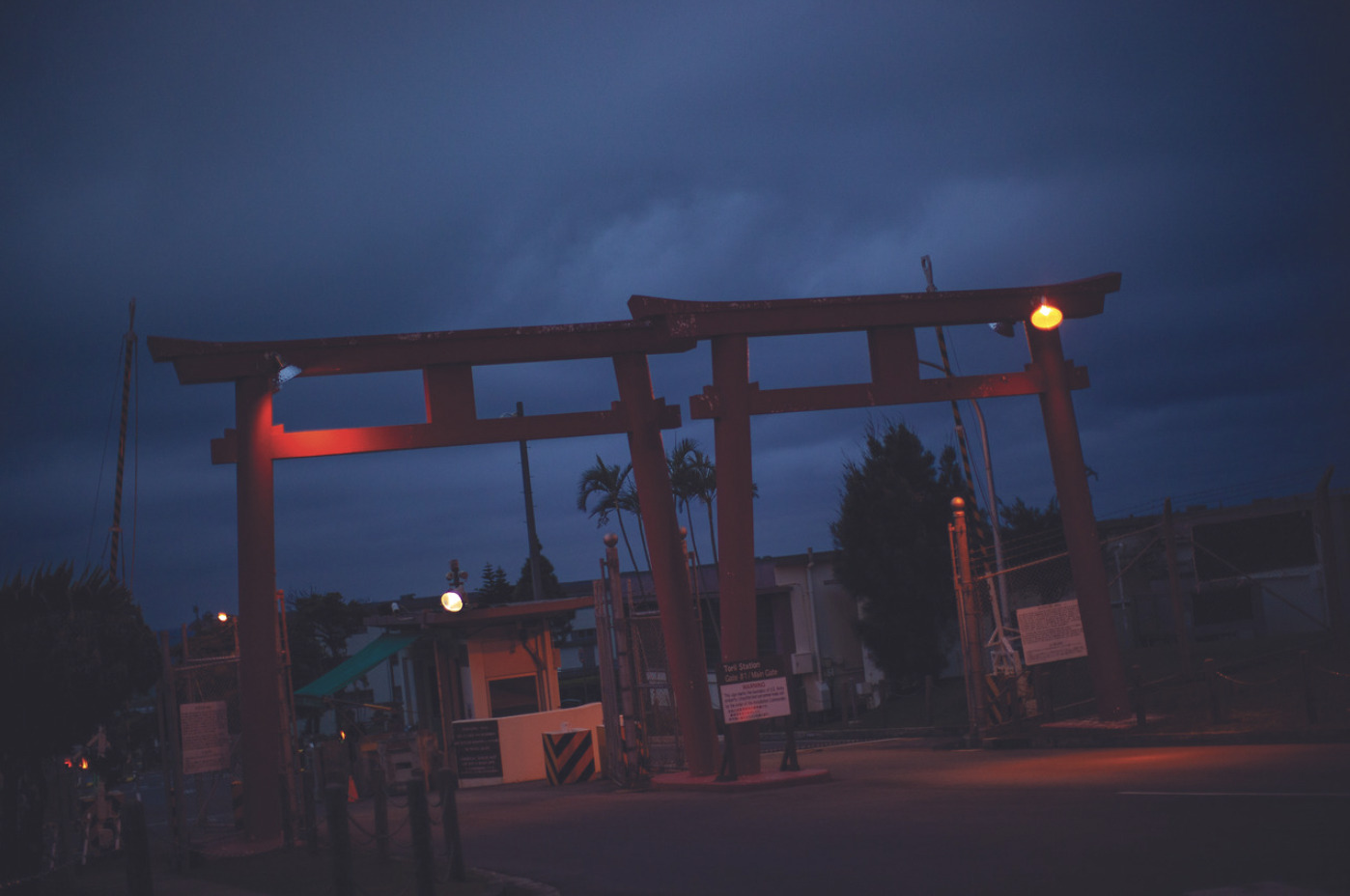
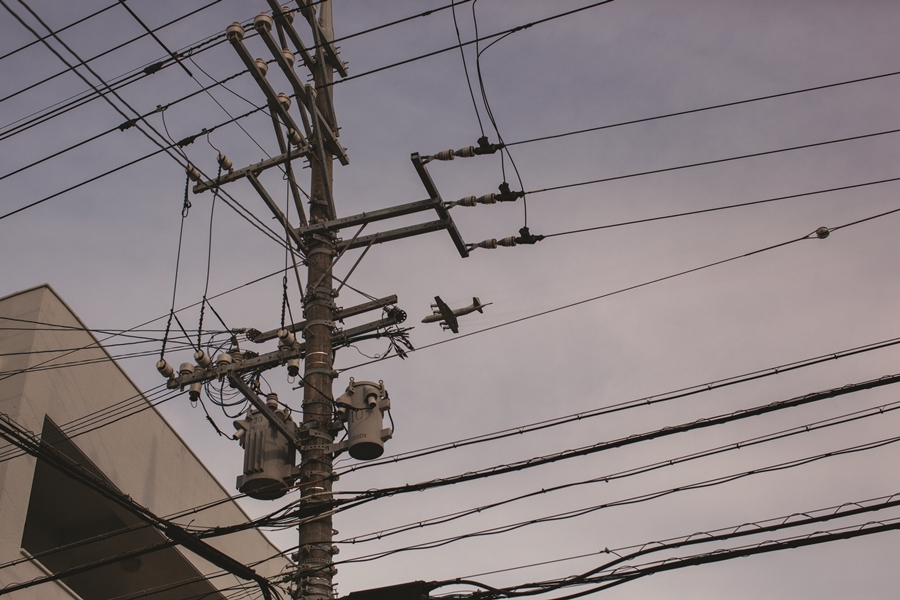
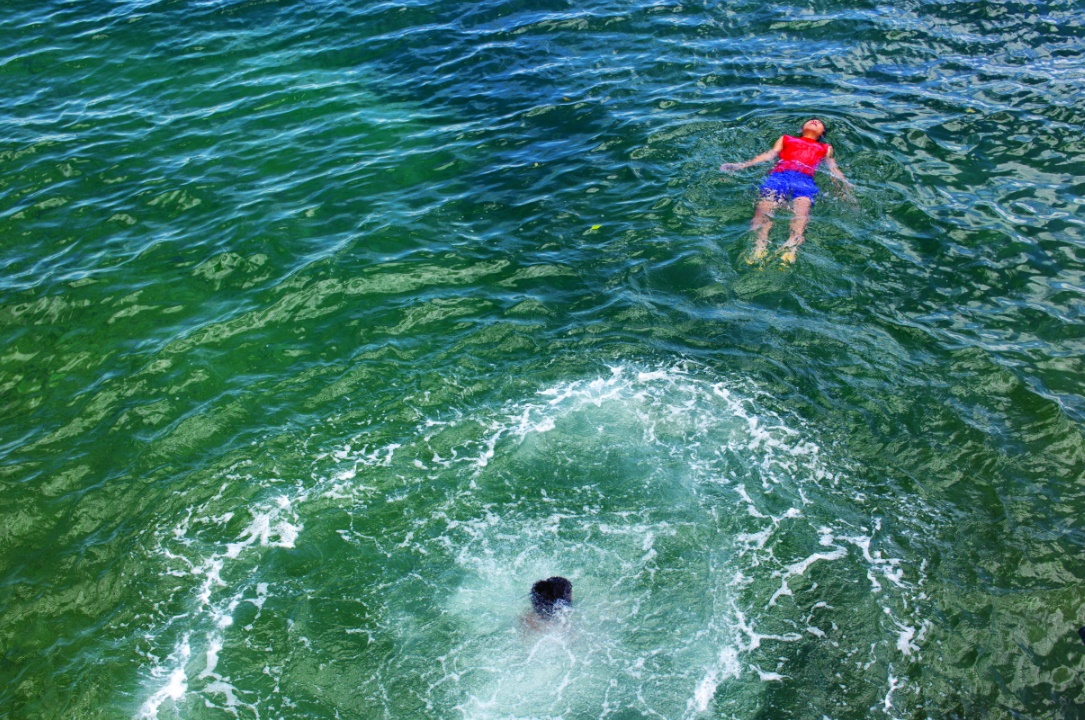
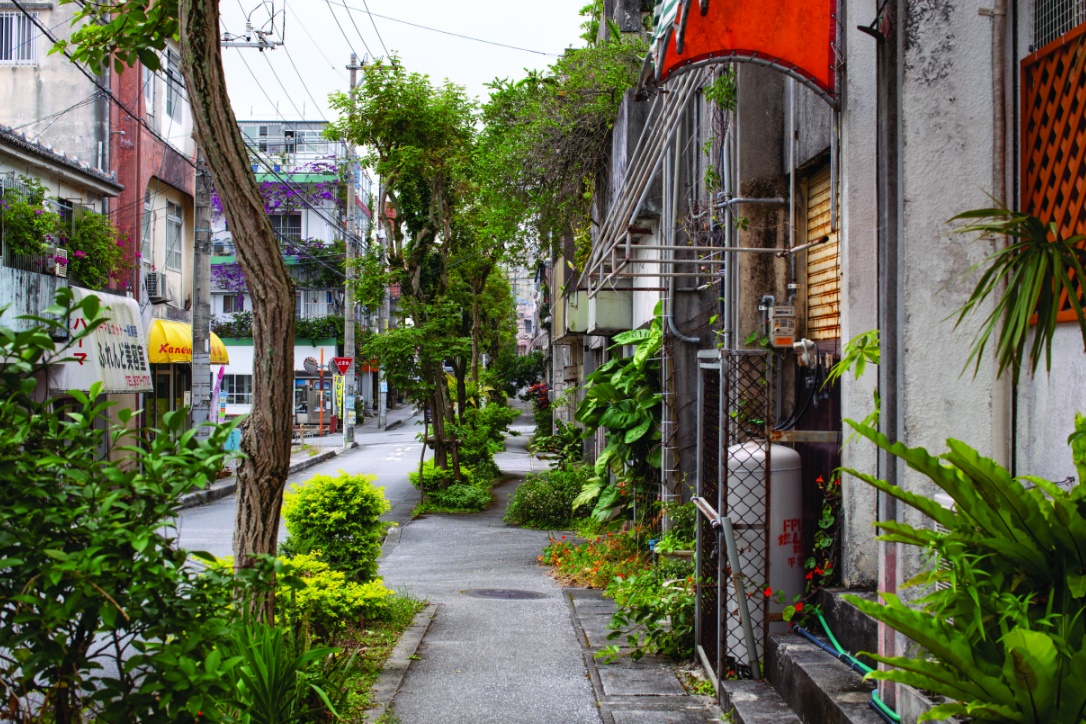
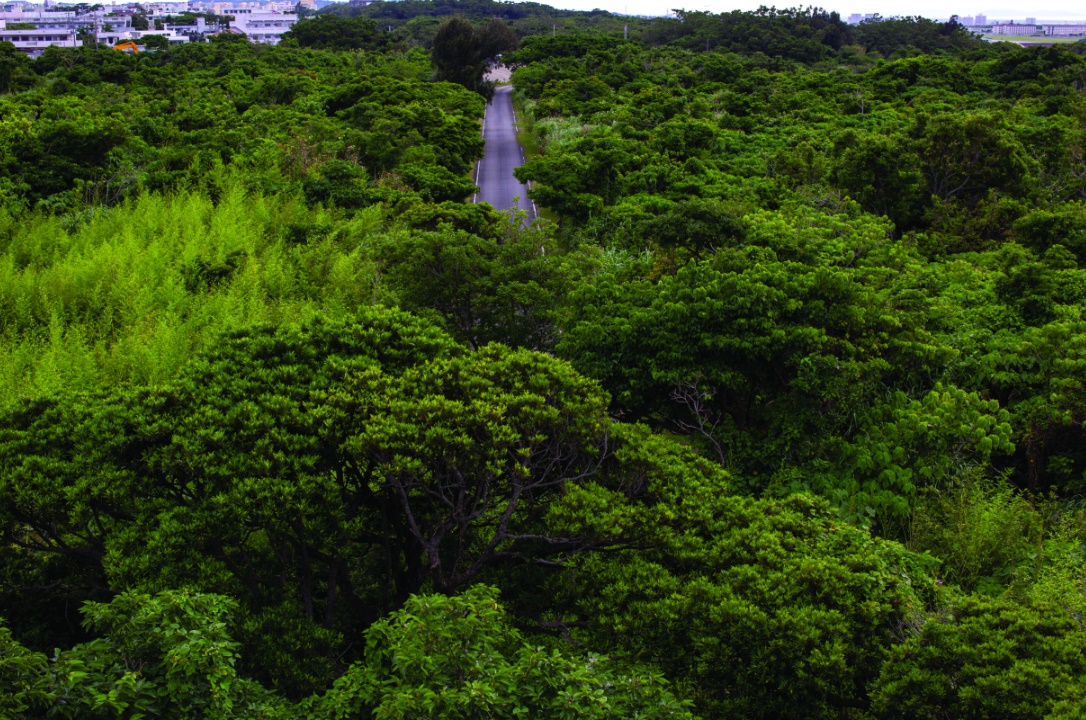
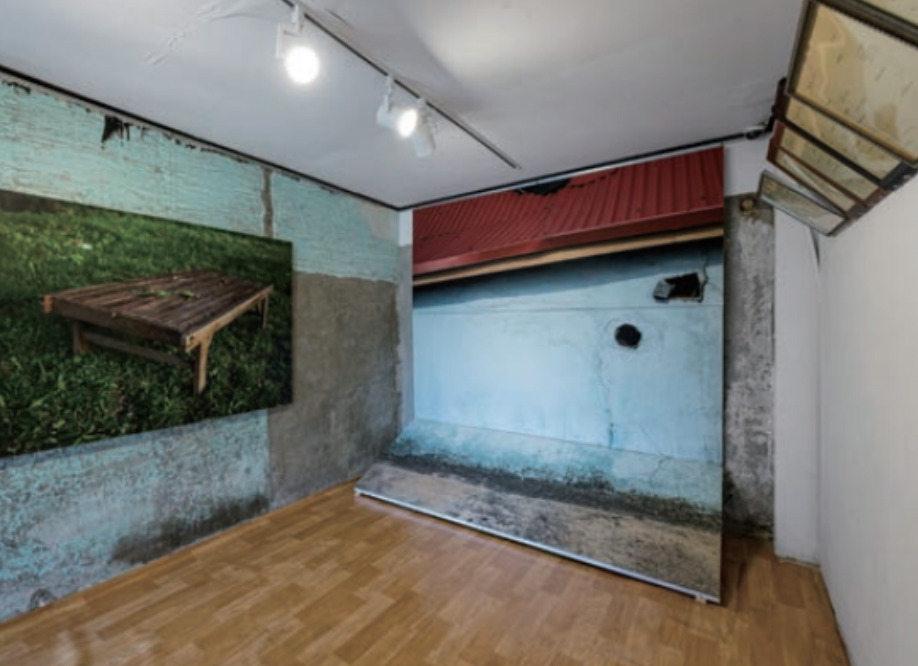
In later works dealing with socially charged locations, she focuses on capturing the present condition of these sites. As seen in Kadena Air Base, Okinawa(2016), rather than directly representing specific events or issues, she conveys the historical tension embedded in a place through its atmosphere and landscape. The images maintain a balance between documentation and emotion, allowing meaning to emerge through the scene itself without excessive narrative framing.
 
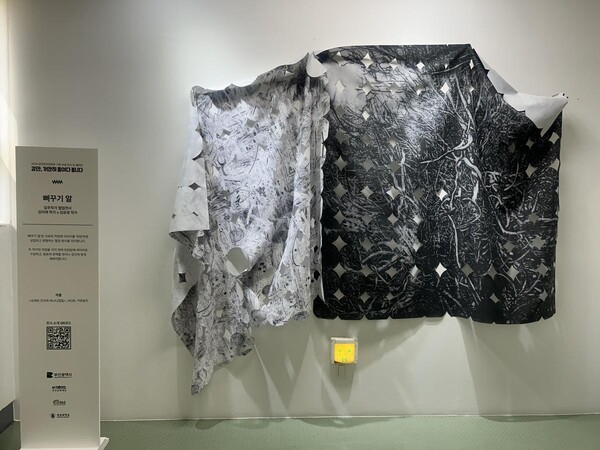
With the ‘(Maybe) Deviated Map’ series, both medium and exhibition format expand. In (Maybe) Deviated Map #1, pigment prints on canvas transform photography from a flat image into a physical object, while installations using steel structures encourage viewers’ movement. As audiences navigate between suspended works, they physically experience the notion of “deviation,” creating a close integration between image content and spatial structure.
 
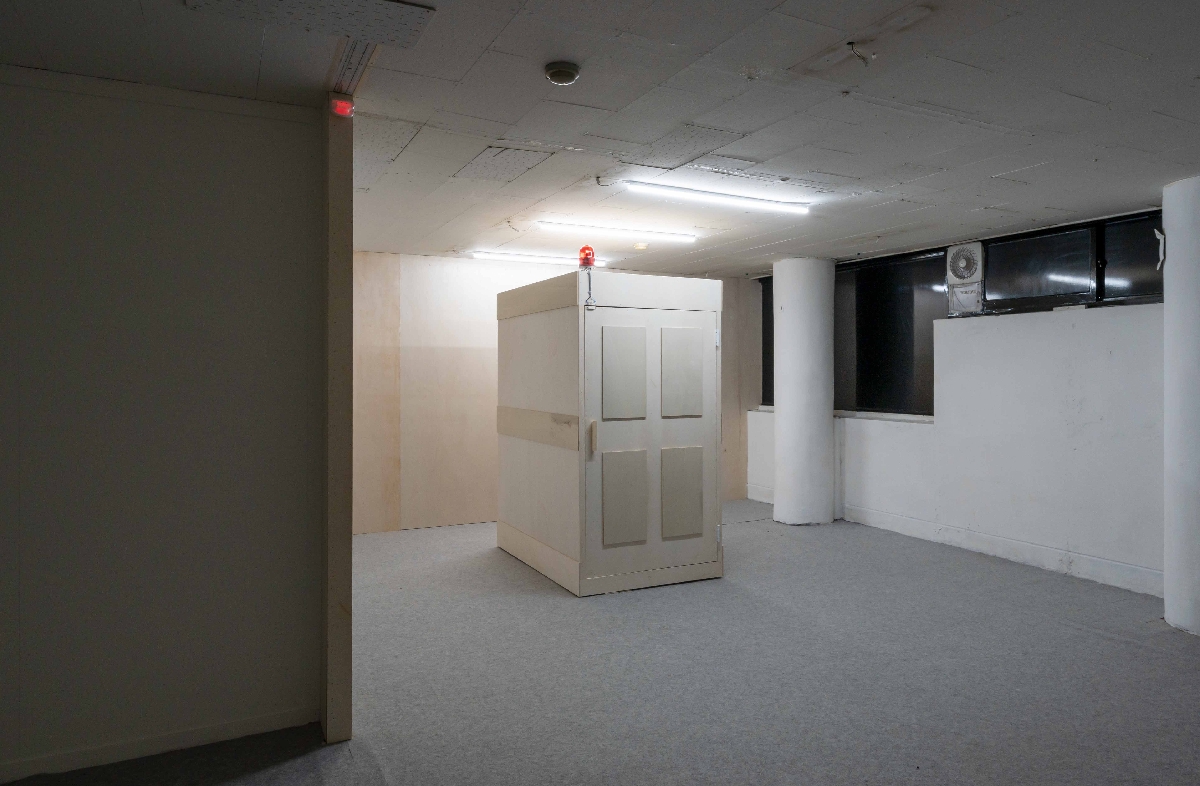
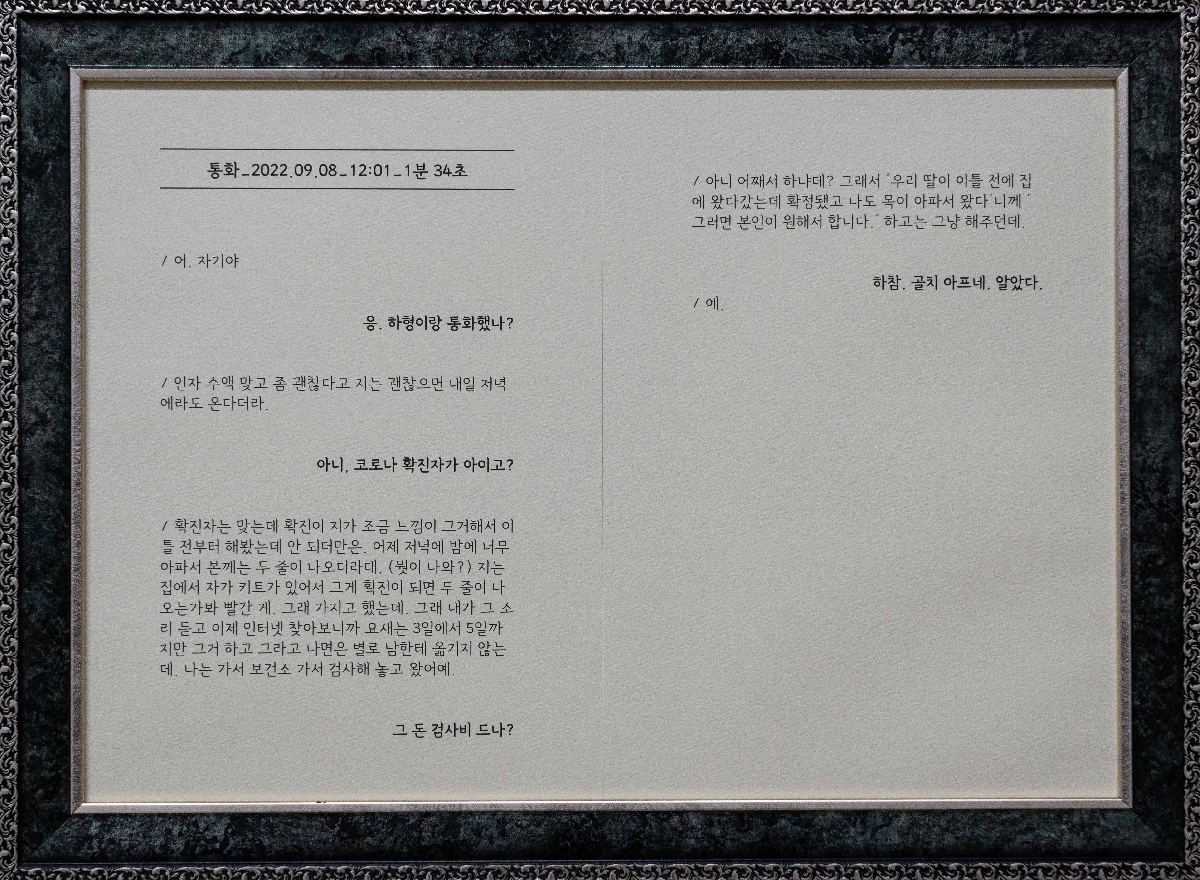
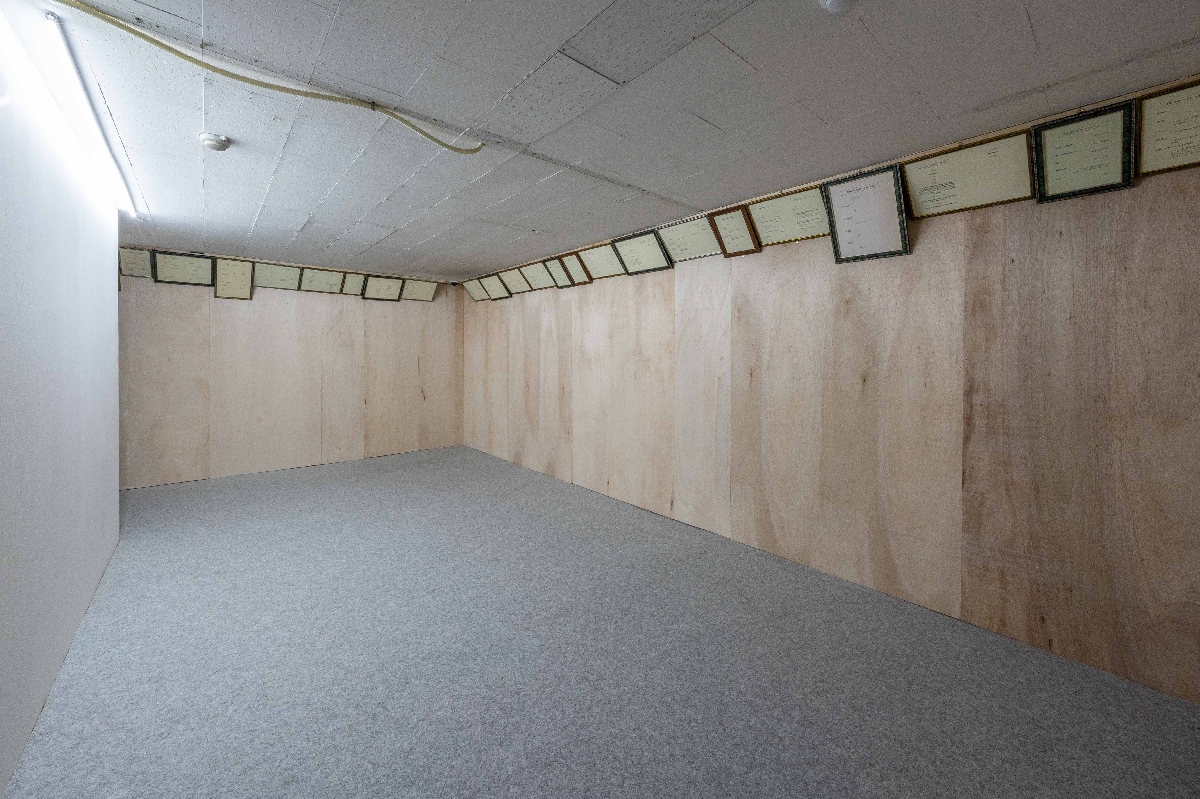
In 《Room Without Night》(Space Heem, Busan, 2022), her practice moves beyond photography into installation. Detailed Services(2022) and Calling(2022) draw on transcripts of family phone conversations to reveal the relationship between language and power, combining text, sound, and spatial elements. Here, photography is no longer the central medium but becomes one among multiple forms through which the artist articulates experience, forming a point where autobiographical narrative intersects with social structures.

Topography & Continuity

Kwon Hahyung’s work engages with “space,” yet resists reducing it to a mere physical location. The spaces in her images exist as layered constructs where memory, emotion, relationships, and social context overlap, forming a distinctive register that combines the documentary with a deeply personal sensibility. In particular, the concept of “deviated space” functions as a way of revealing sensory places that exist outside the standardized frameworks of contemporary urban systems.
 
Compared to other contemporary photographic practices, her work does not rely on striking imagery or immediate visual impact. Instead, it is grounded in long-term observation, the building of relationships, and the accumulation of affect. This approach sustains a slower temporality within an image environment characterized by rapid consumption, positioning photography not as a result but as an ongoing process.
 
Tracing the trajectory of her practice, it moves from documenting socially embedded external sites, to reconstructing spaces through personal memory and sensation, and further toward installation works that engage autobiographical narratives and structural issues. Rather than a simple shift in medium, this progression reflects a gradual internalization and increasing complexity in her perception of space.
 
As her work continues to move across photography, installation, archival practices, and text, it remains anchored in a perspective grounded in sincerity and relationality. Her sustained attention to what disappears, what passes unnoticed, and what can only be grasped through personal perception forms a consistent thread throughout her practice, allowing it to expand across forms without being fixed to any single medium.

Works of Art

Scenes of Memory Captured Through the Lens of ‘Sincerity’

Articles

Exhibitions

Activities