Animals (I walked on the thick-frozen lake) - K-ARTIST

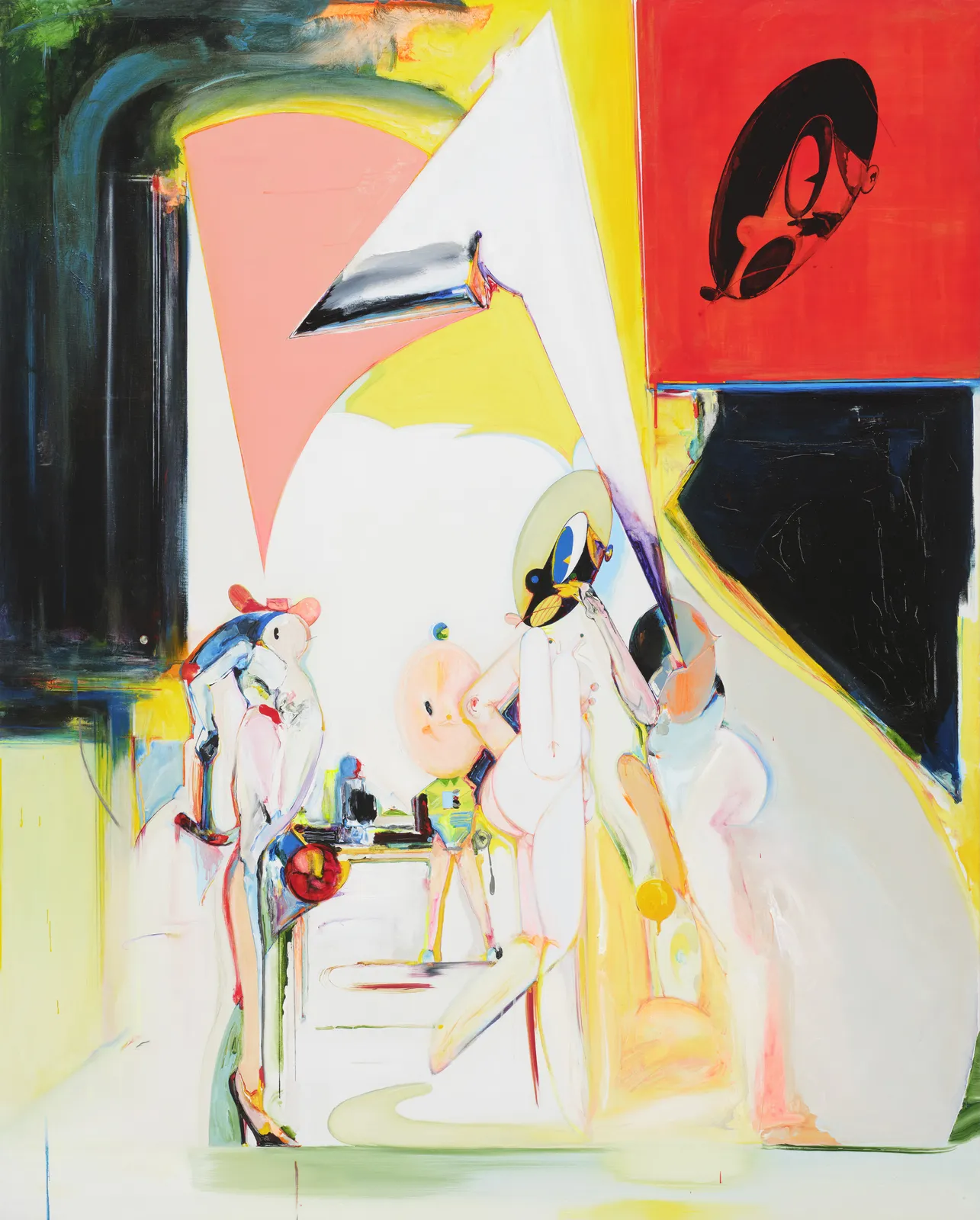
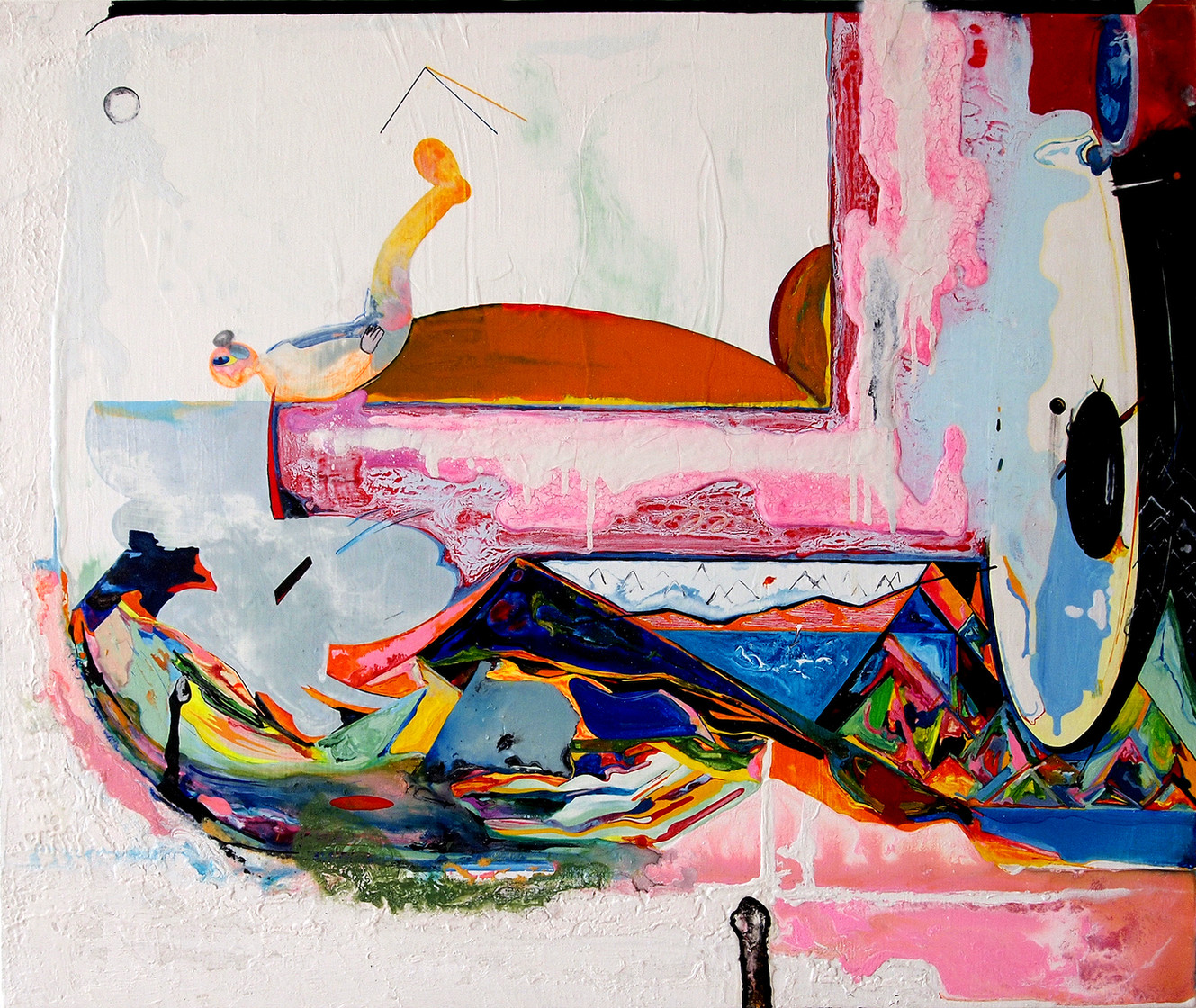
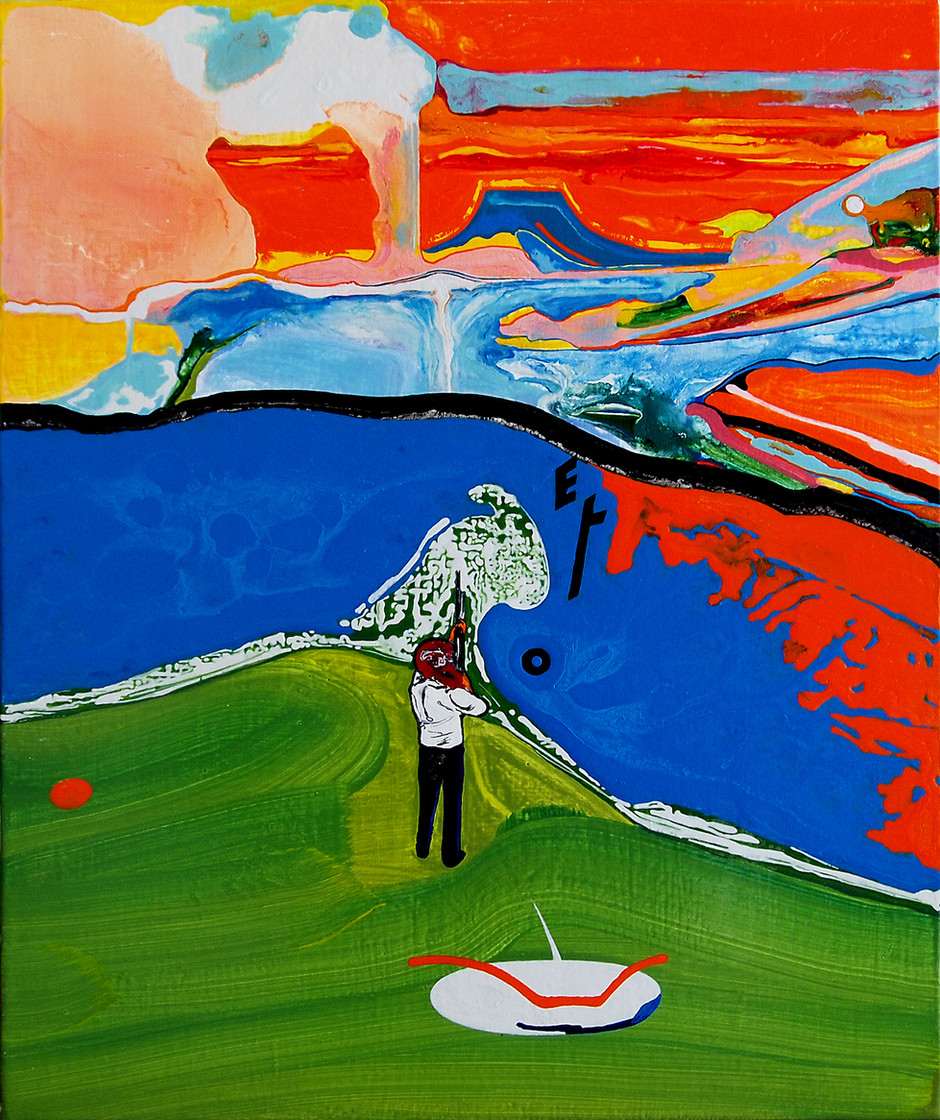
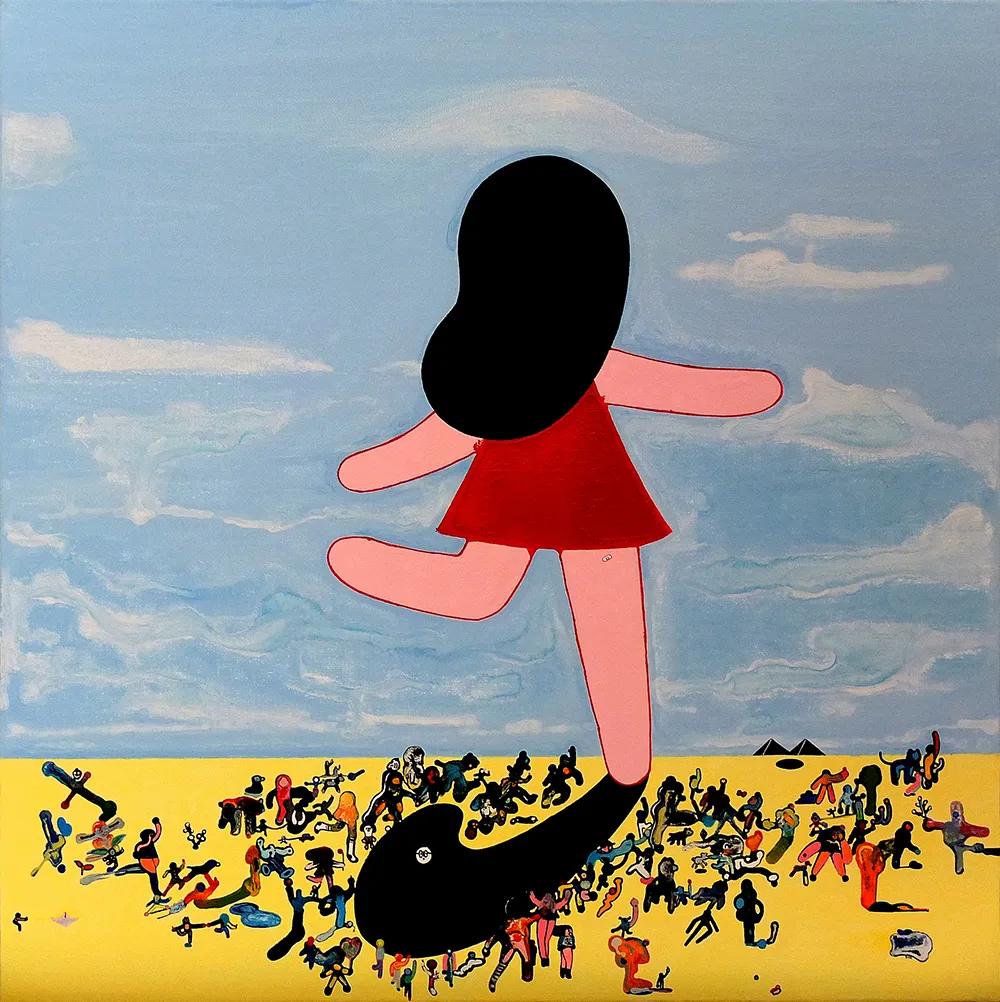
Animals (I walked on the thick-frozen lake)

2010
Mixed media on acrylic panel
60 x 167.8 cm
About The Work

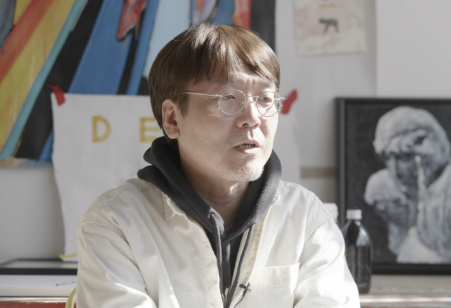
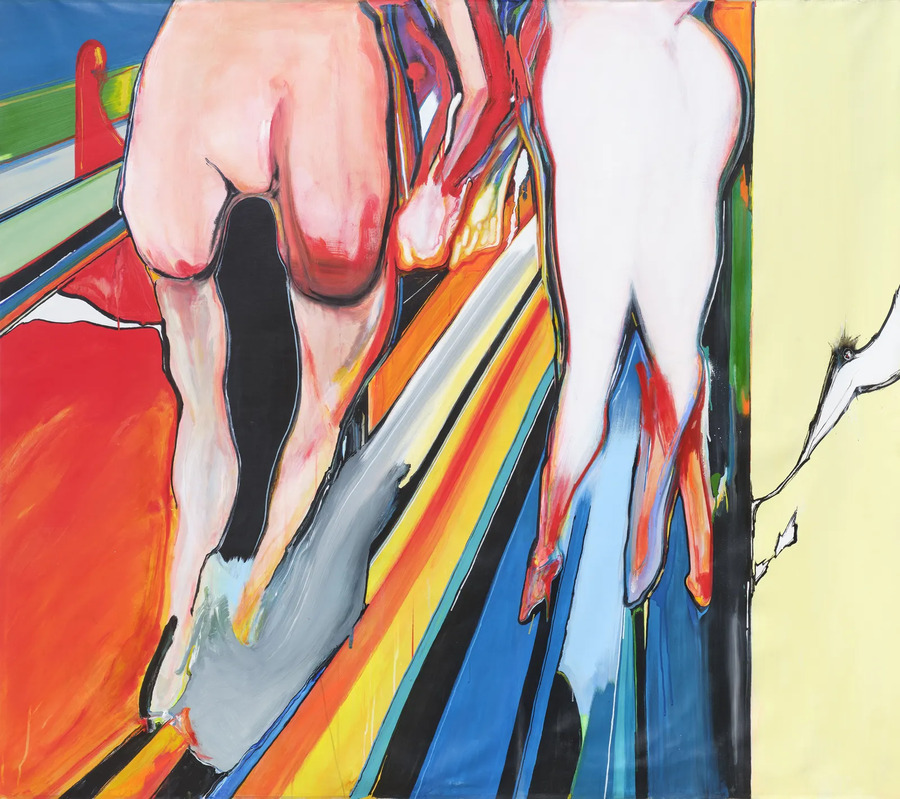
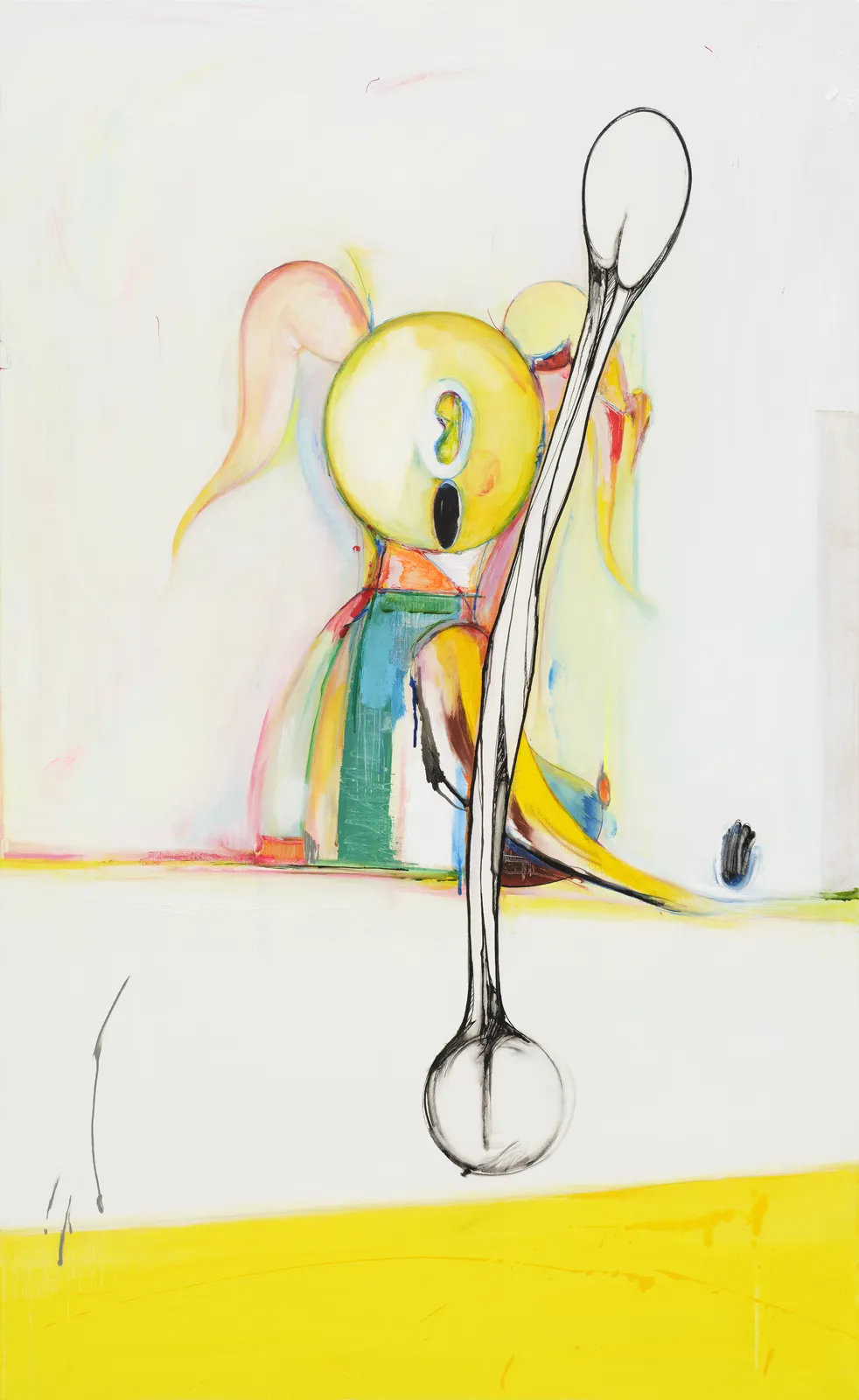
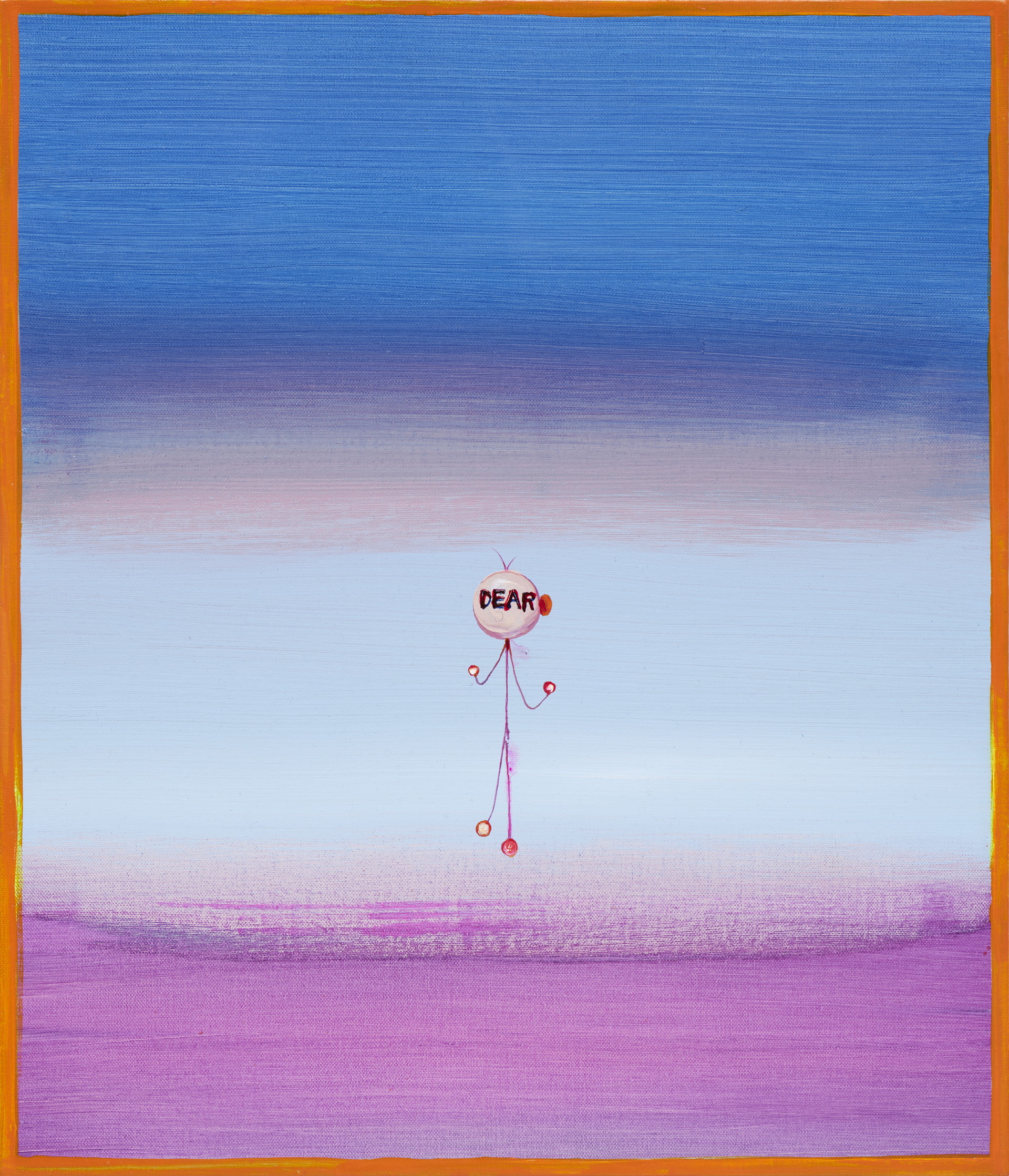
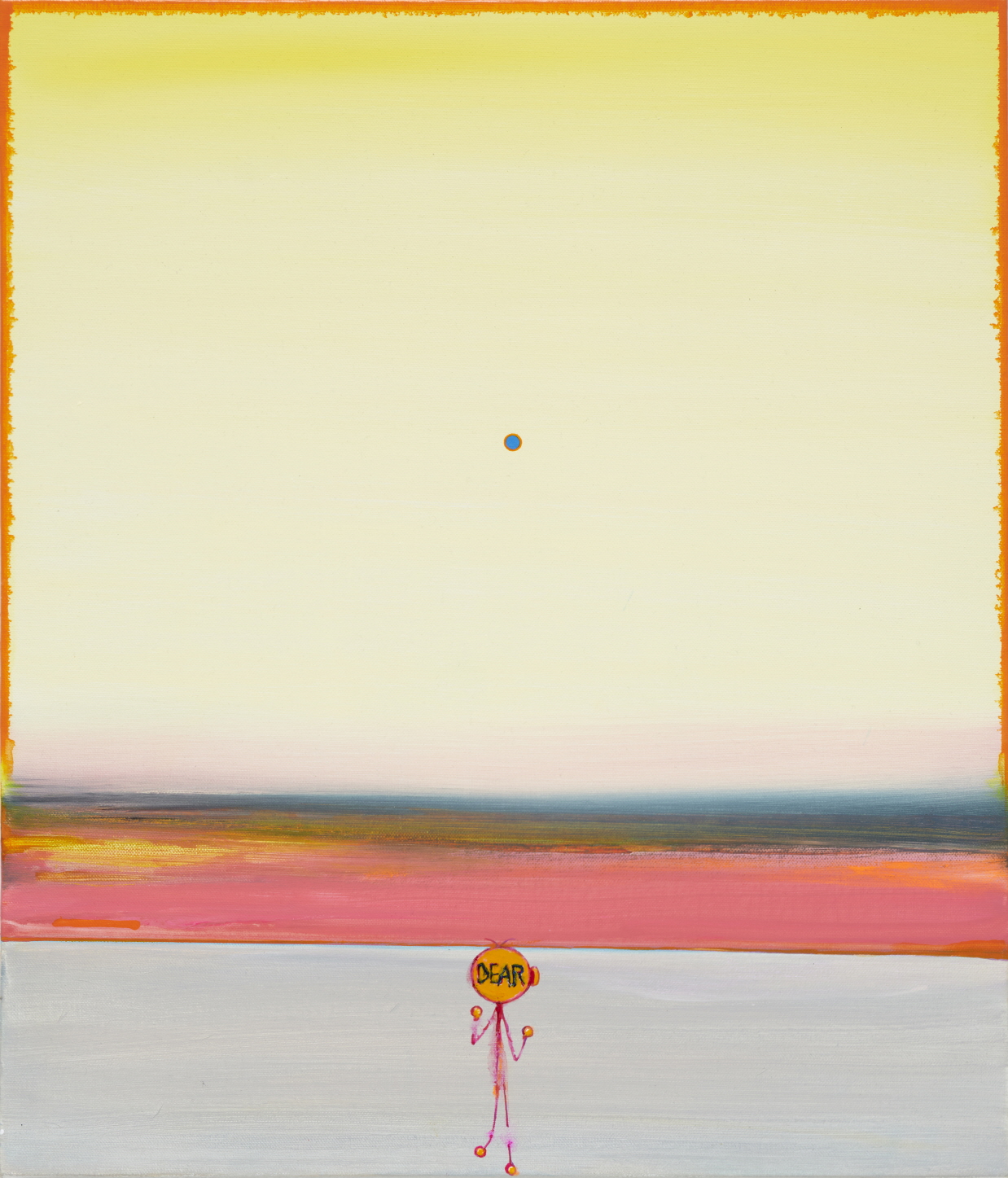
Changchang Yoo’s practice traverses the boundaries between painting, comics, and illustration, constructing a singular visual language rooted in the sensibilities of contemporary visual culture. From his early independent comics to his recent paintings, he has consistently focused less on narrative structure than on the atmosphere and emotional resonance generated by images themselves. The figures, animals, and uncanny spaces that populate his works resist clear storytelling or logical explanation, instead revealing psychological landscapes and emotional states that exist prior to language. 

His work is marked by the simultaneous coexistence of humor and melancholy, cheerfulness and destructive impulse. While vivid primary colors and cartoon-like forms appear familiar and lighthearted, they are permeated with an unarticulated sense of anxiety, emptiness, and fatigue toward the world. The artist often evokes the feeling of individuals being helplessly swept along within social structures through imagery such as crashing airplanes, herds of animals cascading like waterfalls, and unreal, distorted bodies and faces.

Yet these emotions are not presented as purely tragic. Rather, his pictorial world reveals fractures in reality through a sense of lightness and absurdity, generating a distinctive affect in which laughter and unease arise simultaneously.

This body of work occupies a distinctive position within contemporary Korean visual art. While Yoo draws on a cartoon-like visual language, he does not follow the conventional structures of narrative comics, and his paintings focus less on producing a finished image than on the very state of continuous generation and slippage. Moving fluidly across the boundaries between painting and comics, high art and subculture, narrative and abstraction, he has developed his own visual language. Through this, he persistently explores the possibilities of sensory experience that resist reduction to logic or explanation.

Solo Exhibitions (Brief)

Changchang Yoo has held solo exhibitions at Gallery King (2010), Seloarts & C. (2012, 2015), Art Space Hue (2017), Gallery2 (2021, 2023), LAD (2021), and Nonbat Gallery (2023).

Group Exhibitions (Brief)

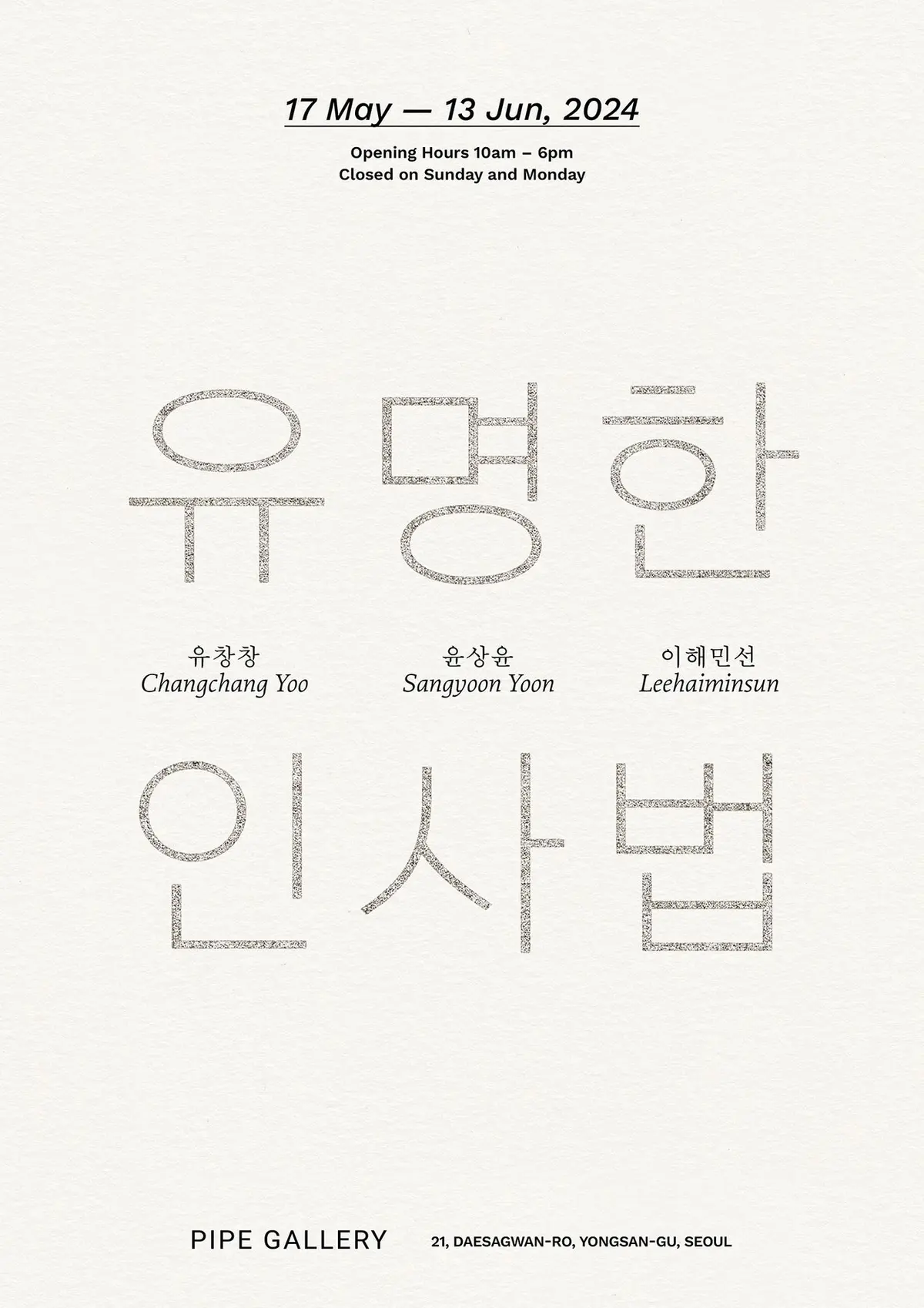
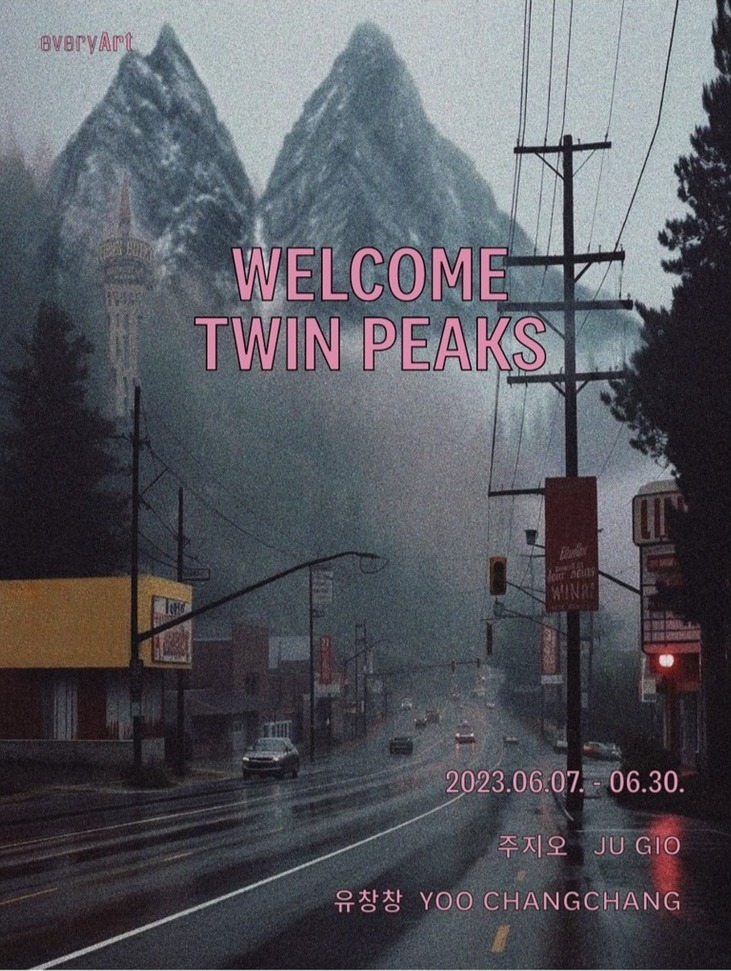
Changchang Yoo has participated in group exhibitions at the Sejong Museum of Art (2019), Aram Museum of Art (2018), Korea Manhwa Museum (2017, 2018), Shinsegae Gallery and Shinsegae Gallery Centum City (2016), SongEun Art Center (2015), Art Space Pool (2015), Seogyo Arts Experimental Center (2009), National Museum of Modern and Contemporary Art, Gwacheon (2009), Everyart (2023, 2024), Pipe Gallery (2024), and Art Center White Block (2025).

Awards (Selected)

Changchang Yoo was selected for Chongkundang Yesuljisang in 2017.

Collections (Selected)

Changchang Yoo’s works are included in the collections of the Art Bank of the National Museum of Modern and Contemporary Art, Korea, and Ssamzie Space, among others.

Works of Art

Painting Where Humor and Melancholy Coexist

Originality & Identity

Changchang Yoo’s practice traverses the boundaries between painting, comics, and illustration, constructing a singular visual language rooted in the sensibilities of contemporary visual culture. From his early independent comics to his recent paintings, he has consistently focused less on narrative structure than on the atmosphere and emotional resonance generated by images themselves. The figures, animals, and uncanny spaces that populate his works resist clear storytelling or logical explanation, instead revealing psychological landscapes and emotional states that exist prior to language. In this sense, Yoo’s works invite viewers not simply to “understand” images, but to first experience them sensorially.

At the core of Yoo’s practice lies a persistent recognition that human life and the world itself are fundamentally absurd. The world presented in his paintings closely resembles that of the “myeongrang manhwa” tradition—comics built upon irrational coincidences, nonsensical events, and abrupt narrative shifts. Within this universe, the future cannot be predicted, and past, present, and future fail to form coherent relationships. Mistakes and errors accumulate endlessly, while even the most complicated situations are suddenly resolved—or merely believed to be resolved.

Then, as if nothing had happened, another day begins. Beneath the cheerful surfaces of these works lies a deeply skeptical and pessimistic worldview. Bright colors and comic-like humor coexist with anxiety, emptiness, and emotional exhaustion, exposing the contradictions and instability underlying contemporary life.

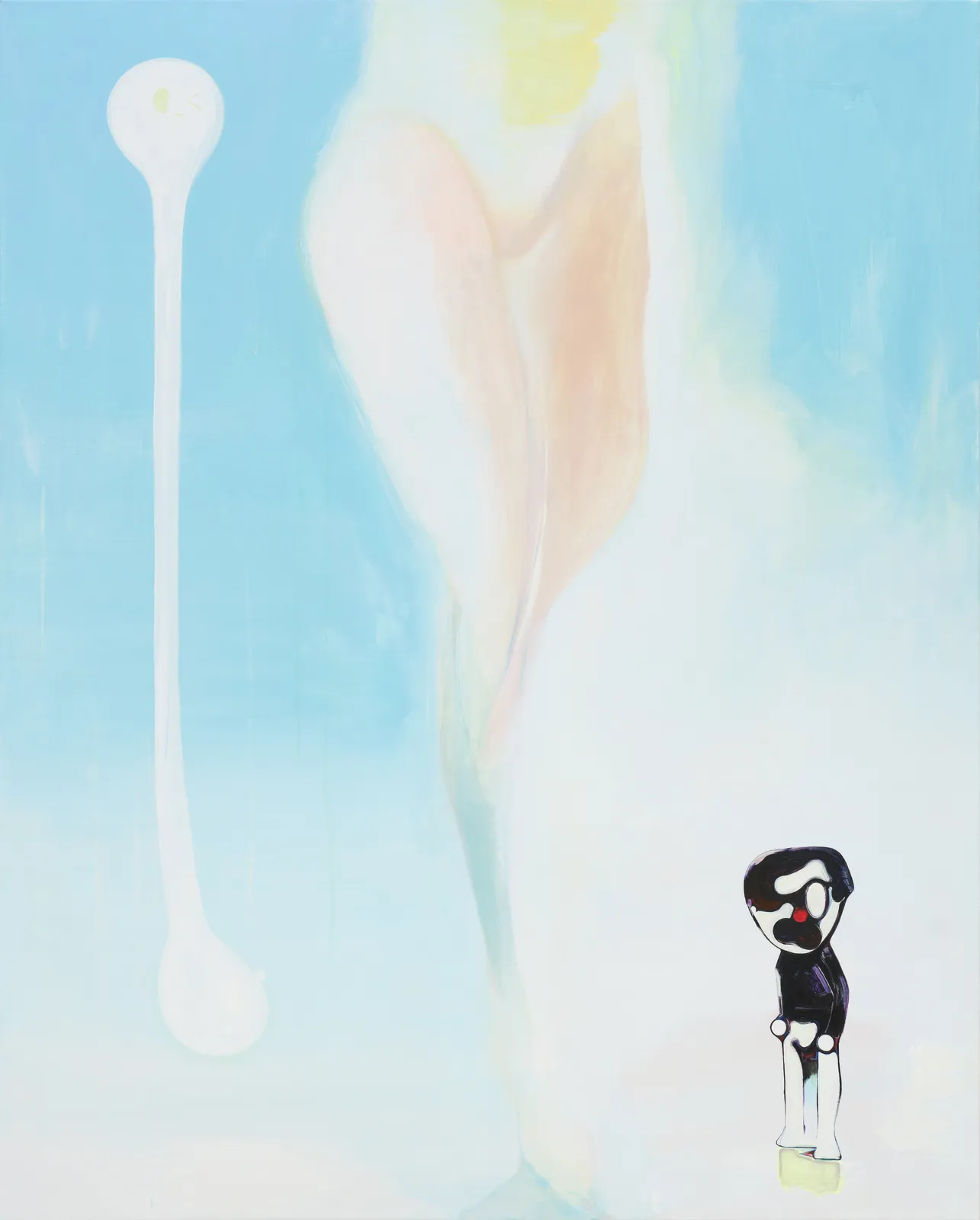
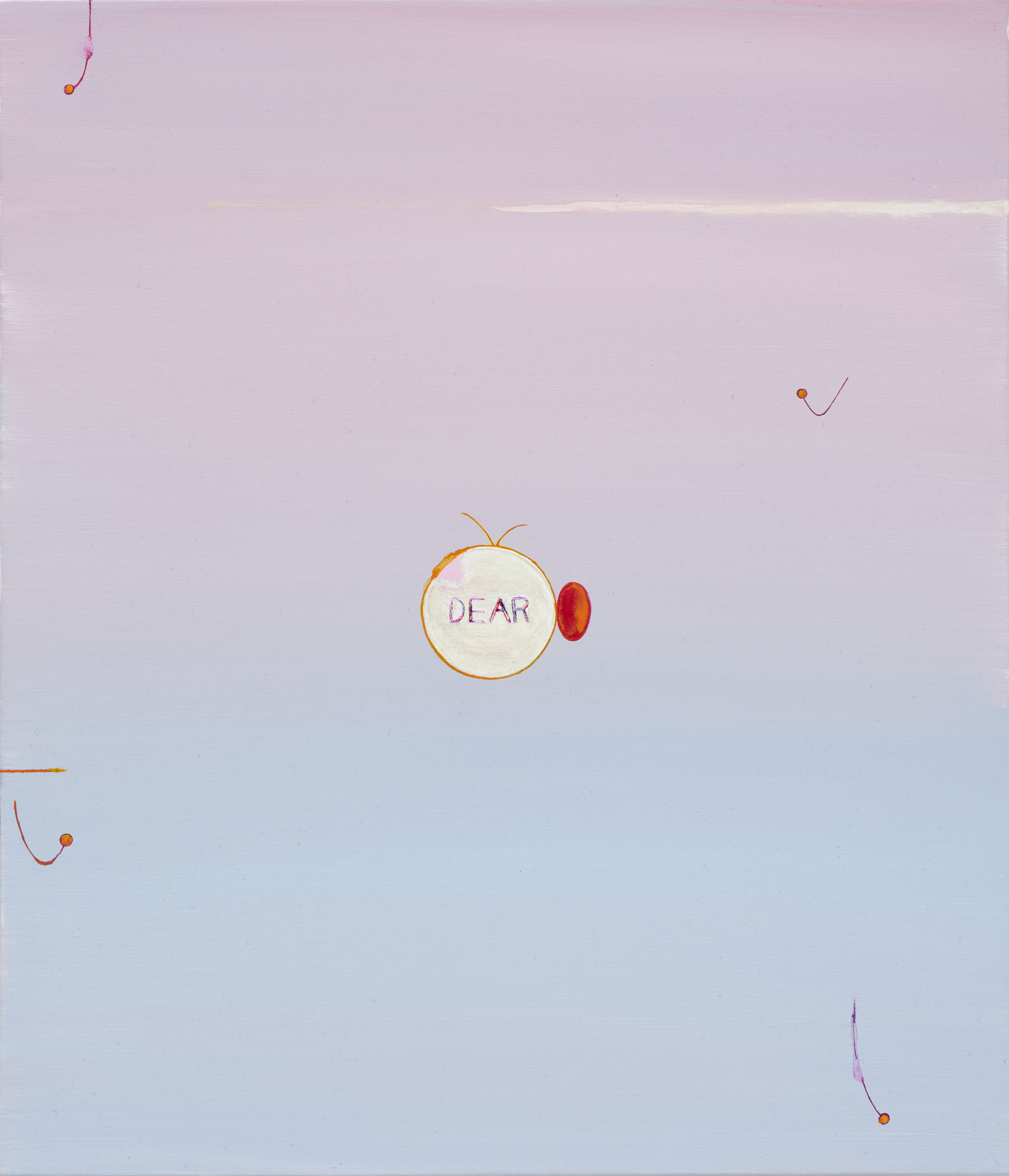
Recurring figures and motifs function as psychological metaphors within this unstable world. Faceless characters, crowds of animals moving in the same direction, and recurring figures such as “Runa-Way”—described by the artist as “a girl who is always running away”—appear throughout his works as embodiments of anxiety, evasion, and suspended emotional states. These beings are never fully individualized; instead, they drift between symbol, emotion, and presence.

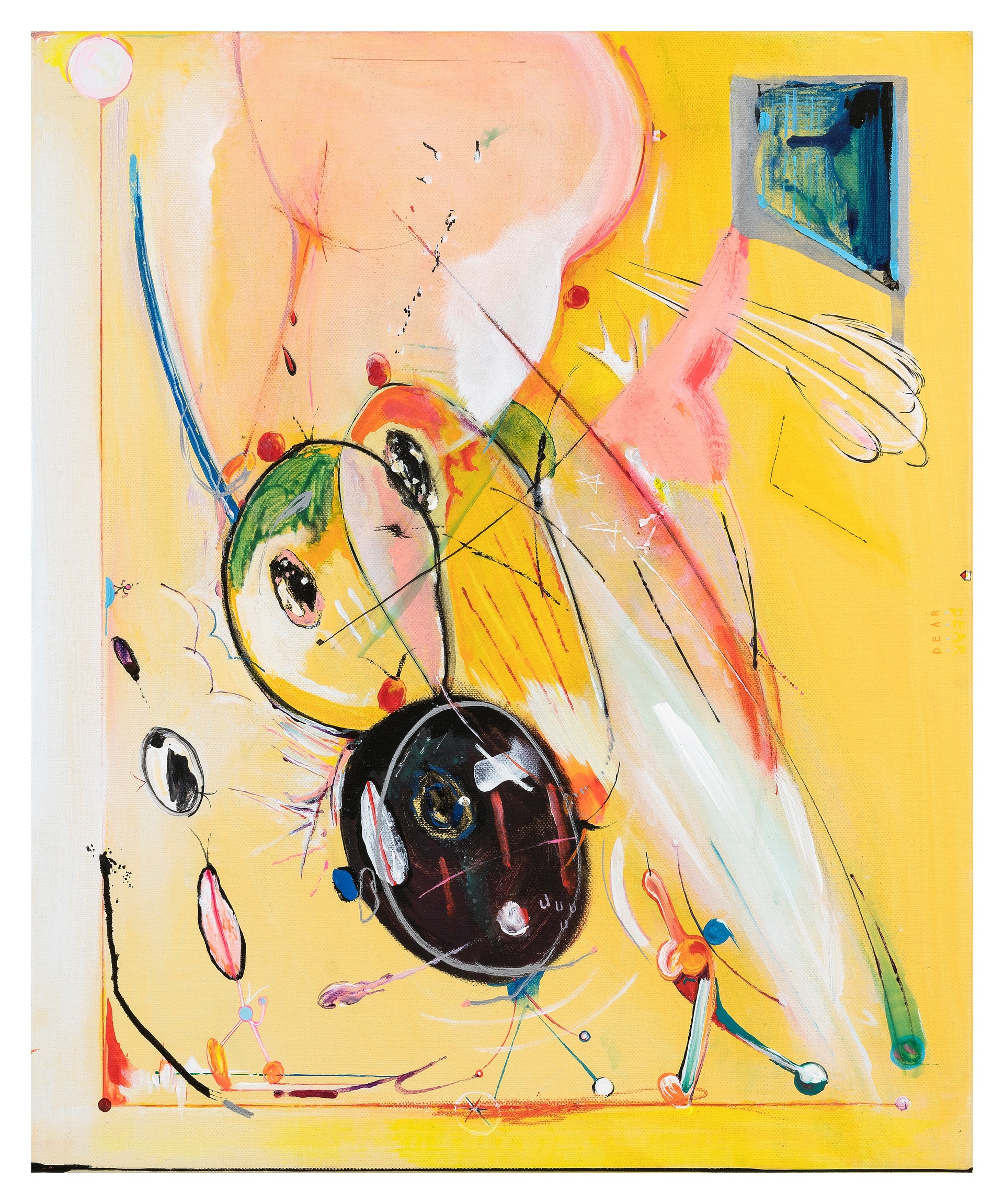
Likewise, the unidentified figures appearing in Yoo’s paintings often possess surreal or distorted faces reminiscent of extraterrestrial beings, while the compositions themselves remain noisy, crowded, and disorderly. The resulting atmosphere oscillates between comedy and tragedy, producing what might be described in Korean as a “laughably sad” sensibility.

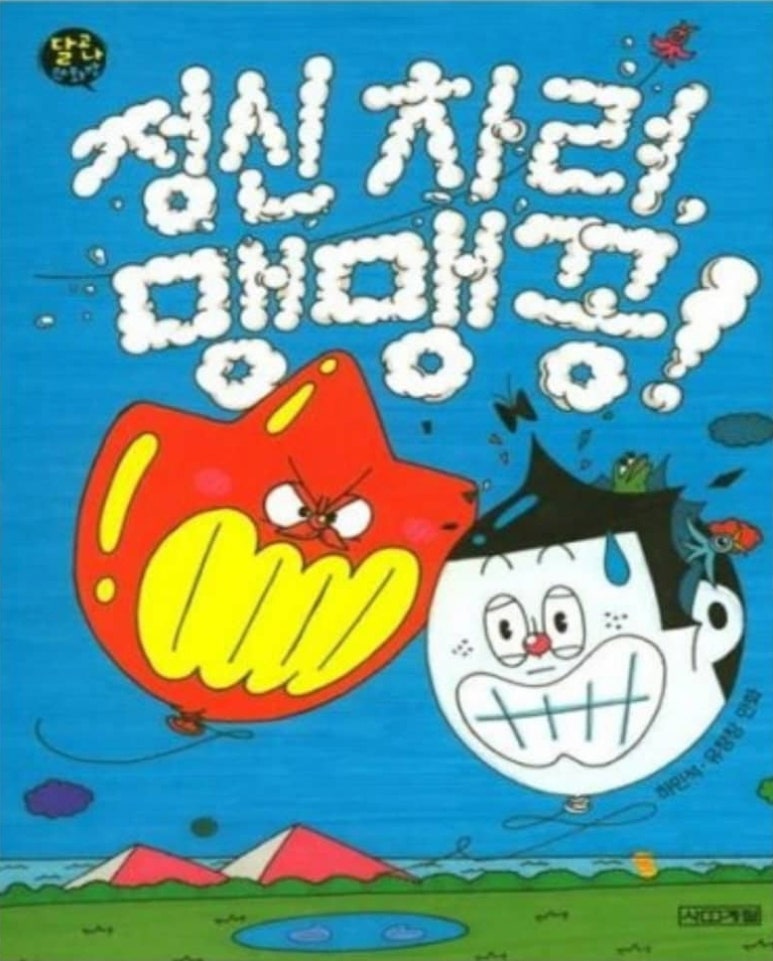
Before gaining recognition as a painter, Yoo was already regarded as one of the few representative artists of Korean “myeongrang manhwa.” This background continues to shape the conceptual foundation of his work. Yet rather than simply borrowing comic imagery, Yoo pushes the logic of comics toward abstraction and psychological space. His paintings unfold as worlds in which lightness and heaviness, humor and despair, chaos and tenderness coexist without contradiction. Moving fluidly between painting and comics, fine art and subculture, Yoo has established a practice that continually questions how images can embody emotional and existential uncertainty beyond the limits of rational explanation.

Style & Contents

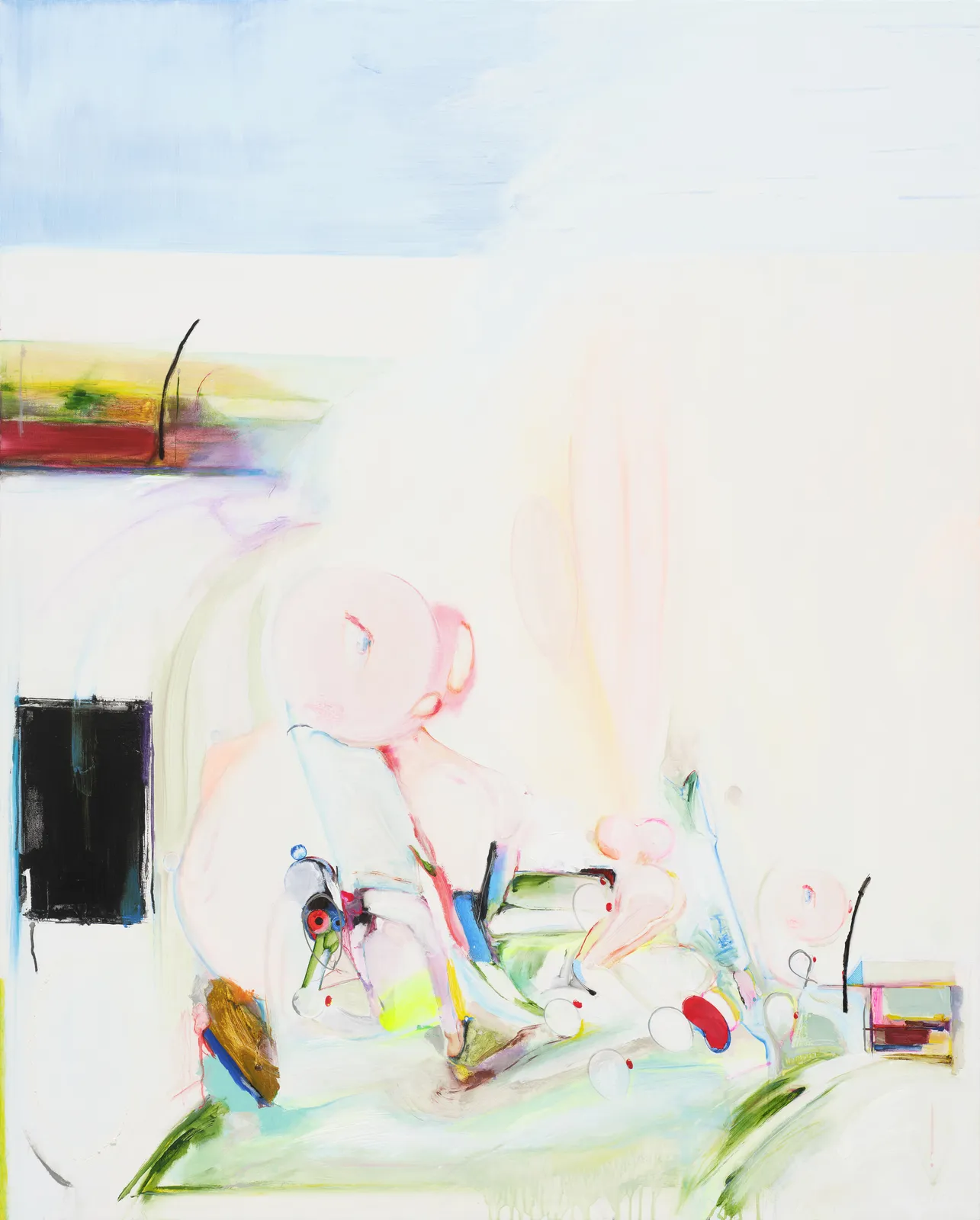
Changchang Yoo develops his works through an intuitive and improvisational process in which images emerge from accidental marks and associations. Rather than beginning with a fixed narrative or composition, he discovers forms within flowing paint, stains, and overlapping colors, then continuously expands the image through chains of visual association. This method, which resembles the spontaneous unfolding of comics, allows the work to remain open-ended throughout its making. Figures appear, dissolve, and transform into other figures, while spaces shift between interior and exterior, landscape and psychological projection. His paintings are therefore not constructed through linear logic, but through the accumulation of sensory relationships and emotional rhythms.

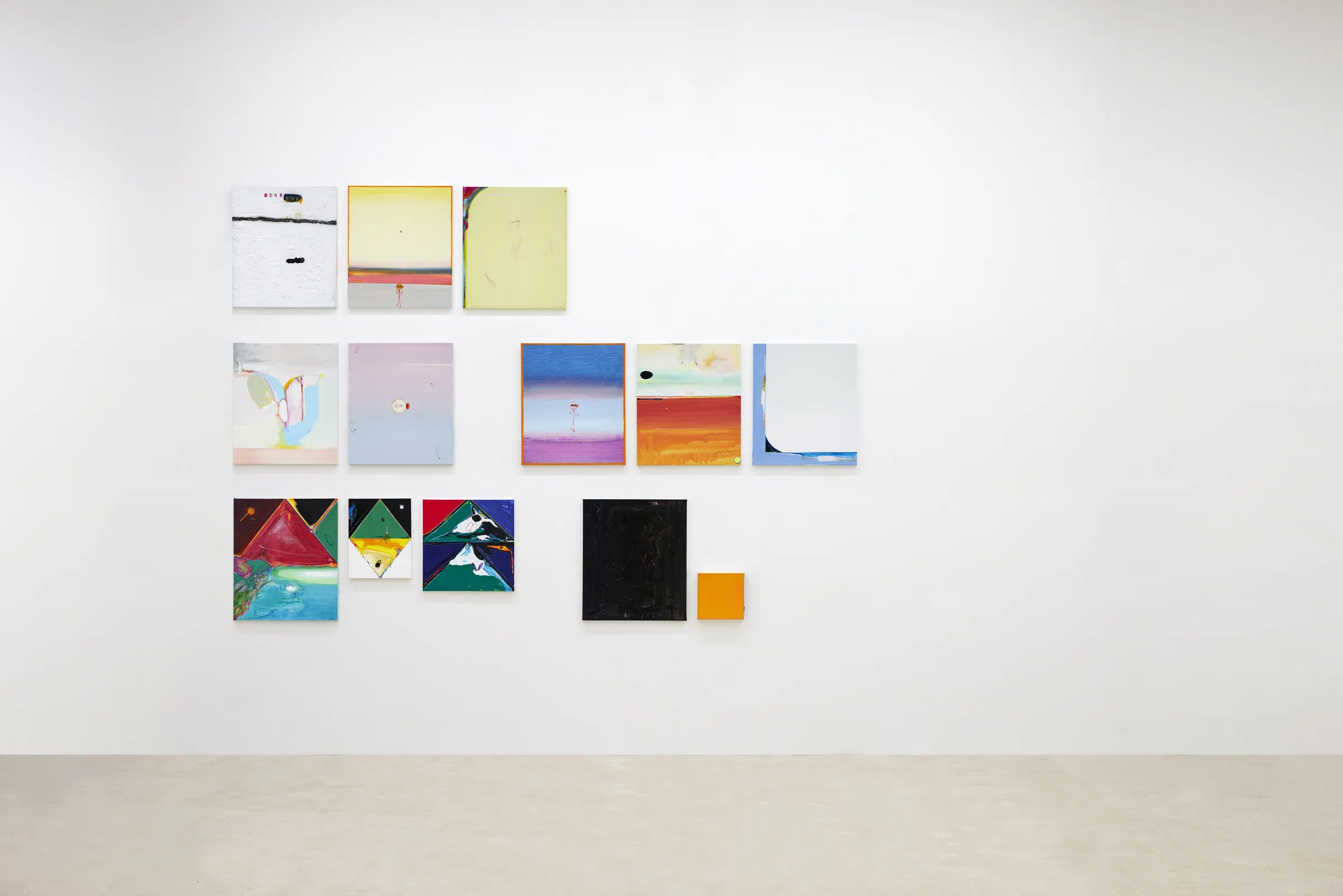
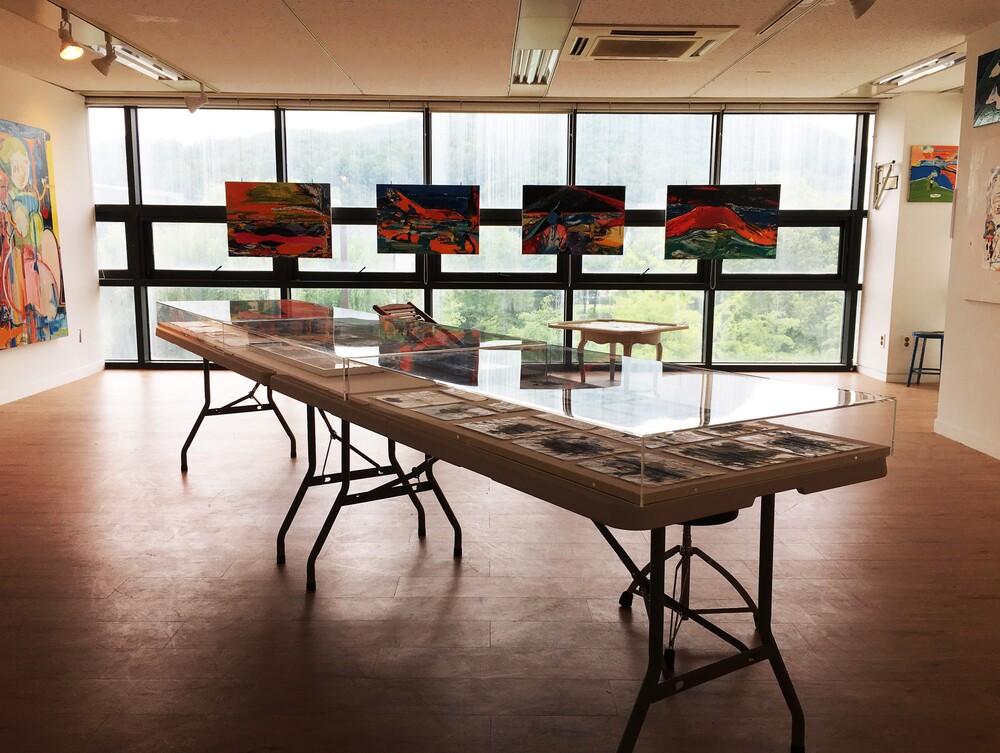
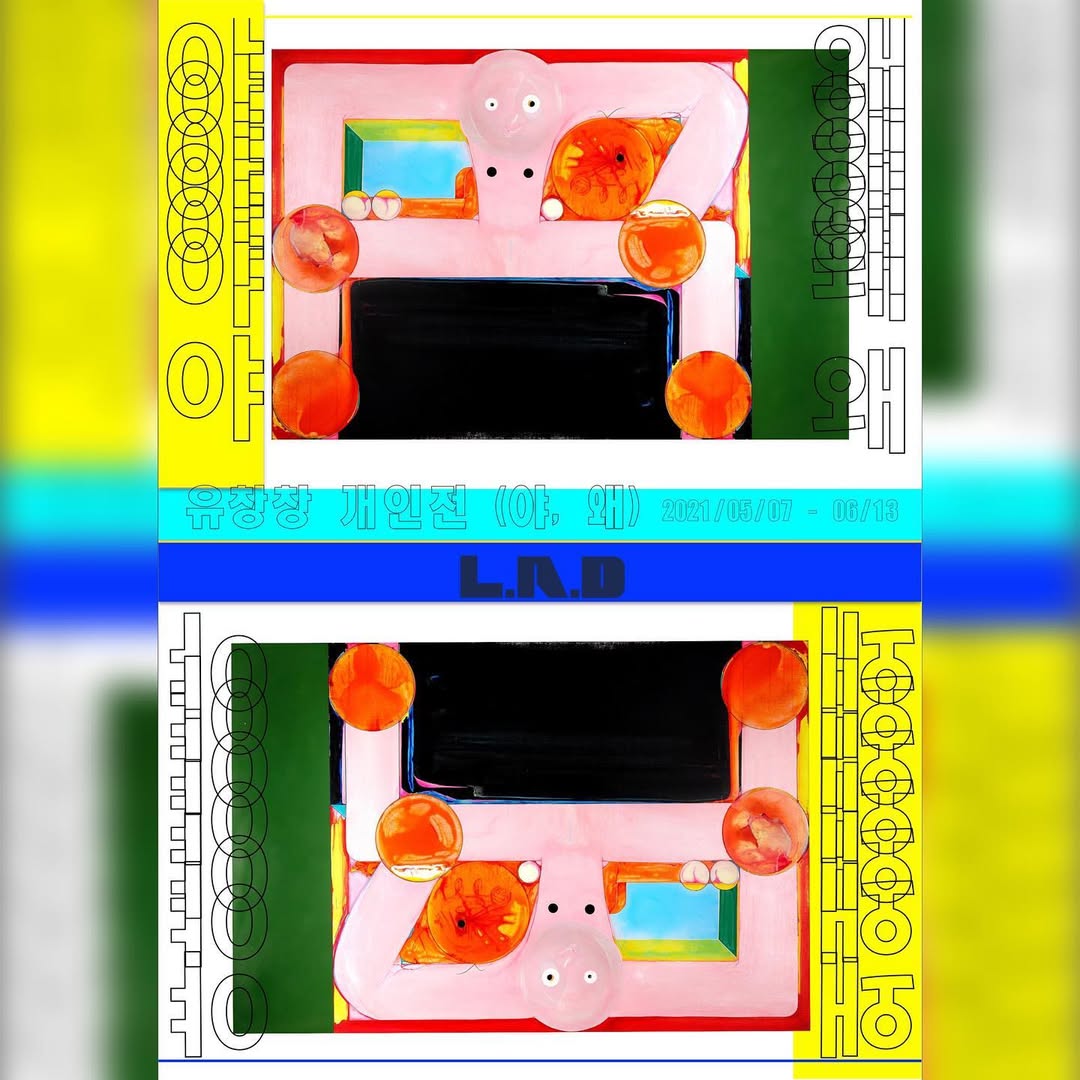
One of the defining characteristics of Yoo’s work is the coexistence of comic-like imagery and painterly abstraction. His surfaces are filled with vivid primary colors, thick contours, exaggerated facial expressions, and fragmented figures that recall animation, underground comics, and illustration. At the same time, these elements never fully settle into narrative illustration. Faces often lack clear identities, bodies merge with surrounding environments, and multiple perspectives coexist within a single composition. The artist repeatedly overlays forms and visual information in ways that are simultaneously playful and disorienting, producing images that appear familiar yet remain difficult to interpret conclusively.

Yoo’s compositions frequently maintain a deliberately unstable structure. Characters, animals, objects, and backgrounds collide within crowded pictorial spaces, creating scenes that feel noisy, chaotic, and psychologically compressed. Yet beneath this apparent disorder lies a carefully controlled visual rhythm. Repeated shapes, colors, circular forms, silhouettes, and directional movements create subtle systems of balance across the canvas. Humor and absurdity emerge through these accumulations, but so do tension and melancholy. The viewer is drawn into a state where emotional tones continuously fluctuate between comedy and unease, intimacy and alienation.

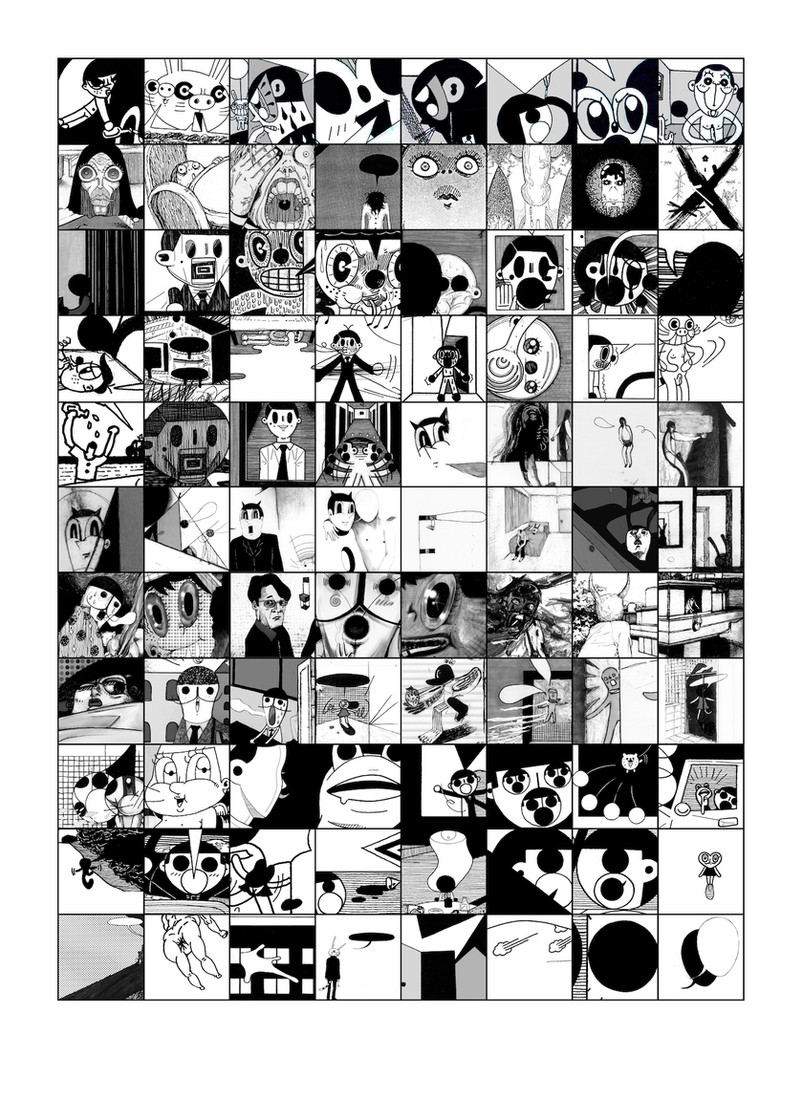
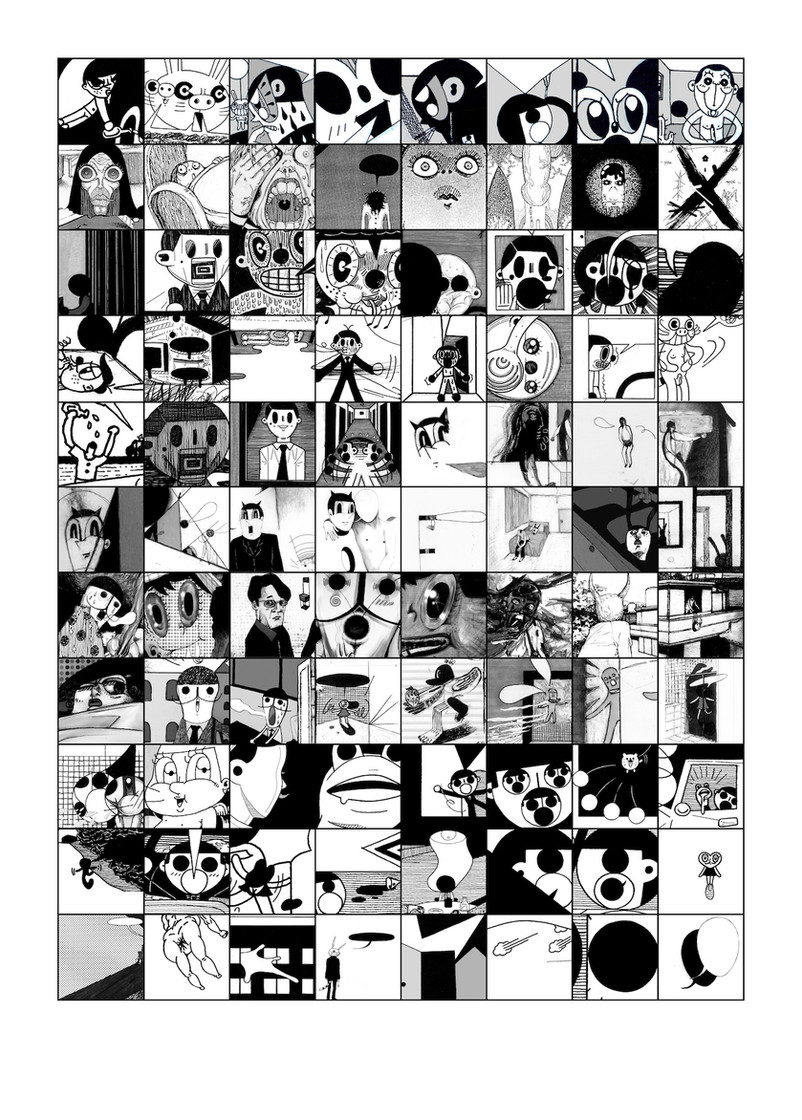
His visual language also reflects the influence of comics not merely as subject matter, but as a structural way of seeing. In Yoo’s earlier comics, individual panels often functioned less as steps within a coherent story than as dense visual units requiring prolonged attention. This sensibility continues within his paintings, where each fragment of the surface operates almost like an autonomous panel containing its own emotional and visual logic. Rather than directing viewers toward a singular meaning, Yoo encourages a drifting mode of perception in which interpretation remains partial, unstable, and open. Through this process, painting becomes not a fixed image but a site where sensation, narrative fragments, memory, and psychological atmosphere continuously intersect.


Topography & Continuity

Since beginning his career within Korea’s independent comics scene in the late 1990s, Changchang Yoo has continuously developed a singular artistic world while moving fluidly between comics and painting. After debuting in 1997 through the independent comics magazine Hysterie, he contributed short works to various comics anthologies and webzines such as Banana, Canned Food, OZ, and Cartoon P, later expanding his practice into painting and exhibition-making. Particularly from the late 2000s onward, he transitioned into the field of contemporary painting while retaining the sensibilities of comics, establishing a distinctive position within contemporary Korean visual art.

Yoo’s practice constructs a unique terrain that traverses the boundaries between painting and comics, fine art and subculture. Rather than following the conventions of narrative comics or the representational logic of contemporary painting, he organizes his images through collisions, emotional density, and visual rhythm. In this sense, his work represents a rare case within Korean visual culture in which comic sensibilities and painterly experimentation coexist on equal terms. Rather than settling within a single genre, Yoo has treated the act of moving between genres itself as a methodology, continuously generating new forms of visual tension and sensory experience.

What remains consistent throughout Yoo’s practice is his awareness of the absurdity of the world and his ambivalent attitude toward it. From his early comics to his recent paintings, his works consistently hold together cheerfulness and melancholy, humor and cynicism, lightness and anxiety. Recurring figures, groups of animals, ambiguous spaces, and fragmented narratives continue to reappear across different periods and mediums in endlessly shifting forms. In particular, faceless figures and recurring characters such as “Runa-Way” simultaneously reflect the artist’s own psychological states and metaphorically evoke the unstable emotional conditions of contemporary life.

This continuity should not be understood as simple repetition, but rather as the gradual expansion of an artistic universe. While his early comics experimented with the relationships between panels and images, his recent paintings treat the entire canvas as a psychological space, constructing increasingly open structures. The framing sensibility of comics becomes loosely dismantled within painting, while the materiality of painting reconnects with comic imagination. Rather than remaining confined to the identity of a single medium, Changchang Yoo continually shifts and transforms his visual language, building a highly distinctive body of work over time.

Works of Art

Painting Where Humor and Melancholy Coexist

Articles

Exhibitions

Activities