First Mind - K-ARTIST

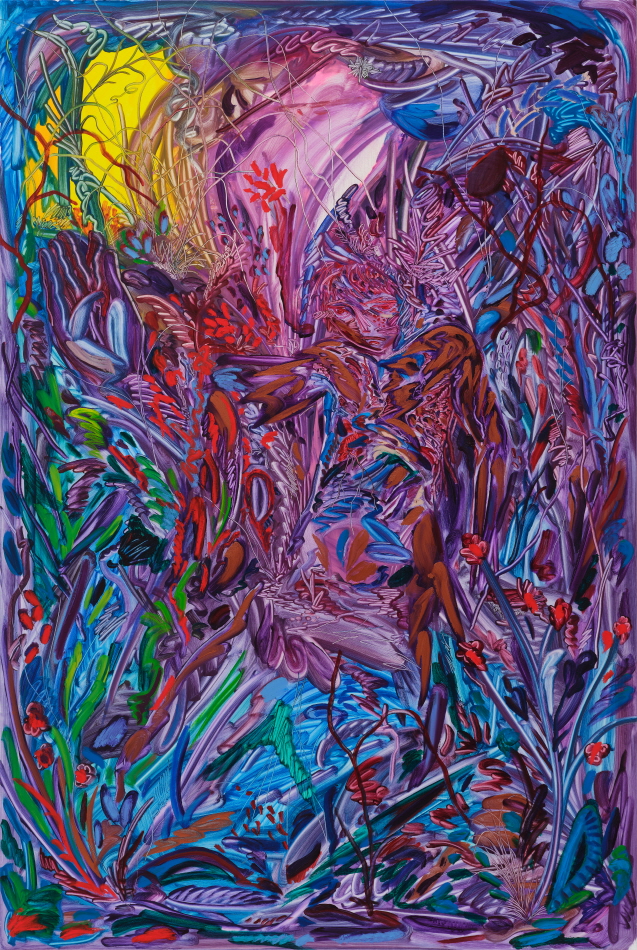
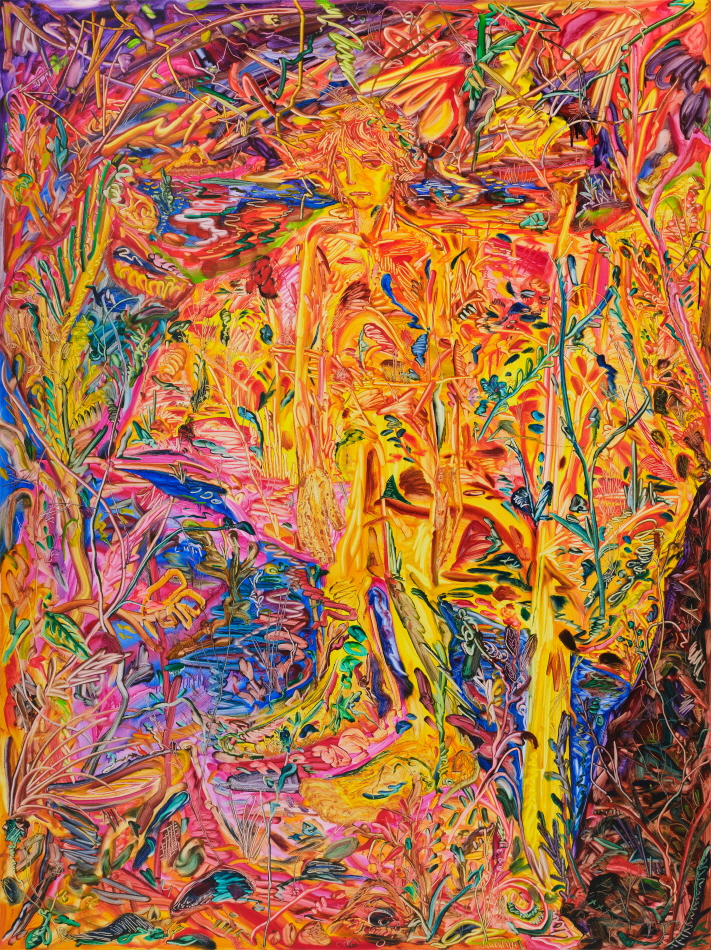
First Mind

2023 
Oil on Canvas 
193.9 x 130.3 cm
About The Work

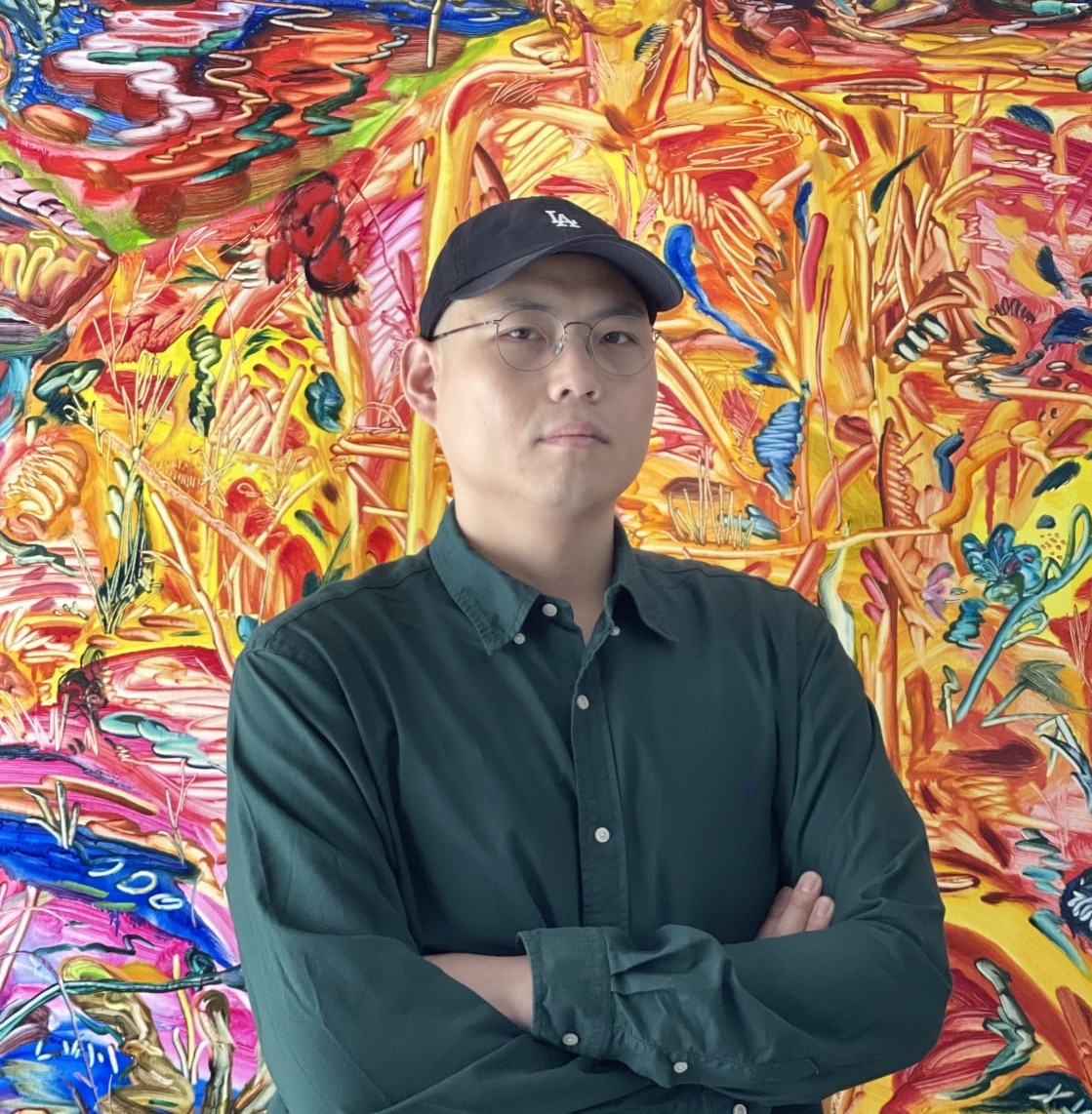
Park Gwangsoo’s work is distinctive in that it has continuously explored the relationships between nature and humans, reality and fantasy, disappearance and creation through the long-standing motif of the forest. His forest is not a simple background, but a conceptual space where forms appear, disappear, and transform again. In his early black-and-white drawings and animations, the forest was close to a place of darkness and the unconscious; in later oil paintings, it changed into a more active space of creation, with the addition of color, matter, and the action of the hand.
 
His painting moves freely between figuration and abstraction, landscape and figure, Eastern landscape painting and Western pictorial traditions. The surface retains a sense of landscape experienced through the body, as in traditional landscape painting, while also showing scenes in which figures and environments merge, as in the paintings of William Blake. At the same time, rapid and fluid brushwork, intense color, and the repetition of lines using tools made by the artist form Park Gwangsoo’s own physical and bodily language of painting.
 
Looking at the trajectory of his work, he began from a period of feeling his way toward the hidden side of the world through drawing, moved through black forests and disappearing figures, and has recently turned toward acts of making, the origins of civilization, and the relationship between humans and nature. This change can be understood not as a break from his existing concerns, but as a shift in focus from “what disappears” to “what is made,” and from “unstable beings” to “beings that sense and produce something.”

Solo Exhibitions (Brief)

Park’s major solo exhibitions include 《Copper and Hands》(2023, Hakgojae, Seoul), 《Cracker》(2021, Catadrog, Seoul), 《Nevermore》(2019, Hakgojae, Seoul), 《Windswept》(2018, Doosan Gallery, New York, USA), 《A Darker Forest》(2016, Kumho Museum of Art, Seoul). 

Group Exhibitions (Brief)

Park’s major group exhibitions include 《Support SARUBIA》(2026, SARUBIA, Seoul, Korea), 《Minibus, Oort Cloud, Fluttering Pages》(2025, ARKO Art Center, Seoul), 《Unboxing Project:Message》(2025, König Telegraphenamt, Berlin), 《Concrete Abstraction 》(2024, Mimesis Art Museum, Paju), 《Time Lapse》(2024, Pace Gallery, Seoul), 《In a Dream Lapse》(2023, Korean Cultural Center in Hong Kong, Hong Kong), 《Moving Moon, Approaching Land》(2022, Jeju Museum of Art, Jeju). 

Awards (Selected)

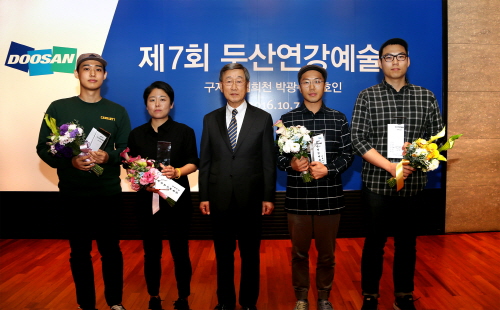
Park has received the 5th Chong Kun Dang Arts Award and the 7th Doosan Artist Award.

Residencies (Selected)

Park has participated as a resident artist at Doosan Residency New York (2018), Seoul Museum of Art Nanji Art Studio (2017), Seoul Foundation for Arts and Culture Geumcheon Art Factory (2014, 2015), and Incheon Art Platform Residency (2013).

Collections (Selected)

Park works are collected by the National Museum of Modern and Contemporary Art, the Government Art Bank, Seoul Museum of Art, and Gyeonggi Museum of Modern Art.

Works of Art

The Sense of the Forest

Originality & Identity

Park Gwangsoo’s work deals with a world in which forests and nature, humans and civilization, creation and disappearance are intertwined. His childhood spent in Cheorwon, Gangwon-do is closely connected to the sense of the forest that repeatedly appears in his work. In his early works, the forest appears not as a simple natural landscape, but as a place where dream and reality overlap and unknown life stirs.

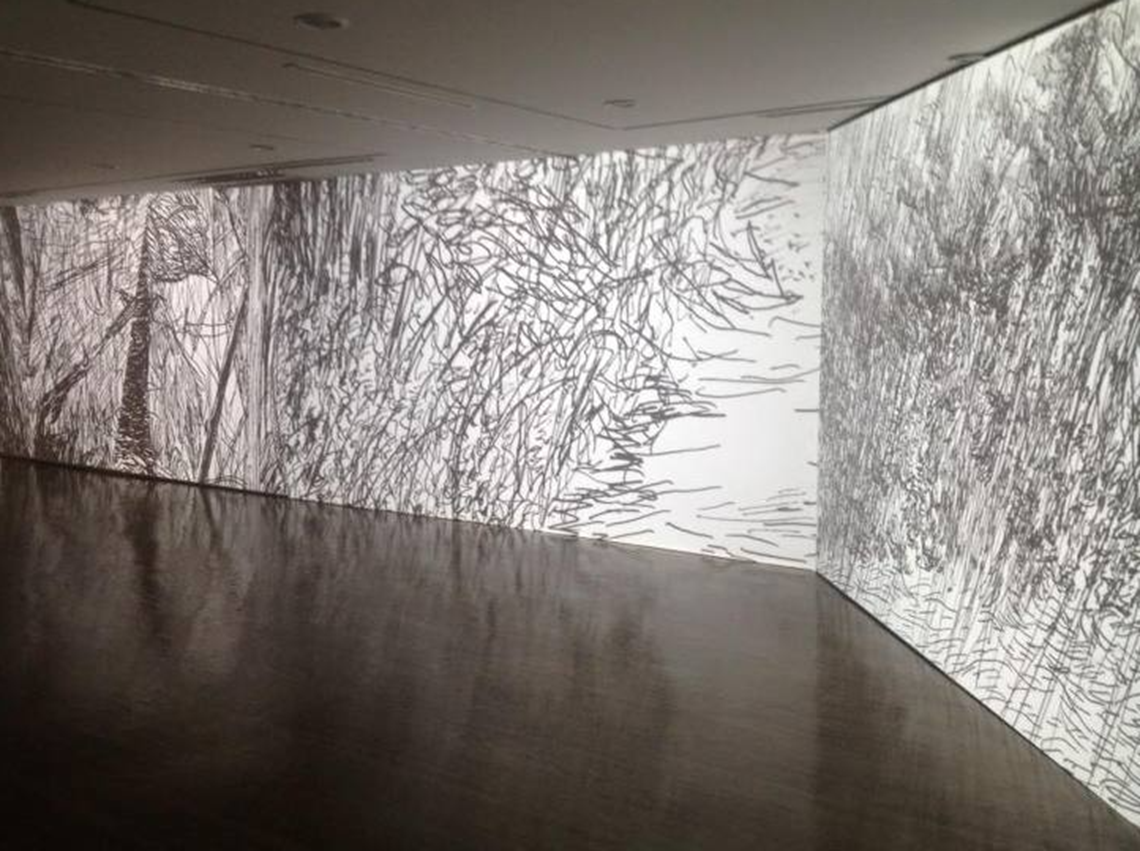
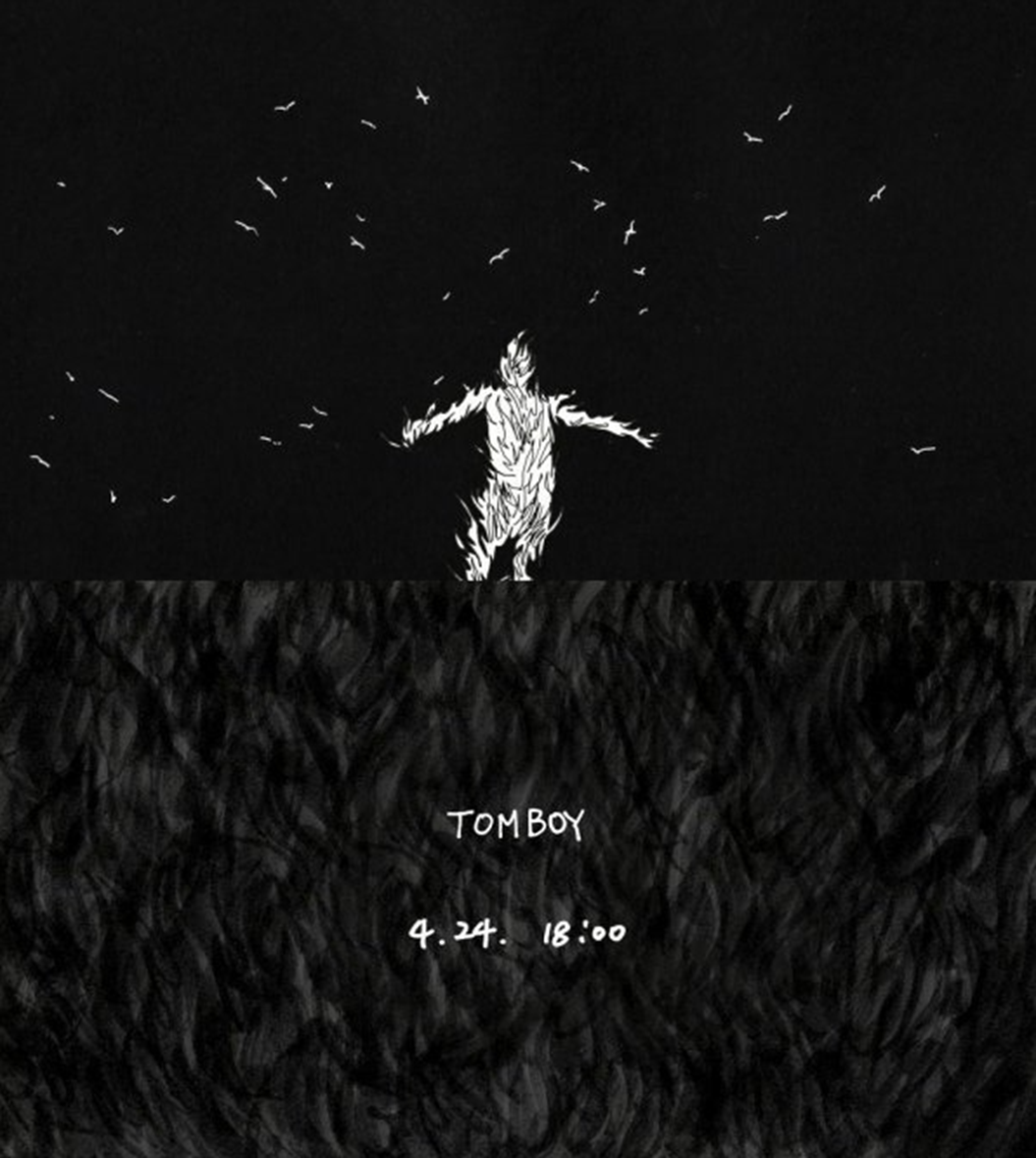
Beginning with the drawing animations in his solo exhibition 《Black Wind, Bonfire and Drumbeat》(Shinhan Gallery, 2015), the artist has transferred images from reality, 3D tools, and game scenes back into drawing, exploring uncertain fantasies and sensations that exist behind the real world.
 
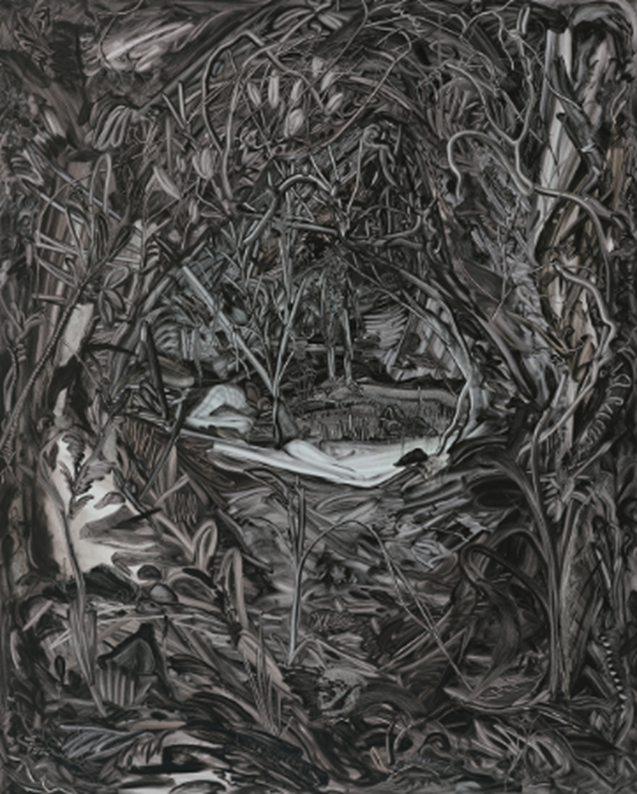
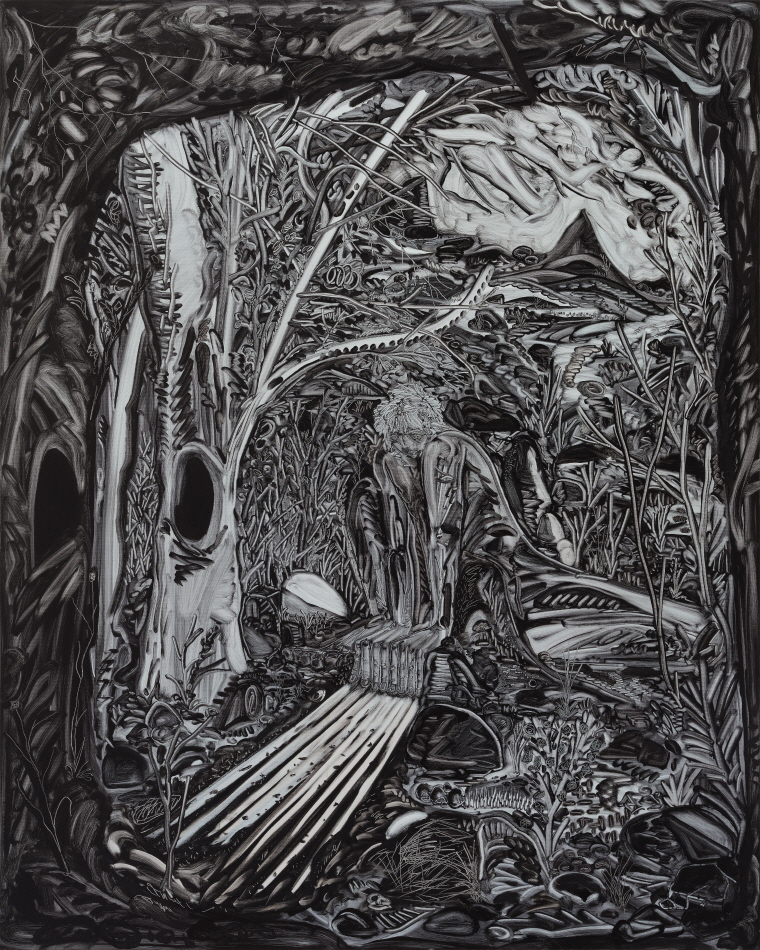
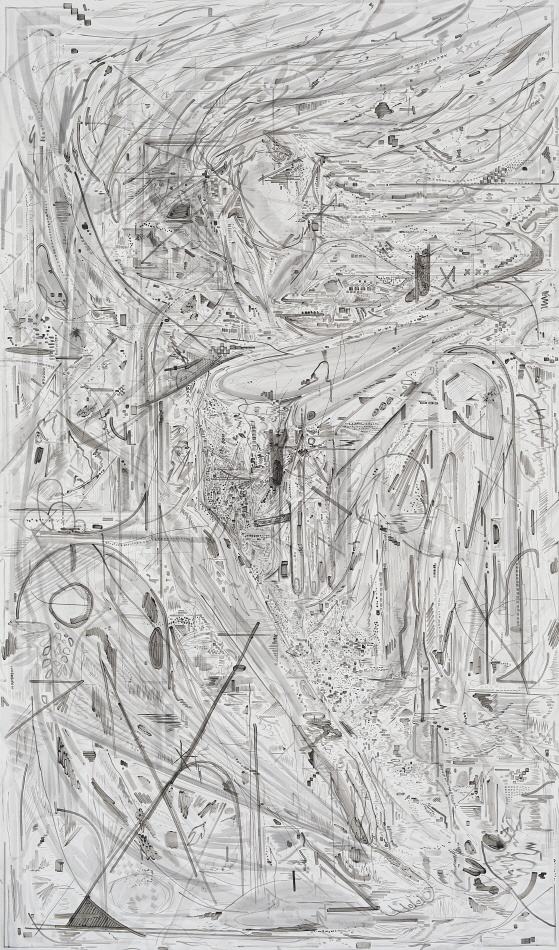
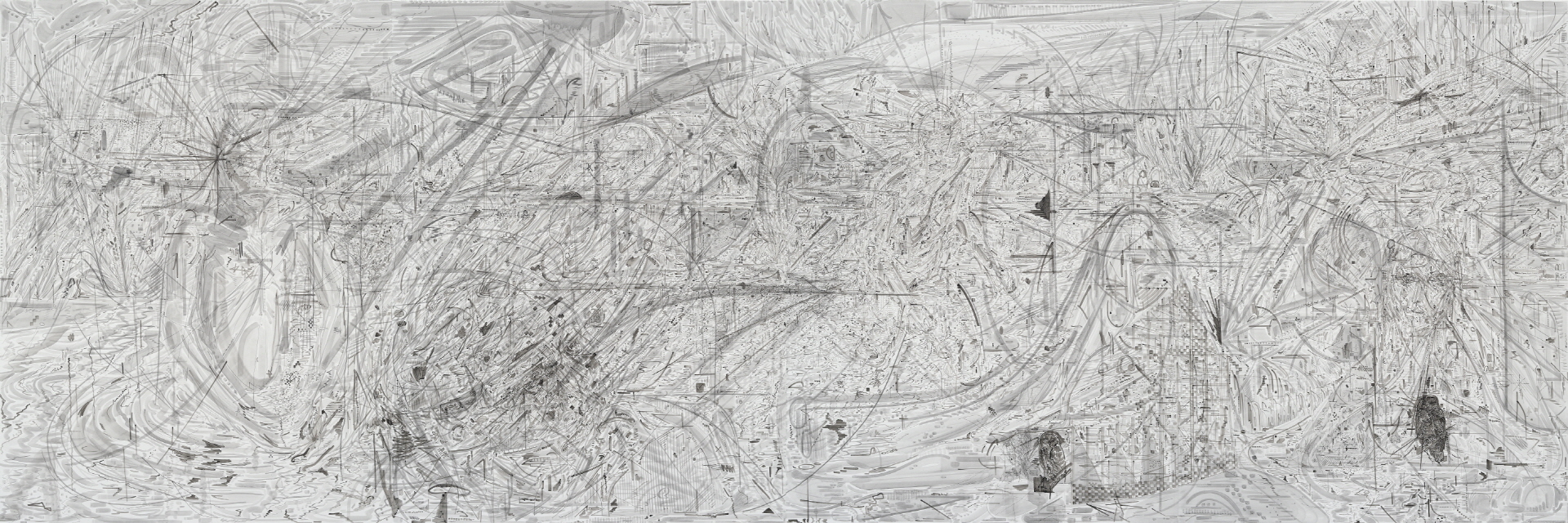
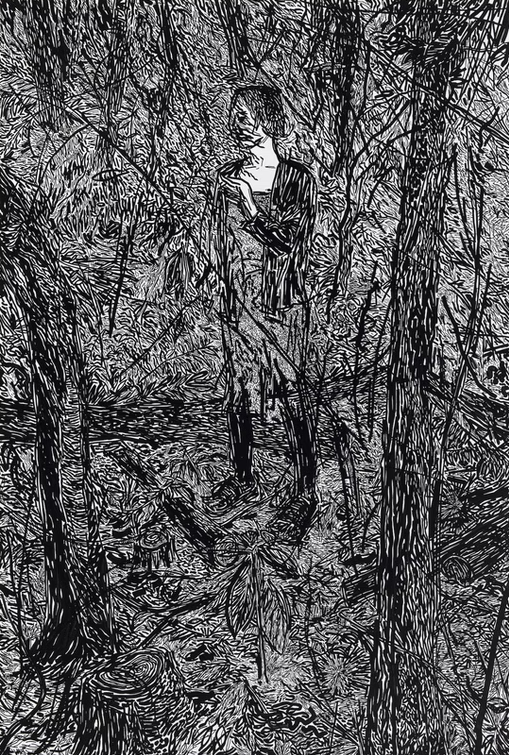
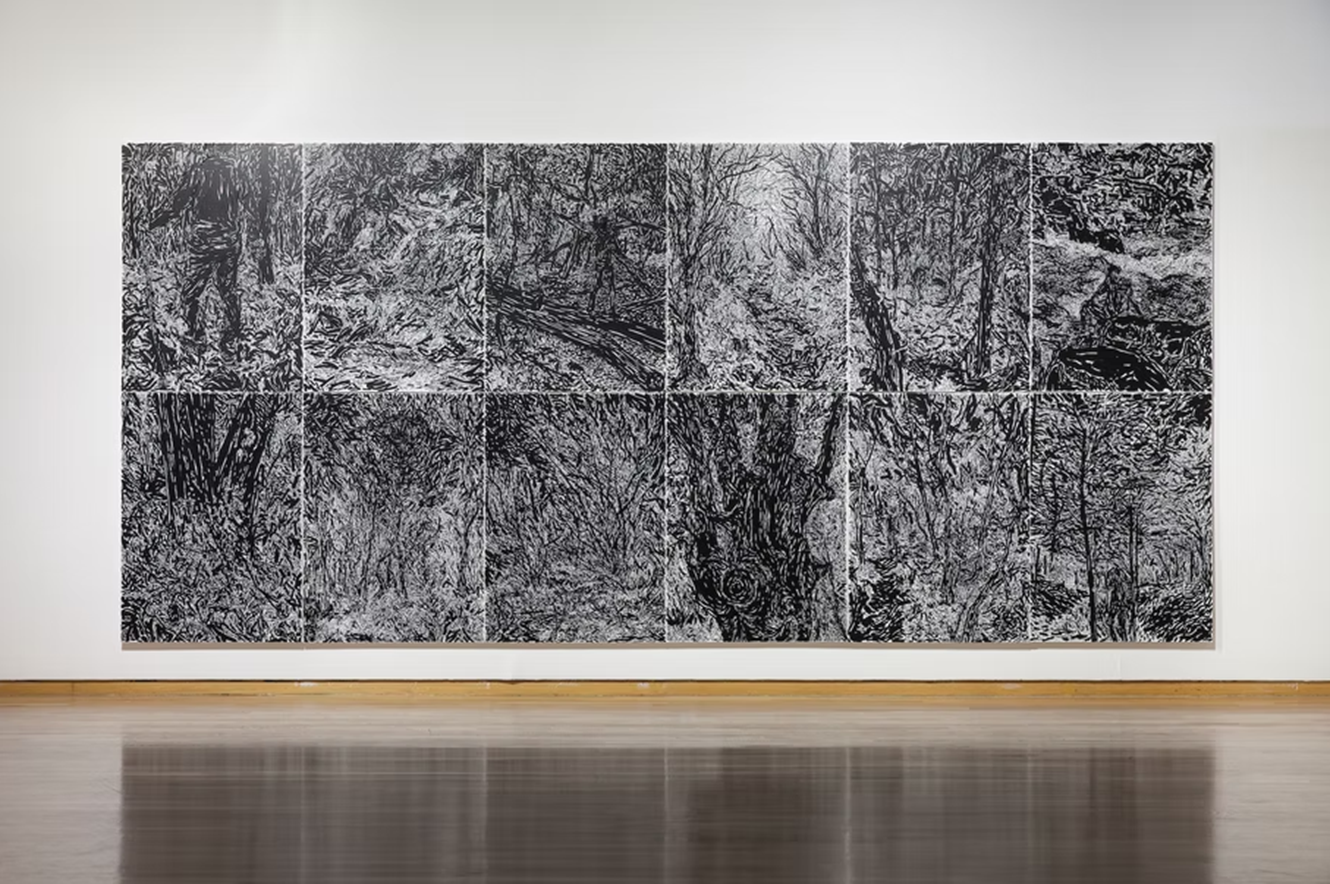
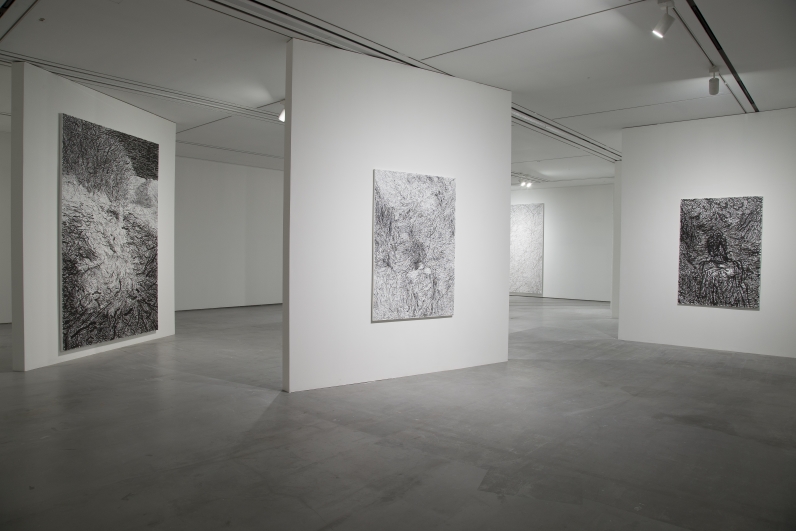
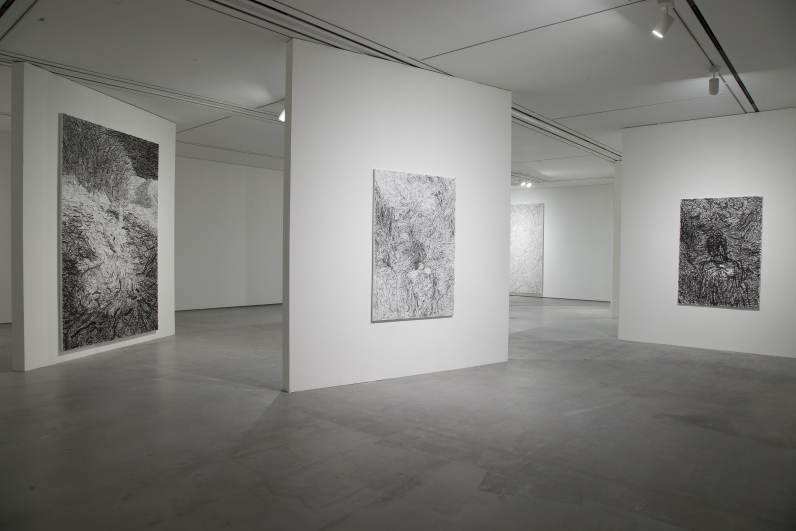
This interest becomes clearer in his later solo exhibitions 《Crack》(DOOSAN Gallery, 2017) and 《Windswept》(DOOSAN Gallery New York, 2018). Representative works such as Dark Forest(2017) and Crack capture the moment when figures and landscapes appear and disappear through countless black lines and the gaps between them.

In this period, “disappearance” is not simply absence, but is connected to the passage of time, aging, loss, and the state of an existence that has not yet fully taken shape. The forest does not function as a place where forms become clear, but rather as a scene where boundaries blur, images crumble, and new forms are generated again.
 
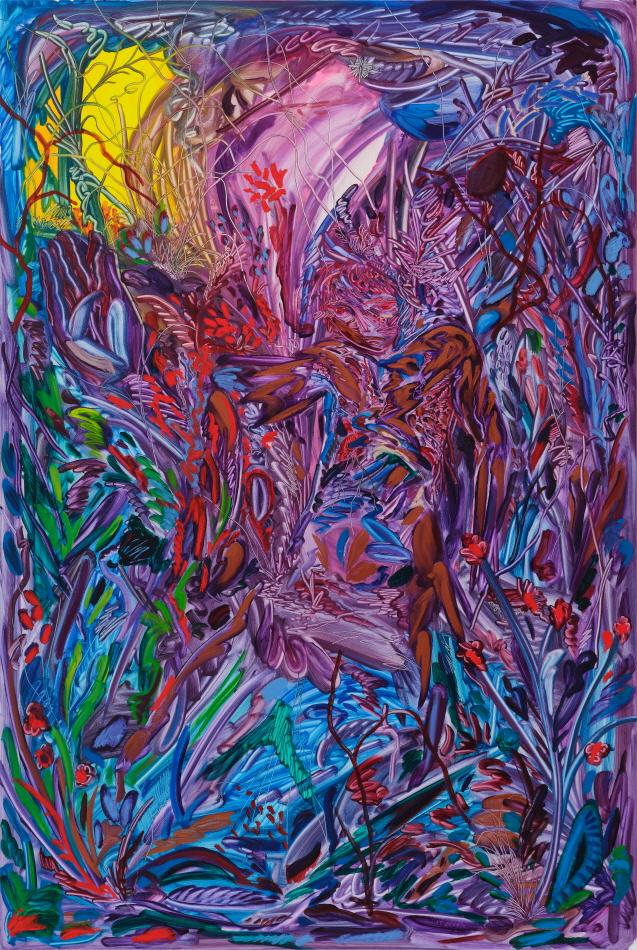
After the 2019 solo exhibition 《Nevermore》(Hakgojae Gallery, 2019), Park Gwangsoo’s work gradually expanded from surfaces centered on black lines toward the materiality of color and oil paint. He still deals with forests, humans, and incomplete beings, but the surface no longer remains within the dark density of black and white.

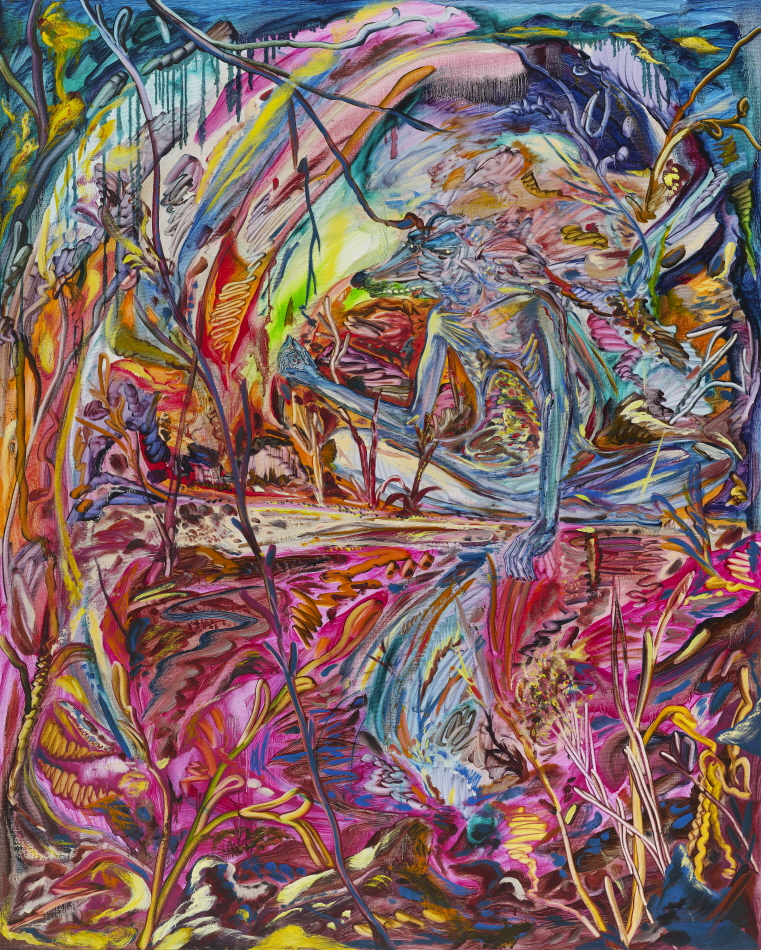
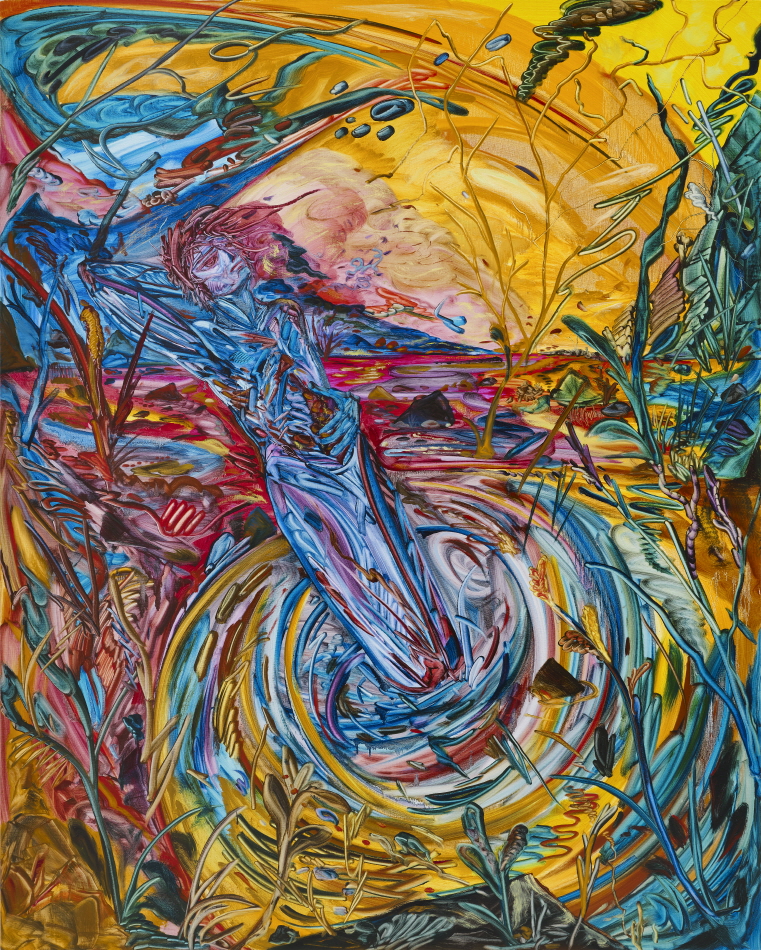
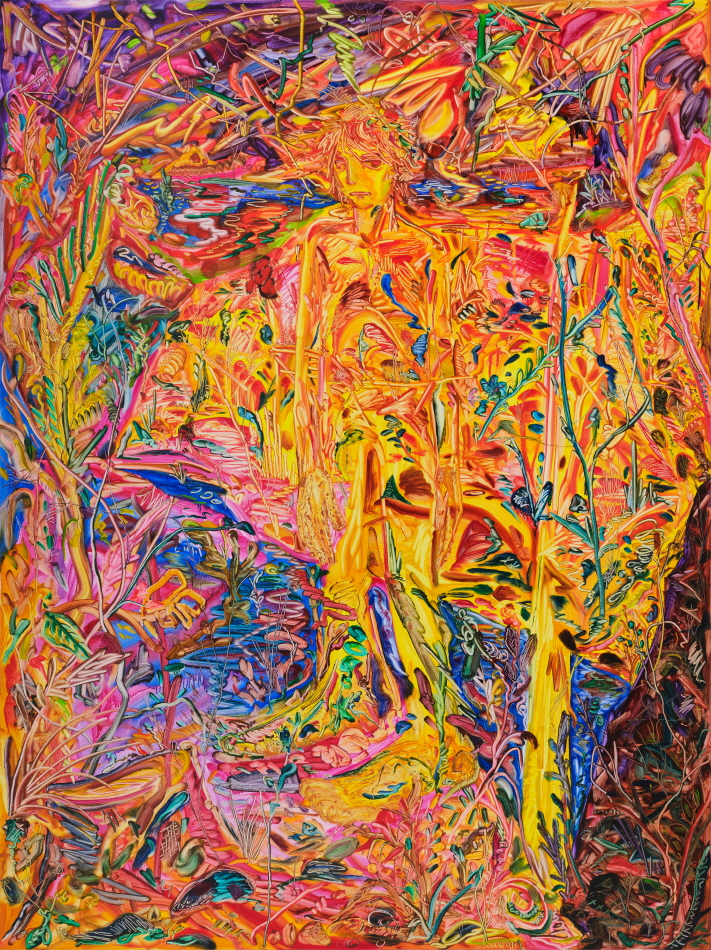
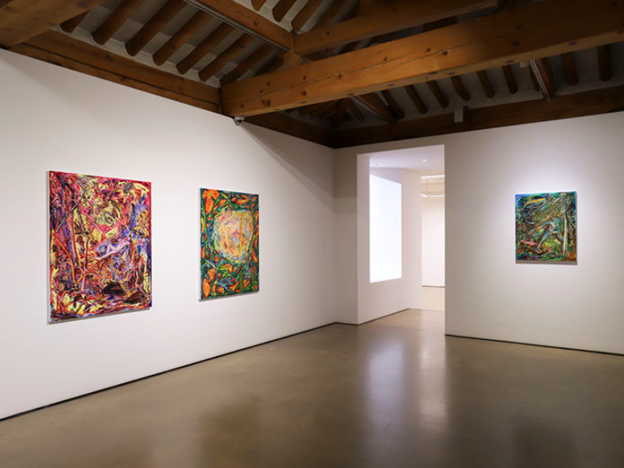
Rather than harmonizing with one another, colors collide, and the surface is presented as a writhing space like a prehistoric state where something begins to sprout. This change can be seen not simply as a stylistic shift, but as a process in which the sense of disappearance and vanishing leads to questions of generation, making, failure, and repeated attempts.
 
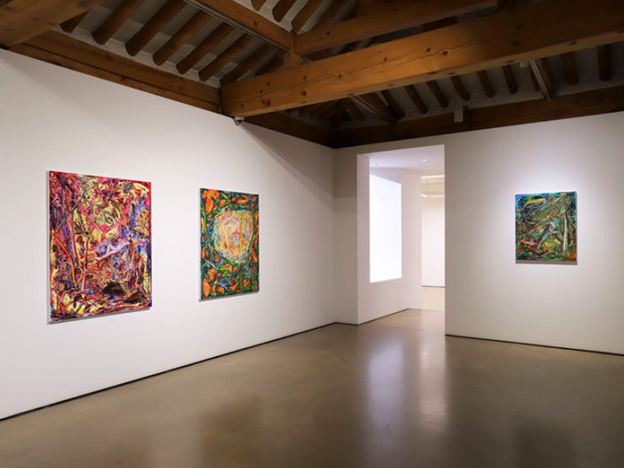
In his recent solo exhibition 《Copper and Hand》(Hakgojae Gallery, 2023), this trajectory is organized through the relationship between “the one who makes and the one who is made.” In representative works such as Small Mountain(2023), Emerald(2023), Bark(2023), Copper Head(2023), and Copper and Hand(2023), figures no longer remain only as disappearing beings, but appear as beings that touch, observe, gather, and make something.

If “copper” symbolizes the beginning of civilization and its material foundation, “hand” is the subject of action that realizes thought and sensation. At this point, Park Gwangsoo’s painting presents a world in which nature and civilization, humans and the body, creation and destruction are intertwined without being separated.

Style & Contents

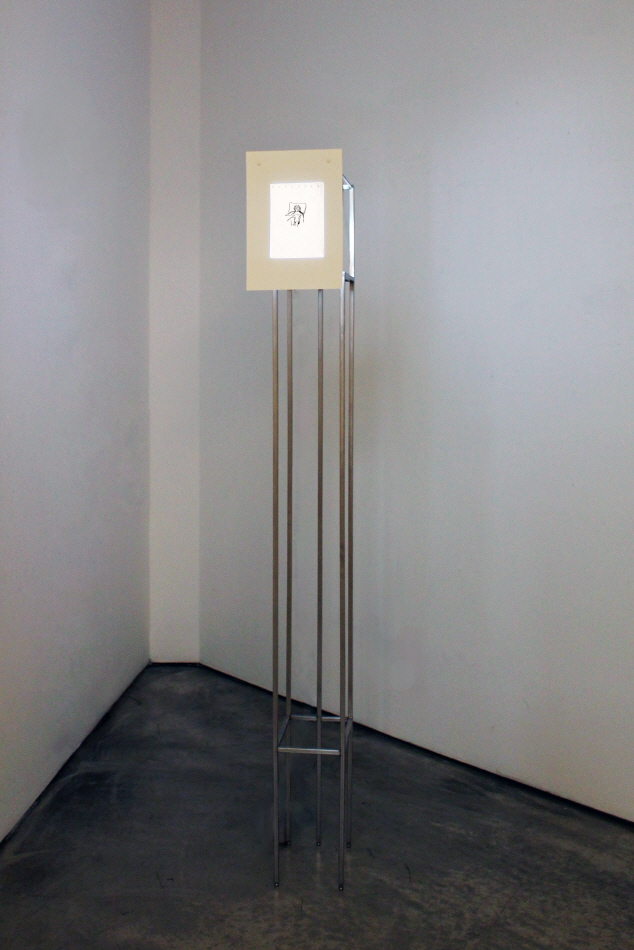
Park Gwangsoo’s early work developed around drawing and animation. The 15 drawing animations presented in 《Black Wind, Bonfire and Drumbeat》 were structured through rotoscoping, in which actual video, 3D footage, and game scenes were transferred again by hand. Works such as Fire Man-MarchWeather and HandRolling StoneBlack Bird, and Coin in the Air do not reproduce scenes of reality as they are, but reveal the fantastical and unstable world that the artist senses within them. In this process, drawing becomes not a preparatory stage for painting, but an independent method for perceiving and rearranging the world.
 
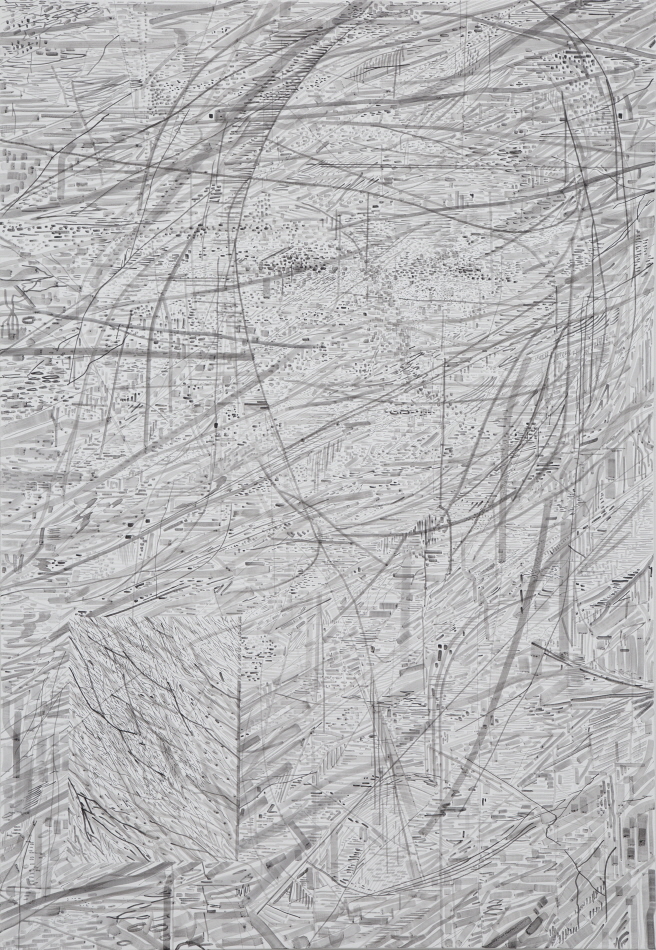
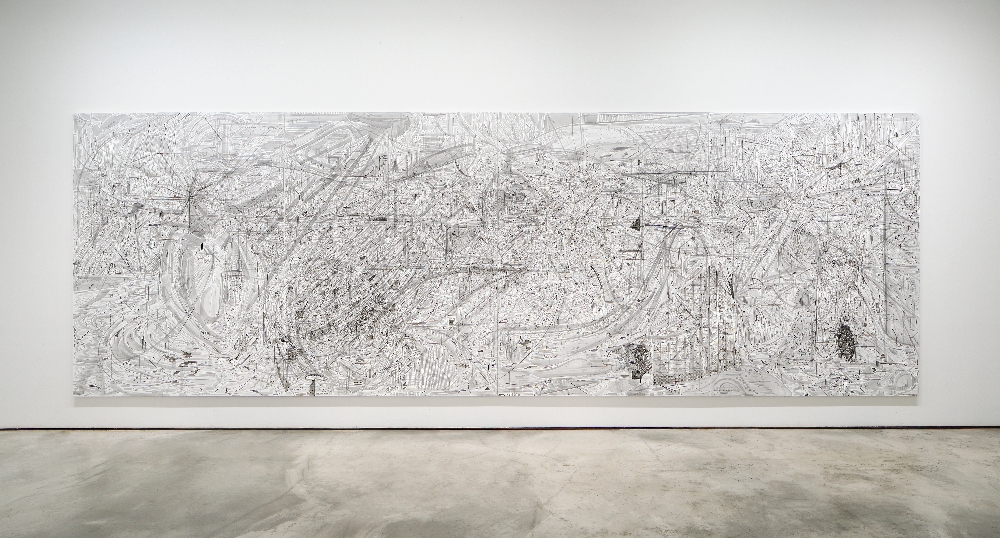
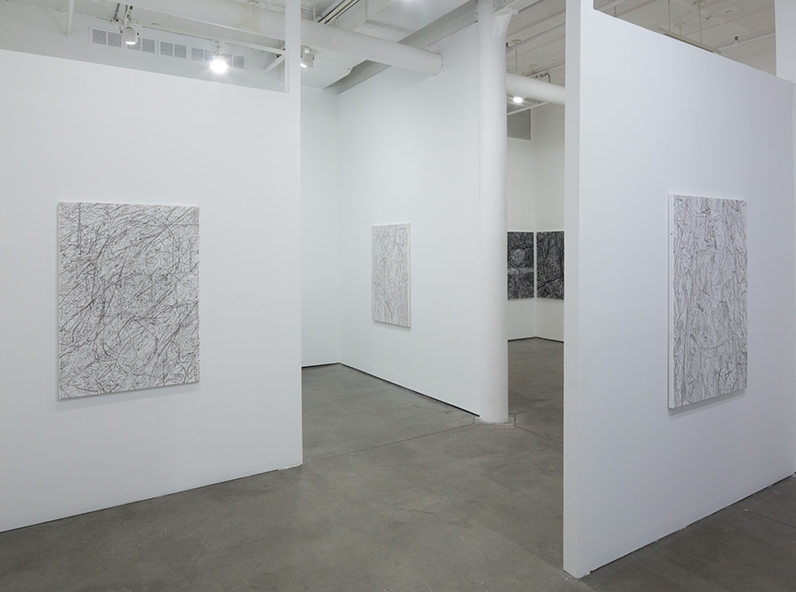
In the paintings after 2017, repeated black lines function as a central element composing the surface. Park Gwangsoo uses tools he makes himself by combining wooden sticks and sponges, leaving on the surface even the subtle tremors, breathing, and hesitation of the body. In the works from 《Crack》 and 《Windswept》, line becomes the outline of the forest, becomes darkness, and creates the form of a figure only to erase it again. Seen up close, the density and gaps of the lines appear first; seen from a distance, figures and landscapes faintly emerge from within them.
 
After the solo exhibition 《Nevermore》, the artist expanded his medium from works centered on ink, Indian ink, and acrylic to oil painting. Oil paint offers the material possibility of layering, scraping away, erasing, and rebuilding lines before it dries. Park Gwangsoo quickly decides the movement of color and line before the paint dries, continuously unsettling the boundaries between form and background, figure and landscape. This method appears even more strongly in 《Copper and Hand》, leading to surfaces where colors collide in ways that are both seductive and threatening, as in Heavy Sky(2023).
 
In recent works, the hands and feet of figures, masses, and copper-colored paint emerge as important formal elements. In Copper Head, a figure with a transparent body looks at a head-like form that seems to have been made by him, while the positions of the maker and the made intersect. In Copper and Hand, traces of copper pigment are left on the figure’s rough, large hands and feet, suggesting that matter, body, and action actually existed in that place. Park Gwangsoo’s painting draws together the lines of drawing, the temporality of animation, the materiality of oil painting, and the movement of the body, constructing a living world within the surface.

Topography & Continuity

Park Gwangsoo’s work is distinctive in that it has continuously explored the relationships between nature and humans, reality and fantasy, disappearance and creation through the long-standing motif of the forest. His forest is not a simple background, but a conceptual space where forms appear, disappear, and transform again. In his early black-and-white drawings and animations, the forest was close to a place of darkness and the unconscious; in later oil paintings, it changed into a more active space of creation, with the addition of color, matter, and the action of the hand.
 
His painting moves freely between figuration and abstraction, landscape and figure, Eastern landscape painting and Western pictorial traditions. The surface retains a sense of landscape experienced through the body, as in traditional landscape painting, while also showing scenes in which figures and environments merge, as in the paintings of William Blake. At the same time, rapid and fluid brushwork, intense color, and the repetition of lines using tools made by the artist form Park Gwangsoo’s own physical and bodily language of painting.
 
Looking at the trajectory of his work, he began from a period of feeling his way toward the hidden side of the world through drawing, moved through black forests and disappearing figures, and has recently turned toward acts of making, the origins of civilization, and the relationship between humans and nature. This change can be understood not as a break from his existing concerns, but as a shift in focus from “what disappears” to “what is made,” and from “unstable beings” to “beings that sense and produce something.”
 
Park Gwangsoo received the 5th Chongkundang Yesuljisang and the 7th Doosan Yonkang Art Award, and has held solo exhibitions at DOOSAN Gallery New York, Kumho Museum of Art, and Hakgojae Gallery. He has also participated in major exhibitions in Korea and abroad, including the 2022 Jeju Biennale, Seoul Museum of Art, SONGEUN, ARKO Art Center, the Korean Cultural Center in Hong Kong, and König Telegraphenamt Berlin, and his works are held in the collections of the National Museum of Modern and Contemporary Art Art Bank, Government Art Bank, Seoul Museum of Art, and Gyeonggi Museum of Modern Art.

These records show that his work has already gained attention within institutions, the art market, and critical discourse. Based on the materiality of painting and the sensibility of drawing, his work is likely to continue pursuing questions about nature and civilization, the human hand, and the formation of the world within deeper and broader surfaces.

Works of Art

The Sense of the Forest

Articles

Exhibitions

Exhibitions 《Skins》, 2022.07.27 - 2022.08.20, Hakgojae Gallery 2022.07.27 Hakgojae Gallery
Exhibitions 《38˚C》, 2021.01.06 - 2021.01.31, Hakgojae Gallery 2021.01.06 Hakgojae Gallery
Exhibitions 《Nevermore》, 2019.12.11 – 2020.01.12, Hakgojae Gallery 2019.12.10 Hakgojae Gallery
Exhibitions 《Windswept》, 2018.03.08 – 2018.04.07, DOOSAN Gallery New York 2018.03.08 DOOSAN Gallery New York
Exhibitions 《Crack》, 2017.10.18 – 2017.11.18, DOOSAN Gallery 2017.10.18 DOOSAN Gallery