
Radiant Moment - K-ARTIST

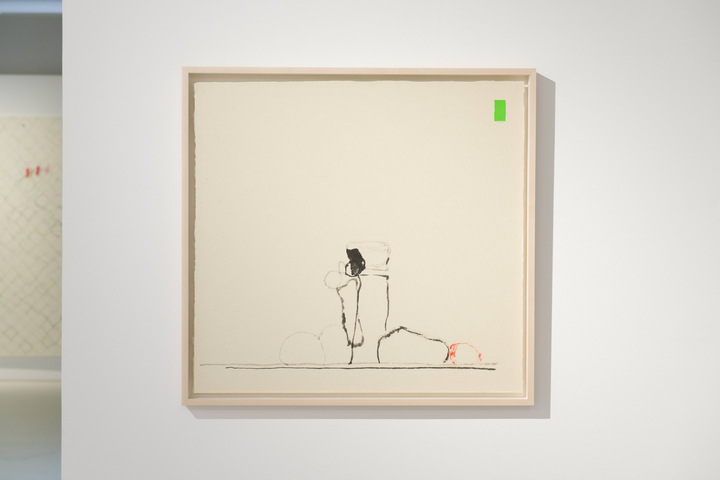
Radiant Moment

2023
Ink, oil stick, cloth tape on paper 
71 x 76 cm
About The Work

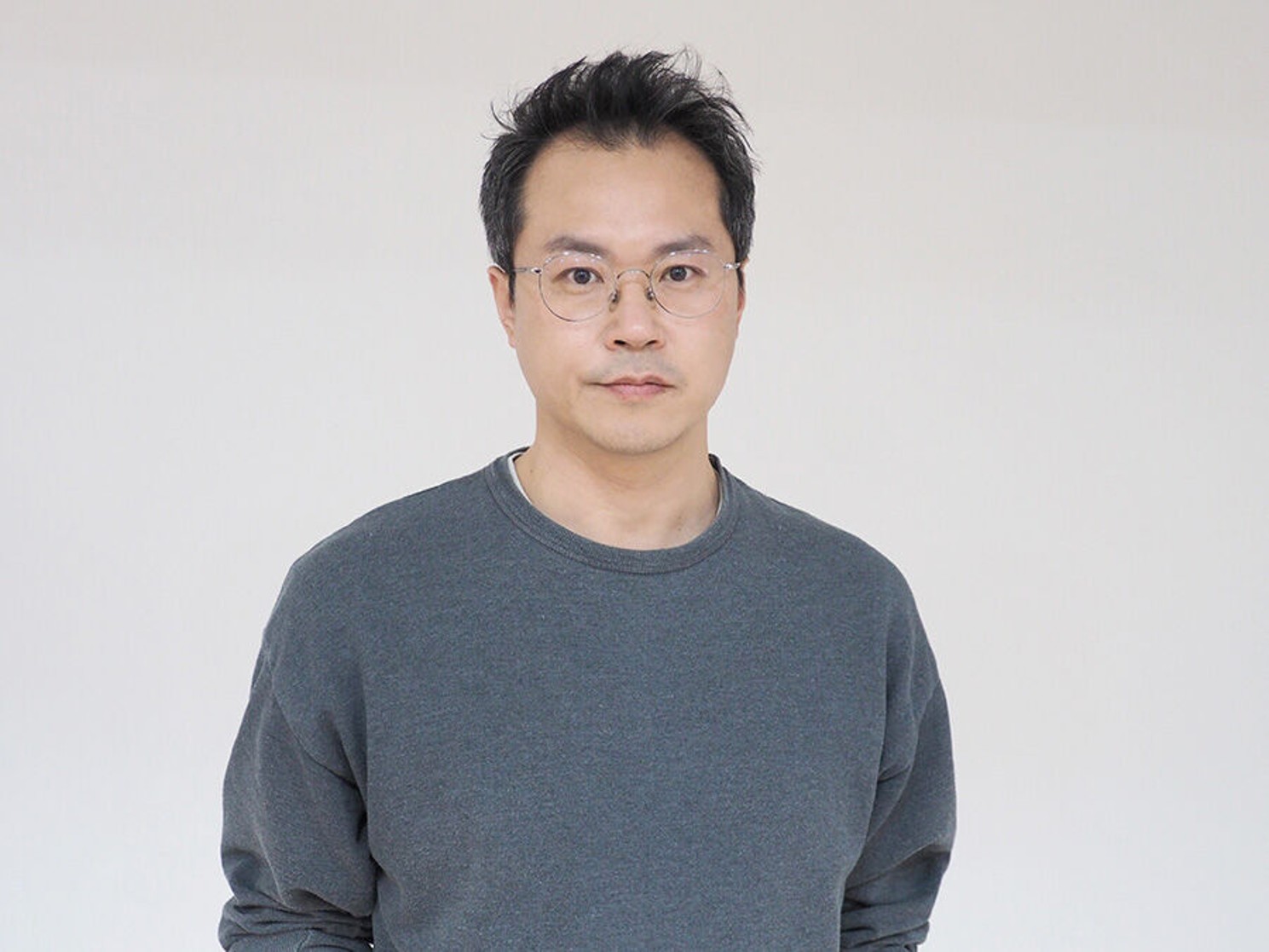
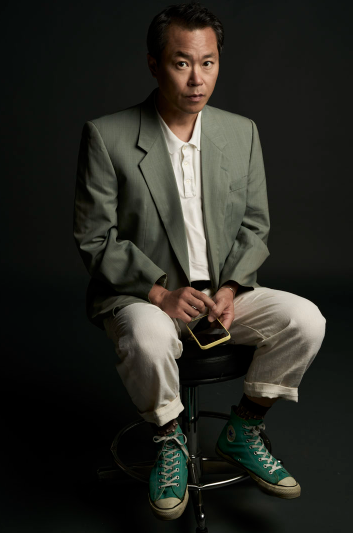
Bek Hyunjin is a multidisciplinary artist who moves fluidly across artistic genres. His practice does not unfold as something closed and complete within a single genre, but rather by moving across painting, music, performance, video, and acting, pushing the same sensibility through different forms. 

At the center of his work are the informal rather than the fully ordered, intuition rather than control, and emotions sensed first through the body rather than through an explainable narrative. For this reason, his work is less about clearly representing something than about leaving on the surface and within space the rhythms and fluctuations sensed by a person living in an unstable world.

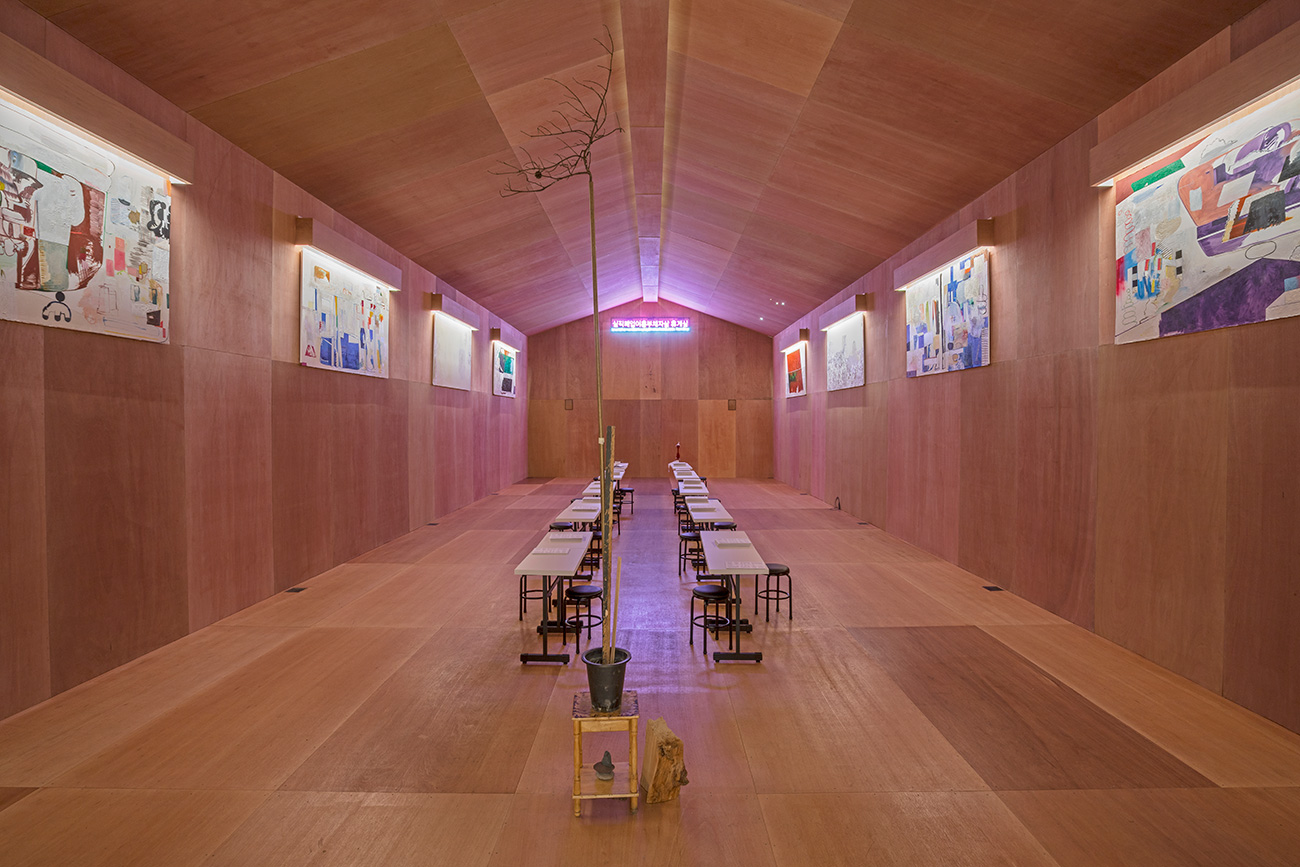
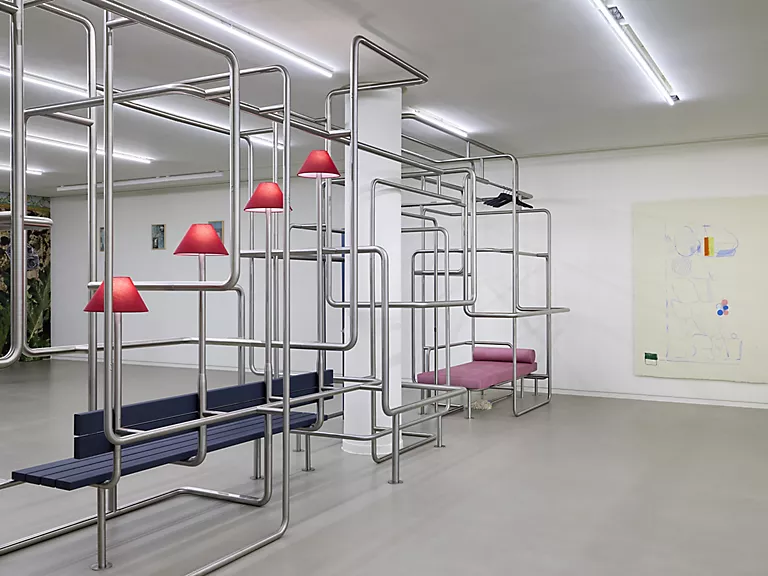
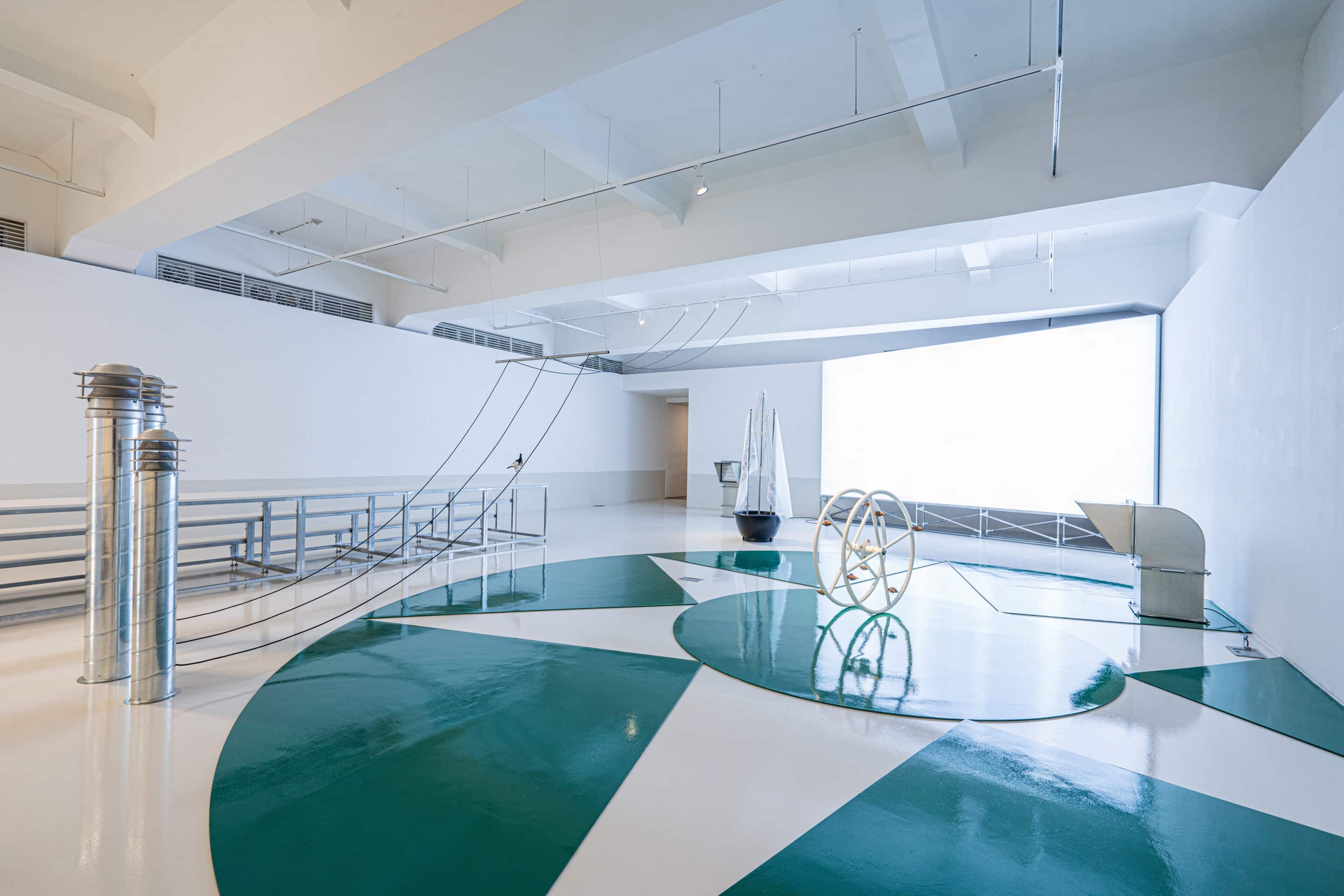
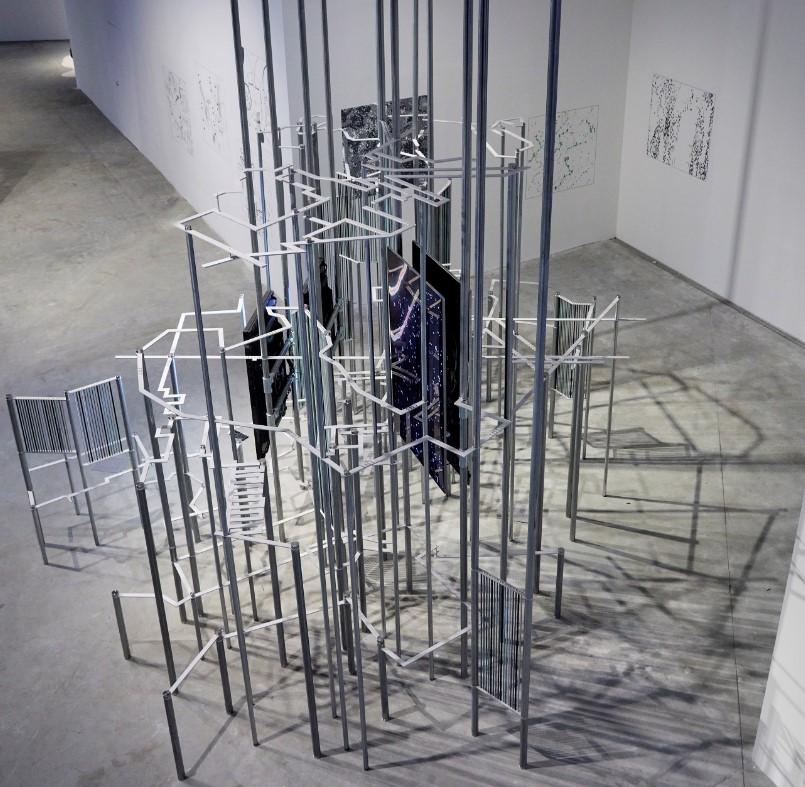
Bek has particularly explored how the urban realities of Seoul permeate individual emotions and the body, presenting them through hybrid forms that merge lounges, shelters, spaces of meditation, and theatrical scenes. The desolation, lethargy, melancholy, humor, and cynicism that repeatedly appear in his paintings and installations are not contradictory emotions, but rather different ways of enduring the same reality.

In his recent work, the artist holds onto the contradictions inherent in Seoul—a place where stability and instability, familiarity and estrangement, order and error coexist simultaneously. He probes the gaps between these conditions and, in a sense, “works” on those very fissures.

While rooted in the experience of the Korean urban environment, Bek’s practice does not reduce it to a marker of locality; instead, it translates it into universally perceptible sensations of fatigue, solitude, absurdity, and survival. Moving fluidly across different artistic languages, his work reveals with greater dimensionality the sensorial experience of individuals living in contemporary cities.

Solo Exhibitions (Brief)

Bek Hyunjin has held major solo exhibitions including 《Seoul Syntax》(2026, PKM Gallery, Seoul, Korea), 《Seoul Syntax》(2025, Tanya Bonakdar Gallery, Los Angeles, USA), 《Composeduncomposed Lounge》(2024, Ilmin Museum of Art, Seoul, Korea), 《Videos from Seoul》(2023, Kuandu Museum of Fine Arts, Taipei, Taiwan), 《P-Ray》(2020, P21, Seoul, Korea), 《Work Song: Soil, Mattress and Waves》(2019, PKM Gallery, Seoul, Korea), 《In the Neighborhood》(2017, Perigee Gallery, Seoul, Korea), 《Thirteen Pieces + bonus》(2011, Doosan Gallery, Seoul, Korea), and 《Vagrant N’ Substance》(2008, Arario Gallery, Seoul, Korea).

Group Exhibitions (Brief)

In addition, Bek Hyunjin has participated in numerous group exhibitions including 《Encountering Modern Masters and Contemporary Artists》(2026, MMCA Art Bank, Gwanak Cultural Foundation, Seoul, Korea), 《The 2nd Life》(2025, Atelier Hermès, Seoul, Korea), 《Chronicles of the Future Superheroes, Second edition》(2023, MNAC – National Museum of Contemporary Art of Romania, Palace of Parliament, Bucharest, Romania), 《Cloud Walker》(2022, Leeum Museum of Art, Seoul, Korea), 《An Exhibition with Little Information》(2022, Museum of Contemporary Art Busan, Busan, Korea), 《Art of Love》(2020, Total Museum, Seoul, Korea), 《The 38th Parallel - Hyunjin Bek & Kelvin Kyungkun Park》(2017, Choi & Lager Gallery, Cologne, Germany), 《City and the People》(2017, Buk Seoul Museum of Art, Seoul, Korea), 《Korea Artist Prize 2017》(2017, National Museum of Modern and Contemporary Art, Seoul, Korea), 《Tracing Shadows》(2015, Plateau, Samsung Museum of Art, Seoul, Korea), 《Elastic Taboos》(2007, Kunsthalle Wien (Museums Quartier), Vienna, Austria), 《Reality Bites》(2002, Alternative Space Loop, Seoul, Korea), and 《Active Wire》(2001, Art Sonje Center, Seoul, Korea).

Awards (Selected)

Bek was selected as a finalist for the Korea Artist Prize 2017 at the National Museum of Modern and Contemporary Art. He was also awarded Best Rock Album at the 6th Korean Music Awards in 2009 for his album “Time of Reflection.”

Residencies (Selected)

Bek participated in the MMCA Residency Changdong at the National Museum of Modern and Contemporary Art in 2016.

Collections (Selected)

Bek’s works are held in the collections of the National Museum of Modern and Contemporary Art and the Seoul Museum of Art, among others.
Works of Art

Art as the Trace of Body and Sensation

Originality & Identity

Bek Hyunjin’s practice does not unfold as something closed and complete within a single genre, but rather by moving across painting, music, performance, video, and acting, pushing the same sensibility through different forms. At the center of his work are the informal rather than the fully ordered, intuition rather than control, and emotions sensed first through the body rather than through an explainable narrative. From early on, painting served as the key medium for this sensibility, through which he has nonverbally addressed states such as “the incomplete,” “the distorted,” “the systemless,” and “the improvised.” For this reason, his work is less about clearly representing something than about leaving on the surface and within space the rhythms and fluctuations sensed by a person living in an unstable world.
 
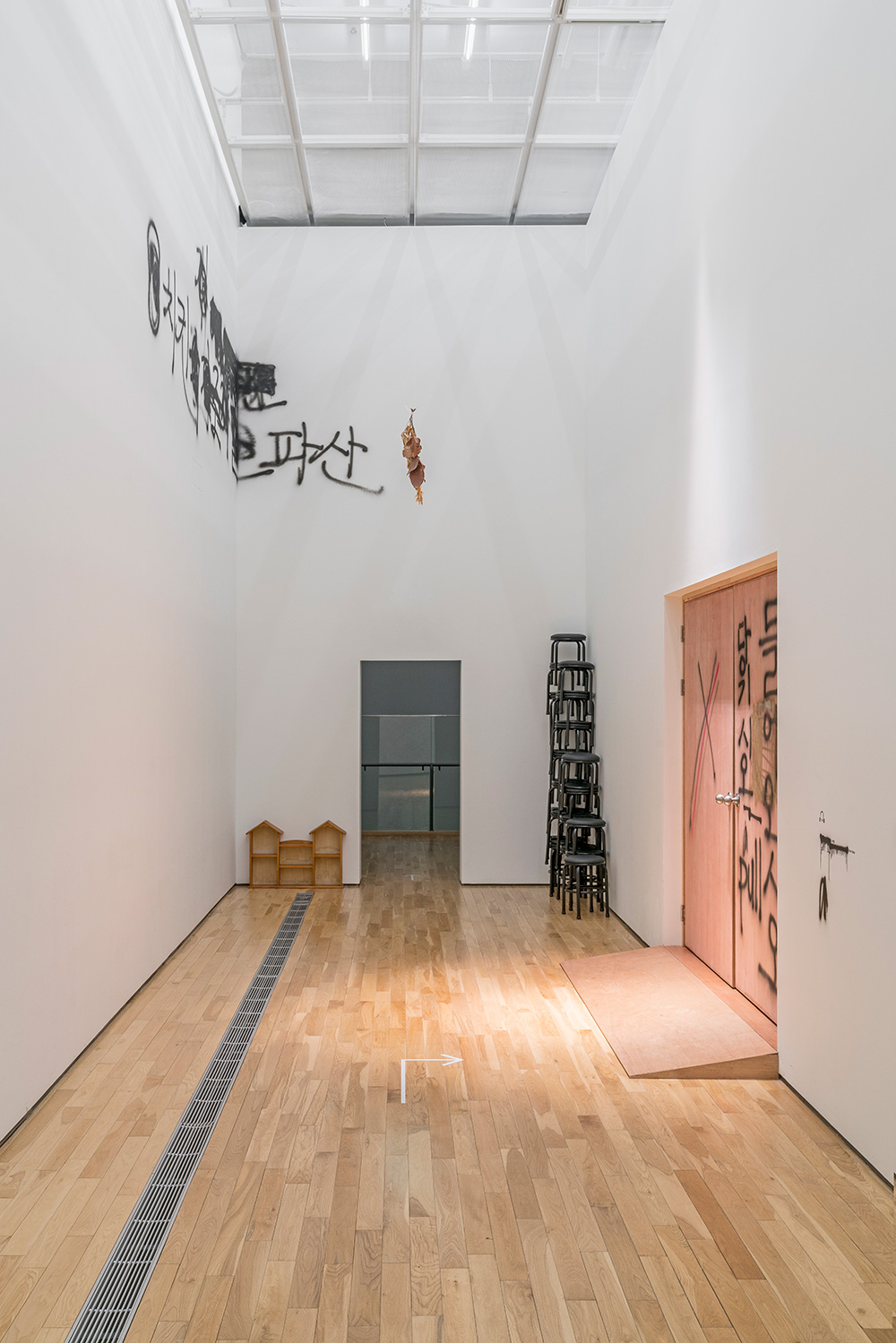
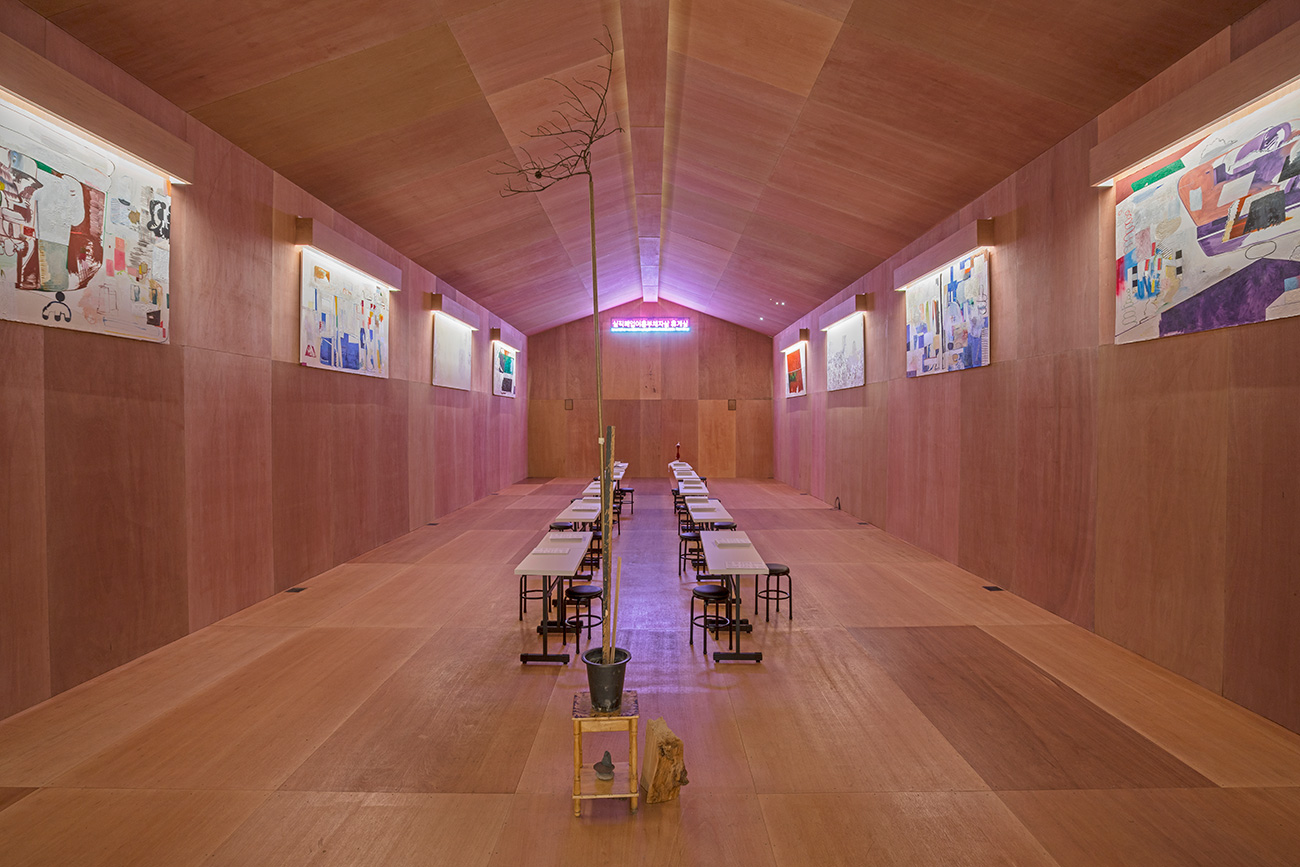
This sensibility becomes clearer when it is tied to the conditions of urban life in Korea. Works shown in the solo exhibition 《In the Neighborhood》(Perigee Gallery, 2017), as well as UnemploymentBankruptcyDivorceDebtSuicide Rest Stop(2017), presented in 《Korea Artist Prize 2017》(National Museum of Modern and Contemporary Art, 2017), transform words such as unemployment, bankruptcy, divorce, debt, and suicide into the atmosphere of life rather than into simple slogans of critique. Here, rather than exaggerating tragedy or diagrammatically indicting society, Bek presents the way Korean urban reality permeates individual emotion and the body through forms in which a break room, refuge, meditation space, and theatrical scene are interwoven. The desolation, lethargy, melancholy, humor, and cynicism that repeatedly appear in his paintings and installations are not opposing emotions, but different ways of enduring the same reality.
 
Since the 2020s, his concerns have expanded further toward social fatigue, isolation, and the shared sensibility found within them. In 《Bek Hyunjin: Public Hiding》(Royal X, 2021), he translated the depression and loneliness of an era in which community has weakened into the spatial concept of a “hiding place,” while in the recent solo exhibition 《Seoul Syntax》(PKM Gallery, 2026), he approached Seoul not as a grand backdrop but as a totality of sensations through which his body and emotions have passed. In these recent works, Seoul is not merely a landscape but a place where stability and anxiety, familiarity and strangeness, rule and error coexist, and the artist holds onto these contradictions rather than trying to resolve them. In this sense, his thematic concerns have not become more explicit over time, but have instead moved toward sensations that linger longer within looser structures and reduced explanation.

Style & Contents

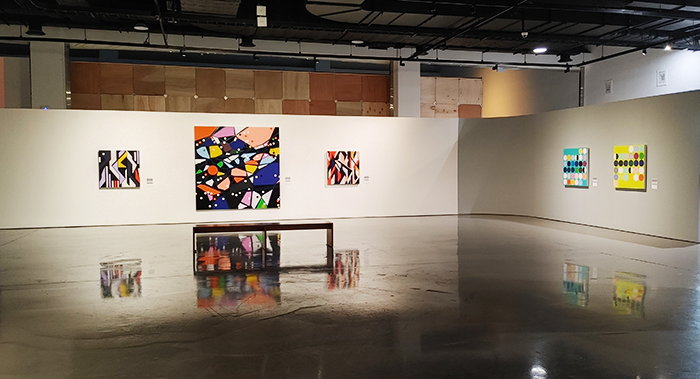
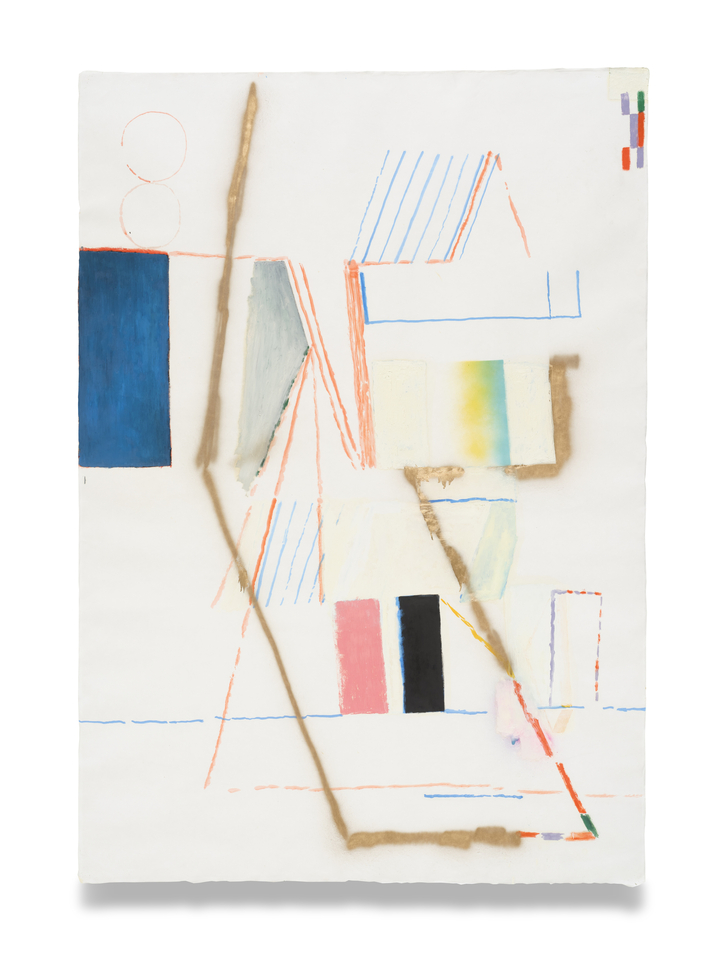
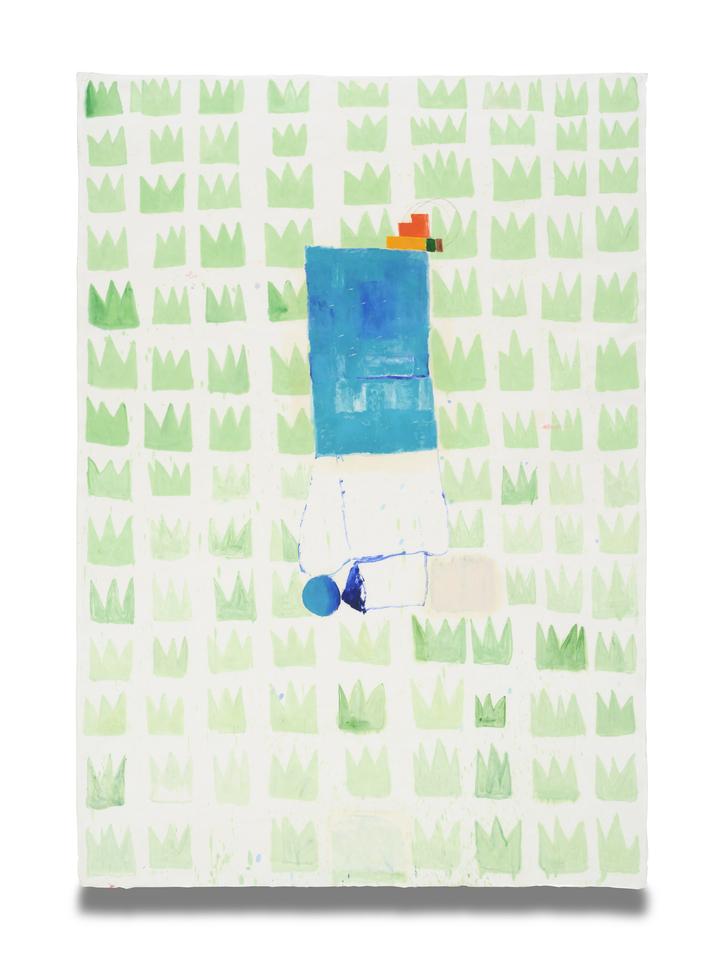
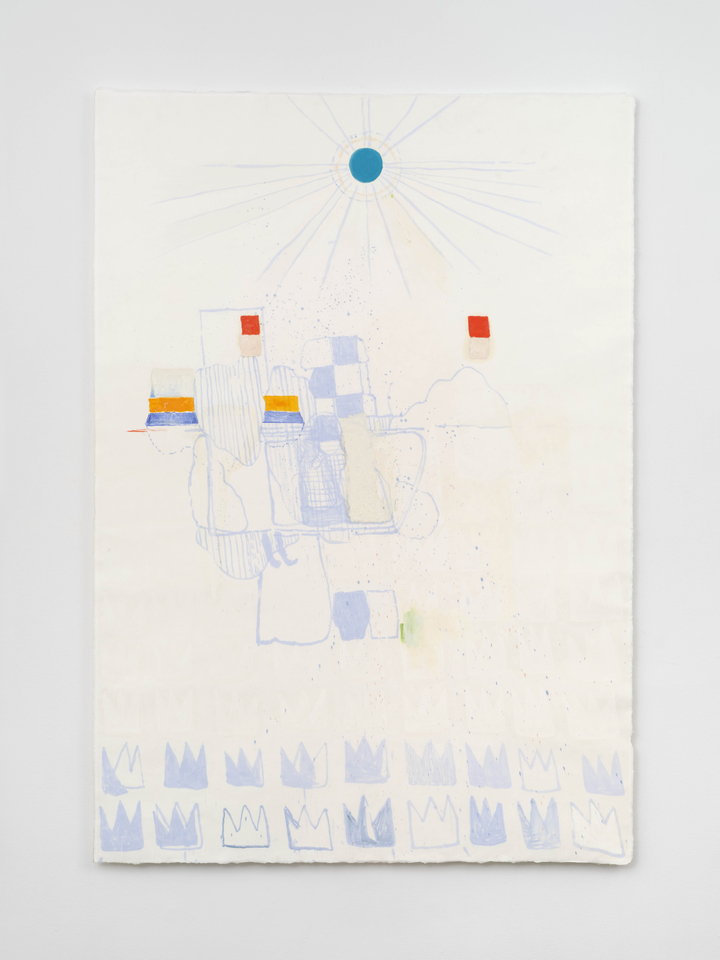
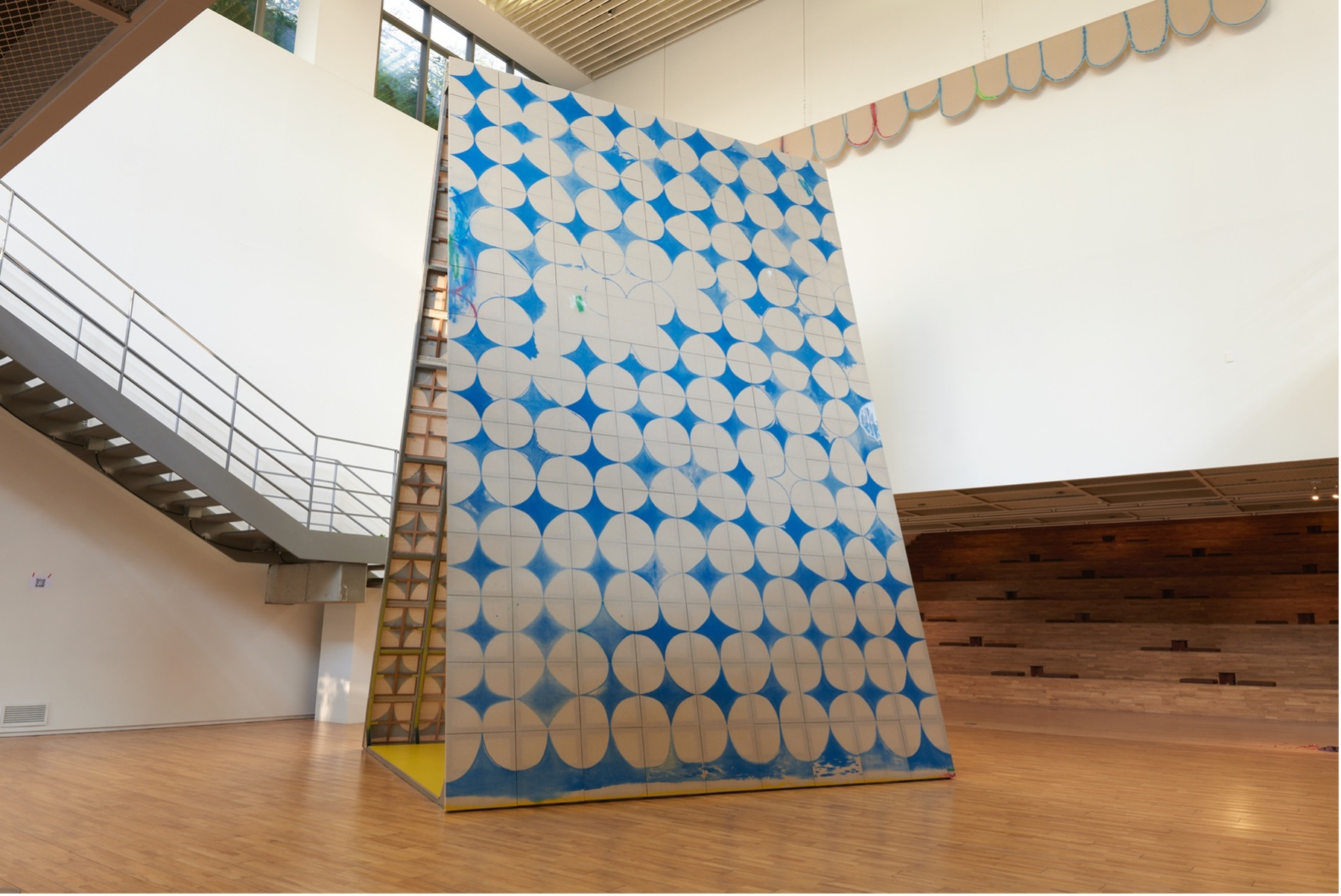
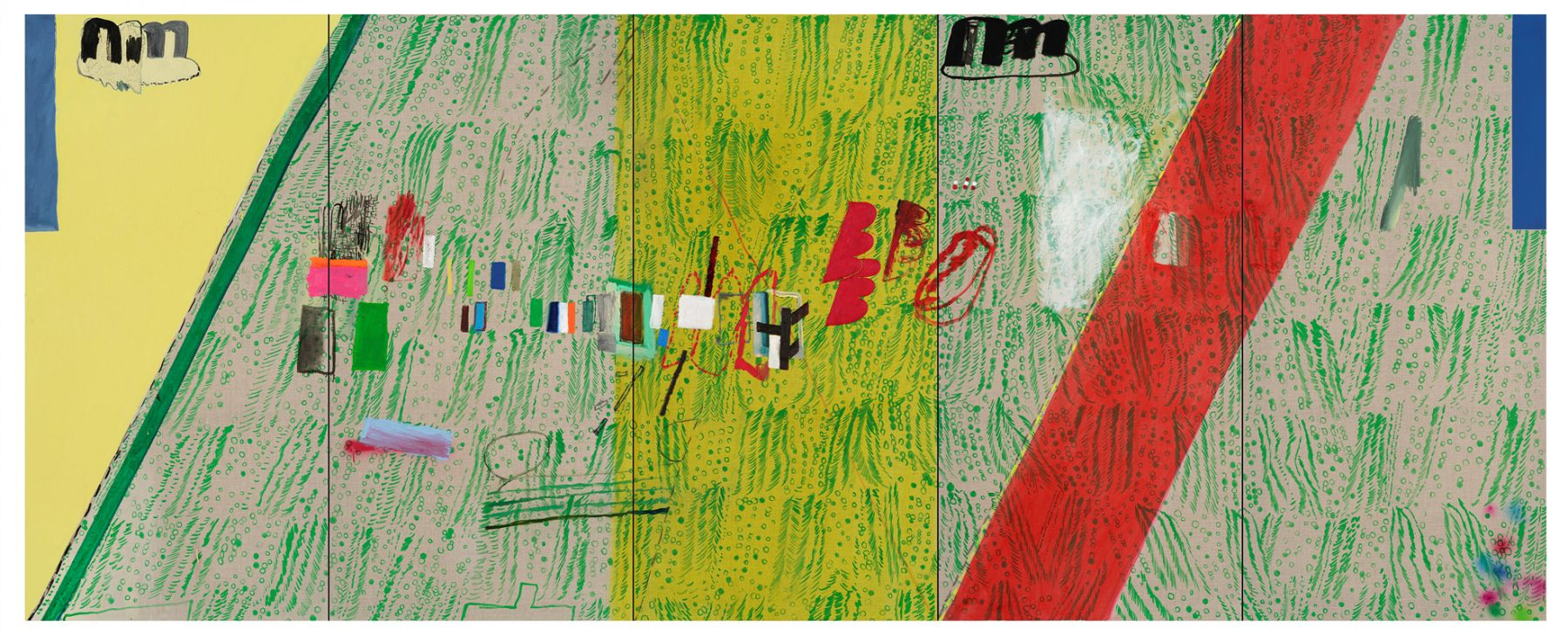
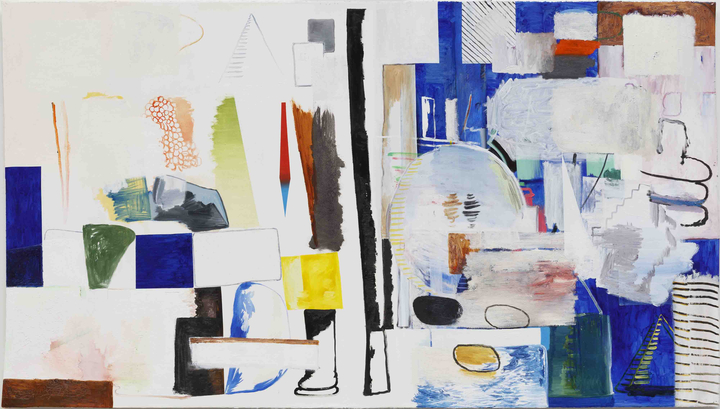
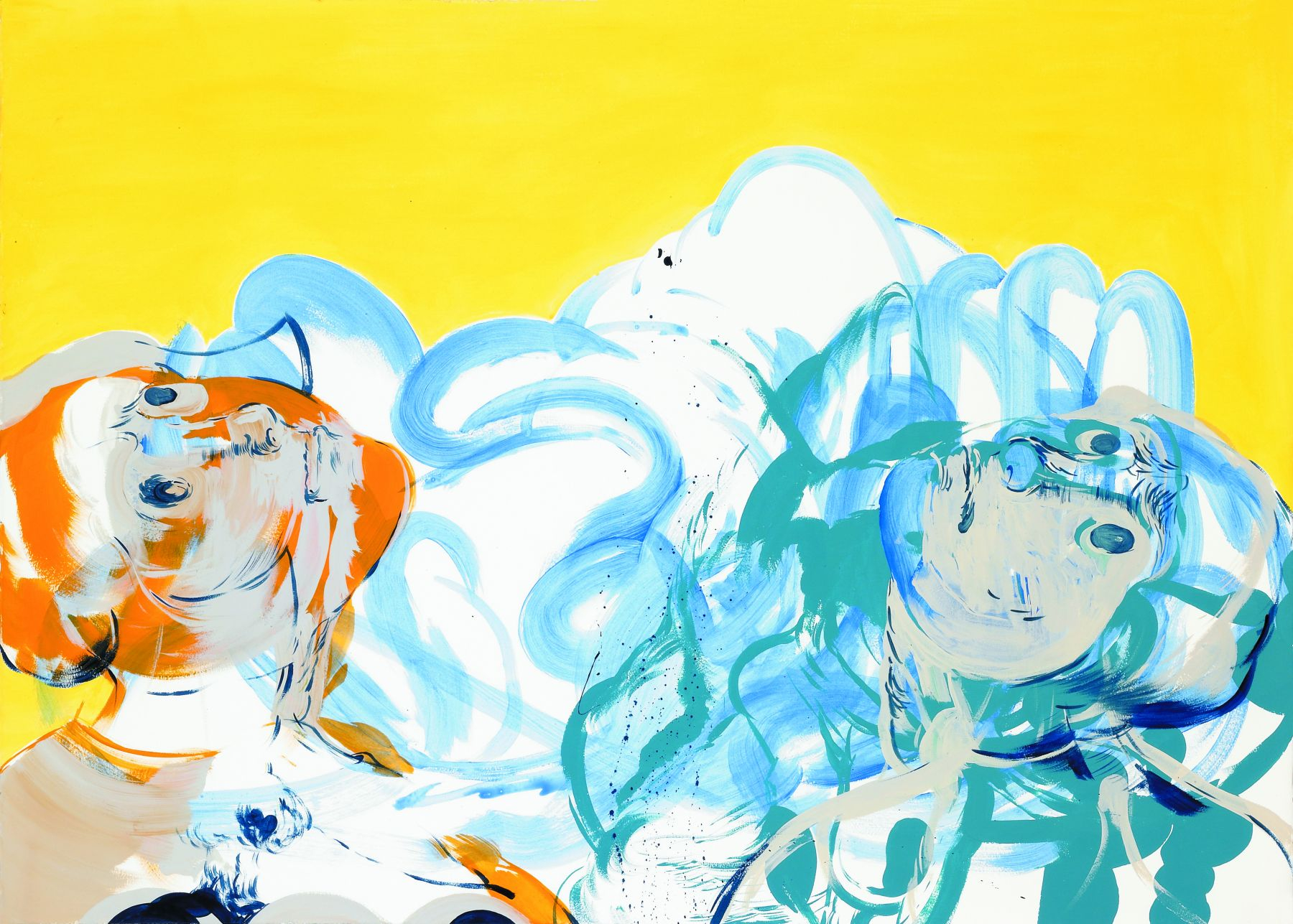
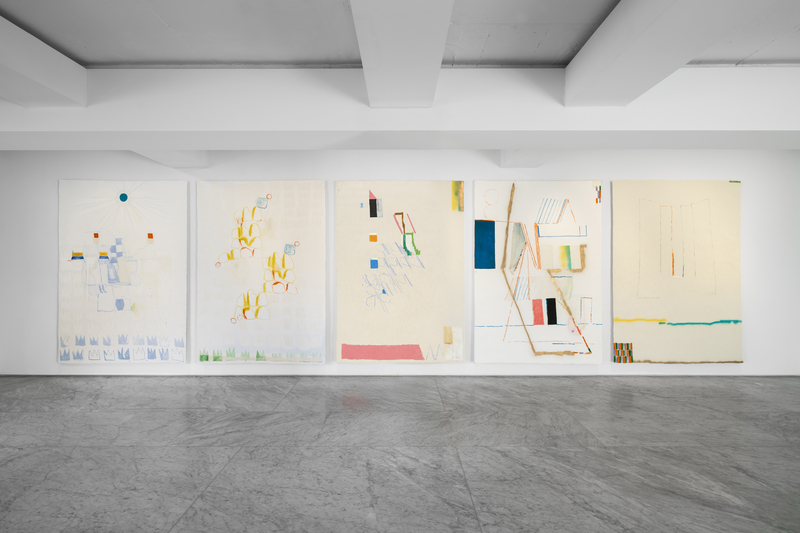
One of the most important elements in Bek Hyunjin’s work is gesture. Rather than developing through the execution of a predesigned image, his two-dimensional works unfold in such a way that the brushstroke itself becomes an event, with anonymous portraits, geometric traces, stains, amorphous masses, and repeated shapes colliding and dispersing across the surface. The anonymous figures that appeared frequently in his earlier works stemmed from the desolate atmosphere of ordinary life, and over time, traces and rhythms on the surface gradually came to the fore more than concrete figuration. The ‘Pattern-like Pattern’(2018-2019) series is a particularly revealing example of this tendency, as it presents forms that seem to repeat but suddenly collapse or empty out, showing a state that appears ordered but never settles into order. His decision not to fix the orientation of the works and even to leave the installation manual open in this series demonstrates an attitude of postponing formal closure not only in the image itself but also in the mode of exhibition.
 
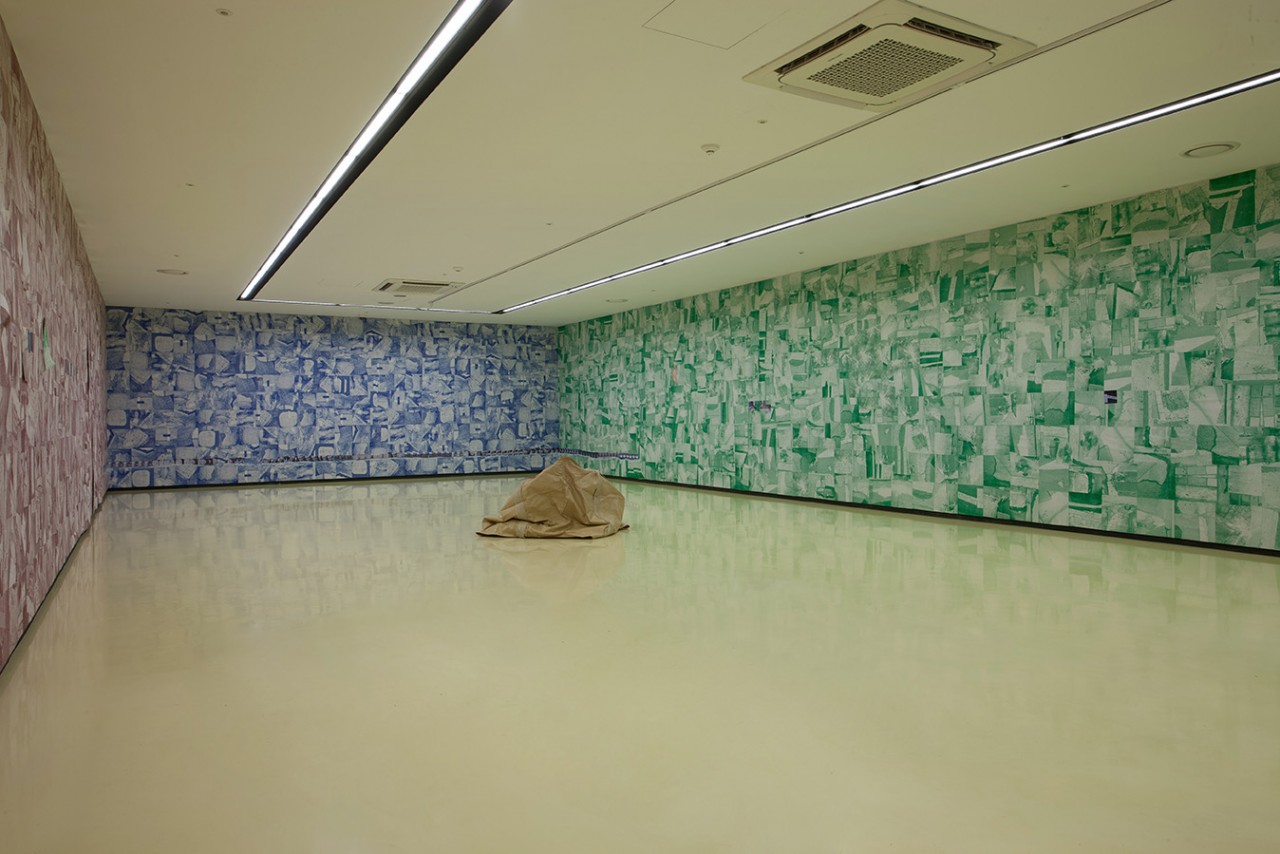
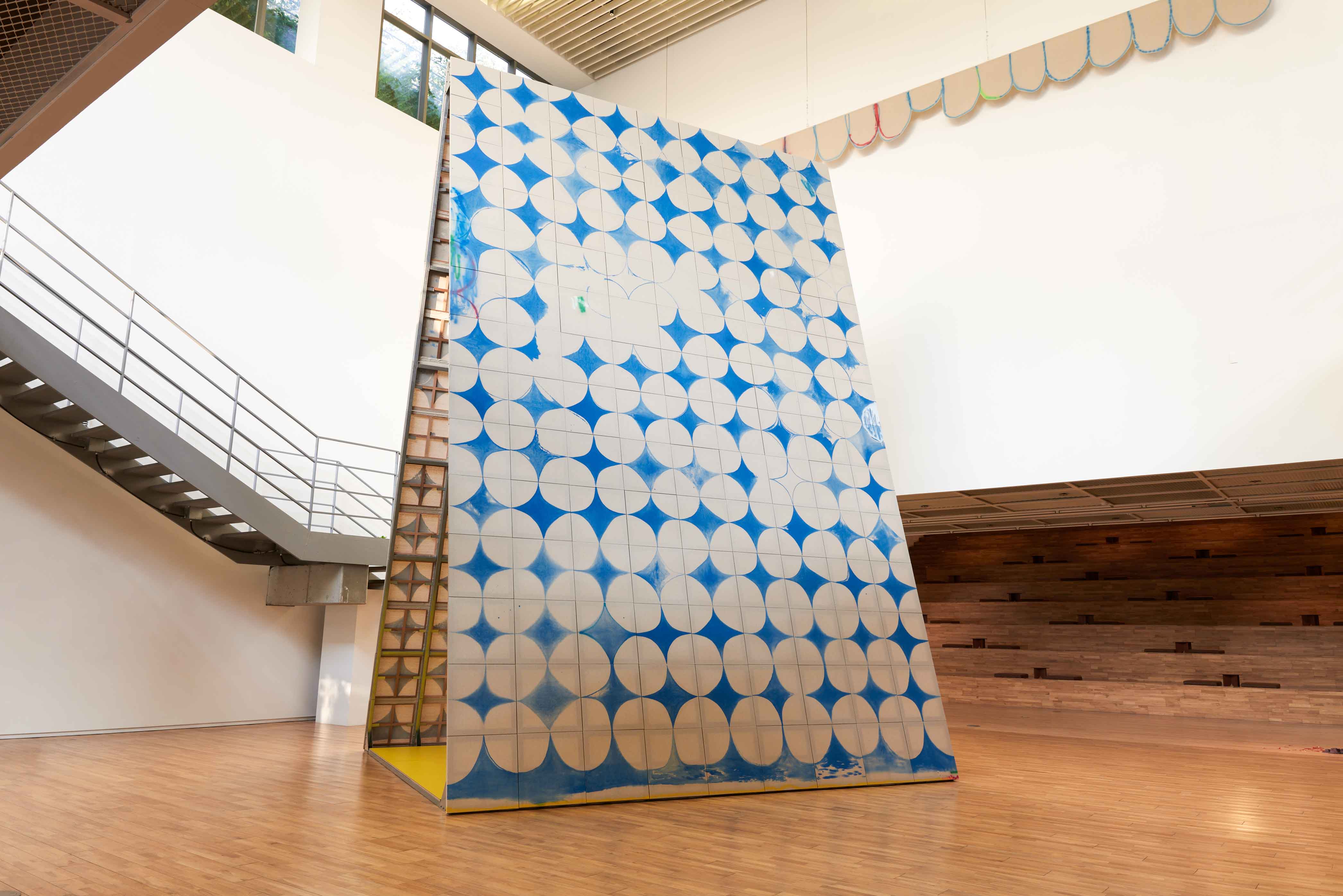
His formal language has not remained confined to painting, but has expanded alongside sound, performance, video, printed matter, and spatial composition. In 《In the Neighborhood》, he constructed the surface of the city as a single sensory environment through smartphone images of streets, repeatedly attached posters, sound flowing like background noise, and impassive video works. What matters here is how scenes accidentally collected in everyday life are rearranged according to the artist’s own rhythm. This is precisely why seemingly trivial scenes, such as CCTV footage from a bar, a tree shaken by the wind, or feet dancing in a club, become works. Rather than seeking out extraordinary images, he captures signs of emotion in moments that already exist around us but are easily overlooked.
 
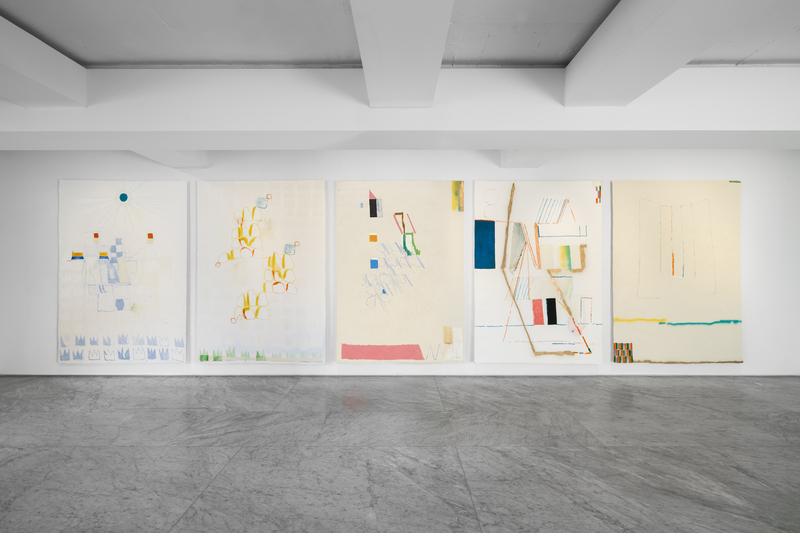
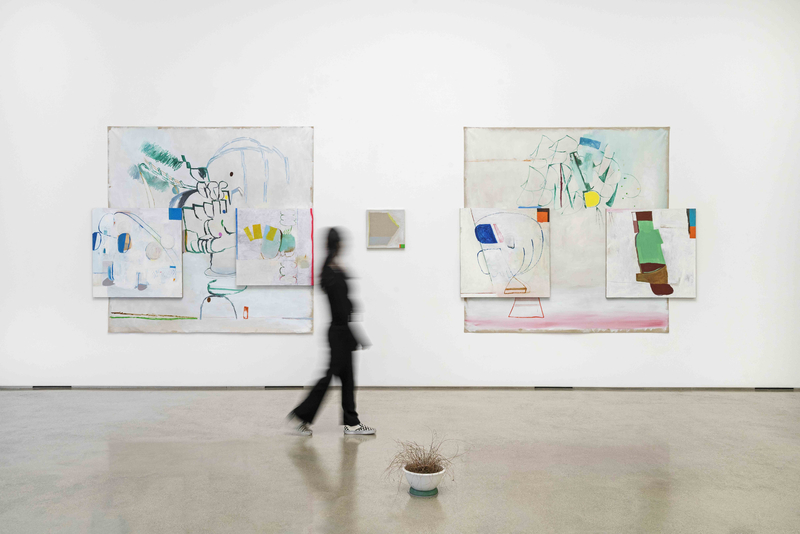
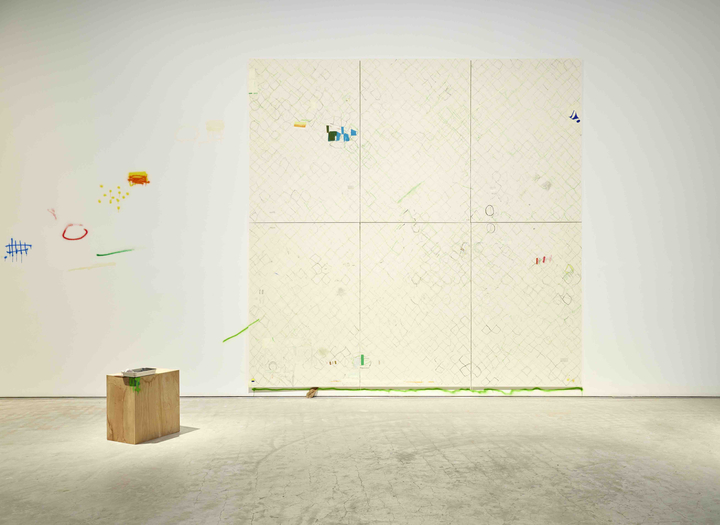
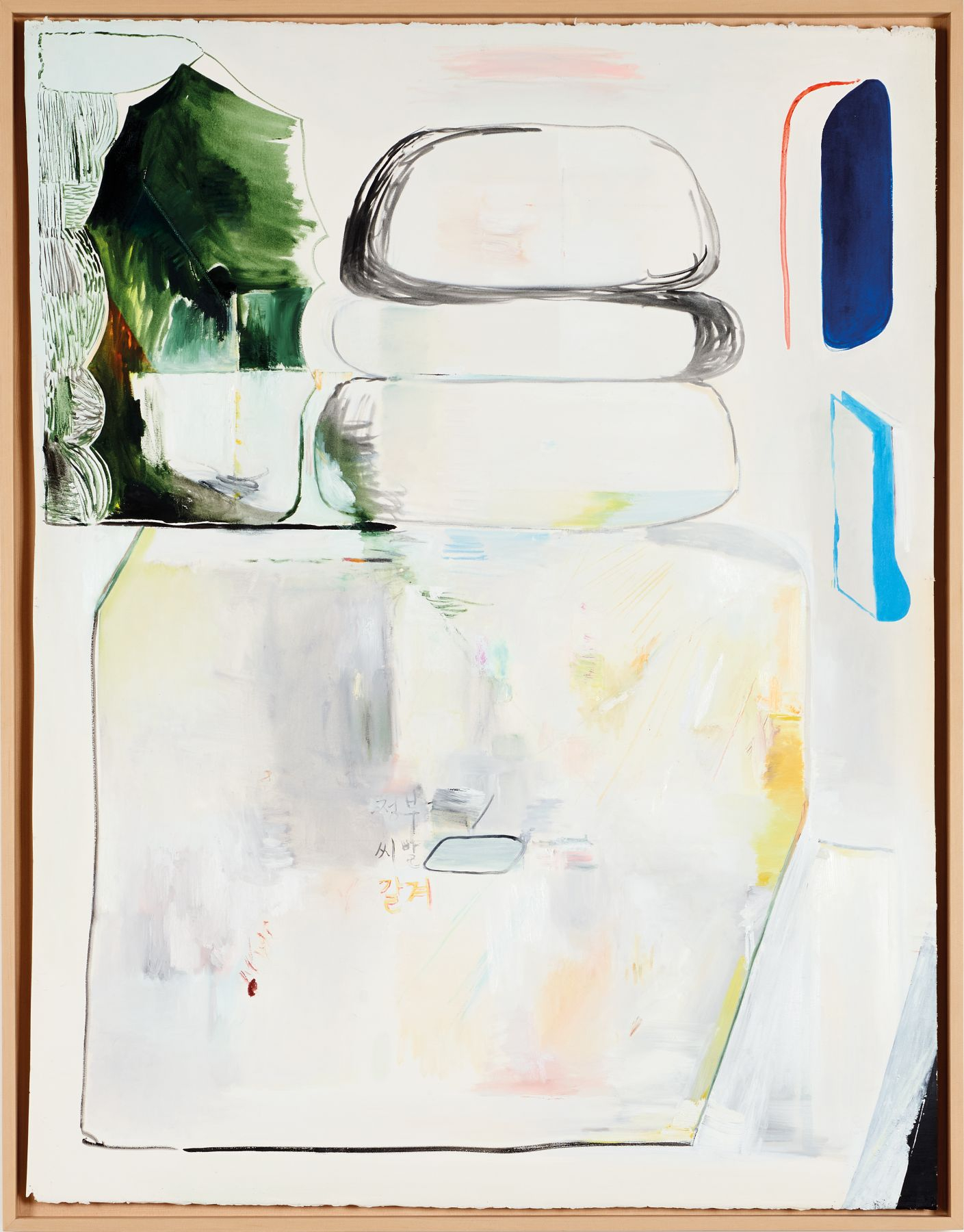
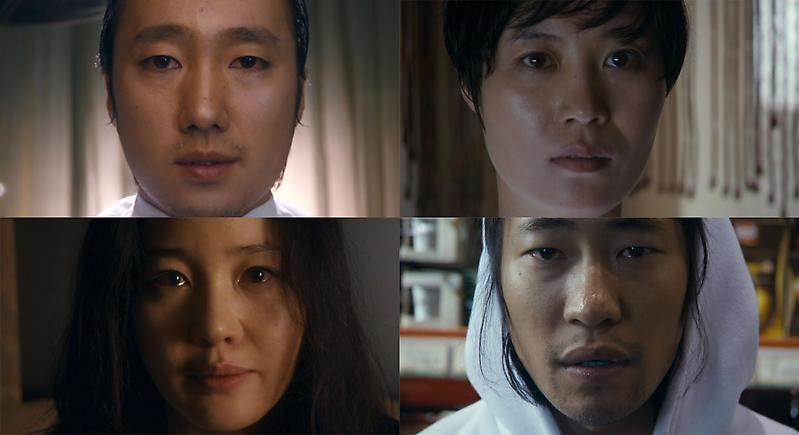
In recent years, clear shifts have also appeared in his materials and the physical qualities of the surface. If earlier works pushed forward the complexity of the city through dense accumulation, rough surfaces, and repeated layering and erasure, then in 《Seoul Syntax》, with oil on jangji at its center, the empty spaces grow larger and the rhythm becomes looser. In works such as Pause(2025), Conundrum(2025), and Indecisive(2025), forms that can be read as trees, forests, mountains, or crowns recur, but they function less as clearly delivered symbols than as unstable variations of pattern. With a video work such as Light 23(2023) added to this, his practice binds together brushwork on the surface, musical rhythm, and bodily movement into a single sensory line. The recent use of jangji is also connected to the comfort of its materiality, its absorptive quality, and the aesthetic effect of leaving space; rather than a simple shift in form, it is more appropriate to understand this as a process of rediscovering a pace and rhythm suited to his body.

Topography & Continuity

Bek Hyunjin’s originality lies not simply in the fact that he works across multiple genres, but in the way those genres ultimately operate within a single sensory structure. Unlike many multimedia artists who treat each medium as a separate formal system, he connects different areas through nearly the same sensibility, much as he has been described as painting as if singing, singing as if acting, and acting as if painting. As a result, his paintings are closer to traces of the body than to fixed images, while his performances and videos function less to deliver narrative than to extend painterly rhythm. Because of this interconnectedness, his work does not stop at displaying a mixture of genres, but reveals in more layered ways the sensations of an individual living in the contemporary city.
 
What makes his body of work compelling is also the way it changes. In its earlier phases, rough and densely layered surfaces, anonymous portraits, and wounded urban landscapes stood out; around 2017, these concerns expanded into installation and narrative space through social pathology and personal fatigue. Later, in 《Bek Hyunjin: Public Hiding》, sensations of isolation and distance were organized into a more direct spatial experience, and by the time of 《Seoul Syntax》, that tension had shifted into emptiness, repetition, loose patterns, and restrained color. In other words, rather than undergoing a complete change of subject, his work can be understood as moving from a mode of density and excess toward one of vacancy and interval while continuing to address the same reality. His interest in incompletion, error, and instability remains intact, but recently he has approached these through less language and a broader, quieter breath.
 
Bek Hyunjin’s work seems less likely to converge into mastery of a single medium than to continue crossing different sensory systems. He has already moved among painting, sound, video, and performance while dealing simultaneously with the specificity of Seoul as a place and with individual emotion, and more recently he has been adjusting the materiality of his medium and the empty spaces of the surface with greater subtlety. In this sense, his work begins from the experience of the Korean city, yet possesses the ability to translate it not into a consumed marker of locality but into sensations of fatigue, loneliness, humor, and survival that anyone can register. For this reason, his work can be read as a sustained sensibility that moves across different artistic languages while never losing its own rhythm.

Works of Art

Art as the Trace of Body and Sensation

Exhibitions

Activities