

The Gesture-23015 - K-ARTIST

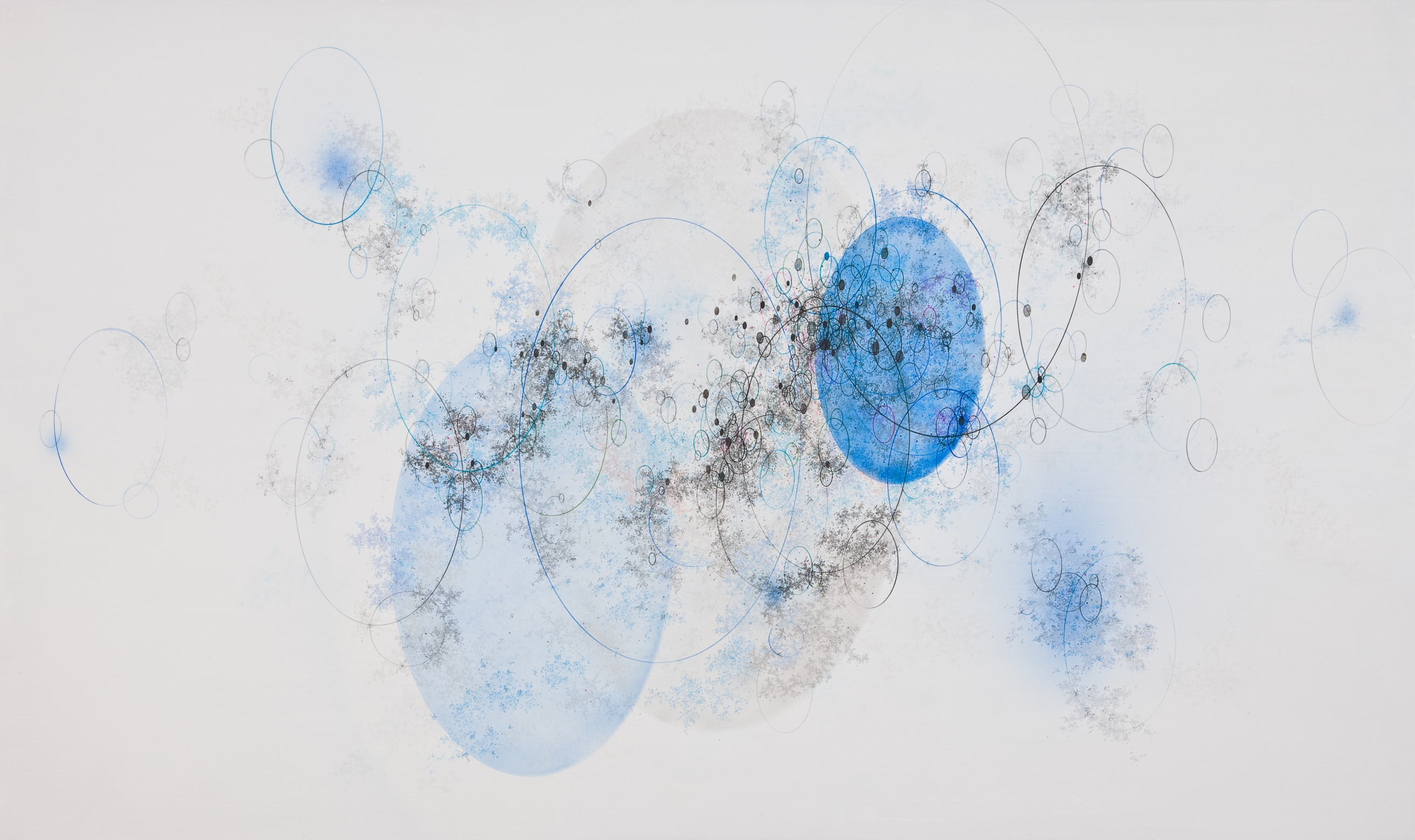
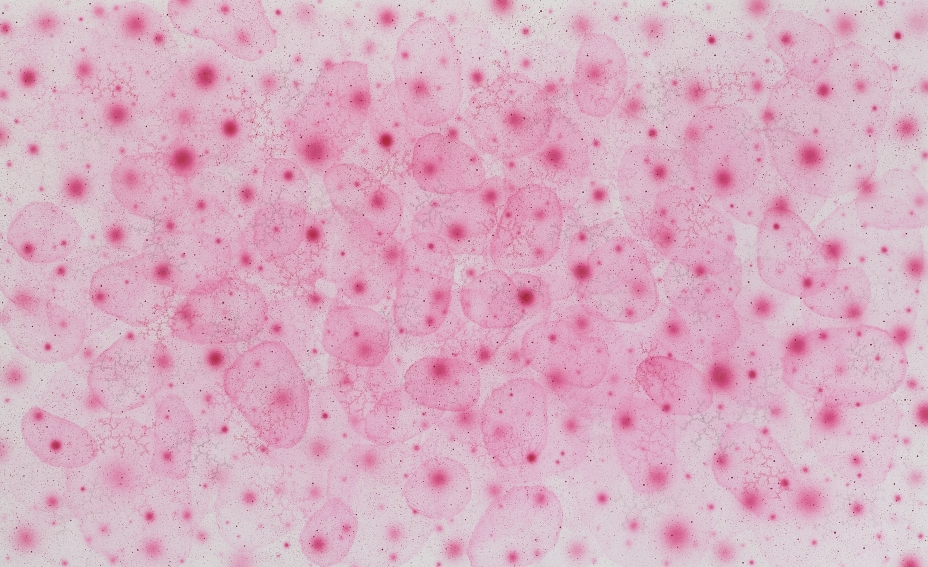
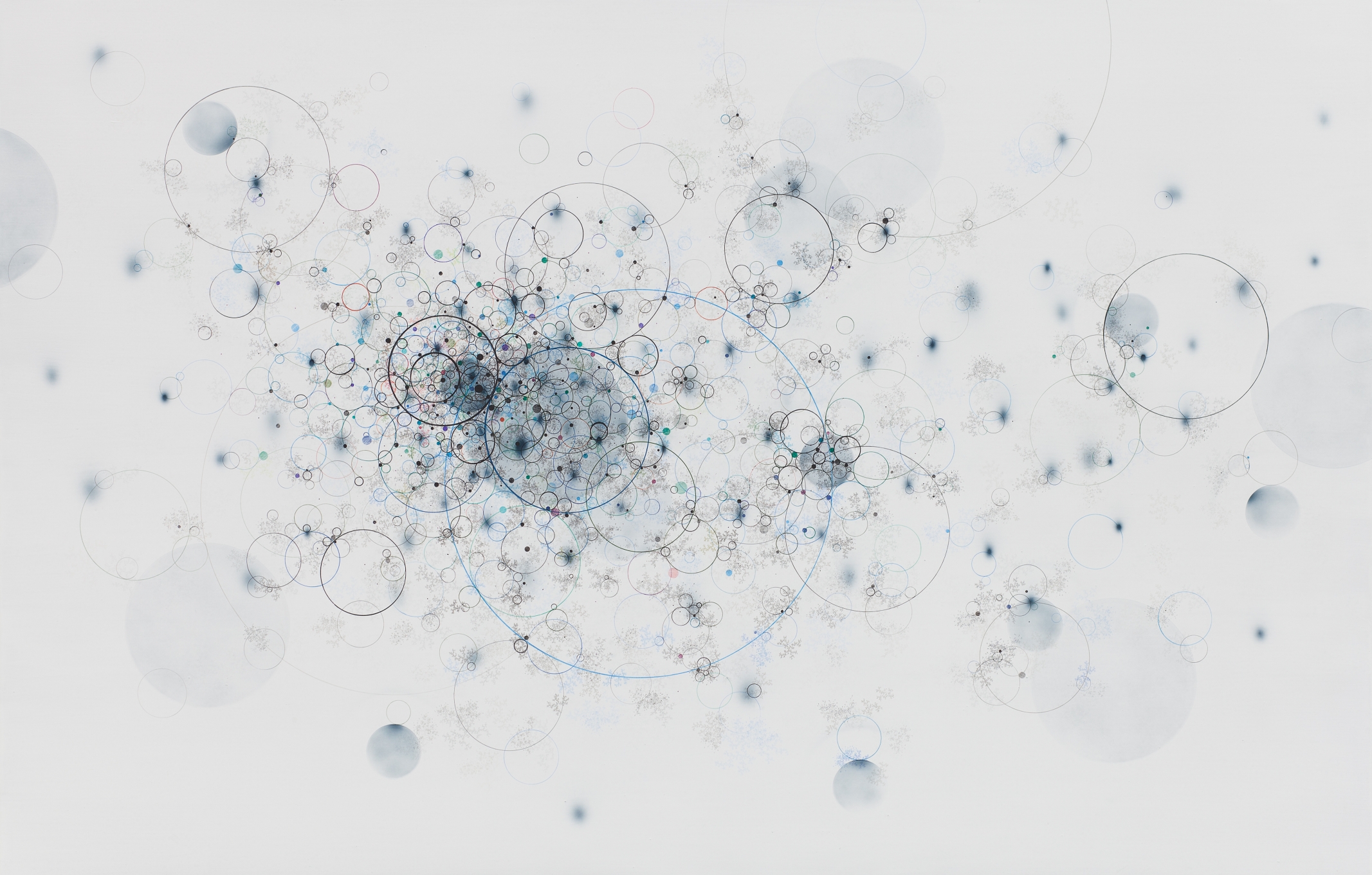
The Gesture-23015

2023
Mixed Media on Canvas
97 x 162 cm
About The Work

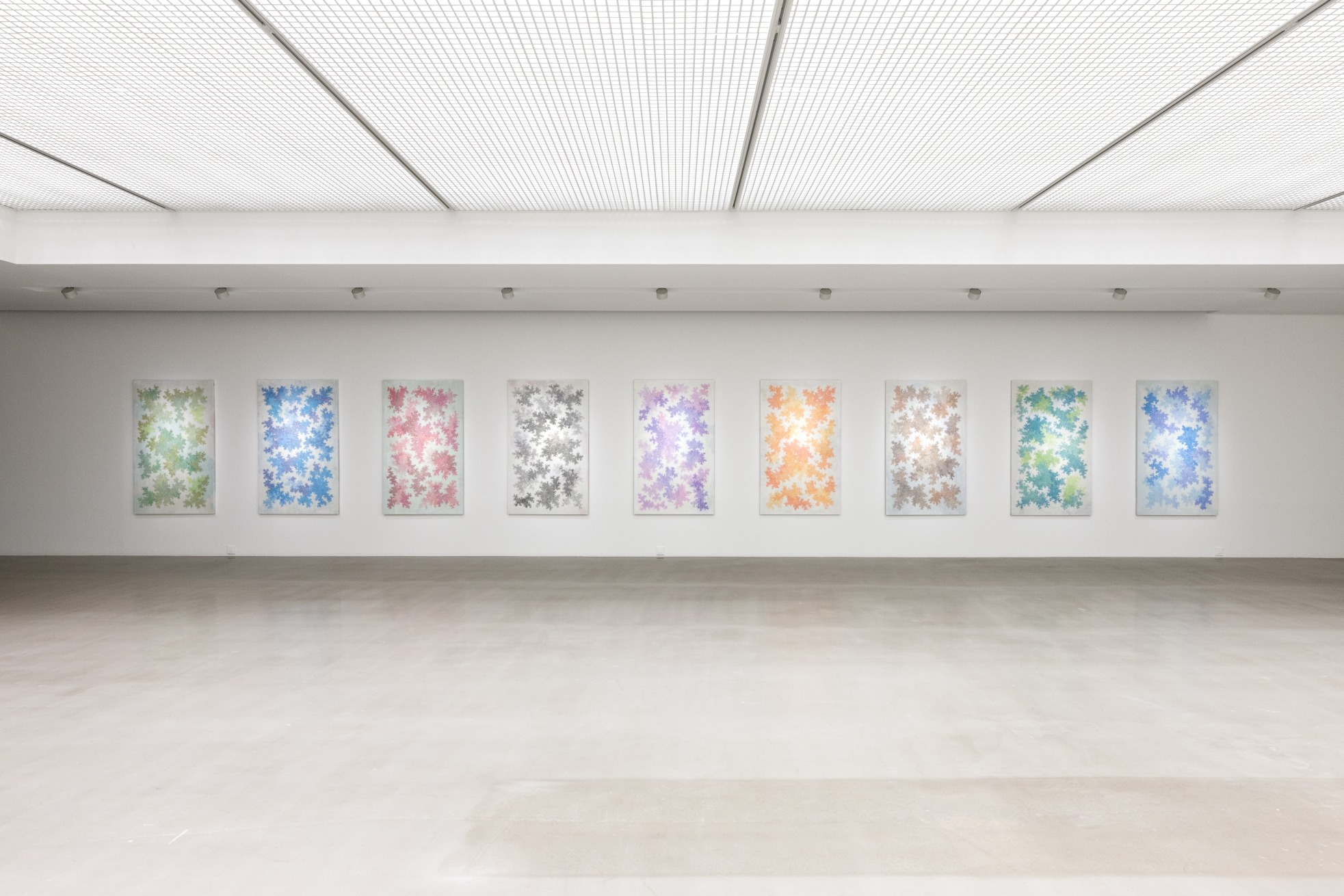
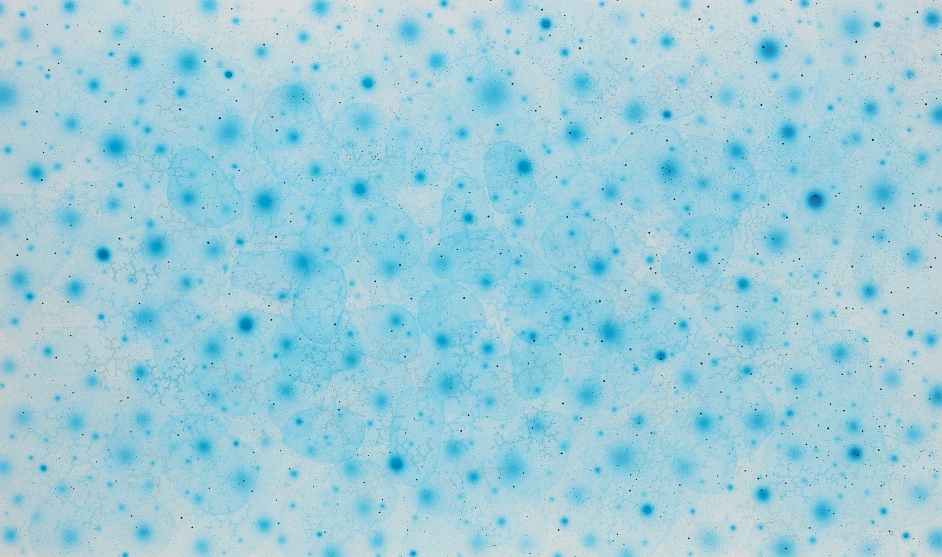
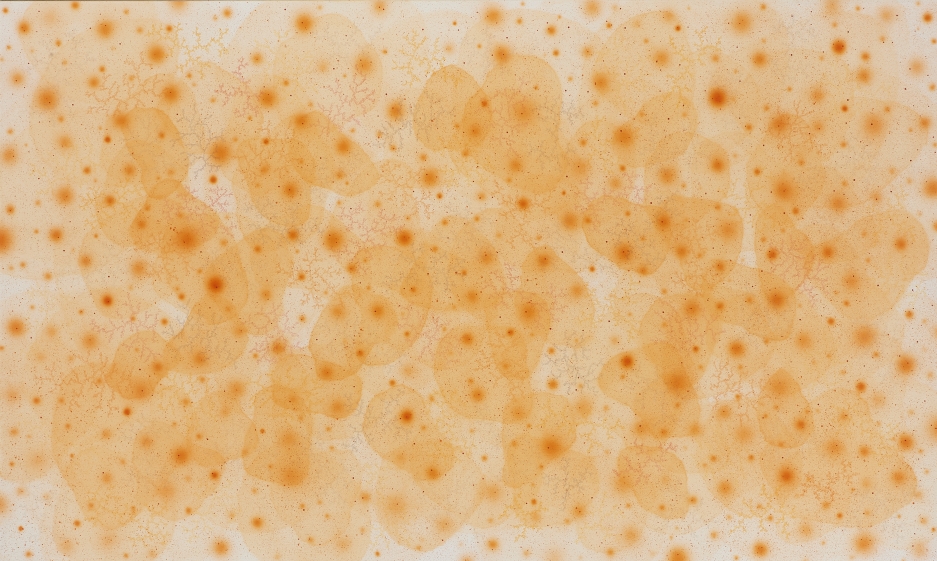
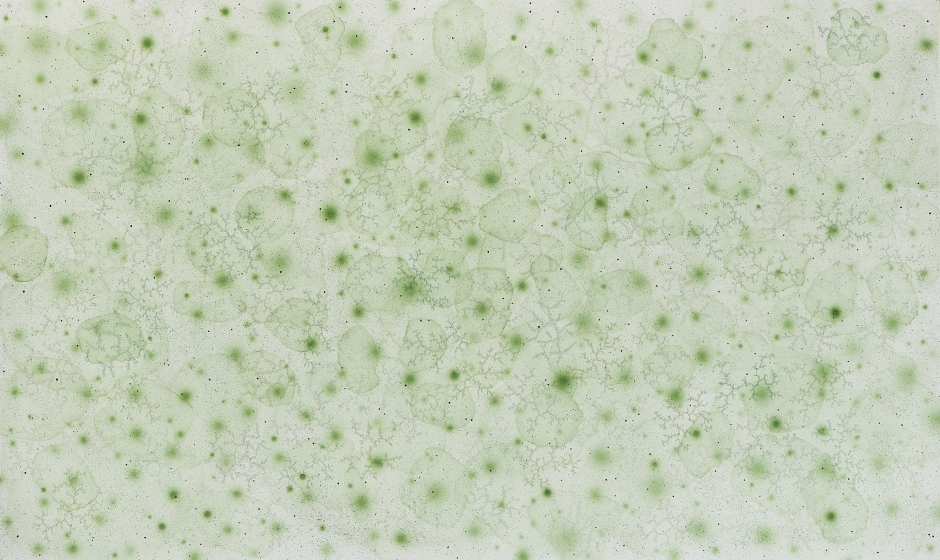
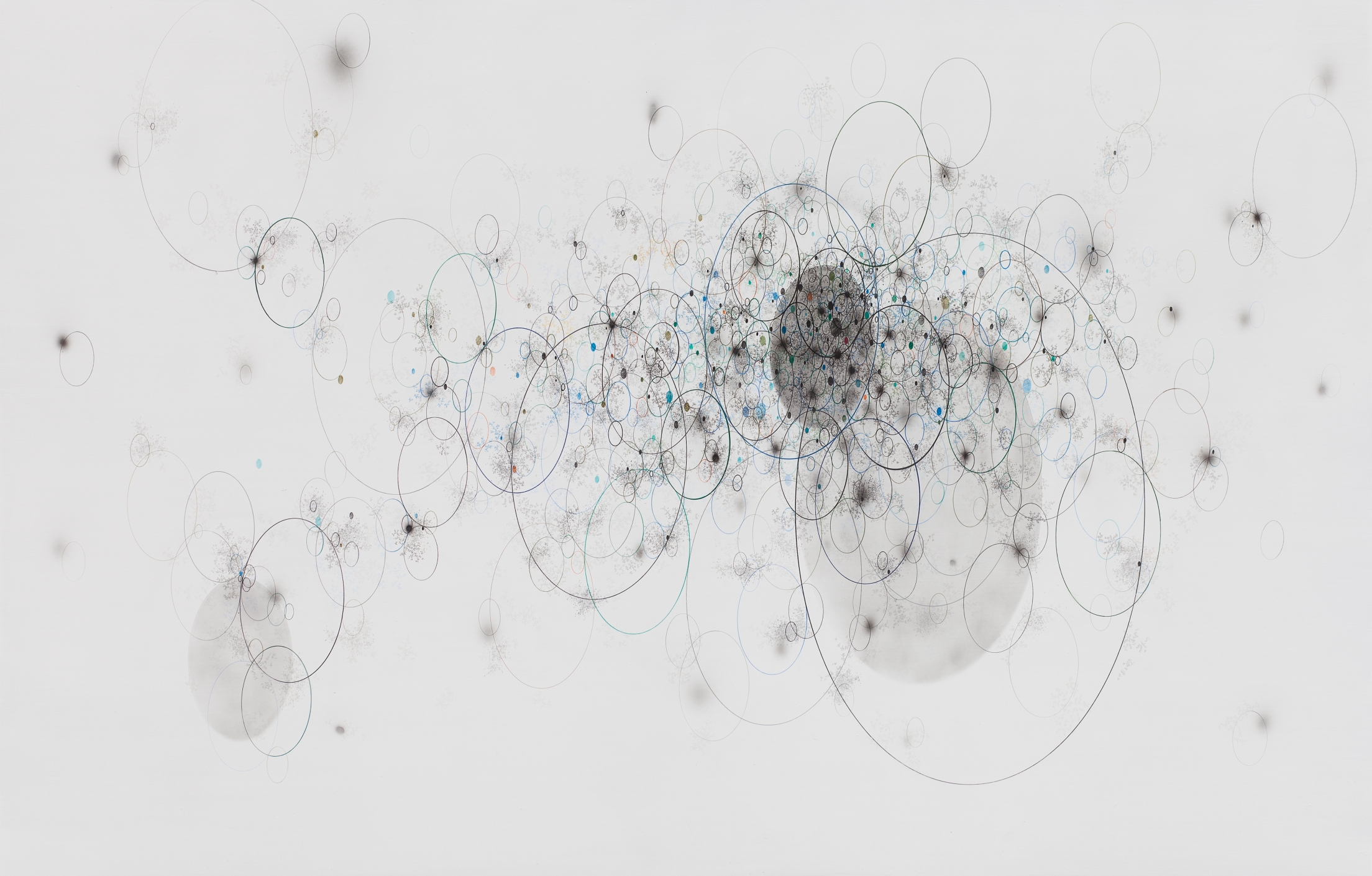
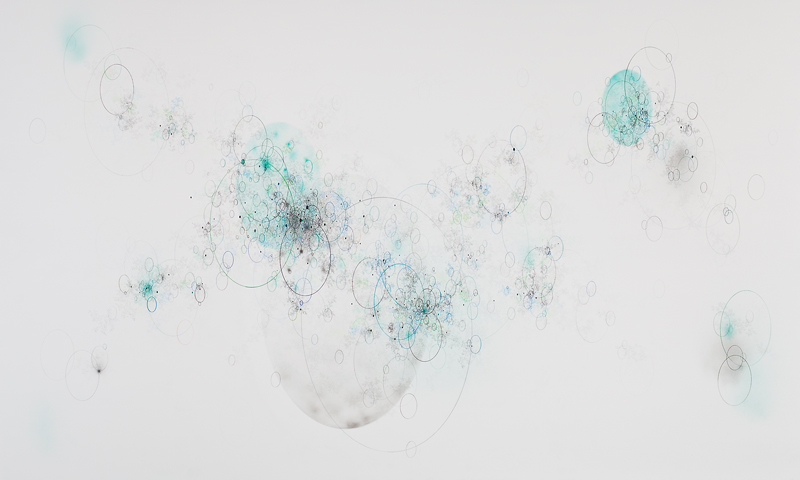
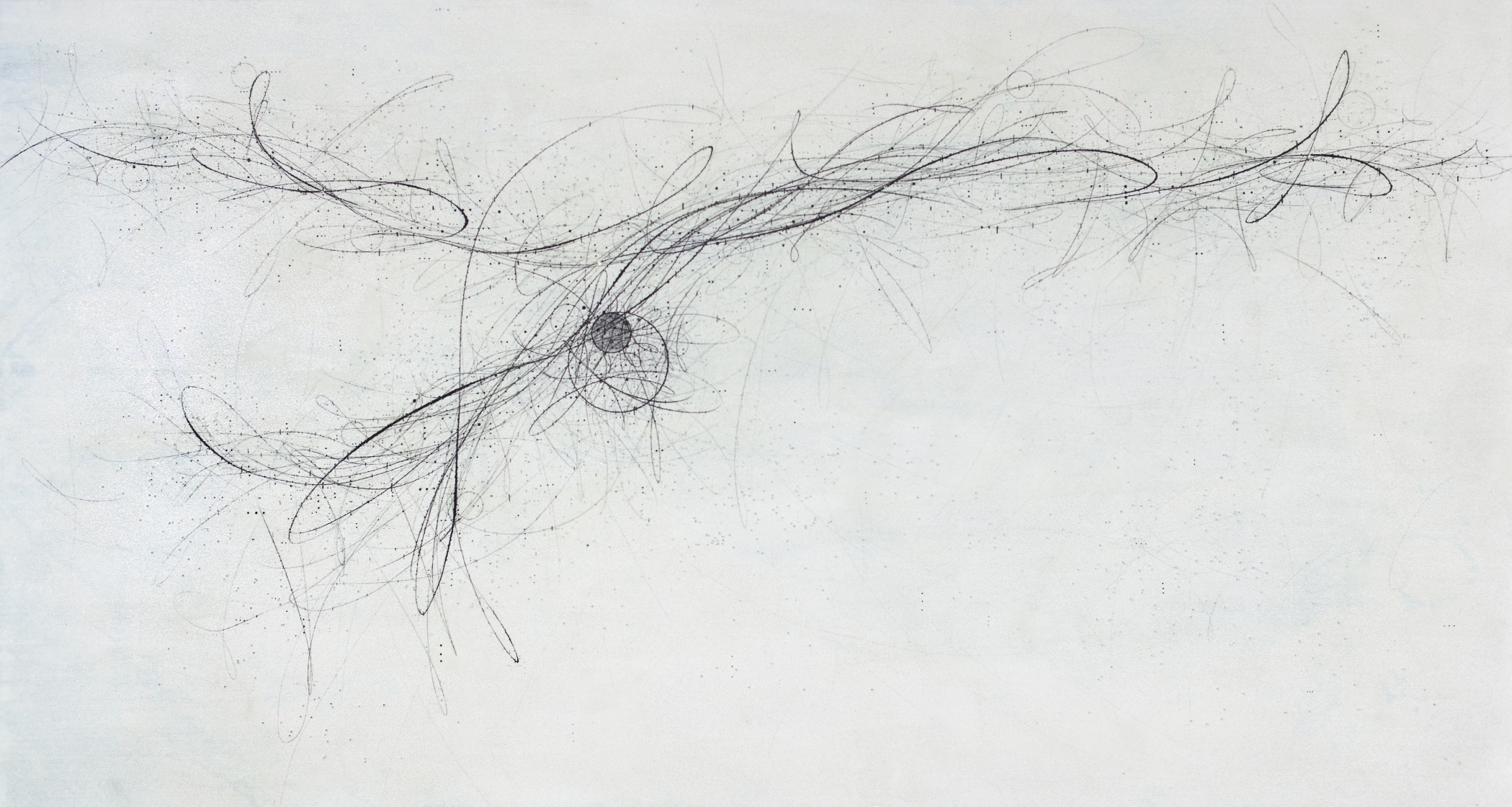
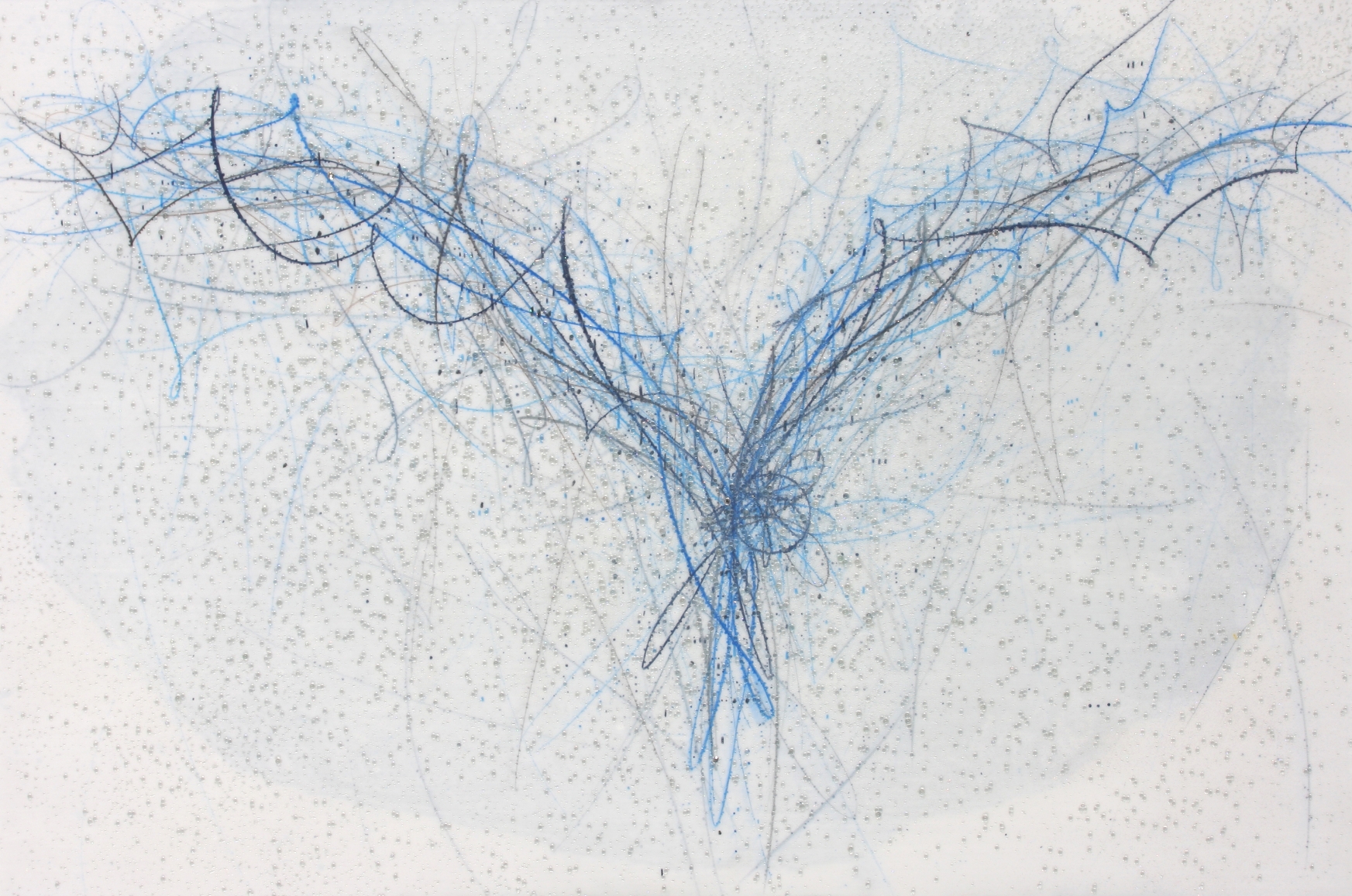
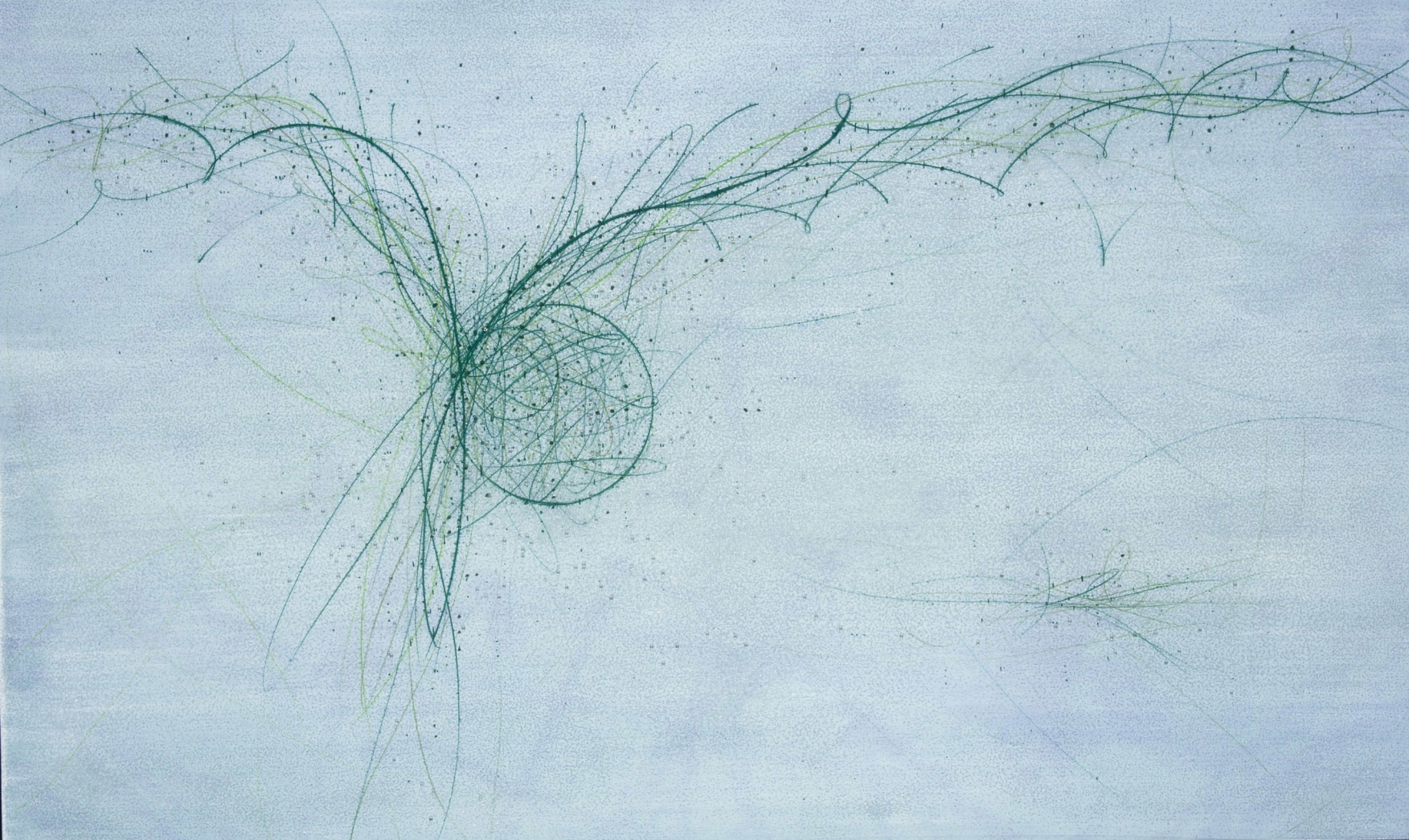
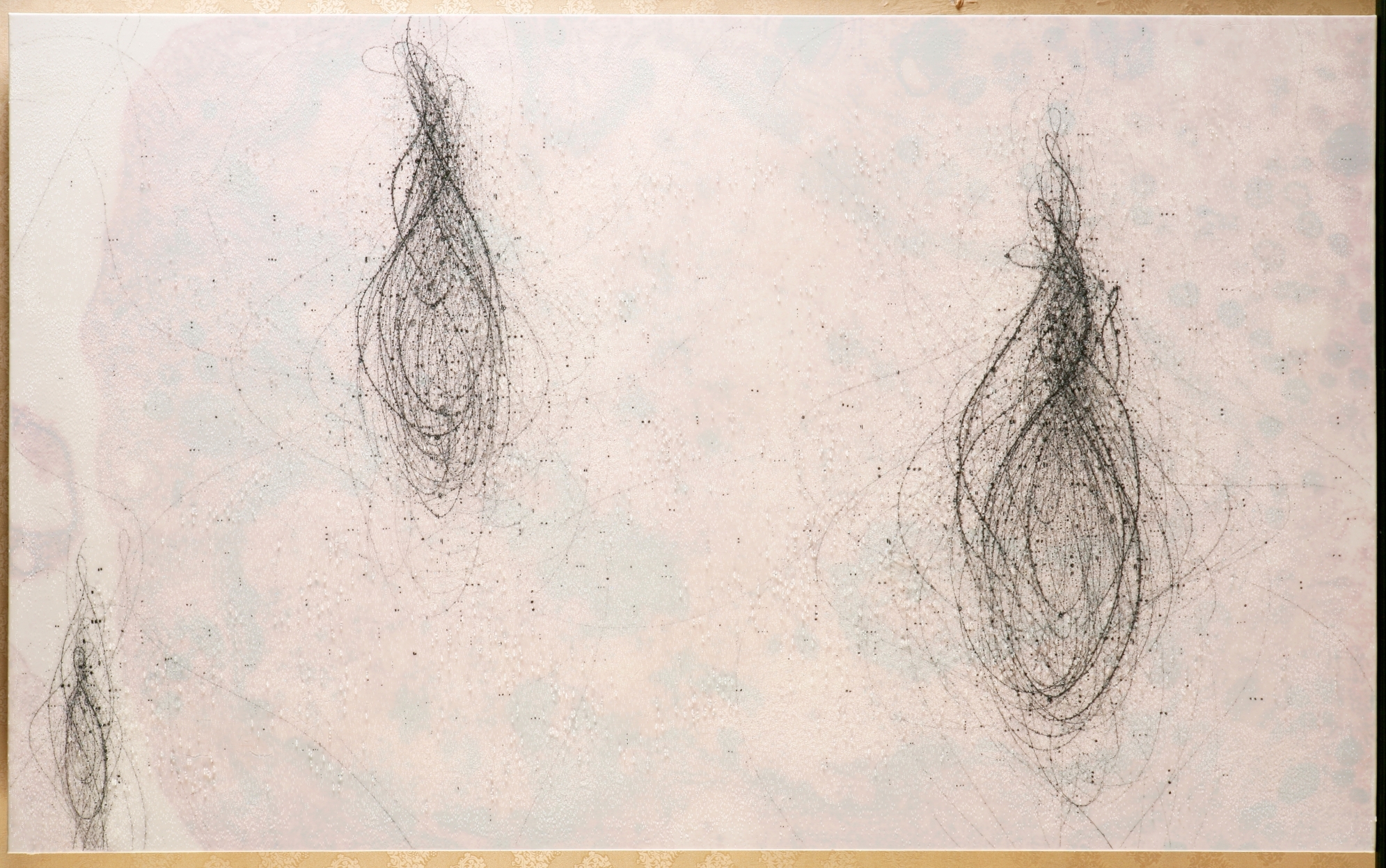
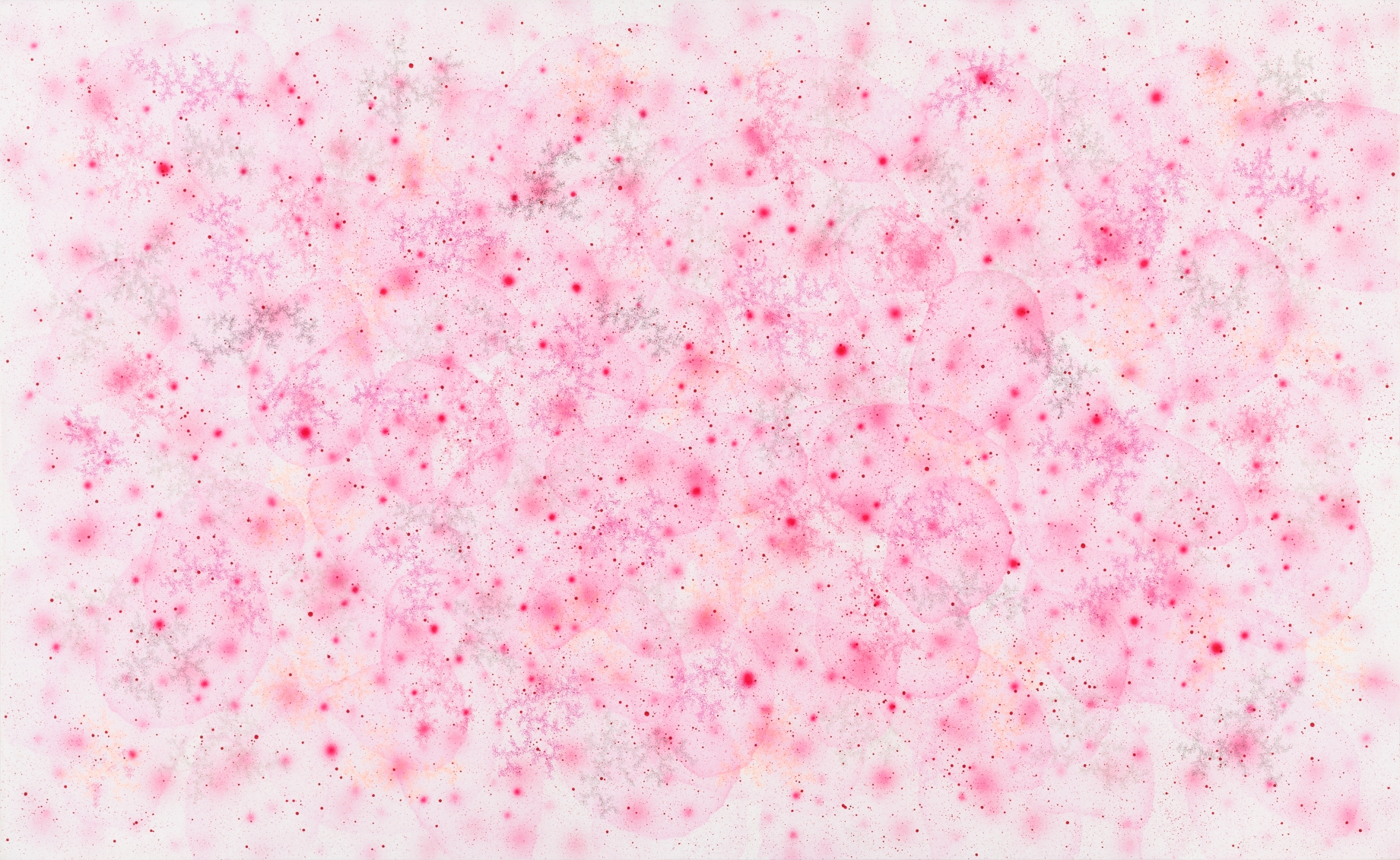
‘Gesture’ is the bodily trace of the artist embedded within the painting. Variations in brushstroke speed, rhythm, and pressure introduce temporality and eventfulness to the surface. Set against calculated structures, gesture transforms painting from a fixed image into an ongoing process. In Lee Kang Wook’s work, gesture functions not to complete space, but to continuously generate it.
 
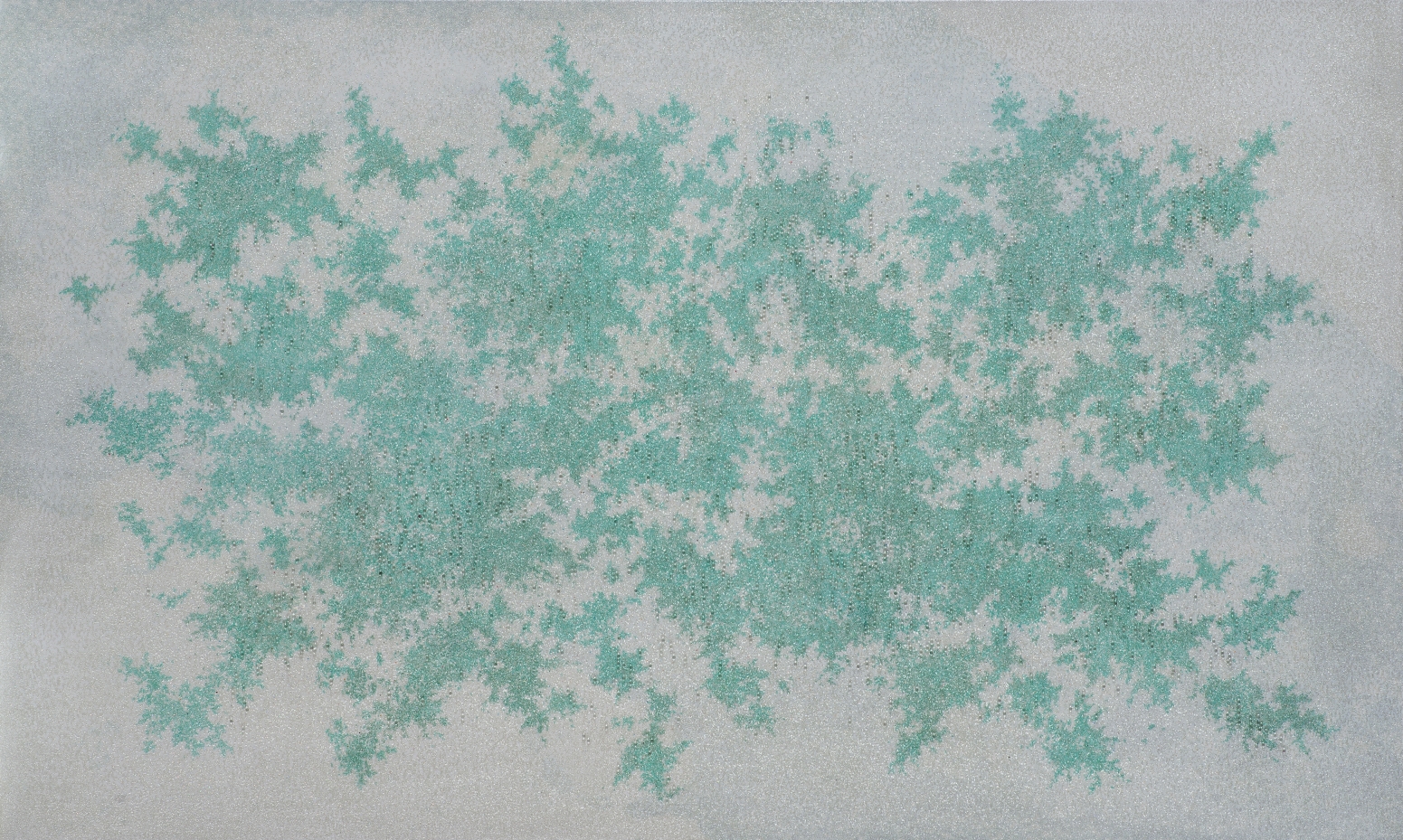
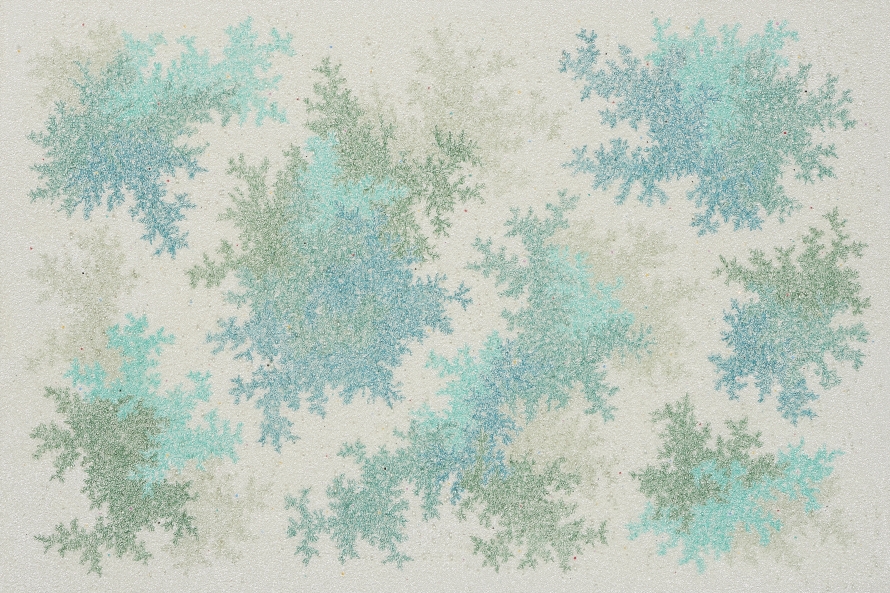
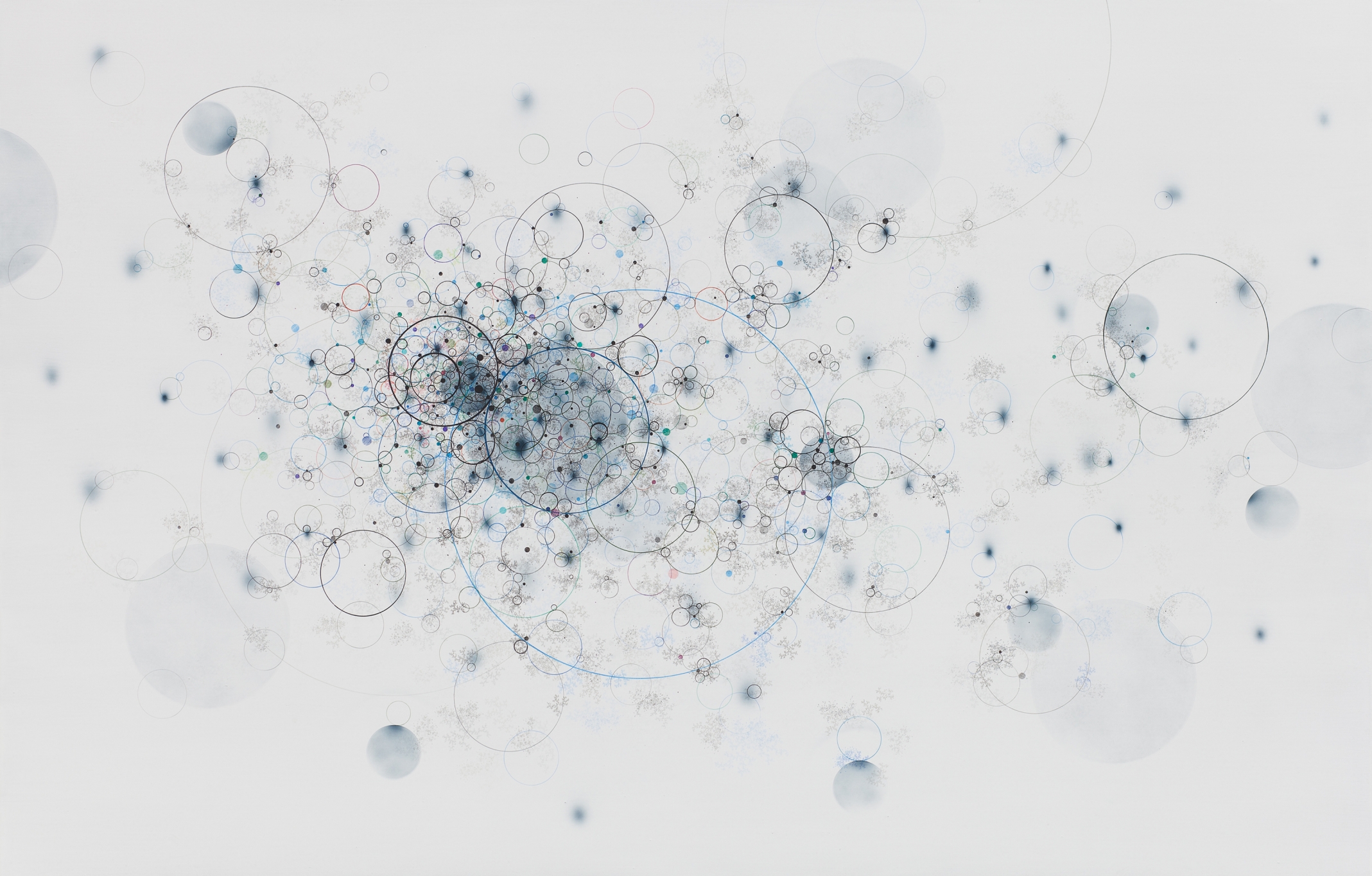
In Lee’s work, space is never presented as a stable or fixed structure. Aggregations of color that disperse like particles, repeating geometric forms, and layered gestures disrupt a single, authoritative viewpoint. As a result, the viewer is compelled to constantly recalibrate their sense of scale—moving between the microscopic and the monumental, the interior and the exterior, the flat surface and the illusion of depth. Through this perceptual oscillation, Lee reasserts painting as a sensory field rather than a representational image.
 
In his recent works, geometric imagery and the formal elements of abstract painting have become more pronounced. Yet despite this structural clarity, drawing remains fundamental to his practice. The artist’s gestures—traces of movement, rhythm, and tempo—function as events within the pictorial space. These marks do not describe a predetermined structure but instead register a space that is in the process of becoming. Lee’s paintings resist closure, remaining open as dynamic configurations that continuously form and dissolve.
 
Within contemporary Korean art discourse, Lee Kangwook’s practice has been described as “Painting articulated through sensory illusion” and situated within the trajectory of Korean Neo-Abstraction. Such evaluations point not merely to stylistic classification, but to a sustained inquiry into how abstraction can engage perception, cognition, and embodied experience today. Lee’s paintings do not aim to visualize invisible space alone; they ultimately question how we perceive, imagine, and inhabit the world itself.

Solo Exhibitions (Brief)

Lee Kang Wook’s selected solo exhibitions include 《1mm Border》(Place C, Gyeongju, 2025), 《Shifting Drawing: from Universe》(Gallery Laheen, Seoul, 2024), 《Shifting Drawing and Colors》(Jagad Gallery, Jakarta, 2024), 《Shifting Shapes and Shades》(Gallery Art Nasal, Ulsan, 2023), 《Shifting Colors》(Gana Busan, Busan, 2022), 《Gleaming in Serenity》(Gallery Peyto, Seoul, 2022), 《Shifting Shapes and Shades》(Gallery Lotus, Gwangju, 2021), 《Shifting Colors》(The Untitled Void, Seoul, 2021), 《Untitled: Frame of Painting》(Gallery Laheen, Seoul, 2020), 《Chromatic Network》(Salihara Art Center, Jakarta, 2019), 《Inconspicuous》(Gallery Madison Park, New York, 2019), 《Paradoxical Space and Gestural Colour》(Gallery ArtPalace, Seoul, 2019), 《Paradoxical Space and Gestural Colour》(The Cluster Gallery, New York, 2018), 《Gestural Color》(Gallery Laheen, Seoul, 2018), 《Abstract, Color and Gesture》(ARARIO Gallery, Cheonan, 2017), 《Hidden Perception: The New Painting》(SPACE CAN, Seoul, 2017), 《Paradoxical Space: Gestural Abstraction》(Gallery Huue, Singapore, 2017), 《Paradoxical Space: The New World》(ARARIO Gallery, Seoul, 2016), 《Colour and White》(63 Art Museum, Seoul, 2016), 《Invisible Space》(Tokyo Gallery, Tokyo, 2014), 《Invisible Space》(Asia House, London, 2012), 《Invisible Space》(Hada Contemporary, London, 2012), and 《Invisible Space》(Gallery Rho, Seoul, 2011), with a total of 35 solo exhibitions held between 2002 and 2025.

Group Exhibitions (Brief)

Lee Kang Wook has participated in selected group exhibitions including 《Touch, Grain, Layer》(Gallery Peyto, Seoul, 2025), 《Yeongwol Travelogue: Hello + Sky, Earth, Us》(JindalraeJang, Yeongwol, 2024), 《Cosmos Chronology》(Institut Français d’Indonésie, Yogyakarta, 2023), 《Art Taipei》(World Trade Center, Taipei, 2022), 《Leeum, Meet the Artists》(Leeum Museum of Art, Seoul, 2021), 《Memory, Record》(Jeondeungsa Temple, Ganghwa, 2020), 《Geometry, Beyond Simplicity》(Museum SAN, Wonju, 2019), 《Opening Exhibition of Anseong Art Hall》(Anseong Art Hall, Anseong, 2018), 《Korean·Chinese·Japanese Art Exhibition》(Tsukuba Museum of Art, Ibaraki, 2017), 《Art Basel Hong Kong》(Hong Kong Convention and Exhibition Centre, Hong Kong, 2017), 《KIAF》(COEX, Seoul, 2017), 《Art Basel Hong Kong》(Hong Kong Convention and Exhibition Centre, Hong Kong, 2016), 《Art Stage》(Marina Bay Sands, Singapore, 2016), 《Asian Art Biennale Bangladesh》(National Theatre Auditorium, Dhaka, 2016), 《A Trio Exhibition》(Gallery Happiness of Art, Seoul, 2016), 《KIAF》(COEX, Seoul, 2016), 《Art Stage》(Marina Bay Sands, Singapore, 2015), 《Touching Moments in Macau》(Insa Art Center, Seoul, 2015), 《Beyond the Visible》(Nook Gallery, Seoul, 2015), and 《KIAF》(COEX, Seoul, 2015). He also participated in over 400 invited group exhibitions worldwide from 2000 to 2025.

Awards (Selected)

Lee Kang Wook received major awards including the 3rd Songeun Grand Art Exhibition Support Prize (2003), the 24th JoongAng Fine Arts Competition Grand Prize (2002), the 25th Dong-A Art Festival Grand Prize (2002), and the 15th National Grand Fine Art Exhibition Grand Prize (2001).

Collections (Selected)

His works are included in major institutional and corporate collections, including Ho-Am Art Museum, Seoul Museum of Art, National Museum of Modern and Contemporary Art Korea, Gyeonggi Museum of Modern Art, Ministry of Foreign Affairs and Trade, Hyundai Motor Company, Samsung Hotel, LS Industrial Systems, LG Fashion, KyoWon Group, Marriott Hotel, Coreana Cosmetics, Centum Leaders Mark, and City 7 Hotel, among others.
Works of Art

Gesture

Untitled

Image

Line

Originality & Identity

Lee Kang Wook’s work begins with the contemplation and exploration of himself. While searching for clues to define him, biology came to his mind. Taking a closer look at cells using a microscope, he was attracted to a microscopic world. From those minuscule existents, he discovered “space”, a new dimension, and realized that microscopic space and macroscopic space are linked with each other.
 
Lee’s painting presents the spectrum of varying and shifting colors, together with geometric forms created as the trace of his action. Here, what we need to focus on are the “layers.” On a pure white canvas that stands out as the beauty of empty space, he places one color and creates semitransparent layers by applying white paint on top of it. Lee constructs his own space through this layering of colors he performs in the process of conceiving the composition of colors to be placed on the canvas. As the layers are accumulated, the boundary that separated a 2D space and a 3D space breaks down.
 
For the artist, the canvas’s flat surface becomes a 3D space in which cells are expanding infinitely in color. In this space, he visualizes complicated, diverse human feelings in shifting colors so that viewers can sense the colors differently depending on how they feel. Just as one individual contains the principle of the universe inside, his abstract painting contains his insights and thoughts about his self in a moderate manner.
 
His ultimate desire is that his painting serves as a medium for us living in this modern era to understand and think about ourselves in our own ways. He hopes that we can look into the universe in us and also reflect on ourselves who are existing in that universe.

Style & Contents

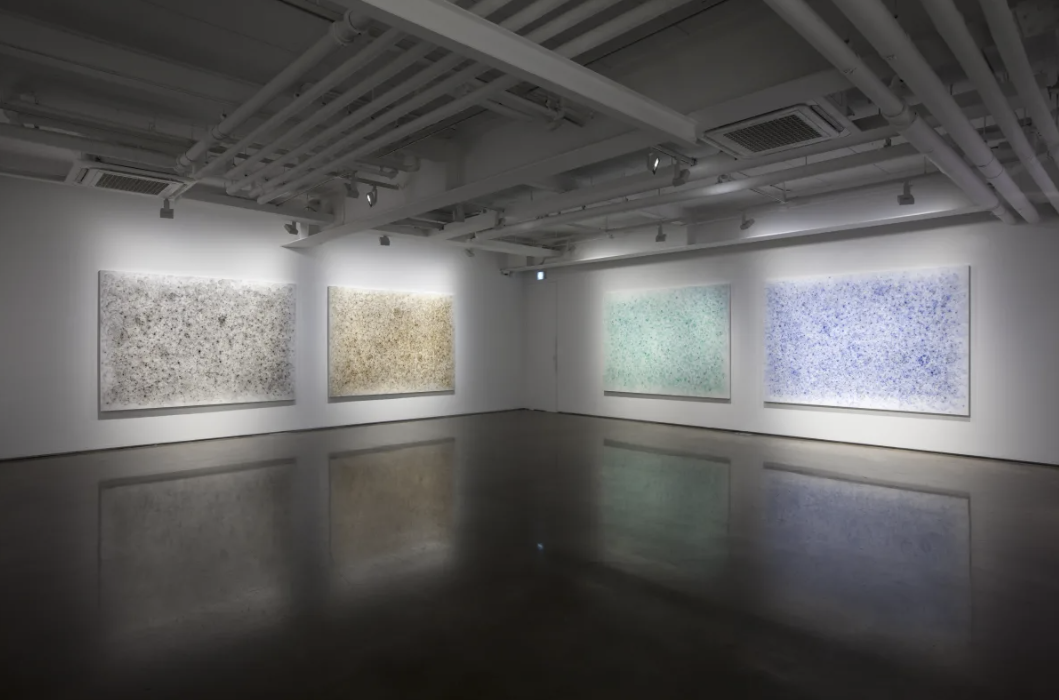
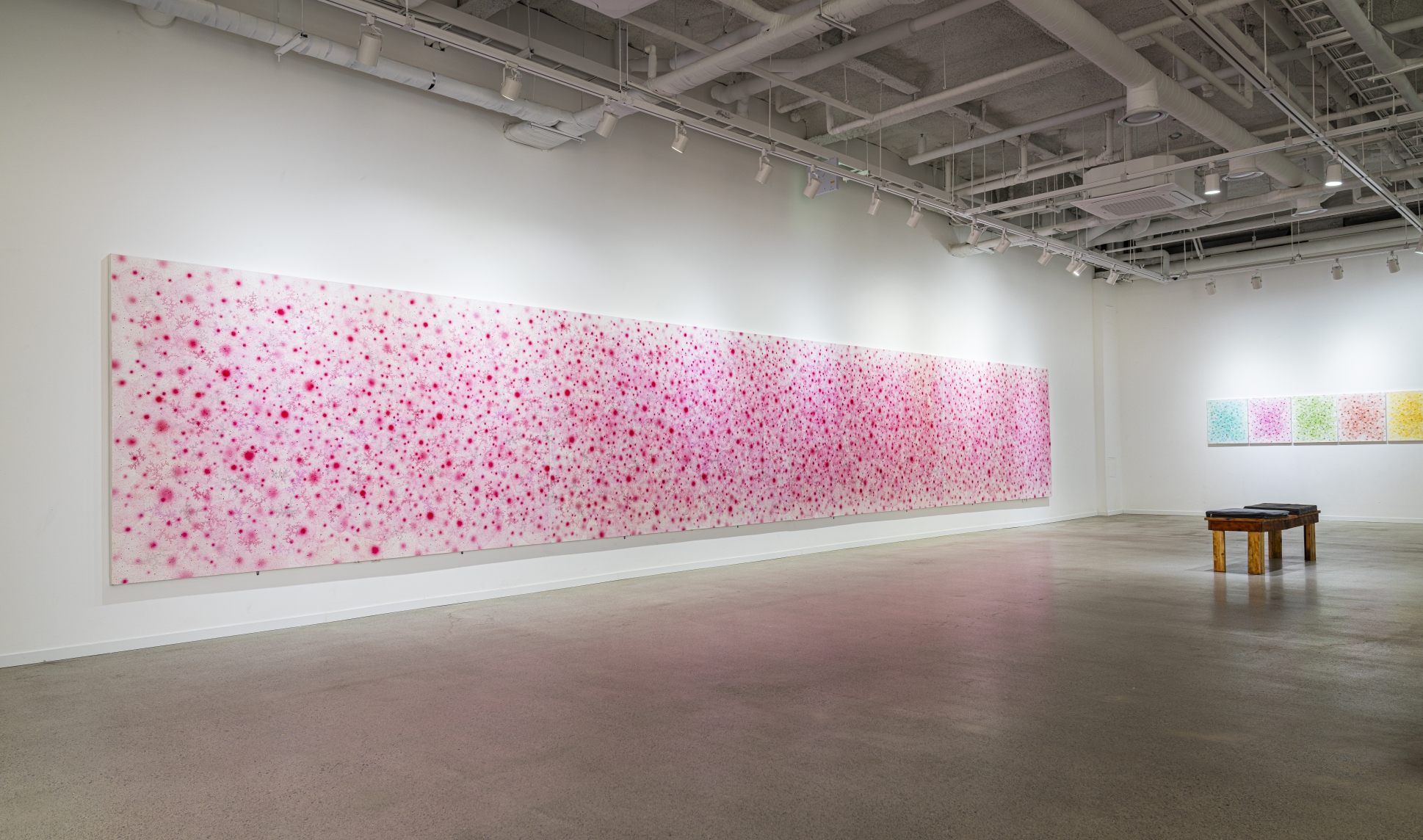
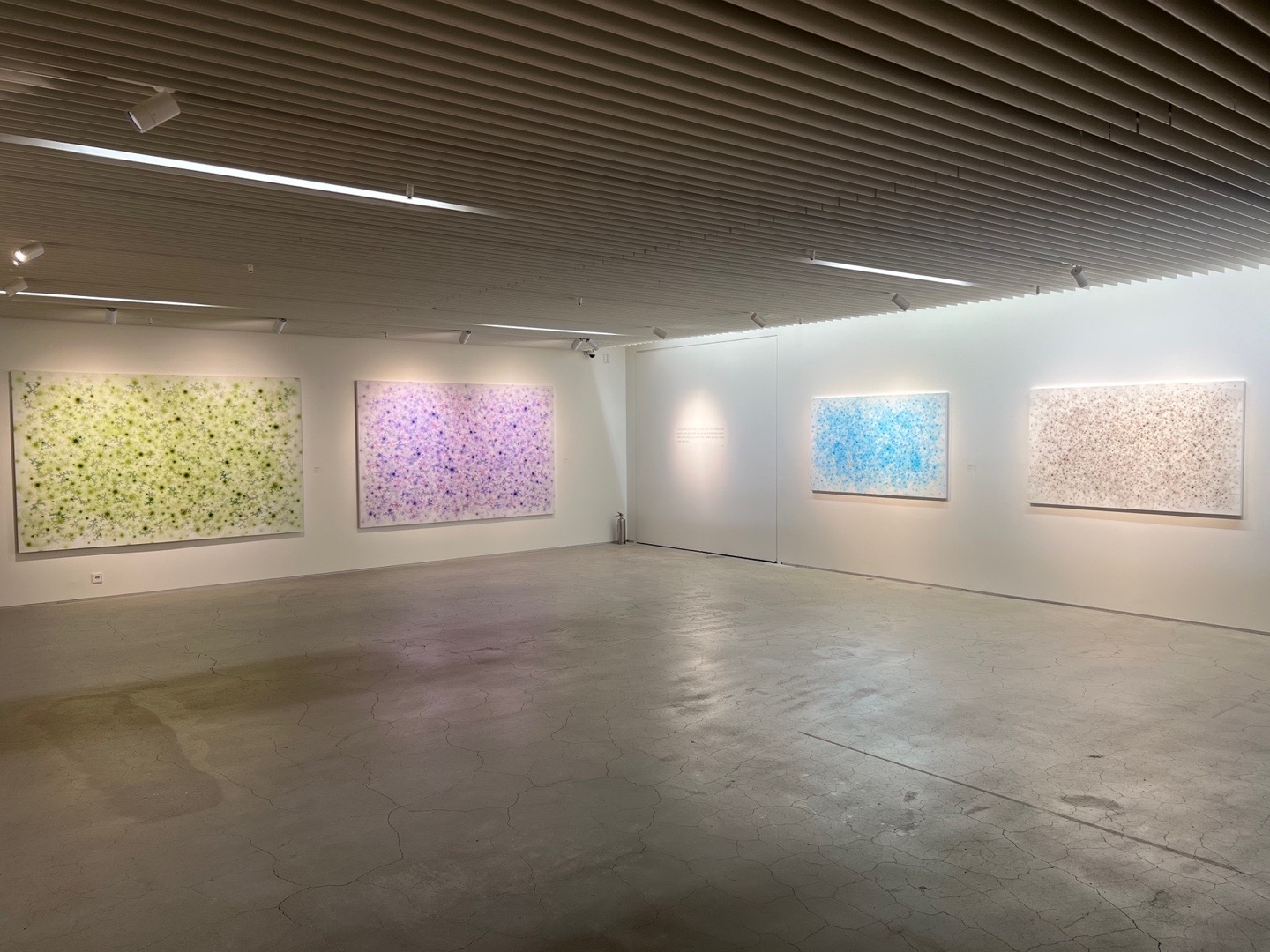
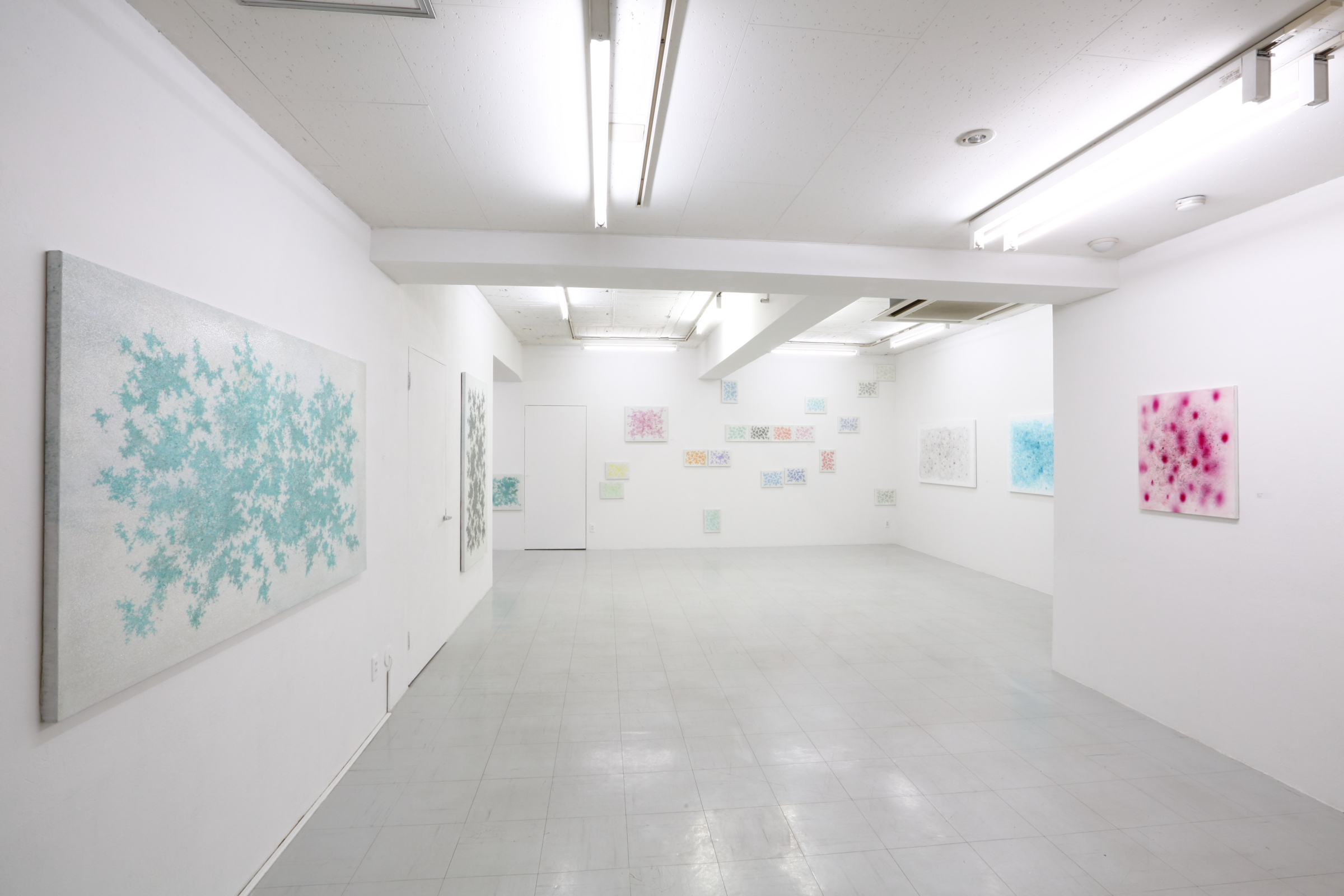
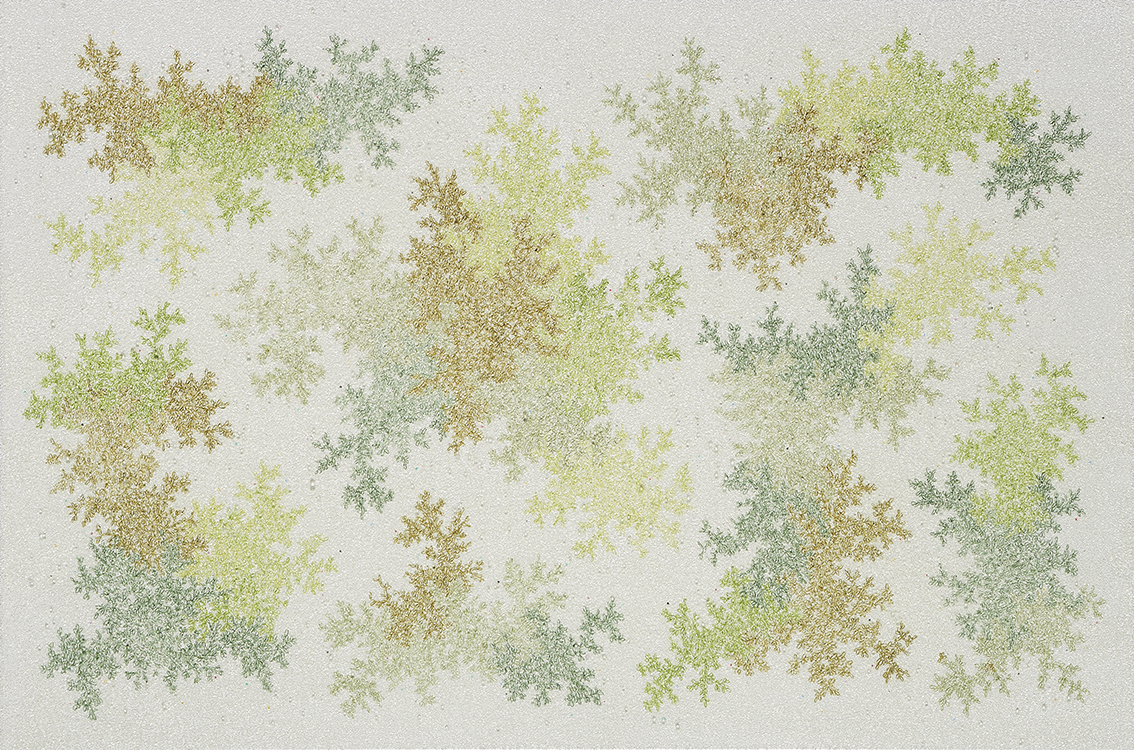
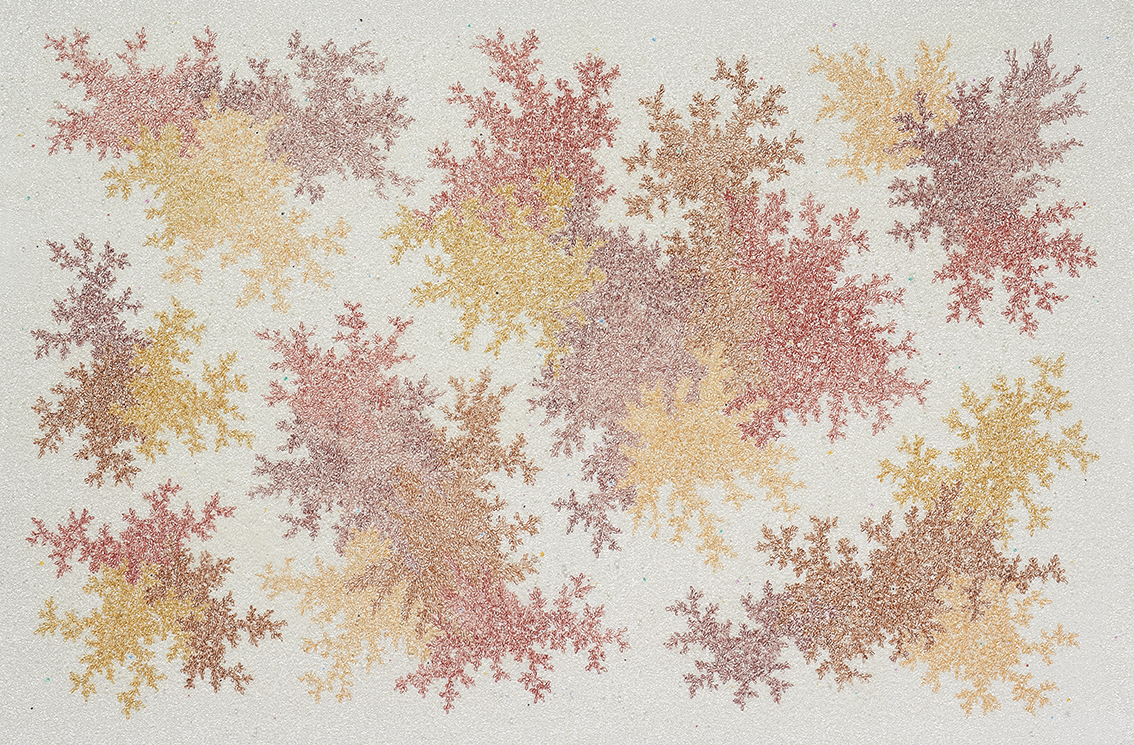
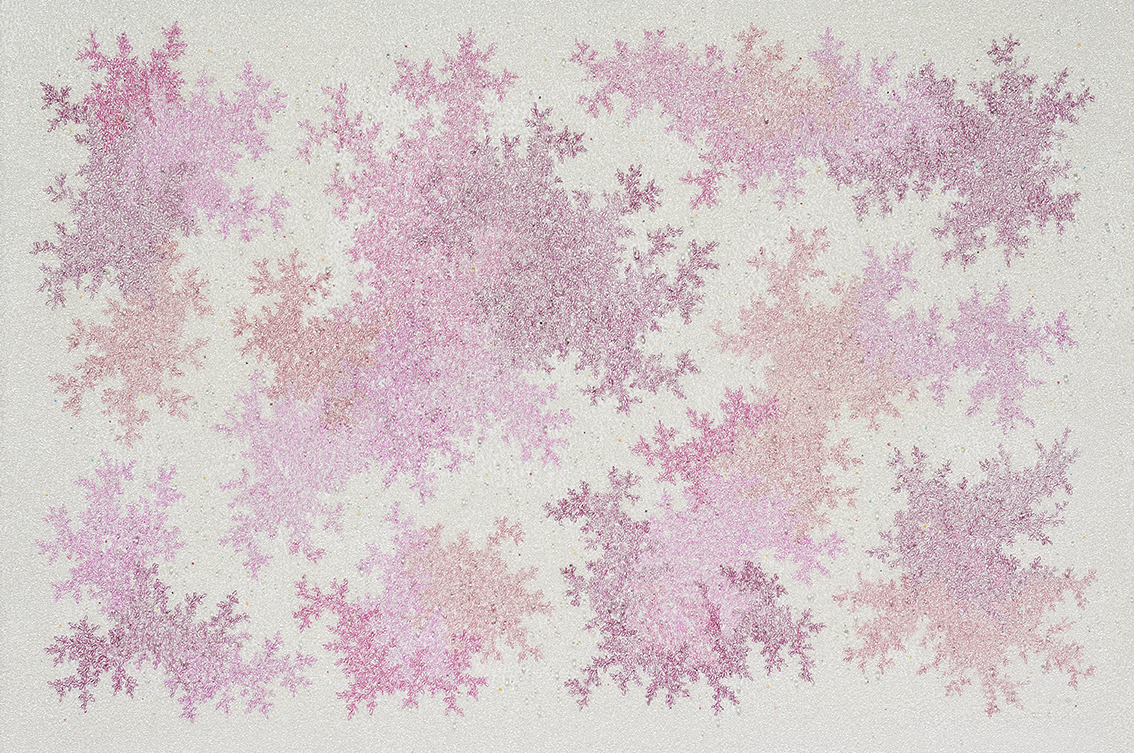
Looking at Lee Kang Wook's work, delicately drawn lines and pale coloured patches are floating on the surface of paintings. Oval and rectangular forms are emerging in different sizes and at times are incomplete, just suggestive enough of these forms, and at other times overlapping each other as if repeating itself in spatial successions. In another group of his paintings, grain-like tiny ovals are multiplying in seemingly infinite numbers, resembling the fractal growth of natural forms, which are at once abstract and organic.

Lee Kang Wook’s work might seem relatively unchanged in terms of its colour tones and abstract forms since his last solo exhibition in 2007. Geometric forms and patterns are more dominant in some of his works and the composition looks more solid, but his exploration of the relativity of perception and ‘invisible space’ still seems relevant, and his apparently effortless execution of imaginary landscape could also be found in the organic spaces of his most recent paintings.

However, there is a decidedly distinctive approach to the images in Lee’s recent paintings, which is the amalgamation, or synthesis, of opposites, rather than their simple dualism. Whilst his previous paintings emphasised the paradoxical resemblance of the microscopic world and cosmic space, Lee’s recent paintings seem to explore a kind of universal order innate in these opposite worlds, allowing controlled yet self-generating patterns and forms to extend what the artist has started with the initial composition.

The paintings sustain abstract forms which Lee has skilfully executed, but their subsequent developments seem purposefully encouraged, making organic yet ordered growths possible. Furthermore, it is noticeable that Lee engages his own physical existence in his latest paintings, marking gestures and bodily movements in several heavily executed pencil lines. Painting seems to be the right medium for Lee, where its limitation becomes a necessary condition for his controlled yet open-ended creation.

Whilst his previous paintings represented the mystery of the universe in its paradoxical dualism, Lee’s recent paintings display the enlightening moment he experienced in understanding the Upanishads, in acquiring knowledge of the self in this incomprehensive universe. However insignificant this might be to the viewer, it seems profoundly important to the artist to appreciate his space in the world and communicate it within his paintings.

Topography & Continuity

Within the broader trajectory of contemporary Korean art, Lee Kang Wook occupies a position that merits close attention. Emerging in the 2000s, a period marked by the rapid expansion of both the Korean and global art scenes, Lee has consistently developed a distinct painterly language while remaining committed to the medium of painting. As the Korean art world became increasingly interconnected with international networks and open to diverse formal experiments, his practice evolved not by aligning with dominant trends, but by constructing an independent formal and conceptual framework.

From the outset, Lee’s work has centered on questions of space and perception. His sustained inquiry into the notion of the “invisible space” operates as a key axis throughout his practice, extending beyond visual representation toward an exploration of perceptual structures. The geometric forms and repetitive patterns that appear on the canvas do not function as fixed images; rather, they operate as relational elements that continuously shift and reorganize within an open system.

This tendency becomes more pronounced from the 2010s onward. Through a series of exhibitions across Seoul, New York, London, and Jakarta, Lee has expanded the geographical and conceptual scope of his work. Presentations at institutions and galleries such as ARARIO Gallery, Tokyo Gallery, and Asia House demonstrate how his practice resonates beyond a local context and enters into broader contemporary discourses on painting.
At the same time, his work has been consistently presented in international art fairs and curated exhibitions, situating it within both institutional and market frameworks. Participation in platforms such as Art Basel Hong Kong, KIAF, and Art Stage Singapore indicates that his painting operates across multiple circuits of contemporary art, maintaining relevance in both critical and commercial contexts.

What is particularly significant in Lee’s practice is not the degree of visible transformation, but the ongoing reconfiguration of its internal structure. While earlier works emphasized the paradoxical correspondence between the microscopic and the cosmic, his recent paintings move toward a more integrated perspective, seeking latent orders and relational systems within seemingly opposing domains. This development does not represent a rupture, but rather a continuous variation of a persistent set of questions across different levels of articulation.

Ultimately, Lee Kang Wook’s work should be understood not as a fixed stylistic identity, but as an evolving structure unfolding over time. Within the rapidly shifting landscape of contemporary Korean art, his practice demonstrates how painting can sustain its conceptual rigor while continuously adapting to changing contexts. In this sense, his work offers a compelling case for understanding how contemporary painting persists, transforms, and redefines itself today.

Works of Art

Gesture

Untitled

Image

Line

Articles

Exhibitions

Activities