

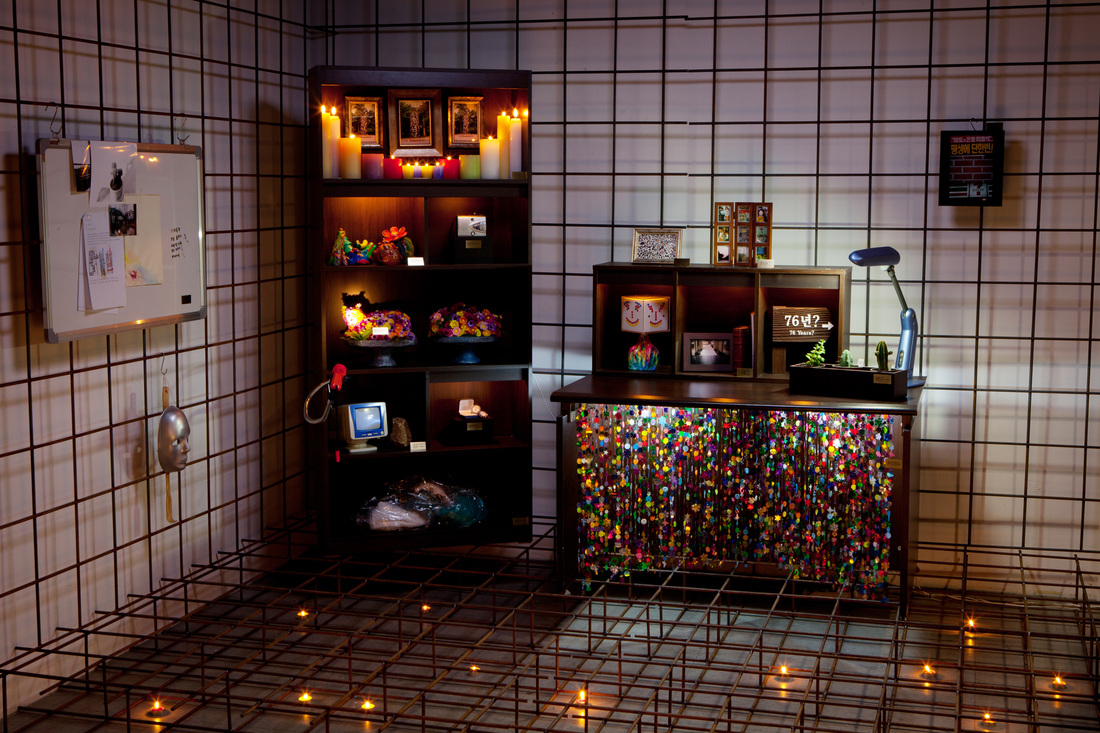
WELCOME - K-ARTIST

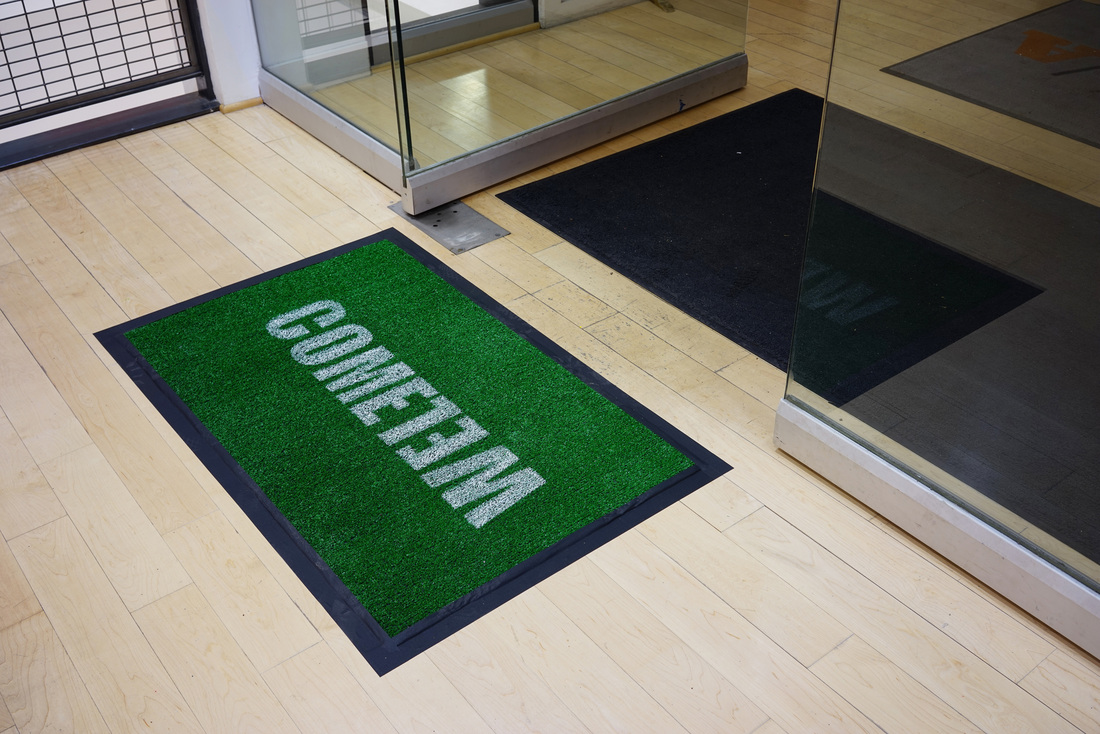
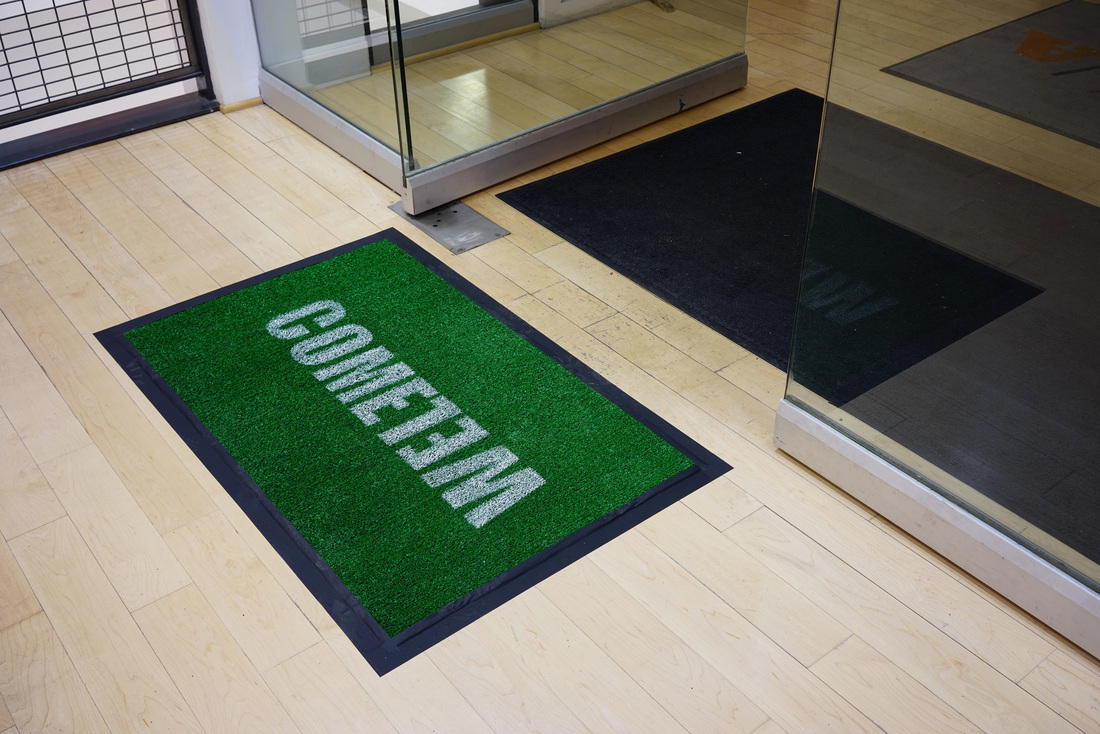
WELCOME

2014
Language on artificial grass
70 x 112 cm
About The Work

Taeyeon Kim recognizes the various “frameworks” of reality—such as standards, restrictions, systems, conditions, and limits—and takes them as the starting point of her practice. Her work seeks out the blind spots within fixed structures, including the physical constraints of space, and from these points discovers alternative possibilities or new meanings, proposing responses that engage with and counter these conditions.

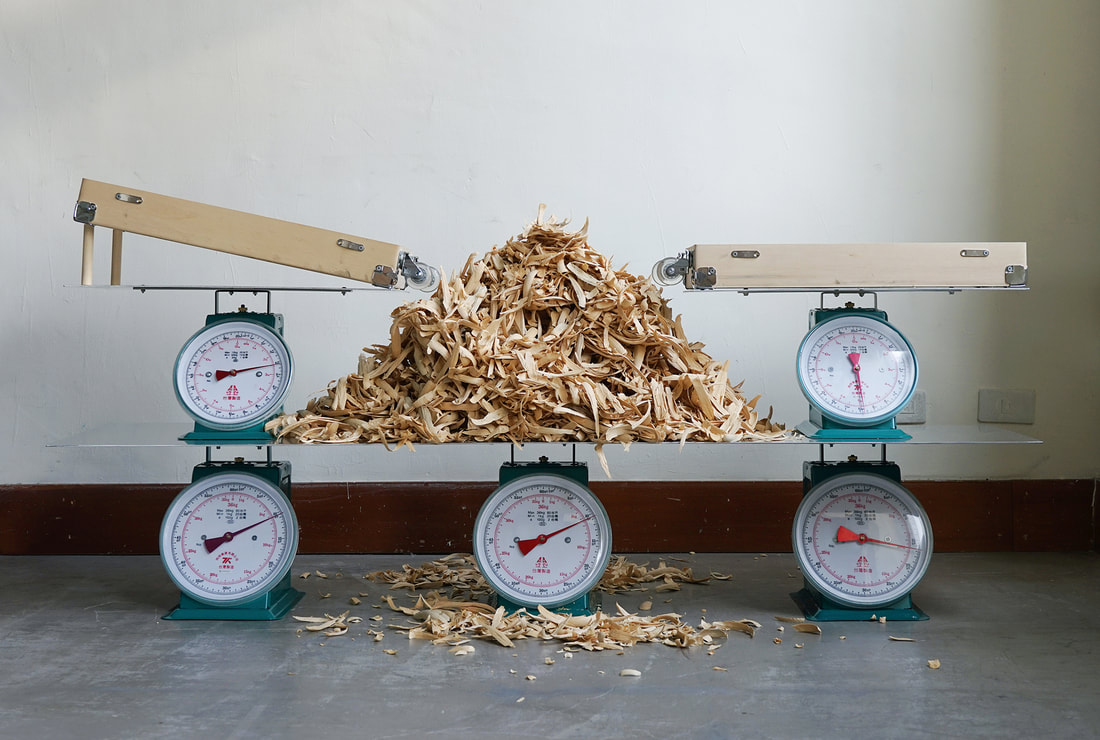
For Taeyeon Kim, a “framework” serves as a metaphor for the dissatisfaction or problems that people encounter in reality. Her practice has developed as a process of working through questions that arise when confronting such frameworks—for instance: “My studio is on the fourth floor of a building with narrow and inconvenient stairs. How can I move heavy objects by myself?” or “Working with given material properties and forms feels passive. How can I gain agency within the process of making?”

Responding to the limitations experienced within predetermined frameworks, her work unfolds by taking various conditions—such as regulations, standards, and institutional systems—as its underlying context, while exploring the potential of sculpture to reveal what lies beyond those frameworks.

Taeyeon Kim examines the structures of the frameworks encountered in everyday life and searches for “holes” within them—points from which something can diverge in a new direction. Rather than providing definitive answers, her work encourages viewers to reconsider given situations and objects from multiple perspectives.
 
Through this process, the artist reminds us that relationships often assumed to be fixed or self-evident are in fact mutually dependent and constantly shifting. By doing so, she proposes the possibility of interpreting the world anew from outside these seemingly rigid frameworks.

Solo Exhibitions (Brief)

Taeyeon Kim has held solo exhibitions including 《Nameless Background》 (Gallery2, Seoul, 2024), 《Way Out》 (AlterSide, Seoul, 2023), 《Convergence and Divergence: Form and Variation》 (Gallery2, Seoul, 2021), and 《Out of Line》 (Artspace Boan 2, Seoul, 2020).

Group Exhibitions (Brief)

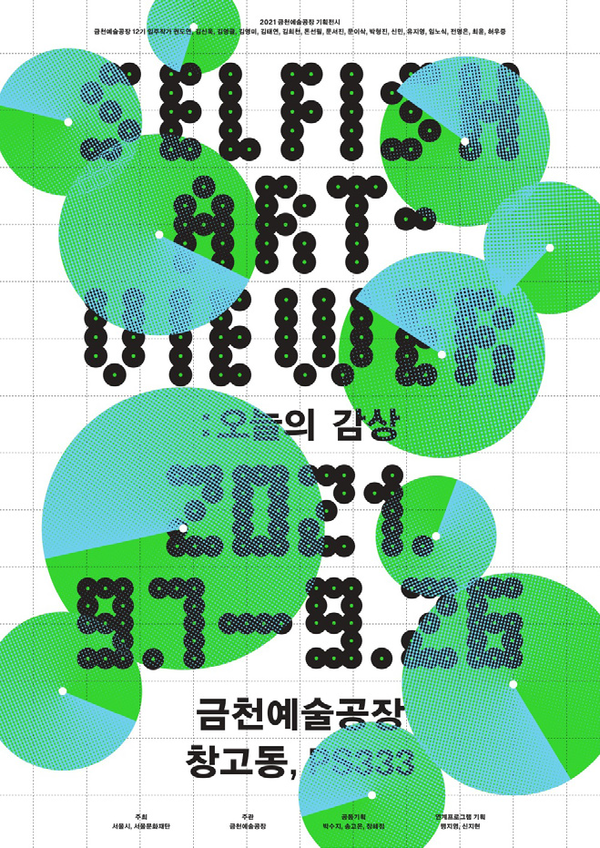
Kim has also participated in numerous group exhibitions, including 《Attachment and Territorial Battles》 (Shinchon Art Space, Seoul, 2024), 《ZIP》 (ARKO Art Center, Seoul, 2024), 《After the Unsustainable》 (CR Collective, Seoul, 2023), 《Selfish Art-Viewer》 (Seoul Art Space Geumcheon, Seoul, 2021), 《Cut off the Bed》 (Art Space Pool, Seoul, 2019), and 《Metropolis of Desire, Visible and Invisible》 (Busan Museum of Art, Busan, 2016).

Residencies (Selected)

Kim has been selected for several residency programs, including the MMCA Goyang Residency (Seoul, 2024), K’ARTS Creative Studio (Seoul, 2022), Seoul Art Space Geumcheon (Seoul, 2021), ZK/U (Berlin, 2018), and Taipei Artist Village (Taipei, 2017).

Collections (Selected)

Kim’s works are included in the collections of the Seoul Metropolitan Government and the Museum of Contemporary Art Busan.
Works of Art

Questions that Arise When Confronting a ‘Framework

Originality & Identity

Taeyeon Kim’s practice begins with an awareness of “frameworks.” Here, a “framework” refers not only to externally given structures such as standards, systems, and physical conditions, but also to the discomforts and limitations that individuals experience in reality. The questions that emerge in her early works—how to move objects alone up a narrow staircase, how to gain agency within given materials and forms—do not simply critique these frameworks but instead develop as processes of directly engaging with the problems they produce. 《When Troubles Become Works》(Euljiro 145-1 #401, 2018) is an early example in which such an attitude becomes the driving force of her practice.
 
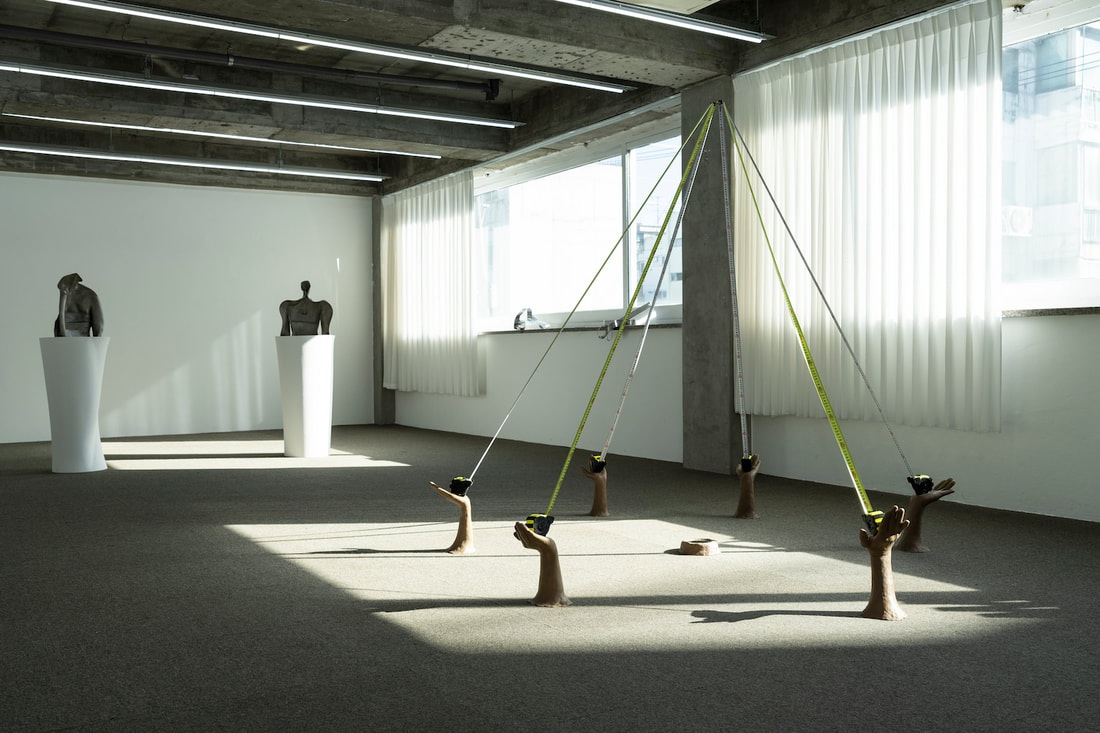
This line of inquiry becomes more clearly articulated in her first solo exhibition 《The Ruler of The Shape》(UhjjudahGallery2, 2019). The ruler, as a tool, functions as both a standard and a governing device for producing form, yet the artist generates new configurations by folding and unfolding it. In this process, the tool becomes not only a determinant of form but also a point of departure for overturning that very determination. The hierarchy between tool and outcome is not fixed but shifts according to situation and perspective. This reveals that the binary between agency and passivity cannot be understood as a stable or absolute condition.
 
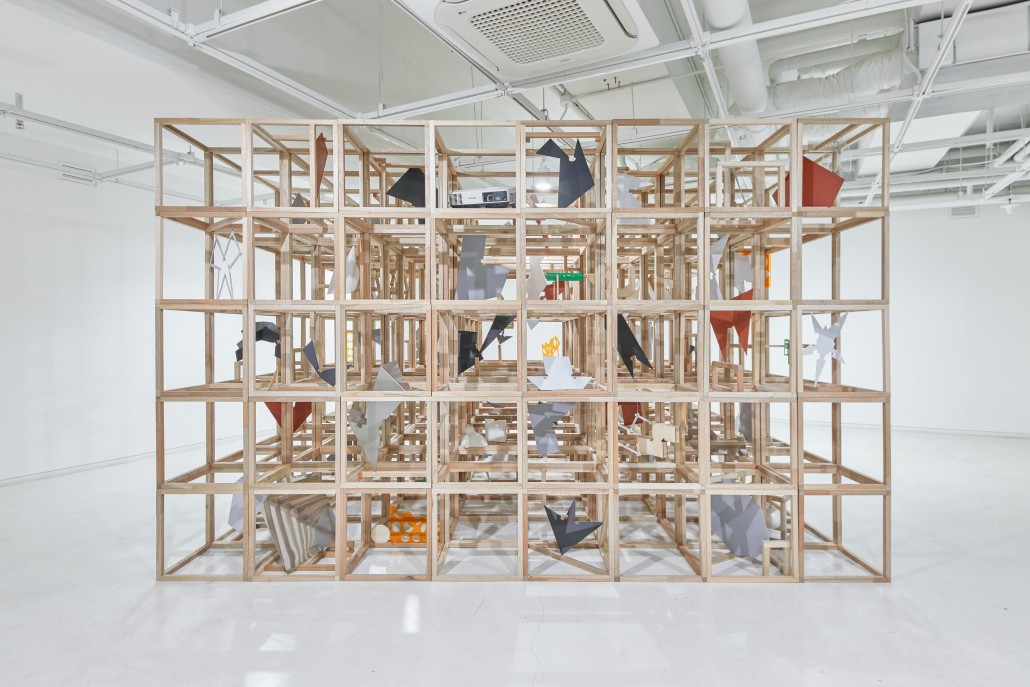
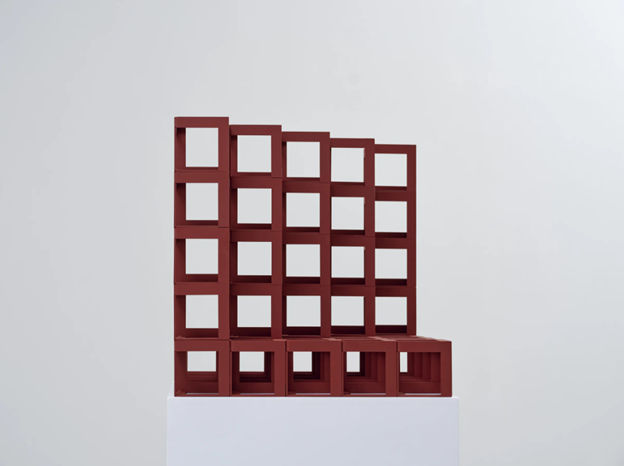
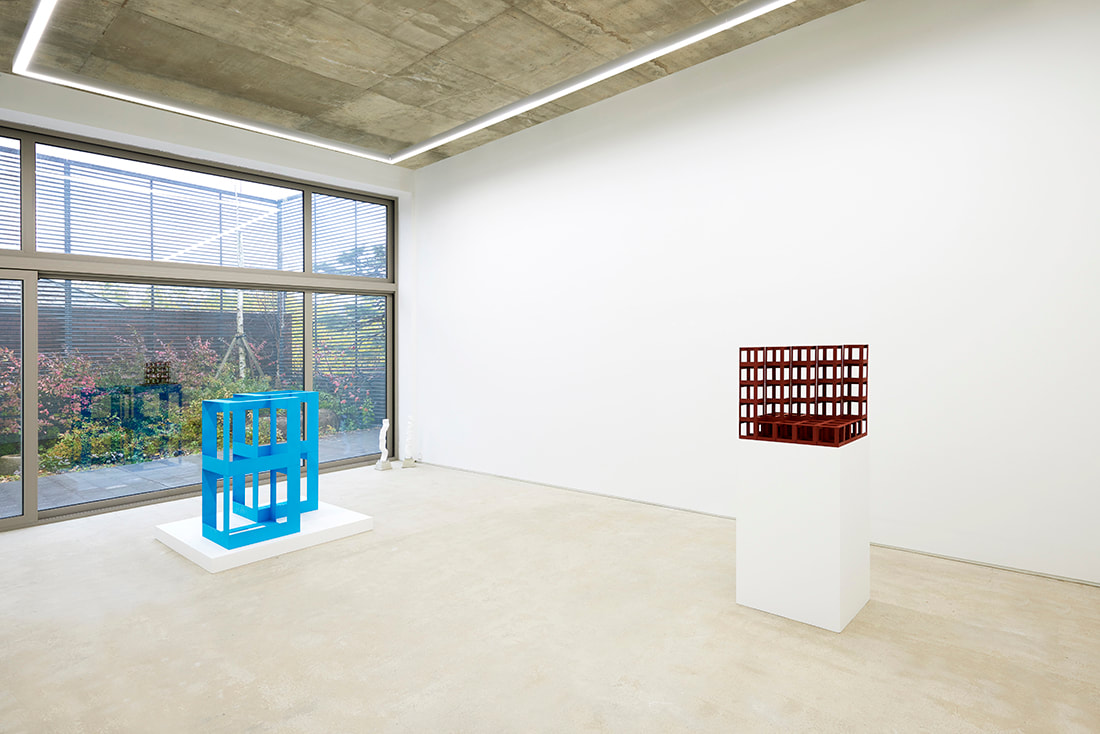
In 《Out of Line》(Artspace Boan 2, Seoul, 2020), this relationship expands further. By placing irregular objects within uniformly structured cubic frames, the framework no longer operates as a controlling structure but instead functions as a relational field entangled with the objects it contains. What is crucial here is that the objects do not presuppose any specific narrative. Each form simply occupies its own position, and its placement is determined less by rule than by situational conditions.
 
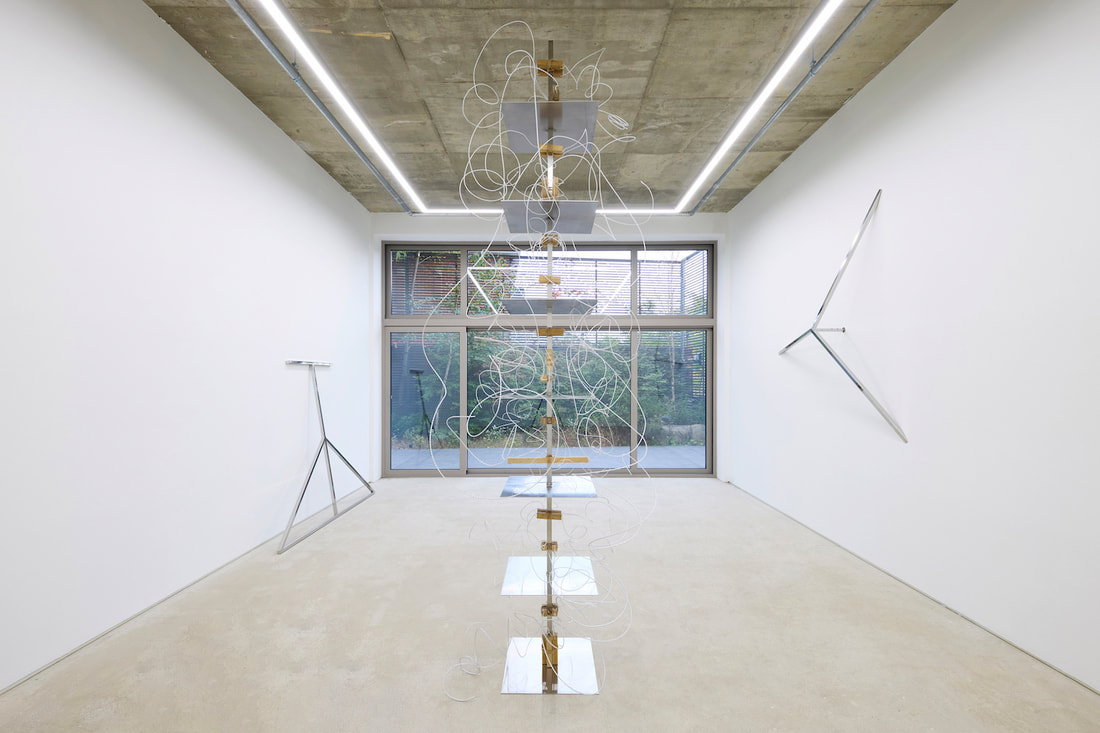
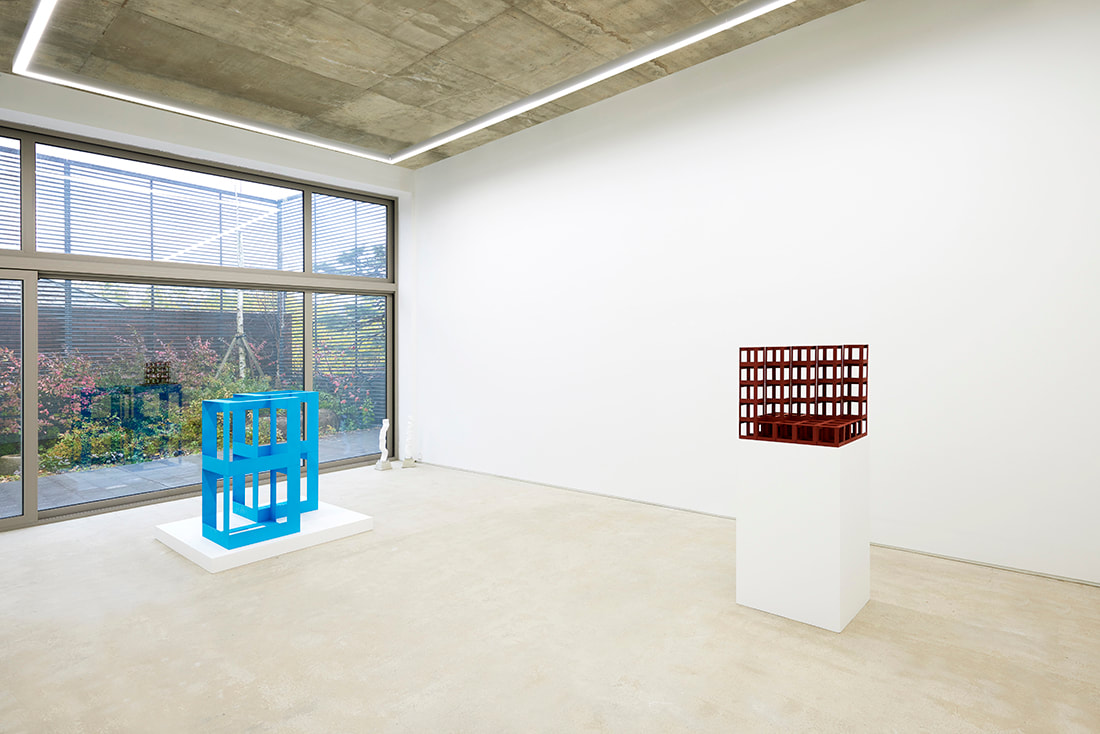
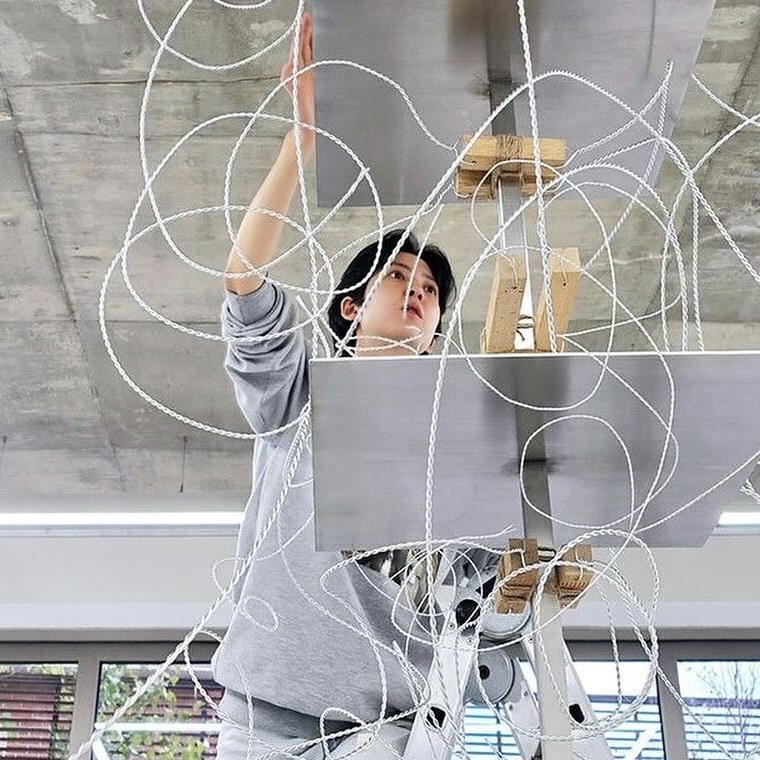
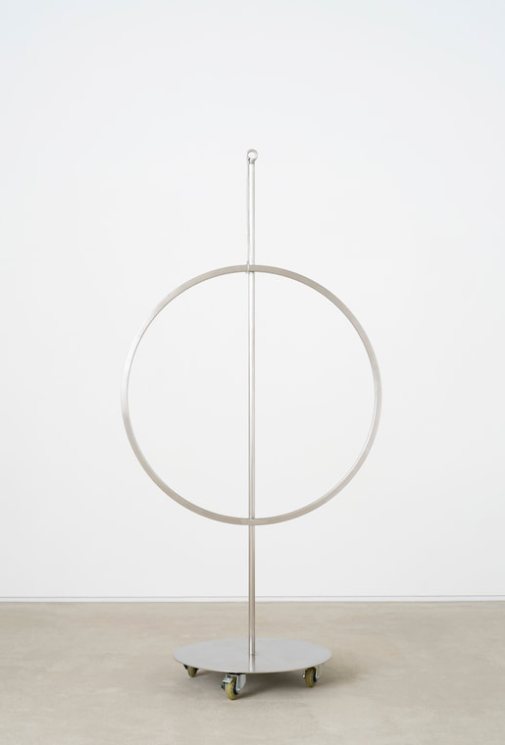
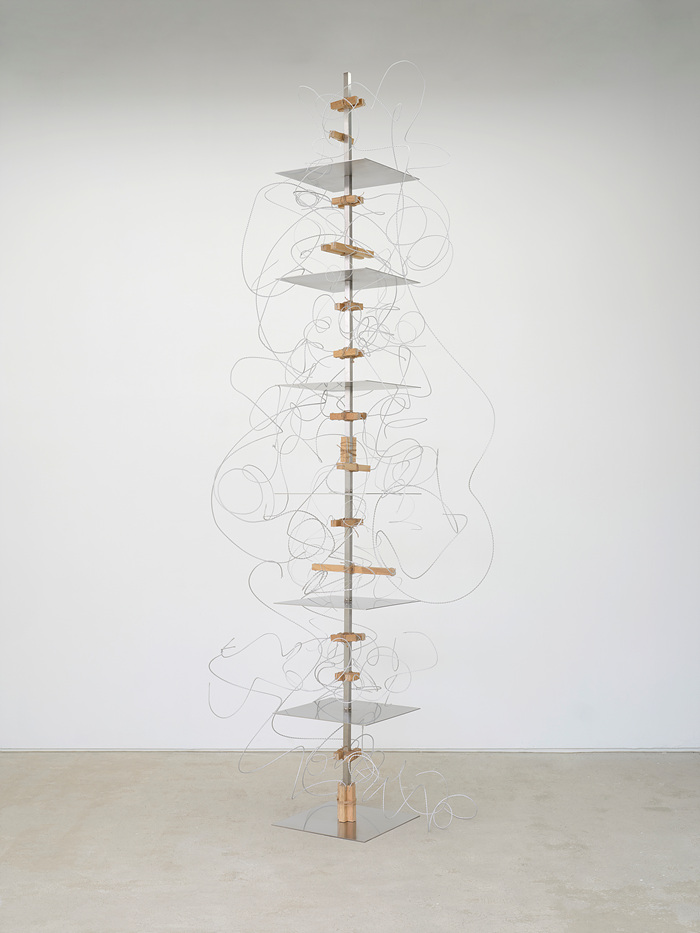
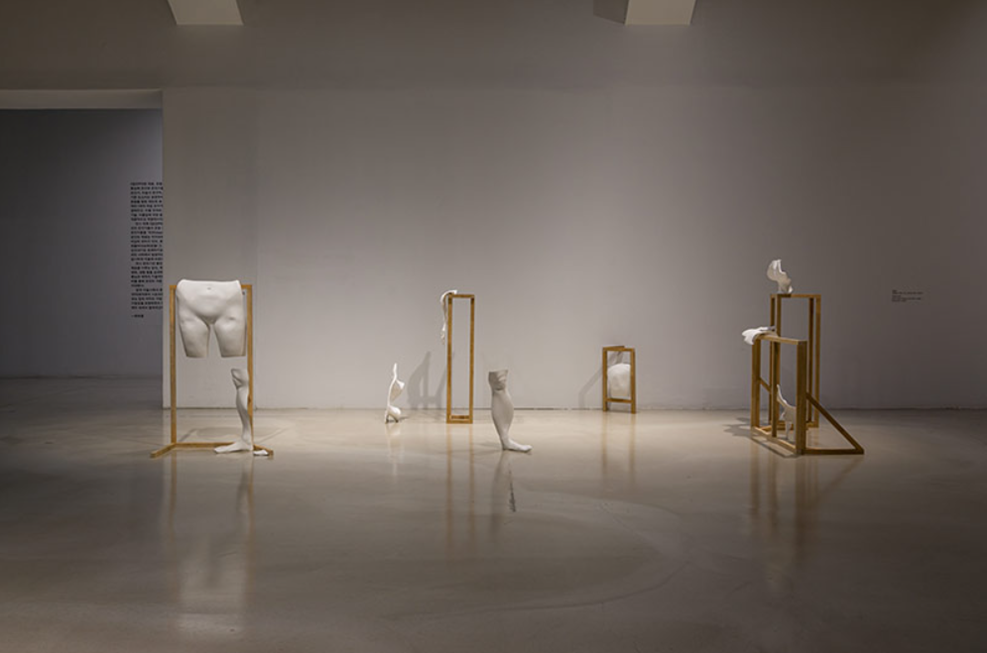
In more recent works, this perspective unfolds in a more flexible direction. In 《Nameless Background》(Gallery2, Seoul, 2024), the artist focuses on auxiliary objects such as pedestals, tripods, and armatures. These objects exist to support or reveal something else, yet they remain unnamed and recede into the background. By repositioning these elements, Kim reveals that “invisibility” is not a lack but a functional state. Through this shift, her work moves beyond exposing the limits of frameworks toward reconsidering the relational structures that constitute them.

Style & Contents

Kim’s work takes functional objects—such as ready-made tools, industrial materials, and structural supports—as its point of departure. In her early practice, she addresses specific structural problems derived from everyday situations, such as folding rulers, staircases, and carriers, where the process of making is closely tied to the outcome. For instance, in 《The Ruler of The Shape》, the act of folding and unfolding the ruler itself becomes the method of form-making. The resulting configurations are then extended into larger structures that organize the exhibition space.
 
In works utilizing cubic structures, the relationship between form and content becomes more complex. In 《Out of Line》, identically dimensioned cubes function as a kind of coordinate system, generating meaning through their relationship with the objects placed inside them. Some objects reveal orientation through gravity, while others appear independent of it. This coexistence demonstrates that multiple states can exist simultaneously within a fixed structure.
 
In 《Convergence and Divergence: Form and Variation》(Gallery2, Seoul, 2021), her experiments with material and form expand further. In the ‘Foam’(2021) series, slight discrepancies generated through the process of cutting polystyrene with a heated wire produce variations in form. Even under identical conditions, results cannot be fully controlled, and these differences become integral to the work. Likewise, 2 by 2 Grid(2021) and 5 by 5 Grid transform the structure of graph paper into three-dimensional form, producing spaces that appear entirely different depending on the viewer’s position. In this way, a planar system reveals its limitations when translated into volume.
 
In recent works, the functional and formal qualities of objects intersect more directly. Stand(2024), Tri-Leg, and Partition Stand maintain their original structures while being transformed through changes in scale, material, and surface into sculptural forms. The reflective stainless-steel surfaces draw the viewer’s gaze into the work, incorporating the act of viewing itself. Meanwhile, works such as Armature Tower and Bell introduce a greater degree of compositional autonomy, reconstructing functional forms into new sculptural configurations.

Topography & Continuity

Rather than attempting to escape frameworks, Kim’s work reveals how they operate. Relationships such as those between tool and form, frame and content, or background and subject do not maintain fixed hierarchies but are continuously reorganized depending on context. Instead of delivering a singular message, her work invites viewers to reconsider how they relate to objects and situations.
 
Although her practice consistently begins from structural conditions, its approach has gradually shifted. Early works focus on resolving physical problems, while later works expand into formal experimentation and the reconfiguration of relationships. More recent works turn toward reconsidering the roles and positions of objects themselves. The progression from 《The Ruler of The Shape》(UhjjudahGallery2, 2019) to 《Out of Line》(Artspace Boan 2, Seoul, 2020), 《Convergence and Divergence: Form and Variation》(Gallery2, Seoul, 2021), and 《Nameless Background》(Gallery2, Seoul, 2024) demonstrates this evolving trajectory.
 
While the use of ready-made objects and industrial materials is common in contemporary sculpture, Kim’s work is distinct in that it does not dismantle or dramatically transform their functions. Instead, she maintains their original conditions while rearranging their relationships. This approach shifts attention away from producing new images and toward reinterpreting existing structures. In this sense, her work prioritizes situations and relational systems over symbolic narratives or dramatic gestures.
 
Her ongoing interest in tools, structures, materials, and backgrounds establishes a framework through which different layers of relationships can continue to intersect. Rather than settling into a fixed formal language, her work remains open to change, evolving flexibly in response to varying conditions.

Works of Art

Questions that Arise When Confronting a ‘Framework

Articles

Exhibitions

Activities