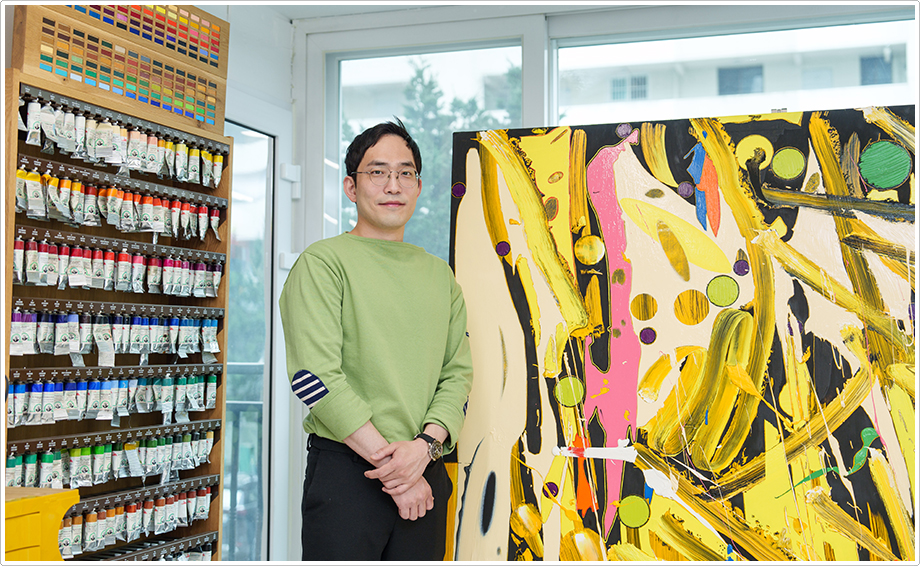
Seoul Kim
(b. 1988) approaches painting not as a genre of “image production,” but as an
inquiry into the very conditions that constitute painting. He analyzes how
physical elements—brush, paint, canvas, and frame—operate, and sets his own
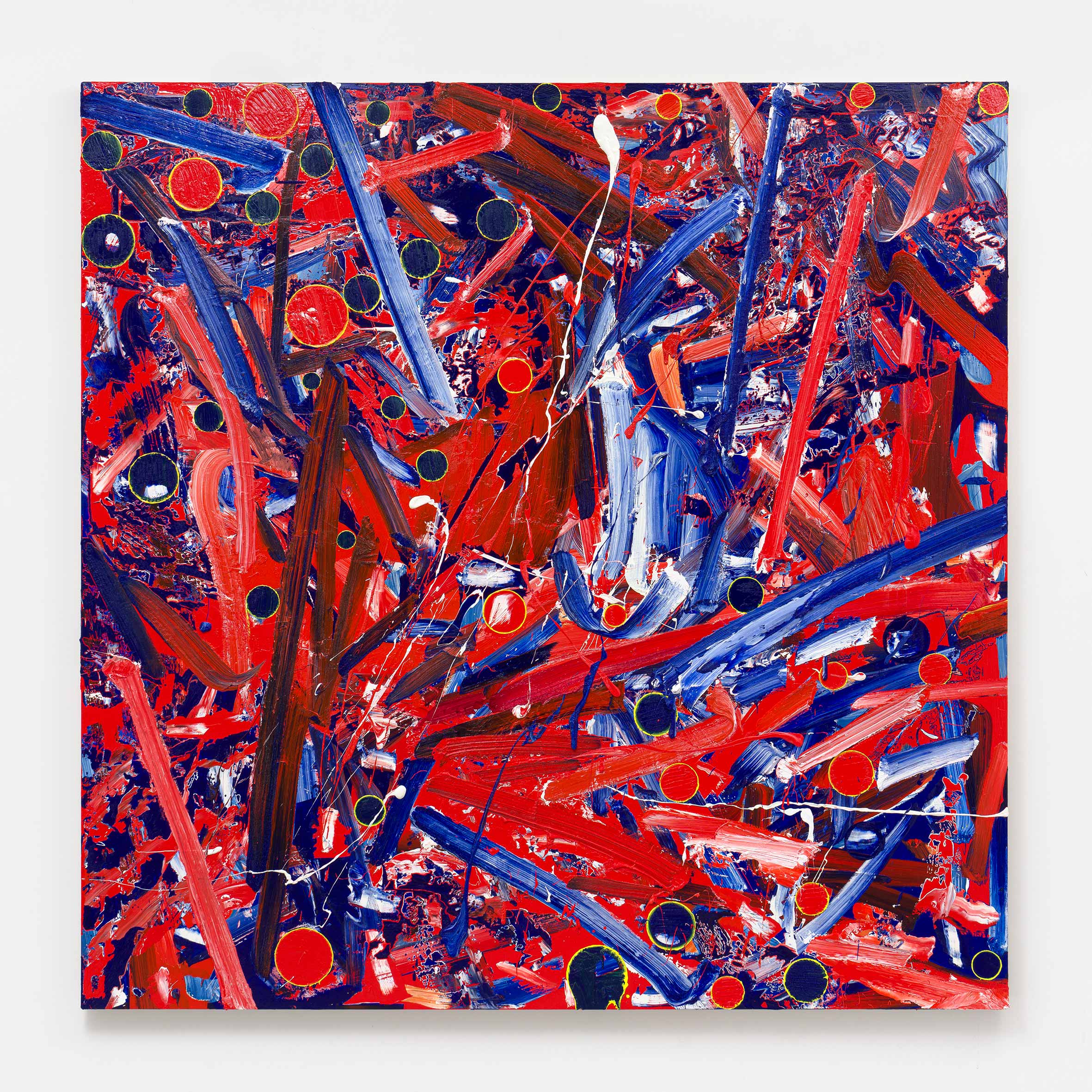
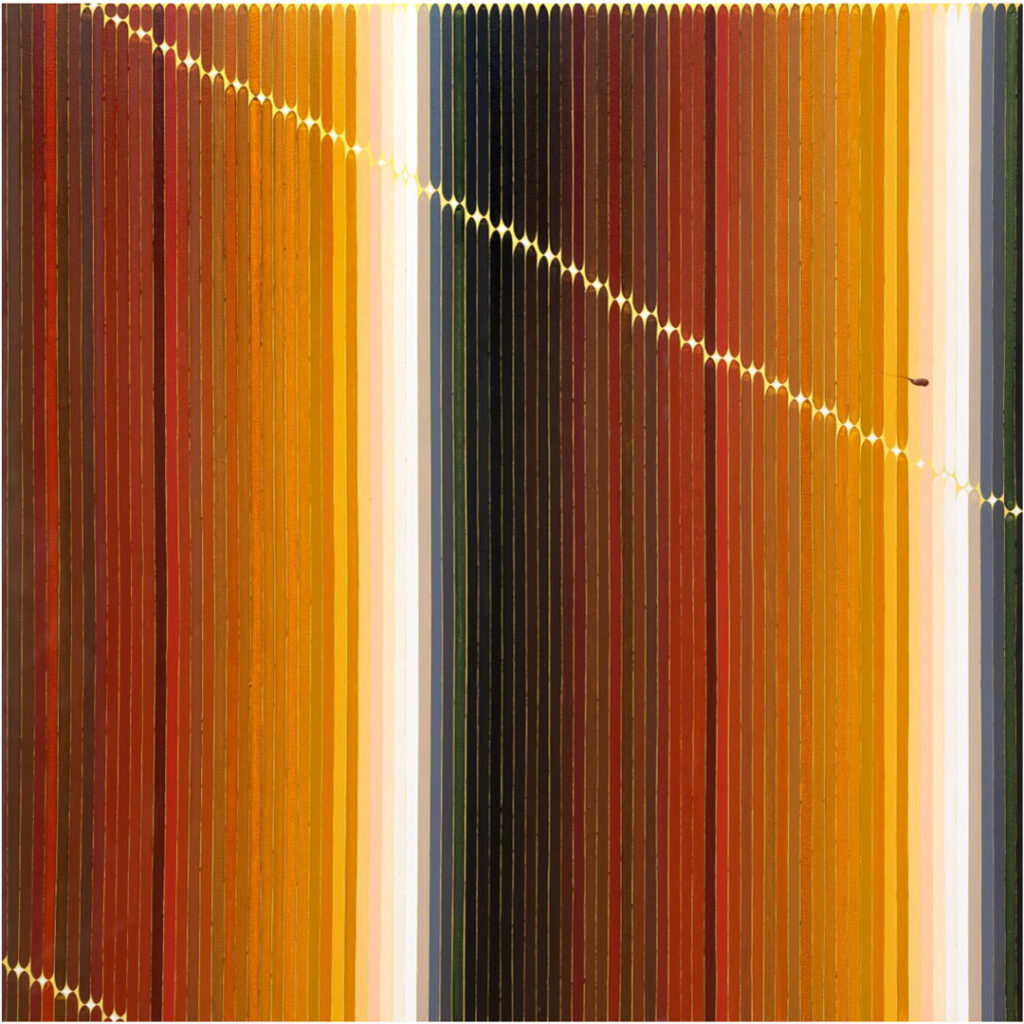
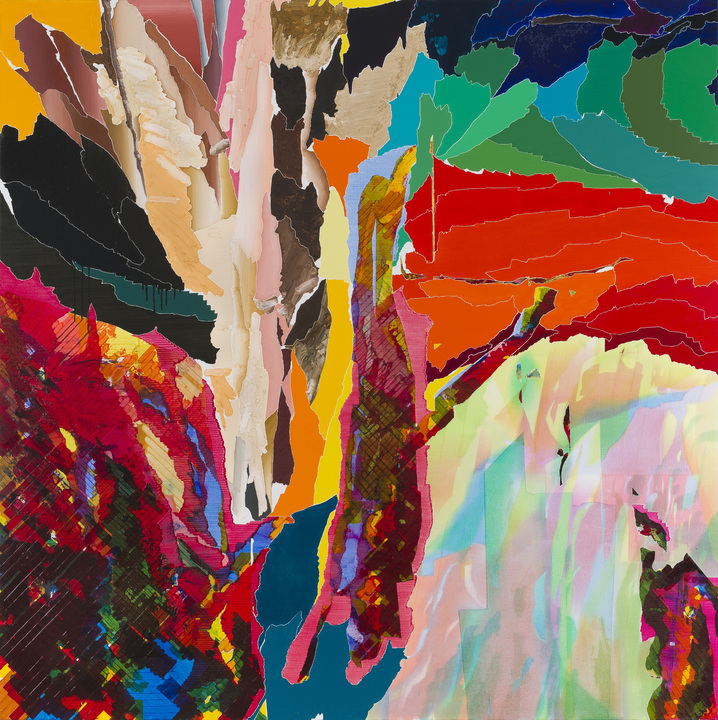
rules upon those material conditions. Works such as After De
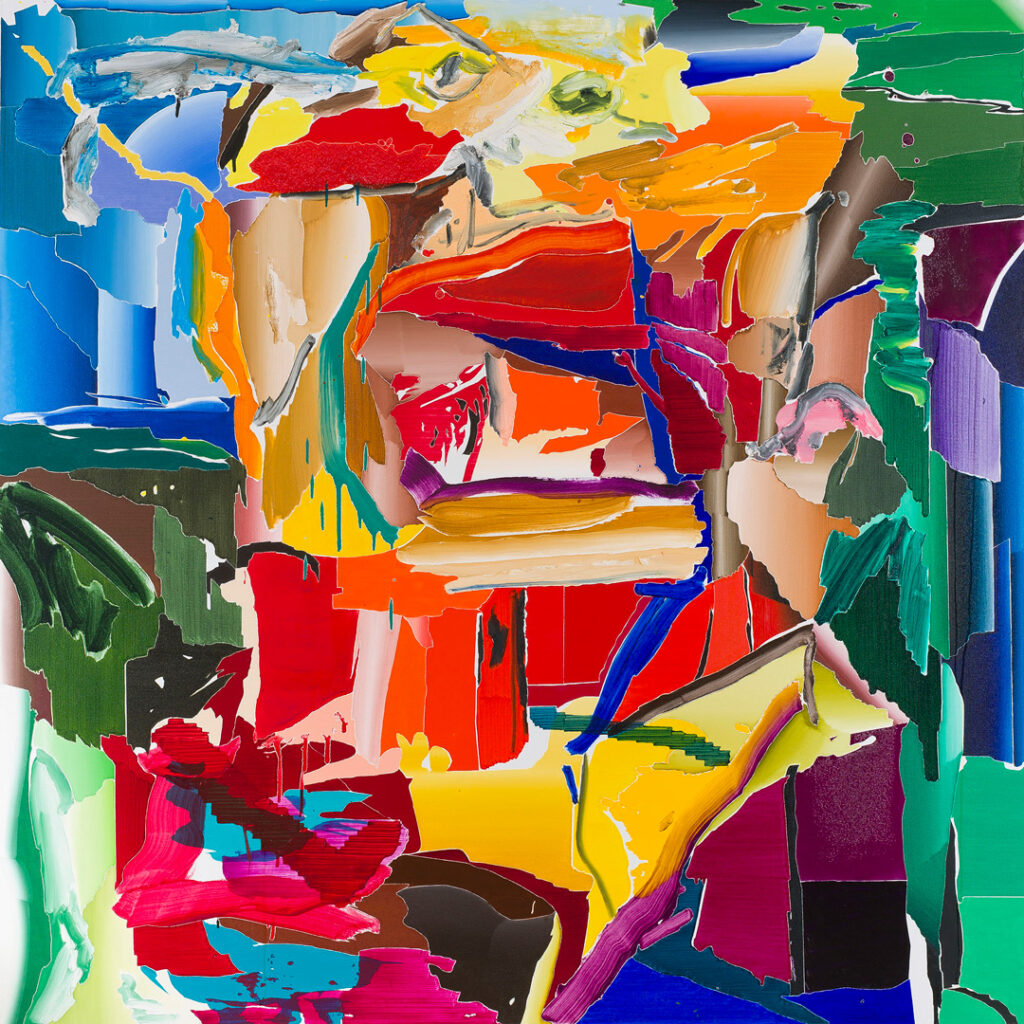
Kooning No.10(2018), presented in his first solo exhibition 《Uncolored》(Art Delight Gallery, 2019),
clearly demonstrate this stance. While referencing the historical context of
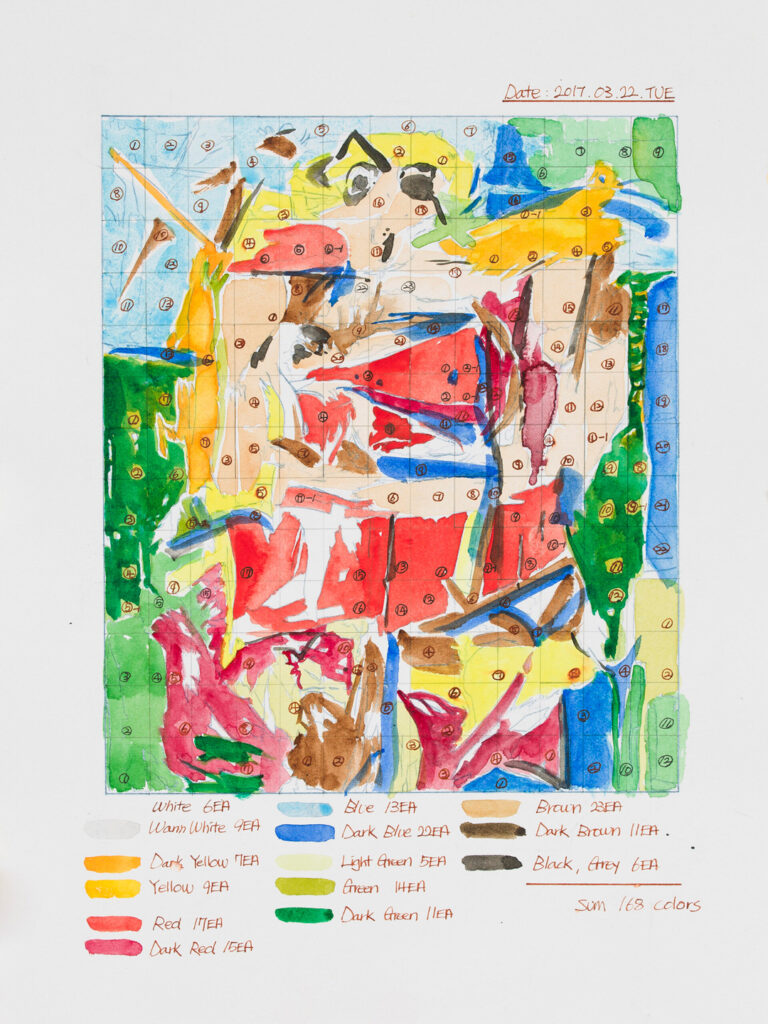
Abstract Expressionism, he foregrounds a condition—“to use 168 colors
democratically without mixing”—in place of expressive freedom, thereby shifting
painting from an outlet of emotion to a process of executing conditions.
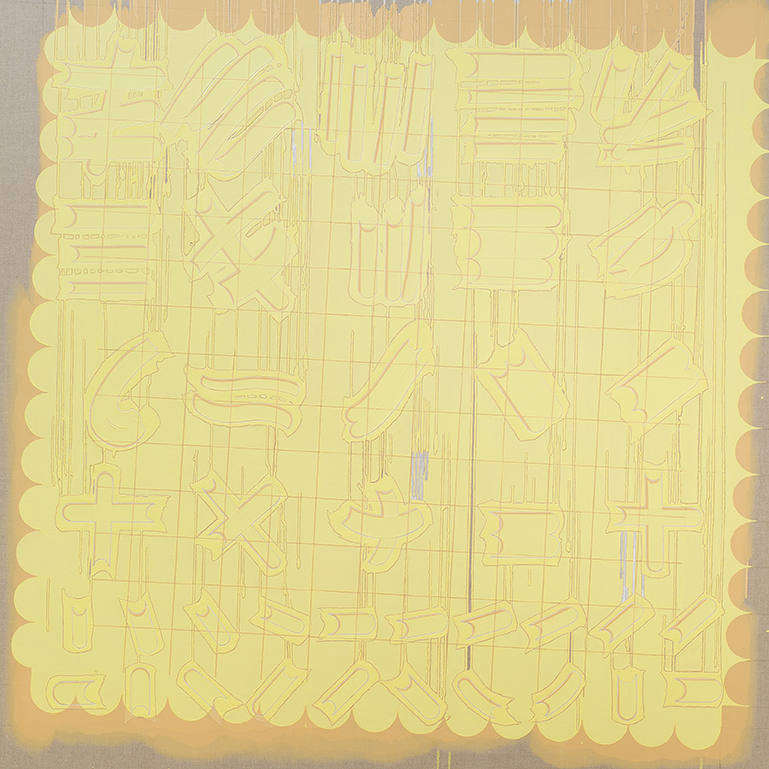
In this
period, the ‘After De Kooning’ series functioned as both a homage to a specific
art-historical figure and, at the same time, an experimental apparatus that
uses the name as a device. Dividing the surface into 168 color fields and
leaving gaps of less than 1 mm reconfigures the free gesture of abstract
painting under rational control. What matters here is not what color
symbolizes, but what material properties color possesses and under what
conditions it is placed. Painting no longer unfolds as an inner psychological
drama; it becomes an experimental space in which matter and rules collide and
are arranged.
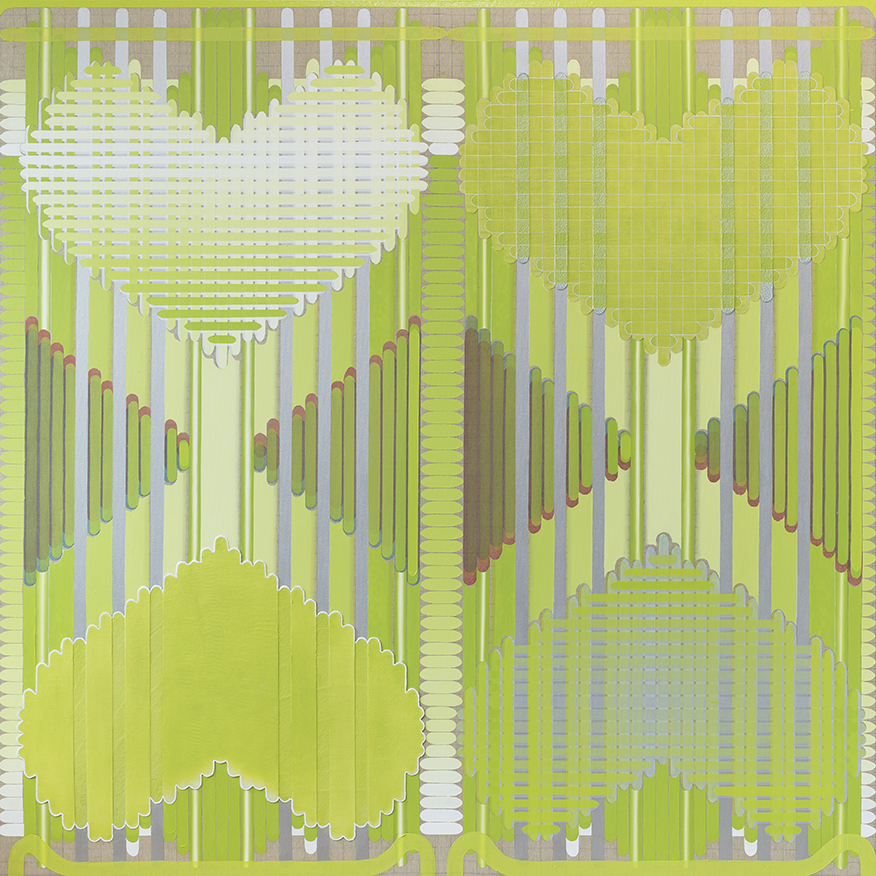
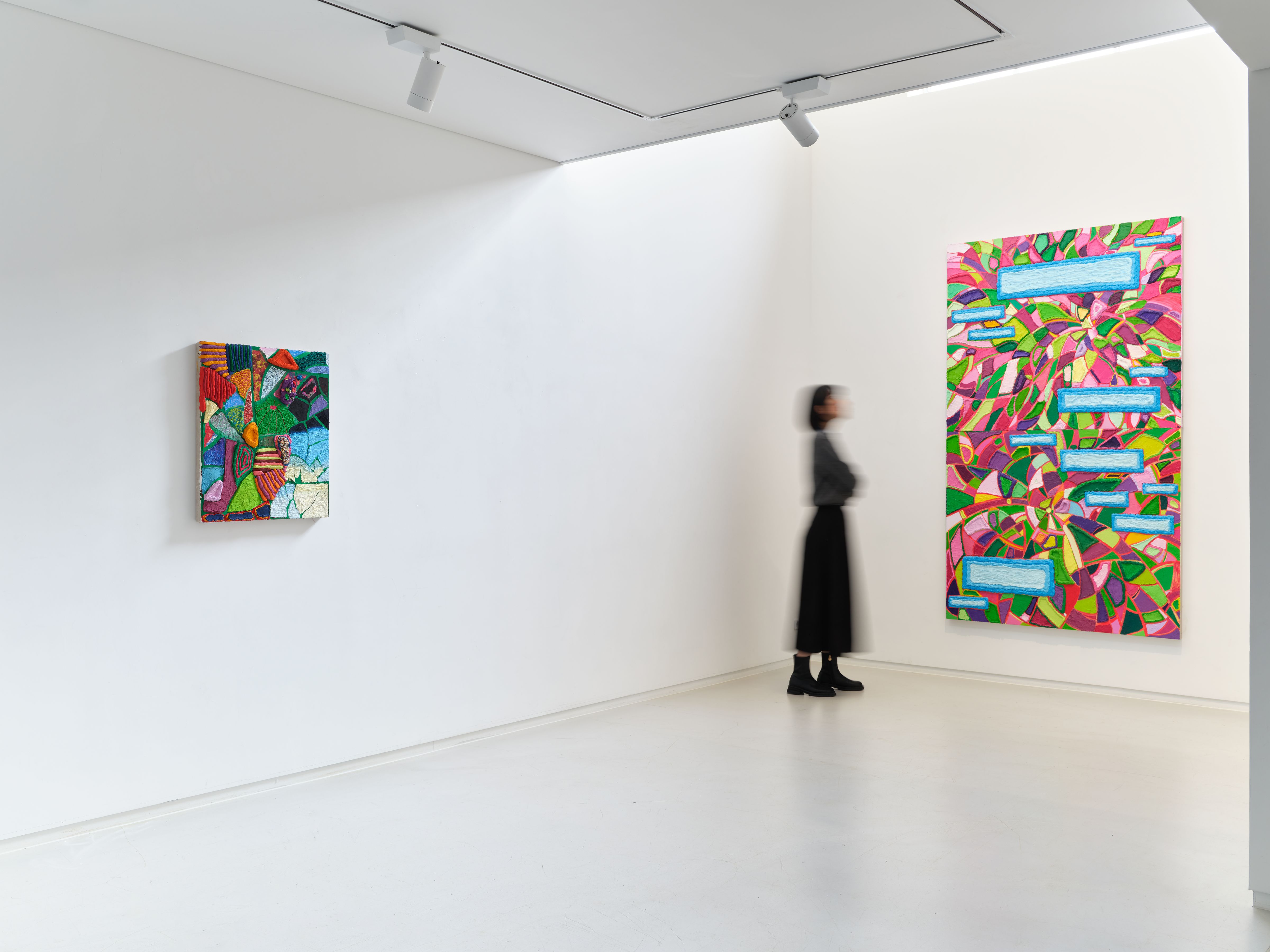
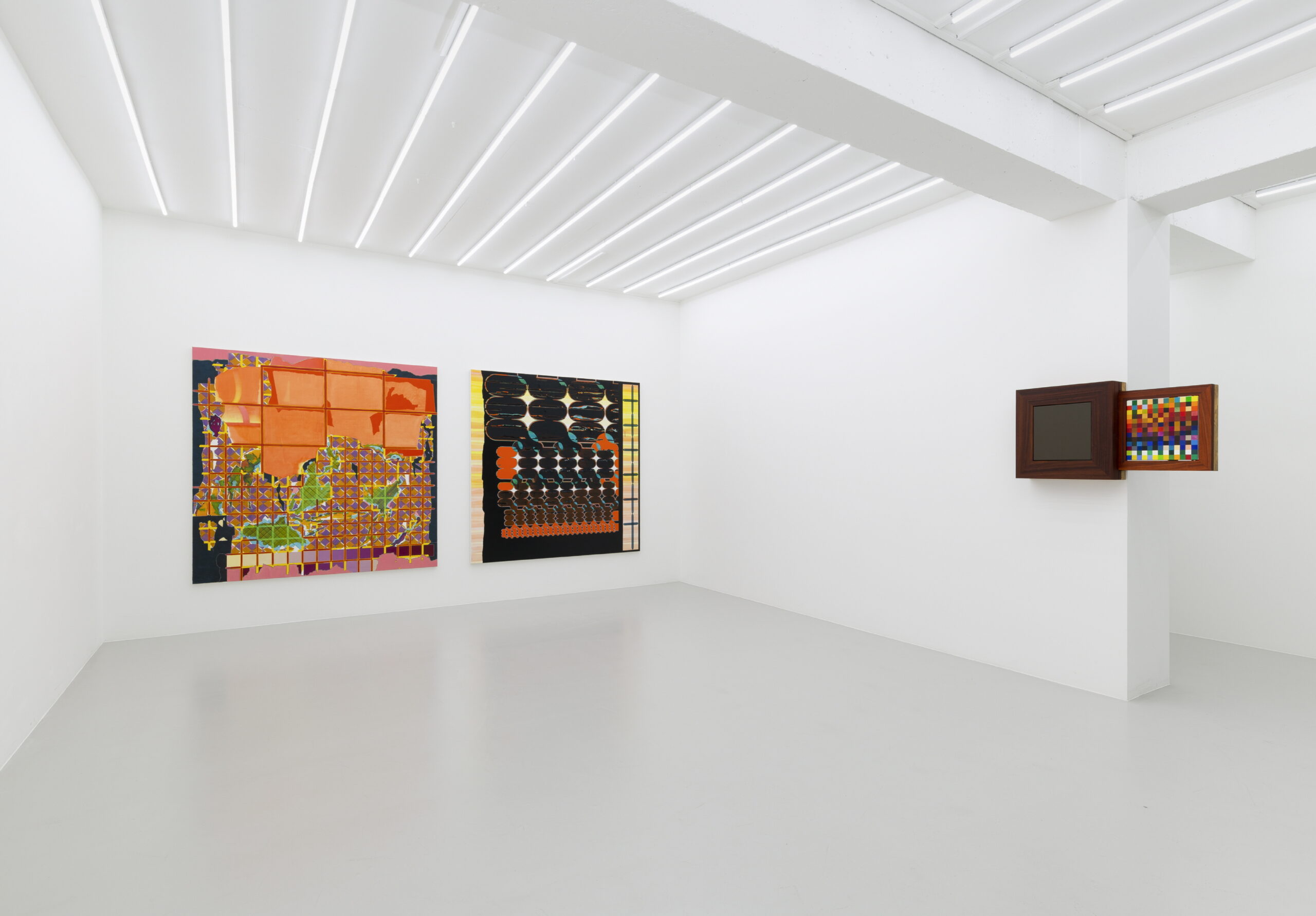
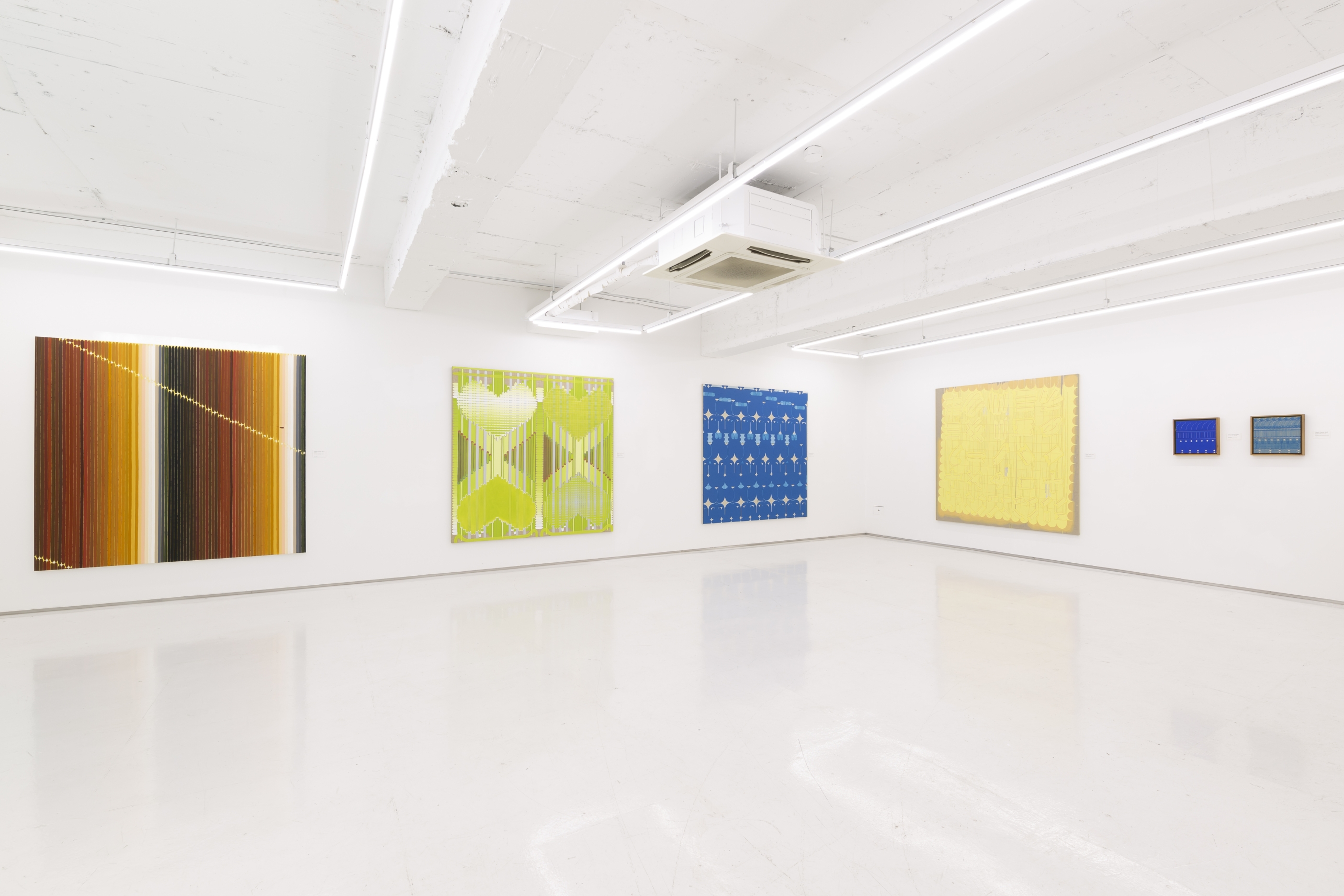
The
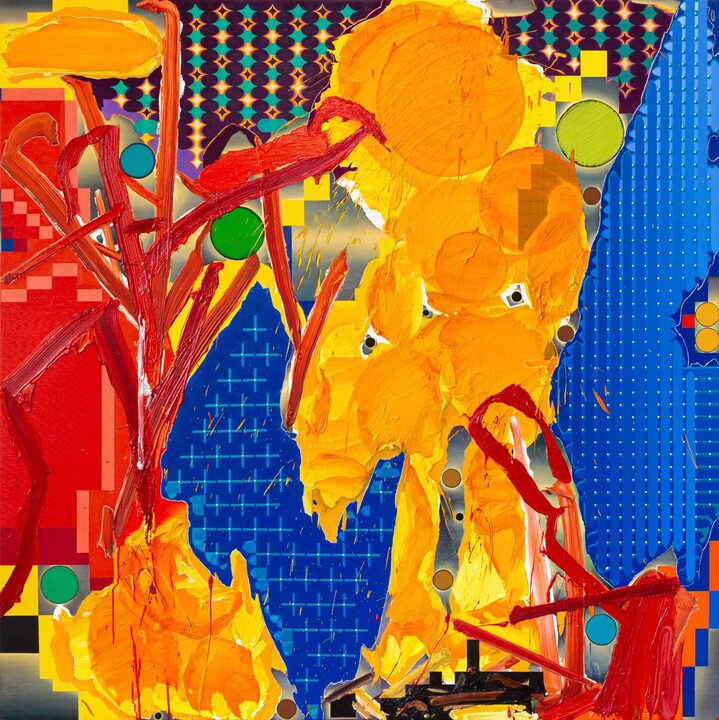
‘Filbert Family’ series, developed through the solo exhibitions 《Beautiful Mind》(Art Delight Gallery, 2021)
and 《Sonata for a Beautiful Soul》(ThisWeekendRoom, 2021), pushes this problem consciousness one step
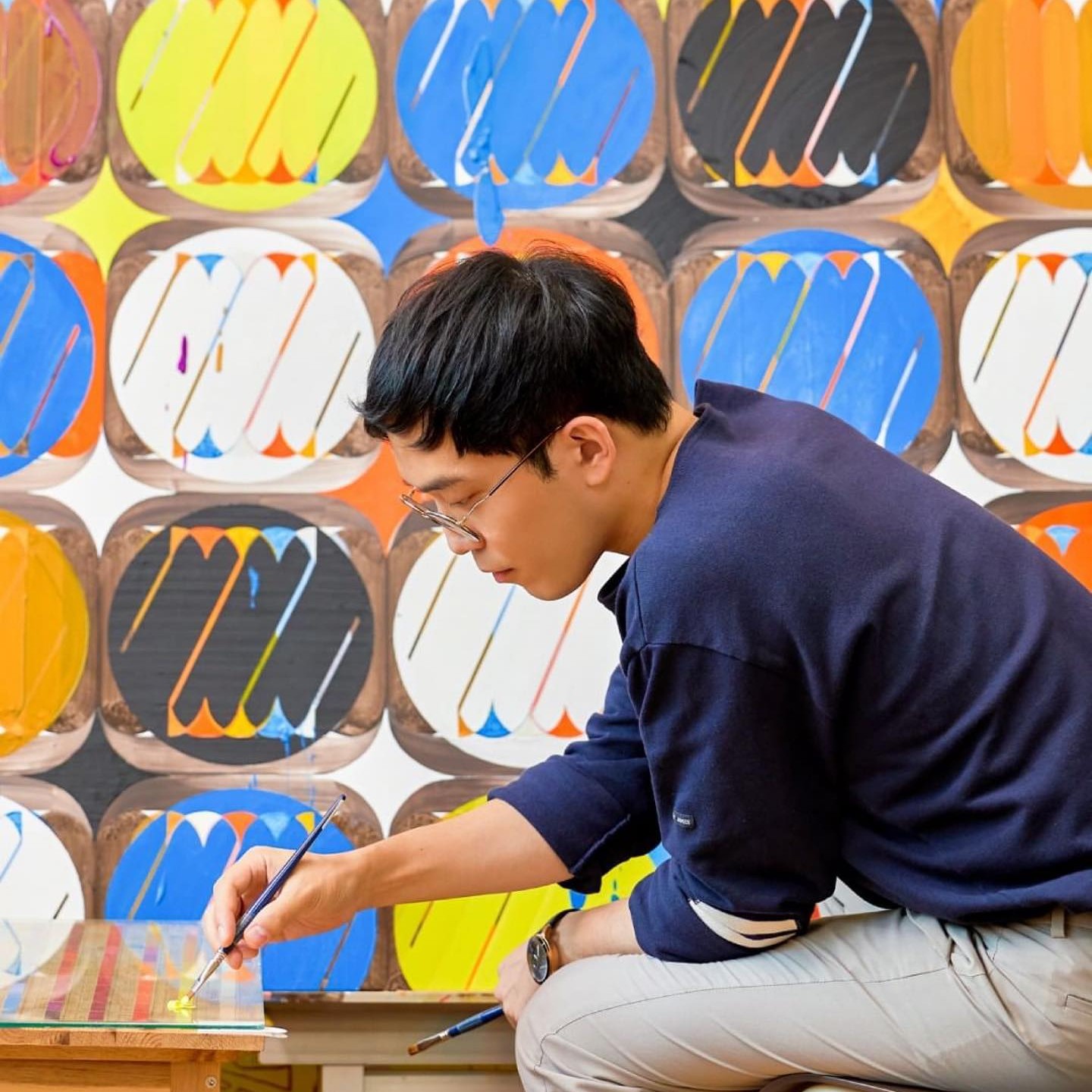
further. Here, he shifts his focus from art-historical reference to the
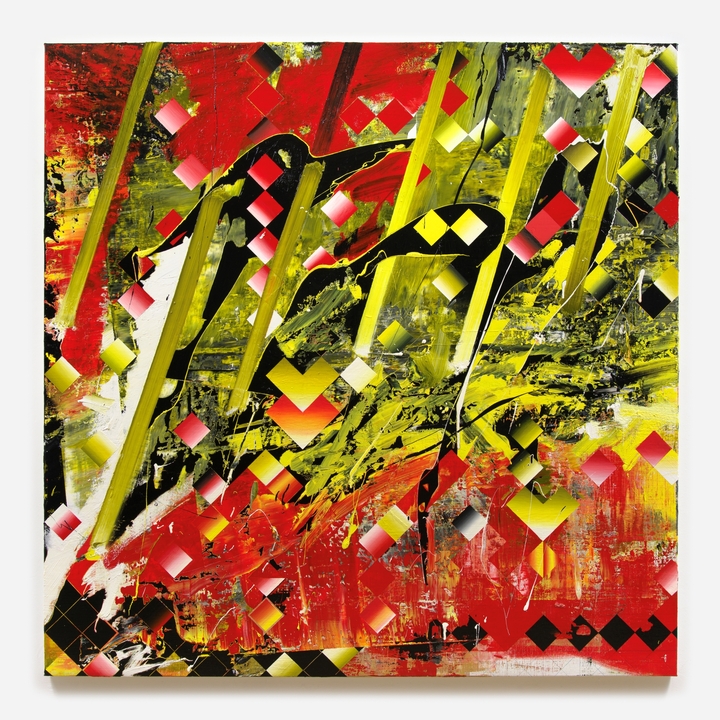
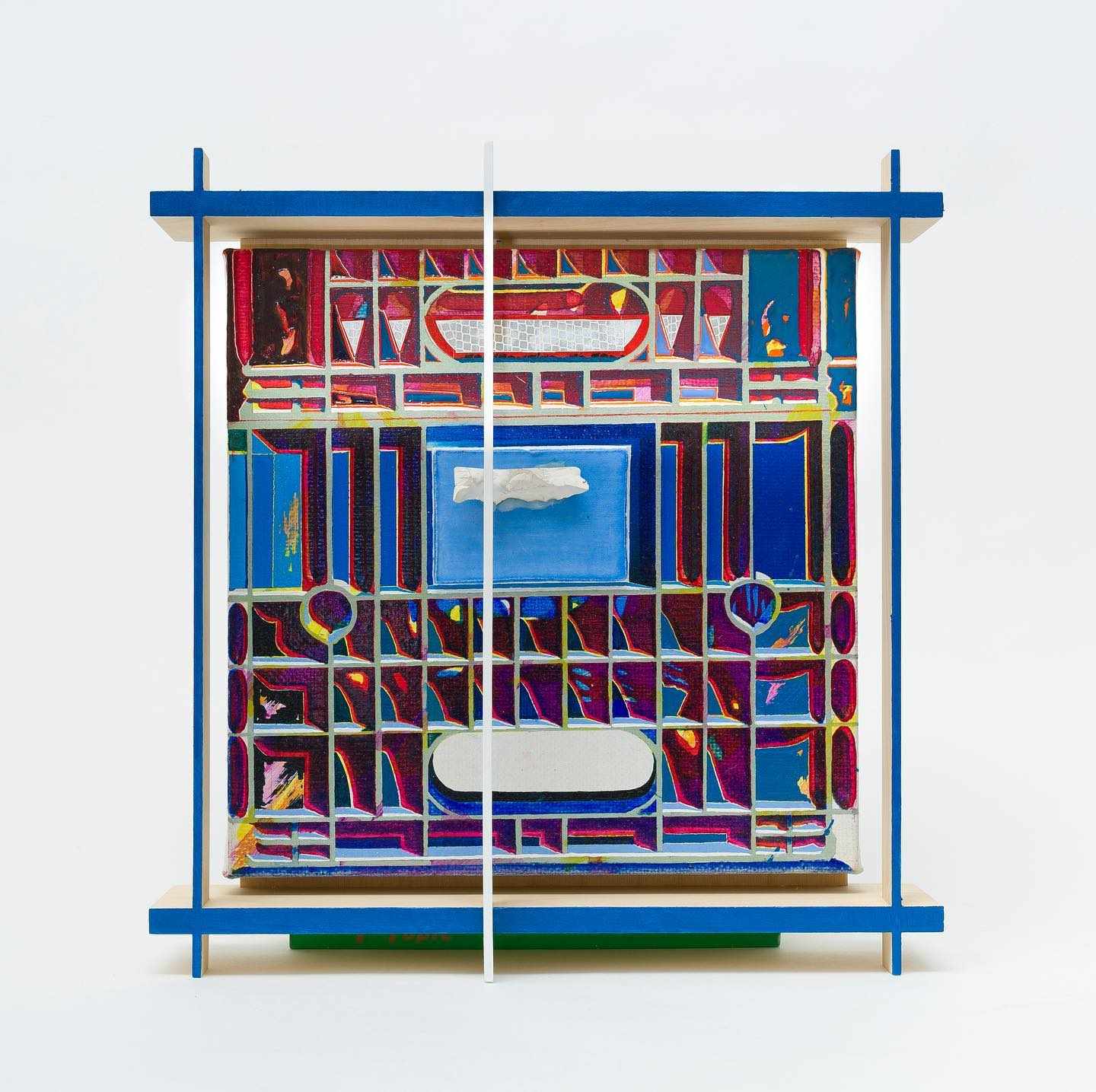
brush—the most basic tool of painting. In works such as Filbert
Family No.9(2020), the oval cross-section of a filbert brush becomes
a modular unit, and diverse patterns—diamonds, grids, hearts—emerge from
repetitions and variations of that module. The core question becomes not what
to paint, but how far the forms a brush can produce can be extended.
From 2023
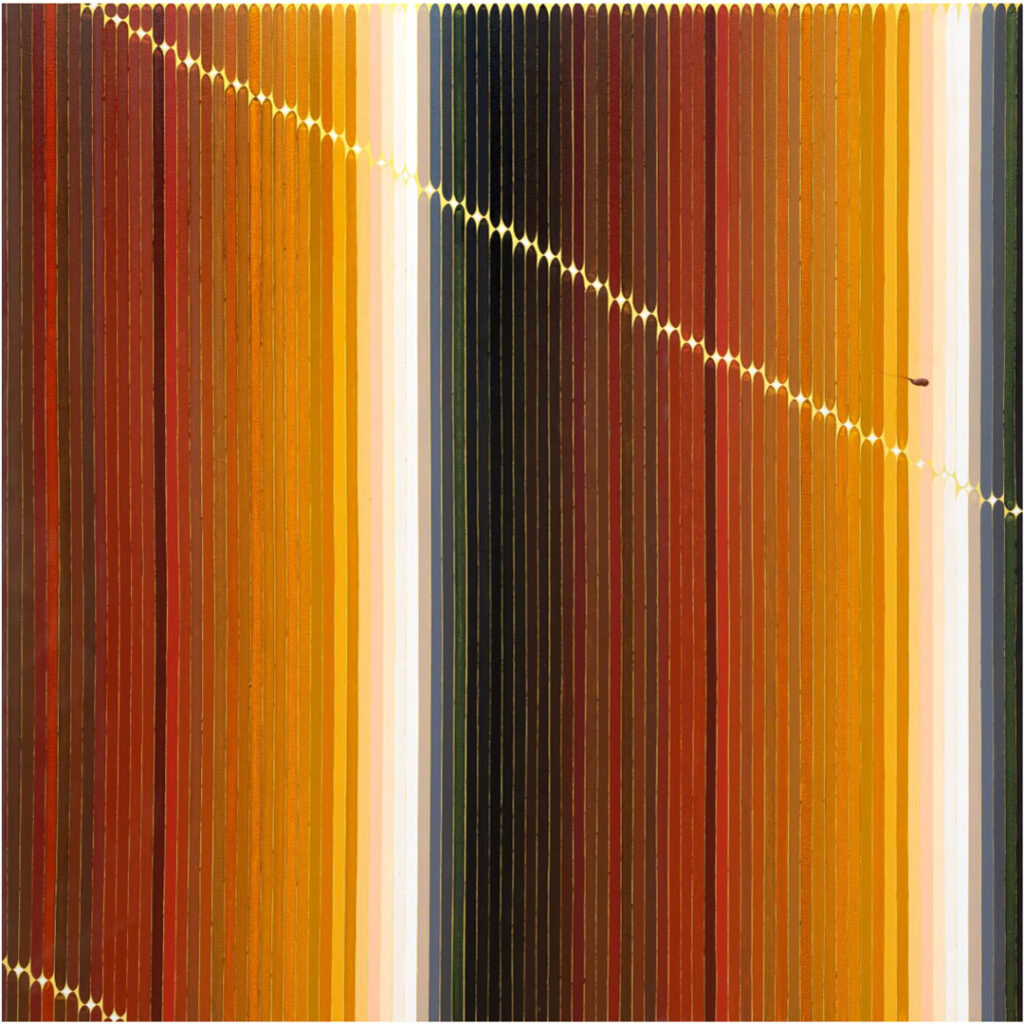
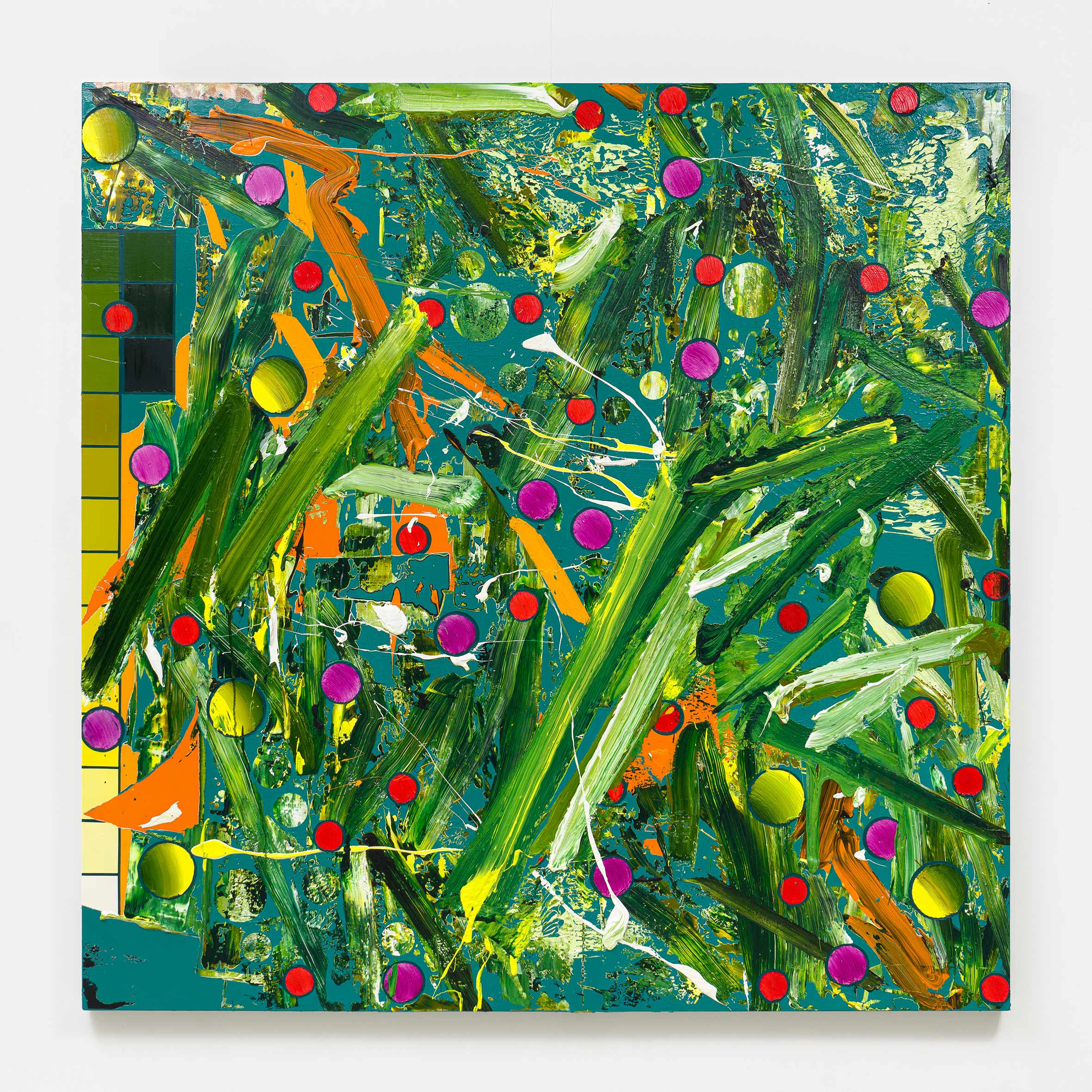
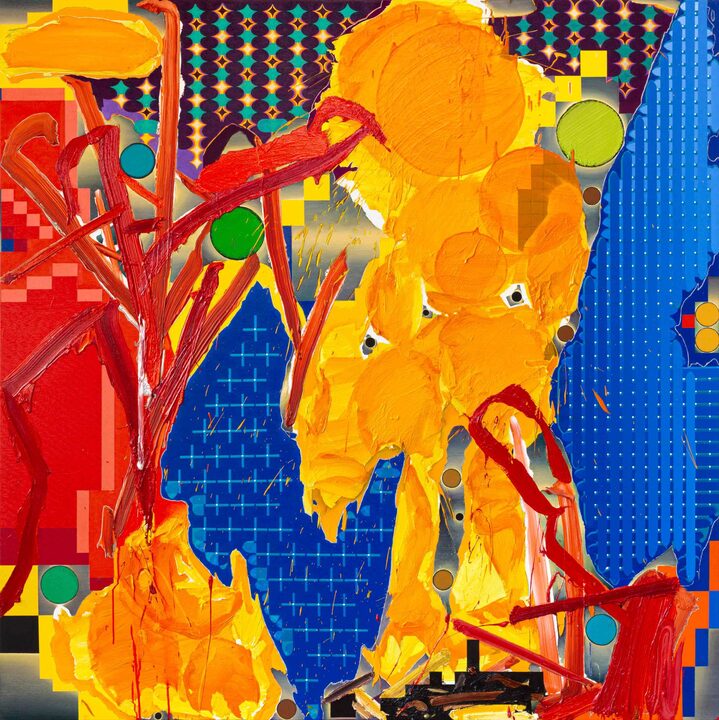
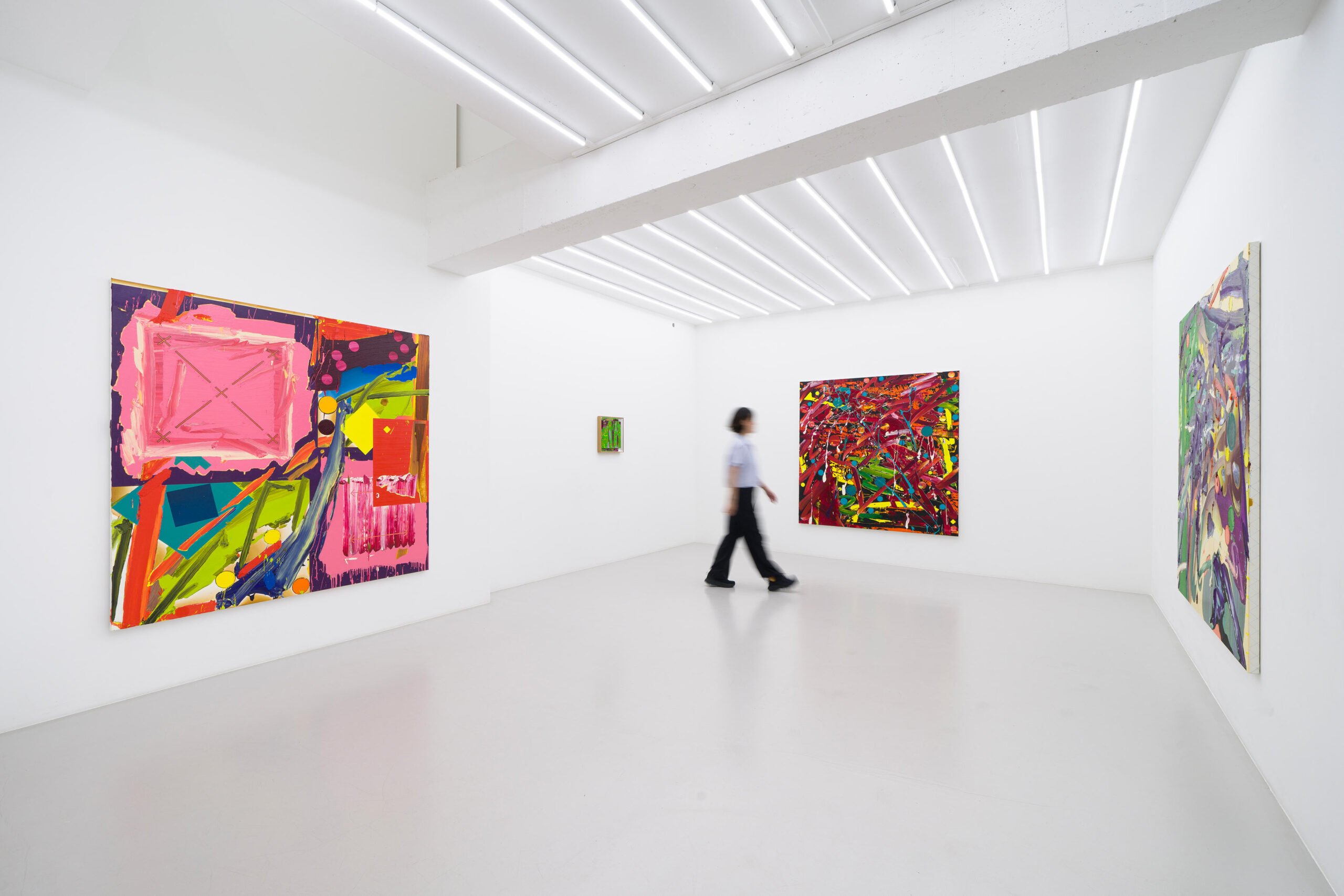
onward, with the ‘Scalar and Vector’ series, his interest moves from the
materiality of color to the force of color. In works such
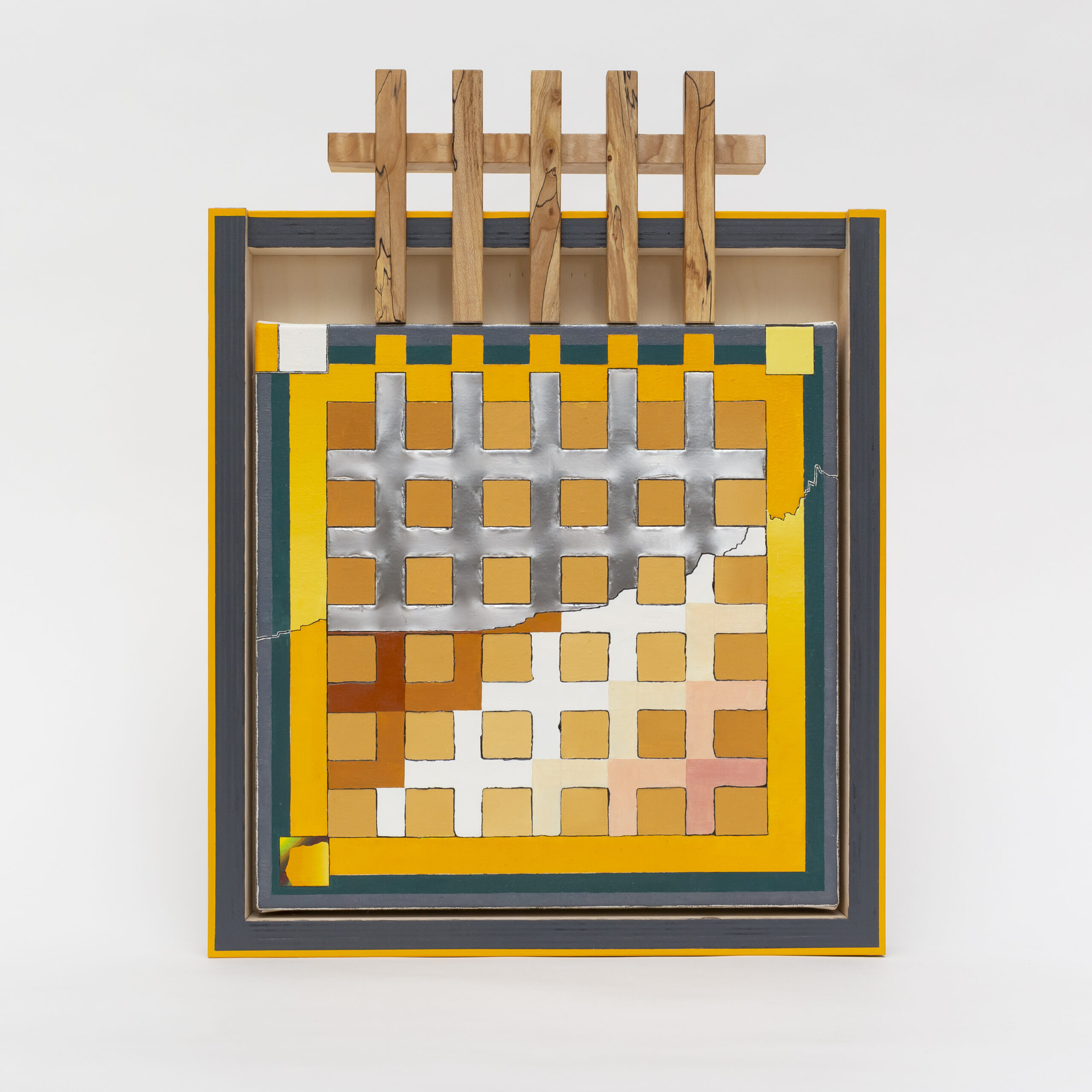
as Scalar and Vector No.5(2023), Scalar
and Vector No.12(2024), and Scalar and Vector
No.16(2025), color is no longer an element distributed in equal
proportions, but is treated as energy with mass and directionality. Area,
density, and direction of entry function like physical forces within the
composition, and painting is reconstituted as a field. In this shift, his
practice expands from a painting of conditions into a painting of dynamics.