Forest and Body_Mass - K-ARTIST

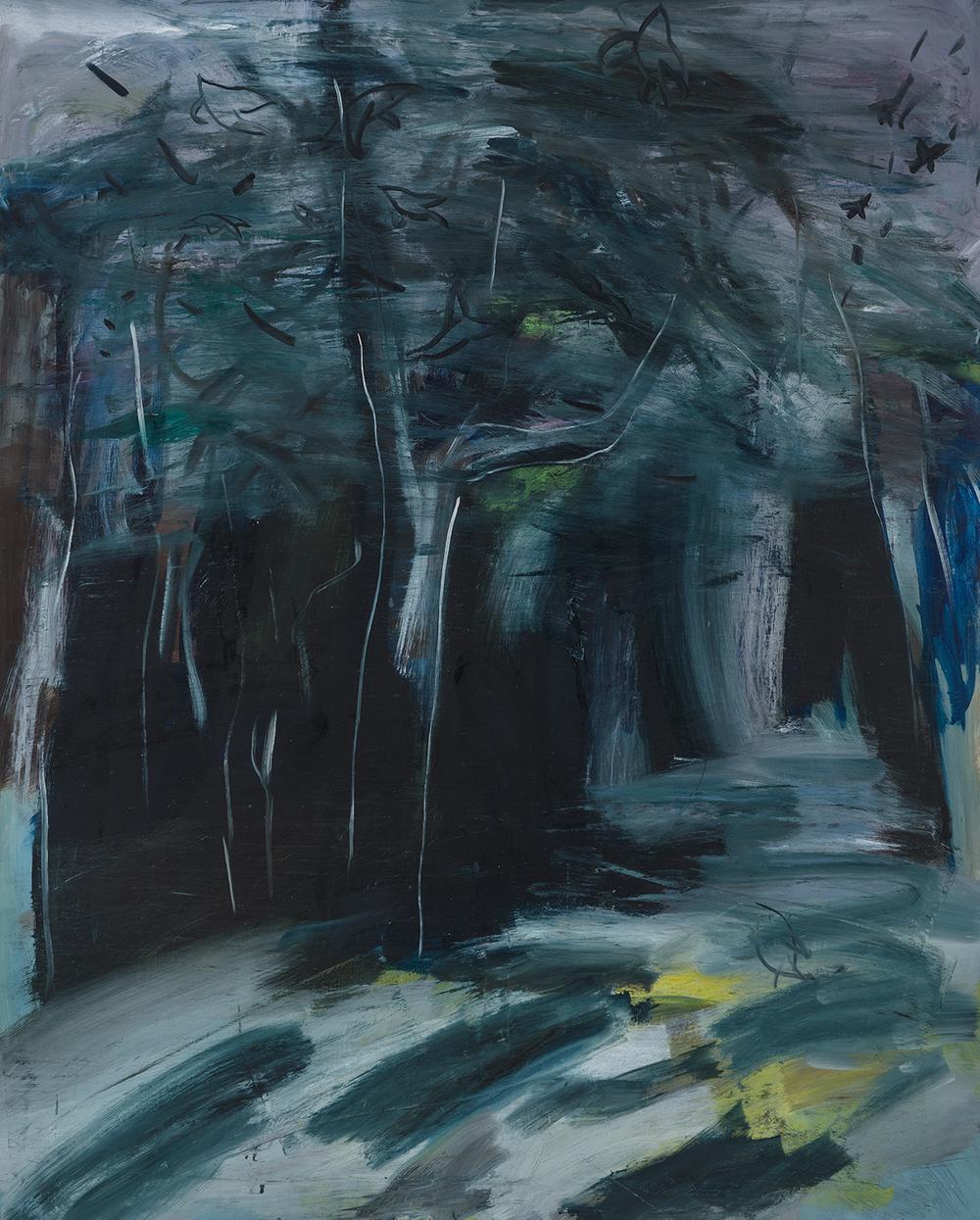
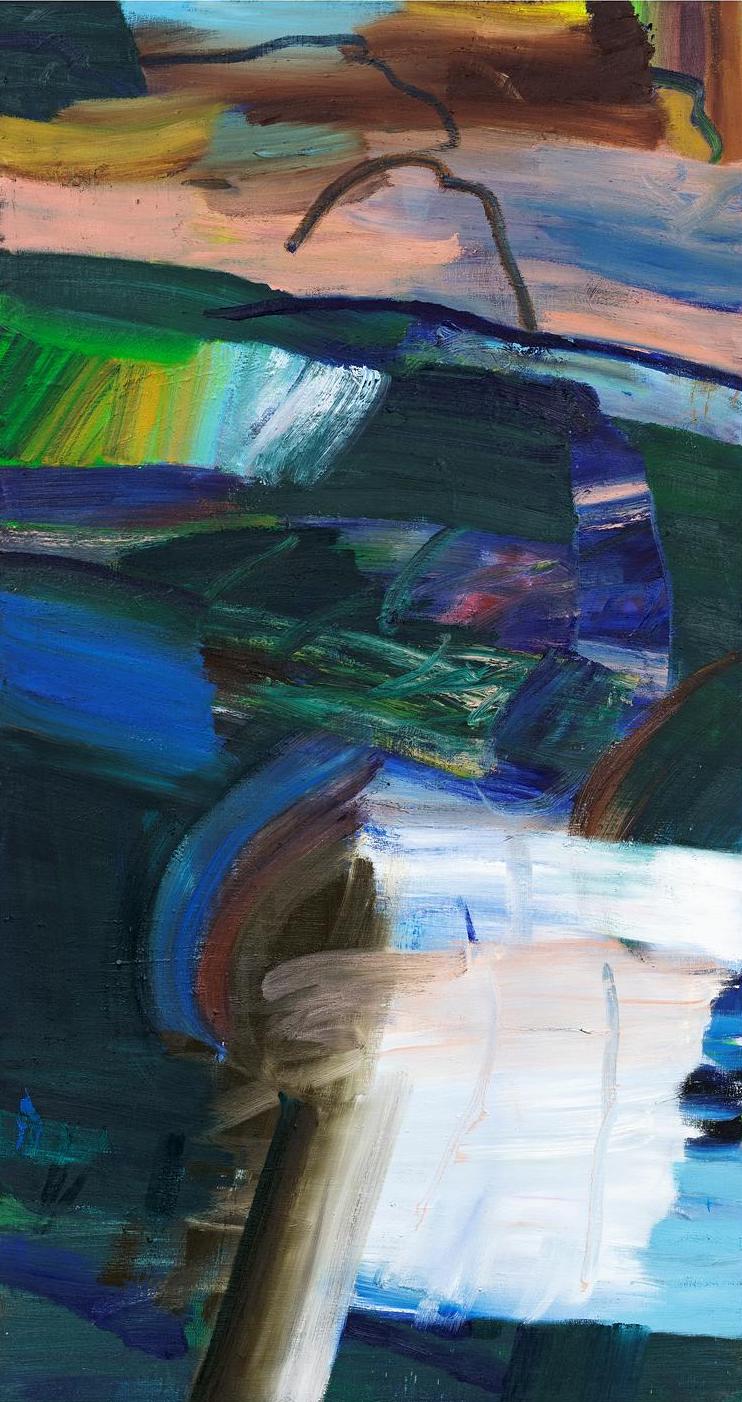
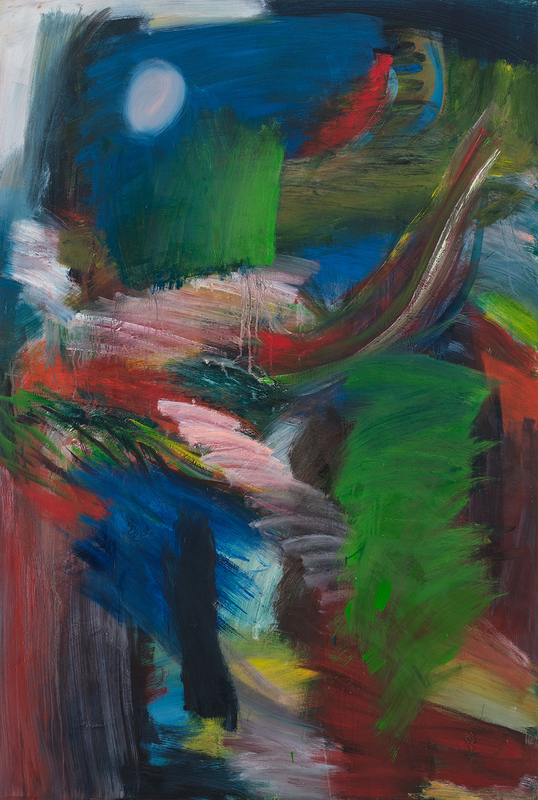
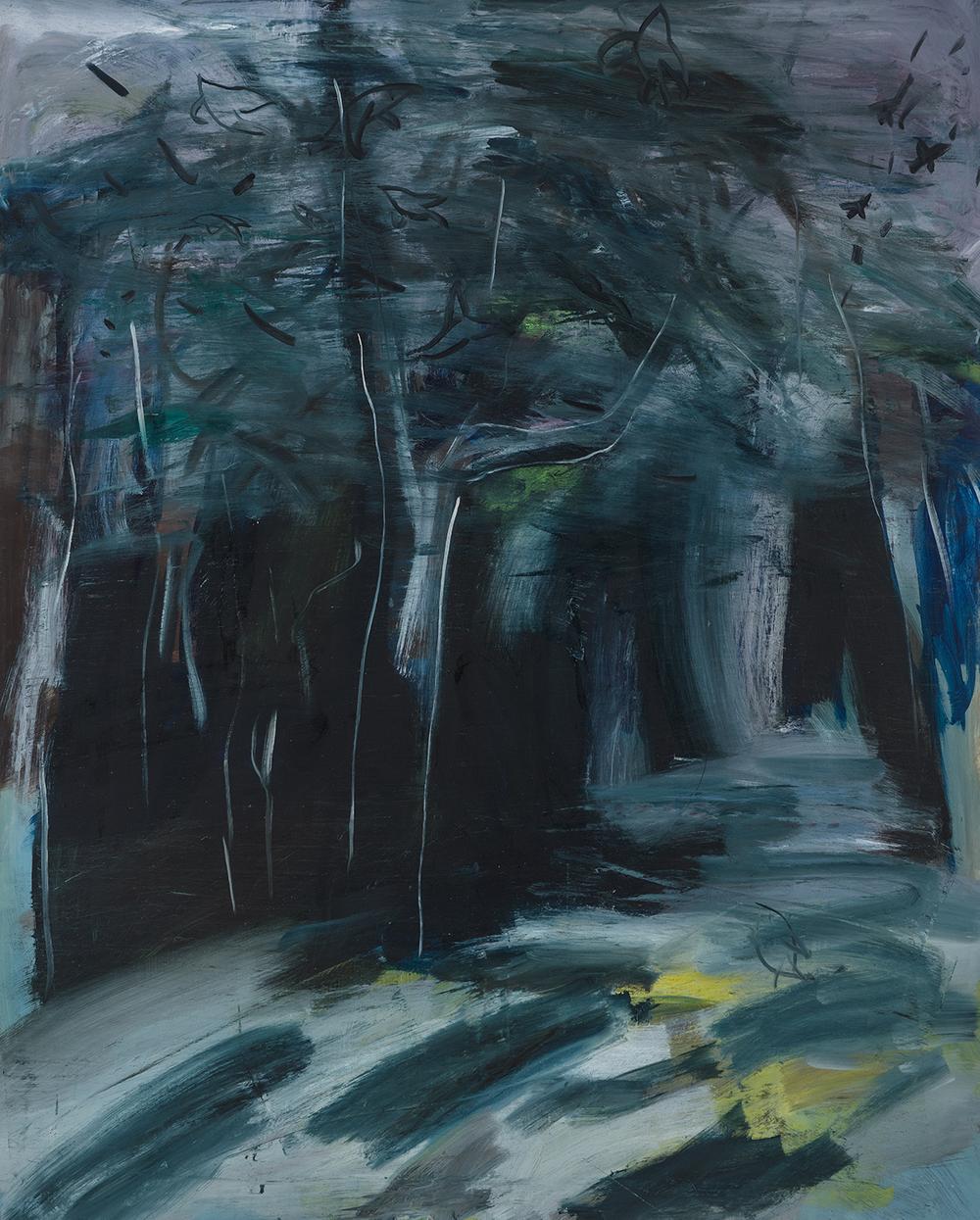
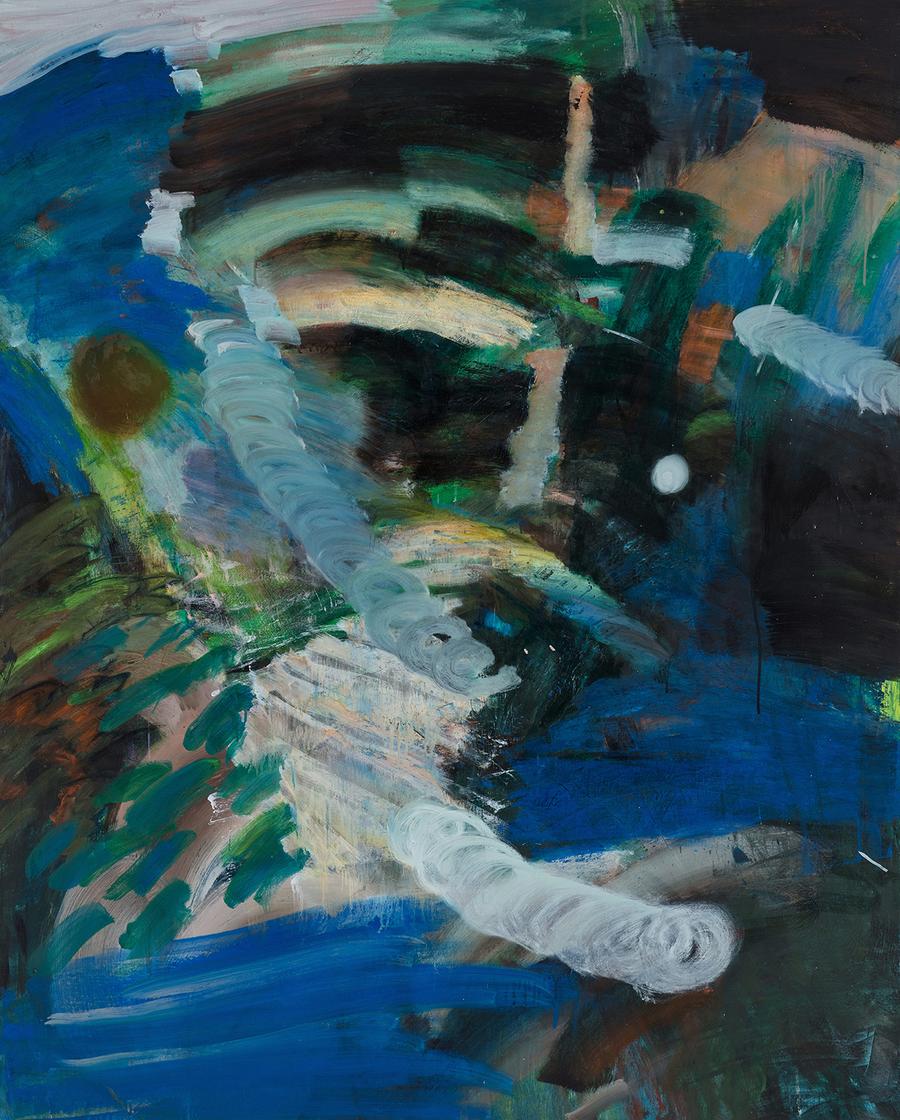
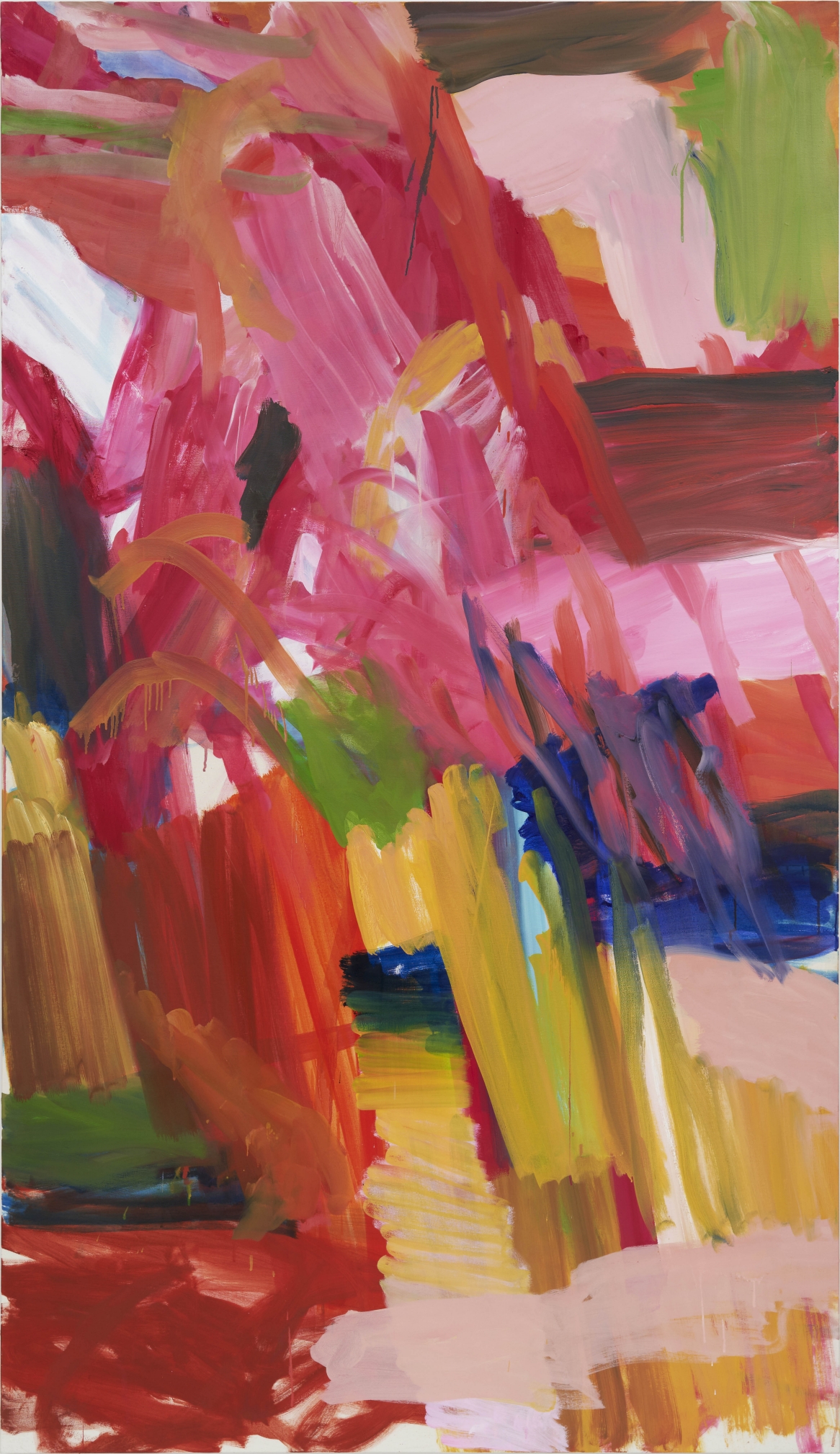
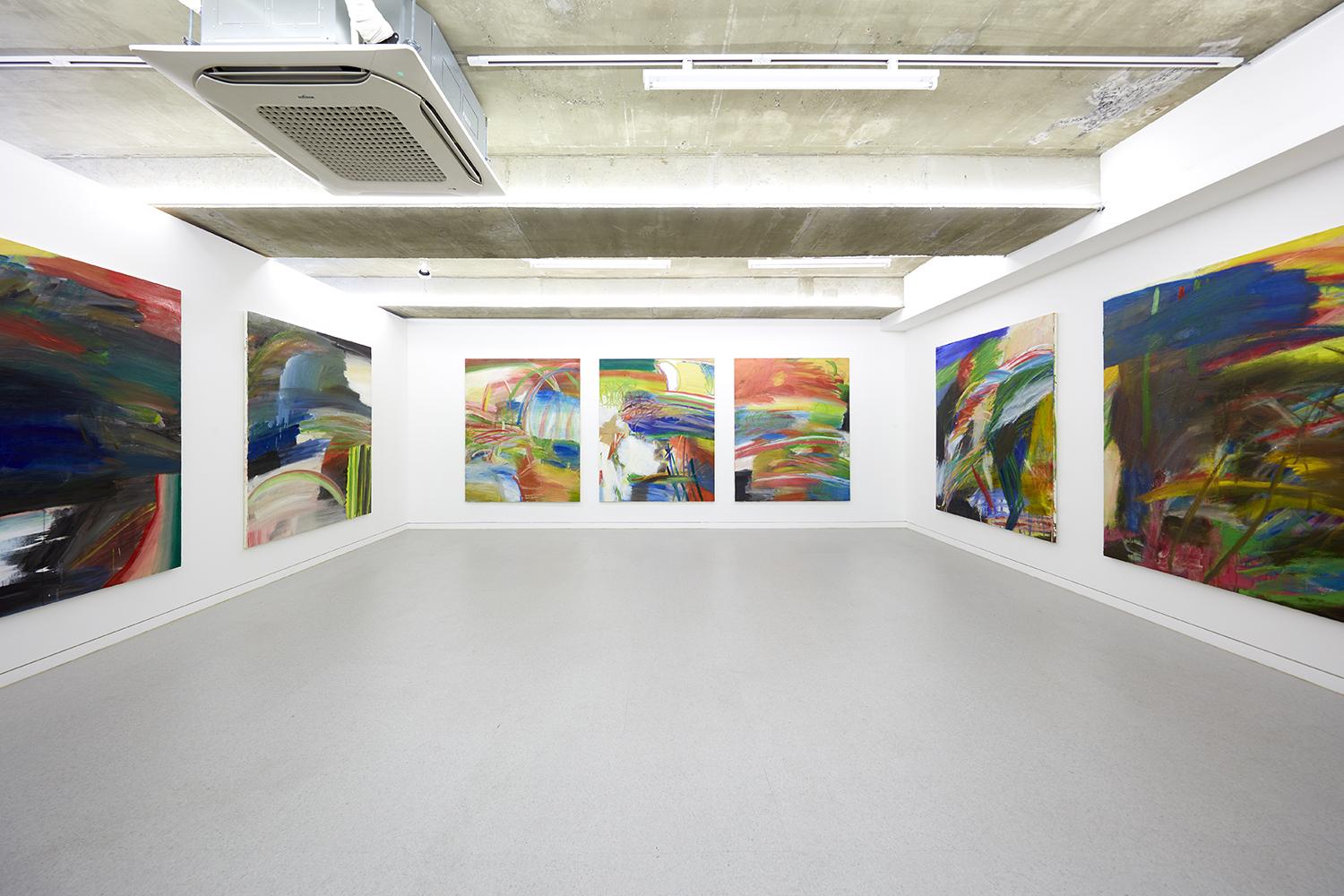
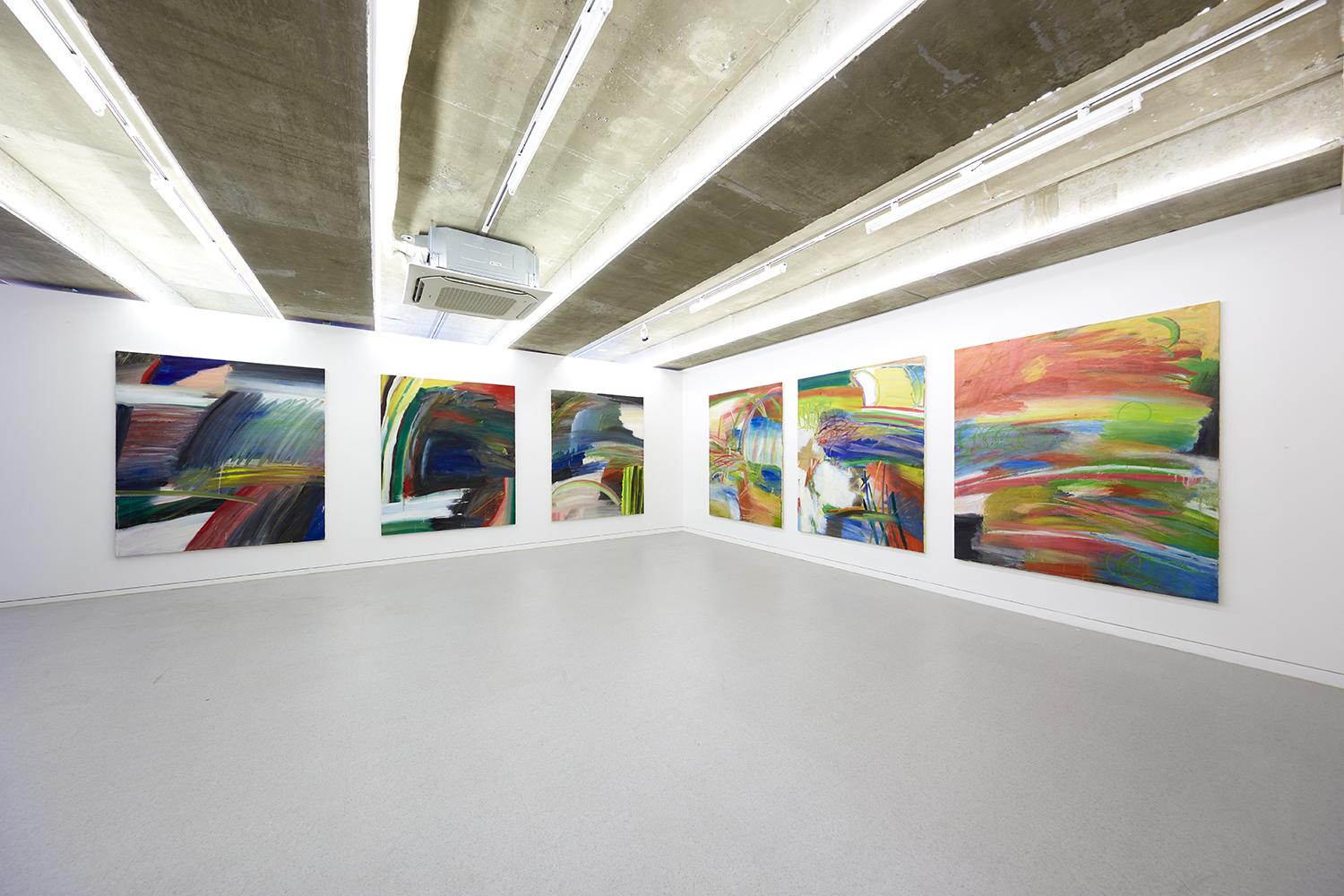
Forest and Body_Mass

2017
Oil on canvas
193.9 x 130 cm
About The Work

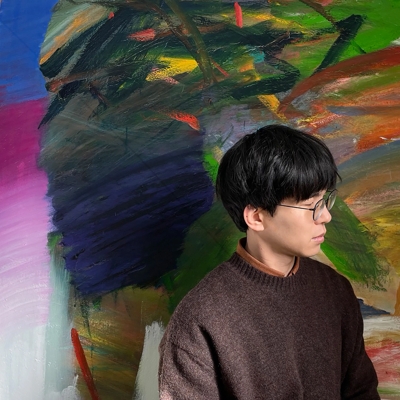
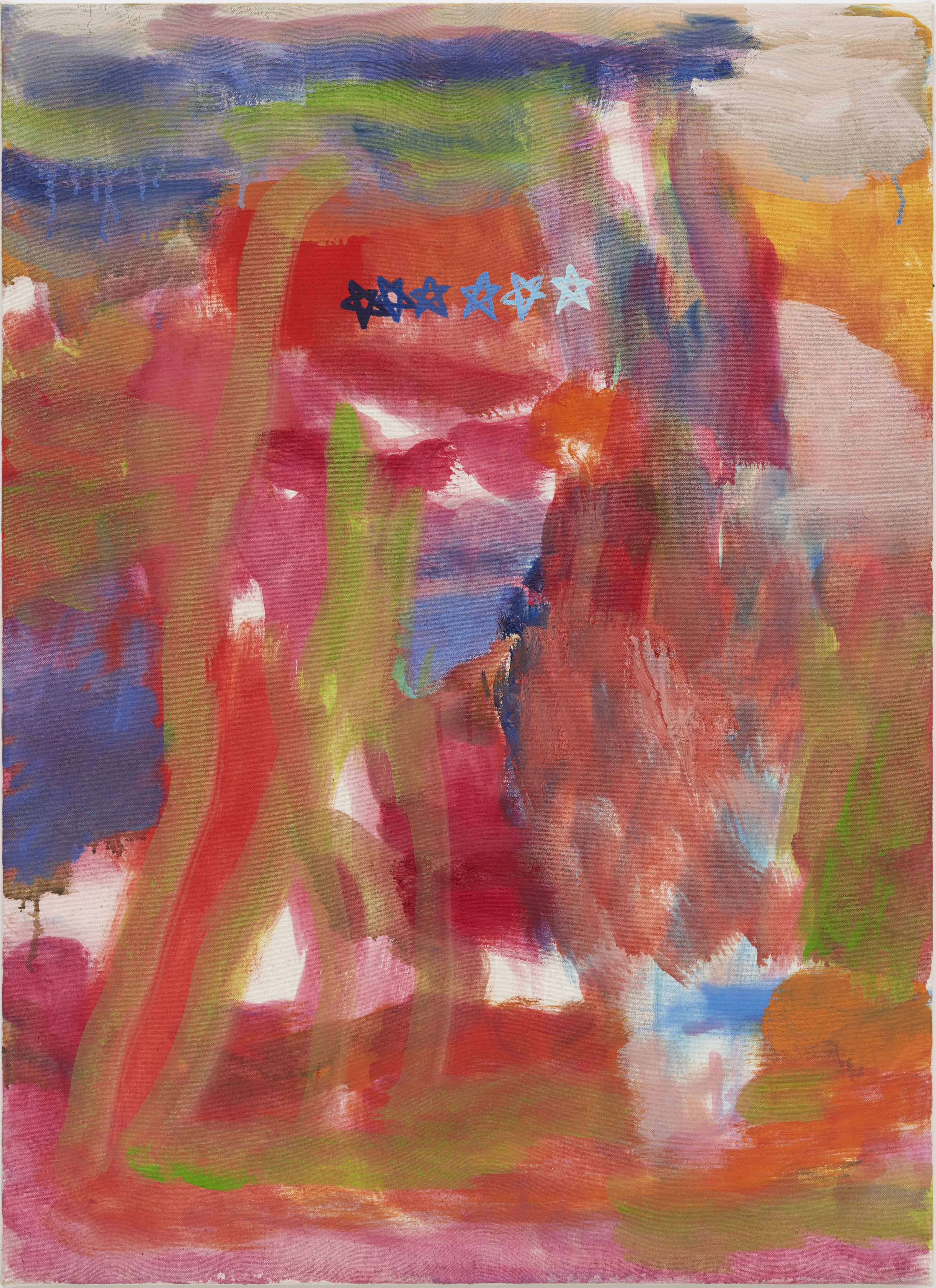
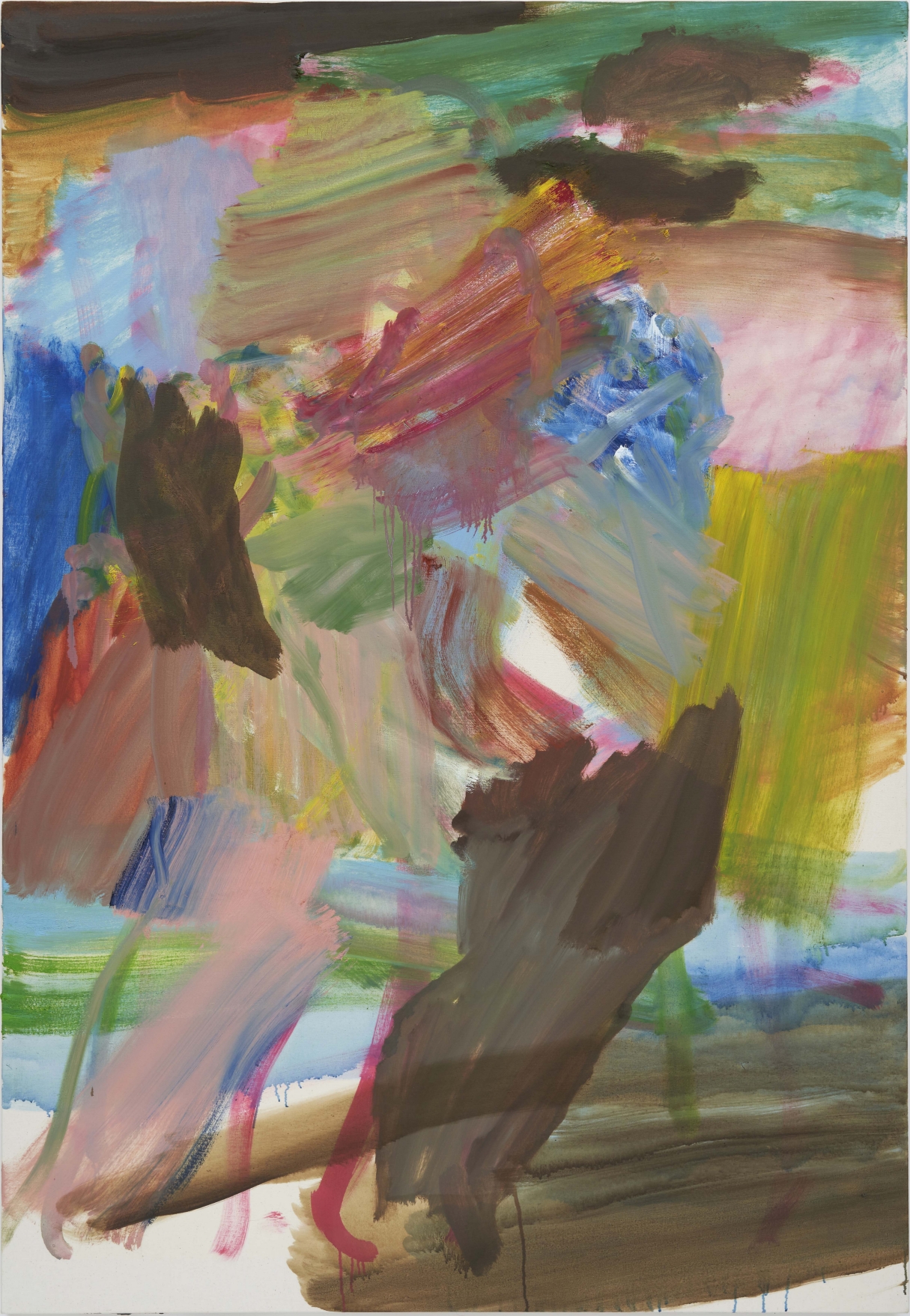
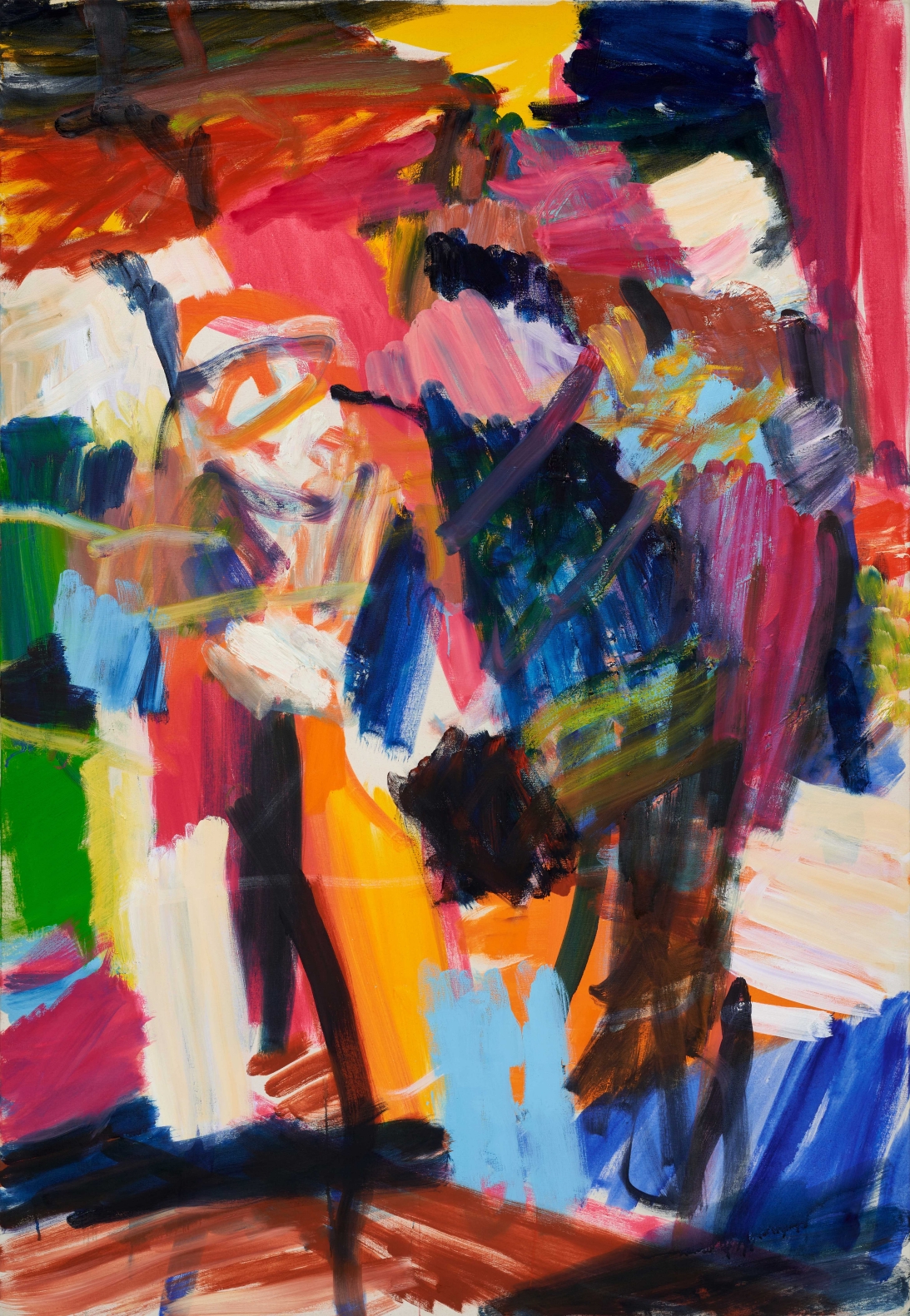
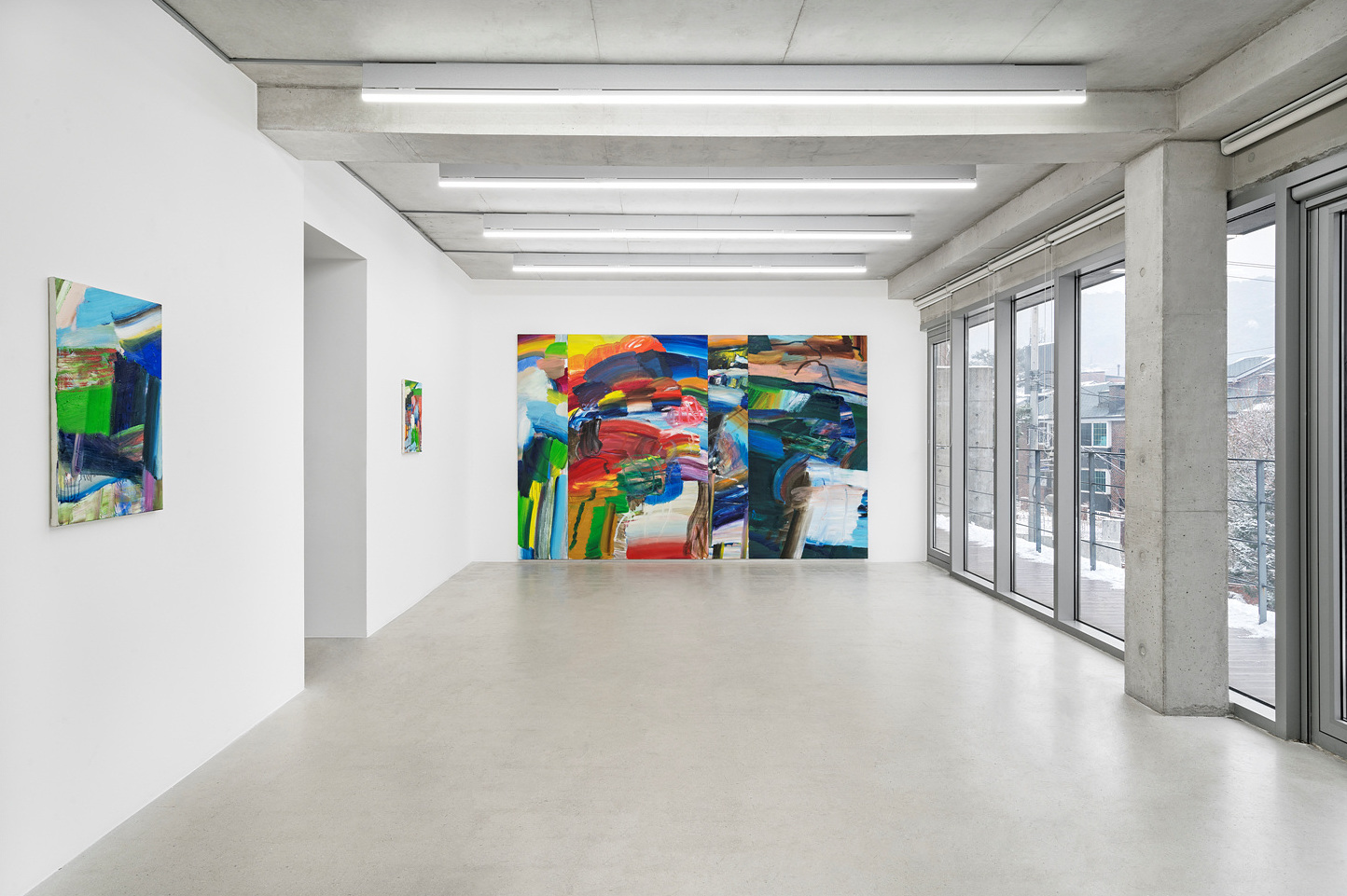
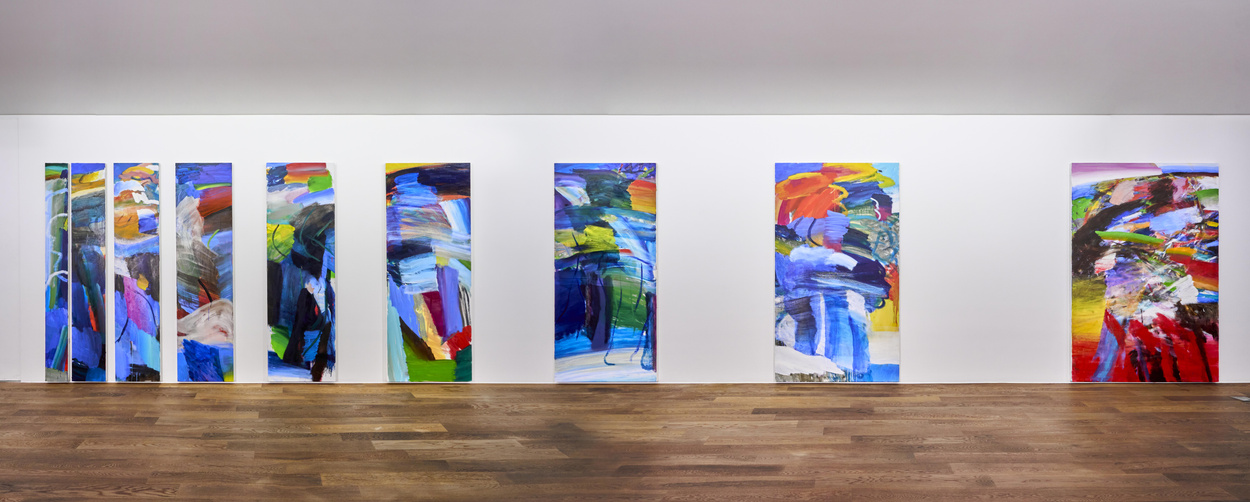
Hyundoo Jung fills his canvases with abstract colors and lines that capture spontaneous bodily movement. His paintings are accumulations of time—records of the artist’s responses to the stimuli around him, translated into brushstrokes and paint.
 
Rather than starting from a specific subject or form, Jung’s practice unfolds by tracing the sensations, durations, and shifts generated by the body in the act of painting. Through this process, moments of change are condensed into individual images that continually intermingle and form new relationships, resulting in an open-ended mode of painting that invites ongoing reinterpretation.
 
Hyundoo Jung’s painting places greater emphasis on capturing the sensations, time, and bodily movements that emerge in the act of painting rather than on the finished result. The traces left by the brush are visible, yet their meanings remain fluid and continually shift. Extending beyond the confined frame of the canvas, his practice seeks an open form of painting that escapes fixed meanings and exists in a constant state of transformation, inviting ongoing reinterpretation.

Solo Exhibitions (Brief)

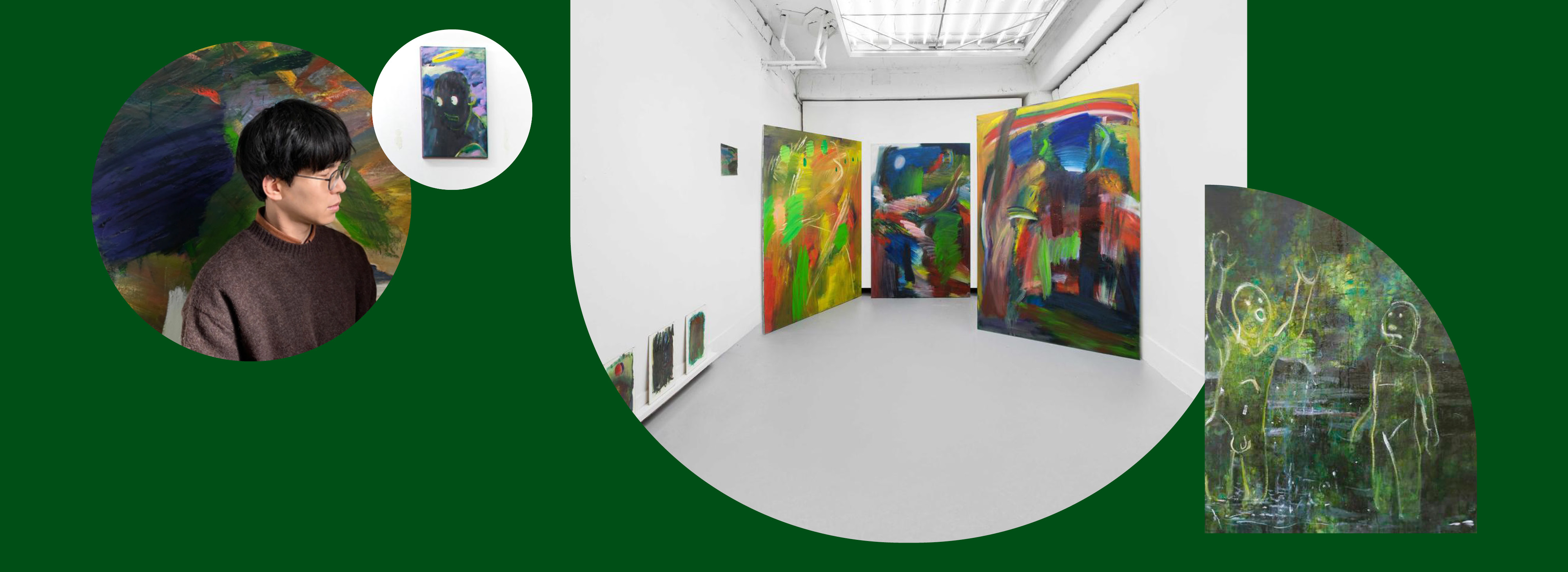
Hyundoo Jung has held solo exhibitions including 《Shuffle》 (Sungkok Art Museum, Seoul, 2025), 《Gradually, Shadow Legs Hidden》 (A-Lounge Contemporary, Seoul, 2024), and 《The Face Throwers》 (Space Willing N Dealing, Seoul, 2019).

Group Exhibitions (Brief)

Jung has also participated in numerous group exhibitions, including 《Free Practice》 (Roy Gallery, Seoul, 2025), 《Dark Change》 (Space Willing N Dealing, Seoul, 2024), 《Discovery: 12 Contemporary Artists from Korea》 (Rockefeller Center, New York, USA, 2023), 《Cloud Matter》 (Art Space 3, Seoul, 2022), and 《This Is (Not) My (Your) Painting》 (Space Willing N Dealing, Seoul, 2022), among others.

Residencies (Selected)

Jung participated as a resident artist at the Gyeonggi Creation Center, Gyeonggi Cultural Foundation, in 2020.

Works of Art

Painting Driven by Chance and Movement

Originality & Identity

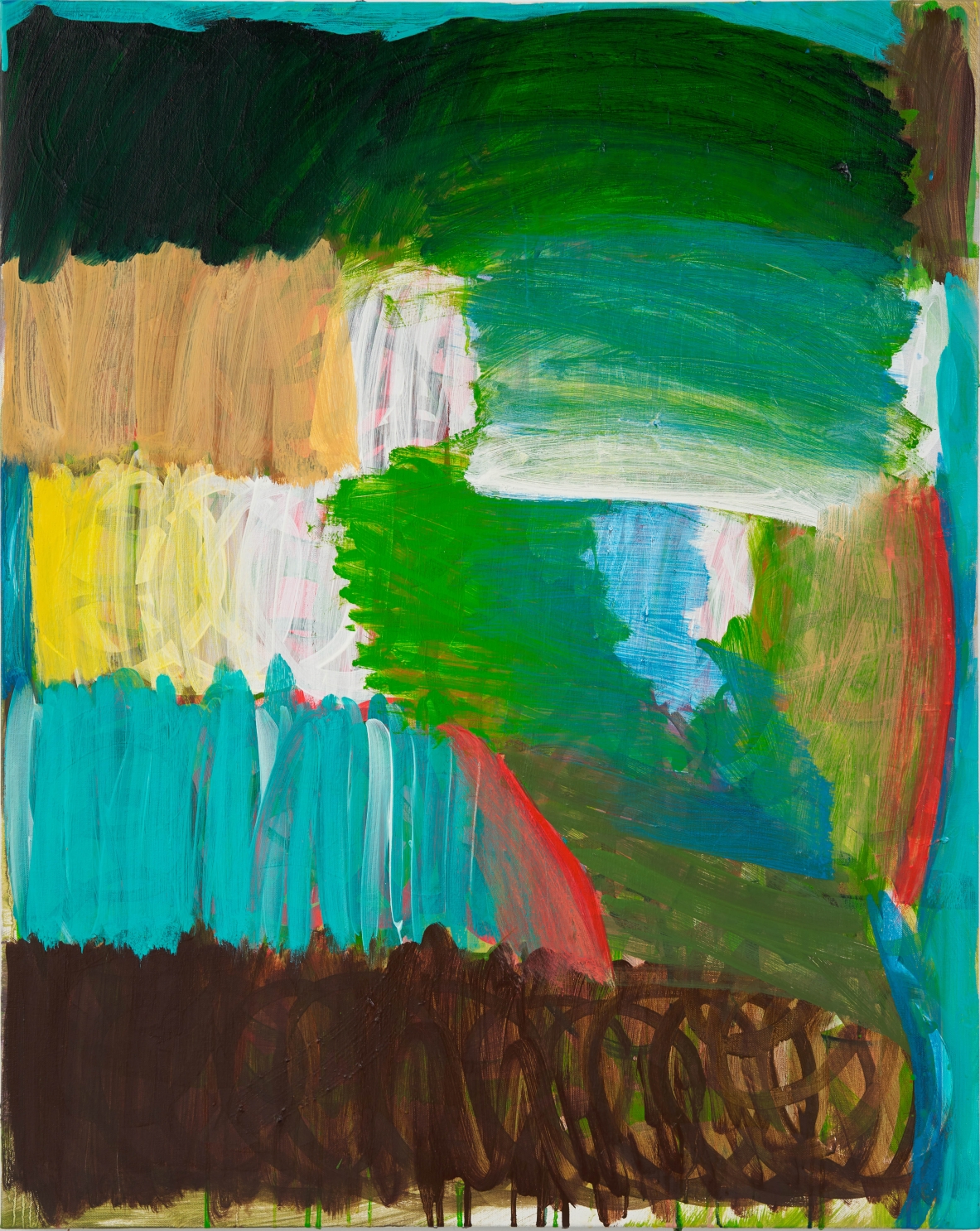
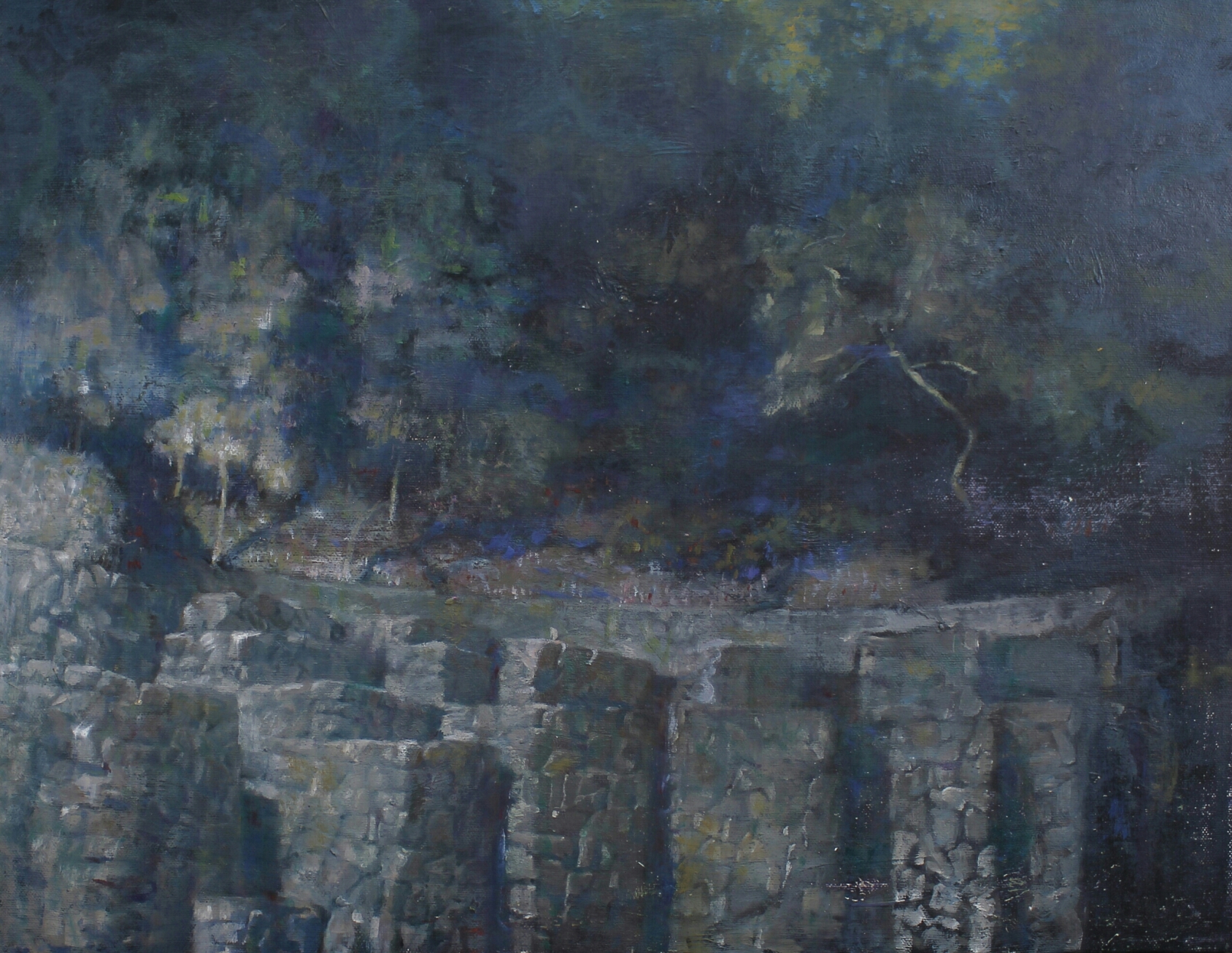
Hyundoo Jung’s painting does not begin from the representation of a subject. In early works such as Run away(2015), he observed natural landscapes and translated the stimuli his body absorbed into brushstrokes. The paintings from this period are closer to records of bodily movement responding to sensory elements provided by the forest—air, humidity, and the uneven contours of the ground. Nature functioned not as an object of depiction but as a condition that activated the body.
 
In Face of the Sun and Moon(2016) and Bird Tree(2016), concrete forms such as birds, trees, and deer still appear, yet the visual distance from the subject gradually narrows. Rather than “looking at” the subject, he begins to compose the surface by following sensations arising from his own body. This shift leads to an emphasis on the immediacy of sensation over the accuracy of representation.
 
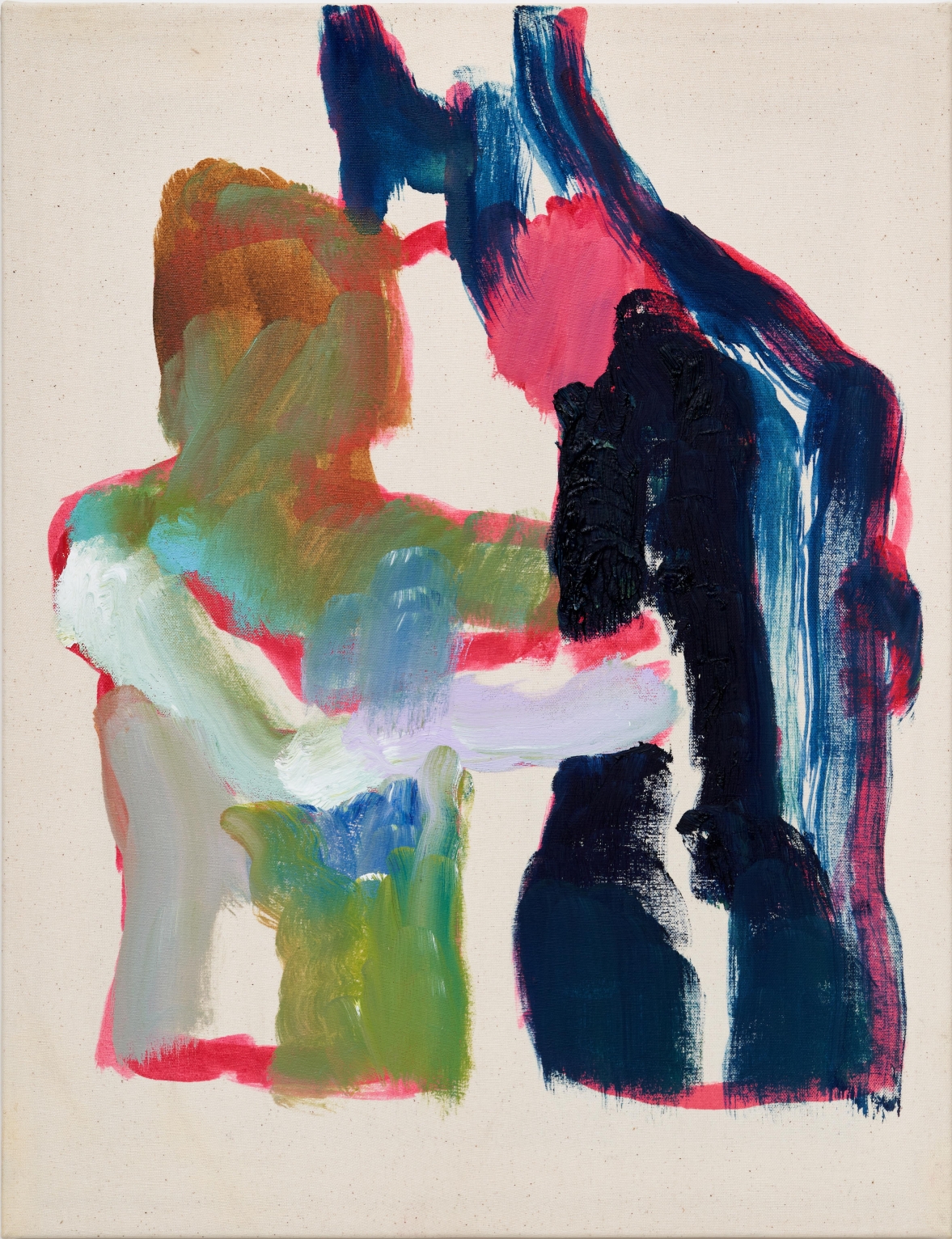
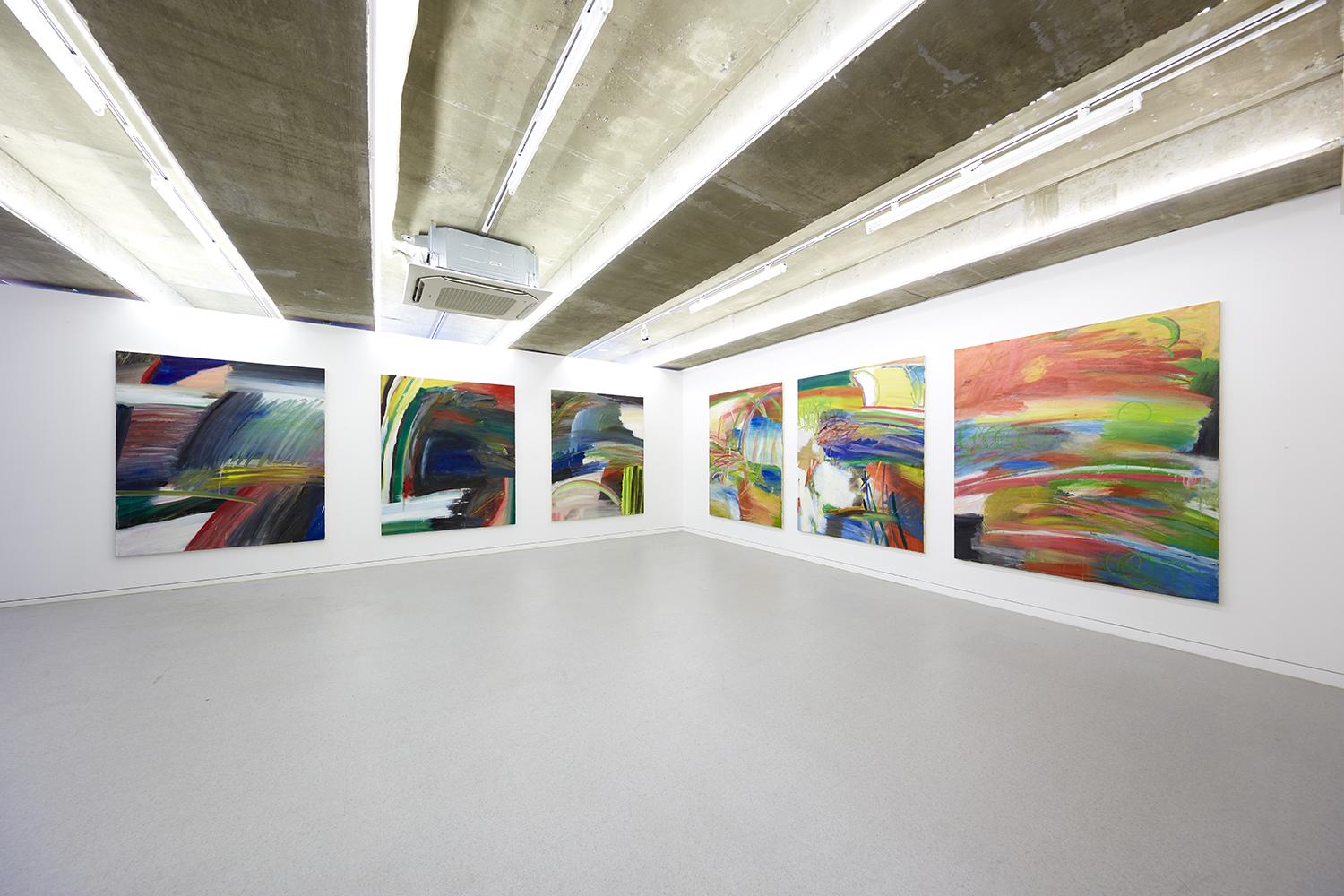
In the solo exhibition 《The guy wears rainbow》(Art Space Hyeong, 2017), the forest is no longer an external landscape but moves into the realm of imagination and interiority. Subsequently, the 'Forest and Body_Mass'(2017) series presented in 《A Paradoxical Talk》(Weekend, 2018) blurs the boundary between landscape and figure, showing the body and environment intermingled as a single mass. Here, painting becomes an “expanded field of the body.”
 
These concerns continue in another solo exhibition, 《The Face Throwers》(Space Willing N Dealing, 2019). In this exhibition, the “face” does not function as a fixed form but as a medium of action that moves between the one who paints, the one who is painted, and the one who looks. Painting does not remain as a single image but becomes a field in which meaning shifts through relationships. Jung’s focus gradually moves from “what to paint” to “how painting forms relationships.”

Style & Contents

Although Jung works with the traditional medium of oil paint and canvas(or linen), his surfaces do not pursue stable compositions. While early works tended to construct relatively self-contained images within a single canvas, later works expand through multiple surfaces entering into relationships with one another.
 
After the 'Forest and Body_Mass' series, he repeatedly layers and erases images while moving between “material flesh” and “conceptual flesh.” Rather than fixing a single image, this strategy reveals the accumulation of time and movement layered upon the surface. Brushstrokes remain not as descriptive forms but as traces of action.
 
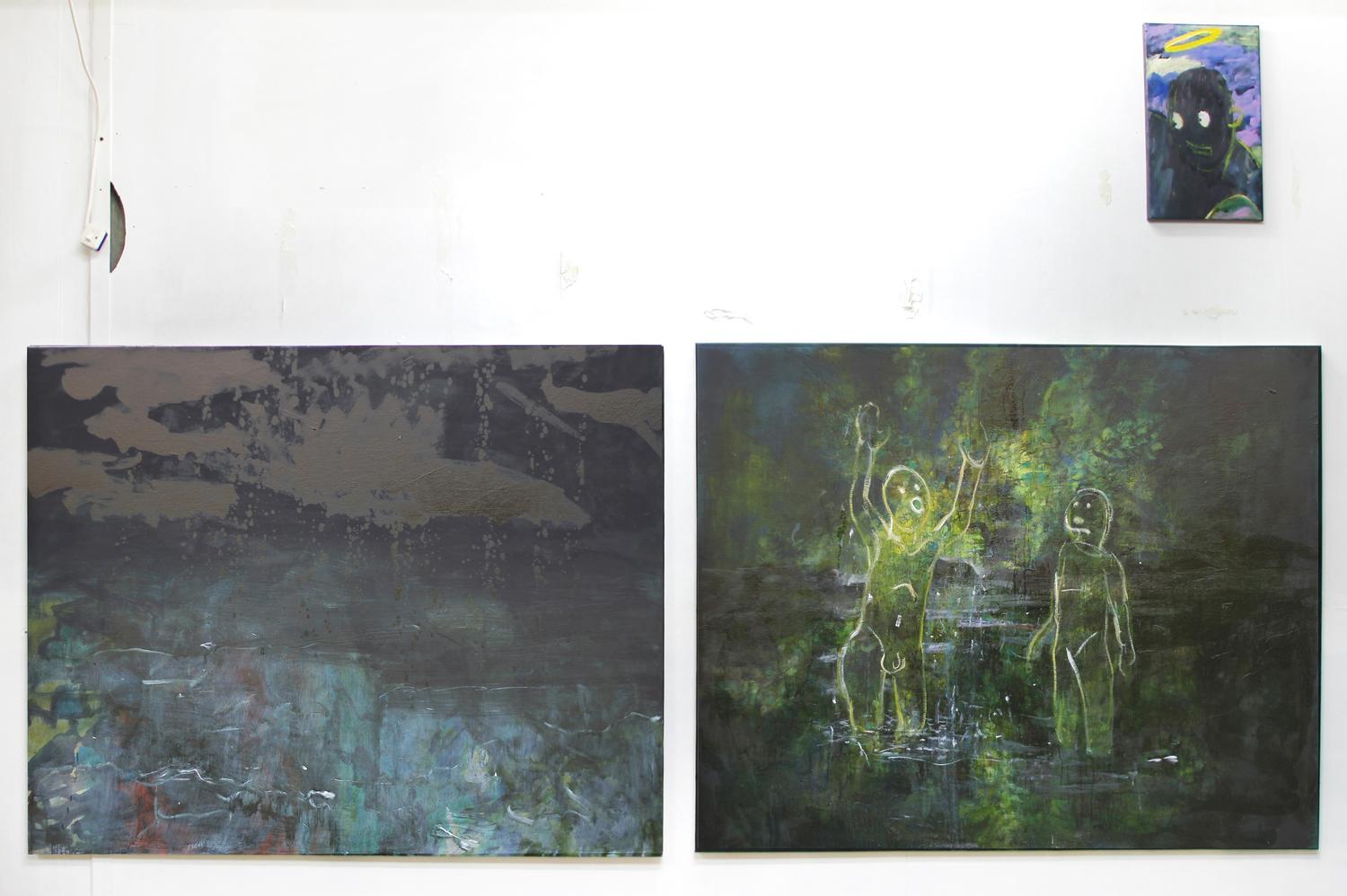
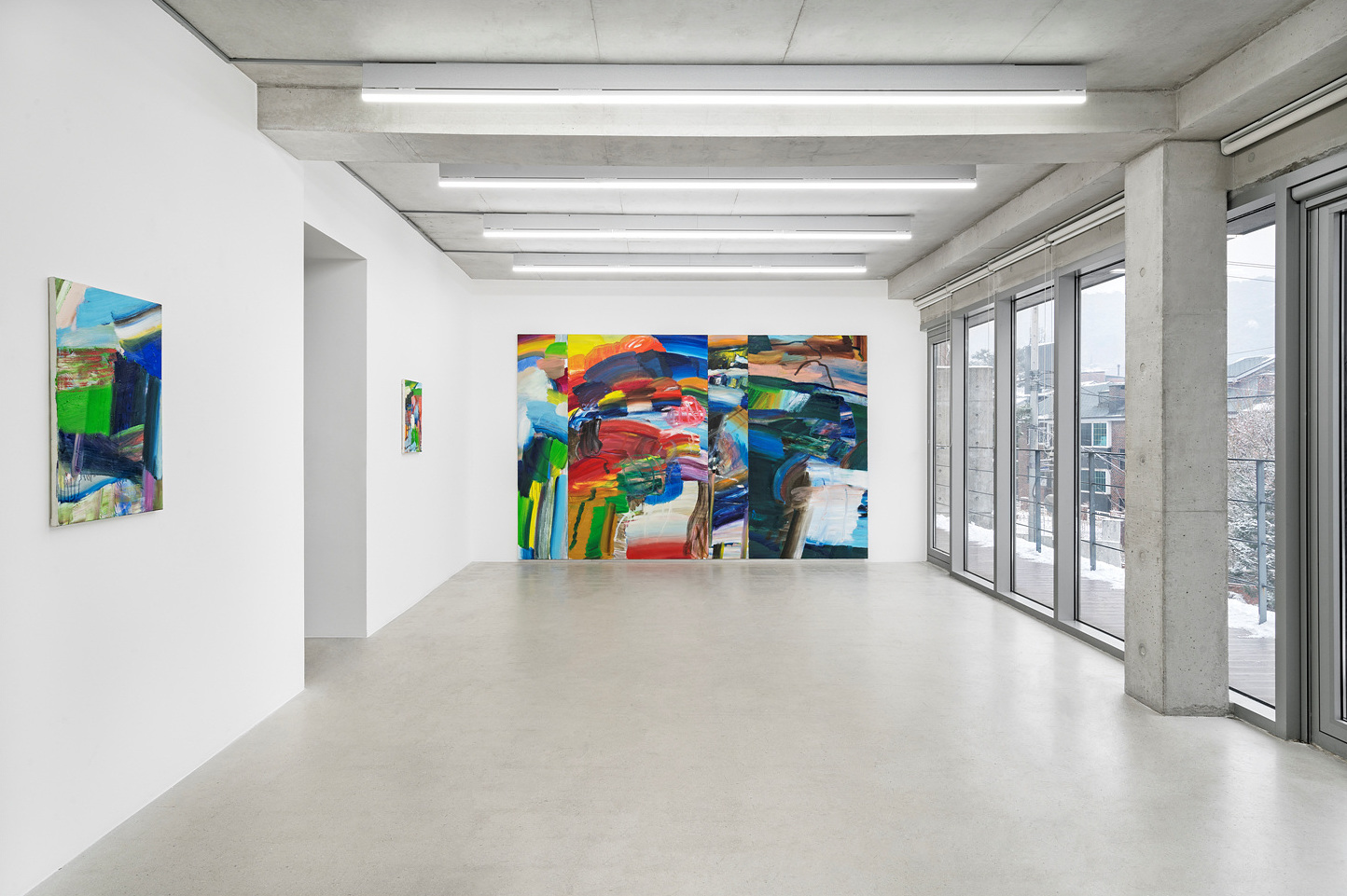
In the solo exhibition 《Gradually, Shadow Legs Hidden》(A-Lounge Contemporary, 2024), four paintings—Gradually(2023), Becoming a Cloud(2023), Our Bodies and the Body(2023), and Where the Shadow Hidden(2023)—were installed side by side without gaps, functioning as one large pictorial field. As works created at different times were physically joined, the boundaries between individual paintings blurred, forming a “delayed narrative.” Here, painting is read not as a single work but through arrangement and relationships.
 
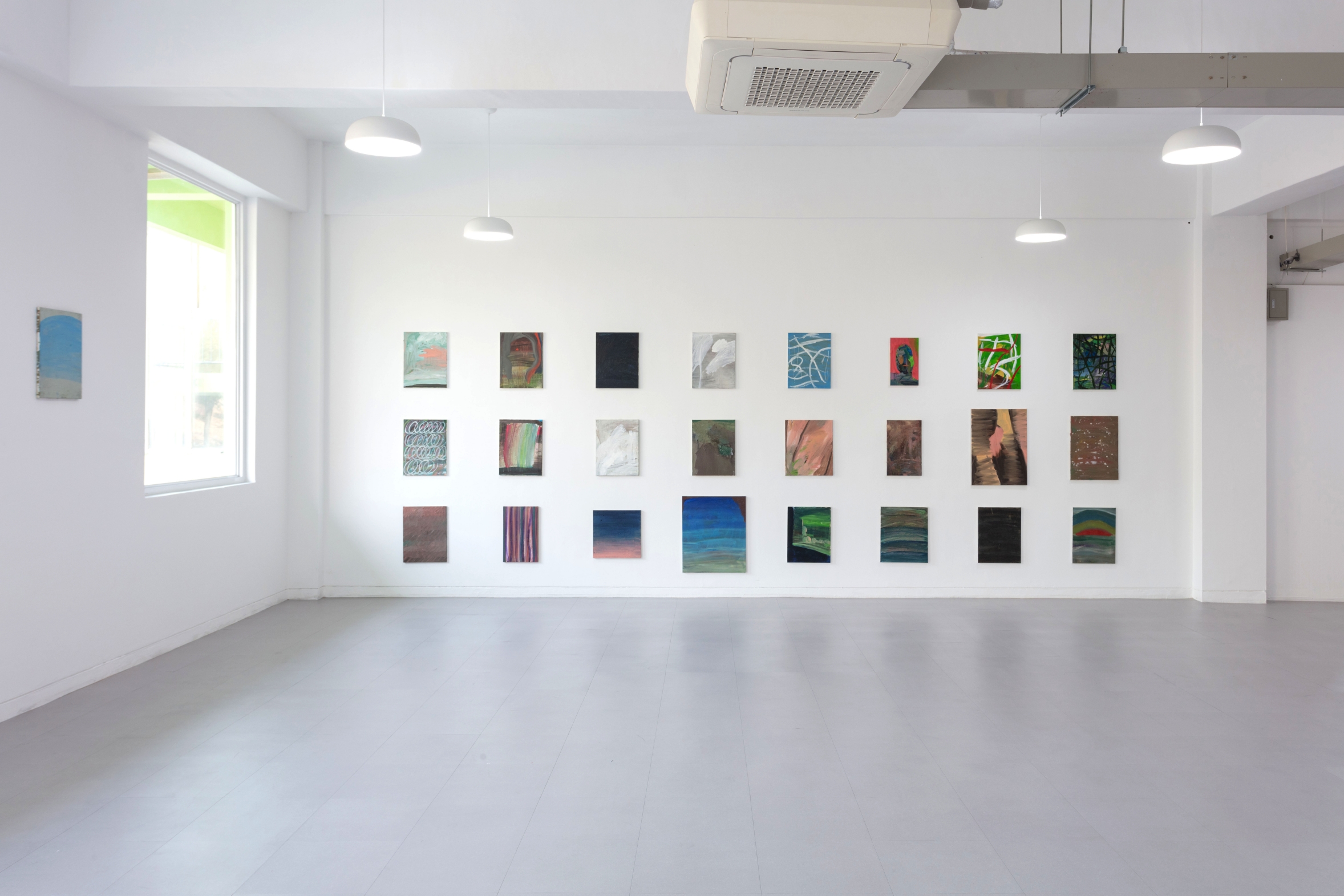
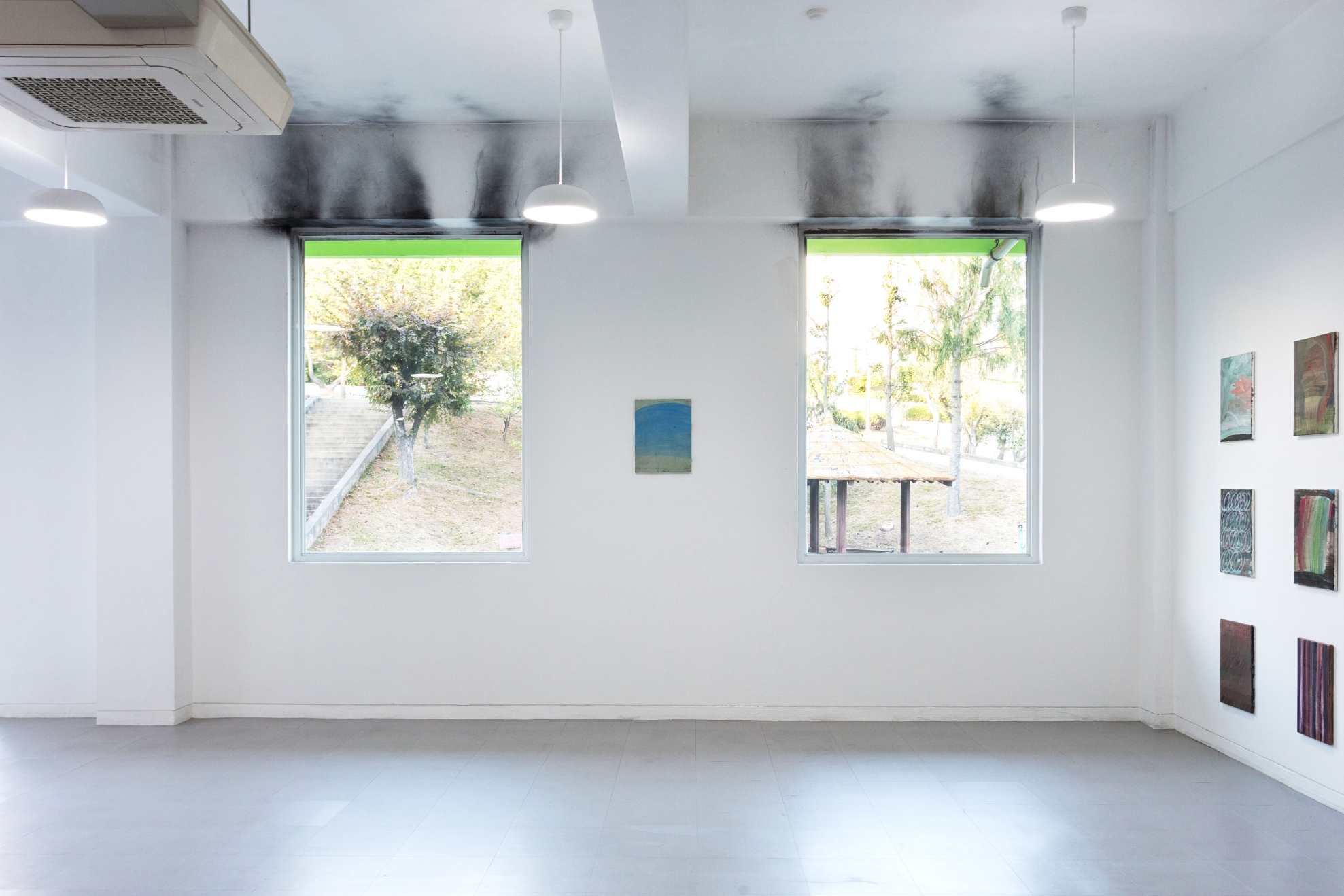
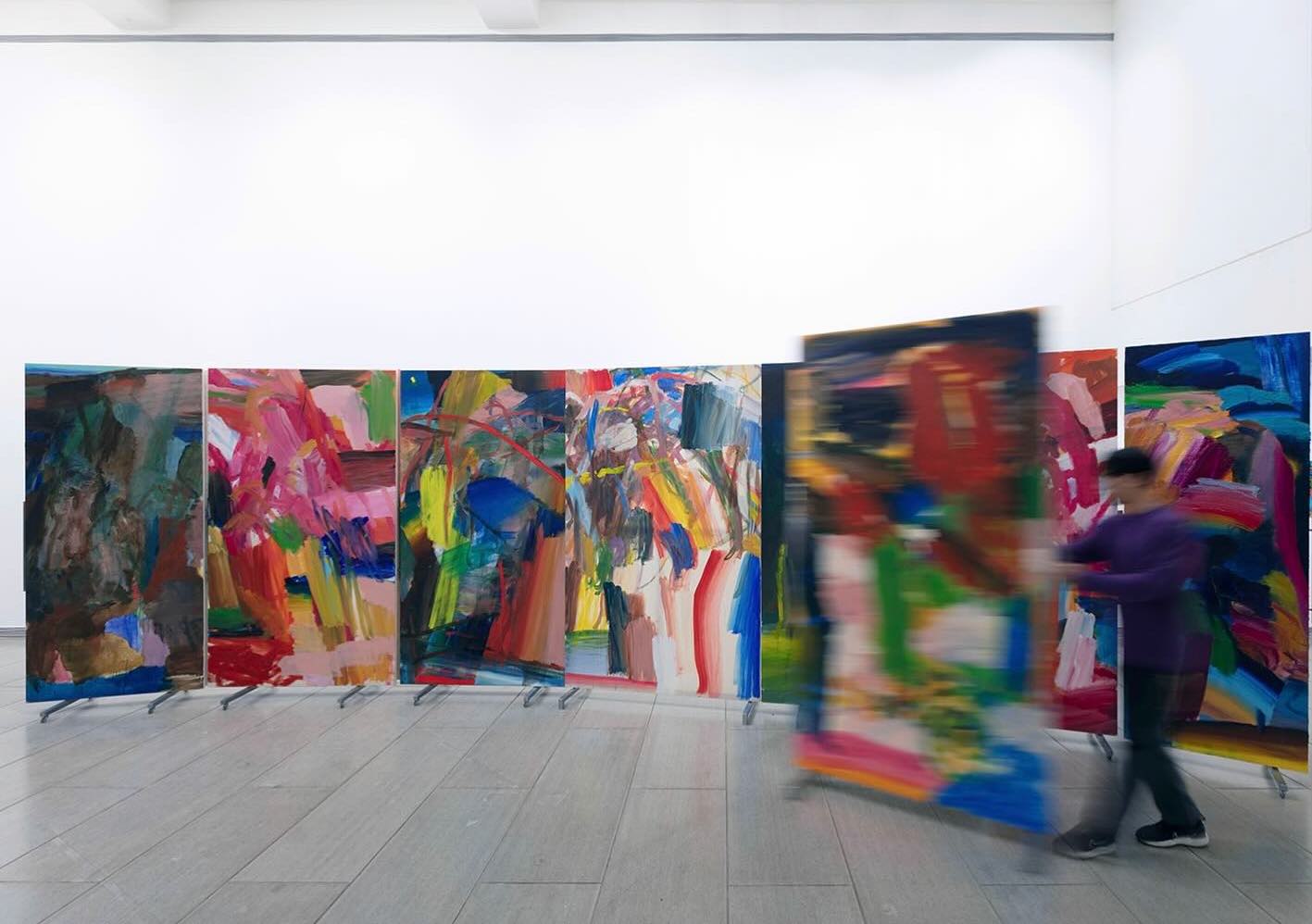
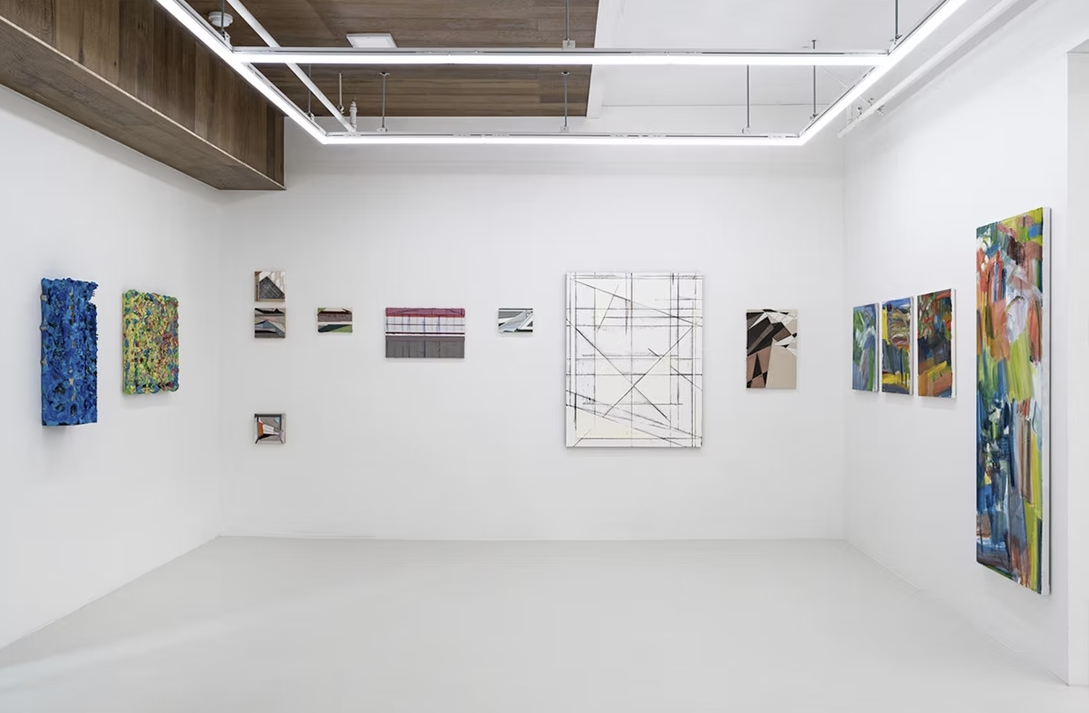
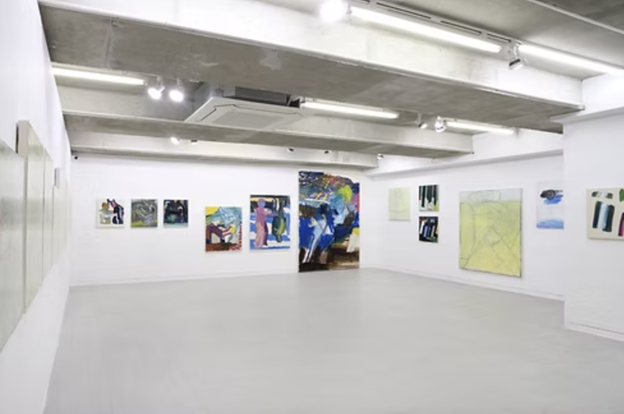
In the recent solo exhibition 《Shuffle》(Sungkok Art Museum, 2025), this tendency becomes further structured. Paintings mounted on wheels are positioned as movable objects within the space, while wall works are arranged in order of production year, allowing early and recent works to confront one another. Time is transformed from a linear flow into an experience of mixing and circulation. Form becomes a device that reveals the structure of time.

Topography & Continuity

Jung’s practice focuses on gesture and materiality within abstraction, while placing particular emphasis on “relationships” and the “arrangement of time.” He treats painting not as a completed result but as a fluid entity that transforms within its environment and exhibition context. This attitude embraces both an installation sensibility and painterly experimentation.
 
His work began from the sensory condition of the forest and has expanded through bodily gesture, the motif of the face, and the arrangement of multiple surfaces. Starting as a record of sensation in Run away, his painting developed into a relational structure through the 'Forest and Body_Mass' series and, in recent works, into exhibition formats that reveal the structure of time.
 
Compared to other contemporary artists who similarly employ bodily gesture, Jung distinguishes himself not by emphasizing a strong individual style but by generating meaning through the connection and rearrangement of surfaces. His originality lies less in the form of the brushstroke itself than in the relational conditions in which it is placed. By exploring changing configurations and temporal structures instead of fixed images, his practice will continue to unfold in varied ways across different spaces and environments.

Works of Art

Painting Driven by Chance and Movement

Exhibitions

Activities