Hyundoo
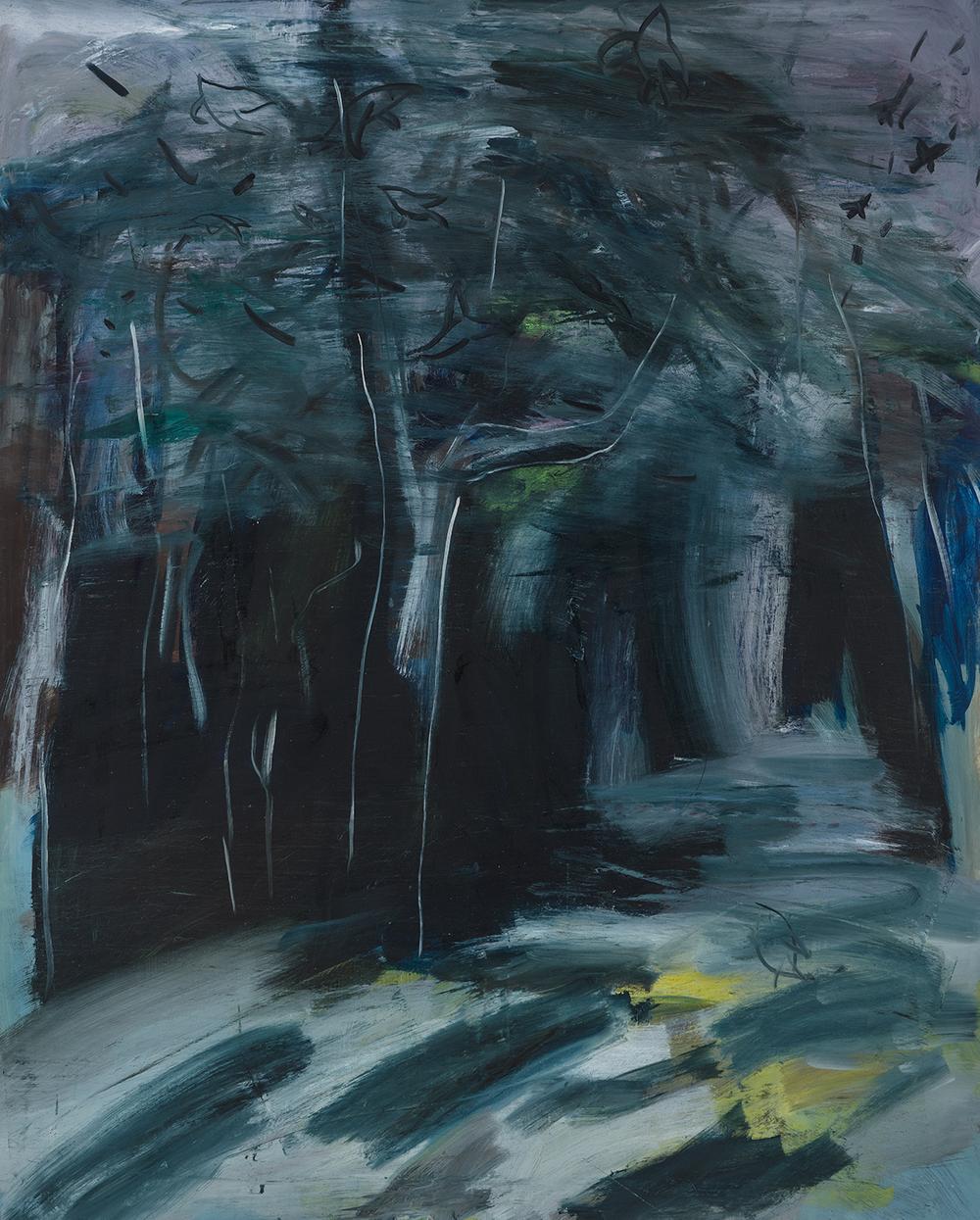
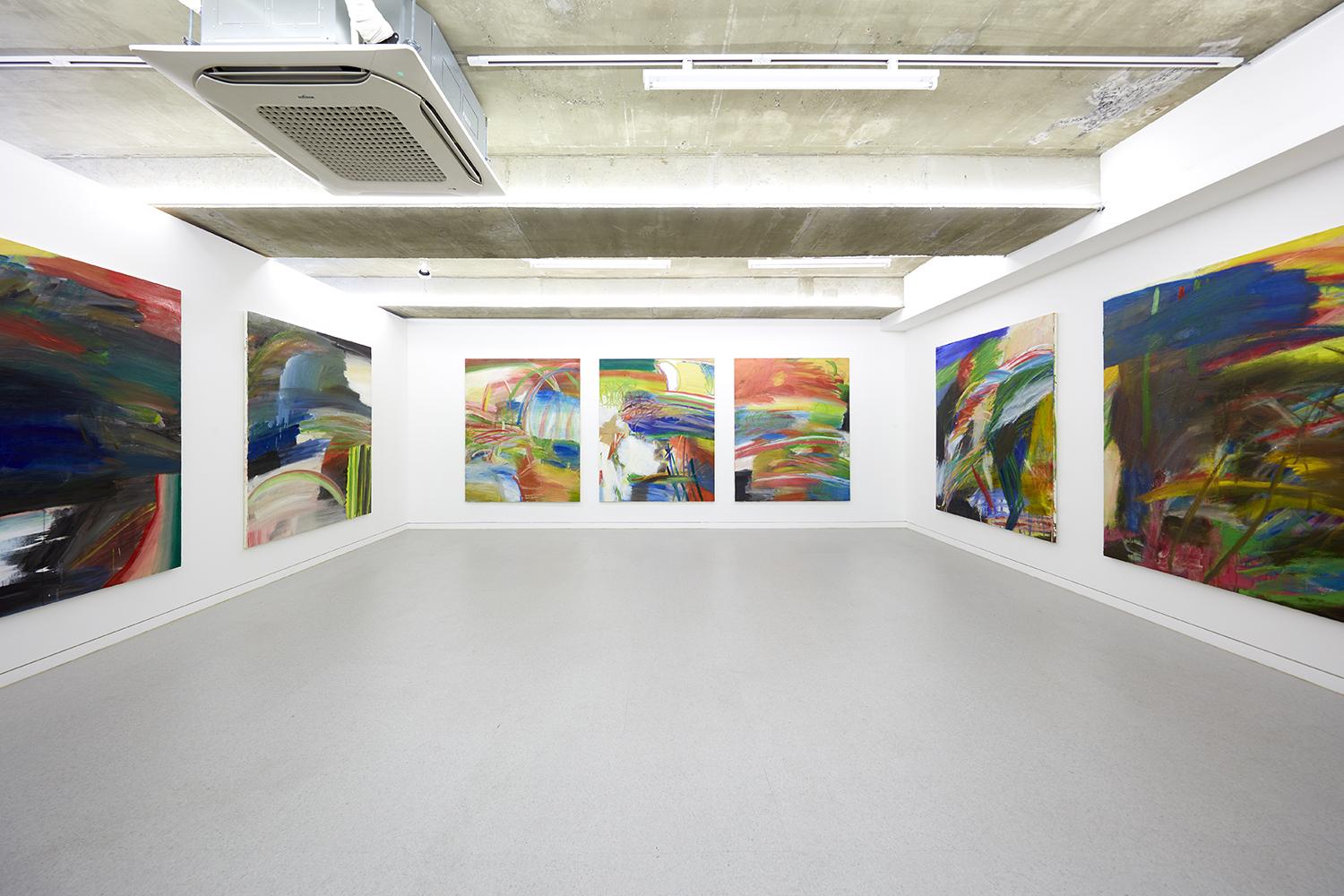
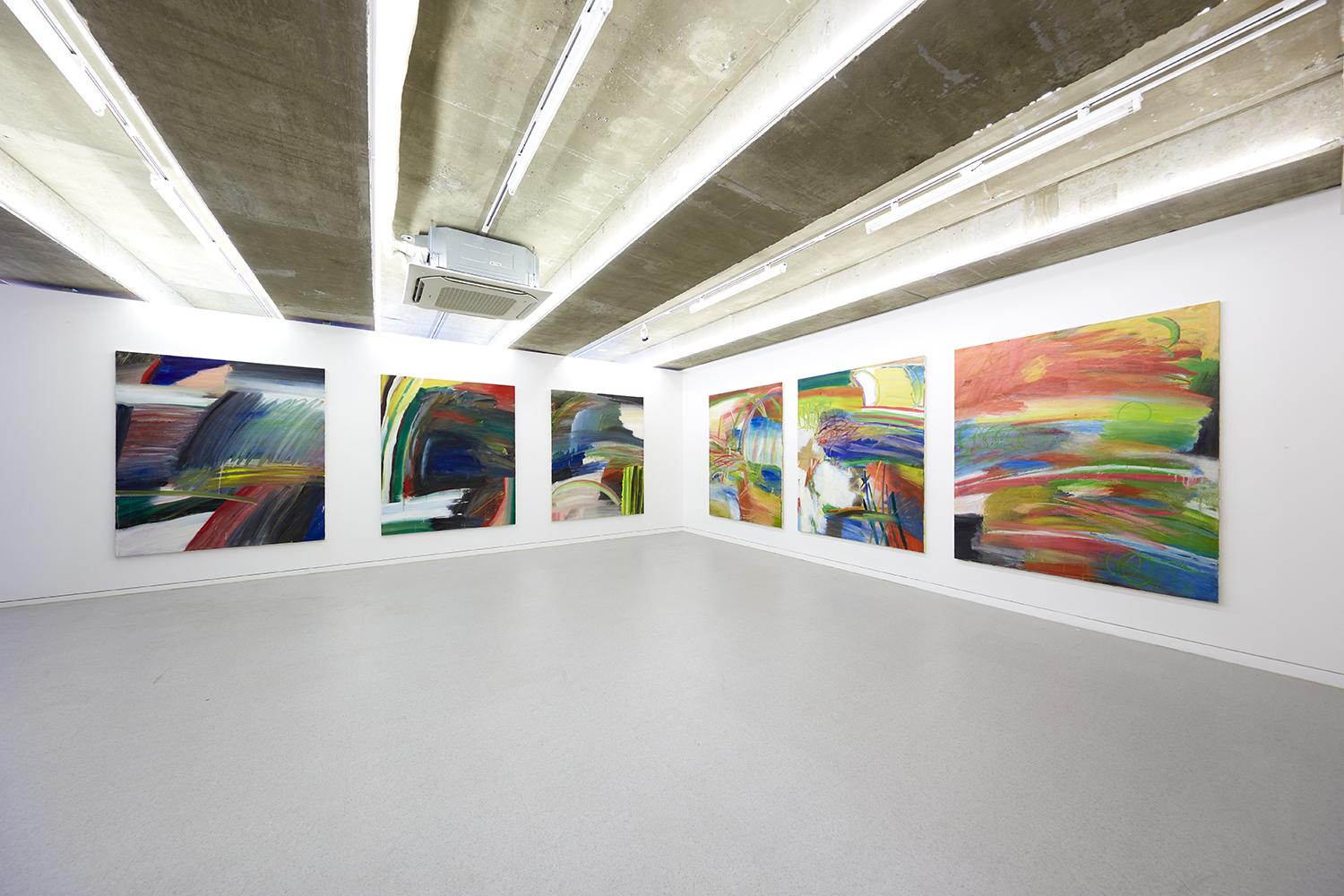
Jung’s painting does not begin from the representation of a subject. In early
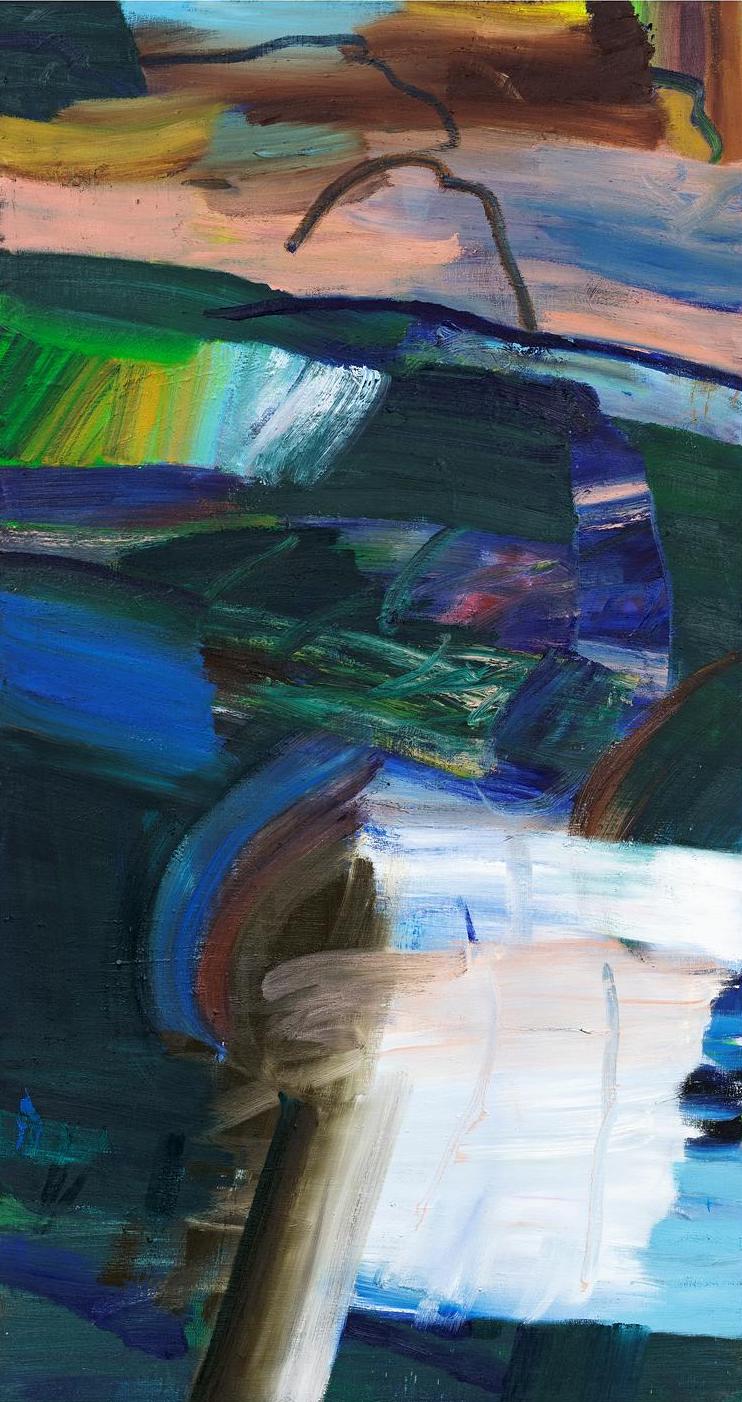
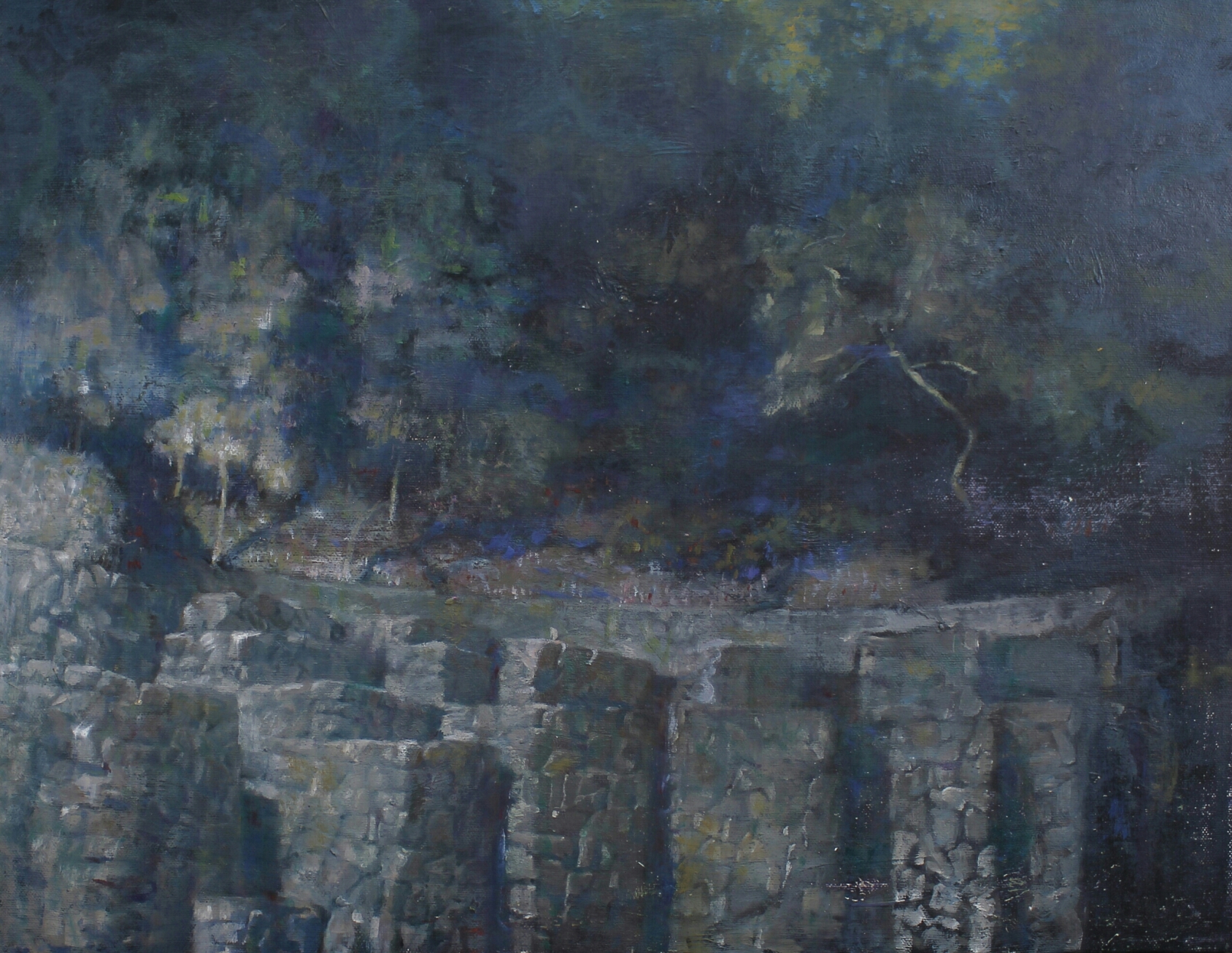
works such as Run away(2015), he observed natural
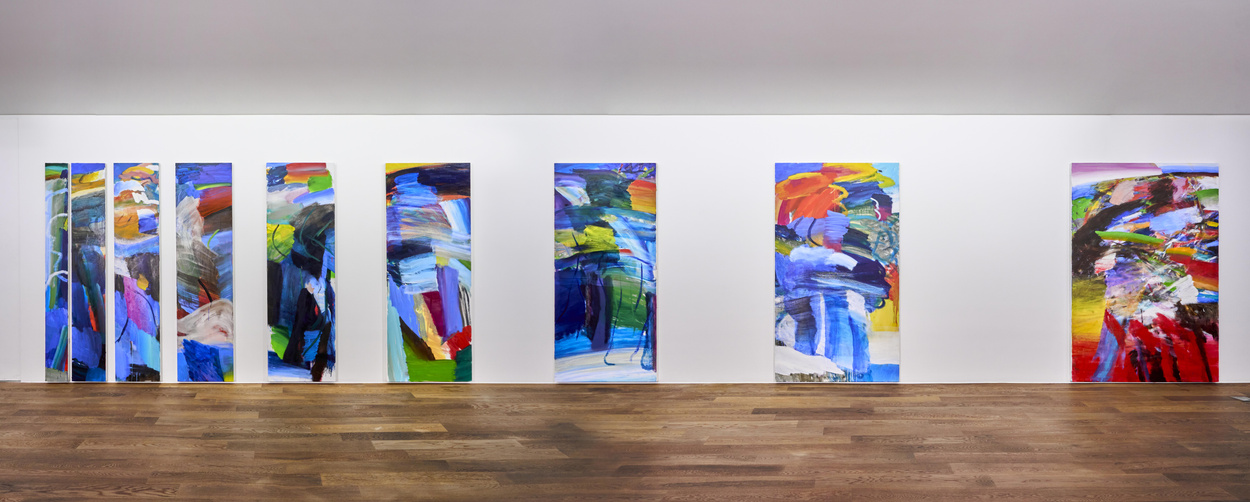
landscapes and translated the stimuli his body absorbed into brushstrokes. The
paintings from this period are closer to records of bodily movement responding
to sensory elements provided by the forest—air, humidity, and the uneven
contours of the ground. Nature functioned not as an object of depiction but as
a condition that activated the body.
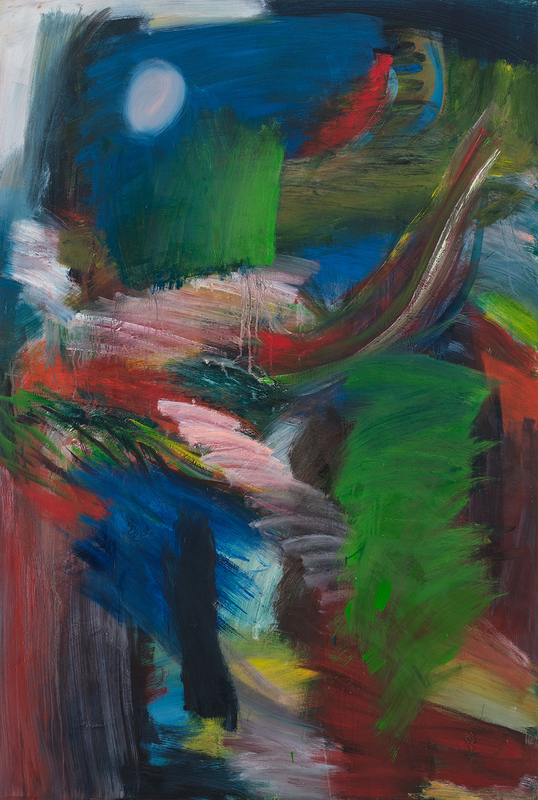
In Face
of the Sun and Moon(2016) and Bird
Tree(2016), concrete forms such as birds, trees, and deer still
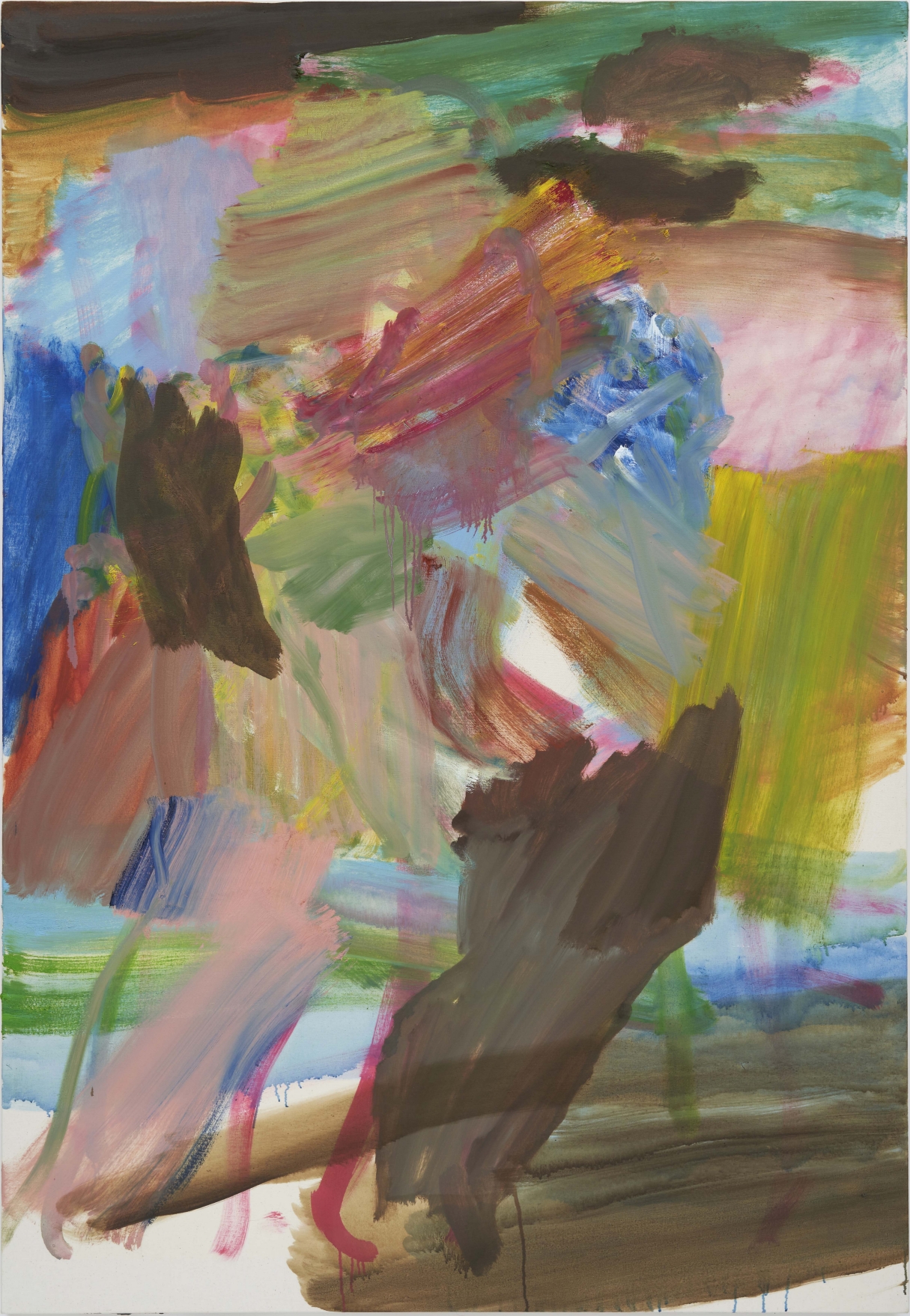
appear, yet the visual distance from the subject gradually narrows. Rather than
“looking at” the subject, he begins to compose the surface by following
sensations arising from his own body. This shift leads to an emphasis on the
immediacy of sensation over the accuracy of representation.
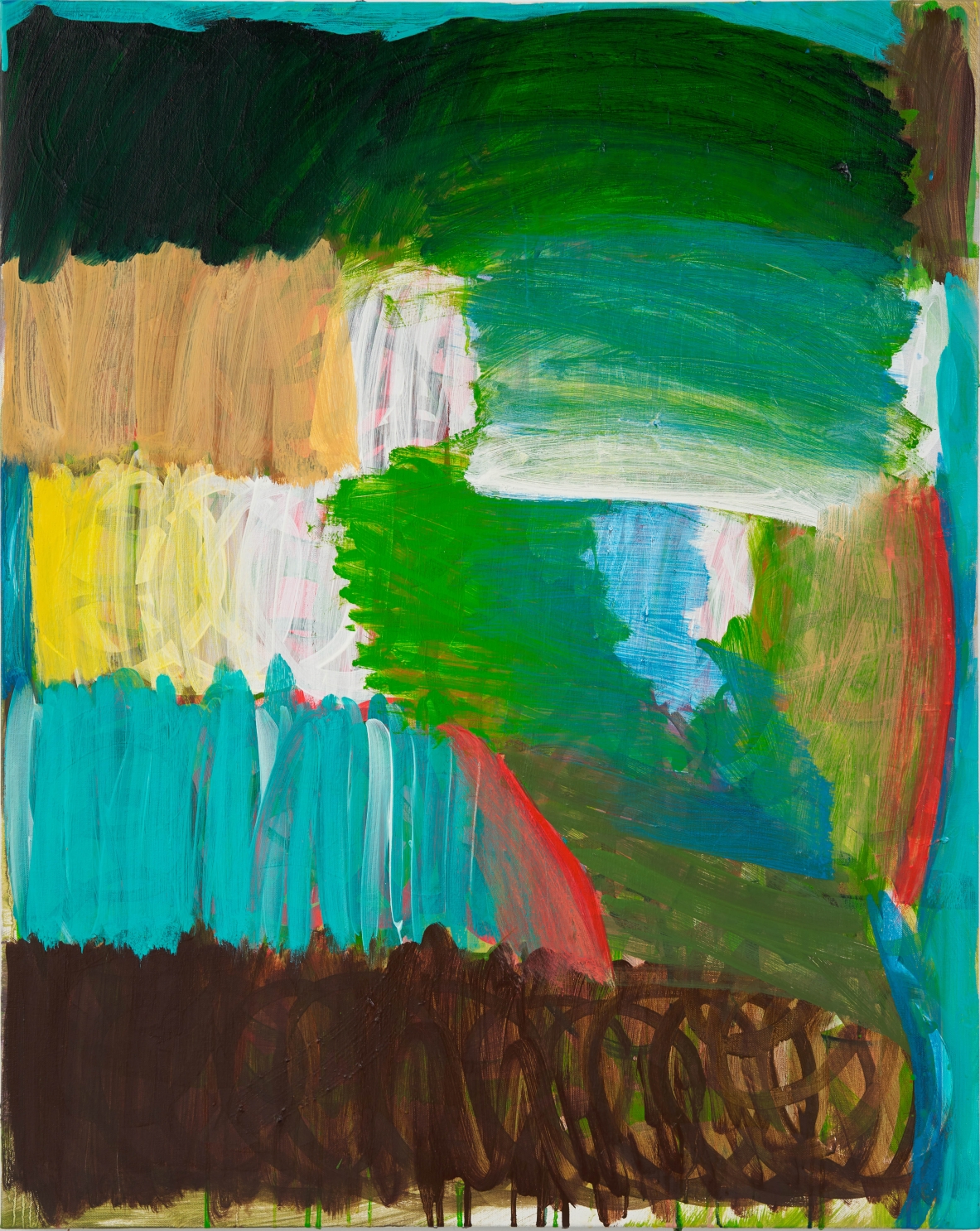
In the
solo exhibition 《The guy wears
rainbow》(Art Space Hyeong, 2017), the forest is no
longer an external landscape but moves into the realm of imagination and
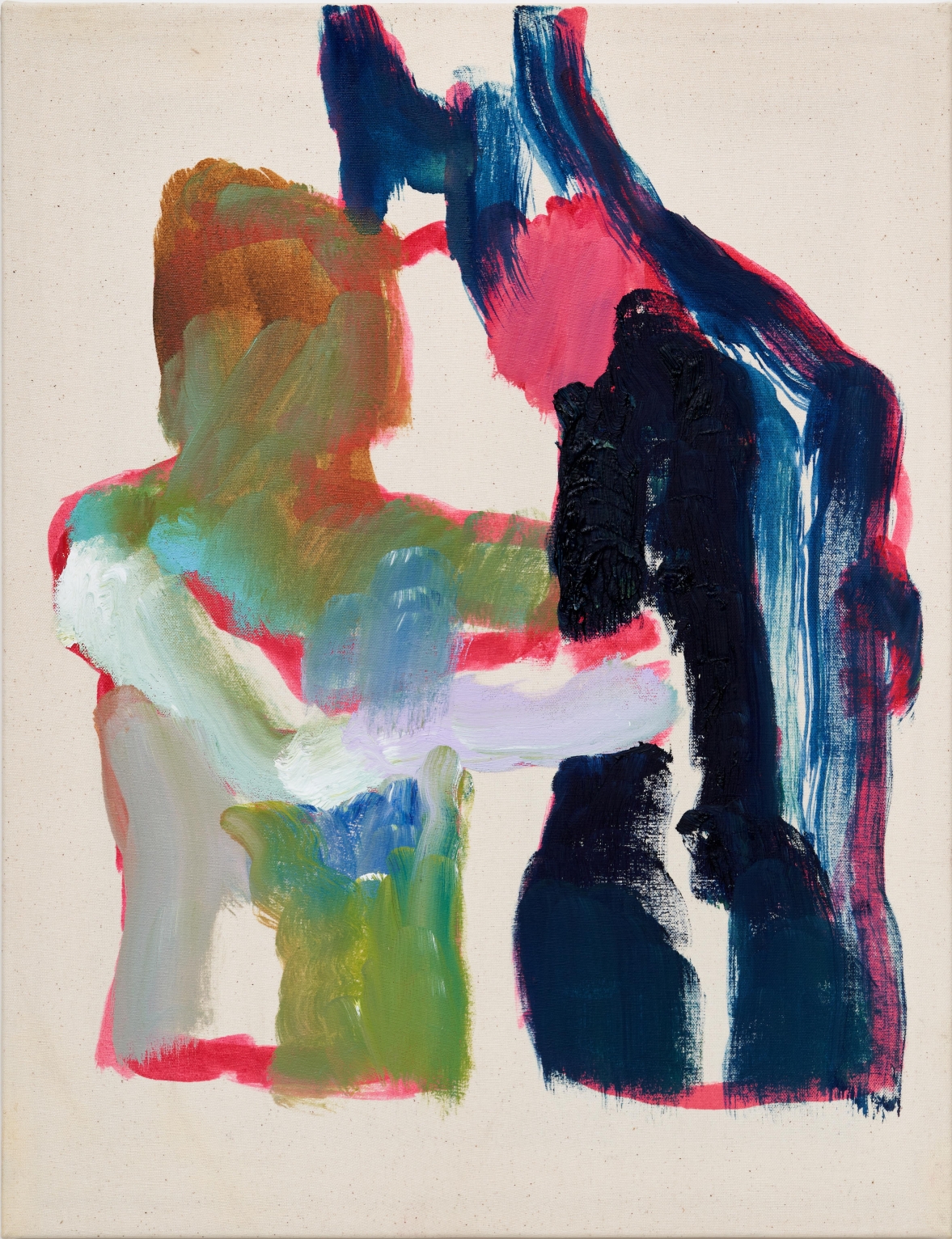
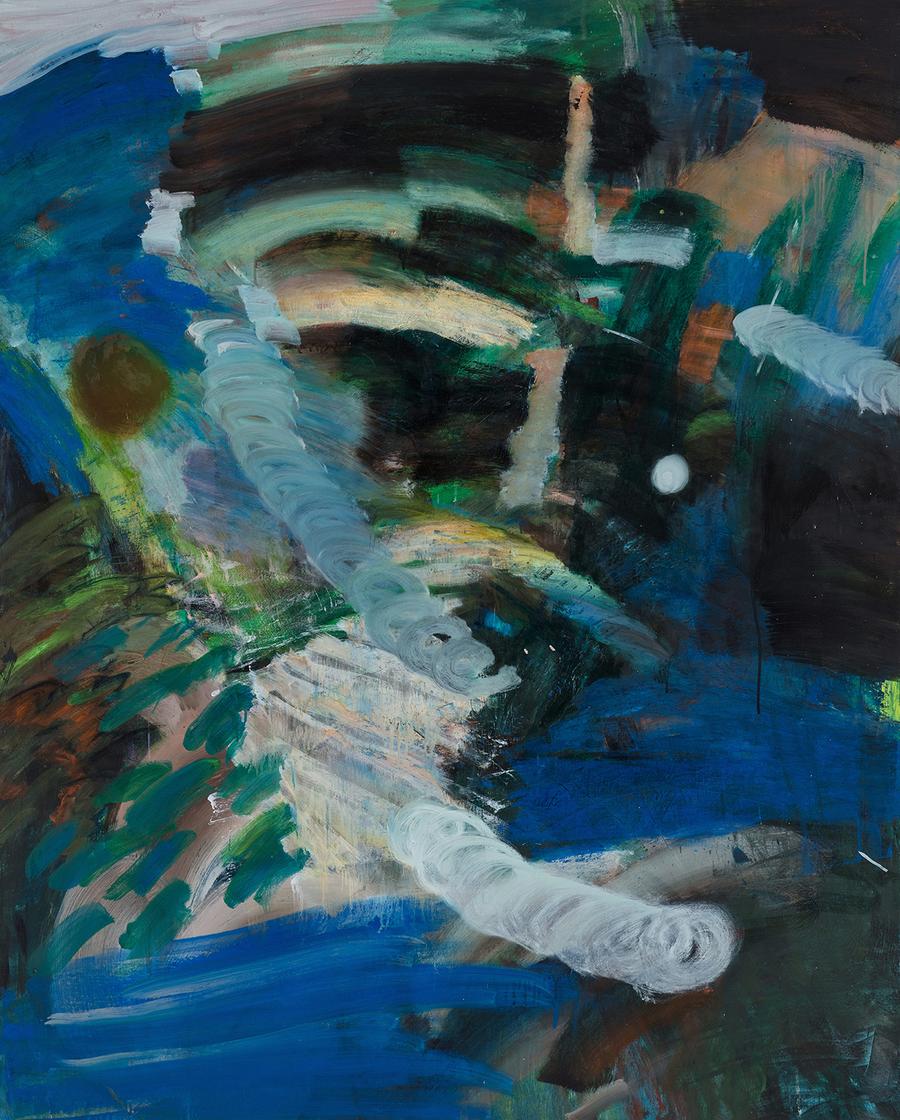
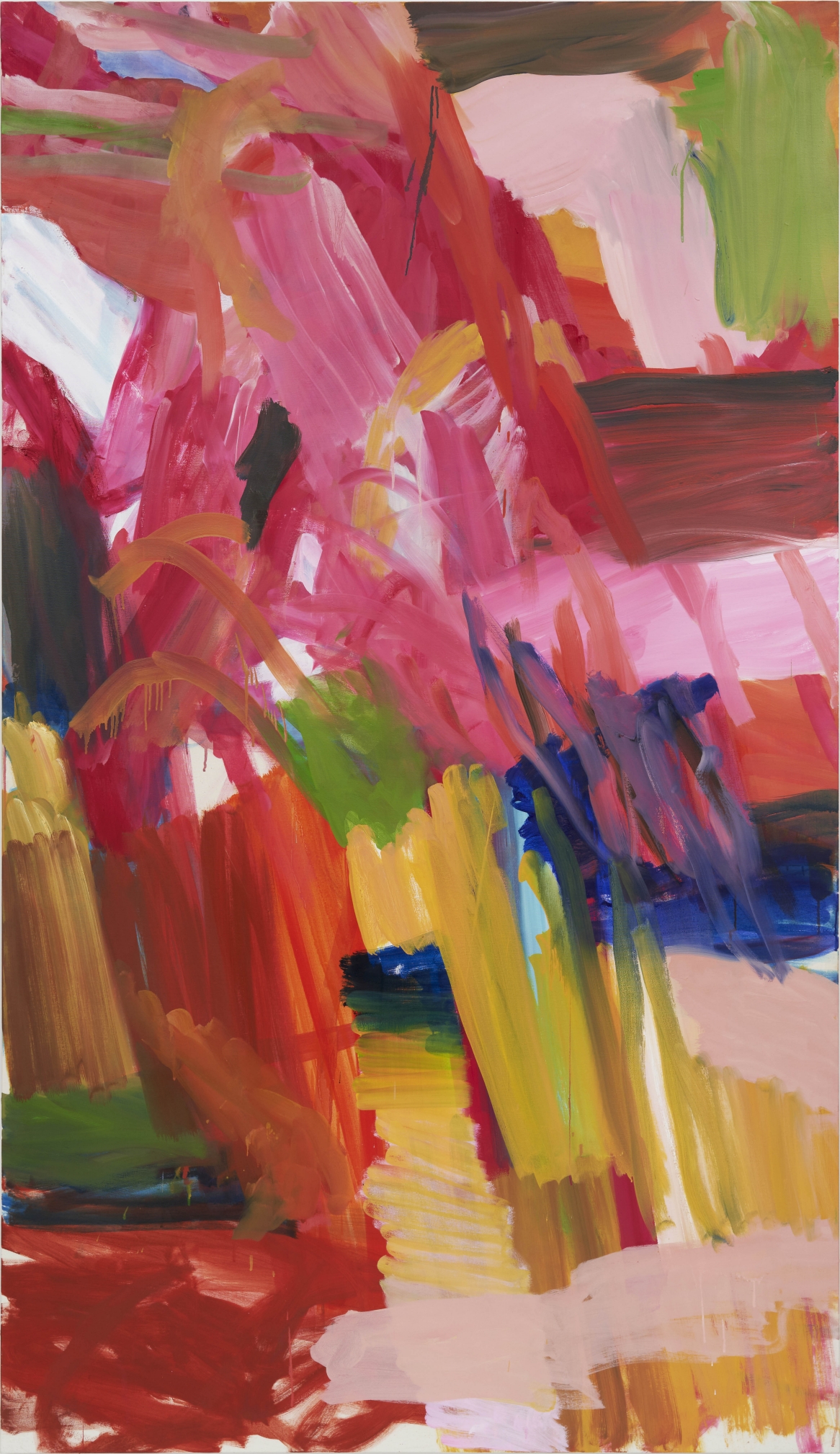
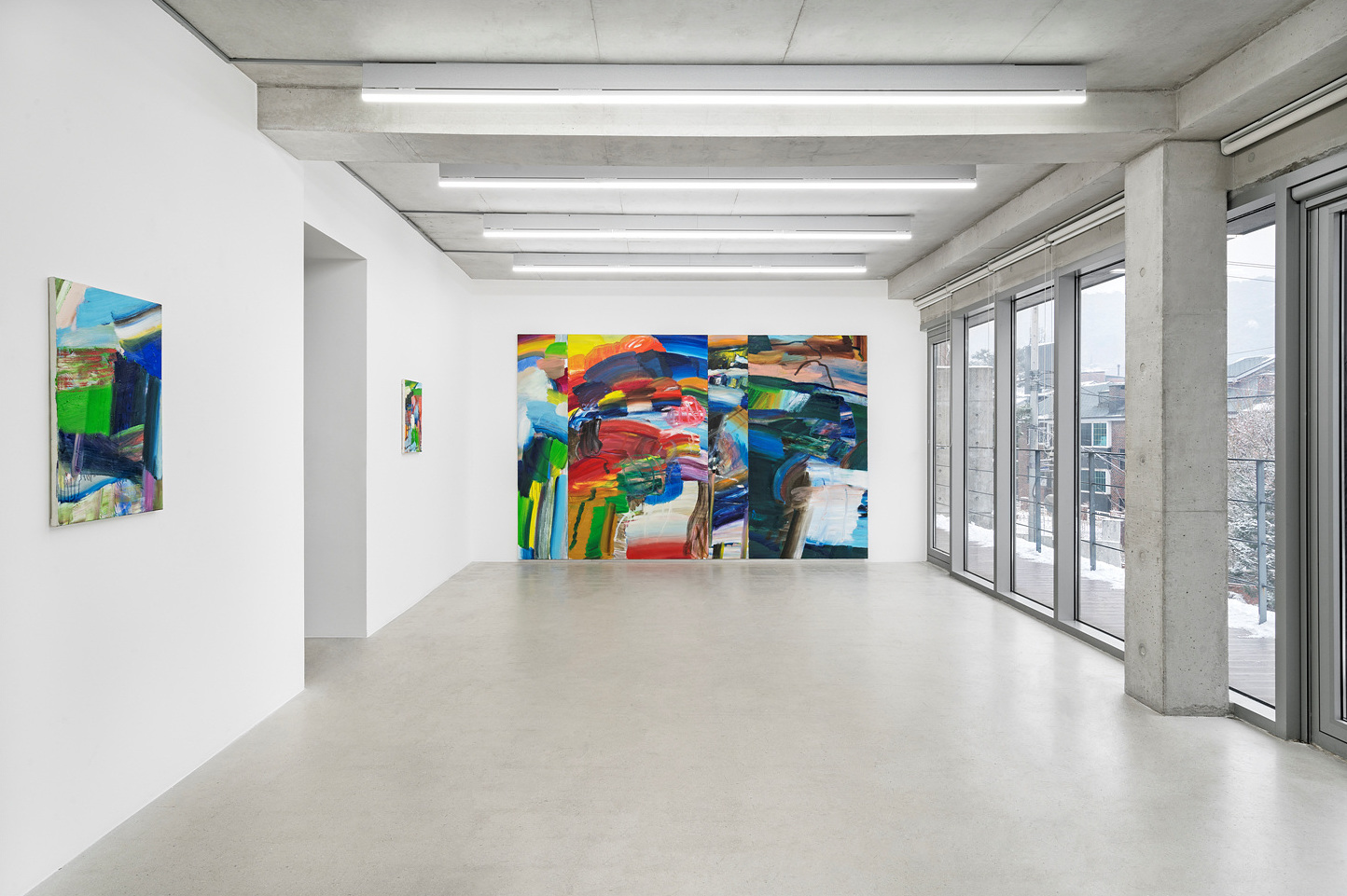
interiority. Subsequently, the 'Forest and Body_Mass'(2017) series presented in
《A Paradoxical Talk》(Weekend,
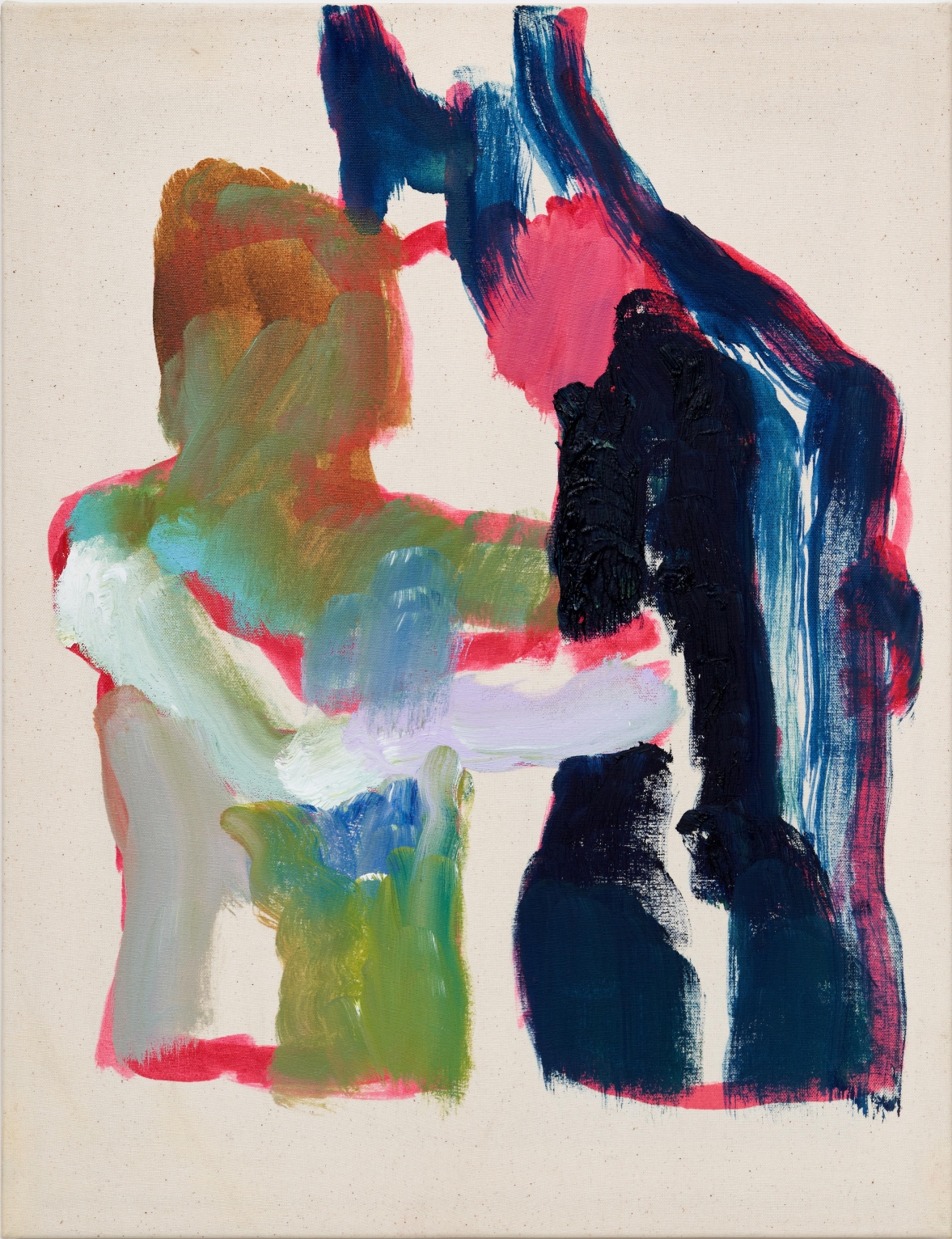
2018) blurs the boundary between landscape and figure, showing the body and
environment intermingled as a single mass. Here, painting becomes an “expanded
field of the body.”
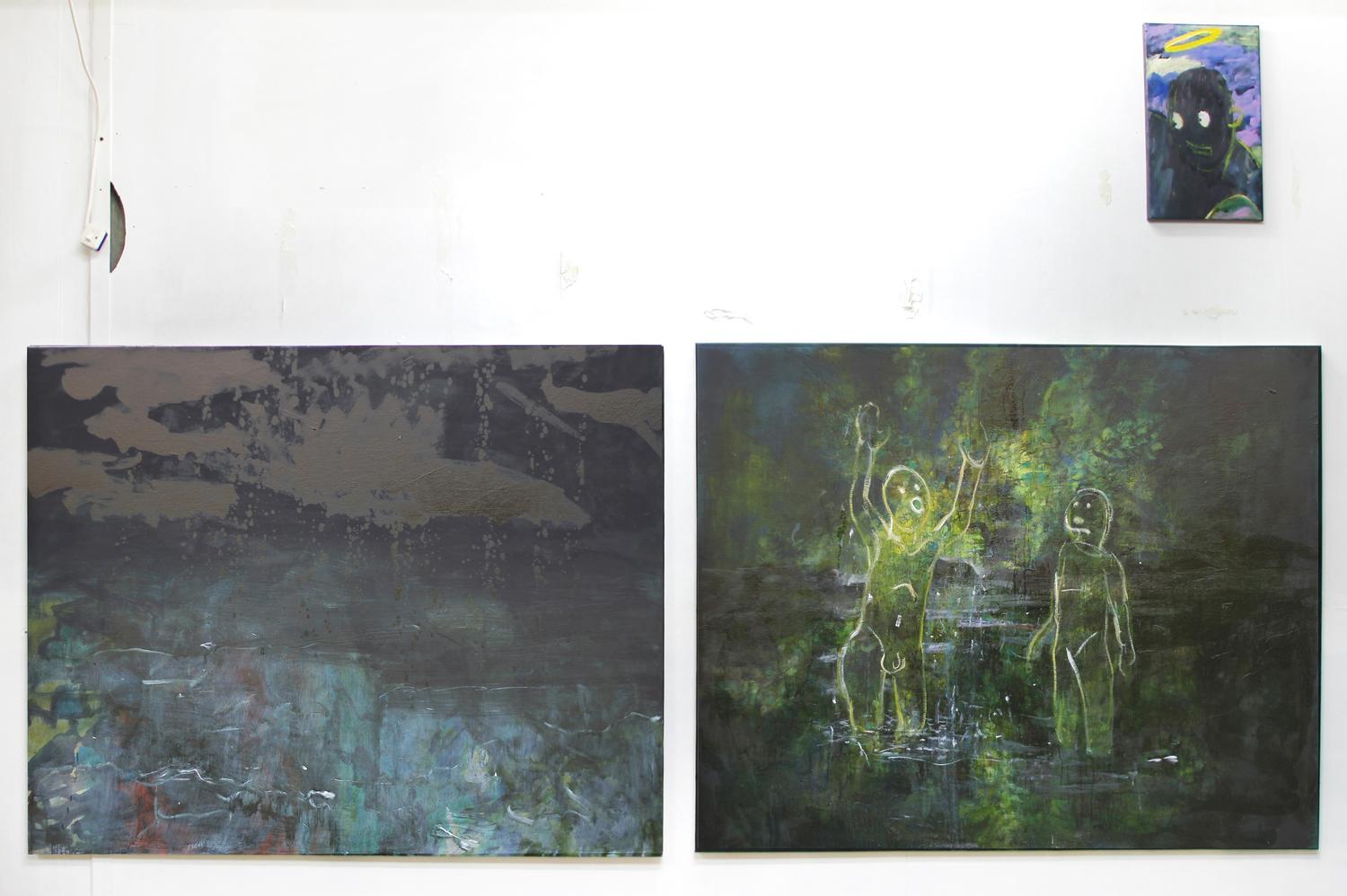
These
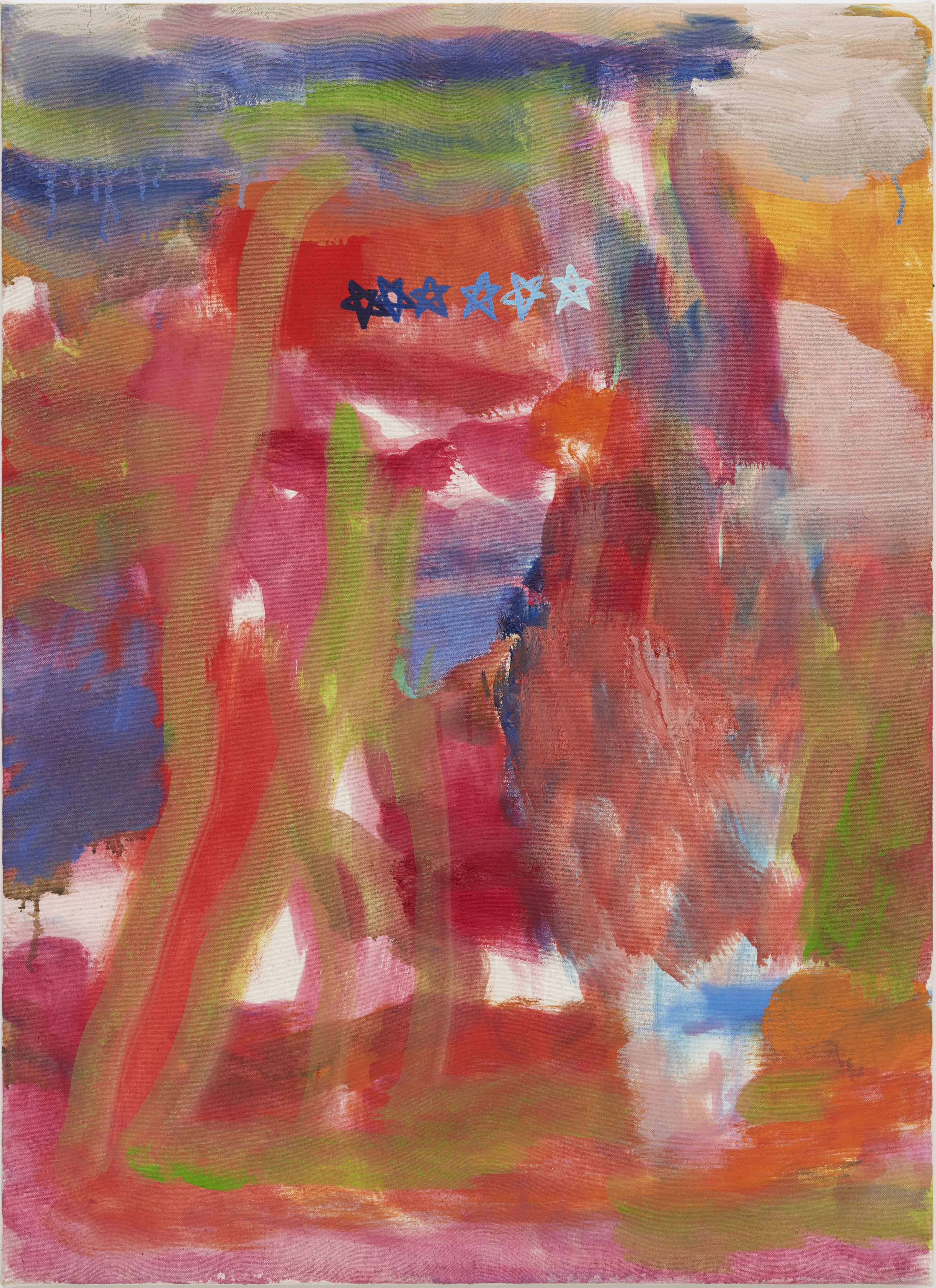
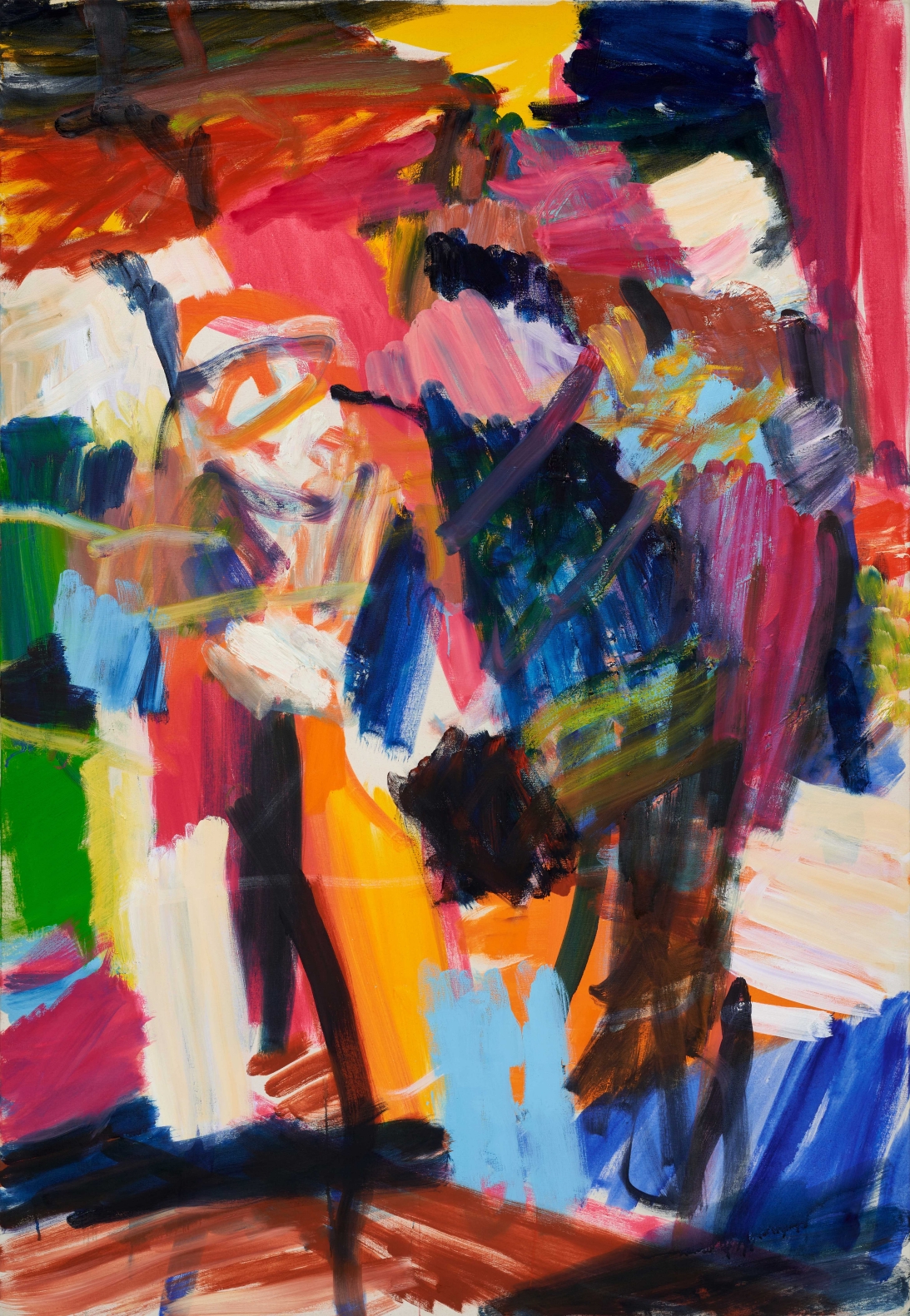
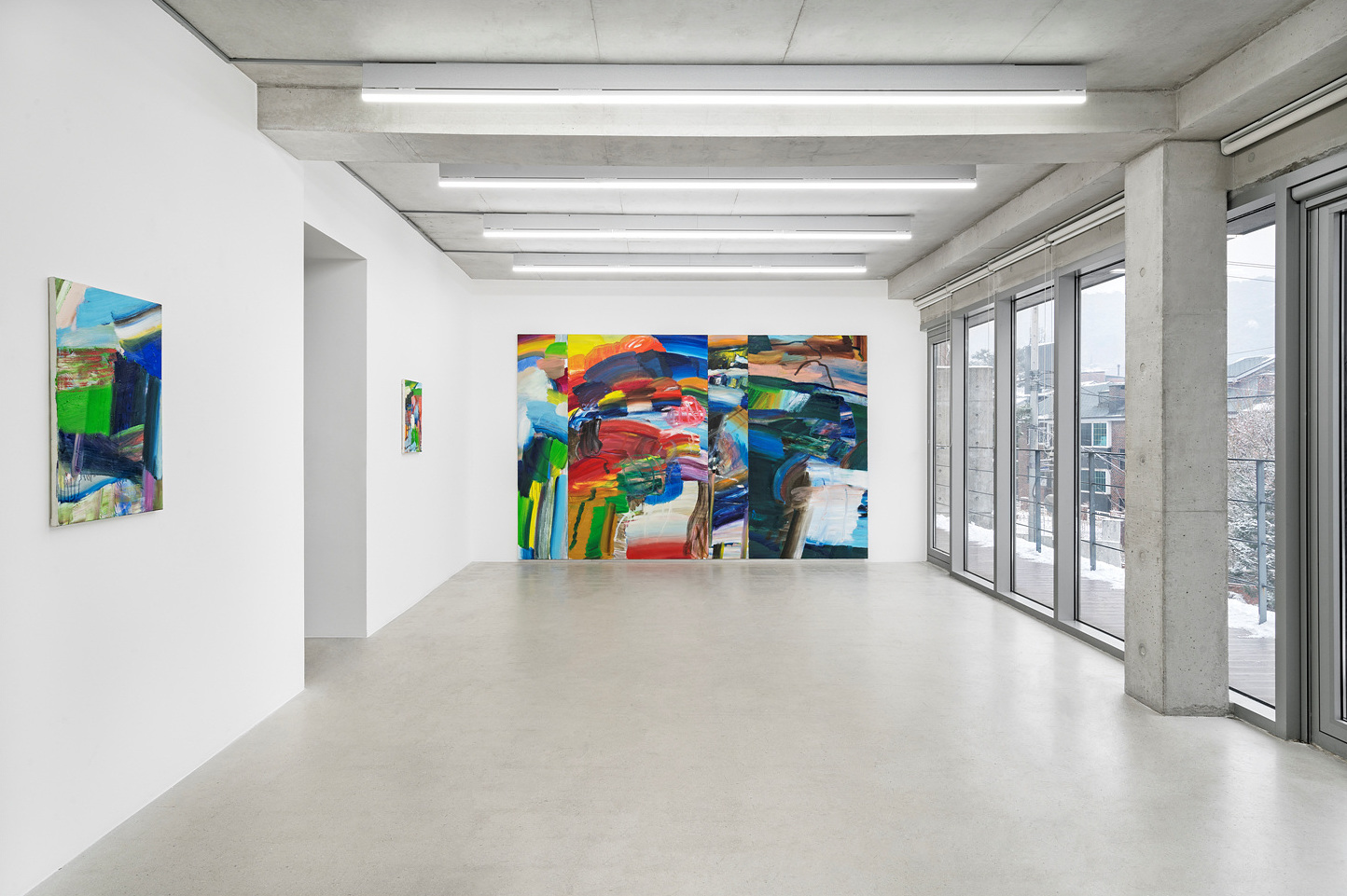
concerns continue in another solo exhibition, 《The Face Throwers》(Space Willing N Dealing,
2019). In this exhibition, the “face” does not function as a fixed form but as
a medium of action that moves between the one who paints, the one who is
painted, and the one who looks. Painting does not remain as a single image but
becomes a field in which meaning shifts through relationships. Jung’s focus
gradually moves from “what to paint” to “how painting forms relationships.”