

Silent Vigilance - K-ARTIST

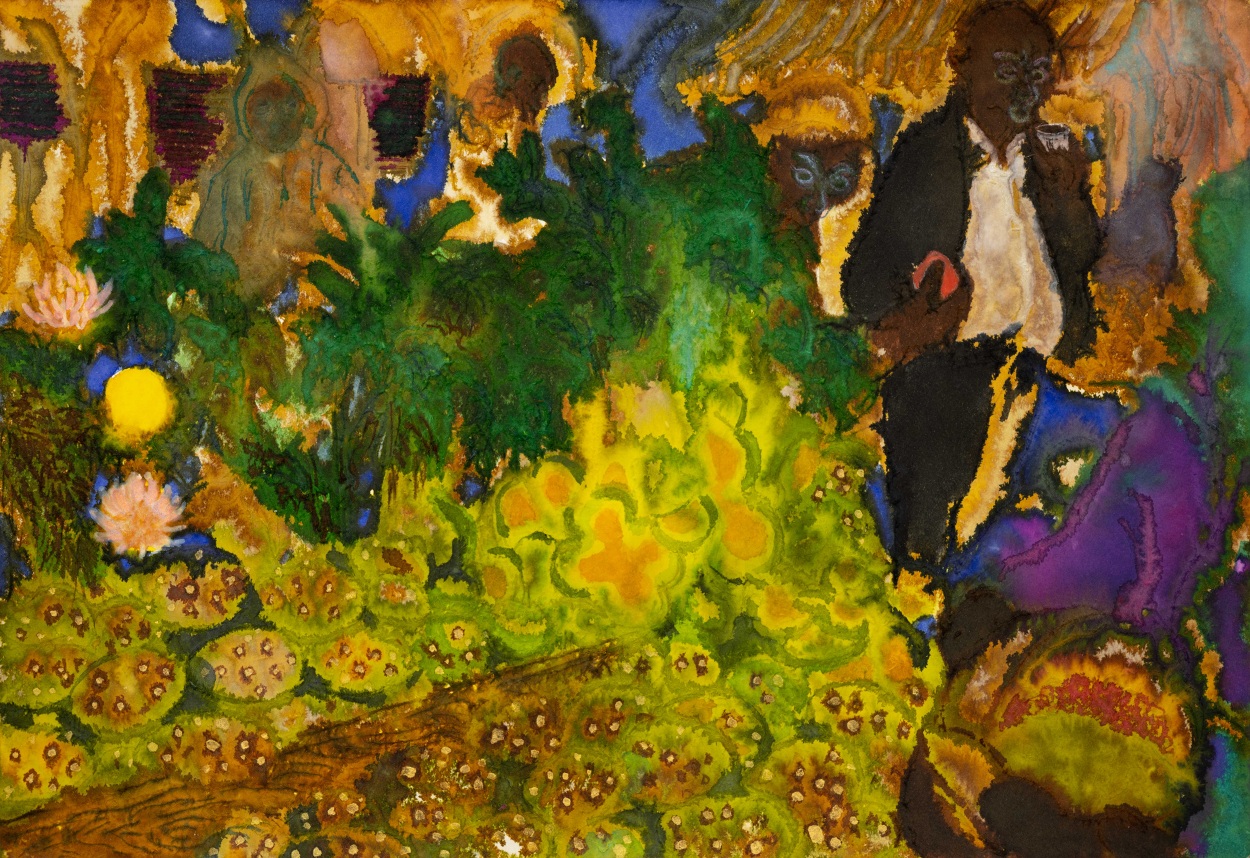
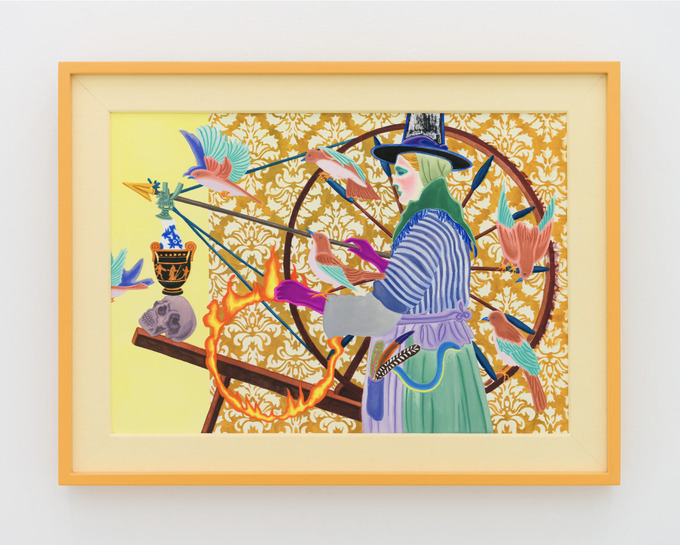
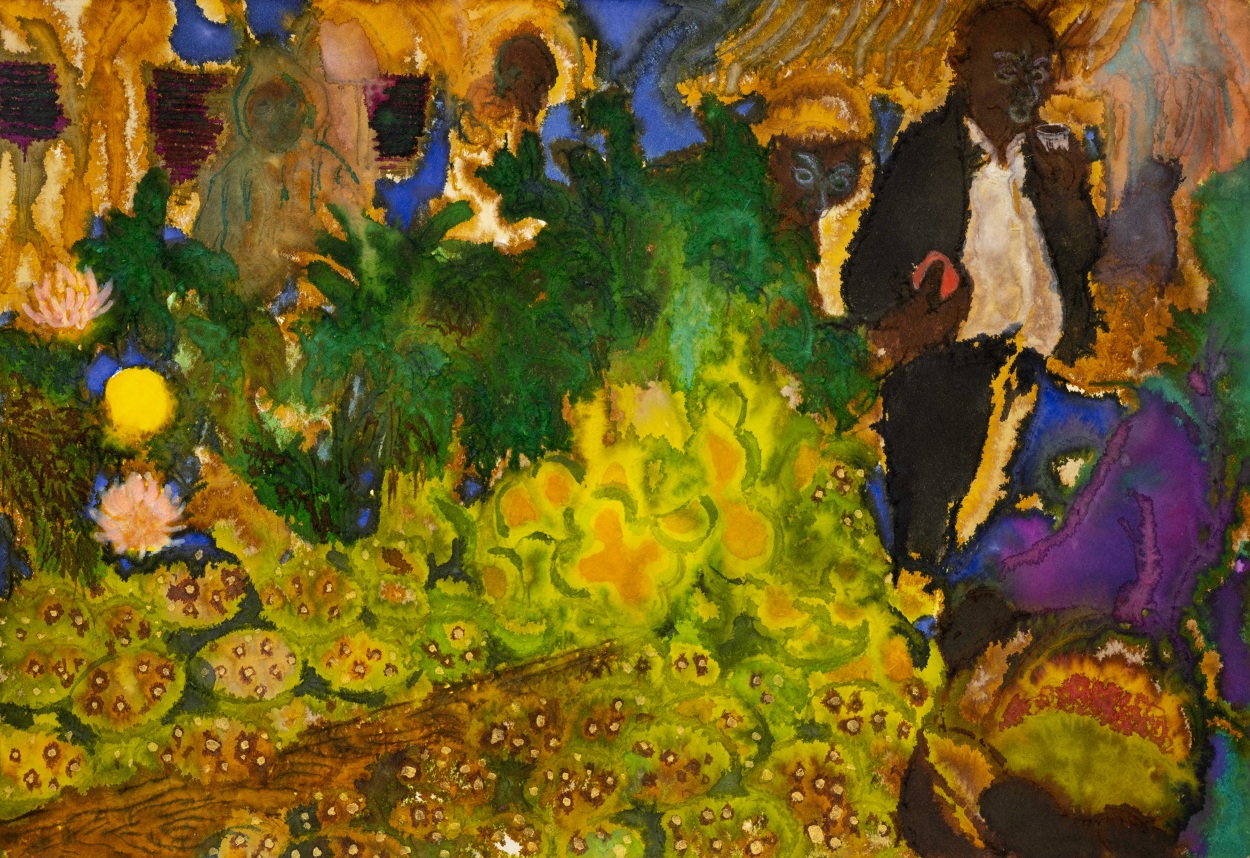
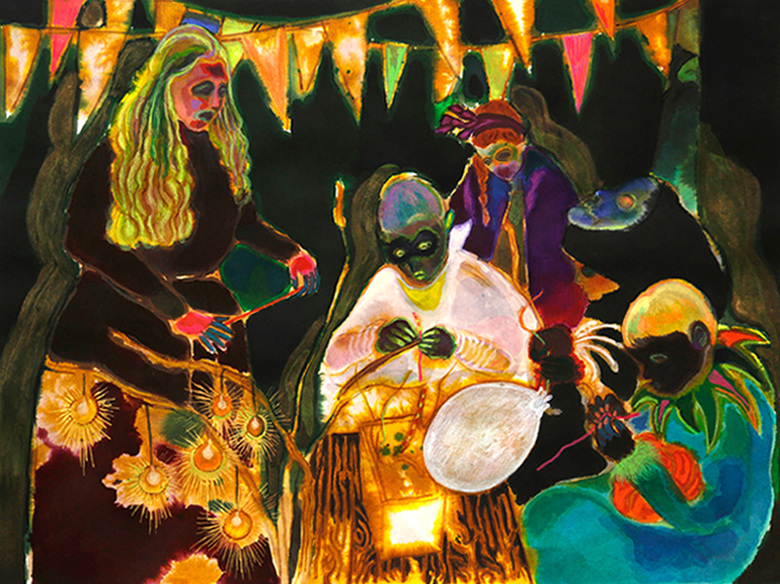
Silent Vigilance

2019
Highlighter, ink, watercolor and wine on paper 
20.5 x 29.5 cm
About The Work

Shinyoung Park takes travel and movement into unfamiliar places as the point of departure for her practice, reconstructing the sociocultural characteristics encountered there as subjective records. She primarily examines the boundaries between humans and animals, civilization and nature, and reality and imagination, inviting viewers to reframe events unfolding beyond the time and space in which each of us stands.
 
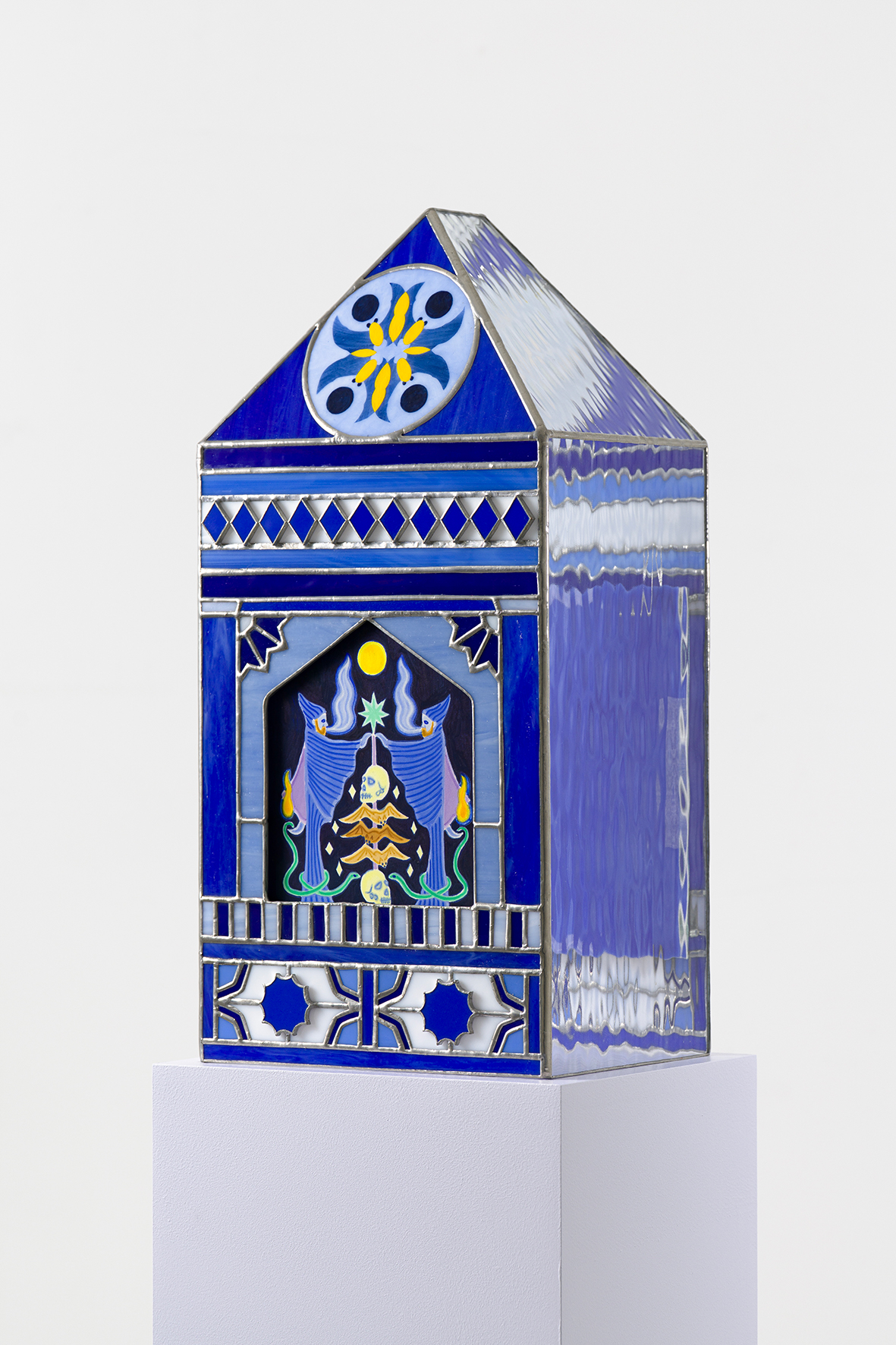
Objects, figures, and landscapes discovered in foreign places—marked by distinctive colors and textures—are transformed by Shinyoung Park into prints, drawings, and three-dimensional works, recorded across a range of media such as paper, wood, and stained glass. These images evoke a dreamlike, tactile sensibility, guiding viewers toward the threshold between reality and the virtual, consciousness and the unconscious.
 
Shinyoung Park’s practice, rather than serving as a simple act of memory or homage, translates what she observed in those places into symbolic forms that carry secretive narratives, summoning senses suppressed by modern civilization and instincts erased by natural-scientific explanations.
 
Moreover, by combining diverse media and materials, her works move beyond evoking synesthetic perception, fusing sensation with image to leave vivid afterimages in the viewer’s mind. In doing so, they invite us to reimagine the countless events unfolding beyond the time and space we currently inhabit.

Solo Exhibitions (Brief)

Shinyoung Park has held solo exhibitions including 《Everything Returns to Desert》 (ThisWeekendRoom, Seoul, 2025), 《Under the Golden Sunlight》 (Center of Contemporary Art, Busan, 2020), and 《Skenes: Secluded Selves》 (Cyart Space, Seoul, 2014).

Group Exhibitions (Brief)

Park has also participated in numerous group exhibitions, including 《UNBOXING PROJECT 2: Portable Gallery》 (New Spring Project, Seoul, 2023), 《Far in My Mirror》 (ThisWeekendRoom, Seoul, 2021), 《Re Collect》 (Seoul National University Museum of Art, Seoul, 2020), 《Sunny Art Prize》 (Sunny Art Centre, London, 2018), and 《Rage: The Odious Smell of Truth》 (Hockney Gallery, London, 2017).

Awards (Selected)

Park received the ‘Augustus Martin Prize’ (UK, 2018).

Residencies (Selected)

Shinyoung Park has participated in residency programs including the Ba-Bá International Artist Studio Program (Málaga, Spain, 2018) and the Ayatana Artist’s Research Program (Ottawa, Canada, 2018).

Collections (Selected)

Park’s works are held in the collections of the Seoul National University Museum of Art and the Korea Institute for Advanced Study (KIAS).
Works of Art

Travel and Movement to Unfamiliar Places

Originality & Identity

Shinyoung Park’s practice takes movement into unfamiliar environments and the sensory experiences that arise there as its point of departure, investigating how personal memory and emotion are reconfigured into images. She understands the social and cultural landscapes encountered through travel and periods of stay not as simple records, but as psychological residues that continue to operate over time, translating them through a subjective perspective. In this process, her work does not aim to reenact specific events, but rather unfolds as an exploration of sensory structures that are transformed and accumulated through the passage of time.

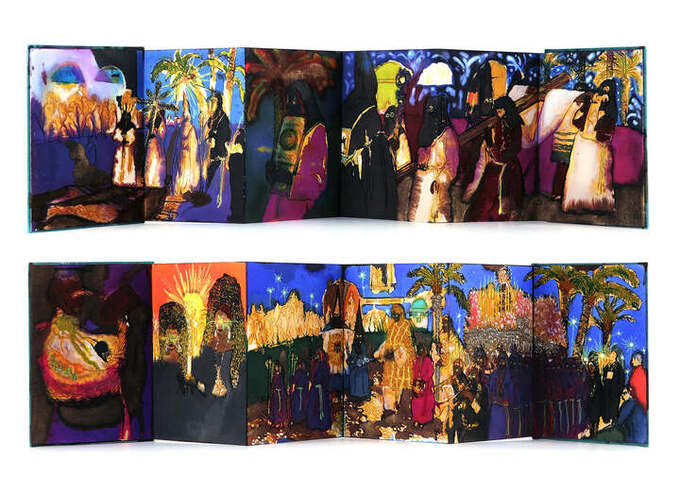
From her early works onward, Park has consistently engaged with the boundaries between humans and animals, civilization and nature, and reality and imagination. In works such as Semana Santa(2017) and Silent Vigilance(2019), figures and landscapes observed in foreign places appear as images suspended between the real and the unreal, where emotional currents and atmospheres dominate the surface in place of a clear narrative. These works may be understood as an early phase in which the artist refines the tension and sense of otherness perceived in unfamiliar environments into a visual language.

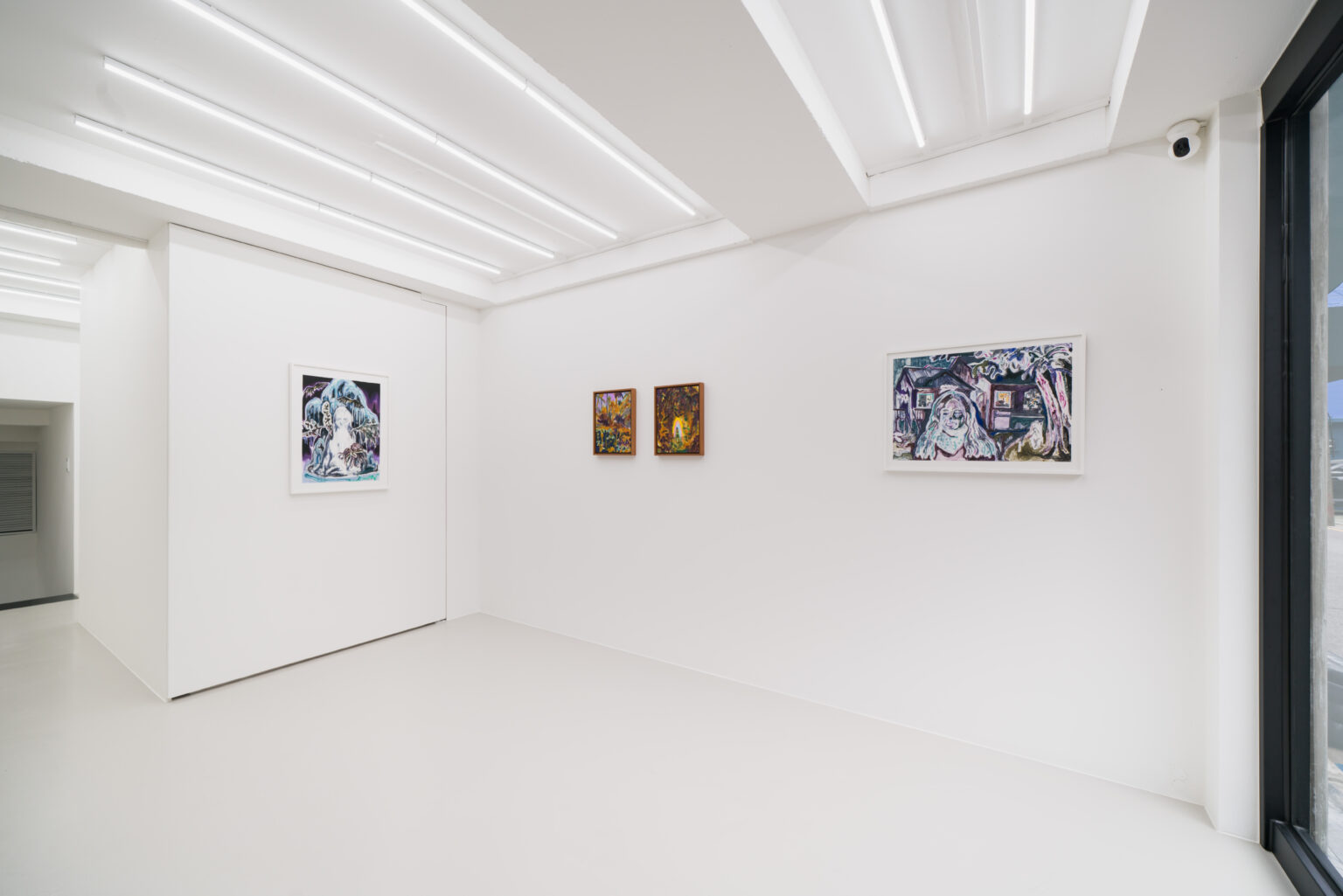
In the exhibition 《Far in My Mirror》(ThisWeekendRoom, 2021), this inquiry shifts toward a more introspective register, unfolding the process of re-recognizing oneself within unfamiliar surroundings through pre-linguistic imagery. Here, the self does not appear directly, but is implicitly situated within layers of images generated through the collision of experience and emotion. Through this approach, Park presents identity not as a fixed entity, but as something continuously reconstructed through relationships with the surrounding environment.

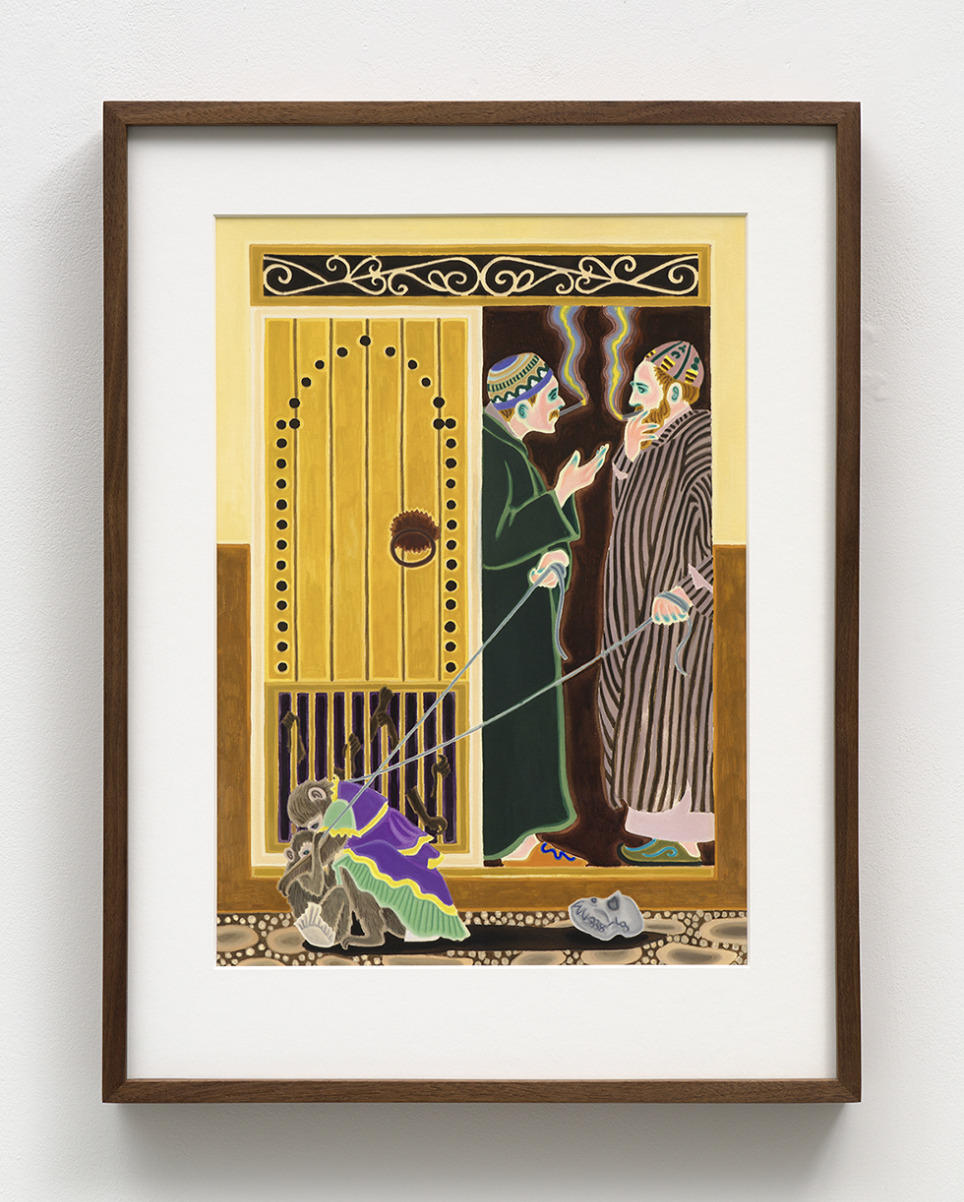
In her recent solo exhibition 《Everything Returns to Desert》(ThisWeekendRoom, 2025), Park revisits residual memories and emotions originating from a past journey to Morocco, summoning them again from the perspective of the present. Rather than functioning as simple recollection, the exhibition is structured as a process that examines how undigested memories act upon present and future sensibilities. The Sahara Desert expands beyond a specific location to become a space for contemplating life and death, circulation and crisis, marking a shift in the artist’s focus toward more universal conditions of existence.

Style & Contents

In Shinyoung Park’s work, form is not a means of embellishing the outward appearance of an image, but is inseparable from the very conditions through which the image comes into being. She combines printmaking, drawing, painting, and sculptural elements across diverse supports such as paper, birch plywood, and stained glass, moving fluidly across media boundaries. These choices are not devices for visual effect, but rather the outcomes of probing the material properties and modes of production required by each image.

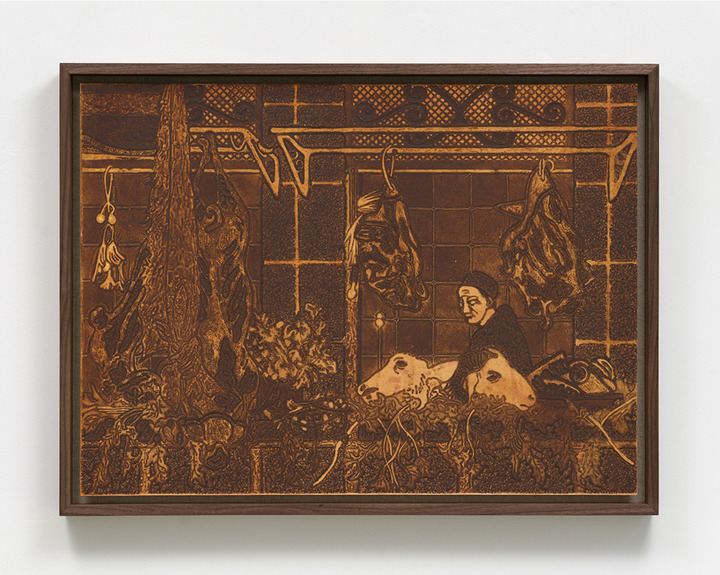
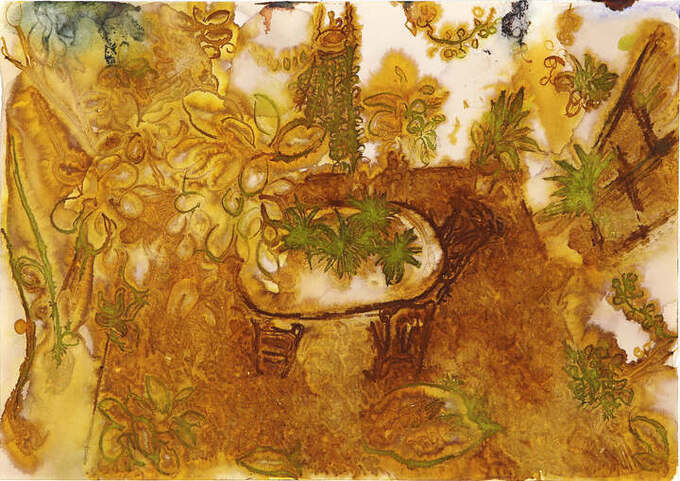
In her early drawing practice, Park notably used wine as a ground material in place of paint, layering ink over it. In works such as At the Terrace(2017), the scent and bleeding of wine, together with the stains formed by ink marks, evoke tactile and olfactory sensations beyond the visual, synesthetically reconstructing the unfamiliar landscapes she experienced. This approach later extends into her printmaking practice through the textures produced by needle-scratched copper plates and effects of seepage.

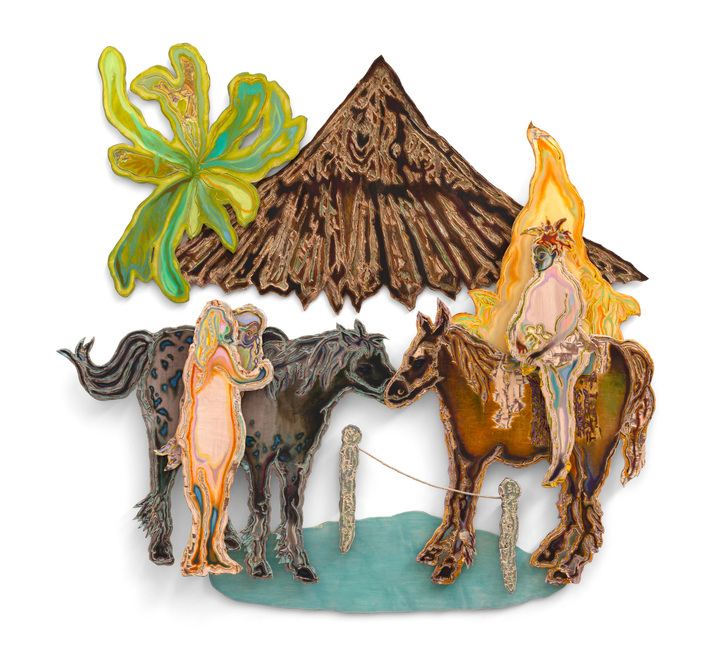
The 2018 work You Cannot Know the Mind of Horses represents a concentrated example of these formal experiments. Beginning from a small drawing, the work was produced through a stepwise integration of techniques including silkscreen, oil painting, wood burning, woodcut, and engraving. As a result, painting, printmaking, and sculptural elements coexist within a single surface, clearly articulating a reciprocal relationship in which image and material mutually define one another.

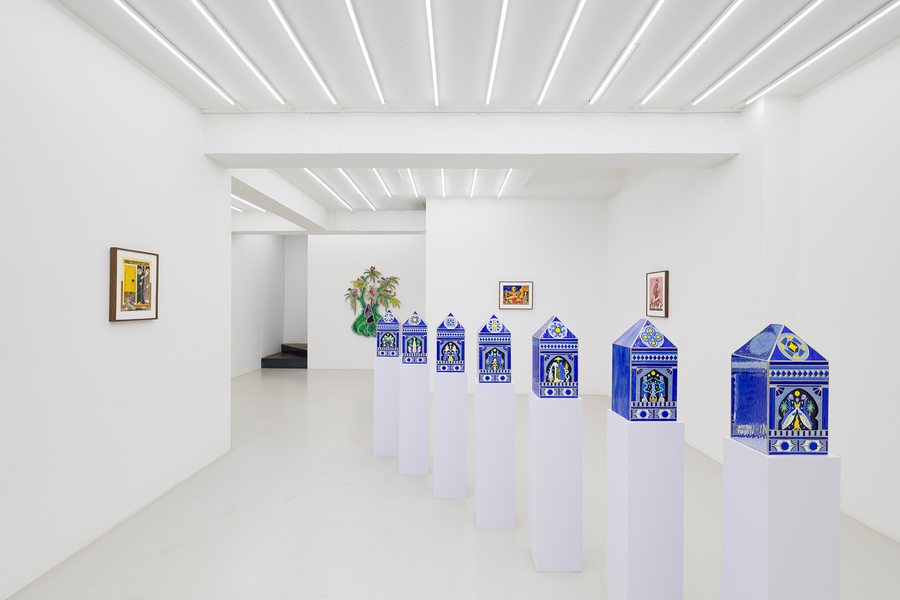
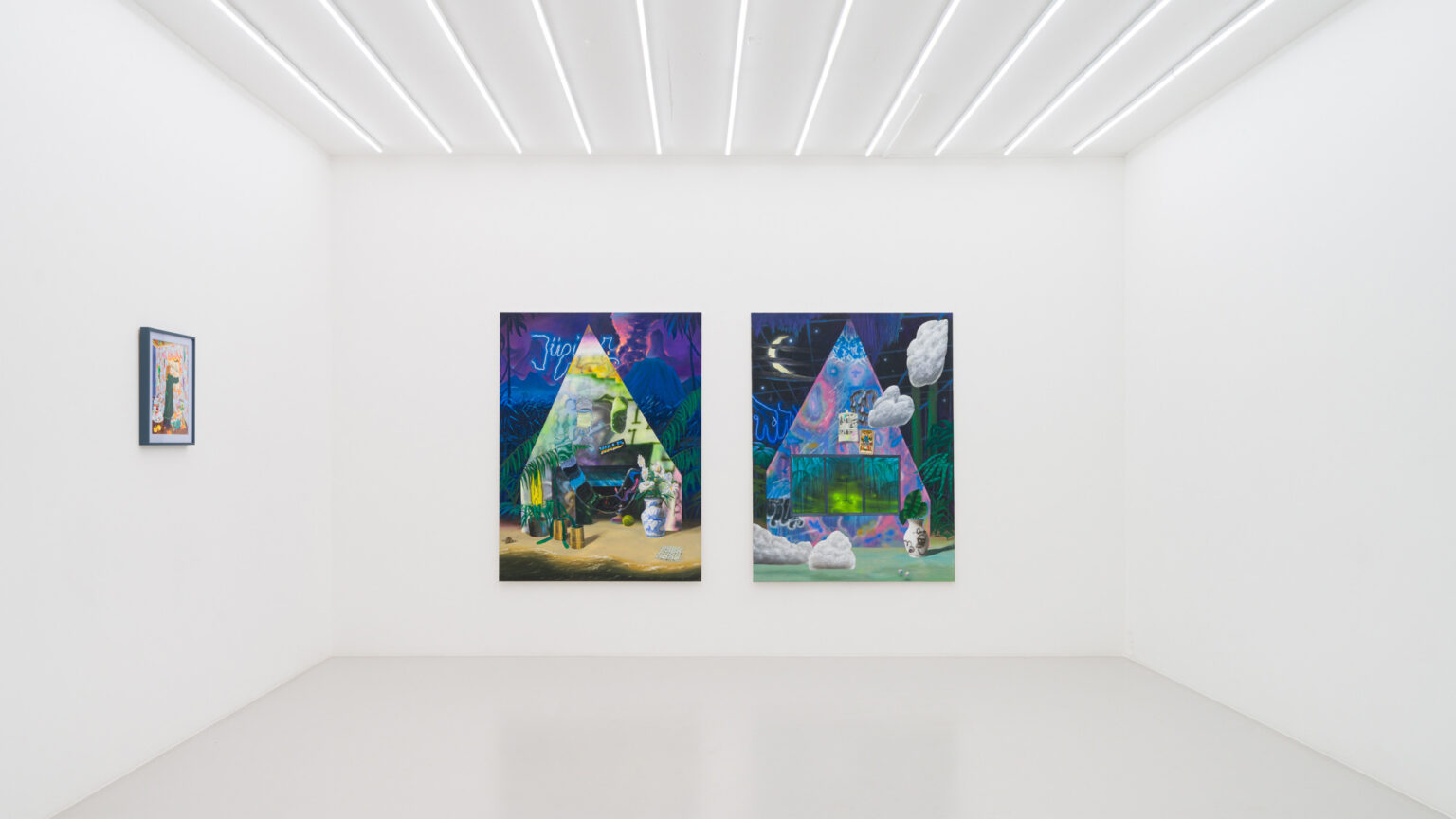
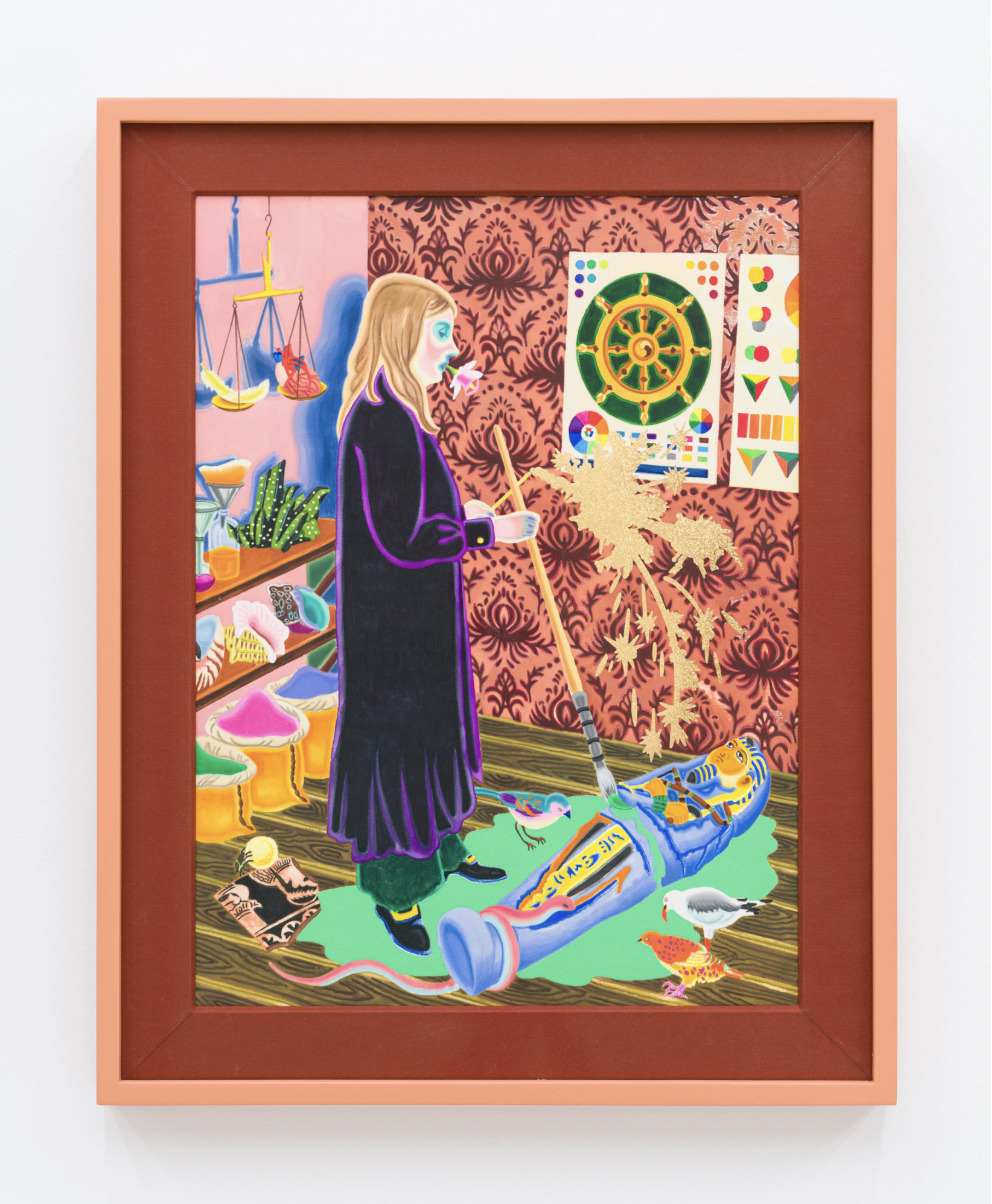
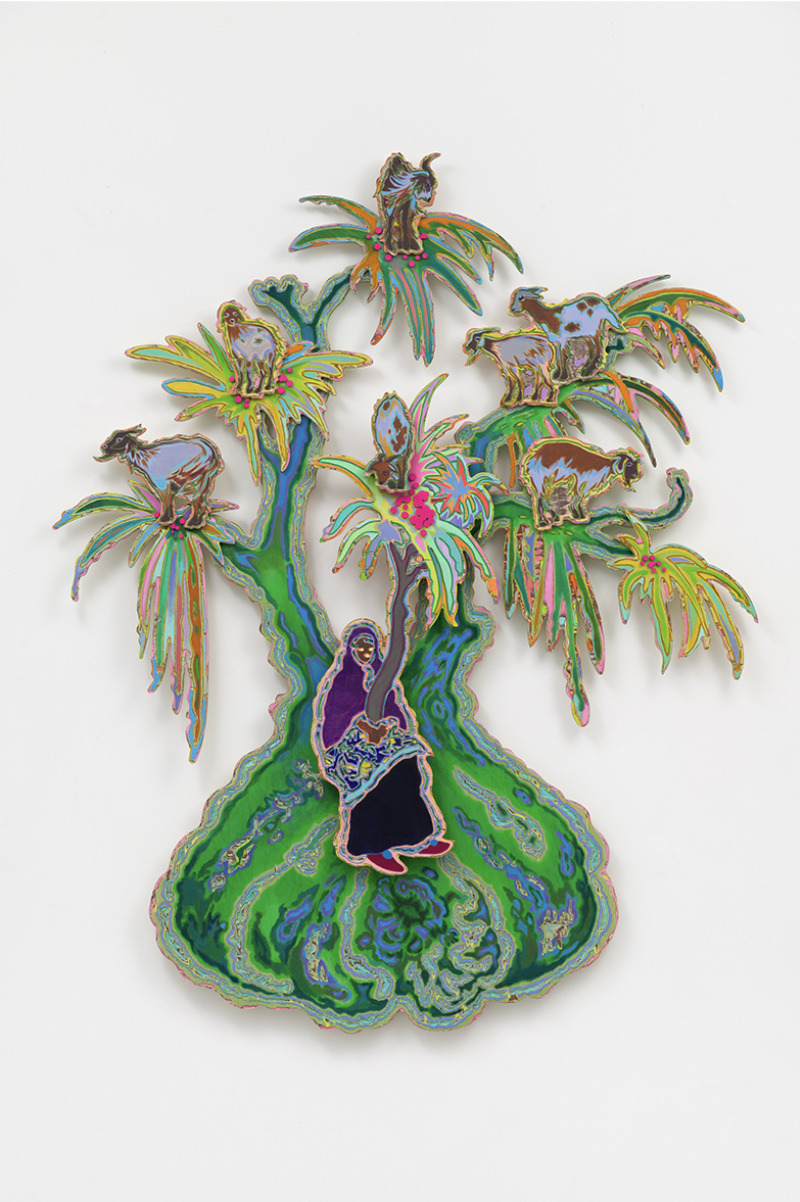
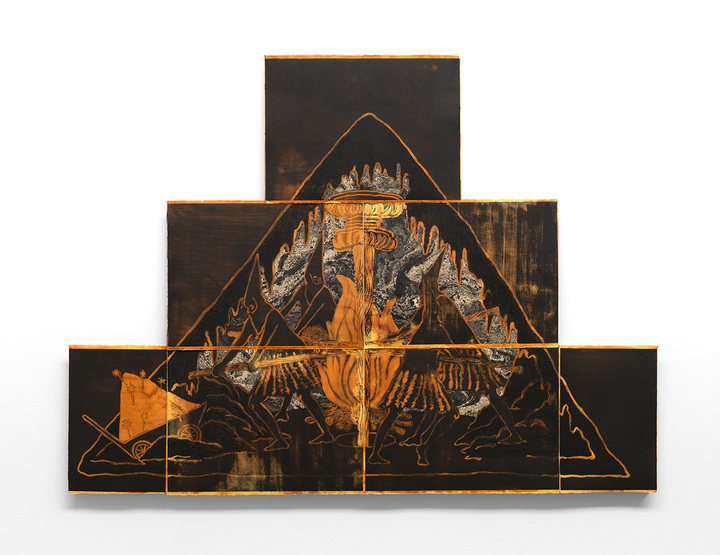
In more recent works, this approach expands into images that are increasingly narrative and symbolic. In 《Oscillate Sequence》(ThisWeekendRoom, 2024), works such as Aiming for Eternity and Alchemy for Rebirth depict scenes in which humans, animals, and objects are placed at moments of crisis and decision. In 《Everything Returns to Desert》, carborundum prints such as Flesh and Breath, sculptural works like The Shelters, and large-scale pieces including A Traveler’s Fantasy give more concrete form to scenes where sedimented layers of memory intersect with actual landscapes.

Topography & Continuity

Although Shinyoung Park’s work often takes travel and movement as its subject, it does not reduce these experiences to the depiction of scenery or to documentary records. Instead, she persistently traces how sensations arising in unfamiliar environments are transformed and accumulated over time. This attitude is closely tied to her mode of production, which traverses printmaking, drawing, painting, and sculpture, and expands into questions concerning the conditions under which images are generated.

In her practice, experimentation with materials does not culminate in technical virtuosity, but remains closely linked to the translation of memory and emotion into images. The repeated juxtaposition of humans and animals, or the friction between nature and civilization, functions less as a catalog of symbols than as a device that induces sensory transference. Her images do not impose interpretation, but remain open, allowing viewers to dwell within the scenes and respond through sensation.

Her work also maintains a deliberate distance from the rapidly consumable image environments of the present. Experiences are not immediately converted into images, but are recalled after intervals of sedimentation and delay. Consequently, the image functions not as a self-contained scene, but as a space that reveals the process through which memory itself operates.

Within this trajectory, Park’s work does not remain anchored to a specific region or cultural context. Images accumulated through repeated cycles of movement, stay, and recollection extend beyond personal experience toward more universal layers of sensation. Her practice continues to unfold through encounters with new environments and contexts, testing anew the conditions of image-making and the structures of perception that sustain it.

Works of Art

Travel and Movement to Unfamiliar Places

Articles

Exhibitions

Activities