Blue Hour - K-ARTIST

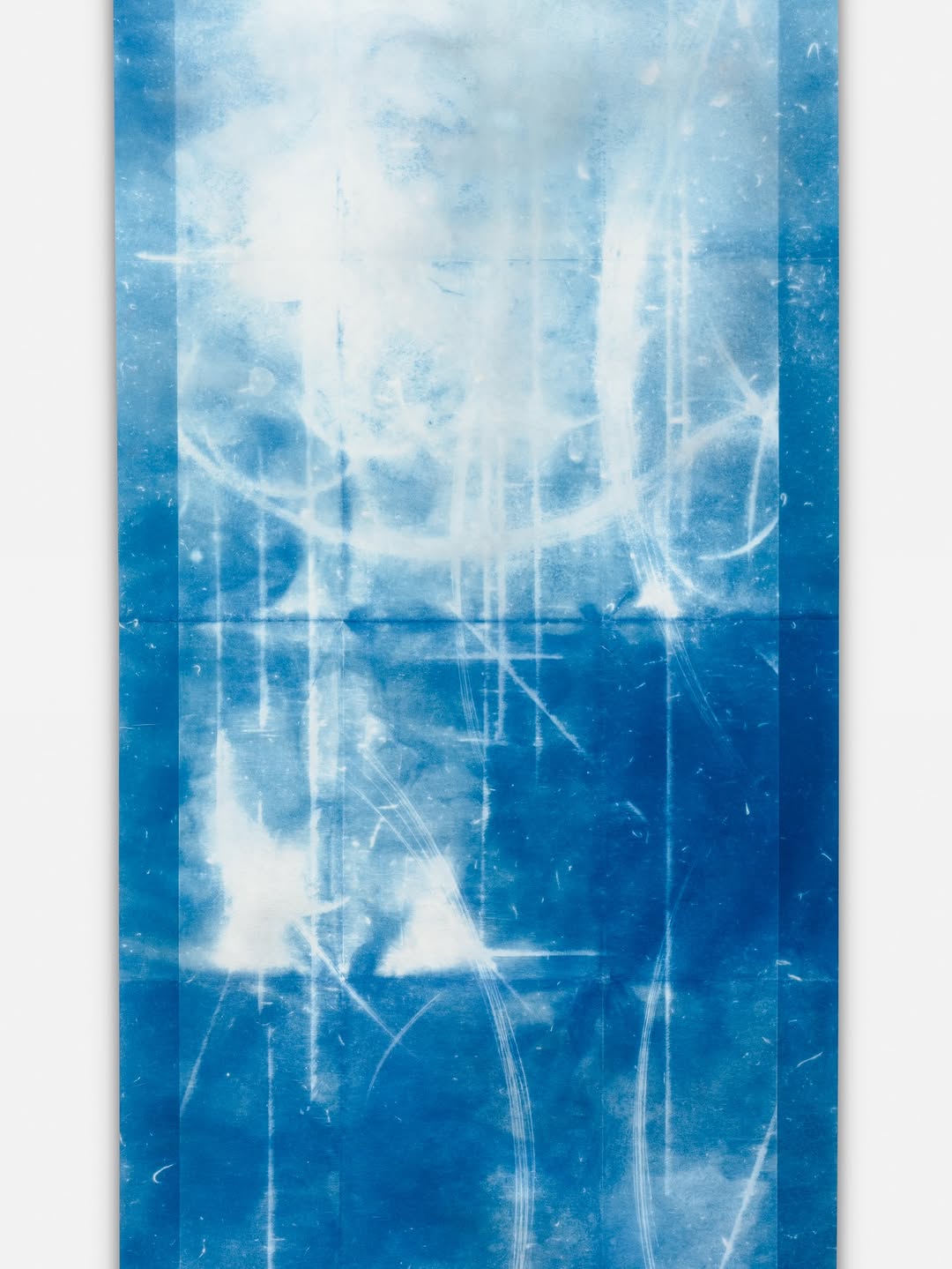
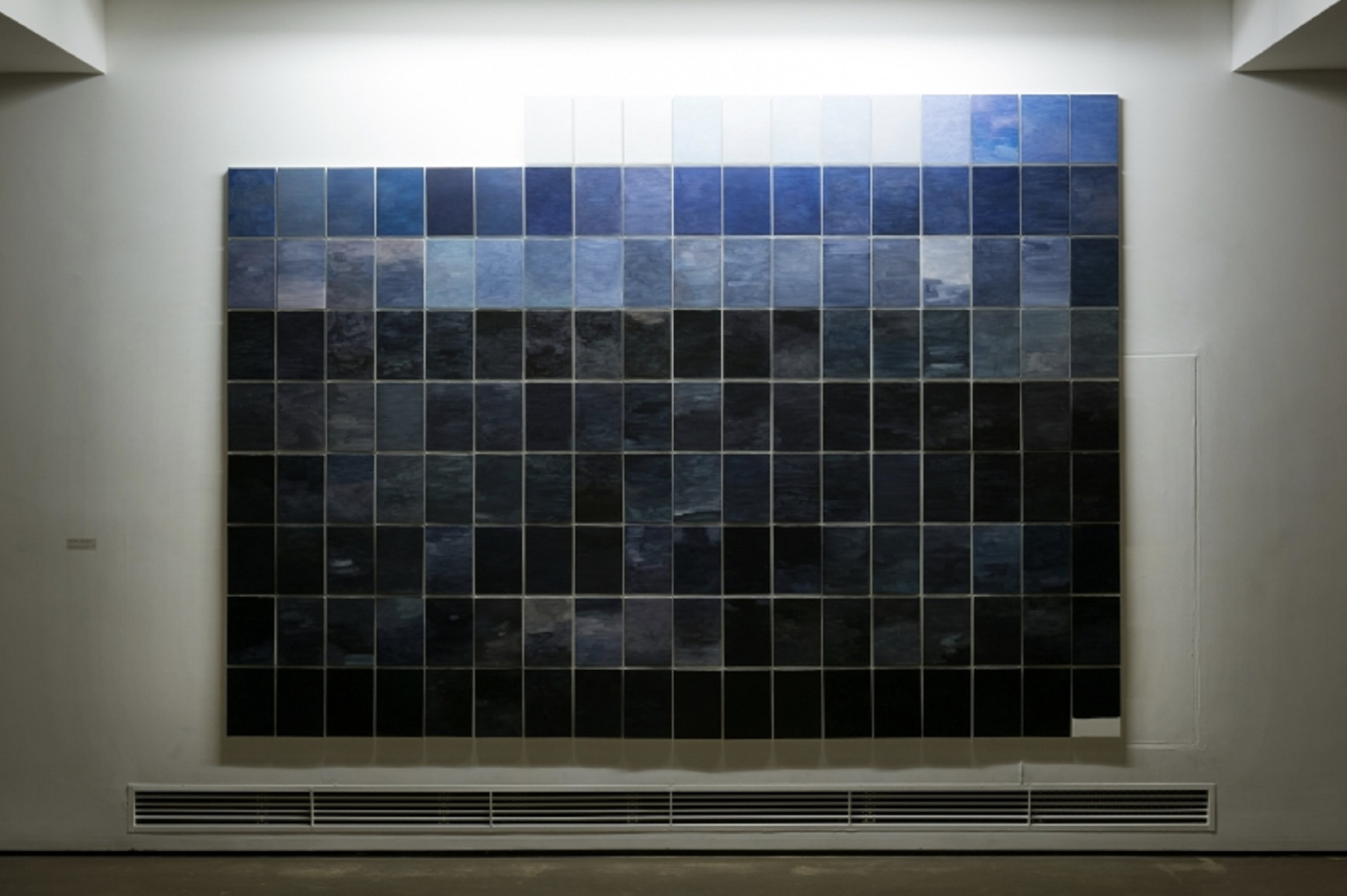
Blue Hour

2025
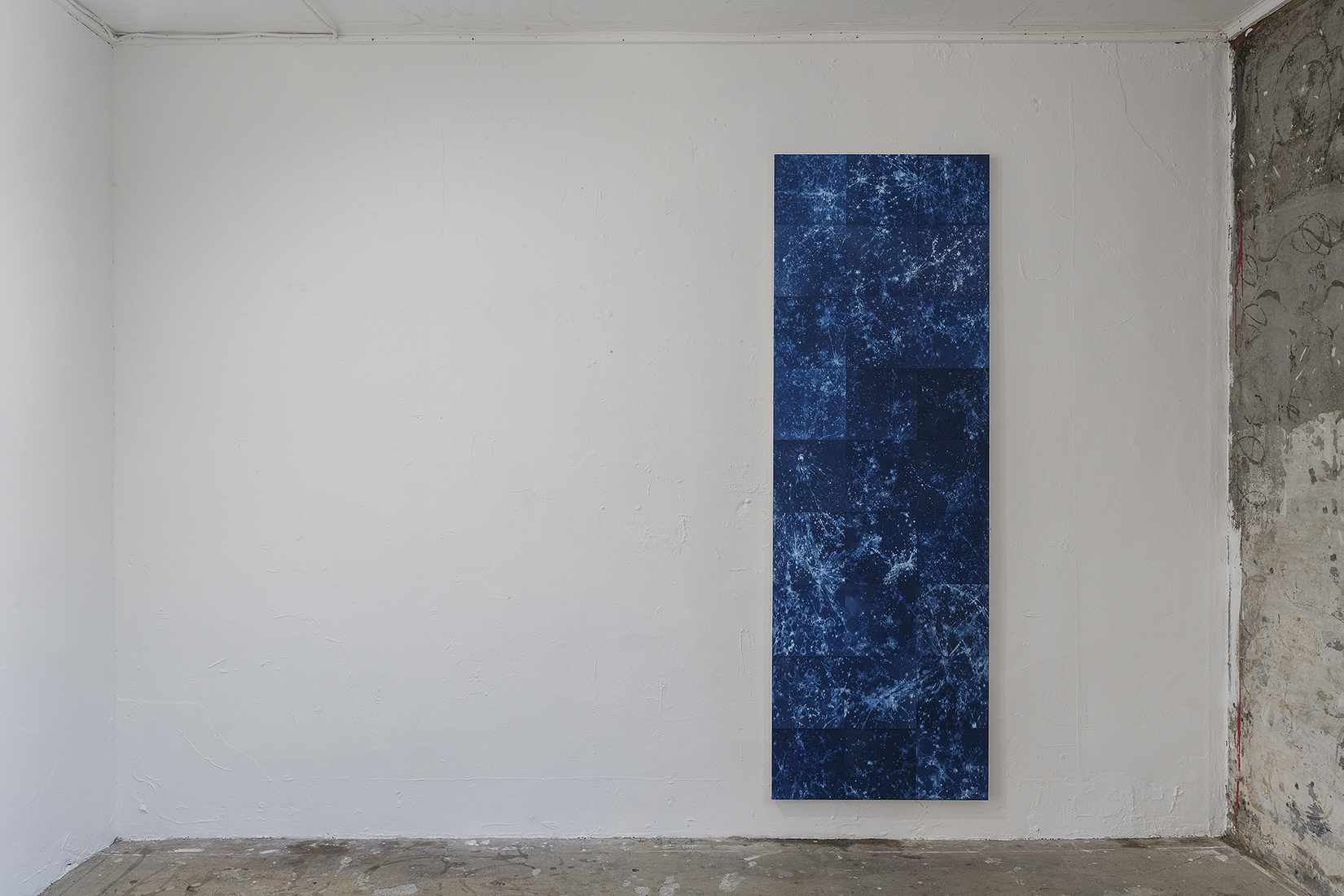
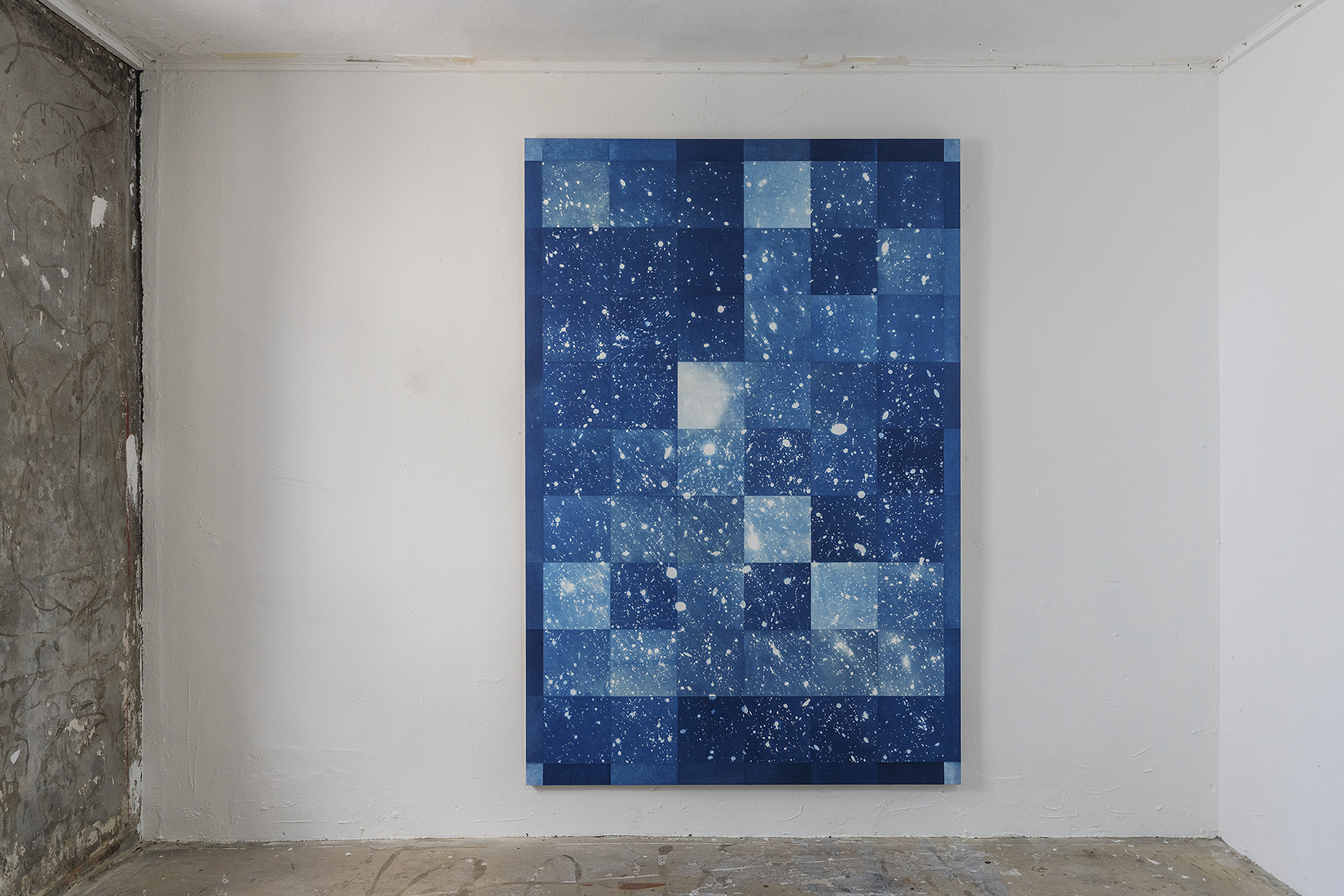
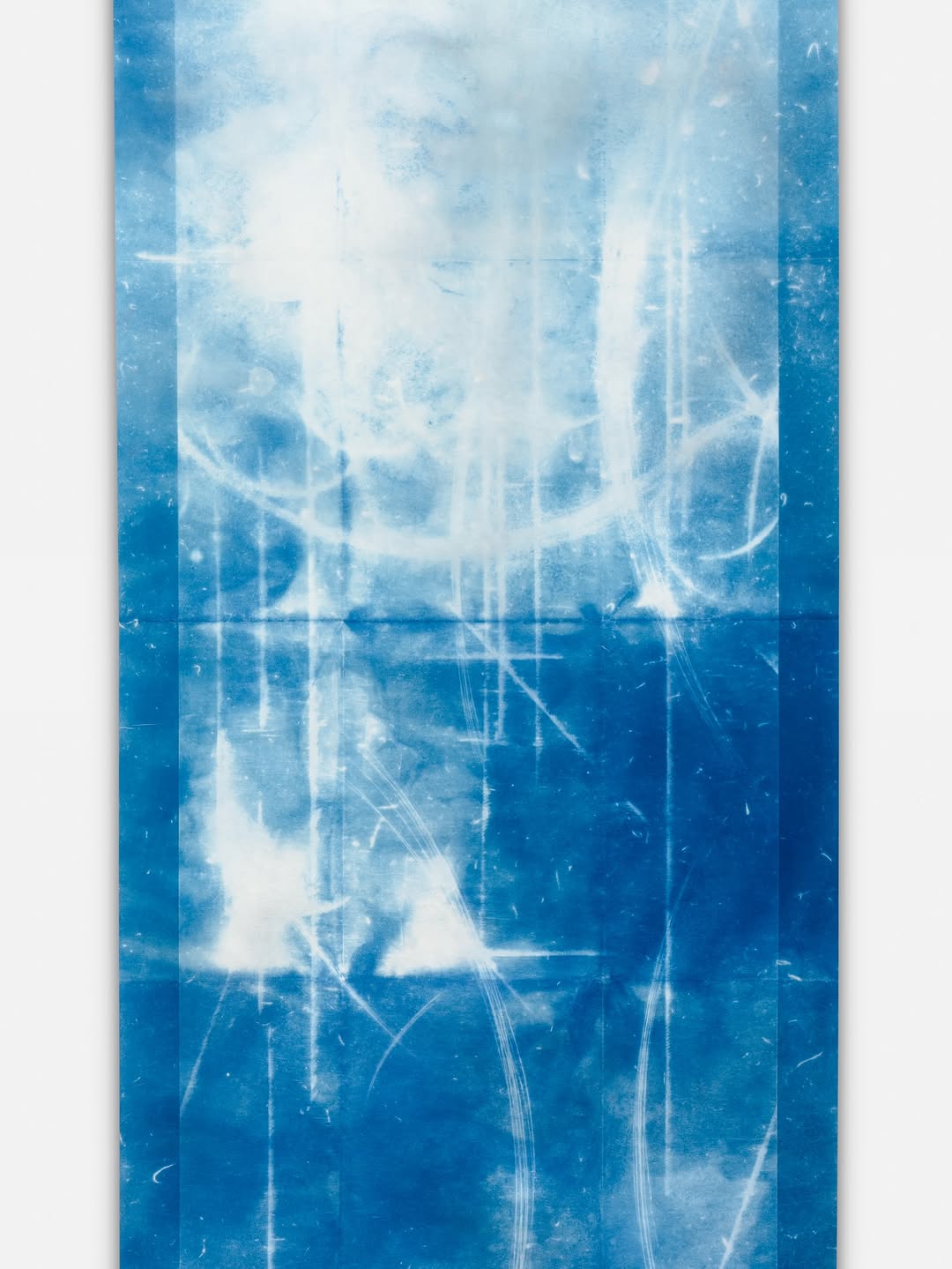
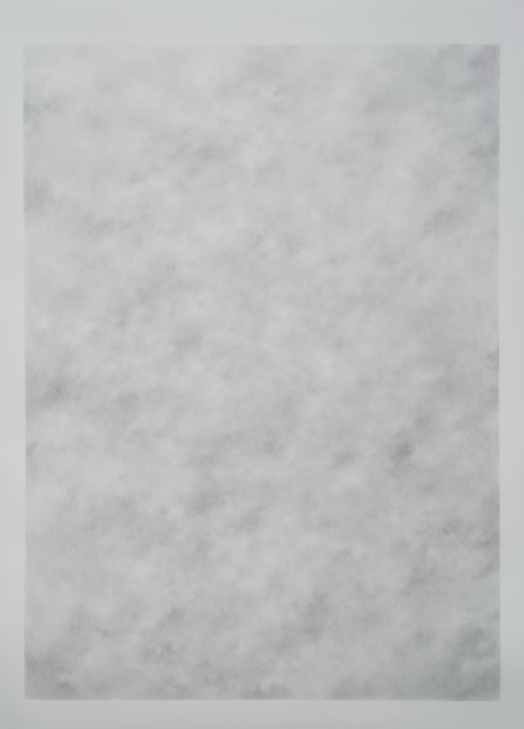
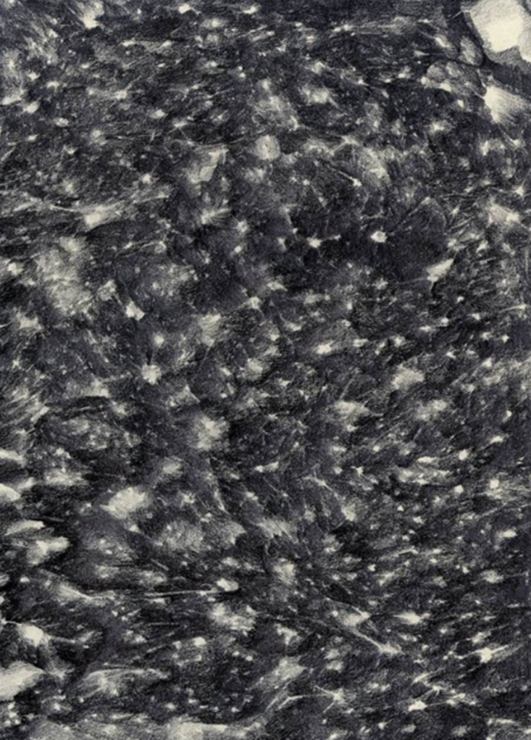
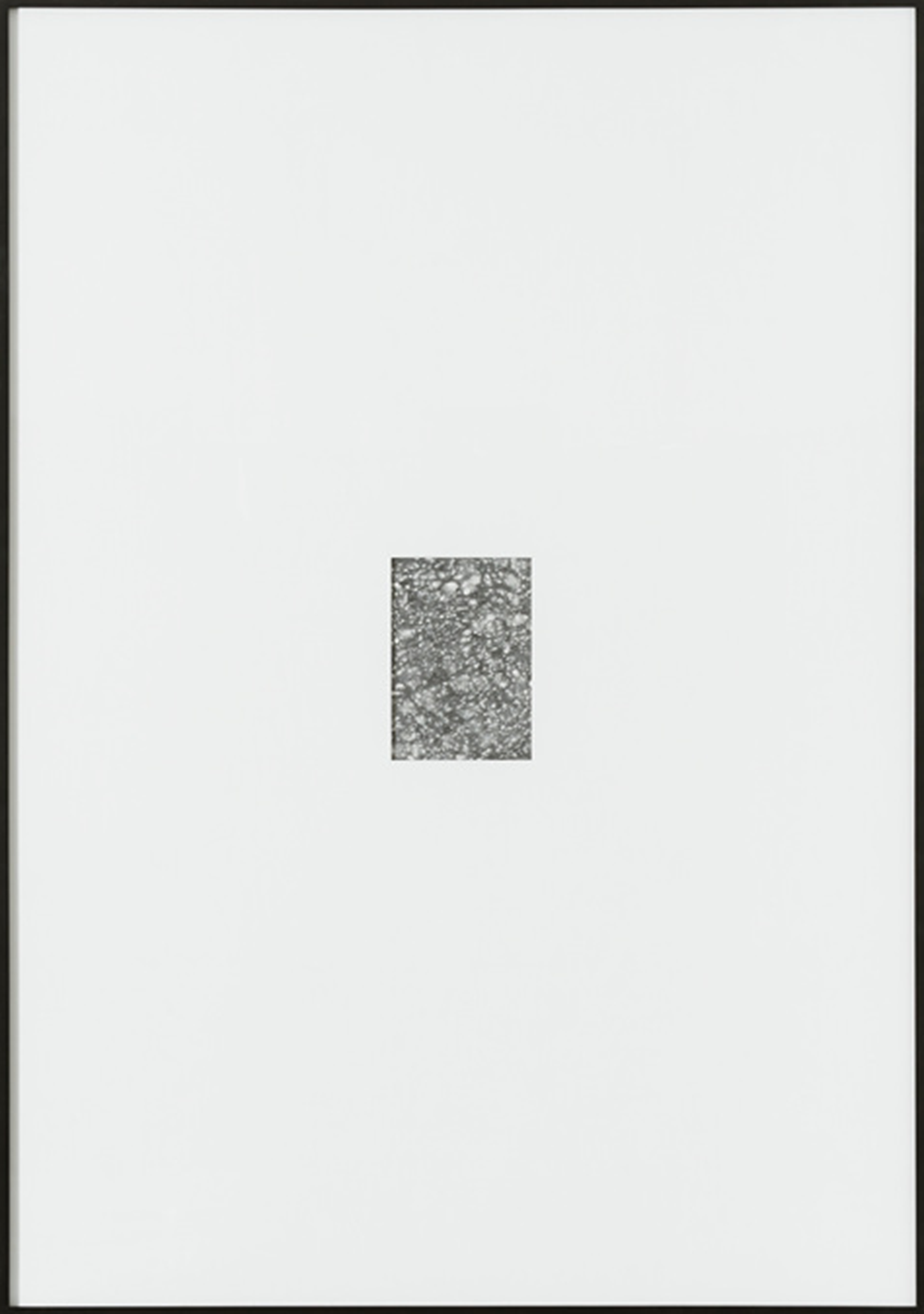
Cyanotype print on Hanji
140 × 72 cm
About The Work

Dongju Kang delves into the essence of the world and perceives its transformations by sensing the passage of time and the forms of light and darkness. Distancing herself from an artistic outlook that approaches solely from familiar senses, the artist utilizes drawings to document the movement of the object she pursues, embodying its path while carefully approaching the existing things that surround her with the gazes of others.
 
Dongju Kang’s practice begins with a fundamental question—what is painting?—and unfolds into a painterly language that functions as a means of communicating with the world. The focus shifts from the question of how to paint to that of what to see, a transition that naturally leads her to perceive and engage with the notions of time and space that surround her.
 
Dongju Kang’s practice—marked by a sustained gaze toward subjects that may endure or disappear—seeks to leave behind a sense of being here and now, an attempt to arrive fully at the present. At the same time, through processes of restoration that engage with invisible time, she imagines futures yet unreached, beyond the images of the subjects that emerge.
 
This process reflects her aesthetic approach to understanding, responding to, and engaging with the world. By diligently recording her relationship with the outside world, she explores her place within it and the significance of that connection.

Solo Exhibitions (Brief)

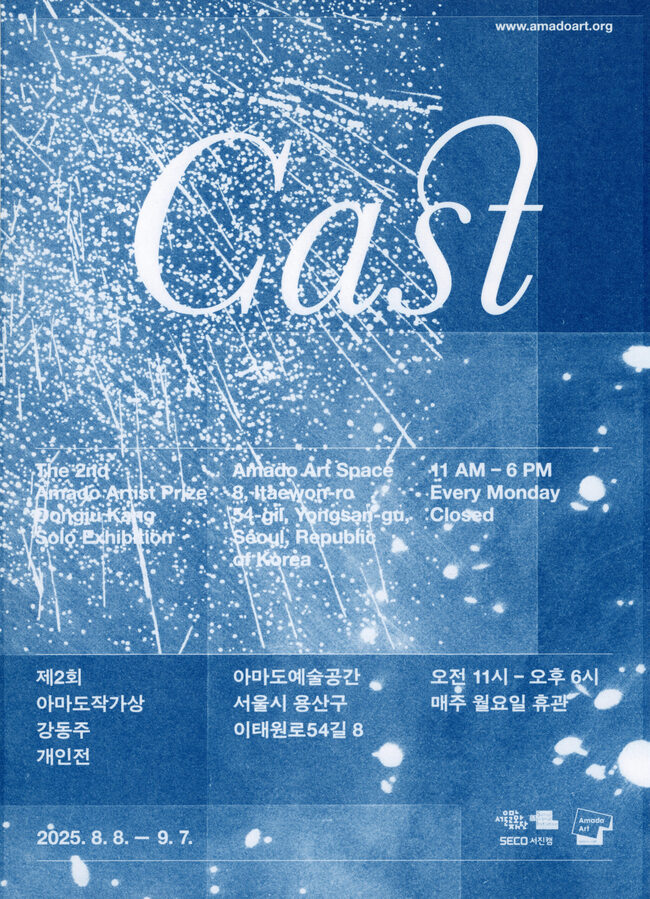
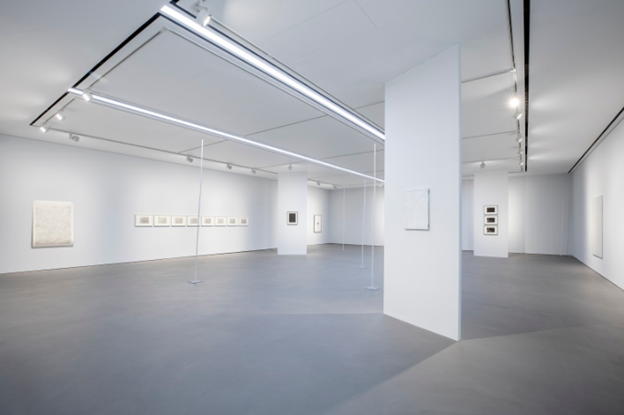
Dongju Kang has held solo exhibitions including 《Cast》 (Amado Art Space, Seoul, 2025), 《A Glimpse of Light, Gaze Upon Nowhere》 (A-Lounge Contemporary, Seoul, 2022), 《At the Window》 (Tastehouse, Seoul, 2018), and 《Seoul》 (DOOSAN Gallery, New York, USA, 2016).

Group Exhibitions (Brief)

Kang has also participated in numerous group exhibitions, including 《Tilting toward Ground》 (Incheon Art Platform, Incheon, 2025), 《Open Corridor》 (Interim, Seoul, 2024), 《Walking, Wandering》(Asia Culture Center, Gwangju, 2023), 《Boogie Woogie Art Museum》 (Ulsan Art Museum, Ulsan, 2023), 《Minimalism-Maximalism-Mechanissmmm》 (Art Sonje Center, Seoul, Korea; Kunsthal Aarhus, Aarhus, Denmark, 2022), 《The Middle Land: When time unfolds into a land》 (ARKO Art Center, Seoul, 2021), and 《Prints, Printmaking, Graphic Art》 (MMCA, Gwacheon, 2020).

Awards (Selected)

Kang received the 2nd Amado Artist Prize in 2025 and the 5th DOOSAN Yonkang Arts Award in 2014.
Works of Art

A Fundamental Question: "What is Painting?"

Originality & Identity

Dongju Kang’s practice unfolds from a fundamental question—what is painting?—and develops into a process of redefining “drawing” as a method for perceiving and recording the world. Rather than treating painting as a means of reproducing specific images, she understands it as a device for exploring how invisible or immaterial elements—such as time and space, light and darkness—are sensed and recognized. Her focus lies less on how to draw than on what to see, a shift that leads directly to questions about perceiving the spatiotemporal conditions that surround her.

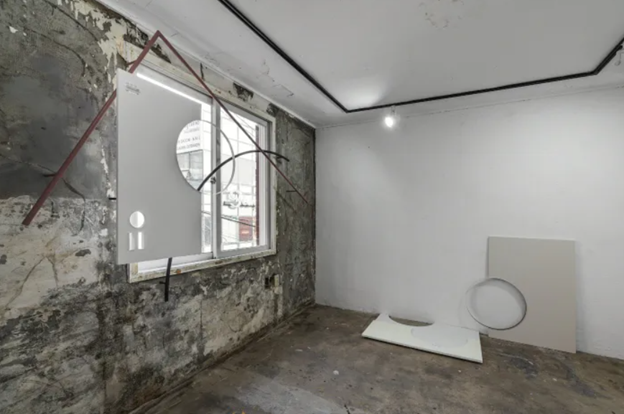
In her early works, Kang took the city of Seoul—where she was born and raised—as her primary object of observation. In her first solo exhibition 《Black-out》(Nuha-dong 256, 2012), she traced the movement of light and the boundaries of visibility through the mediation of the exhibition space’s glass windows, examining how the city’s time and space are revealed and obscured. These works invite a renewed view of the city through the interface where light and darkness, visibility and concealment, intersect.

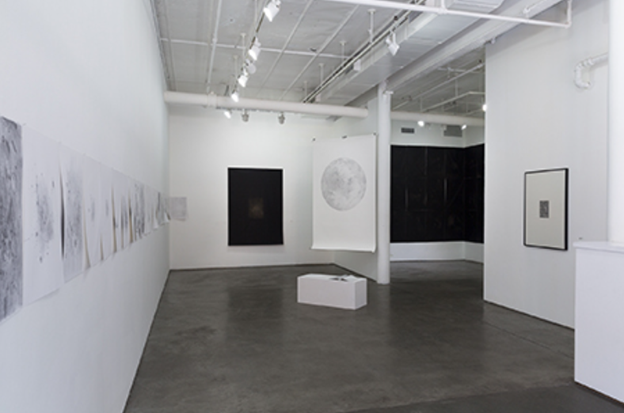
This line of inquiry expanded further in 《Subcenter》(OCI Museum of Art, 2013). Focusing on Seoul’s secondary urban areas such as Cheongnyangni and Yeongdeungpo, Kang turned her attention to nighttime, recording sensations and landscapes that are not easily perceived during the day. The ‘Light Drawings,’ ‘Moon Drawings,’ and ‘Sky Paintings’ series reveal the city’s complex spatiotemporal structure through trajectories of light captured amid movement and the passage of time.

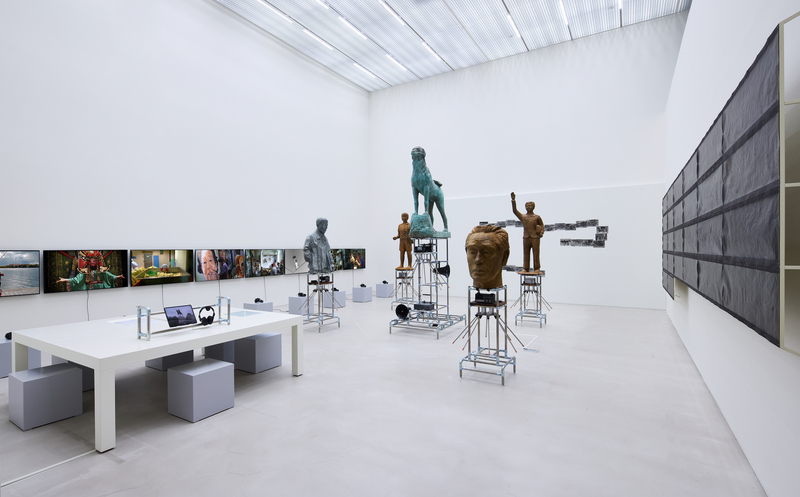
In later works, Kang’s attention moves beyond recording specific places toward an exploration of how light and time themselves disclose existence and form relationships. In her recent solo exhibitions 《A Glimpse of Light, Gaze upon Nowhere》(A-Lounge Contemporary, 2022) and 《Cast》(Amado Art Space, 2025), light is treated not merely as a visual object but as a medium of contact and communication with the world, through which her practice gradually expands toward an extended conception of space-time beyond physical location.

Style & Contents

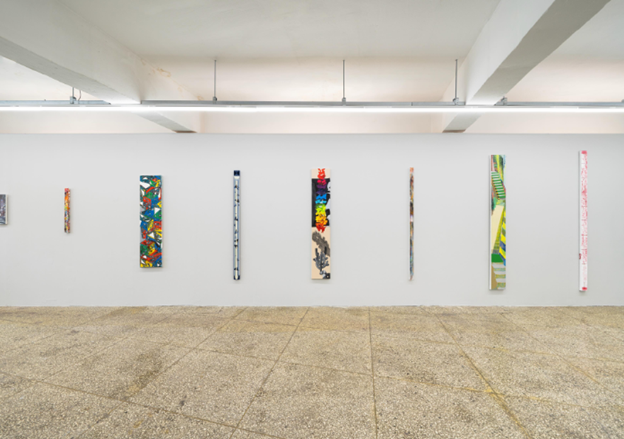
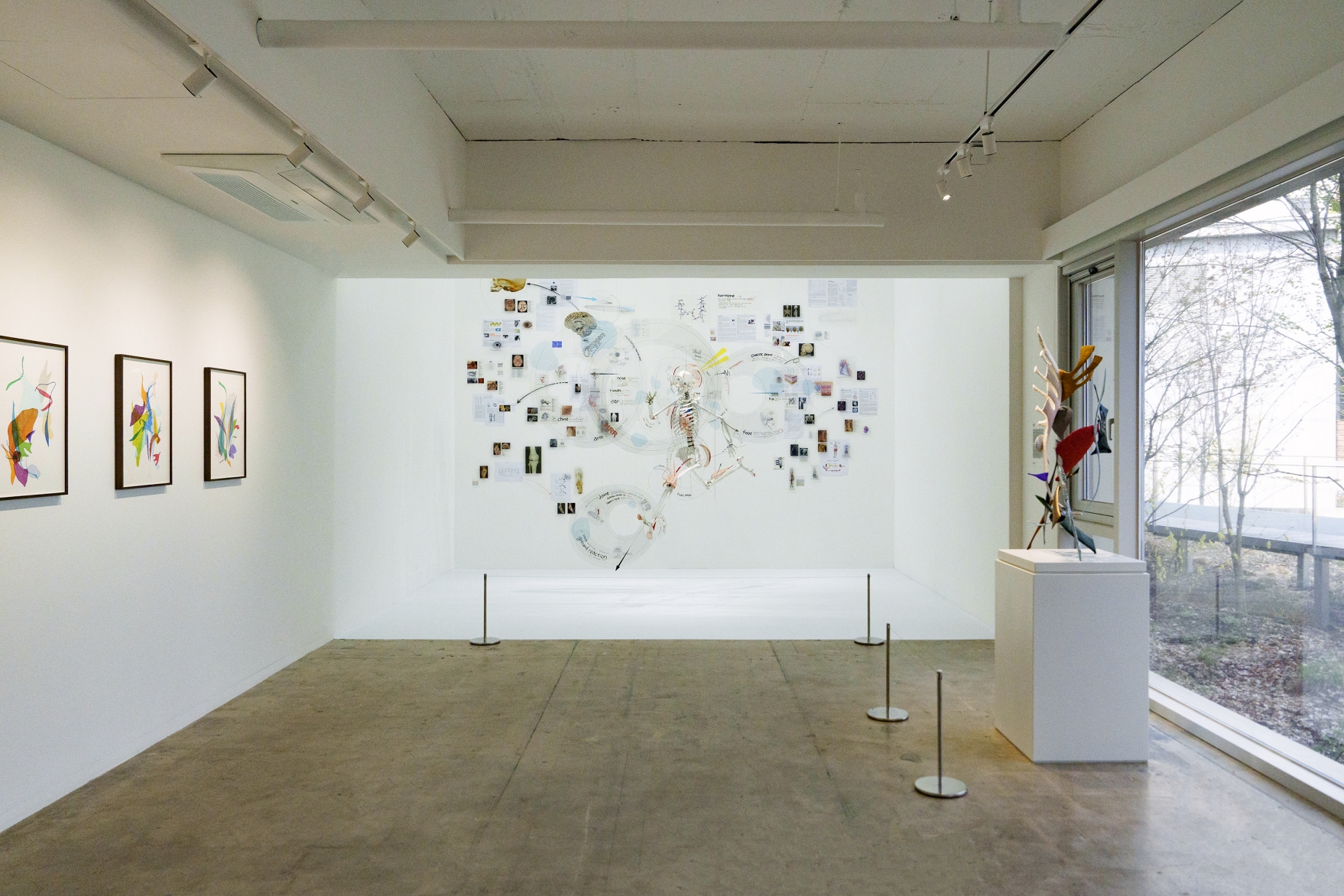
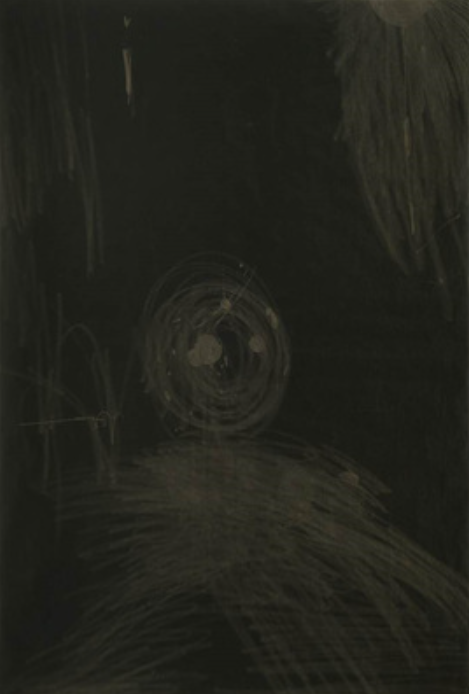
In Dongju Kang’s work, “drawing” is an act that encompasses observation, recording, and bodily performance. To follow the movement and transformation of her subjects, she has selected media according to each situation—pencil, carbon paper, graphite, frottage, printmaking, and painting. These choices function less as expressive effects than as appropriate means for recording specific spatiotemporal conditions.

The works presented in 《Black-out》 were structured around recording trajectories of light in hourly units using glass windows and carbon paper. Observing exterior scenes reflected on the glass and transferring them into carbon paper drawings, along with the act of removing and carving wooden boards, materially reveal the boundary between visibility and invisibility. The works from this period are closely aligned with the act of “inscribing” traces left by light.

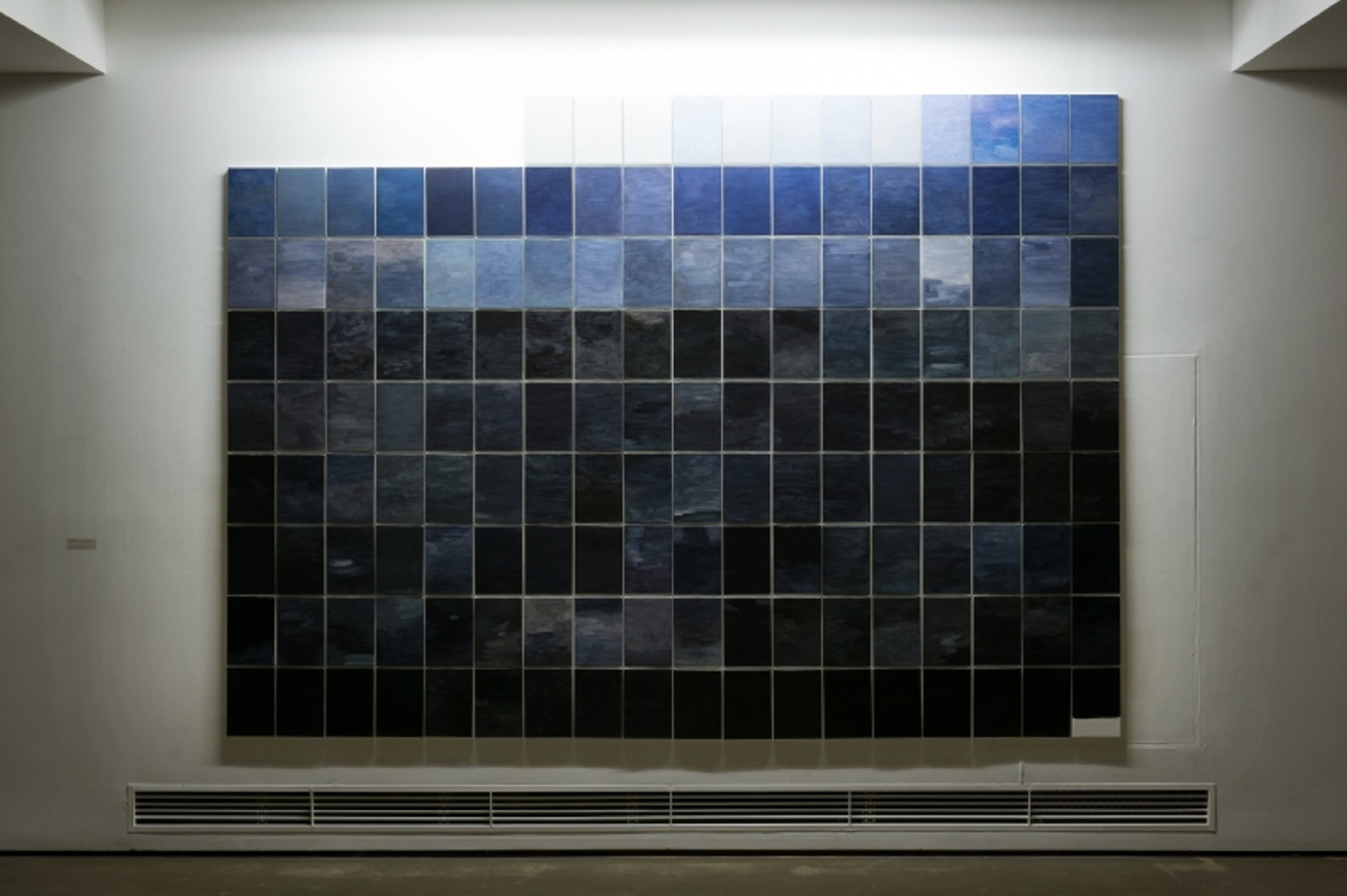
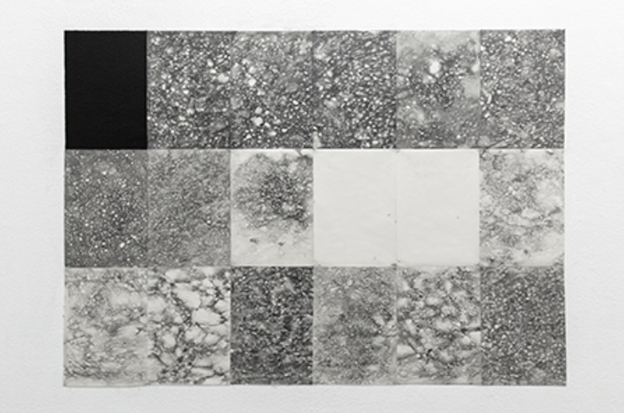
In 《Subcenter》, elements of erasure and layering are added to this sense of inscription. In the ‘Light Drawings’ series, Kang replaces sheets of carbon paper to layer images from different moments onto a single sheet, while in the ‘Moon Drawings’ she quantifies the moon’s appearances in video footage and translates time into scale. The ‘Sky Paintings’ series, including Sky of 155 minutes 37 seconds(2013), records changes in the sky captured during travel by fragmenting them across 156 small canvases, presenting the flow of time as a painterly sequence.

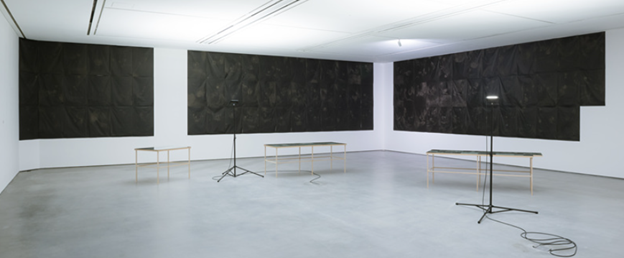
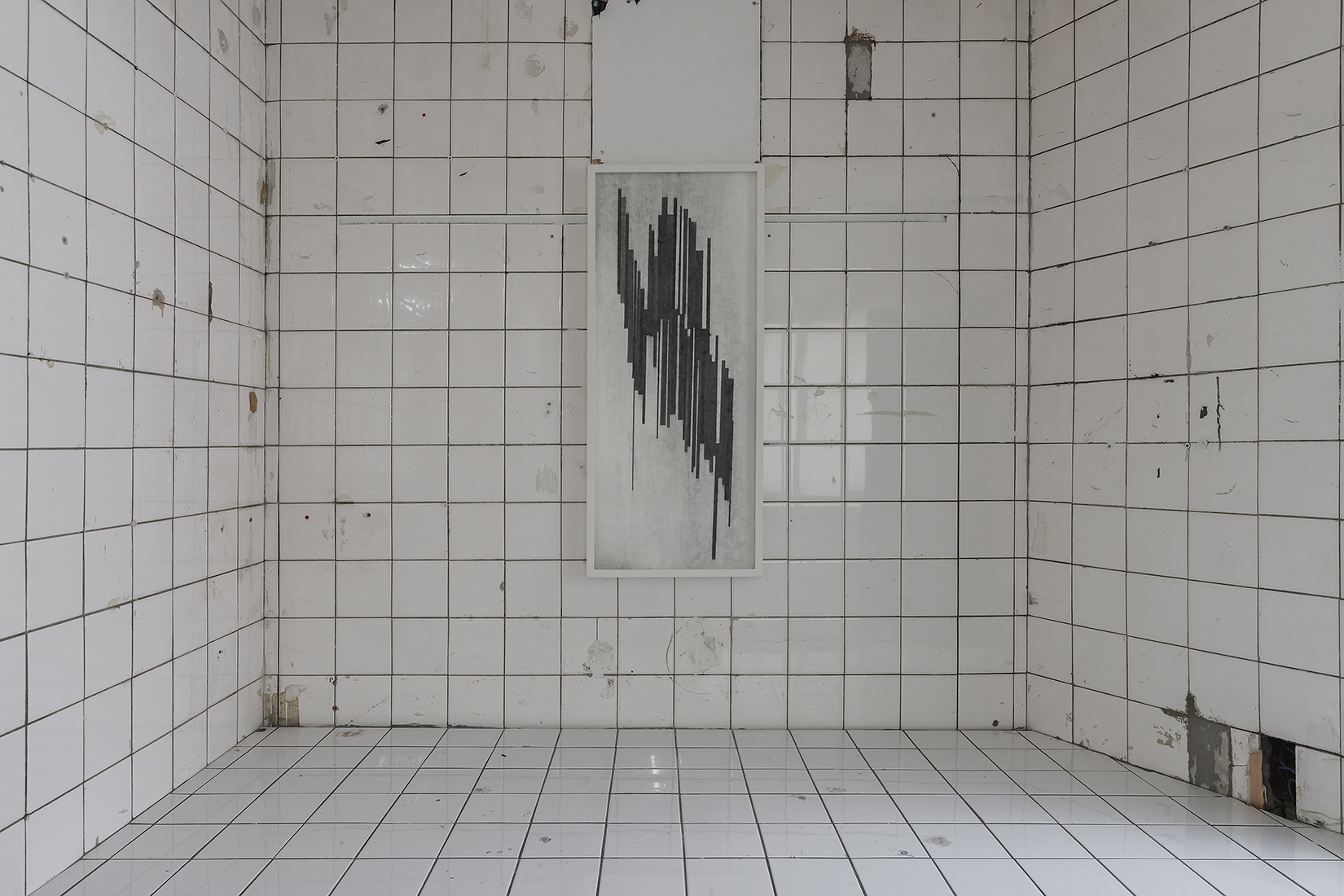
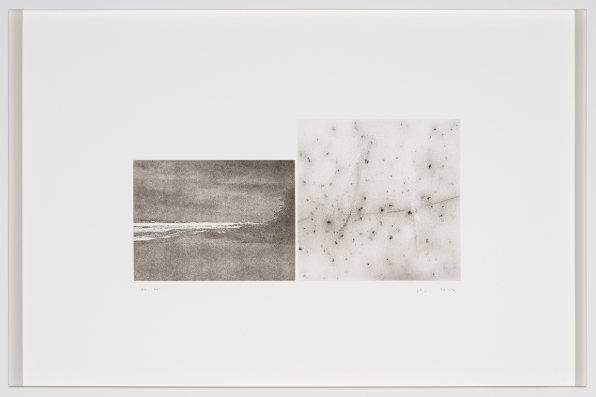
Entering the 2020s, Kang’s formal language expands further. The ‘Leaning into the Light’ series transfers the paths of light onto paper through performative rubbing of traces left on windows, while the ‘Over There’ series juxtaposes photo transfers and drawings to construct ambiguous spaces between reality and memory, presence and absence. In 《Cast》, she introduces the early photographic printing technique of cyanotype (blueprint), entrusting part of the image-making process to the world itself so that light, darkness, and temporal change actively generate the image.

Topography & Continuity

Dongju Kang’s practice continues to expand the possibilities of drawing and painting within a “post-painting” context. In contrast to many contemporaries who actively employ video or digital media, she occupies a distinctive position by sensing the flow of light, time, and space through direct bodily action and material inscription.

While her work is often site-specific, it does not remain bound to particular locations. Beginning with concrete subjects such as Seoul’s secondary urban areas, windows, ground, sky, and the moon, her focus gradually extends toward planetary and cosmic space-time. Works such as ground pieces of 1 hour 30 minutes 35 seconds(2014) and Blue Hour(2025) demonstrate her consistent approach to fragmenting and reconstructing time and space within this expanding trajectory.

Her practice also centers on a slow temporality grounded in recording, performance, observation, and waiting. In a contemporary visual culture dominated by rapid image production and consumption, this proposes an alternative sensory mode for arriving at the “here and now.” Light and darkness, day and night, seasons and climate cease to function as background conditions and instead become active agents that shape the work itself.

Kang’s work is not confined to a specific region or medium. Through processes that restore invisible time and imagine futures yet unreached, she continually renews painting as a field of thought for relating to the world, sustaining an evolving practice that remains open to further expansion.

Works of Art

A Fundamental Question: "What is Painting?"

Articles

Exhibitions

Activities