

Zettelkasten - K-ARTIST

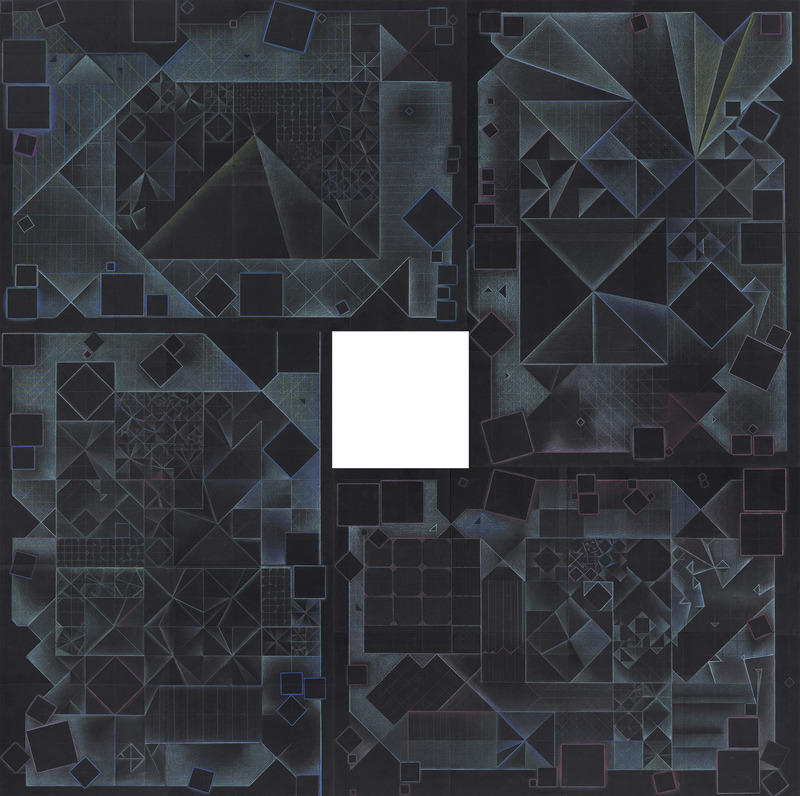
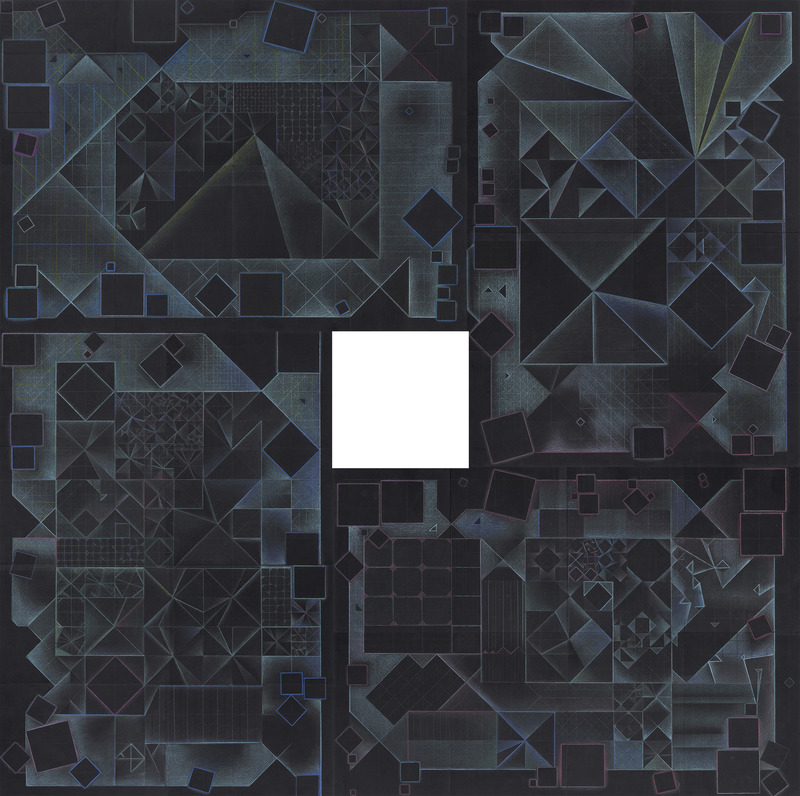
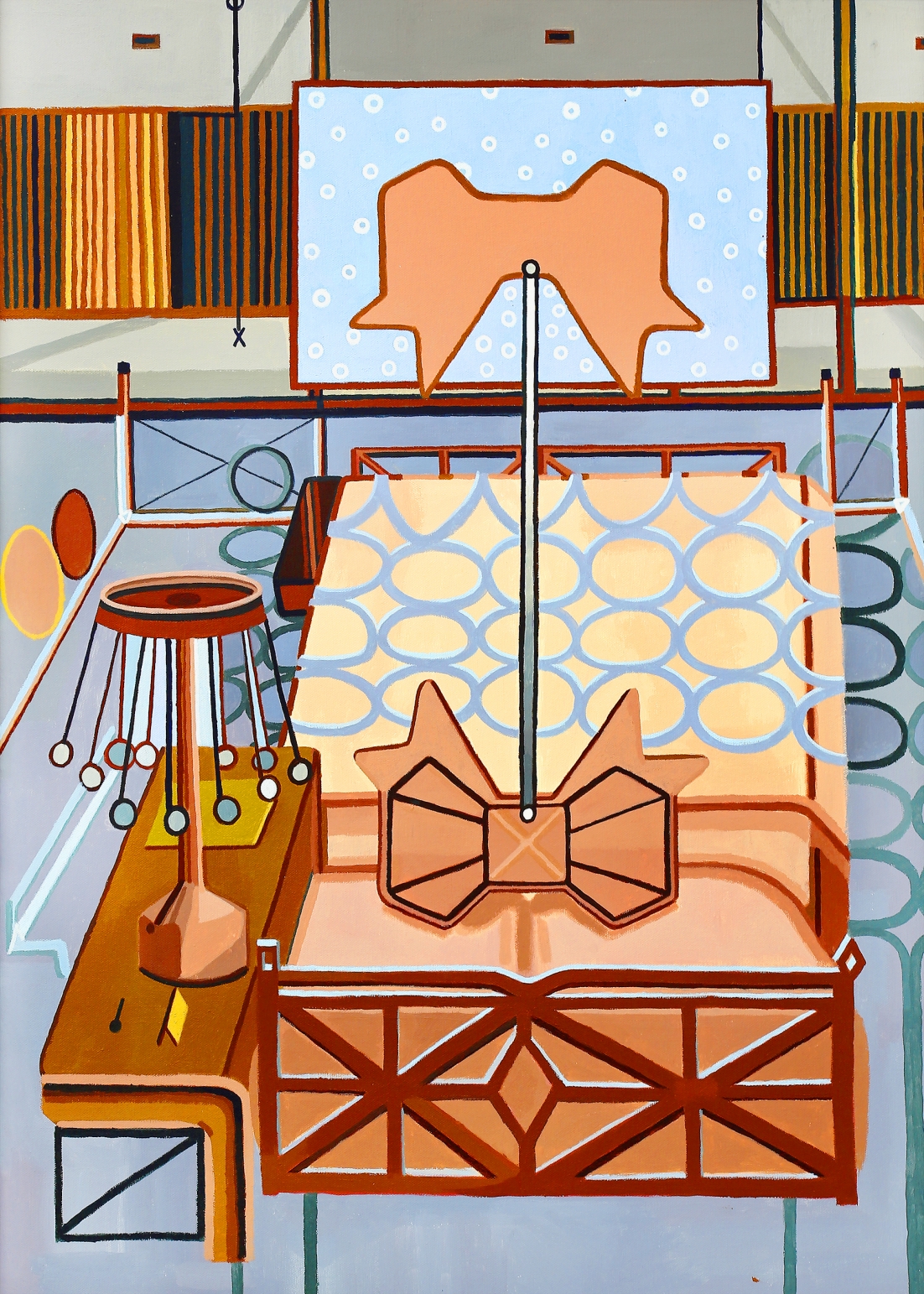
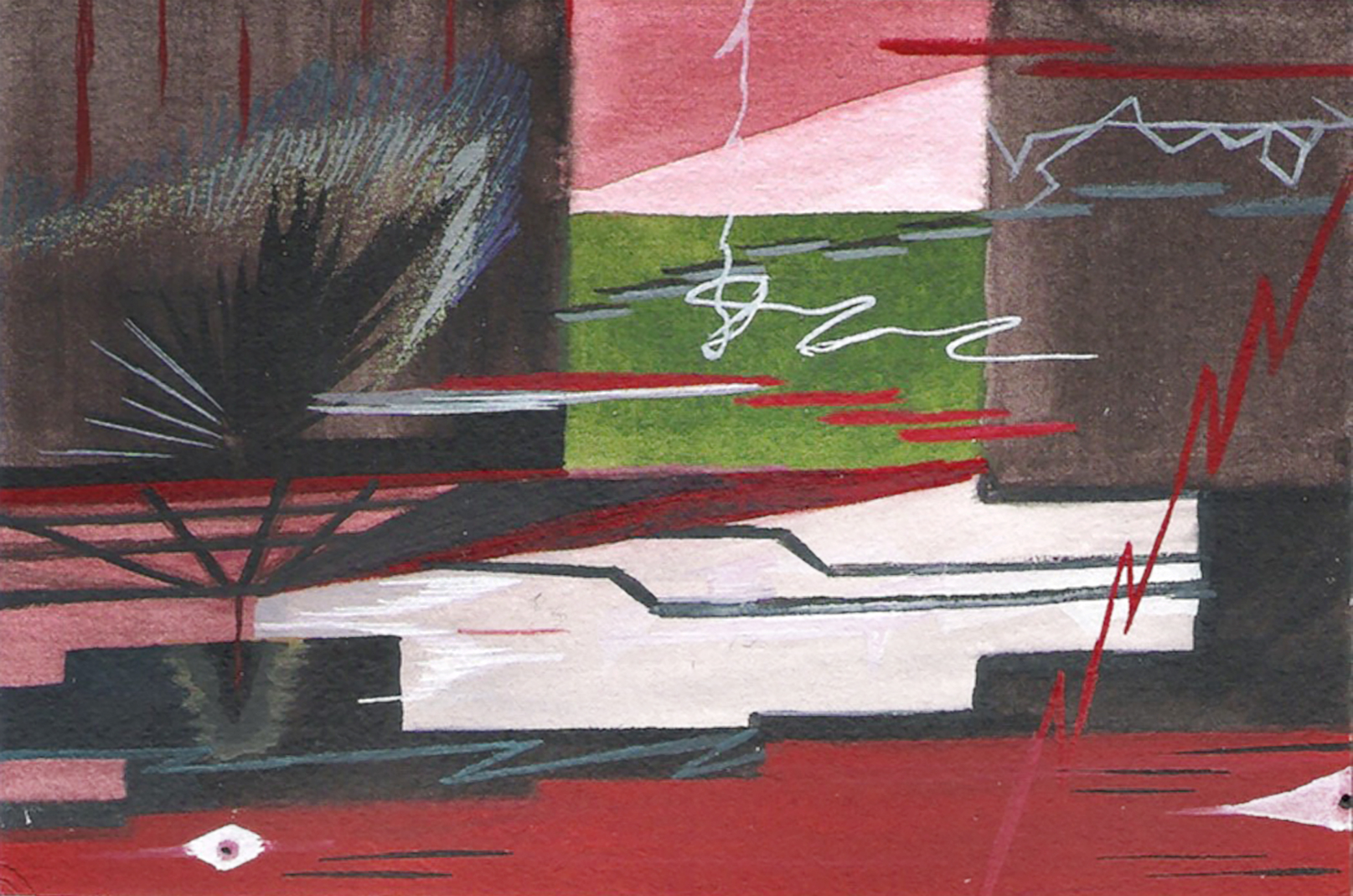
Zettelkasten

2025
Colored pencil on paper 
84.5 x 60.5 cm (each 4 sheets)
About The Work

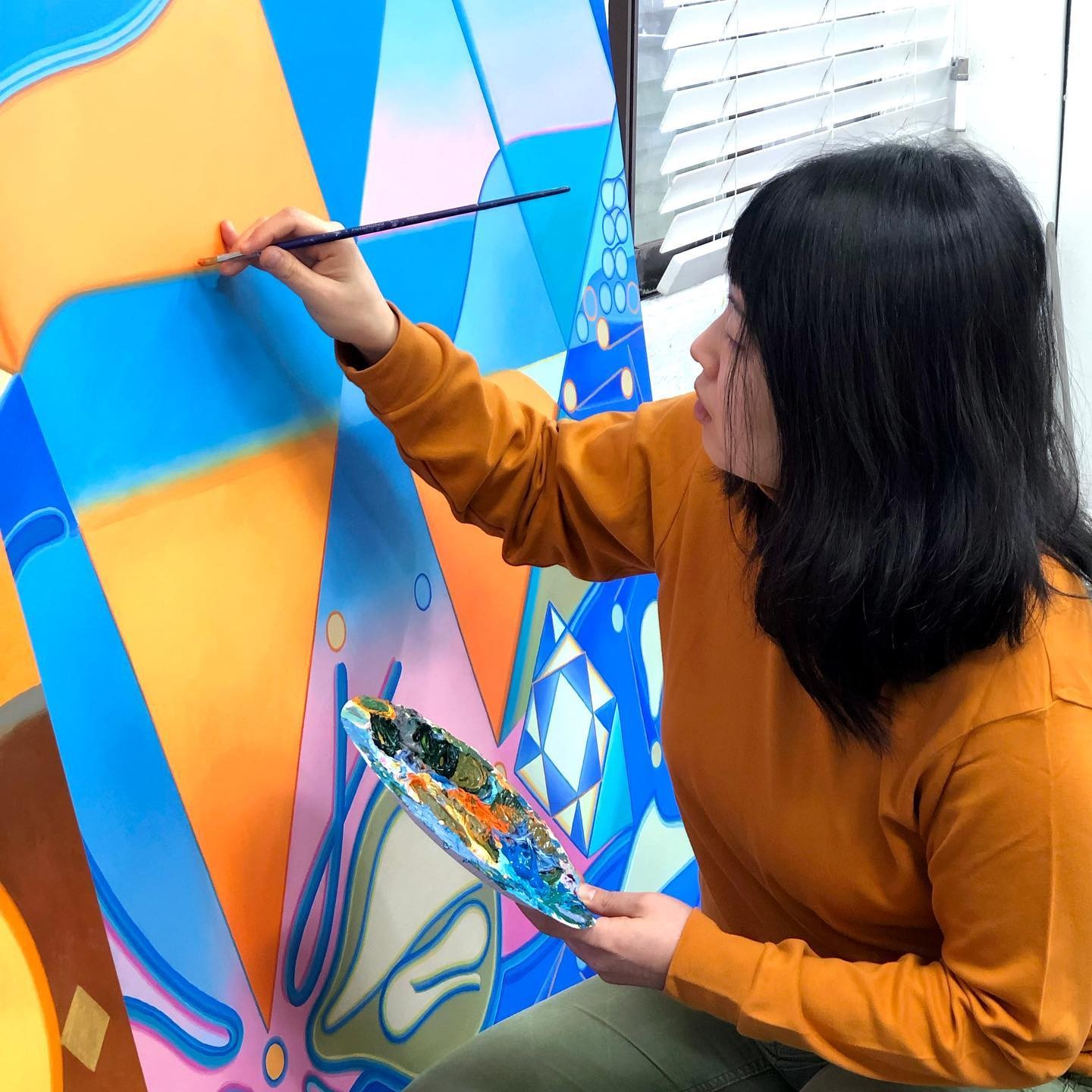
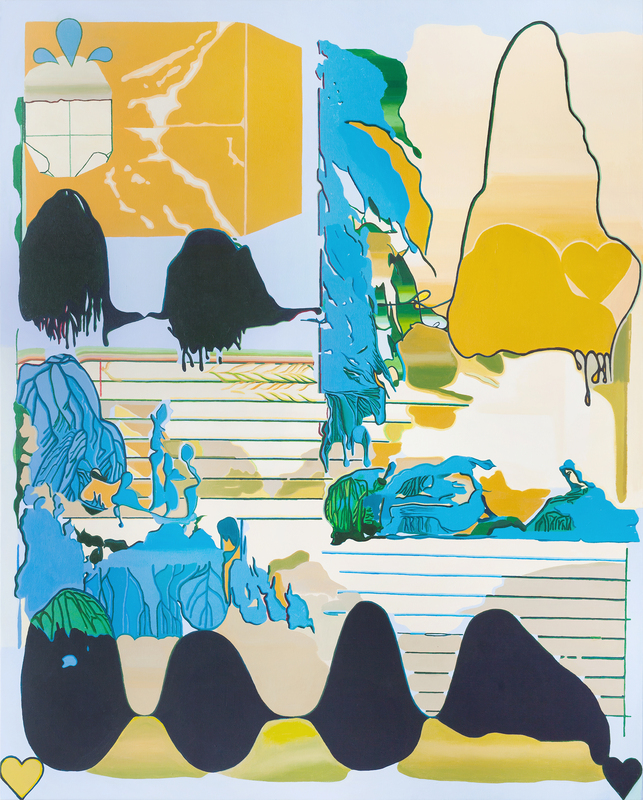
Park Junghae explores various themes in her paintings and drawings, focusing on how to interpret intangible environmental factors such as light, water, and thermal energy, which exist in physical space and time and are perceived conceptually. At the same time, she imagines and documents the layered physical dimensions of space and time surrounding the work.
 
Park Junghae speaks of the ever-changing world and the beings who stand within it by capturing and recording the various energies and physical laws that endlessly flow and circulate around us through the material medium of painting. Furthermore, the energies layered within the pictorial surface interact once again with viewers through the act of looking, acquiring new forms of abstraction within each individual’s sensory experience.
 
Her conception of painting as an energy-storage system stands in contrast to screen-based image culture, emphasizing the material specificity of the canvas as a site of accumulation. Compared with artists working in similar abstract languages, Park’s practice extends beyond surface composition to consider how paintings retain, release, and transform sensory experience over time.

Solo Exhibitions (Brief)

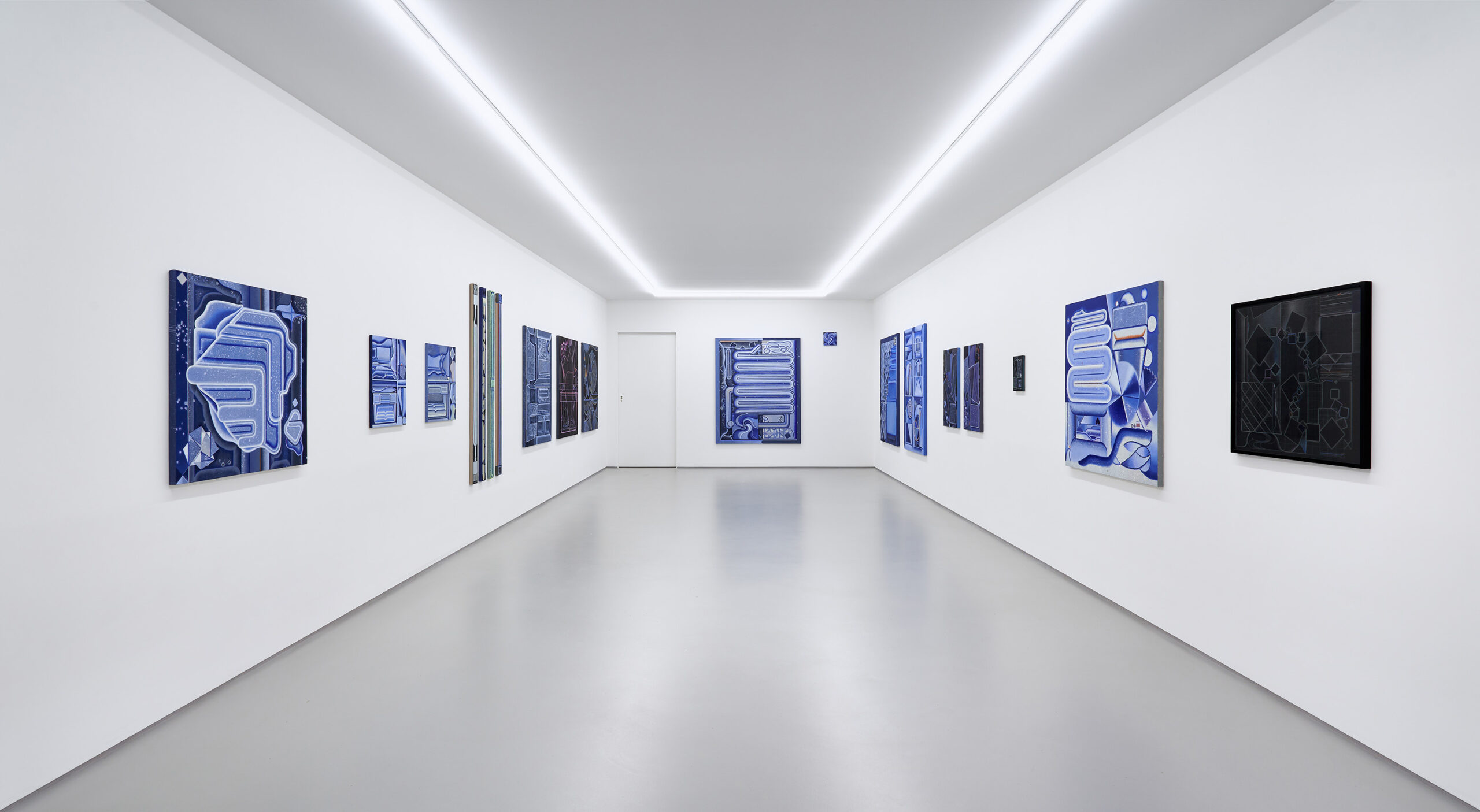
Park Junghae has held solo exhibitions including 《Zattelkasten》 (SPACE ÆFTER, Seoul, 2025), 《Ancient Refrigerator》 (Cylinder Two, Seoul, 2024), 《Jetlag》 (N/A, Seoul, 2024), 《Mellow Melody》 (Whistle, Seoul, 2021), and 《Xagenexx》 (Onground 2, Seoul, 2017).

Group Exhibitions (Brief)

Park Junghae has also participated in numerous group exhibitions, including 《In Situ》 (ARKO Art Center, Seoul, 2025), 《Contours of Zero》 (ZeroOne Space, New York, USA, 2025), 《Deep into Abstraction On the Way》 (Seoul National University Museum of Art, Seoul, 2025), 《Open Corridor》 (Interim, Seoul, 2024), 《SUNROOM》 (BB&M, Seoul, 2023), 《Back to Square one》 (SeMA Bunker, Seoul, 2022), 《DOOSAN Art Lab Exhibition 2021》 (DOOSAN Gallery, Seoul, 2021), and 《Layers and Spaces》 (MMCA, Gwacheon, 2017).

Residencies (Selected)

In 2025, Park participated in residency programs at the ARKO Art Studio and the SeMA Nanji Residency.

Collections (Selected)

Park’s works are included in the collections of the Government Art Bank of the National Museum of Modern and Contemporary Art, Korea (MMCA) and the Seoul Museum of Art.
Works of Art

The Layered Physical Dimensions of Space and Time

Originality & Identity

Park Junghae’s practice begins with an inquiry into physical conditions—such as light, water, and thermal energy—that exist in real space and time yet resist direct visual capture. Rather than treating these elements as subjects to be represented, she approaches them as processes and flows that unfold across perception and sensation. In early works such as Moment of Sufficient(2015) and Tomorrow(2015), the artist conceives the studio as a site of thought positioned between reality and the virtual, where invisible forces are gradually translated into pictorial form.

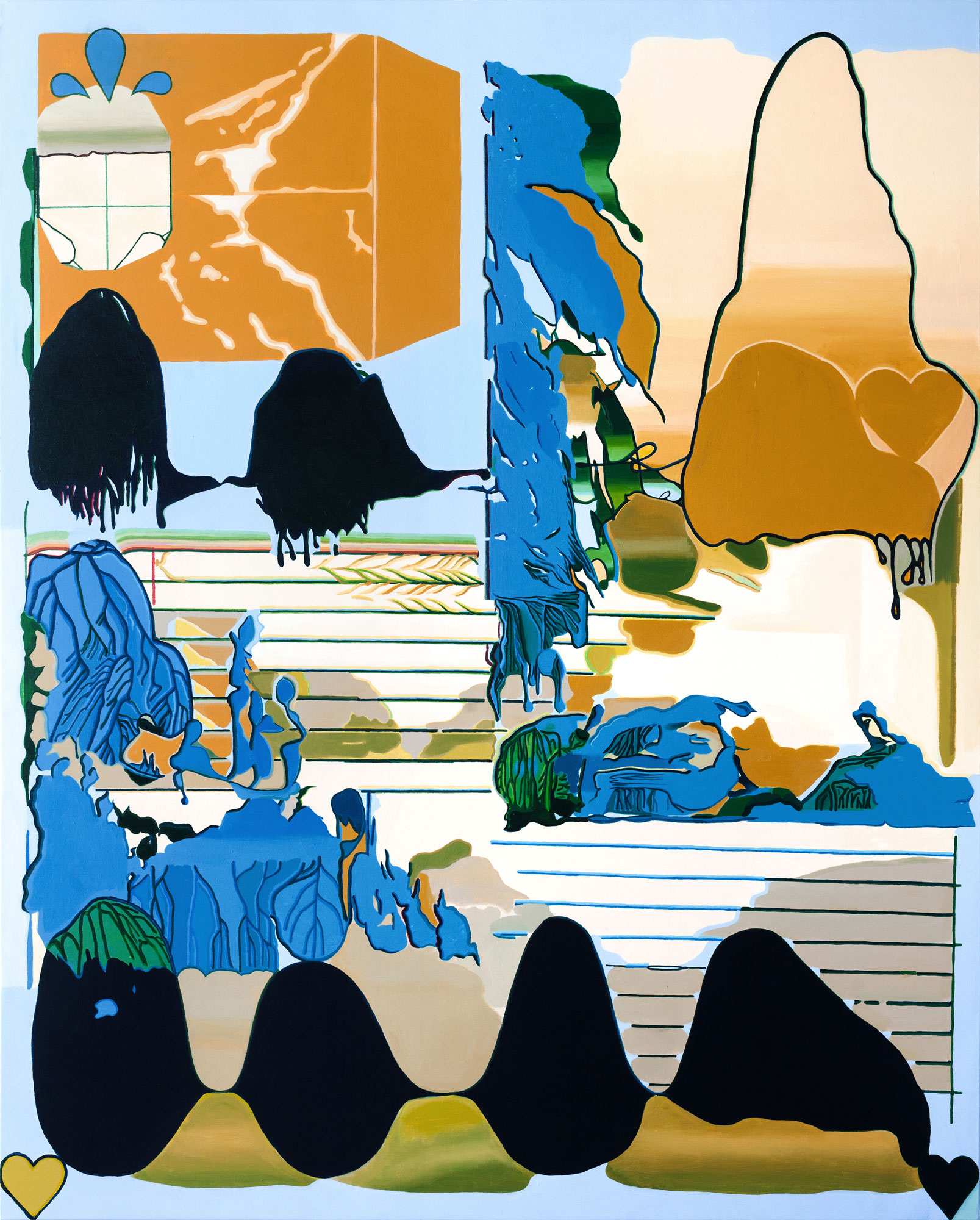
This line of inquiry becomes more explicit in her first solo exhibition 《Dear. Drops》(Archive Bomm, 2016), where Park shifts the agency of painting away from artistic intention toward the material behavior of paint itself. Traces left by gravity, time, and surface interaction are treated not as secondary effects but as the core of the work. By proposing “drops” rather than “drips,” she foregrounds natural laws and chance as formative forces, reframing abstraction as a record of physical interaction rather than expressive gesture.

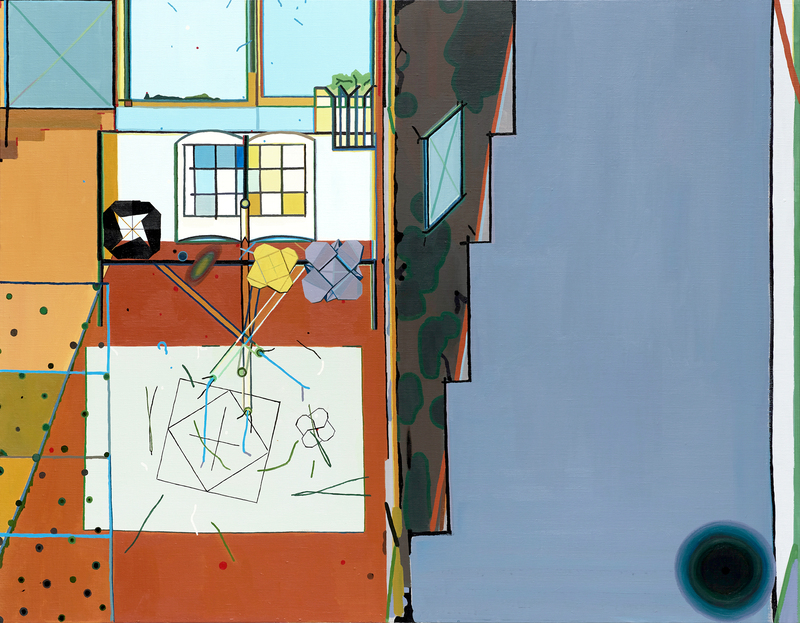
In 《Xagenexx》(Onground2, 2017), Park further reflects on painting as a device that mediates between reality and the virtual. Through repeated engagement with rectangular frames, she considers the canvas as a parallel structure to the screen—another site where perception is organized and filtered. Color, form, and framing are revisited not as formalist concerns, but as tools through which painting can camouflage, translate, and stand in for the surrounding world.

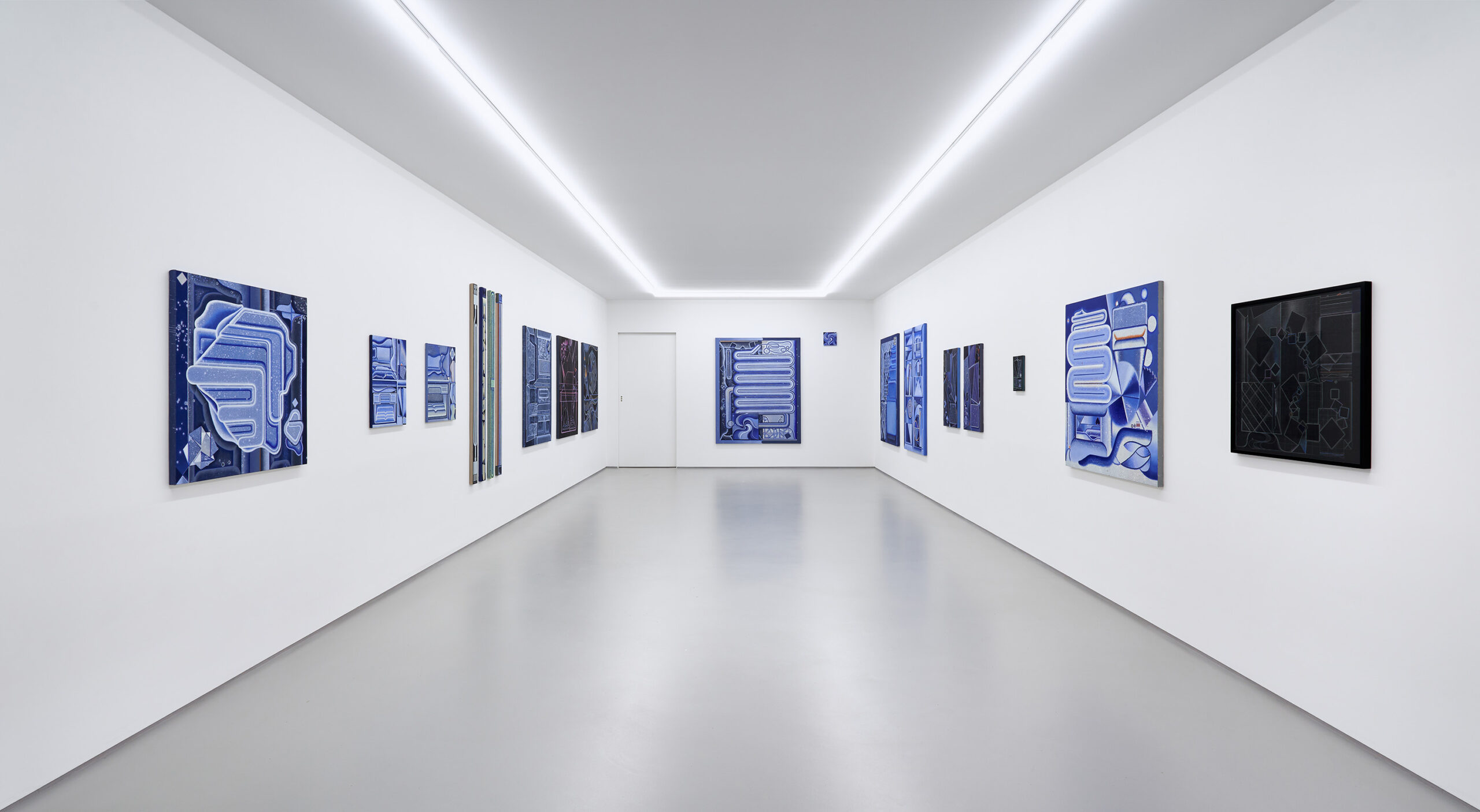
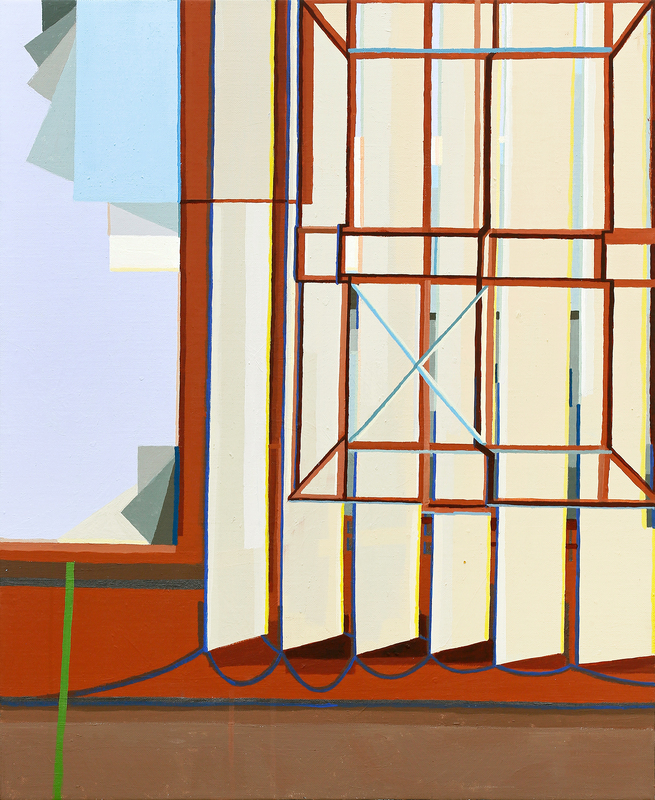
From 《Mellow Melody》(Whistle, 2021) through 《Ancient Refrigerator》(Cylinder Two, 2024), her focus expands toward cycles of light and heat, and the circulation, storage, and release of energy. In 《Zettelkasten》(SPACE ÆFTER, 2025), these concerns converge into a structural exploration of time and memory, articulated through accumulation, classification, and repetition. Here, the square emerges as a fundamental unit through which duration, thought, and perception are organized.

Style & Contents

While Park Junghae works across painting, drawing, and printmaking, her practice consistently centers on material response and surface behavior. Early studio-based works treat the pictorial surface as a site where layers of material and time accumulate, positioning painting as a temporal record rather than a fixed image. The canvas functions as a field in which physical reactions—rather than representational accuracy—shape composition.

In 《Dear. Drops》, vertically positioned canvases allow paint to flow downward, seep into fabric, and spread according to gravity and absorption. Compared to earlier works where dots, lines, and planes were carefully separated, these paintings introduce organic curves and continuous flows that obscure clear beginnings and endings. The resulting images blur distinctions between abstraction and representation, emphasizing physical causality over compositional control.

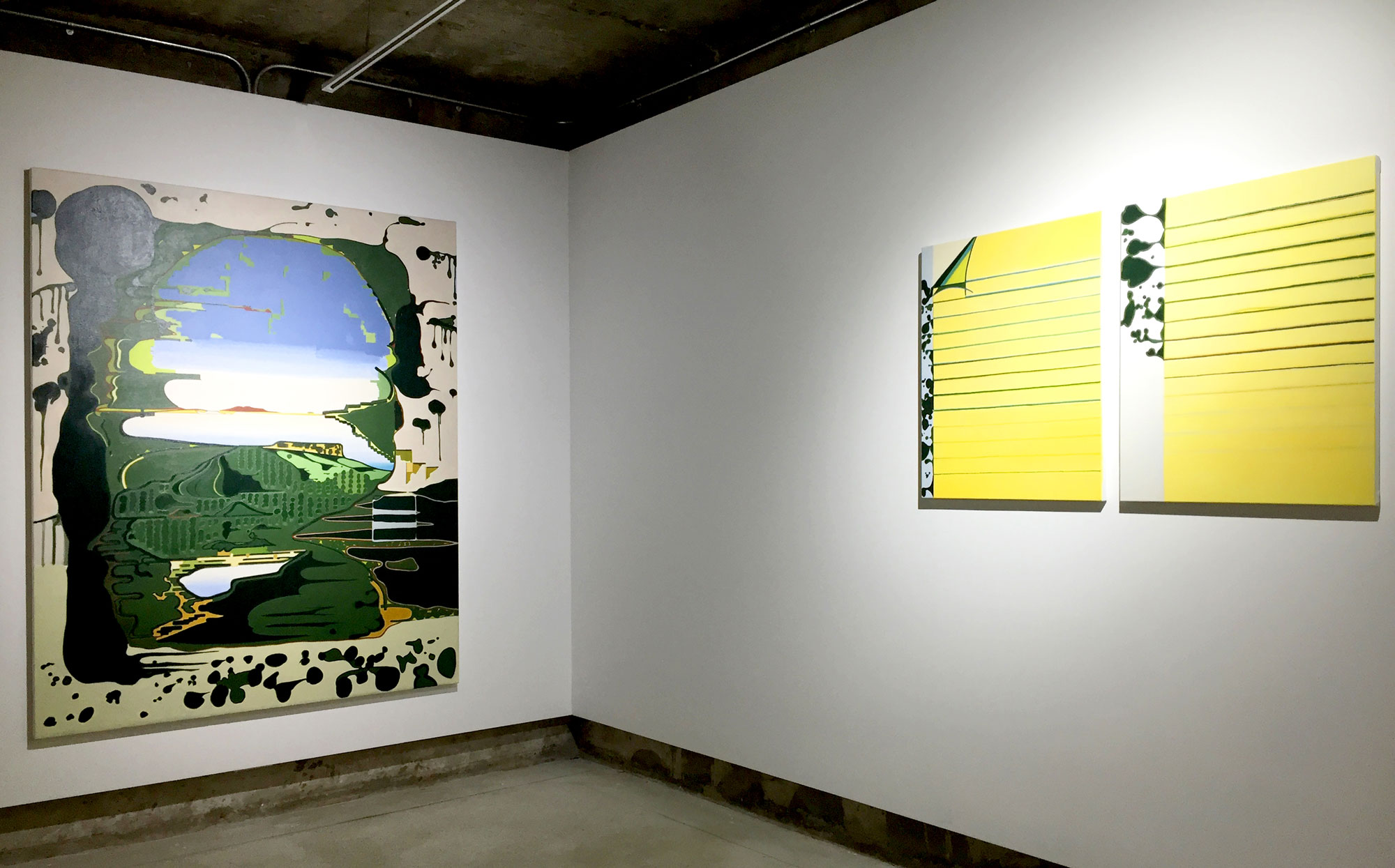
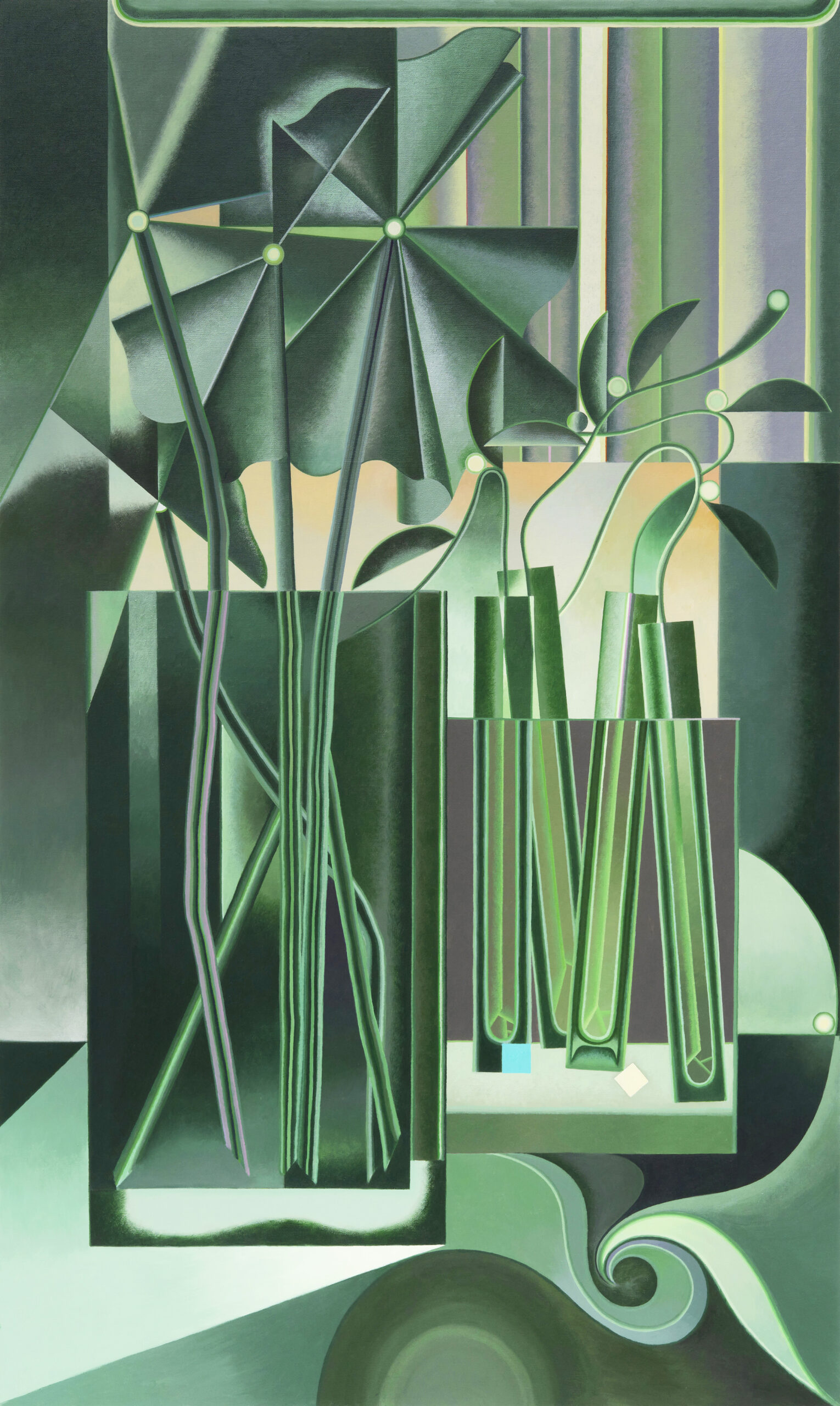
Works shown in 《Xagenexx》 and 《Mellow Melody》 bring light into focus as both a visual and environmental condition. Pieces such as Micro Ground(2019) and Heavy Cloud(2018–2019) visualize imagined distances, particle sizes, and shifts in perceptual weight. Titles and motifs operate together, offering interpretive cues while leaving meaning open-ended. Light appears not only as illumination but as a carrier of memory, atmosphere, and rhythm.

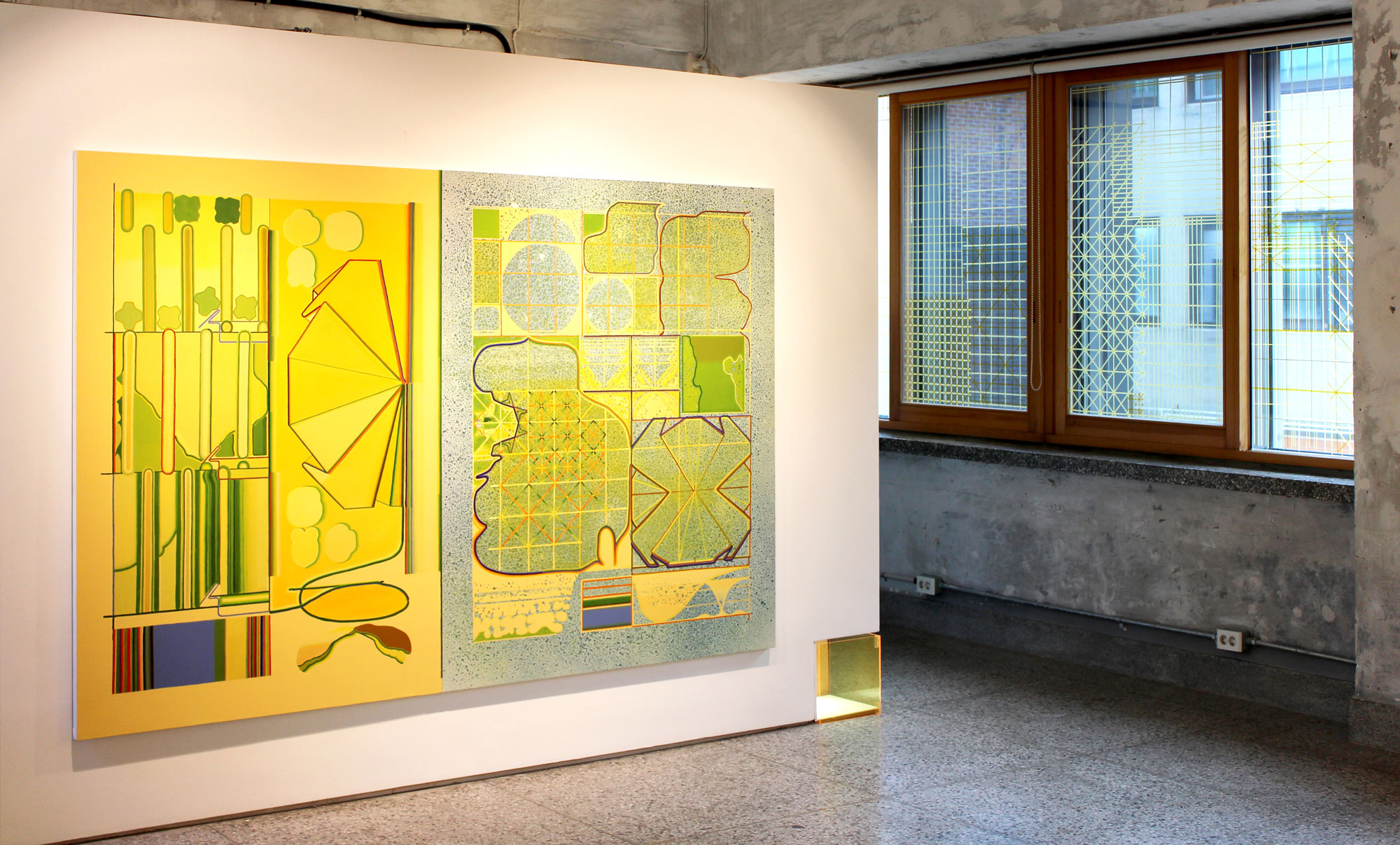
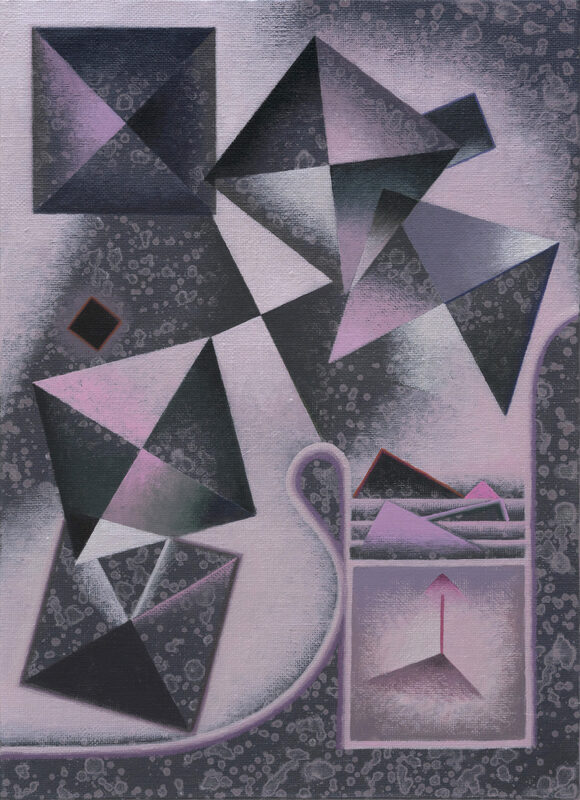
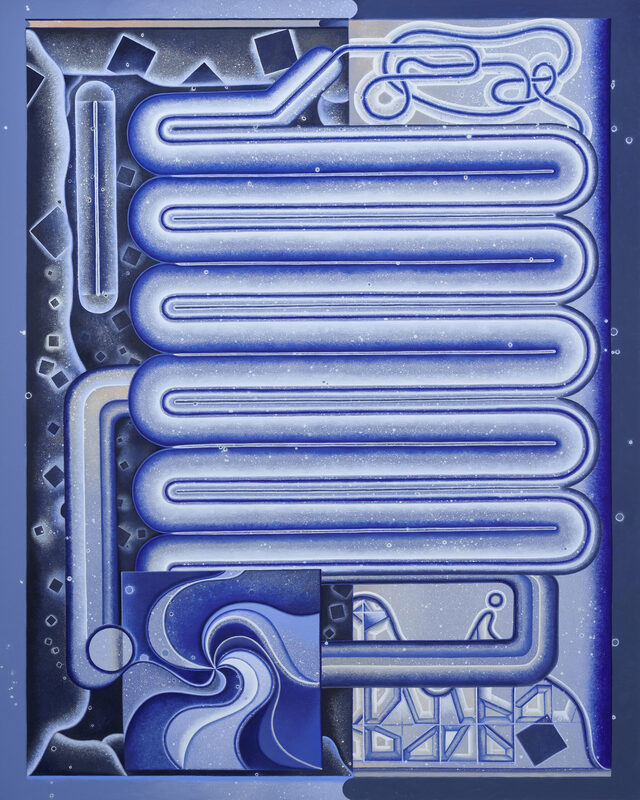
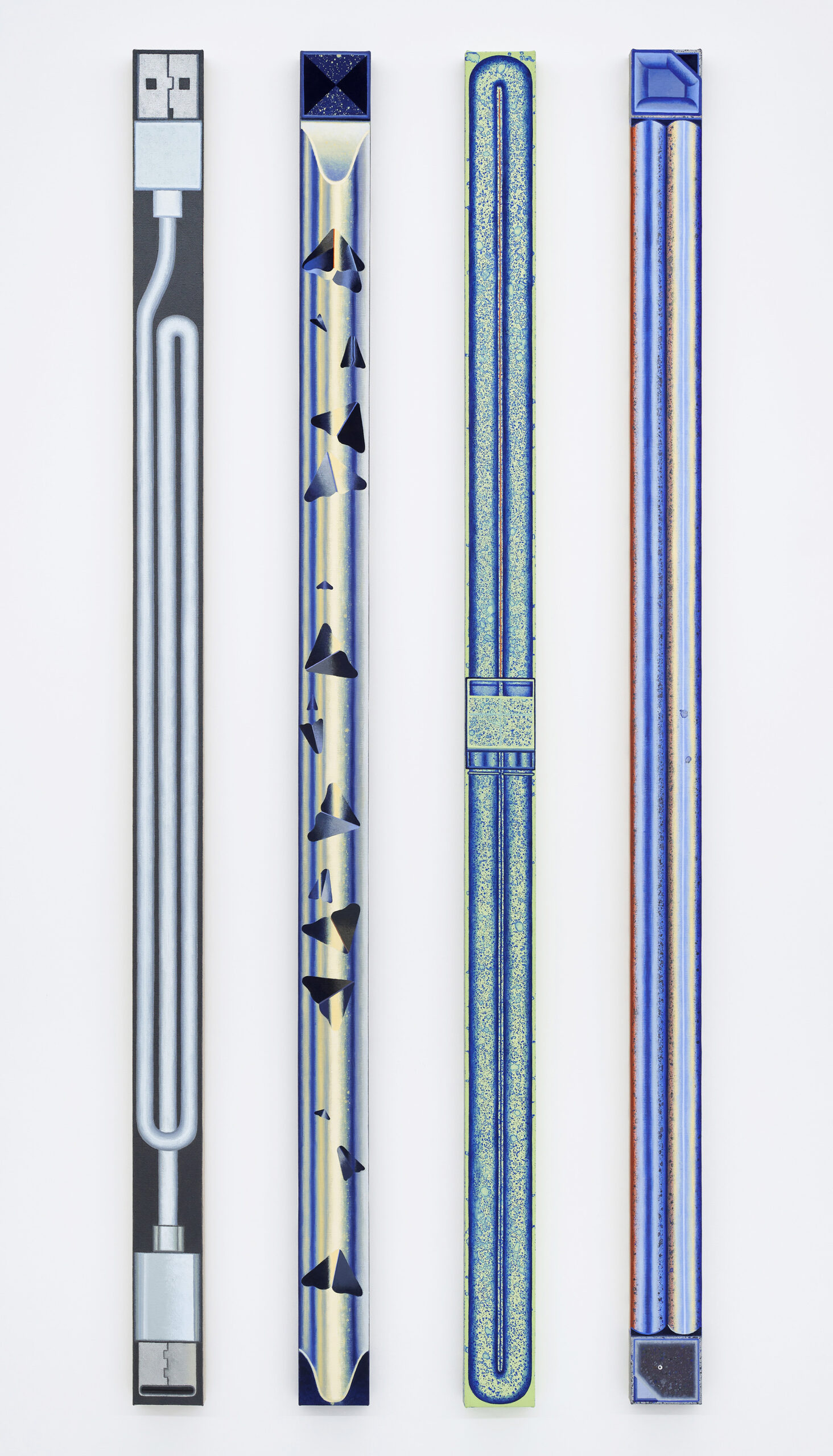
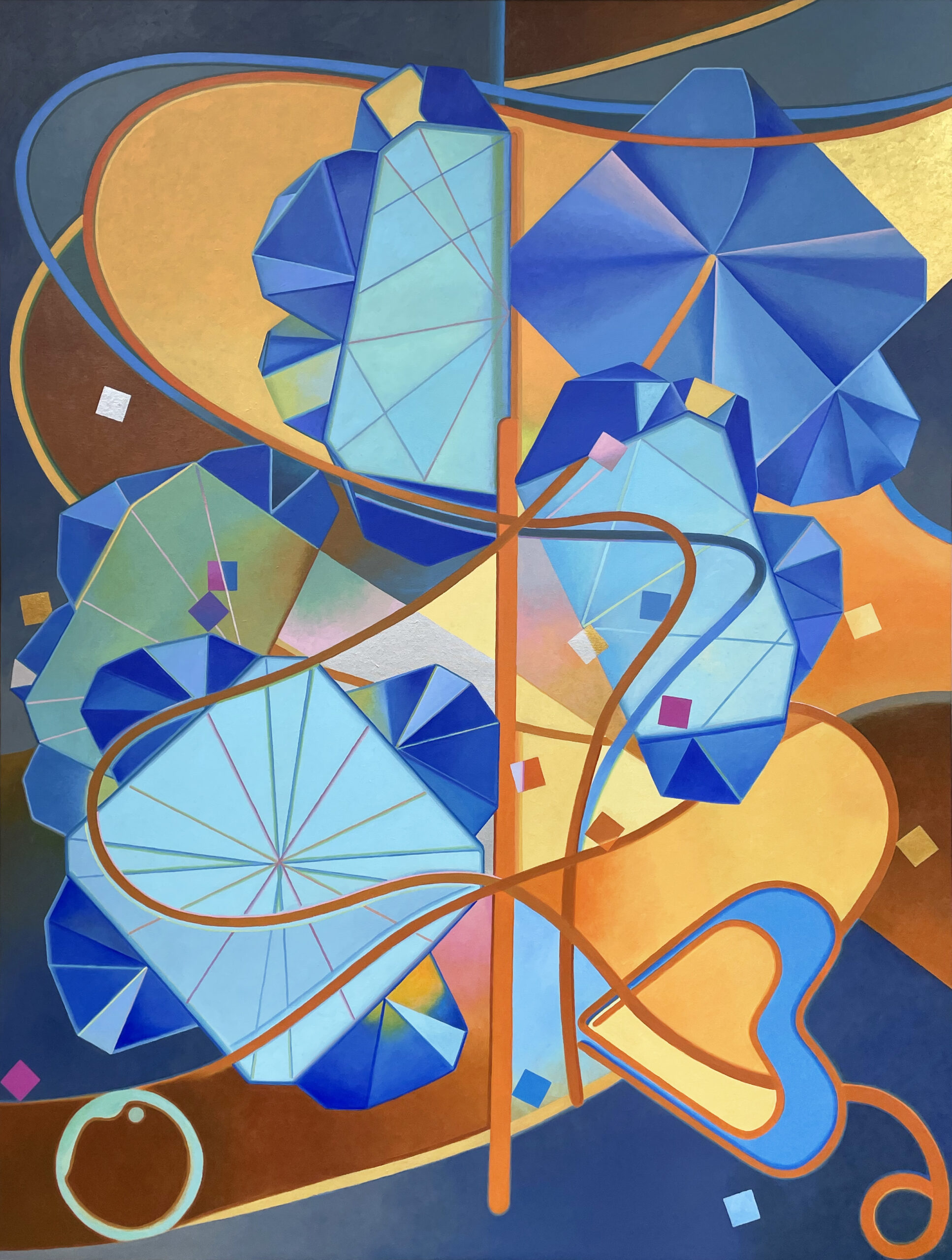
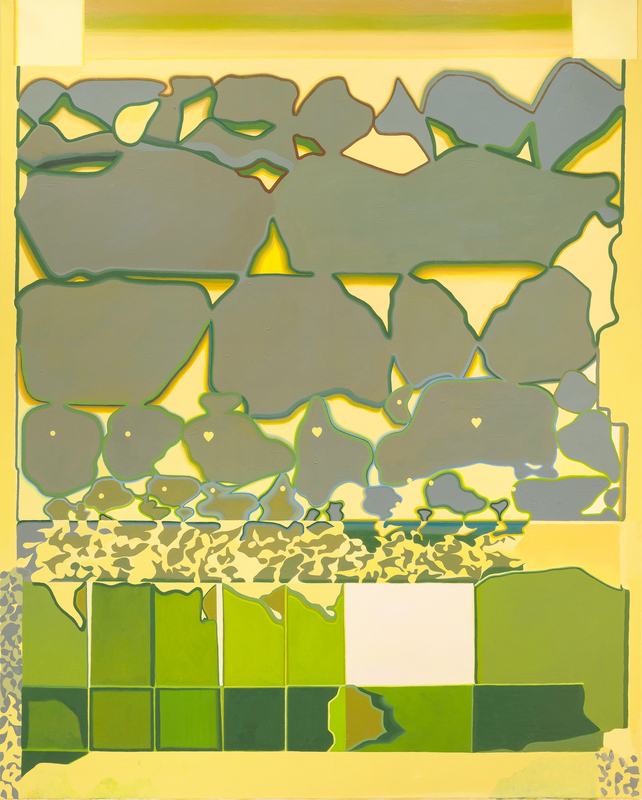
In more recent exhibitions such as 《Ancient Refrigerator》 and 《Zettelkasten》, sprayed pigment particles, condensed paint masses, and three-dimensional thinking derived from paper folding converge. Painting is approached as a storage device—capable of containing, regulating, and circulating energy. In the 'Zettelkasten'(2025) series, repeated and transformed square grids structure the surface, visualizing how time and memory are gathered, ordered, and continuously reconfigured.

Topography & Continuity

Within the field of contemporary abstraction, Park Junghae occupies a distinctive position by treating physical conditions—rather than expressive form—as the primary drivers of painterly inquiry. Instead of directly depicting environments or phenomena, she translates invisible forces into visual structures that operate at the intersection of perception, materiality, and thought.

Her conception of painting as an energy-storage system stands in contrast to screen-based image culture, emphasizing the material specificity of the canvas as a site of accumulation. Compared with artists working in similar abstract languages, Park’s practice extends beyond surface composition to consider how paintings retain, release, and transform sensory experience over time.

From early studio records to experiments with paint flow, light, and thermal circulation, her work has developed through gradual expansion rather than abrupt shifts. Exhibitions such as 《Mellow Melody》 and 《Ancient Refrigerator》 explore energetic systems within painting, while 《Zettelkasten》 marks a point at which memory, time, and cognition themselves become structural principles of the work.

Moving forward, Park Junghae’s practice is likely to continue expanding through metaphorical frameworks—such as storage, indexing, and folding—while remaining grounded in painting as a material medium. Her sustained engagement with invisible physical conditions suggests a trajectory that moves beyond local contexts, addressing broader questions of how contemporary subjects perceive, organize, and inhabit time and space.

Works of Art

The Layered Physical Dimensions of Space and Time

Exhibitions

Activities