Scattering - K-ARTIST

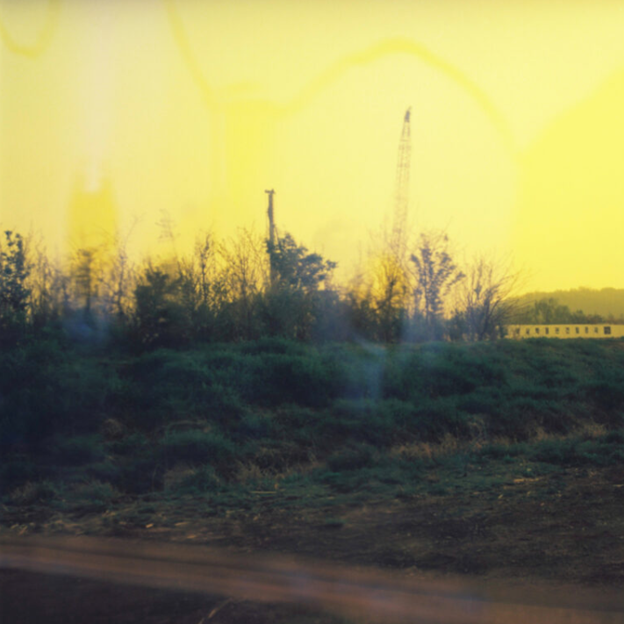
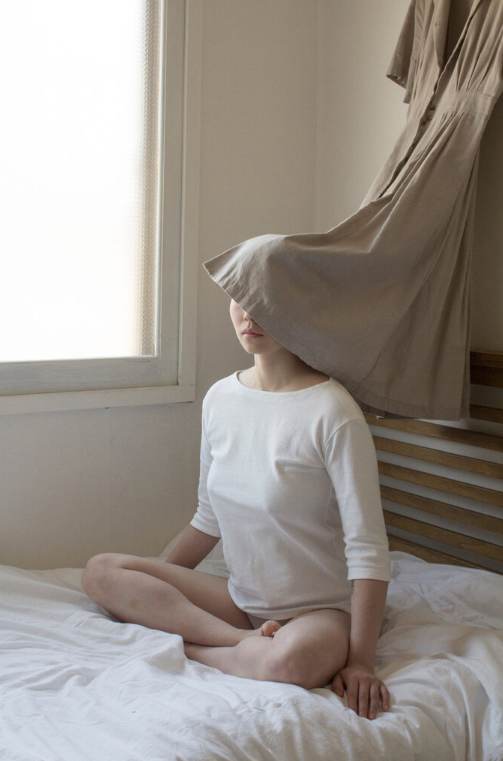
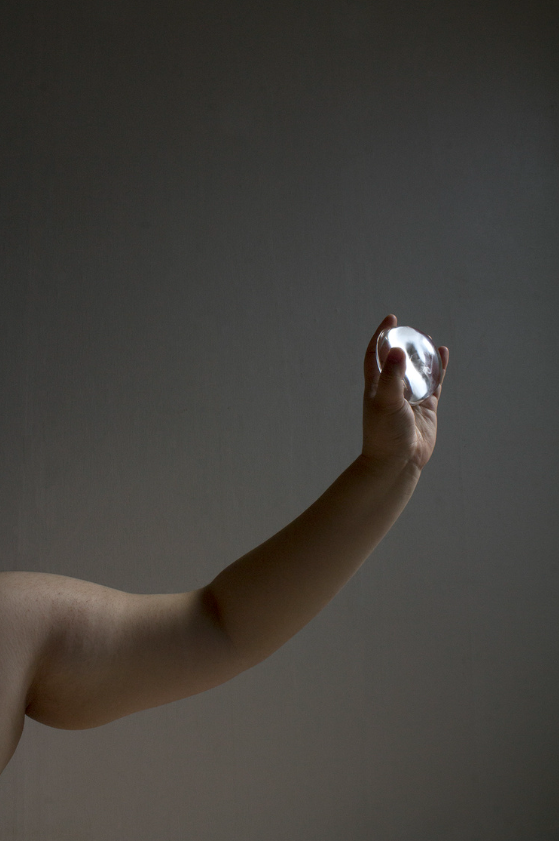
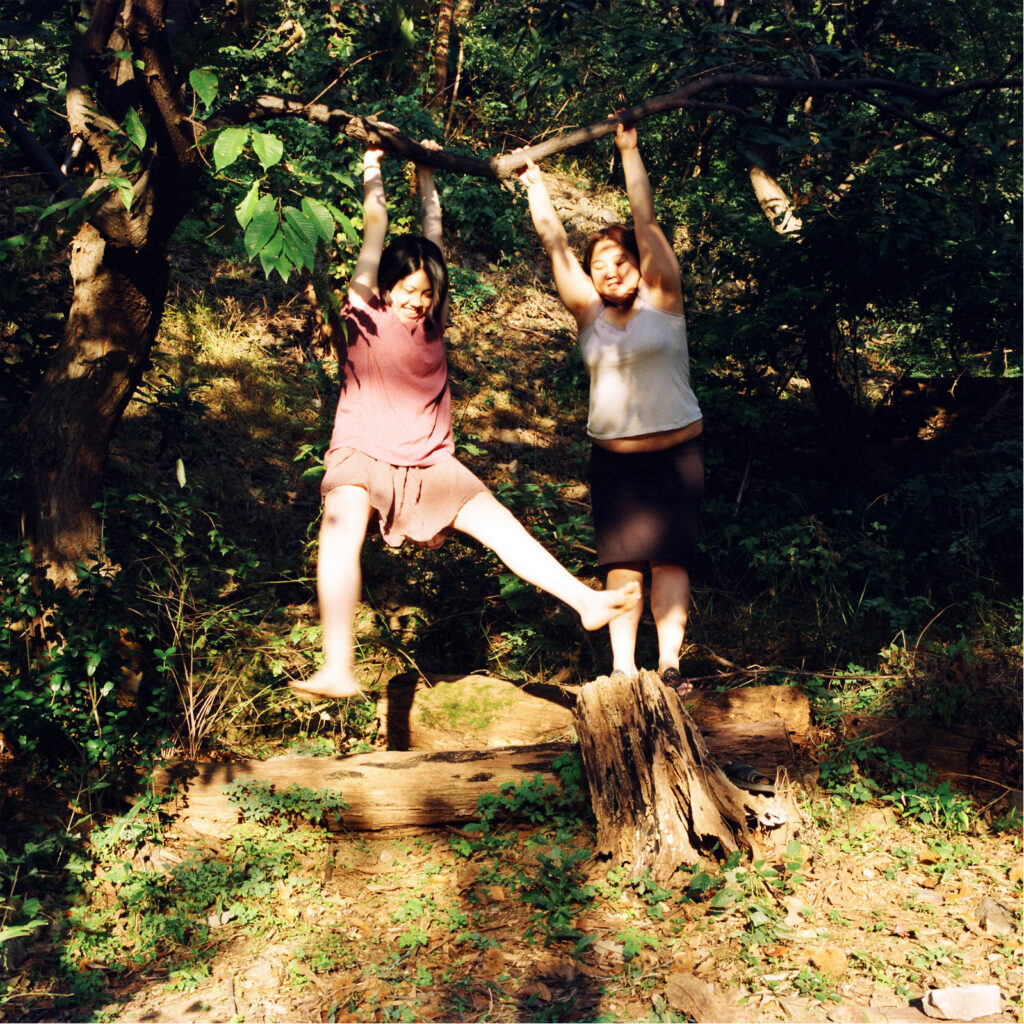
Scattering

2018
Digital pigment print
28 × 40 cm
About The Work

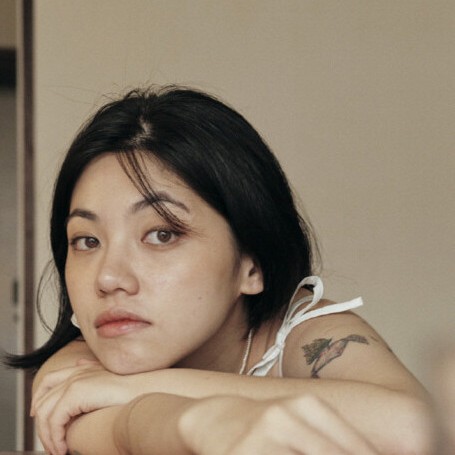
Yezoi Hwang works across various formats, including photography, essays, and interviews, collecting personal narratives. Passing through individual emotions, relationships, and the body, her practice invites us to re-sense and reinterpret the society we encounter.
 
Moving fluidly between photography and writing, Yezoi Hwang captures beings who slip outside society’s prescribed angles yet continue to carry on their own stories. Through her practice, she weaves people together through a sense of love and trust tempered by warmth and distance, and an ethics of hospitality, creating a small, intimate space in which solidarity can emerge without preconditions.
 
Within contemporary Korean art, Yezoi Hwang occupies a distinct position by addressing social realities through personal emotion rather than overt critique or symbolic representation. Her work maintains a careful distance from documentary conventions, instead using intimacy, relationships, and bodily sensation as primary modes of perception. This approach allows social issues to emerge organically through lived experience.

Solo Exhibitions (Brief)

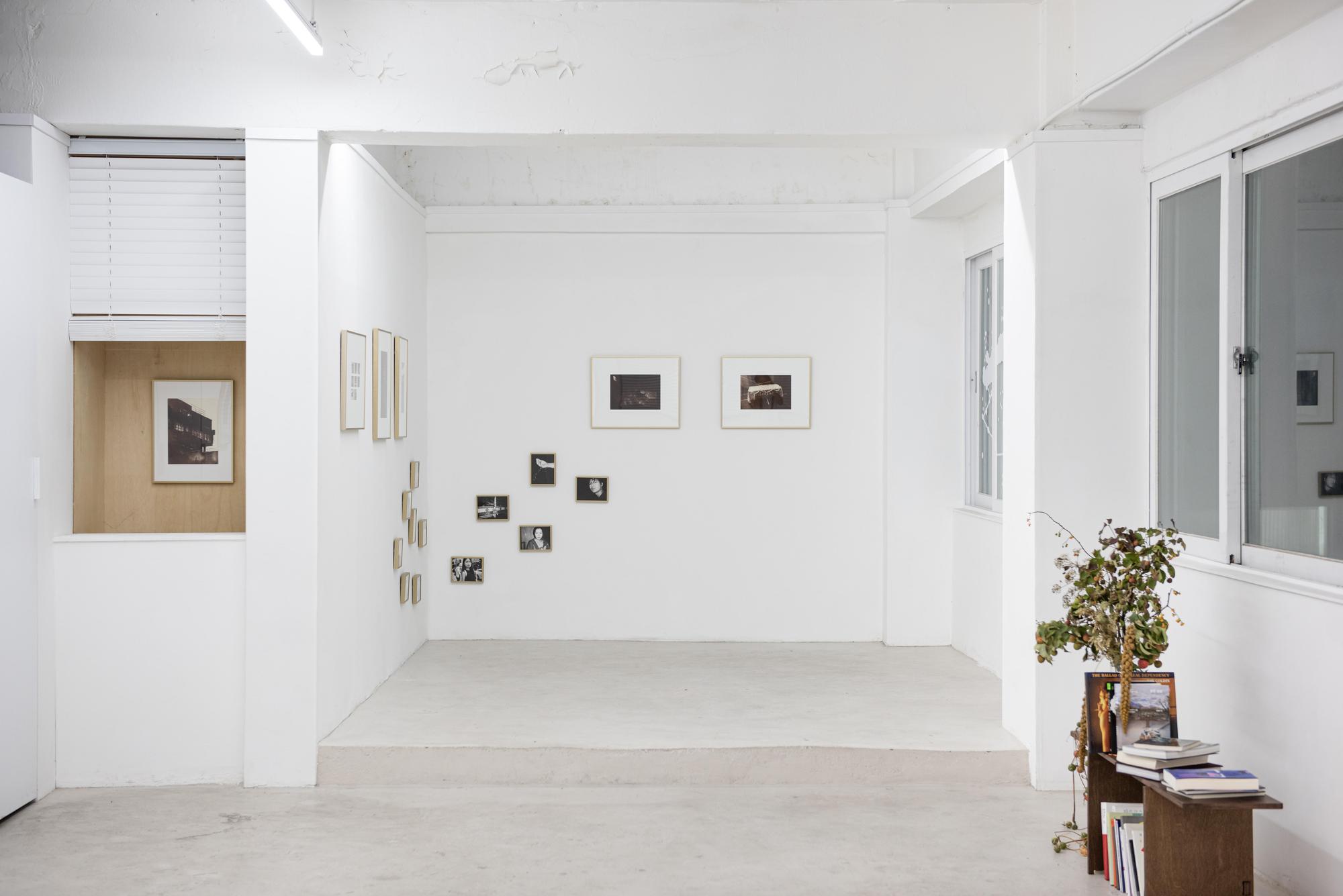
Hwnag had held solo exhibitions including 《Something Like a Soup》 (Caption Seoul, Seoul, 2025), 《Fragile Constellation》 (AnnPaak Space, Seoul, 2023), and 《Mago》 (d/p, Seoul, 2019).

Group Exhibitions (Brief)

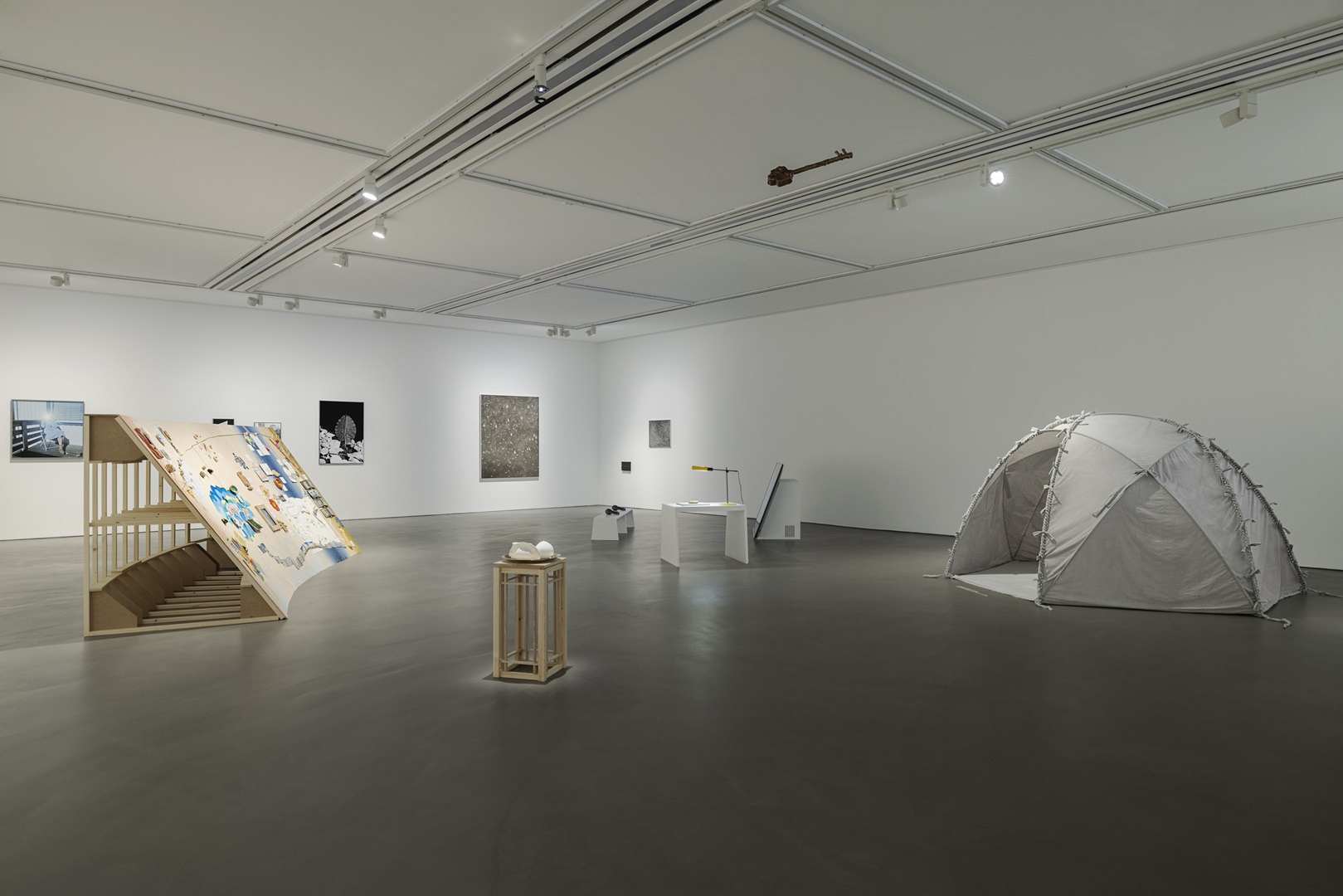
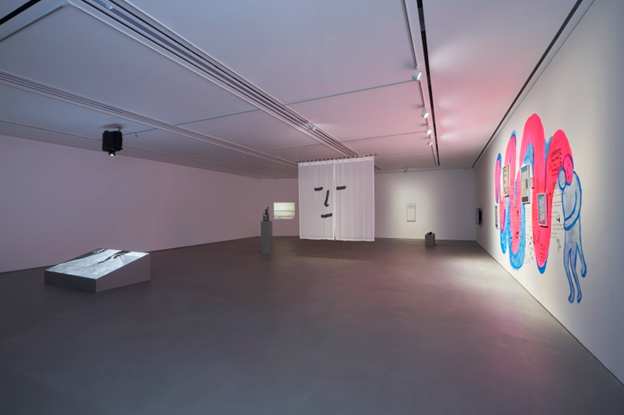
Hwang has also participated in numerous group exhibitions, including 《The Green Lay》 (DOOSAN Gallery, Seoul, 2025), 《B/W Signals》 (Museumhead, Seoul, 2024), 《We, the Sea》 (Gyeonggi Museum of Modern Art, Ansan, 2024), 《Scoring the Words》 (Seoul Museum of Art, Seoul, 2022), 《Skyline Forms On Earthline》 (DOOSAN Gallery, Seoul, 2022), and the Seoul Photo Festival 《Unphotographic Moment》 (Buk-Seoul Museum of Art, Seoul, 2020).

Works of Art

Solidarity in an Unstable Reality

Originality & Identity

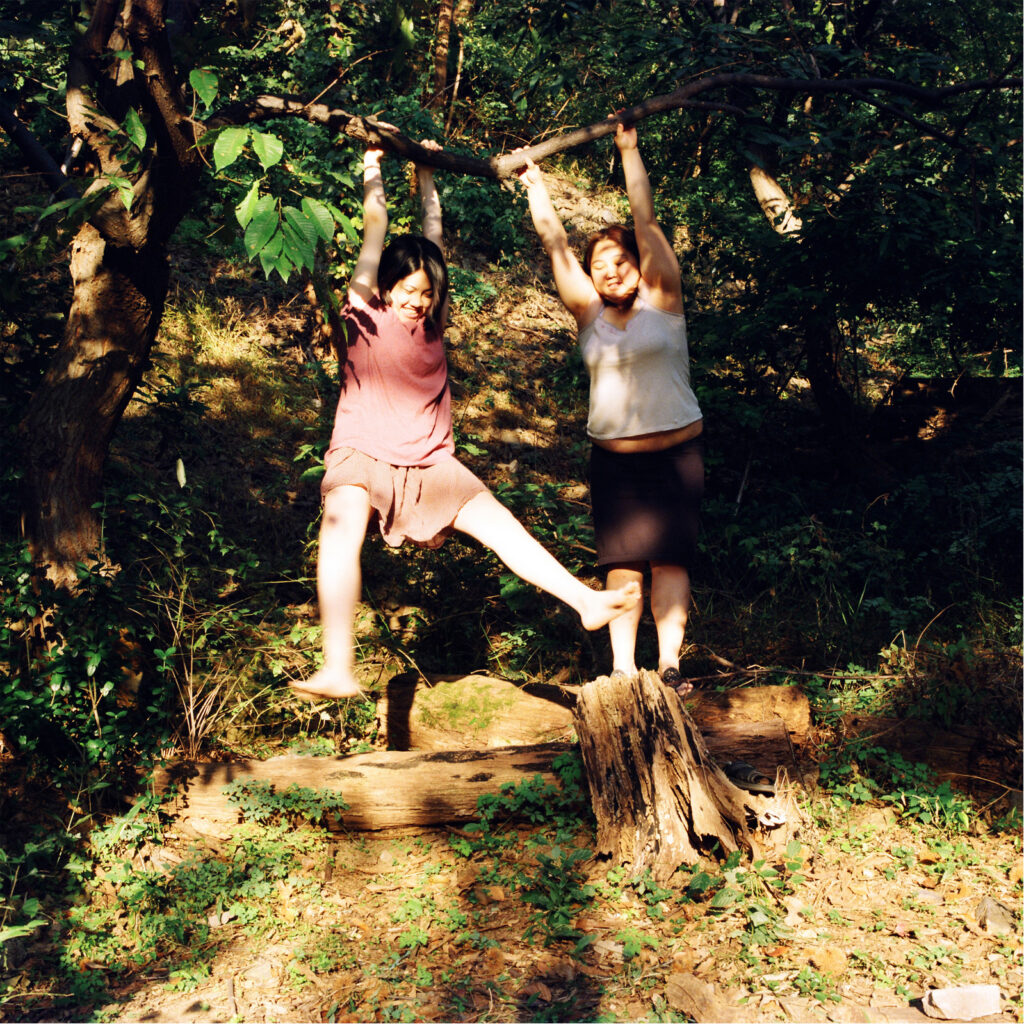
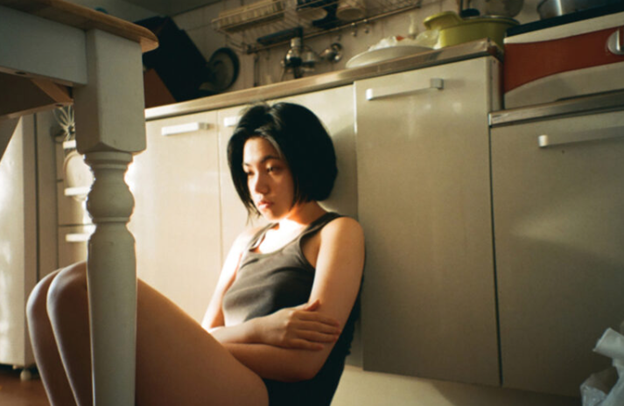
Yezoi Hwang’s practice begins with personal emotion, relationships, and bodily experience, gradually extending toward a broader view of society. Her early work focused on intimate family narratives, particularly relationships with her mother and sister, and this trajectory became clearly articulated in her first solo exhibition 《Mago》(d/p, 2019), which foregrounded themes of women and love through portraits, landscapes, and objects. While rooted in personal experience, these works already signal an effort to move beyond private confession toward shared relational structures.

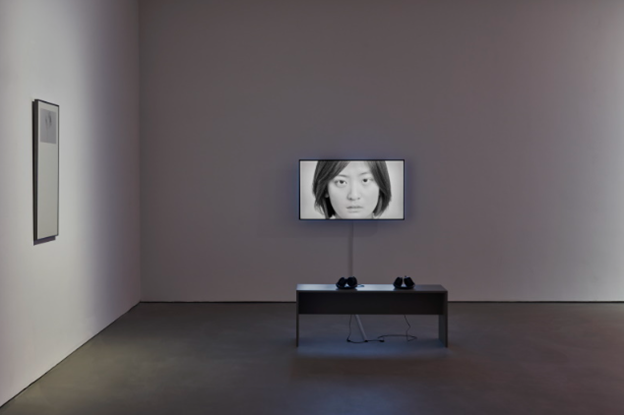
Over time, Hwang’s focus shifted toward how individual experiences are shaped, judged, or excluded by social norms. Her growing awareness that photographic framing inevitably excludes what lies outside the image led her to attend to unphotographed realities and marginalized existences. The video work Ria(2022), developed from conversations with an acquaintance who lost a family member, addresses death and mourning as processes that are often regulated or invalidated by social standards, emphasizing their fundamentally personal and uneven nature.

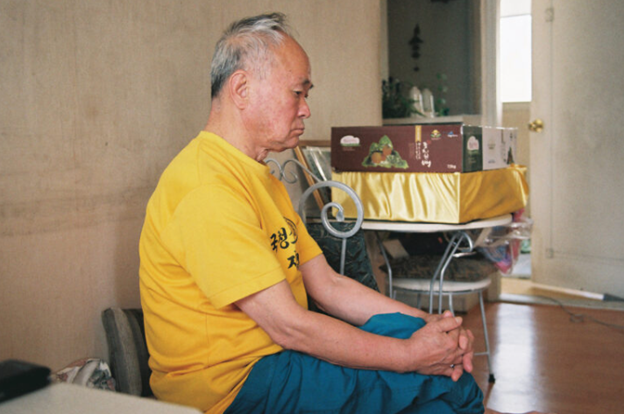
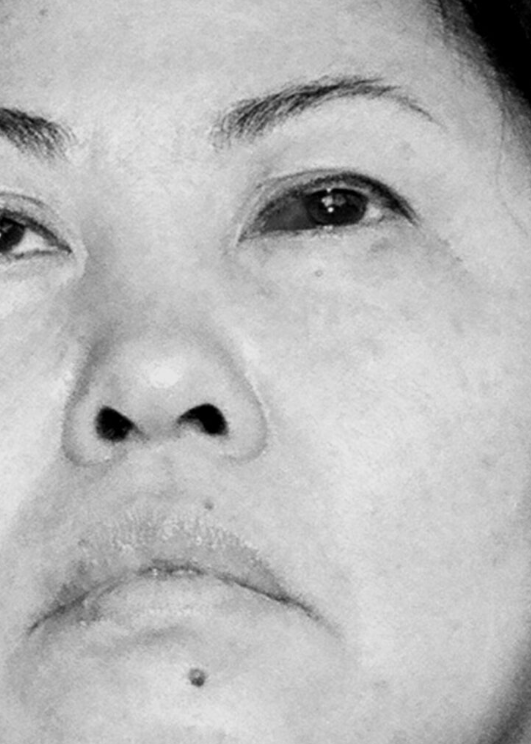
This dual attention to the personal and the social is further developed in the ‘There Before’(2022) series, presented in 《Scoring the Words》(Seoul Museum of Art, 2022). Self-portraits, family scenes, queer parades, the Sewol Ferry disaster, and the Hong Kong democracy movement are placed on the same emotional plane, suggesting that private life and public history are inseparable. Society here is understood not as abstraction, but as an accumulation of individual lives and relationships.

In later exhibitions such as 《Fragile Constellation》(AnnPaak Space, 2023) and 《Something Like a Soup》(Caption Seoul, 2025), Hwang expands her inquiry to grief, poverty, loss, and care as structural social conditions. In 《Something Like a Soup》, acts long dismissed as minor or “feminine”—cooking, caregiving, writing, recording—are reframed as sensory and ethical practices through which personal emotion becomes a form of social knowledge.

Style & Contents

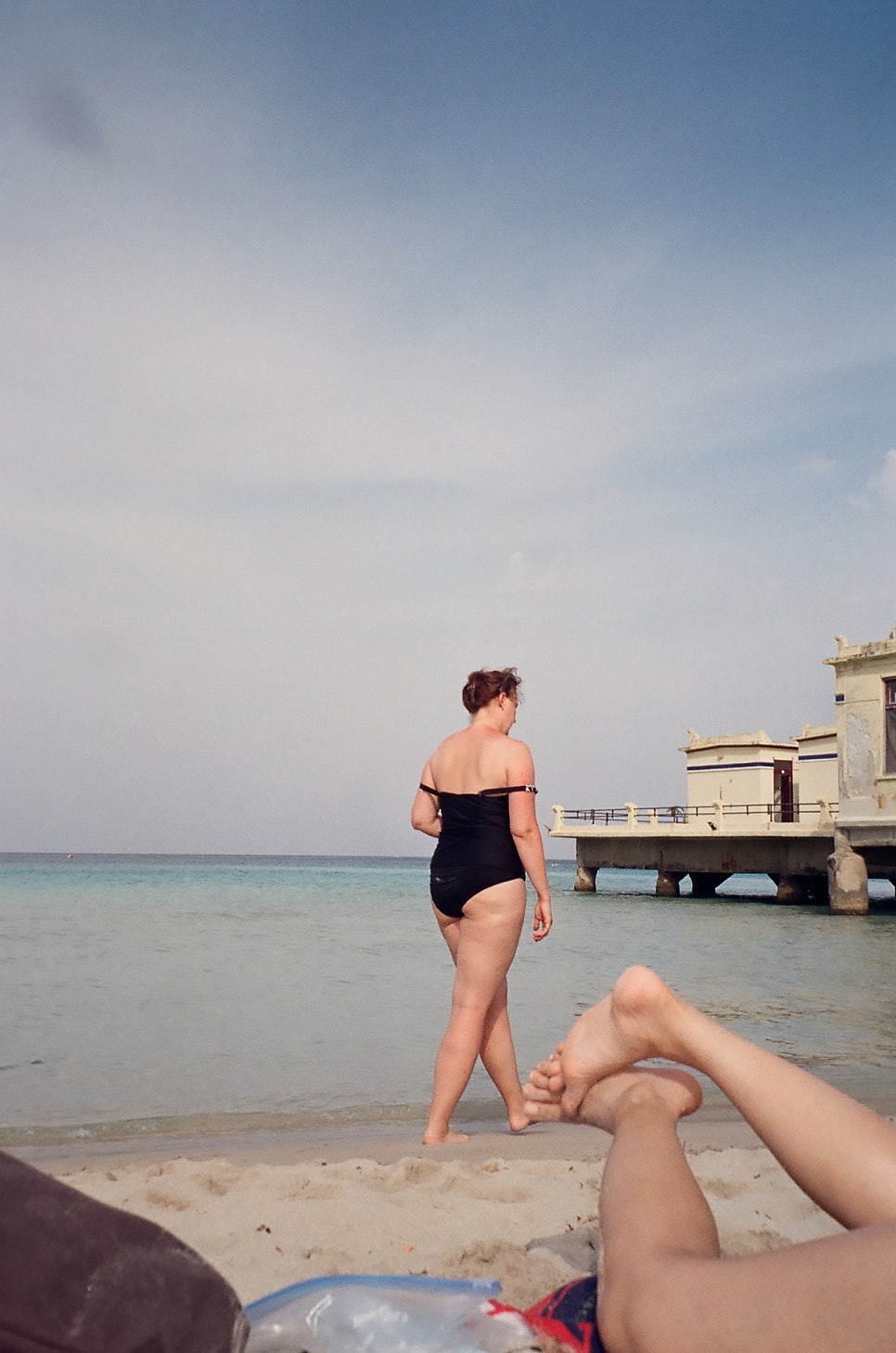
Although photography remains central to Hwang’s practice, her use of form has steadily expanded. In 《Mago》, she introduced snapshot photography into the exhibition space, privileging immediacy and continuity over polished, self-contained images. The photographs function less as autonomous works than as interconnected sequences, inviting viewers to read them as a flowing sentence rather than isolated statements.

From this foundation, Hwang gradually incorporated text, video, and installation. In Ria, narrative fragmentation and bodily sensation are conveyed through single-channel video and the material presence of a book. Symptoms such as itchiness, flaking skin, and broken narration shift attention from visual representation to embodied experience, marking a departure from strictly photographic modes.

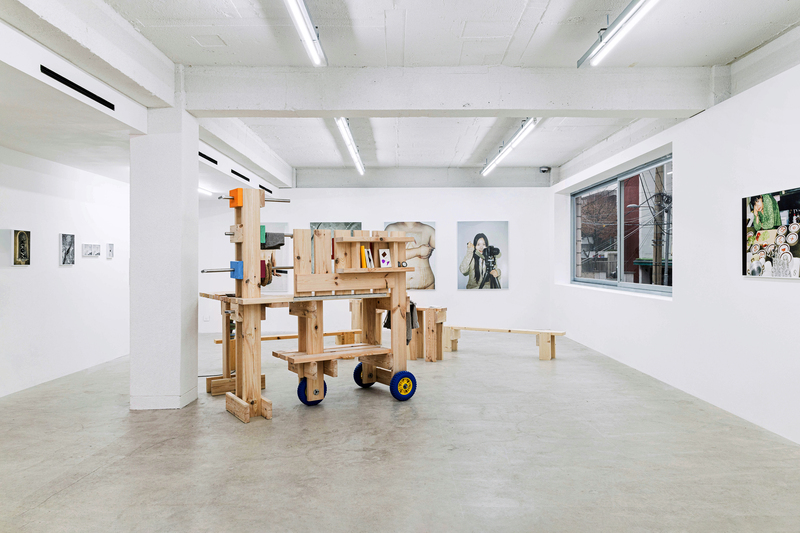
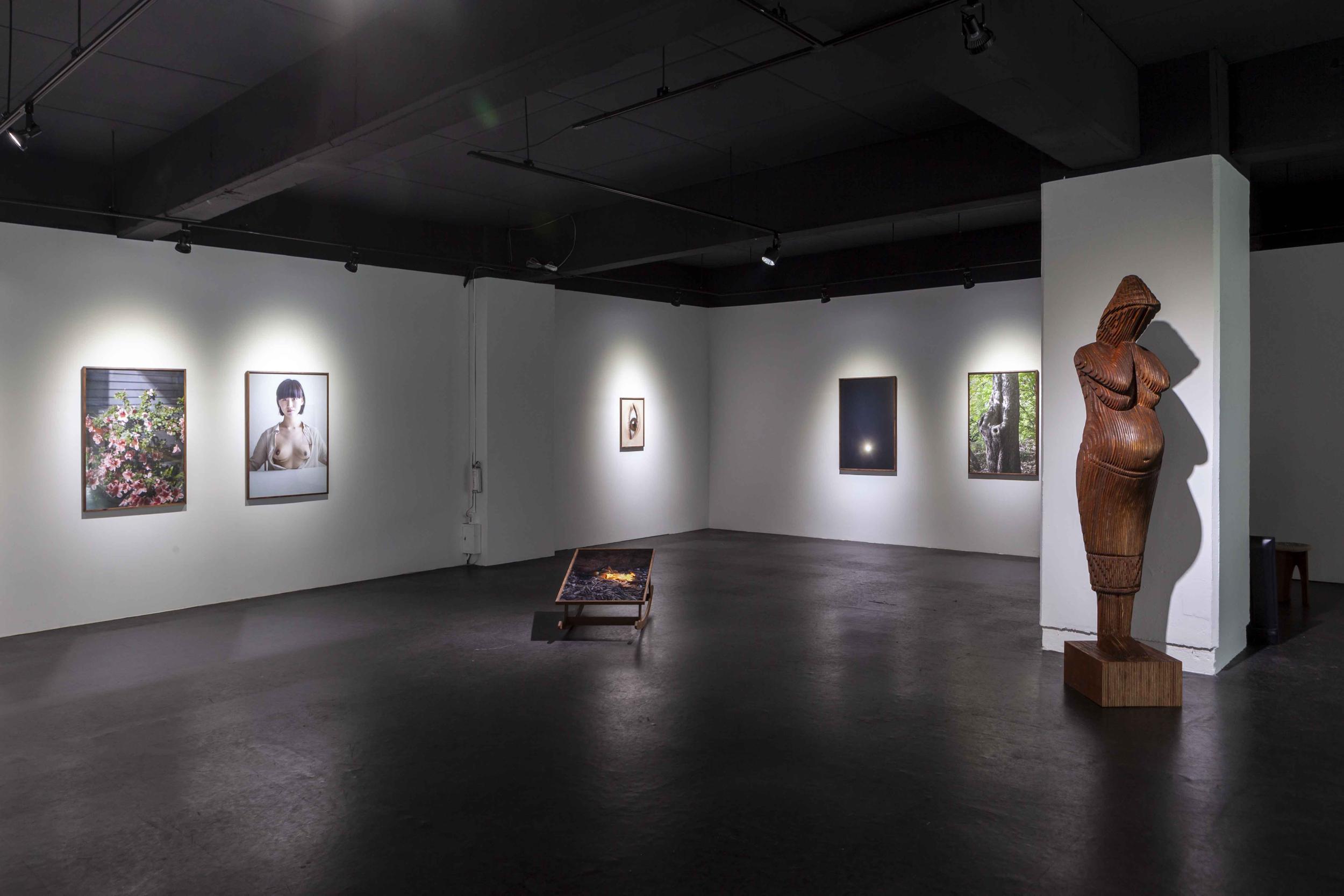
Installation plays a crucial role in the ‘There Before’ series, where photographs of varying sizes and heights form an interconnected network. This spatial arrangement transforms the images into a collective structure, emphasizing relationships and distances between individuals rather than singular viewpoints. The exhibition space becomes a site of encounter rather than display.

In 《Fragile Constellation》, Hwang further engages with the material and historical dimensions of photography by recreating Hippolyte Bayard’s albumen process. This gesture foregrounds photography as both a technical and ethical medium, capable of bearing witness to overlooked histories. In 《Something Like a Soup》, photography merges with text, food, and archival material, loosening medium-specific boundaries and reinforcing the relational nature of her practice.

Topography & Continuity

Within contemporary Korean art, Yezoi Hwang occupies a distinct position by addressing social realities through personal emotion rather than overt critique or symbolic representation. Her work maintains a careful distance from documentary conventions, instead using intimacy, relationships, and bodily sensation as primary modes of perception. This approach allows social issues to emerge organically through lived experience.

A consistent thread throughout her practice is attention to what is excluded, overlooked, or deemed insignificant. Events such as the Sewol Ferry disaster, the Hong Kong democracy movement, the Itaewon crowd crush, and urban redevelopment are not presented as spectacle, but as ongoing conditions shaping individual lives. This refusal to monumentalize tragedy underscores an ethical commitment to aftermath rather than event.

Formally, Hwang’s work demonstrates a sustained expansion of photography beyond fixed outputs. Her fluid movement between image, text, installation, and archive reflects an understanding of photography as a relational tool rather than a definitive record. This adaptability allows her to respond sensitively to subject matter without relying on a single aesthetic strategy.

Looking ahead, Hwang’s practice is poised to further explore themes of mourning, care, memory, and women’s labor within broader global contexts. By grounding social reflection in personal emotion and sensory experience, her work continues to propose alternative forms of solidarity and hospitality—quiet but resilient structures through which individuals remain connected.

Works of Art

Solidarity in an Unstable Reality

Exhibitions

Activities