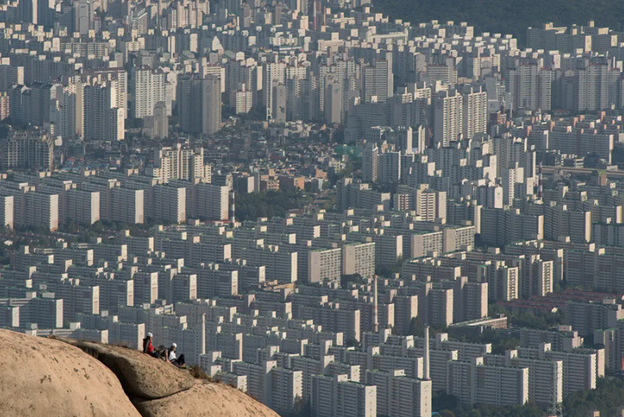
A Landscape Where Shining Hearts Gathered - K-ARTIST

A Landscape Where Shining Hearts Gathered

2024
About The Work

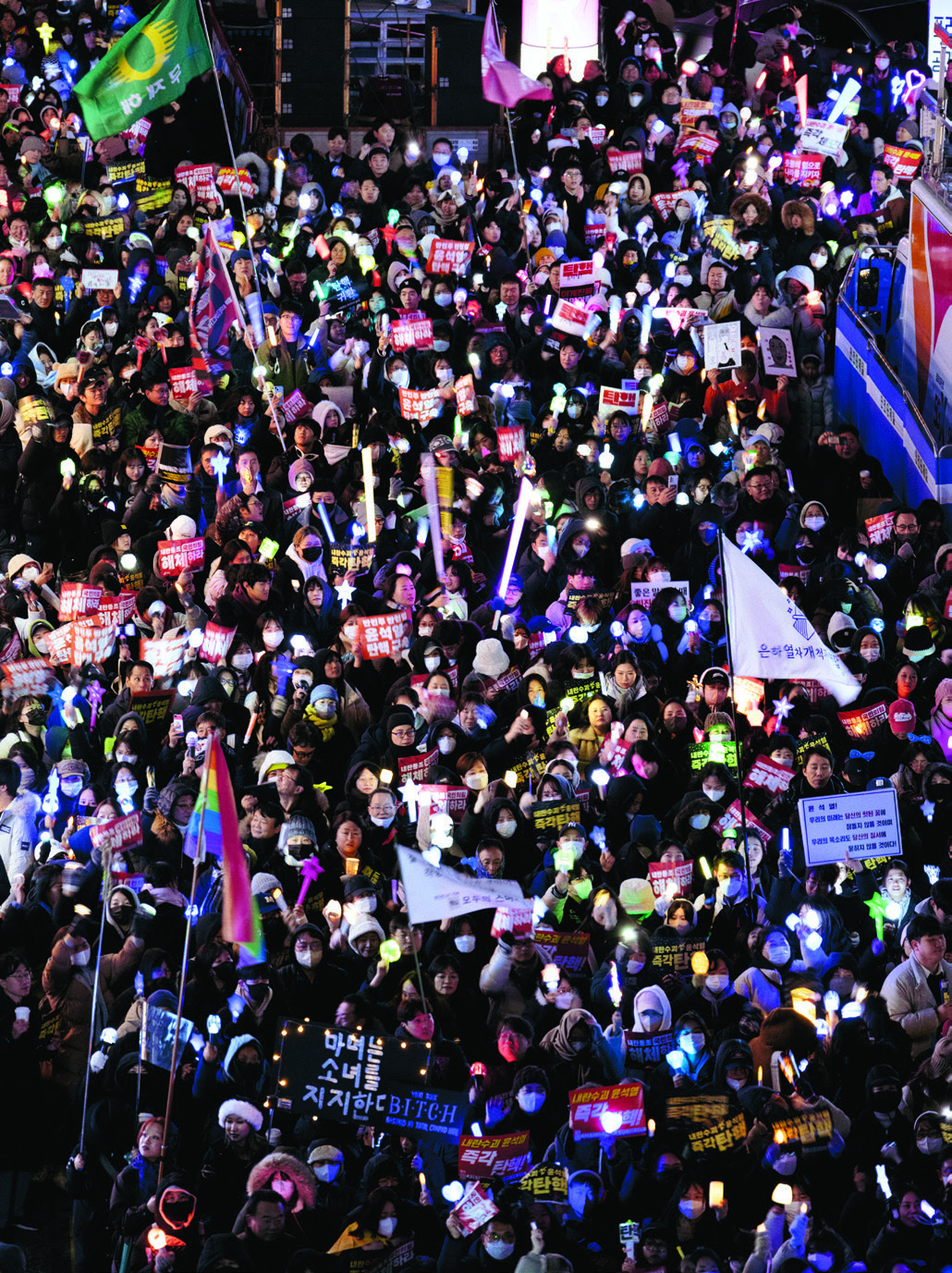
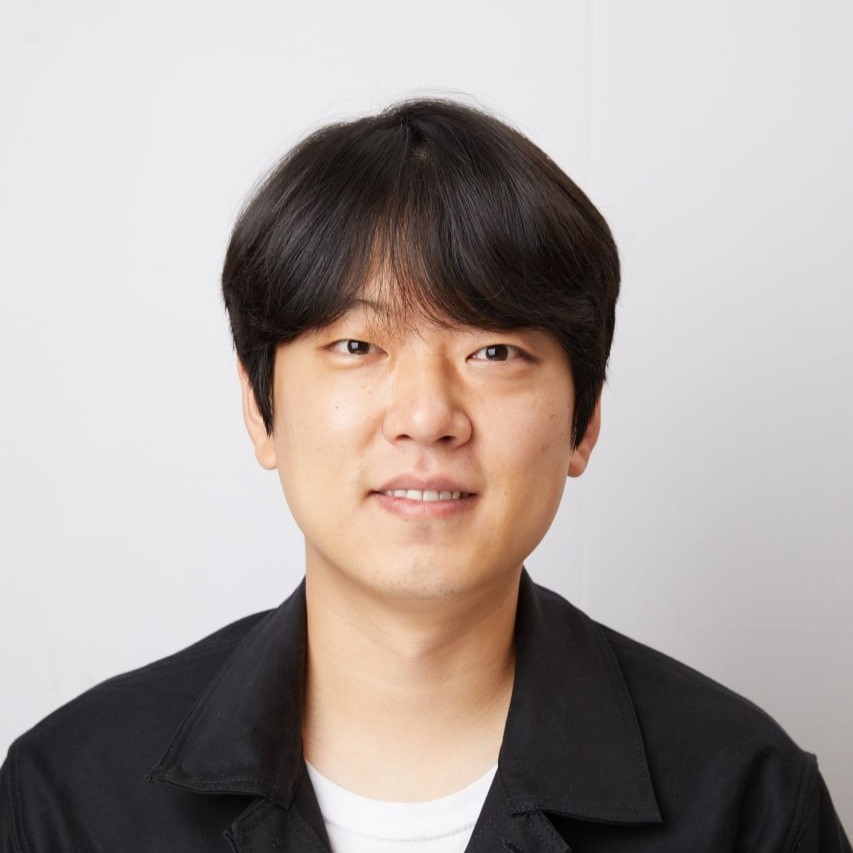
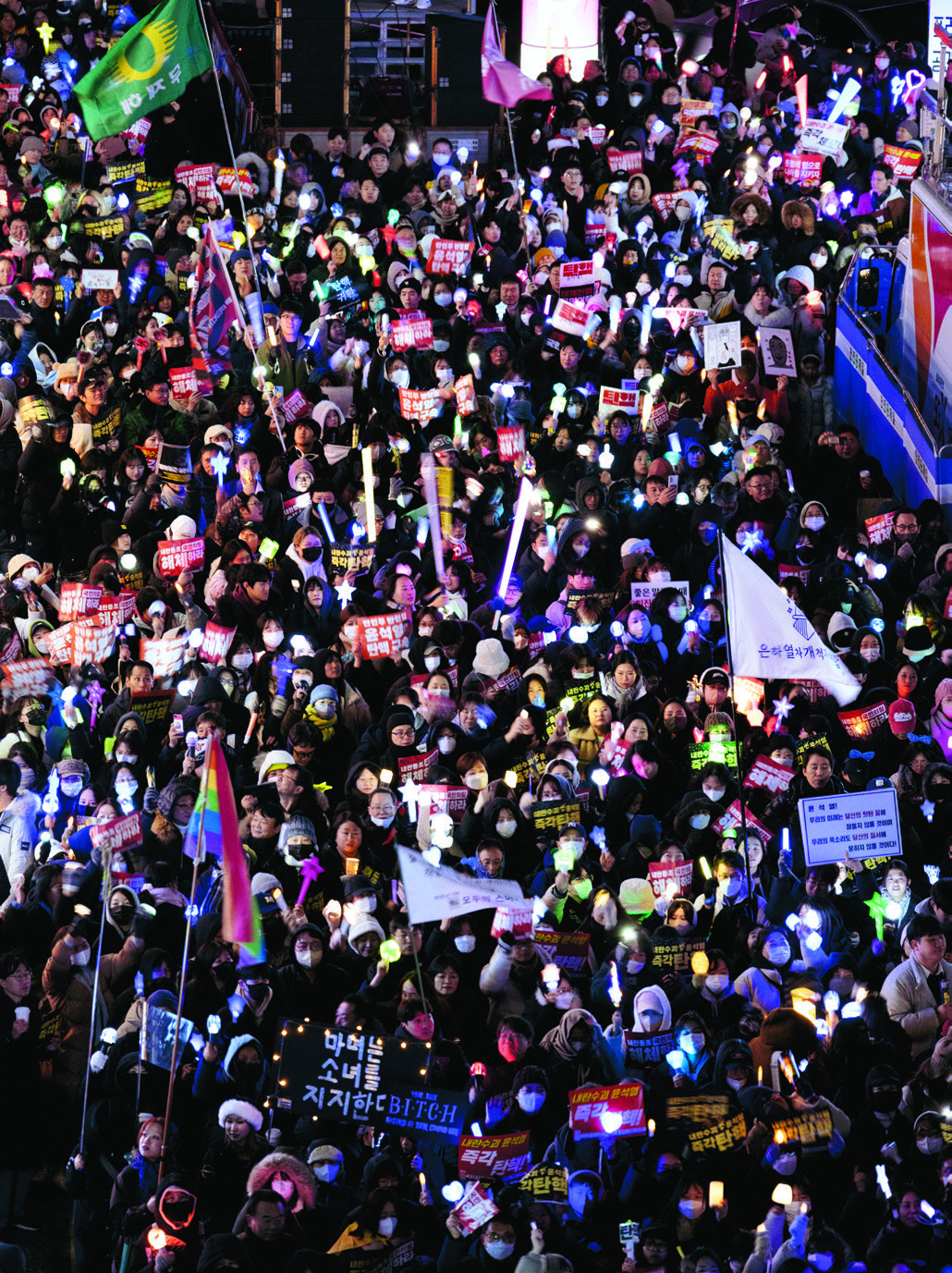
Joo Yongseong photographs the landscapes left behind by what has passed, along with social issues—particularly political and social forms of death. The artist visits these sites to document the places and the people connected to them, giving visual voice to small, often unheard stories that have remained largely unexpressed.
 
Joo Yongseong focuses on unresolved injustices within both past and present society, recording through photography the landscapes and people they have left behind. His photographs do not merely document the visible surface of what is seen; they capture the misaligned, obscured, or hidden aspects that lie beneath.
 
Through this practice, his work reveals the contradictions of society while holding, within the living memory of the community, the presence of those who are disappearing from collective remembrance. It invites us to listen once again to the stories of those who were forced into silence or buried from view.

Solo Exhibitions (Brief)

Joo has held solo exhibitions including 《The Day After We Are Gone》 (Seven Sisters Museum, Pyeongtaek, 2021) and 《Lamentation》 (Space Heem, Busan, 2018).

Group Exhibitions (Brief)

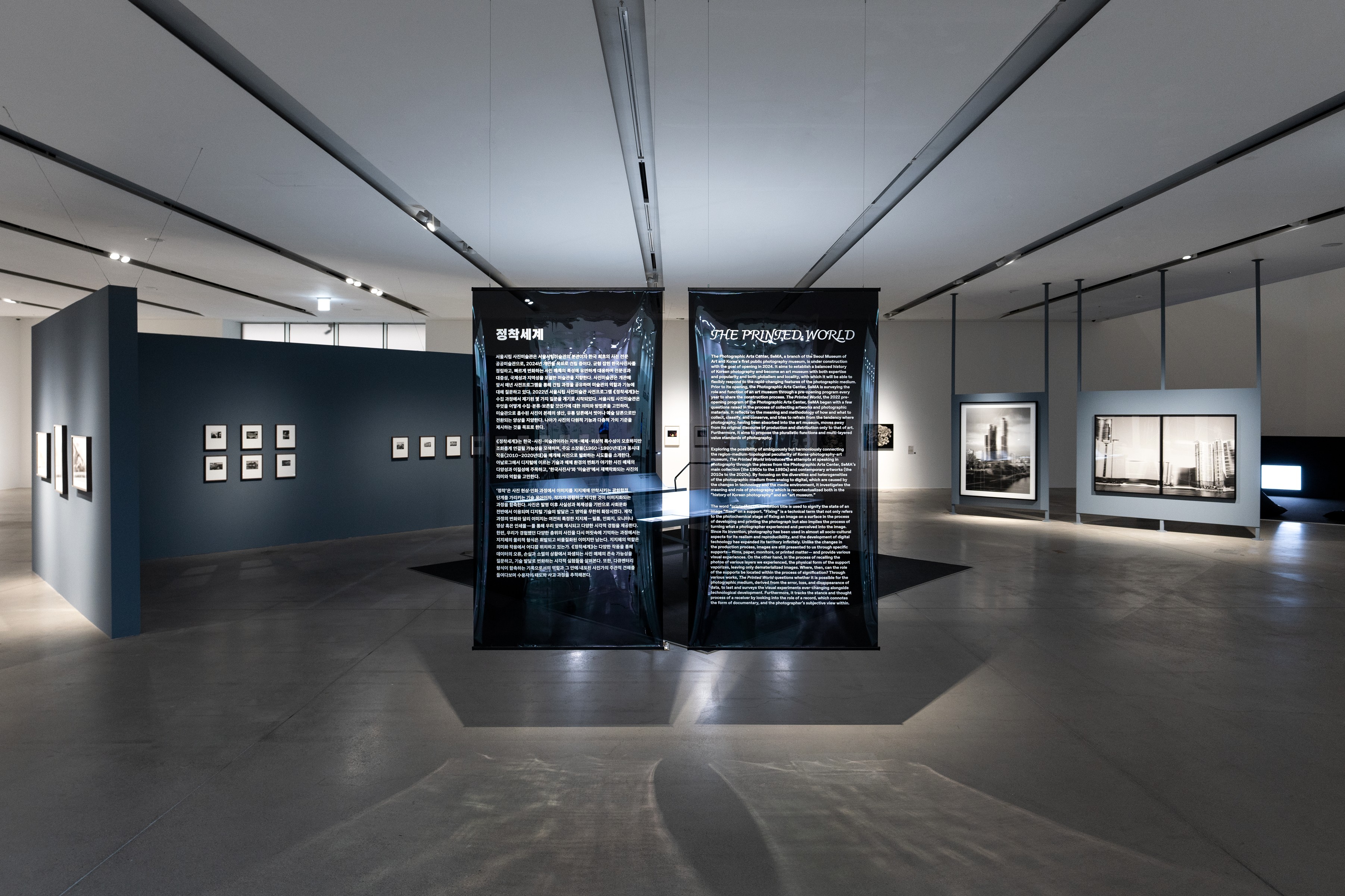
Joo has also participated in numerous group exhibitions, including 《Storage Story》 (Photography Seoul Museum of Art, Seoul, 2025), 《Intersections》 (HikoHiko Gallery, Tokyo, 2025), 《ReFrame》 (Ryugaheon Gallery, Seoul, 2024), 《That’s what we did》 (The Page Gallery, Seoul, 2024), 《The Printed World》 (Buk-Seoul Museum of Art, Seoul, 2022), 《Signaling Perimeters》 (Nam-Seoul Museum of Art, Seoul, 2021), and 《Urban implosion》 (Asia Culture Center, Gwangju, 2017).

Awards (Selected)

Joo has received several awards, including the Excellence Award at the 2025 Onbit Sealy Photography Award, the Grand Prize at the 2nd Song Kun-ho University Photography Award in 2015, and the Grand Prize at the Karsh Exhibition Commemorative Portrait Photography Competition in 2009.

Works of Art

Political and Social Forms of Death

Originality & Identity

Joo Yongseong is an artist who has consistently traced the landscapes and social fractures left behind by past events through photography, with a sustained focus on political and social deaths produced within structures of state power and institutional systems. Rather than reproducing or explaining events themselves, his work begins by observing how such deaths are remembered over time, how they are processed, and what ultimately remains. This approach does not seal past tragedies as fixed history, but instead reactivates them as issues that continue to operate in the present.

This critical awareness is clearly articulated in his solo exhibition 《Lamentation》(Space Heem, 2018). In this exhibition, Joo examines how sacrifices caused by state power are repeatedly recalled through the procedures of “reinvestigation” and “commemoration,” revealing how mourning functions as both a form and an institutional mechanism. He questions whom these familiar scenes of remembrance truly serve, and what political purposes they may fulfill.

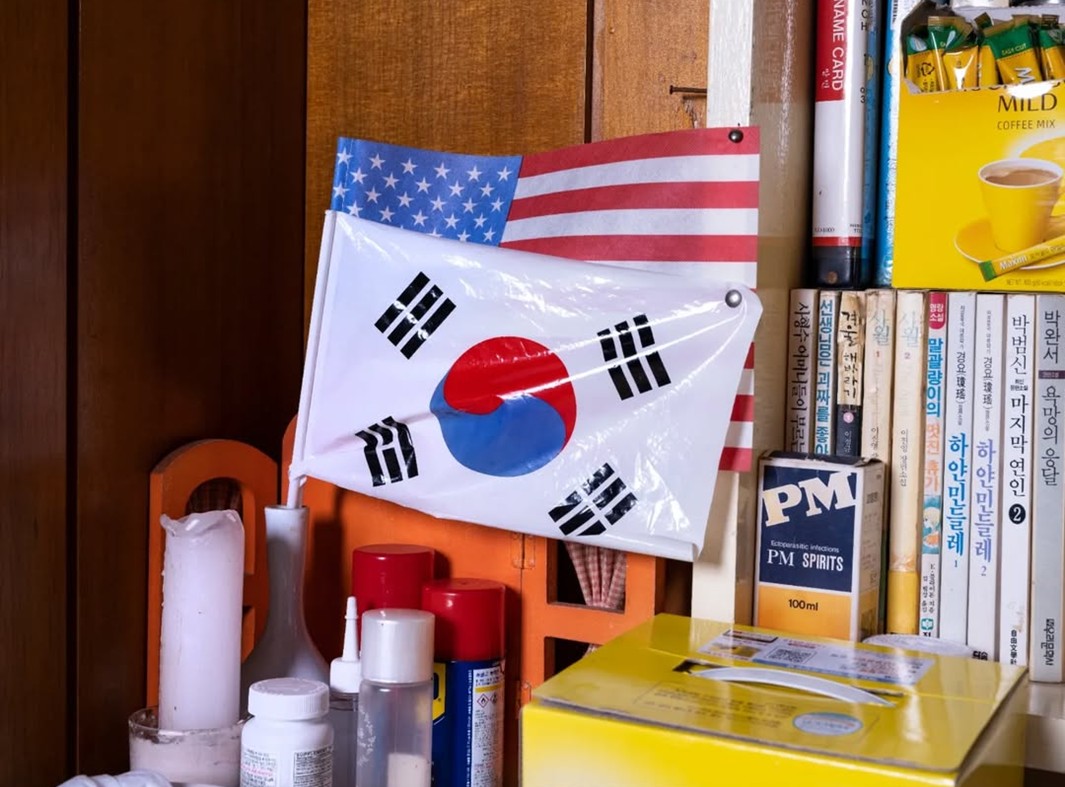
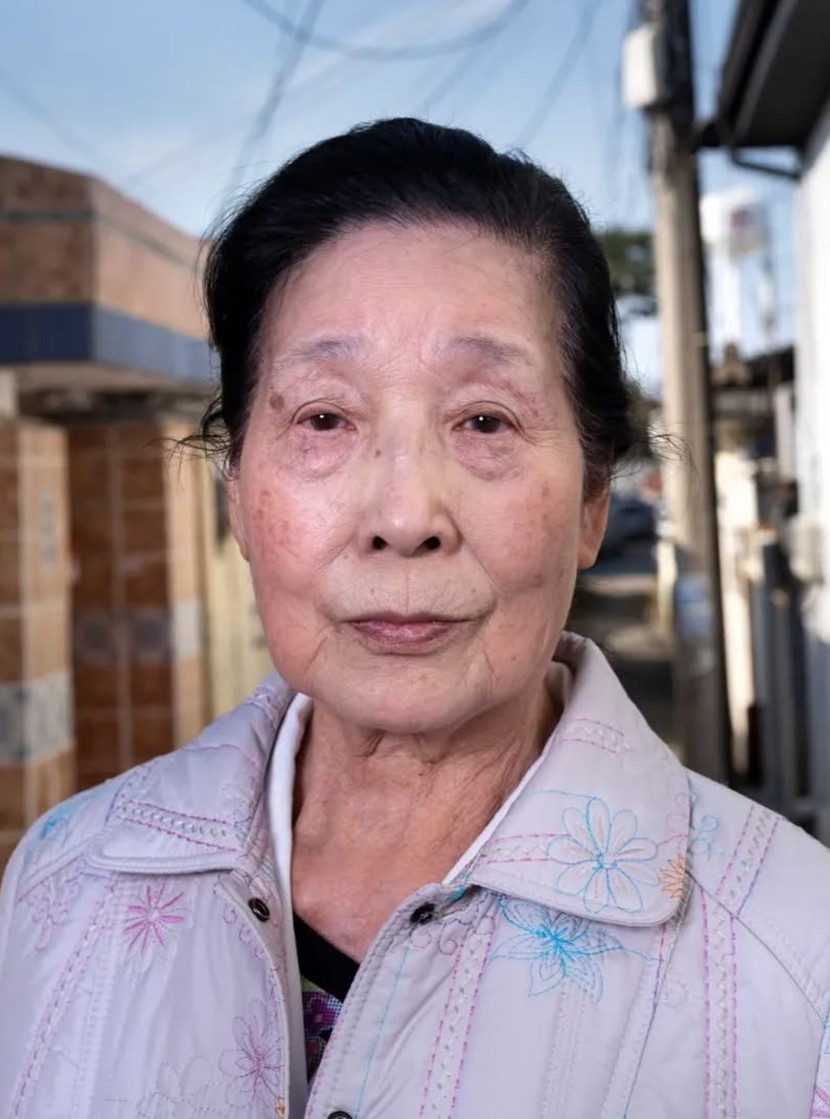
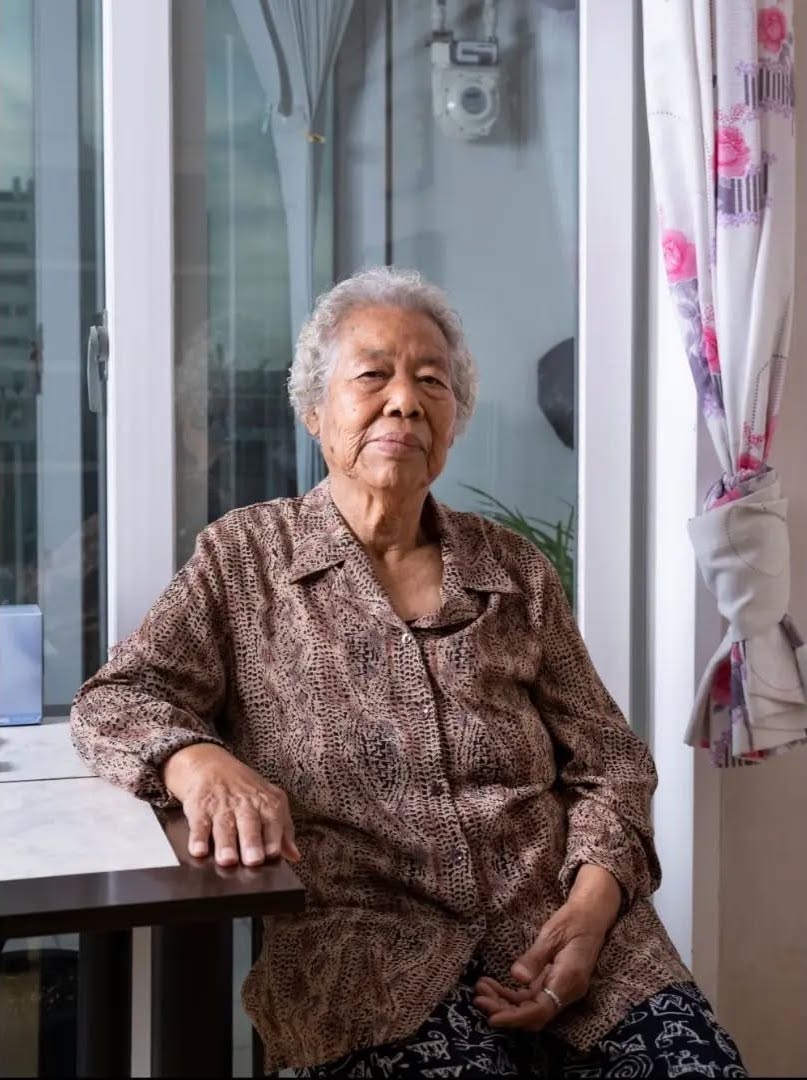
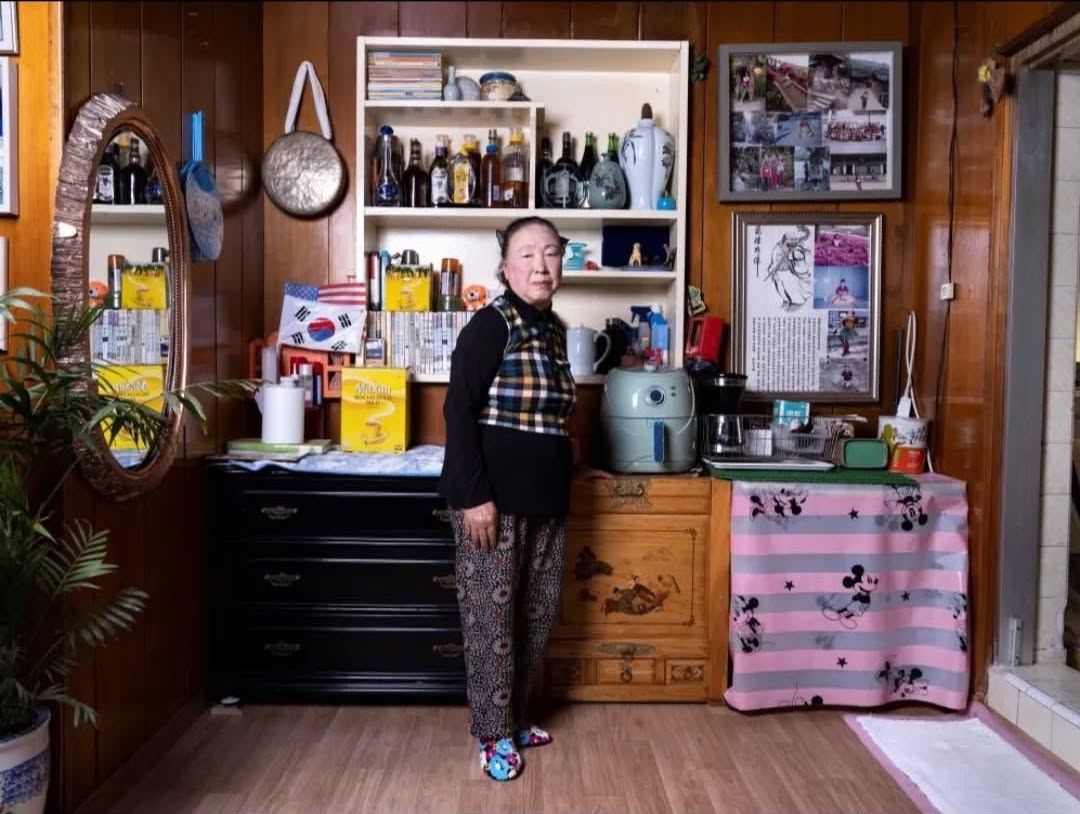
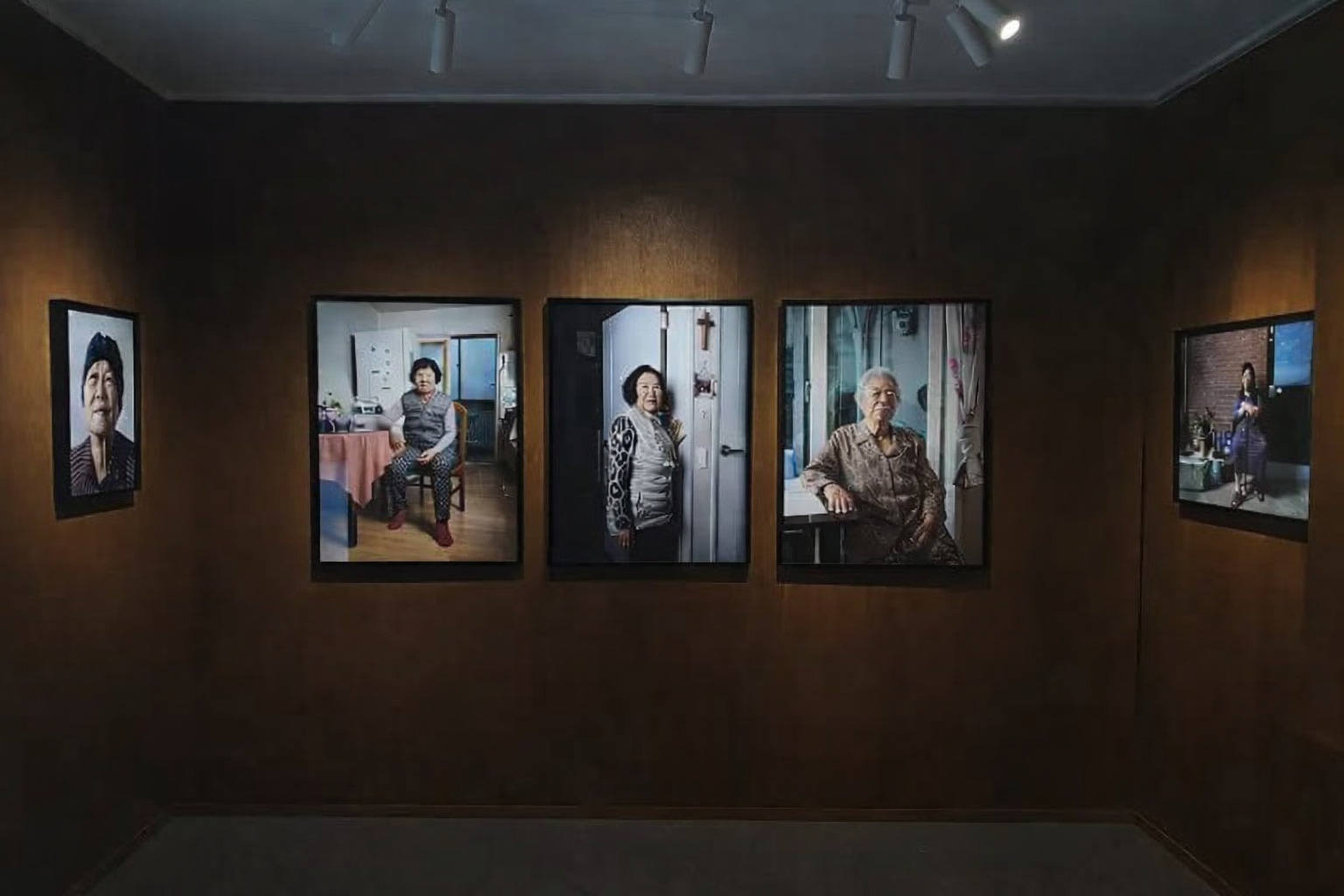
In another solo exhibition, 《The Day After We Are Gone》(Seven Sisters Museum, Pyeongtaek, 2021), the artist’s focus shifts toward more specific historical subjects. Addressing the lives of camptown women who lived in areas formed after the Korean War, Joo does not fix them as figures of past victimhood, but presents them as living individuals who continue to seek a voice. Here, the thematic scope expands from death as an object of mourning to lives that were long forced into silence.

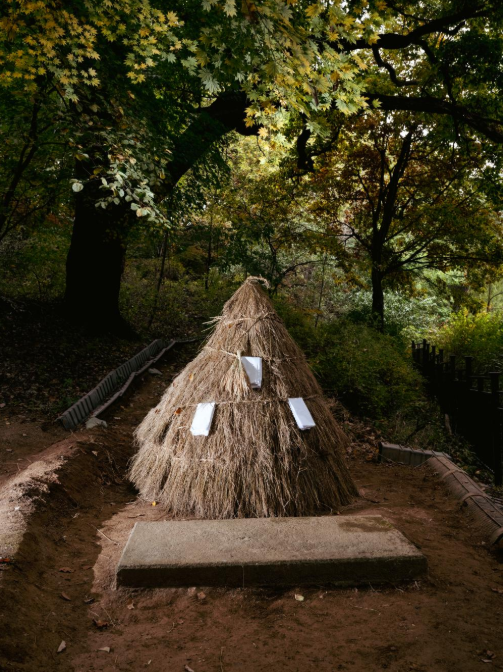
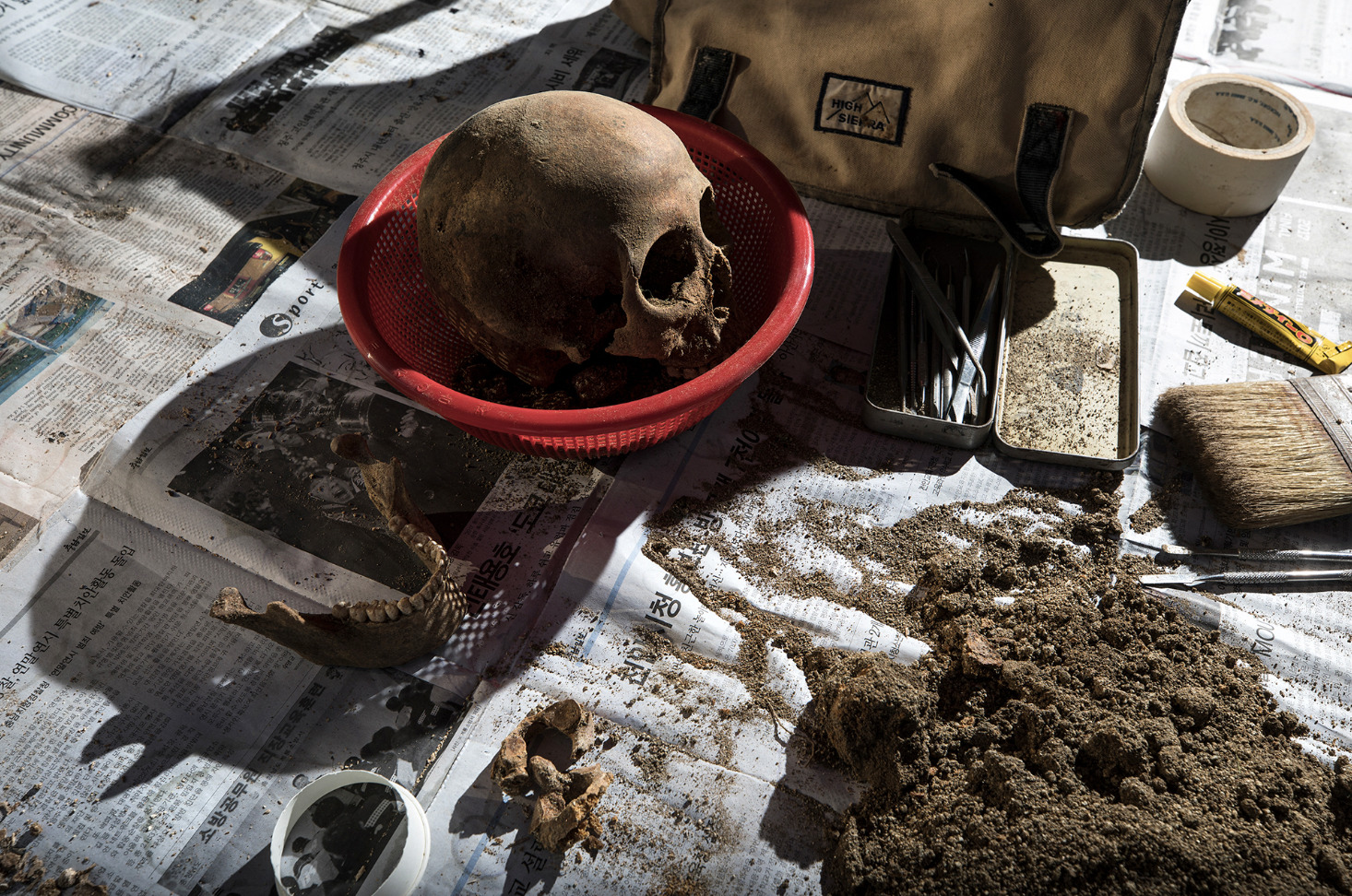
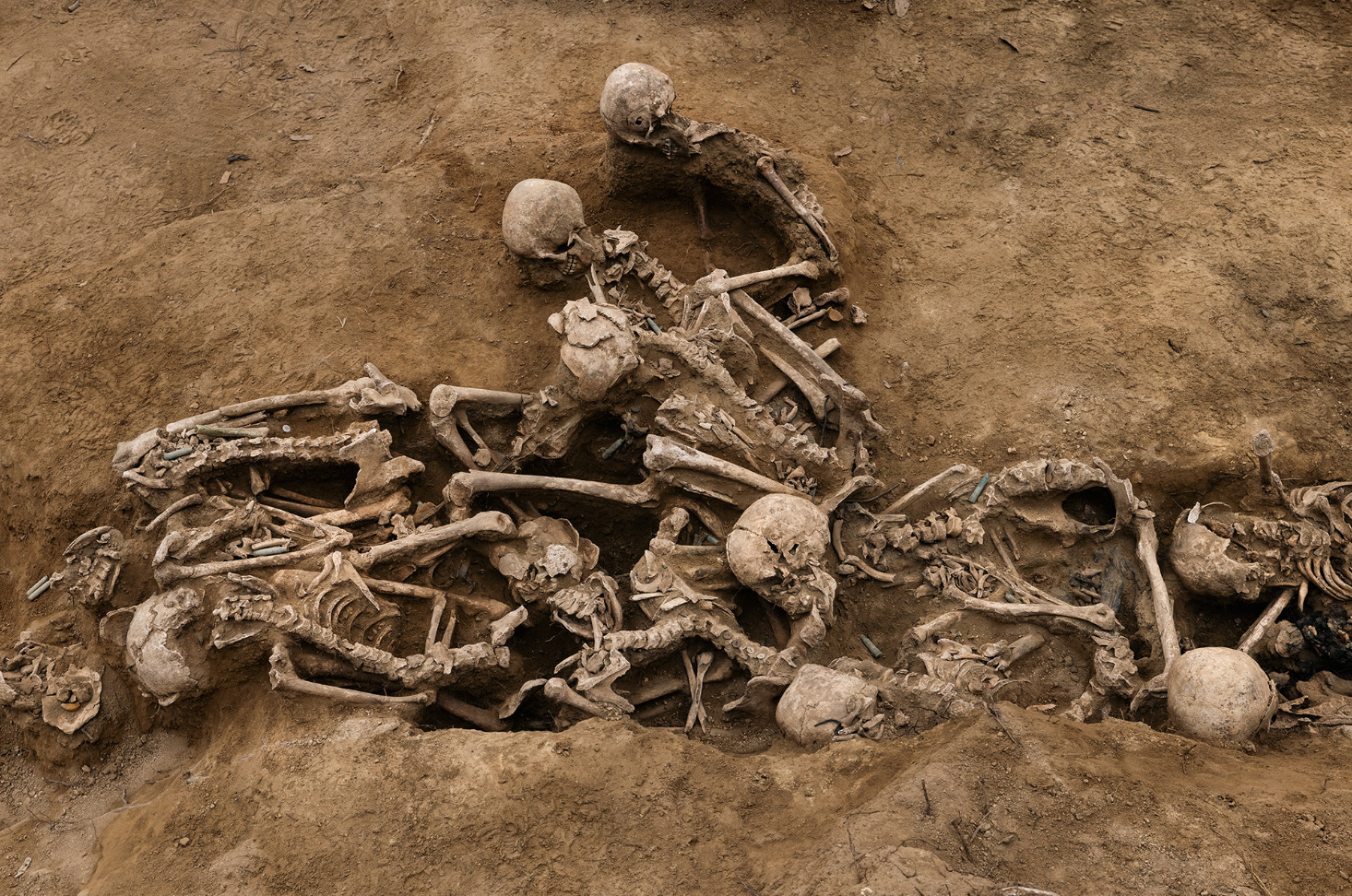
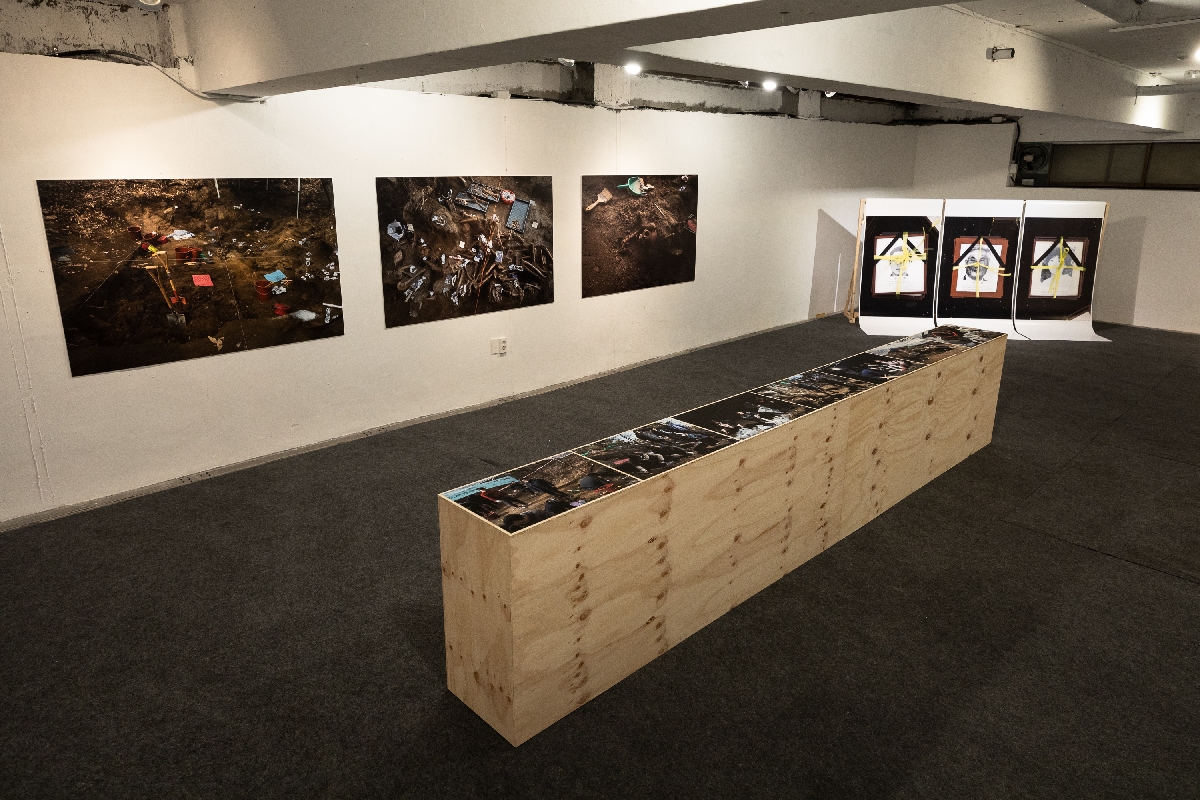
In the more recent ‘Red Seeds’ (2024) series, Joo returns to the issue of civilian massacres during the Korean War, yet his approach extends beyond documentation and testimony toward an inquiry into excavation and acts of memory themselves. Excavation sites are no longer treated merely as objects of investigation, but as ritual spaces that summon erased existences into the present, while photography functions as a medium that transfers this process into another form of remembrance.

Style & Contents

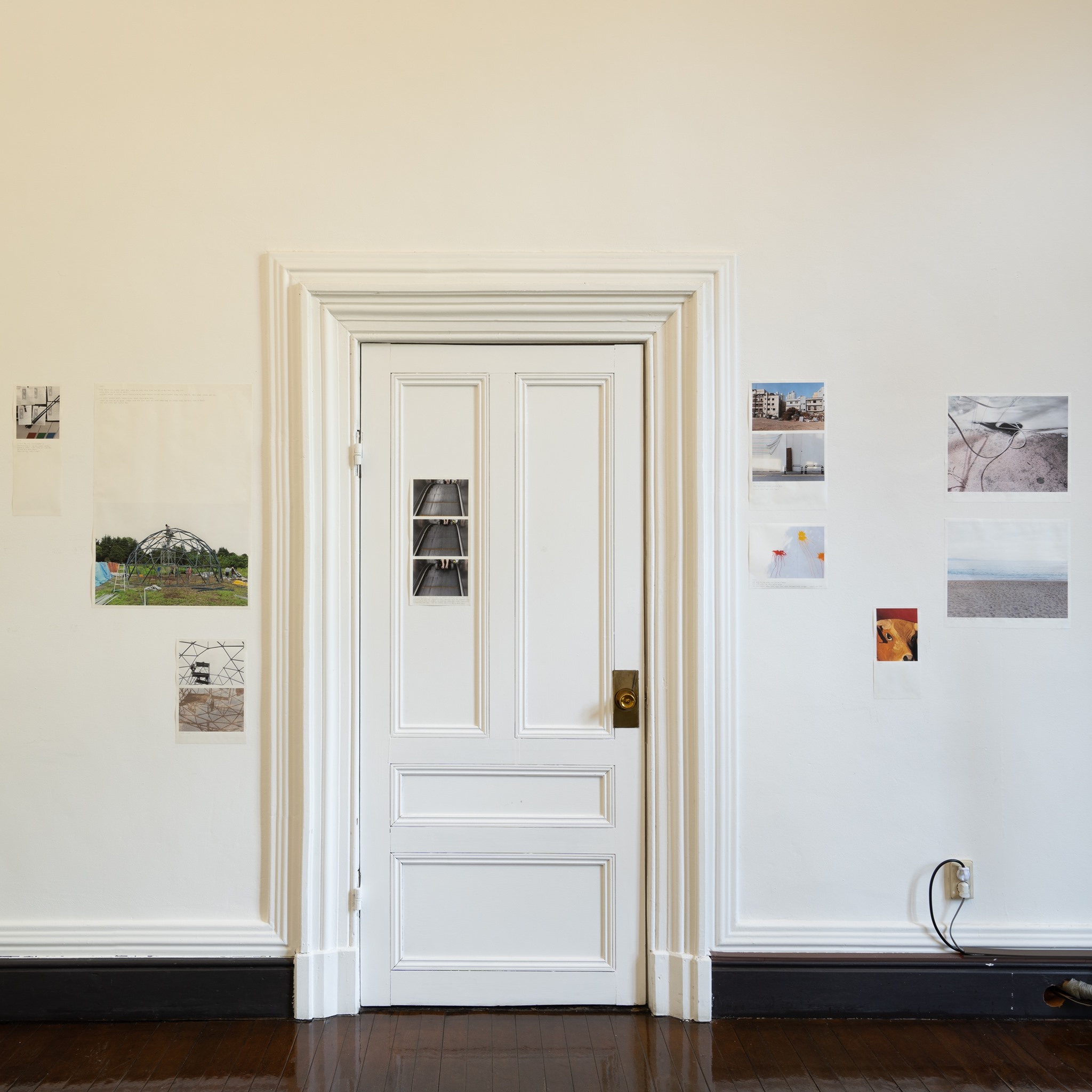
While photography remains Joo Yongseong’s primary medium, the way he employs it has gradually expanded. In 《Lamentation》, photographs are not presented as isolated images but are combined with structures in an installation format, spatially articulating how memory is fragmented, arranged, and systematized through institutional logic. In this context, photography functions less as evidence of events and more as a device that exposes how scenes of mourning are staged.

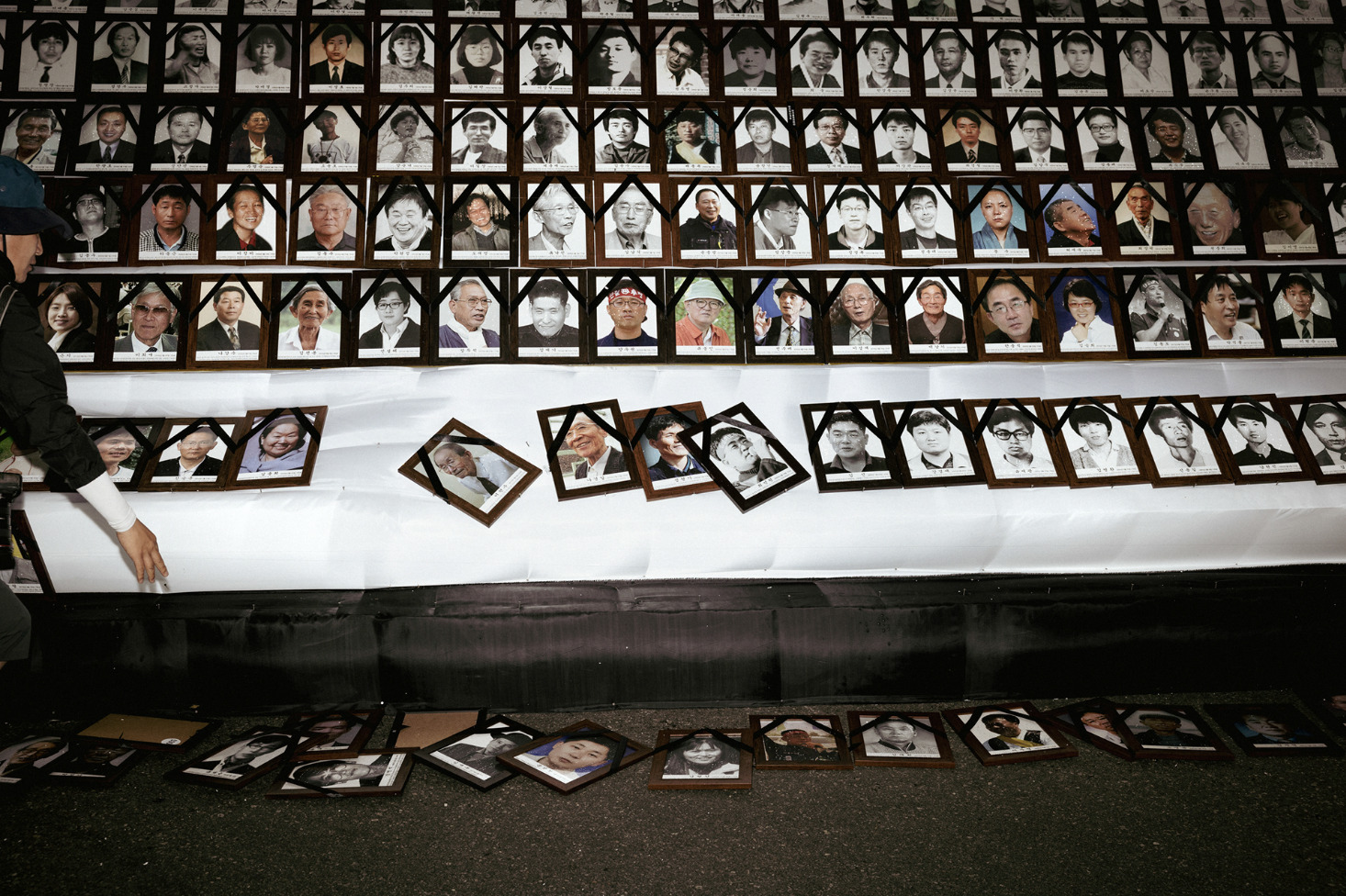
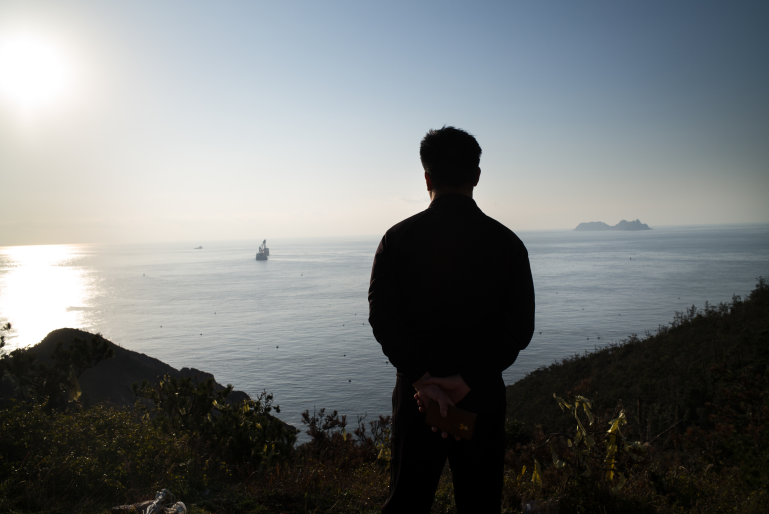
Works from this period were photographed at monumental sites associated with death, including excavation sites of civilian massacre victims from the Korean War, Jeju 4·3 Peace Park, and the Enemy Soldiers’ Cemetery in Paju. Pieces such as Government Joint Funeral and Memorial Service for the Sewol Ferry Victims, Ansan, South Korea(2018) and Memorial Ceremony for National Democratic Martyrs and Victims, Seoul, South Korea(2018) capture, in an almost raw manner, how the “moment” of mourning is highly formalized.

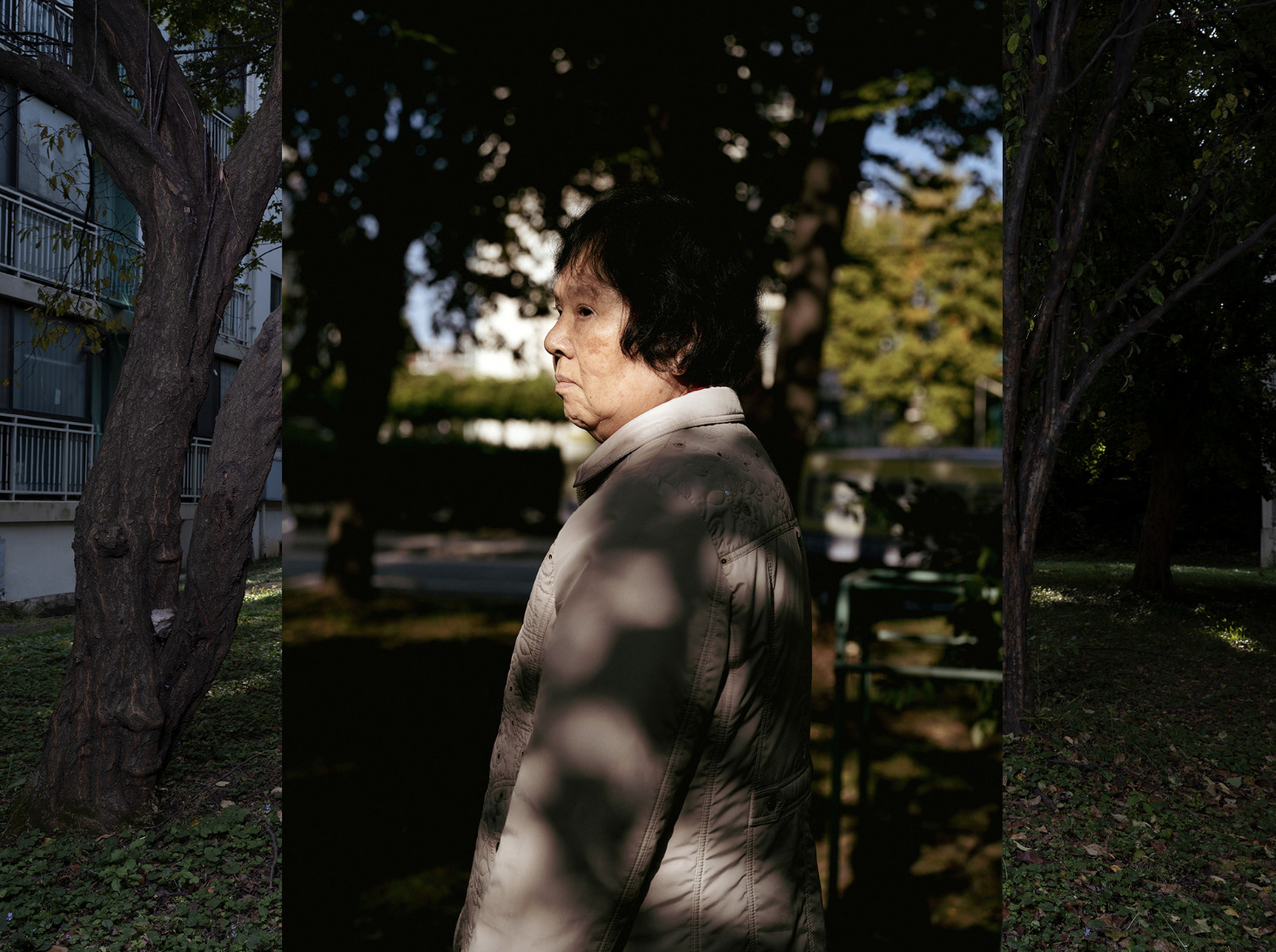
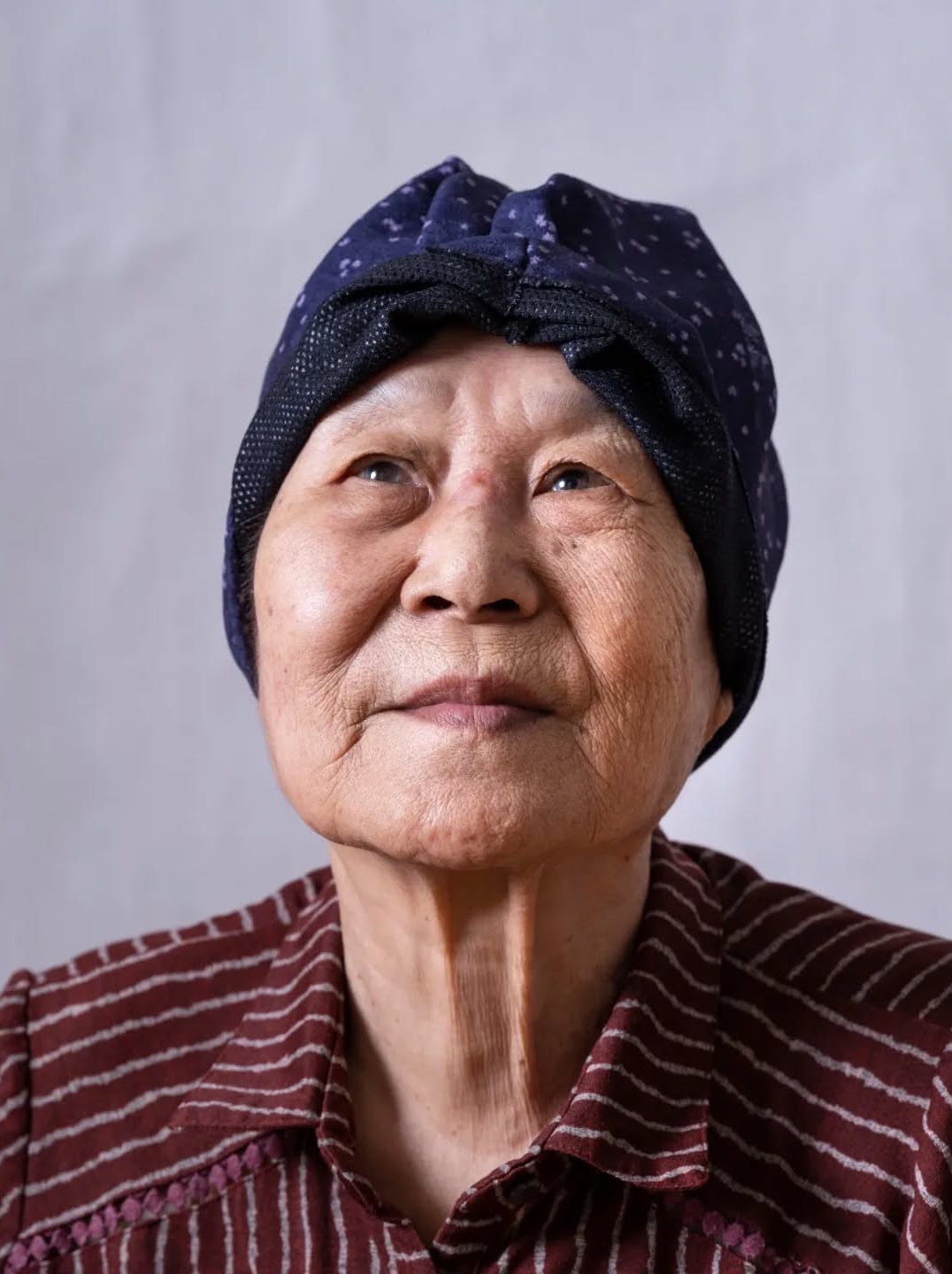
In 《The Day After We Are Gone》, portrait photography comes to the forefront. Works such as Boknam Kim, Pyeongtaek, South Korea(2021), Eunja Jo, Pyeongtaek, South Korea(2021), and Young-rye Park, Pyeongtaek, South Korea(2021) confront viewers directly with individuals embedded in specific historical contexts. Here, photography operates not as an instrument of accusation or documentation, but as a channel through which lives that could not previously speak are allowed to articulate themselves.

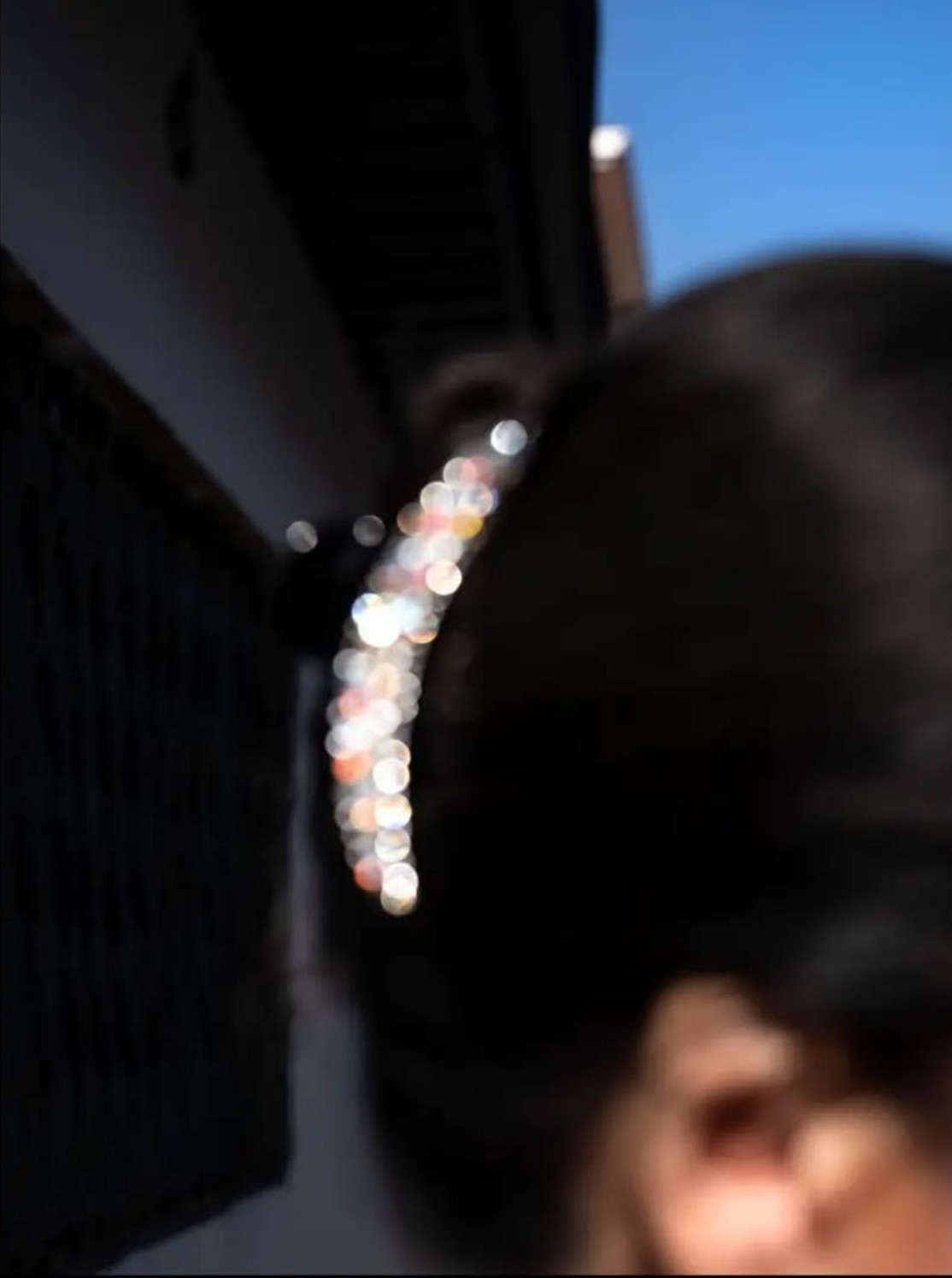
In the ‘Red Seeds’ series, places and objects—human remains and personal belongings—become central visual elements. Excavated bones, hairpins, glass beads, and shell casings function simultaneously as traces of individual bodies and as material evidence of collective violence. By recording these elements with restraint rather than emotional emphasis, Joo positions photography as a material record that anchors memory in the present, rather than as a reenactment of the event itself.

Topography & Continuity

Joo Yongseong’s practice can be understood as a sustained engagement with the “aftermath” of events in modern Korean history. His work differs clearly from conventional documentary photography in that it prioritizes not immediate impact or dramatic scenes, but the institutions, forms, silences, and mechanisms of memory that remain long after events have passed.

A core continuity in his practice lies in his persistent examination of how mourning, commemoration, and memory are institutionalized and repeated as social systems. The questions first articulated in 《Lamentation》 extend into 《The Day After We Are Gone》, which foregrounds the lived experiences of camptown women, and further into the ‘Red Seeds’ series, where attention shifts toward concrete subjects and material evidence. Across these works, his focus gradually moves from symbolic structures to embodied and physical traces.

At the same time, Joo treats photography not as the endpoint of recording, but as part of an ongoing process of remembrance. By participating directly in excavation sites, collecting testimonies and objects, and translating them into images, he positions himself not merely as an observer, but as a co-producer of memory. This stance constitutes both an ethical orientation and a defining methodological feature of his work.

Joo Yongseong’s practice is increasingly extending beyond the specificity of Korean modern history toward broader questions shared across societies that confront state violence and collective memory. How to record what remains after death, and who holds the authority to remember, are questions that resonate beyond national borders.

Works of Art

Political and Social Forms of Death

Exhibitions