Best Television is Noh Television - K-ARTIST

Best Television is Noh Television

2025
Single-channel video, color, sound
15min, 250 x 250 x 80 cm
About The Work

Songhee Noh works with a wide range of tangible and intangible archives and spaces as her materials, reconfiguring them into meta-level video works. Through this process, she transforms the status of archival materials and the practice of archiving itself into questions of visual language, systems, and rhythm, thereby introducing new tempos and structures to fixed memories embedded in existing narratives.
 
Songhee Noh’s practice begins by viewing the archive not as a mere accumulation of materials, but as a “site” that reveals how institutions perceive and frame the world. Grounded in this perspective, she reconstructs and re-records the multiple contexts and structures embedded in archives—both tangible and intangible—from a contemporary point of view.
 
Songhee Noh collaborates with practitioners across diverse fields to dismantle and reconfigure datafied histories labeled as “archives,” proposing new speeds and structures of record-making. This process of reconstruction moves across the spatiotemporal boundaries of reality and virtuality, past and present, encouraging viewers to perceive archived history—often regarded as static—as a fluid and continuously transforming process.

Solo Exhibitions (Brief)

Noh’s solo exhibitions include Shaping the Archives (Seoul Art Space Geumcheon, Seoul, 2025) and DIZZY (AVP Lab, Seoul, 2023).

Group Exhibitions (Brief)

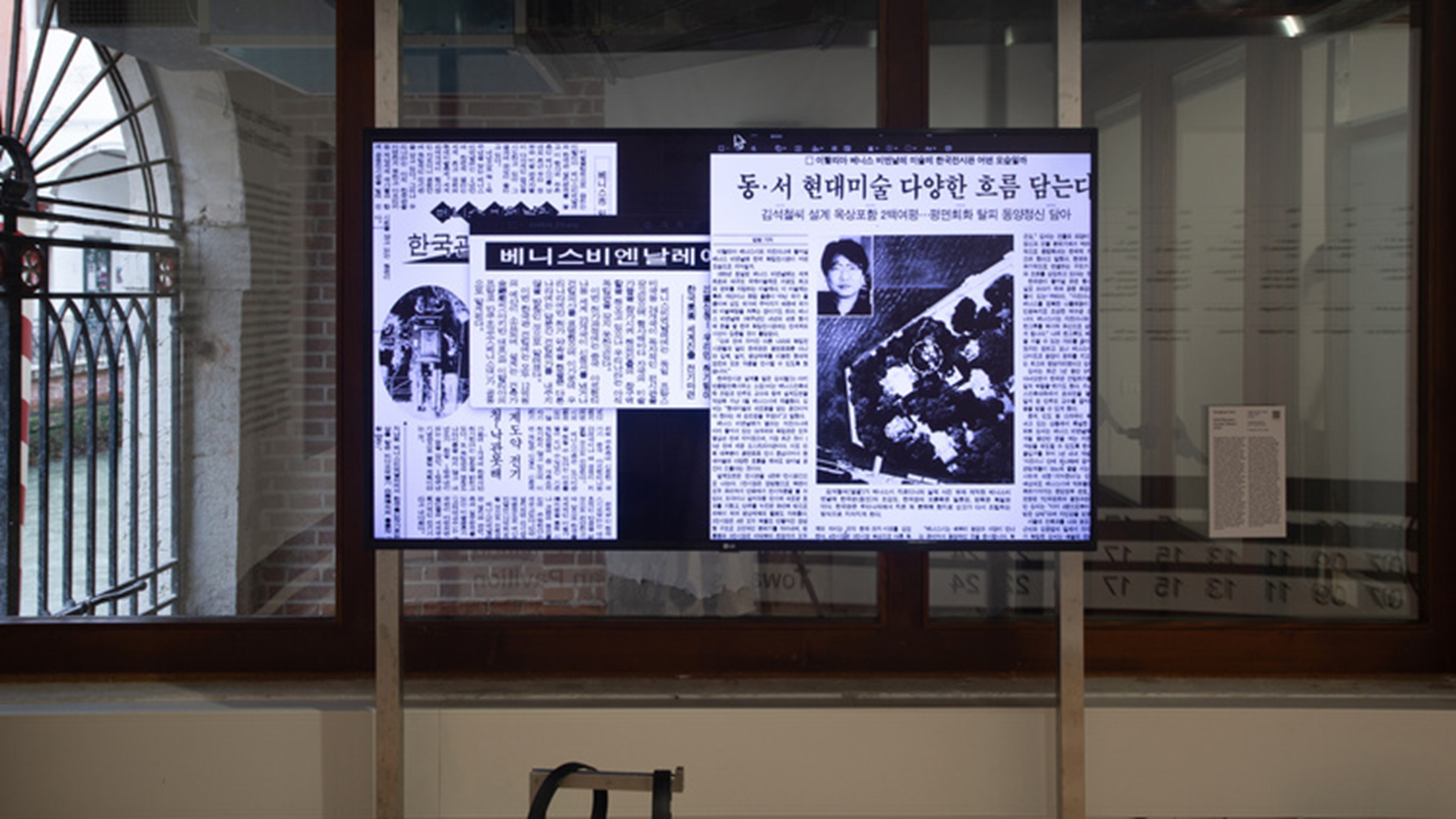
Noh has also participated in numerous group exhibitions, including DOOSAN Art Lab Exhibition 2025 (DOOSAN Gallery, Seoul, 2025); the 7th Changwon Sculpture Biennale 《Silent Apple》 (Seongsan Art Hall, Changwon, 2024); the 30th Anniversary Exhibition Celebrating the Korean Pavilion at the Venice Art Biennale 《Every Island Is a Mountain》 (Palazzo Malta – Ordine di Malta, Venice, Italy, 2024); 《Exhibitions of Floor Plans》 (AVP Lab, Seoul, 2022); 《Night on Platform》 (ARKO Arts Theater, Seoul, 2021); and 《2021 DMZ Art & Peace Platform》 (Uni maru, Paju, 2021).

Works of Art

The Various Tangible and Intangible Archives and Spaces

Originality & Identity

Songhee Noh’s practice begins by approaching the archive not as a mere accumulation of records, but as a site that reveals how institutions and systems of power perceive and organize the world. By rearranging and reconfiguring tangible and intangible materials—such as spaces, diagrams, and moving-image records—from a contemporary perspective, she introduces new speeds and structures into fixed memories and narratives. This approach reframes the archive not as a static repository of the past, but as a process that is continuously produced and transformed.

The video work The Truth Is the One That Is Masked(2021) clearly articulates Noh’s core concerns by examining the relationship between dance, video documentation, and archiving. Drawing on Nam June Paik’s essay ‘Dance as Software—To Contemporary Dancers’, she brings forward enduring questions surrounding history as immaterial data, the intervention of editing and staging in documentation, and the compression of time and space. The work foregrounds the idea that records are not neutral facts but constructed visual languages.

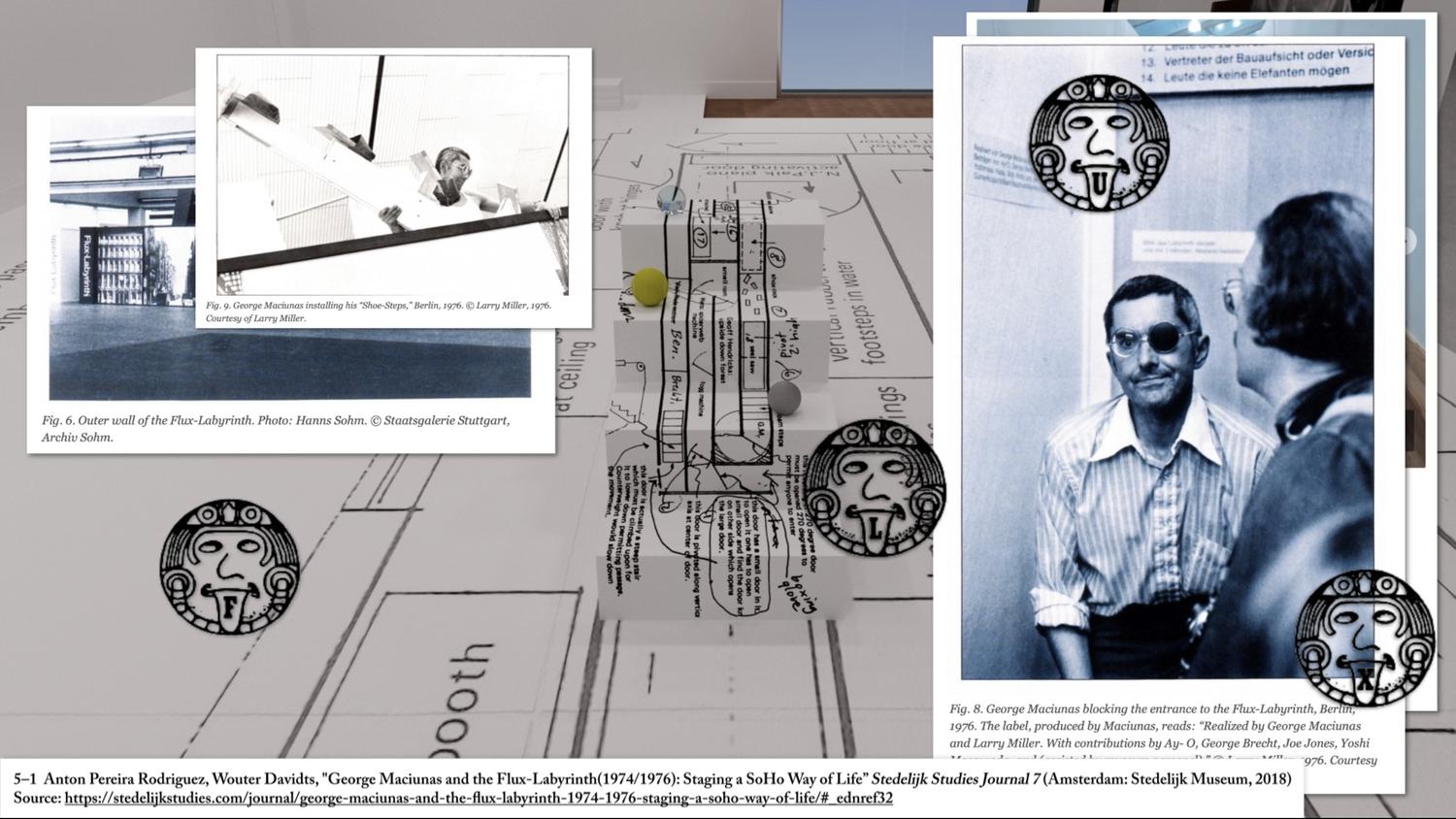
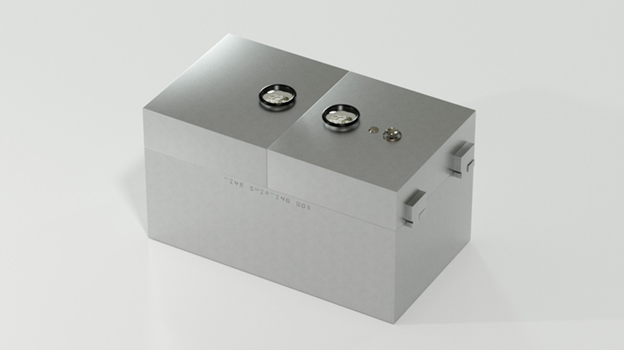
In subsequent works, Noh expands her focus beyond individual records to consider how exhibitions and spaces themselves generate and organize archives. Works such as Dia;grams(2022) and Time Shifting Box(2022) weave together exhibition floor plans, documentation photographs, texts, and private collections into a single narrative structure. Through these works, archiving is presented as a repetitive cycle of “question–translation–transformation,” rather than a linear act of preservation.

In more recent projects, the scope of the archive extends beyond institutional records to include the city, data, and the body. Catwalk(2024) treats open data from the planned city of Changwon as contemporary historical material, examining the conditions of cities and individuals shaped by growth-oriented development and discourses of hygiene. Through this expansion, Noh positions the archive as a dynamic field that actively reconstructs the present, rather than something confined to a specific medium or site.

Style & Contents

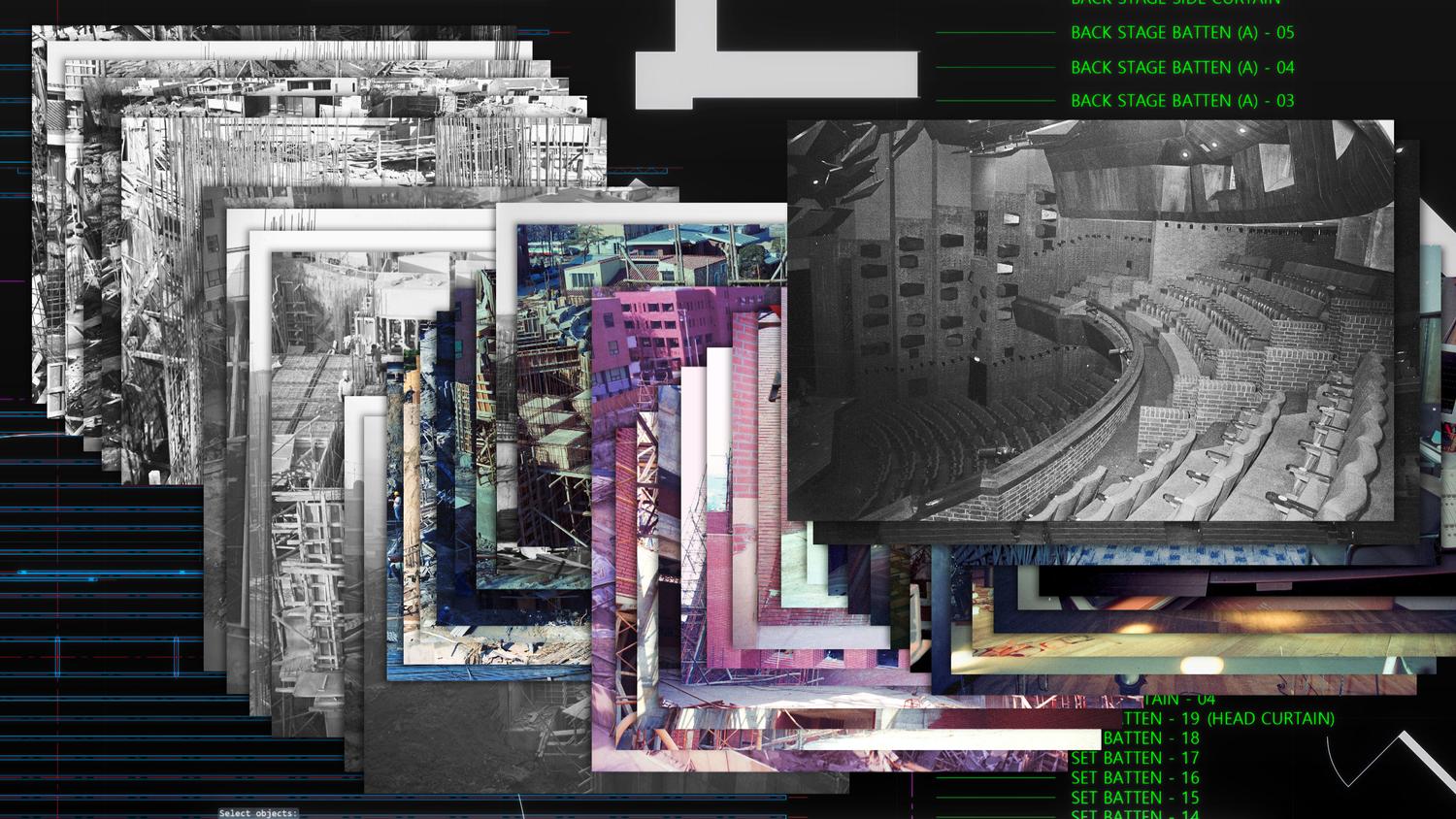
While video remains central to her practice, Songhee Noh integrates diagrams, text, sound, installation, and spatial modification in an organic manner. Her videos do not remain within a single frame; instead, they shift perspectives between 2D and 3D, and between recorded images and physical spaces. In The Truth Is the One That Is Masked, the camera’s movement across the stage, performance documentation, and theater architecture visualizes the gap between material space and immaterial data.

In Dia;grams, Noh brings an auxiliary element of academic writing—the illustrative plate—into the center of the work, presenting it simultaneously as a video and as an exhibition structure. Diagrams that include bird’s-eye views of the exhibition space, artwork placement, and viewing routes align with the internal structure of the video, offering viewers an alternative way of reading the exhibition. This constitutes a formal experiment that overturns conventional hierarchies between record, exhibition, and interpretation.

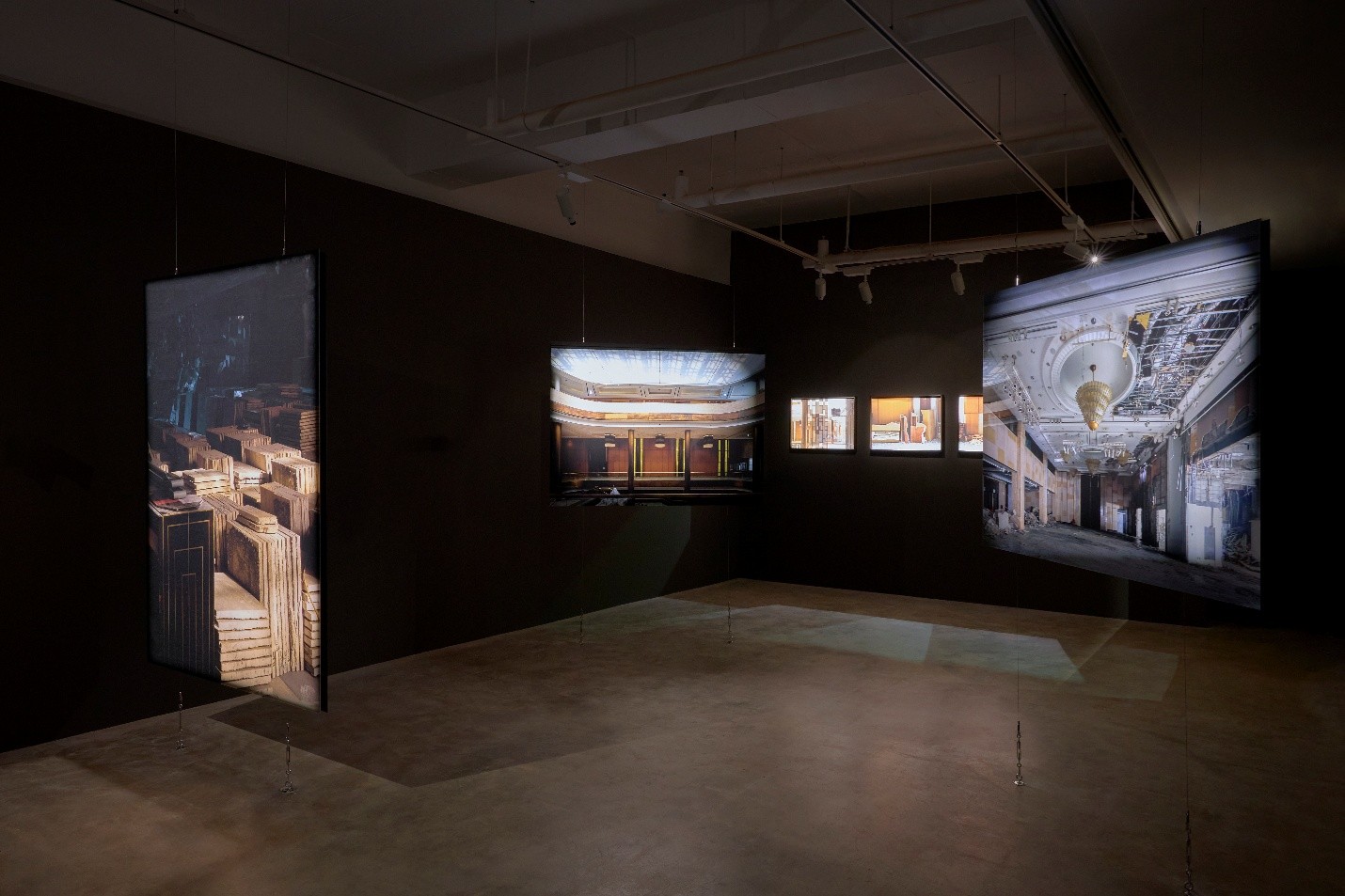
In her solo exhibition 《DIZZY》(AVP Lab, Seoul, 2023), Noh treated the exhibition space itself as a material, renovating concealed areas and translating the viewing circulation into an interior architectural form. Videos, diagrams, recording devices, and storage units—byproducts of the artistic process—were materialized within the space, allowing the exhibition to function as a single “exhibition form.” Here, form extends beyond medium choice to operate as a structure that organizes time, movement, and perception.

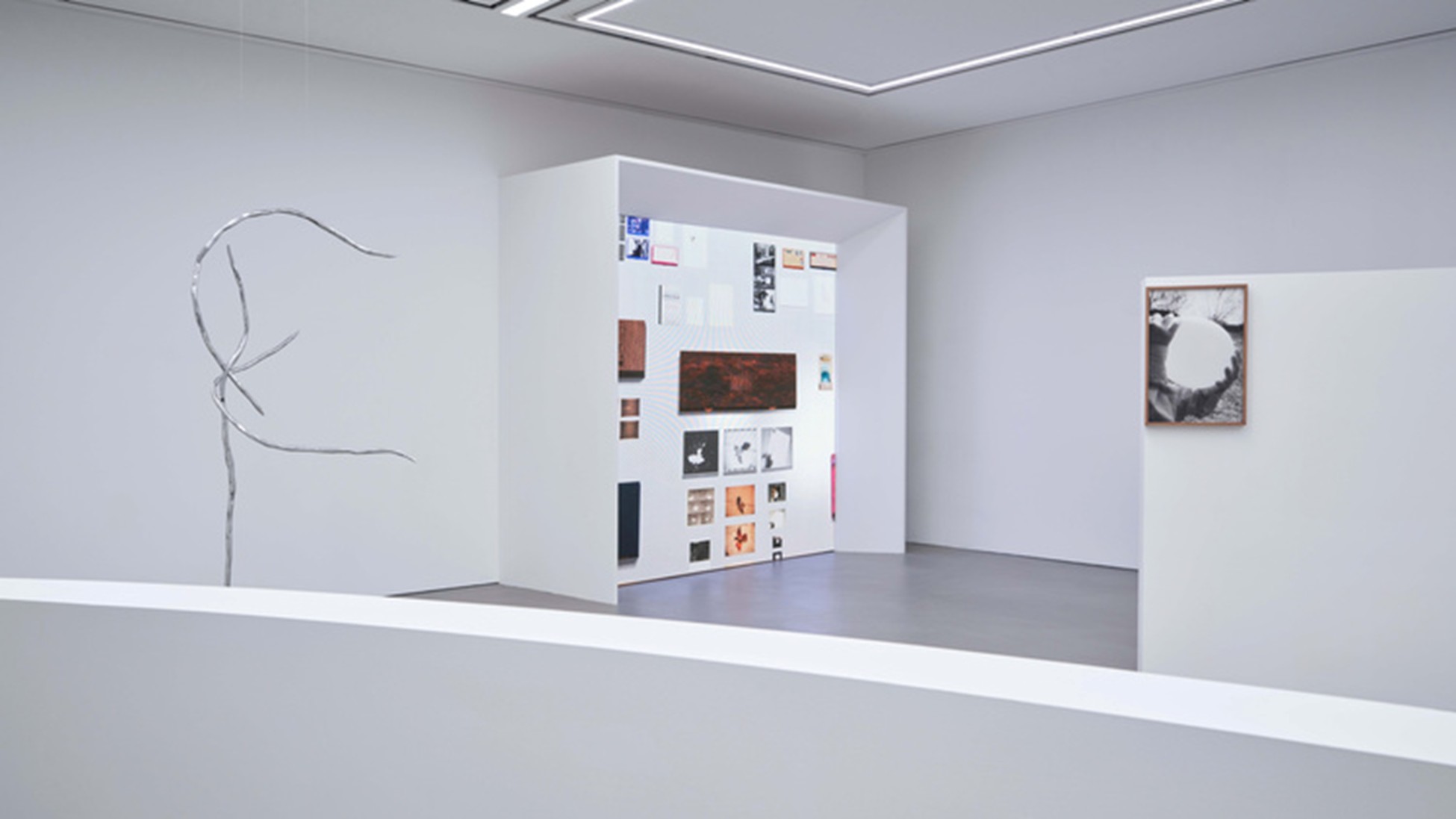
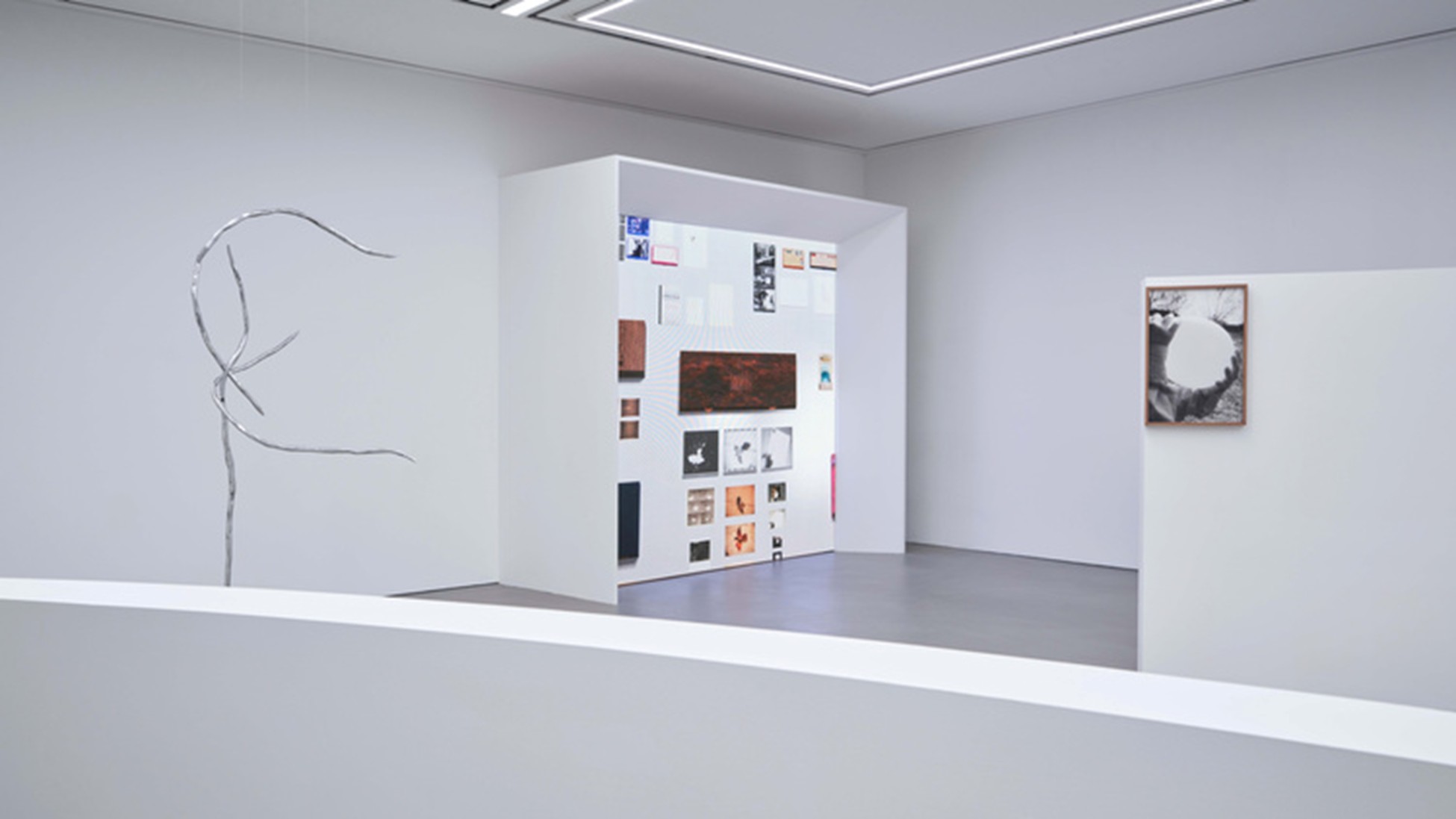
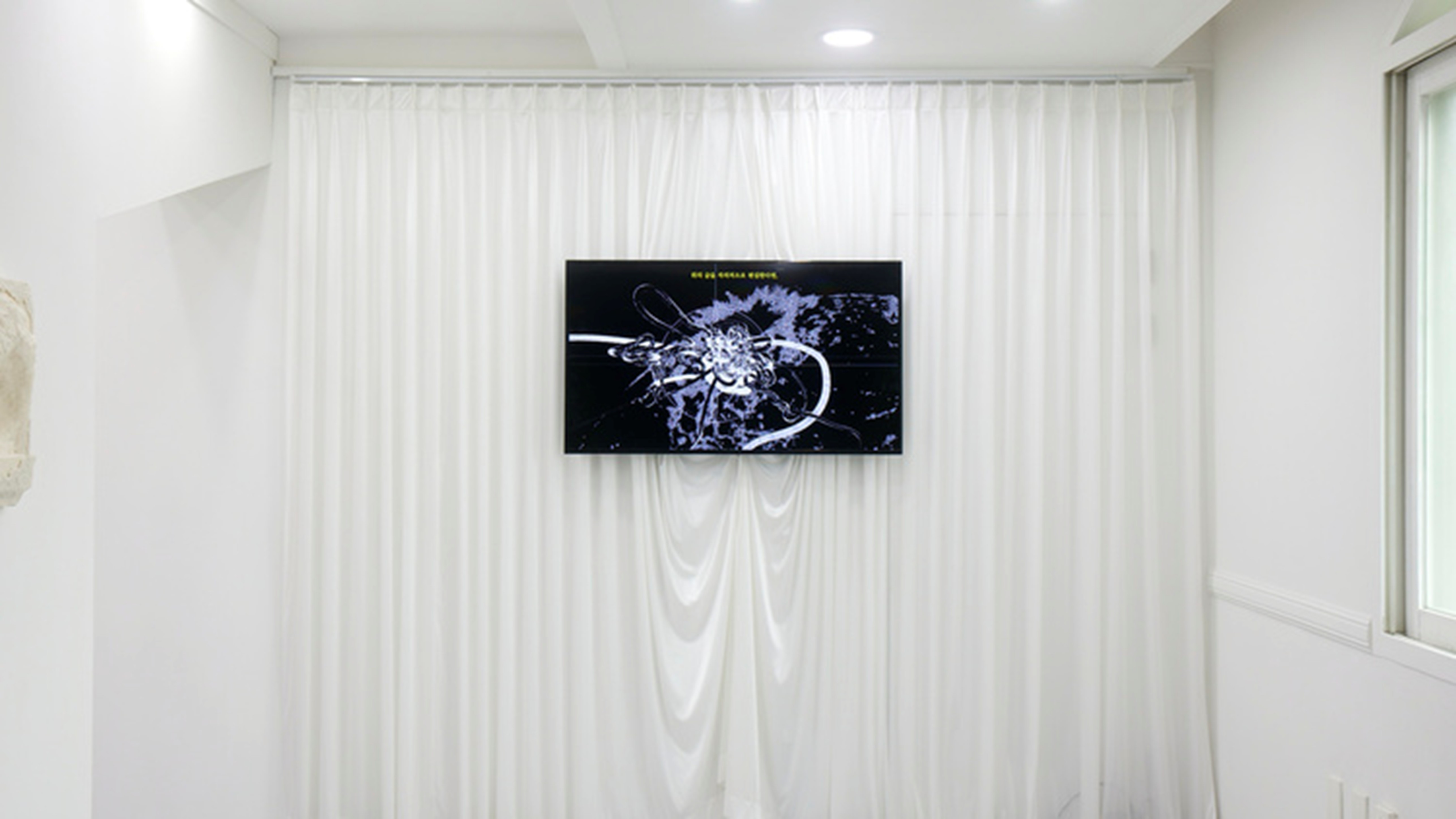
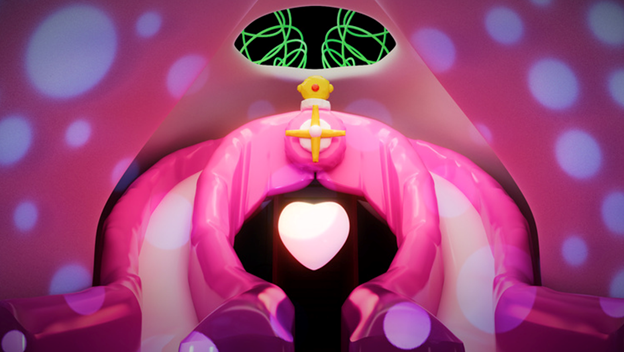
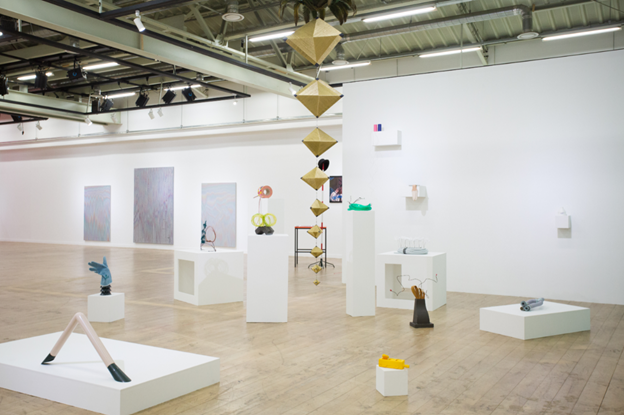
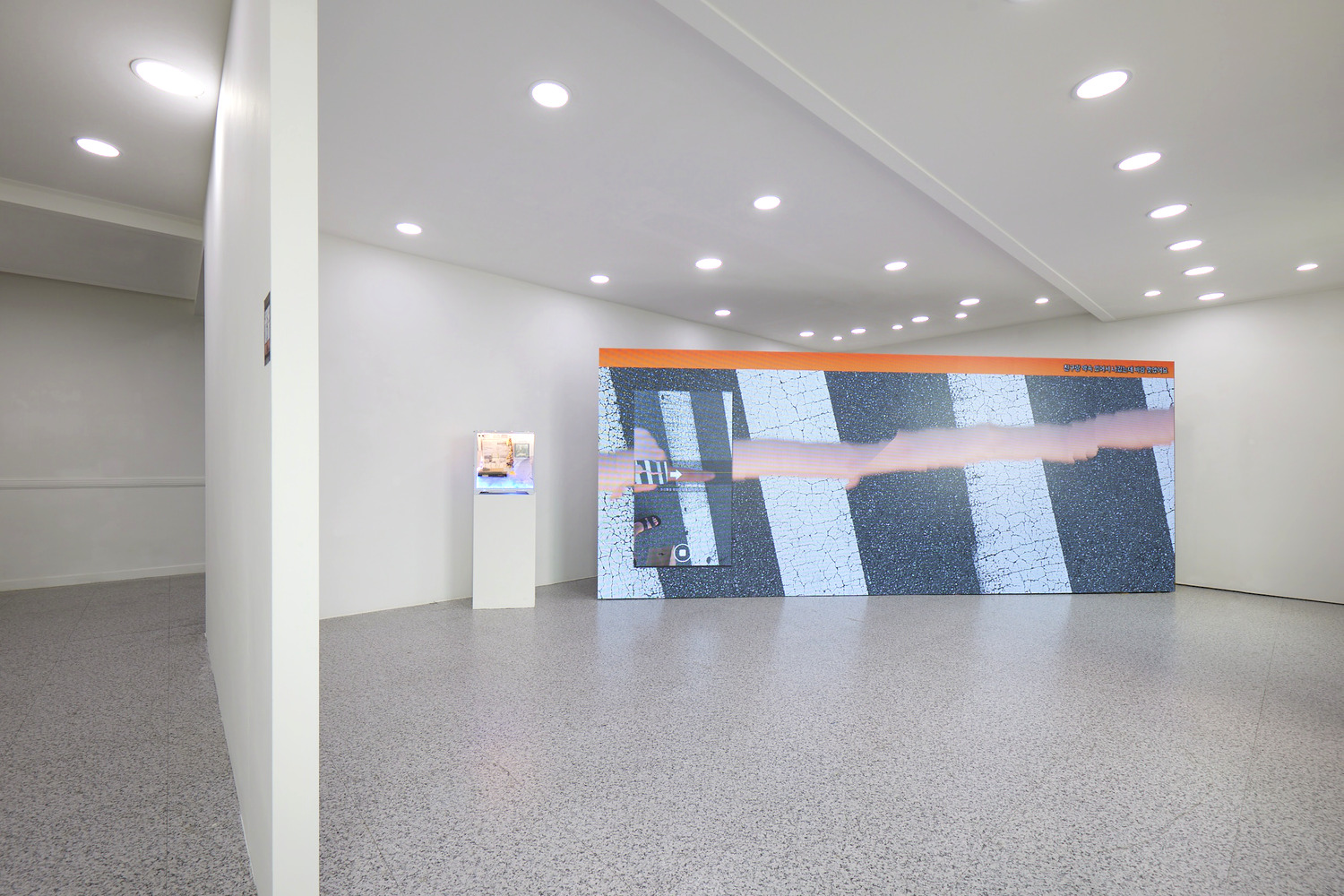
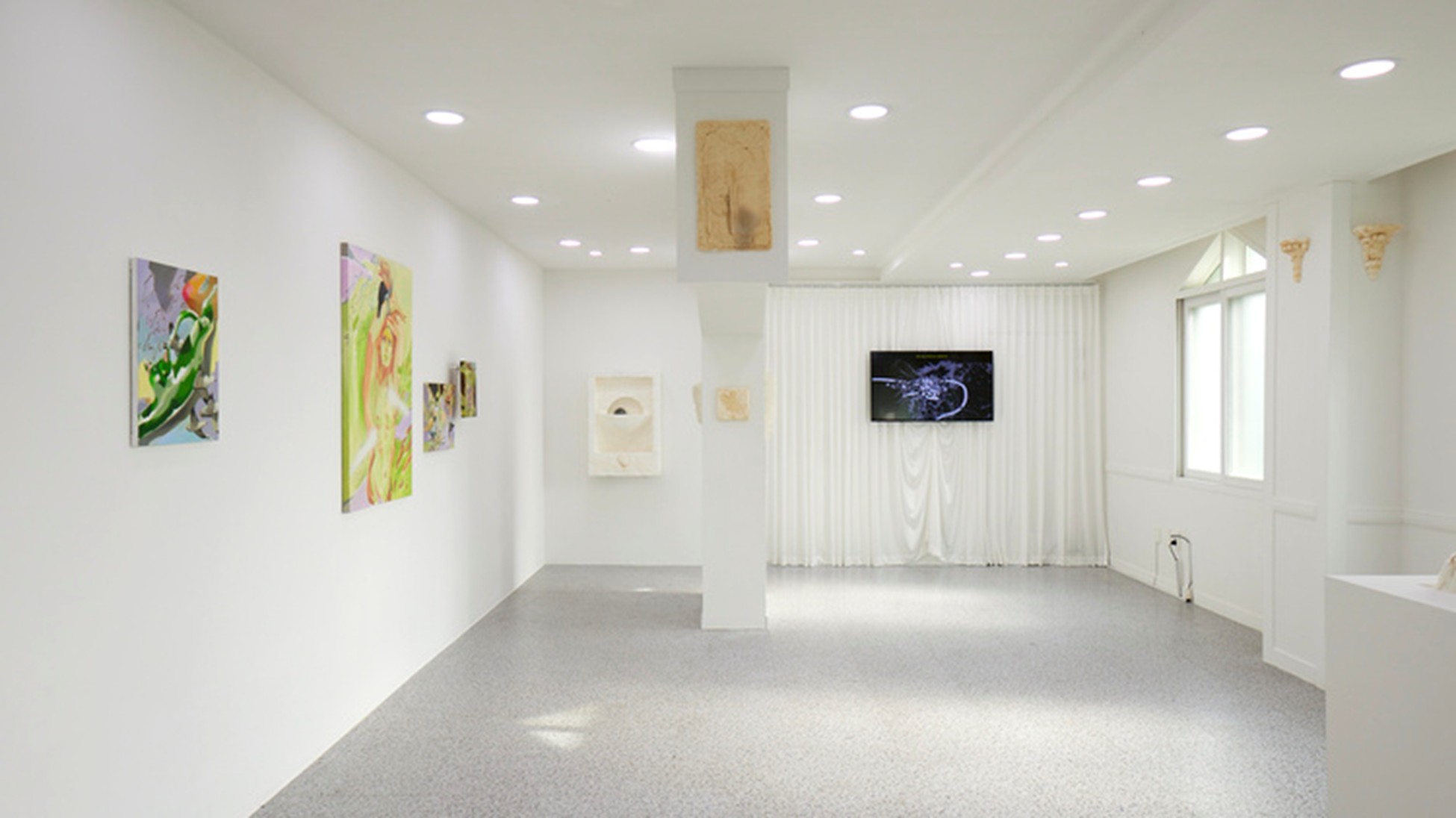
This formal exploration further expands in Best Television Is Noh Television(2025), presented in the group exhibition 《DOOSAN Art Lab Exhibition 2025》(DOOSAN Gallery, Seoul, 2025), where physical and virtual spaces are layered. The video appropriates the exhibition venue as a virtual space encompassing the artist’s past works, generating an experience in which the real and the virtual intersect. This can be understood as an attempt to challenge the assumption of video as a medium that is universally accessible “anytime, anywhere.”

Topography & Continuity

A consistent core of Songhee Noh’s practice is her view of the archive not as a fixed past, but as a fluid structure that continuously reshapes the present and future. From her early works to recent projects, she has persistently examined the processes through which records are produced, transferred across media, and situated within spatial and institutional frameworks. Over time, however, the scope of her inquiry has expanded—from dance documentation to exhibition structures and, more recently, to urban data.

Rather than remaining within the bounds of conventional research-based practice, Noh occupies a position in which archival inquiry is inseparable from the reconfiguration of exhibition formats and spatial structures. By combining video, diagrams, and architectural thinking, she treats the exhibition itself as a medium, establishing a distinct position within the field of contemporary Korean art.

The evolution of her work is marked less by abrupt thematic shifts than by the expansion of methodological approaches. While The Truth Is the One That Is Masked begins by questioning the nature of records, works such as Time Shifting Box and the exhibition 《DIZZY》 investigate the structural conditions of exhibitions and archives, while Catwalk extends this inquiry to the urban and data-driven environment. This trajectory progressively situates archival questions within broader social contexts.

Looking ahead, Songhee Noh is likely to continue developing her practice by building on accumulated archival research and spatial experimentation, engaging with institutions, cities, and digital environments. By traversing physical and virtual spaces, as well as past and present, her work holds the potential to further expand critical reflection on the relationships between records, exhibitions, and moving images in contemporary art.

Works of Art

The Various Tangible and Intangible Archives and Spaces

Articles

Exhibitions

Activities