Drive me, kiss me, eat me, Dodo - K-ARTIST

Drive me, kiss me, eat me, Dodo

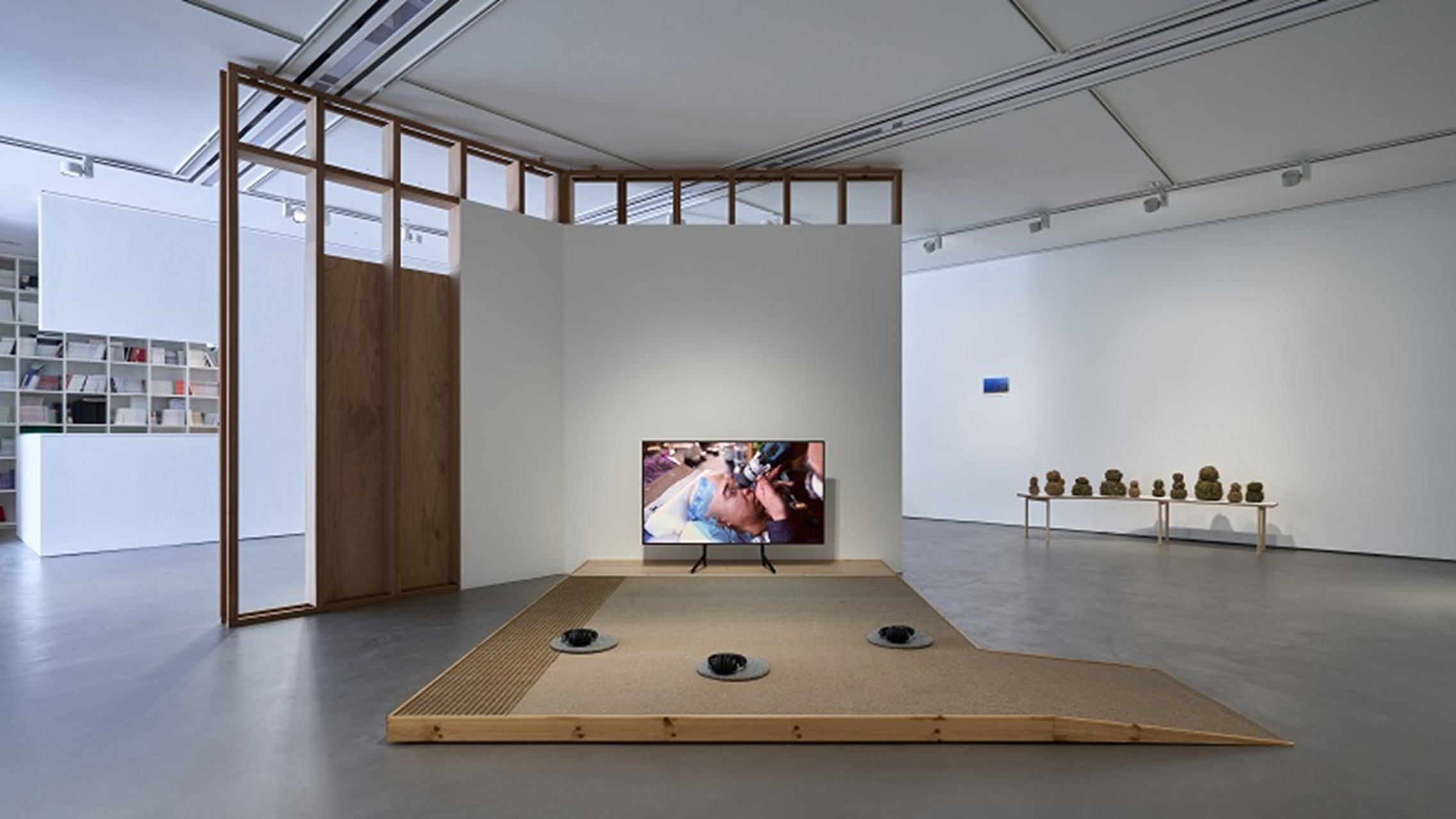
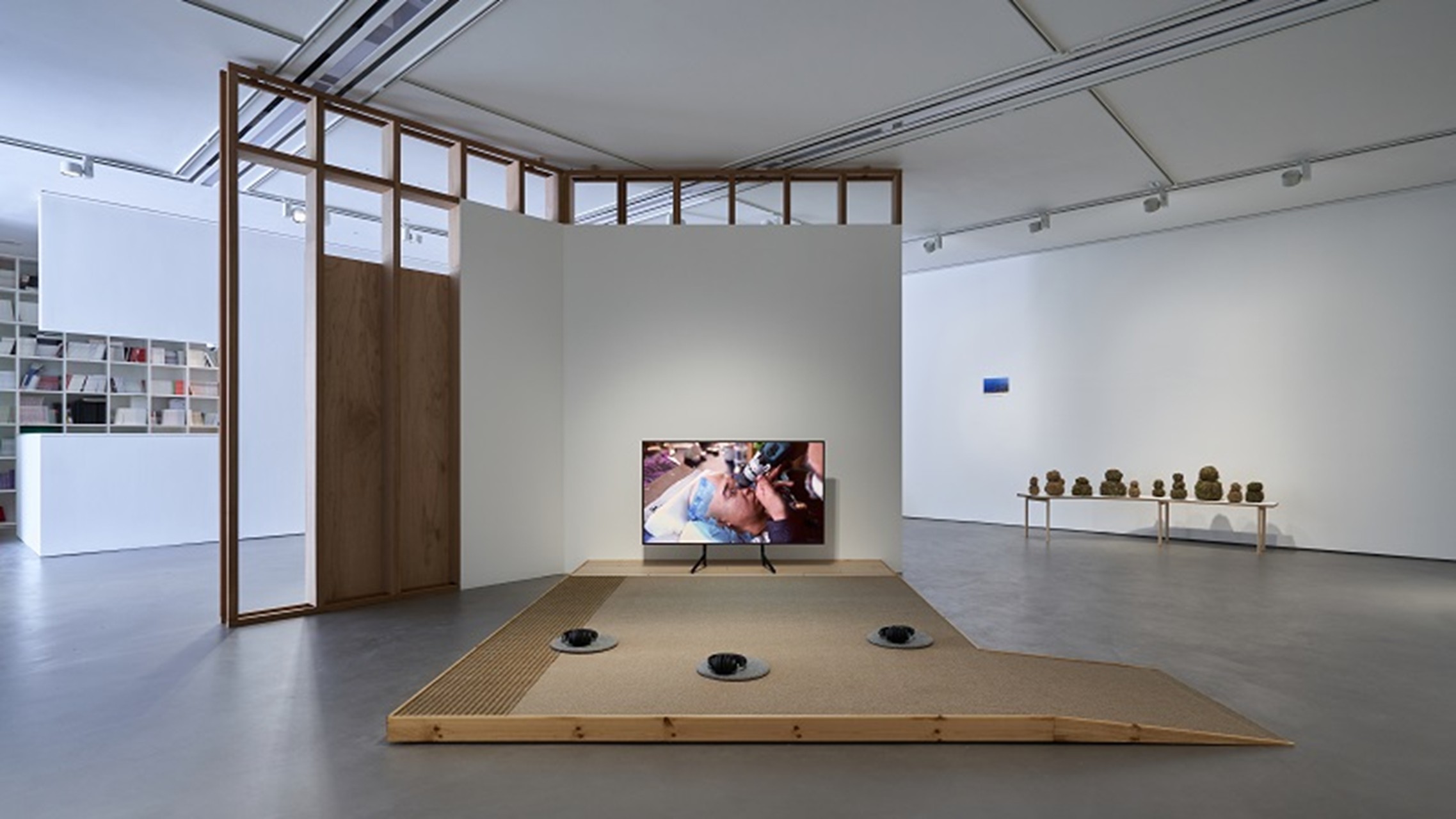
2021-2024
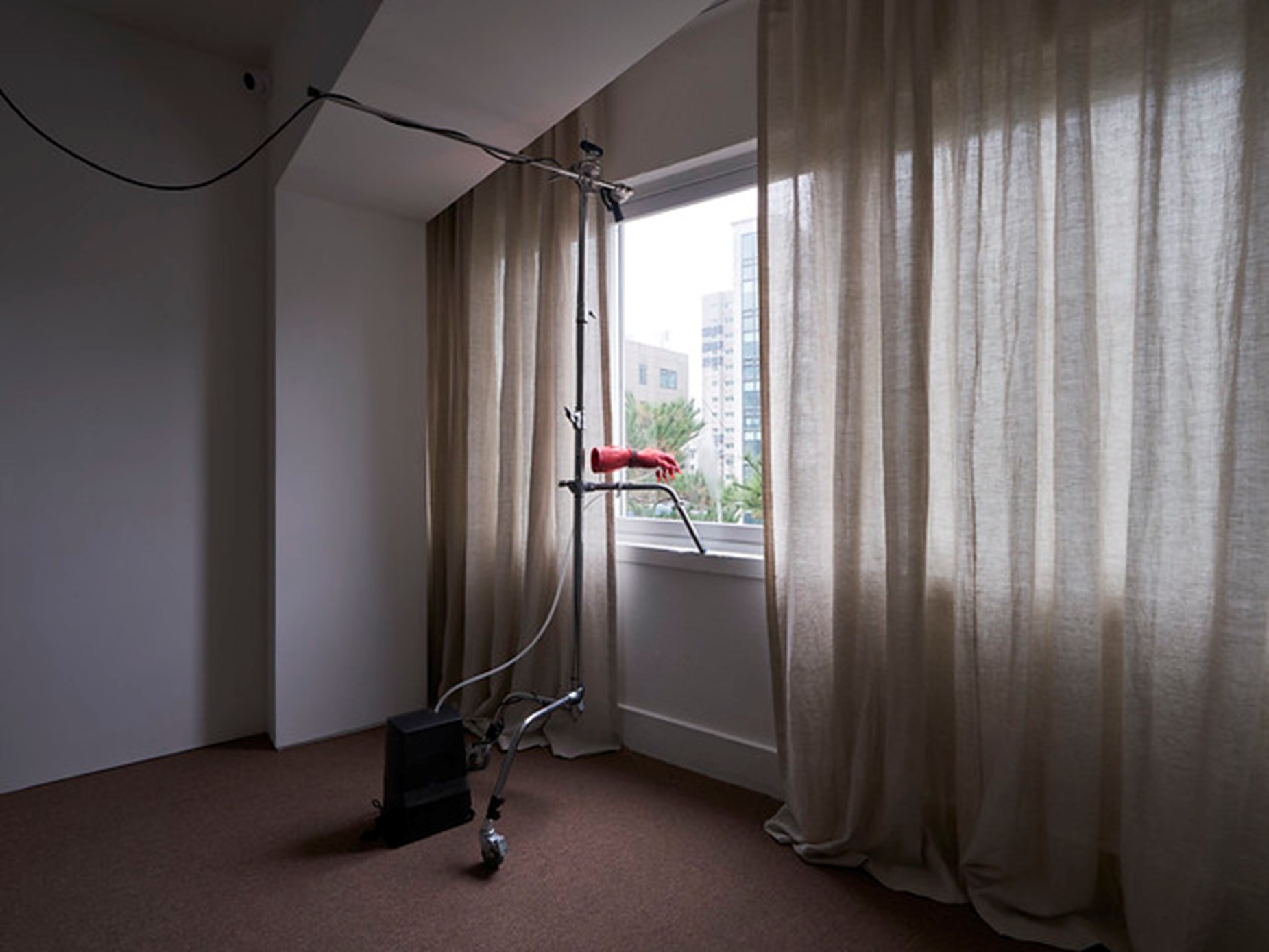
Single channel video, aluminum, wood, carpet
18min 30sec, 342 × 352 × 100 cm
About The Work

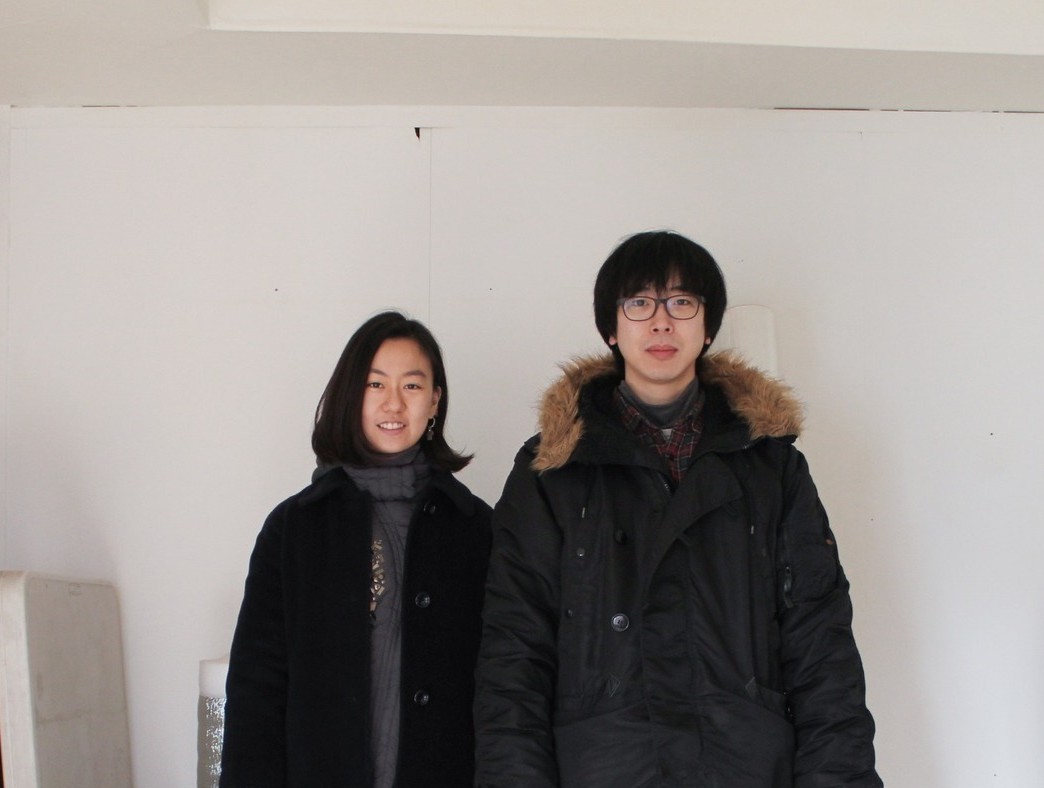
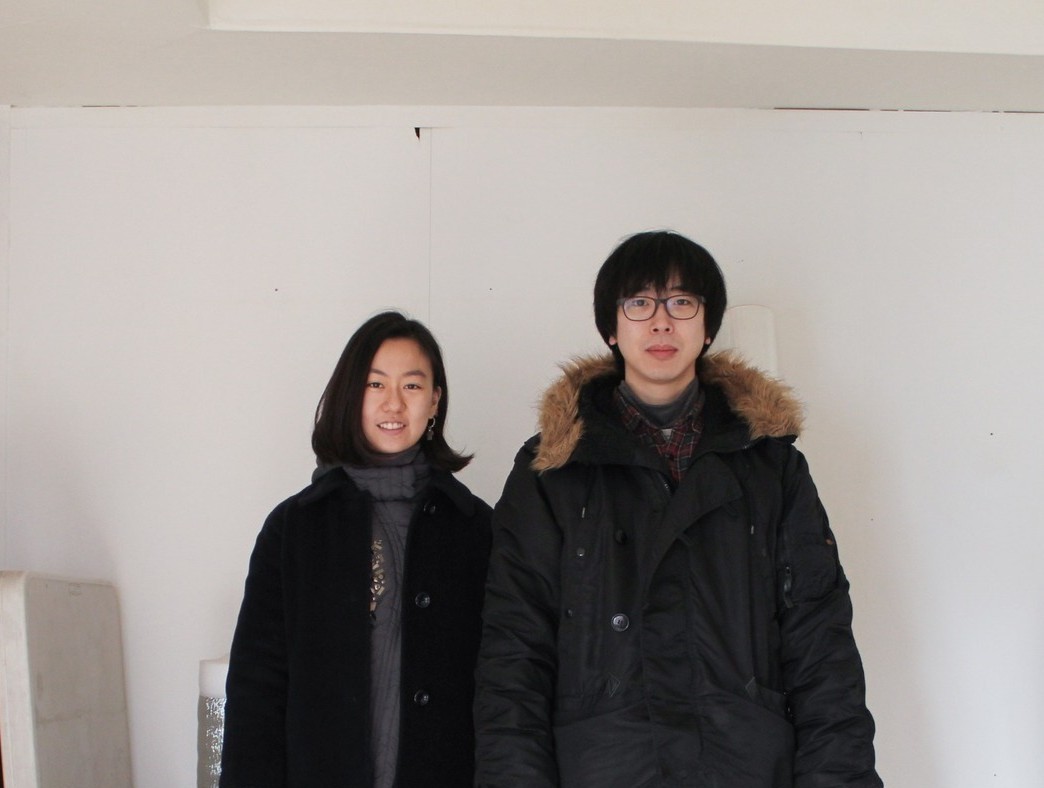
Gwon Donghyun and Kwon Seajung formed a collective in 2020 and have since explored and re-presented moments in which human and non-human subjects become entangled and interconnected through video, sculpture, and installation.
 
Gwon Donghyun and Kwon Seajung began to seriously envision their collaboration in 2021, during conversations about a dog that Kwon Seajung had lived with for many years and that had fallen ill. Since forming the collective, the artists have presented experimental documentary videos, sculptures, and installations that center on dogs, weaving together themes of human–animal relationships, care, the city, and modernization.
 
A consistent core in Gwon Donghyun and Kwon Seajung’s practice is their refusal to define human–non-human relations through singular emotions or ethical judgments. Instead, they maintain a structural perspective that situates such relations within institutions, technologies, and historical processes.
 
In this way, Gwon Donghyun and Kwon Seajung continues to delve into the narratives and discourses surrounding hierarchy and coexistence between humans and animals, as well as among humans, as unveiled throughout Korea’s modern and contemporary history. Rather than constructing linear narratives centered on a single event or individual, they pursue open-ended narratives in which the entangled relationships between humans and animals are layered and accumulated. Within these interstices, they reflect on and imagine the possibility of other relationships yet to come.

Solo Exhibitions (Brief)

Gwon Donghyun × Kwon Seajung has held one solo exhibition 《Love Death Dog》 (YPC SPACE, Seoul, 2023).

Group Exhibitions (Brief)

Gwon Donghyun × Kwon Seajung’s works have also been presented in numerous group exhibitions and film festivals, including 《Young Korean Artists 2025: Here and Now》 (MMCA, Gwacheon, 2025); 《You Cannot Elaborate the Dark Thickness of Night As They Can》 (DOOSAN Gallery, Seoul, 2024); 《The Saviour Who Came To Tear My Life Apart, and We*》 (Hapjungjigu, Seoul, 2023); the 49th Seoul Independent Film Festival (SIFF) (Seoul, 2023); Frieze Film Seoul 2022 《I Am My Own Other》 (Together Together, Seoul, 2022); and The 13th Seoul Mediacity Biennale Pre-Program II 《Terra-informing》 (Seoul Museum of Art, Seoul, 2022).

Works of Art

The Moment When Humans and Non-Humans Become Entangled and Connected

Originality & Identity

Gwon Donghyun × Kwon Seajung’s practice begins by tracing how relationships between humans and non-human beings—particularly dogs—have been formed and transformed within institutional, historical, and urban contexts, rather than reducing them to sentimental narratives or ethical propositions. Their early work Seddy, How to Meet Dodo(2021) originates from the personal experience of caring for a companion dog, yet it soon expands its inquiry toward the structural conditions through which human–animal relations are mediated by technology, the gaze, and bodily gestures.

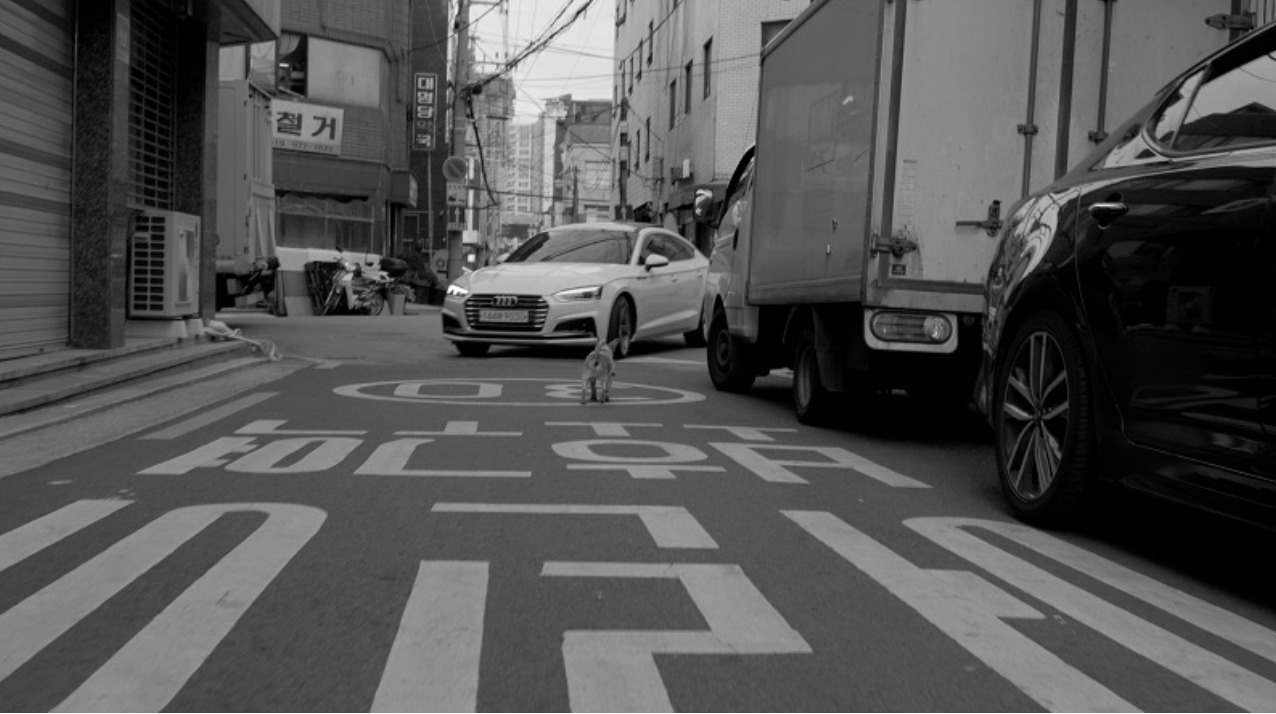
With the ‘Love Death Dog’ (2022–) Series, their concerns move beyond the personal toward historical conditions shaped by urbanization and modernization. Love Death Dog City(2022) follows the shift, since the 1950s, of dogs’ positions from village alleys into indoor spaces, examining how spatial change reconfigured animals’ status and their relationships with humans. Here, the dog appears not simply as a companion animal but as a being reorganized alongside the formation of the modern city.

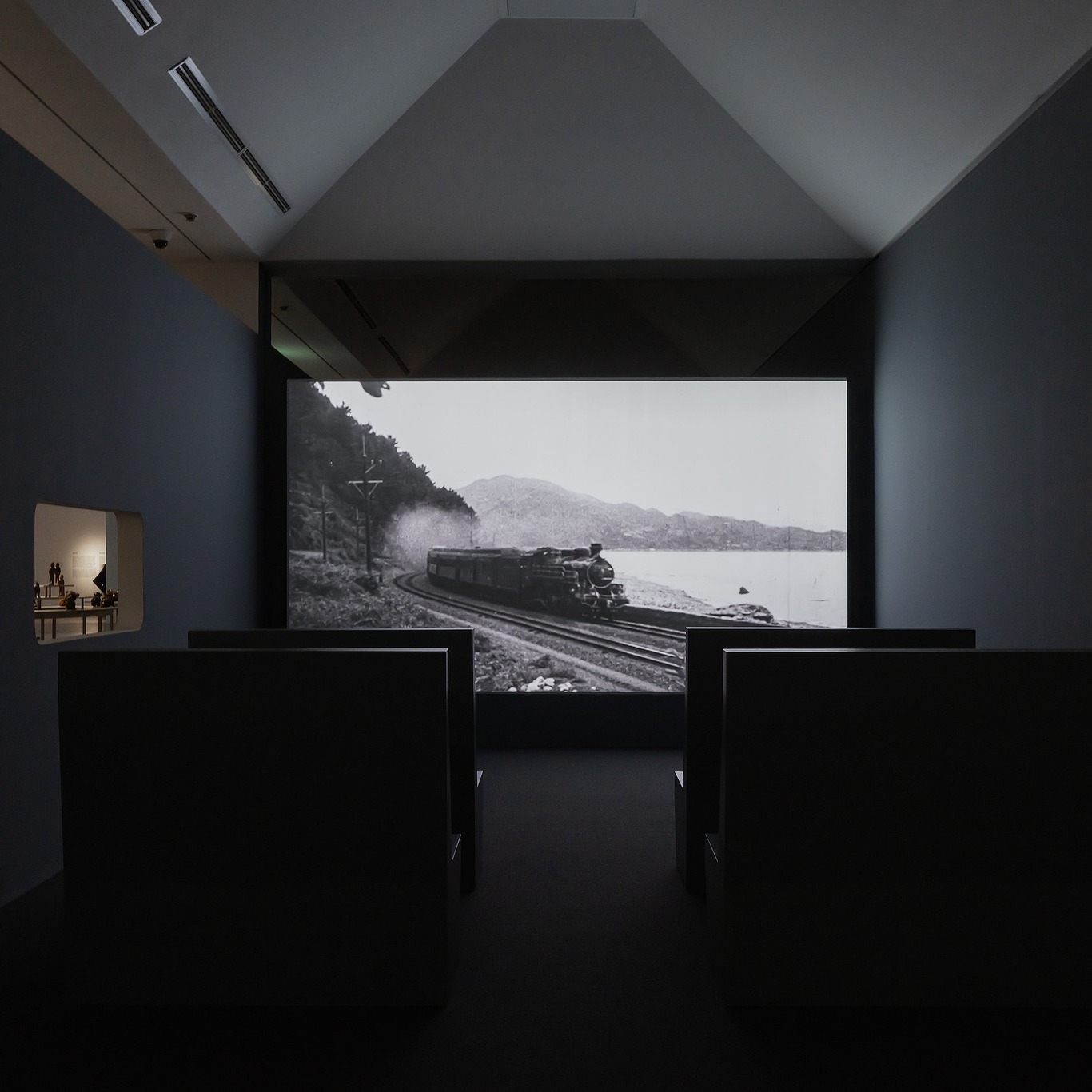
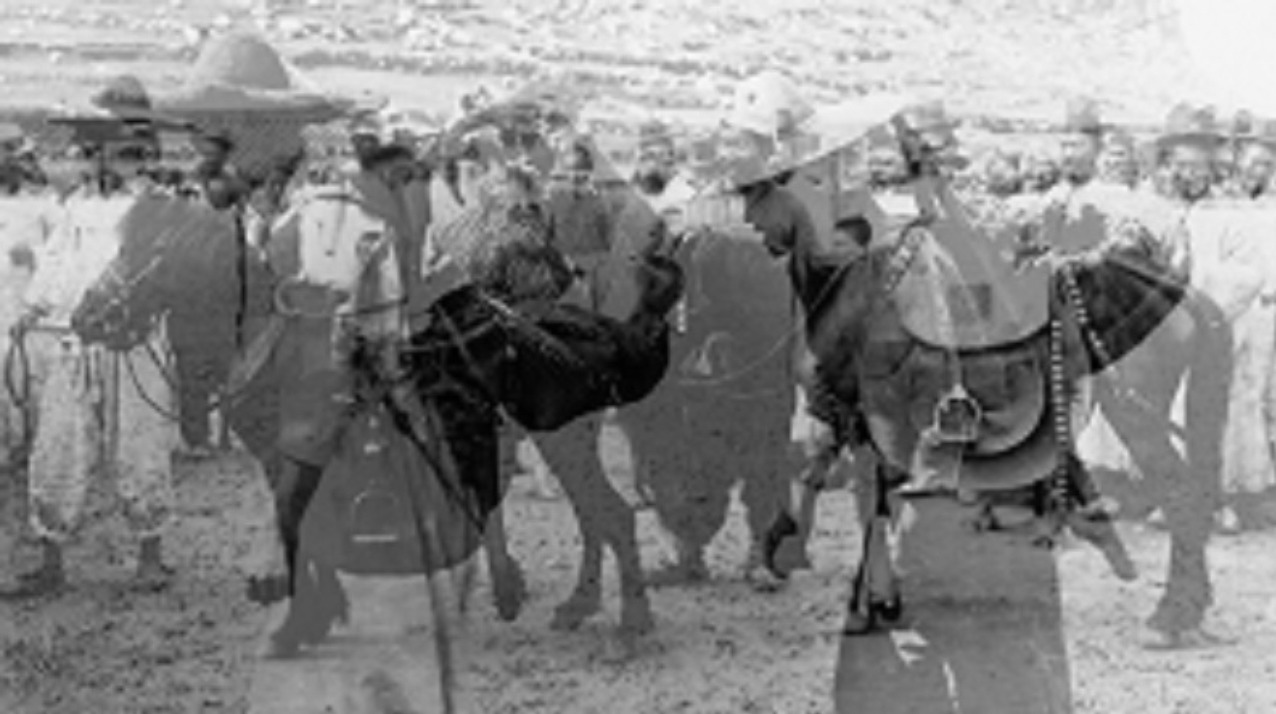
This trajectory further expands into a historical and structural dimension in the exhibition 《Love Death Dog》(YPC SPACE, 2023). Love Death Dog & Epilogue(2023) draws on colonial-era anthropological surveys and glass-plate photograph archives to illuminate how humans and non-humans were incorporated into modern society under conditions of management and control at what the artists describe as an “equally low position.” Rather than framing human–animal relations as a moral opposition, the work reveals the shared conditions imposed by power and institutional systems.

More recently, in 《Young Korean Artists 2025: Here and Now》(National Museum of Modern and Contemporary Art, 2025), the artists extend their scope by introducing cows alongside dogs as another non-human subject. By juxtaposing how animals have been centralized or marginalized in different ways within human-made institutions and policies, Gwon Donghyun × Kwon Seajung move beyond species-specific narratives to reconsider the broader historical conditions that have shaped relationships between humans and non-humans.

Style & Contents

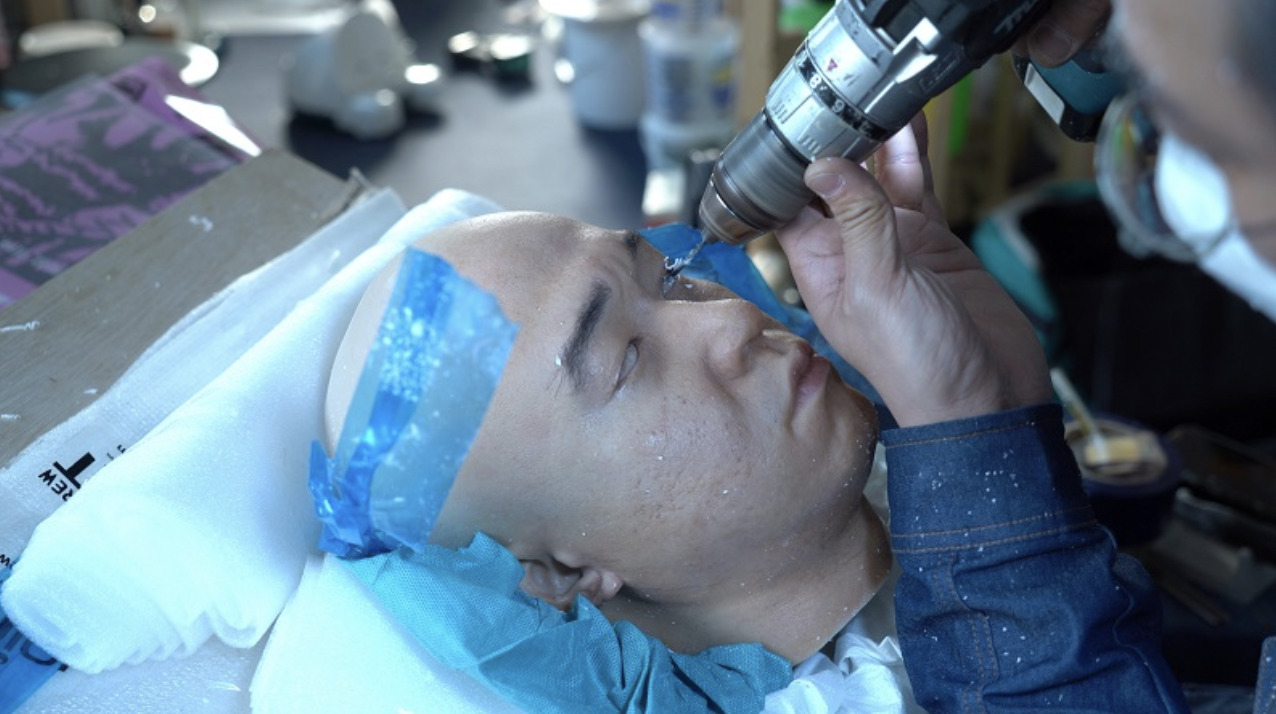
Gwon Donghyun × Kwon Seajung work across video, sculpture, and installation, using these media in complementary rather than strictly divided roles. In Seddy, How to Meet Dodo(2021), the robot “Seddy”—a home camera outfitted with a human-like face—functions as a sculptural intervention that becomes central to the video’s narrative. Here, sculpture operates not as a standalone object but as a physical mediator that exposes how human vision and voice are transmitted to a non-human subject.

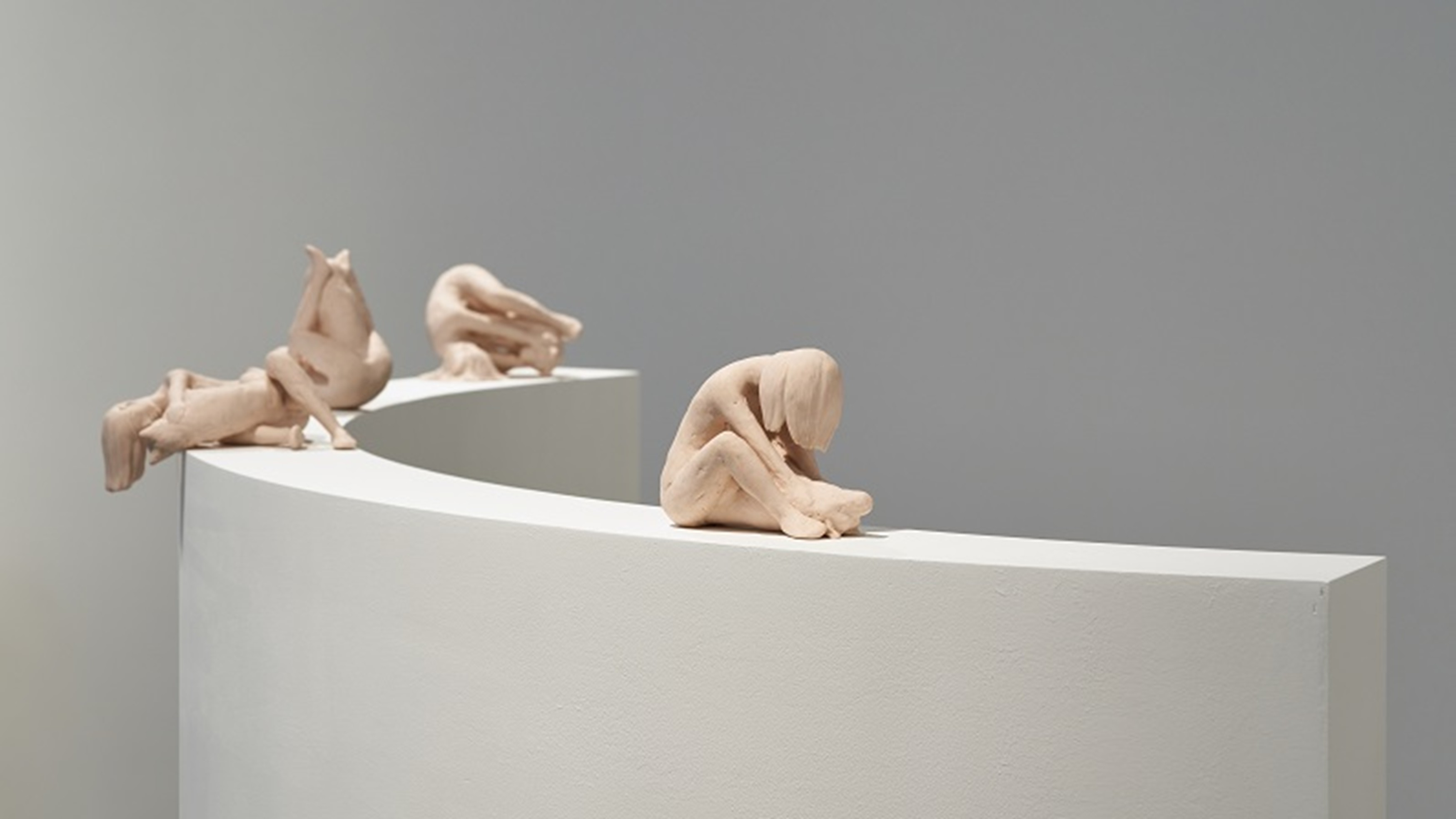
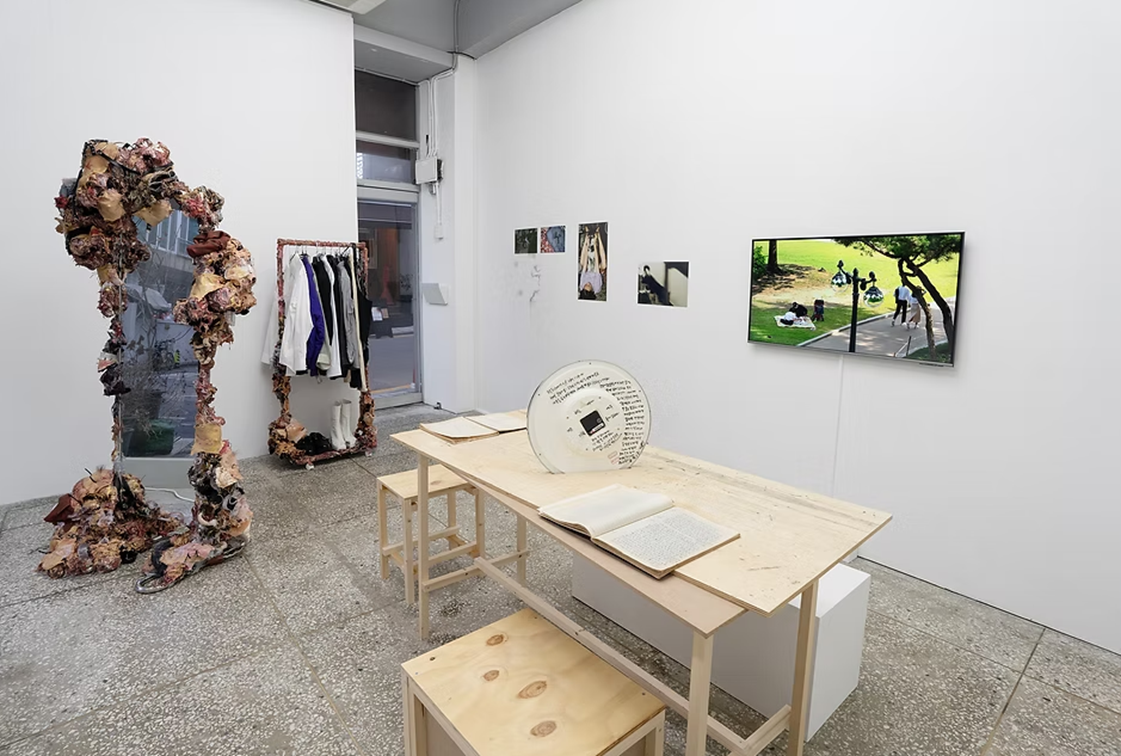
Subsequently, Woman with Dog, Dog with Woman(2023–2024) translates moments of care captured on video into sculptural form, conveying both intimacy and instability in the relationship. The sculptures’ similar yet subtly divergent gestures suggest that human–dog relations are not fixed but continually shifting. While they complement the moving image, these works also generate a sensorial afterimage beyond the screen.

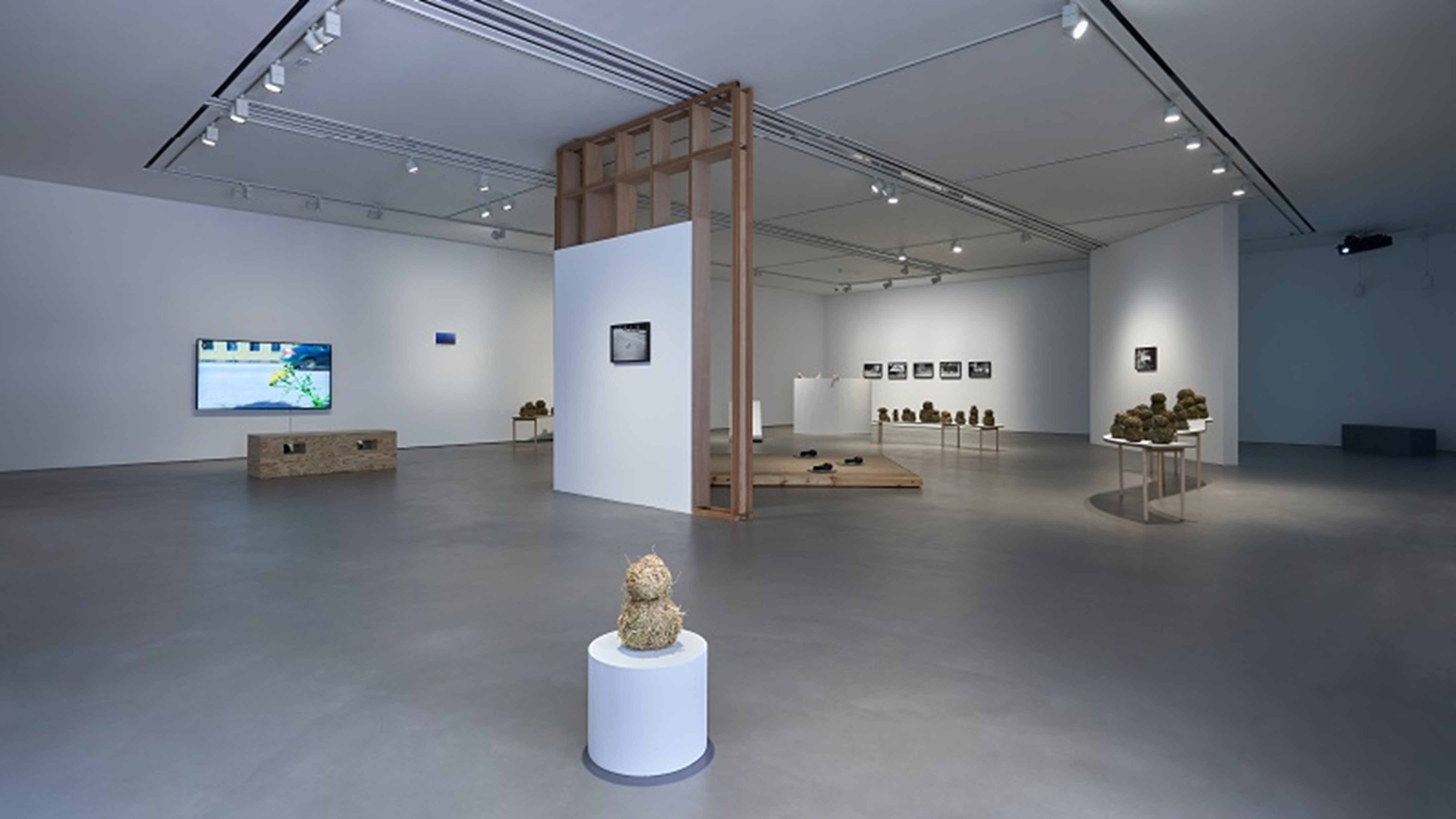
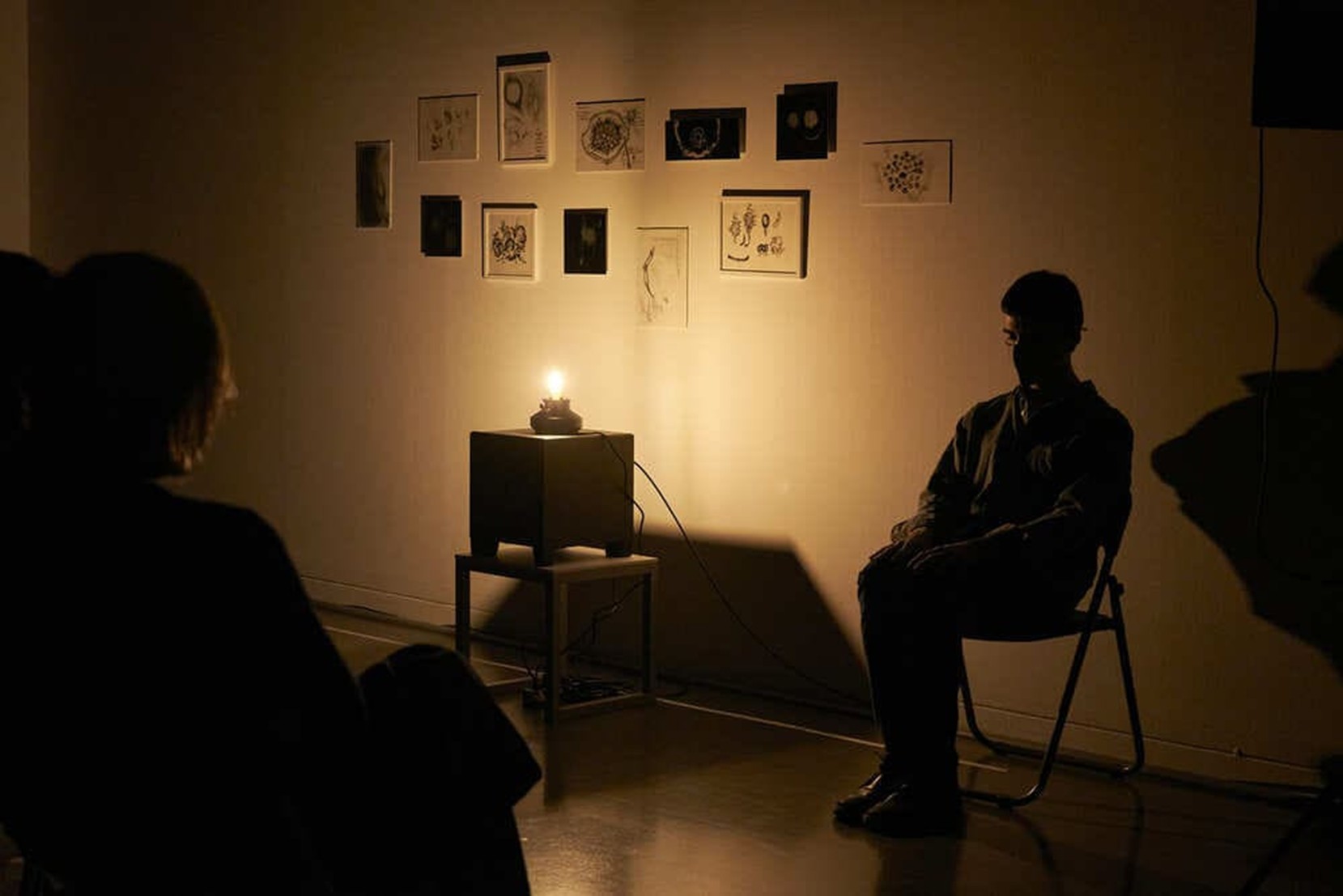
Within the ‘Love Death Dog’ Series, research-based video forms the core, while sculpture and objects attend to sensory and material dimensions often omitted from linear narratives. In the exhibition 《Love Death Dog》(YPC SPACE, 2023), fragments of intermediary bodies—neither fully human nor animal—visualize perspectives excluded from historical records. This demonstrates how the temporal scope of video and the material presence of sculpture operate on different yet intersecting levels.

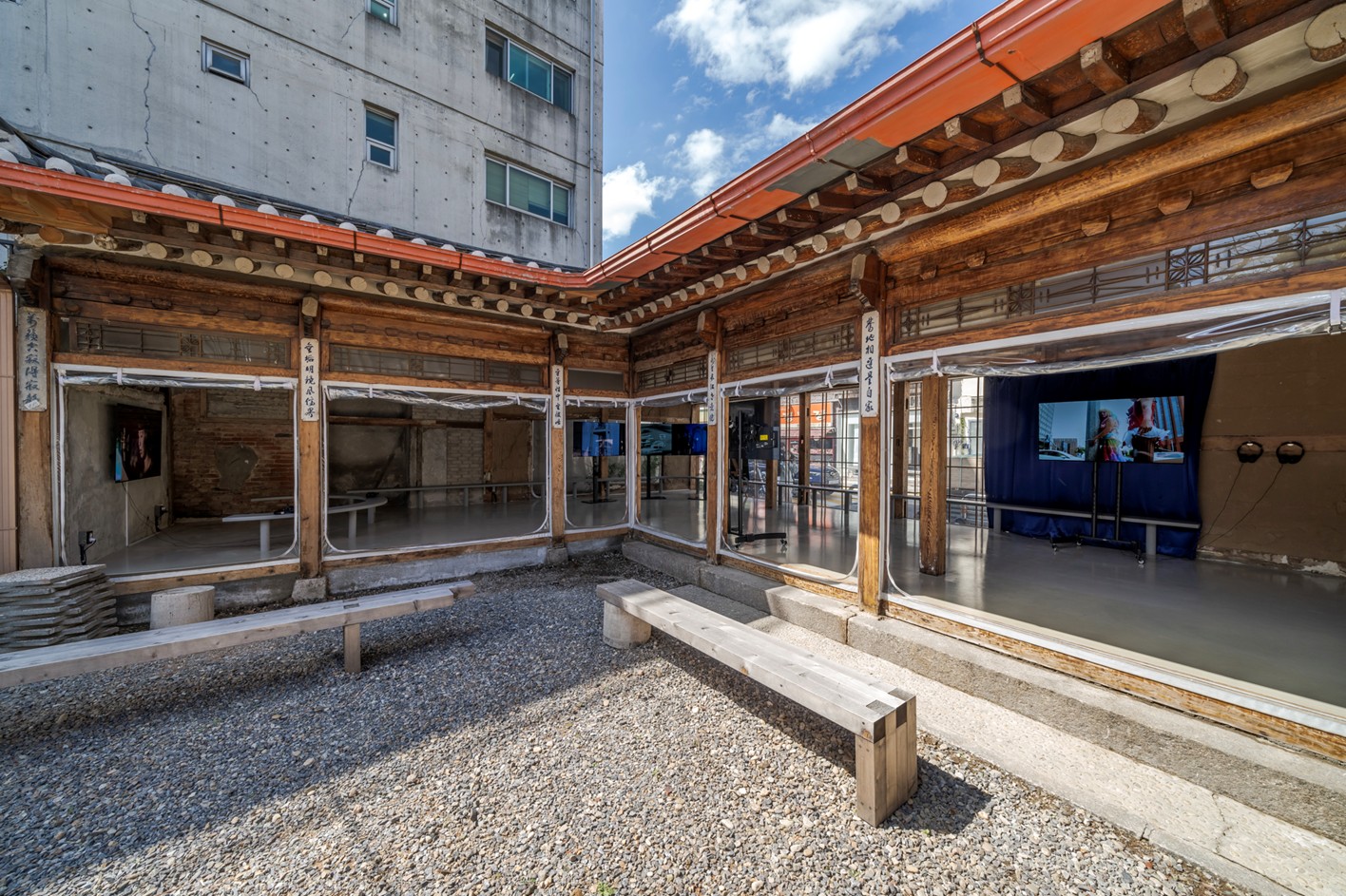
At 《Young Korean Artists 2025: Here and Now》(National Museum of Modern and Contemporary Art, 2025), multi-channel video is accompanied by objects and craft-like sculptures collected and derived from the research process, distributed throughout the exhibition space. Rather than reinforcing a single historical storyline, these objects function as traces of thought, revealing how humans have perceived and treated animals and inviting viewers to approach the structure of these relationships from multiple angles.

Topography & Continuity

A consistent core in Gwon Donghyun × Kwon Seajung’s practice is their refusal to define human–non-human relations through singular emotions or ethical judgments. Instead, they maintain a structural perspective that situates such relations within institutions, technologies, and historical processes. Although their work has expanded from personal experiences of care to questions of urbanization, colonial modernity, and state systems, their commitment to unpacking the conditions that produce relationships has remained constant.

Within the context of contemporary Korean art, the duo occupies a distinctive position by approaching non-human animals not through symbolic metaphor or affective storytelling, but through research and archival inquiry. Their sustained engagement with the ethics of documentation and representation—how to look at, record, and narrate others—sets their work apart, particularly through the combined use of video and sculpture.

Changes in their practice manifest less as abrupt thematic shifts than as a widening field of vision. If Seddy, How to Meet Dodo(2021) captured subtle fissures within a personal relationship, the ‘Love Death Dog’ Series traces the historical and social conditions that produced those fissures. More recently, by addressing dogs and cows together, the artists extend their inquiry toward interrelations among non-human subjects themselves.

Looking ahead, Gwon Donghyun × Kwon Seajung are likely to continue exploring the universal conditions of human–non-human relations beyond specific regions or species, building on their accumulated research and media experimentation. Their flexible integration of archives, video, and sculpture positions their practice to engage with international discourses that challenge anthropocentric worldviews and reimagine the terms of coexistence.

Works of Art

The Moment When Humans and Non-Humans Become Entangled and Connected

Articles

Exhibitions

Activities