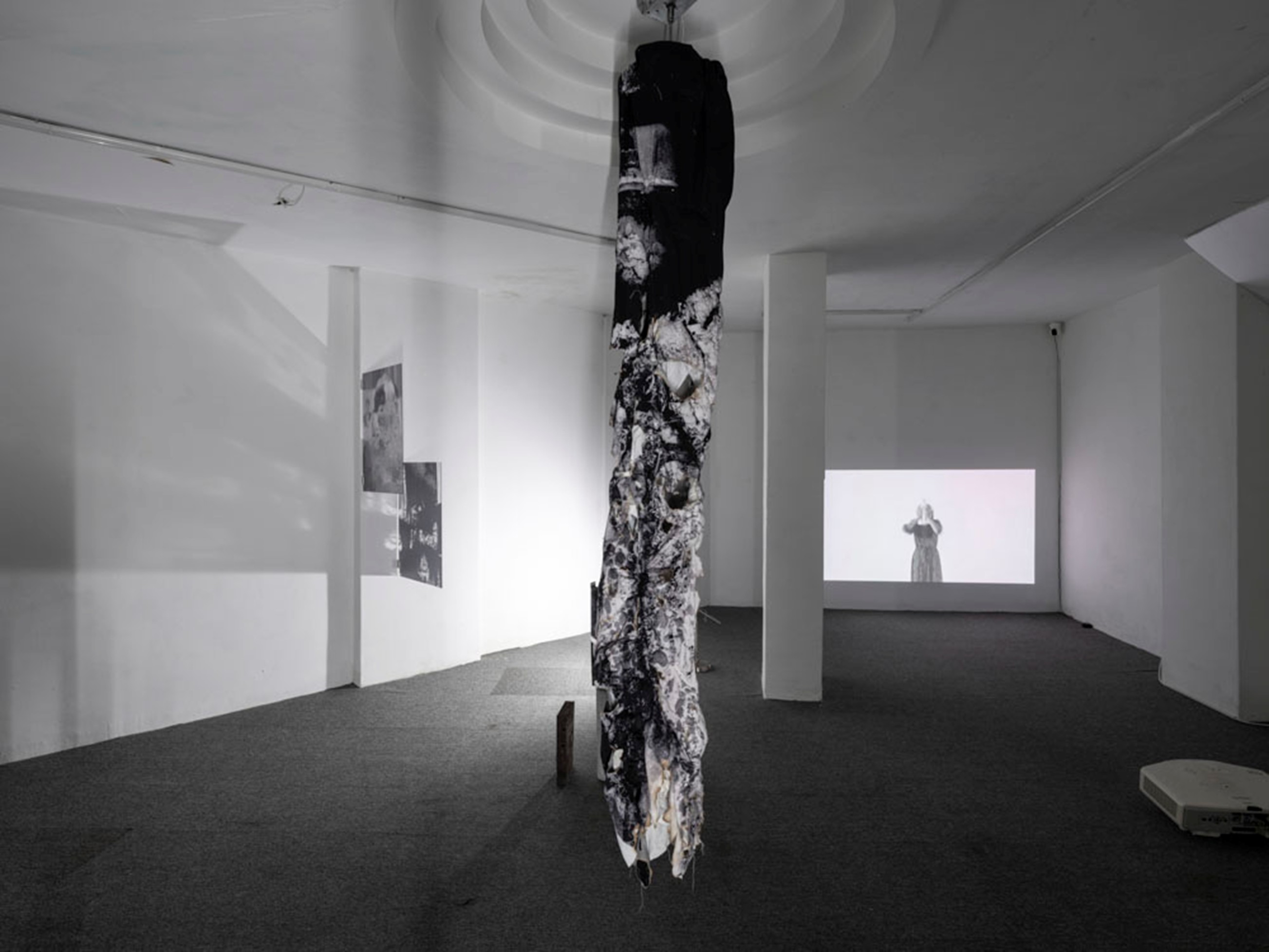
memory lane - K-ARTIST

memory lane

2022
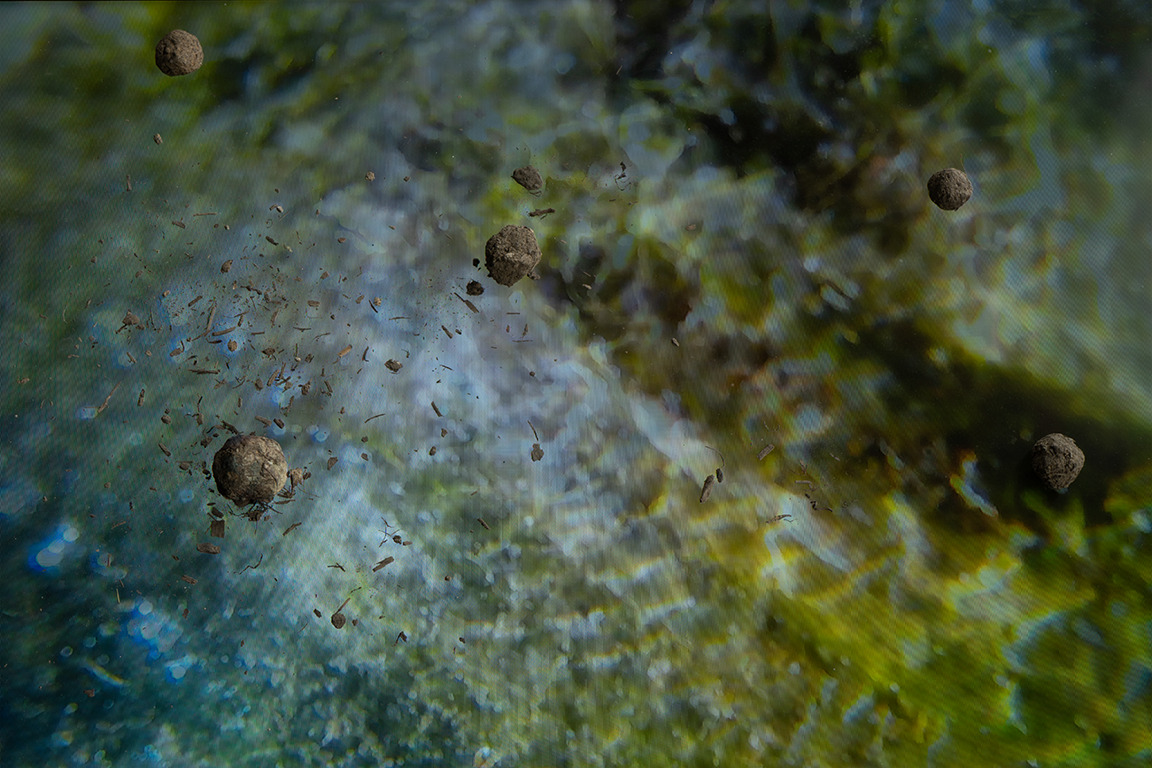
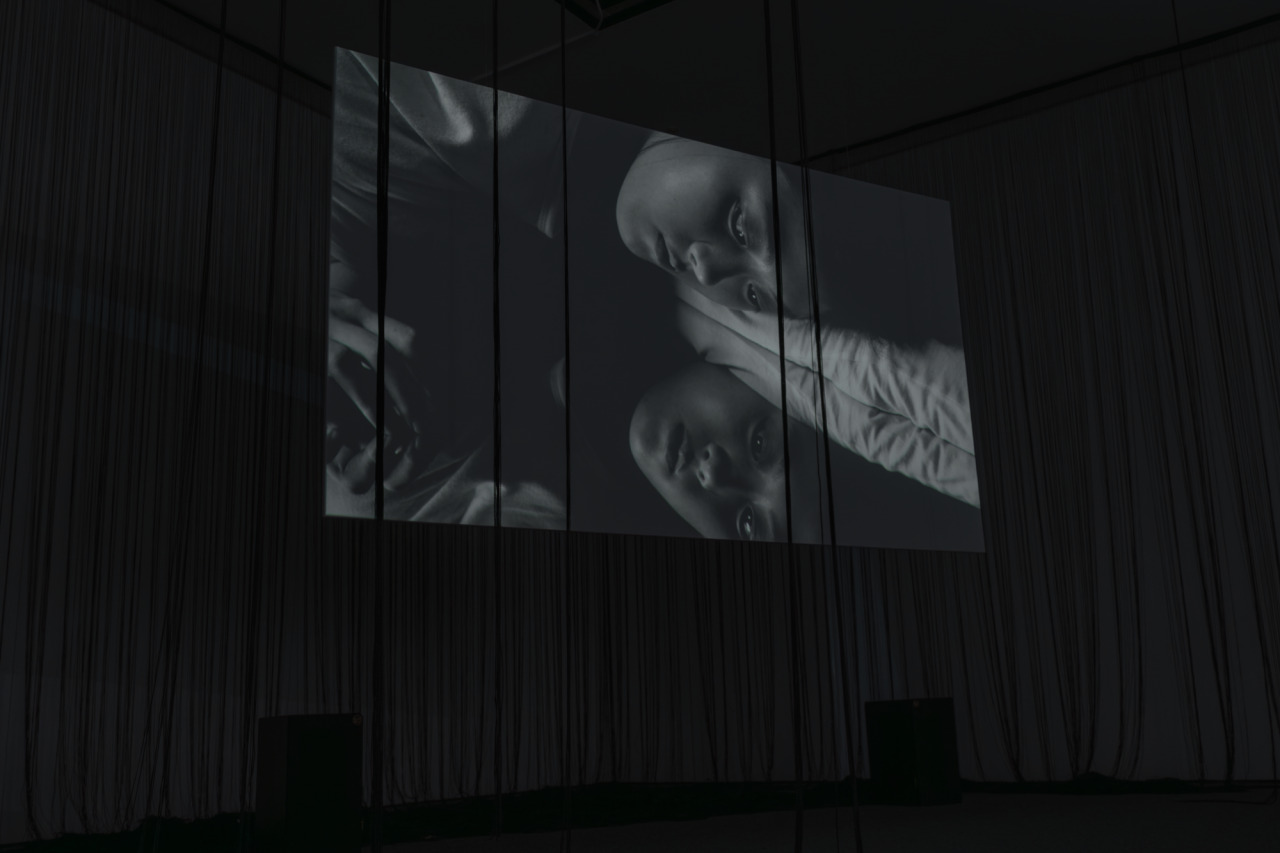
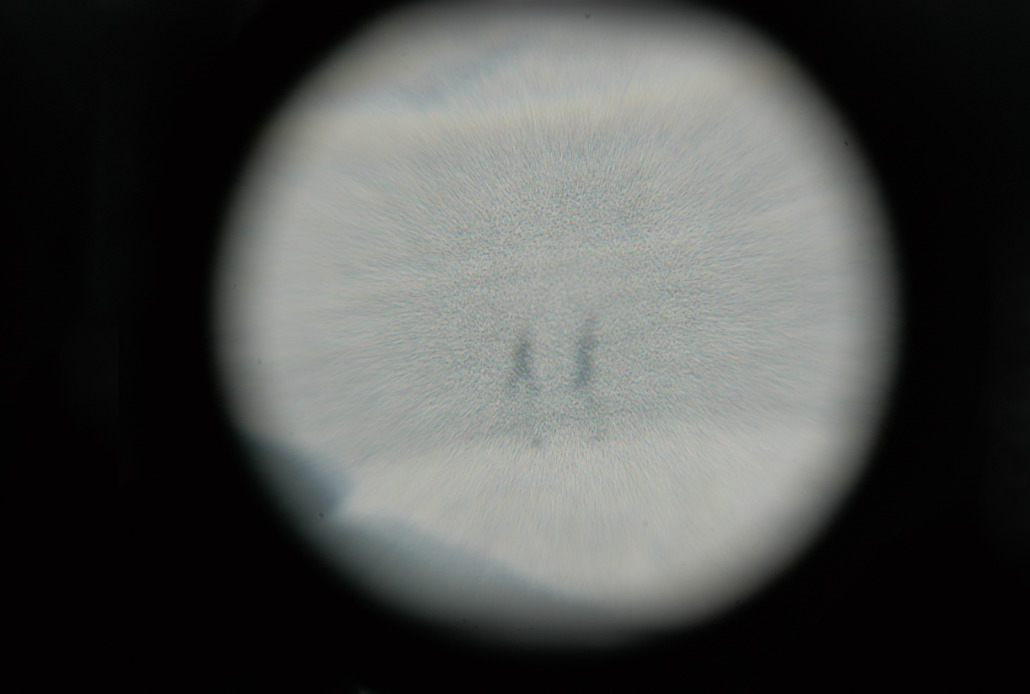
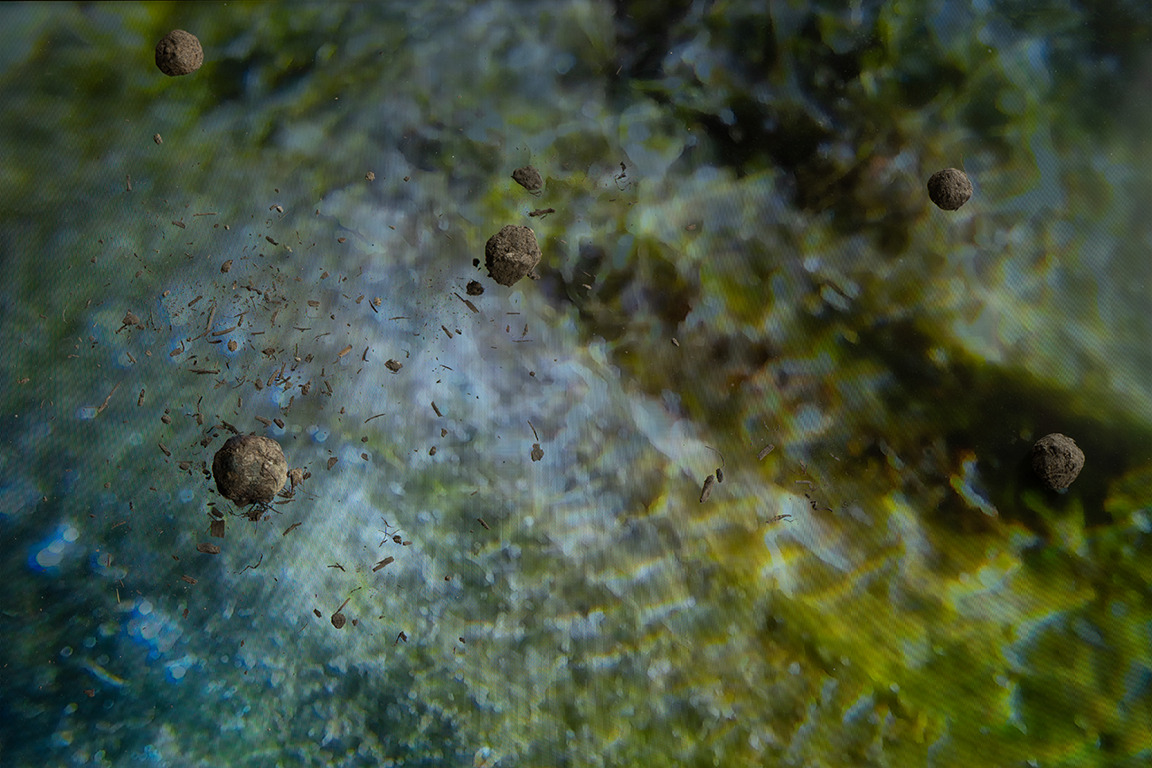
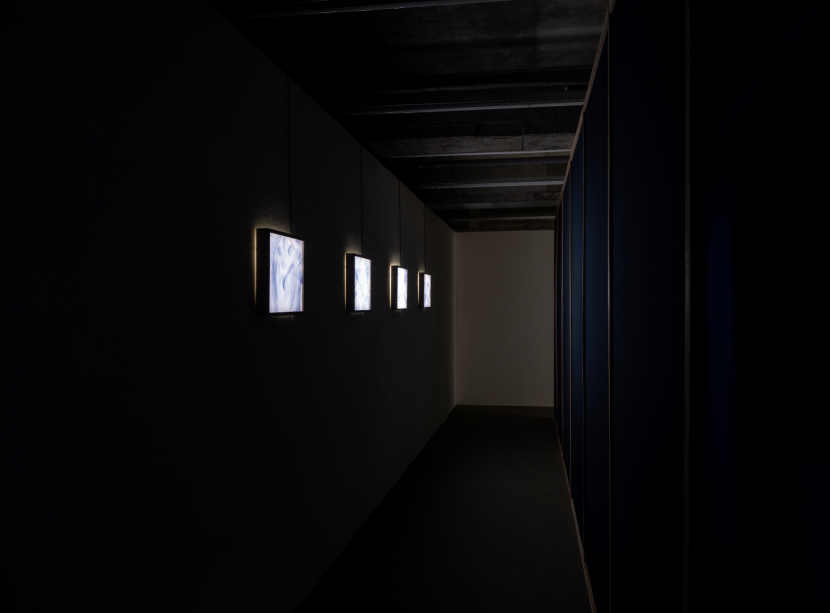
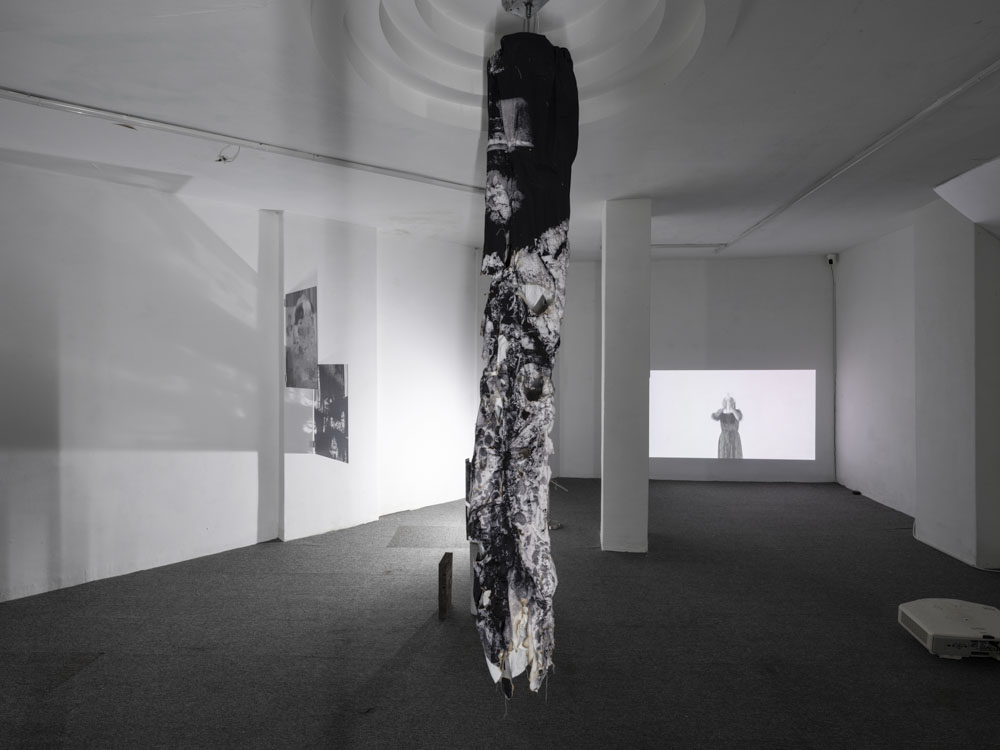
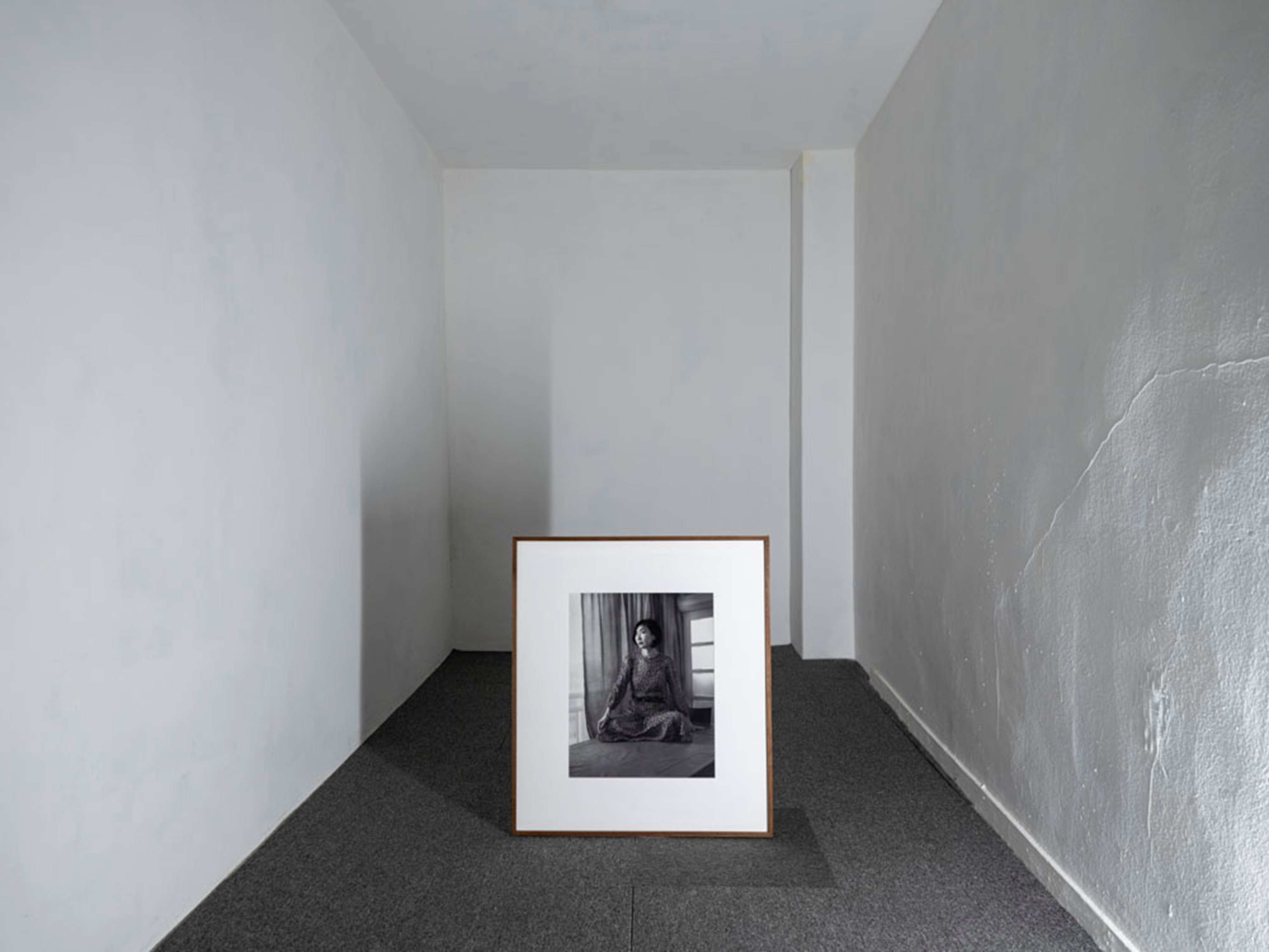
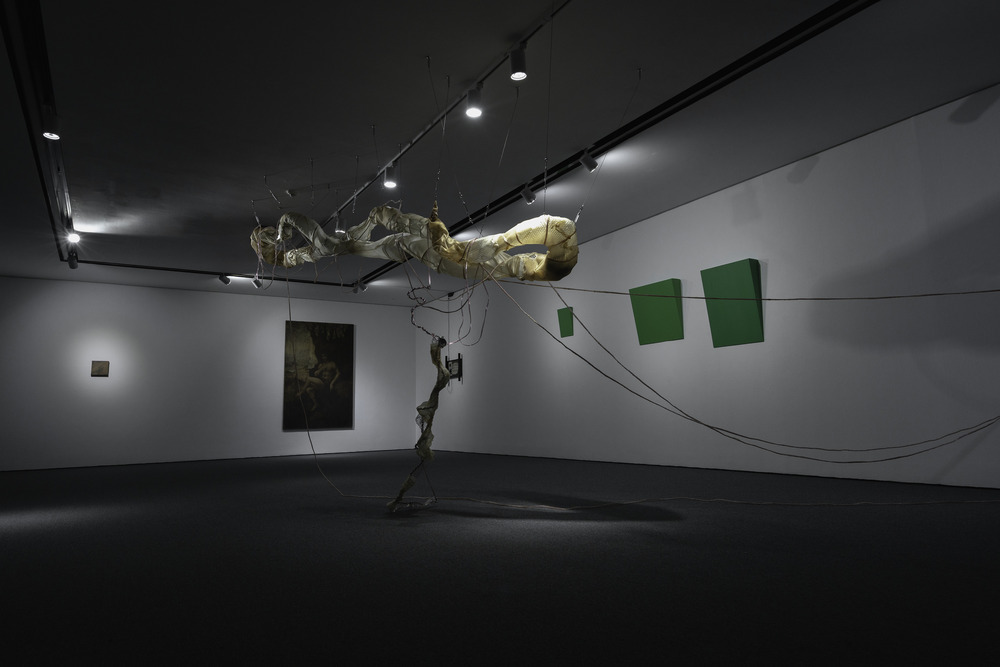
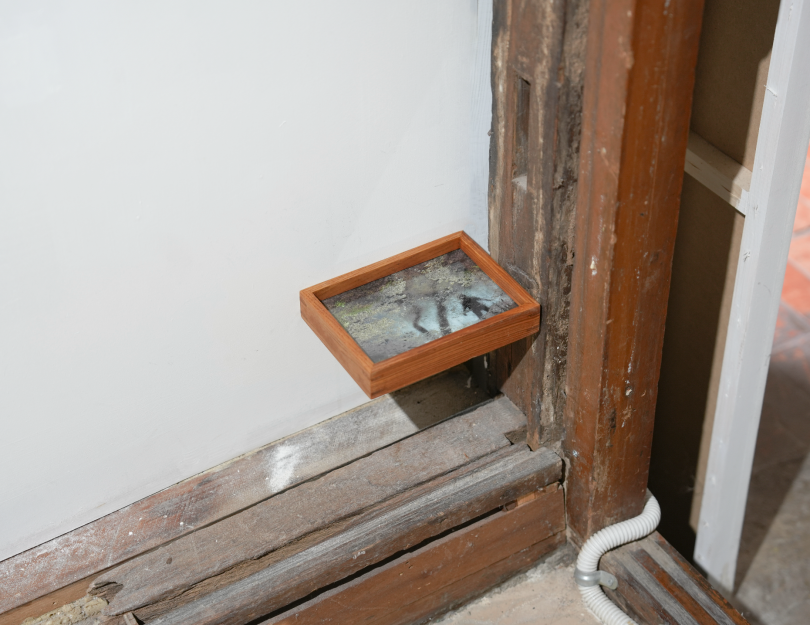
Clay, leaf mold, willow seeds and mulberry seeds (in part), printed images, single-channel video, 4K
Dimensions variable
About The Work

Sangha Khym collects fragments of vanished or restricted sites, lost media, and forgotten memories, pursuing a practice that reconstructs invisible time. Working across photography, video, publishing, and installation, the artist reveals in layered ways the processes through which memory fades and is reconstituted.
 
Sangha Khym’s practice begins from time that circles the periphery and moves toward an anticipated forgetting—a time in which far more remains concealed than visible. Taking incomplete and blurred memories as clues for this journey, the artist layers fading recollections onto the present time and space, reconstructing them anew.
 
Such work advances as a process that extends ruptured time into the present and the future. By revealing, in multiple layers, how memory fades and is reconfigured, it shows how fragments of memory persist and are transformed within the flow of time.

Solo Exhibitions (Brief)

Sangha Khym has held solo exhibitions including 《ASHES TO ASHES》 (PS CENTER, Seoul, 2025) and 《Blurry Dreams》 (Alterside, Seoul, 2024).

Group Exhibitions (Brief)

Khym has also participated in numerous group exhibitions, including Perigee Unfold 2025 《Don’t be hasty》 (Perigee Gallery, Seoul, 2025), 《Rehearsal Delayed》 (CHAMBER, Seoul, 2024), 《2023 Anti-Freeze》 (Hapjungjigu, Seoul, 2023), 《Naphthalene Candy》 (00 of 00, Seoul, 2023), and 《Cuckoo!》 (TINC, Seoul, 2022).

Works of Art

The Process of Memory Fading and Being Reconstructed

Originality & Identity

Sangha Khym’s practice begins with tracing layers of time that remain only in memory—places that have disappeared or become inaccessible, lost media, and fragments of individual and collective recollection. Rather than treating past events or sites as objects to be restored, she observes how memory becomes blurred, fragmented, and transferred into other forms. This perspective leads her to view memory not as a fixed record, but as a process that is continuously reconfigured from the standpoint of the present.

Missing Link (2019–2024) centers on Bamseom Island, which was rendered inaccessible following its explosion in 1968, and explores the tension between the physical disappearance of a place and the persistence of memory. Over an extended period, Khym met with former residents of Bamseom, collecting testimonies that are often misaligned and incomplete. In this work, the island does not appear as a single representable object, but rather as a constellation of times differently recalled within individual memories.

The artist later expands her focus to personal memory and lost media. Temper (2023) begins with photographs from her mother’s Cyworld account that were at risk of disappearance due to a server shutdown, addressing the instability of digital data and personal memory. Here, memory is not treated as something to be preserved intact, but as a process that is erased and re-emerges, reshaped through emotional negotiation.

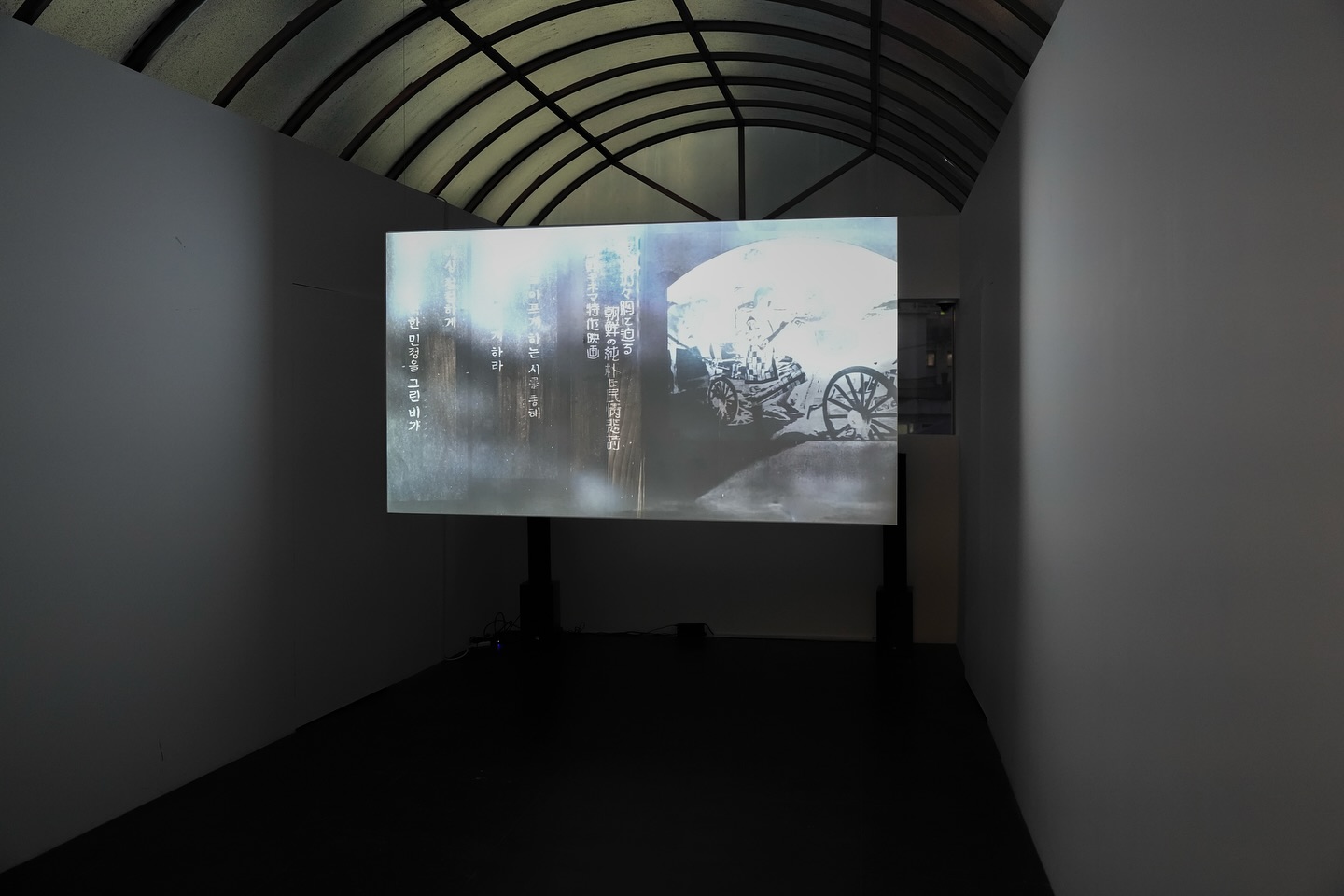
In the recent solo exhibition 《ASHES TO ASHES》 (PS CENTER, 2025) and the work To kill or follow the shadow (2025), presented in the group exhibition 《Don’t be hasty》 (Perigee Gallery, 2025), Khym engages with immaterial sources such as lost films and rumors. Rather than focusing on the vanished films themselves, she investigates how testimonies, imagination, and the desires of a given historical moment operate as another form of “truth,” expanding the relationship between memory and record to a collective dimension.

Style & Contents

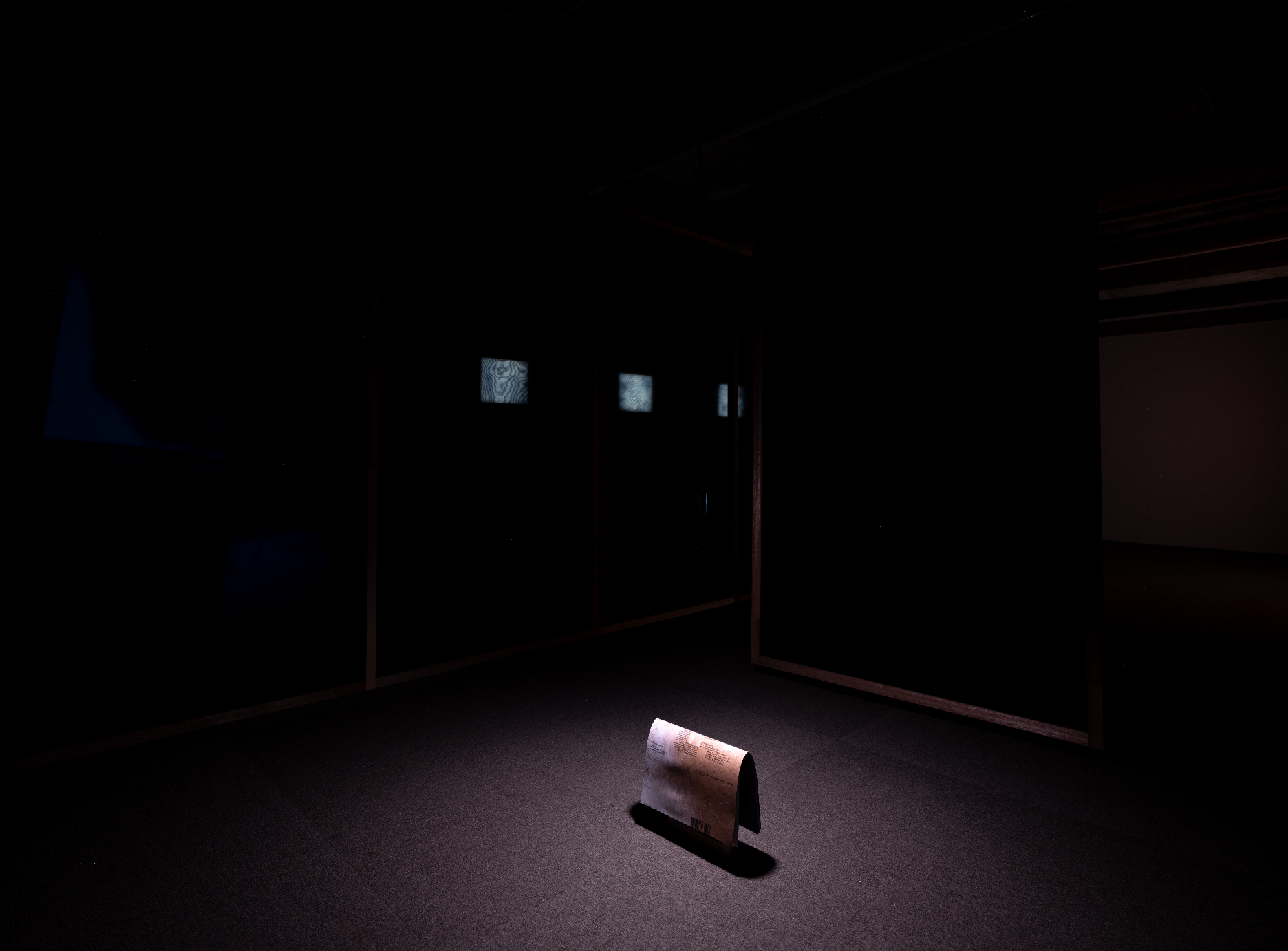
Sangha Khym’s work originates in photography and gradually expands to incorporate video, publishing, and installation. In Missing Link, she constructs a long-term project that encompasses large-format photography, interviews, repeated site visits, and the production of a photobook. The publication Missing Link (2024), in particular, functions as a key medium through which the work can be experienced beyond the exhibition space.

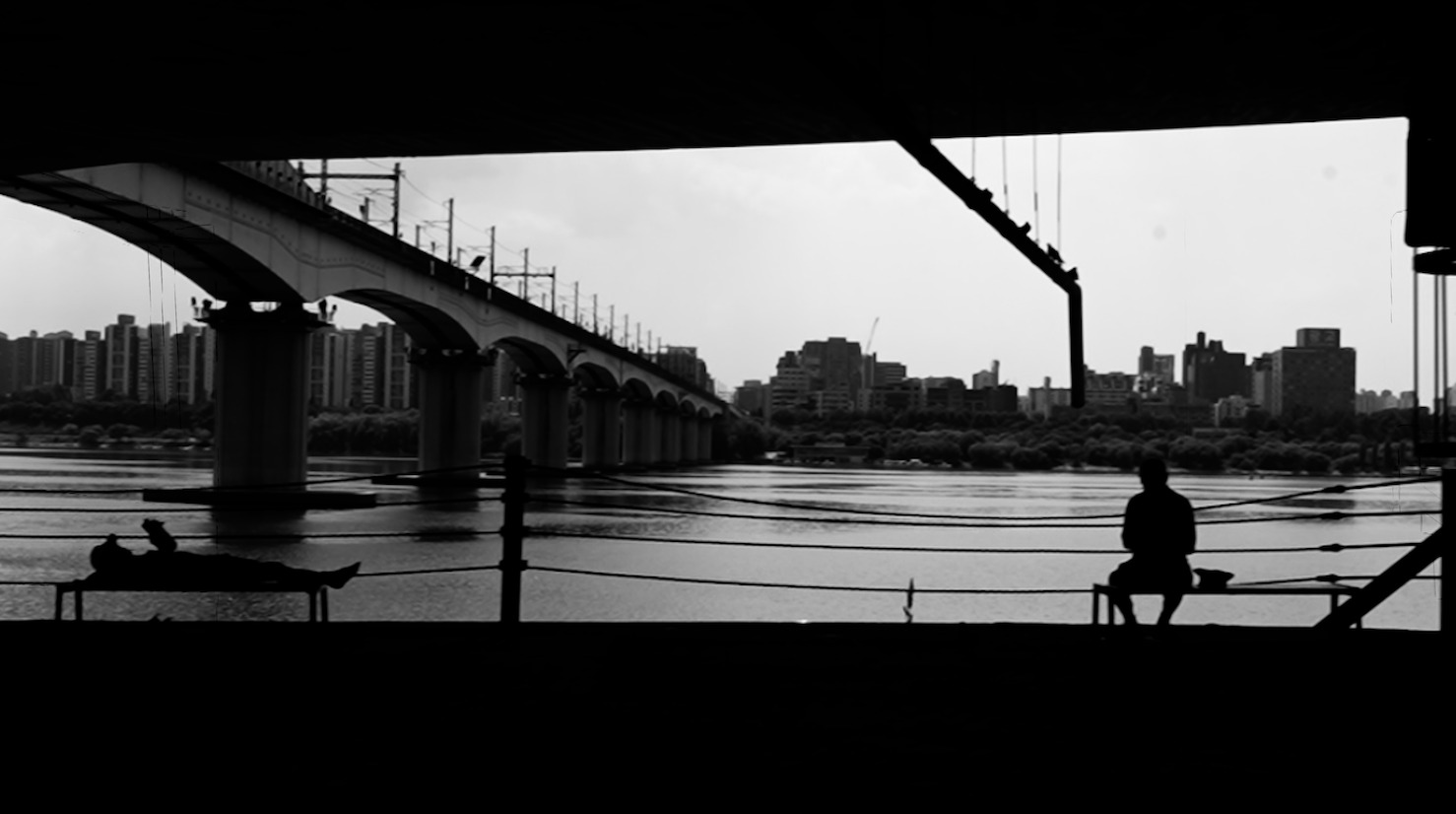
memory lane (2022) emerged from this research process, reconstructing objects and elements drawn from the memories of former Bamseom residents into video and installation. Broadcast for a single day across the Han River and within an exhibition space, the work formally articulates the artist’s view that memory is not anchored to a fixed location, but moves across time and space.

The video work gather (2024) places greater emphasis on modes of transmission. Conversations that unfold while flipping through old photo albums, voiceover reflections, and a constantly moving camera together underscore that memory is not a static past, but something continuously produced in the present. In this work, landscapes are captured not with clarity, but in a state of gradual disappearance.

Meanwhile, works such as Temper and those presented in 《Naphthalene Candy》 (00 of 00, 2023) foreground the material transformation of images. The use of thermal paper, heat, and physical contact to fade photographs reveals the coexistence of the desire to preserve memory and the impulse to erase it. In more recent video works, Khym employs palimpsest structures, performance, and mirror imagery to visually compose layered strata of memory and rumor.

Topography & Continuity

At its core, Sangha Khym’s practice revolves around the question of how memory can be approached. Rather than attempting to fully restore or represent memory, she maintains a stance that preserves incompleteness and distance. Her refusal to directly reconstruct Bamseom or reenact lost films demonstrates a consistent position that accepts the gap between memory and its object as a fundamental condition of the work.

While her research-based practice initially focused on places and personal testimonies, it has since expanded to include digital images, family histories, and lost films. Nevertheless, a photographic sensibility—marked by selection, materiality, and traces of time—continues to permeate her video and installation works. This suggests that Khym approaches photography not merely as a medium, but as a way of perceiving and structuring the world.

Through long-term relationships and sustained attention to invisible time, Khym addresses memory and record with persistence. Moving between documentary approaches and narrative imagination, she places personal experience and historical events on the same sensory plane, a characteristic that distinguishes her work within contemporary practice.

Looking ahead, Khym’s work is likely to further expand the structures through which memory and images are produced, using elusive subjects such as lost media, rumors, and testimonies. What began with specific places and individual memories continues to move toward collective memory and historical imagination, suggesting a practice that will persist in exploring invisible time on a global scale.

Works of Art

The Process of Memory Fading and Being Reconstructed

Articles

Exhibitions

Activities