

The Flat Blue Sky - K-ARTIST

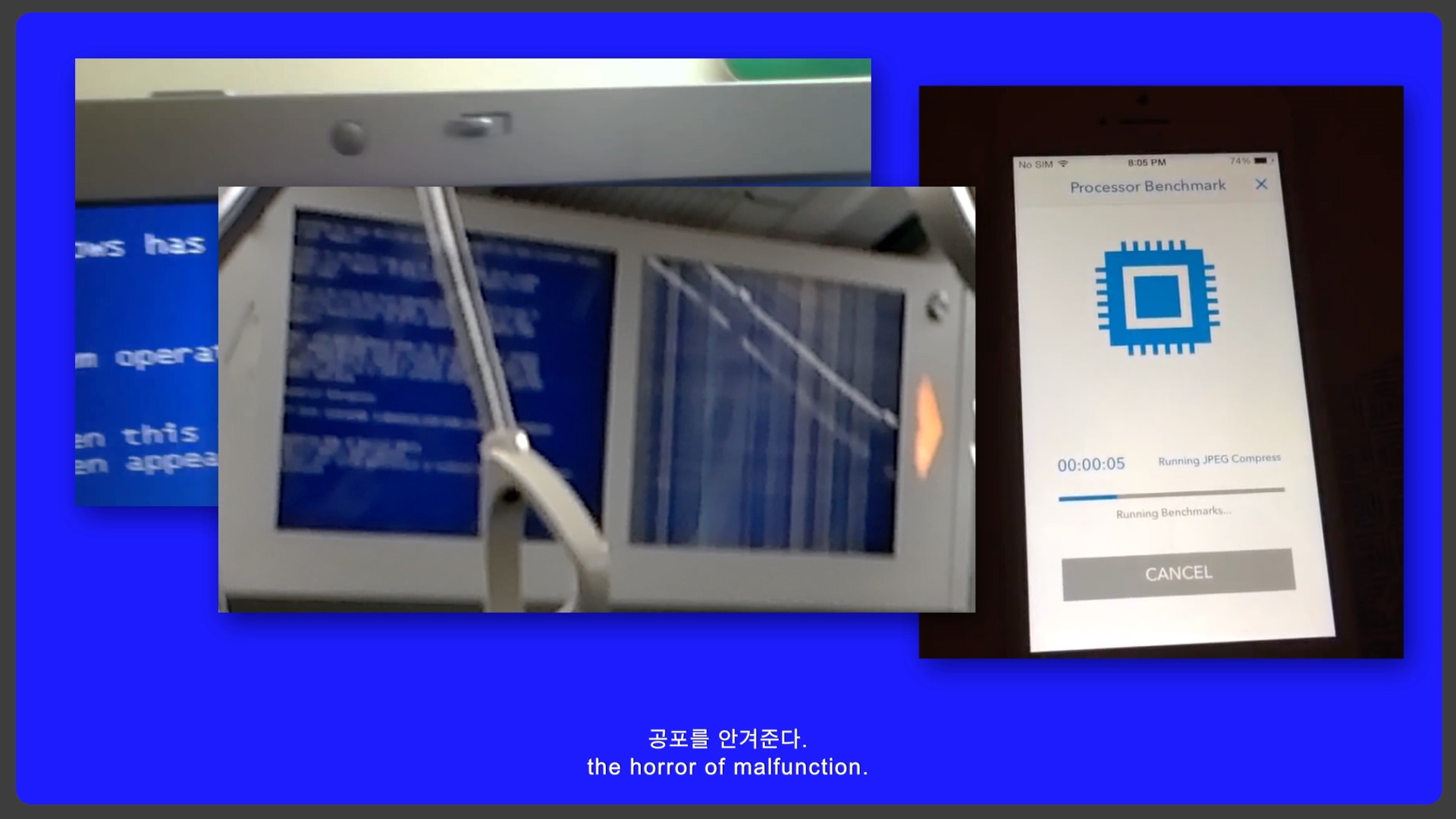
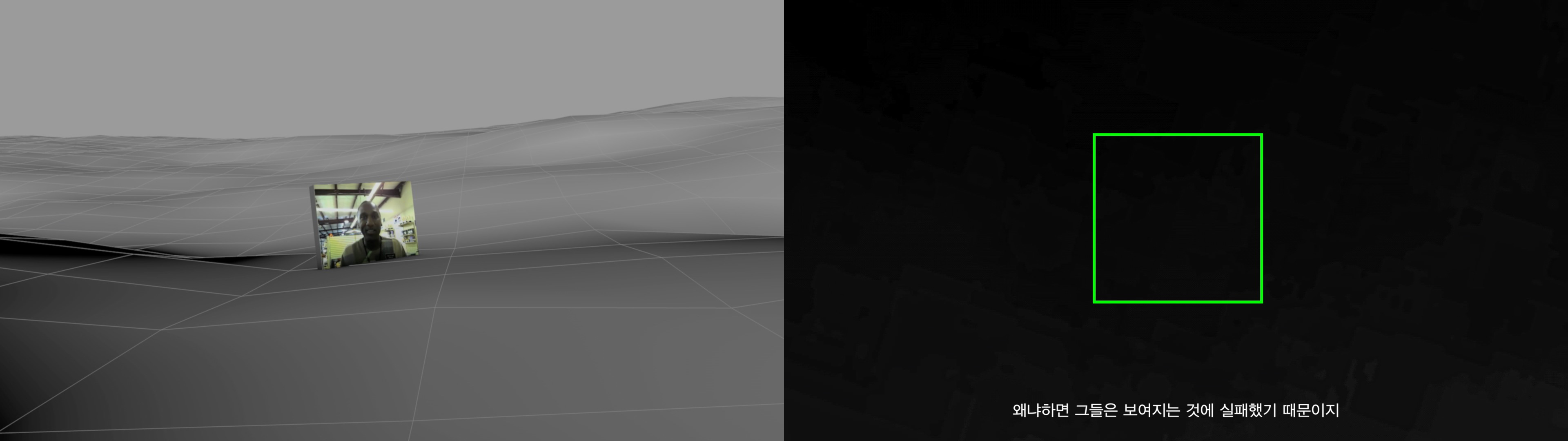
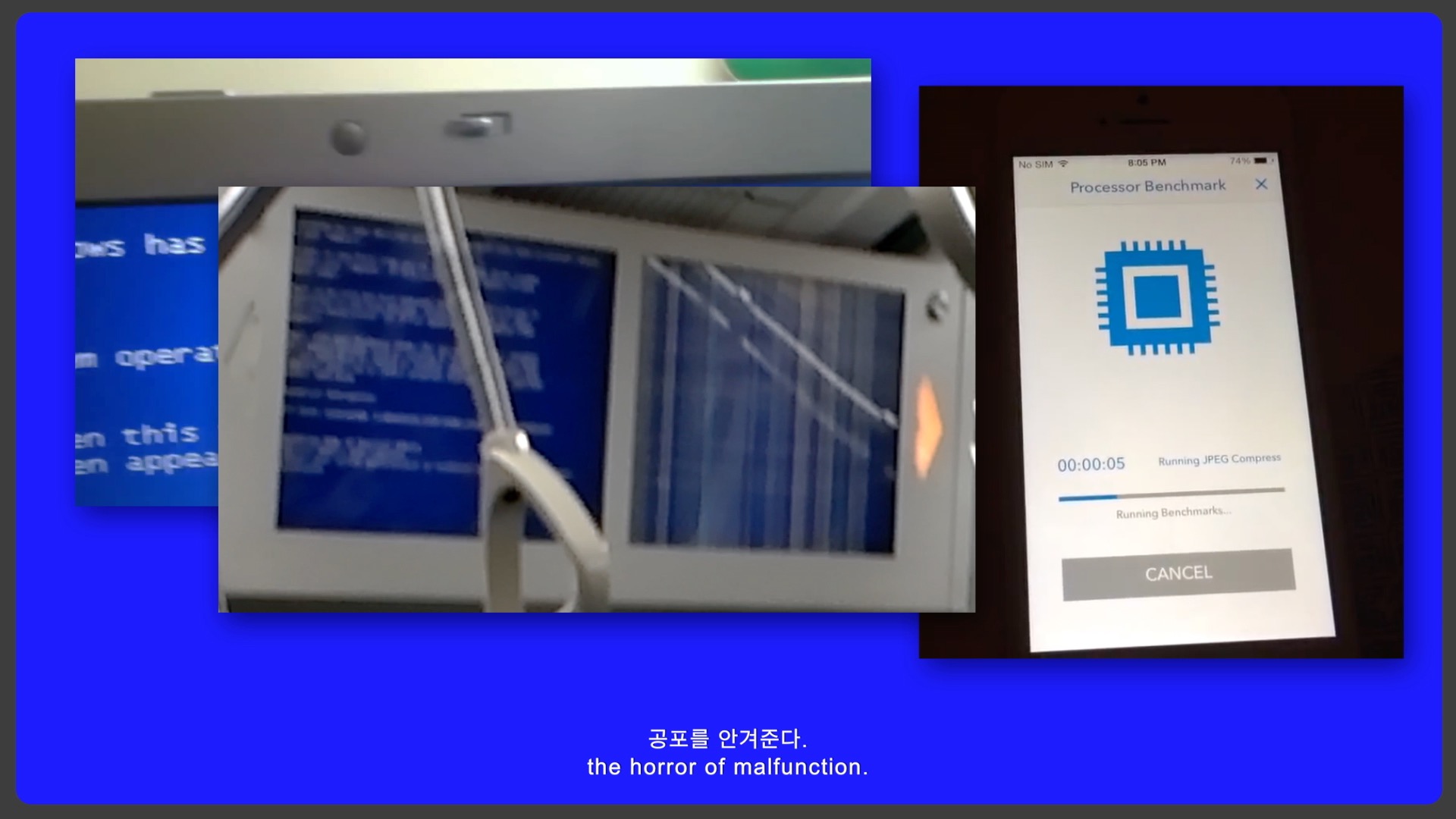
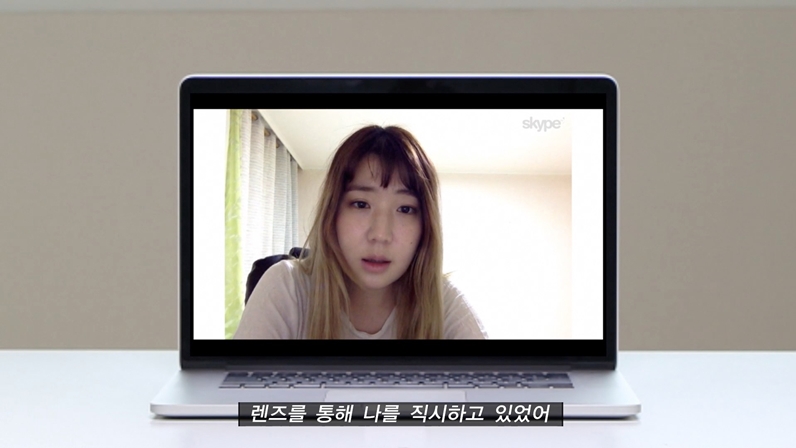
The Flat Blue Sky

2016
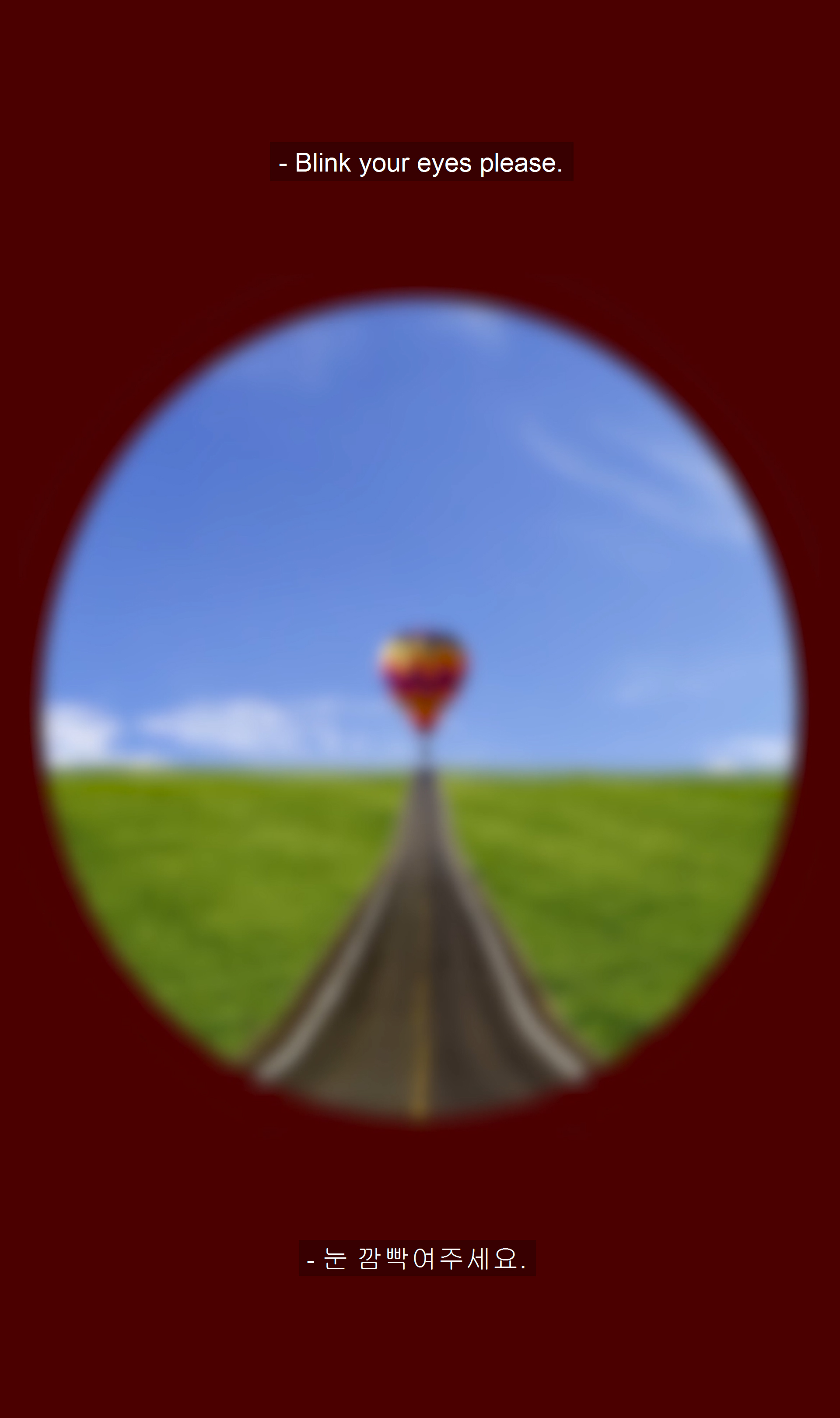
Single-channel video
6min 47sec
About The Work

Eunhee Lee observes the relationships among technological environments, individuals, and images, and addresses social issues through an investigation of the mechanisms of contemporary technology. Viewing technology not merely as a scientific product but as a crystallization of intertwined economic and industrial logics and political interests, Lee presents video works that trace the production, consumption, and obsolescence of today’s technological environments, as well as the forces that lie beneath their surfaces.
 
Eunhee Lee’s practice begins with a reflection on lives increasingly exposed to digital media, and with an inquiry into the relationships among individuals, images, and data that emerge within such environments. As the pace at which new technologies are developed and permeate everyday life continues to accelerate, individuals undergo processes of transformation or disappearance—fragmented into multiple images or subsumed within vast flows of information.
 
The artist's act of observing and contemplating the technological landscape through artistic means can be seen as an attempt to understand this world, as well as an effort to bridge the gap between the bizarre and absurd aspects of society. Through this work, the artist questions how the cutting-edge industries and technologies of each era, despite their labeling as "advanced" or "developed," are contradictory and vulnerable, prompting a reflection on today's technological world.

Solo Exhibitions (Brief)

Eunhee Lee has held solo exhibitions including 《Clean Room, Reeling Room》 (MOCA Taipei, Taiwan, 2025), 《Colorless, Odorless》 (Room Room x Art Hub Copenhagen, Denmark, 2025), 《Mechanics of Stress》 (DOOSAN Gallery, Seoul, 2023), and 《Stance phase, Swing phase》 (The Reference, Seoul, 2021).

Group Exhibitions (Brief)

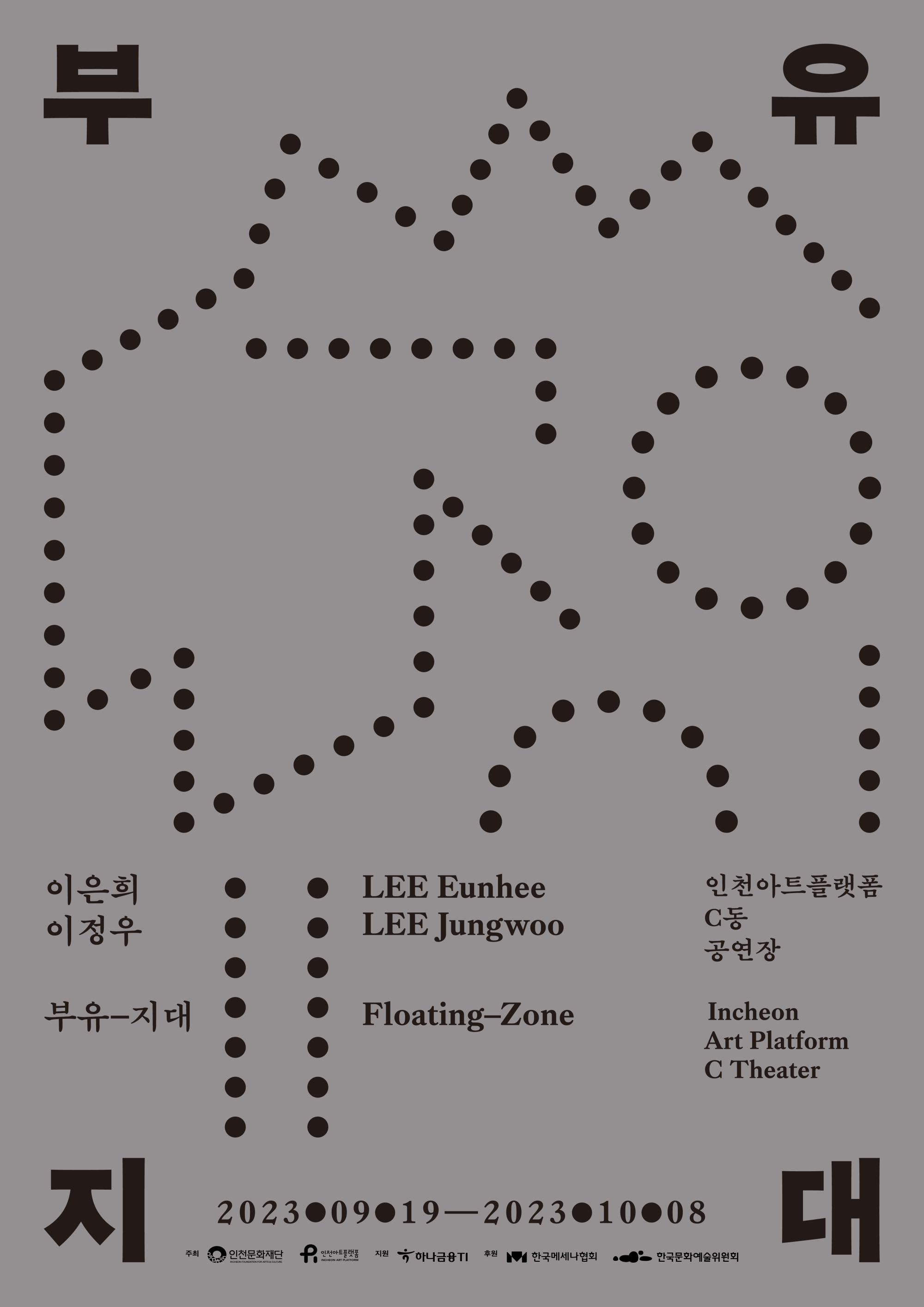
Lee has also participated in numerous group exhibitions, including 《Young Korean Artists 2025: Here and Now》 (MMCA, Gwacheon, 2025), 《SeMA Omnibus: I Want to Love Us》 (Buk-Seoul Museum of Art, Seoul, 2024), 《Floating-Zone》 (Incheon Art Platform, Incheon, 2023), 《Frieze Film 2023: It was the way of walking through narrative》 (BOAN1942, Seoul, 2022), 《Watch and Chill 2.0: Streaming Senses》 (MMCA, Seoul, 2022), 《Digital Art Festival Taipei 2021: Boderless Shelter》 (Taipei, Taiwan, 2021), and more.

Awards (Selected)

Eunhee Lee has been selected for and awarded several notable honors, including the Han Nefkens Foundation – Loop Barcelona Video Art Production Grant (2023, Barcelona, Spain) and First Prize at the 2023 ALMANAC: 50 Contemporary Artists in Korea (2023, South Korea).

Residencies (Selected)

Eunhee Lee has participated in a number of residency programs, including the MMCA Residency Goyang (2022), SeMA Nanji Residency (2021), Seoul Art Space Geumcheon Residency (2020), and the Incheon Art Platform Residency (2018).

Collections (Selected)

Lee’s works are held in collections of Gyeongnam Art Museum, Busan Museum of Art, Seoul Museum of Art, and Museum of Contemporary Art Busan.
Works of Art

The Relationships among Individuals, Images, and Data

Originality & Identity

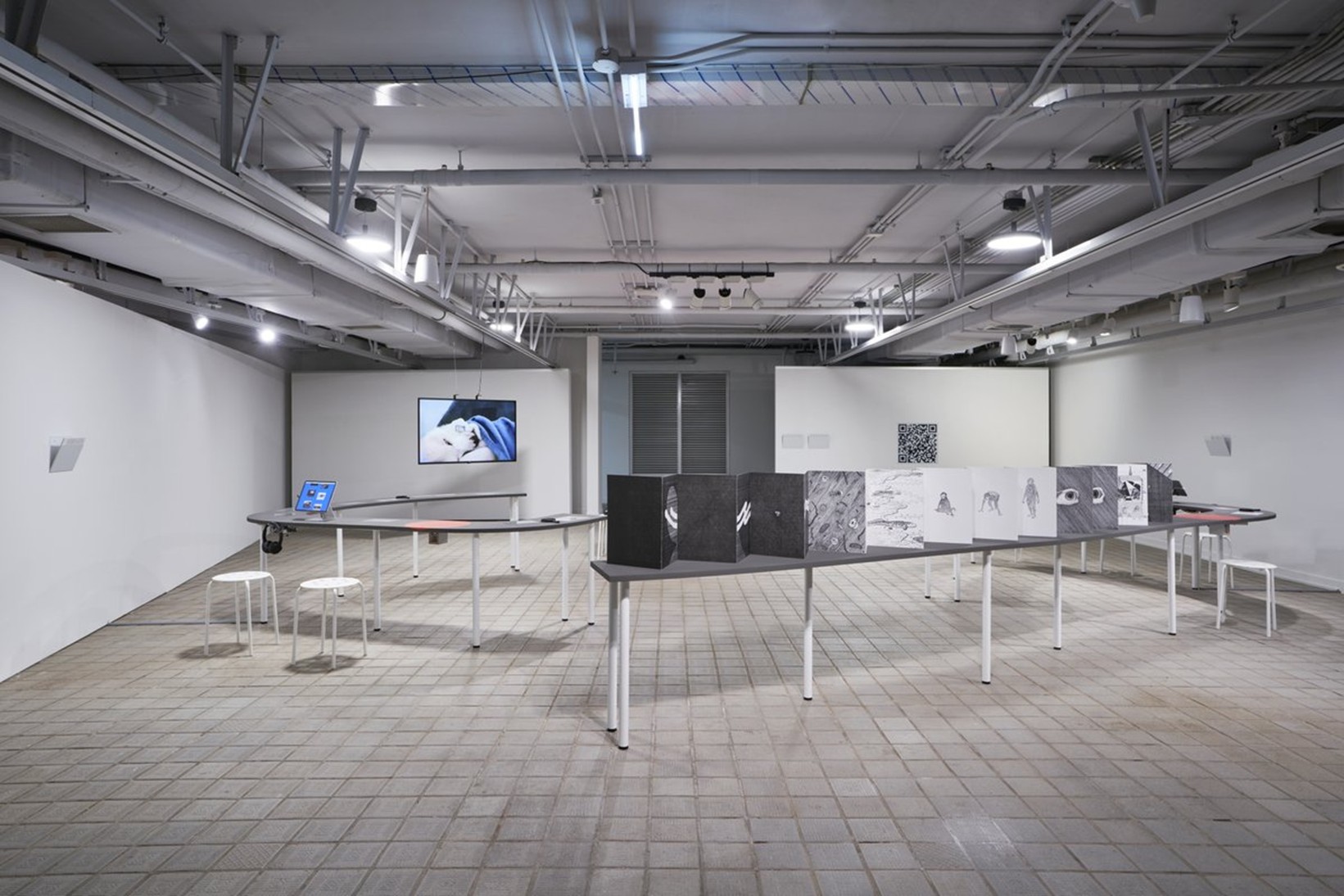
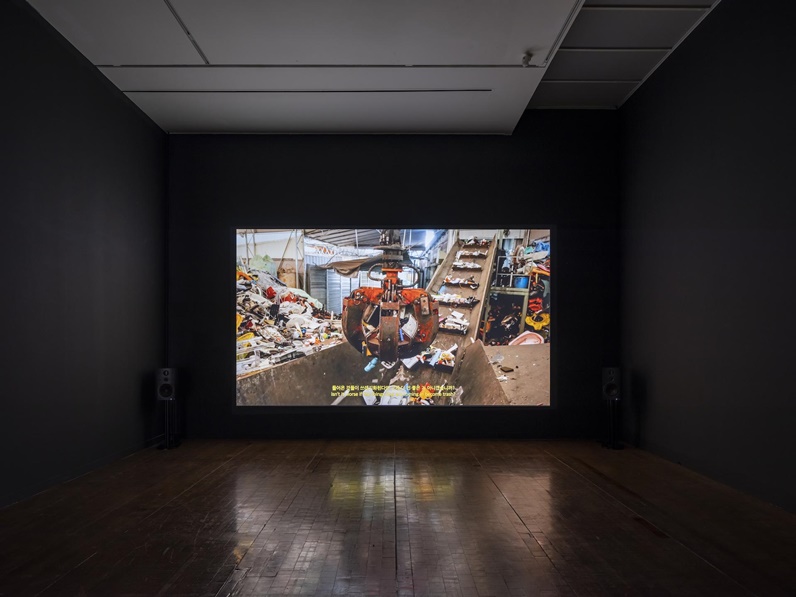
Eunhee Lee’s practice begins with questions about how digital technologies shape everyday life and society at large—particularly how technologically produced environments leave material traces on individual bodies and lived experience. In her early works, she observed how visually driven digital media such as CCTV, smartphone cameras, and facial-recognition technologies record, classify, and at the same time exclude individuals. Works such as The Flat Blue Sky(2016) and Contrast of Yours(2017) explore the conditions under which individuals are rendered visible or eliminated within flows of images and data, revealing technology not as a neutral apparatus but as a structure that operates through selection and exclusion.

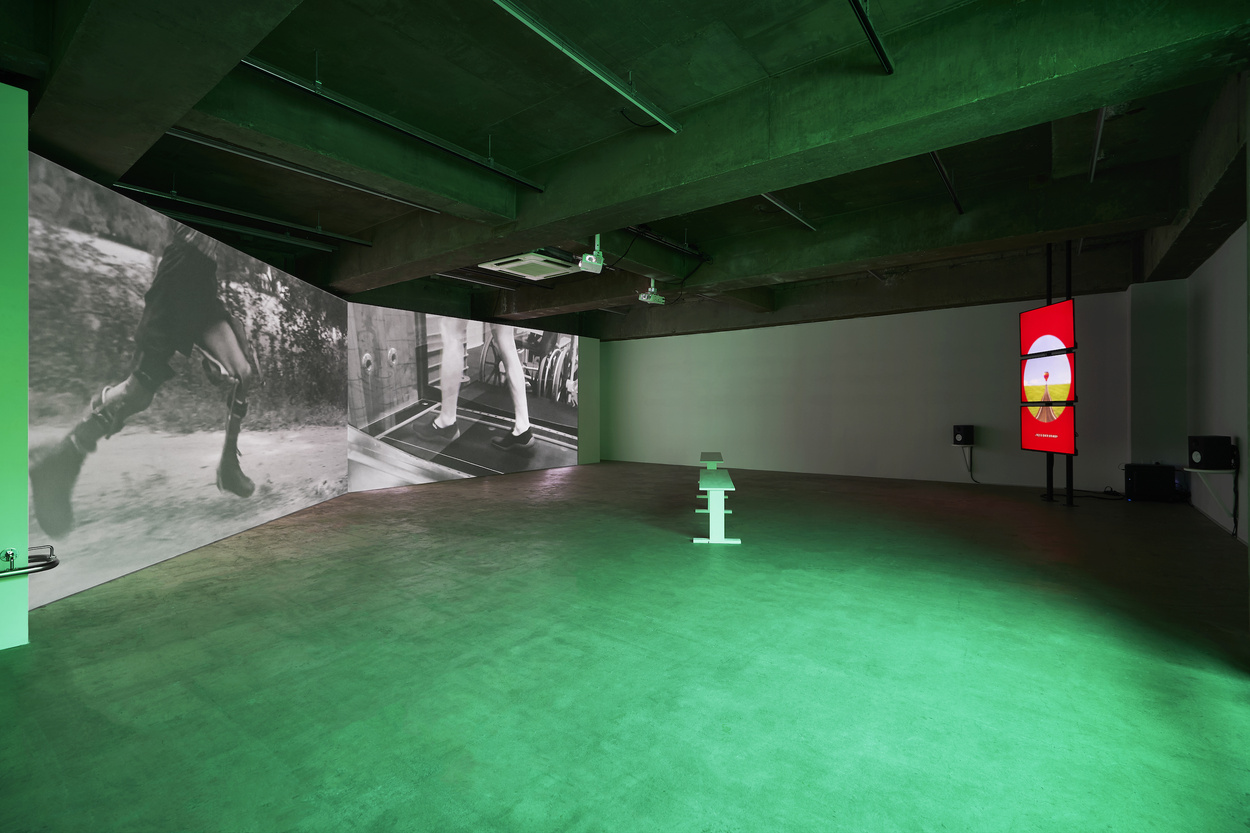
This line of inquiry expands around the solo exhibition 《Cost of Recovery》(CR Collective, 2020), shifting focus from the “user” of technology to the “laboring body” that sustains technological development. During this period, Lee raises questions about whether technological advancement truly functions as equal progress for all, bringing attention to bodies marginalized within medical technologies, rehabilitation systems, and assistive-device industries. Works such as AHANDINACAP(2020) and EXTRA(2020) expose the paradox in which technology promises recovery while further alienating labor, through bodies reconstructed according to standards of productivity and normalcy.

In the solo exhibition 《Stance Phase, Swing Phase》(The Reference, 2021), Lee examines rehabilitation technologies from a more structural perspective. She presents these technologies not merely as devices that support the body, but as political and industrial assemblages in which humans and machines—patients, administrators, therapists, and technicians—are entangled within a single system. Here, disability is redefined not as an individual deficiency, but as a condition produced at the intersection of technology, labor, and institutional frameworks.

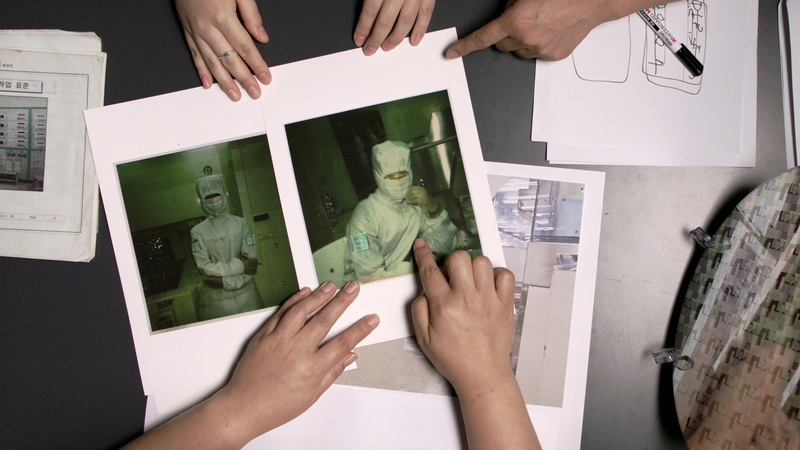
In more recent works such as Colorless, Odorless(2024) and Body Alerts(2025), Lee addresses the material conditions of technological environments more directly. Centering on the semiconductor industry and clean rooms, these works trace “invisible toxicity” and “unremembered disasters,” revealing how technological progress has repeatedly transferred risk onto specific bodies and regions. In particular, Body Alerts juxtaposes occupational diseases from the Industrial Revolution with contemporary electronic-industry disasters, demonstrating how the desires of technology and capital persist as recurring structures across time and place.

Style & Contents

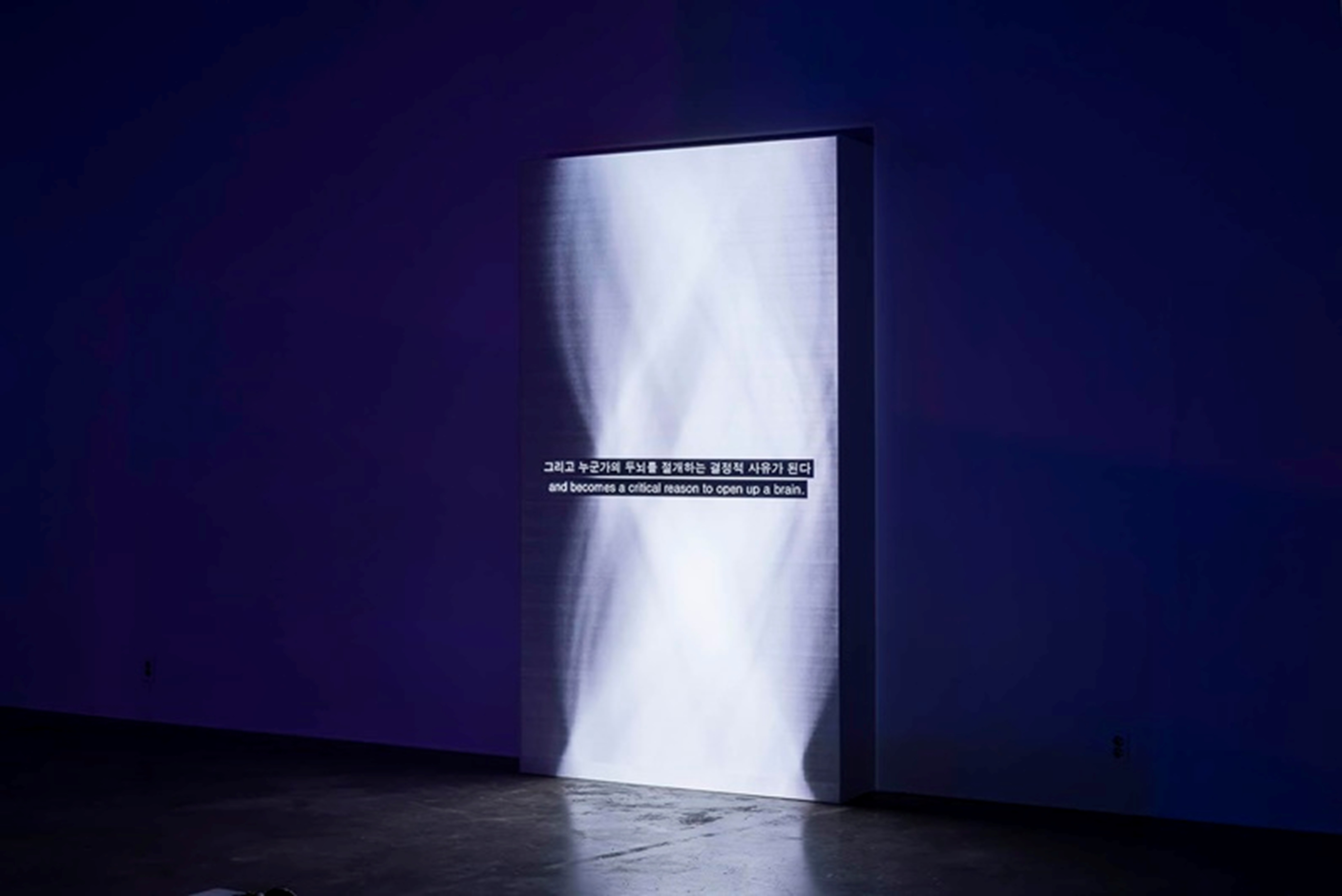
Eunhee Lee primarily works with video, gradually expanding her practice from single-channel works to multi-channel video installations. In early works such as The Flat Blue Sky and Contrast of Yours, she employs narration, interviews, rendered imagery, and appropriated footage to analyze the visual structures of the information society. Contrast of Yours, in particular, exposes errors and biases within surveillance systems through direct narration and distorted representations of human figures based on real-world cases.

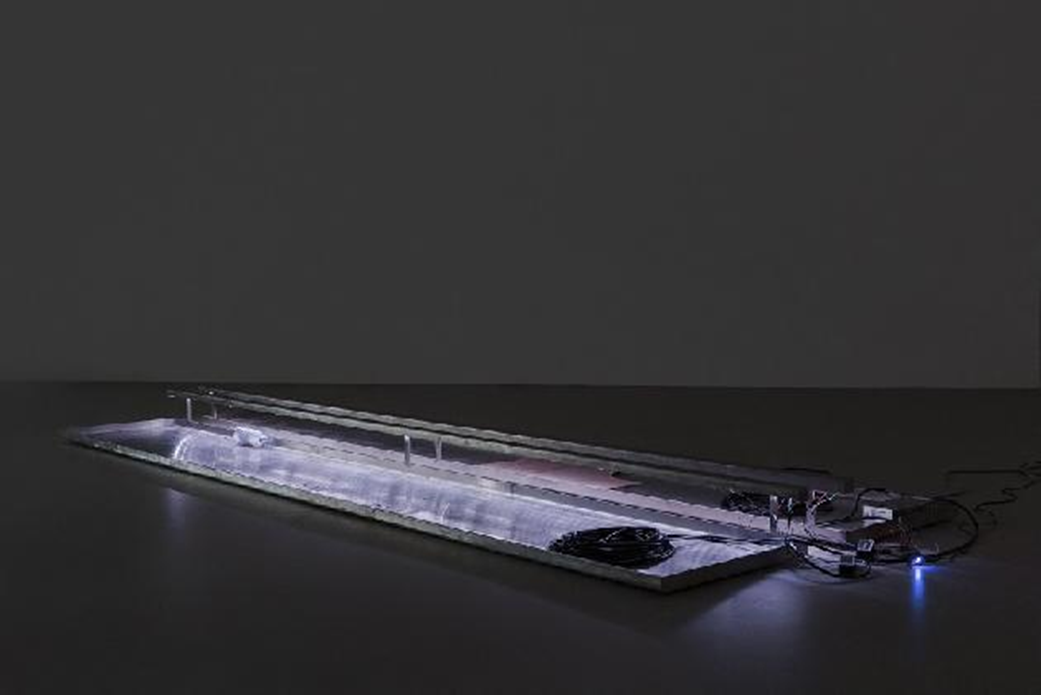
From 2020 onward, Lee increasingly integrates installation with moving image. In 《Cost of Recovery》, gray and red-toned videos, flattened text images, and scenes informed by 3D references evoke the sensory dimensions of specific labor environments while guiding viewers through the artist’s narrative. Rather than abstractly explaining technological systems, her work emphasizes the concrete spaces and bodily conditions in which these systems operate.

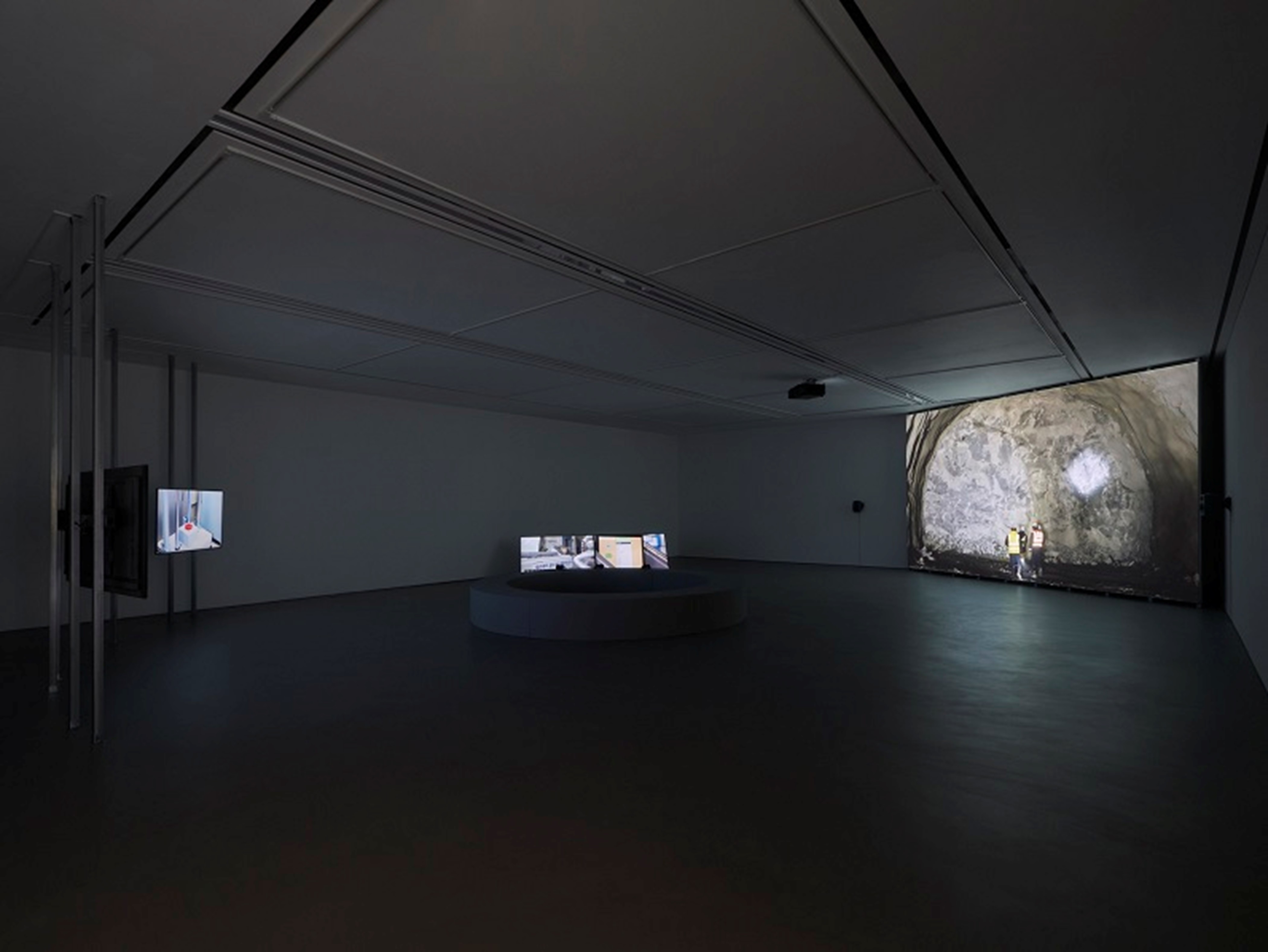
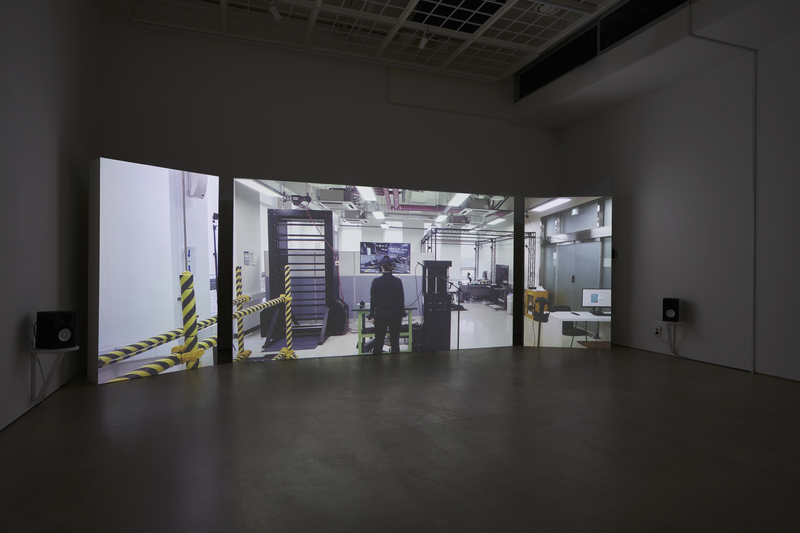
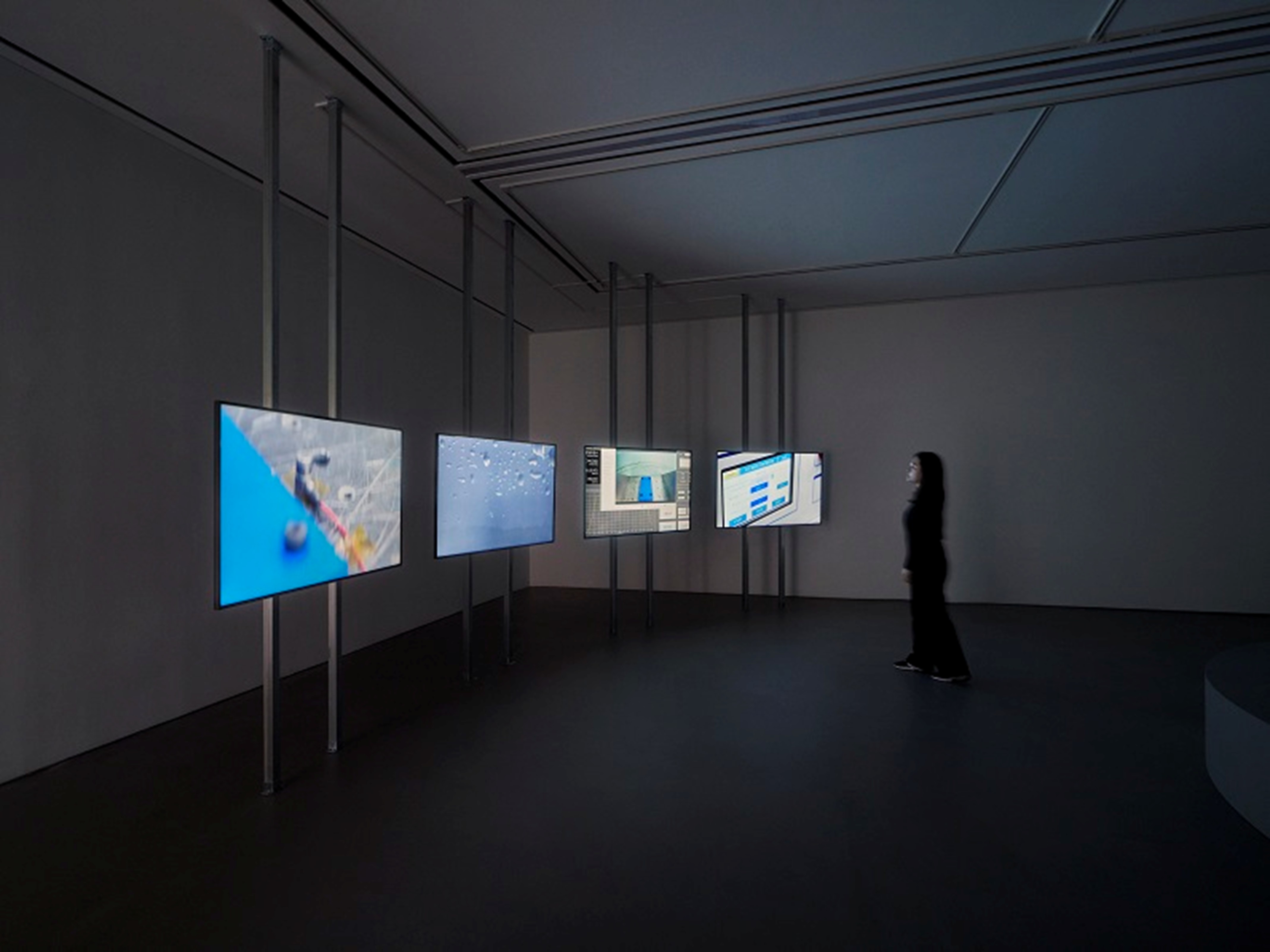
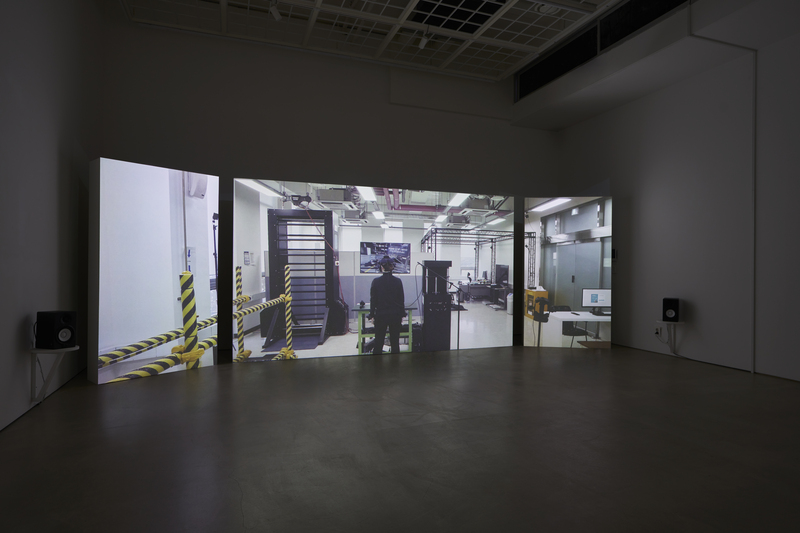
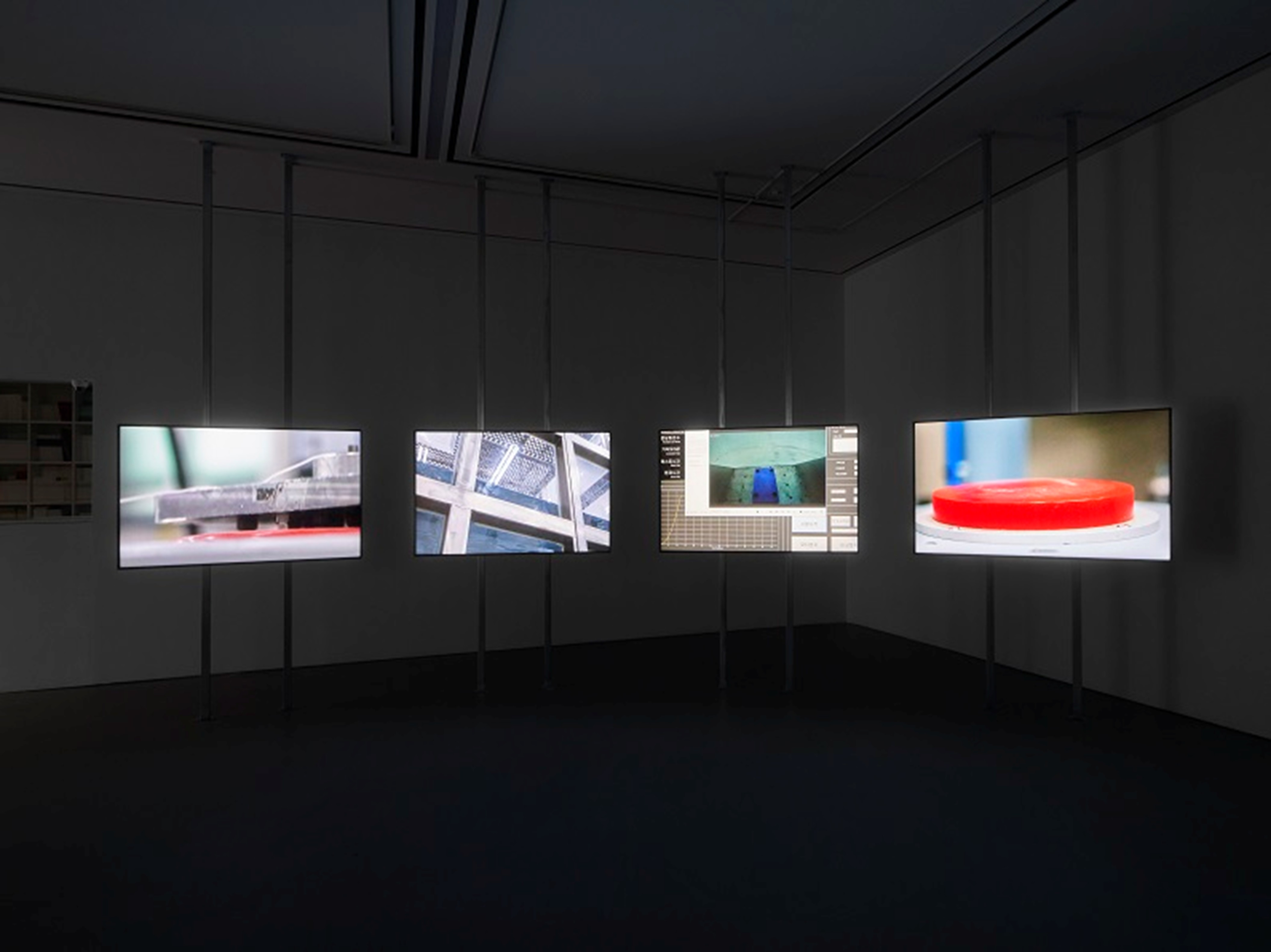
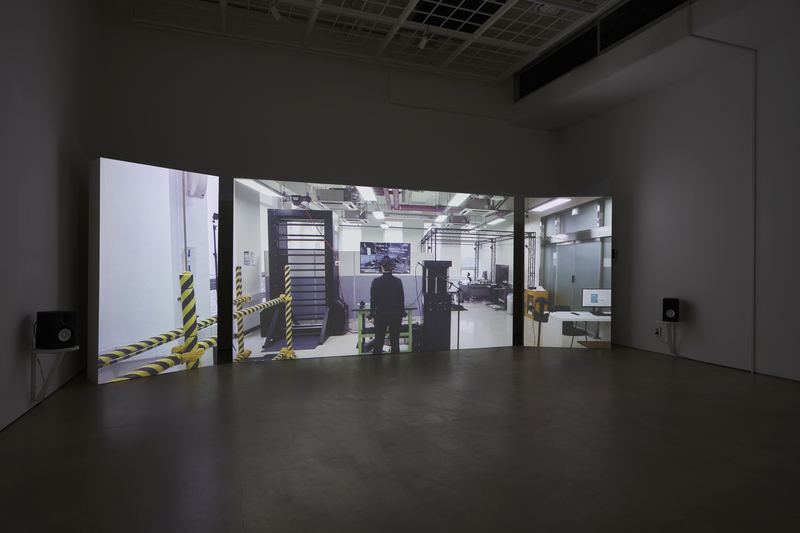
Stance Phase, Swing Phase(2021) presents a multi-channel video installation documenting medical sites and industrial research facilities, juxtaposing the operational patterns of humans and machines. Repetitive mechanical motions and the movements of administrators reveal scenes in which rehabilitation technologies simultaneously assist individual bodies and subject all participants to the rhythms of machinery. Here, video functions less as an explanatory tool than as a device for observing structural relationships.

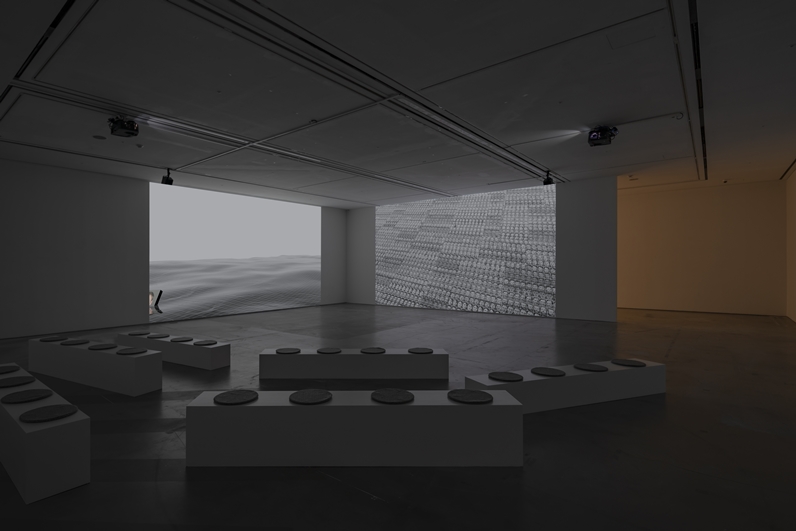
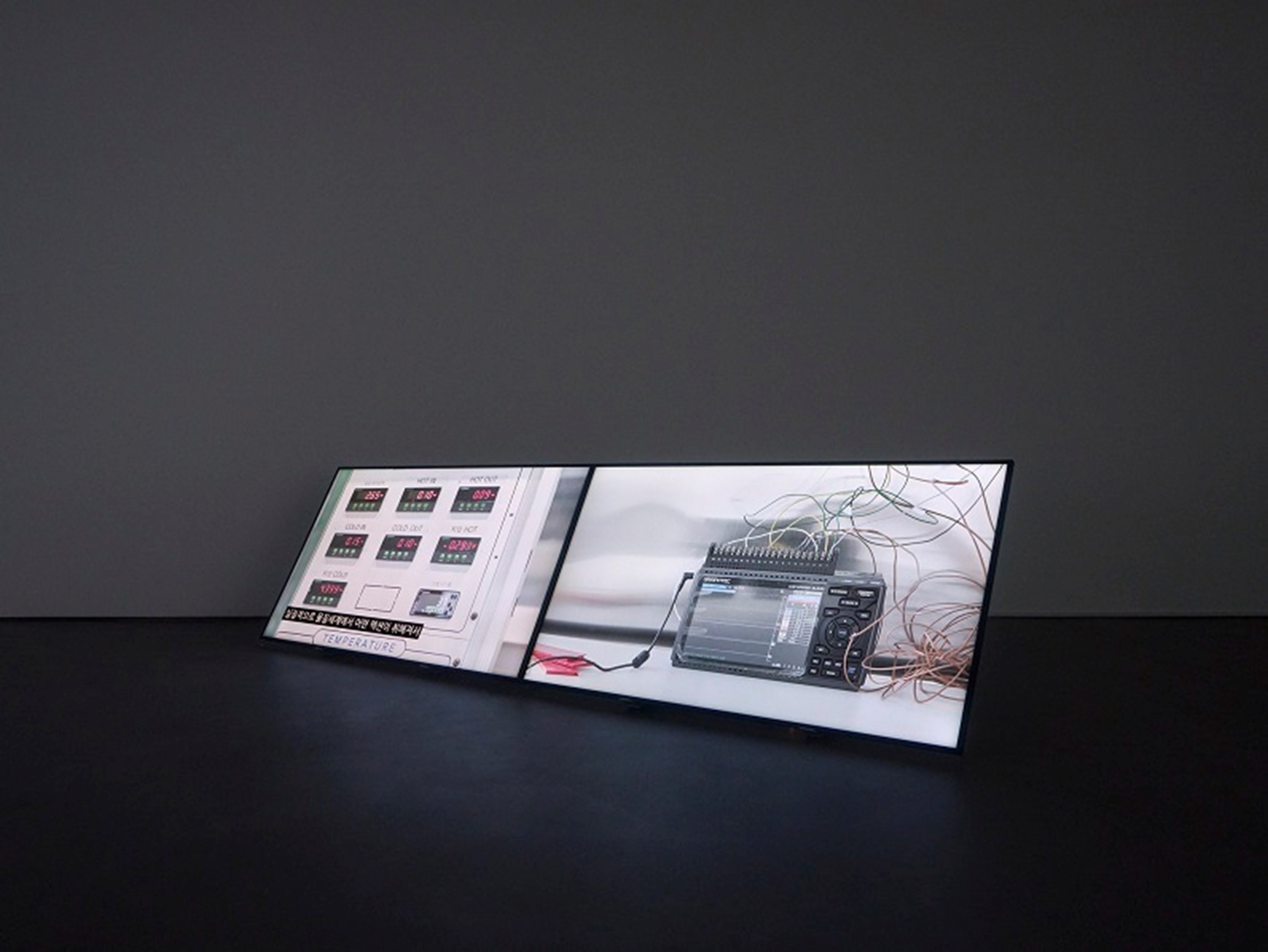
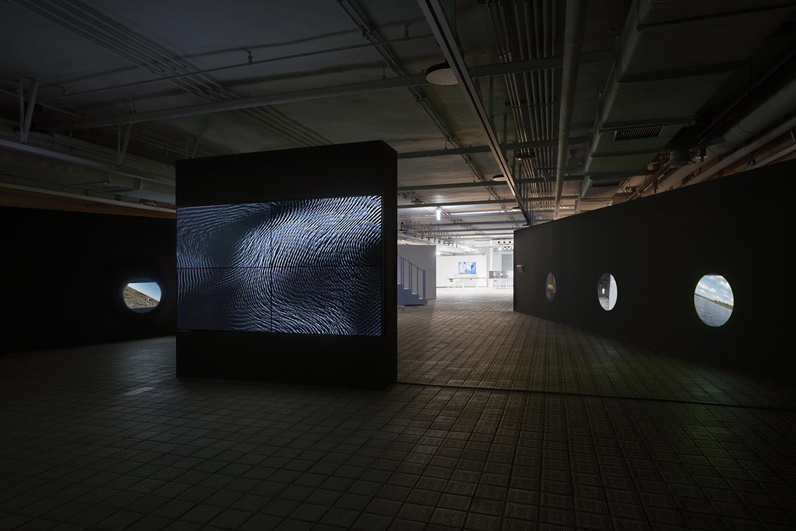
In Colorless, Odorless and Body Alerts, documentary footage, archival materials, testimonies, and performance are combined. To address elements such as chemical substances and odors that cannot be captured by the camera, Lee constructs narratives around voices, memories, and recurring cases. Body Alerts, in particular, visually organizes the structural repetition of industrial disasters by interweaving past and present through the spatial keywords of the “reeling room” and the “clean room.”

Topography & Continuity

Rather than approaching technology as immaterial imagery or future-oriented possibility, Eunhee Lee consistently grounds it in questions of labor, bodies, and material conditions. From her early analyses of surveillance systems to her examinations of rehabilitation technologies and the semiconductor industry, she has persistently traced which bodies are rendered visible and which are marginalized within technological environments. Her practice concretizes technological critique through embodied and labor-based perspectives.

As her work develops, the focus expands from the “structures of image and data” to the “material conditions that sustain technology.” While Contrast of Yours addresses issues of visibility and invisibility, 《Cost of Recovery》 and 《Stance Phase, Swing Phase》 investigate standards of normalcy imposed by technological progress and the bodies reorganized to meet them. In her recent works, the structural reality in which industrial capital and global technological systems repeatedly displace risk onto specific groups of workers becomes increasingly explicit.

Through video works that interconnect technology, disability, labor, and industrial disaster, Lee offers a sensorial analysis of social structures. Rather than remaining at the level of exposing harm, her practice accumulates overlooked sensations and testimonies, making visible the potential for solidarity. Positioned between media art and documentary approaches, her work constitutes a practice of thinking through social reality by artistic means.

By linking Asian women workers, migrant labor, past industrial systems, and contemporary high-tech industries, Eunhee Lee’s perspective reframes technological environments as global structures rather than region-specific issues. Sharing this critical stance, her work has already been presented through numerous international exhibitions and screenings, and is expected to continue evolving as media-based practice that reconsiders the relationships among technology, labor, and the body on a global scale.

Works of Art

The Relationships among Individuals, Images, and Data

Articles

Exhibitions

Activities