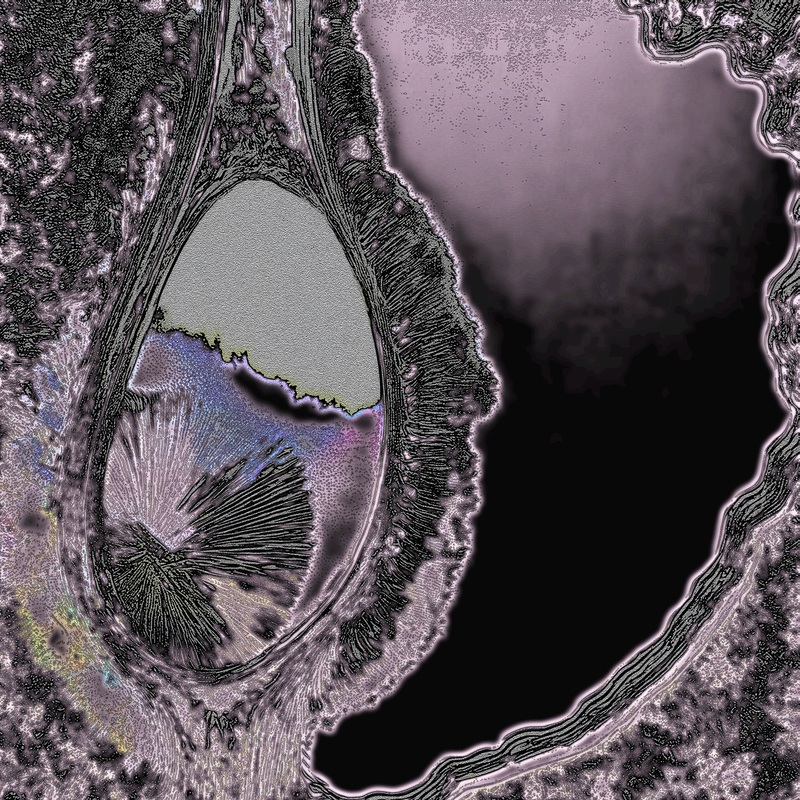
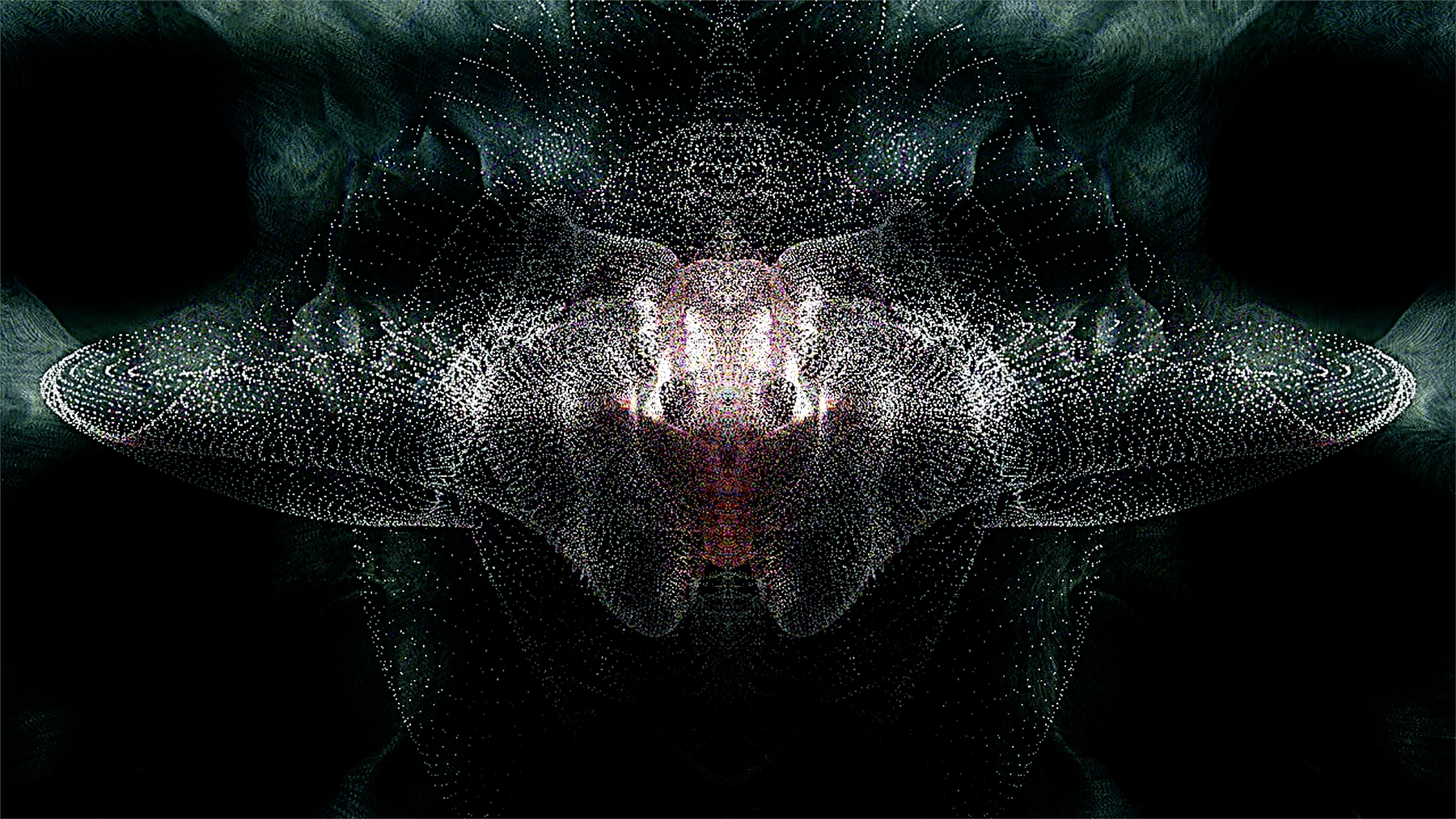
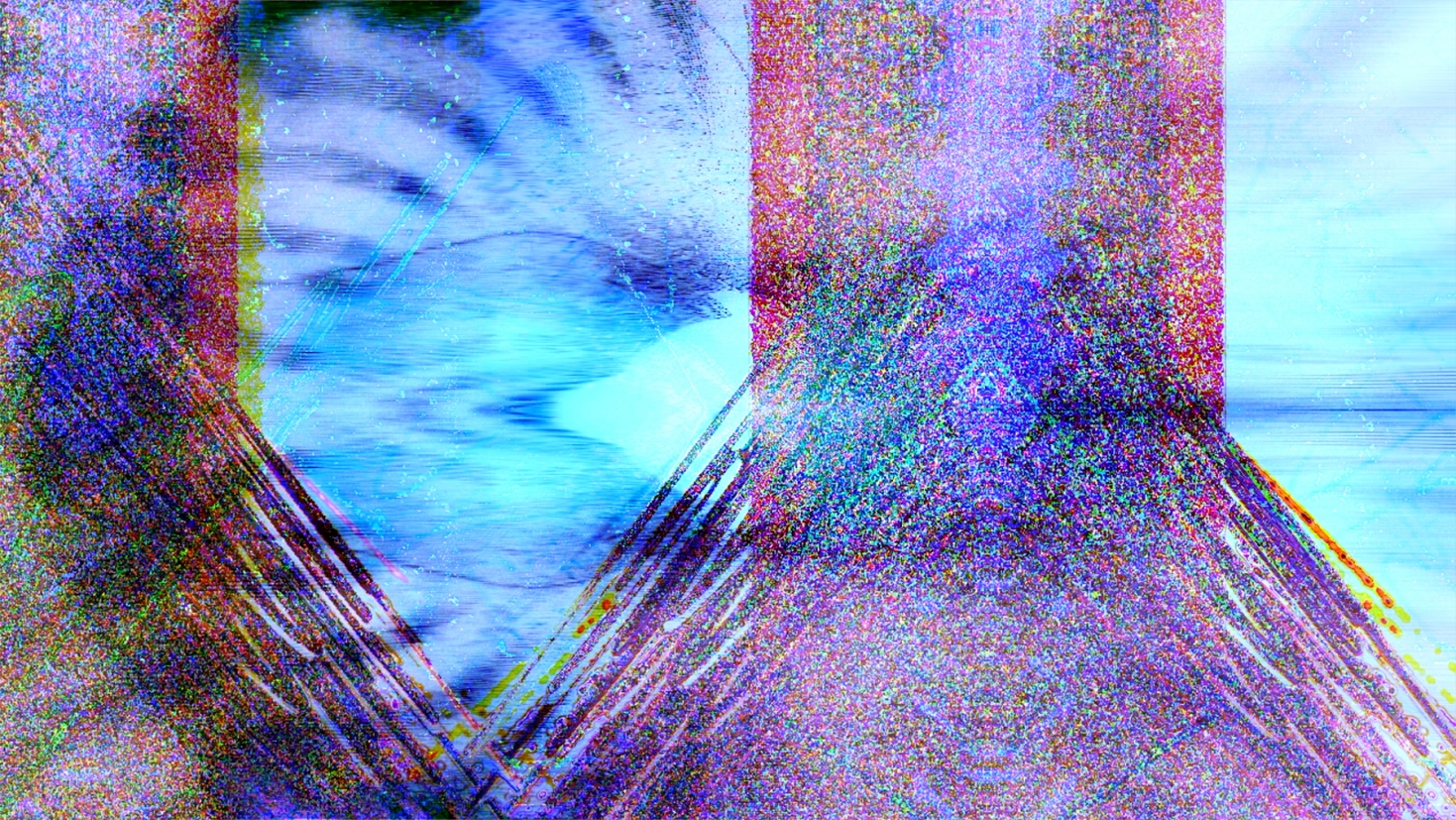
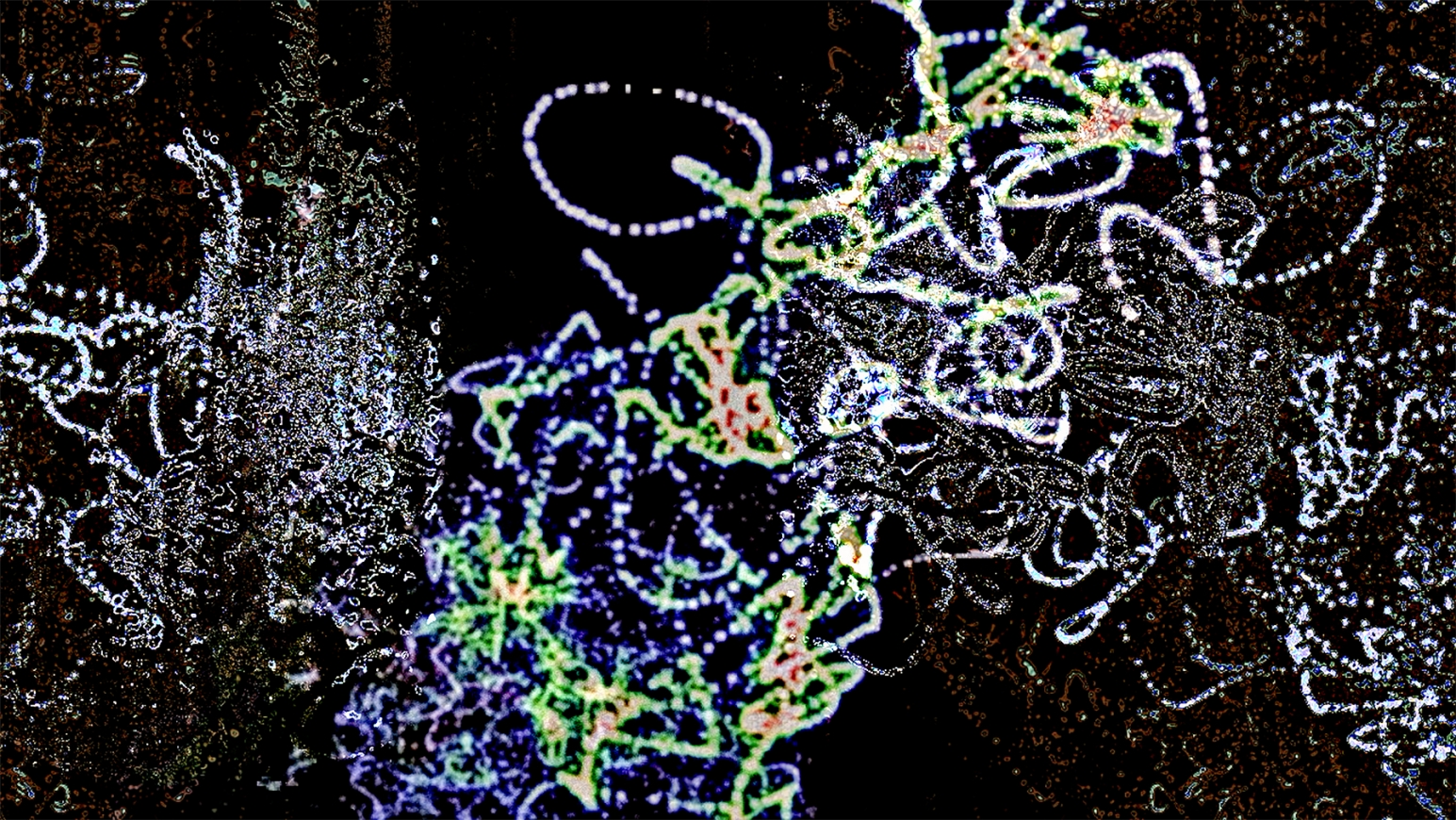
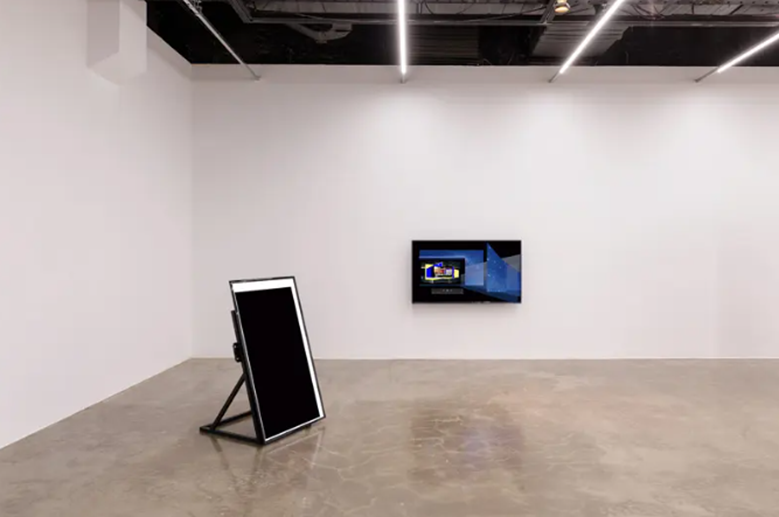
Night_draw_glowing_frame_01 - K-ARTIST

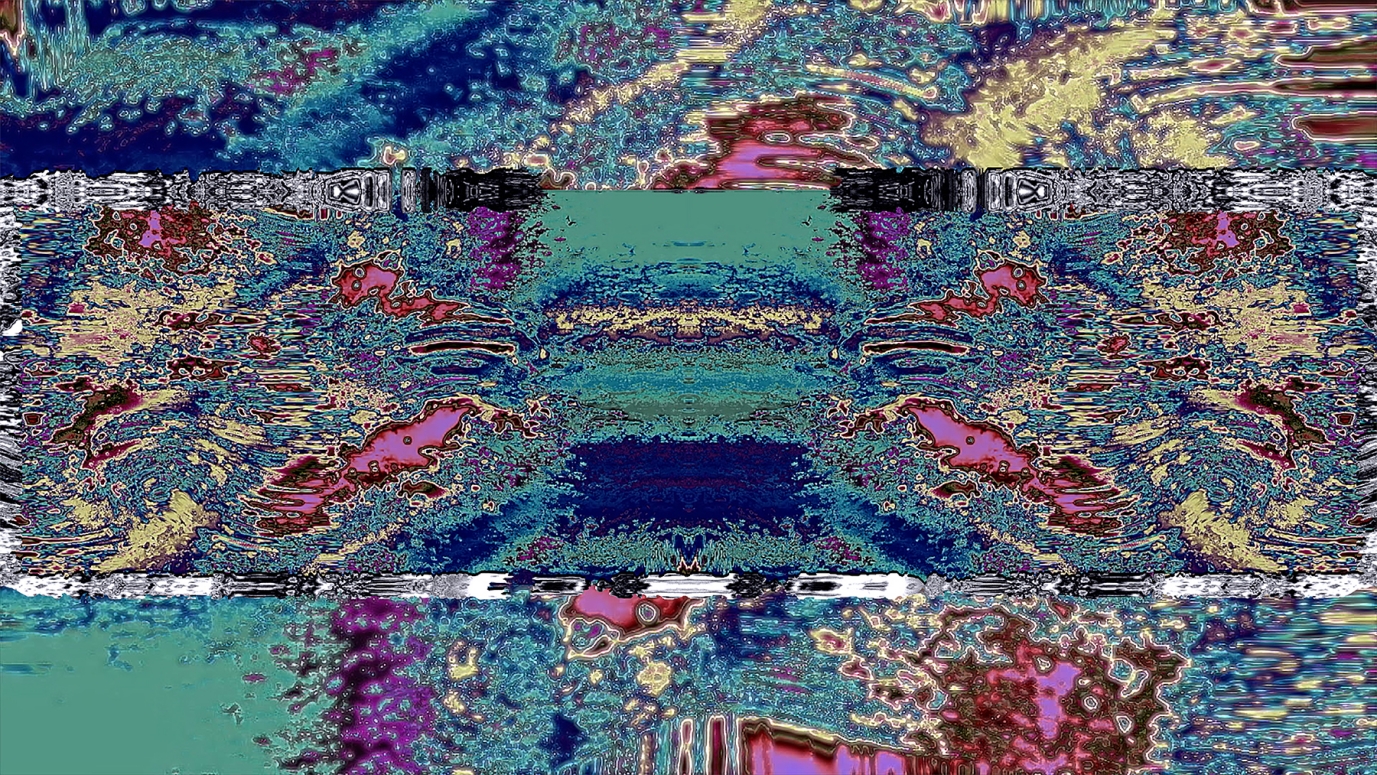
Night_draw_glowing_frame_01

2022
Single channel video, color
8 min 47 sec
About The Work

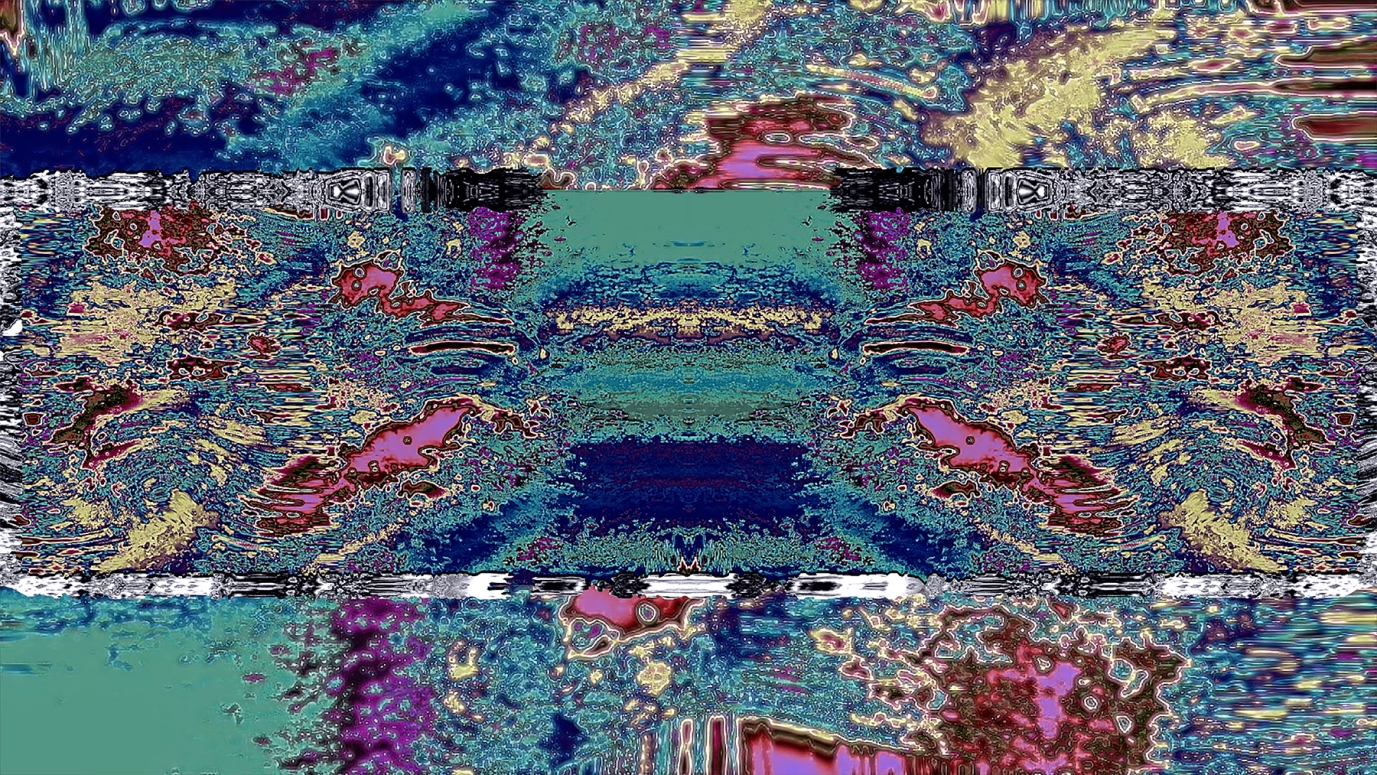
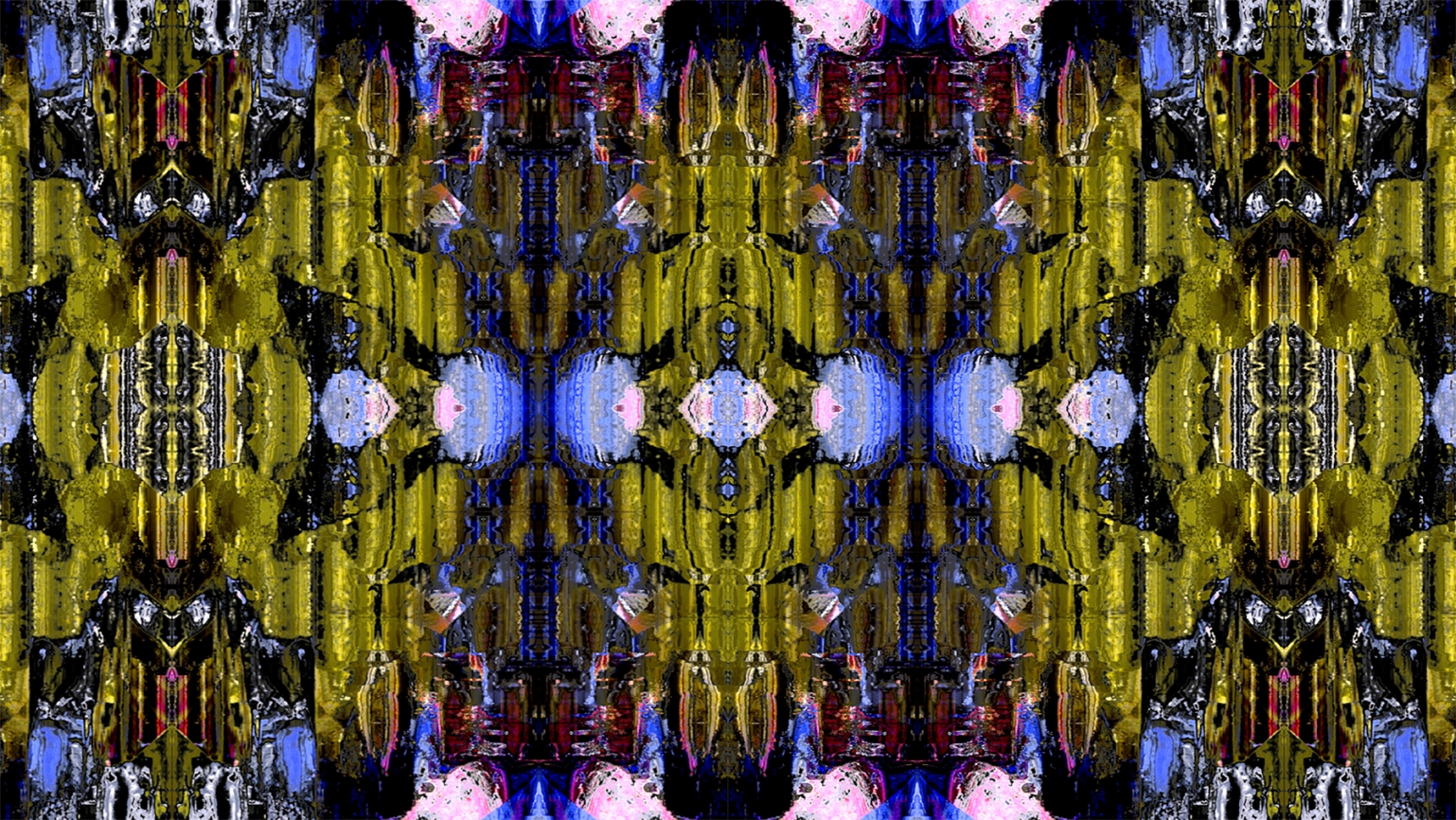
Daseul Song explores the sensations and narratives generated at the boundary between the screen and physical reality through what she terms “digital abstract moving images.” She approaches image data not merely as visual information, but as an object that records the corporeality of contemporary image producers and consumers alike, and creates video works that invite viewers to imagine and sense this materiality.
 
Daseul Song’s work unfolds from a sustained interest in today’s media environment. In particular, she focuses on the properties of images in which visual elements within various devices and screens are refracted and permeated by the external reality beyond them. To visualize this, Song generates IDs that drive abstract moving images and, through them, develops a methodology for producing and materializing image data. In this process, a reified digital skin fluidly traverses between media networks and reality, transforming bodily perception.
 
Daseul Song explores the possibilities of new feminine languages and communities that depart from contemporary social networks and rational orders, through the interplay of bodily mutation, identity, and the image–data that mediates them. In the process of dismantling existing orders, she brings to the surface the errors, transformations, and fluidities that emerge at the intersection of the digital and the material, guiding viewers toward another layer of the world beyond fixed systems of meaning.

Solo Exhibitions (Brief)

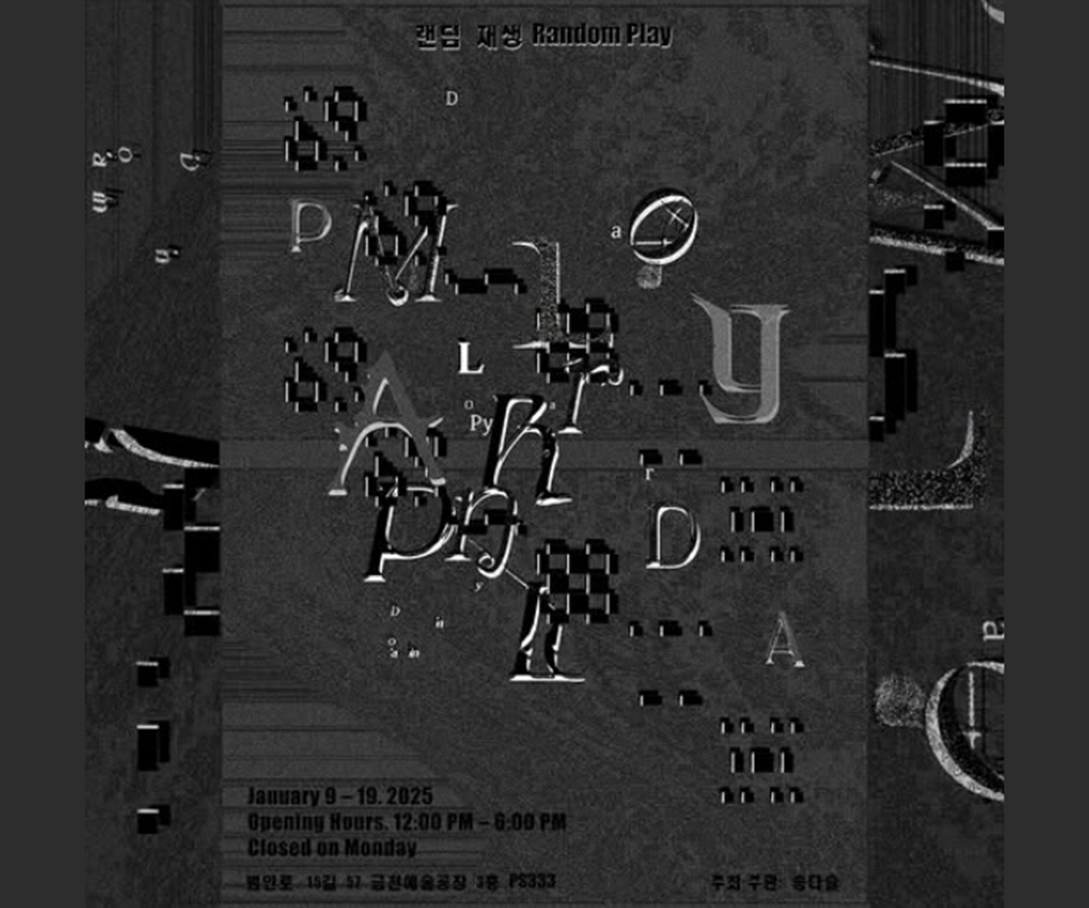
Daseul Song has held solo exhibitions including Lunar Burn: Echo upon Echoes (Caption Seoul, Seoul, 2025), Random Play (Seoul Art Space Geumcheon PS333, Seoul, 2025), Web of P (The Reference, Seoul, 2022), and 《Random Play》 (Gallery 175, Seoul, 2022).

Group Exhibitions (Brief)

Song has also participated in numerous group exhibitions, including 《THE CHAMBER》 (Caption Seoul, Seoul, 2024), 《PACK WEEK 2022》 (Platform-L Contemporary Art Center, Seoul, 2022), 2022 Video Bites (Platform-L Contemporary Art Center, Seoul, 2022), Rolling Black Stone: Obsidian, roll over and over (Shinhan Gallery, Seoul, 2021), Typojanchi 2021: A Turtle and a Crane (Culture Station Seoul 284, Seoul, 2021), Double Negative: From White Cube to Netflix (ARKO Art Center, Seoul, 2018), and 《DATAPACK》 (Ilmin Museum of Art, Seoul, 2018).

Residencies (Selected)

Song was selected as a resident artist at Seoul Art Space Geumcheon of the Seoul Foundation for Arts and Culture in 2024.

Works of Art

The Possibilities of New Feminine Languages and Communities

Originality & Identity

Daseul Song’s practice begins with an exploration of the sensations and narratives generated between the screen and physical reality, between image and body, mediated through what she terms “digital abstract moving images.” She understands image data not as mere visual information, but as an object that records the corporeality of contemporary image producers and consumers alike, and has consistently questioned how images come into contact with and transform the sensory systems of reality. This line of inquiry has remained consistent from her early works to the present, unfolding toward a rethinking of how sensation, time, and the body are experienced within digital environments.

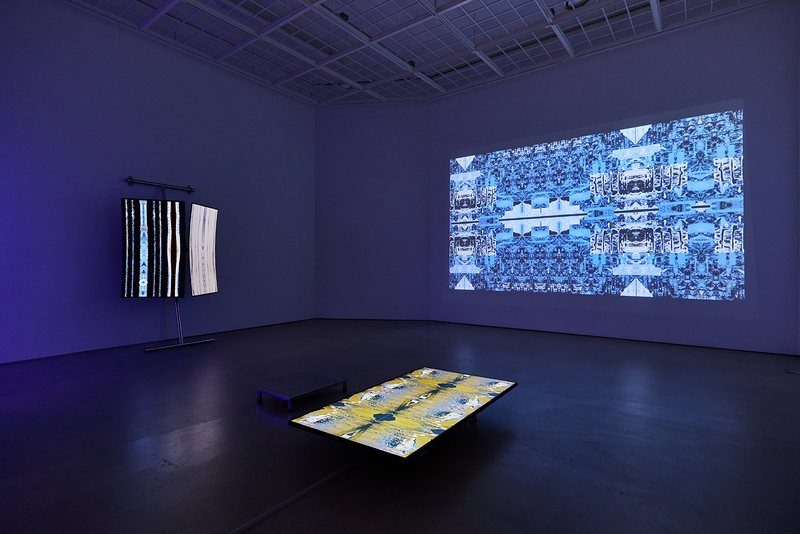
The work Riverside_Panorama & Zoom(2020–2021), presented in the group exhibition 《Typojanchi 2021: A Turtle and a Crane》(Culture Station Seoul 284, 2021), extends this interest into the problem of time. Here, moving images are treated not as a vehicle for narrative, but as a sensory material in which time is condensed and repeated like matter. Song captures the condition of individuals compelled to live along an already unfolded trajectory as a “persisting present,” articulating through repetition and variation the sensation of moving while remaining still, or conversely, of being still while continuously in motion.

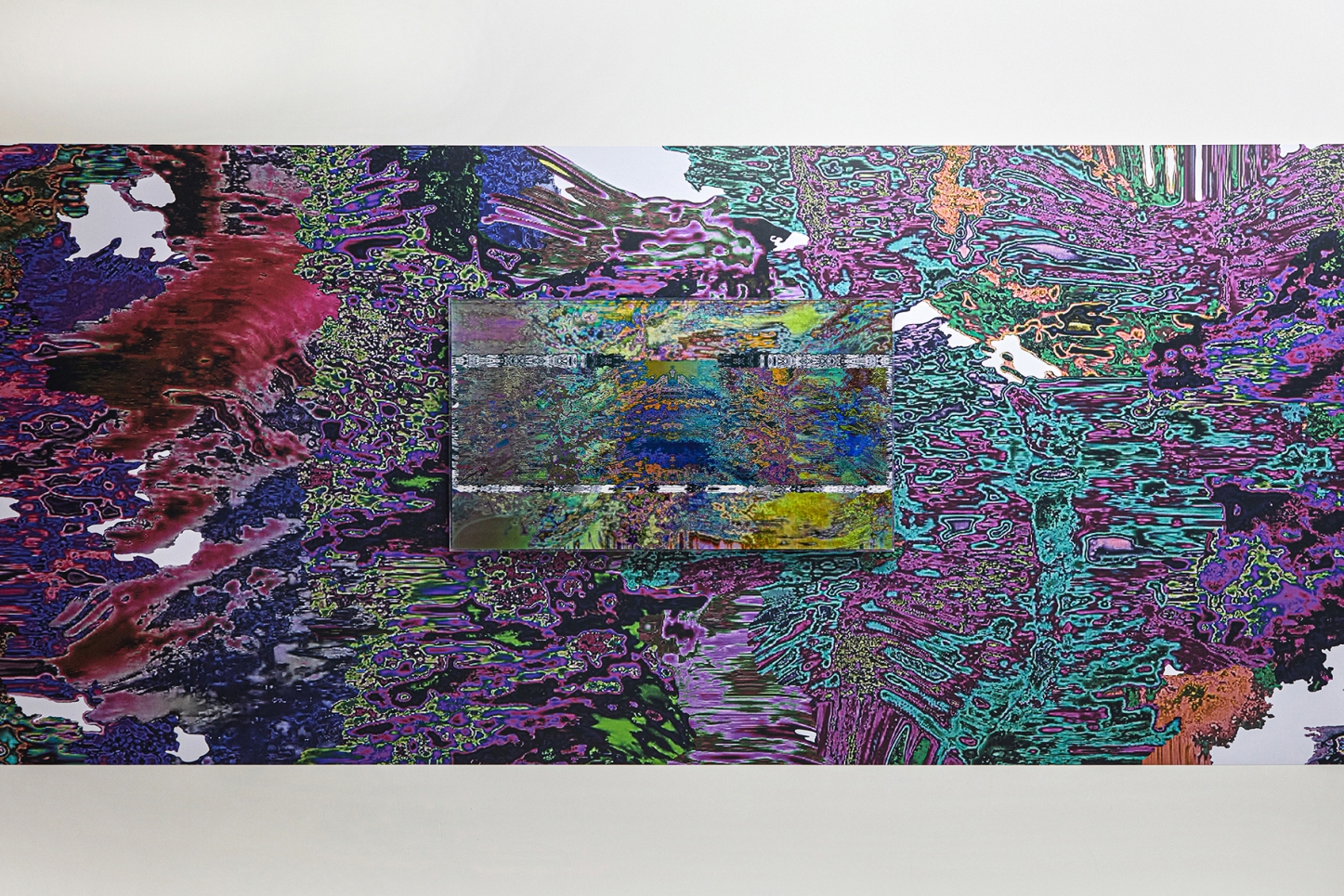
In her solo exhibition 《Web of P》(The Reference, 2022), Song invokes the myth of Penelope’s weaving from ancient Greek mythology, focusing on a state of labor that is endlessly repeated yet never completed. Rather than being sustained as narrative, the mythological reference is dismantled, transformed into digital abstract moving images woven from fragments imbued with the flow of time. This work clearly demonstrates the artist’s orientation toward process over outcome, and disassembly over completion.

In the recent solo exhibition 《Lunar Burn 月光-火傷(畫像)》(Caption Seoul, 2025), Song further expands these structures of repetition and disintegration into questions of body and identity. Passing through Artemis and the nymphs, as well as the character Justine from the film Melancholia(2011), she explores states of being that dismantle fixed identities in favor of polyphonic and anonymous forms of existence. Here, the glitch operates not as an error but as a unit of sensorial resistance, emerging as a key concept that reveals boundary zones where order and rupture coexist.

Style & Contents

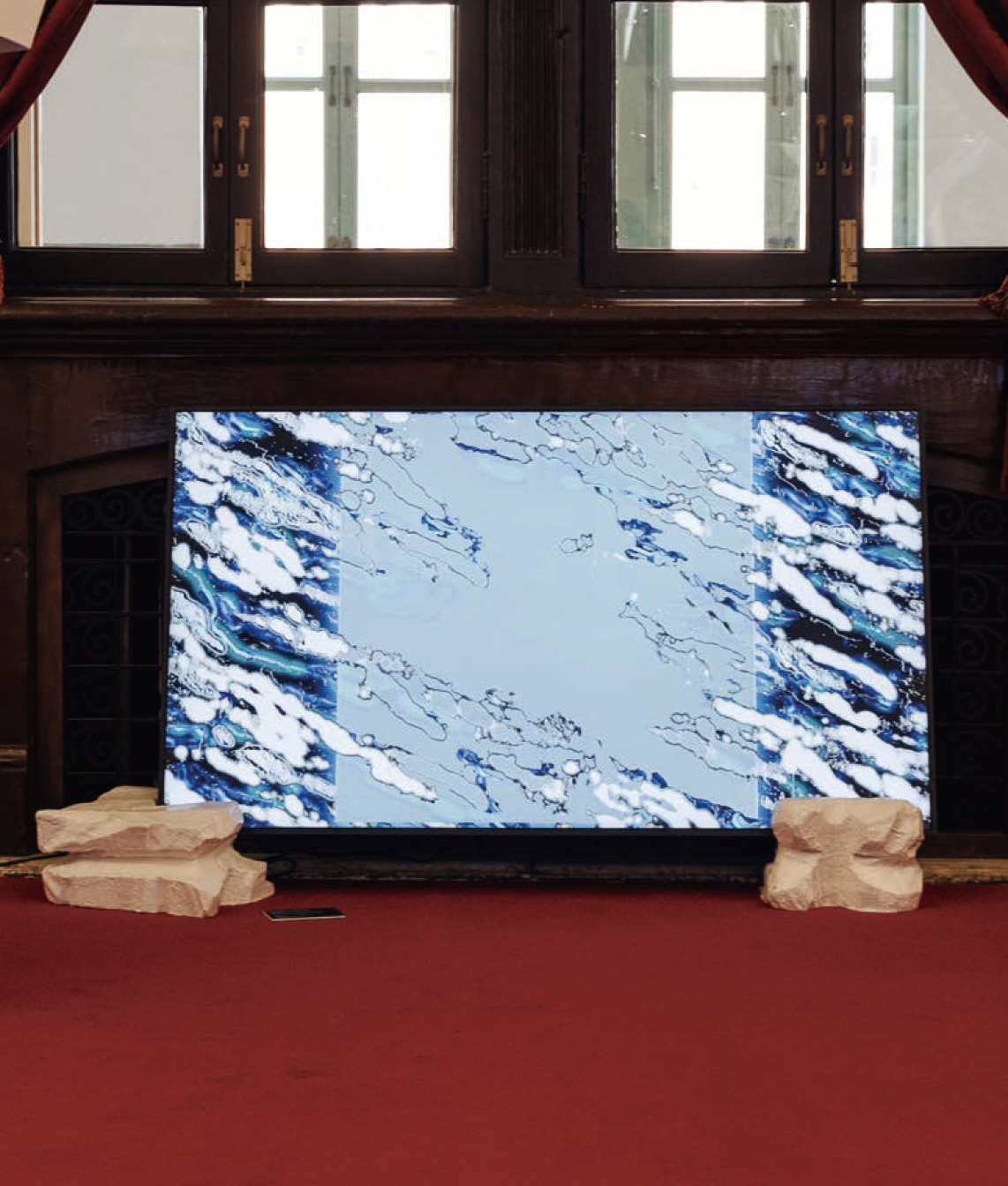
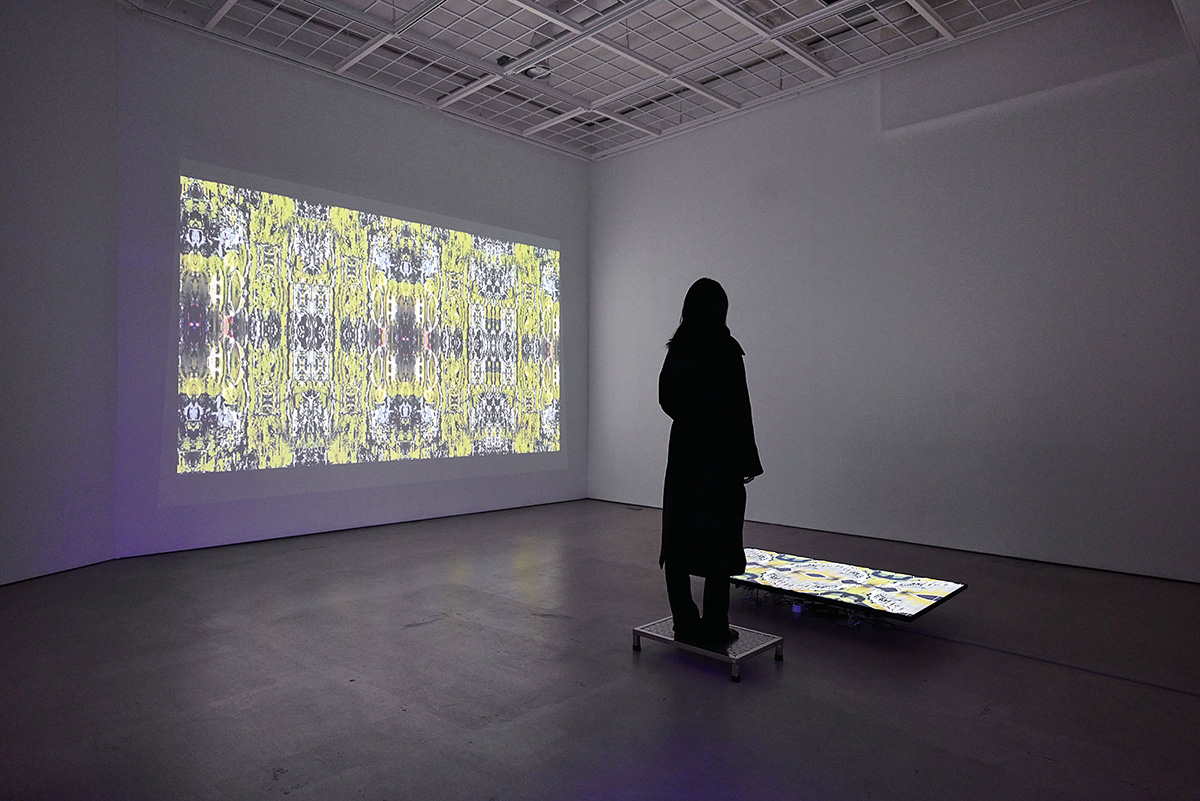
Song’s practice primarily unfolds through video and installation, experimenting with how screen-based images are reconfigured within physical space and activated sensorially. Riverside_Panorama & Zoom combines single-channel video with multi-channel monitors tilted across the floor and mineral-like objects, spatially materializing states in which images oscillate between vibration and suspension. The image no longer remains on a flat screen, but forms a structure that is continuously re-edited through the viewer’s bodily movement and shifting gaze.

In 《Web of P》, large-scale video installations covering the walls emphasize the woven and repetitive nature of images. Image fragments generated across different times and spaces do not assemble into a unified narrative, but instead function as devices that draw the viewer’s perception beneath the surface of the image. Here, Song’s videos lack a clear beginning or end, and are experienced through rhythms of duration and repetition rather than linear runtime.

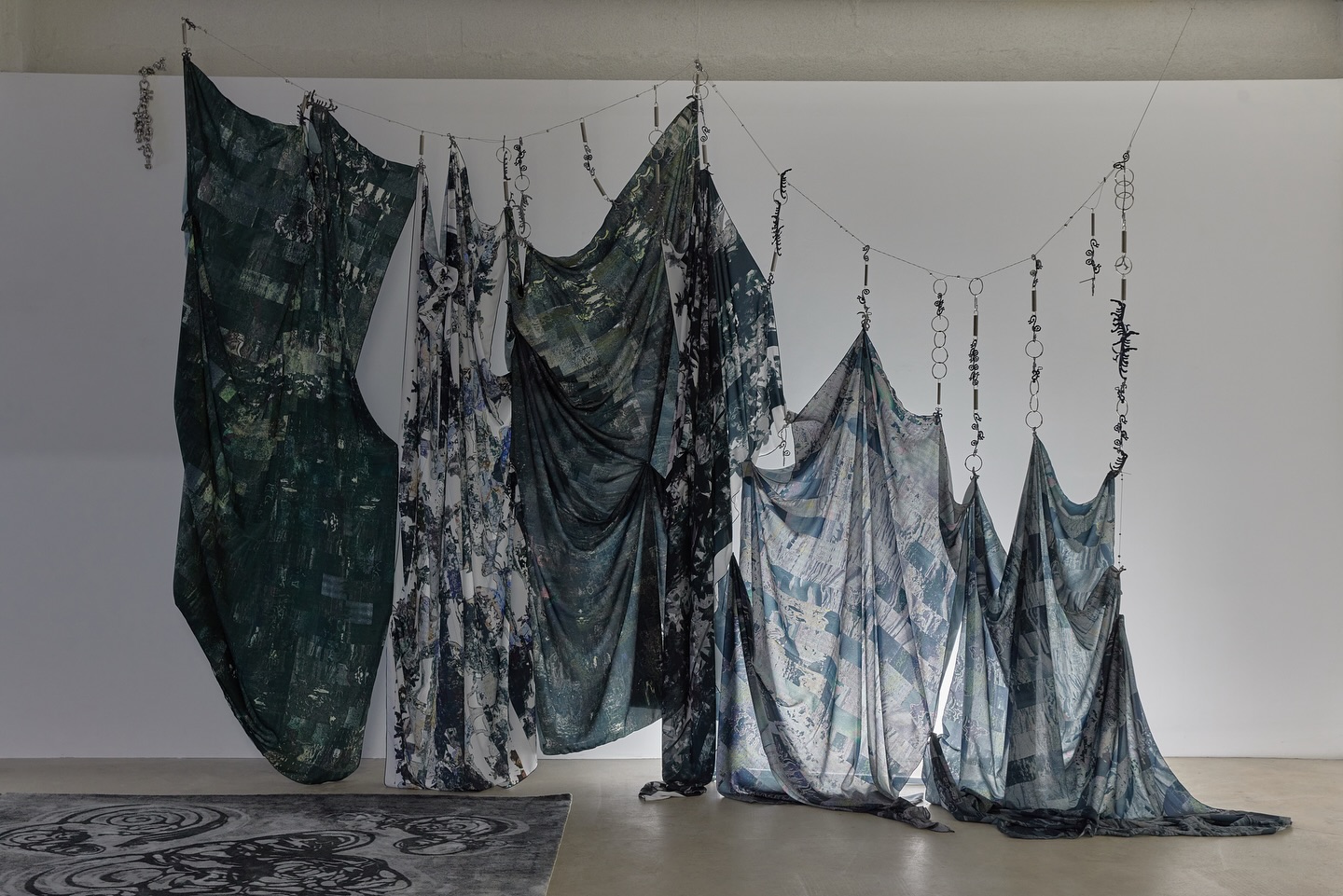
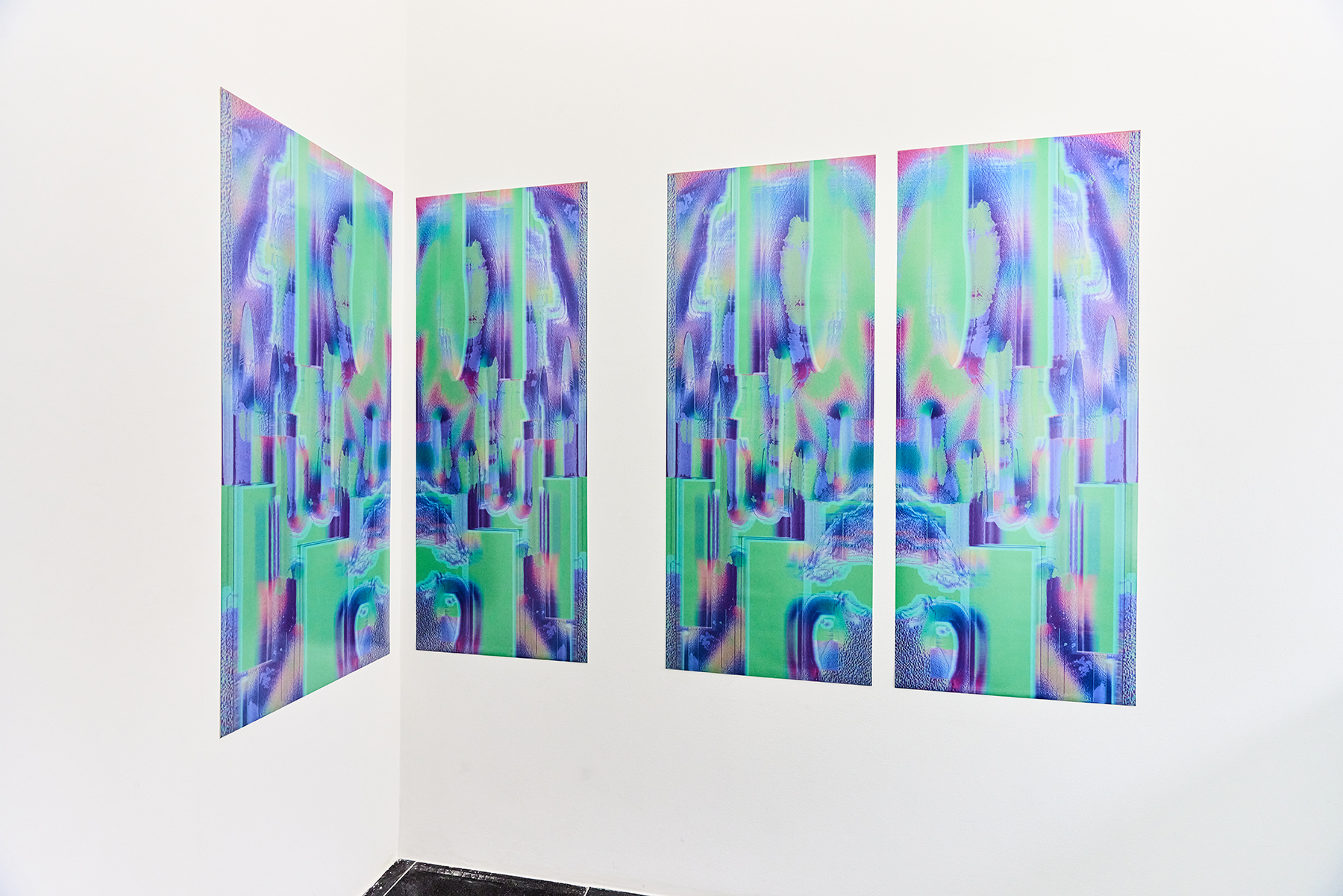
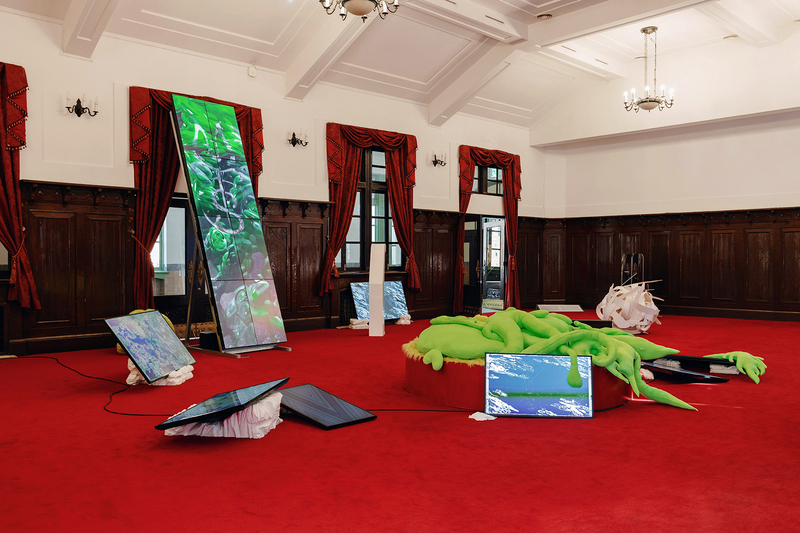
Following the group exhibition 《THE CHAMBER》(Caption Seoul, 2024), the formal language of Song’s work expands further in 《Lunar Burn 月光-火傷(畫像)》. The curtain-like installation Veil of Nyx: Bugs, Dresses, Forest, Indexes, Lilies, Nymphs, Windows(2025) functions both as a spatial divider and a narrative conduit, realized as digital drawings printed onto fabric. This work marks a shift in which images move beyond the screen to become tactile and spatial media.

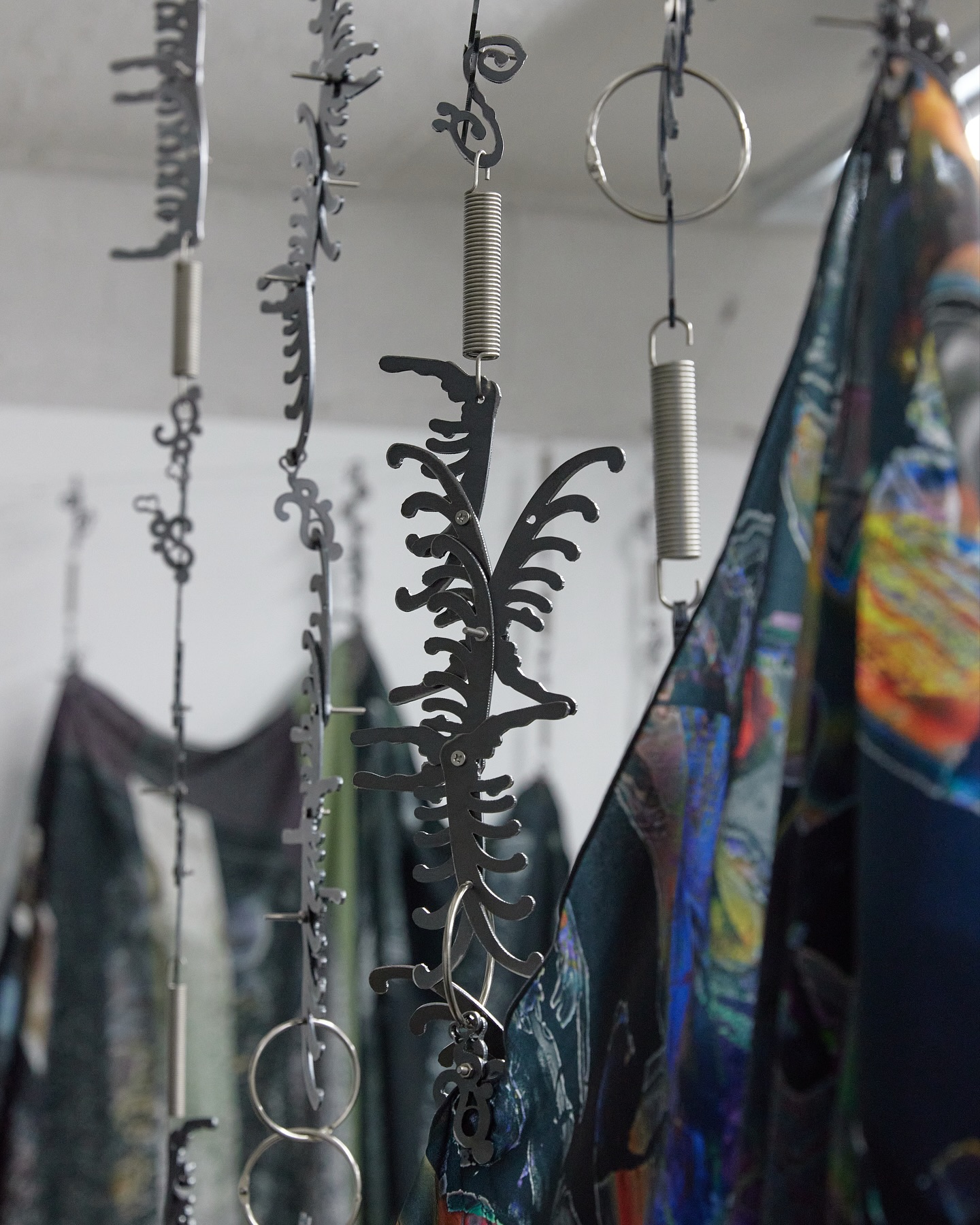
Alongside this, steel installations such as Tendrils(2025) blur the boundary between ornament and structure, operating like an invisible neural network that connects body, image, and space. In this phase of Song’s practice, ornament is no longer a secondary element but emerges as an active formal language that dismantles the center of order and destabilizes perception.

Topography & Continuity

The core thread running through Daseul Song’s practice is a sustained inquiry into the point at which digital images encounter the body, sensation, and time. Beginning with an interest in contemporary media environments, her work has progressed through investigations of image materiality, temporality, repetition, and duration, and has recently expanded toward questions of bodily mutation, identity, and the possibility of community. Despite these developments, her central concerns—unfinished states, disassembly and repetition, and non-linear temporality—have remained consistent.

Within the context of contemporary Korean art, Song is positioned as an artist who treats digital media not as a tool of technical representation, but as a mechanism for reconfiguring sensory and bodily experience. Early group exhibitions such as 《DATAPACK》(Ilmin Museum of Art, 2018) and 《Double Negative: From White Cube to Netflix》(ARKO Art Center, 2018) provided platforms for experimenting with these concerns within institutional exhibition spaces and media environments.

The trajectory of her solo exhibitions—from 《Random Play》(Gallery 175, 2022 / Seoul Art Space Geumcheon PS333, 2025), to 《Web of P》(2022), and 《Lunar Burn 月光-火傷(畫像)》(2025)—can be read as a gradual deepening and spatial expansion of the sensory layers formed through the generation and circulation of image data. In her more recent works, mythological references, feminine narratives, and the language of ornament further broaden the sensory and narrative potential of digital abstract images.

Moving forward, Song’s practice is poised to expand further within international media environments and diverse cultural contexts, building upon her sustained exploration of the boundaries between the digital and the material, image and body. By addressing sensations and narratives generated outside fixed systems of meaning, her work continues to function as an ongoing inquiry into how images are experienced, perceived, and shared in contemporary art.

Works of Art

The Possibilities of New Feminine Languages and Communities

Exhibitions

Activities