Chang
Hanna’s practice begins with close observation of the ways in which diverse
human desires, and the artificial objects produced to satisfy them, form
relationships with nature and eventually return to human life. In her early
works, she walked through redevelopment areas, paying attention to disappearing
plants and animals, discarded objects, and beings pushed aside by human
decisions. This interest developed into projects that involved collecting,
relocating, and exhibiting things “on the boundary”—entities on the verge of
disappearance or having lost their function—unfolding as a microscopic
examination of the traces human choices leave on environments and ecosystems.
Her focus
later shifted more directly toward human production systems and environmental
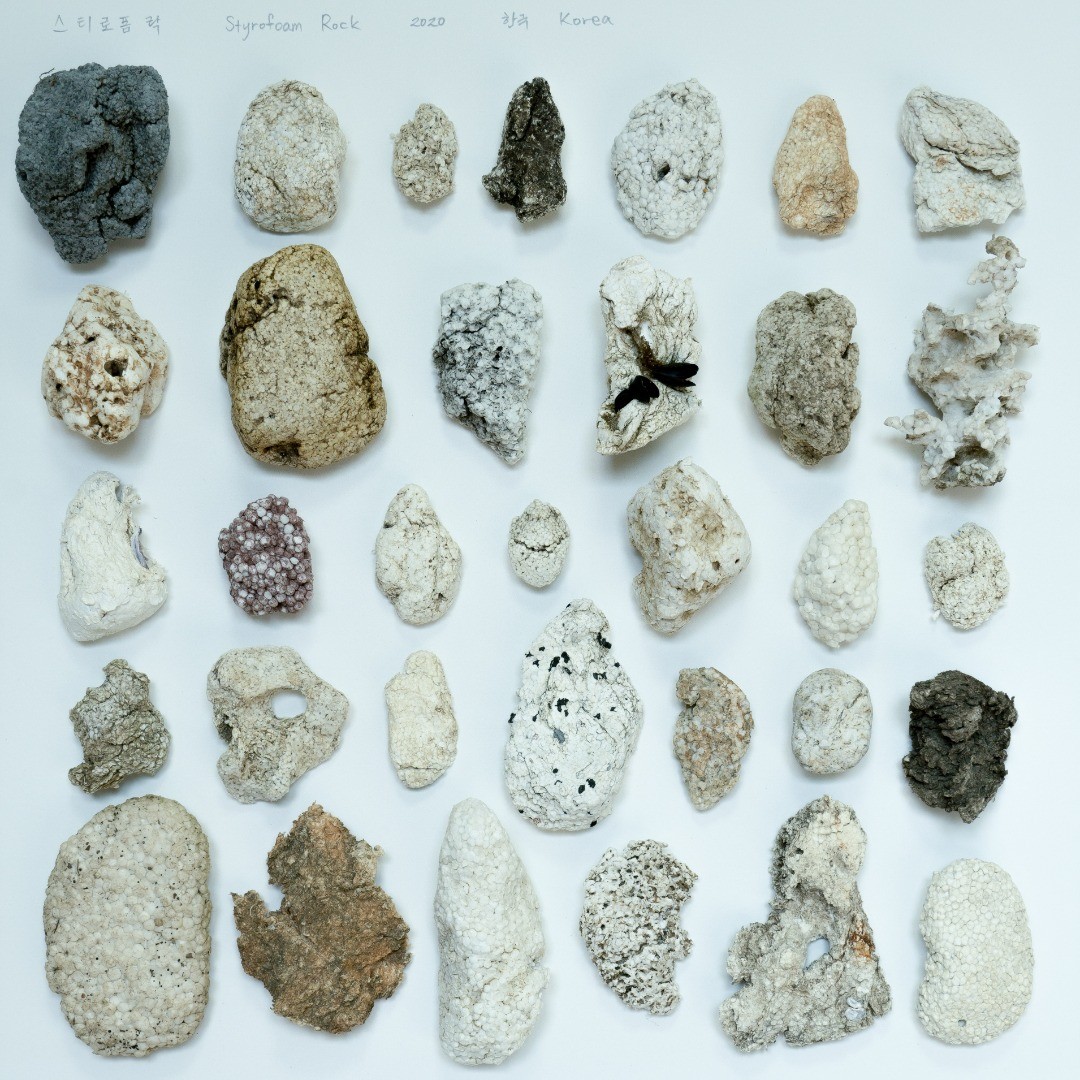
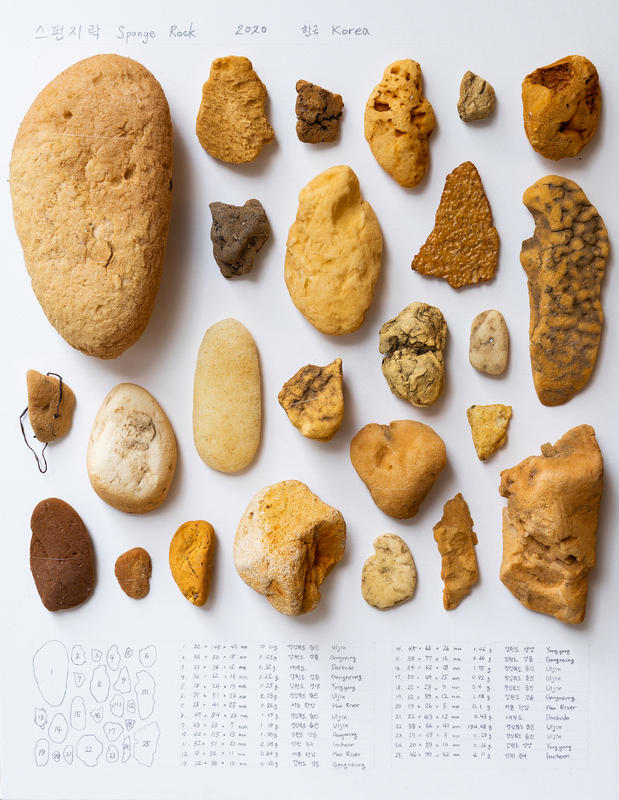
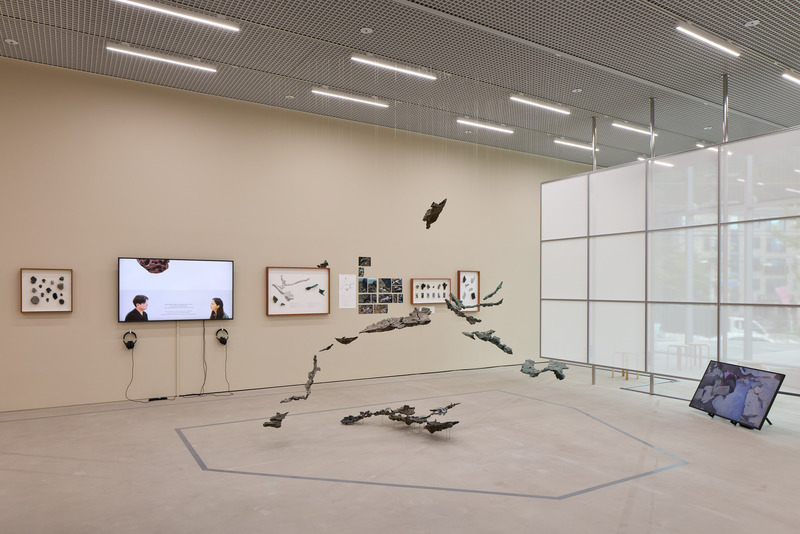
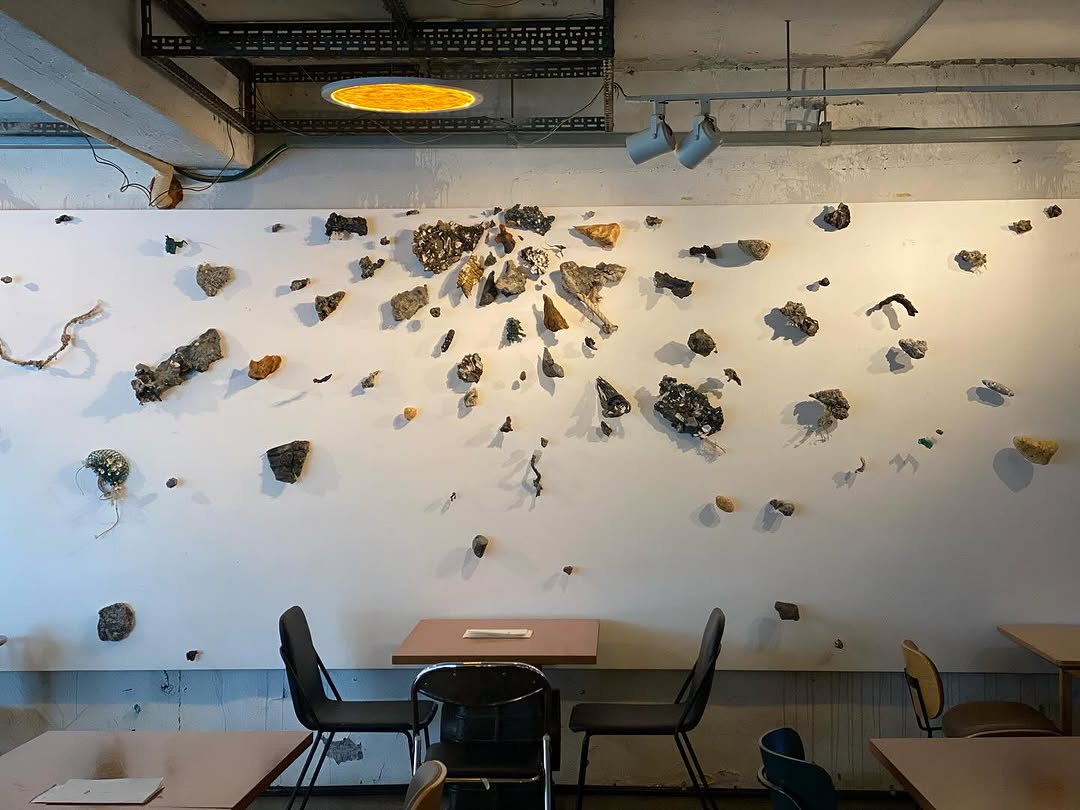
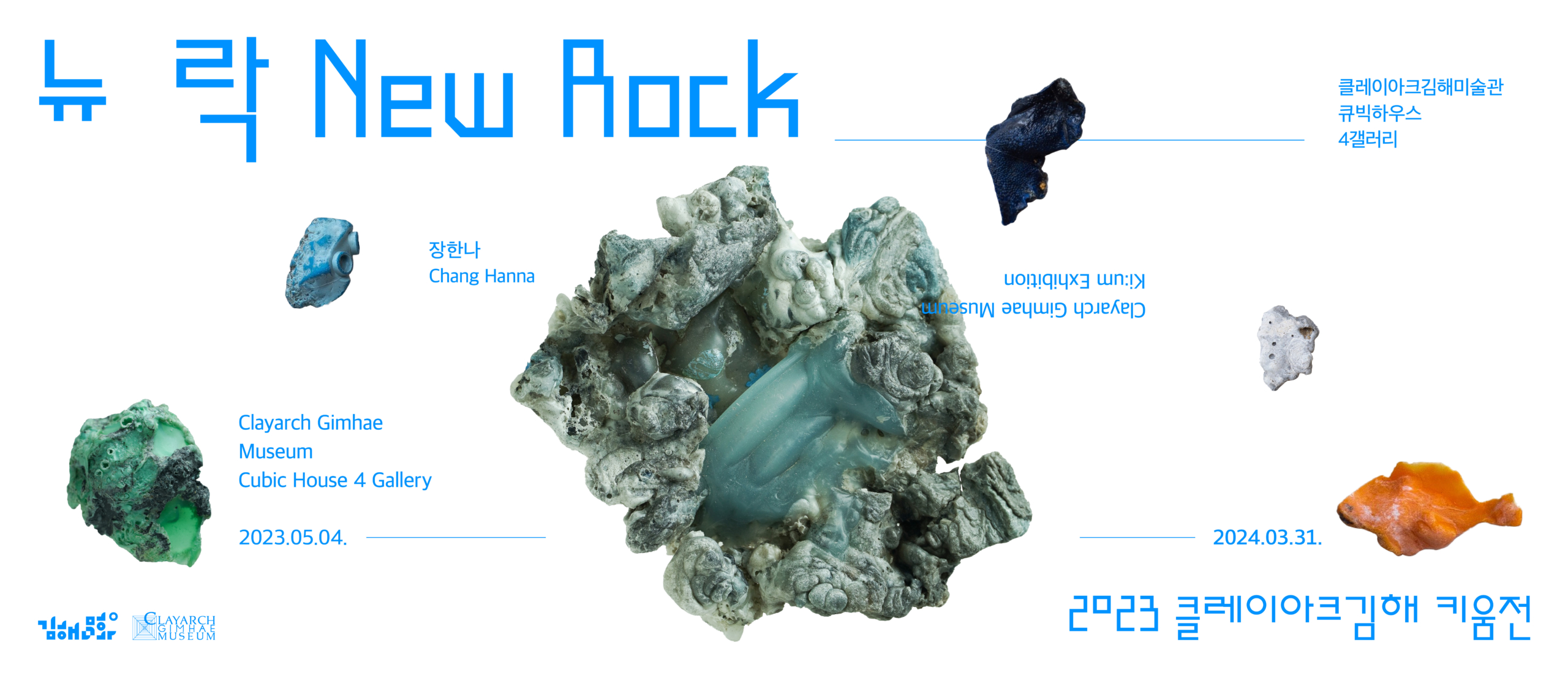
issues. An encounter in 2017 with a plastic mass resembling a stone on the
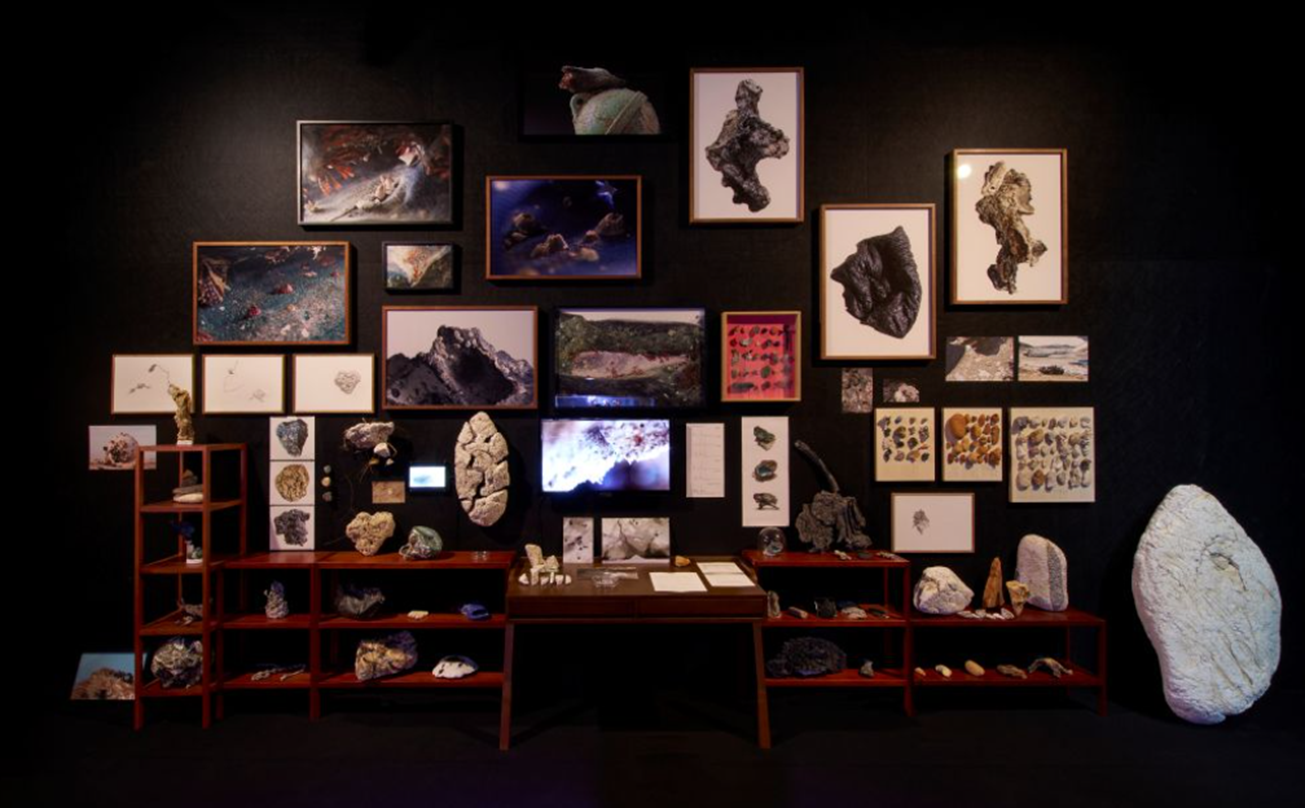
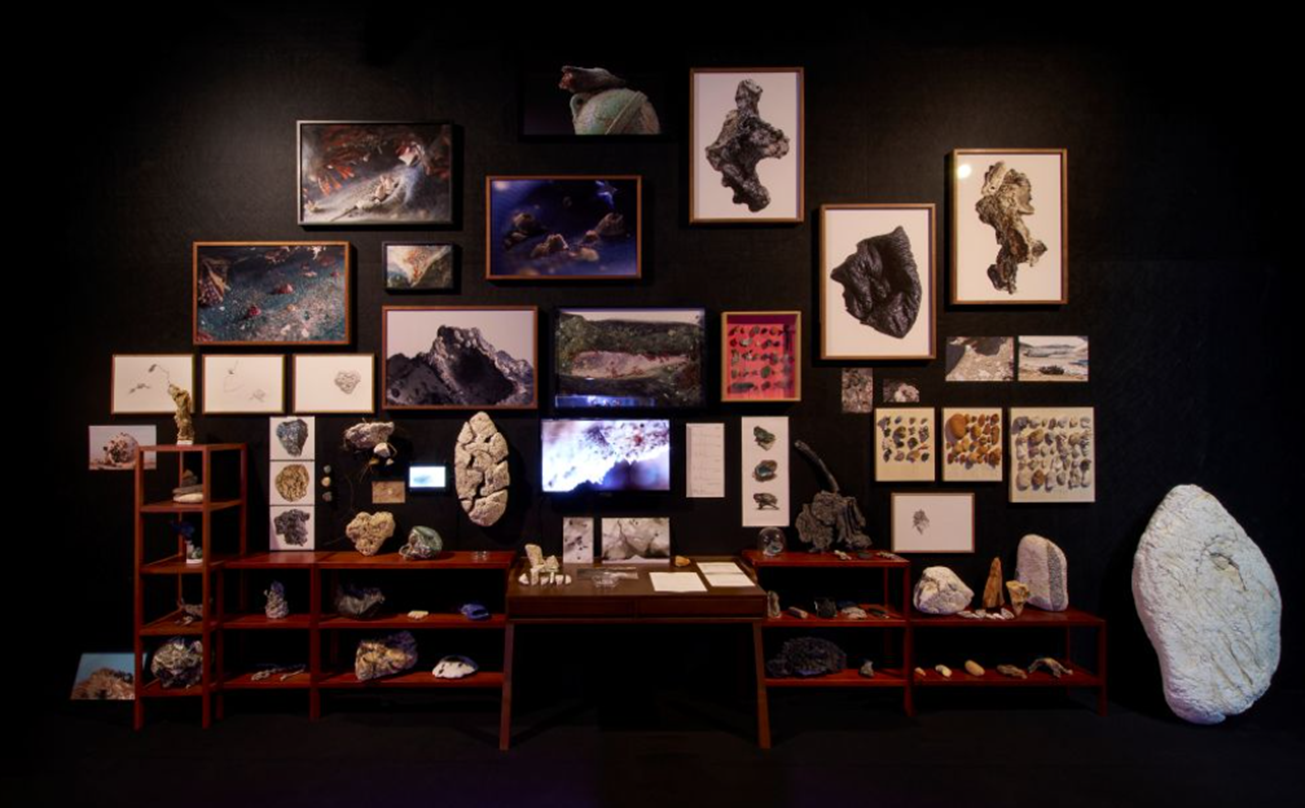
coast of Ulsan became the point of departure for the ongoing ‘New Rock’
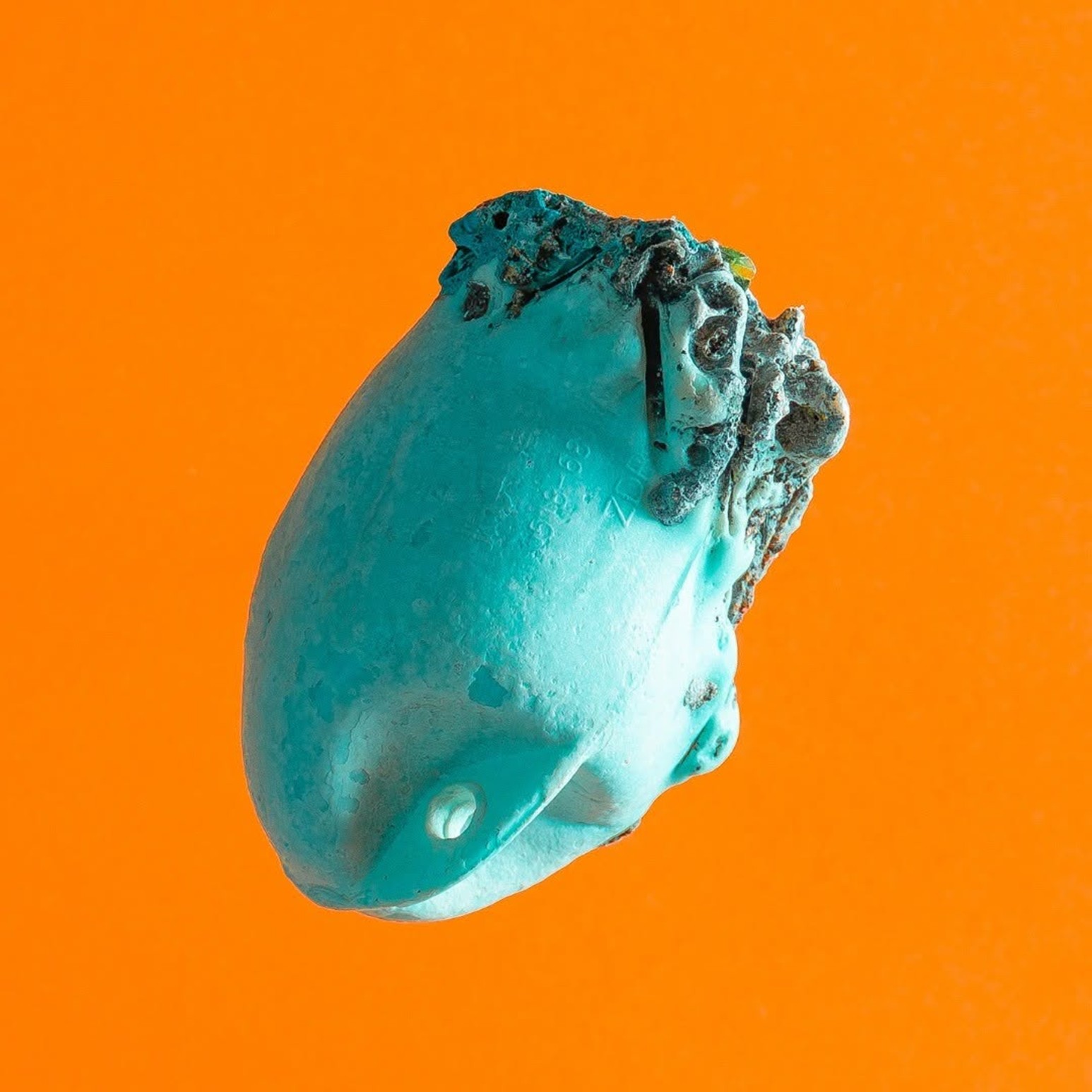
project. Chang Hanna takes note of discarded plastics that, through the natural
passage of time shaped by sea winds, sunlight, and waves, have transformed into
stone-like forms. She understands these as “new stones of our time” and as a
“next stage of matter” that has crossed the boundary between nature and the
artificial. Here, New Rock is treated not merely as the outcome of
environmental pollution, but as an entity in which human desire has acquired a
different temporality and set of relationships within nature.
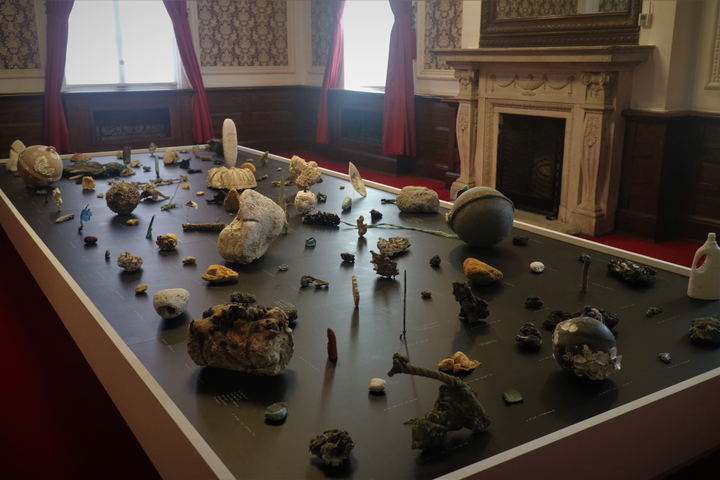
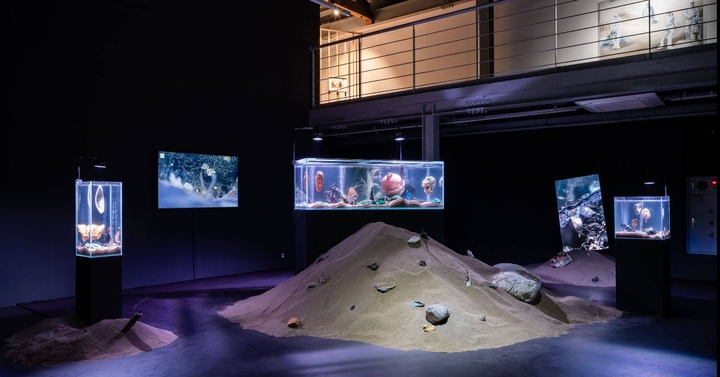
The 2021
installation New Ecosystrm further expands this line of
inquiry. By constructing an underwater ecosystem composed of New Rocks, the
artist reveals the reality in which plastic is no longer an external or foreign
presence but functions as part of marine ecology and geology. Through this
process, she arrives at the question of whether “pure nature” can truly exist,
prompting a reconsideration of anthropocentric modes of thinking that have long
drawn clear distinctions between nature and the artificial.
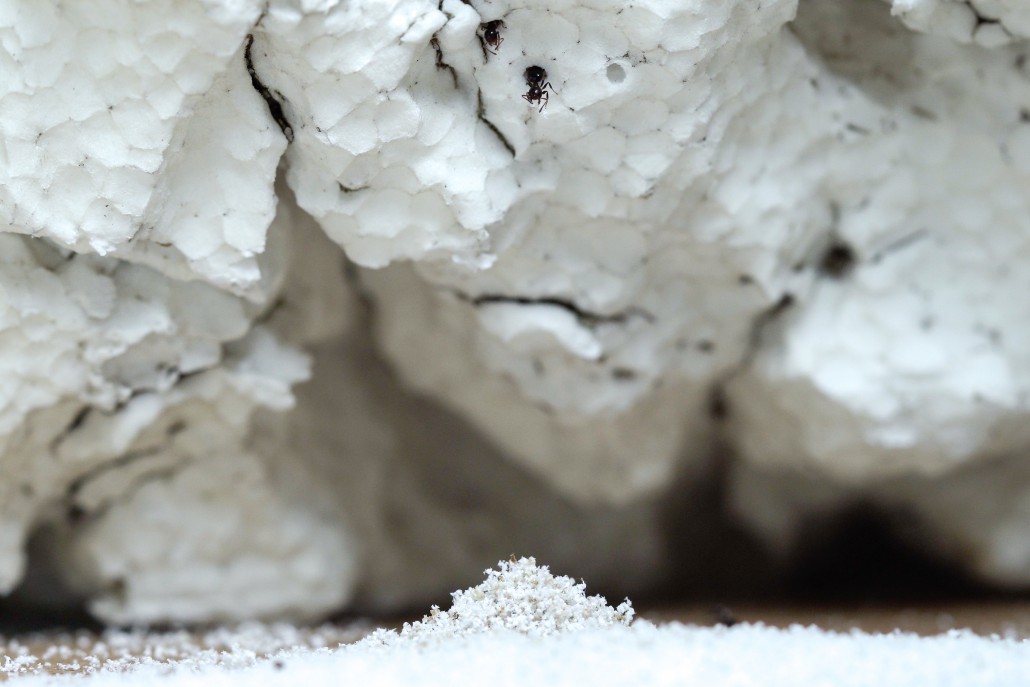
This
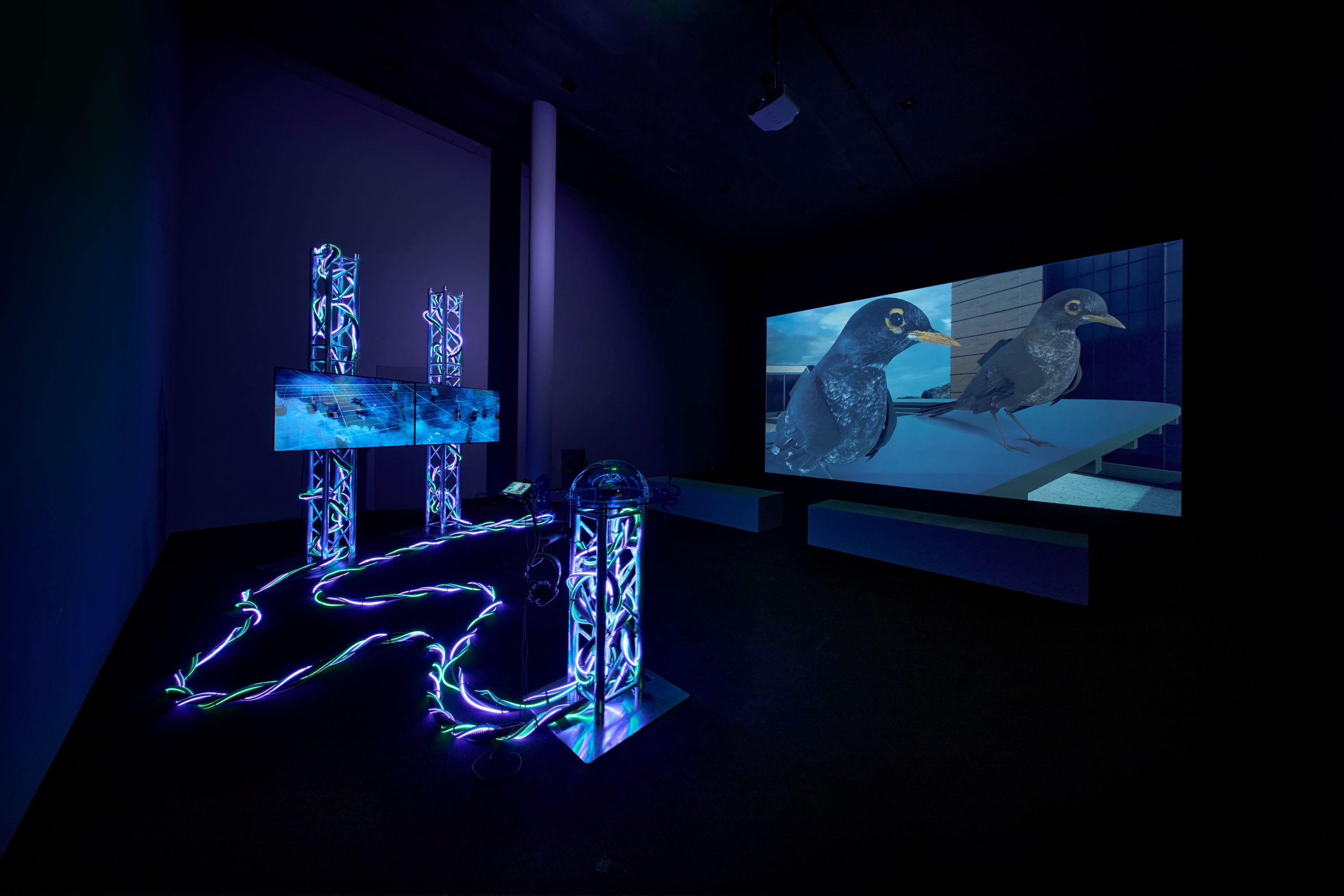
question subsequently leads to the ‘New Nature’ project. In works such as New Nature, Ants in New
Rock(2023/2025) and New Nature: Being(2025), Chang Hanna
highlights the vitality of nature as it continues to adapt and survive even
after contamination. Within contemporary environments where human-made objects
circulate as part of nature, the artist shifts the question toward how flexibly
humans themselves are able to adapt to such changes, placing the possibility of
coexistence at the center of her inquiry.