
Beyond between Beyond_Hongyemun - K-ARTIST

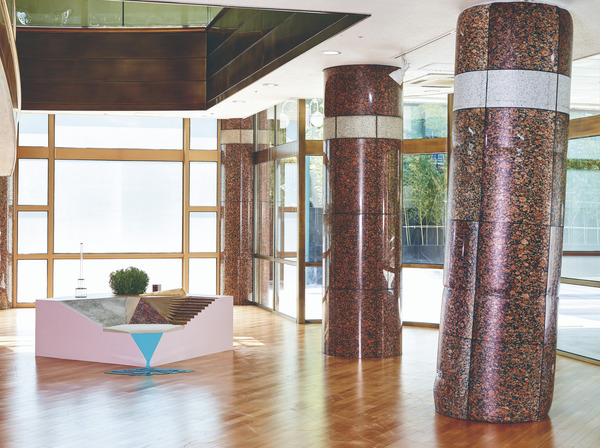
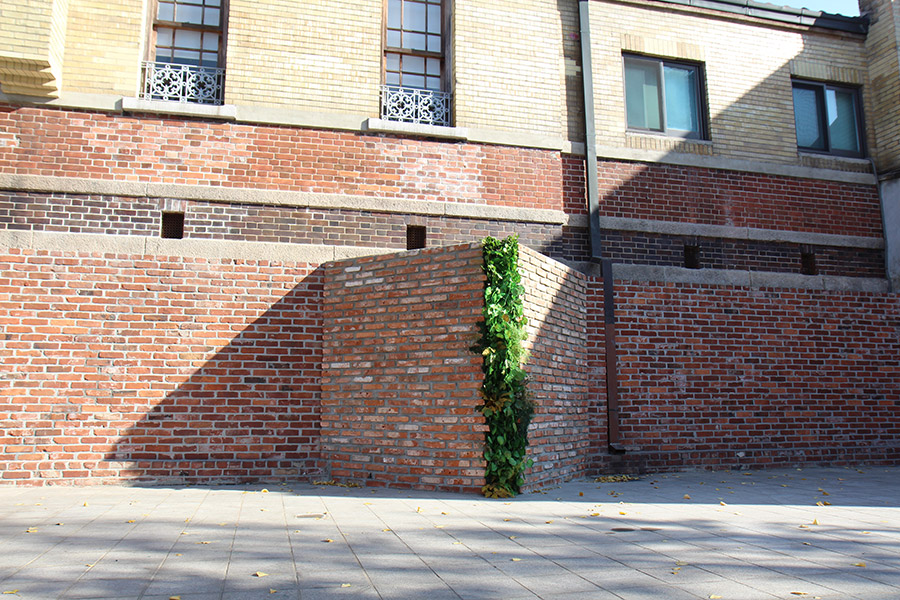
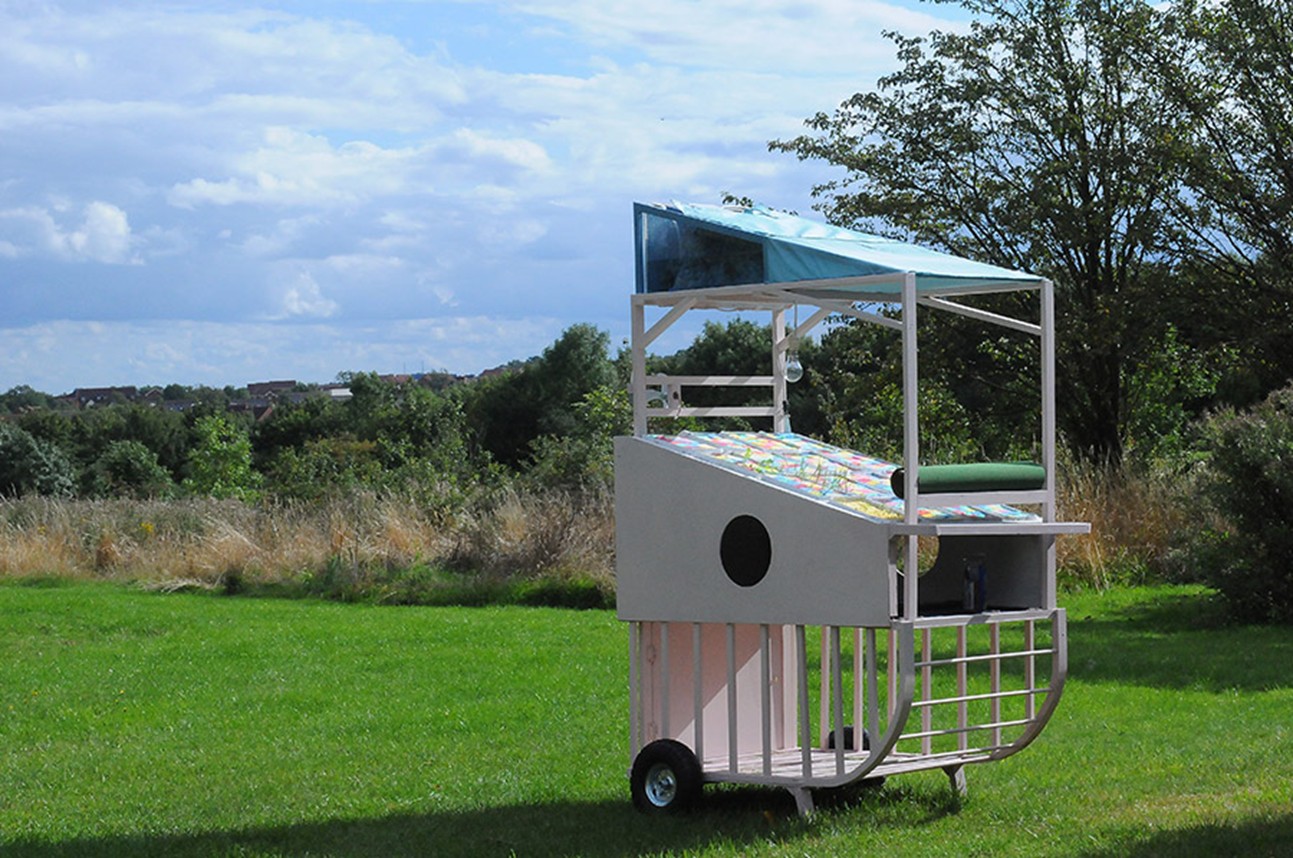
Beyond between Beyond_Hongyemun

2017
Brick tiles, fake plants, cement, wood, paint
Dimensions variable
About The Work

Moonjung Hwang has been exploring the subtle phenomena that occur in everyday life with her characteristically delicate perspective, focusing on the relationships among the multilayered elements that make up a city.
 
In particular, she defines the architectural structures, nature, and surrounding environments—elements of the city other than humans—as “non-human.” Through her research on these non-human entities, she investigates the spaces reflected in her work, examining the points of connection between the human and the non-human.
 
Moonjung Hwang has continued to observe the urban system as a space of constant interaction between humans and non-humans, producing works that allow us to confront another reality beneath the city’s dazzling surface.
 
Her work captures the ways in which entities that exist in familiar places—yet lie outside our conscious perception—interact with us and form relationships in unseen ways. This evokes reflections on the coexistence of humans and non-humans, moving beyond a human-centered perspective.

Solo Exhibitions (Brief)

Moonjung Hwang has held solo exhibitions including AFTER FLOW(ONDREAM Society, Seoul, 2023), Quasi-City Specimens(TINC, Seoul, 2022), and Non-affection for the city(SONGEUN Art Cube, Seoul, 2018).

Group Exhibitions (Brief)

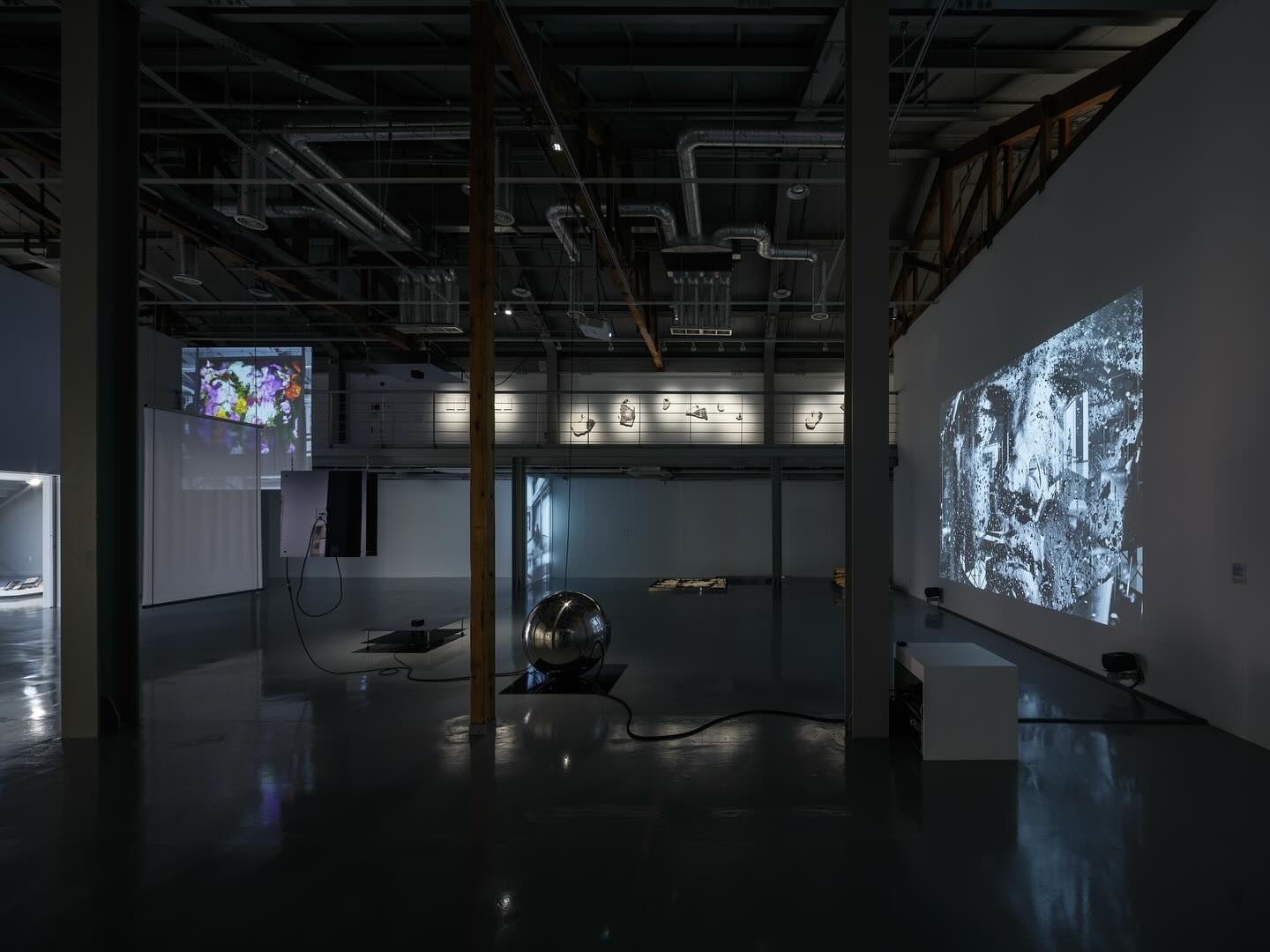
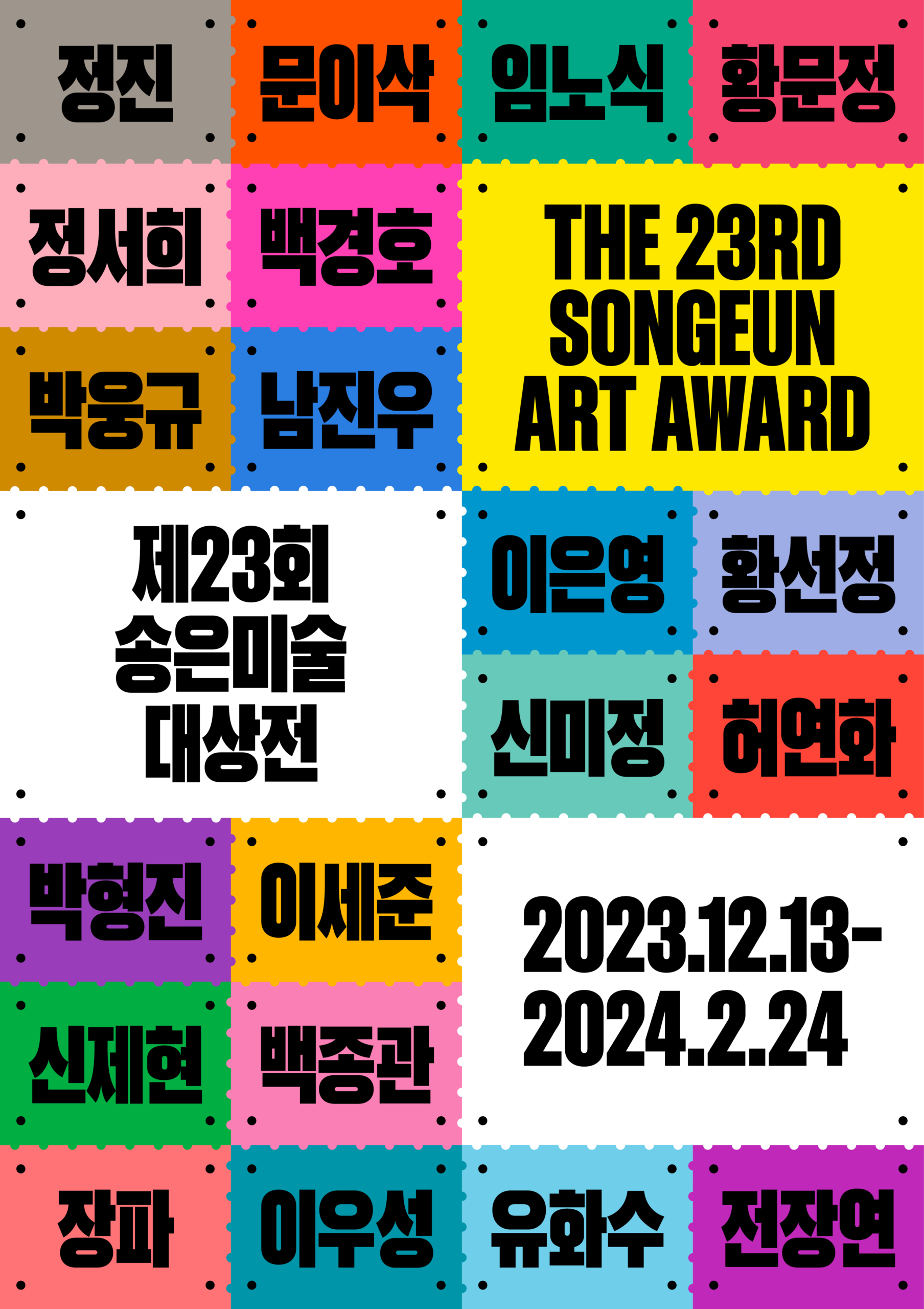
Hwang has also participated in numerous group exhibitions, including The Act of Collaboration (Incheon Art Platform, Incheon, 2024-2025), Planet Nine(Nam-Seoul Museum of Art, Seoul, 2024), 《The 23rd SONGEUN Art Award Exhibition》 (SONGEUN, Seoul, 2023-2024), Daejeon Art and Science Biennale 2022 Future of Cities(Daejeon Museum of Art, Daejeon, 2022), 《Blue Planet - Sea》 (Artspace Boan, Seoul, 2022), Posthuman Ensemble(National Asian Culture Center, Gwangju, 2021), and more.

Residencies (Selected)

Hwang has participated as a resident artist in several programs, including Incheon Art Platform (2017), MMCA Residency Goyang (2016), and Westbury Arts Center (2015).
Works of Art

The Subtle Phenomena that Occur in Everyday Life

Originality & Identity

Moonjung Hwang has explored how non-human beings operate within the vast environment of the city. In her early works such as Recycled gardening (2016) and The Way Three Trees Live Together(2016), she focused on the survival strategies of plants, animals, and insects living in the urban environment. At this stage, her gaze begins by reading the irregularities and unplanned landscapes observed in the outskirts of the city, allowing the city itself to be viewed as an ecological narrative.

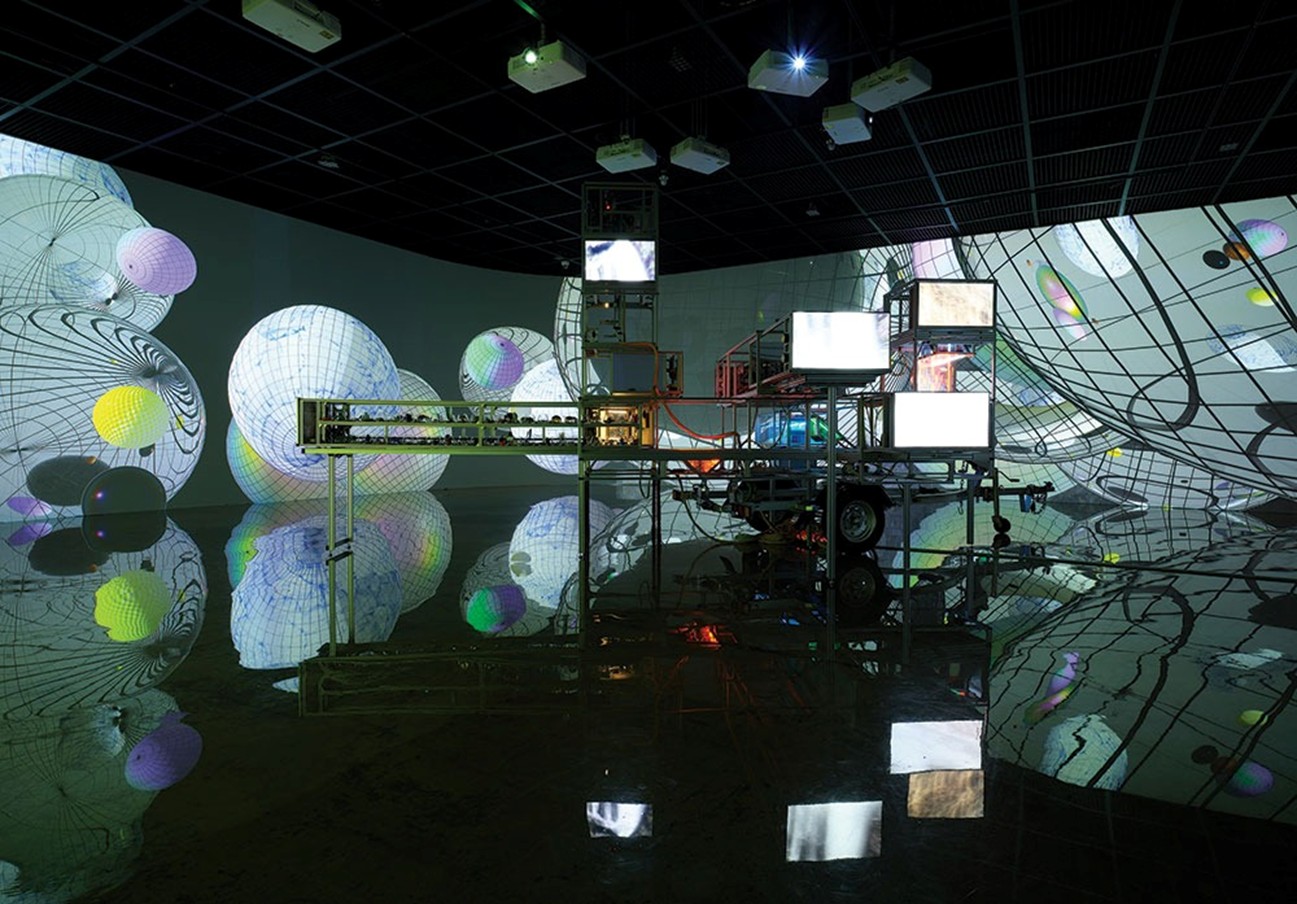
She then expands the multi-layered relational structure of the city into a system intertwined with society, technology, and capital. As seen in the ‘Beyond between Beyond’ (2014–) series and the solo exhibition 《Non-Affection for the City》(2018) at SONGEUN Art Cube, the city for Hwang is an organic network that grows and transforms like a living organism. This network manifests through collisions and interventions between non-human beings—such as buildings, waste, birds, plants, and insects—and human systems.

In her 2022 TINC solo exhibition 《Quasi-City Specimens》(2022), the ontology of the non-human becomes more defined. Here, the city transforms into an invisible assemblage of beings that escape human control: waste, sewage, weeds, birds, insects, and other “specimens of suppressed life.” The work reveals how non-human entities do not disappear within the city’s entropic circuits but constantly reemerge, presupposing the collapse of anthropocentric urban thought.

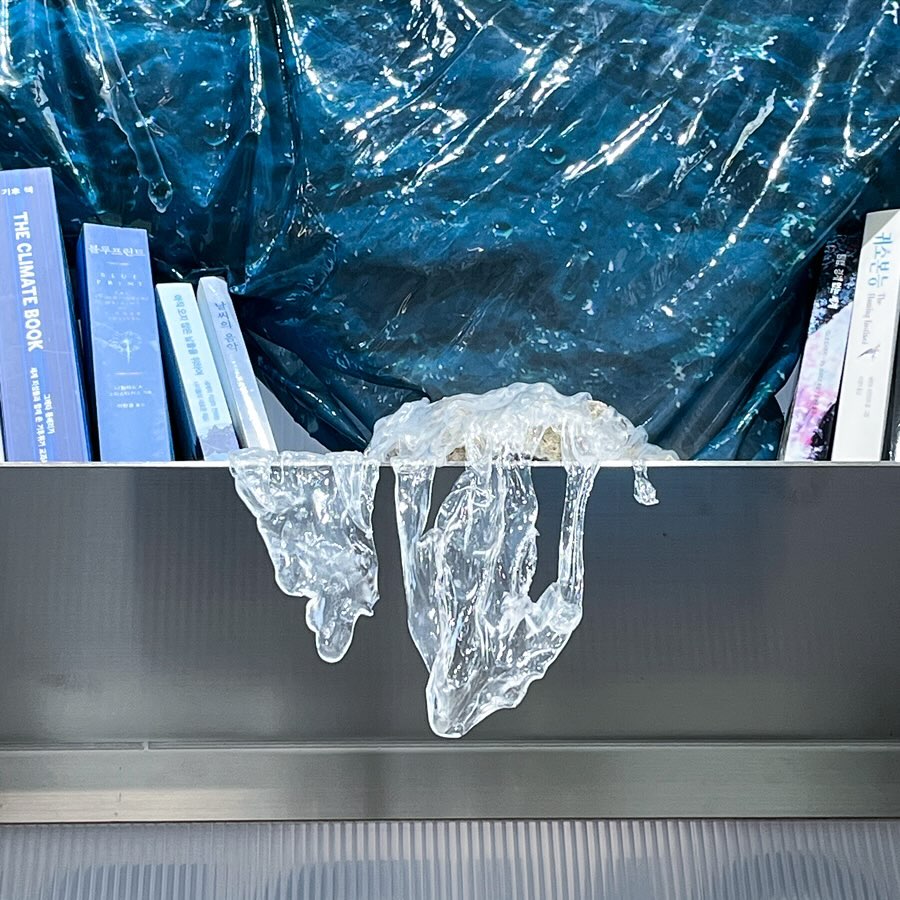
Her recent works, including the solo exhibition 《AFTER FLOW》 (ONDREAM Society, 2023) and Those from Earth (2024), expand this concept to the planetary scale of the climate crisis. Non-human beings are no longer peripheral remnants but actors that reorganize the urban system together with the flow of water. Hwang ultimately shifts the narrative center of the city, exploring new ecological relationships formed through the collision, contact, and reorganization between humans and non-humans.

Style & Contents

Hwang’s practice has evolved from site-specific object installations to constructing complex systemic scenarios. In works such as Recycled gardening and Feeding Fresh Food(2015), she reconstructed urban space using the materiality of plants, wood, soil, and machines. At this stage, material functions not only as a component of the city but also as a functional device that reveals the ecological traces of non-human beings.

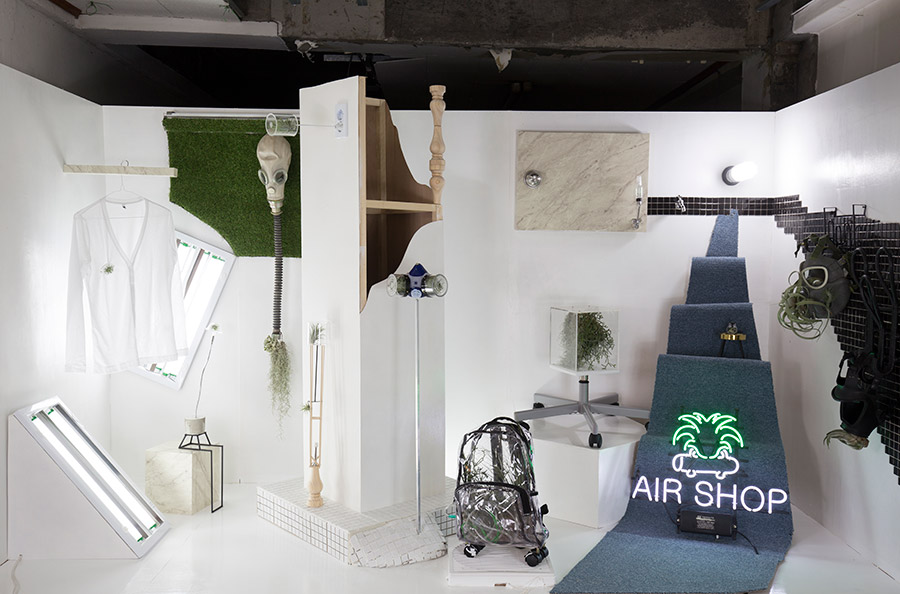
In her 2017 work AIR SHOP: Plant Mask Series, the connections between non-humans and social systems expand into a combination of performance, video, and installation. Rather than proposing “a device that solves urban problems,” she visualizes the mechanisms of how consumer society commodifies crisis and fear. The staged shop environment, video, and home-shopping-like presentation expose the immaterial structures of the urban ecosystem.

In the exhibitions 《Non-Affection for the City》 and 《Quasi-City Specimens》, she uses the materials and structures of the city as a sculptural language through which non-human entities are presented. Balloons, glass, bricks, wood, and sewer residue are transformed into architectural units that occupy the exhibition space with layered narratives. Especially in Non-Affection for the City_Sampling (2018), the extraction and sculpture of architectural elements demonstrate a method that treats architecture and ecology on a parallel plane, foregrounding the material ontology of the city.

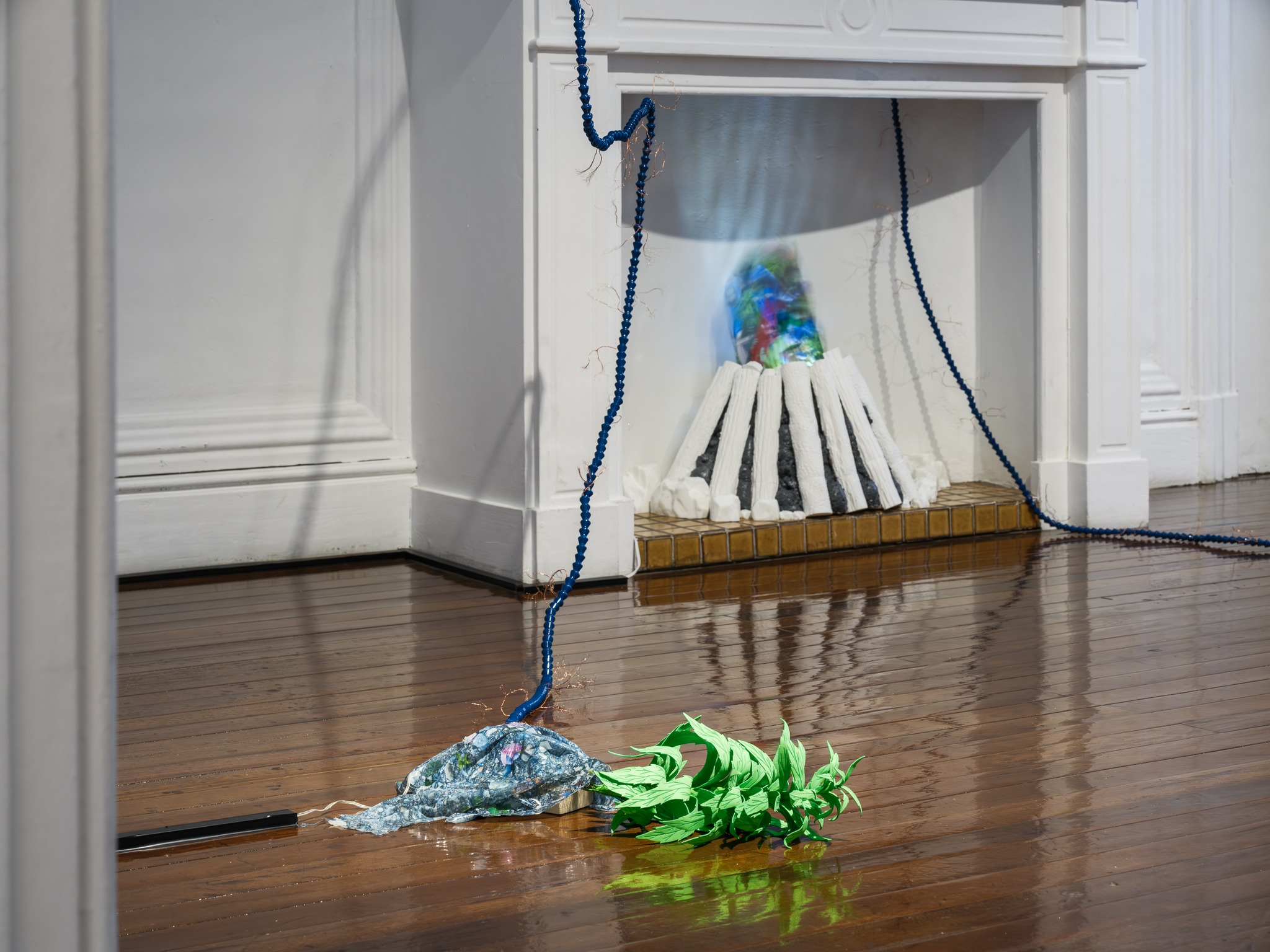
After 《AFTER FLOW》 (2023), her work incorporates the movement of water as a material language. In Aqua Bound(2023) and Liquid Board(2023), water, soil, concrete, flow, and boundaries become the formative principles of her work, structuring the movement, migration, and transformation of non-human beings. Hwang’s formal language has evolved from representing objects to simulating the operation of urban ecological systems.

Topography & Continuity

Hwang’s work reverses the conventional perspective by viewing the city—a space inhabited by humans—from the viewpoint of non-human entities. While much contemporary urban research foregrounds issues such as development, policy, and capital, she reinterprets the urban ecosystem by revealing the relationships of invisible life forms that operate beyond these frameworks. Her practice resonates with posthuman discourse explored in exhibitions such as 《Posthuman Ensemble》 (National Asian Culture Center, 2021) and 《Planet Nine》 (Nam-Seoul Museum of Art, 2024).

Whereas her early work captured the survival behaviors of non-humans through observation and collection, her recent works present non-humans as agents that reorganize urban systems, transforming the city itself into an ecological network. In doing so, her work moves beyond the use of objects as material and visualizes the systems of material, climate, capital, and machinery through specimens, board games, and simulation devices.

The consistency of Hwang’s practice lies in treating the city not as a space of “civilization,” but as a site of ecological collision. Rather than merely reinterpreting the city, she summons the beings excluded from its system and stages the moments where the boundaries between humans and non-humans are destabilized. Her work presents a conceptual and visual shift that encourages a new understanding of the urban ecosystem.

Her practice is expected to continue developing at an expanded scale that links climate, environment, city, and ecology. The city imagined by Hwang—one intertwined with water, flow, and networks—is connected to global discourse. She will continue to reposition the non-human as a central axis of the city, expanding her artistic practice within the unique domain of urban systemic reconstruction.

Works of Art

The Subtle Phenomena that Occur in Everyday Life

Articles

Exhibitions

Activities