Organic Salad - K-ARTIST

Organic Salad

2020
About The Work

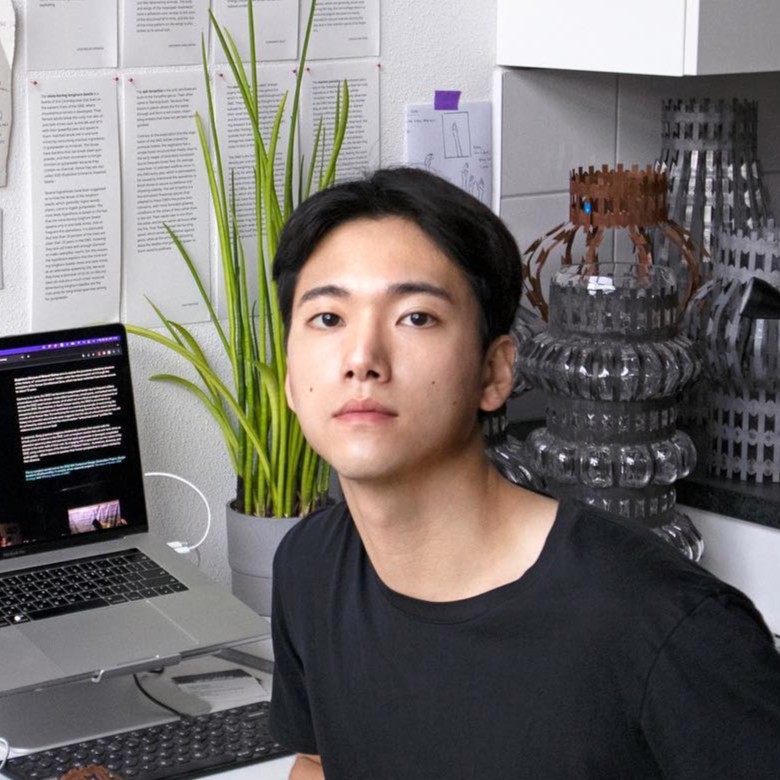
Seungjoon Song reexamines the cultural and historical contexts surrounding the concept of nature and explores how the biases and misconceptions produced by this concept shape and regulate our reality. Using “design” as a mediating tool to dismantle the dualistic thinking between humans and nature, he redefines the notion of nature from an interrelational, ecological perspective.
 
Song has continued his practice with attention to the way contemporary humanity uses nature as a concept that divides the world into “civilized” and “uncivilized (wild).” In his artist notes, he points out that this division ultimately produces a cognitive dissonance in which humans regard themselves as part of nature while simultaneously imagining the ideal form of nature as “untouched nature,” a nature without human presence.
 
Seungjoon Song’s work can be seen as an effort to move beyond the concept of nature interpreted from a human perspective and to understand nature from an ecological standpoint. It encourages us to view nature not as an object perpetually at humanity’s disposal, but as an independent, relational subject that interacts with humans and other forms of life.

Solo Exhibitions (Brief)

Song has held solo exhibitions including 《Chrolism-Style》 (YK PRESENTS, Seoul, 2025), 《The Pollinator》 (Kumho Museum of Art, Seoul, 2025), 《Hyper Green Zone》 (Post Territory Ujeongguk, Seoul, 2024), and 《Missing Species in DMZ Biodiversity》 (Crafts on the Hill, Seoul, 2023).

Group Exhibitions (Brief)

Song has also participated in group exhibitions such as 《Nature+Meta》 (Watermark Gallery, Seoul, 2023), and the Design Academy Eindhoven Graduation Show 2022 (Design Academy Eindhoven, Eindhoven, Netherlands).

Awards (Selected)

Song was selected as one of the 22nd Kumho Young Artists at the Kumho Museum of Art.

Works of Art

Untouched Nature

Originality & Identity

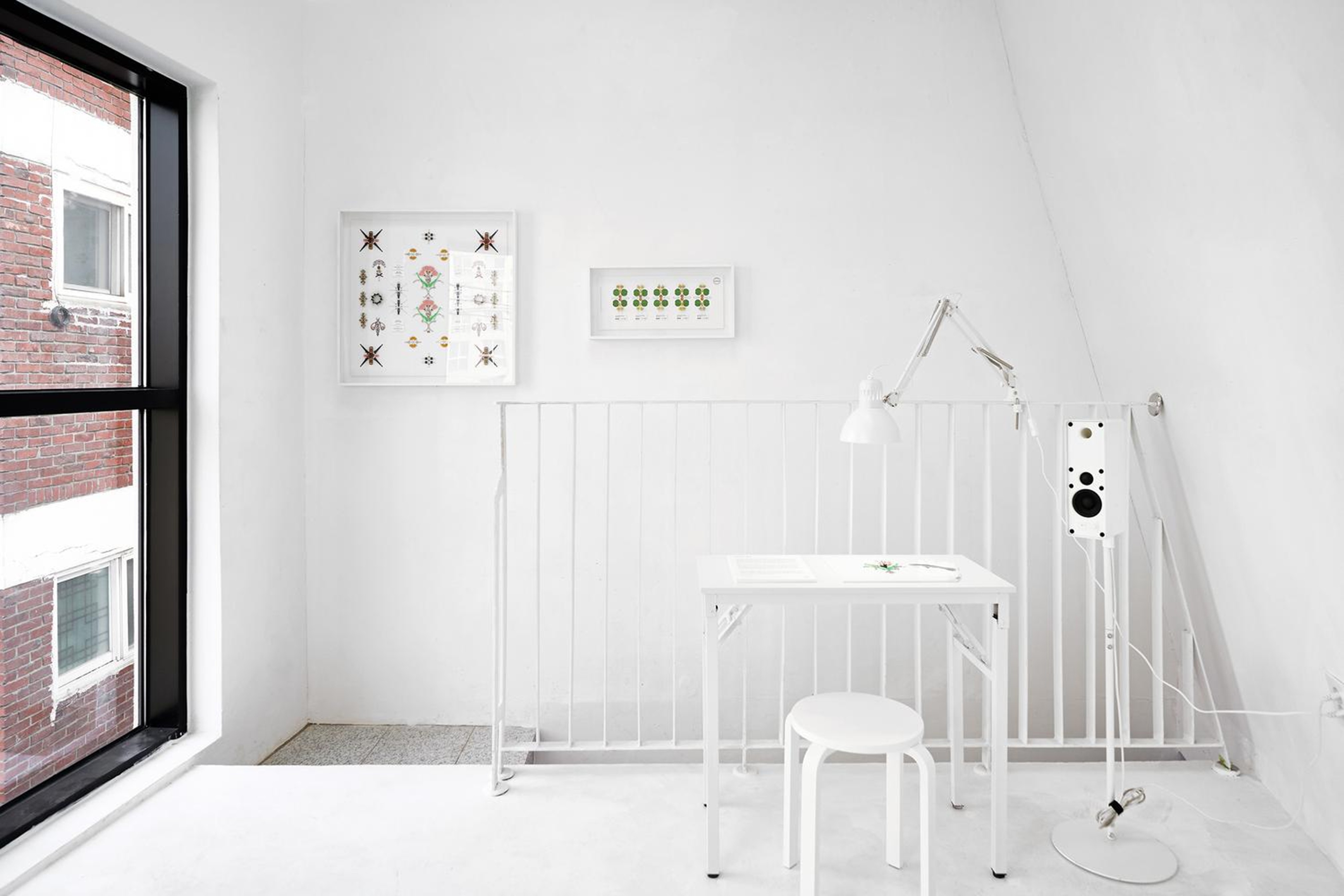
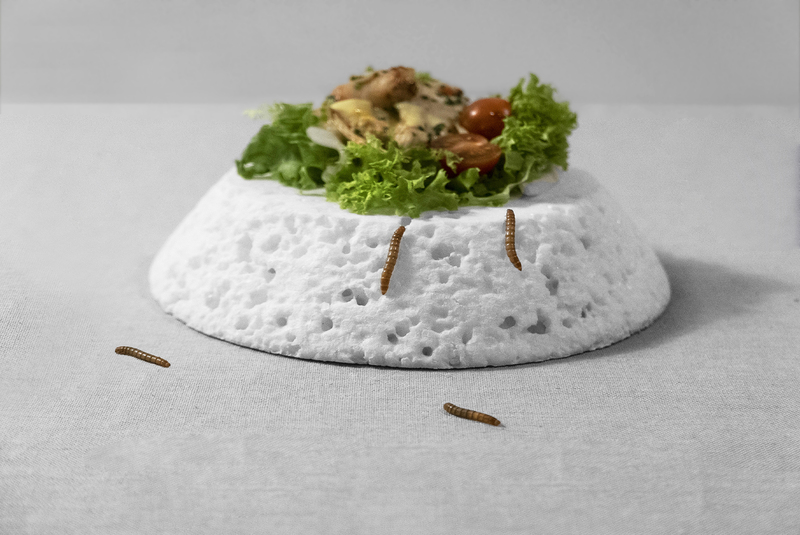
Seungjoon Song’s practice begins with dismantling the dualistic structure that separates humans from nature. He continuously investigates how the modern idea of dividing nature into “civilized/uncivilized” constructs an idealized image of nature, and how that image, in turn, distorts our perception of reality. The early work Organic Salad(2020) exemplifies how the “normal cycle” of an ecosystem becomes overturned when it intersects with human industrial systems, revealing how fragile our concept of nature truly is.

This line of inquiry expands into the artist’s long-term interest in no-man’s lands. In works such as Suspicious Museum of Natural History, Missing Species in DMZ Biodiversity, and DMZ Ecosystem Diorama presented at the Design Academy Eindhoven Graduation Show in 2022, he critiques the widespread belief that places like the Korean Demilitarized Zone (DMZ), CEZ (Chernobyl), and FEZ (Fukushima) symbolize untouched nature. Instead, he reveals that their so-called natural state is paradoxically formed by violent infrastructures. In this sense, the “ideal nature” is not a romantic outcome of human absence, but a landscape produced through war, pollution, and radiation.

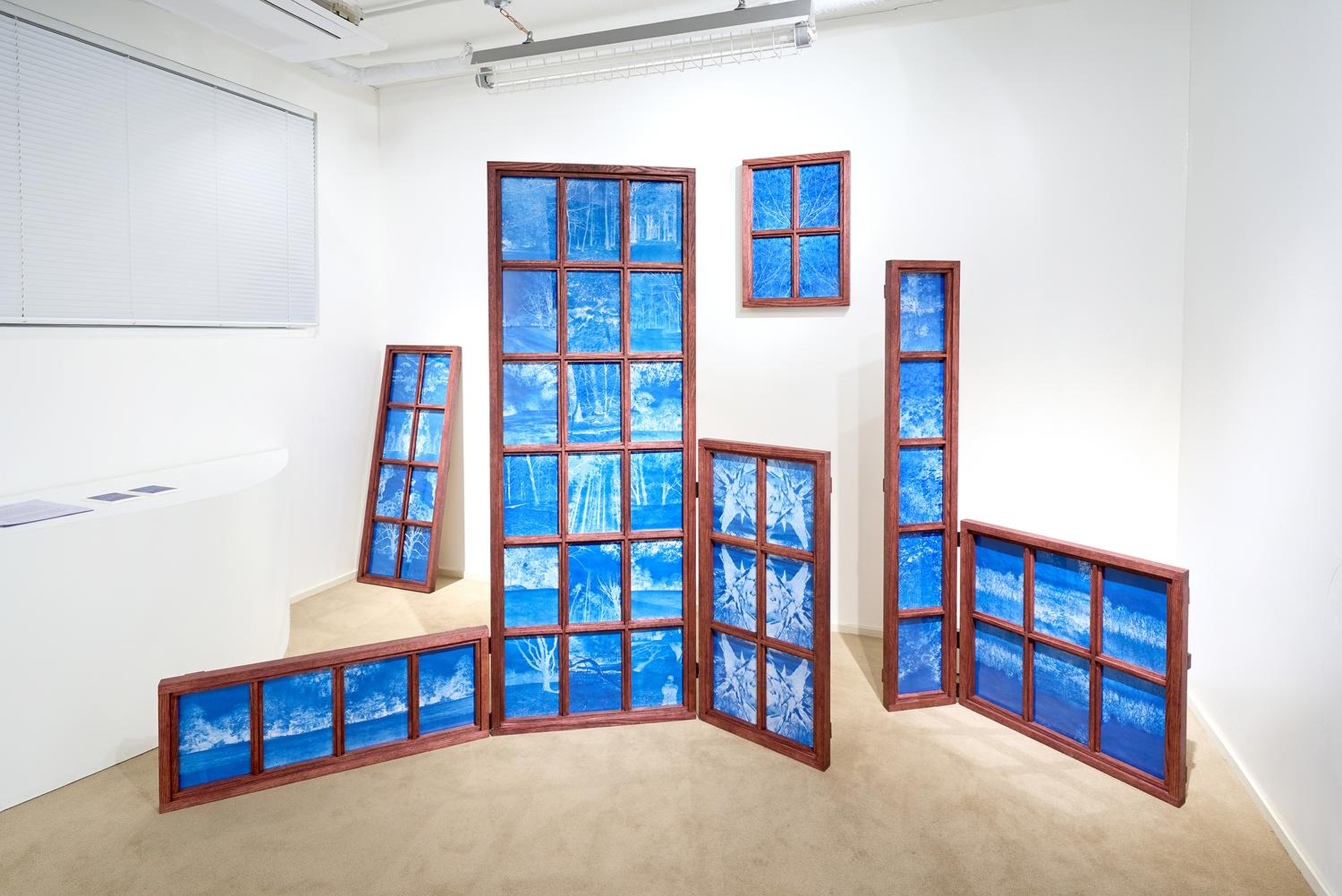
At the same time, the artist does not regard nature as a fixed entity with inherent essence. Rather, he understands it as “a temporal flow of continuous formation and extinction,” a perpetually self-transforming presence. His solo exhibition 《Hyper Green Zone》(Post Territory Ujeongguk, 2024) intensifies this instability by presenting a world in which the meaning of green is inverted from peace and ideality to “threat and fear,” exposing the inherent contradictions of the concept of nature.

The recent exhibition 《The Pollinator》(Kumho Museum of Art, 2025) expands his subject into an aerial and cosmic dimension. Set in Proxima, an airborne refugee settlement, the scenario imagines the sky—absent of humans—as another form of “no-man’s-land ecosystem,” contrasting natural cycles with the finitude of human existence. Through this, nature is no longer a matter of terrestrial landscape but a comprehensive ecological system that challenges human-centered perspectives.

Style & Contents

Seungjoon Song employs “design” as a conceptual tool, constructing sculptural experiments and narrative structures simultaneously. His work spans product design, wood-based sculpture, installation, diorama, glassblowing, and text-based scenarios, forming a distinctive mode in which concept and medium are tightly interwoven. For instance, the early work M14 Bubble Gum (2021) recreates the M14 anti-personnel mine found in the DMZ at a 1:1 scale as a piece of bubble gum, exposing a discomforting humor in transforming a violent object into an everyday consumer item. In this way, he often borrows the forms of objects to visually reveal how human violence leaves traces within nature.

A significant formal experiment appears in DMZ Ecosystem Diorama. Here, the artist blows glass directly into sharply cut and welded barbed wire structures, producing forms in which the glass does not “avoid” the wire but expands while “adapting” to it. The inseparable interlocking of glass and barbed wire materially embodies the paradoxical structure of the DMZ ecosystem—nature maintained through violence.

In Missing Species in DMZ Biodiversity, he combines text, image, ecological data, and imagined biological species to propose a new form of “speculative natural history.” By adopting the formal style of scientific reports while inserting fictional species, he destabilizes the authority of natural history museums and reveals political absences within ecological data.

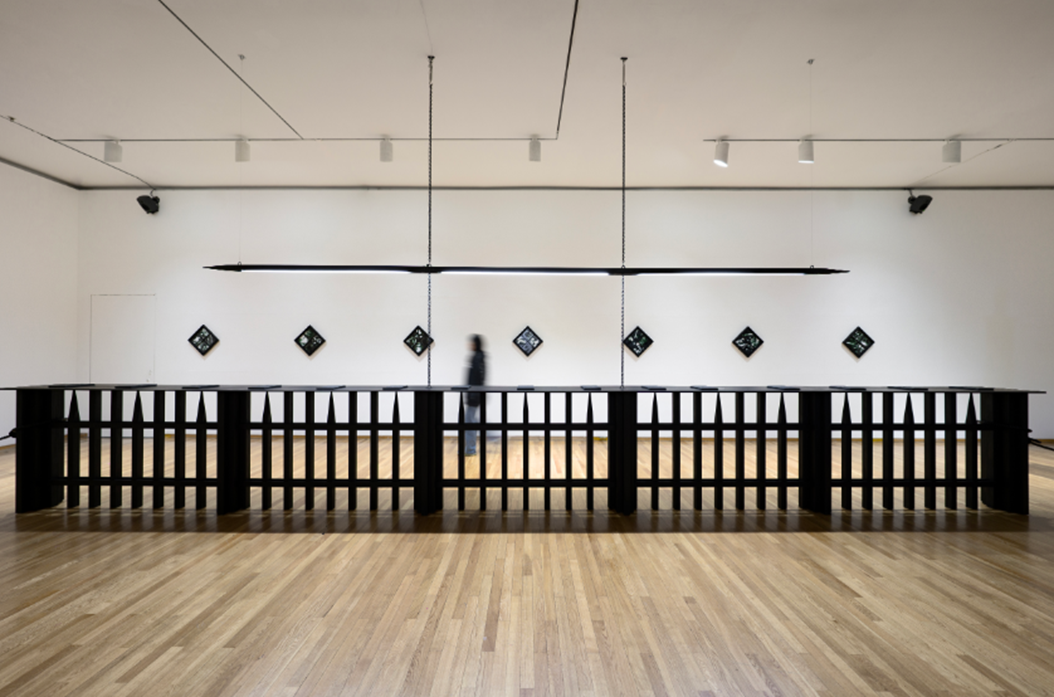
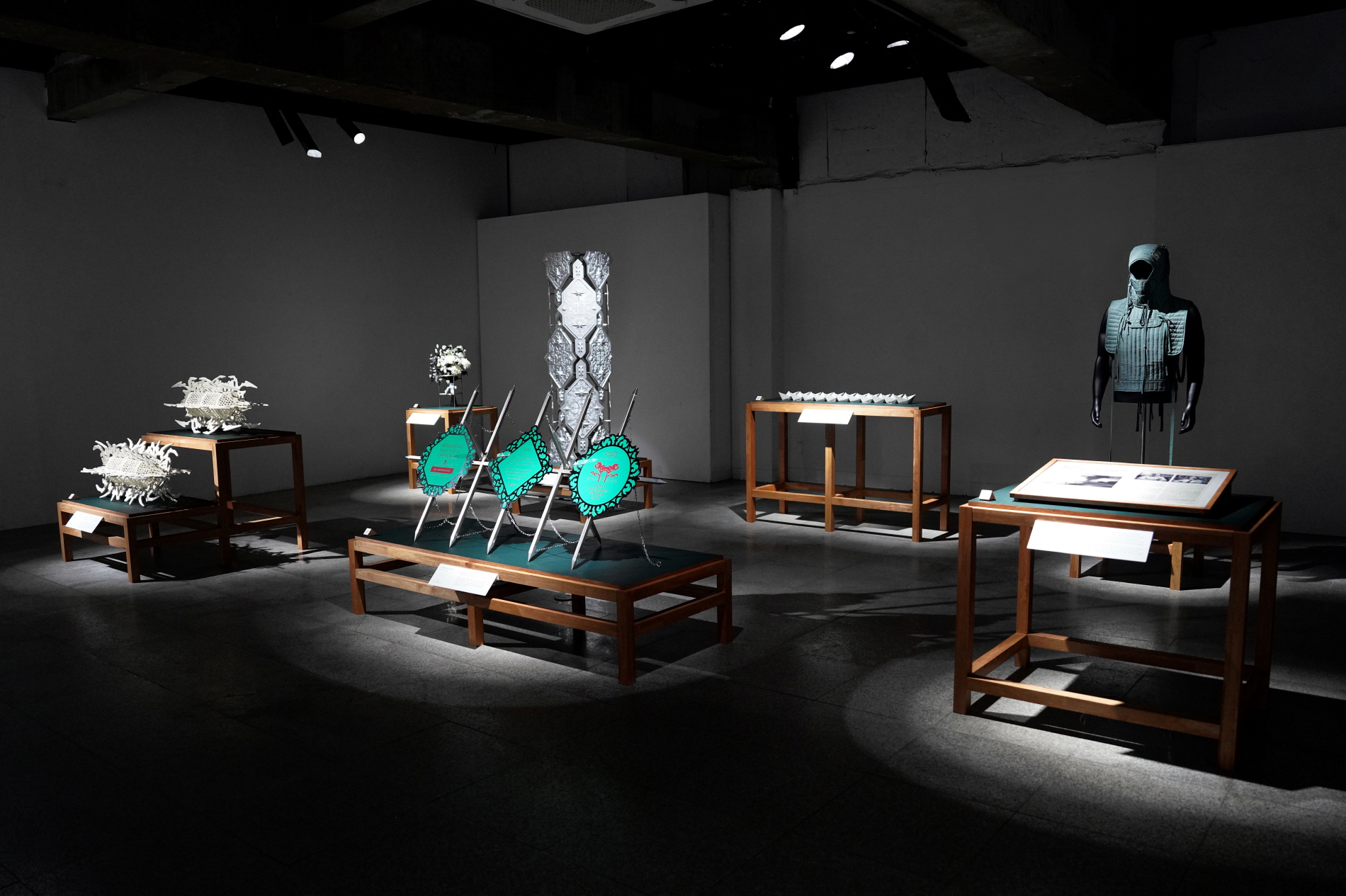
More recent exhibitions emphasize world-building through narrative. While 《Hyper Green Zone》 constructs a museum-like display of seven speculative objects to outline an ecosystem formed through violence, 《The Pollinator》 centers on a text-based scenario, such as the essay “Notes from a Proximan,” to imagine an aerial ecosystem. This progression demonstrates how Song’s work has expanded from material experimentation to a complex ecological world where narrative, design, and sculptural thinking coexist.

Topography & Continuity

Seungjoon Song addresses the “politics of nature” in a rare and distinct manner. He does not treat nature as a subject of environmental protection or ecological idealism, but as a relational agent entangled with human violence, technology, and institutional structures. His major projects reinterpreting the DMZ through ecological perspectives have positioned him uniquely within contemporary art, particularly in exploring the triangular relationship of “nature–violence–ecosystem.”

The artist’s early interest in overturning ecological cycles, as seen in Organic Salad and M14 Bubble Gum has gradually expanded into investigations of DMZ ecology, no-man’s-land narratives, and future aerial ecosystems. Working across diorama, glass sculpture, text, and installation, he flexibly adapts materials and formats according to each project’s site and conceptual framework, while maintaining a consistent thematic inquiry.

Having broadened the conditions of his practice through international study and various collaborations, Song continues to develop ecological questions—namely, “How can the structures surrounding nature be interpreted?”—through multiple formats within his work. This approach provides a foundation for engaging with diverse ecological discussions beyond local contexts and sustaining his artistic practice in wider international environments.

Works of Art

Untouched Nature

Articles

Exhibitions

Activities