
Work in Progress - K-ARTIST

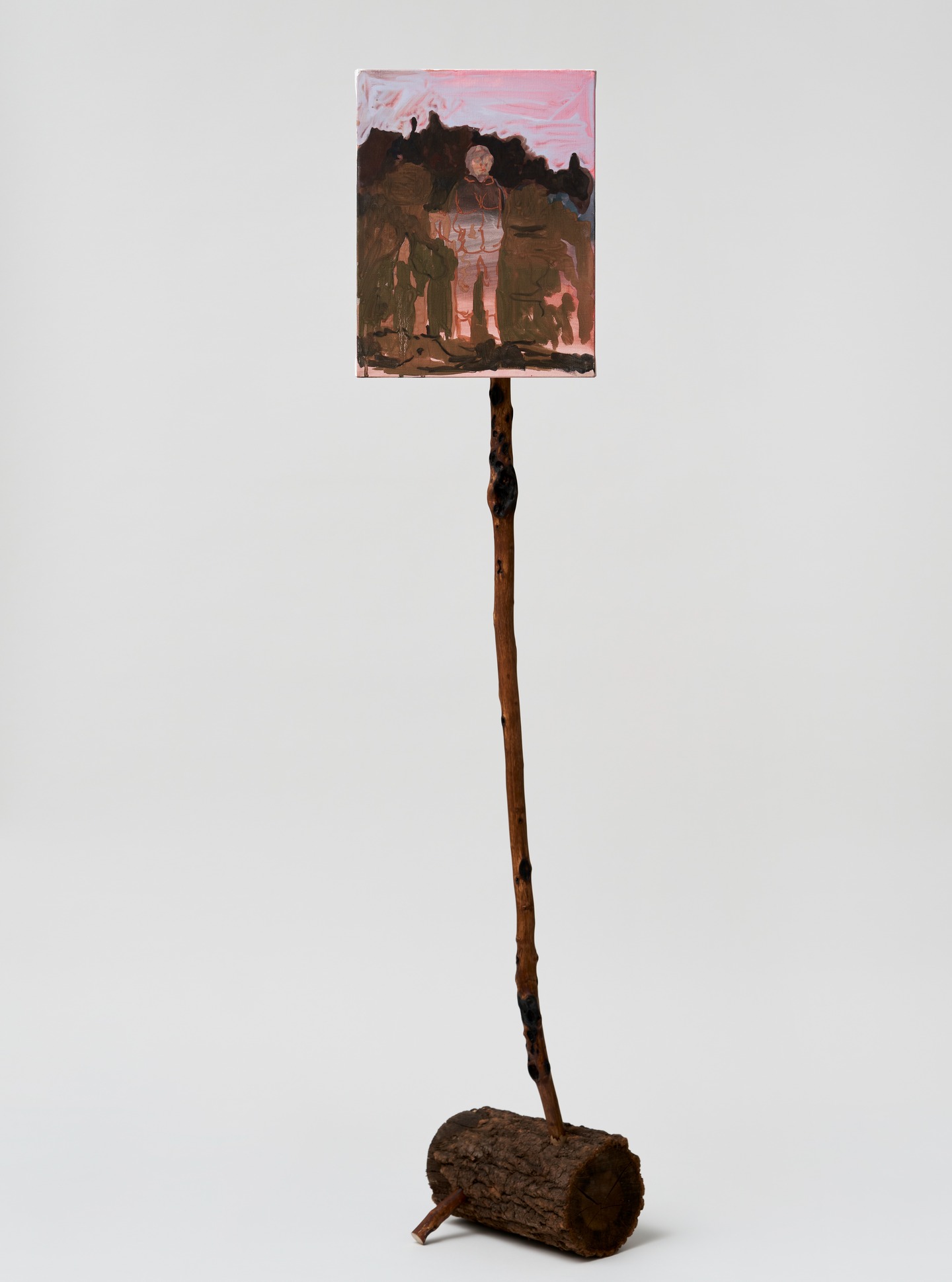
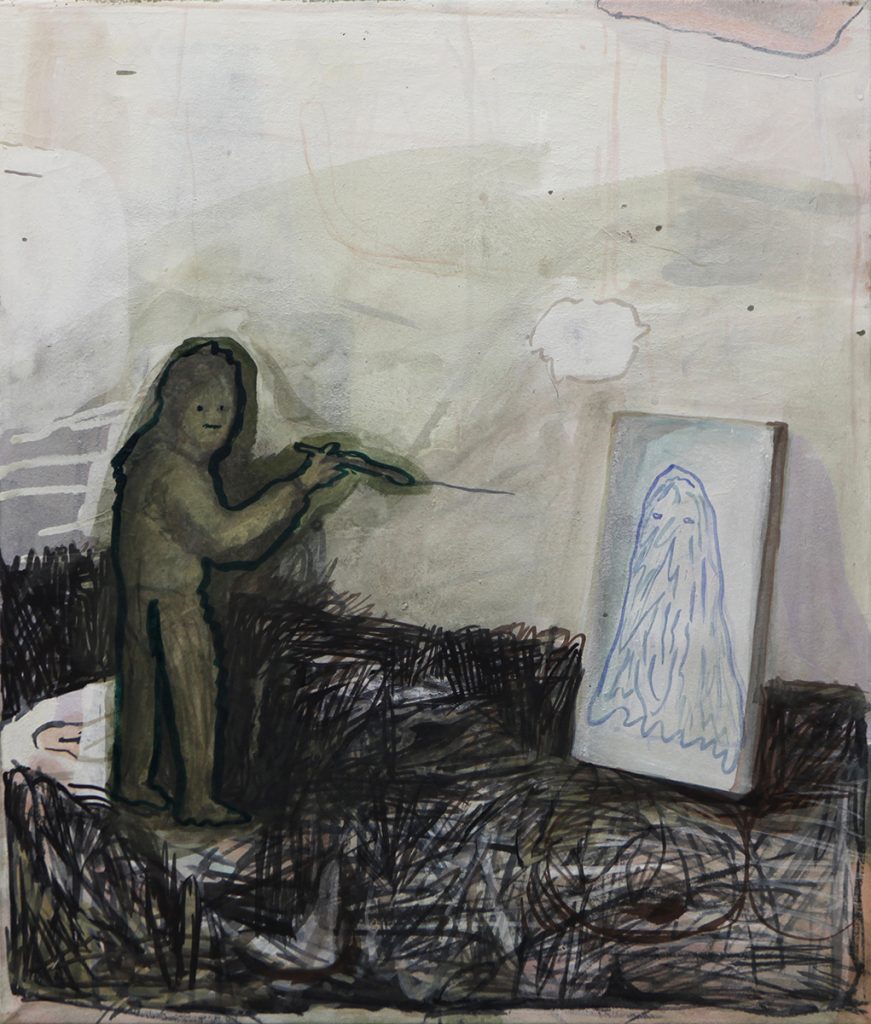
Work in Progress

2017
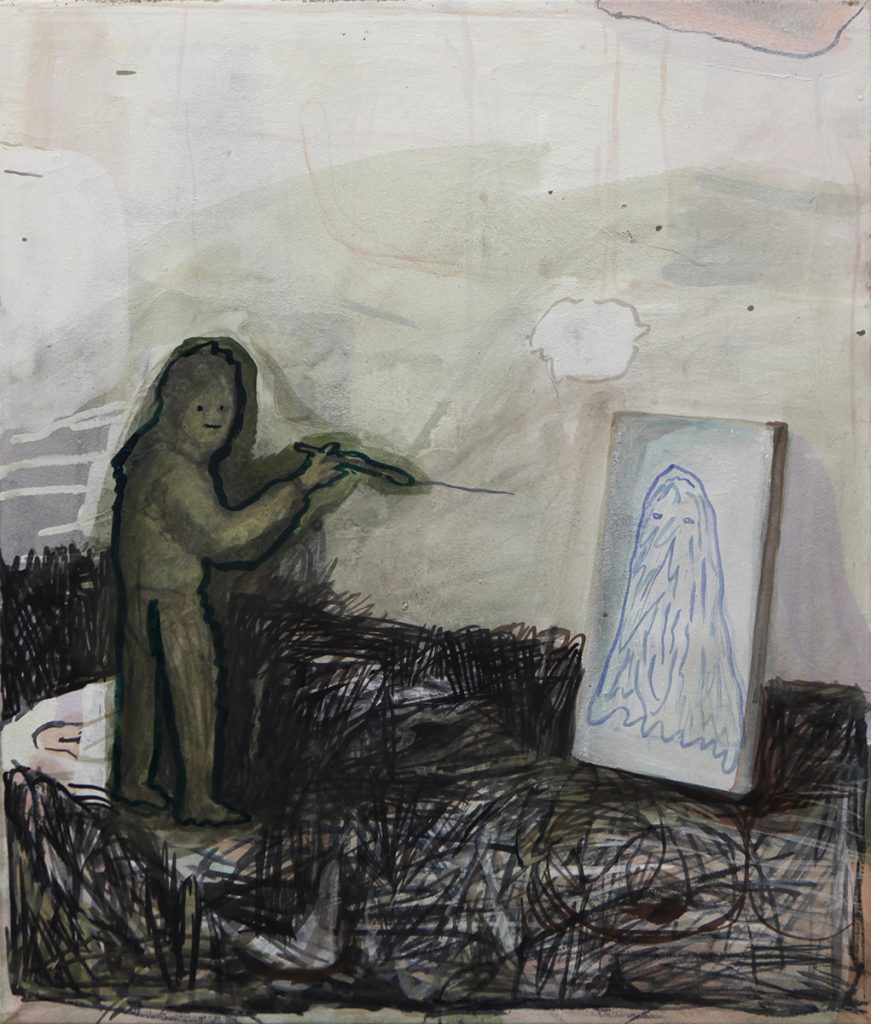
Korean color paint on cotton fabric 
53 x 45 cm
About The Work

Jeong Juwon has translated her personal narratives onto canvas by observing the place she stands and the circumstances surrounding her. In particular, through her experience of living in a four-generation household, she has metaphorically expressed complex emotions and reflections on human life and death, growth and aging, care and dependence.
 
Jeong Juwon regards painting as a medium most intimately connected to the body, portraying situations and concerns she feels closely aligned with. While her work begins from deeply personal experiences, it is imbued with a profound care and affection for humanity.
 
The fragile and precarious yet mutually reliant figures in her paintings evoke the inevitability of care in our lives—how we will one day both give and receive it—leaving a tender, lingering impression.

Solo Exhibitions (Brief)

Jeong’s solo exhibitions include 《Metabeta》 (Pockettales, Seoul, 2024), 《Lukewarm Comfort and Good Bad Jokes》 (Artspace Boan, Seoul, 2024), 《Immortal Crack》 (GOP FACTORY, Seoul, 2022), 《Go Up to Your Neck in Love》 (Onsu Gonggan, Seoul, 2021), and 《Sorry, Mom. I Do Art》 (Gallery3, YEEMOCK Gallery, Seoul, 2017-2018).

Group Exhibitions (Brief)

Jeong has also participated in numerous group exhibitions, including 《Young Korean Artists 2025: Here and Now》 (MMCA, Gwacheon, 2025), 《Amateur》 (Nook Gallery, Seoul, 2025), 《Images Swallowed by the Heart》 (Museum Hodu, Cheonan, 2024), 《Landing Point》 (ARARIO GALLERY SEOUL, Seoul, 2024), 《Perigee Winter Show 2023》 (Perigee Gallery, Seoul, 2023), and PERIGEE UNFOLD 2023 《Three Yesterday Nights》 (Perigee Gallery, Seoul, 2023).

Residencies (Selected)

Jeong Juwon has participated in residency programs at Studio White Block (2022–2024) and Seoul Art Space Geumcheon (2016–2017).

Works of Art

The Personal Narrative on Canvas

Originality & Identity

Jeong Juwon’s practice originates from deeply personal narratives. In her solo exhibition 《Sorry, Mom. I Do Art》(Gallery3, YEEMOCK Gallery, 2017–2018), she candidly expressed the anxiety and guilt of a young artist just beginning her career. Striving to “continue making art without feeling sorry toward her mother,” she produced twenty-four paintings in twenty-four days and sold drawings to support her household—acts that were not merely about diligence, but confessions of how she sustained herself amid uncertainty.

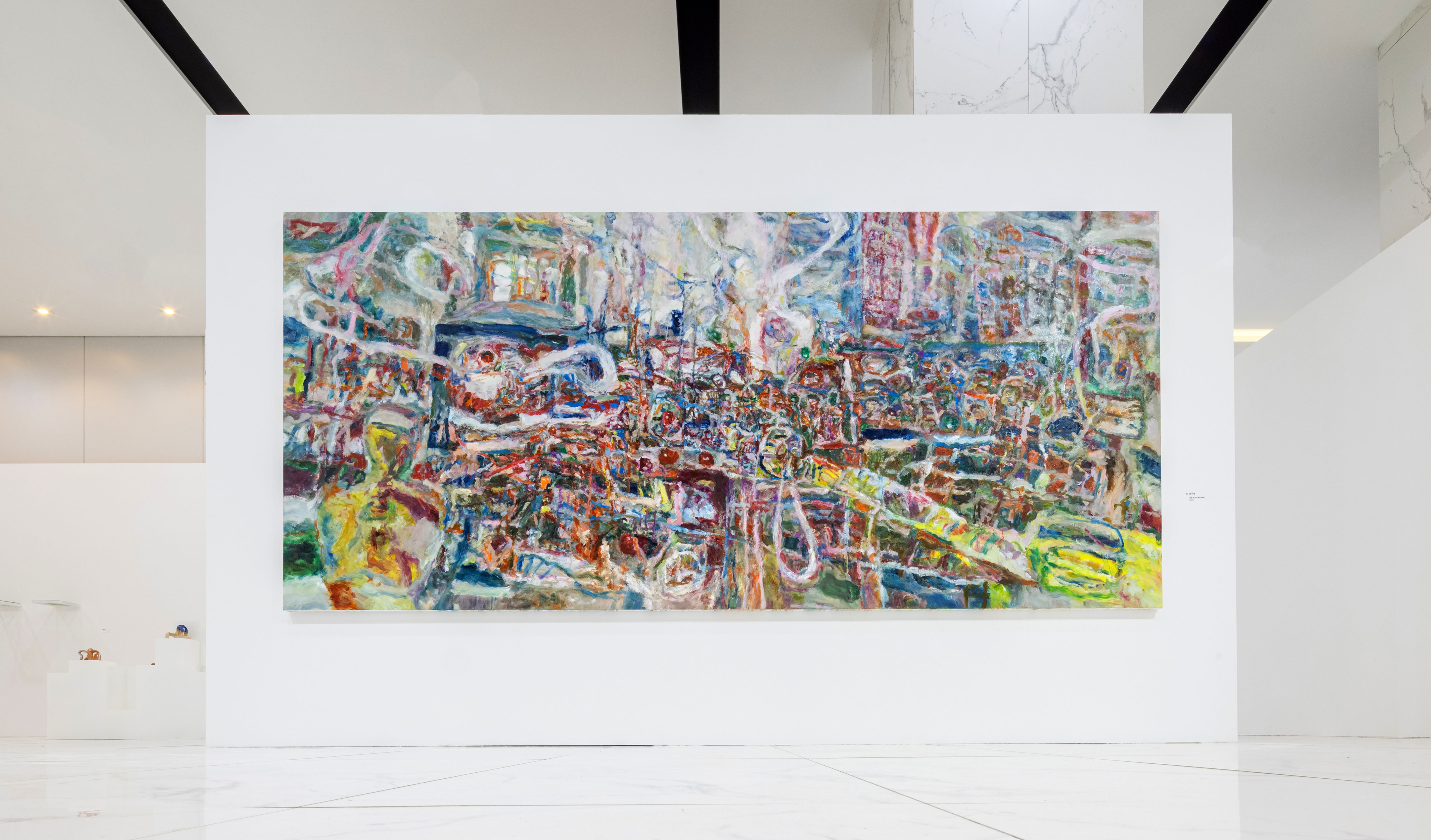
In her following exhibition 《Go Up to Your Neck in Love》(Onsu Gonggan, 2021), her perspective shifted from personal survival to relationships of care. Experiencing childcare and caregiving simultaneously, she contemplated love as a form of energy, depicting its uncertain and answerless landscapes. Figures in her paintings appear burning, falling, being devoured, yet smiling—metaphors for love’s impossibility of perfection and the courage of surrendering oneself to its incompleteness.

In 《Immortal Crack》(GOP FACTORY, 2022), her introspection materialized onto the surface itself. Initially perceiving the cracks that appeared in her paintings as flaws, she came to embrace them as traces of time and symbols of imperfection’s beauty. From this point, her practice shifted from confronting existential anxiety to adopting an attitude of coexistence with fragility.

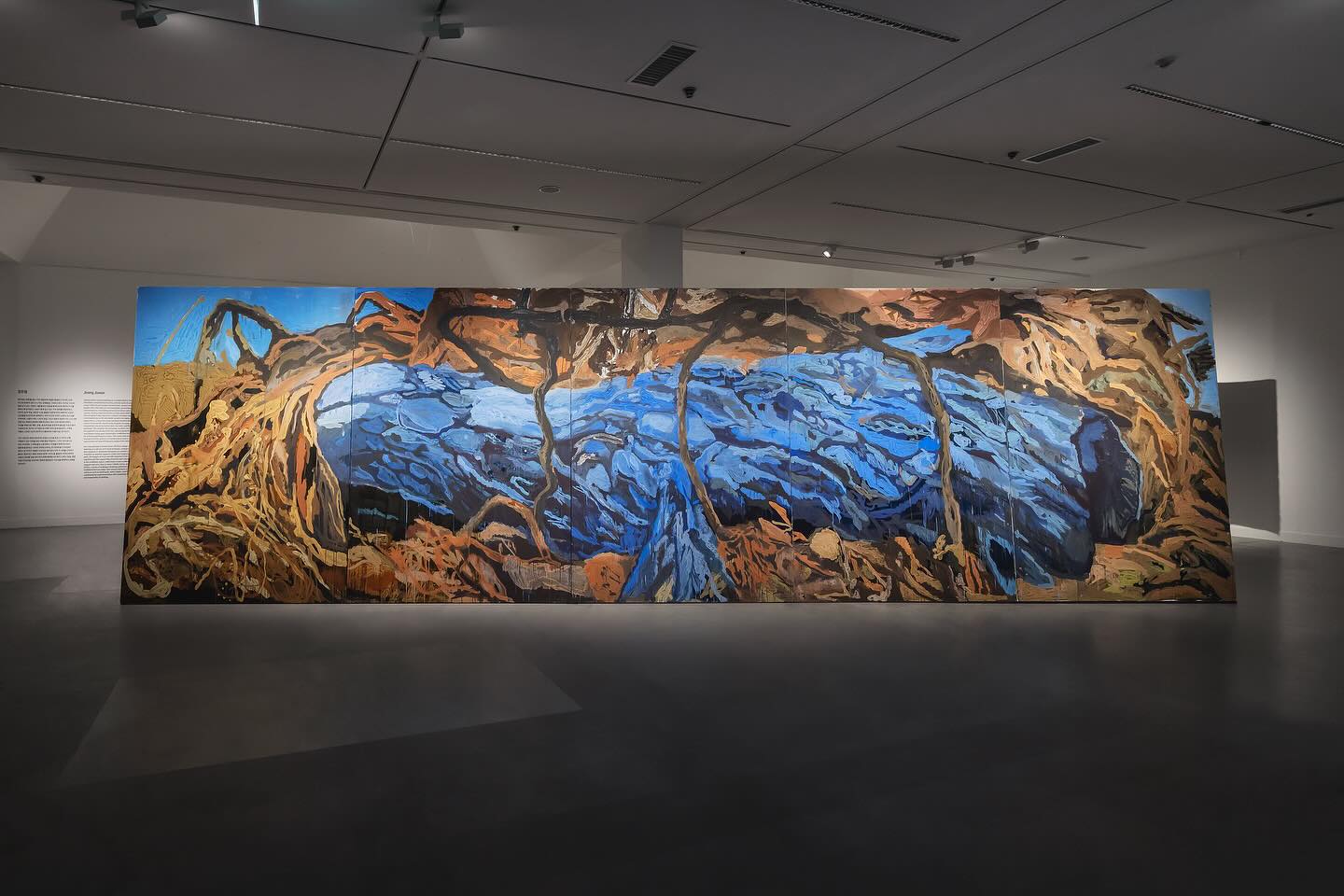
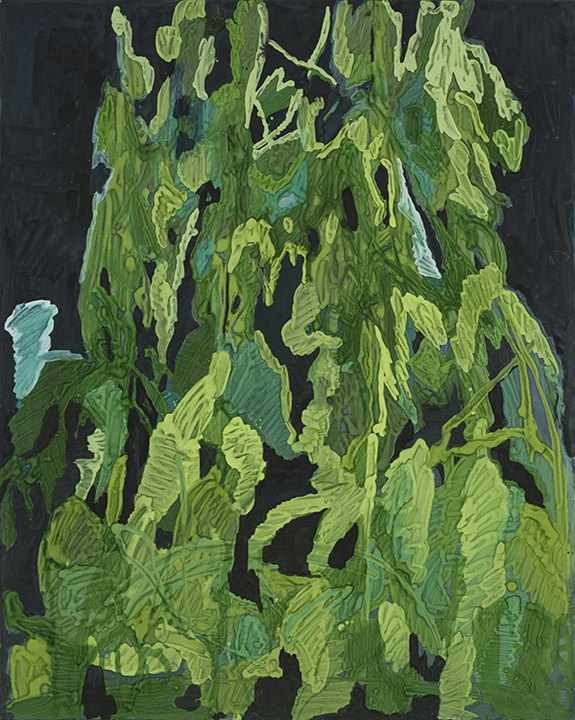
Most recently, in 《Lukewarm Comfort and Good Bad Jokes》(Artspace Boan, 2024) and 《Young Korean Artists 2025: Here and Now》(MMCA, 2025), Jeong regards the human skin, tree bark, and the painterly surface as sharing a single temporal layer. Her narratives of life and death, growth and decay, care and dependence have expanded beyond the self toward a reflection on the coexistence of humanity and nature.

Style & Contents

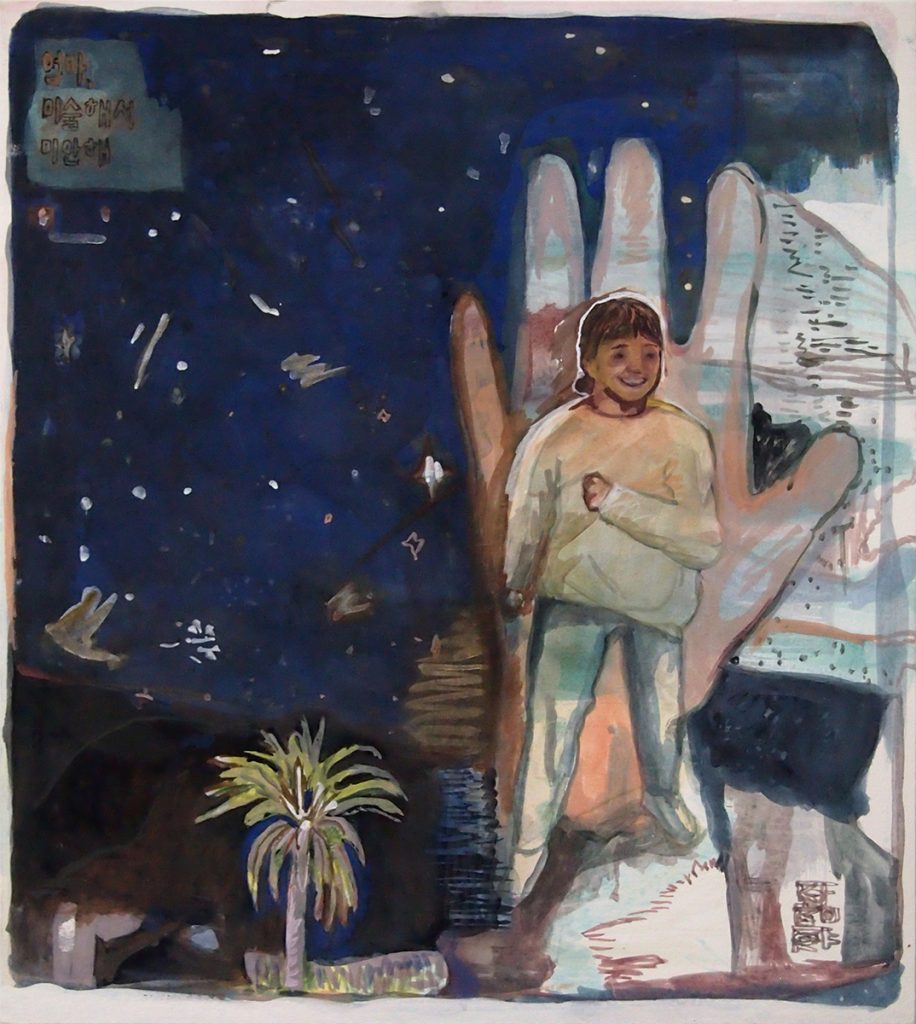
Rooted in the materials and traditions of Eastern painting, Jeong Juwon reconstructs them through a contemporary sensibility. In early works such as Work in Progress(2017) and I’m Good at Apologizing(2017), she visualized emotional density using Korean color paint on cotton. Her use of white clay, layered pigments, and negative space reinterpreted traditional painting language as an expression of modern psychological tension.

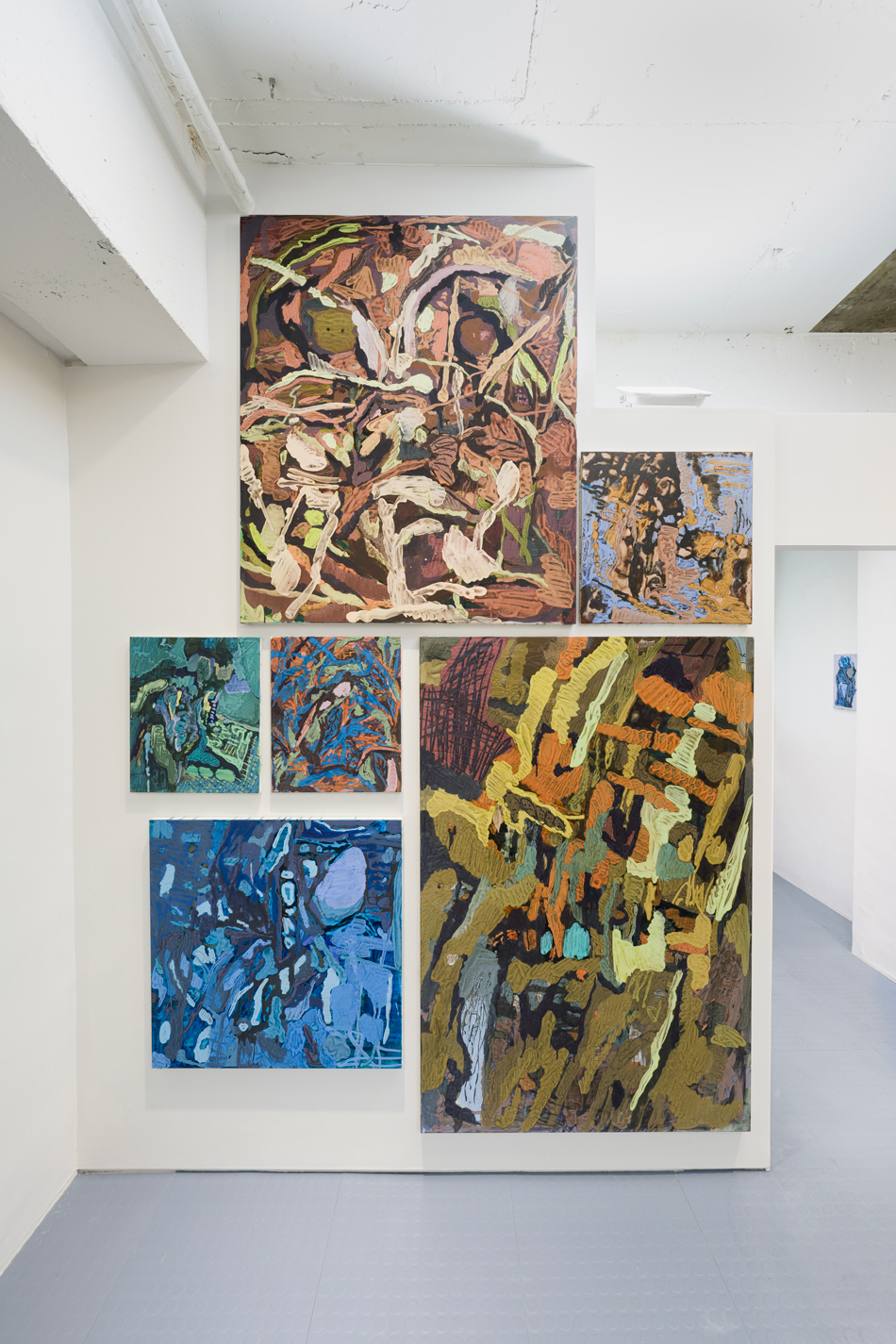
In 《Immortal Crack》, she created her own paint mixture by combining white clay and animal glue, embracing the material’s spontaneity and the cracks that emerged naturally on the surface. This material experiment transformed the pictorial plane into “a place where time lingers.” The cracks became not defects to erase, but the breath and emotional residue of the painting itself.

Her paintings in 《Go Up to Your Neck in Love》 extended this surface exploration into spatial form. Paintings coexisted with three-dimensional stone-tower structures, embodying her idea of love as a “soft, rolling stone” that continuously shifts its shape.

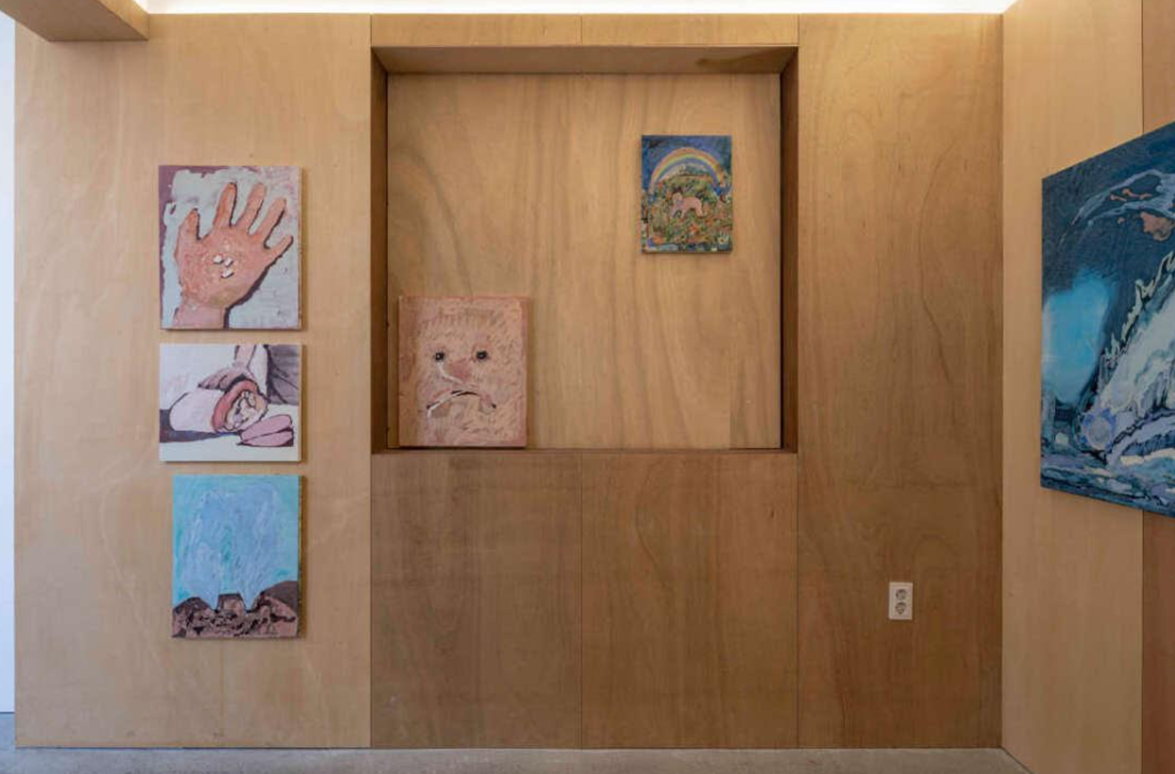
In recent works shown in 《Young Korean Artists 2025: Here and Now》—including A Serene Grave(2025), the ‘Things That Stand’(2025) series, and the ‘Shells, Faces, and Wrinkles’(2025) series—her formal inquiry has become increasingly systematic. By replacing straight wooden supports with curved cane-like structures and transforming the grains of trees and wrinkles of skin into planar patterns, she expands painting into a “living structure” rather than a purely visual medium.

Topography & Continuity

Jeong Juwon’s paintings begin with intimate self-confession yet ultimately arrive at universal humanity. She translates the inevitabilities of life—anxiety, love, care, and aging—into painterly language, binding emotional depth with the material temporality of her surfaces. This approach resonates with a broader movement among her generation of artists who revisit painting as a medium for “living emotions” and “embodied memory” rather than detached abstraction.

Her distinctiveness lies in her attitude toward the surface. For Jeong, the surface is not a passive container of images but a physical site where time and emotion accumulate and erode. Since 《Immortal Crack》, her use of cracks, stains, and white clay textures has evolved into a living trace imbued with vitality.

She repositions the material legacy of Eastern painting—paper, pigment, white clay, and glue—within a contemporary context, connecting tactile materiality with emotional lyricism. This is not a restoration of tradition but a reconfiguration of painterly language as emotional realism. Through her visualization of care, time, and imperfection, Jeong’s painting establishes a new trajectory in contemporary art that bridges personal narrative with the shared sensibilities of human experience.

Works of Art

The Personal Narrative on Canvas

Articles

Exhibitions

Activities