Joo
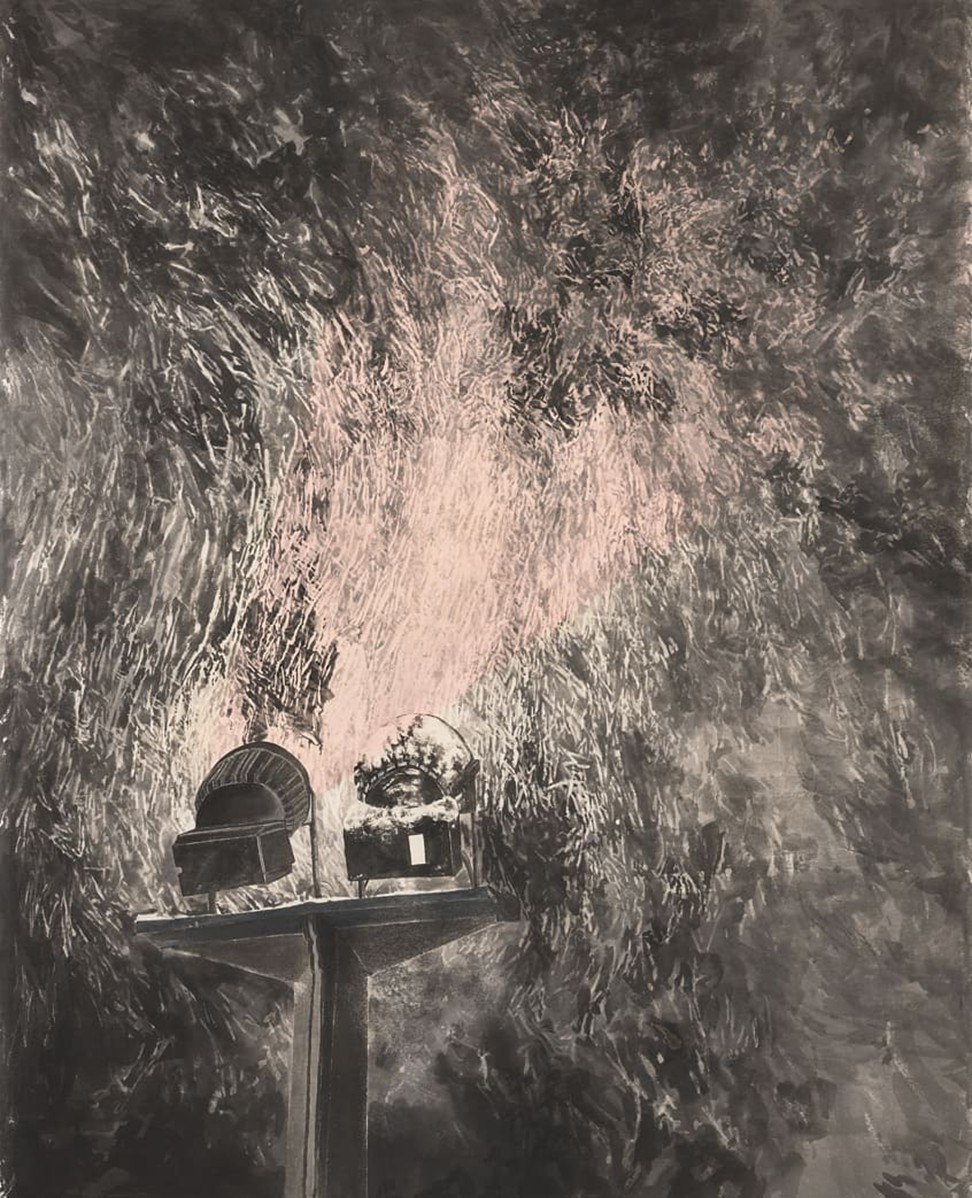
Hyeongjoon’s practice begins from a sense of anxiety and the defense mechanisms
of the inner self. His early ‘Shelter’ (2017) series visualized the psyche’s
desire to escape from real-world anxiety by transforming it into pictorial
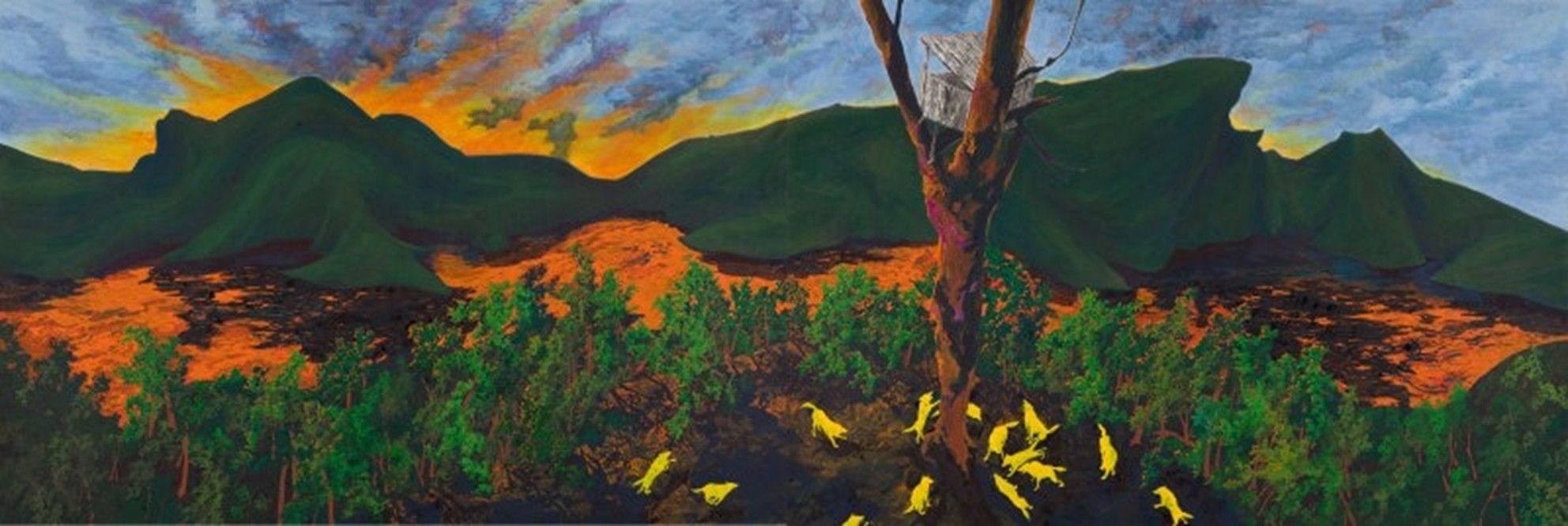
space. Such anxieties are transposed into symbolic elements—wolves, light,
walls, and houses—each reflecting the artist’s own lived experience. In his
solo exhibition 《SAFEGUARD》(Shinhan Gallery, 2019), Joo visualized the process through which
the self perceives and responds to anxiety, staging a confrontation between
light and its defensive counterpart. He regarded anxiety not as a feeling to be
avoided, but as a fundamental energy that sustains the self.
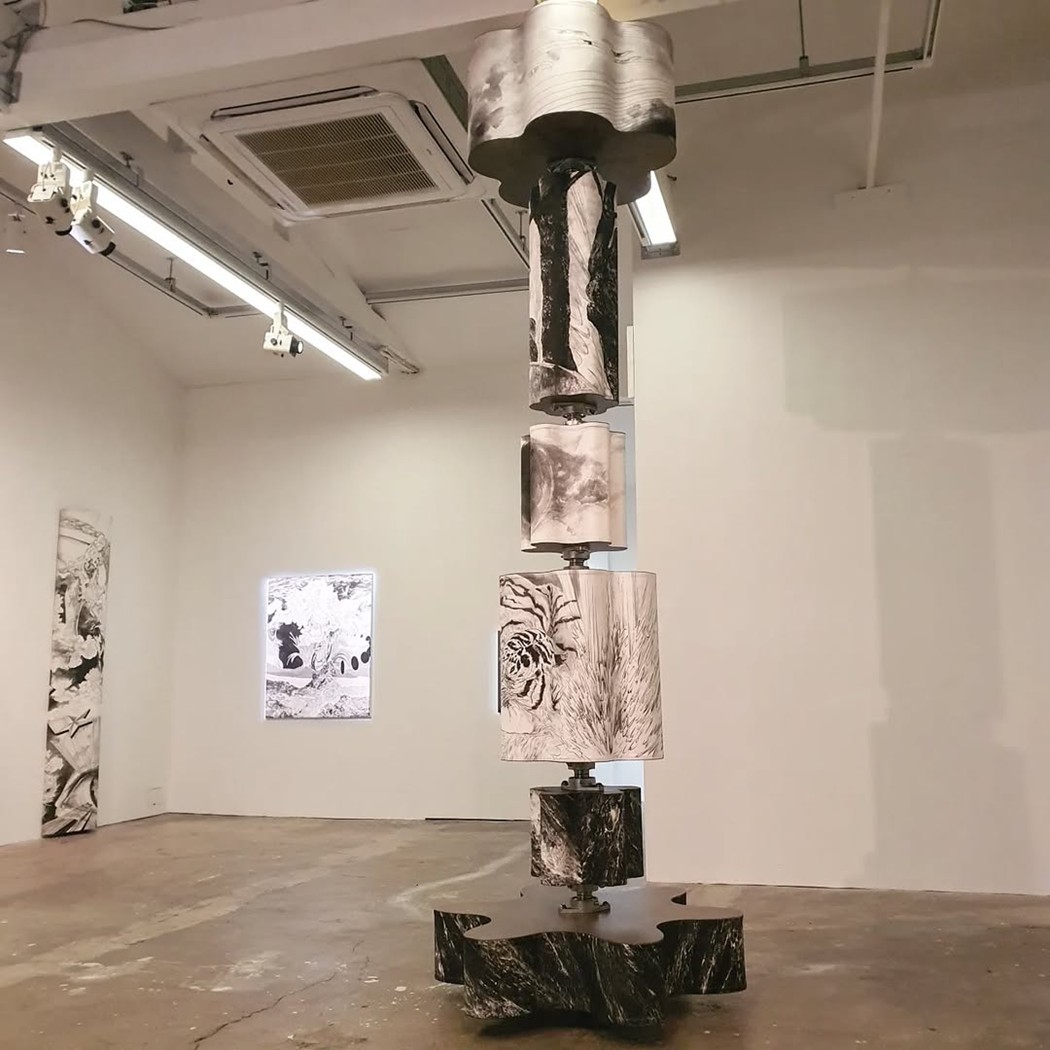
In his
2020 solo exhibition 《Complete
Association》(SHIFT), psychological anxiety expands into
a structure of perception. Drawing on the concept of “perceptual completion,”
Joo translated the human tendency to infer and complete a whole from fragmented
images into a pictorial device. The absence and gaps found in reality were
transformed into “emptiness” within the picture plane—spaces that reflect the
human unconscious striving to compensate for an imperfect world through
imagination.
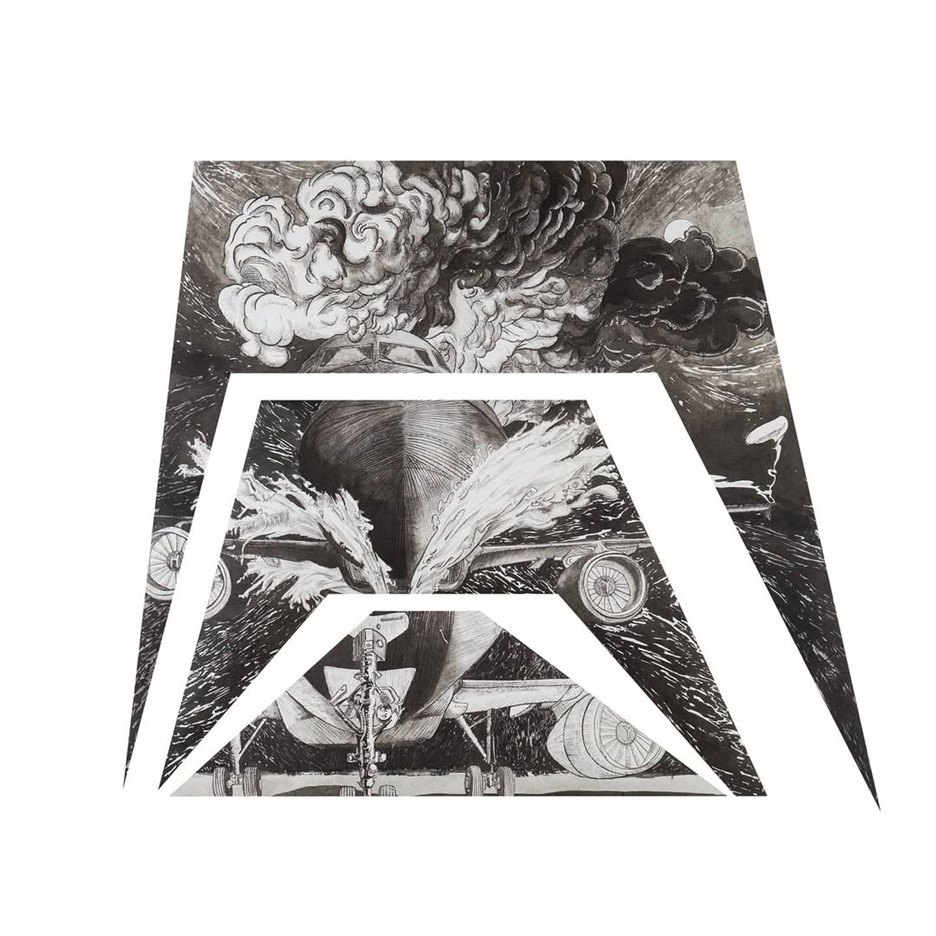
Later, in 《Where the White Hawk Stayed》(Sahng-up
Gallery, 2023), he addressed the issue of desire, expanding from personal
anxiety to social narrative. The artist reimagined the wishes of ordinary
people as mythic narratives, depicting universal human aspirations. This marked
a shift from exploring individual psychology in his early work toward engaging
with collective desires embedded in the contemporary condition.
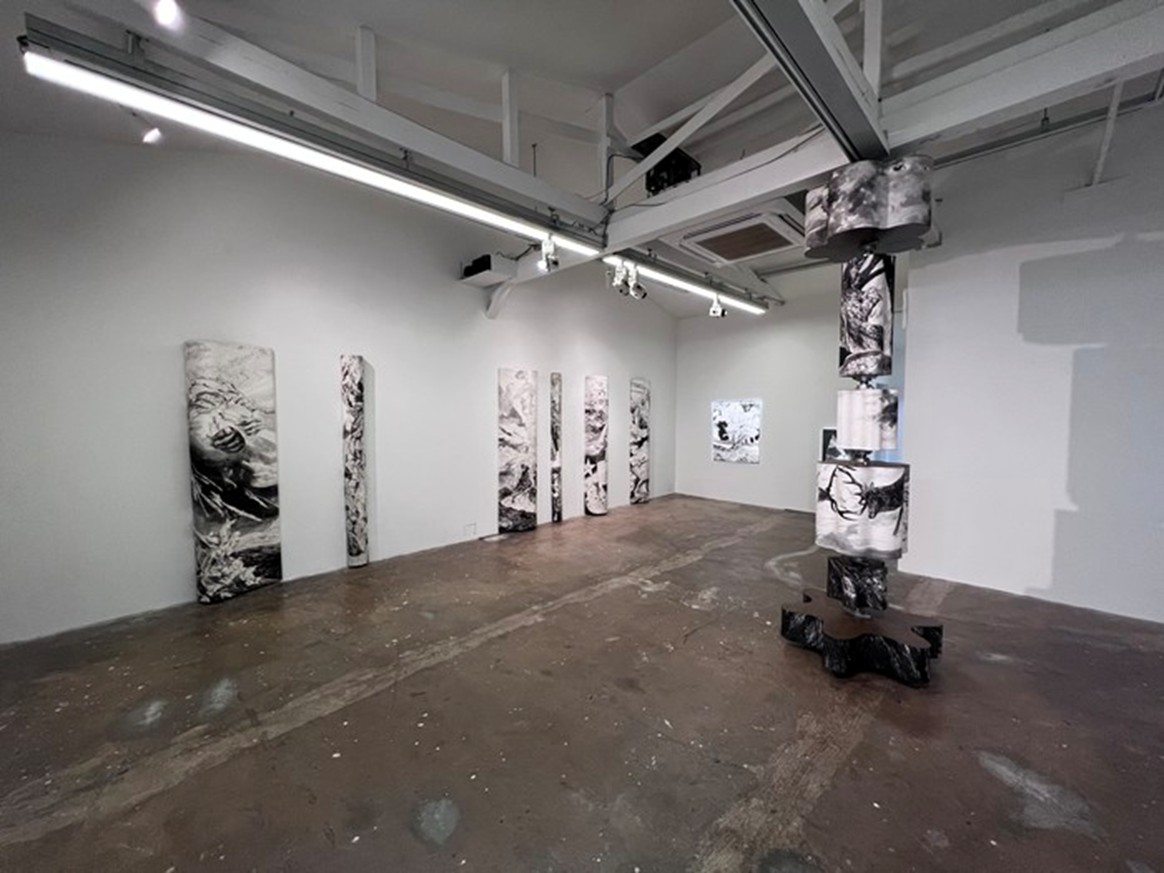
In his
most recent solo exhibition 《In My Darkest
Moments, Even My Own Shadow Abandons Me》(Kumho Museum
of Art, 2025), presented after being selected as the 22nd Kumho Young Artist,
the fictional figure “Q” embodies this transformation. Q is a being who seeks
light within despair, symbolizing both the artist himself and the shared inner
life of all individuals. Joo Hyeongjoon’s paintings thus evolve as
psychological narratives that take inner anxiety as a point of departure,
exploring the balance between reality and ideal, individual and collective,
darkness and light.