


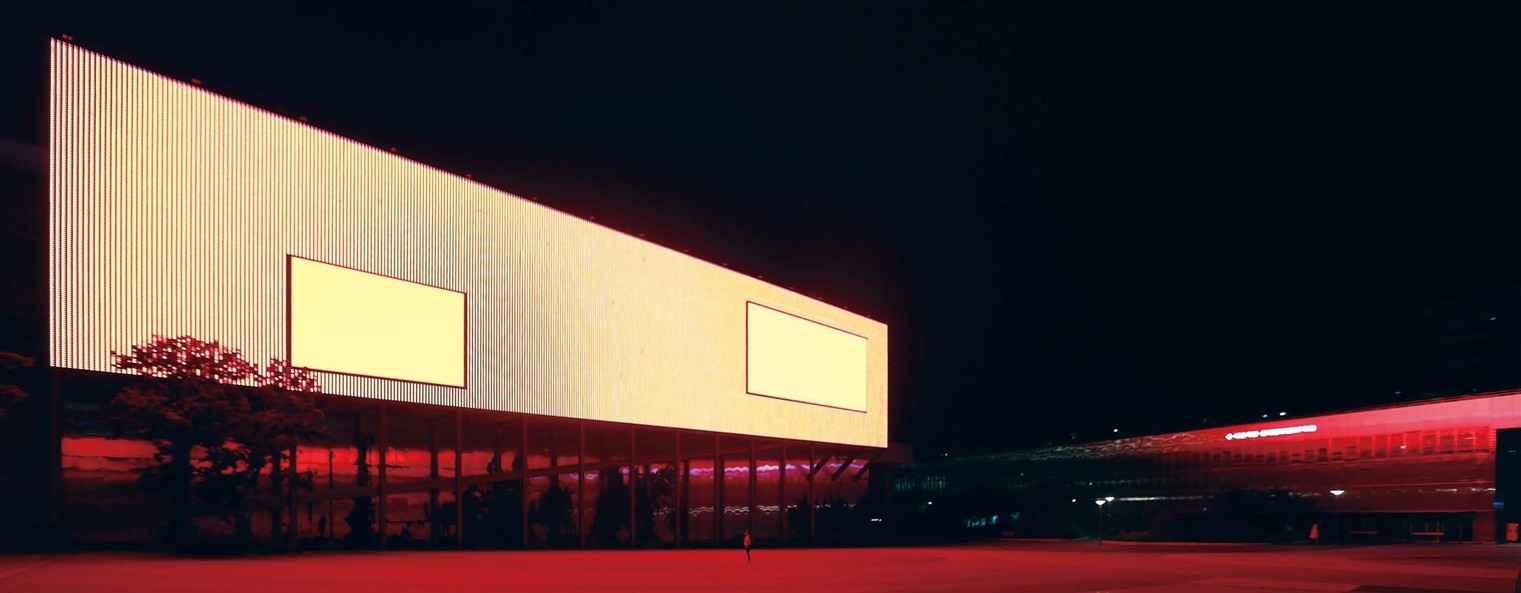
#include red - K-ARTIST
About The Work

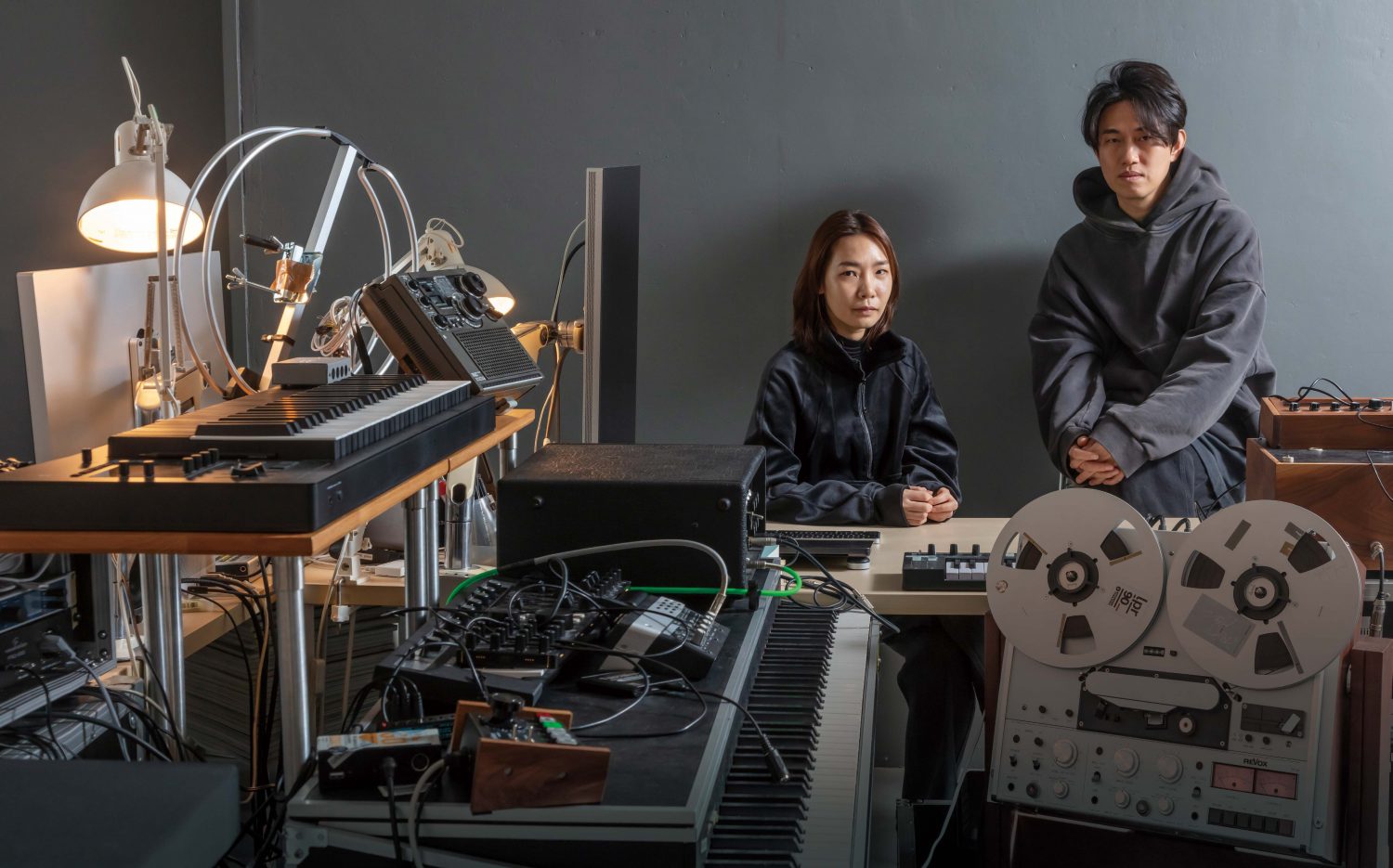
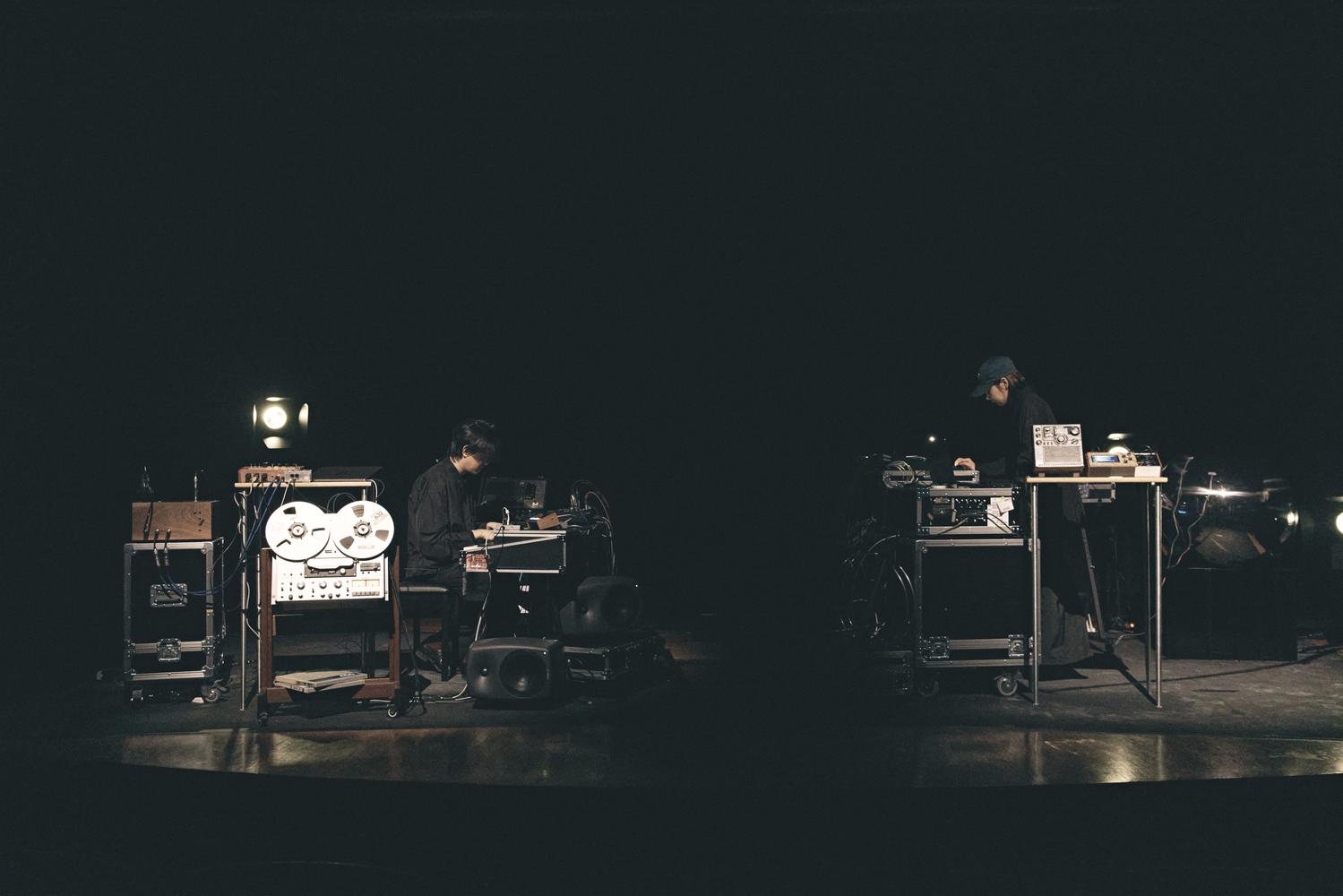
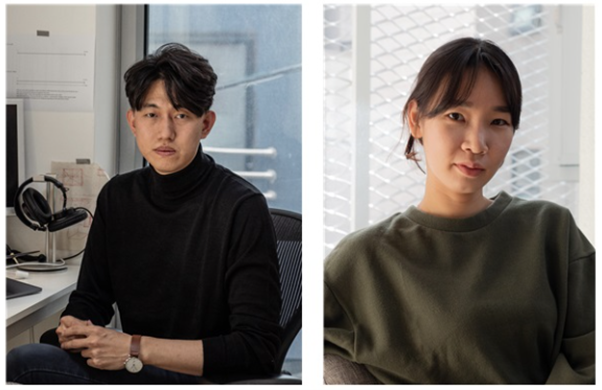
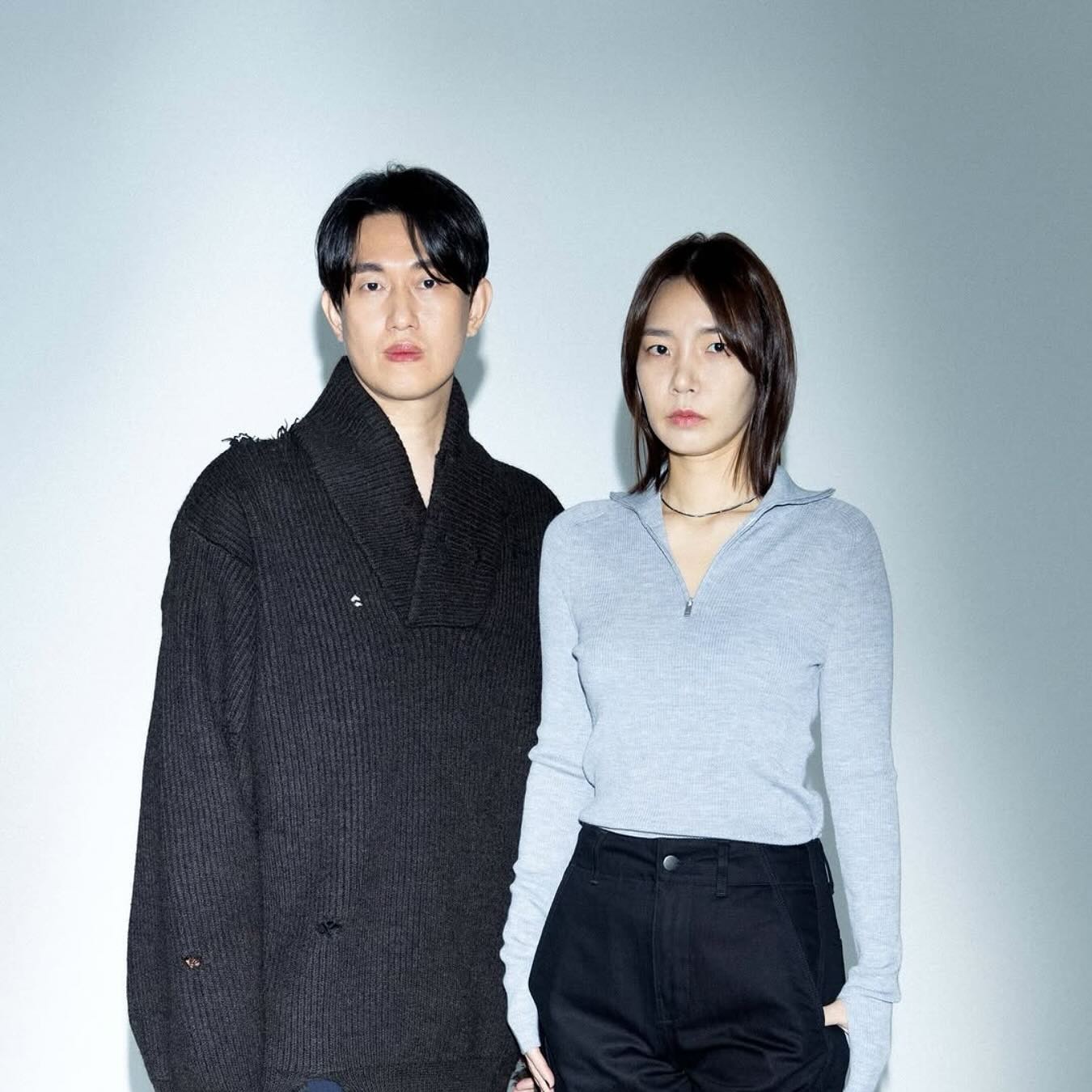
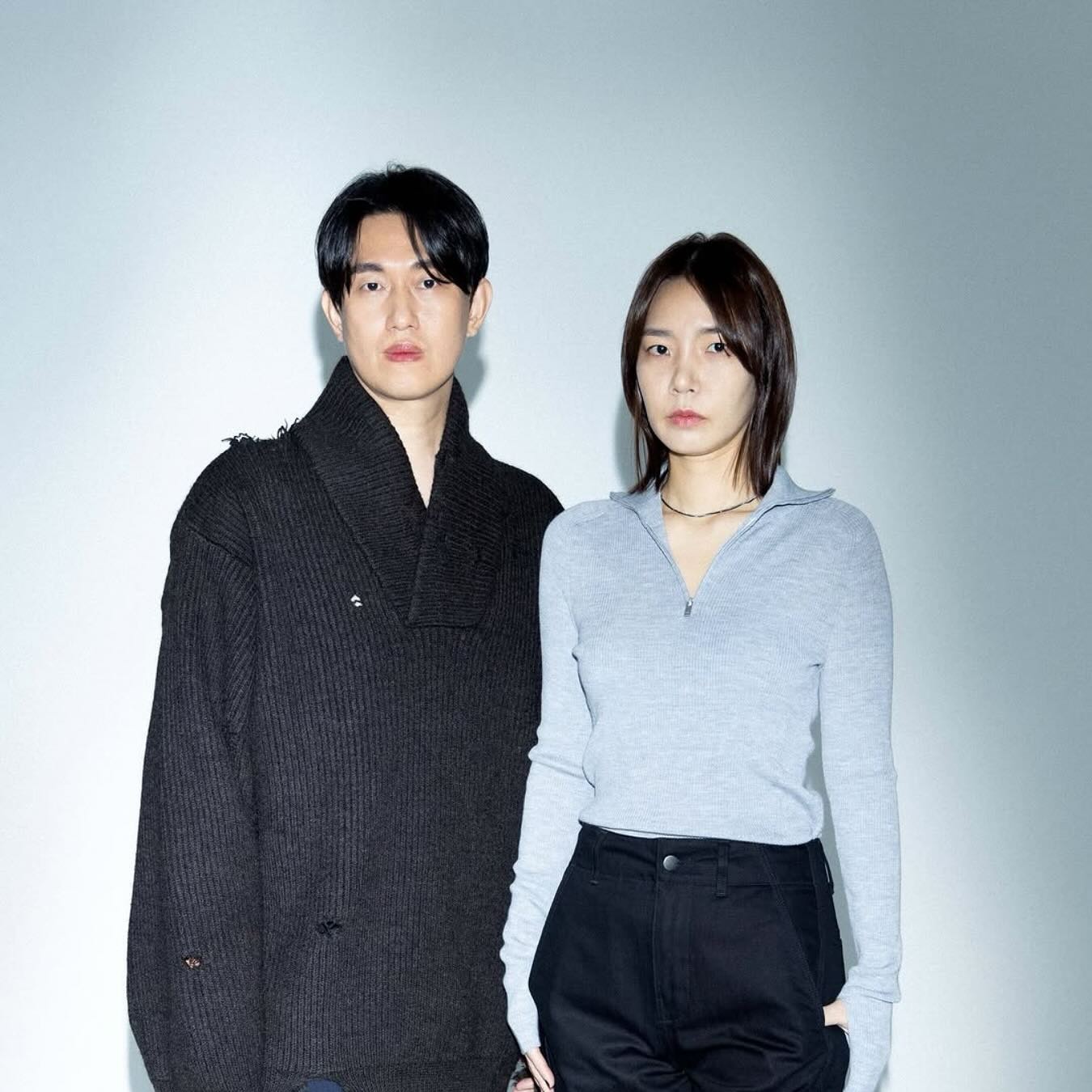
The artist duo GRAYCODE, jiiiiin, composed of electronic music composer Taebok Cho and Jinhee Jung, has been creating sound-media works that interact with various art genres, based on computer-generated sound practices.
 
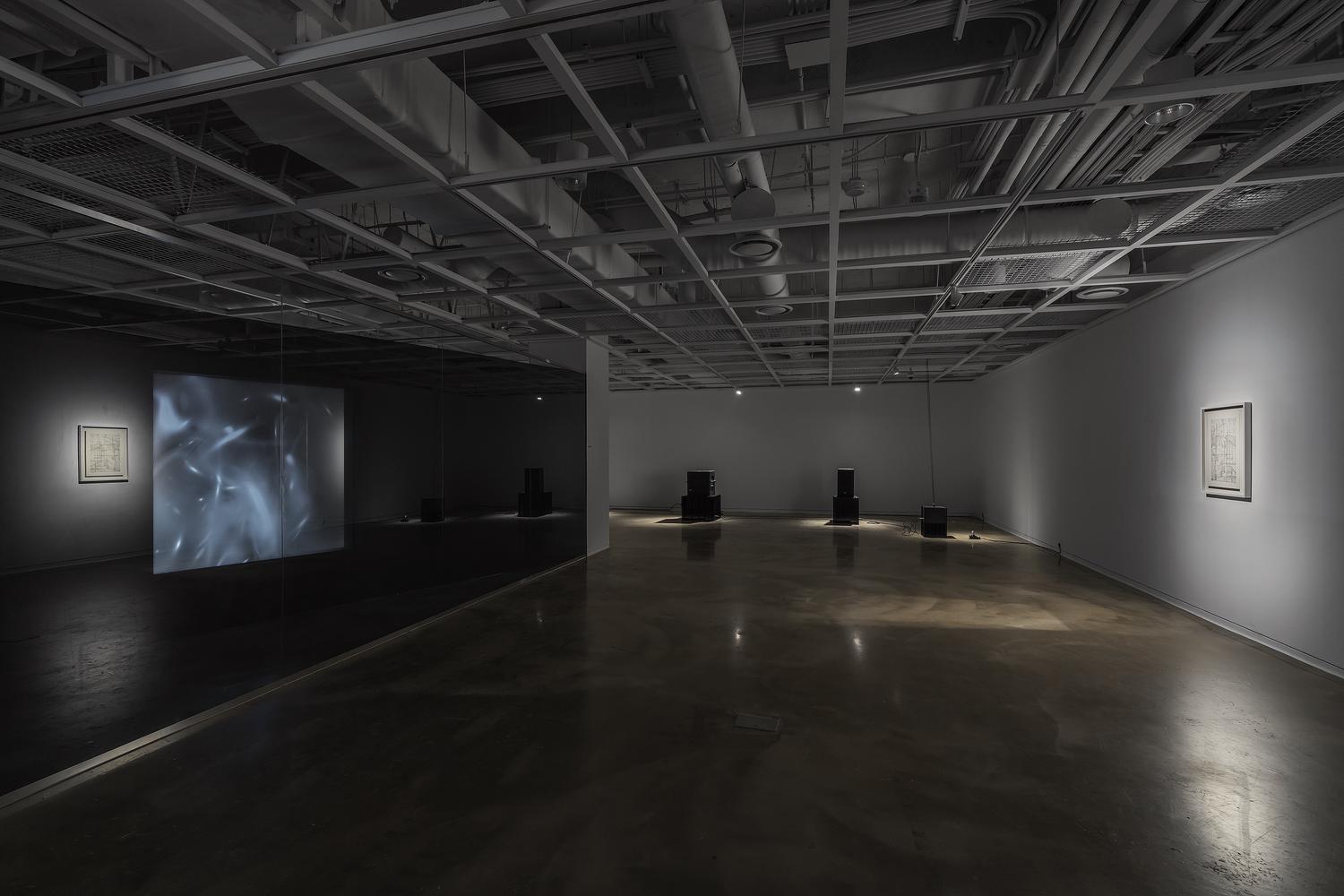
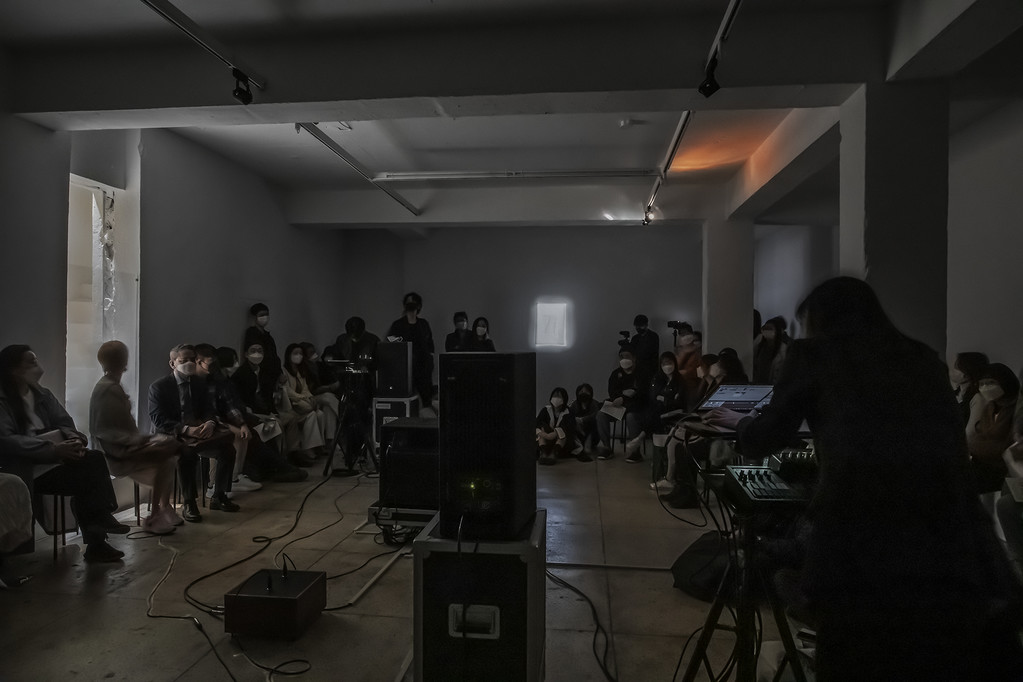
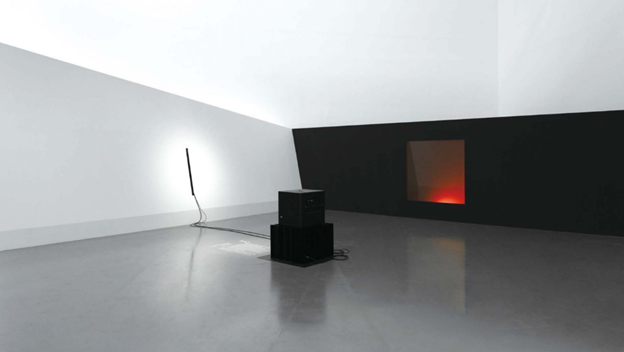
They approach sound not merely as a means of representation, but as a phenomenon through which existence, time, and perception are constituted. Their primary materials—speakers and hardware systems—are not treated as mere audio devices, but as resonant elements engaging with the sensory components of space. Through this, their works transform listening into a multisensory, spatiotemporal experience mediated through the body.
 
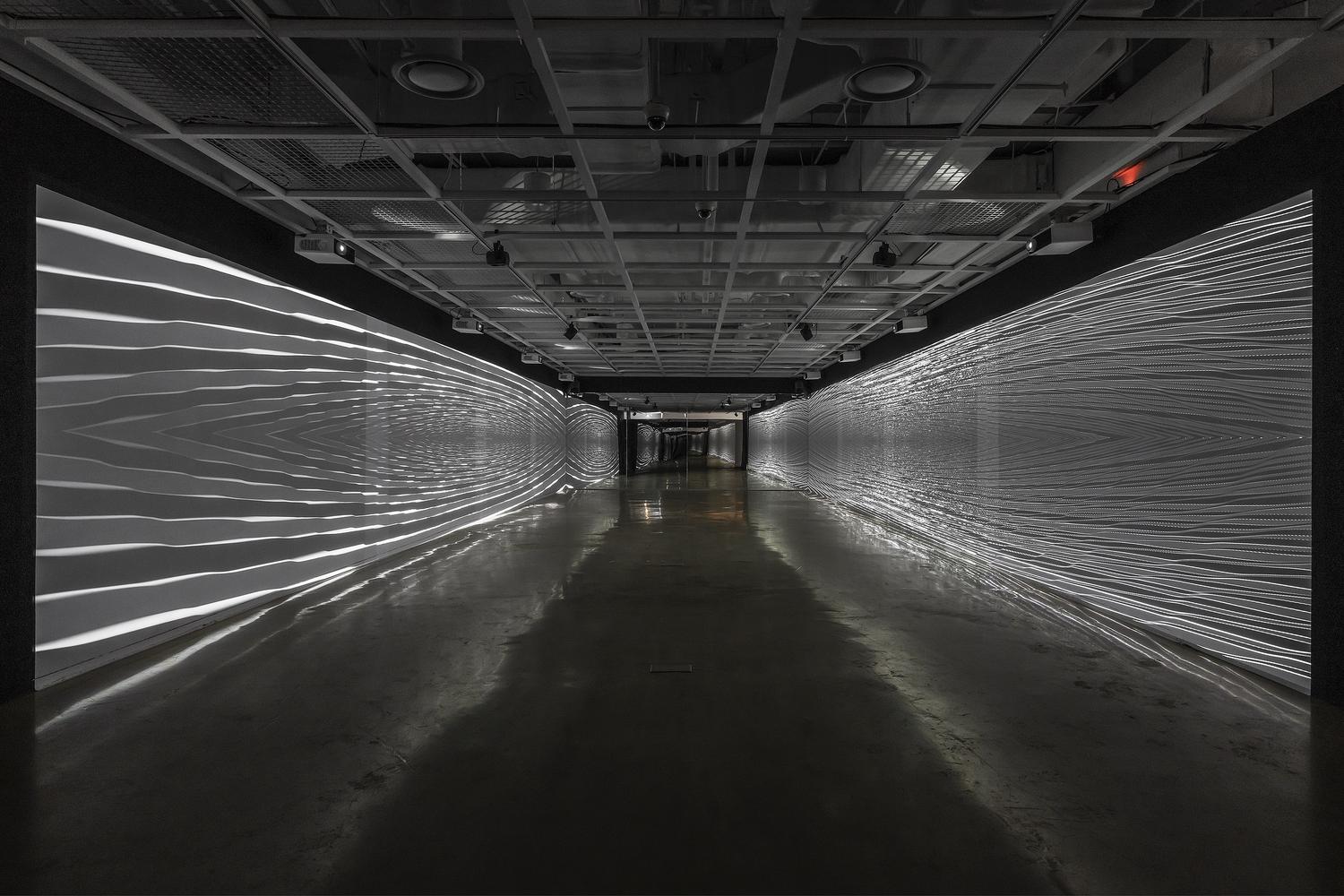
GRAYCODE and jiiiiin render various phenomena and moments—present in our world but physically difficult to experience—into a “perceptible reality” through the vibrations of sound and light. Listening, in this context, becomes not merely reception but a bodily experience of time, generating presence within that temporal flow.

Solo Exhibitions (Brief)

GRAYCODE, jiiiiin has held various solo exhibitions including 《∆W》 (SONGEUN, Seoul, 2023), 《Data Composition》 (Sejong Museum of Art, Seoul, 2021), 《Time in Ignorance, ∆T≤720》 (Project Space Sarubia, Seoul, 2020), 《10^-33cm》 (Gallery damdam, Korean Cultural Center, Berlin, 2019), and 《#inlcude red》 (Incheon Art Platform, Incheon, 2016).

Group Exhibitions (Brief)

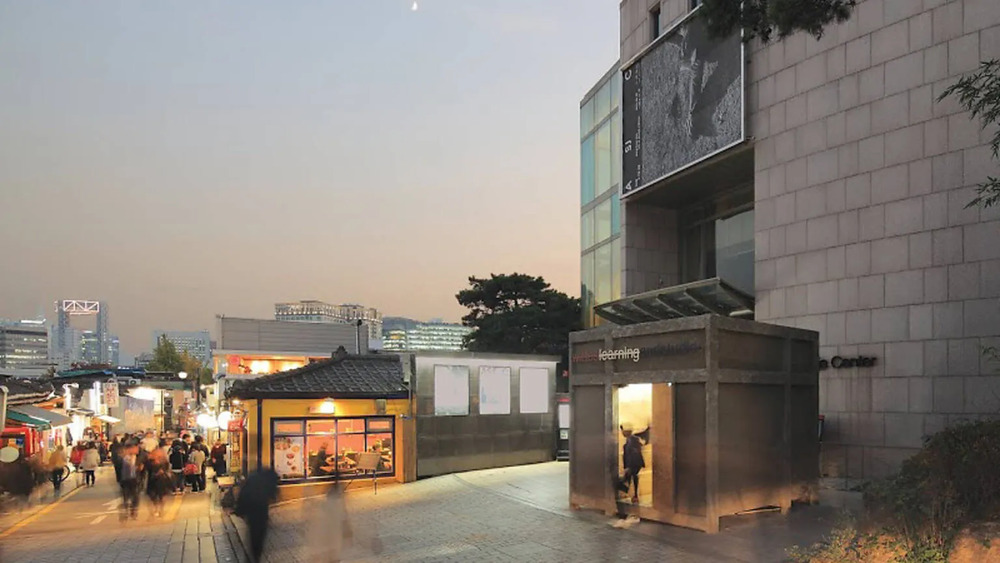
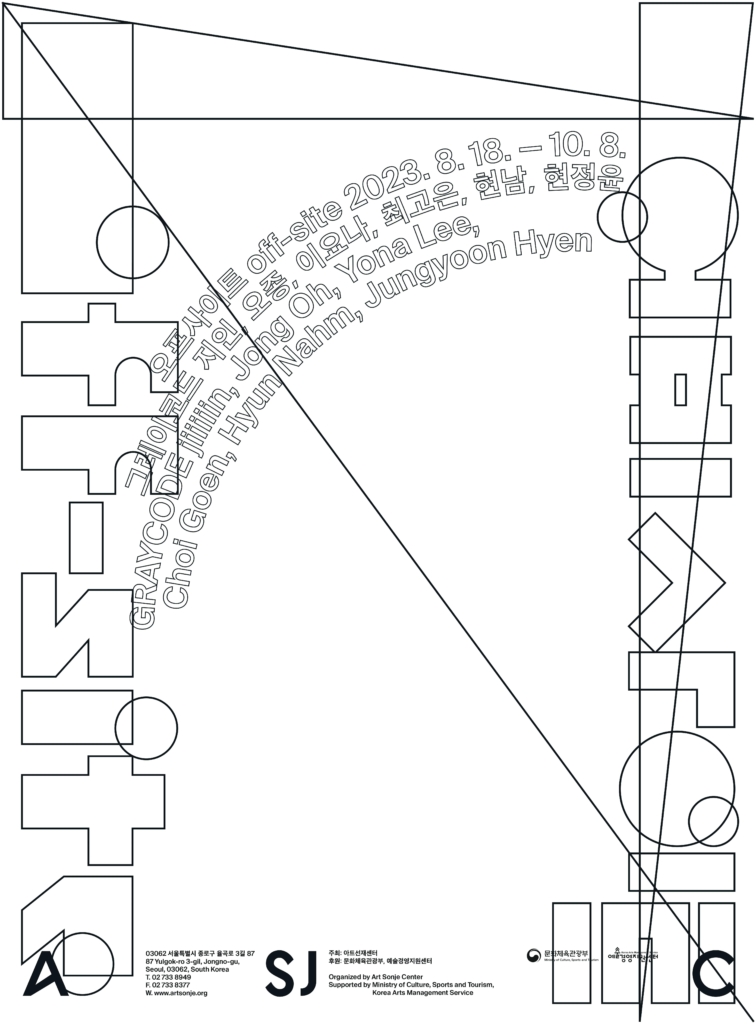
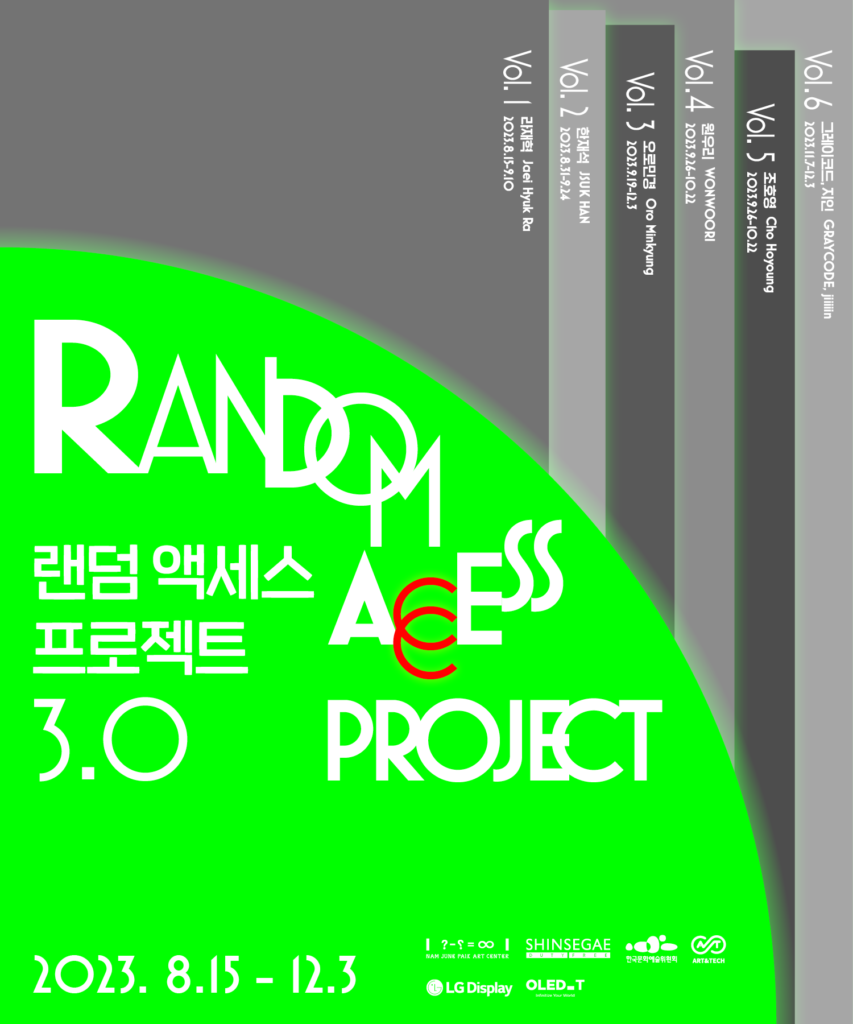
GRAYCODE, jiiiiin have also participated in numerous group exhibitions, including 《The Act of Collaboration》 (Incheon Art Platform, Incheon, 2024–2025), 《Vanishing, Emerging》 (Gyeonggi Museum of Modern Art, Ansan, 2024), 《Random Access Project 3.0》 (Nam June Paik Art Center, Yongin, 2023), and 《off-site》 (Art Sonje Center, Seoul, 2023).

Awards (Selected)

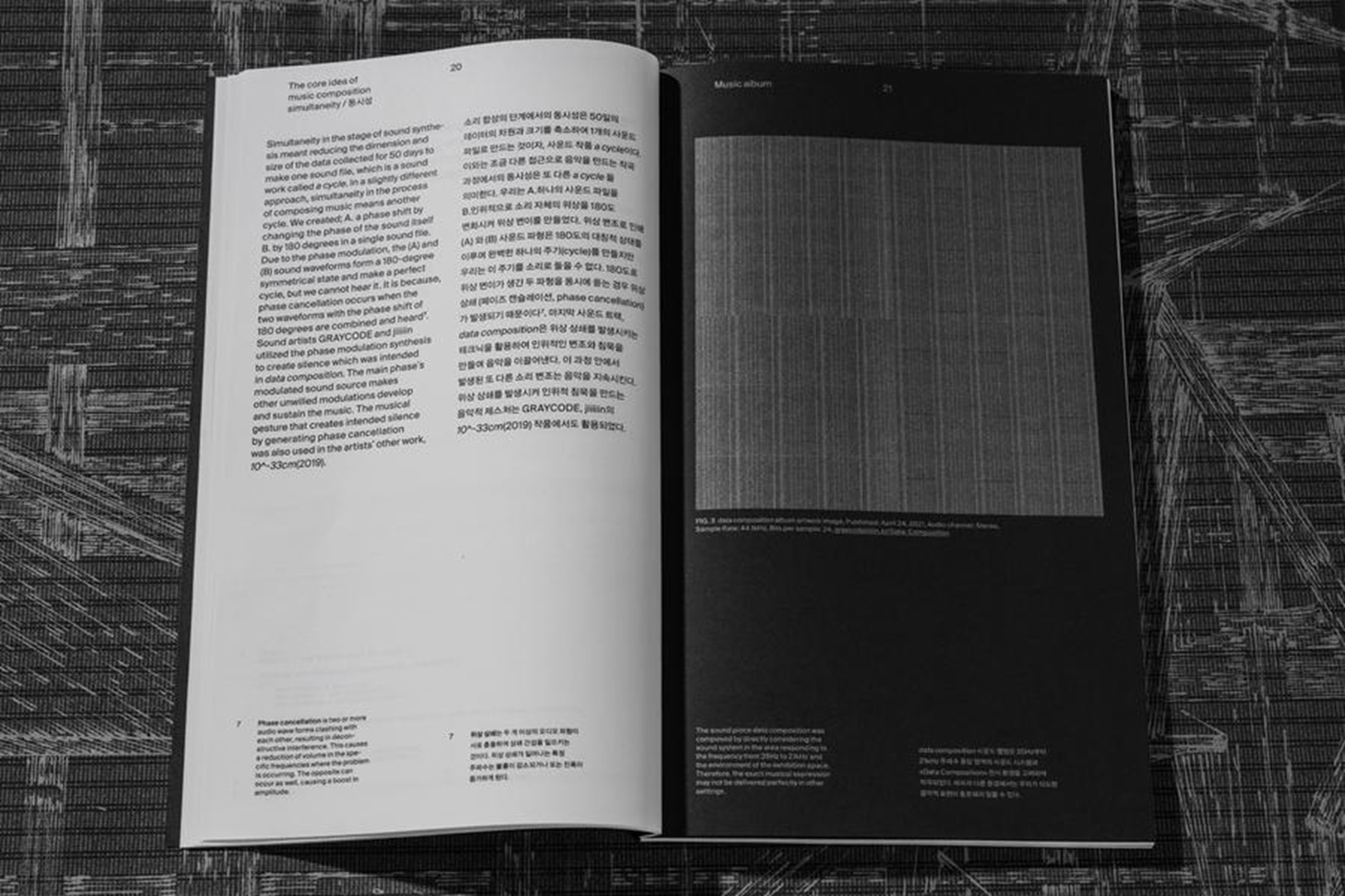
A text published for GRAYCODE, jiiiiin 2020 exhibition 《Data Composition》 was selected for “Best Book Design from Republic of Korea” honors by the Korean Publishers’ Association, and they also received a 2018 ‘Giga-Hertz Award’ presented by the Hertz-Lab (ZKM) and the SWR broadcasting corporation in Karlsruhe, Germany.

Residencies (Selected)

GRAYCODE, jiiiiin were selected for the Incheon Art Platform Residency in 2016.
Works of Art

Perceptible Reality

Originality & Identity

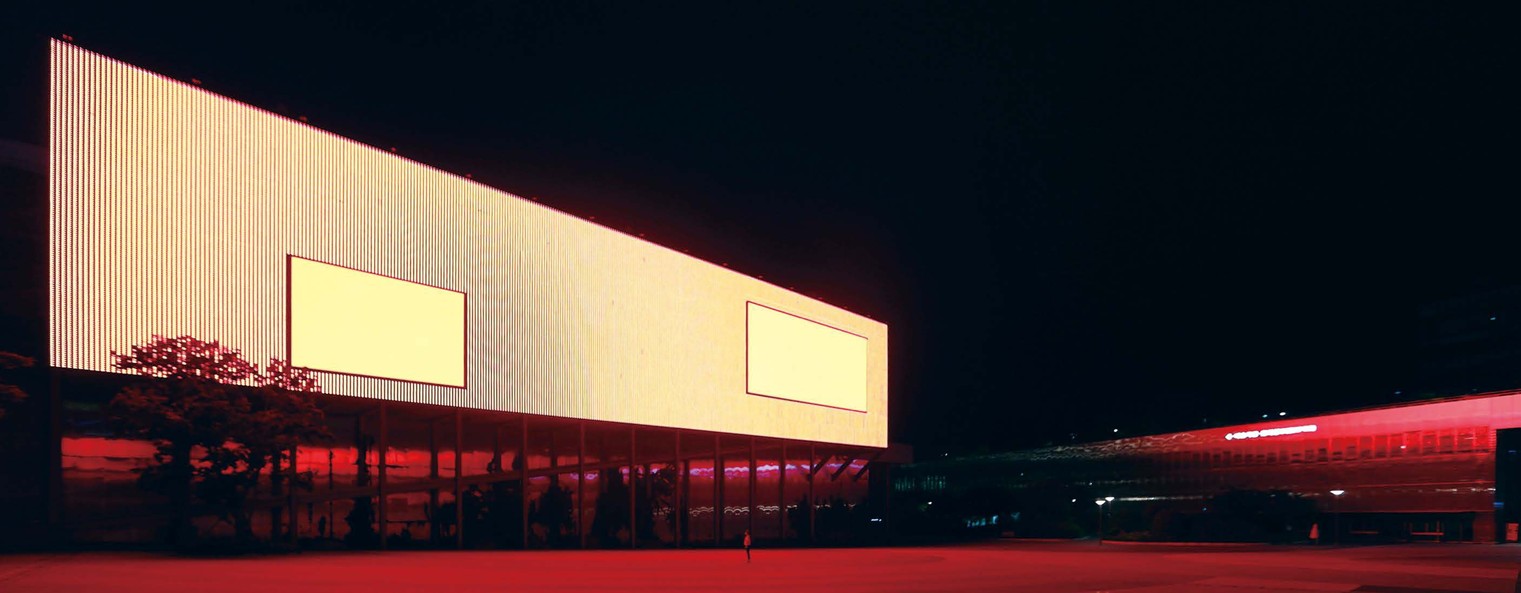
GRAYCODE, jiiiiin treat sound not as a mere vehicle of representation but as a phenomenon through which existence, time, and perception are constituted. Their first collaborative work presented at the Incheon Art Platform, #include red (2016), probes the boundary between the perceptible and the imperceptible by aligning the frequencies of color and sound around the question, “What does red sound like?” In doing so, the artists translate physical concepts—frequency, vibration, wavelength—into artistic sensibility and attempt a structural blending across senses.

Their subsequent work, +3×10^8m/s, beyond the light velocity (2017–2018), takes cosmic scales of time, space, and the speed of light as a basis for imagination. By rendering the physical phenomenon of “universal expansion” through non-visible wavelengths and layered vibrations, they show how perception can extend beyond material substance into the realm of cognition. The solo exhibition 《10^-33cm》 (2019) at Gallery damdam, Koreanisches Kulturzentrum, Berlin, then shifts from the macrocosmic universe to the microcosmic, exploring the possibility of existence within the extreme smallness of the Planck length.

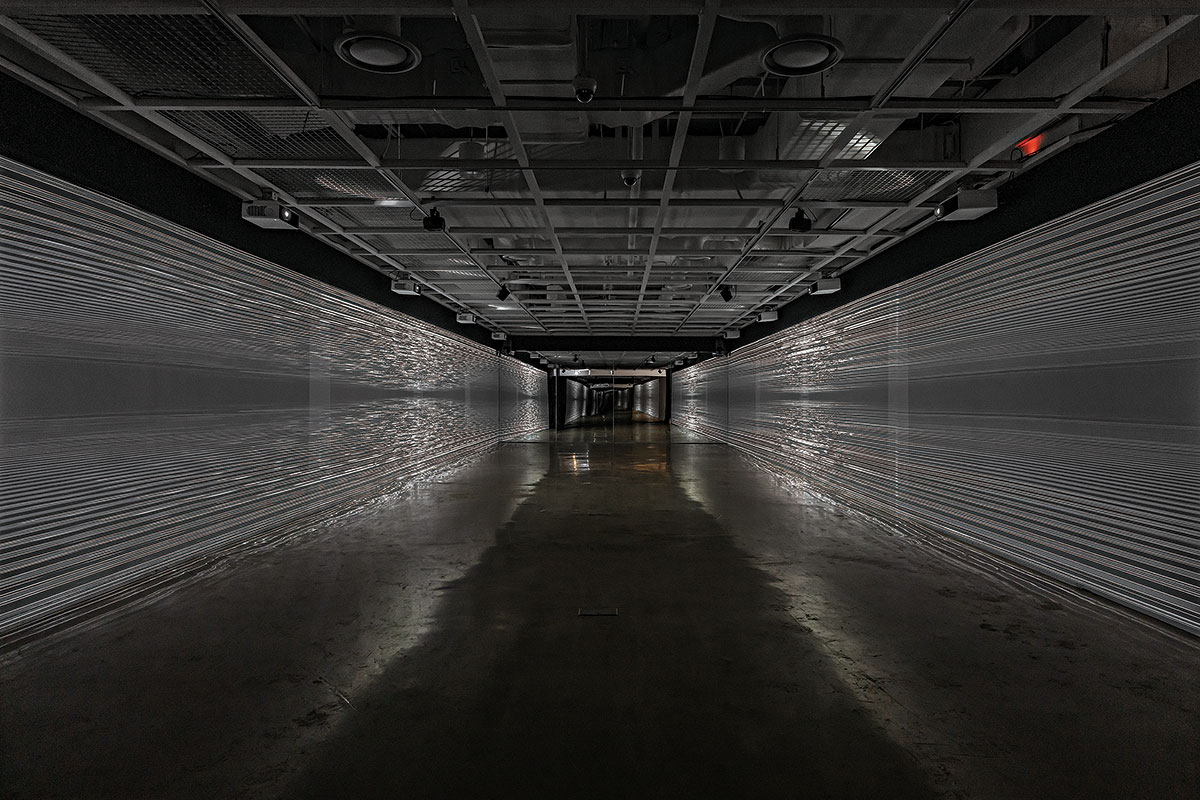
In the solo exhibition 《Time In Ignorance, ∆T≤720》 (2020) at Project Space Sarubia, they take “time beyond perception” as their theme, converting the full exhibition duration (720 hours) into sound and quantifying temporal uncertainty acoustically. Here, time is both flow and a unit of sensation; audiences encounter the movement of invisible energy through sounds spanning audible and inaudible ranges.

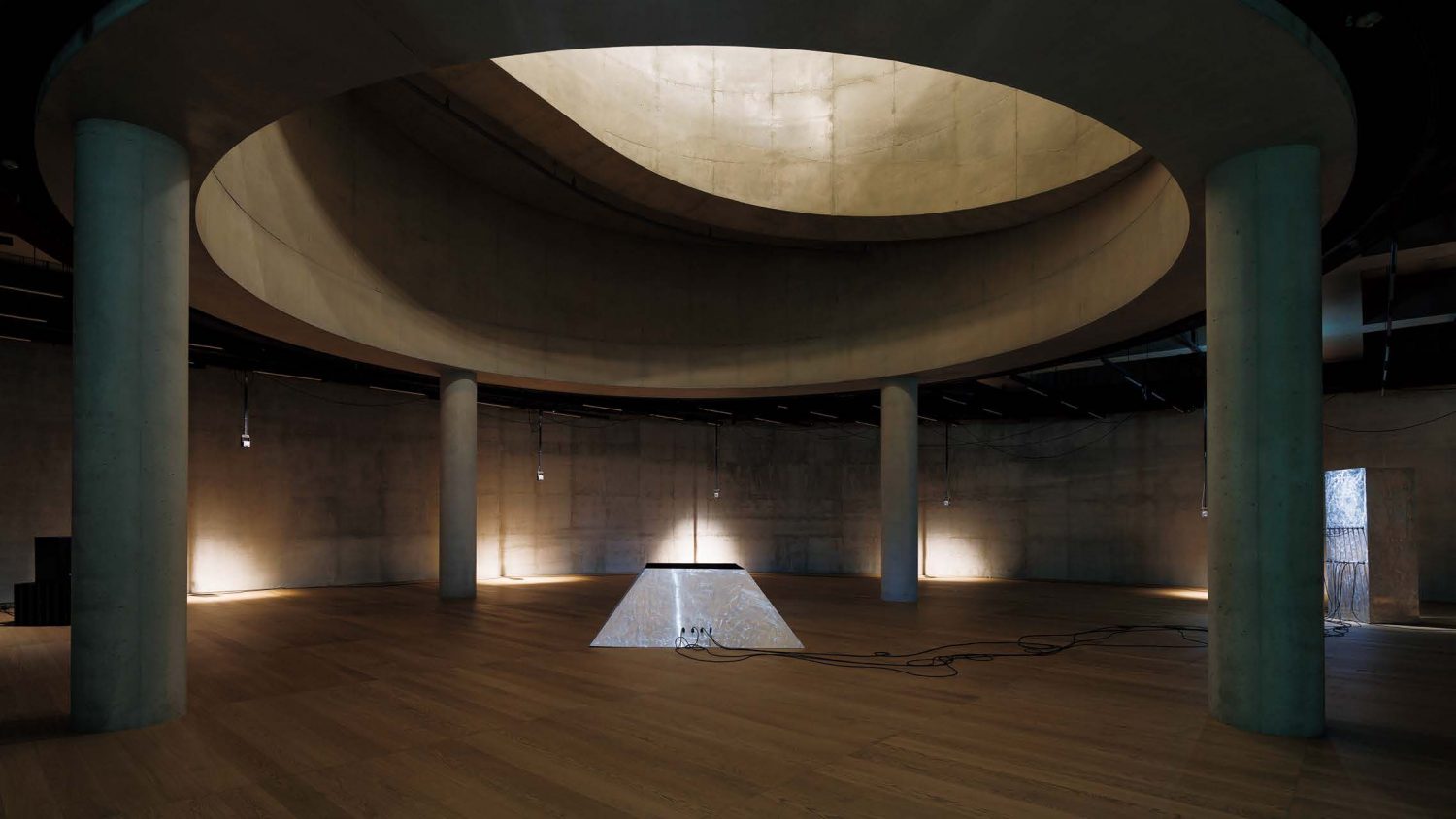
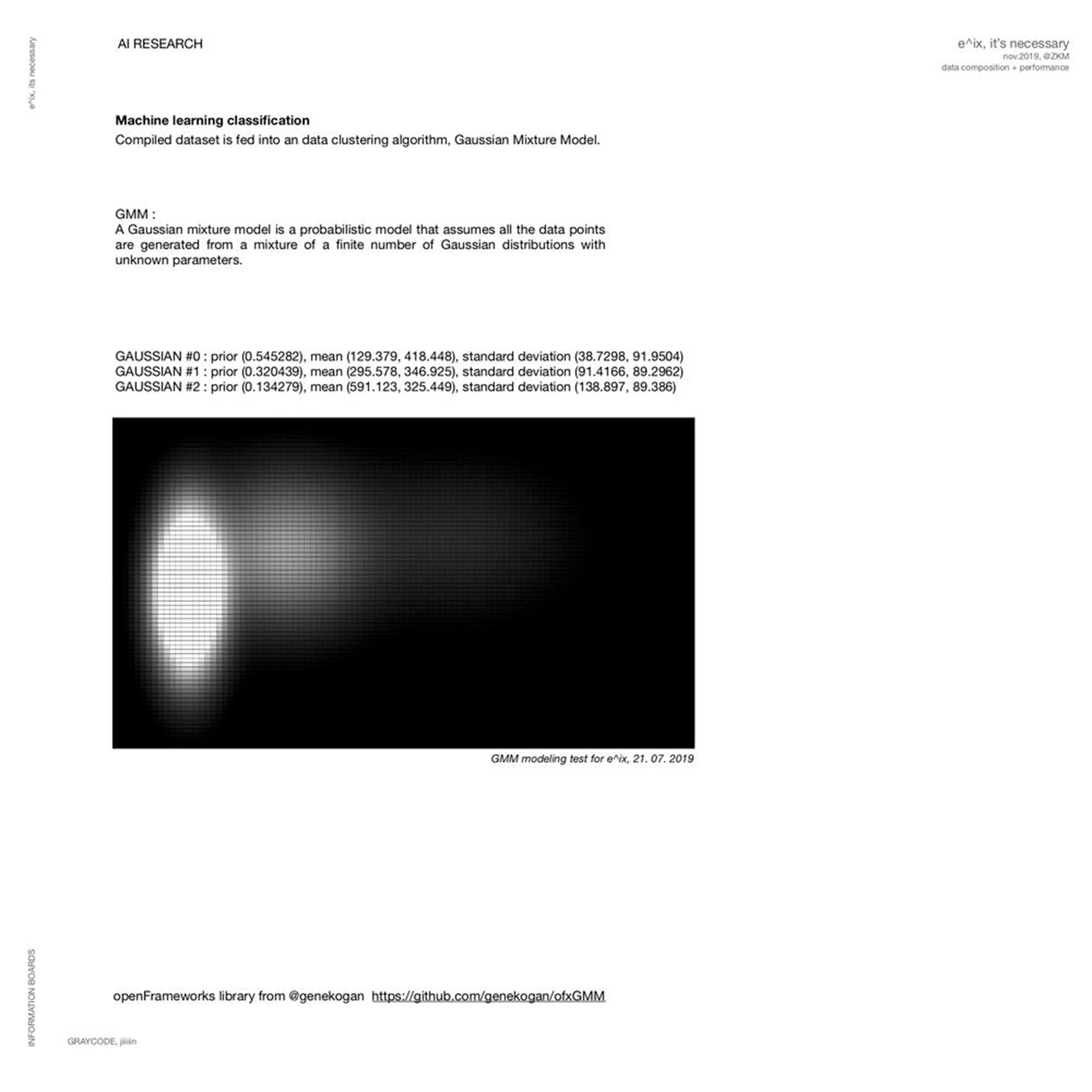
The solo exhibition 《Data Composition》 (2021) at the Sejong Museum of Art regards data as time, transforming behavioral log data into sound to propose a way of sensing the “data-real” of the digital era. Recent works—wave forecast (2022), 《∆w》 (2023, SONGEUN), and phyper (2024)—model natural vibration and stochastic change through sound, building a worldview in which human and nature, digital and material, data and perception co-vibrate. In this way, an initial inquiry into physical wavelengths expands toward cosmic and natural scales, evolving into a sustained investigation of the essence of sensation, existence, and time.

Style & Contents

GRAYCODE, jiiiiin have continually developed a sound–media practice that fuses electronic-music composition with media art. #include red converts the frequency of a color into sound, testing correspondences between vision and hearing in an audio-visual format. +3×10^8m/s, beyond the light velocity then employs fixed media, combining multichannel sound and moving image to stage an expanding sense of space. In their work, sound is not background but a physical presence that structures space and vibrates through the body.

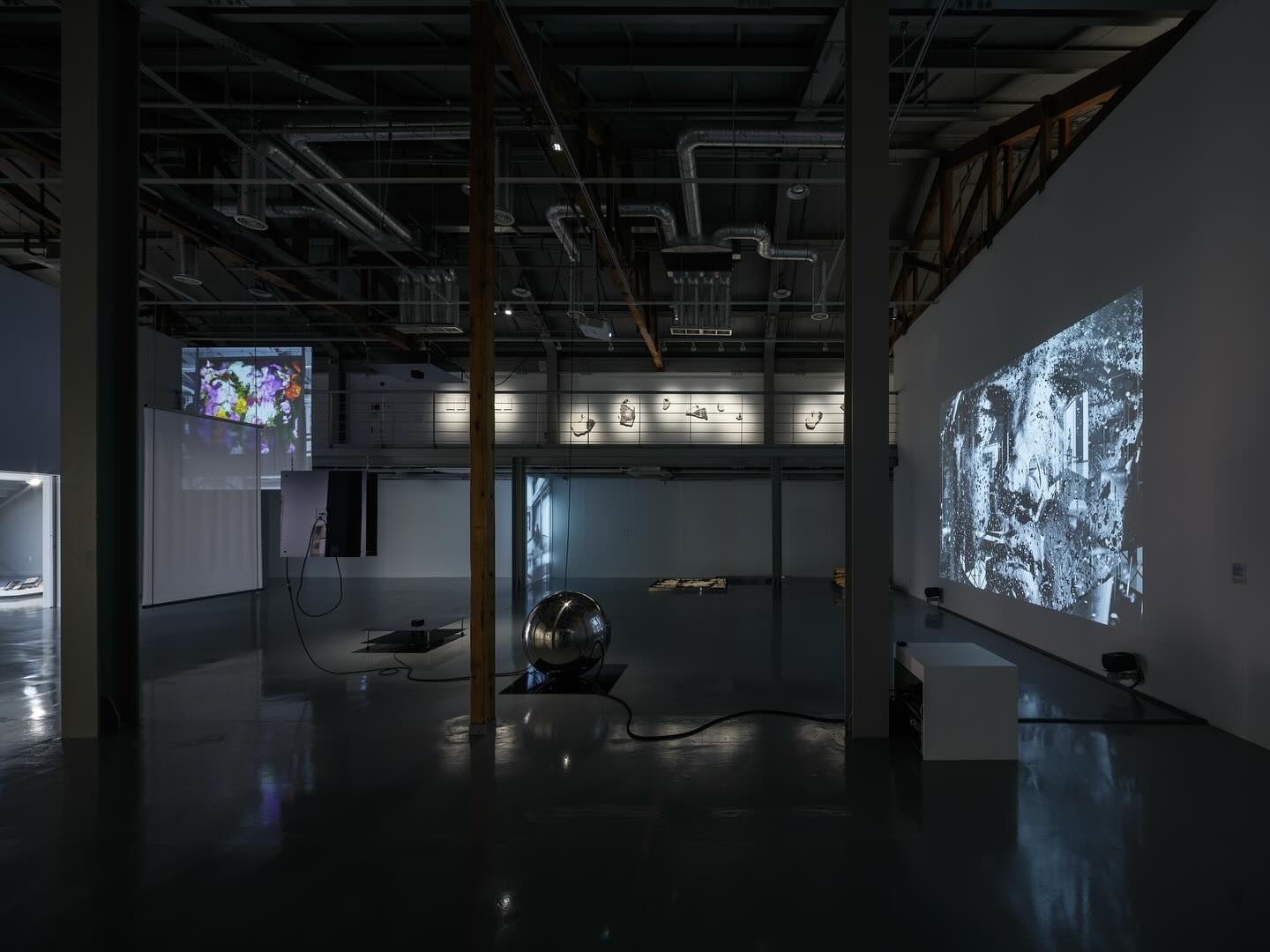
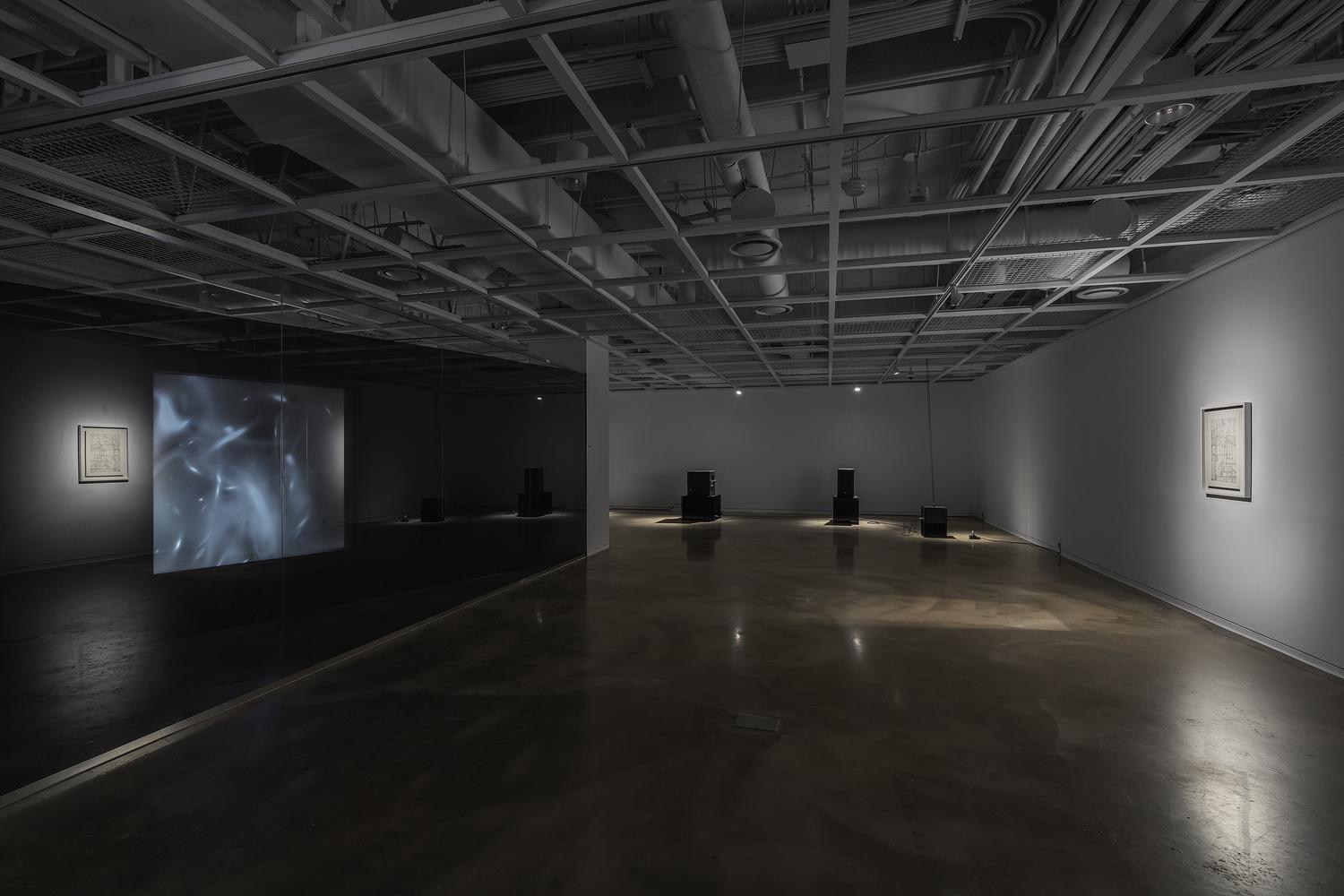
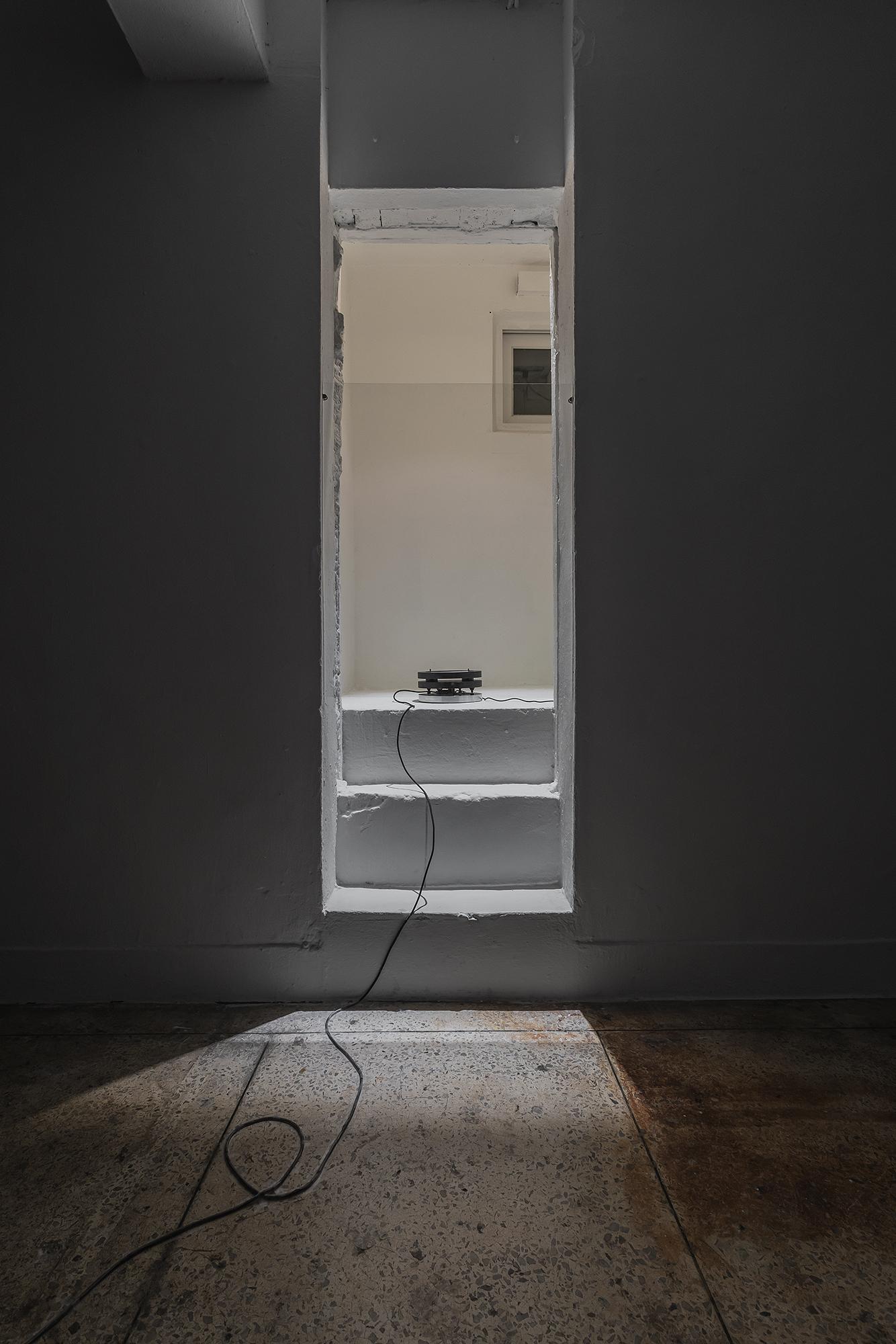
In 《10^-33cm》, an installation of eleven tracks interweaves audible and inaudible frequencies. As the tracks grow progressively segmented and complex, viewers experience a descent into micro-worlds by following auditory depth. By contrast, 《Time In Ignorance, ∆T≤720》 is designed so that sound changes over time based on a dynamic-systems mathematical model. Here, sound embodies a movement “from non-equilibrium toward equilibrium,” turning the act of listening into a device for perceiving temporal change.

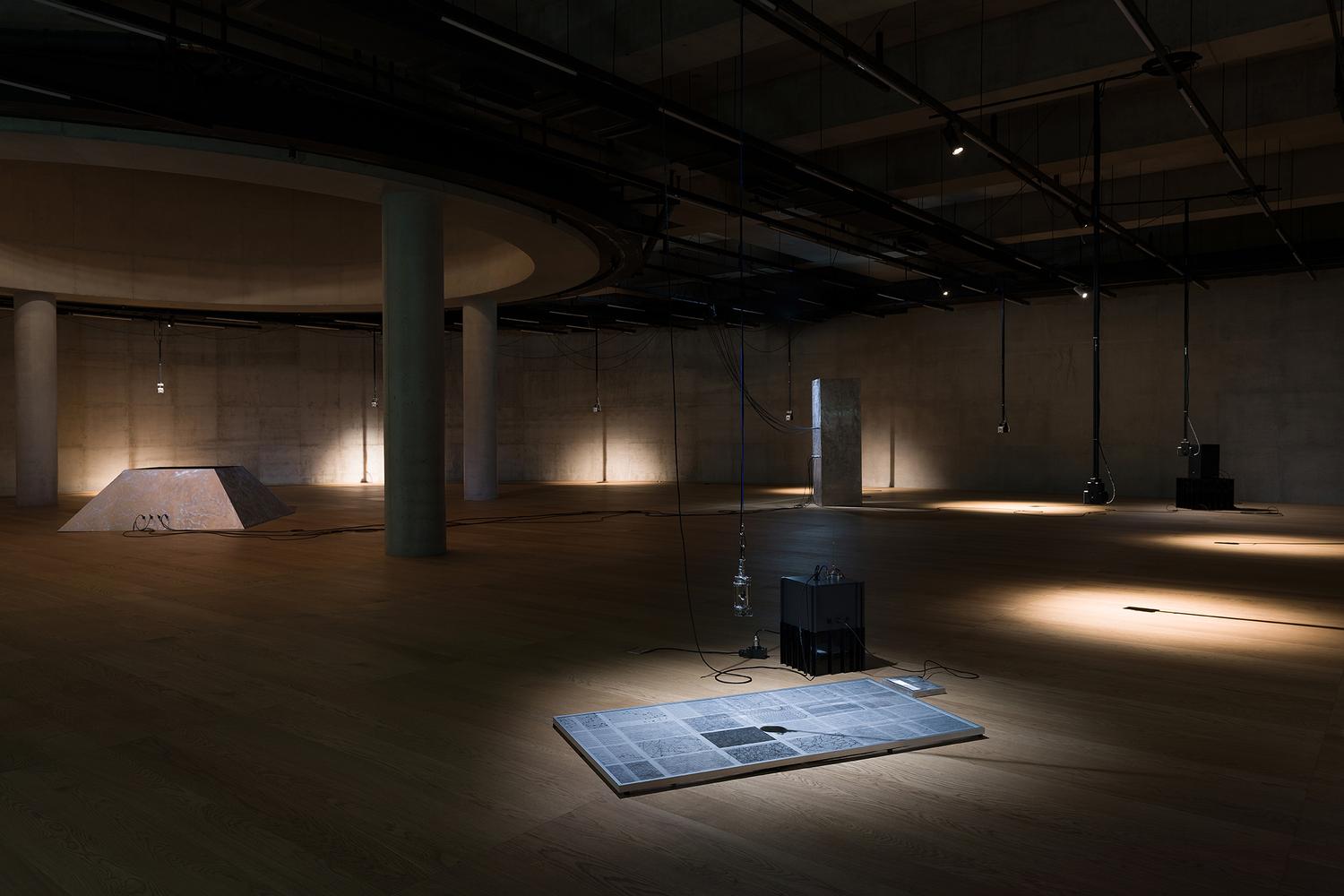
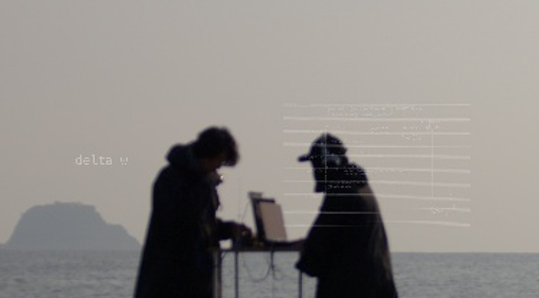
In 《Data Composition》, visitor data gathered via a website are re-composed as sound, showing how digital information can become a material for perception. This both sonifies “data” as a sensory entity and positions viewers as co-authors of the sonic result. Subsequently, wave forecast and 《∆w》 transmit vibration data collected from natural environments via analog radio frequency or recompose them within the architectural space, bringing nature’s irregularity and contingency to the fore through sound.

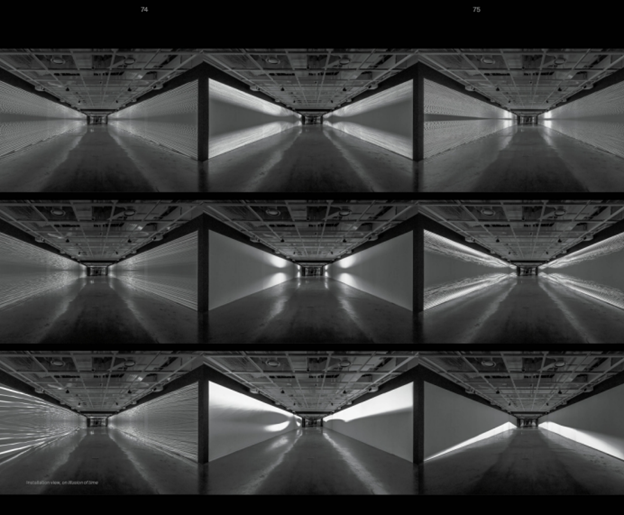
The recent work phyper links the vibrations of visible light and acoustic waves via audio and optical cabling, dissolving media boundaries among analog and digital, light and sound. Red light of varying wavelengths reflected on glass panels, together with low-frequency sound, sets the space into vibration and realizes points of sensory intersection. Across audio-visual composition, data-driven sound, analog signaling, and optical systems, their practice traverses media to expand the ontological meaning of sound.

Topography & Continuity

Within contemporary Korean media and sound art, GRAYCODE, jiiiiin conduct a distinctive experiment that tightly couples physical vibration with embodied sensory experience. Merging the technical precision of electronic composition with conceptual inquiry, they investigate sound as a phenomenon of sensation and existence. Works addressing invisible time and space extend the scope of sound art and draw the listening experience into philosophical reflection.

Their projects translate diverse inputs—data, algorithms, and physical changes in nature—into sound, recalibrating the boundary between technology and sensation, digital and material. As seen in 《Data Composition》 and 《∆w》, the conversion of real-world data and natural vibration into artistic media proposes a new model that links “information” with “experience” in contemporary art.

Evolving from early artificial/experimental structures toward cosmic, natural, and ecological sensitivities, their oeuvre engages flows of sound/light as vibration and of data/energy as movement, attempting a comprehensive reconfiguration of perception. Through sound, space, and the body, the duo demonstrate a sustained evolution of epistemic experimentation. By thinking through the essence of sensation, existence, and time via light and sound, GRAYCODE, jiiiiin are positioned to contribute, beyond Korea, to international discourse as a salient case of a contemporary “phenomenology of sound.”

Works of Art

Perceptible Reality

Exhibitions