Starting
from the question “How do data see humans?,” Jinseung Jang renders, in the
language of media art, the perceptual structures that generate and amplify
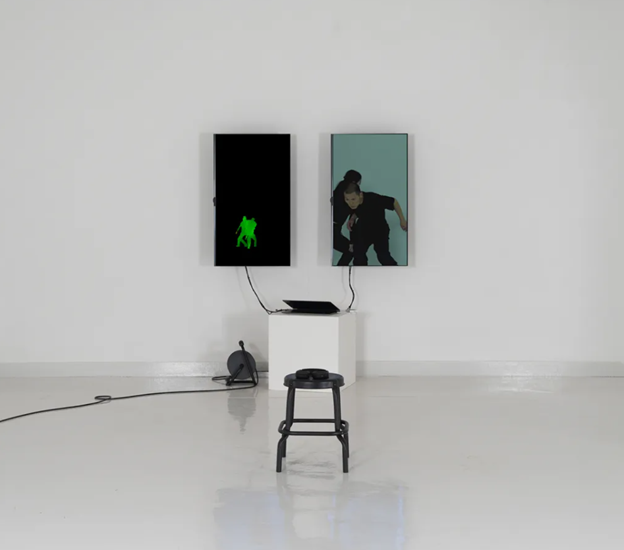
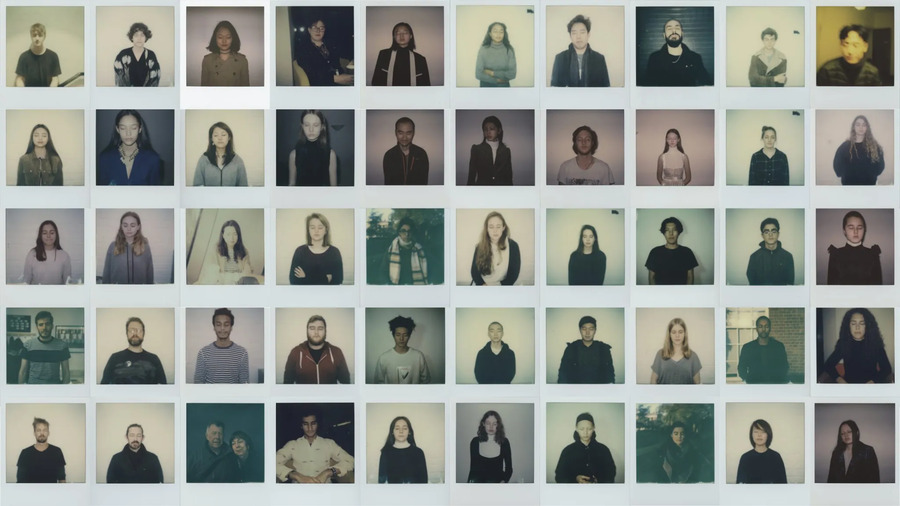
bias. Early works such as DATA, POLAROIDS (2012–)
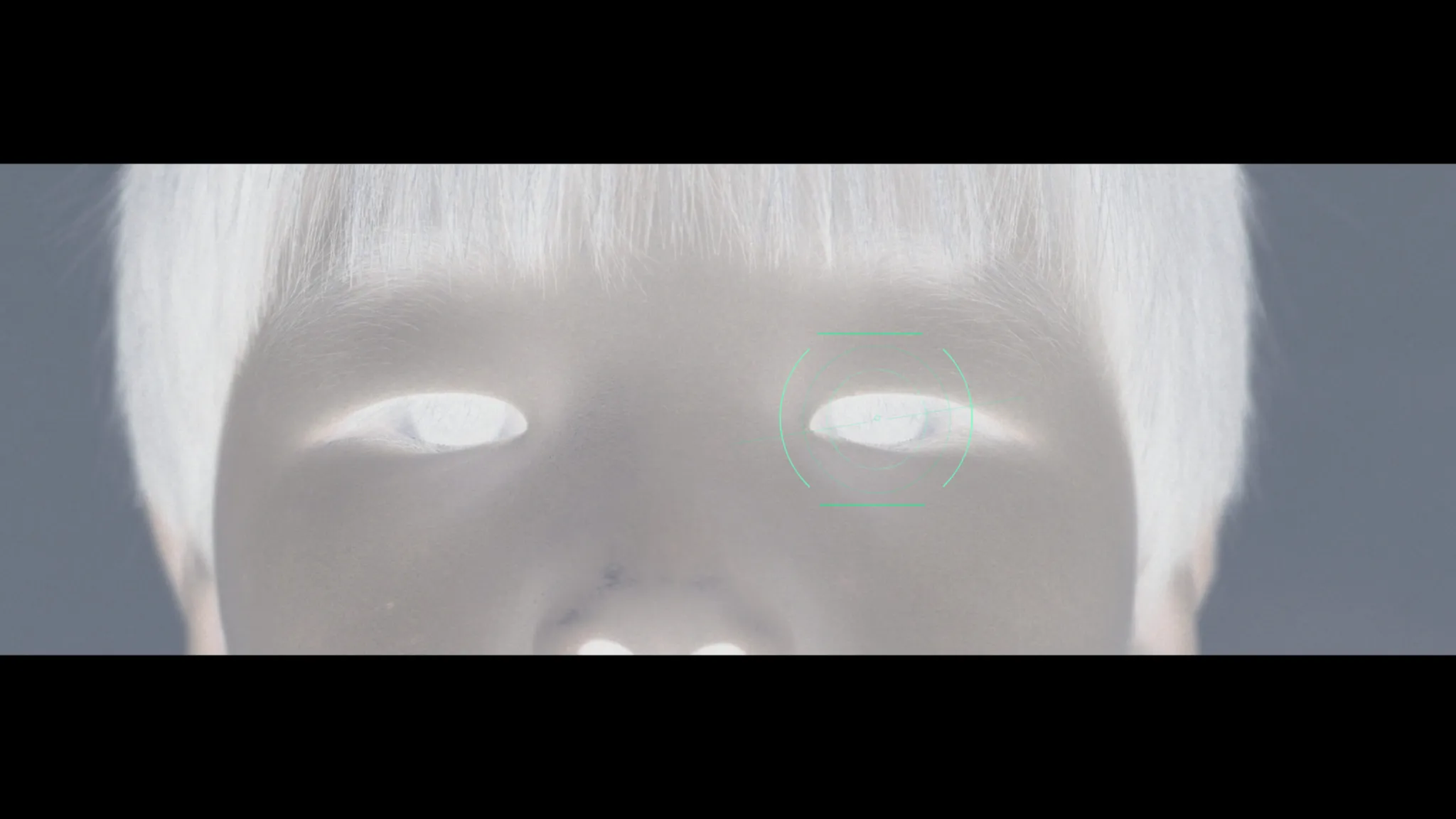
and Face De-Perception (2017) deliberately dilute
markers of individual identity through photography and sensing technologies.
The instruction to close one’s eyes within the Polaroid frame, and the process
of translating Kinect-captured facial coordinates into dots and lines as
averaged values, sidestep AI’s drive to identify “who someone is,”
foregrounding layers of similarity shared across humanity. He further converts
critical doubts about systems that classify risk solely by face into an
embodied experience of real-time fluctuation—data and averages shifting with
the viewer’s position.
In his
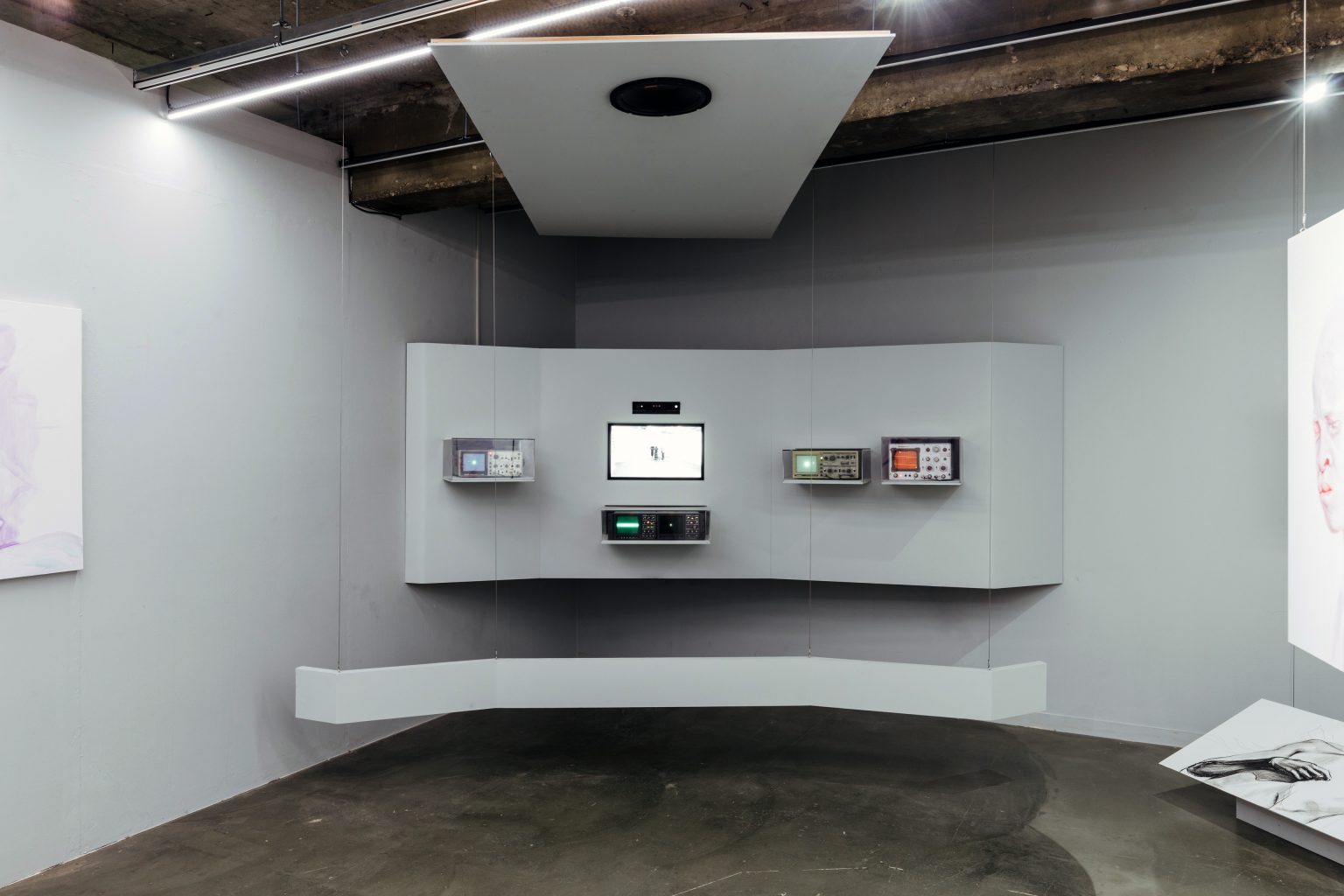
solo exhibition 《OLIGOPTICON》 (Space: illi, 2020), the problem expands from “identification” to
“collection and interlinkage.” Drawing on Bruno Latour, the focus shifts away
from panoptic omnivision toward oligoptic, micro-scale observation—limited
viewpoints assembling a networked picture.
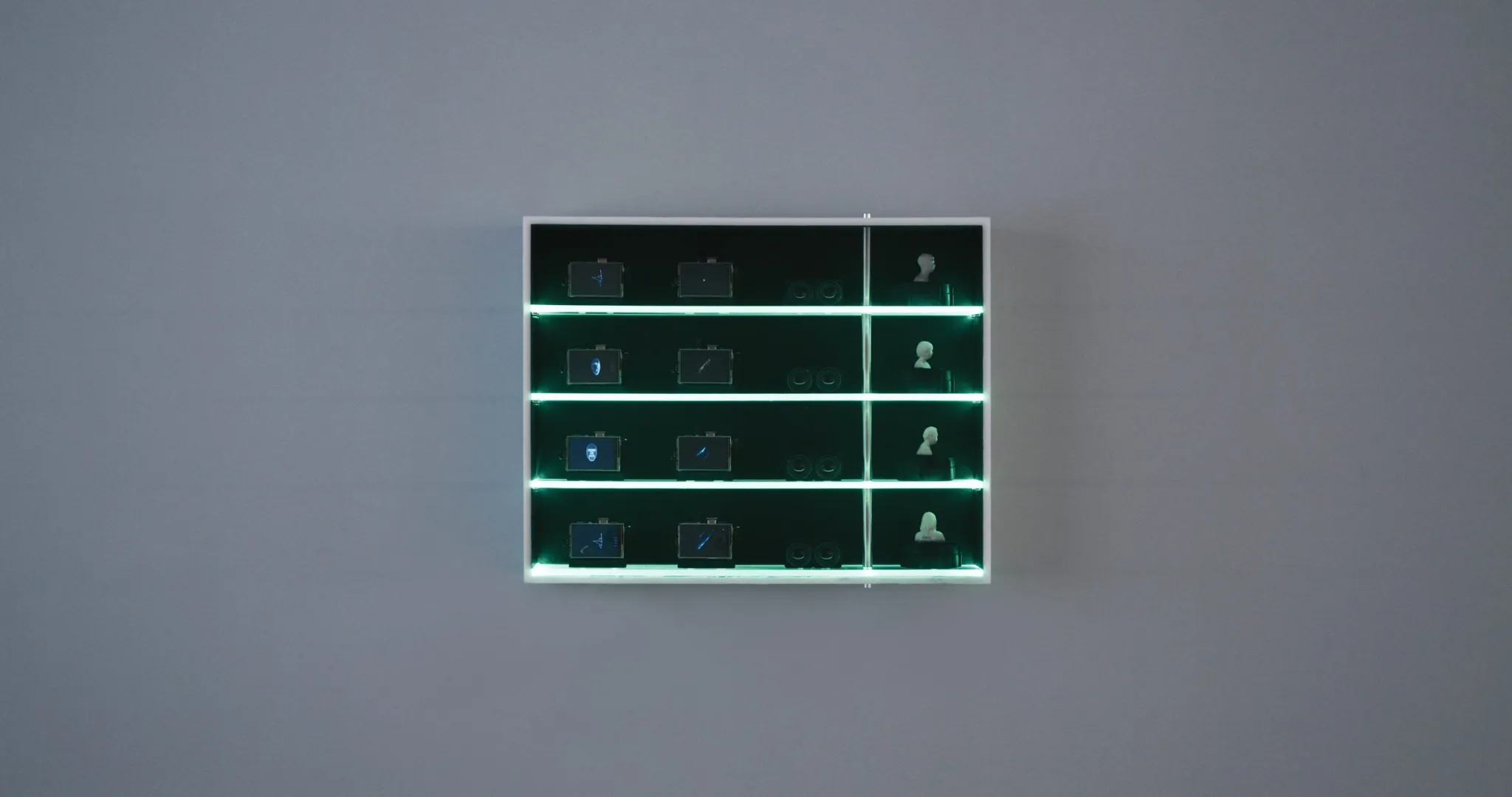
The
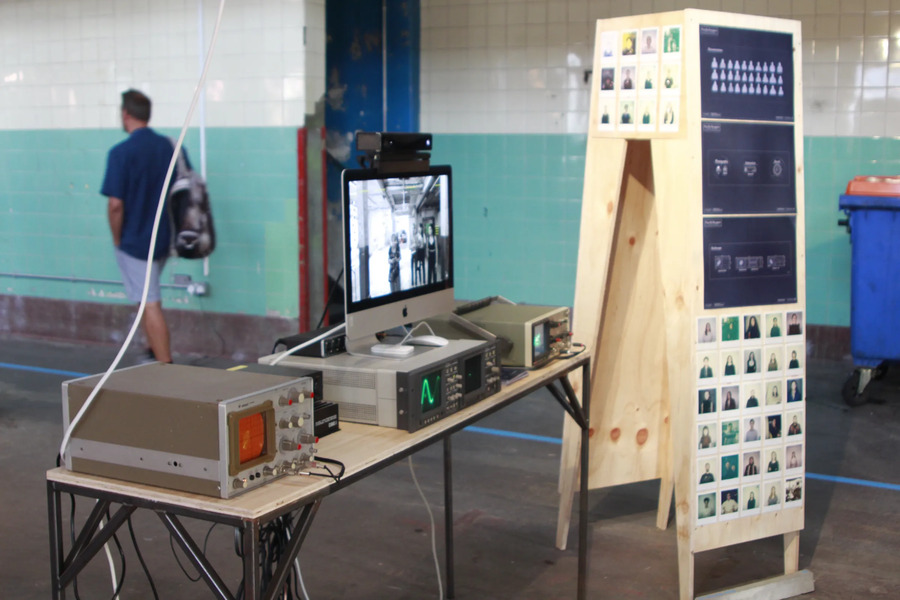
exhibited work Data Cabinet (2020) preserves
facial data by isomorphic conversion into video, oscilloscope waveforms, sound,
and 3D prints across a four-tier cabinet, testing interaction among data
strata. Beyond “peeling away layers of prejudice,” it stages the thesis that
the very methods by which archives are built can reconfigure perceptual
structures.
Narrative
design runs on an SF engine. The collaborative ‘Decennium’ (2020) series with
Eunhee Lee—C-MP-MUTATIONEM (L-85-17-J), BEFORE
TERMINATION, and THE FIRST KID—hypothetically
examines how near-future technologies and policies will recompose human
categories.
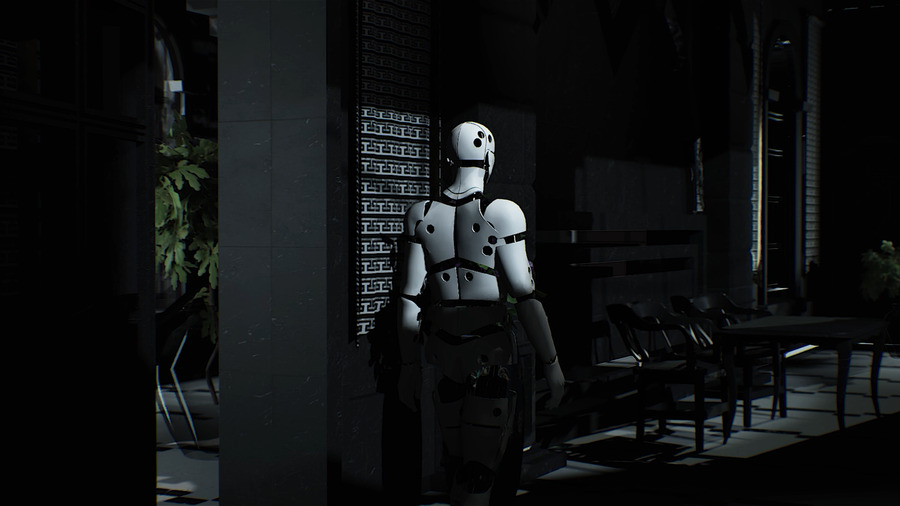
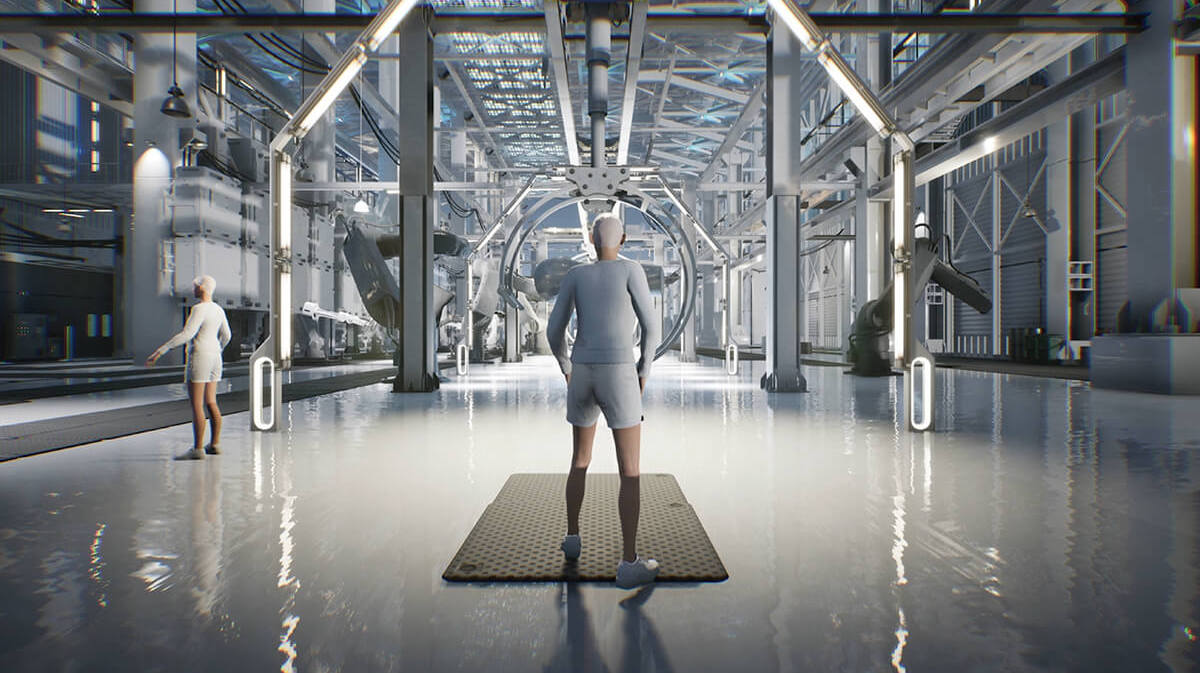
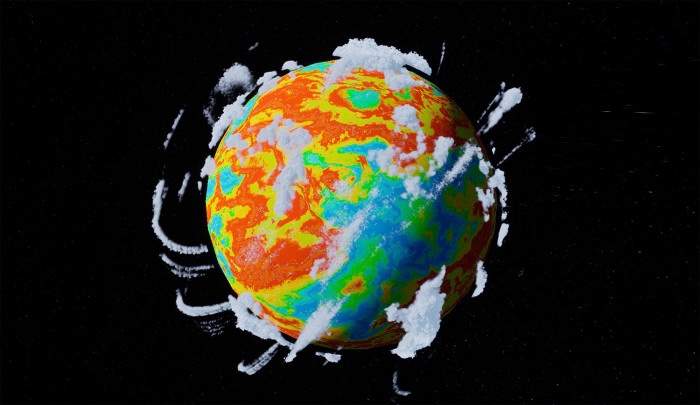
The
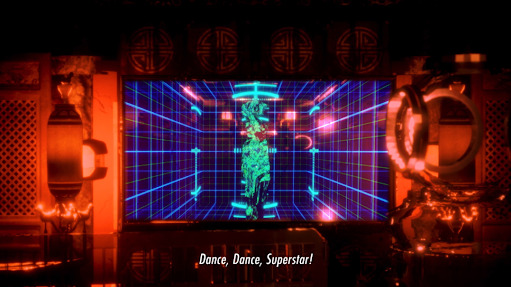
following year, Deluded Reality (2021) traces a
virtual character as it acquires spatiotemporal sense, exposing how the
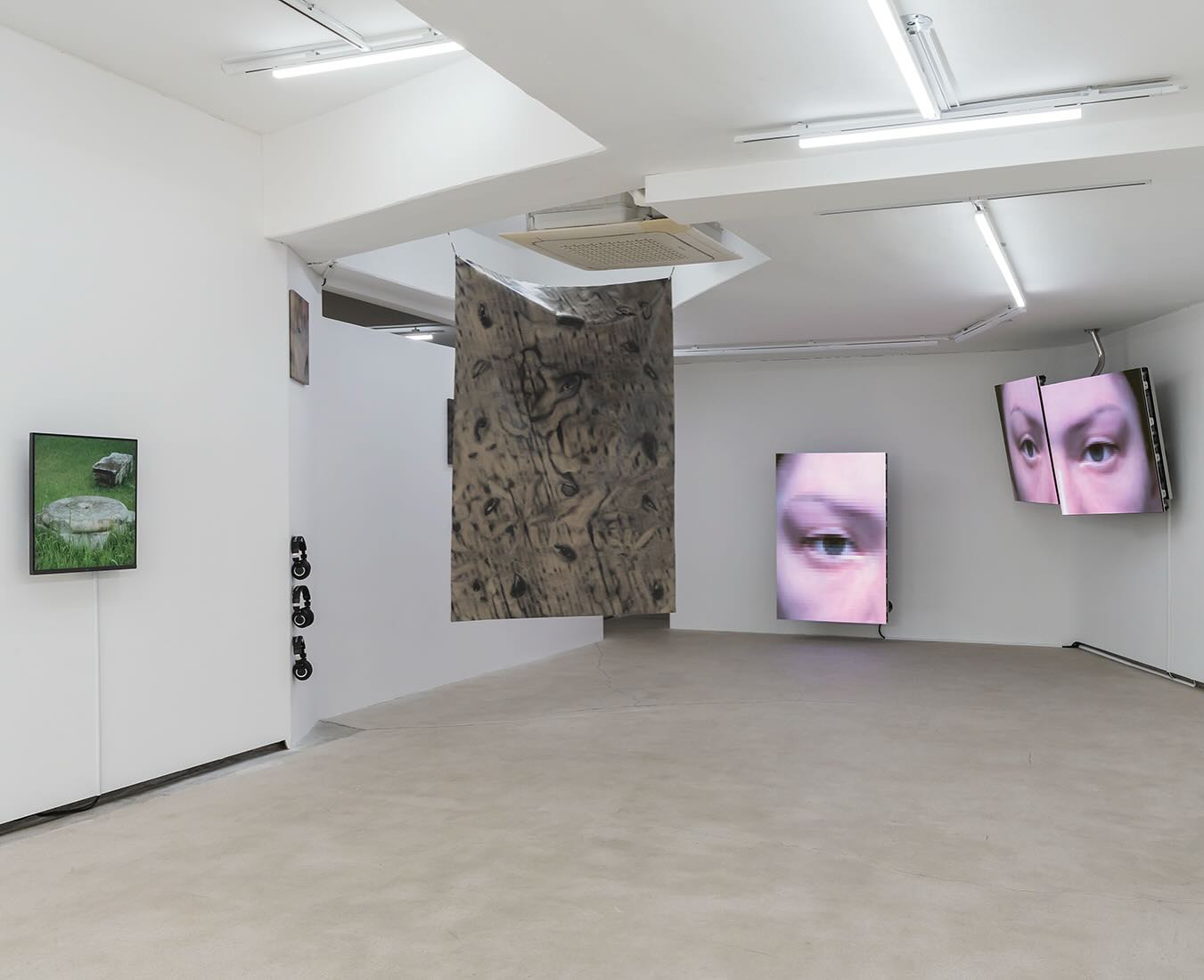
boundary between the real and unreal is assembled; and in his solo exhibition 《L·A·P·S·E》 (CR Collective, 2022), he probes
a post-anthropocentric sensibility by scripting the dismantling of
human-centered linear time and space.
Ultimately,
Jang reveals where machinic logics of classification and standardization
constrict human experience, inserting alternate routes toward mutual
understanding into those gaps. Even in group contexts such as 《Horizontal》 (Noblesse Collection, 2023) and 《Hymn of Seoul》 (Artspace Boan1, 2023), his
works use data/devices/narrative to unravel the conditions under which
contemporary prejudices form and to propose new, shareable rules.



.png)
.png)