L·A·P·S·E - K-ARTIST

L·A·P·S·E

2022
Single-channel video, color, sound(stereo)
23min 2sec
About The Work

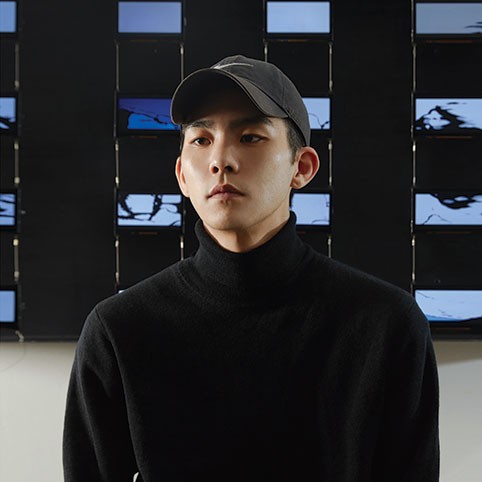
Jinseung Jang explores the relationship between technology and humanity and the structures of social perception, unfolding narratives that cut across past, present, and future societies through a variety of media. In particular, his practice is concerned with the biases and discrimination inherent in human existence, as well as the potential for mutual understanding that can overcome them.
 
To this end, he experiments with visualization of digital and analog data, audiovisual archival systems, video, and installation, probing the perceptual and cognitive structures of humanity that may emerge in the near future. Jinseung Jang presents simulations in which reality and imagination are ambiguously intertwined—appearing real yet not entirely real—amid the increasingly blurred boundary between virtual and physical worlds caused by accelerated technological development. His work invites reflection on the perception and cognitive structures of future humans who will inhabit the near future.
 
Moreover, by envisioning future societies based on the present, his work addresses distorted contemporary perceptions and explores the potential for mutual understanding that can help overcome social prejudices and discrimination through new sensory experiences.

Solo Exhibitions (Brief)

Jang has held solo exhibitions including 《Screening: The Ambient Gust》 (Seoul Art Space Geumcheon, Seoul, 2024), 《L·A·P·S·E》 (CR Collective, Seoul, 2022), 《Réalité Simulée》 (Onsu Gonggan, Seoul, 2021), and 《OLIGOPTICON》 (Space: illi, Seoul, 2020).

Group Exhibitions (Brief)

Jang has also participated in numerous group exhibitions, including 《Synthetic Fever》 (Coreana Museum of Art, Seoul, 2025), 《Hymn of Seoul》 (Artspace Boan1, Seoul, 2023), 《Horizontal》 (Noblesse Collection, Seoul, 2023), 《Digital Resonance》 (Gwangju Media Art Platform, Gwangju, 2022), 《Public Art New Hero》 (Daecheong ho Museum of Art, Cheongju, 2021), and 《Private Song I》 (DOOSAN Gallery, Seoul, 2020).

Awards (Selected)

In 2020, Jang was selected as a creator for Hyundai Motor Group’s open innovation platform ZER01NE and as part of ‘Public Art New Hero 2020’.

Residencies (Selected)

Jang has been an artist-in-residence at Seoul Art Space Geumcheon (Seoul, 2024–2025), Masaha Residency (Riyadh, Saudi Arabia, 2023), and MMCA Residency Goyang (Goyang, 2022).

Works of Art

The Relationship between Technology and Humanity and the Structures of Social Perception

Originality & Identity

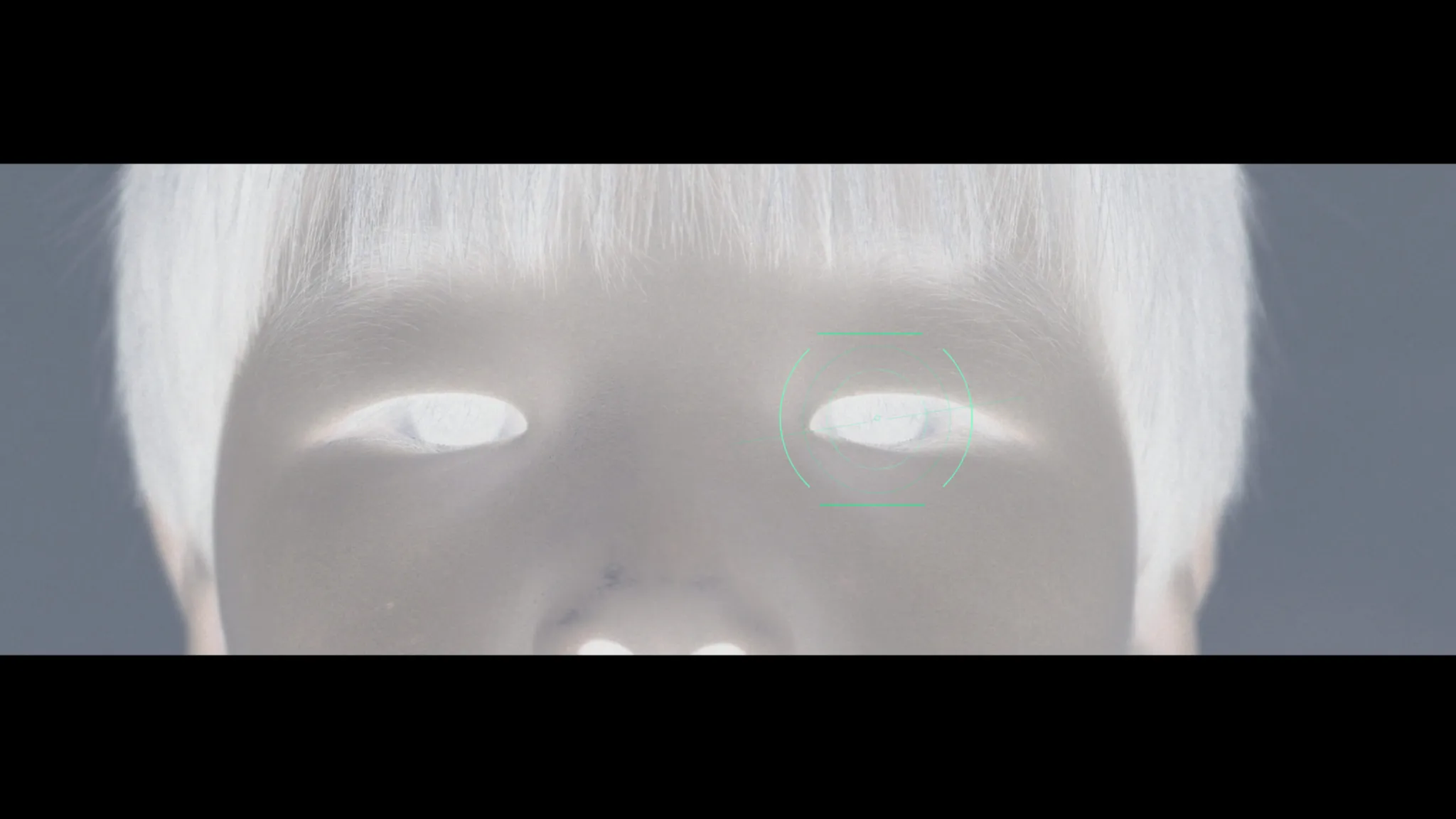
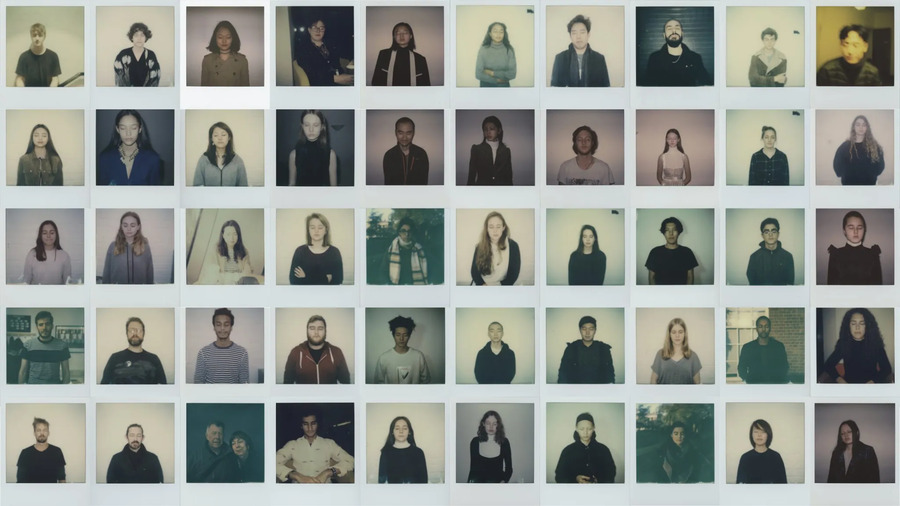
Starting from the question “How do data see humans?,” Jinseung Jang renders, in the language of media art, the perceptual structures that generate and amplify bias. Early works such as DATA, POLAROIDS (2012–) and Face De-Perception (2017) deliberately dilute markers of individual identity through photography and sensing technologies. The instruction to close one’s eyes within the Polaroid frame, and the process of translating Kinect-captured facial coordinates into dots and lines as averaged values, sidestep AI’s drive to identify “who someone is,” foregrounding layers of similarity shared across humanity. He further converts critical doubts about systems that classify risk solely by face into an embodied experience of real-time fluctuation—data and averages shifting with the viewer’s position.

In his solo exhibition 《OLIGOPTICON》 (Space: illi, 2020), the problem expands from “identification” to “collection and interlinkage.” Drawing on Bruno Latour, the focus shifts away from panoptic omnivision toward oligoptic, micro-scale observation—limited viewpoints assembling a networked picture.

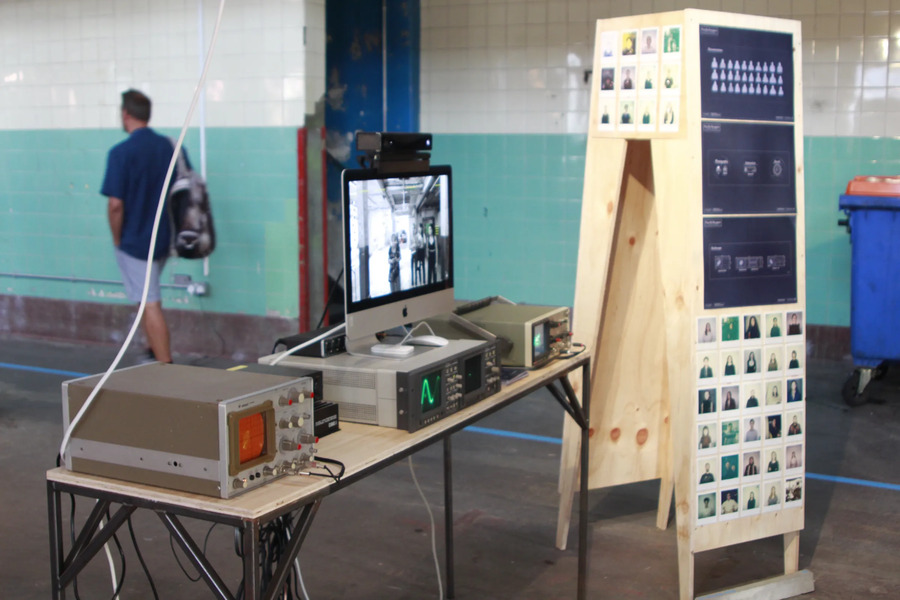
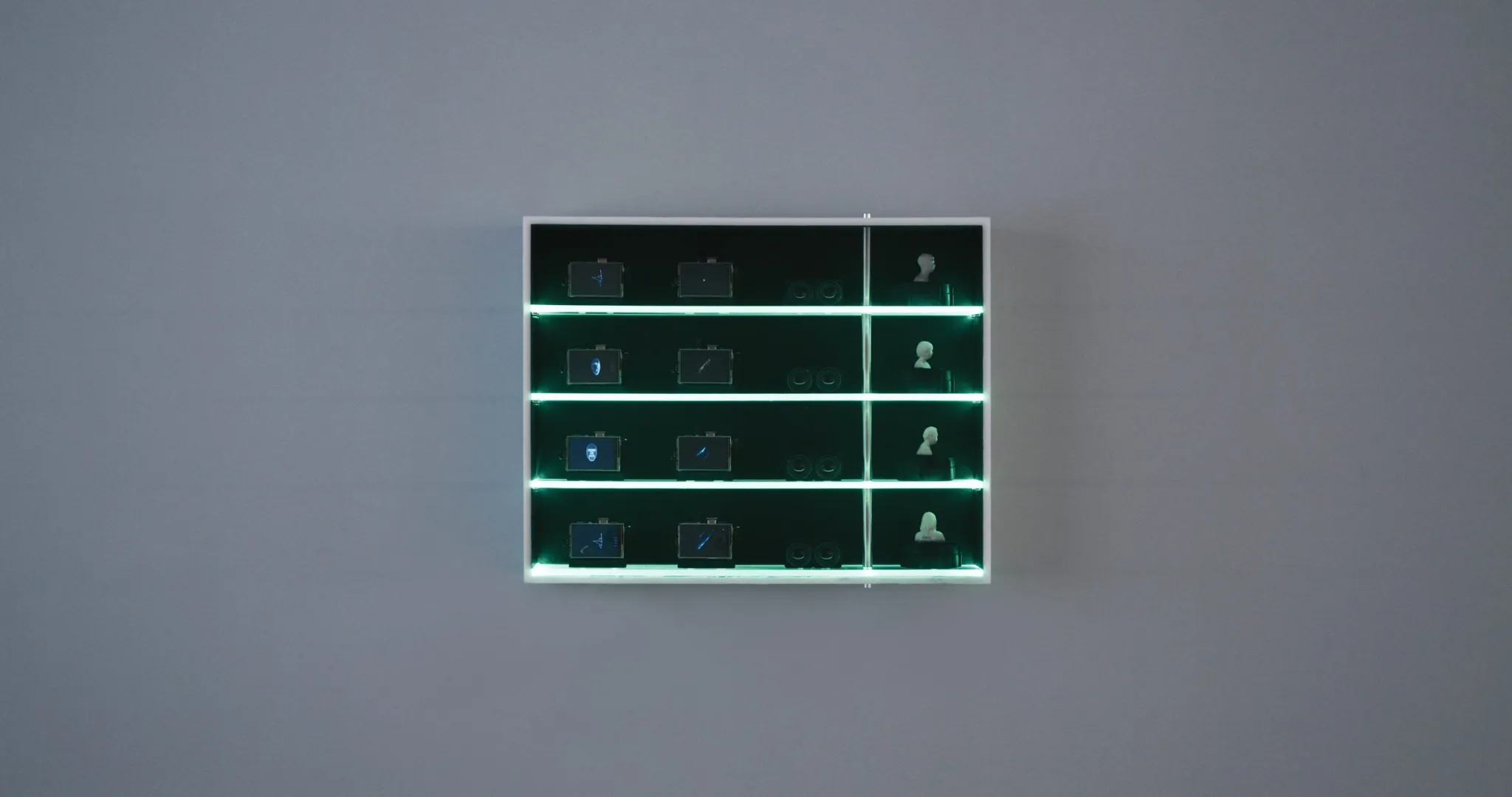
The exhibited work Data Cabinet (2020) preserves facial data by isomorphic conversion into video, oscilloscope waveforms, sound, and 3D prints across a four-tier cabinet, testing interaction among data strata. Beyond “peeling away layers of prejudice,” it stages the thesis that the very methods by which archives are built can reconfigure perceptual structures.

Narrative design runs on an SF engine. The collaborative ‘Decennium’ (2020) series with Eunhee Lee—C-MP-MUTATIONEM (L-85-17-J)BEFORE TERMINATION, and THE FIRST KID—hypothetically examines how near-future technologies and policies will recompose human categories.
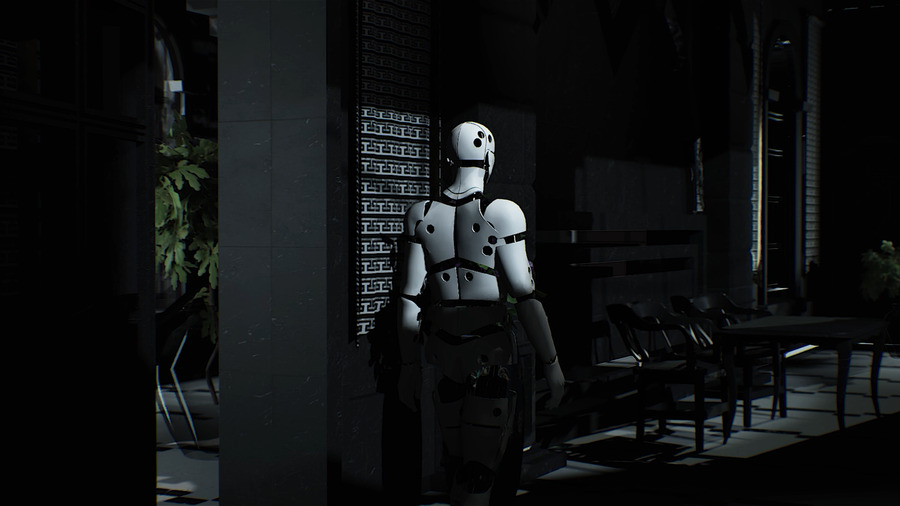
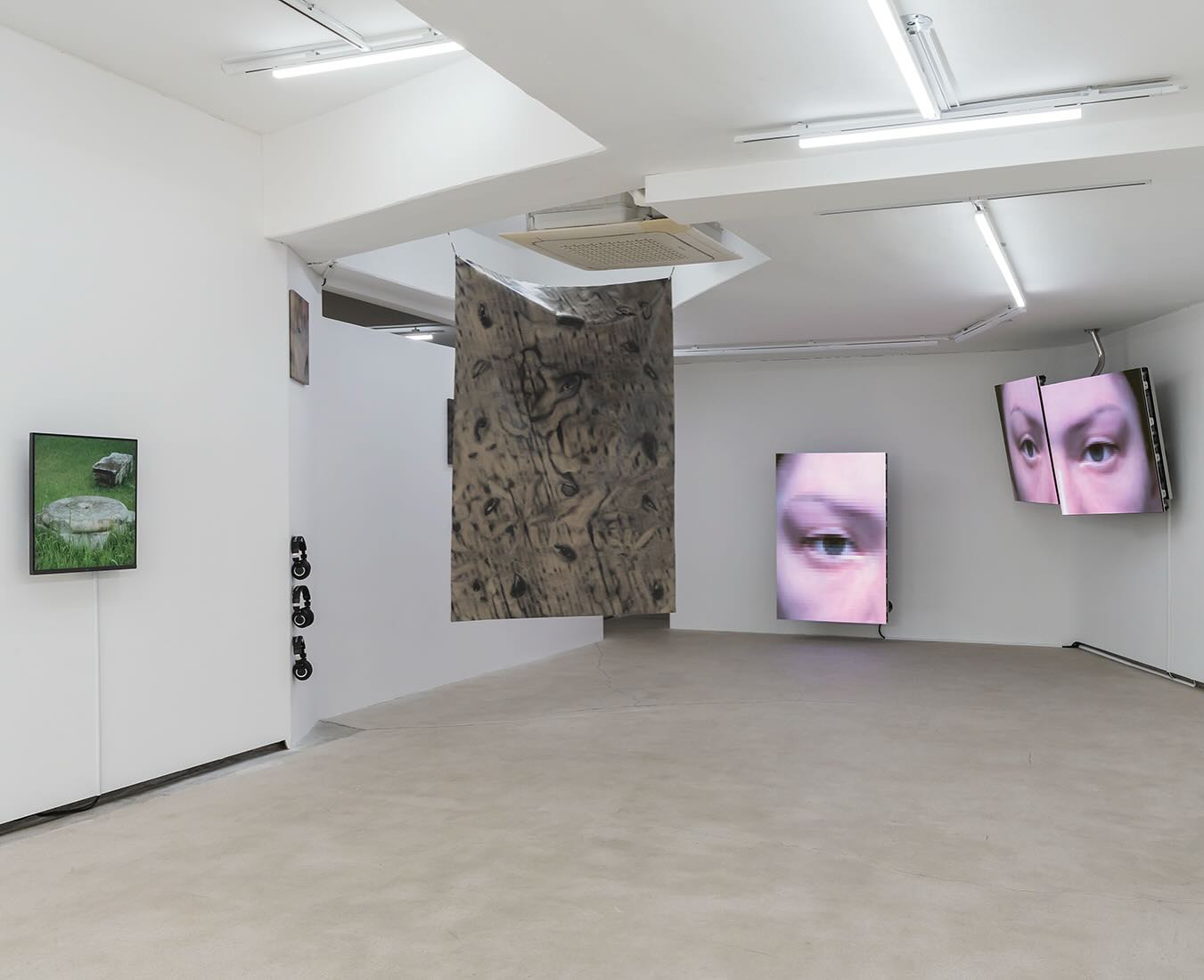
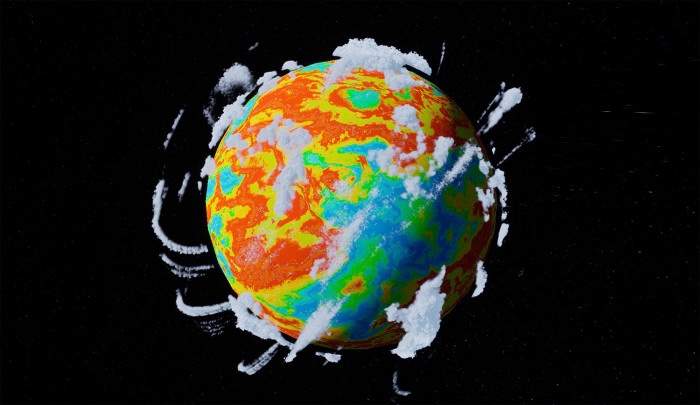
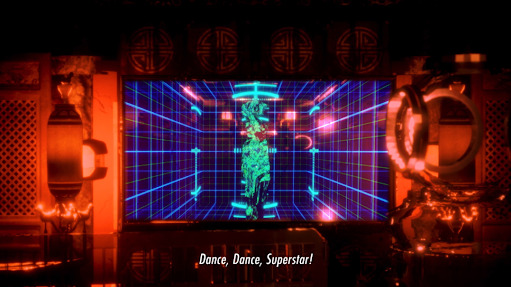
The following year, Deluded Reality (2021) traces a virtual character as it acquires spatiotemporal sense, exposing how the boundary between the real and unreal is assembled; and in his solo exhibition 《L·A·P·S·E》 (CR Collective, 2022), he probes a post-anthropocentric sensibility by scripting the dismantling of human-centered linear time and space.

Ultimately, Jang reveals where machinic logics of classification and standardization constrict human experience, inserting alternate routes toward mutual understanding into those gaps. Even in group contexts such as 《Horizontal》 (Noblesse Collection, 2023) and 《Hymn of Seoul》 (Artspace Boan1, 2023), his works use data/devices/narrative to unravel the conditions under which contemporary prejudices form and to propose new, shareable rules.

Style & Contents

Jang’s formal experiments are ordered by the operating principles of his content. Face De-Perception presents the pipeline—Kinect → computation → audiovisual conversion—as a device that retrains “how to see.” Visualizations of averaged faces responsive to viewer position and distance, and real-time data logging, shift attention from “result image” to “procedure,” letting audiences feel how analytic data produce affect.

In 《OLIGOPTICON》, Data Cabinet parallel-converts a single dataset into four material registers. Coordinate displays on 3.5-inch screens, oscilloscope waveforms, audio mappings of the same data, and 3D prints reconstructed from planar values together articulate an aesthetics of translation across digital and analog. Each medium switch opens a distinct perceptual route; their sum, he argues, constitutes the very “content of the archive.”

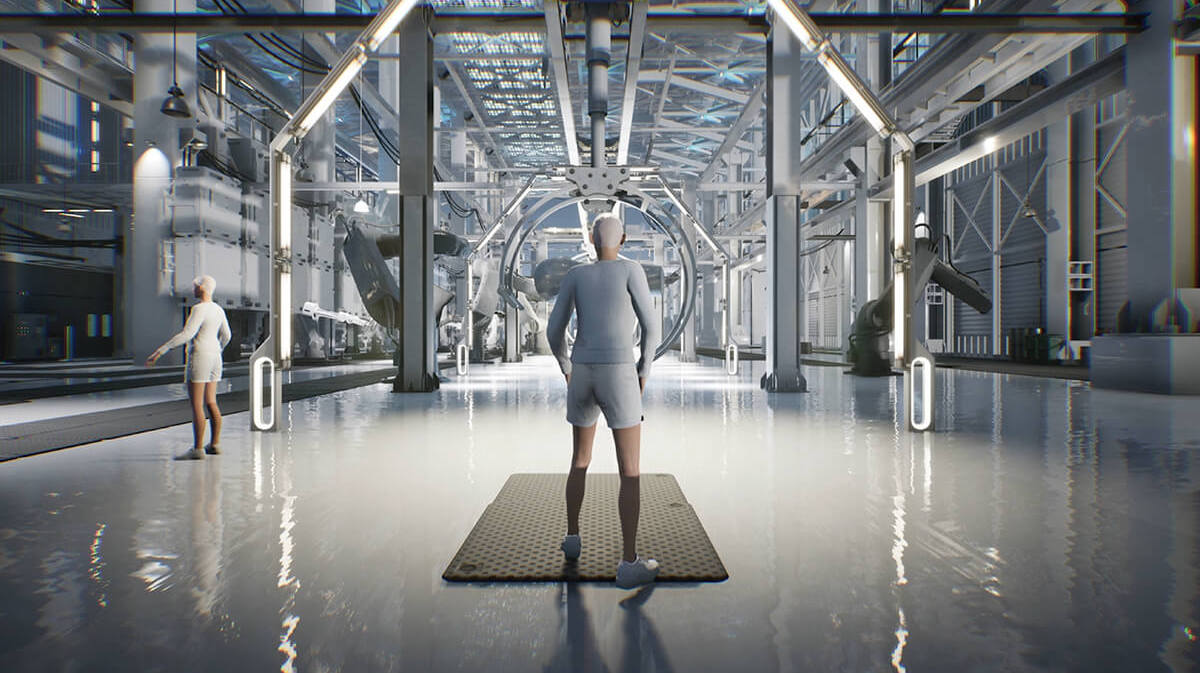
The ‘Decennium’ series builds separate worlds for biotech, platform labor, and predictive algorithms, cross-editing policy, corporate ethics, and domestic micro-scenes to translate tech discourse into lived sensation. Deluded Reality employs a meta-narrative of a graphic world attaining self-awareness to show how the virtual/real boundary is synthesized through image processing, physics simulation, and sensory story. In 《L·A·P·S·E》, the eponymous work L·A·P·S·E (2022) repurposes time-lapse/hyperlapse/slow-motion algorithms as narrative grammar, rendering the actions and hesitations of humanoid and animal-like entities within an “AI particle” space in modulated rhythms.

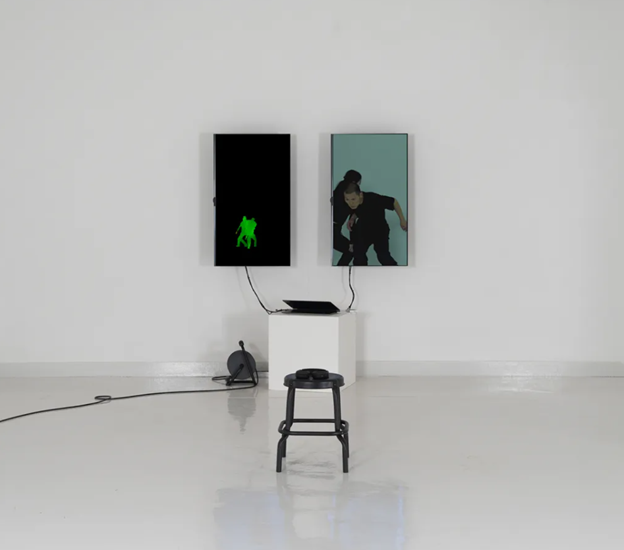
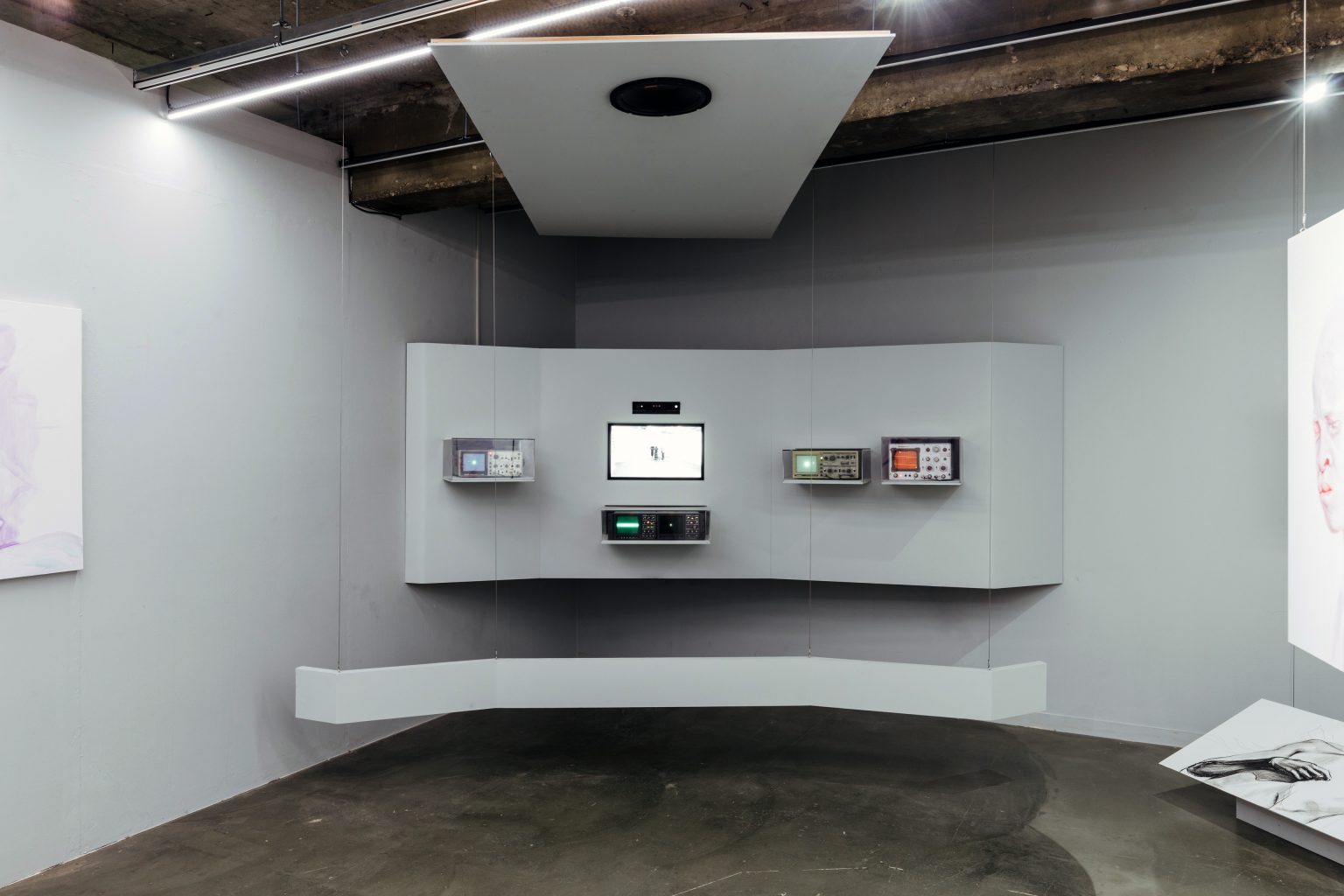
Given his focus on media art and installation, exhibition design itself is apparatus-based. The arrangement of screens, projectors, and speakers—along with the rhythm of machine hum and light—binds the space into an extended interface. In his recent solo exhibition 《Screening: The Ambient Gust》 (Seoul Art Space Geumcheon, 2024), he couples “screening” with micro-environmental flows like air currents, expanding spectatorship into an ambient mode. This triangulation of narrative–device–translation is his consistent formal strategy: making “ways of seeing” the content itself.

Topography & Continuity

Within contemporary Korean art, Jang sits where media art, philosophy of technology, and STS intersect. Rather than merely elongating panoptic surveillance discourse, he adopts an oligoptic viewpoint—as in 《OLIGOPTICON》—reading the world through an assembly of limited perspectives, and converting the aesthetics of data into an ethics of human understanding. It is an approach that treats technology not in a simple praise/critique binary, but as a testable model of perception.

He dismantles and reassembles data-identification structures, expands archival experiments through methods of collecting and interlinking media, and, by simulating near-future perceptual and cognitive architectures from multiple vantage points, consolidates a coherent world-building practice.

In short, three axes organize Jang’s oeuvre: first, multi-modal conversion of a single dataset (image–waveform–sound–object) to engineer “plural routes of perception”; second, an apparatus sensibility that builds the exhibition space as an interface where computation, projection, audition, and walking intersect; third, a world-building method that draws policy/industry/urban contexts into narrative to plug the work into the public sphere.

Works of Art

The Relationship between Technology and Humanity and the Structures of Social Perception

Exhibitions

Activities