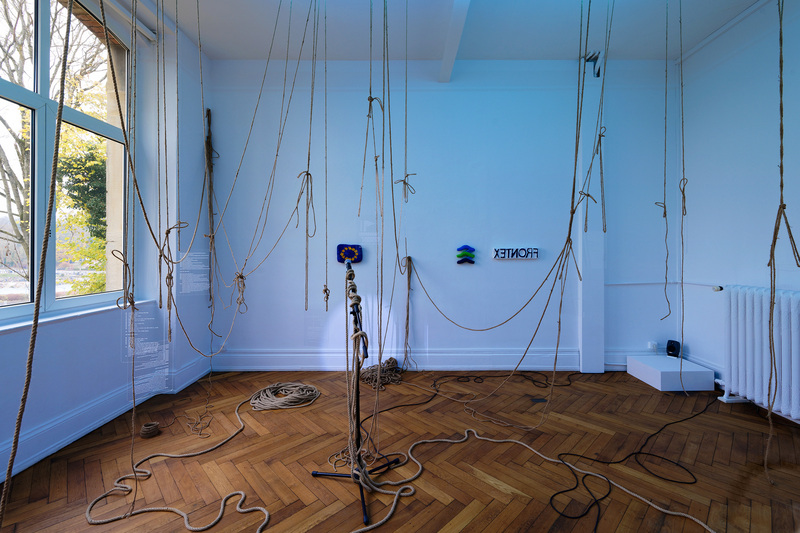
Eye, nose, mouth, ear, forehead, chin, cheekbone, eyebrow - K-ARTIST

Eye, nose, mouth, ear, forehead, chin, cheekbone, eyebrow

2021
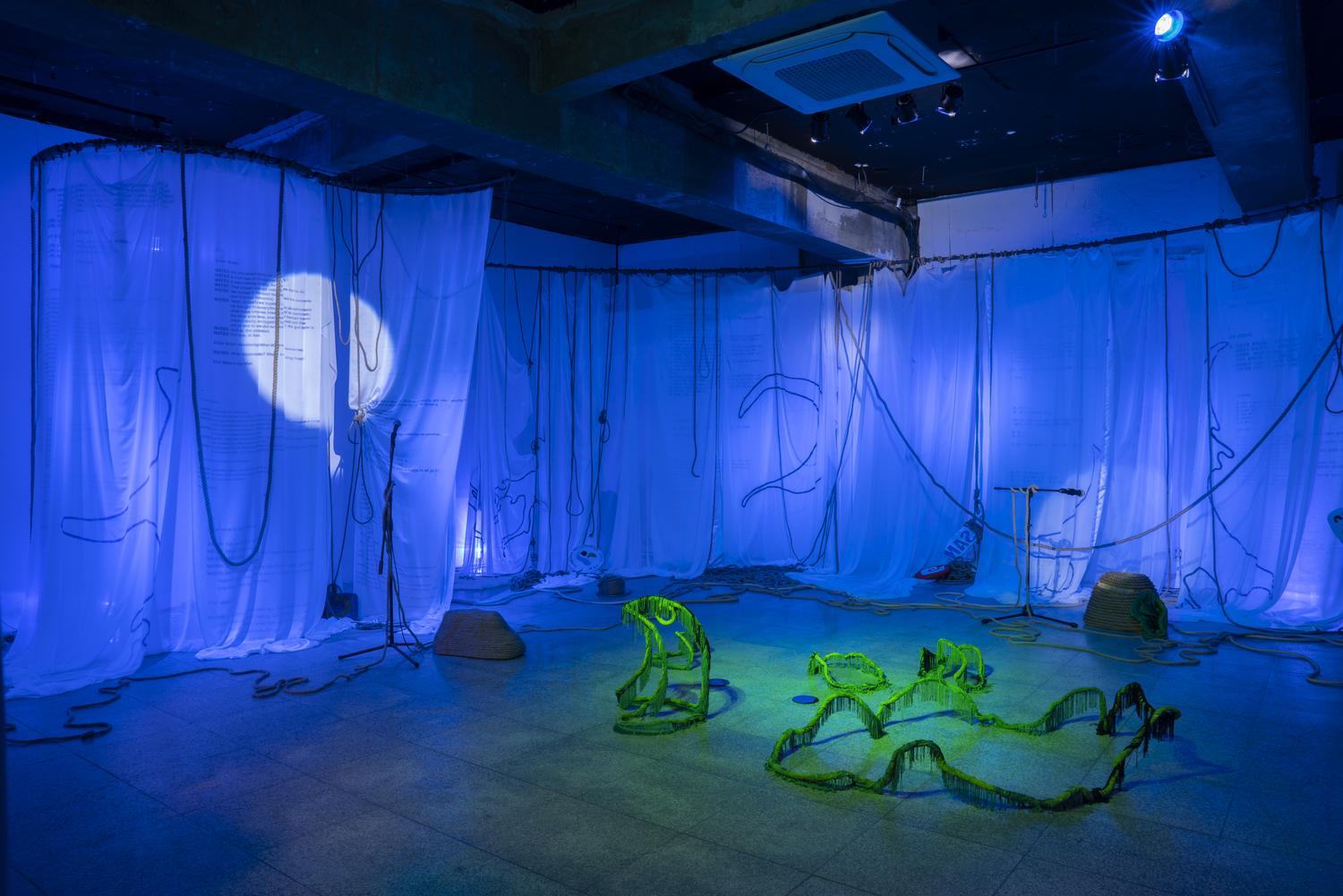
Laser engraving on acrylic, text, Manila rope, acrylic on XPS, microphone, speaker
Dimensions variable
About The Work

Ru Kim works primarily with performance, video, sound, installation, and text to explore the social function of art and the structures of violence. In particular, Kim has presented works that question how art can resist sexist and racist violences that have been normalized through colonial ideologies of domination.
 
Ru Kim’s work, developed through tracing the layered histories that have shaped today’s pervasive structures of violence, recalls beings marginalized and sacrificed under colonialist and hegemonic ideologies. At the same time, it explores art as a means for those still affected by these structures to find ways of escape.
 
Ru Kim’s work brings renewed awareness to the enduring histories of violence, while imagining a non-hierarchical world in which diverse beings—human and non-human—transcend binary boundaries to exist in a state of co-dependence.

Solo Exhibitions (Brief)

Ru Kim was represented by 4 solo exhibitions, 《I KNOW WHAT I’VE DONE》 (TINC, Seoul, 2024), 《a fist is a fist is a fist》 (Boan 1942, CHOI&CHOI Gallery, Space 413, 2023, Seoul, 2023), 《Ecotone: Capacity for Escape》 (Post Territory Ujeongguk, Seoul, 2022), and 《Face Value》(Artist Residency TEMI, Daejeon, 2021).

Group Exhibitions (Brief)

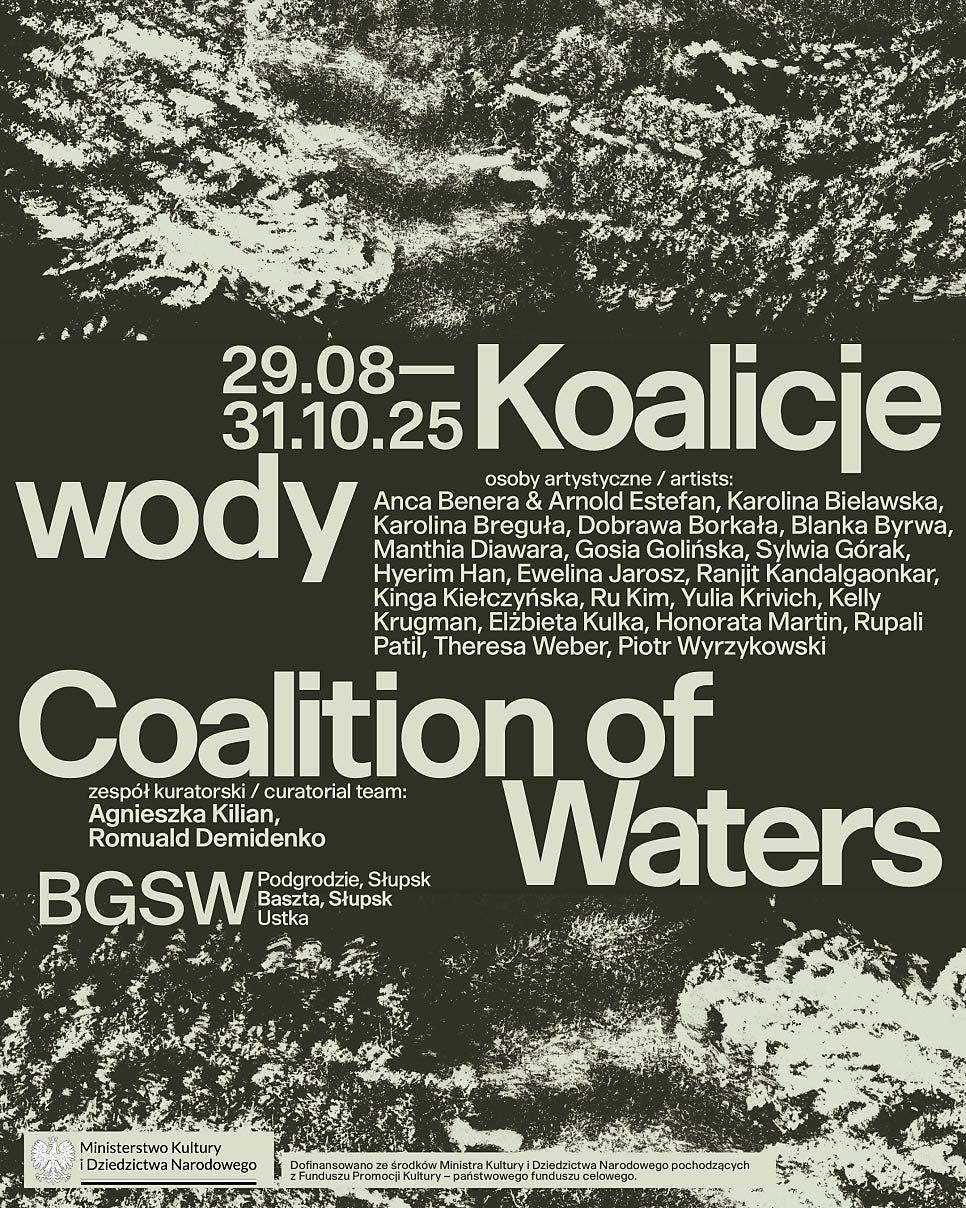
Ru Kim’s works have also been featured in numerous group exhibitions, including 《off-fsite 2: Eleven Episodes》 (Kukje Gallery, Seoul, 2025), 《Coalition of Waters》 (Baltic Gallery of Contemporary Art (BGSW), Ustka, Poland, 2025), 《Enact/In Act》 (Millennium Film Archive, Brooklyn, USA, 2024), 《glitch: new flesh》 (Visaural, New York, USA, 2023), 《killtimetrash_temp》 (WESS, Seoul, 2023), the Coimbra Contemporary Art Biennale (2022), and 《Fascination》 (Centre Rhénan d’Art Contemporain (CRAC Alsace), Altkirsh, France, 2021).

Awards (Selected)

Kim was awarded the 7th Cross Award – COLLATERALE (Italy, 2023–2024).

Residencies (Selected)

Ru Kim has been an artist-in-residence at l’École Supérieure d’Art et de Design Grenoble (France, 2025), at the Baltic Gallery of Contemporary Art (Poland, 2025), and at the 7th Cross Award Residency (Italy, 2024).

Collections (Selected)

Ru Kim work is collected in Hwangumhyang(Seoul).

Works of Art

The Social Function of Art and the Structures of Violence

Originality & Identity

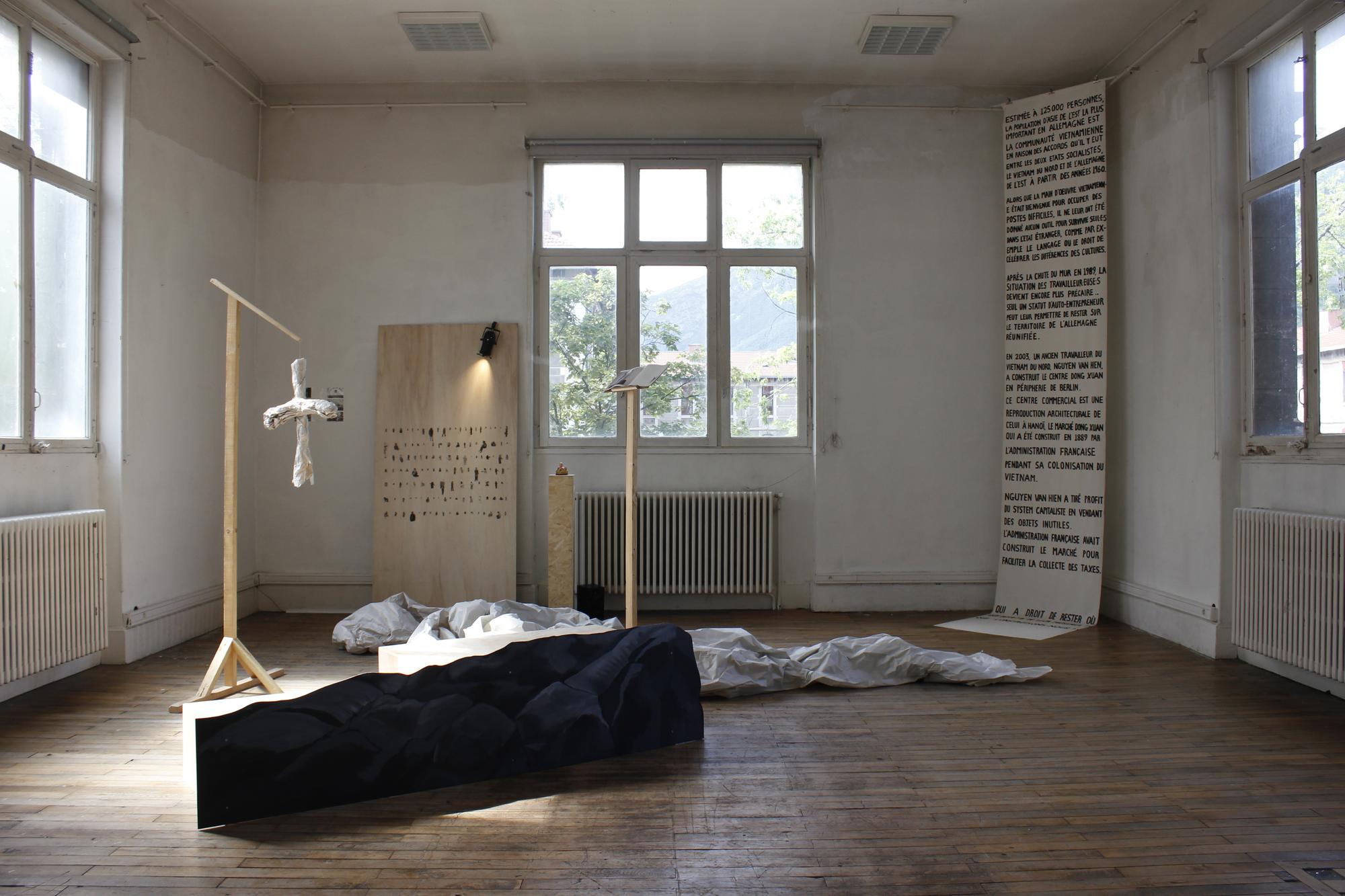
Ru Kim’s practice begins with historical–philosophical research that excavates the ideological foundations of violence. Peoples of Europe, Defend your Holiest Possessions(2019) reads a Russo-Japanese War–era lithograph and the “Yellow Peril” discourse against Germany’s migration histories and contemporary racism, asking, “Who has the right to remain where?” The subsequent Tax Returns/분청사기상감인화문붕명둔접(2020) grafts the fifteenth-century courtly mark bung (朋) recorded in the Veritable Records of the Joseon Dynasty onto contemporaneous tribute porcelain to reconfigure relations among power, tax, and the body. From here the artist consolidates a tripartite schema in their own terms: “attested past — present violence — the possibility of escape.”

In 2021 the conceptual field expands to the “ecotone” and to “water.” tilde: Three Ecotones(2021) and 《Face Value》(Artist Residency TEMI, 2021) translate the “edge effect” that emerges at the contact zone of distinct biomes into the social unit of “we” in Korea, while, via Astrida Neimanis’s hydrofeminism, positing water as a nonhuman subject and platform for solidarity. This unfolds into an affective mode of thought that dismantles human/nonhuman and nature/politics binaries.

In 《Ecotone: Capacity for Escape》(Post Territory Ujeongguk, 2022), the “snake” is re-signified as an entity that traverses boundaries of race, gender, and sexuality. The performance Interpermeations(2022) renders the borders of fixed identity slippery through the ambivalence of “penetration/inter-permeation,” performatively proposing the axiom “contact = escape.” The 2023 series ‘a fist is a fist is a fist’ probes political moments when the collective body ignites, condenses, and disperses.

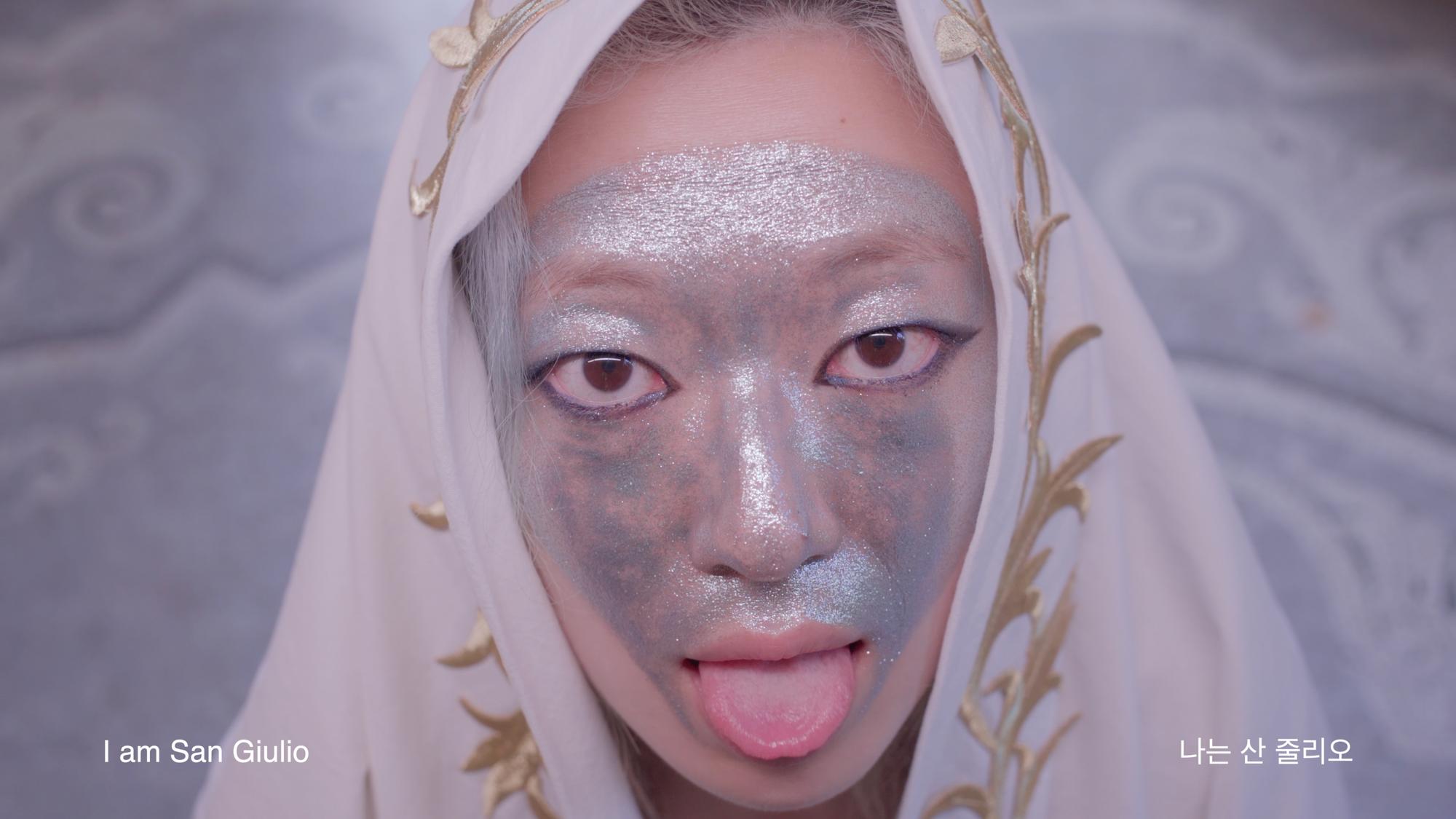
《I KNOW WHAT I’VE DONE》(TINC, 2024) re-narrativizes the legend of Saint Giulio and the “Island of Snakes” within a former church, invoking Octavia E. Butler’s “hyperempathy” to re-sensitize us to beings that have been hidden and erased. The anchor video I KNOW WHAT I’VE DONE(2024) asks, “If the island had a tongue, what would it say?” re-script­ing the origins of violence at the overlap of myth, religion, and empathy.

Style & Contents

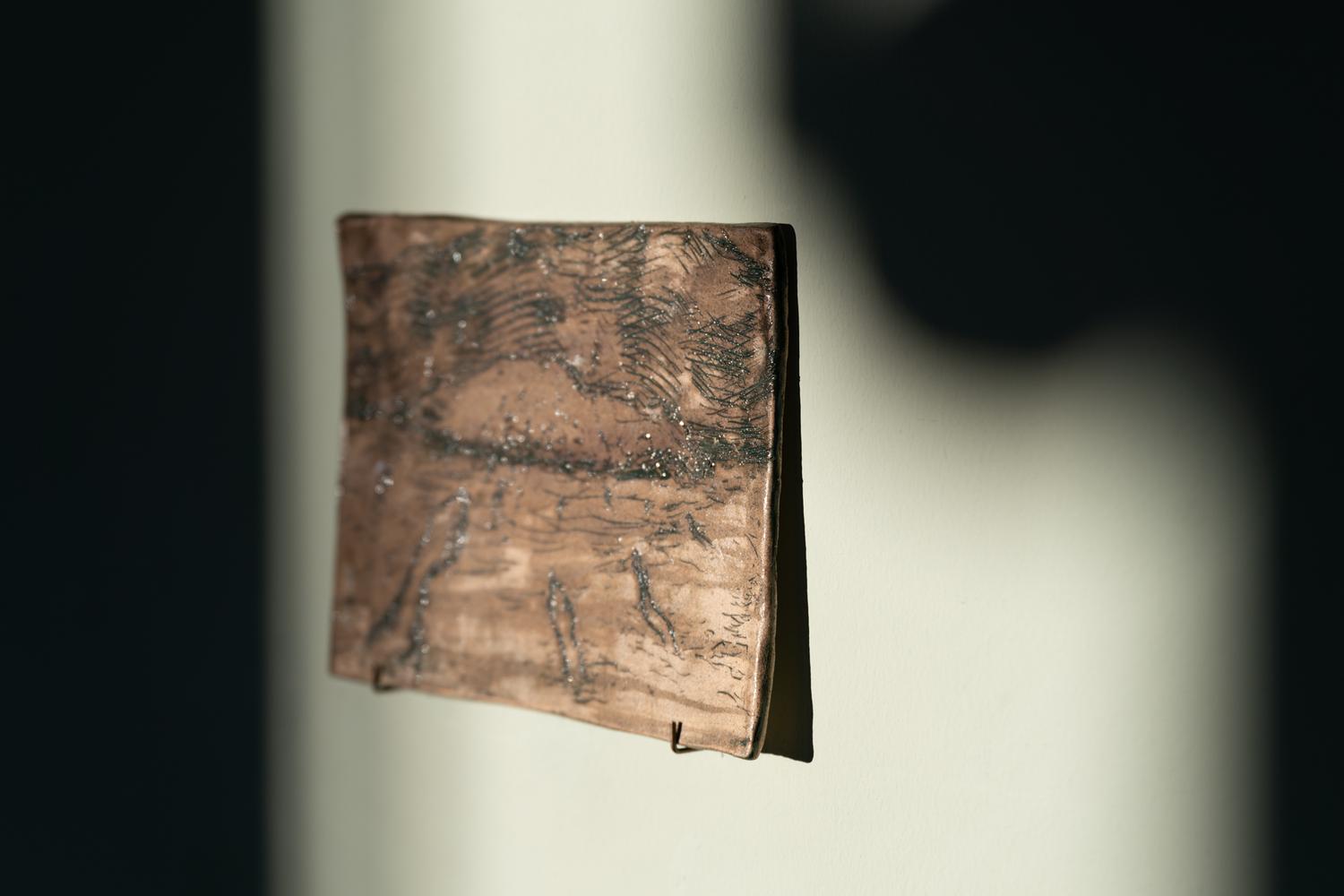
Formally, the work moves from research-based installation toward a “stage-like exhibition” in which body, text, sound, and moving image are bound together. Peoples of Europe, Defend your Holiest Possessions disassembles a nineteenth-century printed image into spatial apparatuses, turning visitors’ movement into an instrument of deconstruction. Tax Returns/분청사기상감인화문붕명둔접 engraves 朋 onto buttock-shaped plates and returns them to viewers, using distribution (performance as distribution) to short-circuit the circuits of institution, taxation, and citizenship.

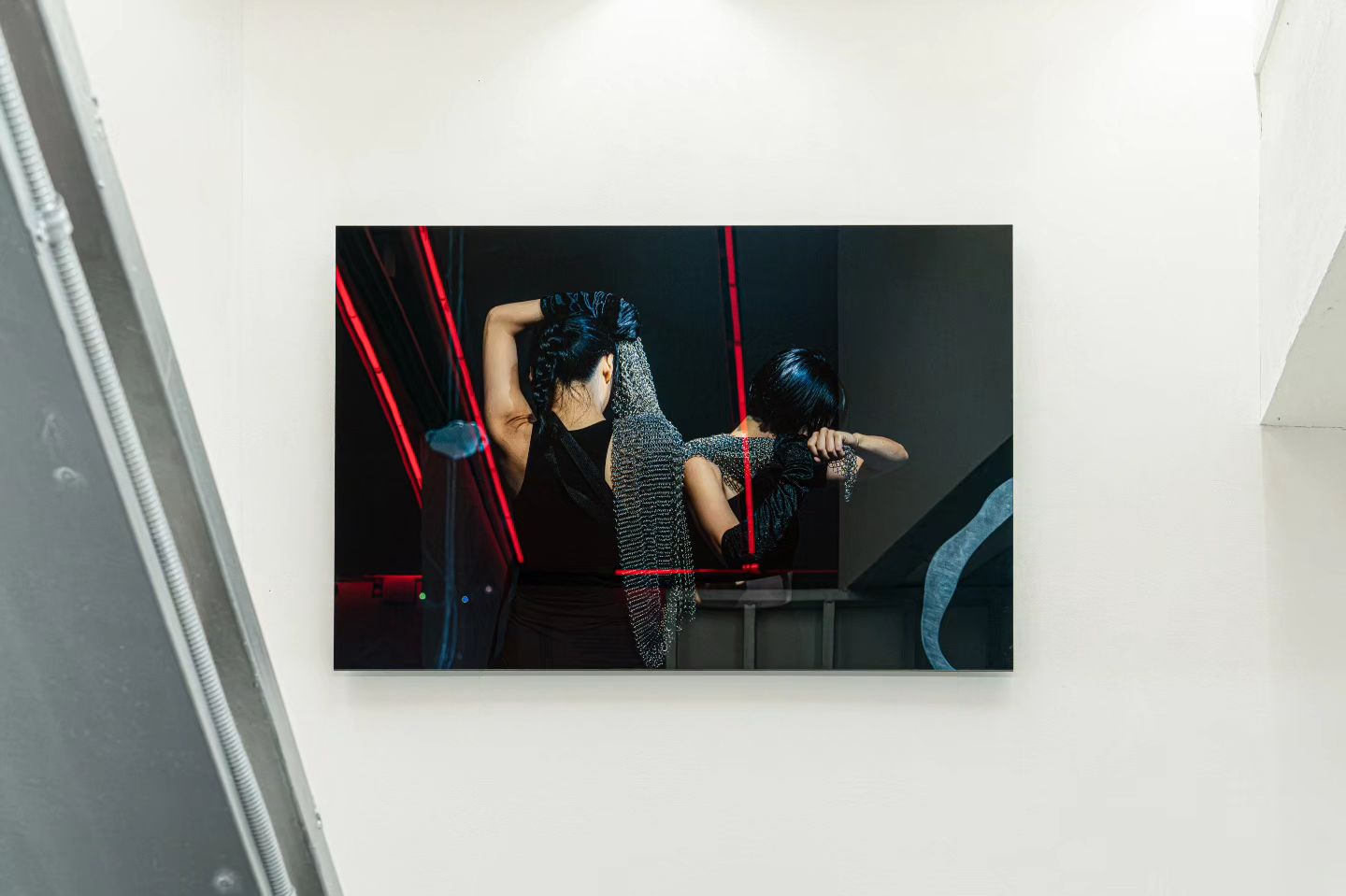
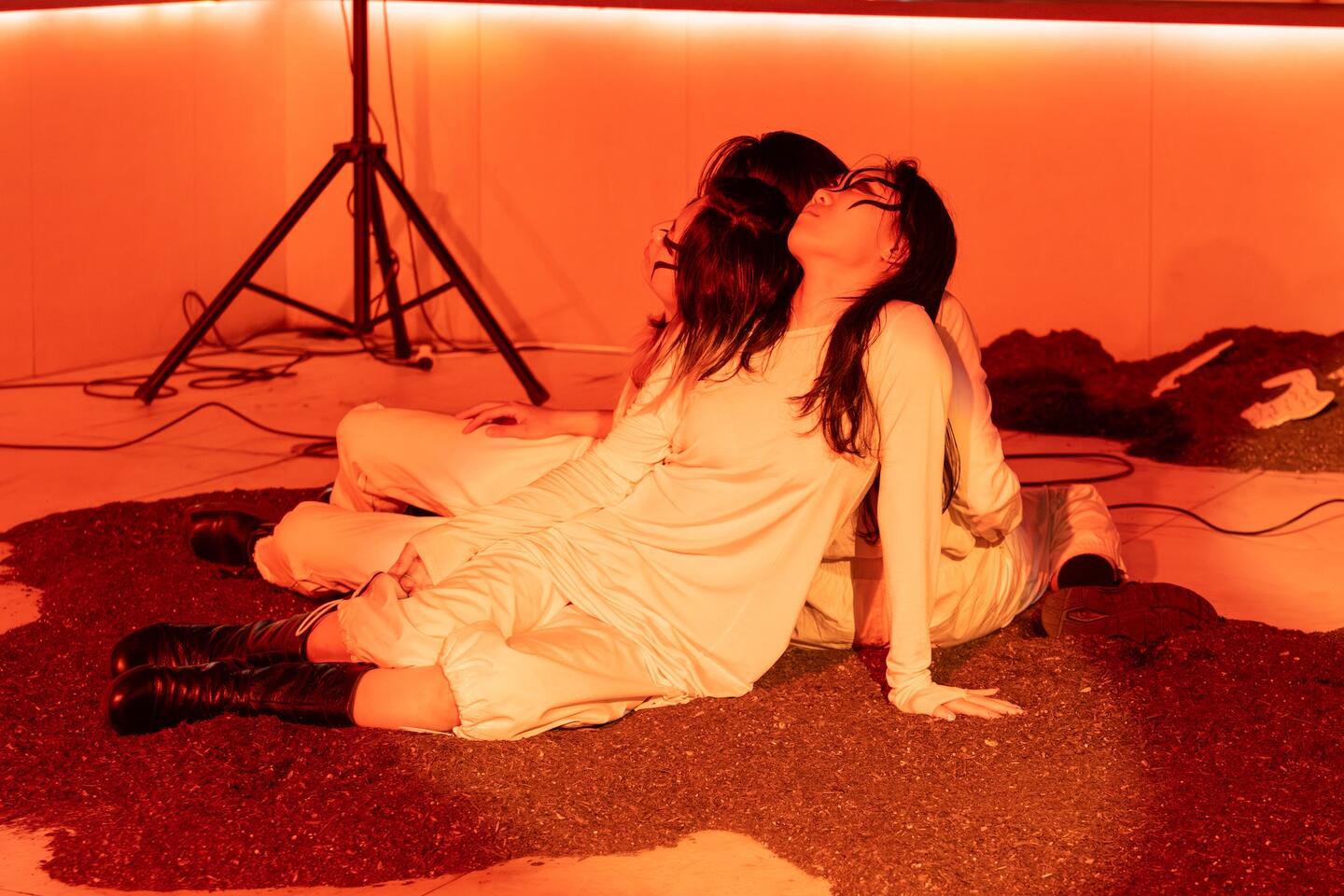
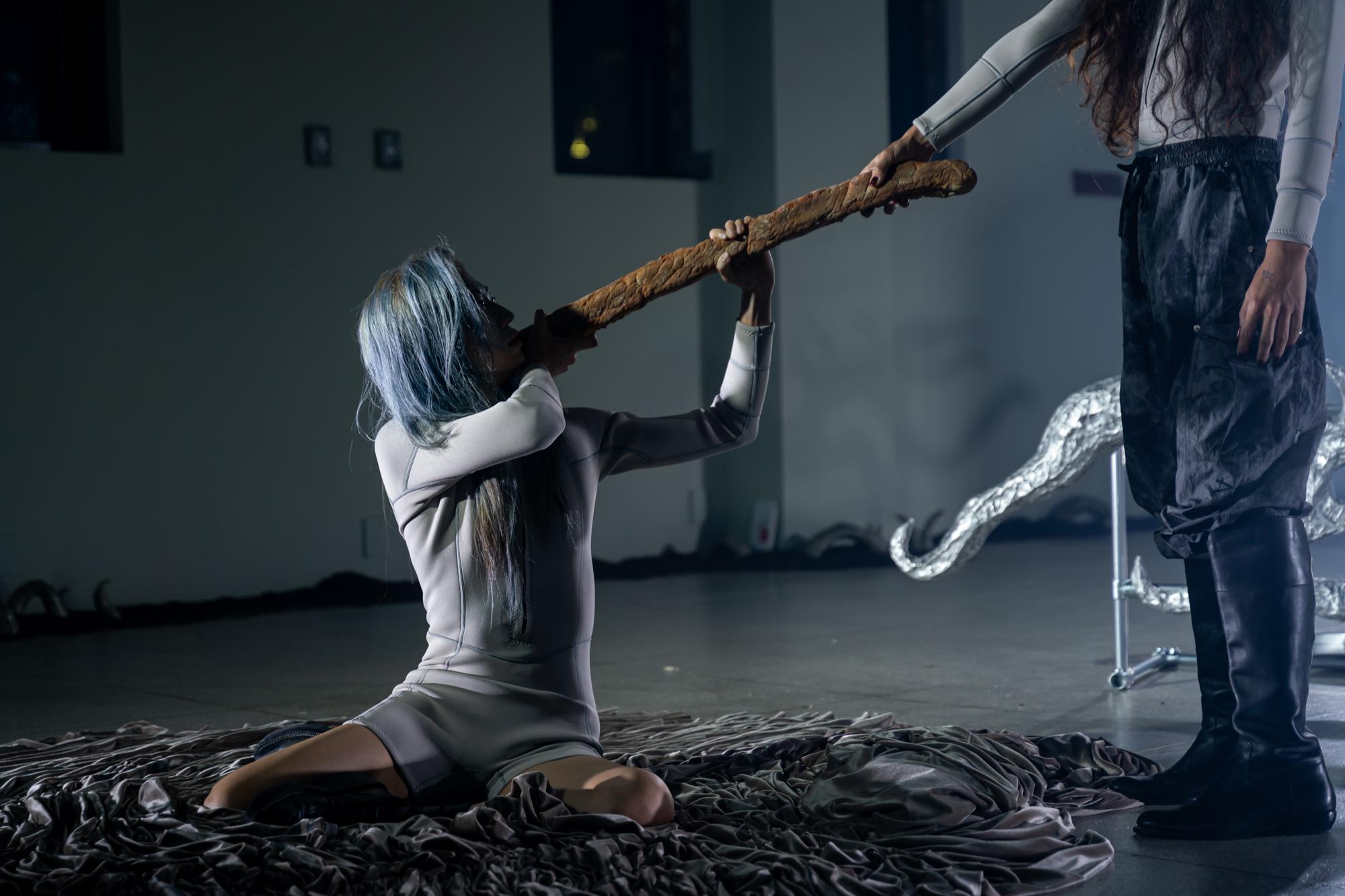
Works from 2021 translate water’s “voice” into scenario. In 《Face Value》(2021), the waters of the Han River, the Mediterranean, and a flotation tank interact with text, sound, and sculptural fragments, while Manila hemp rope (a ship fiber known to toughen when wet) is suspended as a visual surrogate for water on stage. That same year, the ‘Eye, nose, mouth, ear, forehead, chin, cheekbone, eyebrow’ series employs acrylic laser engraving with microphone/speaker interfaces to expose the power apparatuses of “speaking/listening.”

In 2022 the snake motif mobilizes temporality and tactility along the border of inside/outside the institution. Especially in 《Ecotone: Capacity for Escape》, spatiotemporal installation and the performance Interpermeations make the boundary between body and non-body reversible through the contact of image, sound, and costume.

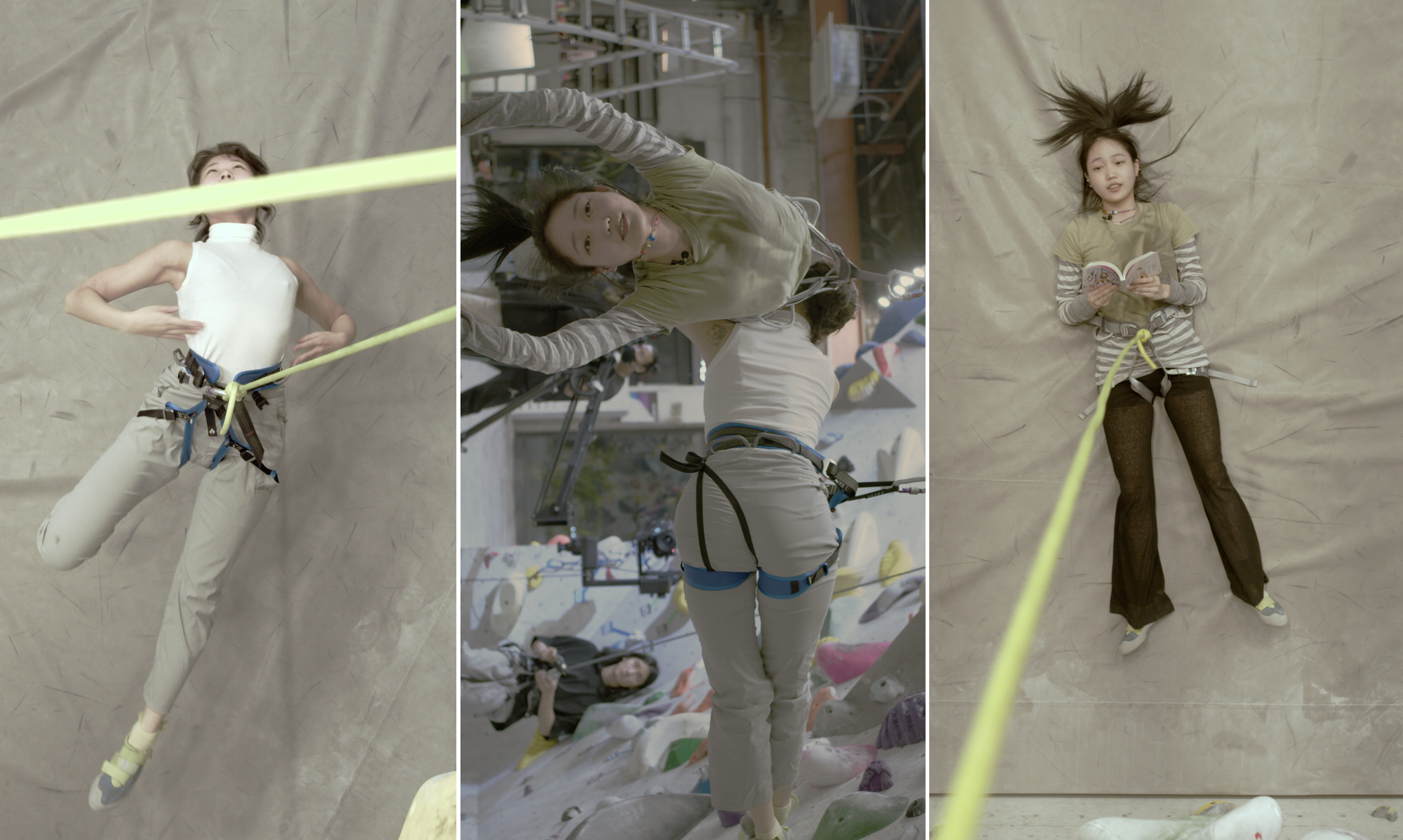
The 2023 performance series ‘a fist is a fist is a fist’ takes pulse, inhalation, and expansion as temporal cues, converting the fist’s individual signals into a collective rhythm. I KNOW WHAT I’VE DONE leverages the site-specificity of a church, cross-cutting legend, religious iconography, and 4K single-channel video to construct a “forum of testimony.” Recent sculptural works Of the Land(2024) and Of the Water(2024) juxtapose the material grammars of cast aluminum/clay and ceramics to think “topos—hydros” in plastic terms. In short, Kim inter-translates text-scripts, sound triggers, acts of distribution, site-specific staging, and re-enactment video to plot a trajectory from concept → sensation → ethics. In the process, the viewer shifts from spectator to accomplice/witness, and the exhibition from gallery to scene-of-event.

Topography & Continuity

Three through-lines hold the oeuvre together. First, rewriting the strata of history, myth, and religion to disrupt the colonial normalization of discriminatory language—as in Peoples of Europe, Defend your Holiest Possessions(2019) and 《I KNOW WHAT I’VE DONE》(TINC, 2024). Second, loosening the fixity of borders and identity by deploying symbolic bodies (water/snake/fist) as ethical mediators—as in tilde: Three Ecotones(2021), the ‘Eye, nose, mouth, ear, forehead, chin, cheekbone, eyebrow’ series (2021), Interpermeations(2022), and the ‘a fist is a fist is a fist’ series (2023). Third, converting exhibitions into “events” through participation and liveness—via distributional gestures in Tax Returns/분청사기상감인화문붕명둔접(2020) or site-specific construction at TINC.

Within contemporary Korean art, Kim has built an affective narrative that connects hydrofeminism and decolonial discourse to local issues while drawing on the memory of sites such as churches and islands. Media converge into a stage language in which text, sound, sculpture, moving image, and performance translate one another, shifting the audience from spectators to witnesses.

The arc of development is also legible: from print-image-based research installation (2019) to participatory scenes experimenting with giving/return (2020); then to interfaces of water, boundary, and listening (2021); and on to the weaving of body–image–sound across performance/video (2022–2024).

Looking ahead, three directions appear likely. First, deepening geo-mythological research around “water/island/sanctuary,” expanding into international collaborations with archives and communities. Second, layering “forms of testimony” by paralleling ceramics and casting with text, 4K video, and sound. Third, refining the rhythms and breath of “ignition,” advancing performance as a laboratory for collective ethics. In sum, Kim continues to renew the proposition “we escape through contact, and contact through escape,” sustaining an open-ended model that crosses local realities with global myth, migration, and the histories of water.

Works of Art

The Social Function of Art and the Structures of Violence

Articles

Exhibitions

Activities