Yagwang is
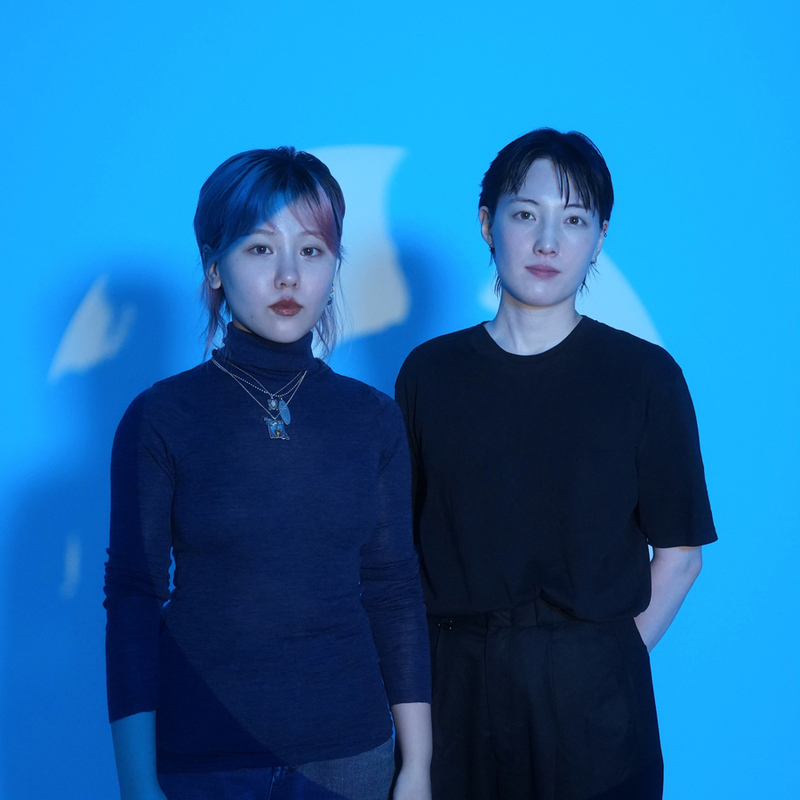
a visual arts collective consisting of Kim Terri (b. 1993) and Jeon In (b.
1995). Since its formation in 2021, the duo has carved out a distinctive
trajectory in contemporary Korean art through multi-media works centered on
queer discourse—particularly lesbian narratives. Crossing genres such as video,
performance, installation, sculpture, and painting, they have persistently
experimented with subverting fixed notions of identity and reconstructing
space-times for existences outside of normative frameworks.
Their
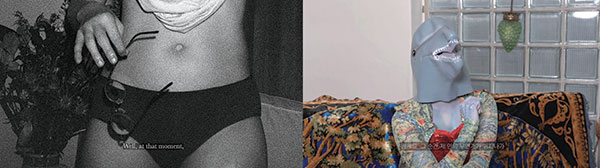
founding work, Lubricant(2021), and its expanded form in
their first solo exhibition 《Lubricant》 (Windmill, 2022) placed queer—particularly lesbian—sexuality at the
center, twisting fixed visual and conceptual frameworks of gender while
responding to the discordant timelines of the present. In this context, they
summoned generational queer experiences through the Russian female music duo
t.A.T.u. in Lantern, reflected club culture
in LATE(X), and transformed the exhibition space into a
lesbian club in the performance Lick my heart, creating
a platform for articulating previously unseen lives and desires.
Yagwang
subsequently expanded into fictional narratives centered on invisible beings,
non-normative characters, and surplus figures. In 《KIND》 (PS Center, 2024), they experimented
with porous space-time where reality and fiction overlap, through the video
work Intruder, a physical recreation of its setting,
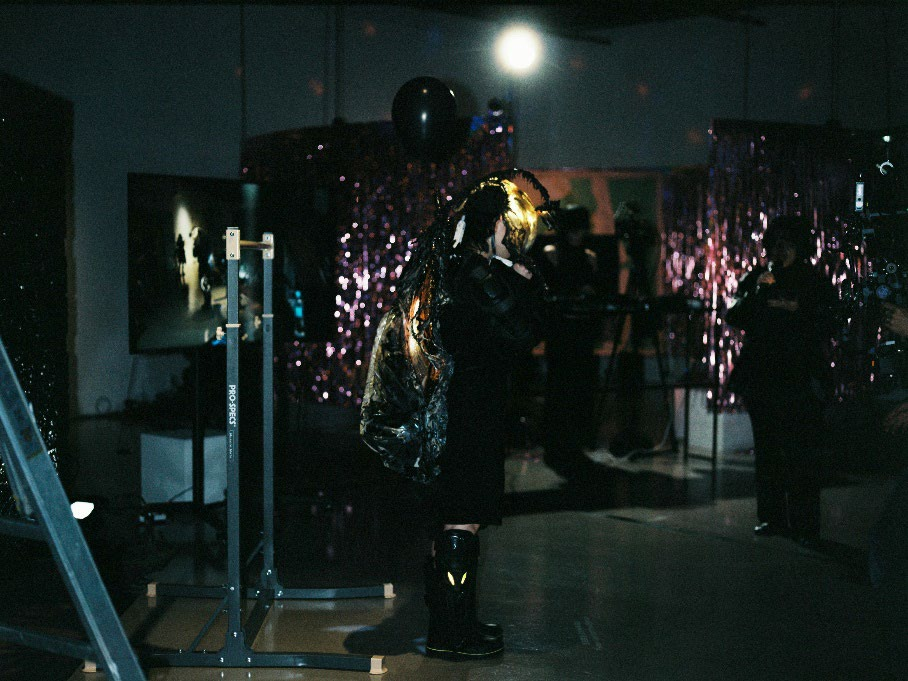
and the live performance Raw Proof staged in real
space.
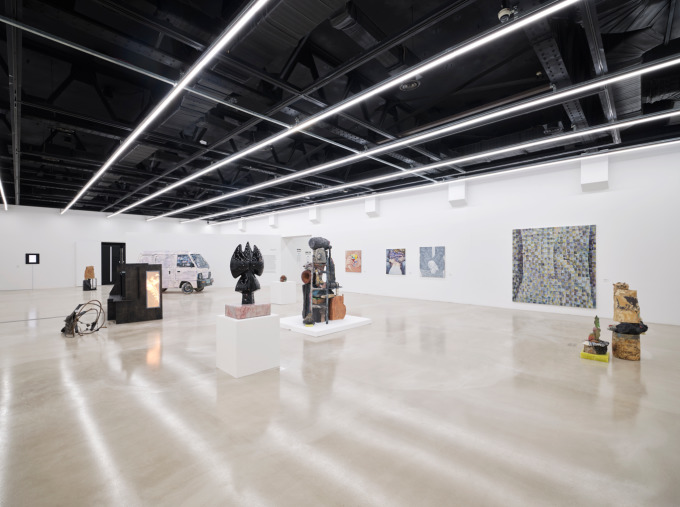
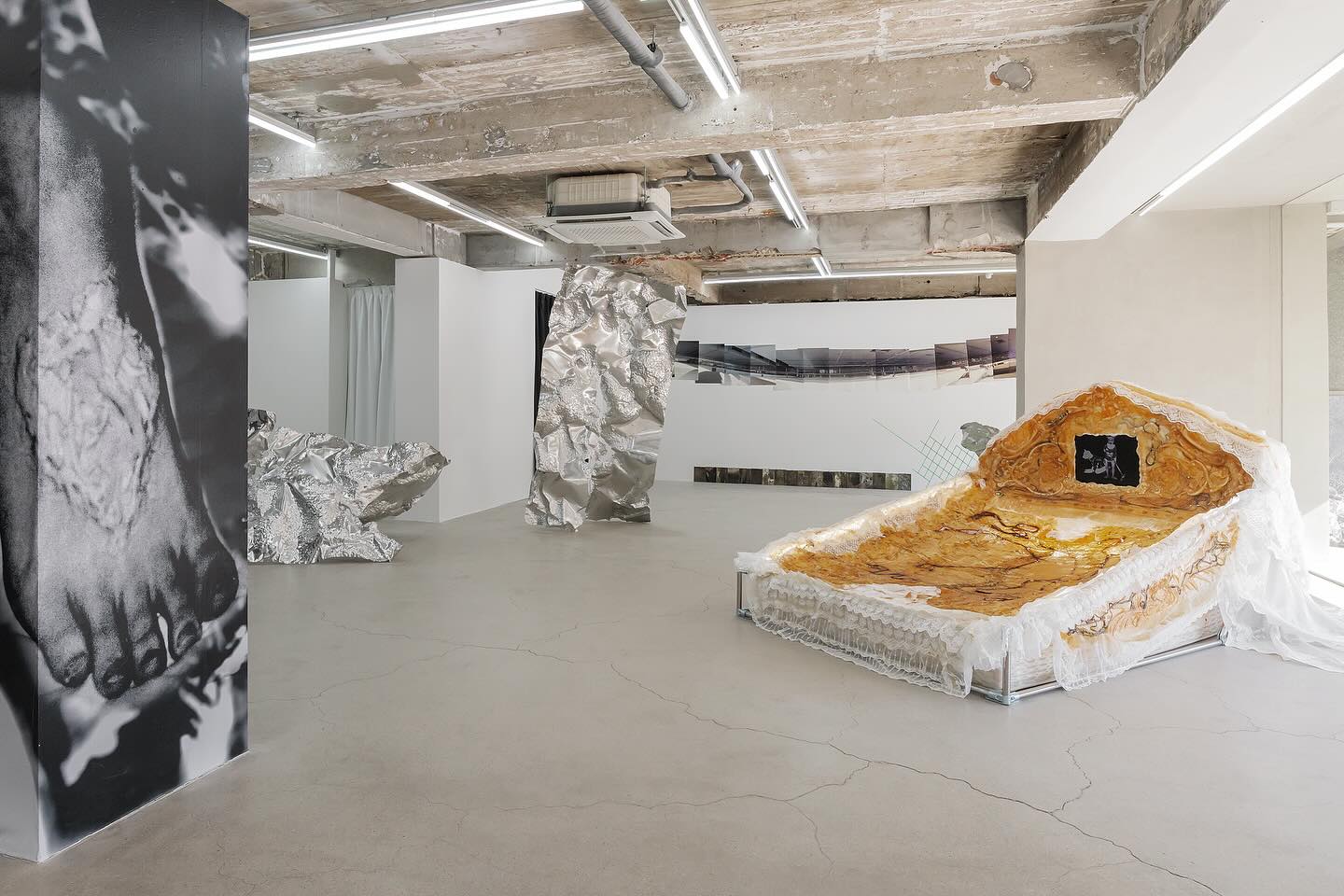
In 《The Poor》 (Museumhead, 2025), they addressed
the intertwined nature of sexual and class identities through the
sculpture Sculpture for Visitor (2023) and the
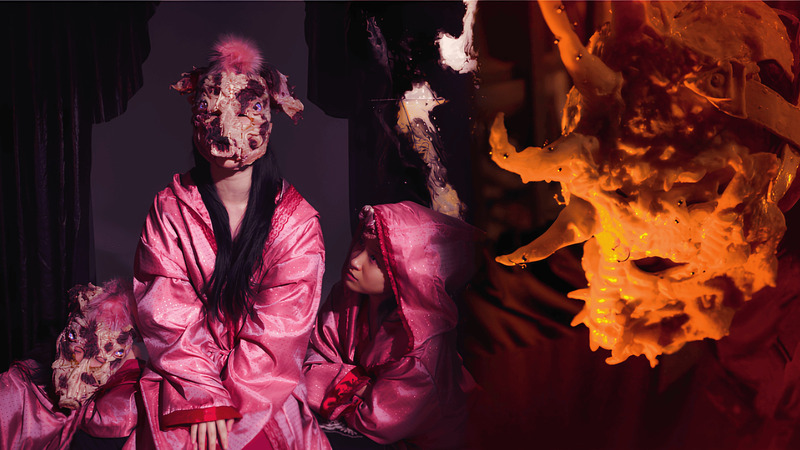
video Visitor, engaging with narratives embedded in the
spatiality of motels, such as sex work, temporary lodging, and the social
periphery. Here, the transformed body as “trespasser” and “occupier” intersects
with the shadow of reproductive labor, revealing multi-layered identities.
Most
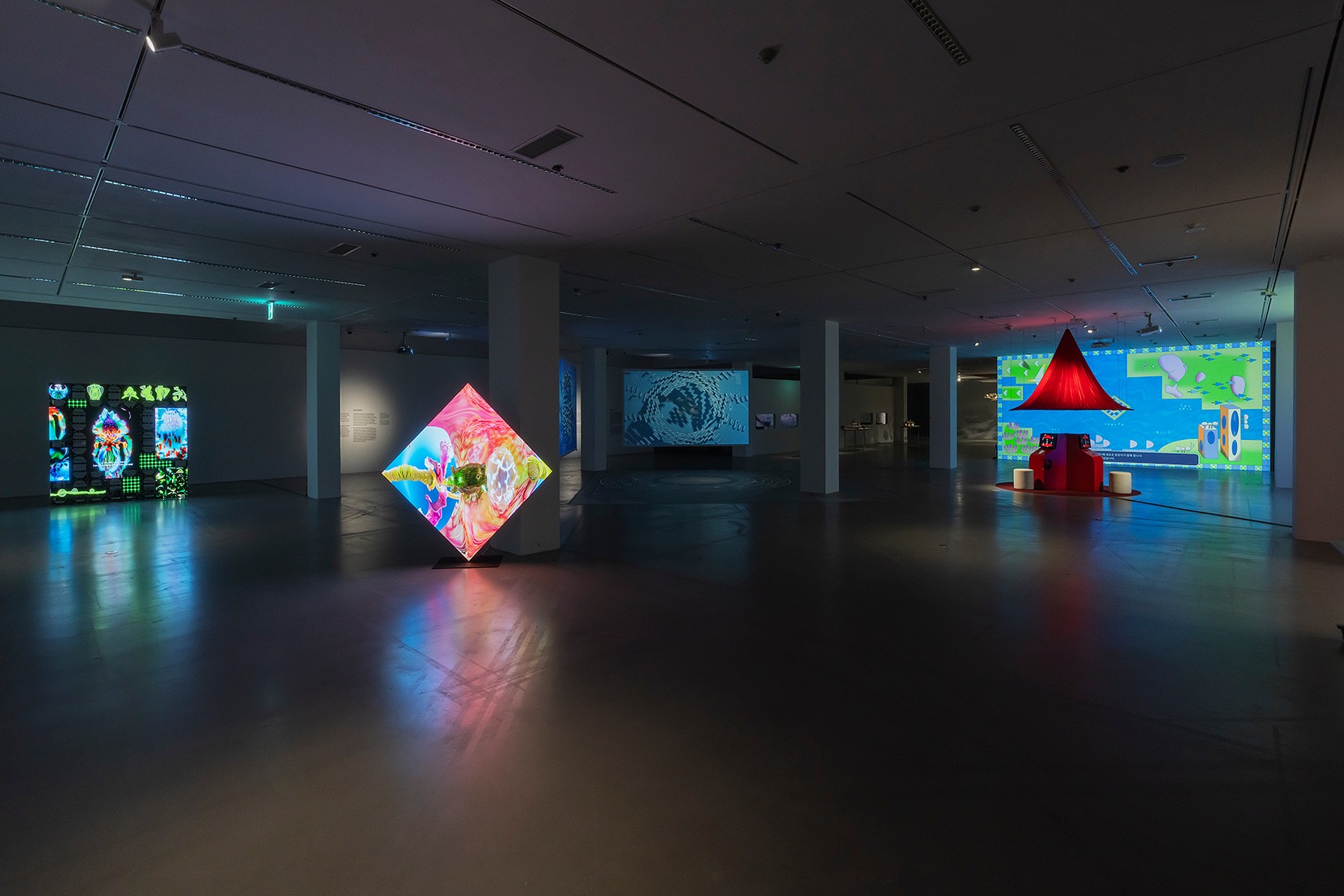
recently, in the group exhibition 《Young Korean Artists 2025: Here and Now》 at
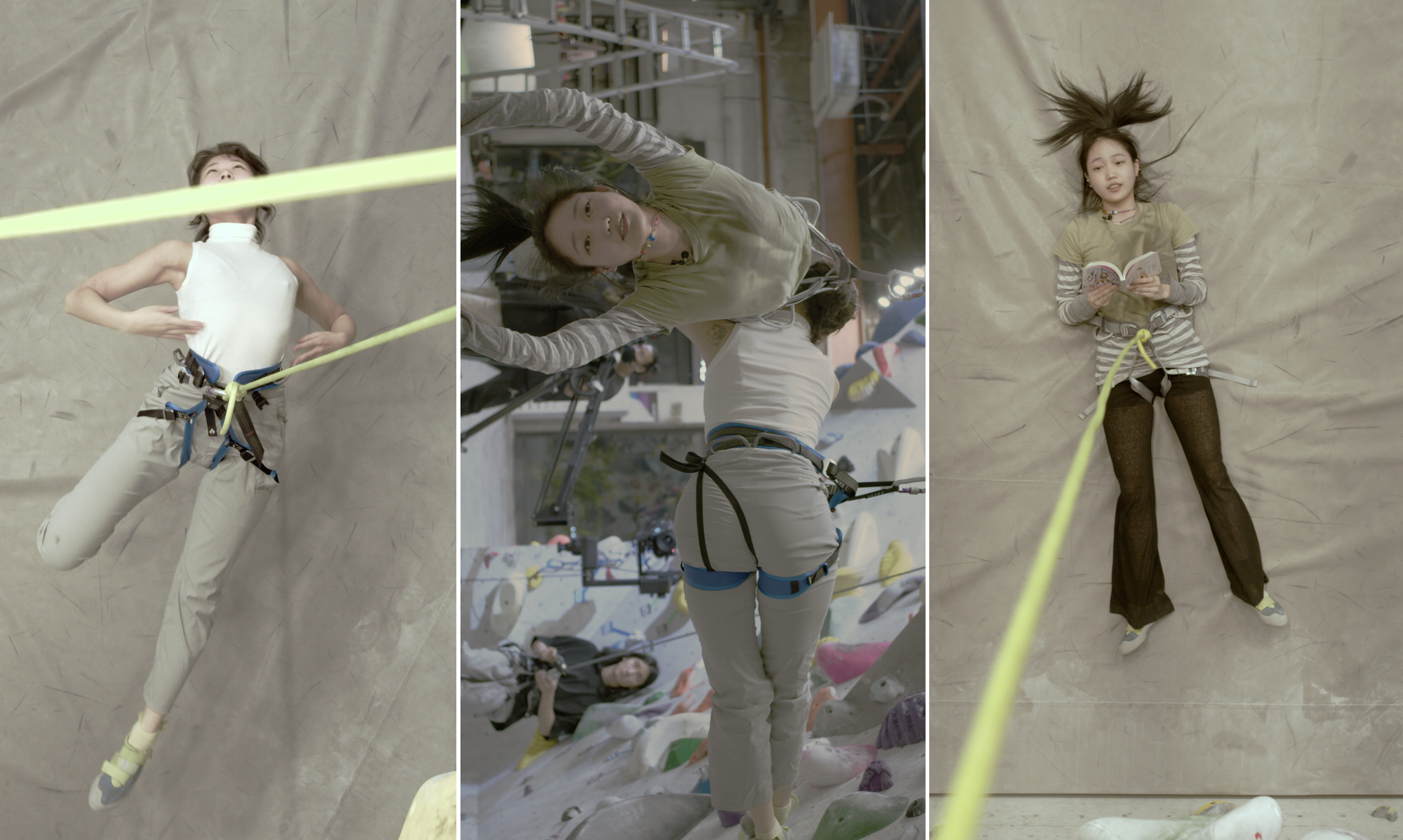
the National Museum of Modern and Contemporary Art, the video
work Dark Ride (2025) avoided objectifying the
sensation of “fear,” instead using it as a medium to intersect social
discourses on gender, labor, and care. Viewed through the eyes of a theme park
haunted house worker, the work exposes the conditions of real-life fear
embedded in everyday life, demonstrating the consistent expansion of Yagwang’s
socio-gender consciousness.