
Sacred Jewel (寶珠) - K-ARTIST

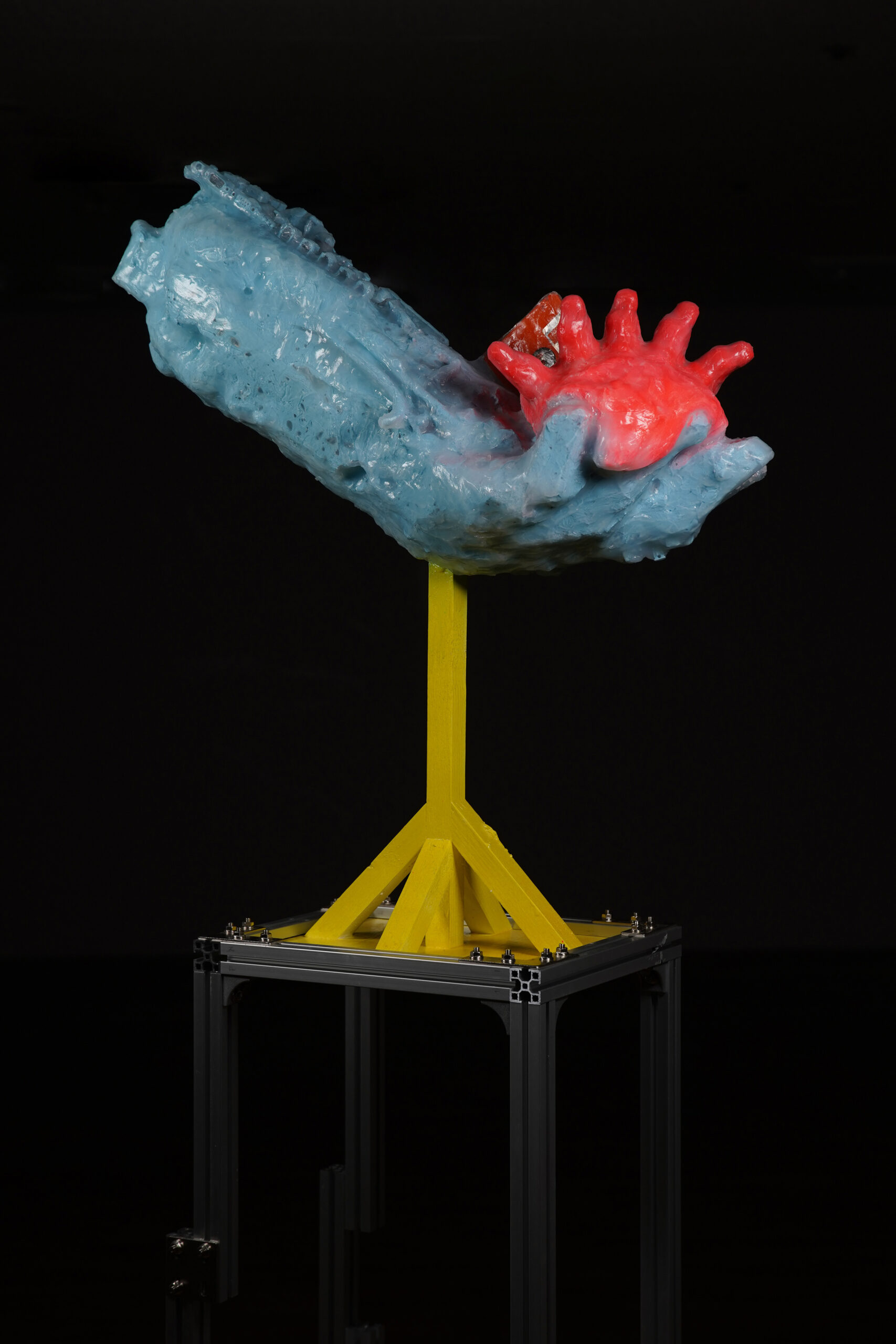
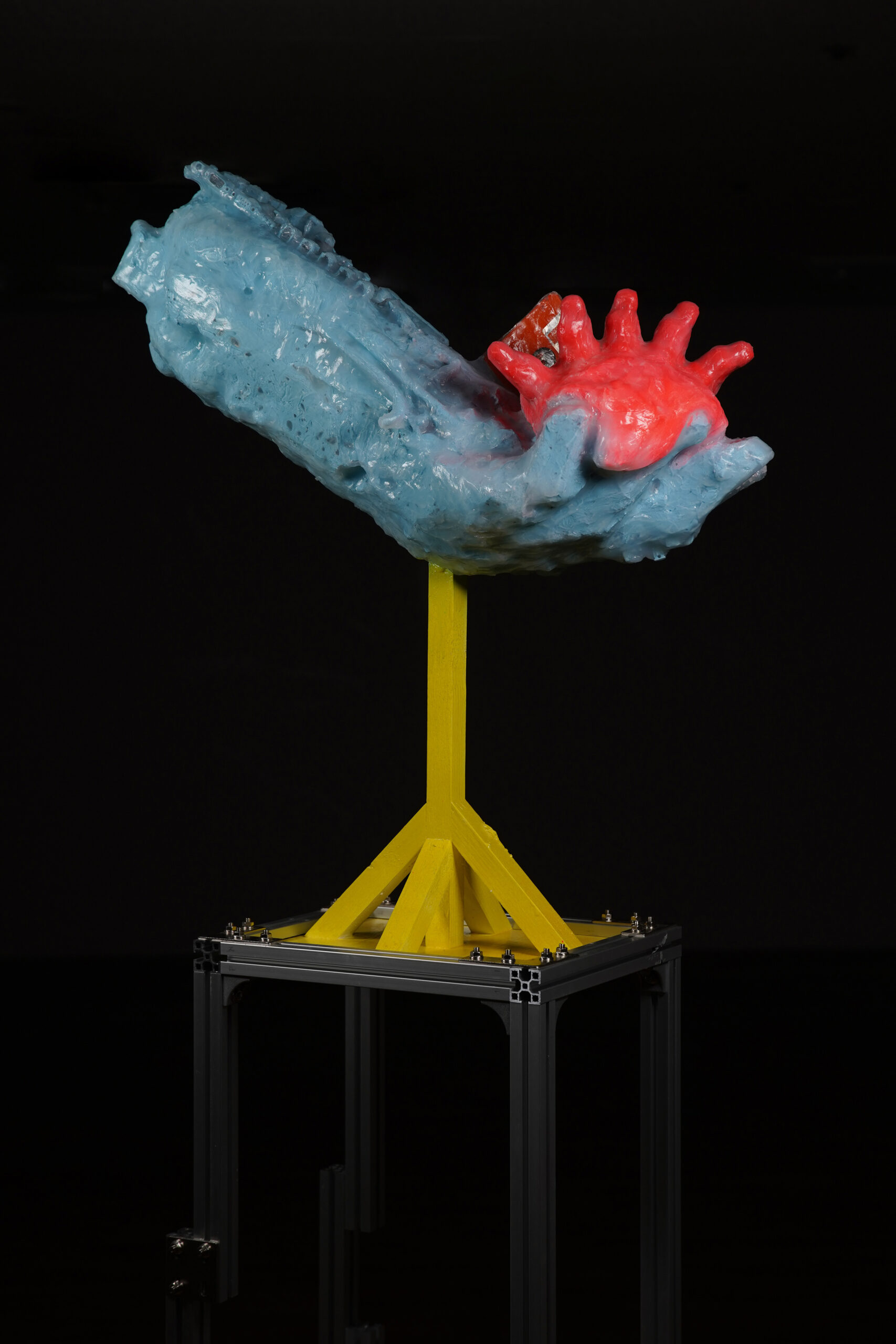
Sacred Jewel (寶珠)

2023
Wood, Styrofoam, PLA, plastic, polyurethane foam, spray paint, acetic acid-free sealant
75 x 65 x 30 cm
About The Work

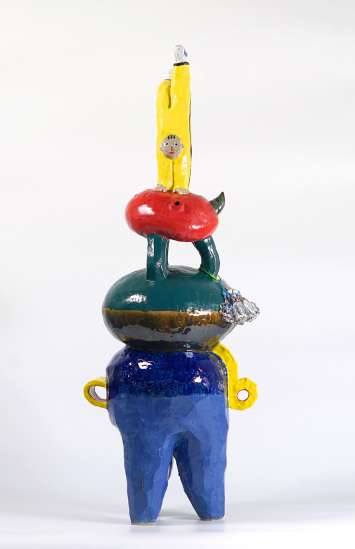
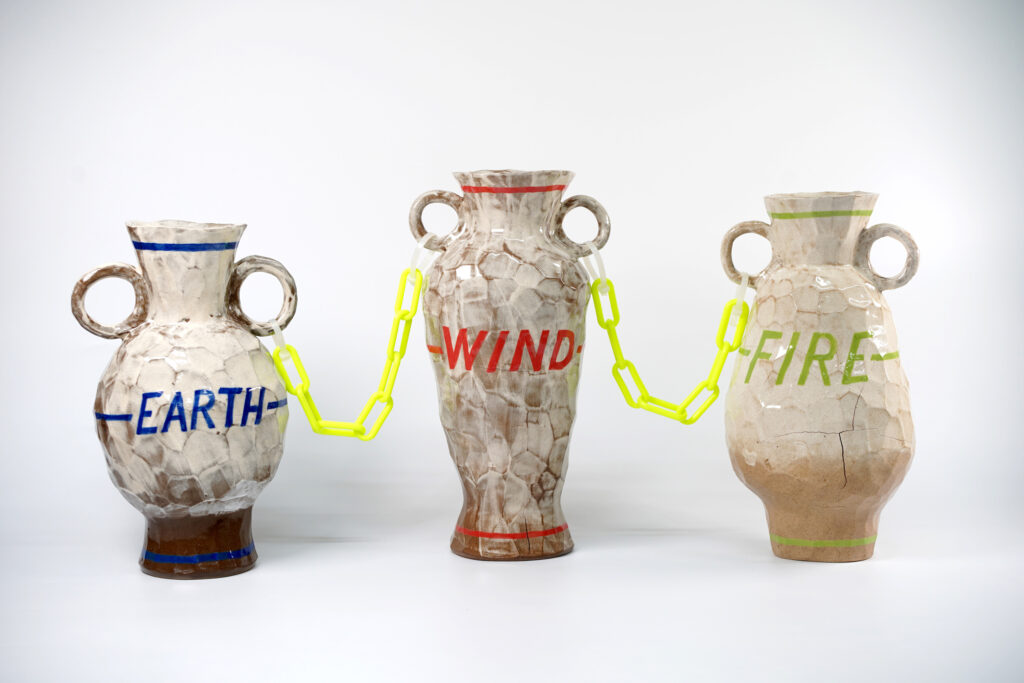
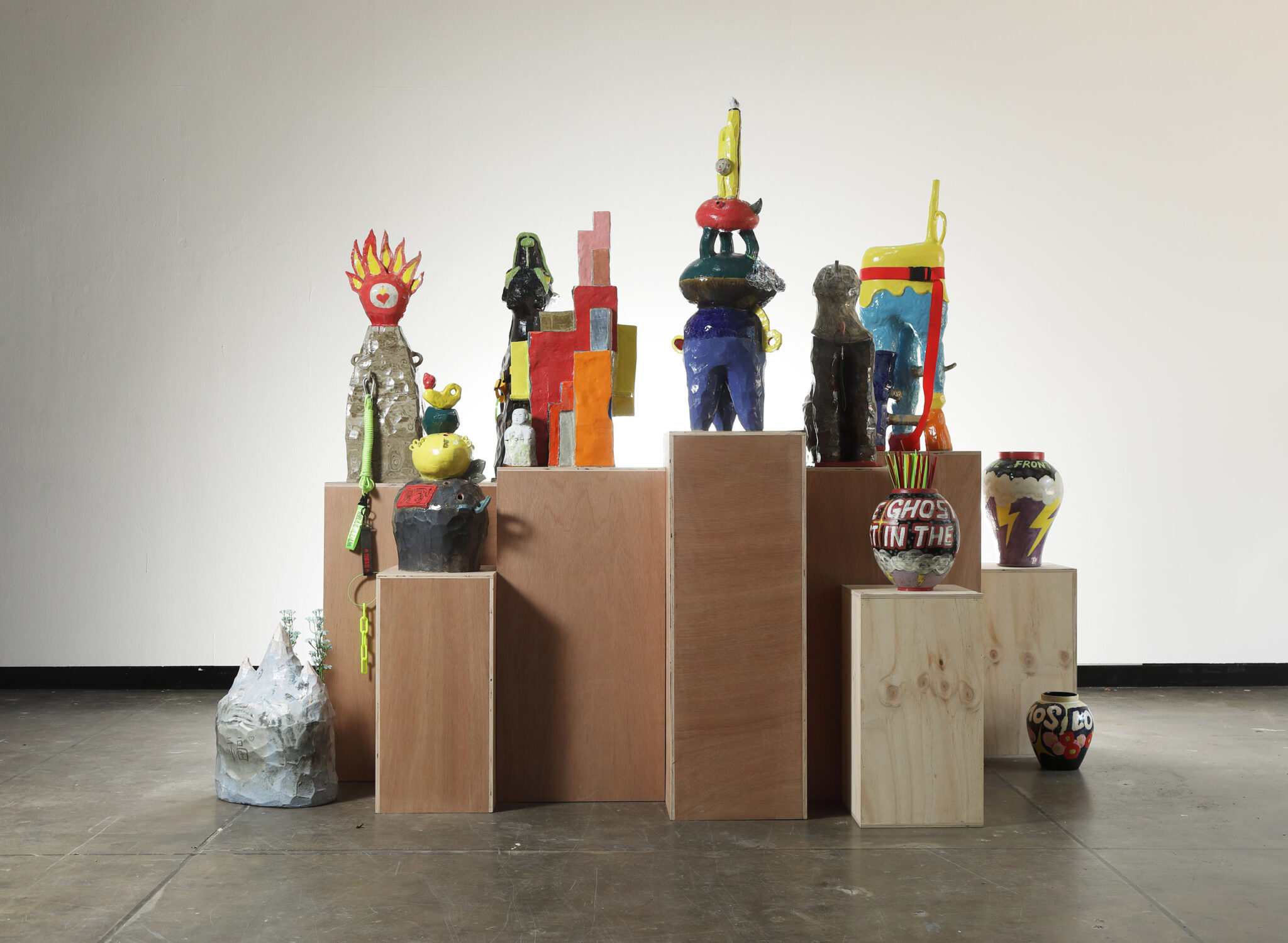
Oh Jeisung has been reinterpreting the sculptural legacy inherited from the past by bringing it into the context of the present and transforming it into new forms of sculpture. To this end, he combines traditional sculpting techniques with contemporary methods and materials—such as 3D printing and video—conducting a formal exploration of sculpture that bridges the past and the present.
 
He continuously explores ways for traditional Korean sensibilities to survive through contemporary technologies, carrying forward the spirit and unique aesthetic values of his predecessors preserved in sculpture. His work, which summons what lies beneath the surface of form into the present time and space, serves to revive the lost values and spirit that were fragmented and overlooked during the process of categorizing Korean sculptural history according to Western art historical standards.

Solo Exhibitions (Brief)

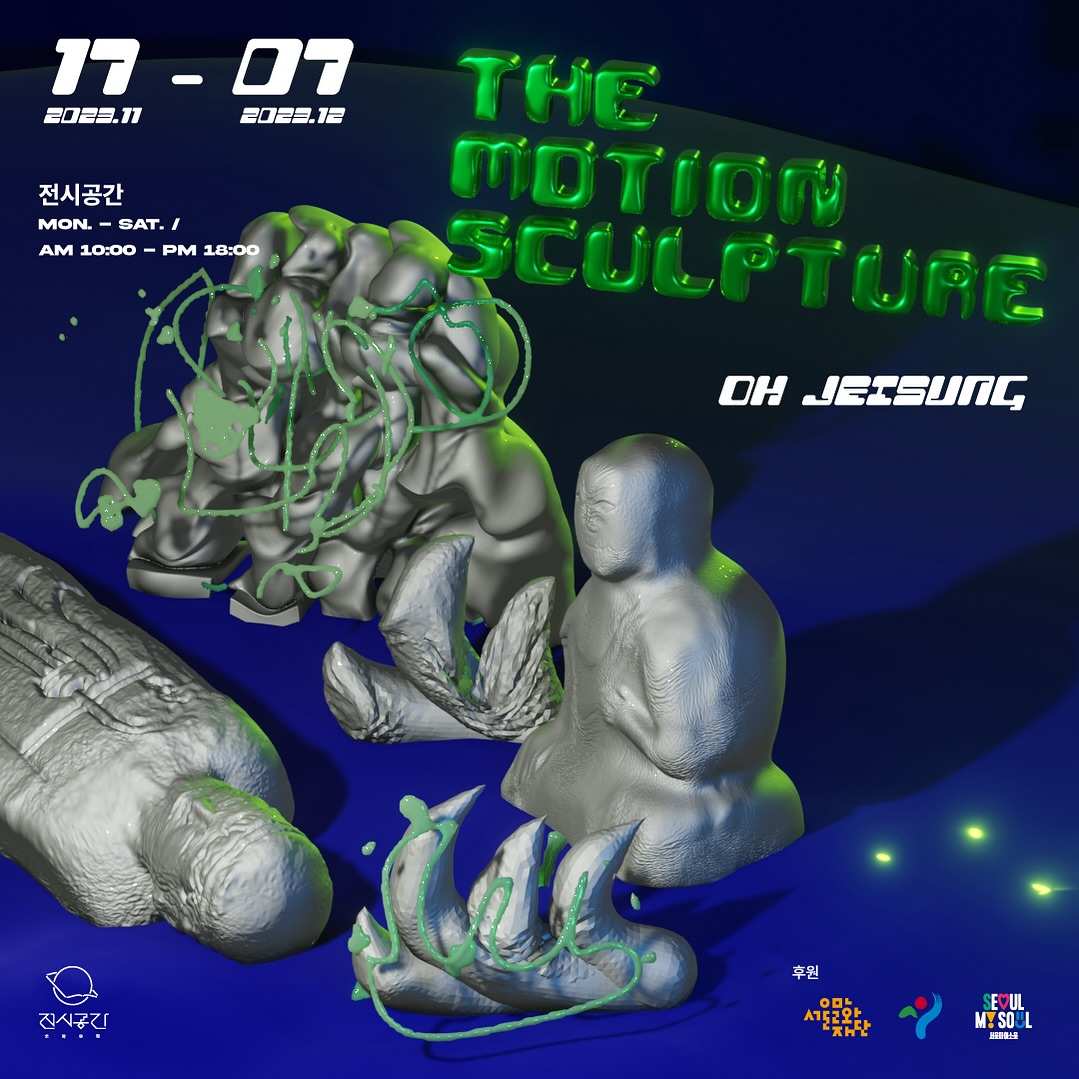
Oh Jeisung’s solo exhibitions include 《Ghost Protocol》 (Kumho Museum of Art, Seoul, 2024), 《Joyful Sculpture》 (The Square, Seoul, 2023), 《Playful Sculpture》 (space xx, Seoul, 2023), 《Ceramic Art Andenne》 (Ceramic Art Andenne, Belgium, 2022), and 《The Motion Lines》 (SONGEUN Art Cube, Seoul, 2019), among others.

Group Exhibitions (Brief)

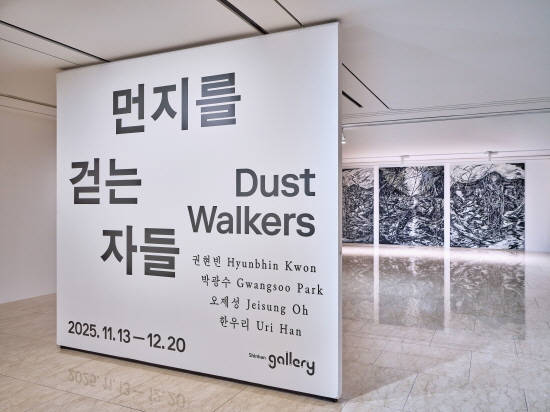
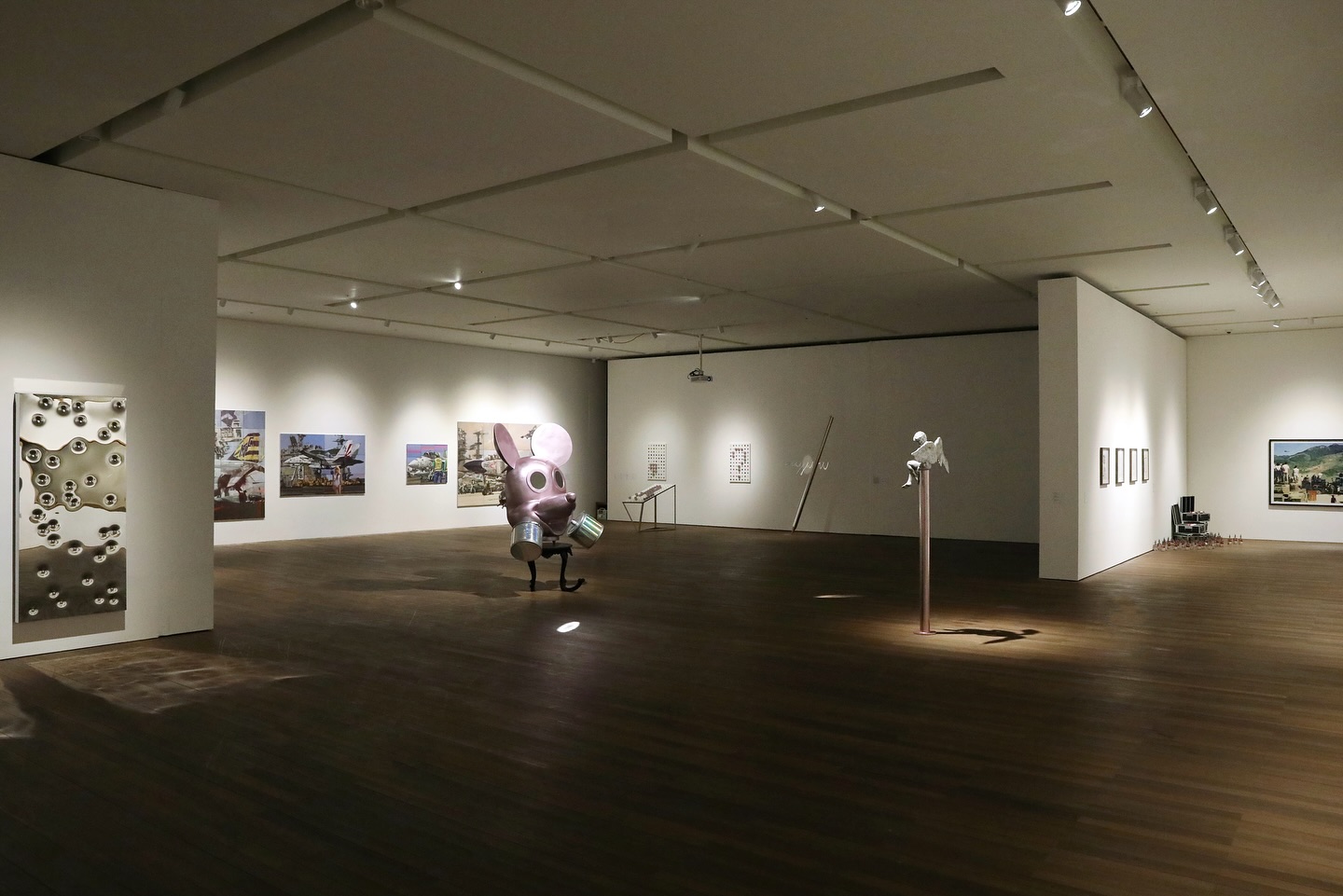
Oh has also participated in numerous group exhibitions such as 《Worlds Beyond Extraordinary》 (Gyeonggi Museum of Modern Art, Ansan, 2025), Sculpture City, Seoul 2024, 《OFF THE PAGE》 (Daejeon Museum of Art, Daejeon, 2022), 《Sculptural Impulse》 (SeMA Buk-Seoul Museum of Art, 2022), the Korean International Ceramic Biennale 2021, and 《Summer Love》 (SONGEUN, Seoul, 2019).

Residencies (Selected)

Oh has been a participant in residency programs including Goyang Artist Residency Haeum (2023), Ceramic Art Andenne (Andenne, Belgium, 2022), Ateliers des Arques (France, 2022), and K’ARTS STUDIO at Korea National University of Arts (2021).
Works of Art

A Formative Exploration that Connects the Past and the Present

Originality & Identity

Oh Jeisung’s work begins with an imaginative engagement with time and space, where tradition and the present, the past and the future are superimposed. His early works, shown in his 2019 solo exhibition 《The Motion Lines》 at SONGEUN Art Cube, proposed the idea of “time travel” through emotional communion with artists of the past—sparked by his encounter with a sculpture by Giacometti. At this point, Oh moved beyond the concept of linear time and focused on how emotions could transcend time and space through a multi-layered narrative structure.

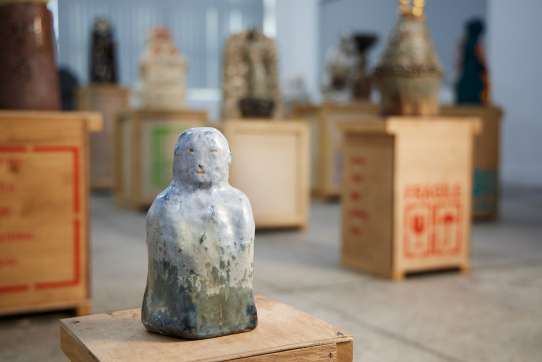
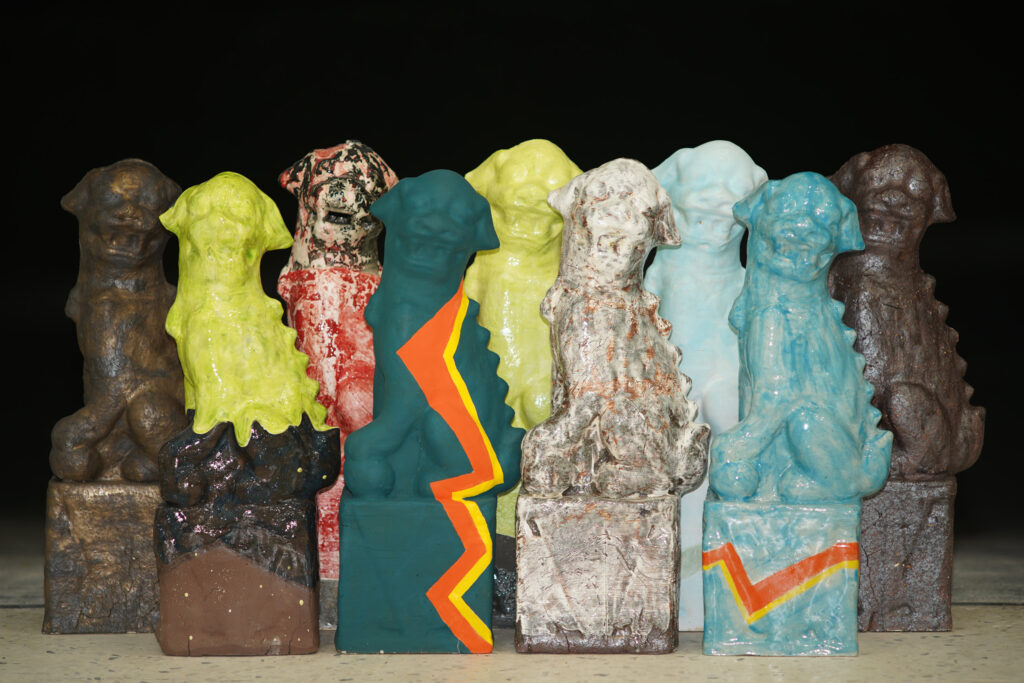
Subsequently, in his ongoing ‘INDEX’ (2020~) series, the artist focuses on the aesthetic value, function, and narrative embedded in traditional Korean vernacular sculpture, particularly non-designated cultural properties. In INDEX_Dabogak Landscape (2020–2024), he explores how cultural legacies—hybridized between Western and East Asian traditions—are transformed and recontextualized through the act of “preservation.” Through this, he evokes memories and sensations that cannot be confined to the institutional space of a museum.

In INDEX_Chocheon-ri Maitreya (2022), Oh further explores the integration of digital scanning and traditional sculptural methods. The process of dismantling and reconstructing physical heritage into informational fragments via new technology becomes the central theme of the work. Through this, Oh envisions tradition as a living body of data that can continue its existence into future temporalities.

His most recent work, Memory of Sculpture (2024), attempts to materialize “memory” itself by combining the spirit of modern sculpture, the residuals of its materials, and symbolic fragments such as sculpted faces. This is not merely a reenactment of sculptural language but a practice that interrogates the ontology of sculpture at the intersection where past aesthetics and contemporary material sensibilities collide and merge.

Style & Contents

Oh Jeisung’s formal experiments expand the boundaries of sculpture by blending traditional sculptural techniques with cutting-edge technology. In early exhibition like 《The Motion Lines》 (2019), he used photography and video to visualize the intersection of emotion and memory within time and space—demonstrating that sculpture can function not only as a physical object but as an affective medium.

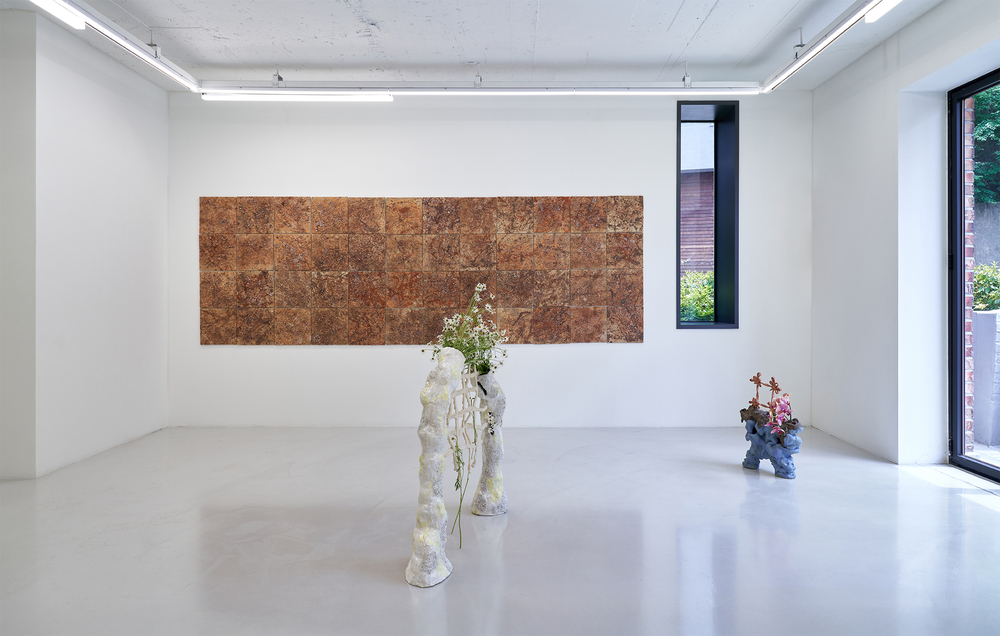
In the ‘INDEX’ series, he actively incorporates traditional materials such as ceramic, wood, and metal, along with industrial materials like PLA, acrylic, and aluminum profiles. For example, INDEX#3_Dabogak Landscape (2020) features a structure made of aluminum profiles that house sculptures, revealing a duality between traditional sculptural materials and modern industrial framing. This suggests that the way we contain and contextualize the past can also be redesigned using the language of the present.

In INDEX_Chocheon-ri Maitreya (2022), Oh employs a range of sculptural technologies in parallel, including 3D scanning, printing, clay modeling, ceramics, and photo printing. Here, he experiments with the idea that the physical notion of sculpture can be expanded into digital information, intangible coordinates, and metadata for future restoration. The embedded GPS and data serve as key devices that transform the work into an informational sculpture.

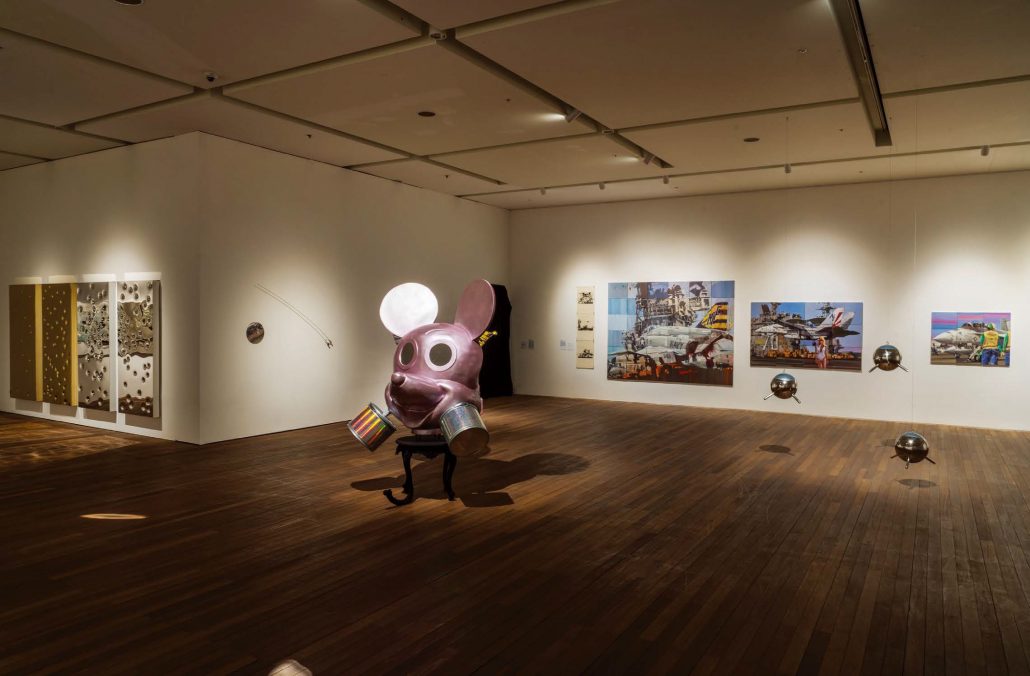
Works produced in 2023–2024—such as Sacred JewelFertile Earth, and Memory of Sculpture—demonstrate an expanded sculptural language using industrial materials, construction waste, spray paint, waterproofing agents, and silicone. In particular, Fertile Earth (2023) reinterprets Park Suk Won’s Scorched Earth (1967) in raised relief, offering a formal inversion that also reverses the emotional direction of the original through sculptural reinterpretation.

Topography & Continuity

By combining the non-designated, freeform aesthetics of traditional vernacular sculpture with digital technology, Oh Jeisung has established himself as a leading figure in the contemporary Korean sculpture scene who expands the boundaries of sculptural language. Notably, his adaptation of the East Asian painting concept of sayi (寫意) into sculpture introduces the possibility of responsive inheritance, rather than merely reproducing tradition—pioneering a new sculptural aesthetics.

Through the ‘INDEX’ series, he has reconstructed traditional heritage beyond institutional boundaries using personal perception and memory, and later expanded his practice into the realm of modern Korean sculpture with works like Fertile Earth and Memory of Sculpture. In doing so, his work mediates between past and present, spirit and matter, originality and variability within the sculptural medium.

Oh’s work does not simply invoke the past but rearranges its sensibilities using the languages and emotions of the present, proposing forward-looking sculptural strategies. His use of digital restoration methodologies, imagined interior spaces, and the recontextualization of cultural assets across public and institutional domains all point to the potential expansion of his sculptural practice.

Looking ahead, Oh is likely to continue exploring intersections where technology and sensibility, institution and everyday life, memory and illusion converge—redefining the ontology of sculpture in a contemporary context. This presents a compelling direction for contemporary sculpture, in which tradition is not felt as a “disconnected past” but as a “continuous present.”

Works of Art

A Formative Exploration that Connects the Past and the Present

Articles

Exhibitions

Activities