Grim
Park’s work has evolved as an experimental reinterpretation of queer identity
and contemporary social power structures through the formal language of
Buddhist painting, starting from autobiographical narratives. In his early solo
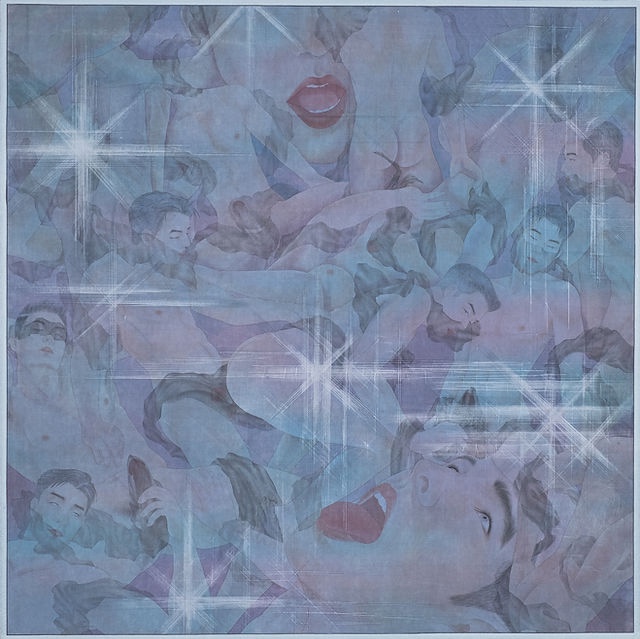
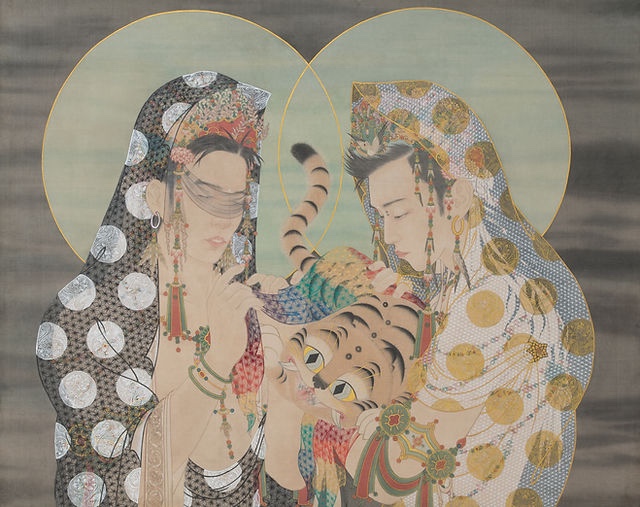
exhibition 《Hwarangdo》(Bul-il Museum, 2018), he visualized the narcissism, self-love, and
desire for social visibility expressed within the gay community in the style of
Goryeo Buddhist painting, attempting a metaphorical exploration of the
formation of queer subjectivity and the potential for enlightenment.
In
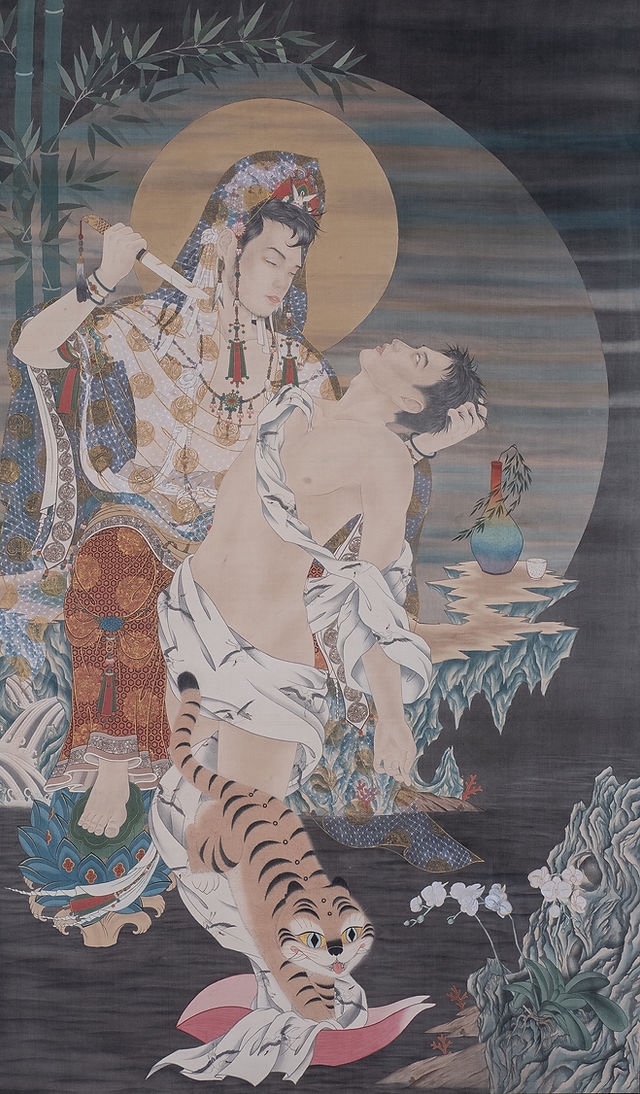
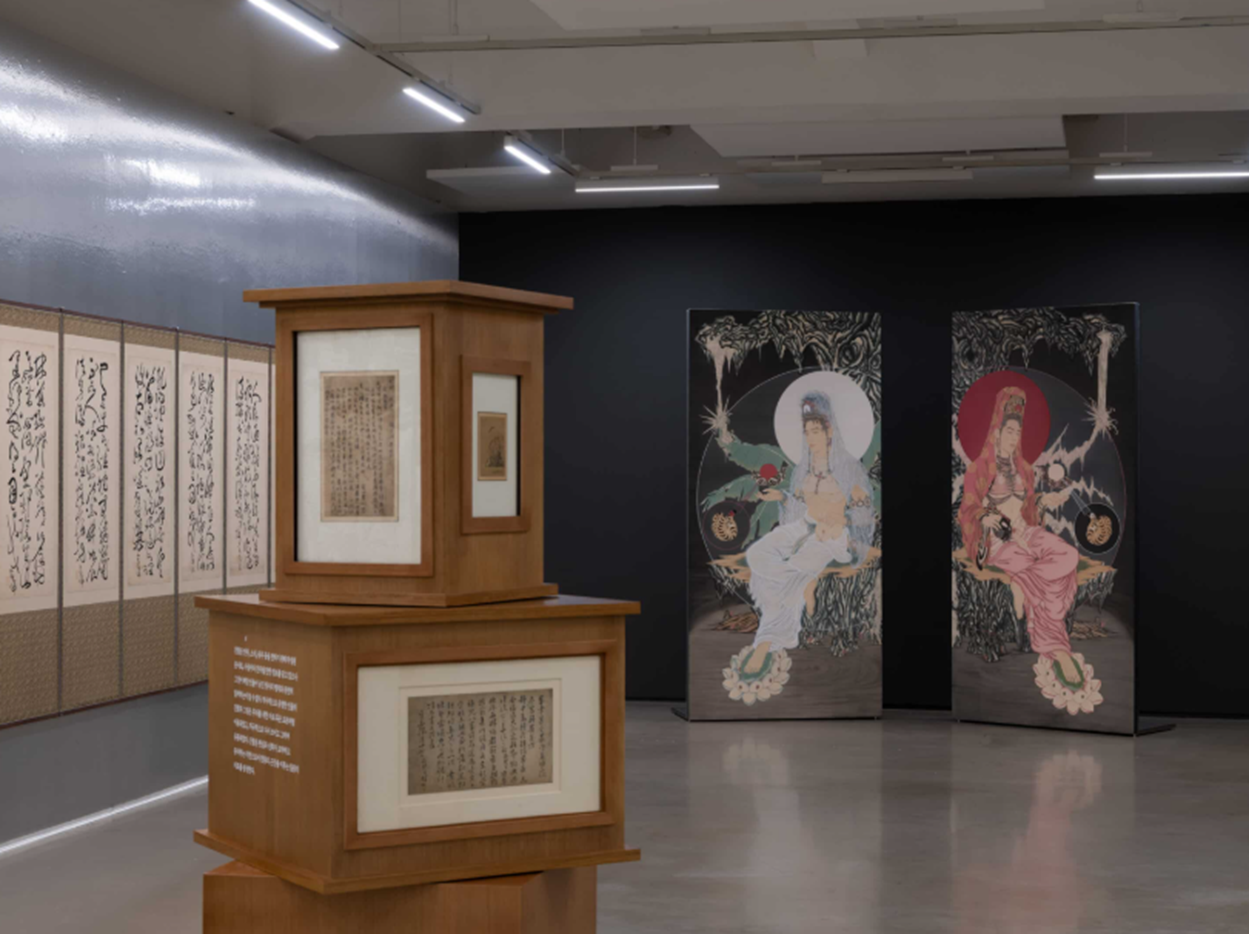
particular, the ‘Shimhodo’ series, which began during this period, transforms
the Buddhist narrative of Shimwudo into a queer
allegory, redirecting the work’s focus toward inner exploration.
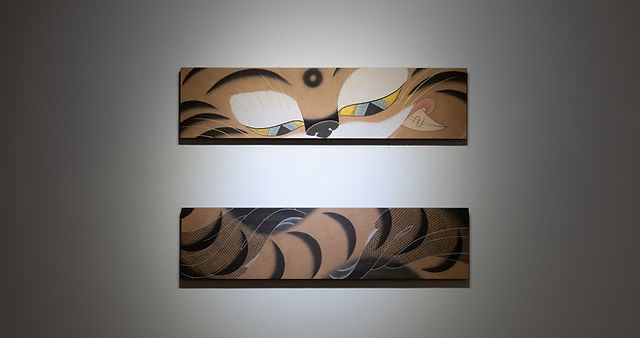
In Shimhodo - Chosen(2018), beautiful gay men are
recast as bodhisattvas, and at the center, a tiger emerges as the artist’s
persona—rising as the subject of identity exploration by overcoming self-hatred
and longing for others. From this point onward, Park’s work develops around
philosophical reflections on the relationship between self and other, and on
the incompleteness and complexity of existence.
Park internalizes
the gaze that was previously projected onto others, unraveling the queer
subject’s journey of suffering and self-recovery through mythical allegory. In
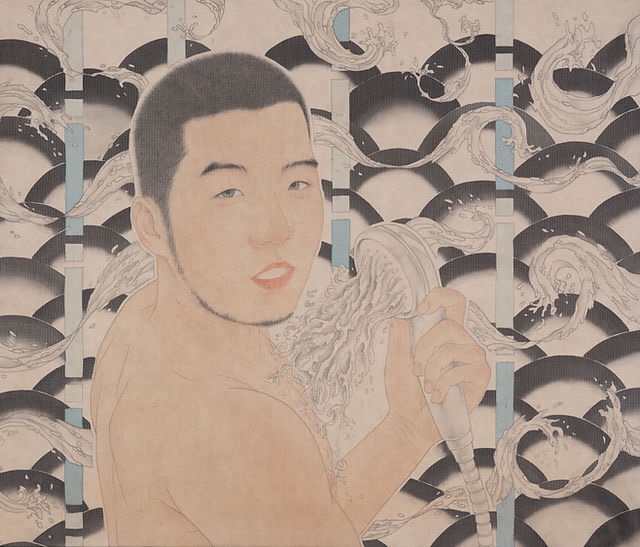
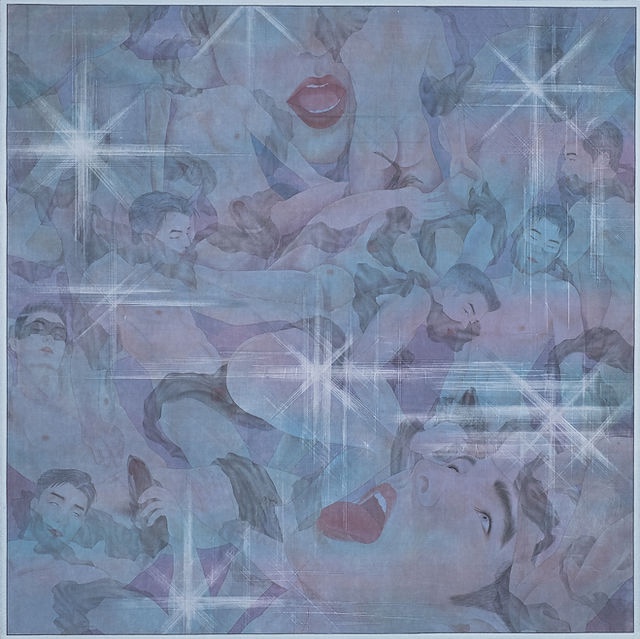
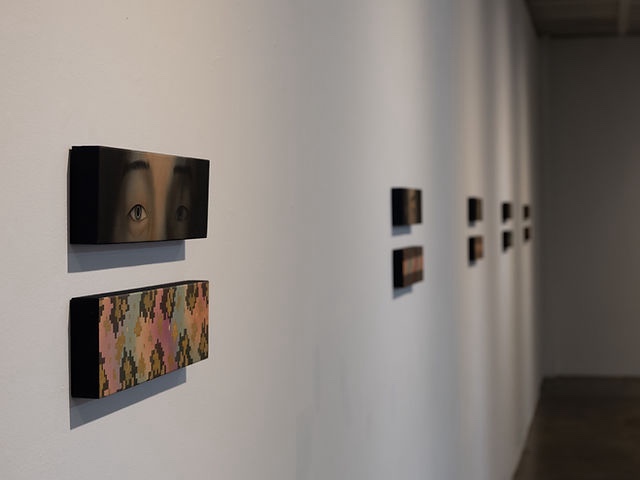
his solo exhibition 《CHAM; The
Masquerade》(UARTSPACE, 2021), he used the Tibetan
Buddhist masked dance-drama “Cham” as a motif, juxtaposing symbolic patterns
with close-up portraits of “Gay Facebook Stars’” eyes, thereby examining the
power structures of self-object projection and the confrontation with illusion.
His works from this period combine internalized narratives of spiritual
practice with sanctified representations of identity, substituting the
spiritual dimension of traditional Buddhist painting with queer narratives.
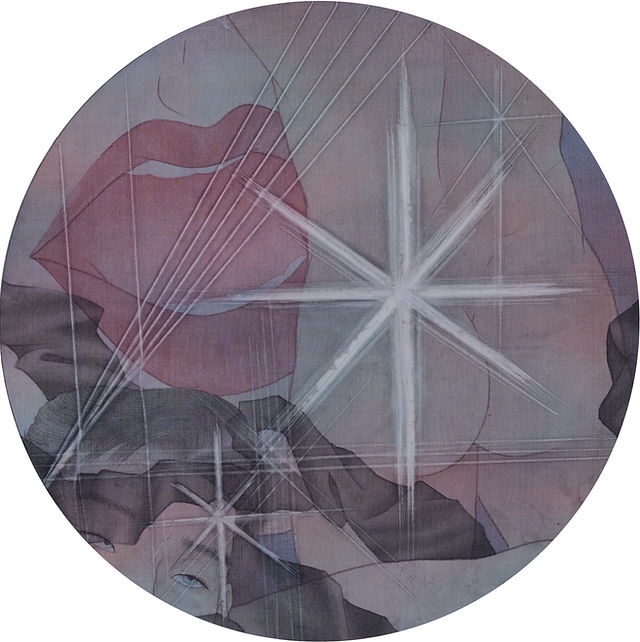
In his
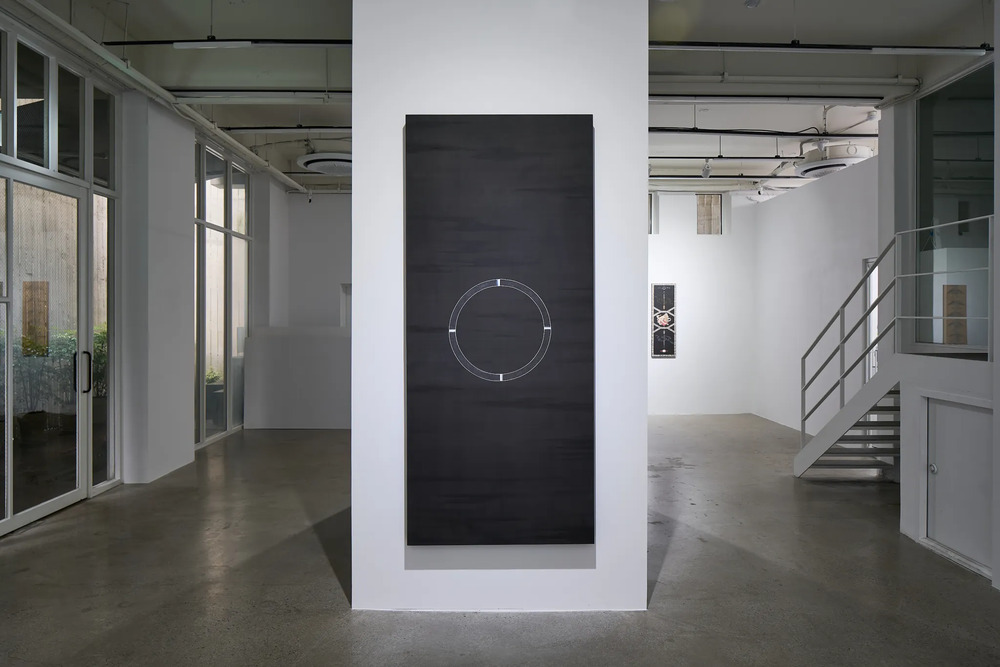
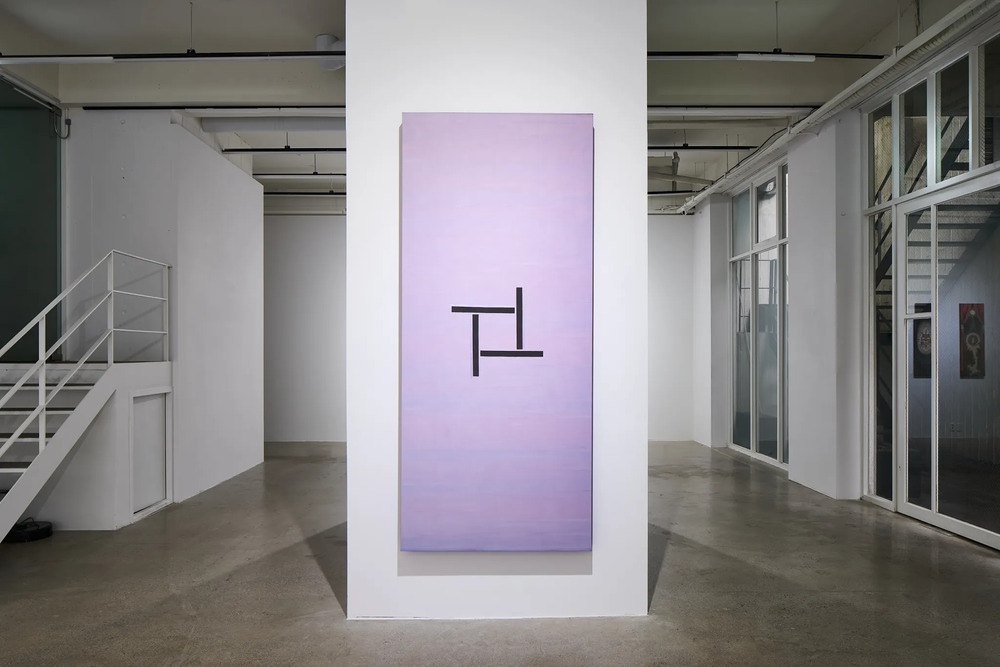
recent solo exhibition 《44》(2024, Studio Concrete), Park emphasized a critique of binary
thinking. In particular, Return(2024)
and Wheel(2024) eliminate all relationships and
iconography, leaving only radically condensed traces that suggest a meditation
on the essence of existence and enlightenment. The artist reflects on past
selves and their visual symbols, adding greater depth to his self-awareness.
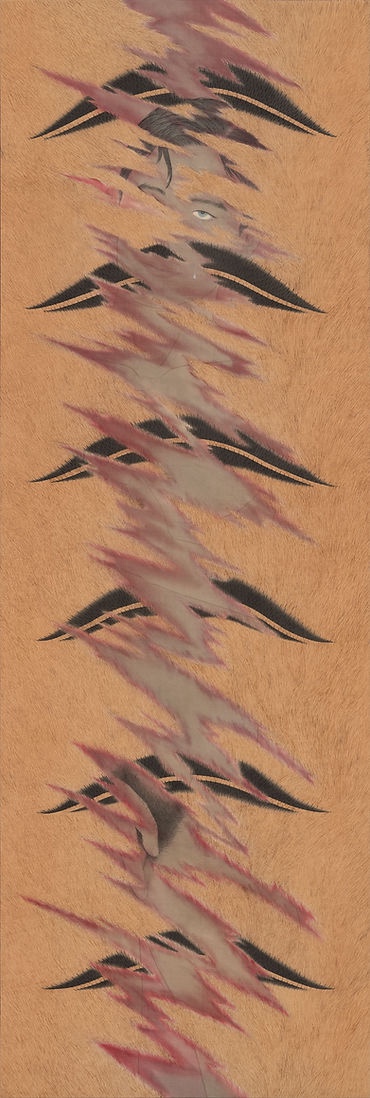
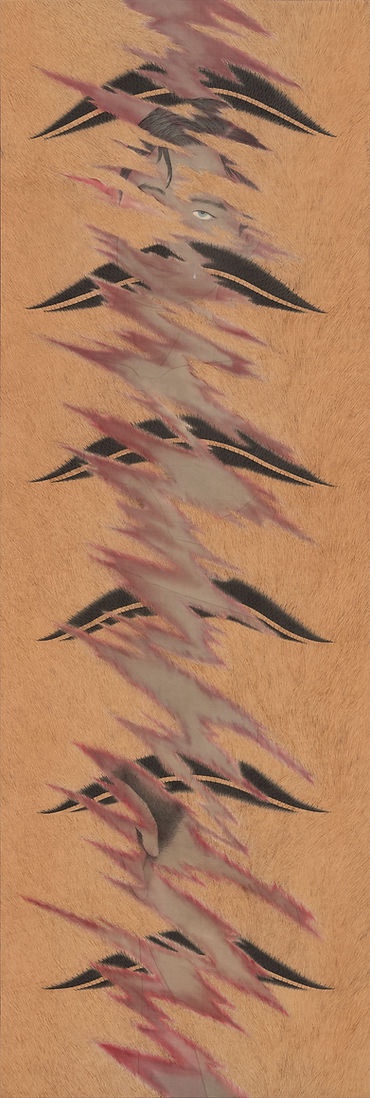
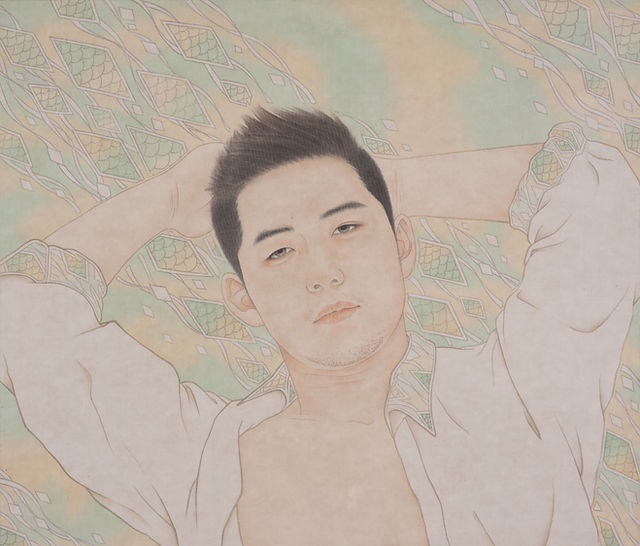
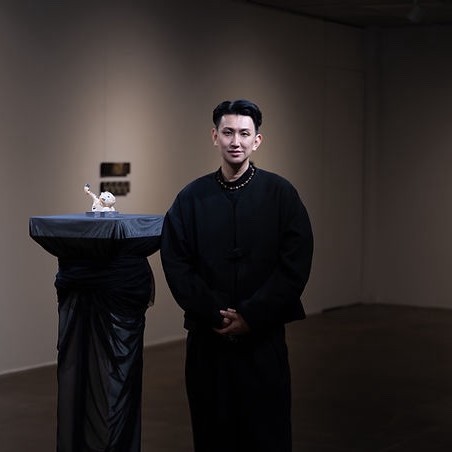
In Enigma 我尾(2024), he breaks
away from past idolization and dependence on others, appearing within a torn
gap—signaling a shift from relationship-centeredness to a self-centered focus.
This development in his narratives enables a profound reading of queer identity
in contemporary contexts.