
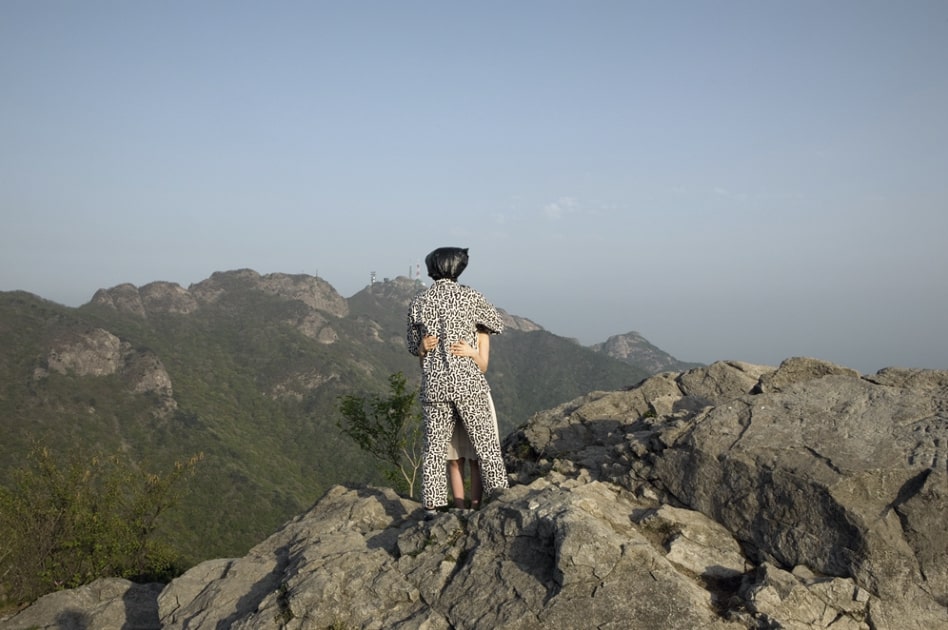
Sindoan-Group Photographs, Samsindang, Younggamoodo, Shichunju, Kubera, Yeonchoen Hill in GyeryongMt - K-ARTIST

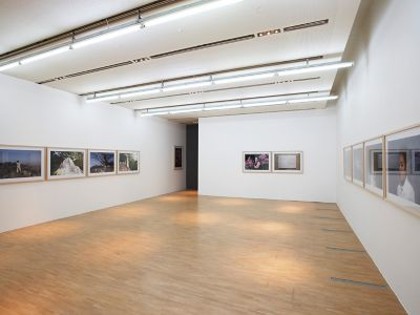
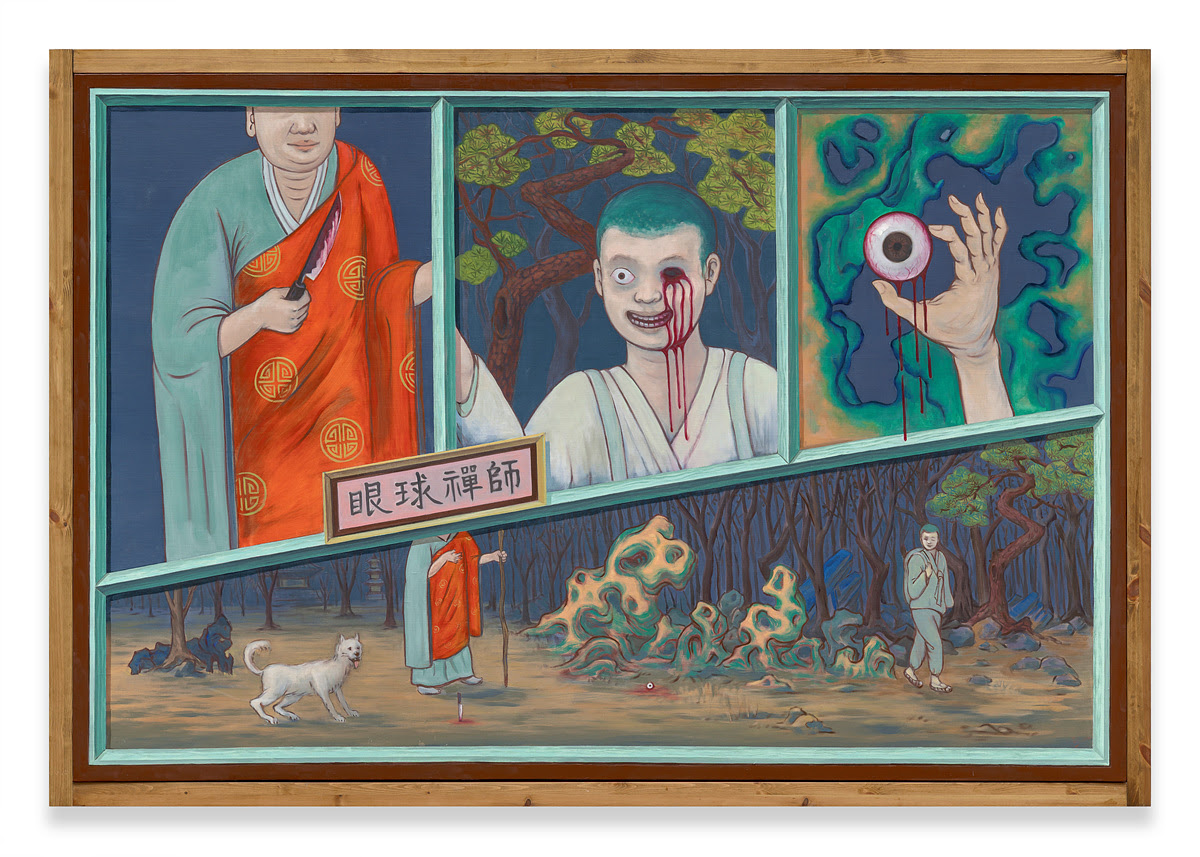
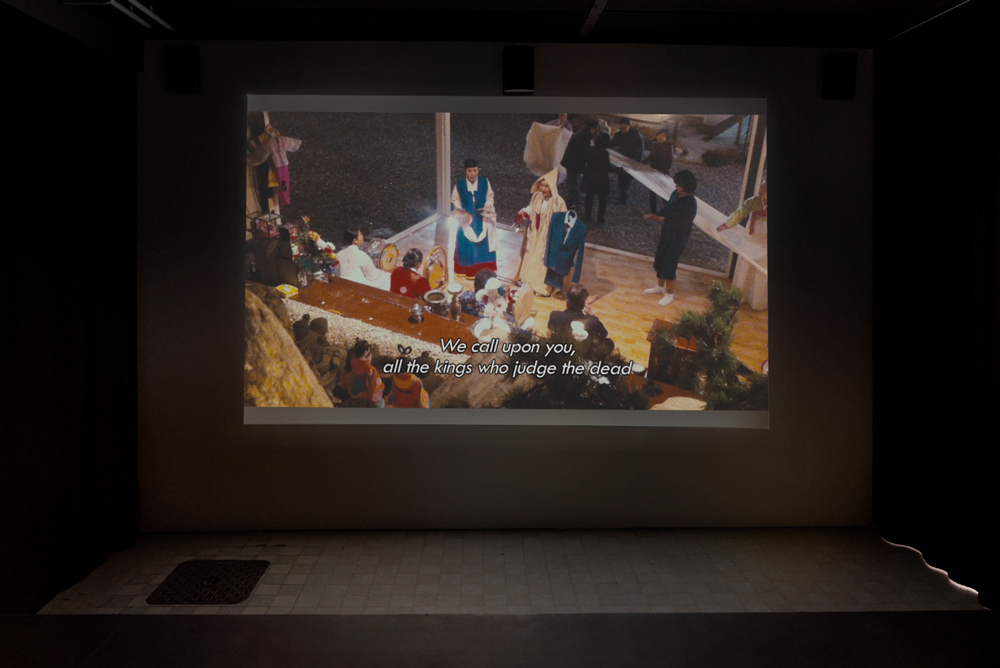
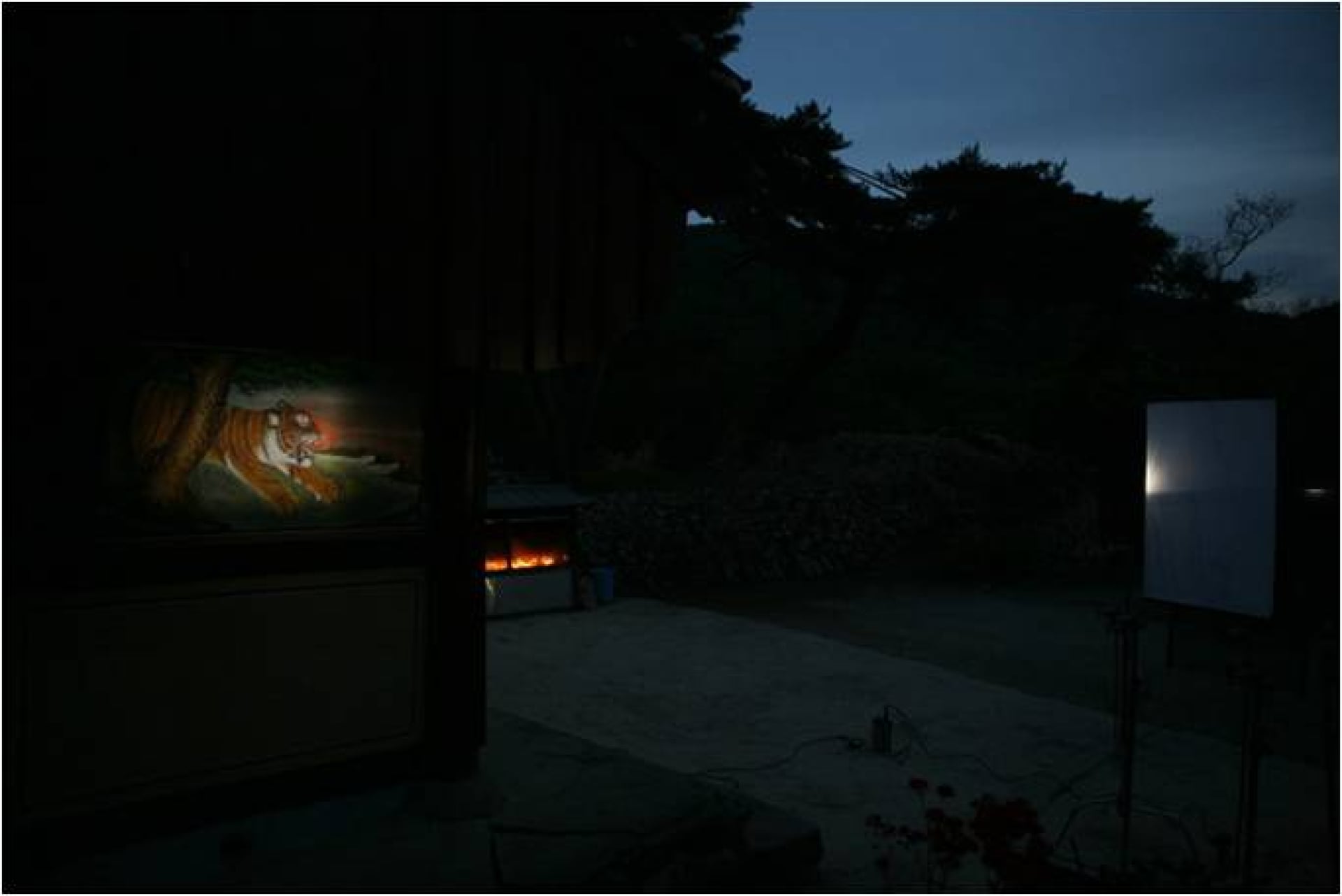
Sindoan-Group Photographs, Samsindang, Younggamoodo, Shichunju, Kubera, Yeonchoen Hill in GyeryongMt

2008
Six-channel video, color, sound
8min 29sec, 7min 49sec, 5min 23sec, 7min 35sec, 2min 40sec, 7min 29sec
About The Work

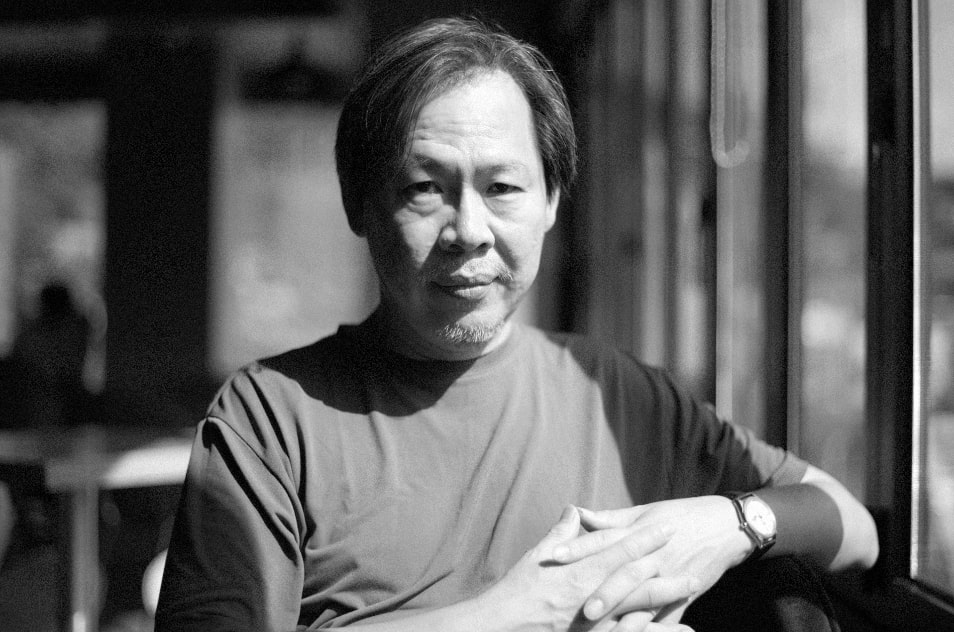
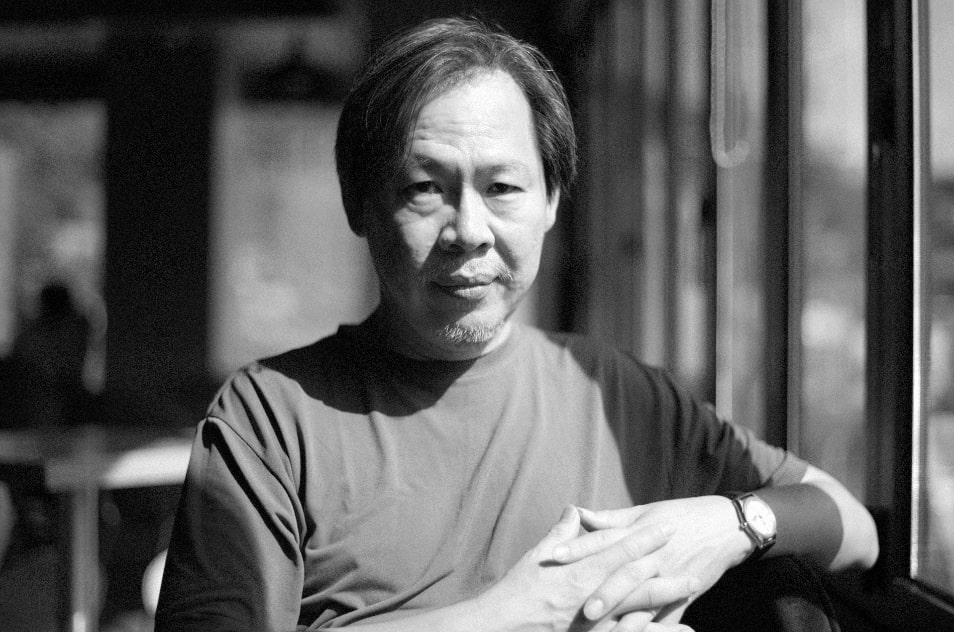
Park Chan-kyong, a media artist, filmmaker, and writer, has explored themes such as the Cold War, division, tradition, and religion, examining Korean society’s reckless pursuit of Western-style modernization and economic growth.

His work uncovers distorted points in history, offering comfort to marginalized figures, and through this, he urges us to re-confront our present and consider the future.

Solo Exhibitions (Brief)

Park Chan-kyong held his first solo exhibition, 《Black Box: Memory of the Cold War Images》, at the Kumho Museum of Art in 1997. Since then, he has presented various solo exhibitions at institutions such as Kukje Gallery, Atelier Hermès, Gallery SoSo, and Tina Kim Gallery in New York.

Group Exhibitions (Brief)

Park Chan-kyong has participated in numerous group exhibitions at institutions including the National Museum of Modern and Contemporary Art, Korea; the Philadelphia Museum of Art; Daejeon Art Center; Yokohama Museum of Art; Gyeongnam Art Museum; Seoul Museum of Art; and Ilmin Museum of Art.

Awards (Selected)

Park was awarded the Hermès Korea Art Award in 2004, and the Golden Bear for best short film at the Berlin International Film Festival in 2011 for Night Fishing.

Collections (Selected)

His works are included in the collection of major art institutions, such as the National Museum of Modern and Contemporary Art, Korea; KADIST, Paris and San Francisco; Musée des Beaux-Arts de Nantes, Nantes; Leeum, Samsung Museum of Art, Seoul; Seoul Museum of Art; Gyeonggi Museum of Modern Art, Ansan; and Art Sonje Center, Seoul.
Works of Art

Confronts the Present Through the Past

Originality & Identity

Park Chan-kyong’s work began with a macroscopic perspective on Korean modern history, retracing the legacy of division and the Cold War. Sets (2000), presented in his solo exhibition 《Black Box: Memory of the Cold War Images》(Kumho Museum of Art, 1997), captures the simulacral reality shaped by ideological tensions between North and South Korea. The work sharply reveals the fabricated nature of images produced under the division system and the political psychology embedded within them. Rather than documenting ideological conflict, it critically examines the visual order that constructs Korea’s collective unconscious.

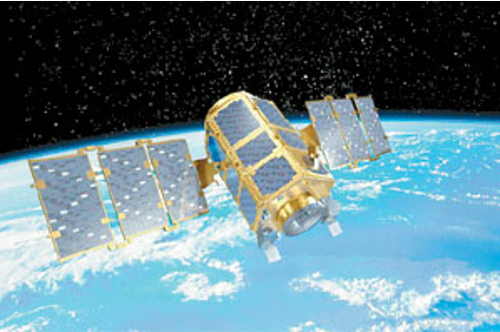
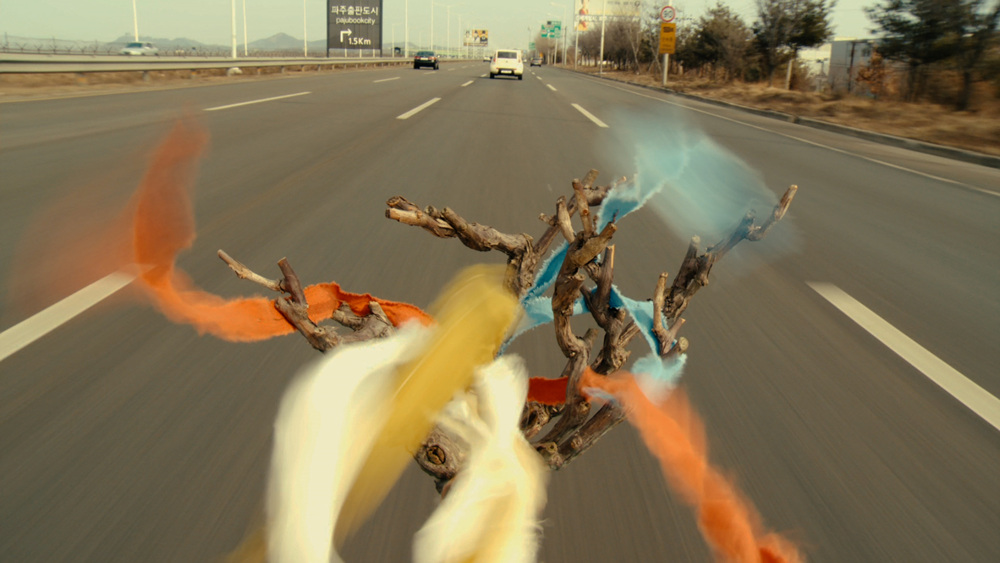
From the mid-2000s, Park began to go beyond the themes of division and the Cold War, reinterpreting the distorted modernization narratives of Korean society through the lens of folk religion and shamanism. Flying (2005) metaphorically connects Korea’s past and present along the flight path of the June 15 Inter-Korean Summit, while Sindoan (2007) explores how sacred folk sites have been suppressed by the modern state. Here, the artist draws attention to the incomplete transition of Korean modernity and the subversive potential inherent in shamanistic traditions.

Since the 2010s, Park’s focus has expanded to include marginalized subjects within folk communities and modern history. Manshin: Ten Thousand Spirits (2014) recounts the life of shaman Kim Keum-hwa, exploring the histories of gendered oppression and communal healing, while Citizen’s Forest (2016) commemorates victims of Korea’s tragic historical events and calls for renewed historical consciousness. These works revolve around a cyclical structure of remembrance–mourning–representation, centering the recovery of human dignity and the scars of history.

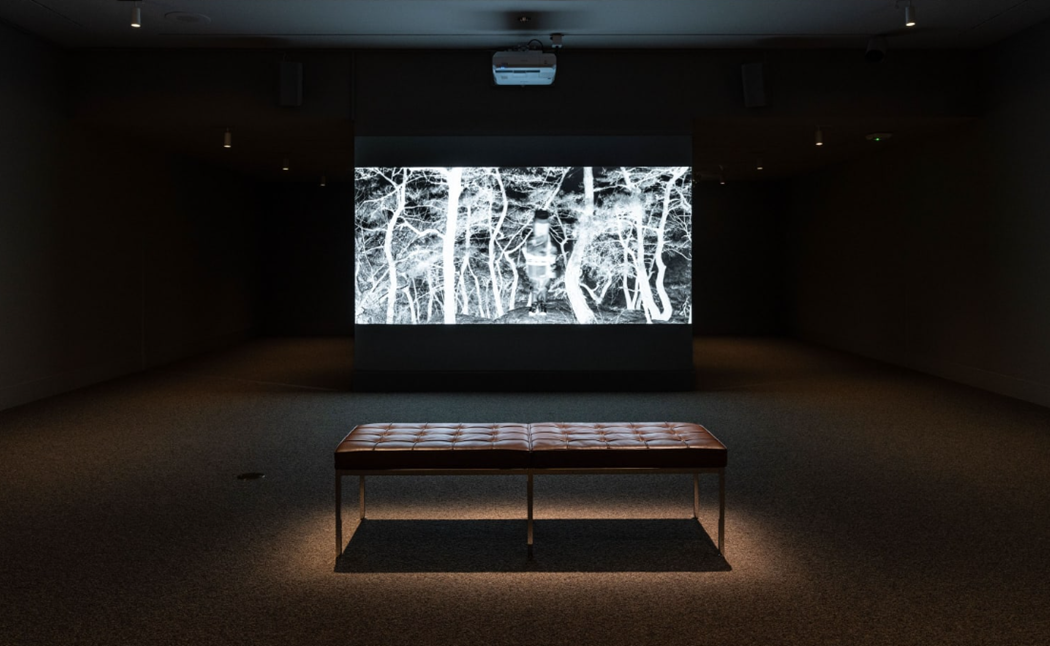
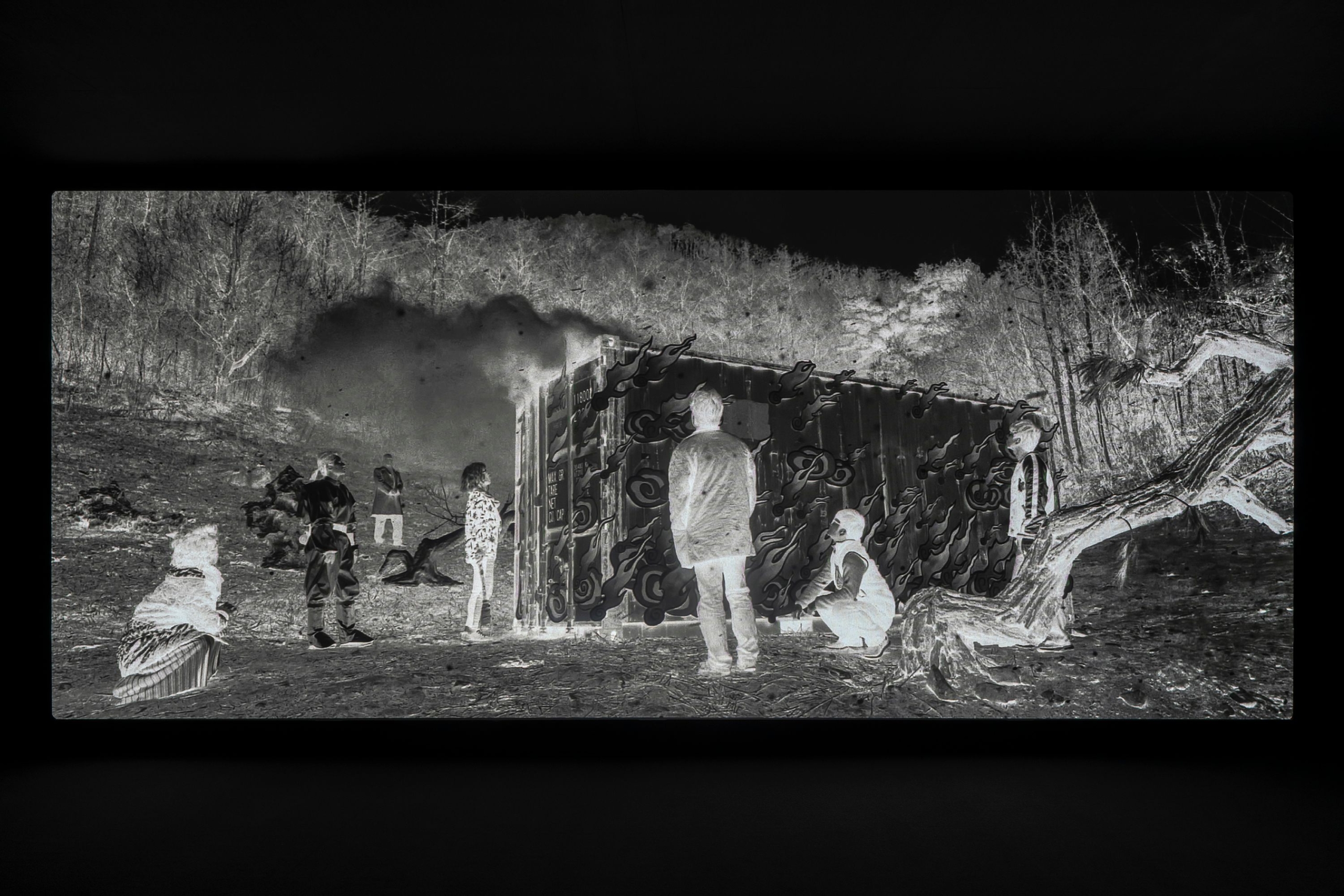
Belated Bosal (2019) weaves together images of contemporary disaster and Buddhist allegory through negative imagery to portray the inner chaos and collapse of values in Korean society today. The work questions whether the ghosts of the past and traditional wisdom can serve as conduits for interpreting contemporary crises. Throughout his practice, Park Chan-kyong has consistently diagnosed the present through the past, reviving the potential of those suppressed or forgotten.

Style & Contents

Park’s early works dismantled and reconstructed the politics and structure of images through photography and slideshow formats. Sets employs a cross-edited slideshow of still images, inducing spatial and temporal disorientation and intervening in the viewer’s cognitive framework. This static sequencing blurs the boundary between reality and fiction and poses a formal inquiry into how national ideologies are visually represented.

From Flying onward, Park transitioned to video as a primary medium, gaining temporal and narrative depth. Works from this period intercut archival footage, documentary images, and newsreels, rearranging the flow of time and reframing historical events. Flying, in particular, paired with Isang Yun’s music, takes on a lyrical yet critical tone, functioning as a “political poem” through the convergence of video and sound.

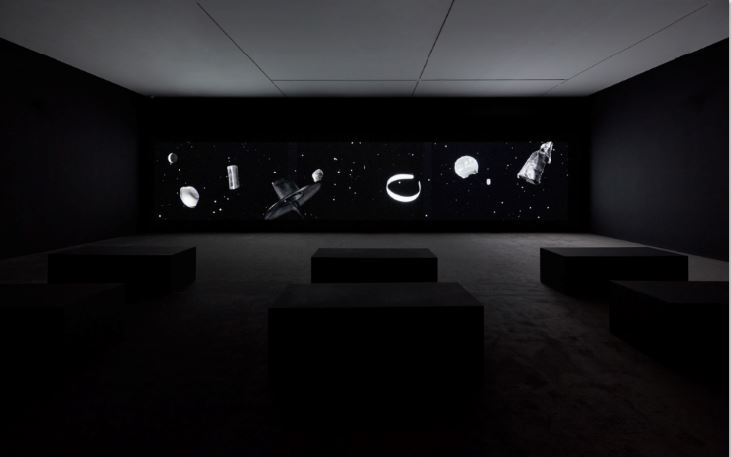
After Sindoan, Park actively incorporated mixed-media exhibition formats, combining video documentary with photography, architectural models, and archival materials. These installations transform exhibitions into ritualistic spaces, allowing viewers to experience historical narratives and mythic structures in tandem. In his solo exhibition 《Sindoan》(Atelier Hermès, 2008), architectural models and video were integrated to weave together spatial historicity and mysticism.

In his more recent work Belated Bosal, Park uses the unique mise-en-scène of negative film to evoke visual anxiety and convey a sense of societal disintegration. The narrative and symbolic images deliberately clash in a fragmented form, and through non-linear visual language, the work embodies the discontinuity and rupture of contemporary life. Park Chan-kyong’s practice thoroughly utilizes the sensorial structures of each medium, consistently pursuing both narrative coherence and formal radicality.

Topography & Continuity

Park Chan-kyong’s practice has consistently revolved around a critical reflection on Korean modern history, the division system, post-colonial conditions, and the distortions of modernization. While his early work focused on the image politics of division and the Cold War, he later reinterpreted shamanism, myth, and tradition to recover the invisible worlds and memories suppressed by national ideology and capitalist modernity. This trajectory dissects Korea’s cultural trauma and seeks to transform it into a resource for communal healing.

In terms of form, his practice spans photography, slideshows, video, documentary, installation, and architectural models, assembling multilayered narrative structures through non-linear editing and immersive media. Especially in his video works, the interplay of sound and visual rhythm elevates his practice beyond mere documentation, transforming it into a mythic narrative with emotional resonance. This formal strategy has been central to both the inner continuity and the outward expansion of Park’s work.

He has presented his works across major institutions and festivals worldwide, establishing himself as a singular figure who traverses both contemporary art and cinema. Large-scale projects such as his solo exhibition 《MMCA Hyundai Motor Series: Park Chan-kyong – Gathering》(National Museum of Modern and Contemporary Art, 2019) affirm his status as a key practitioner in contemporary Korean art. By engaging with themes such as the East Asian division system and postmodern religiosity, Park continues to occupy a significant place within the global critical landscape.

Moving forward, Park is expected to delve further into a more abstract and complex “politics of time” through video-based installations and poetic narrative structures. By expanding his ongoing interests in digital media, mythic storytelling, and post-ideological healing, he will likely offer deeper insights into the emotional disarray of contemporary society. His persistent engagement with Korean historical specificity as a channel for universal inquiry ensures that his work will remain a vital reference point in the global discourse of contemporary art.

Works of Art

Confronts the Present Through the Past

Exhibitions