
Gwangju Story, Two Policemen, September, 30, 1995 - K-ARTIST

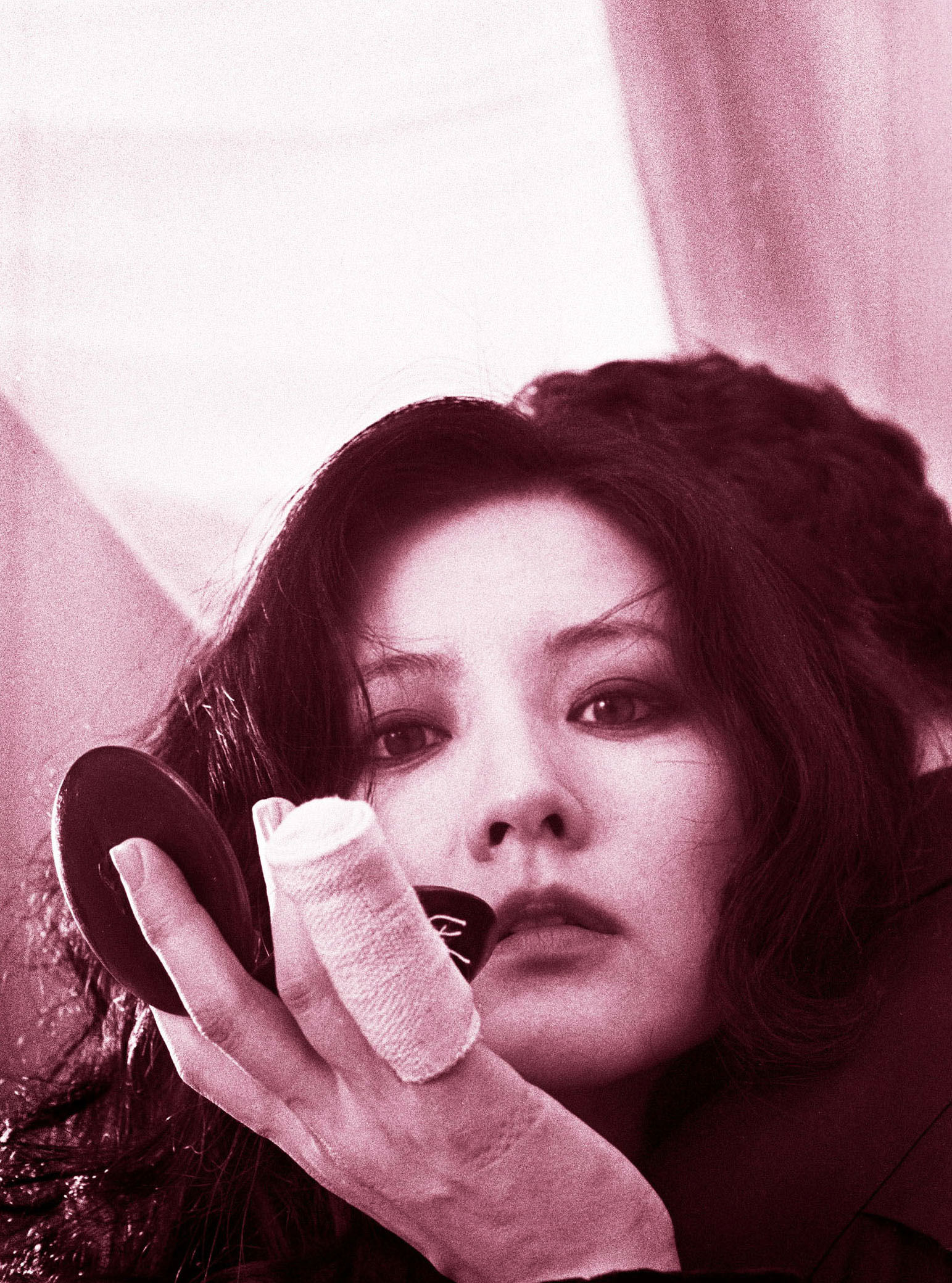
Gwangju Story, Two Policemen, September, 30, 1995

1995
About The Work

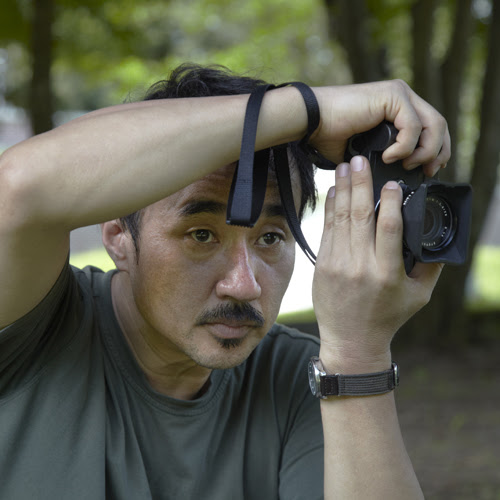
Heinkuhn Oh began his career in 1989 as a documentary photographer, capturing social landscapes on the streets. Since then, he has focused on portraiture, depicting specific types of individuals within Korean society.

Oh describes his work as “typological portrait documentary.” While his photographs may not strictly align with traditional documentary photography, they document various social groups in Korea through portraiture, creating a sort of visual archive. Moreover, his work often explores the common anxieties and emotional instability shared by individuals.

Solo Exhibitions (Brief)

Heinkuhn Oh gained widespread recognition with his solo exhibition “Ajumma” (Art Sonje Center, Seoul, 1999), and has since held numerous solo exhibitions at major institutions, including “Girl’s Act” (Ilmin Museum of Art, Seoul, 2003), “Cosmetic Girls” (Kukje Gallery, Seoul, 2008), and “Middlemen” (Art Sonje Center, Seoul, 2012).

Group Exhibitions (Brief)

Heinkuhn Oh has participated in group exhibitions at institutions such as the Seoul Museum of Art, Walkerhill Museum, Art Sonje Center, and POSCO Gallery. In addition to Korea, he has exhibited in various countries including the United States, Japan, France, Germany, Italy, Taiwan, Norway, and the United Kingdom.

Awards (Selected)

Heinkuhn Oh was selected as the Photographer of the Year at the Dong Gang Photography in 2011.

Collections (Selected)

Heinkuhn Oh’s works are included in the collections of the Seoul Museum of Art, Leeum Museum of Art, National Museum of Modern and Contemporary Art (MMCA), Ilmin Museum of Art, Art Sonje Center, The Hague Museum of Photography, and the Philadelphia Museum of Art.
Works of Art

Portrait of Anxiety Inherent in Korean Society

Originality & Identity

Heinkuhn Oh’s practice began with a focus on marginalized individuals within social landscapes. The 'The Americans Them' series and the 'Itaewon Story' series document people encountered on the streets of the U.S. and Korea, offering a perspective on the overlooked facets of society. His attention to Itaewon—a hybrid space—reveals a sensitivity to layered identities and the unstable nature of place and belonging.

In works such as Gwangju Story, Two Policemen, September 30, 1995 (1995), Oh reenacts the 1980 Gwangju Uprising, exploring how collective memory is psychically constructed and historically fictionalized. Rather than reproducing the past, the work offers a critical reflection on how trauma is represented and remembered.

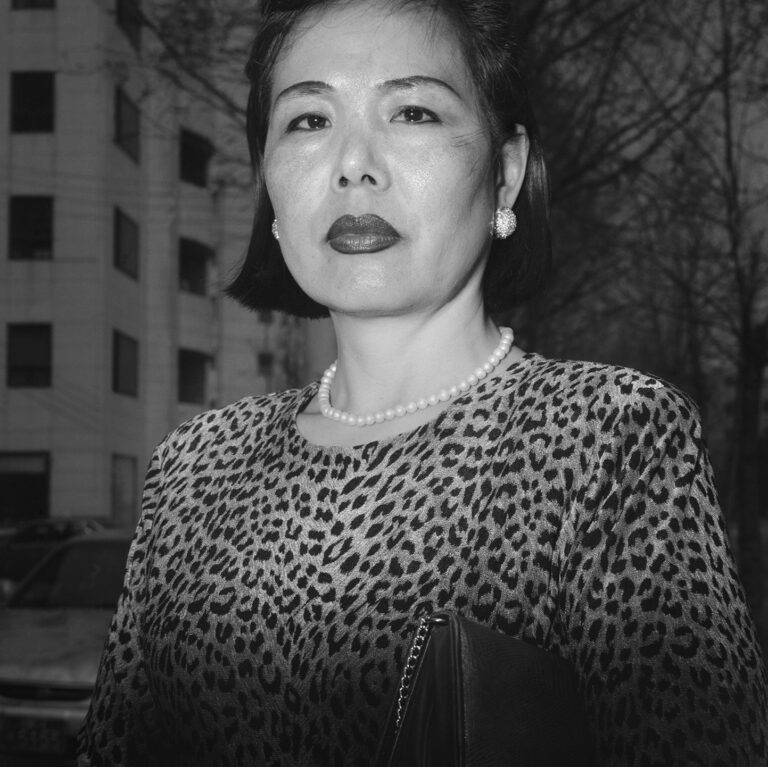
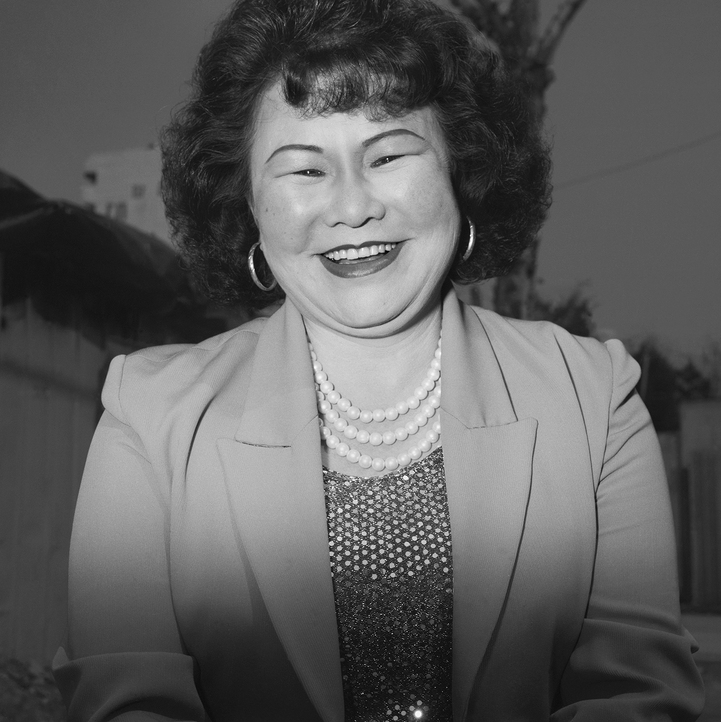
Ajumma Wearing a Pearl Necklace, March 25, 1997 (1997), part of the 20-piece 'Ajumma' series, visualizes middle-aged women previously confined to familial roles, thereby exposing Korea’s deeply rooted gender hierarchy. By focusing on the socially marginalized yet omnipresent figure of the “ajumma”—a colloquial and often pejorative term—Oh examines the implicit hierarchies and emotional resonances tied to this social category. The unstable identity and sense of isolation shown in 《Ajumma》(Art Sonje Center, 1999) became a central emotional thread in his subsequent work.

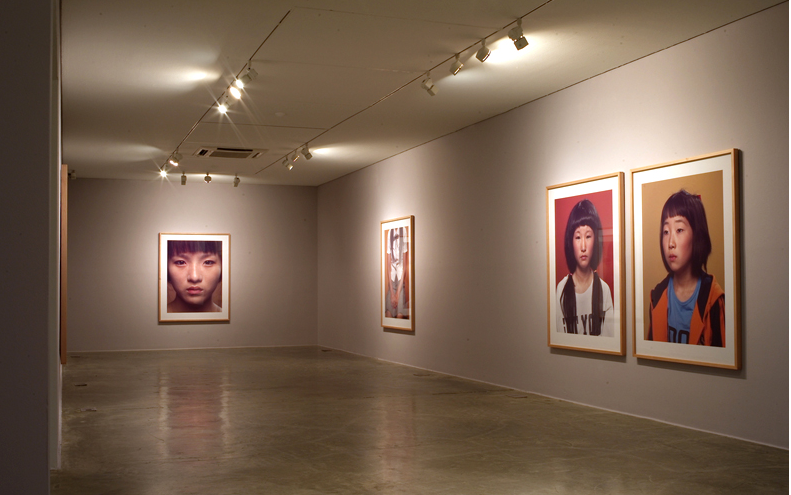
This interest extended into teenage femininity in the 'Girl’s Act' series and the 'Cosmetic Girls' series, in which Oh interrogates how Korean society constructs and recycles symbolic images of girlhood. These portraits are not of actual individuals but of social archetypes shaped by ideology. Oh constructs these “faces of society” at the boundary of fiction and reality.

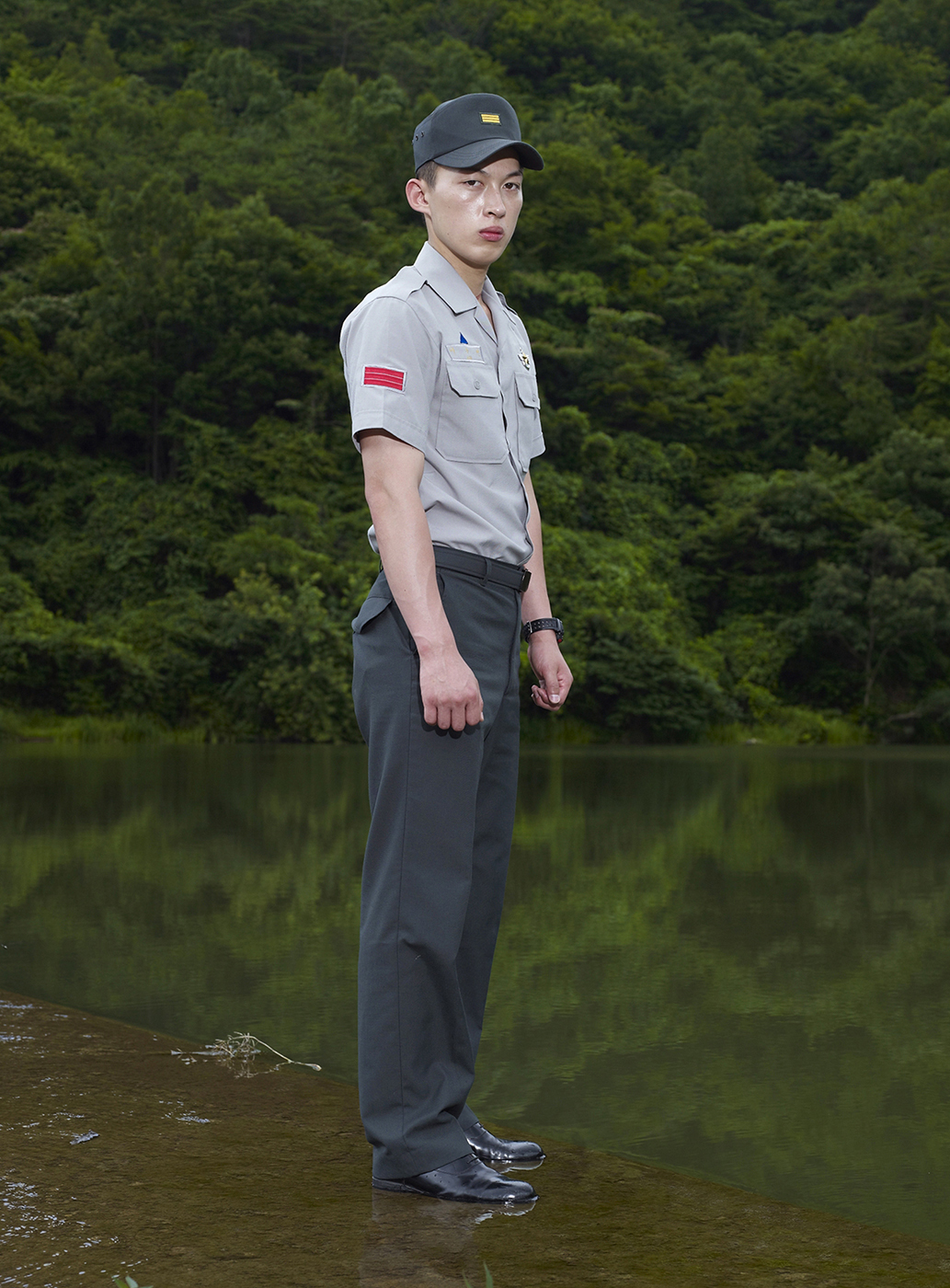
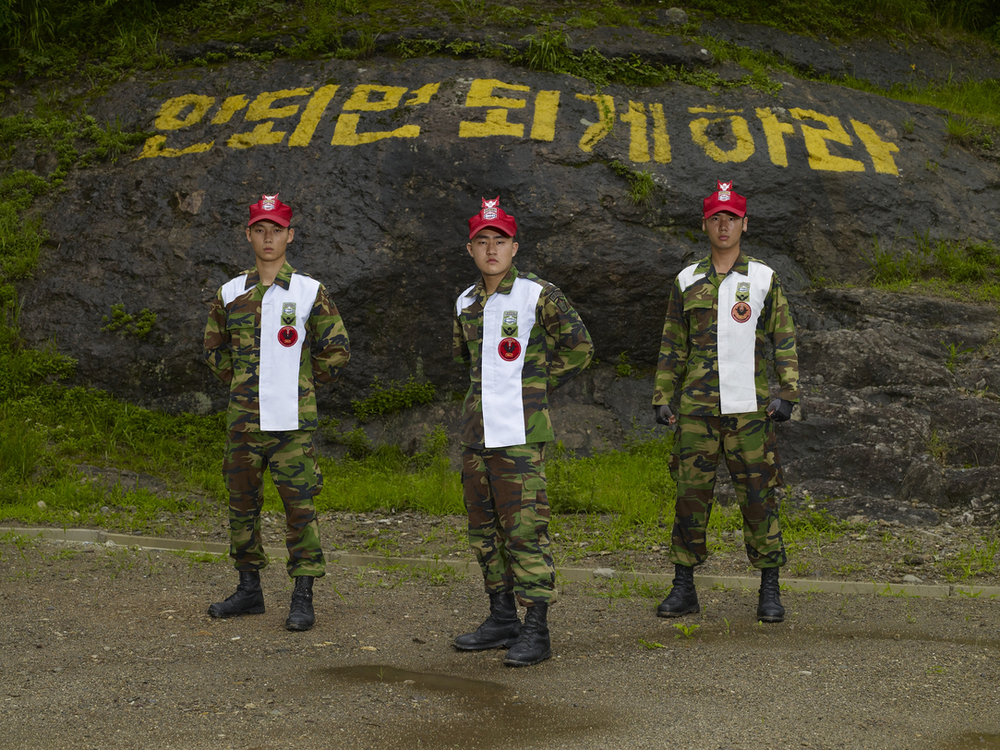
This trajectory continues through the 'Middlemen' series, which depicts Korean soldiers, and expands further in the 'Portraying Anxiety' series, which addresses social anxiety beyond specific age or gender categories. Oh’s work is not merely about representing marginalized groups; it takes on the paradoxical task of visualizing presence through absence. His portraits become psychological indicators of the collective anxiety permeating contemporary Korean society.

Style & Contents

Heinkuhn Oh employs a documentary framework while actively incorporating staging and direction. In his early black-and-white photographs, street-captured subjects dominate; however, in the 'Gwangju Story' series, reenacted on a film set with actors and citizens, the blending of documentary and fiction injects theatricality into the supposedly factual. This blurring generates a new form of constructed realism.

The 'Ajumma' series exemplifies his staged portraiture. Each subject stares directly into the camera, evoking the format of ID or commemorative photos. A strong flash isolates the face while subduing the background and lower body, flattening the composition and creating a sense of detachment. The figures appear severed from their everyday environments, prompting viewers to confront a face that is at once familiar and estranged.

Rather than simply photographing middle-aged women, Oh collects and classifies visual markers—makeup, accessories, clothing textures, and skin details—that constitute the social signifiers of the ajumma. Within the formal frame of portraiture, he operates as both visual taxonomist and physiognomist, analyzing how identity is codified and perceived.

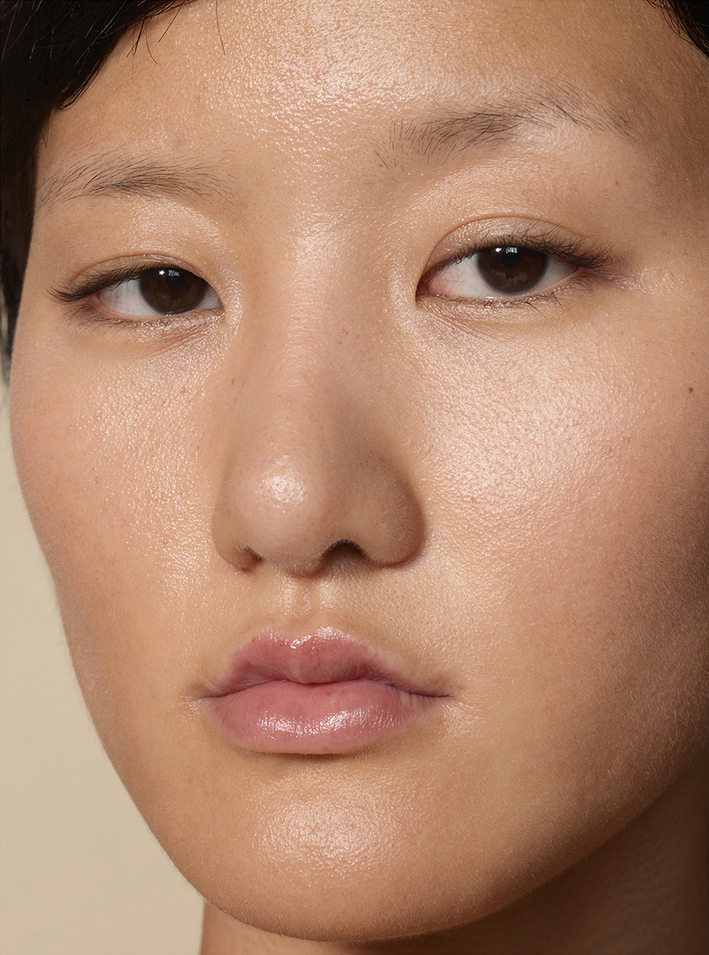
In the 'Girl’s Act' series, acting students are directed to perform stereotypical expressions and gestures associated with girlhood, constructing not portraits of real people but surfaces shaped by social projection. Here, photography becomes a site of symbolic manipulation. In the 'Cosmetic Girls' series, large-format prints expose every pore and trace of peach fuzz, confronting viewers with the subjects’ psychological insecurities and societal desires. The 'Middlemen' series captures conscripted soldiers inside the hyper-regulated institution of the military, revealing the tension and dissonance between collective obligation and personal identity.

Topography & Continuity

Since the 1990s, Heinkuhn Oh has consistently focused on individuals marginalized or situated at the edges of Korean society. His portraiture achieves a unique clarity in visualizing the emotional structures and social codes embedded in contemporary life. From the emotional instability of middle-aged women in the 'Ajumma' series, to the symbolic girlhood of the 'Girl’s Act' series, to the constrained masculinity in the 'Middlemen' series, Oh’s work goes beyond documentation to become a visual system for rendering collective affect.

His staging has grown increasingly refined, leading critics to describe his practice as a genre of “typological portrait documentary,” situated between documentary and fiction. In exhibitions like 《Cosmetic Girls》(Kukje Gallery, 2008) and 《Middlemen》(Art Sonje Center, 2012), Oh dismantles the emotional conventions expected of portrait photography, instead using its structural gaps to pursue a new kind of social realism that exposes the psychological fissures of the time.

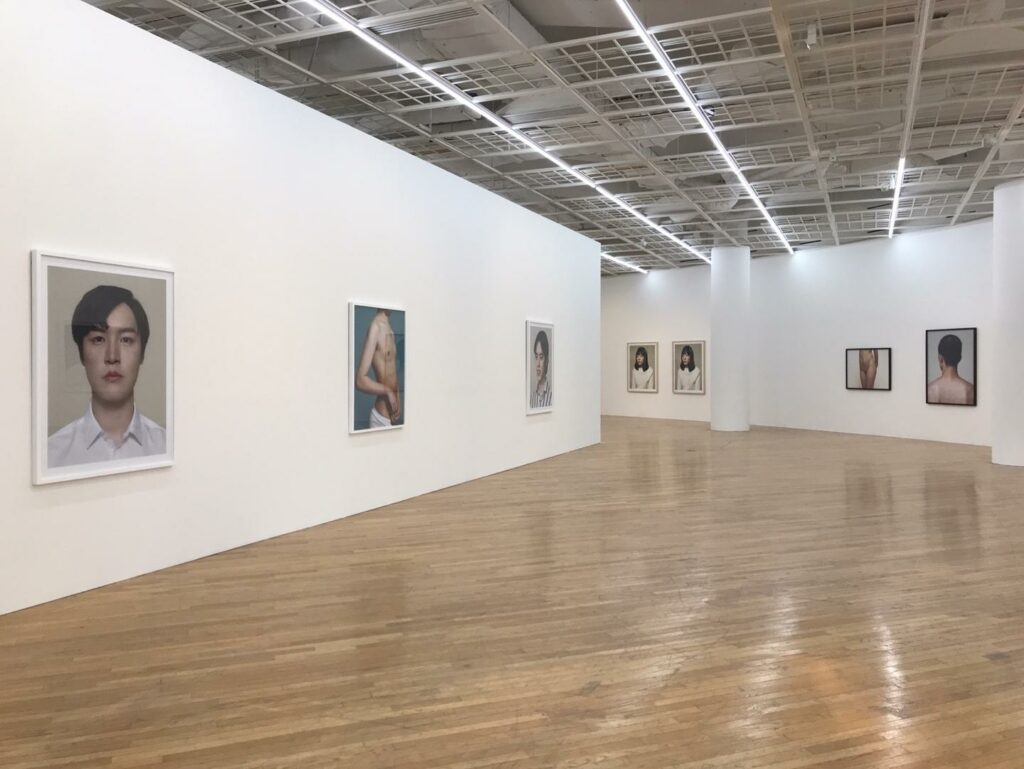
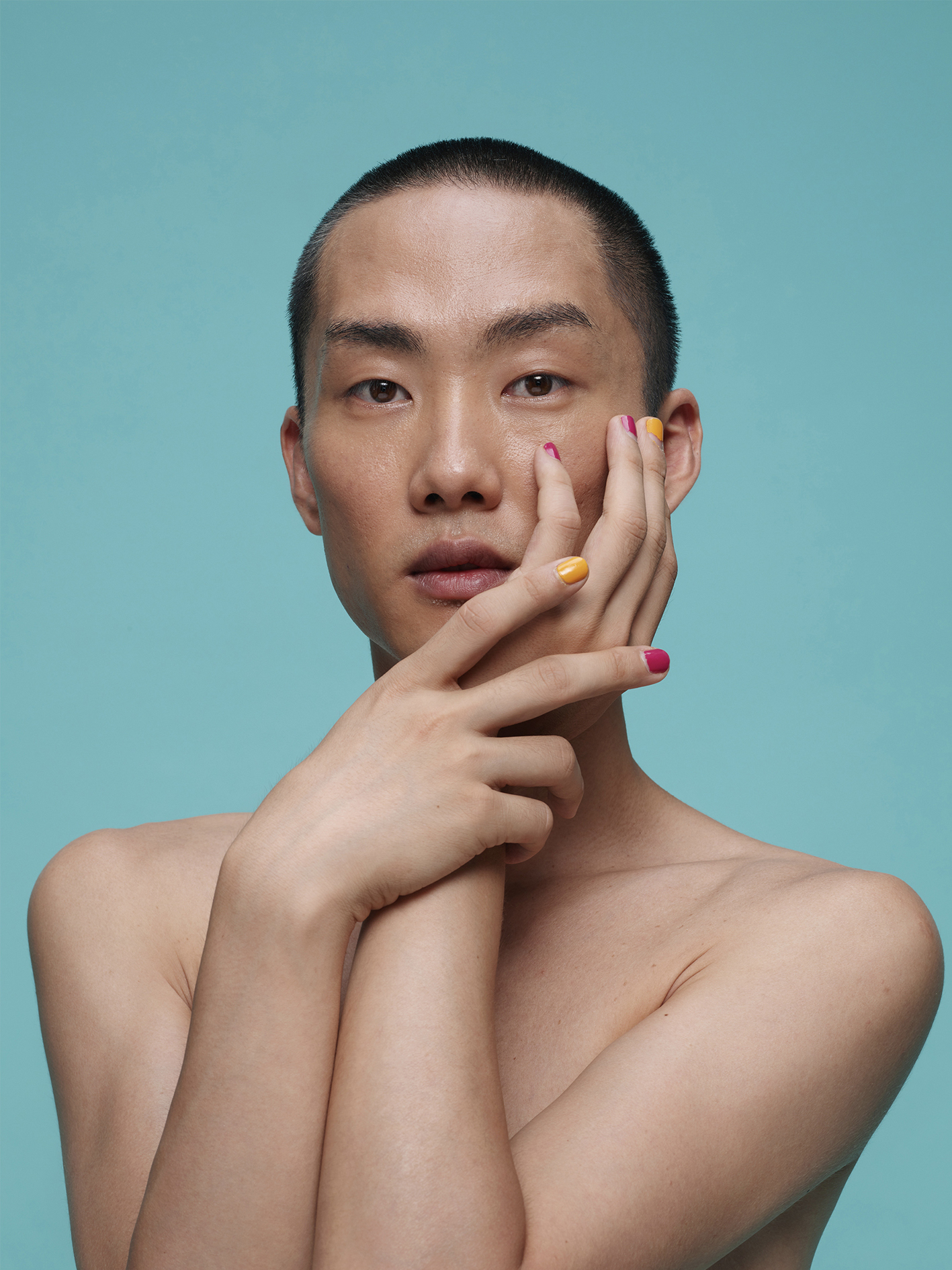
In 《Left Face》(Art Sonje Center, 2022), which features his ongoing 'Left Face' series, Oh presents portraits of undefined young individuals. No longer categorized by gender or age, these subjects reflect a diffuse and unnameable social anxiety, marking a shift from typological representation to the visualization of ambient affect.

Oh’s work is expected to continue investigating the sensory and structural symptoms that lie beneath the surface of contemporary Korean society. His approach to photography—as a tool for diagnosing collective unease, generational ambiguity, and deconstructed identity—offers a compelling model for how photographic practice can engage with emotional and social realities today.

Works of Art

Portrait of Anxiety Inherent in Korean Society

Articles

Exhibitions