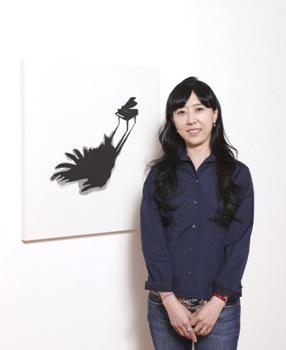
Yoon Young
Park’s practice begins by blurring the boundaries between brutal real-world
incidents and personal experiences, persistently questioning and dismantling
the truthfulness of what we consider “facts.” In works such
as Pickton Lake (2005), the artist explores real
serial murder cases, uncovering hidden emotions and narratives buried beneath
official reports and records. These events, when filtered through Park’s
imagination, form multilayered stories that reveal a tense interplay between
reality and fiction.
Park is
particularly drawn to forgotten or marginalized places, people, and
inexplicable incidents, often sparked by a sense of curiosity.
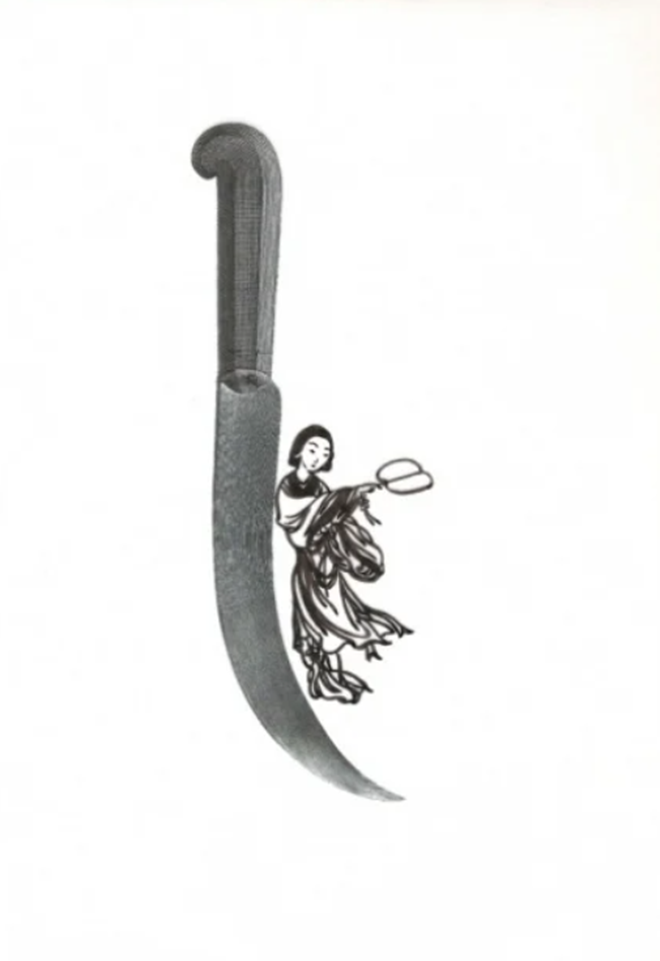
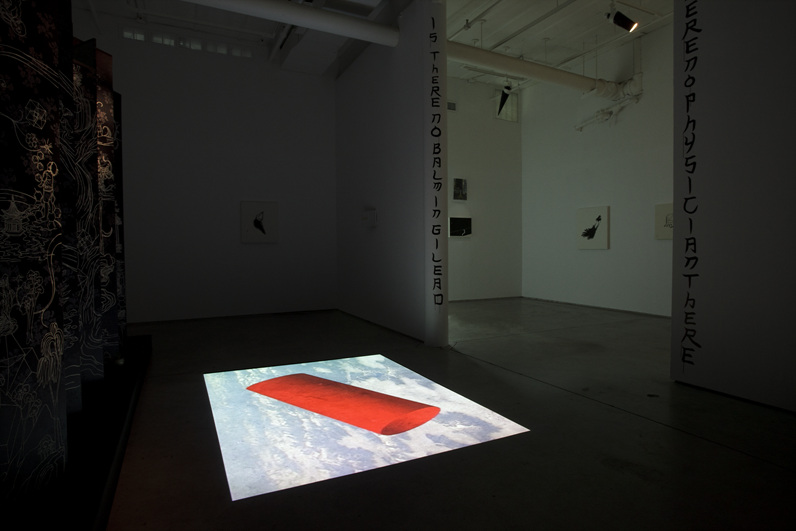
In Sleep Walking on Pad (2004), for instance, she
links an idealized depiction of menstruation in a television commercial to a
parody of the traditional painting Mongyu Dowondo (Dream Journey to the Peach
Blossom Land), thereby critiquing utopian illusions embedded within everyday
life. Through such approaches, she deconstructs social myths and media
representations, reconfiguring them with a grounded and critical perspective.
In her
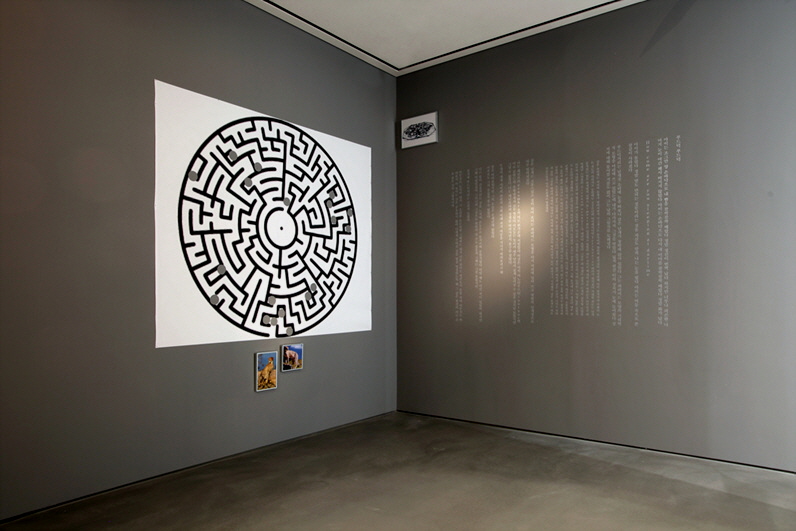
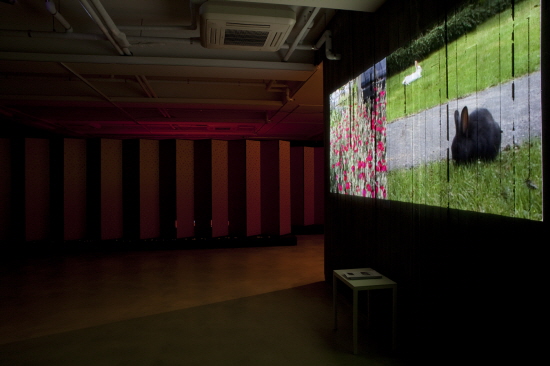
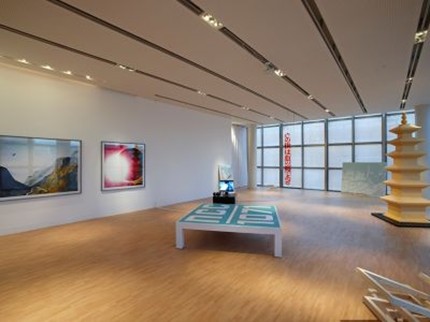
solo exhibition 《Ixtlan Stop》(Arario Gallery, 2007), Park imagines a fictional place called
“Ixtlan” as a site where tragic events in the world could be healed. This
conceptual space allows her to explore an alternative narrative structure, one
that transcends trauma and reclaims the possibility of existence beyond
re-enactment. Her poetic imagination expands in these works, not by denying
reality, but by attempting to transform it.
In a more
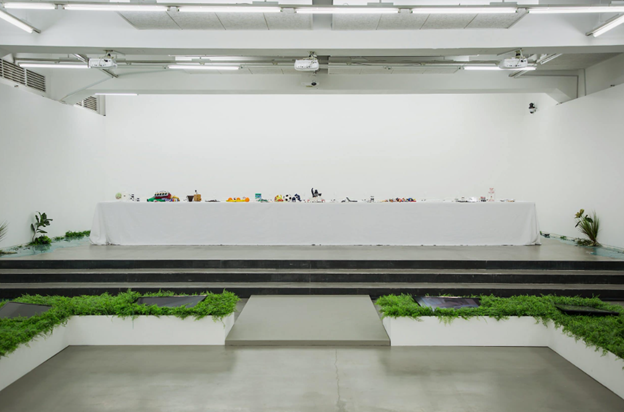
recent solo exhibition, 《YOU, Live!:
Twelve-Door Handles》(Ilmin Museum of Art, 2019), Park
juxtaposes large-scale contemporary disasters—such as Chernobyl, Fukushima, and
the invasion of Libya—with the personal symbolism of “door handles.” Through
overlapping fragments of time, space, and memory, she leads viewers away from
linear cause-and-effect storytelling and into nonlinear, poetic speculation.