Abstract Verb – Can you remember - K-ARTIST

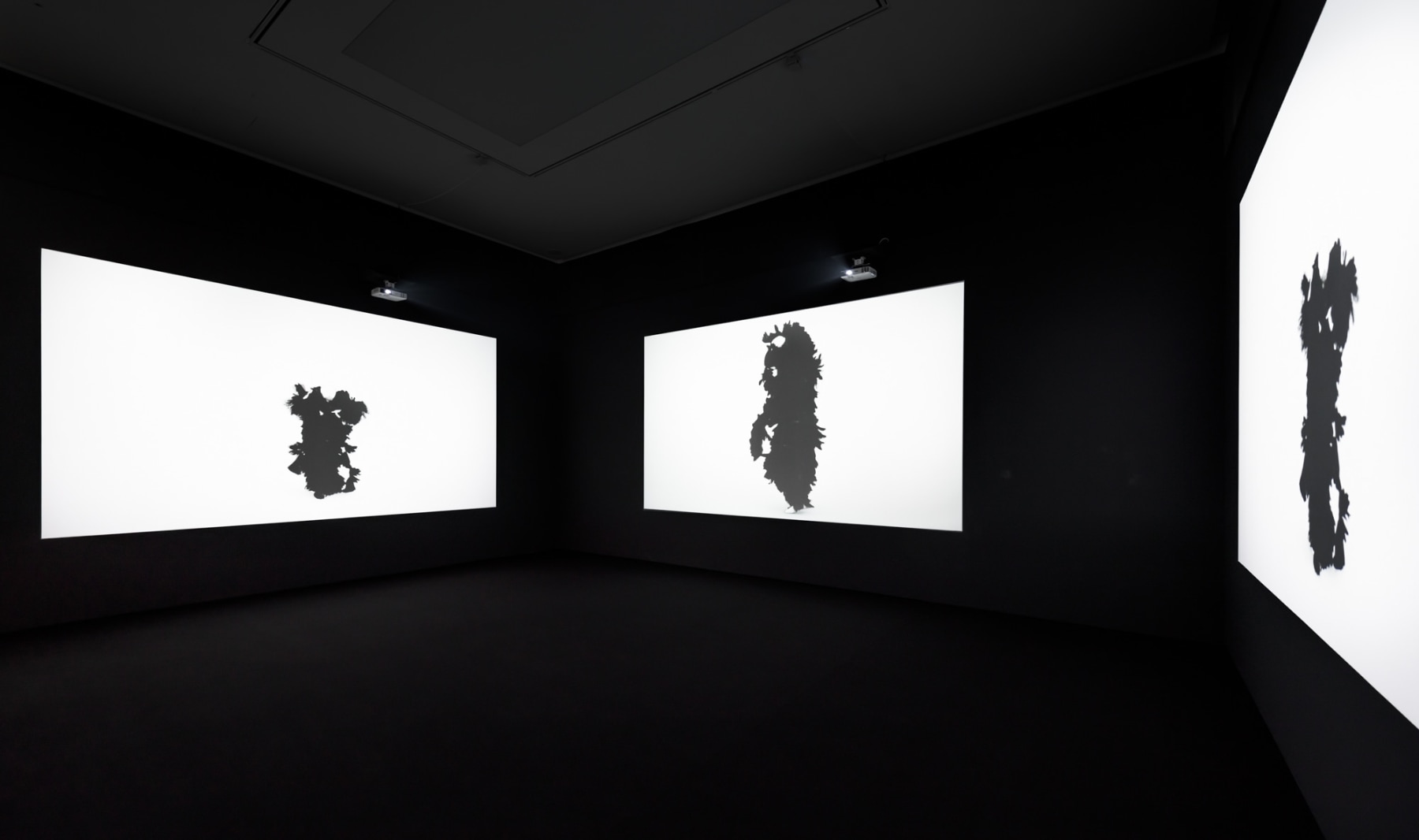
Abstract Verb – Can you remember

2016
4-channel video
6 min 37 sec
About The Work

Bae Young-whan has lived through significant periods of upheaval in Korean society, such as the democratization movements of the 1980s and the IMF financial crisis in 1997. His art reflects themes of nihilism prevalent in those times, as well as stories of individuals marginalized by society.

Bae Young-whan has visualized abstract concepts such as personal anxiety and societal shifts, using art as a medium for reflection and empathy. Though he has often addressed societal issues, his primary focus lies not on political systems or mechanisms, but on the ordinary individuals navigating their way through these structures, uncovering the lived experiences of those often overlooked.

Solo Exhibitions (Brief)

Bae Young-whan has held solo exhibitions at various spaces including BB&M Gallery(2024), BOONTHESHOP Project Space(2017), PKM Gallery, Platform-L Contemporary Art Center(2016), Samsung Museum of Art (now Leeum Museum of Art, 2012), Art Sonje Center(2009), and Kumho Museum of Art(1999).

Group Exhibitions (Brief)

Bae Young-whan has participated in numerous group exhibitions at institutions including BB&M Gallery, Seoul Museum of Art, Gyeonggi Museum of Modern Art, Gyeongnam Art Museum, Arko Art Center, Alternative Space Pool, National Museum of Modern and Contemporary Art, Kimchungup Architecture Museum, and Daejeon Museum of Art. He has also participated in various international biennials, including Gwangju Biennale, Sharjah Biennial, and Venice Biennale.

Awards (Selected)

He is the recipient of the Grand Prize, Korea Public Design Award (2015) and Today’s Young Artist Award (2004), both from the Ministry of Culture, Korea; and Gwangju Biennale Site Award (2002). He was a finalist for the APB Signature Art Prize (2018) and Hermès Foundation Missulsang (2007).

Collections (Selected)

Bae Young-whan’s works are included in the collections of the National Museum of Modern and Contemporary Art, Gwacheon, Leeum Museum of Art, Gyeonggi Museum of Modern Art, Art Sonje Center, Kumho Museum of Art, May 18th Memorial Foundation in Gwangju, and Mori Art Museum in Tokyo.
Works of Art

Comfort and Empathy from Everyday Materials

Originality & Identity

Bae Young-whan has traversed the democratization movements of the 1980s and the IMF financial crisis of 1997, channeling into his art the nihilism that pervaded society and the narratives of those marginalized from it. His early ‘Pop Song’ series—particularly Pop Song 2 – Forget Me Not(1999)—recorded lyrics from popular songs of the 1980s and 1990s onto humble materials such as pills, cotton, and shards of broken liquor bottles, metaphorically capturing the sensibilities and emotions of the era. This was a practice of elevating the language of popular culture into art, conveying both the pain and the solace of real, lived experience.

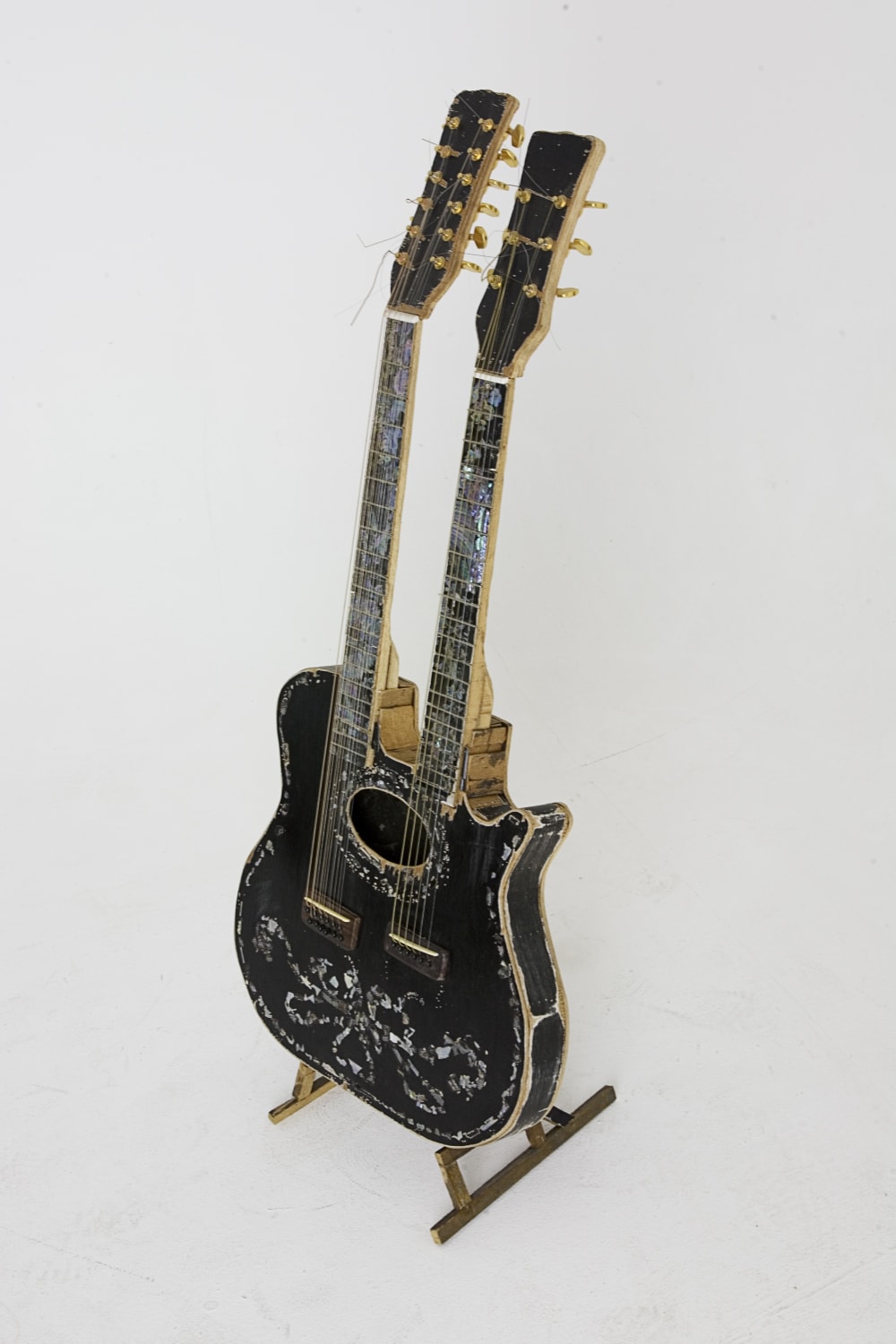
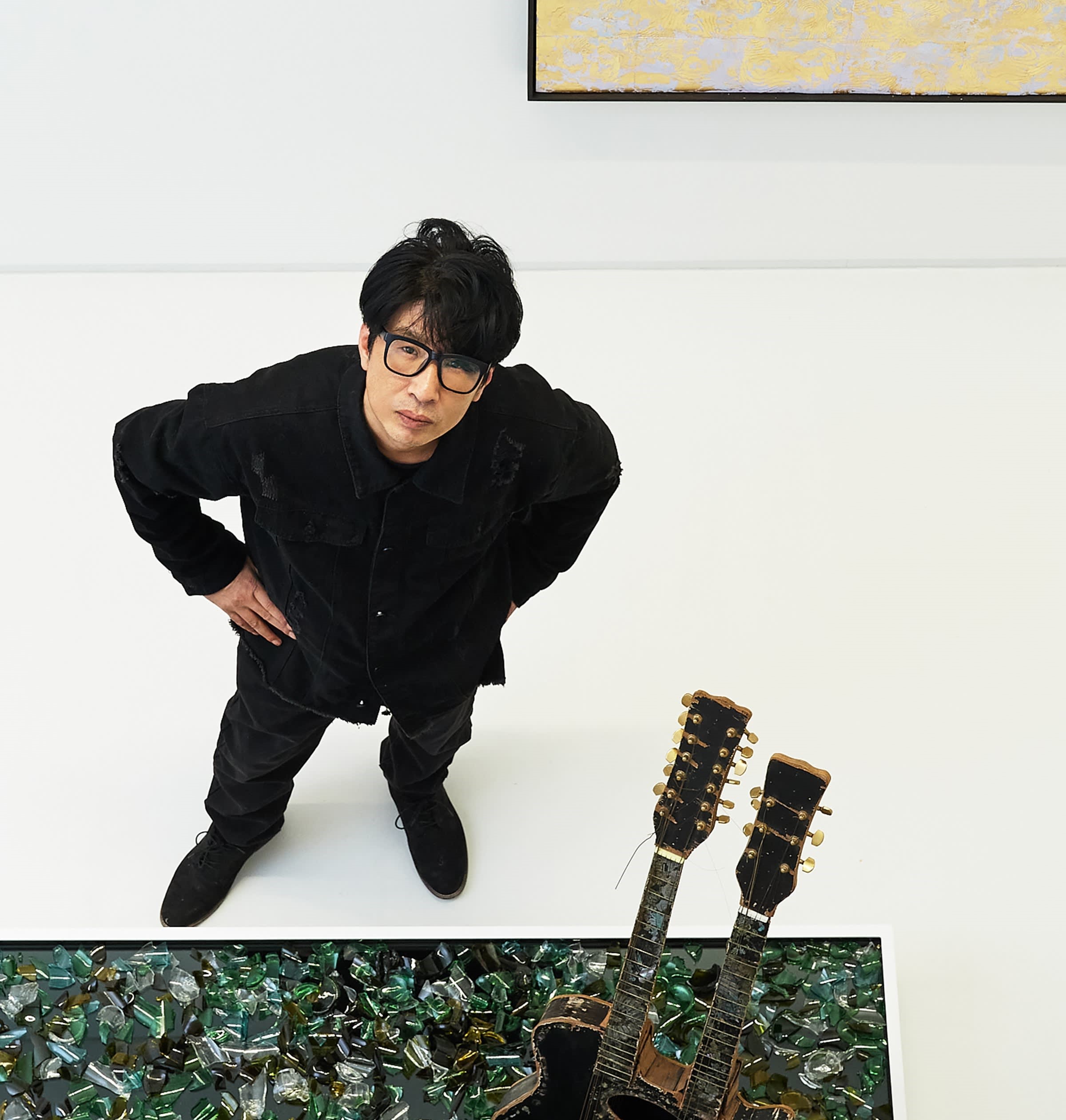
In the mid-2000s, The Way of Man – Perfect Love(2005) transformed discarded mother-of-pearl cabinets into acoustic guitars—the once-symbolic instruments of youth, romance, and resistance in the 1970s and 1980s—imbuing them with reflections on masculinity and offering consolation to those silenced over time. This approach intersected personal memories with collective identities, performing both a mourning for and restoration of what had been lost.

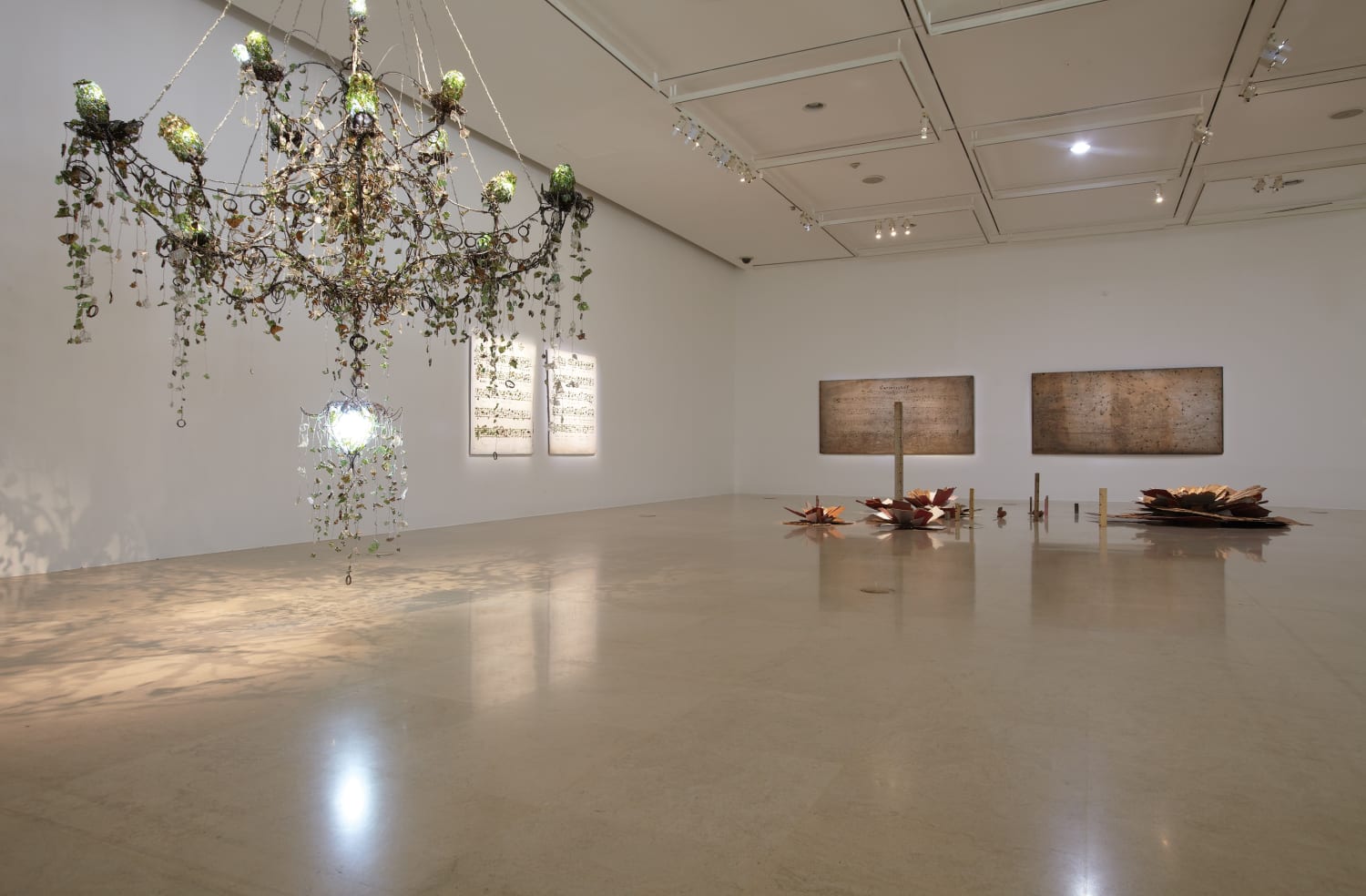
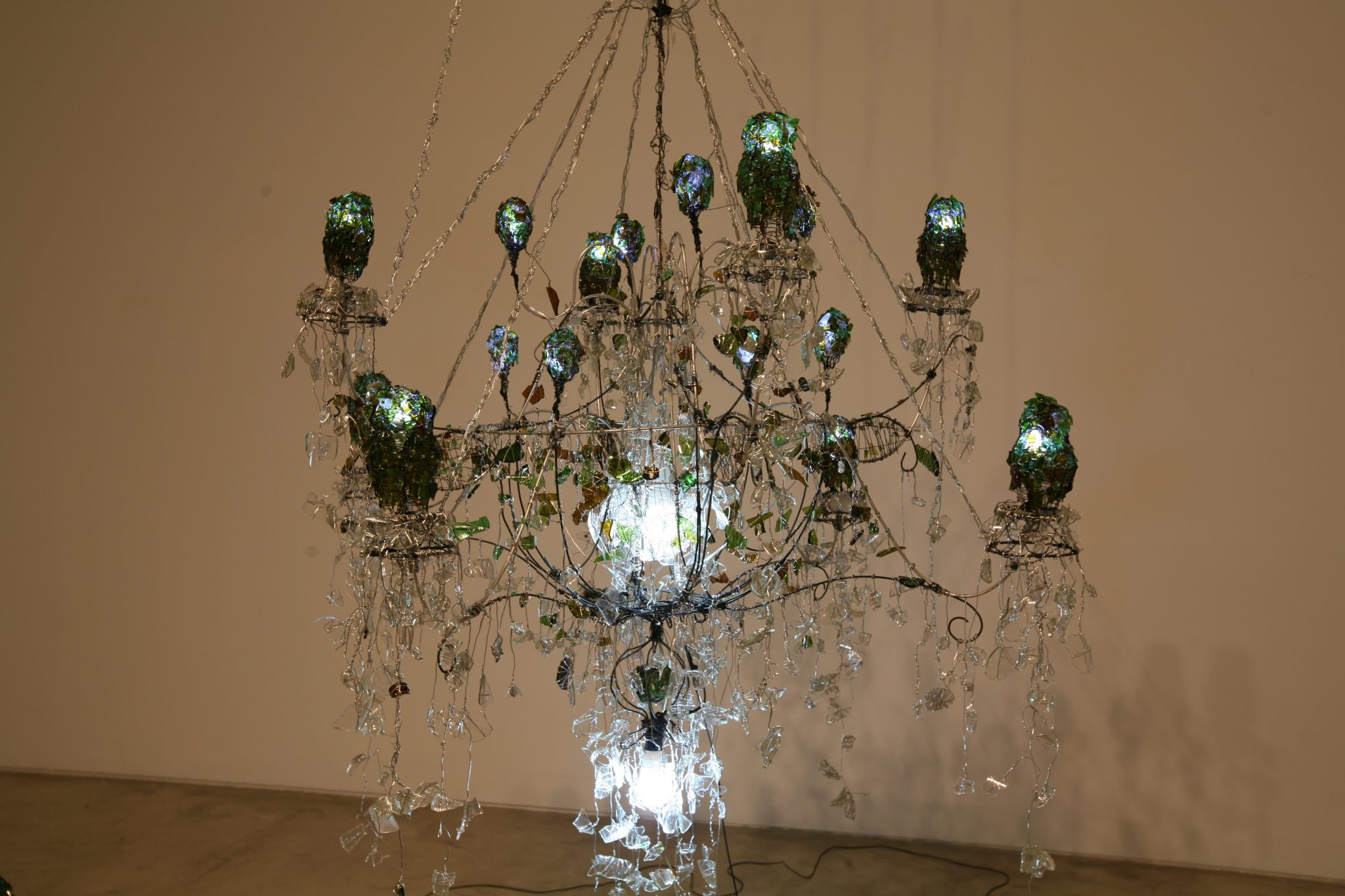
In 2008, Luxurious Miserable Insomnia(2008) visualized insomnia—a psychological symptom of contemporary life—through the symbolic image of a chandelier adorned with green owls. By combining the contradictory notions of “luxury” and “misery,” the work exposed the psychological fissures of Korean society and positioned anxious, sleepless individuals as subjects of empathy and comfort.

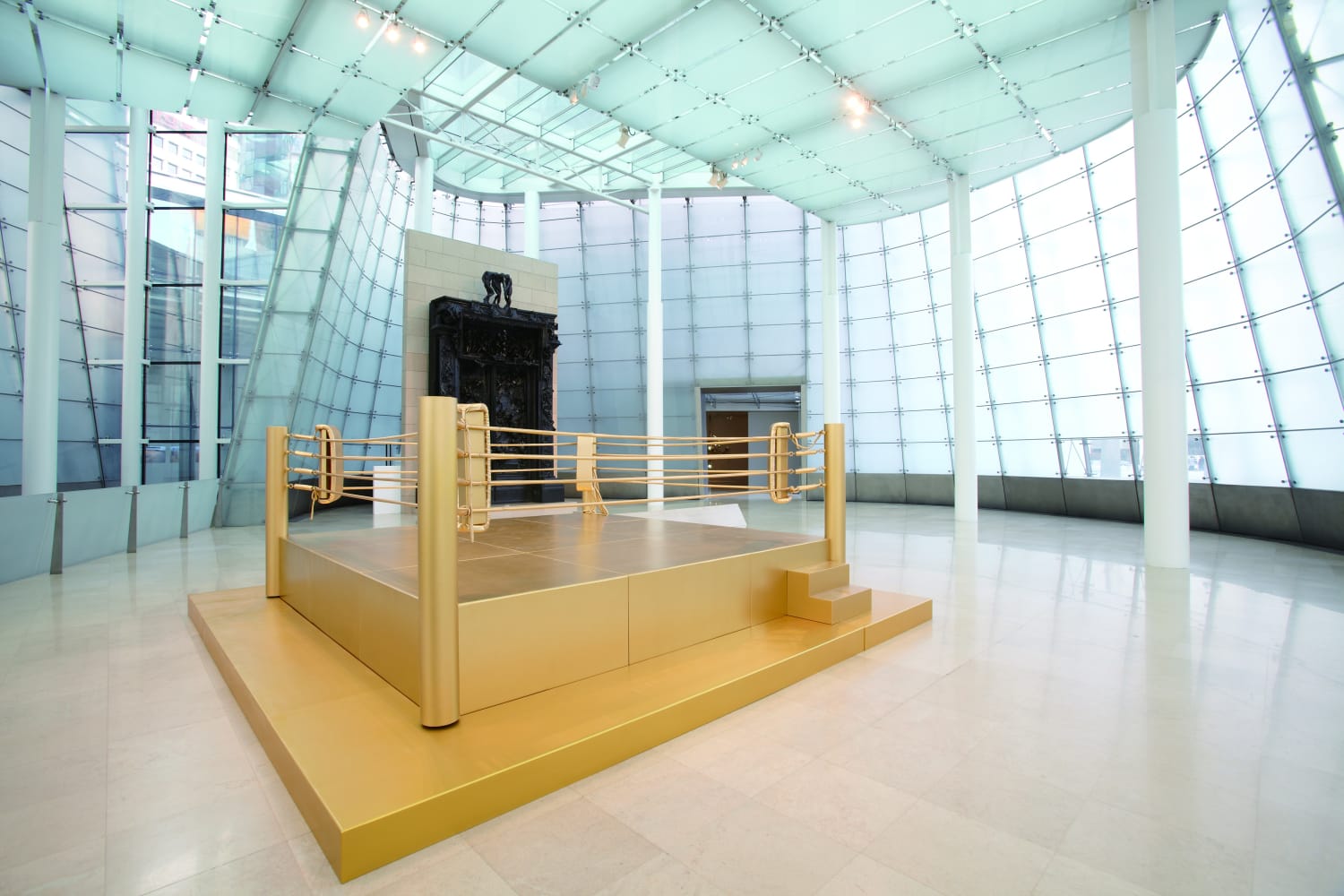
In his 2012 solo exhibition 《Pop Song, Song for Nobody》(PLATEAU, Samsung Museum of Art), Golden Ring – A Beautiful Hell(2012) metaphorically fused “gold,” a symbol of capitalism, and the “ring” of a boxing match to represent a society locked in perpetual competition. This marked a step beyond the personal narratives of earlier works, confronting the structural realities of urban life.

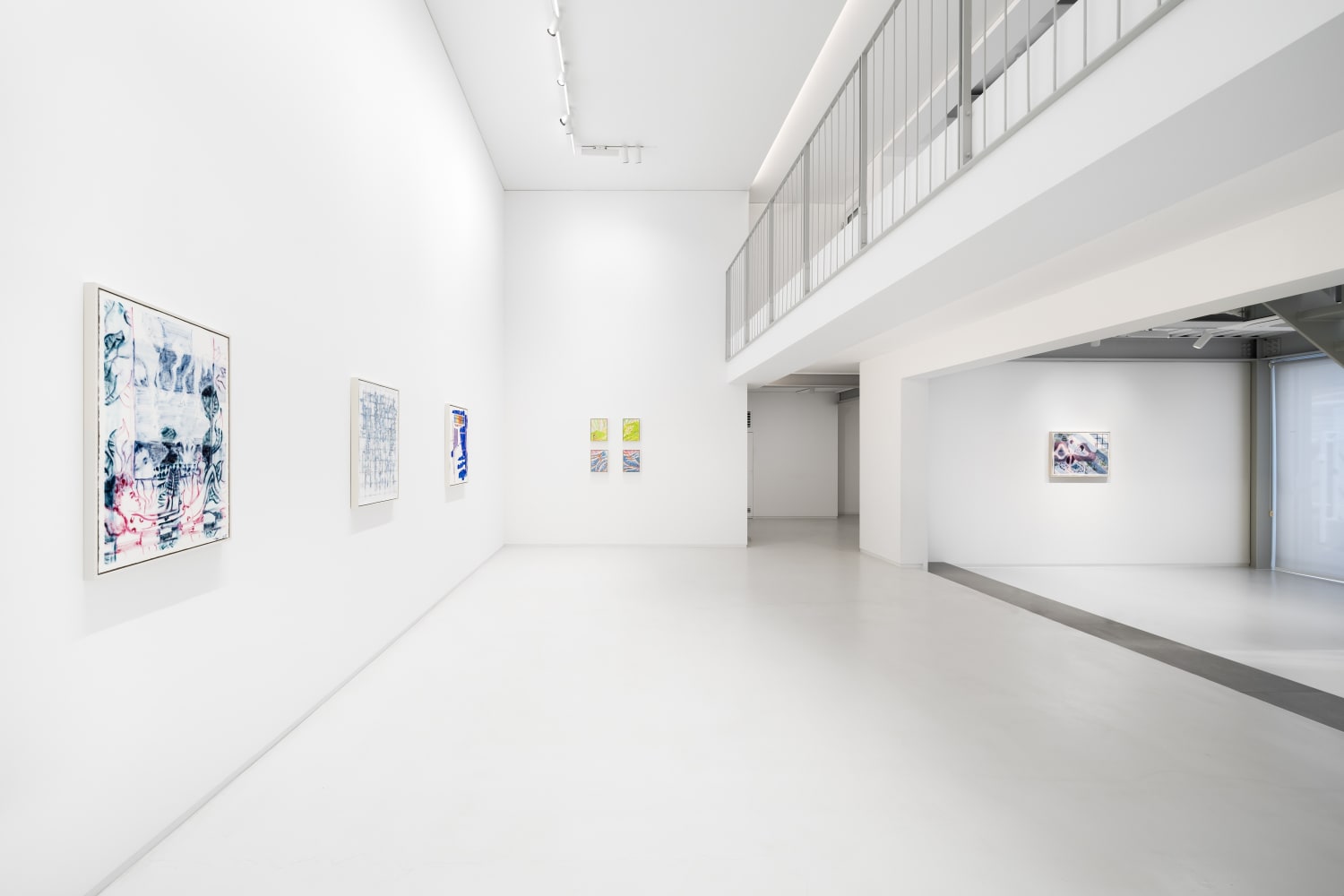
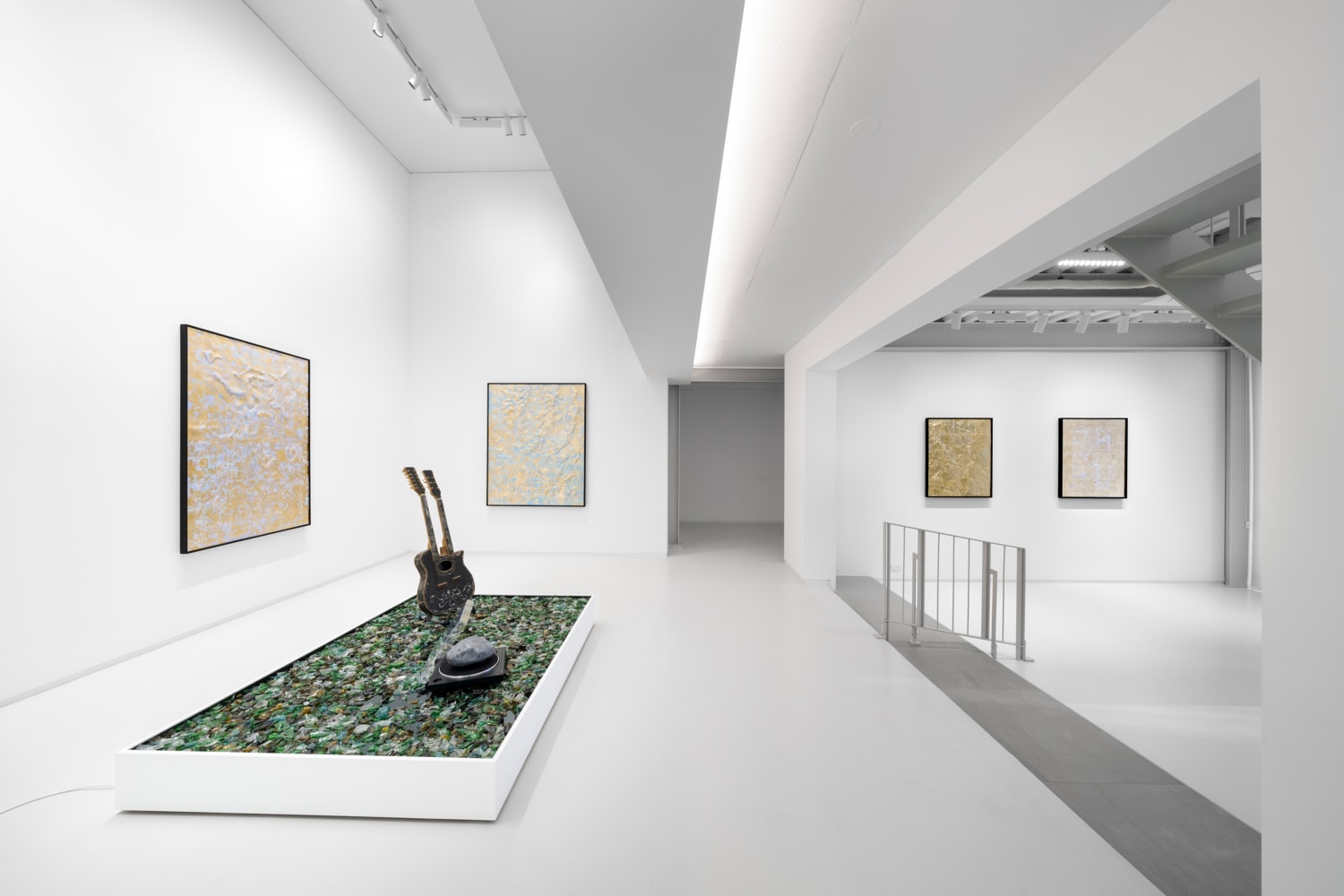
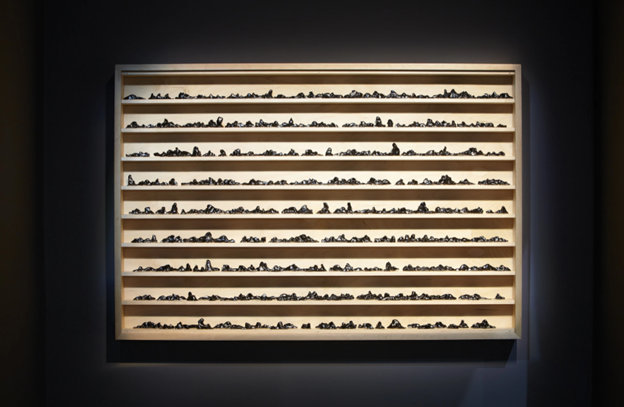
Most recently, in his BB&M Gallery solo exhibition, the ‘Mindscapes’ series(2024) visualized EEG data collected as the artist played songs by Pink Floyd, Neil Young, and David Bowie—music he first encountered in his youth. Whereas the early ‘Pop Song’ series explored collective social sensibilities, ‘Mindscapes’ connects music, memory, and inner imagery to investigate the psychological terrain of the individual.

Style & Contents

From the outset, Bae’s work has consistently employed everyday materials as its medium. In early series like ‘Pop Song’, he visualized popular song lyrics using non-artistic, low-grade materials such as shards of liquor bottles, cotton, and pills. This rejected the hierarchy of high art and forged a sculptural language that audiences could grasp immediately.

In the ‘Way of Man’ series, he dismantled mother-of-pearl cabinets collected from residential neighborhoods and reassembled them into functioning guitars using traditional construction techniques. This process transformed the social and emotional significance of discarded materials through new contextualization.

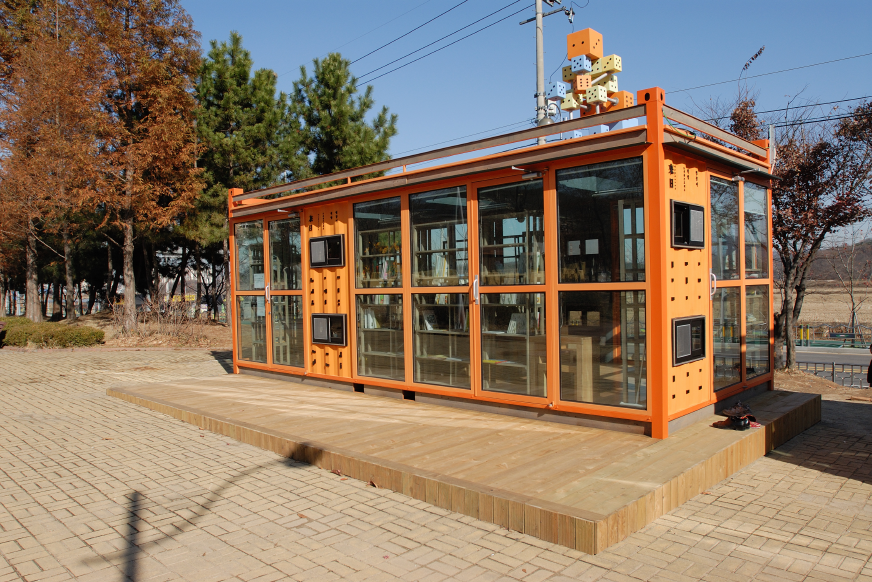
His public art projects combined practical functionality with participatory engagement. The Homeless Project: On the Street(2001) distributed booklets containing essential information for homeless individuals, while Library Project – Tomorrow(2009) created mobile libraries from containers and modules, installed in culturally underserved areas. In these works, social utility and communal experience were prioritized over the aesthetic value of the installations.

In recent years, the ‘Mindscapes’ series has converted EEG data into three-dimensional reliefs layered with translucent paint and gold-leafed ridges. Moving beyond a focus on physical and social objects, Bae has expanded his medium into the immaterial realm of data and mental imagery, fusing technology with artisanal craft.

Topography & Continuity

Bae Young-whan is a representative figure of the “post-minjung” generation, maintaining a distinctive artistic vision that captures the emotions and psychology of Korean society through vernacular and everyday materials. His work moves fluidly between the boundaries of high art and popular culture, formal experimentation and social engagement, consistently exploring art’s potential as a tool for comfort and healing.

The Pop Song series of the late 1990s, which used popular song lyrics as vessels of social memory, evolved in the 2000s into material and memory recontextualizations such as the Way of Man series, and into public art projects that tested the tangible social functions of art. In the recent Mindscapes, inner mental landscapes are visualized through the integration of data, expanding from the collective sensibilities of earlier works toward the psychological and emotional landscapes of the individual.

His position in contemporary Korean art is that of an artist who unites accessibility, experimentation, and social practice—a status recognized by major domestic and international museums and biennales. His method of blending material detritus, popular culture, and technology-based formal language is regarded as a viable sculptural strategy within a global context.

By bridging social themes and personal introspection, and combining material media with immaterial data, local culture with universal symbolic language, Bae’s evolving practice begins in a specifically Korean sensibility yet reaches for universal empathy. Through such an approach, he is poised to sustain and expand his influence across international biennales and diverse art platforms worldwide.

Works of Art

Comfort and Empathy from Everyday Materials

Articles

Exhibitions